-
Duration 16 Days
-
Difficulty Moderate
-
Max Elevation Lo La Pass 3,950m
-
Group Size 2-10 Person
-
Accommodation Tea House or Lodge
-
Start/End Kathmandu to Kathmandu
-
Destination Upper Mustang
-
Best Season March-May and September-November
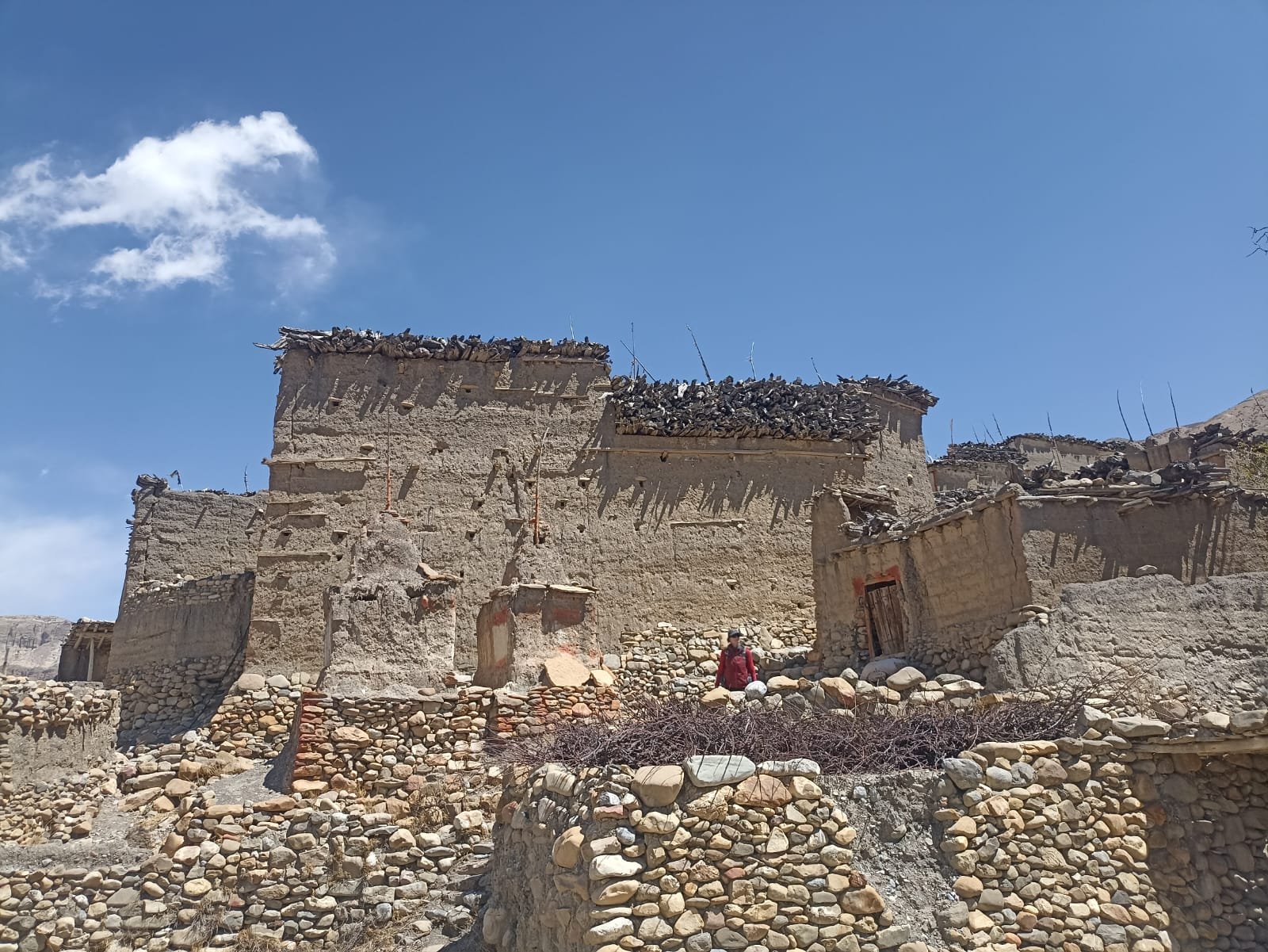
Mustang, which is known as the Rain-Shadow area, is the mysterious place of Nepal. Upper Mustangs resembles Tibetan culture and it is rich in its unique feature and fascination. Mustang lies in the central northern part of Nepal, through which the holy river Kaligandaki flows evoking fear and fascination at once. Actually, Mustang is the primeval Himalayan Kingdom. Upper Mustang is full of mystery with interesting and picturesque sites since it inspires and enchants the visitors, whoever approaches this region. Lo Manthang is the central city of attraction. The major attraction of Upper Mustang is the walled city of Lo-Manthang. The wall City of Lo-Manthang is an unofficial capital of Mustang and still remains a kingdom within a kingdom. The early history to Lo-Manthang is embroidered in myth and legend rather than the recorded fact. Tiji Festival is another attraction of the trek which is influenced by Tibetan Buddhism that is timed to coincide with the end of the dry season.
An adventure starting from world’s deepest gorge Kaligandaki Region towards world’s highest regions of Lo-Mangthang Valley passes through an almost tree-less barren landscape, the steep rocky trail up and panoramic views of Nilgiri, Annapurna, Dhaulagiri various several other peaks. The Upper Mustang trek starts from Jomsom to Kagbeni which is the entry point of upper Mustang Region. The trek further follows the banks of Kaligandaki River upstream to get to Lo-Mangthang. Upper Mustang trek is a great exploration trek for the one who wishes to make a challenging trek along an adventurous path in the Trans-Himalayan Region.
Trip Highlights
- Explore the restricted Upper Mustang region, the ancient Kingdom of Lo
- Experience preserved Tibetan culture, monasteries, and traditional villages
- Visit the historic walled city of Lo-Manthang
- Walk through dramatic trans-Himalayan desert landscapes and deep canyons
- Discover ancient sky caves carved into towering cliffs
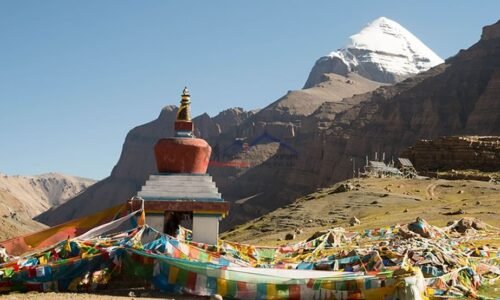
- Trek past long mani walls, prayer flags, and sacred chortens
- Enjoy stunning views of Dhaulagiri, Nilgiri, Annapurna, and Damodar Himal
- Experience one of Nepal’s best monsoon trekking destinations
- Walk through remote villages such as Kagbeni, Ghami, Charang, Yara, and Tangge
- Visit Muktinath, a sacred pilgrimage site for Hindus and Buddhists
- Gradual altitude gain with no technical climbing required
- Scenic drive through the Kali Gandaki Valley to Pokhara
Upper Mustang Trek ~ Itinerary
Day 1
Arrive in Kathmandu.
- Max altitude : 1,350m
- Accommodation: Standard Three Star Hotel
After you land at Kathmandu international airport, Nepal Royal Tourism will welcome you and transfer you to your hotel. In the evening, you will have a meeting with our office representative for a trip briefing. Some of the facts, rules, and regulations that you will be ok to know while you travel Upper Mustang of Nepal.
Day 2
Kathmandu to Pokhara by bus
- Maximum Altitude: 822 m
- Travel Time: Approximately 7 Hours
- Accommodation: Standard Three Star Hotel
Wake up early and have breakfast at the hotel. After that, get ready to leave for Pokhara. You’ll enjoy a beautiful journey by tourist bus, going through mountains, rivers, temples, and charming villages en route.
Check-in at your hotel as soon as you arrive in Pokhara. If you feel like it, you can take a stroll at the lakeside area. Tonight, you will stay in a three-star hotel that is perfectly situated at Pokhara Lake.
Day 3
Flight from Pokhara to Jomsom (2,700m) and trek to Kagbeni
- Maximum Altitude: 2,858 m
- Trek Duration: 4-5 hours
- Trek Distance: 10.6 km
- Accommodation: Tea house
The early flight of half an hour takes to Jomsom on the lap of Himalayas. After taking breakfasts here, you’re walking journey starts to Kagbeni passing Ekali Bhatti. Normally you walk for about 4 hours today with the easy flat land. No tree is found along the trek. Mostly you follow Kaligandaki riverside. Take lunch and rest. Afterward, visit the traditional village of Tibetans kagbeni with over 500 years old monastery. And stay overnight.
Day 4
Trek from Kagbeni to Chele
- Maximum Altitude: 3,055 m
- Trek Duration: 5-6 hours
- Trek Distance: 11.2 km
- Accommodation: Tea house
The trek starts from Kagbeni, a village that has been around for ages and is considered the entrance to Upper Mustang. As you walk away from Kali Gandaki River, the path eventually leads you into a restricted area where you can notice the landscape getting drier and rougher. At first, the path goes along the river and you come across areas with barren hills, eroded cliffs as well as some cave shelters that are hollowed out in the rock faces. Strong afternoon winds are a common feature along this stretch which is the addition to the raw Himalaya desert vibe. After several crossovers of streams and narrow valleys, the path ascends on a gentle slope till the village of Chele, which is famous for its picturesque whitewashed houses and the peaceful atmosphere that is being encircled by the rugged landscape.
Day 5
Trek from Chele to Syanboche (Shyangbochen)
- Maximum Altitude: 3,930 m
- Trek Duration: 5-6 hours
- Trek Distance: 11.5 km
- Accommodation: Tea house
Going by Chele to Syangboche is filled with ups and downs, actually quite the opposite of flat or gently sloping paths. For a greater part of the day we follow the path that zigzags and descends rapidly between some surprisingly narrow gorges and sun-exposed ridges. Along the way you must realize that the moment you are at the summit of those passes, the view of the Himalayas like Tilicho, Nilgiri, and Damodar can be absolutely breathtaking. Talking of steep rock face cliffs with little shelter from the sun, we see one of the faces quite literally covered in ancient rock carving caves which, judging from the style and technique used, date back to prehistoric times. Instead of plunging straight down the valley, the path makes a wide point of turning and climbing up again to Syangboche where you will find a little village on a windy plateau with enormous spectacular views typical of Upper Mustang all around.
Day 6
Trek from Syangboche to Ghami
- Maximum Altitude: 3,520 m
- Trek Duration: 5-6 hours
- Trek Distance: 9.3 km
- Accommodation: Tea house
From Syangboche to Ghami, the trail runs along such a gorgeous section that you almost forget about your tired feet or quads when you look at the beauty around you. You will thusly hike over hills and up and down ridges and along open valleys offering uninterrupted views of browning hills and the white tops of the mountains way in the distance. Guest houses and stupa will be there to witness your passing and to remind you of Tibet’s culture which undoubtedly strongly influences the lifestyle of the local people. Ghami holds the title of the largest village in Upper Mustang and apparently its main attraction is the rlong manis (mani walls) which is said to be the longest one in Nepal. The difference in environment can be clearly seen at the edge of the village where agriculture is practiced amidst the vast desert surroundings.
Day 7
Trek from Ghami to Charang
- Maximum Altitude: 3,560 m
- Trek Duration: 5-6 hours
- Trek Distance: 11.2 km
- Accommodation: Tea house
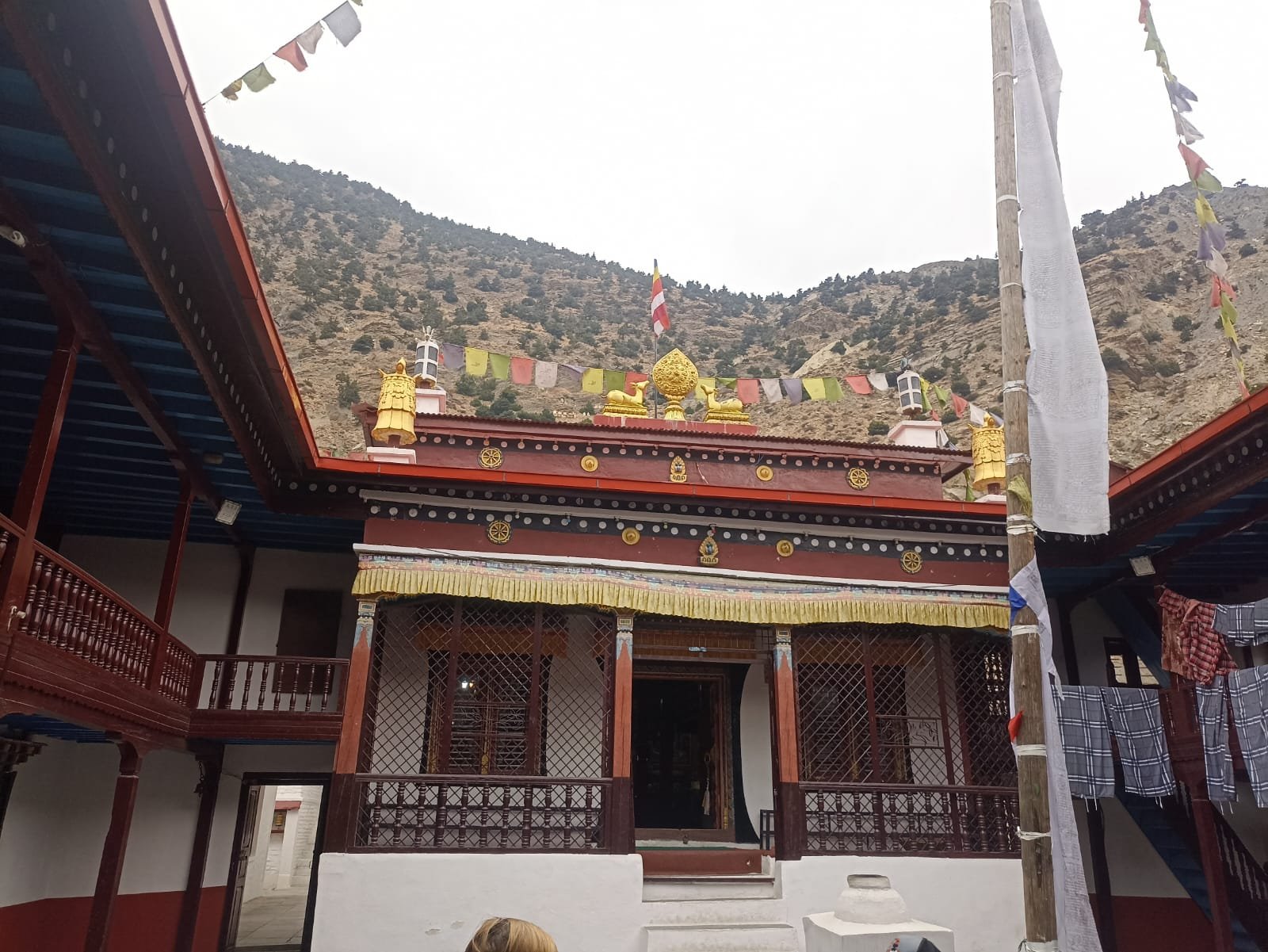
After taking your leave at Ghami, the route leads you to a river valley by way of descent and once you have crossed the river the path goes on an upward slope when approaching Charang. This section is culturally rich, with numerous prayer flags, chortens, and traditional mud-brick houses along the route. The scenery becomes wider and more open as the trail approaches Charang, a significant settlement in Upper Mustang. Charang is home to an impressive monastery and a traditional fortress, reflecting the village’s historical importance. The surrounding fields of barley and buckwheat provide a rare sense of greenery in this high-altitude desert region.
Day 8
Trek from Charang to Lo-Manthang
- Maximum Altitude: 3,810 m
- Trek Duration: 5-6 hours
- Trek Distance: 11.5 km
- Accommodation: Tea house
This is probably the most exciting day of your trek as you make your way to the ancient walled city of Lo-Manthang, the capital of the old Kingdom of Mustang. The trail slowly climbs over grasslands and passes, giving you uninterrupted vistas of the rolling hills and faraway mountains. When you finally get to Lo-Manthang, the legendary white walls of the city can be seen, stark against the lifeless land. Once inside, the narrow streets, majestic palaces, and old monasteries shelter a one-of-a-kind Tibetan culture that has hardly changed for centuries.
Day 9
Explore day of Lo-Manthang.
- Maximum Altitude: 3,810 m
- Accommodation: Tea house
Lo-Manthang village is home of nearly 150 houses of the Lamas and the closely located palaces and monasteries are in the lower half of these houses. The school, health post, police post and several important chortens are located outside the walls to the north. The people of Lo-manthang are very much Tibetan and they enjoyed with a practical cultural economy. Before the strong trade with Tibet was disrupted, all the salt and wool trade on the kali Gandaki used to cross via Lo-manthang. This is the village where the king of Mustang kingdom lived there. Jigme Parbal bist, and the queen and they are from Nobel family of Lhasa. You will be exploring all those significant and cultural places during the trek.
Day 10
Trek from Lo-Manthang to Yara
- Maximum Altitude: 3,650 m
- Trek Duration: 6-7 hours
- Trek Distance: 16 km
- Accommodation: Tea house
After leaving Lo-Manthang, the pathway takes you east into a scarcely-visited part of Upper Mustang. The trail passes through valleys and goes over high passes in wild and secluded areas. This region’s landscape is distinguished by colorful rock outcrops, deep gorges, and vast plateaus. After several hours of walking through untouched terrain, the trail descends toward the village of Yara, known for its traditional houses and proximity to ancient caves carved high into the cliffs. Yara is an ideal place for a quiet overnight stay away from the bustling main trekking routes.
Day 11
Trek from Yara to Tangge
- Maximum Altitude: 3,340 m
- Trek Duration: 7-8 hours
- Trek Distance: 16 km
- Accommodation: Tea house
Today is a long and exhausting hiking day that takes you through very isolated areas of Upper Mustang. The trail crosses high ridges and narrow valleys, with few houses around. The view is amazing and keeps changing as you walk through red and brown cliffs that have been formed by wind and erosion. After passing some summits, the path goes down into Tangge, a lovely village which is surrounded by fields and stone houses. Tangge is so far from the noise and influence of the modern world that it still shows the traditional way of life in Mustang.
Day 12
Trek from Tangge to Chusang
- Maximum Altitude: 2,980 m
- Trek Duration: 9-10 hours
- Trek Distance: 24 km
- Accommodation: Tea house
This is the longest day on the trek and you will need to be physically fit. The path goes along the river valley through places that are quite isolated. You will walk through tight gorges and cross open desert areas. As you get closer to Lower Mustang, the altitude goes down and the land becomes a bit greener. Chusang is situated where several valleys meet, and it is famous for its massive red rock cliffs and cave homes. After such a tiring day you will be happy to find lodging in this charming place.
Day 13
Trek from Chusang to Muktinath
- Maximum Altitude: 3,750 m
- Trek Duration: 6-7 hours
- Trek Distance: 14.5 km
- Accommodation: Tea house
The last day of trekking takes you from the barren lands of Mustang to the holy place of Muktinath. The path continuously goes up as you pass small settlements and enter high mountain areas. At the higher altitudes, you will be able to see the mountain ranges of Dhaulagiri and Nilgiri more clearly. Muktinath is a renowned pilgrimage location for both Hindus and Buddhists. It is famous for its ever-burning flame and its 108 water spouts. The journey to Muktinath is definitely a magical completion of the secret kingdom of Upper Mustang exploration.
Day 14
Drive from Muktinath to Pokhara
- Maximum Altitude: 820 m
- Drive Duration: 8-10 hours
- Drive Distance: 175 km
- Accommodation: Standard three star hotel
After a hot breakfast in Muktinath, the road trip continues to Pokhara, which is a shift from the remote trans-Himalayan area to the greener mid-hills of Nepal. The road winds down through the Kali Gandaki Valley and you will have the chance to see places like Jomsom, Marpha, and Tatopani. The great outdoors changes significantly as you pass from the barren high-altitude desert to the green wooded areas, terraces for farming, and villages along the rivers. You can often see the snow-covered mountains like Dhaulagiri and Nilgiri on the way. The last bit of the drive that you have had heaps of pictures and scenic views is Pokhara, the beautiful city beside the lake famous for its laid-back vibe and wonderful mountain scenery.
Day 15
Return trip from Pokhara to Kathmandu by Road
- Maximum Altitude: 1,350 m
- Drive Duration: 6-7 hours
- Drive Distance: 205 km
- Accommodation: standard three star hotel
This day’s journey takes you from the lakeside city of Pokhara back to the capital city of Kathmandu. The route helps you admire the beauty of nature along the way as it winds rivers, hills, and traditional villages. You can have a look at the landscape dotted with terraced land, suspension bridges, and local people continuing with their daily life running along the road. There are refreshments and short breaks available on the way, at several points. Coming towards Kathmandu, you can see the landscape changing into the urban scene depicting the cultural and economic center of Nepal. Once at your destination, you will be taken to your hotel where the rest of the day is at your disposal for rest, shopping, or a farewell dinner.
Day 16
Departure day
- Duration: As per flight schedule
On the last day, it is depending on your flight schedule internationally out of Nepal that you will be taken to Tribhuvan International Airport in Kathmandu. This is the end of an adventure that you will not forget through the ancient kingdom of Upper Mustang, a blend of breathtaking natural landscapes, rich Tibetan culture, and sacred Himalayan sites. Leave with warm memories of one of Nepal’s most restricted and culturally preserved trekking regions.
Upper Mustang Trek Fixed Departures Dates
Trip Cost Includes/Excludes
Cost Includes
- Airport pick-up and drop by private car
- 2 night's three star hotel in Pokhara with breakfast
- 2 night's three star hotel in Kathmandu with breakfast
- 3 times meals (breakfast, lunch, and dinner) with Tea and coffee during the upper Mustang trek
- Best available tea house accommodation in the trek
- All experiences of trekking Guide and porter including food, accommodation, salary, insurance, equipment, and transportation.
- Tourist Bus from Kathmandu to Pokhara
- Flight ticket from Pokhara to Jomsom
- Upper Mustang Restricted area permit charge.
- Annapurna conservation area Tims and permit.
- Tourist Bus from Mukthinath to Pokhara and Kathmandu
- Sleeping bags and Duffel Bag (You have to return after complete your trip)
- Nepal Royal Tourism Printed Hiking T-shirt (Complementary)
- All government taxes
Cost Excludes
- International airfare and Nepal entry visa fee
- Nepal Travel insurance
- Meals in Kathmandu and Pokhara
- Items of a personal nature such as alcoholic drinks, cold drinks, laundry
- Expenses occurred due to unavoidable events i.e. road wrecks, flight delays, etc.
- Tips for guide and porter
Frequently Asked Questions
The Upper Mustang Trek is a culturally rich and remote trekking journey into the former Kingdom of Lo, located in northern Nepal near the Tibetan border. This region is known for its dramatic desert landscapes, ancient monasteries, cave dwellings, and well-preserved Tibetan Buddhist culture. Because it is a restricted area, special permits are required, which has helped preserve its unique heritage.
Upper Mustang lies in the rain-shadow area of the Annapurna and Dhaulagiri ranges in north-central Nepal. It extends north of Kagbeni toward the Tibetan Plateau and includes the walled city of Lo-Manthang, the historical capital of the region.
Yes, trekking in Upper Mustang requires a Restricted Area Permit (RAP) issued by the Government of Nepal. In addition, an Annapurna Conservation Area Permit (ACAP) is also required. These permits must be arranged through a registered trekking agency, and independent trekking is not allowed in this region.
If you need any helps to make the permit and any details about the trip Nepal Royal Tourism Holiday is one of the best option for you.
Yes, hiring a licensed trekking guide is compulsory for the Upper Mustang Trek. Trekkers must travel through a registered agency like Nepal Royal Tourism with a minimum of two trekkers, as required by Nepal’s restricted area regulations.
The best seasons for the Upper Mustang Trek are spring (March to May) and autumn (September to November). Unlike many other trekking regions in Nepal, Upper Mustang is also suitable during the summer monsoon months because it lies in a rain-shadow area and receives very little rainfall.
The Upper Mustang Trek is considered a moderate trek. While it does not involve technical climbing, trekkers should be prepared for long walking days, high-altitude passes, strong winds, and dry terrain. Good physical fitness and some prior trekking experience are recommended.
The highest point of the Upper Mustang Trek is around 3,900 meters (approximately 12,900 feet), depending on the route taken. Proper acclimatization and a gradual ascent help minimize the risk of altitude-related issues.
Yes, altitude sickness can affect trekkers, although the maximum elevation is lower than some other popular treks. Symptoms are less common due to gradual ascent, but proper acclimatization, hydration, and following your guide’s advice are essential for a safe trek.
Accommodation in Upper Mustang mainly consists of basic teahouses and local lodges. Rooms are generally twin-sharing with simple bedding. Facilities are limited compared to mainstream trekking routes, but the warmth and hospitality of local families offer a unique and authentic experience.
Basic electricity, often solar-powered, is available in most villages for lighting and charging devices, sometimes at an additional cost. Hot showers may be available in some lodges but are not guaranteed every night due to limited water and energy resources.
Meals are typically simple and nourishing, including dal bhat (rice, lentils, and vegetables), noodles, soups, potatoes, eggs, and Tibetan-style bread. Food choices become more limited as you go higher, but meals are freshly prepared and suitable for trekking conditions.
Yes, Upper Mustang is one of the few trekking regions in Nepal that can be done during the monsoon season from June to August. The area lies in a rain-shadow zone, meaning it receives minimal rainfall, making it an excellent alternative when other regions are wet.
Temperatures in Upper Mustang can vary widely. Daytime temperatures are generally pleasant, but nights can be cold, especially in spring and autumn. Strong winds are common in the afternoons, so warm and windproof clothing is essential. The monthly update is given below which is approximate temperature:
January
- Day: -2°C to 6°C
- Night: -10°C to -15°C
February
- Day: 0°C to 8°C
- Night: -8°C to -12°C
March
- Day: 5°C to 12°C
- Night: -5°C to -8°C
April
- Day: 10°C to 16°C
- Night: -2°C to 0°C
May
- Day: 15°C to 20°C
- Night: 0°C to 5°C
June
- Day: 18°C to 22°C
- Night: 5°C to 8°C
July
- Day: 20°C to 24°C
- Night: 8°C to 10°C
August
- Day: 20°C to 23°C
- Night: 8°C to 10°C
September
- Day: 15°C to 20°C
- Night: 3°C to 6°C
October
- Day: 12°C to 18°C
- Night: 0°C to 5°C
November
- Day: 8°C to 12°C
- Night: -2°C to -5°C
December
- Day: 0°C to 8°C
- Night: -8°C to -10°C
Essential items include sturdy trekking boots, layered clothing, a warm jacket, windproof outerwear, sun protection, reusable water bottles, personal medications, and trekking poles. Due to the dry climate, lip balm and moisturizer are also important.
Mobile network coverage is limited but available in some villages, including Lo-Manthang. Internet access is slow and unreliable, so trekkers should not rely on consistent connectivity during the trek.
Yes, Upper Mustang can be suitable for first-time trekkers who are in good physical condition and prepared for basic accommodation and long walking days. The terrain is less steep than some high-altitude treks, but the remoteness requires good preparation.
The trek is more expensive due to the restricted area permit fee, mandatory guide requirement, limited infrastructure, and logistical challenges of operating in a remote region. These costs also contribute to the preservation of the region’s culture and environment.
Upper Mustang stands out for its preserved Tibetan culture, ancient monasteries, sky caves, desert-like landscapes, and the historic walled city of Lo-Manthang. It offers a rare opportunity to experience a Himalayan region that feels untouched by modern development.