-
 Duration
14 Days
Duration
14 Days
-
 Difficulty
Moderate
Difficulty
Moderate
-
 Max Elevation
4200m
Max Elevation
4200m
-
 Group Size
1 to 10 pax Person
Group Size
1 to 10 pax Person
-
 Accommodation
Tea House
Accommodation
Tea House
-
 Start/End
Machha Khola/ Machha Khola
Start/End
Machha Khola/ Machha Khola
-
 Destination
Manaslu Region
Destination
Manaslu Region
-
 Best Season
Aug - Nov and Feb - May
Best Season
Aug - Nov and Feb - May
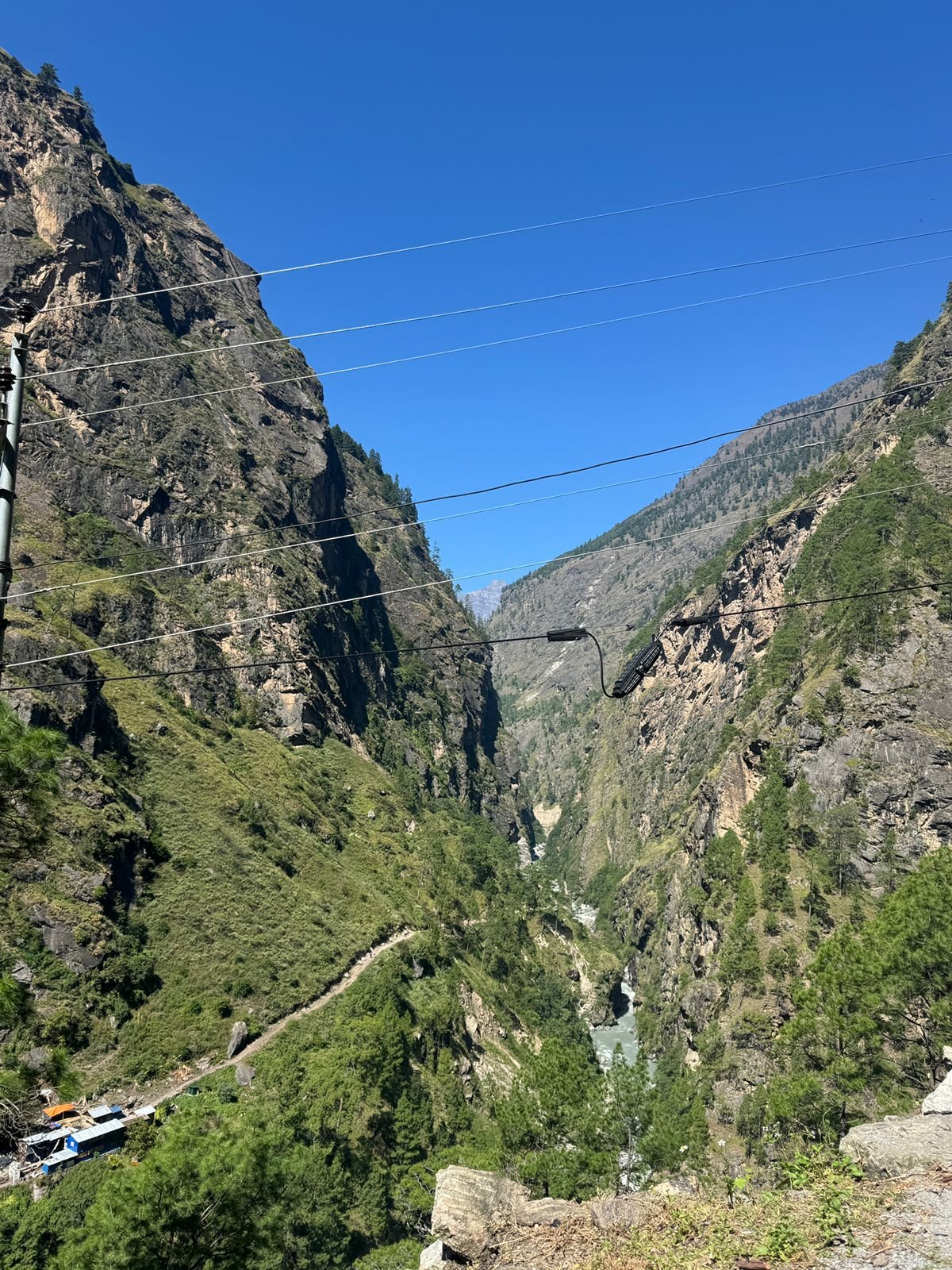
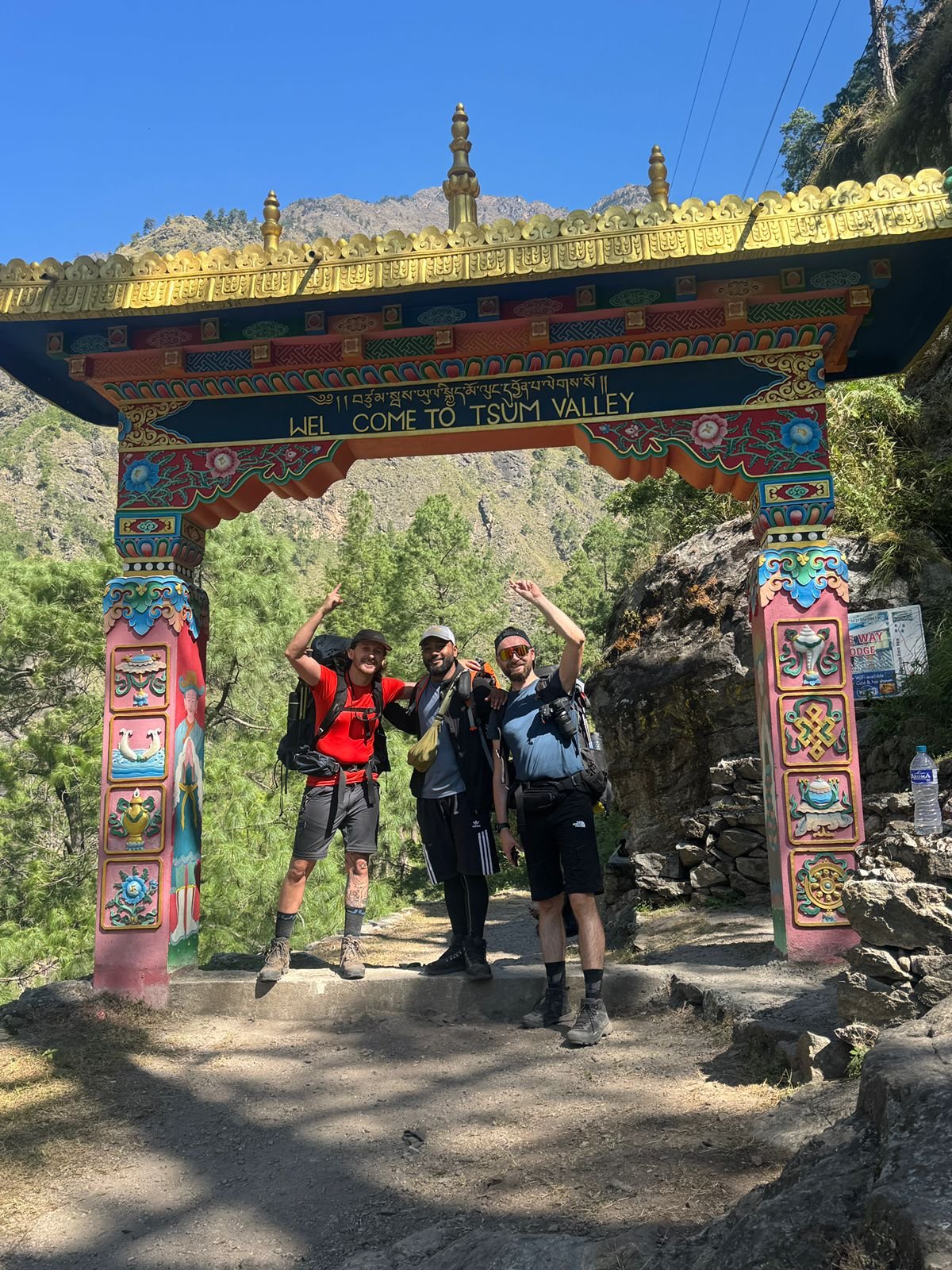
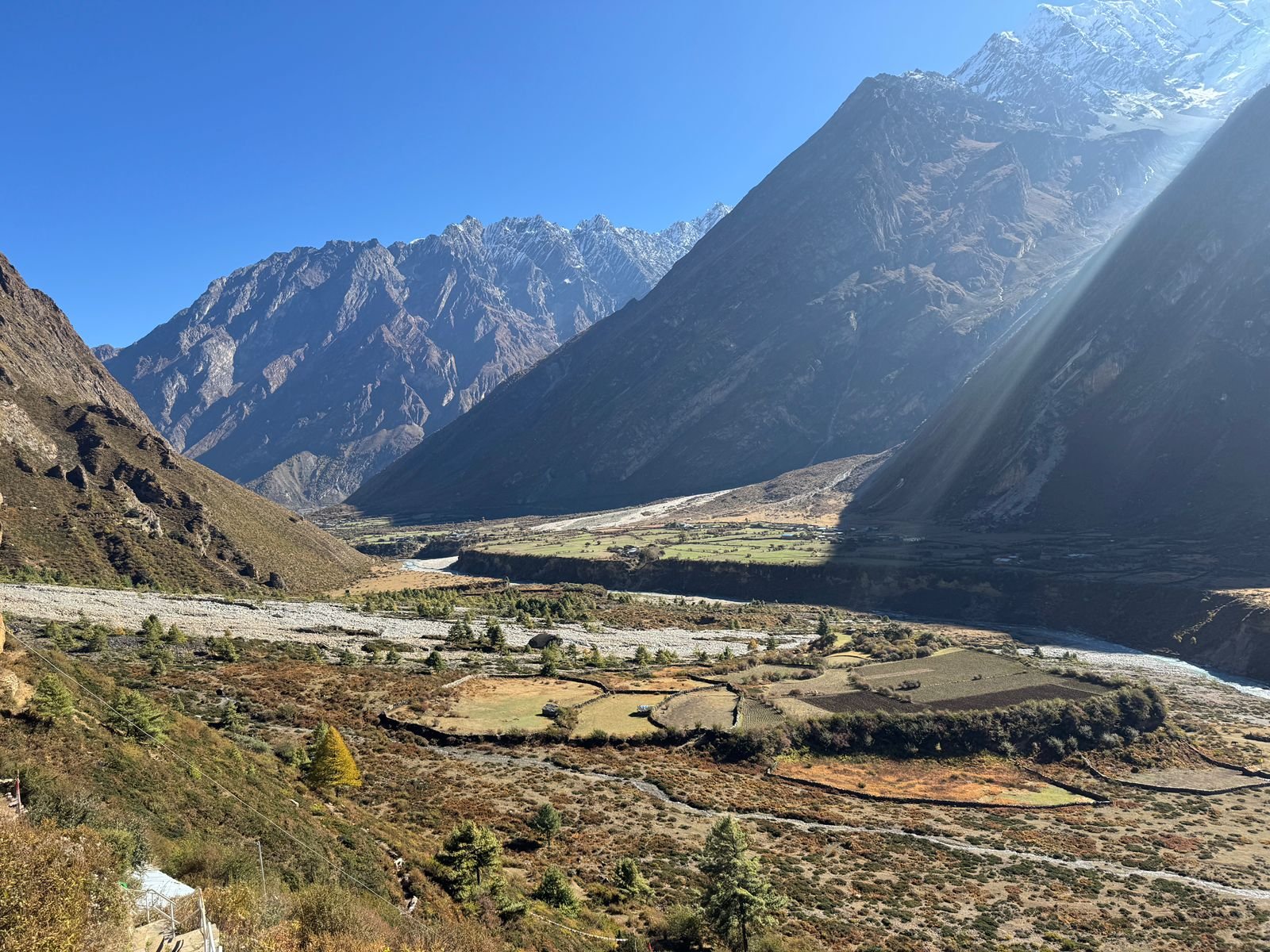
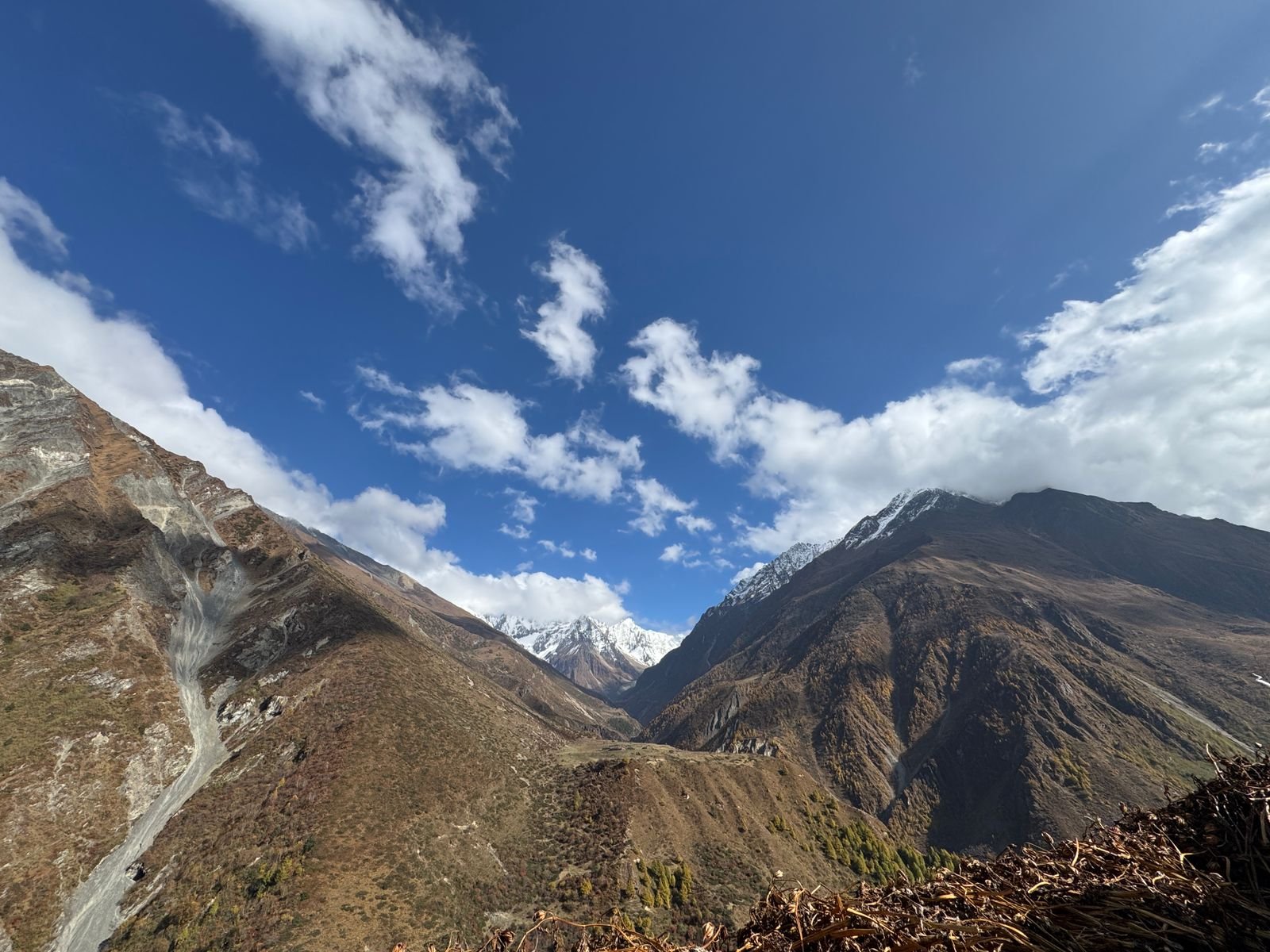
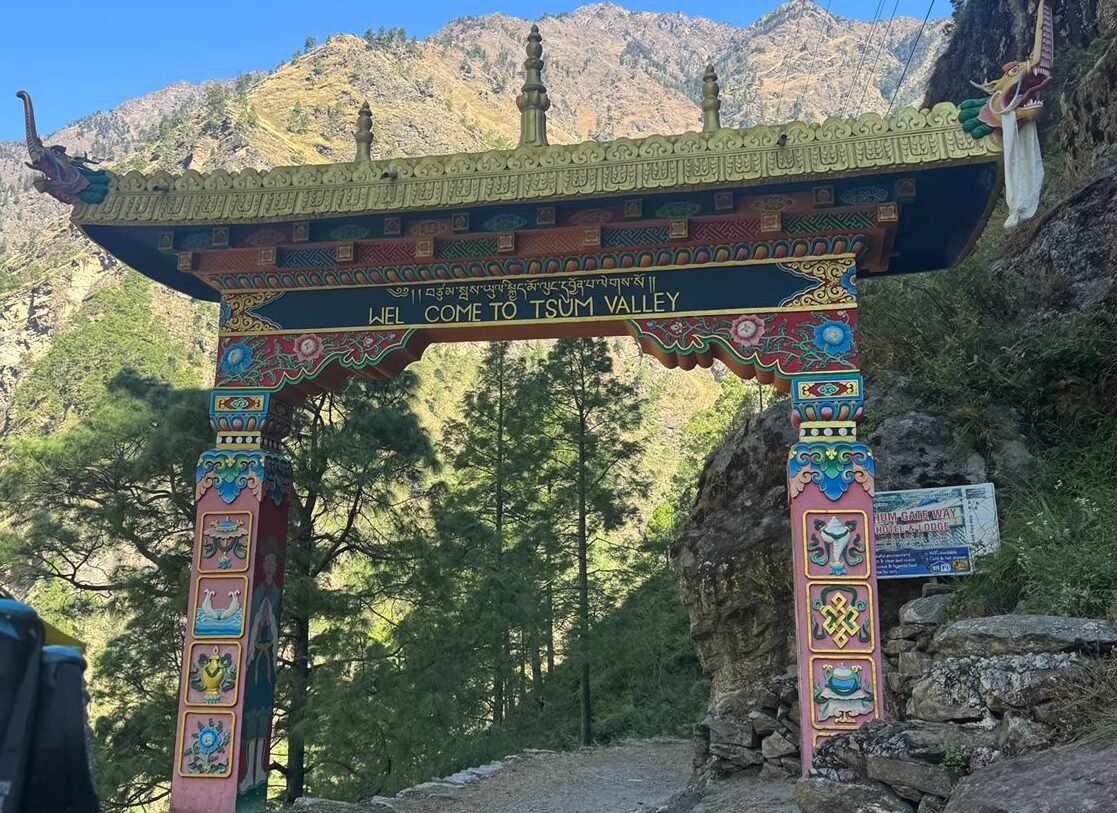
Tsum Valley Trekking is a revered Himalayan excursion valley sited in northern Gorkha, Nepal. The Tsum Valley, which is a remote area, is also one of the concealed gems of Nepal. Tsum Valley is called the Beyul Kyimolung, signifying the holy hidden valley of gladness, initially designated by Guru Rimpoche in the 18th century. The influence of Tibetan Buddhist culture and the stunning scenery with beautiful forests and countryside and the Ganesh Himal towering just above the valley are the key aspects of attraction. Epistemologically, the word ‘Tsum’ comes from the Tibetan word ‘Tsombo,’ meaning ‘the vivid’ or ‘the crystal. ‘ When you experience reality, you are bound to be attracted by the crystal and vivid surroundings.
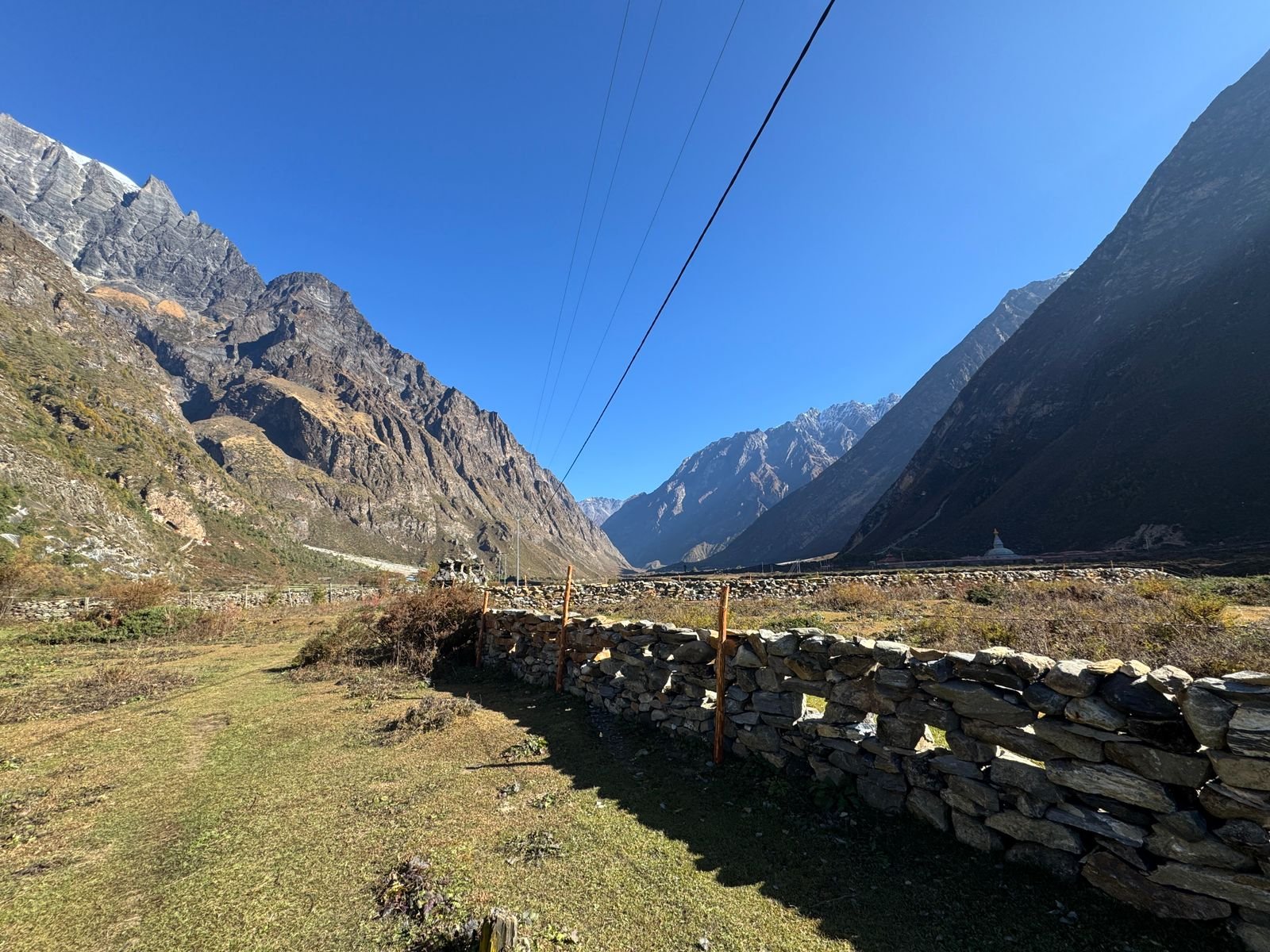
The native people in Tsum Valley, who still practice the polyandry system, have their own unique culture, adopting the distinct dialect. All these make the travelers pleased. The tracks are scattered artistically with the walls made up of stone slabs, where the deities are carved, inscribing with prayers. The famous Kyimo Lung is well known for learning and meditation. The circuit crisscrosses across Tsum Valley. The Buddhist saint called Milarepa is supposed to have pondered and meditated in the grottos of these mounts. The main religious verdict of the Tsum Valley is Buddhist, and the homegrown populace are Gurungs. High-quality tankards of the nearby sophisticated, steady coffee and Tatopani hot springs are certain to succor you to slow down on this exciting trial.
Nepal Royal has already structured treks for many international sightseers. Our main motto is to expedite their marching in Tsum Valley. Since undertaking this includes providing expert guides, caretakers, as well as supporters, Nepal Royal has successfully launched this package for the tourists from different parts of the world. Moreover, we always keep on providing more authentic and reliable information about the valley, as it has recently been opened for the purpose of trekking.
Trip Highlights
- Find one of Nepal's most remote and culturally preserved Himalayan valleys, which was only made accessible to trekkers in 2008.
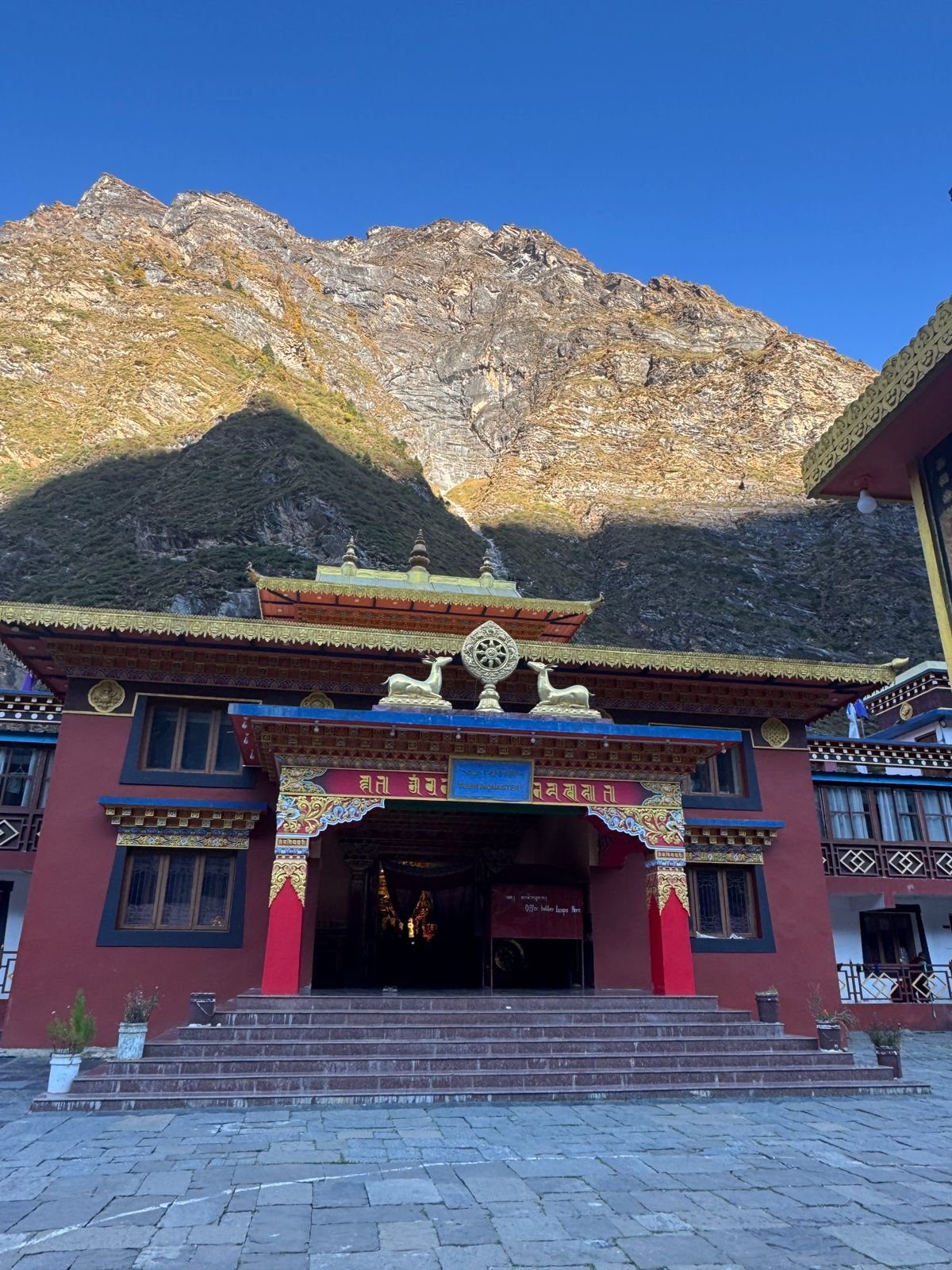
- Visit the biggest and most significant monastery of the Tsum Valley situated close to the Tibetan border.
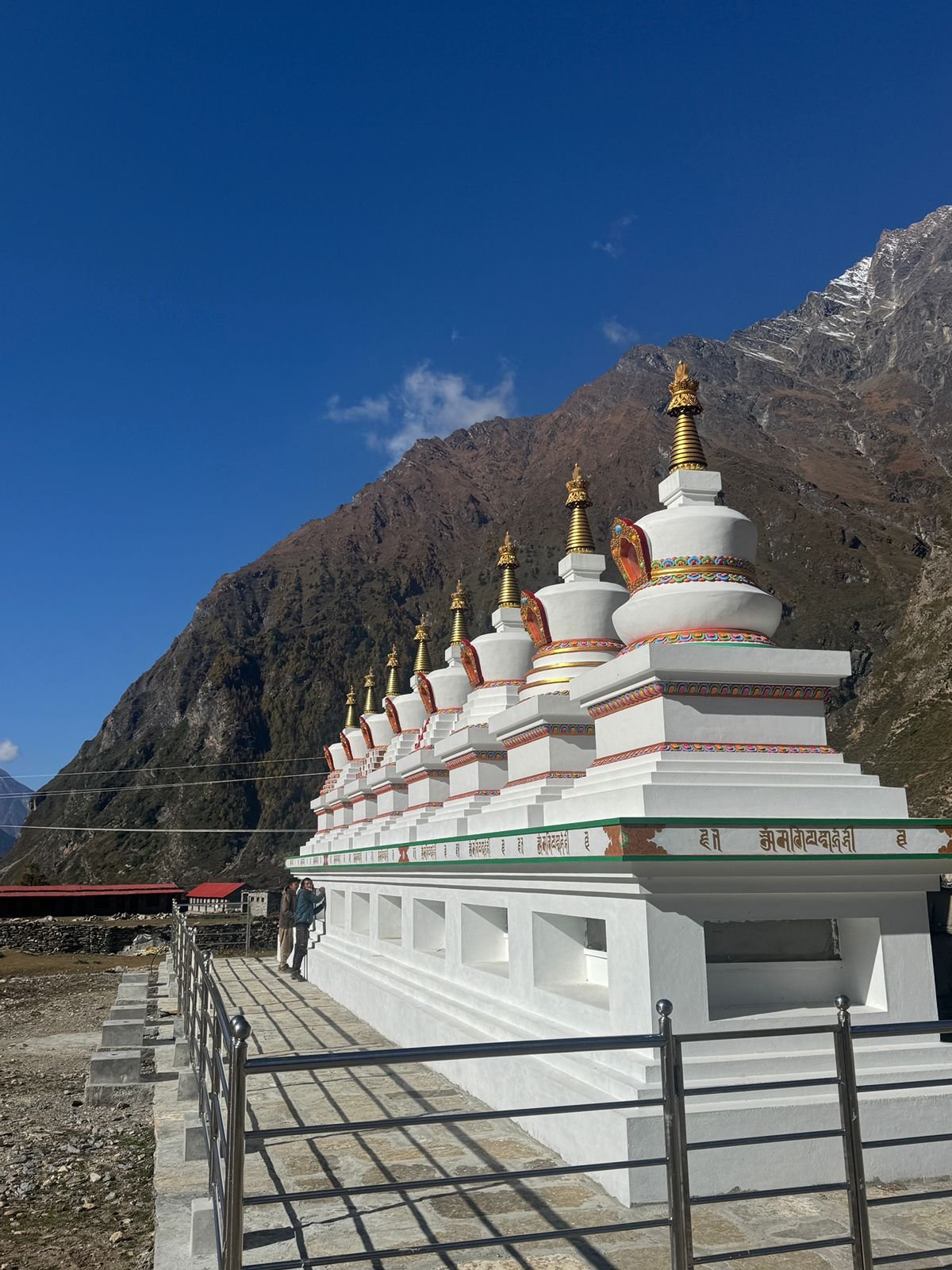
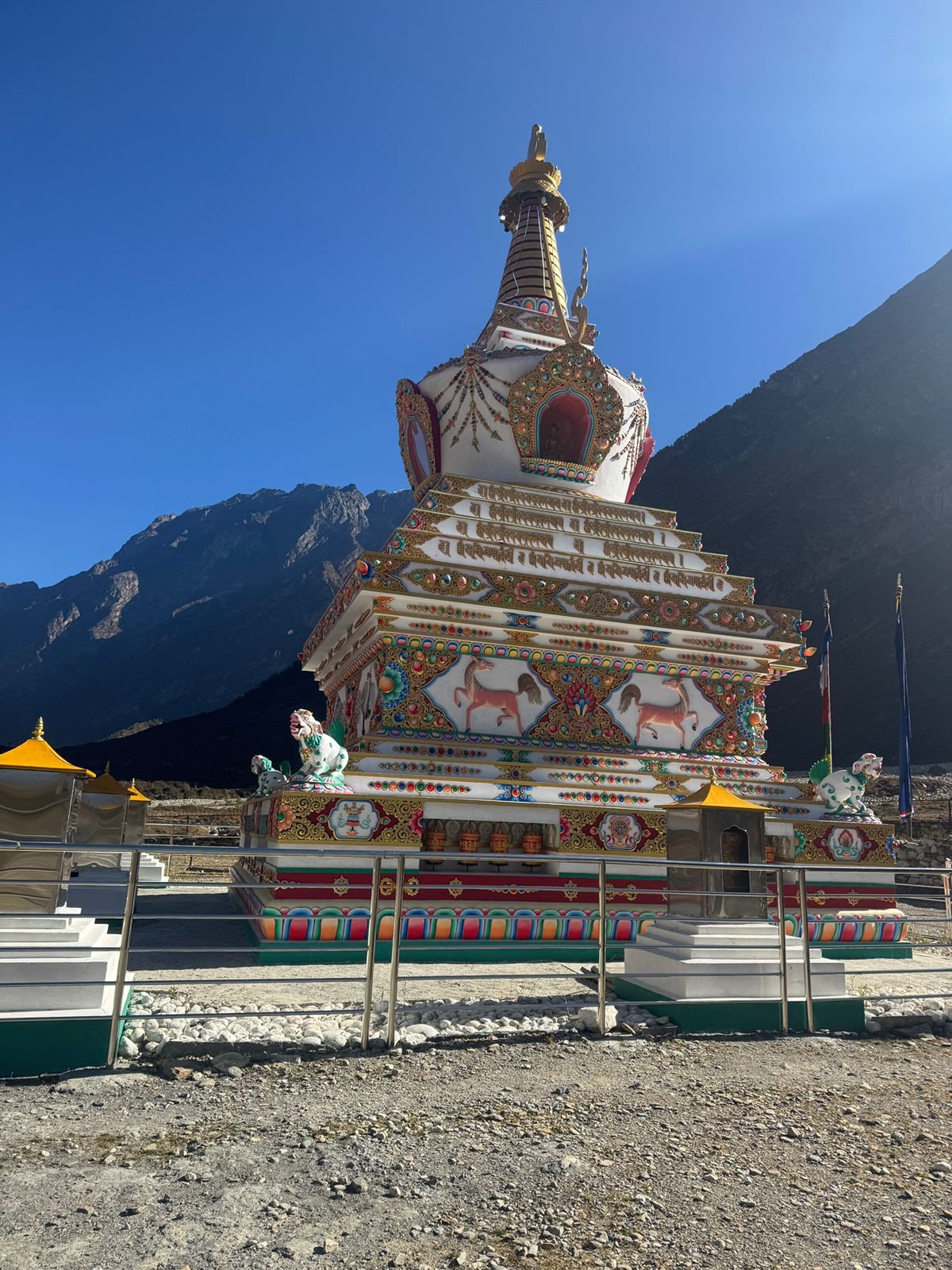
- You will find old customs, prayer flags, mani walls, chortens, and very old Tibetan Buddhist practices.
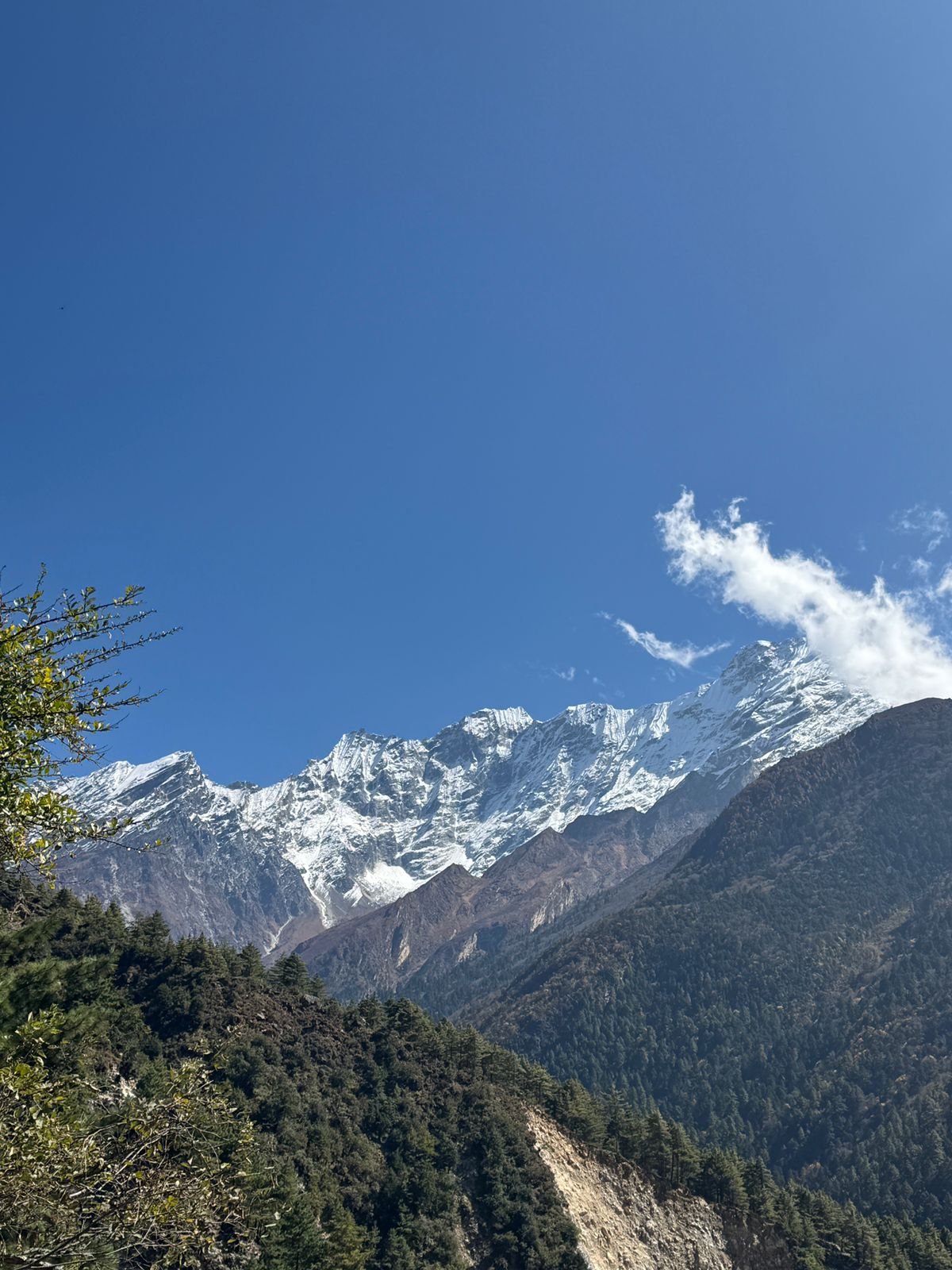
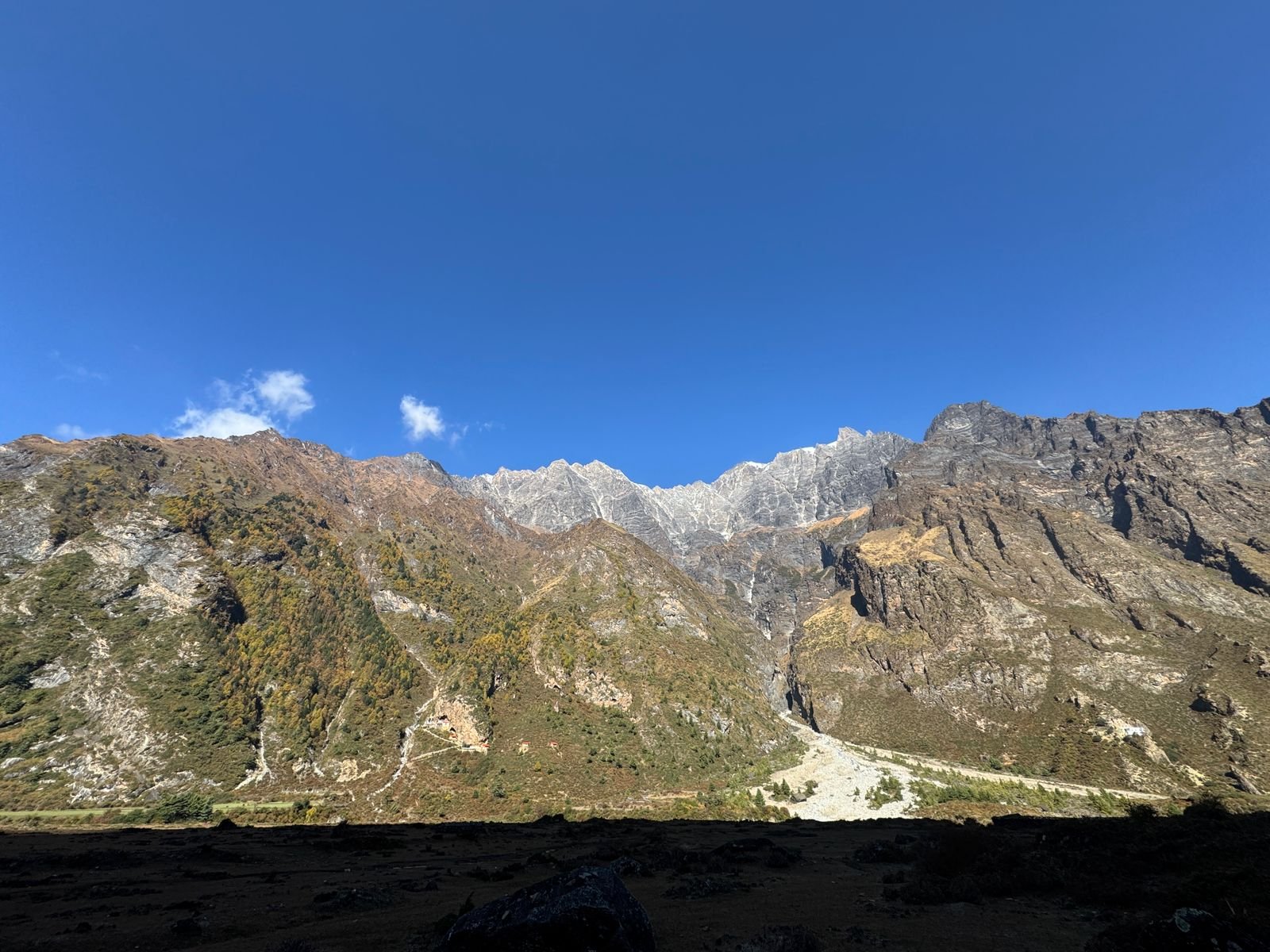
- There is no doubt that the views of the huge snow-capped Himalayan mountains will stay in your memory
- The local life stays almost unchanged in traditional villages like Chhokang Paro, Nile, and Chumling.
- Besides Mu Gompa and Rachen Gompa, there are lots of secret Buddhist shrines in the Tsum Valley
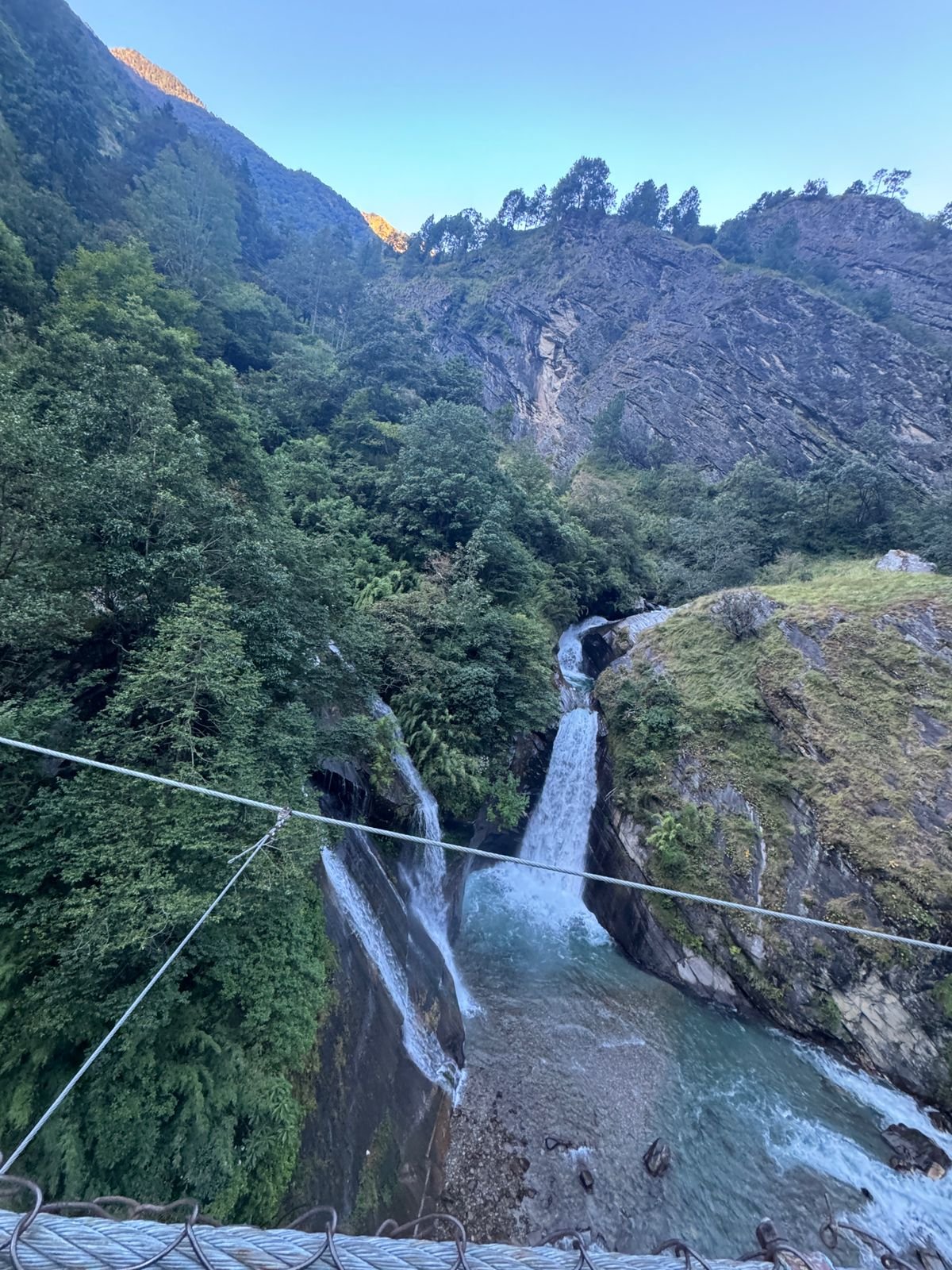
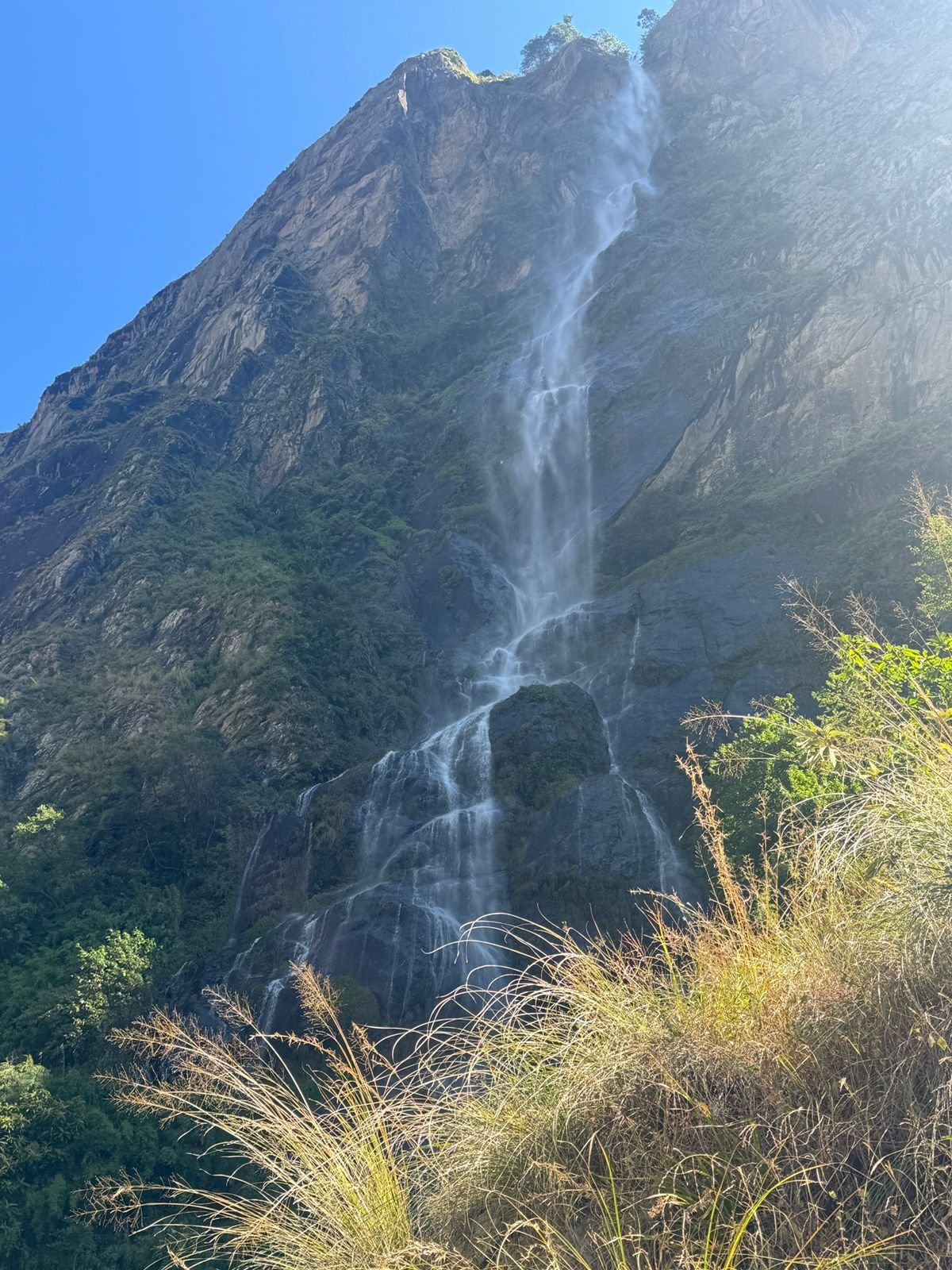
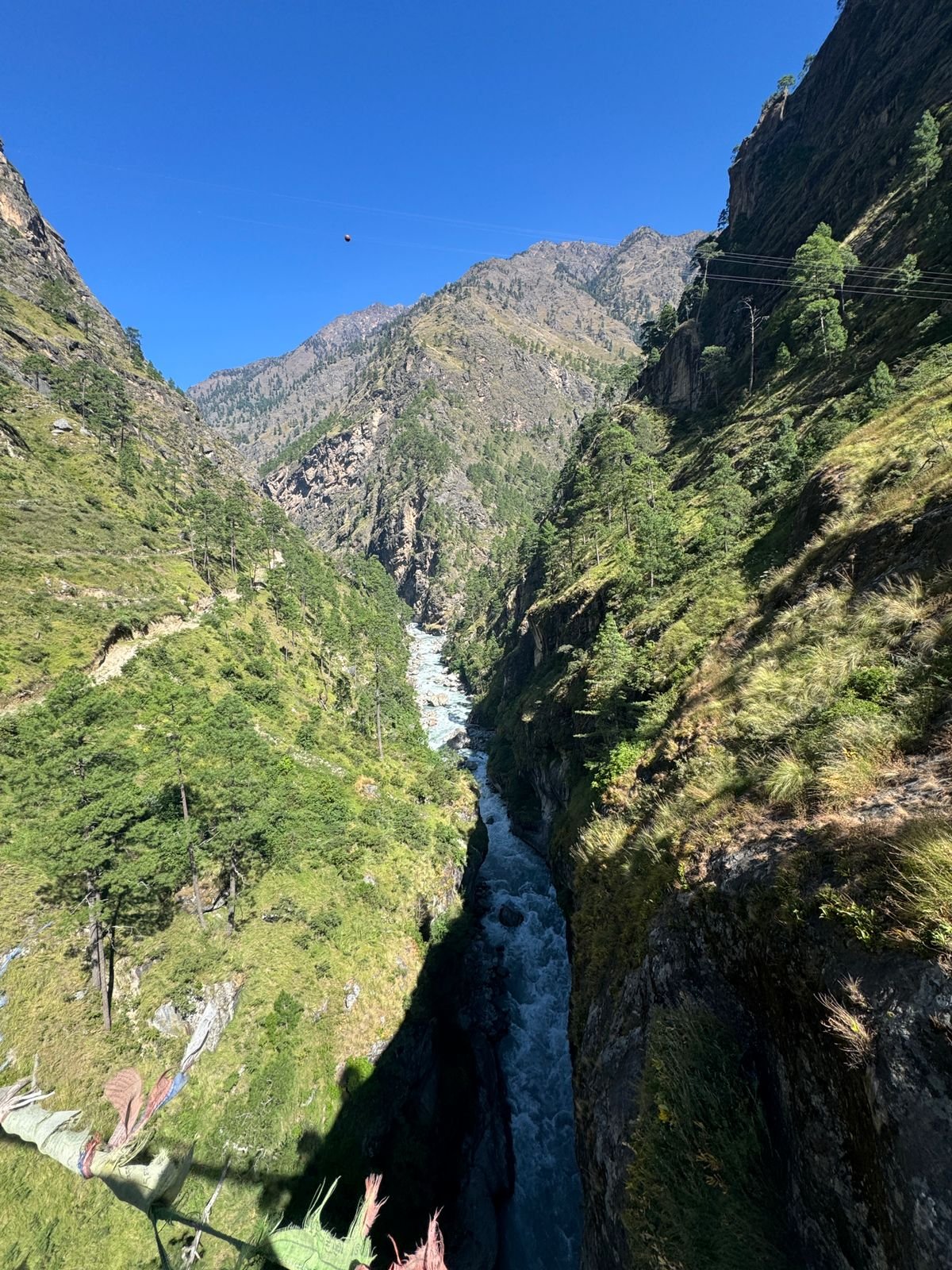
- Walking the stylish trails in rhododendron forests, along suspension bridges, waterfalls, and gorgeous Himalayan landscapes
- You will be far from the usual Everest and Annapurna routes and will be able to enjoy the authentic trekking experience.
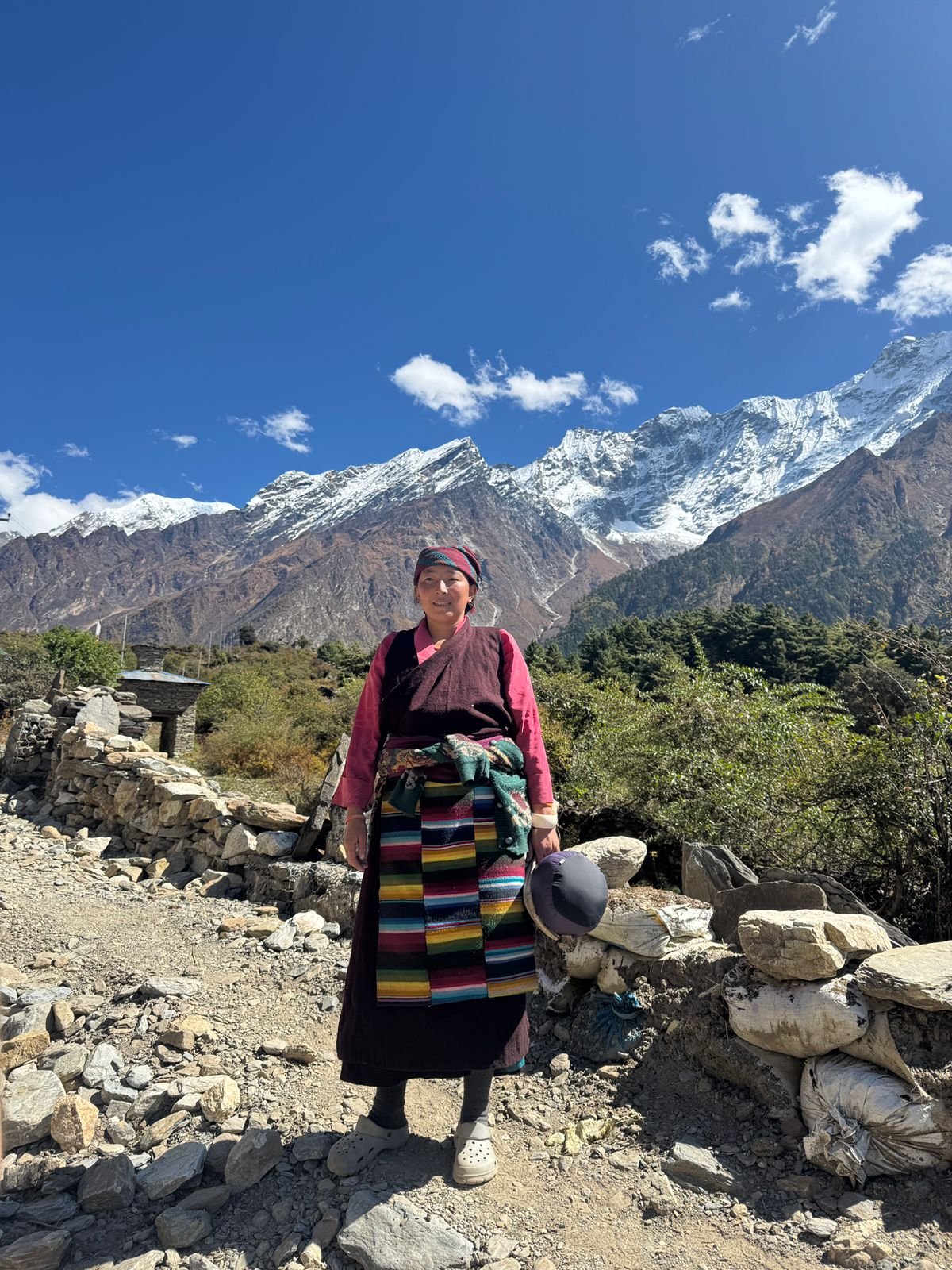
- You will be able to take part in their life and culture by talking to the lovely Tsumba people.
Tsum Valley Trek-14 Days ~ Itinerary
Day 1
Arrival in Kathmandu
- Maximum Altitude: 1350m
- Accommodation: Three-star standard hotel
Welcome to Nepal!
Upon your arrival at Kathmandu International Airport, our representative will greet you and transfer you to your hotel. After check-in, you can relax or explore the vibrant streets of Thamel, the heart of Nepal’s tourism industry. In the evening, we will conduct a trek briefing, review your permits, and discuss the exciting journey ahead. This is a great opportunity to meet your guide and prepare for the adventure through the remote Himalayas.
Day 2
Drive from Kathmandu to Machha Khola (860m) via Soti Khola (700m)
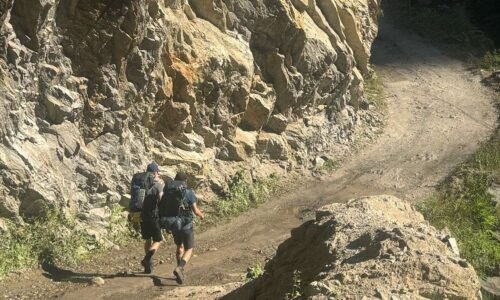
- Maximum Altitude: 870 m
- Duration: Approximately 8-9 hours Drive
- Drive Distance: 164 km
- Meal: Breakfast, Lunch and Dinner
- Accommodation: Tea house
Your journey begins with a scenic drive from Kathmandu through picturesque hills, terraced farmlands, rivers, and traditional villages. As the road follows the Trishuli and Budhi Gandaki Rivers, you’ll witness Nepal’s rural beauty and changing landscapes. The drive gradually enters the Manaslu region, offering the first glimpse of the remote mountain communities that make this trek so unique.
Day 3
Trek from Machha Khola to Jagat
- Maximum Altitude: 1340 m
- Trek Duration: 8-9 hours
- Trek Distance: 17 km
- Meal: Breakfast, Lunch and Dinner
- Accommodation: Tea house
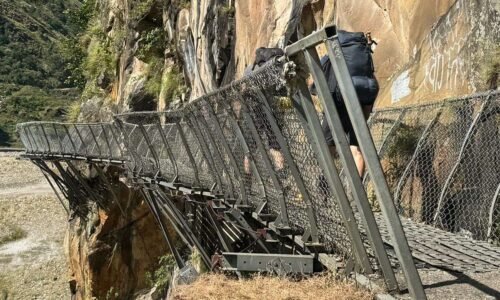
The trek segments between Machha Khola and Jagat encompass a lot of climbing and descending and thus quite a demand of exertion. The route from Machha Khola to Khorlabesi is through Tharo Khola. Khorlabesi is another small but very charming Gurung village. Coming down from there, a few more steps lead you to the Tatopani, a natural hot springs spot where you take advantage of bathing in the natural sauna for some time.
After crossing the suspension bridge over the Budhi Gandaki River and also climbing up the staircase path, you will be in Doban. On the way to Yaruphant, you go by the Yaru River.
In Yaru Bagar, you cross the cantilever bridge. The next move will be to bridge the Budhi Gandaki River on the western bank, go up the mountain, and then down the river back to Jagat village. The police checkpoint at Jagat, which is the entrance to the Manaslu Conservation Area, is where you will register your Tsum Valley trek permits.
Day 4
Trek from Jagat to Lokpa
- Maximum Altitude: 2240 m
- Trek Duration: 6-7 hours
- Trek Distance: 14 km
- Meal: Breakfast, Lunch, and Dinner
- Accommodation: Tea house
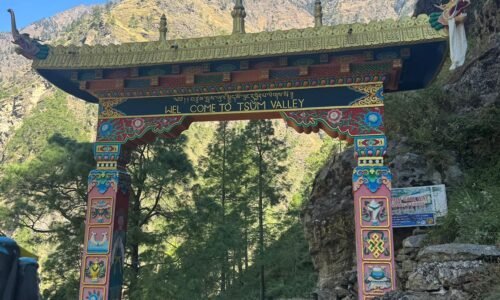
Jagat is a large village of Gurung people located on flat land. Next to this farming village, you will climb a steep slope to Salleri and enjoy the magnificent view of Mount Sringi. You will pass the hanging bridge and, after climbing to Lokpa, which lies to the north of Philim. From Sirdibas, a traditional Buddhist village, you will head down a bit to a suspension bridge and then take an uphill route to Ekle Bhatti going through the thick woods after about an hour of climbing. Continuing up through the pine forest, you will come to a beautiful gorge and a junction to the Tsum Valley trek route. To enter Tsum Valley, you will pick the right-hand trail, where you will spend the night at Lokpa.
Day 5
Trek from Lokpa to Chumling
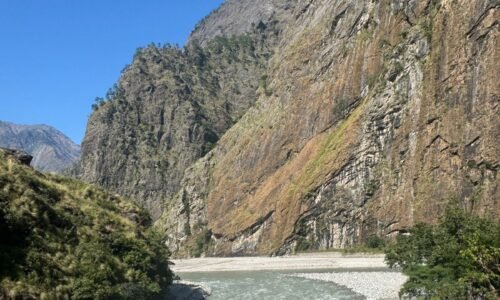
- Maximum Altitude: 2386 m
- Trek Duration: 4-5 hours
- Trek Distance: 10 km
- Meal: Breakfast, Lunch, and Dinner
- Accommodation: Tea house
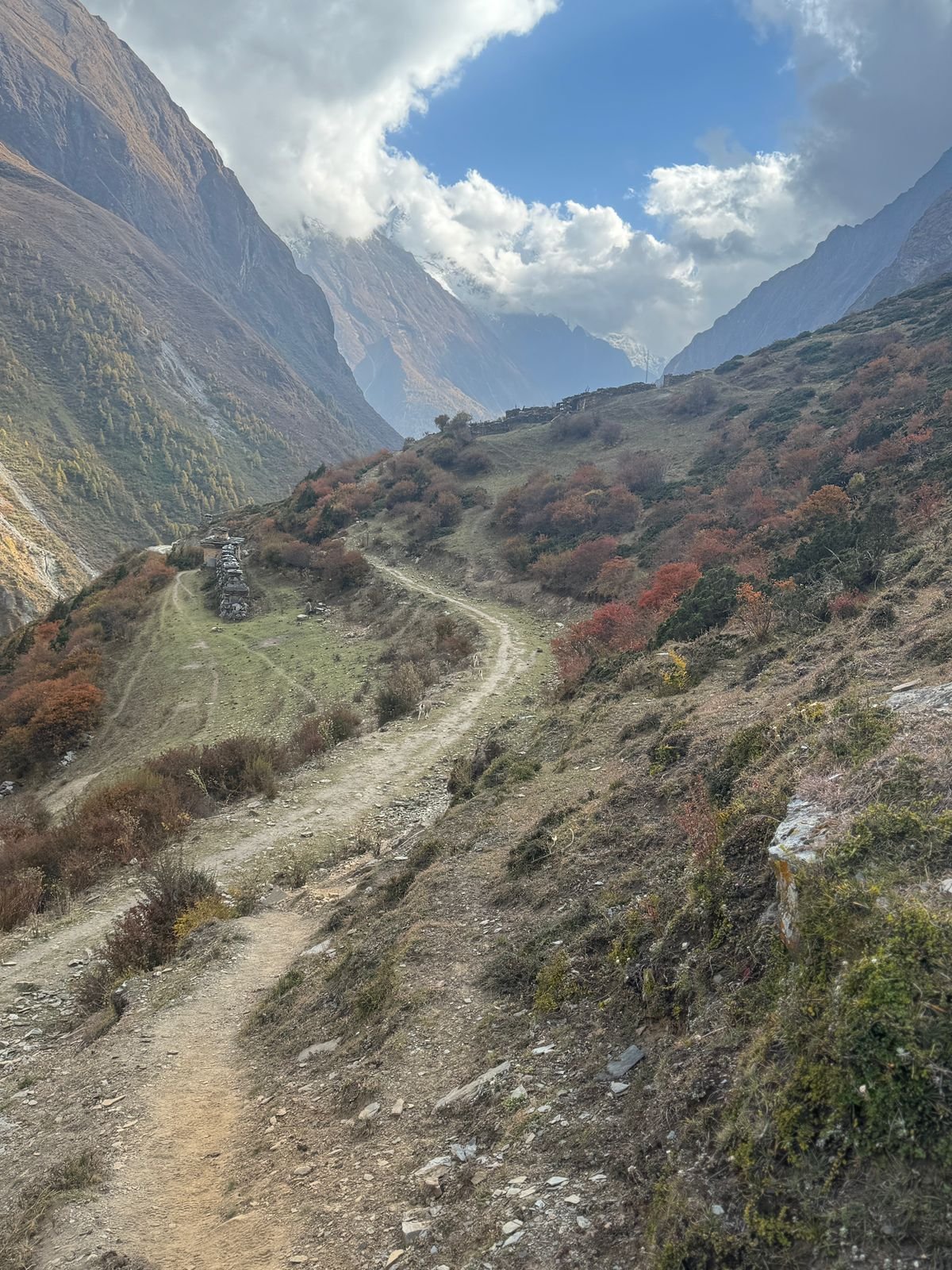
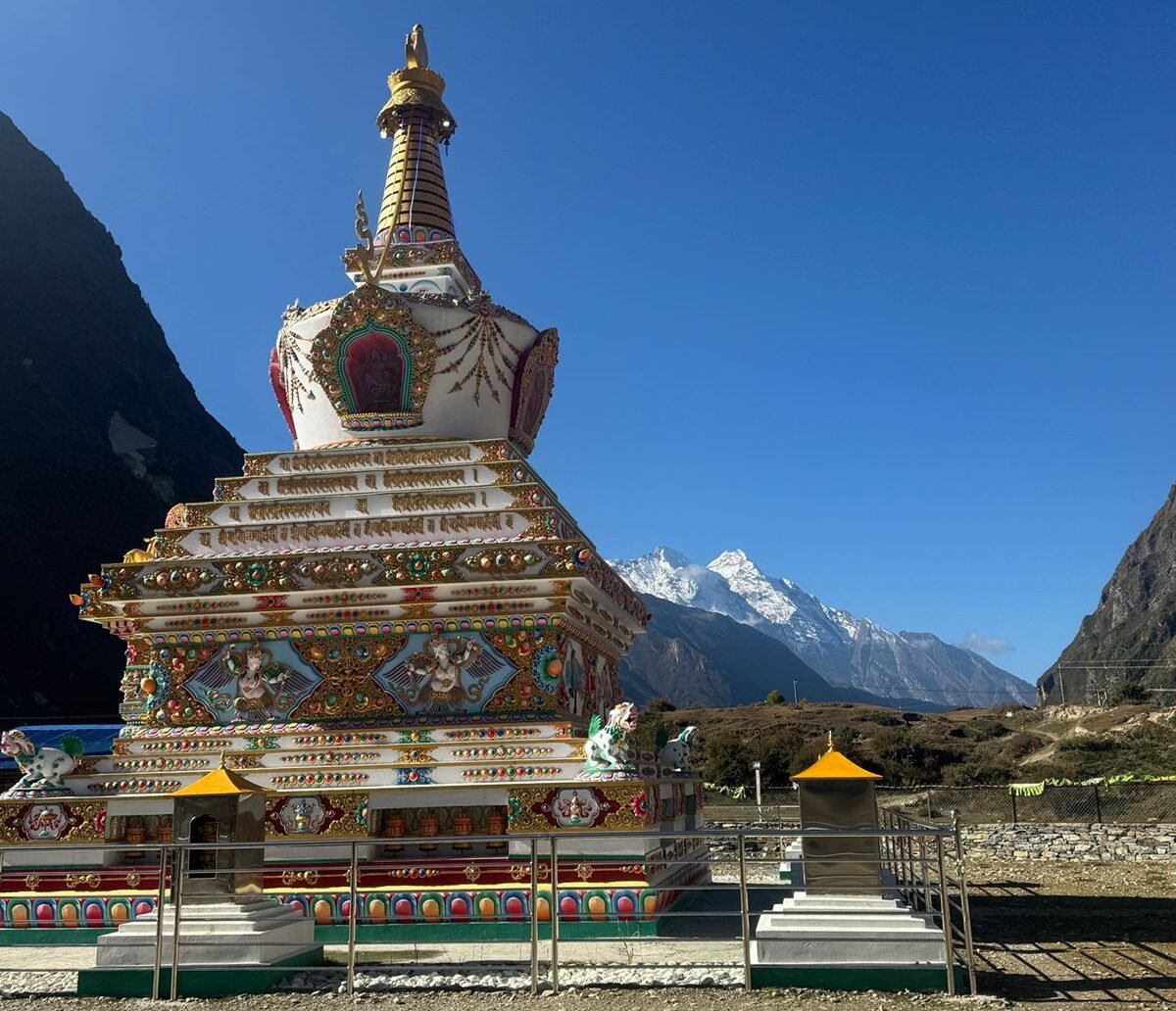
The path crosses a tropical rhododendron and pine forest, which is very peaceful. You will come across a few ups and downs before you reach a small suspension bridge. The Tsum Valley Trekking Route is changed via Ripchet and Chumling after crossing this bridge. You will cross the bridge and keep on following the trail while passing by a small stone wall. From a monastery located at the top of Chumling Village, you will get the view of Ganesh Himal. Some monasteries of Chumling are Gurwa Gumba, Mani Dhungyur, and Panago Gumba. At the center of the field, a large chorten is situated, enhancing the beauty of the small valley.
Day 6
Trek from Chumling to Lama Gaun
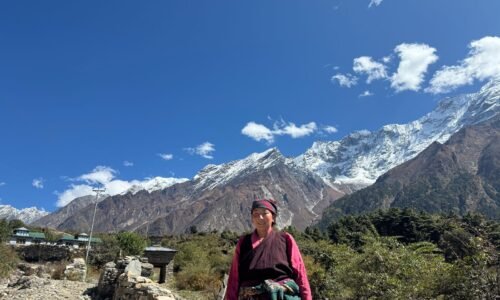
- Maximum Altitude: 3240 m
- Trek Duration: 6-7 hours
- Trek Distance: 16 km
- Meal: Breakfast, Lunch and Dinner
- Accommodation: Tea house
The route initially takes you across a suspension bridge and along the river on the side opposite to Chumling. The Tsum Valley Trekking Route is along the Syar River down to Domje. To get to Chhokang Paro, you need to continue climbing after Domje. Upon reaching Gho Village, which has a local tea shop, you will have passed Renjam and crossed another bridge. Another two-hour climb will take you to Chhokang Paro, the traditional charming town of Tsum. On a clear day, the view from Chhokang Paro is of Himalchuli and Ganesh Himal. After passing through Chhokang Paro, you will reach Lamagaun, where you will be staying tonight.
Day 7
Trek from Lama Gaun to Nile and visit Mu Gompa then back to Nile
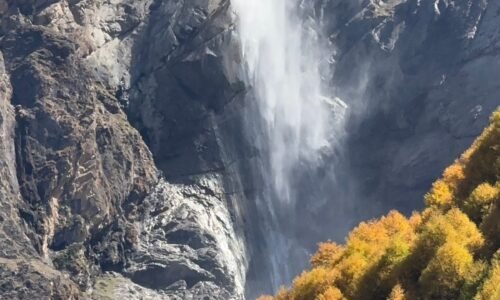
- Maximum Altitude: 3300 m
- Trek Duration: 6-7 hours
- Trek Distance: 15 km
- Meal: Breakfast, Lunch and Dinner
- Accommodation: Tea house
After breakfast, you will enjoy stunning scenic hikes from Lama Gaun to the Nile. The Nile is the place where you are going to have your lunch, and then you will leave your big luggage there and go on a day trip to the Mu Gompa (3700m). Your Tsum Valley trek route will take you up beautiful paths to Mu Gompa, the biggest monastery in the area and the highest point in Tsum Valley. Mu Gompa will surprise you with its own world, which is a flat, bowl-shaped valley surrounded by mountains. Mu Gompa has no teahouse or accommodation facilities. The monastery that doesn’t have much space is where the only people who want to stay at Mu Gompa will be doing it. So, you will come back to the Nile after the Mu Gompa visit.
Day 8
Trek from Nile to Gumba Lungdang
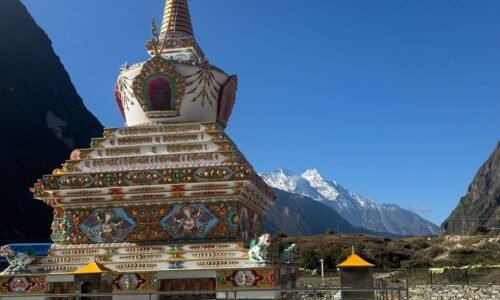
- Maximum Altitude: 3200 m
- Trek Duration: 8-9 hours
- Trek Distance: 16 km
- Meal: Breakfast, Lunch and Dinner
- Accommodation: Monastery
The itinerary for the day will be following a visit to Rachen Gompa after you are refreshed by the breakfast at the Nile. Then your Tsum Valley Trek Route will be shifting to the south, and the first stop from Chhokangparo is on the way to Chumling. After two hours’ walk, you may see a small white Gompa at Gho. A short distance from this monastery, the walking trail goes down to Siyar Khola over a wooden bridge.
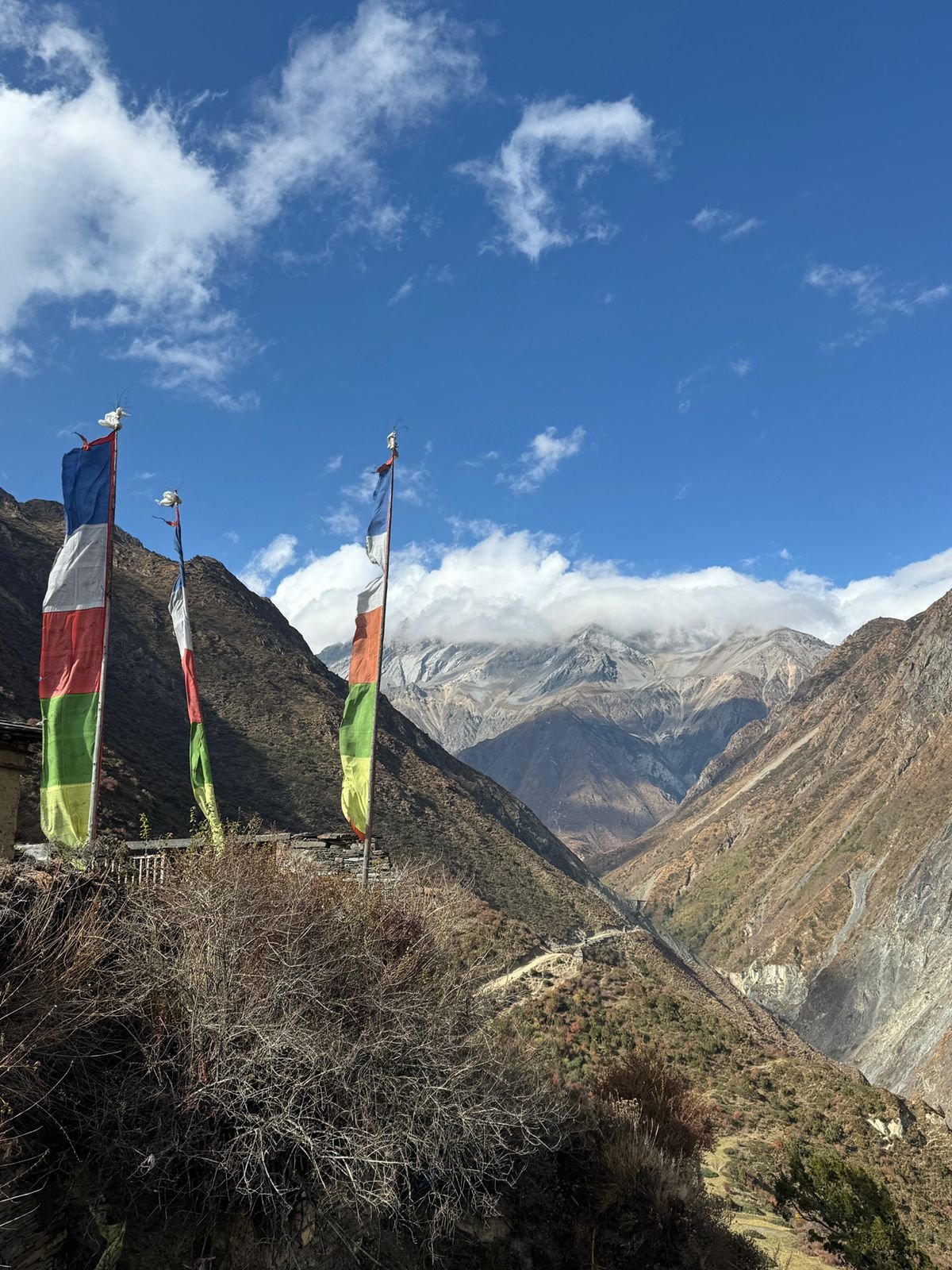
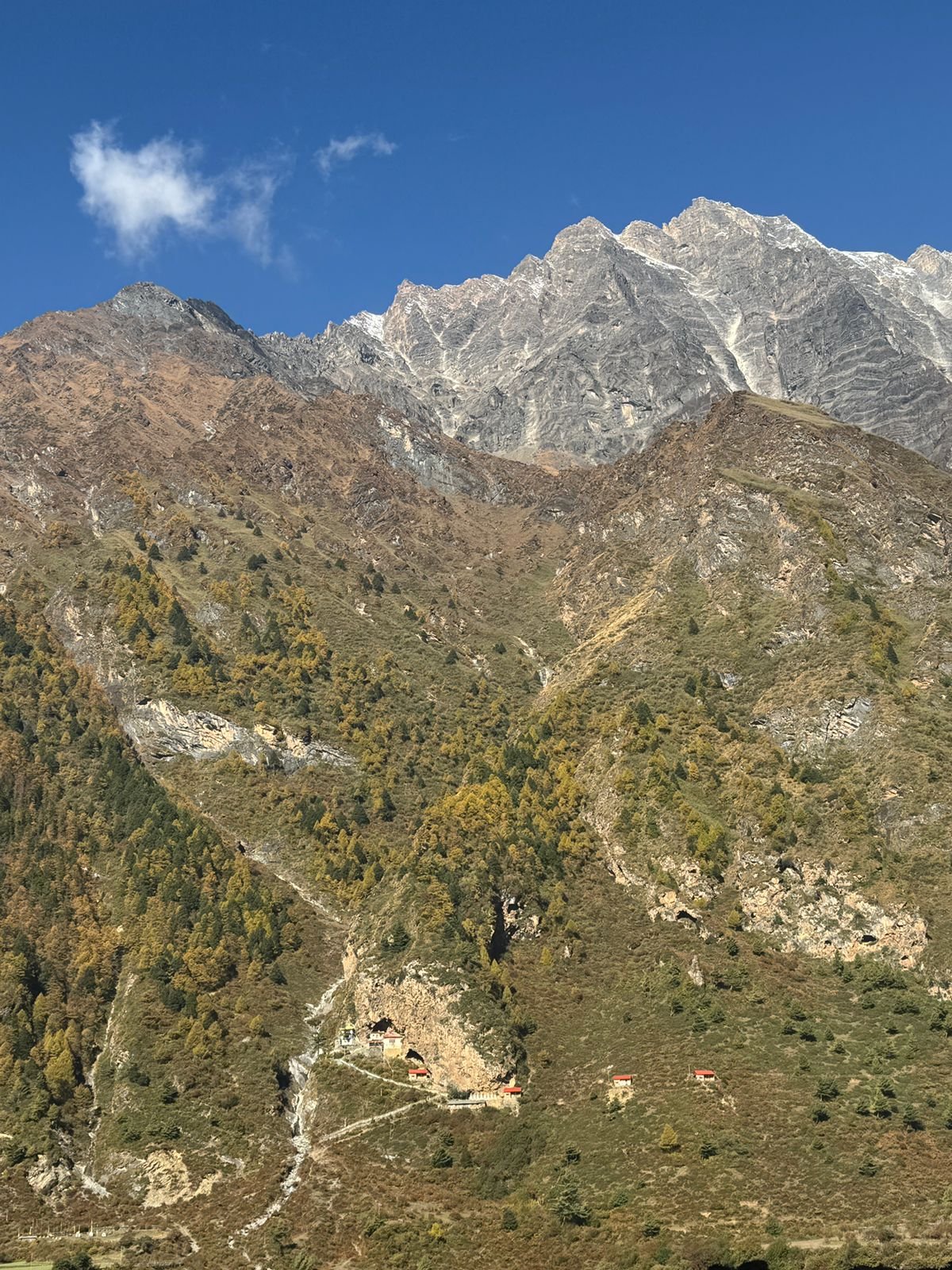
After crossing this bridge, you will be at Domje, where there is a school and a clinic of Tibetan herbal medicine. From the way, you will be able to see numerous mani walls and prayer flags as you walk from the east of Domje through the grove of pine, juniper, and rhododendron. For visiting Lungdang Gompa, you can’t expect a simple walk, as once more you have to climb through the silver pine forest. Around 40 nuns live at Gumba Lungdang, who are famous for their fierce puja that lasts from 6:00 to 7:30 pm. The gompa offers an excellent and heart-stopping view of the surrounding mountains.
Day 9
Trek from Gumba Lungdang to Ganesh Himal Base Camp then back to Gumba Lungdang
- Maximum Altitude: 3200 m
- Trek Duration: 7-8 hours
- Trek Distance: 11 km
- Meal: Breakfast, Lunch and Dinner
- Accommodation: Monastery
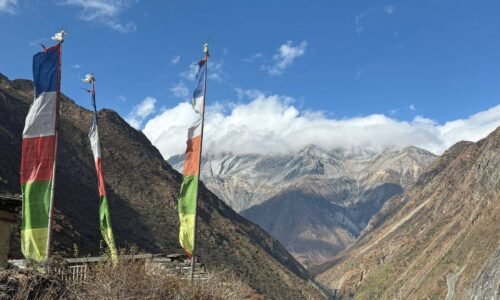
Today, the itinerary is a challenging walk to the Ganesh Himal Base Camp. Even though the pace starts with a climb, you will be so into the beauty of nature that you will hardly notice it. On your way, you will cross some smaller valleys on the Tsum Valley Trek Path. The tracks may be hidden because almost nobody goes to Ganesh Himal Base Camp, but your guides will not let you get lost. You should expect to get Ganesh Himal Base Camp in about 4 hours. After enjoying the view of beautiful nature from Ganesh Himal Base Camp, you will be heading back to Gumba Lungdang for the night.
Day 10
Trek from Gumba Lungdang to Lokpa
- Maximum Altitude: 2240 m
- Trek Duration: 7-8 hours
- Trek Distance: 16 km
- Meal: Breakfast, Lunch and Dinner
- Accommodation: Tea House
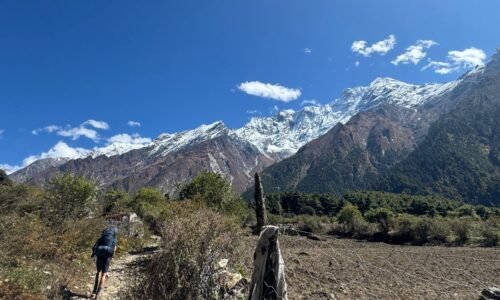
The whole day you’ll spend in the Tsum Valley Trekking Trail to be back in Lokpa after enjoying a few days in the Gumba Lungdang area. You will descend to Domje first, and then, after taking the higher Domje trail, you will cross the Laudang Khola. From Domje, you will head south to Ripchet; this will be a pleasant trip by way of the dense forests and over suspension bridges. Soon after, you will continue down to Batti Ghumlong and finally go up gradually to Lokpa.
Day 11
Trek from Lokpa to Jagat
- Maximum Altitude: 1340 m
- Trek Duration: 7-8 hours
- Trek Distance: 14 km
- Meal: Breakfast, Lunch, and Dinner
- Accommodation: Tea House
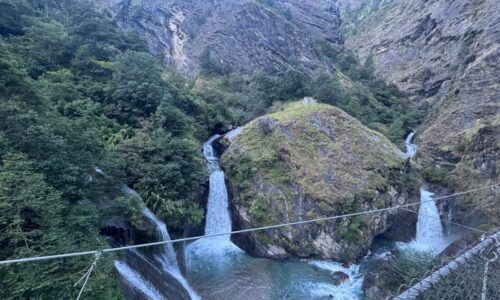
After spending the night in Lokpa, your Tsum Valley trekking path will eventually drop down to Jagat, where you will get to the Budhi Gandaki River again. It is possible to get a glimpse of the mountains from the paths. The trip will be quite easy and pleasant for the legs as it leads through the woods and downhill terrain. Before you arrive at the villages of Sirdibas and Salleri, there are a few suspension bridges you need to cross.
Day 12
Trek from Jagat to Machha Khola
- Maximum Altitude: 860m
- Trek Duration: 6-7 hours
- Trek Distance: 17 km
- Meal: Breakfast, Lunch and Dinner
- Accommodation: Tea House
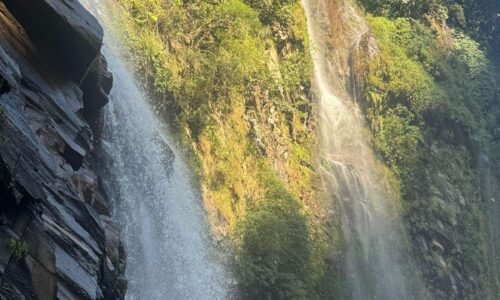
Your Tsum Valley trekking route will descend to Lapubensi after a morning meal. You will have a mostly pleasant outing as you walk down, but the real excitement is from the suspension bridges. In order to get from Machha Khola to Lapubensi, you will pass through the villages of Yaruphant, Dobhan, Tatopani, and Khorlabeshi, which are very picturesque.
Day 13
Drive from Machha Khola to Kathmandu
- Maximum Altitude: 1350m
- Duration: Approximately 8-9 hours Drive
- Drive Distance: 164 km
- Meal: Breakfast and Lunch
- Accommodation: Three-star standard hotel
Now we can drive from Machha Khola to Kathmandu, so you will take a vehicle to Arughat Bazaar from Soti Khola. At Arughat Bazaar, you will get out of the vehicle after spending a little time driving. You can take a public bus from Aarughat to Kathmandu that will take about 5 to 6 hours. Our representative will take you to your hotel in Kathmandu after arrival. As the Tsum Valley trekking journey comes to a close, we will have a farewell dinner to celebrate the great achievement.
Day 14
Time to Say Goodbye
- Meal: Breakfast
Today marks the end of your amazing Manaslu Circuit Trek experience. Depending on your flight time, our representative will take you to the airport for your next travel. Depart Nepal with joyful memories of the spectacular mountain landscape, the culturally enriching experiences, and the most fulfilling Himalayan trekking adventure.
Tsum Valley Trek-14 Days Fixed Departures Dates
Trip Cost Includes/Excludes
Cost Includes
- International airport Pick up and drop-off by private car
- Standard three star hotel accommodation in Kathmandu with breakfast
- Breakfast, lunch, and dinner will be served throughout the trip with a cup of tea/Coffee
- Mountain accommodation (Tea House)
- Experienced trekking guide and porter according to your group size
- Kathmandu Machhakhola to Kathmandu by public bus
- Manaslu conservation area all required Tims and Permit
- Trekking duffel bag and sleeping bag but you have to refund after complete your trek
- Nepal Royal Tourism logo printed hiking t-shirt (That will be complimentary)
- Certificate of Appreciation after complete your trek
- All Government taxes
Cost Excludes
- Any other expenses (including hot and cold drinks, mineral water, alcoholic drinks, cigarettes, toiletries, and any other personal expenses).
- Travel insurance.
- Tips for guide and porter (optional but expected).
Trip Photo/Video Gallery
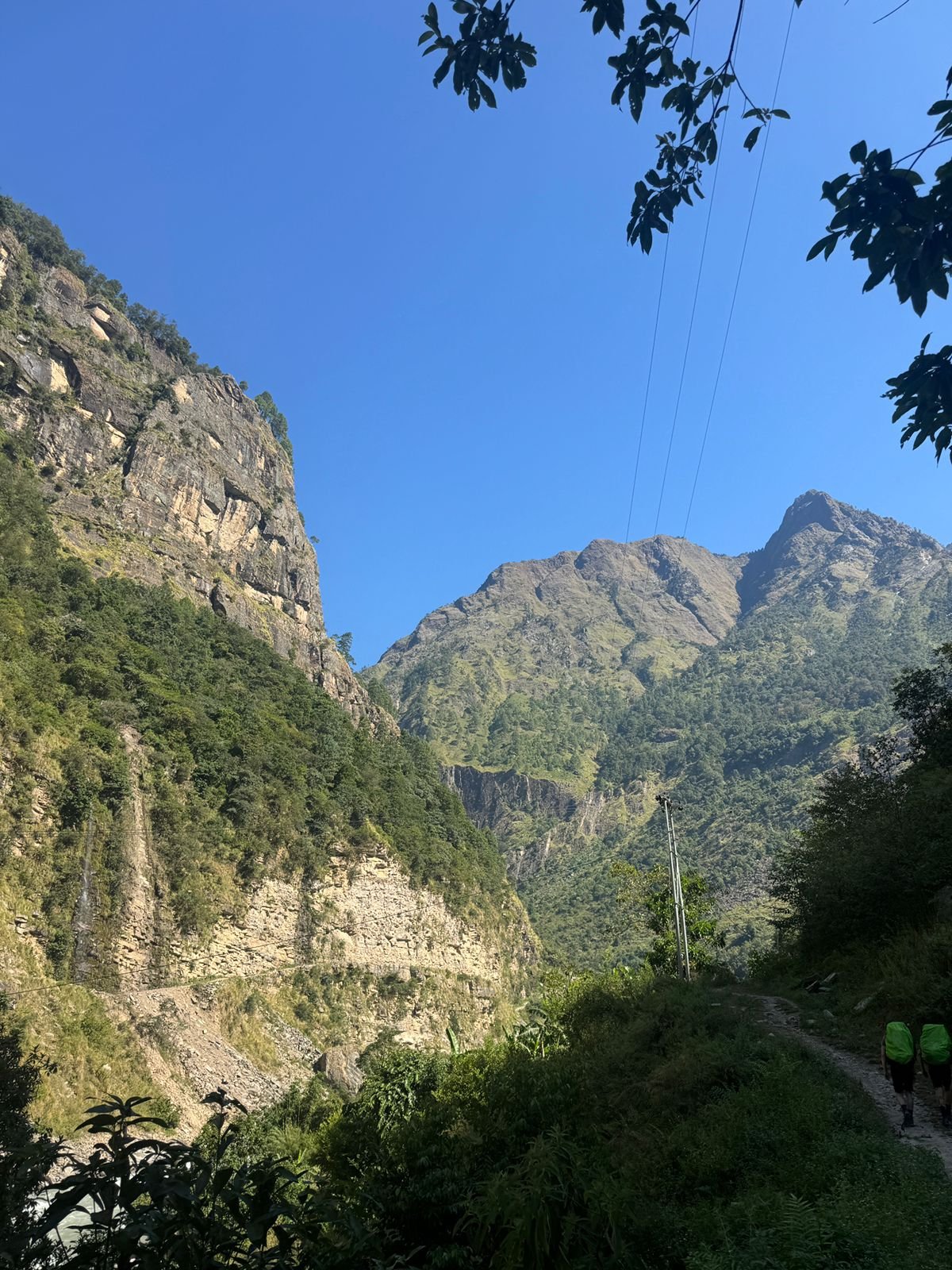
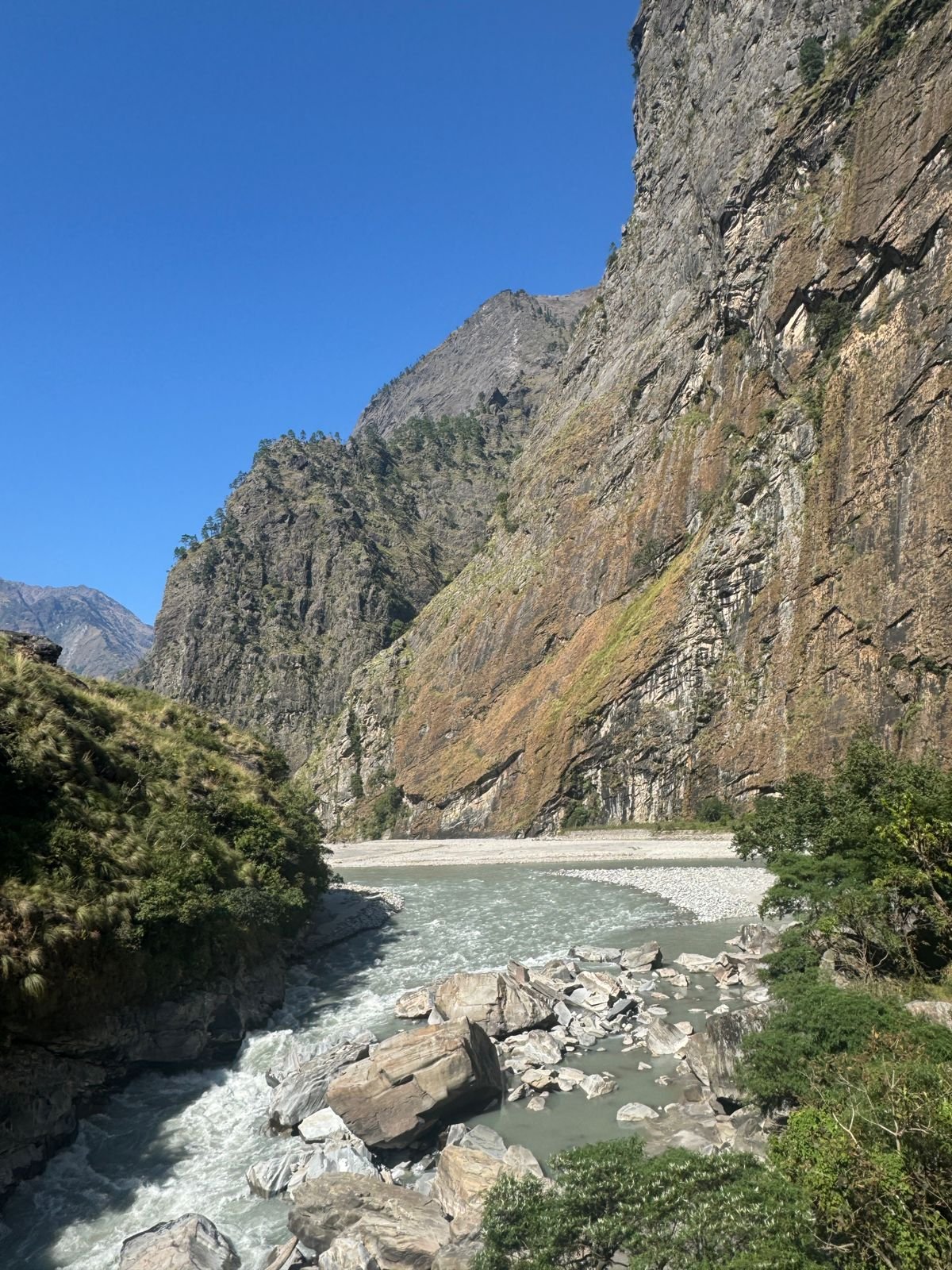
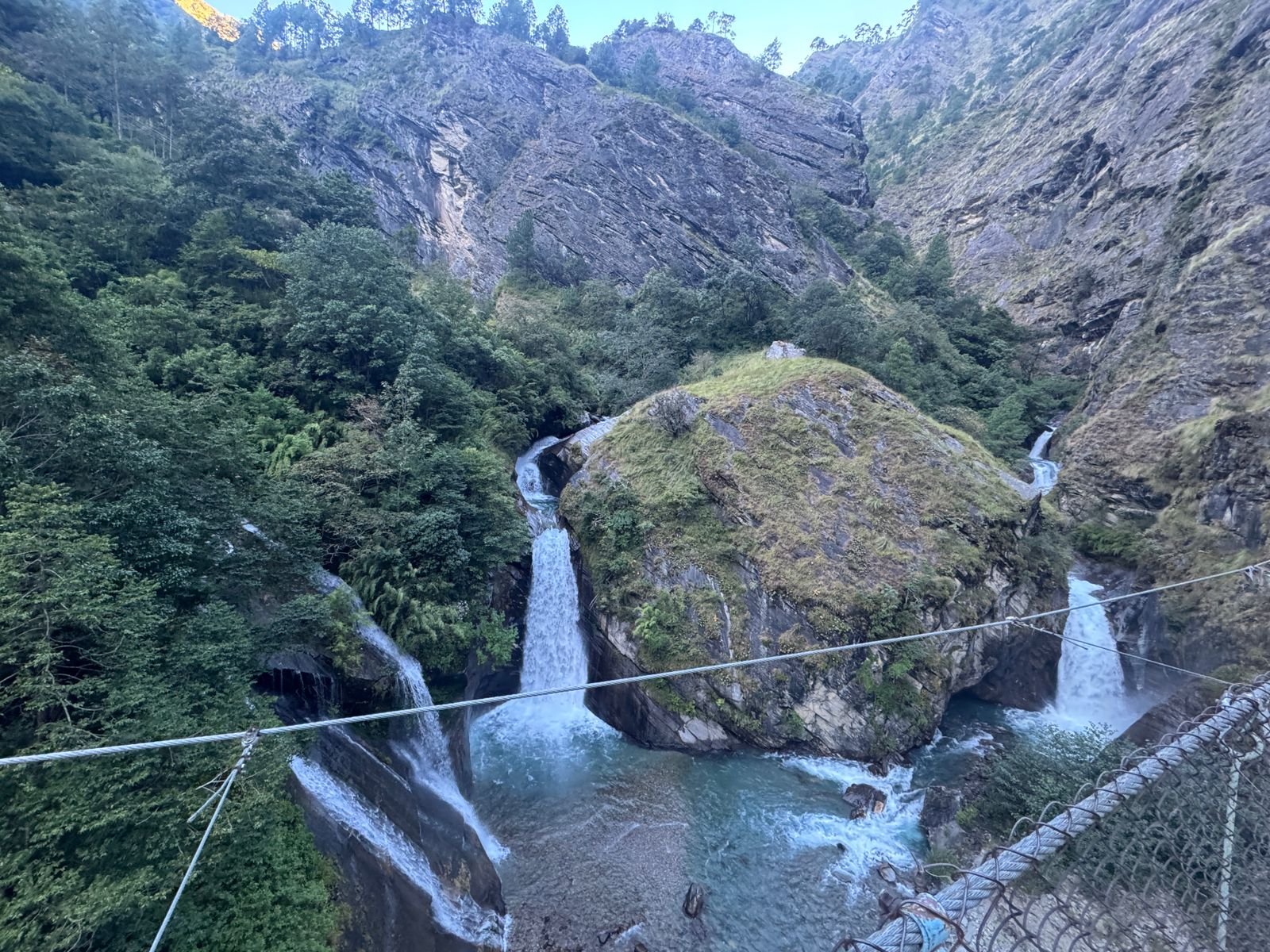
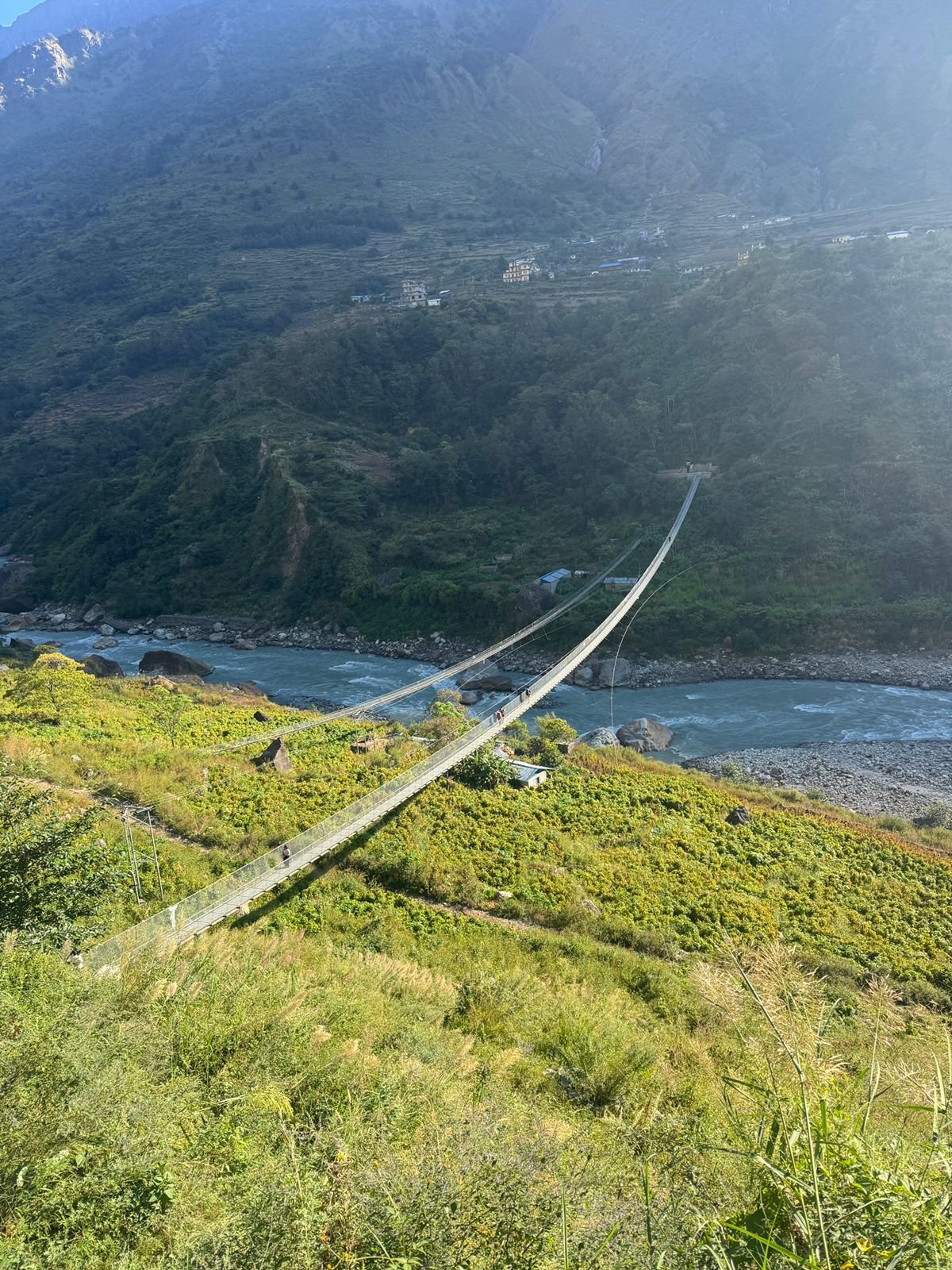
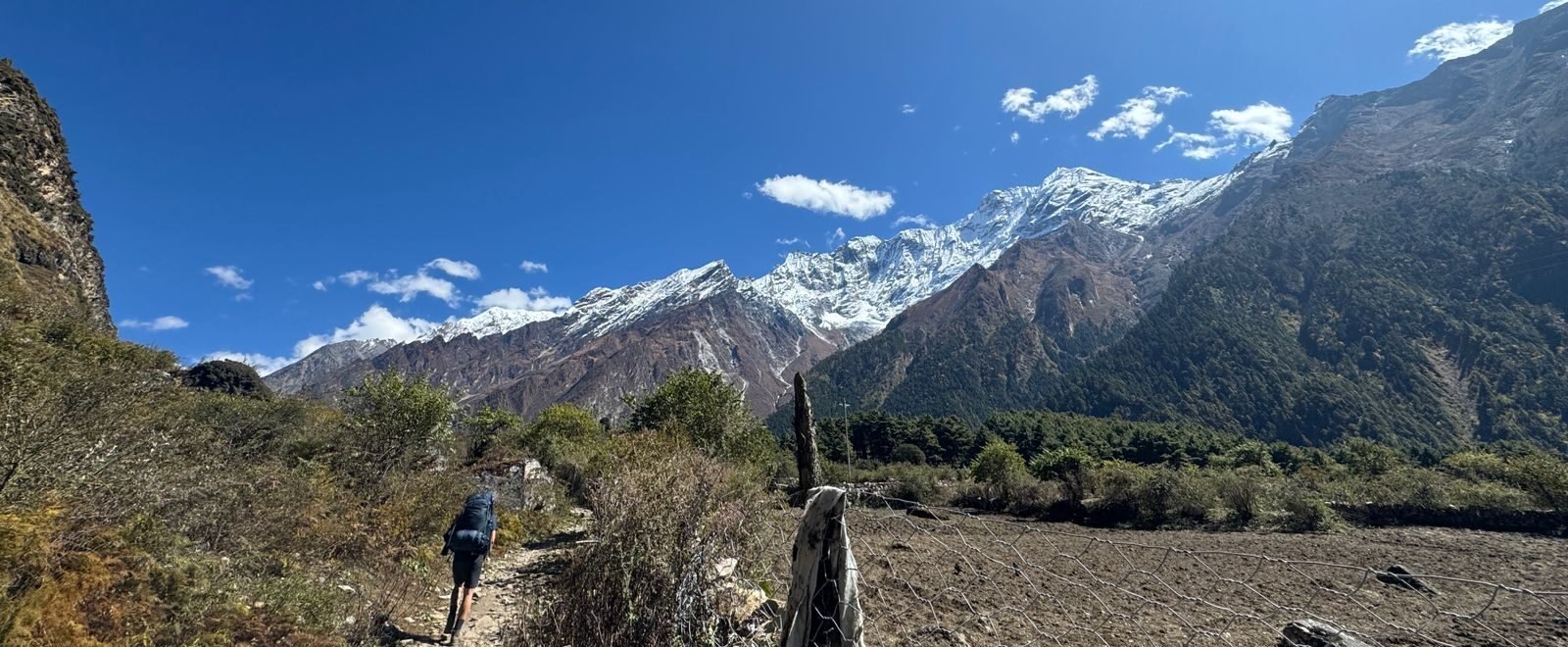
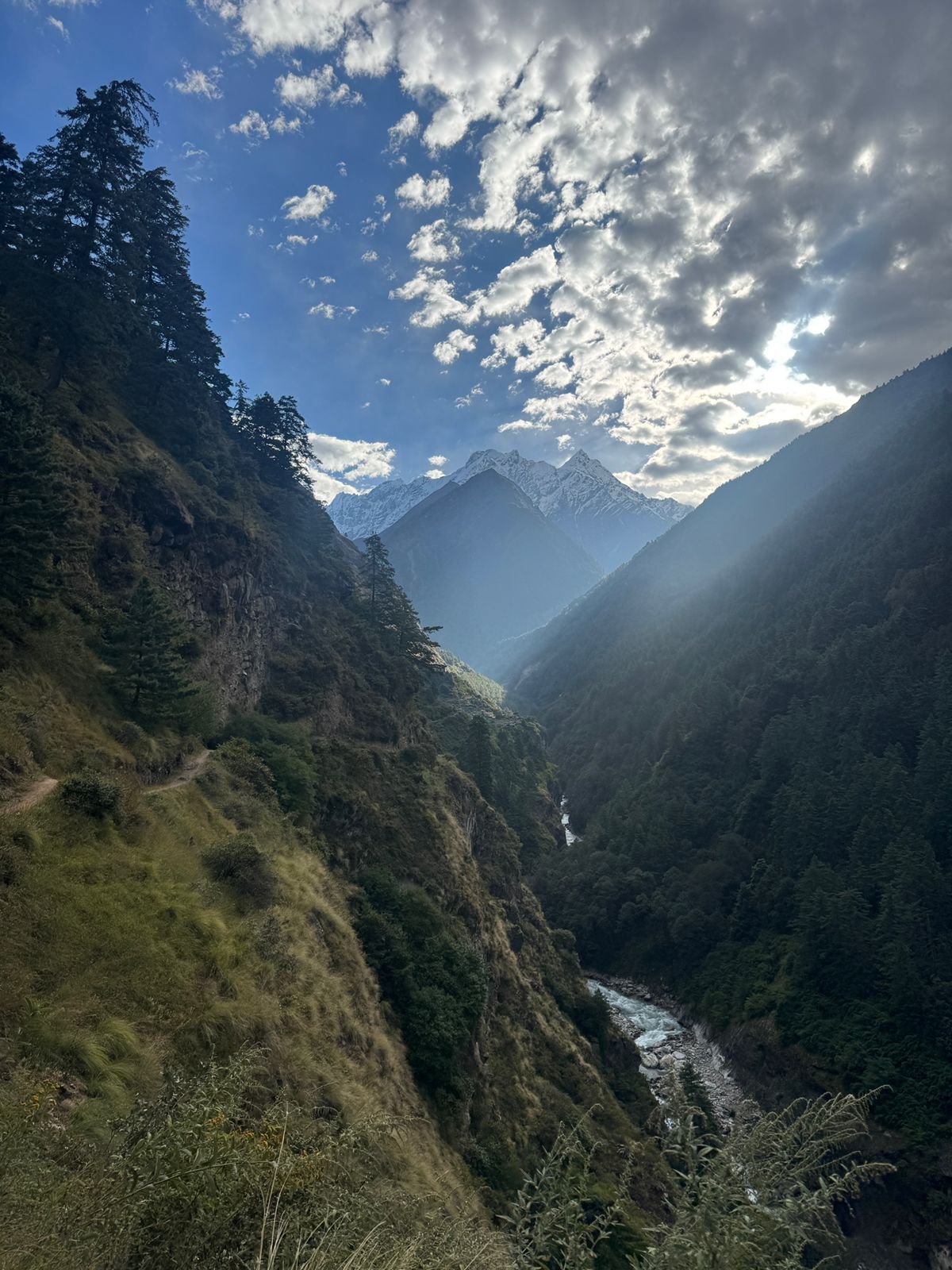
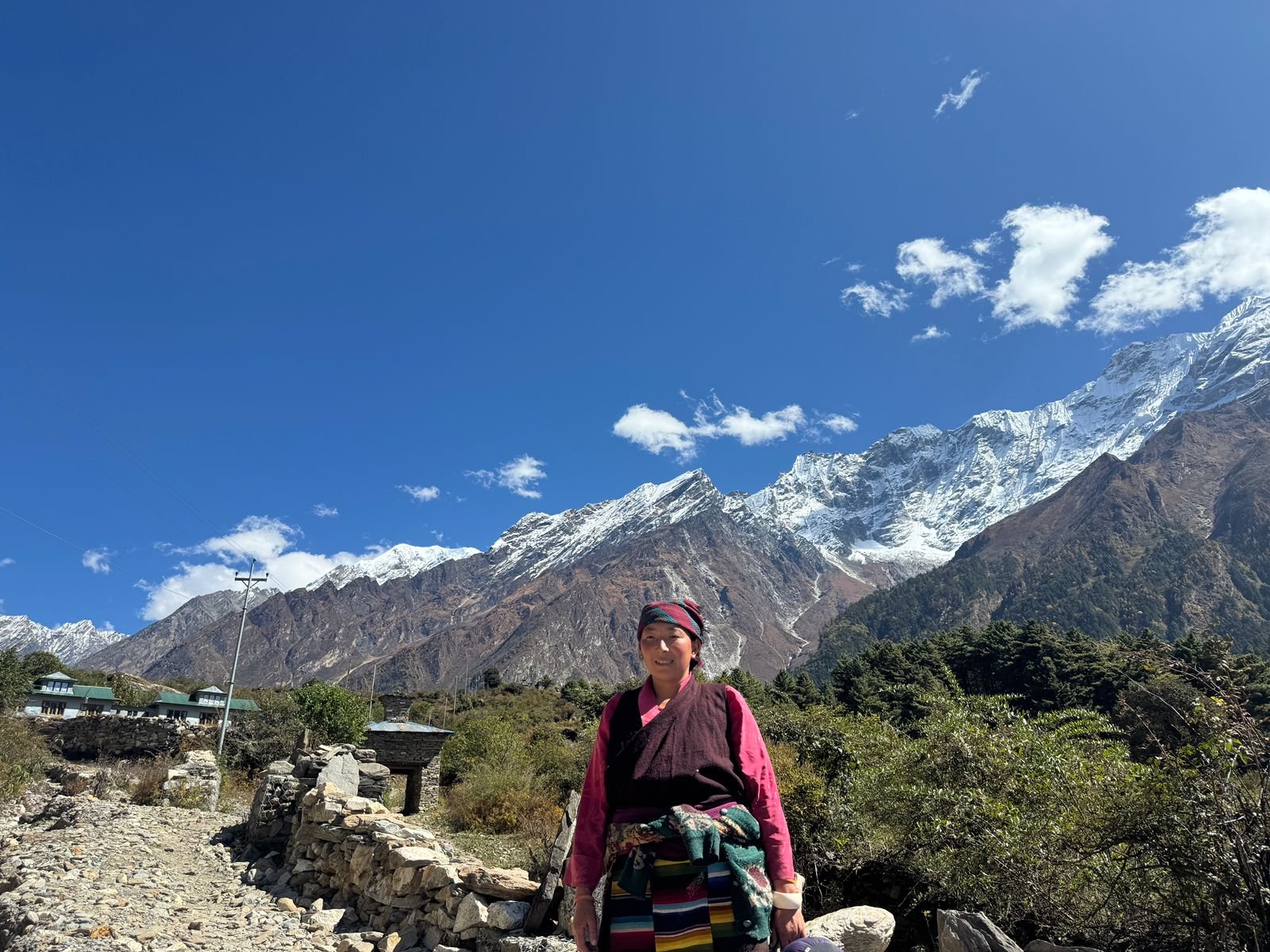
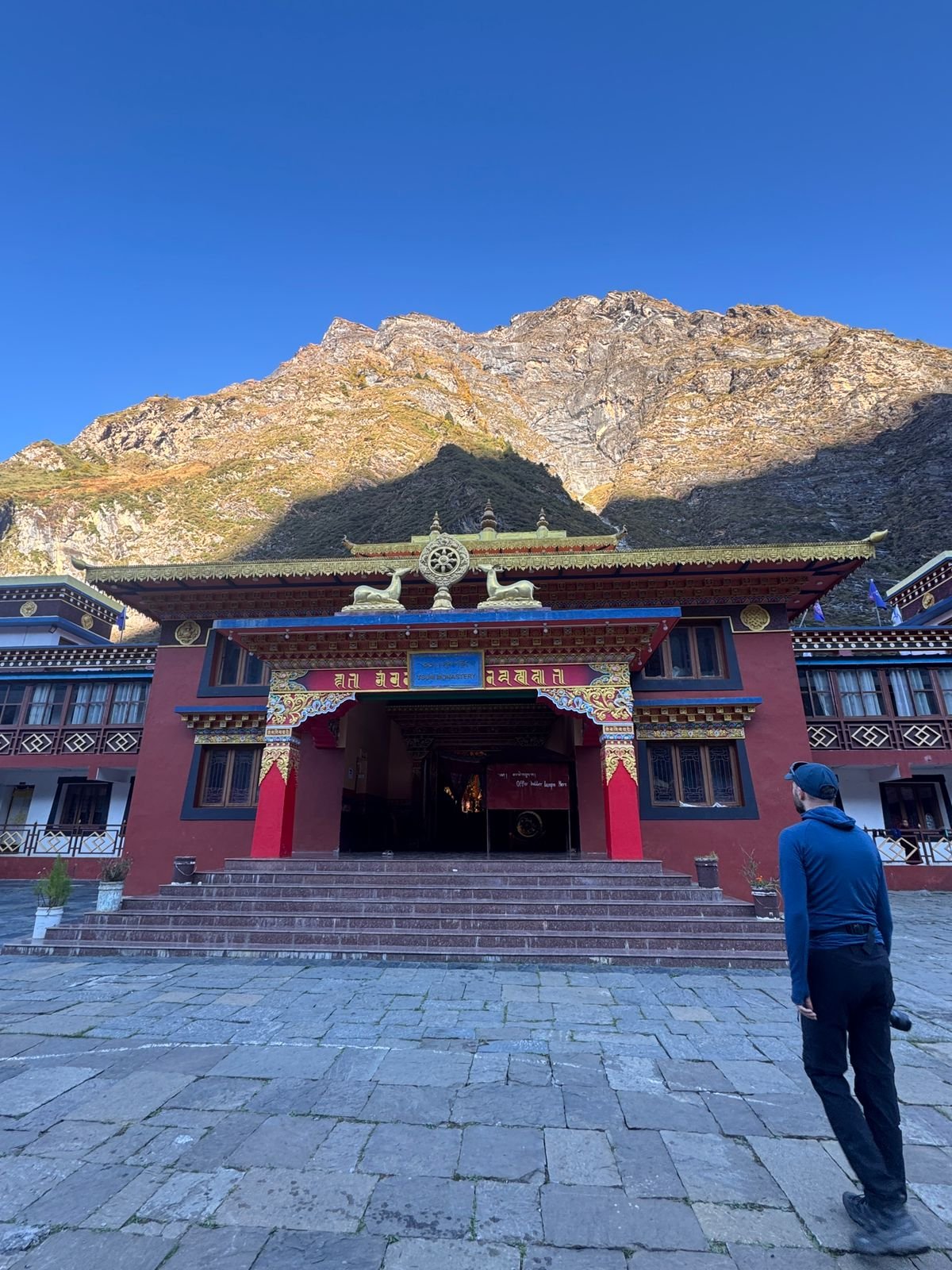
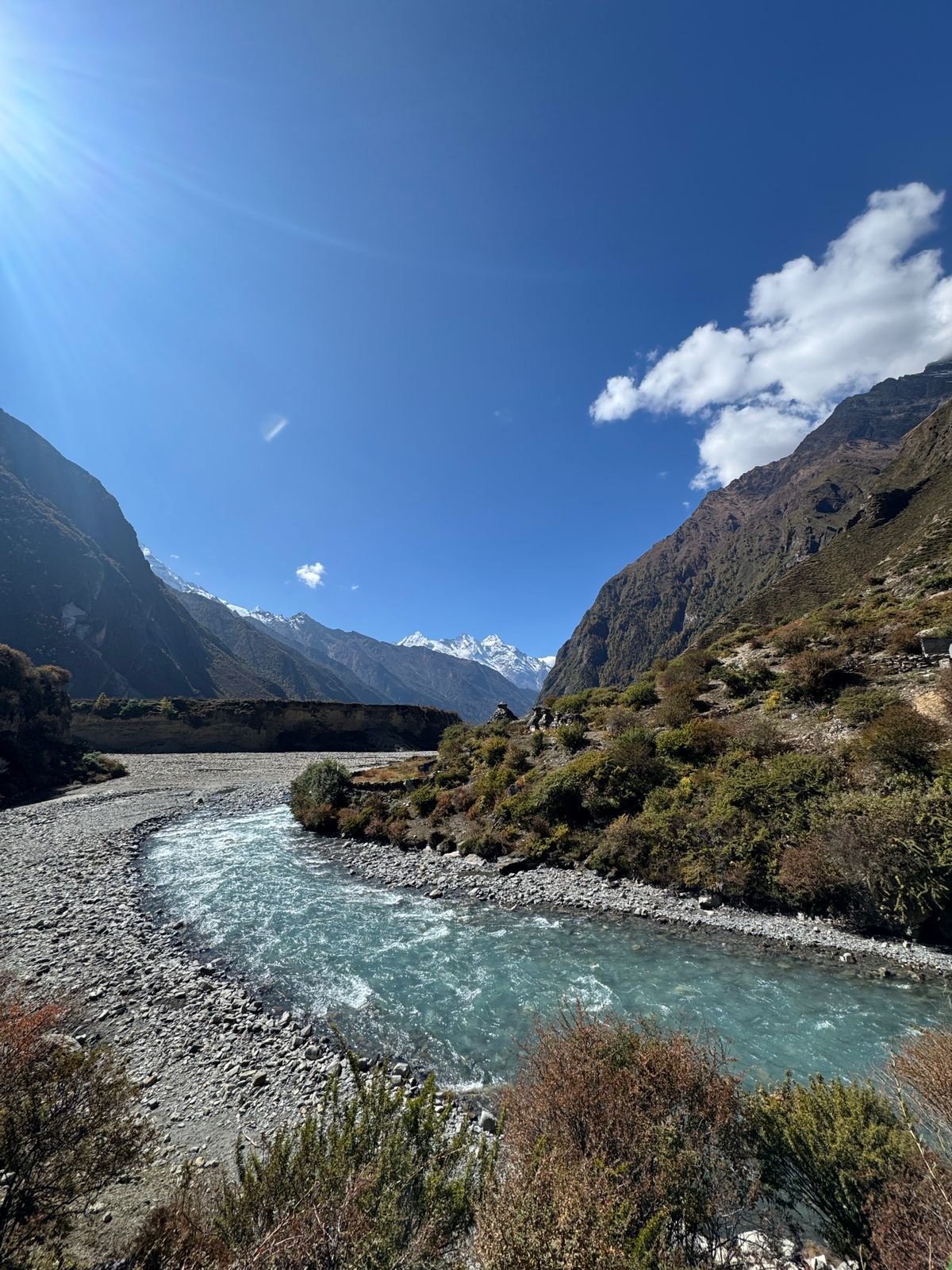
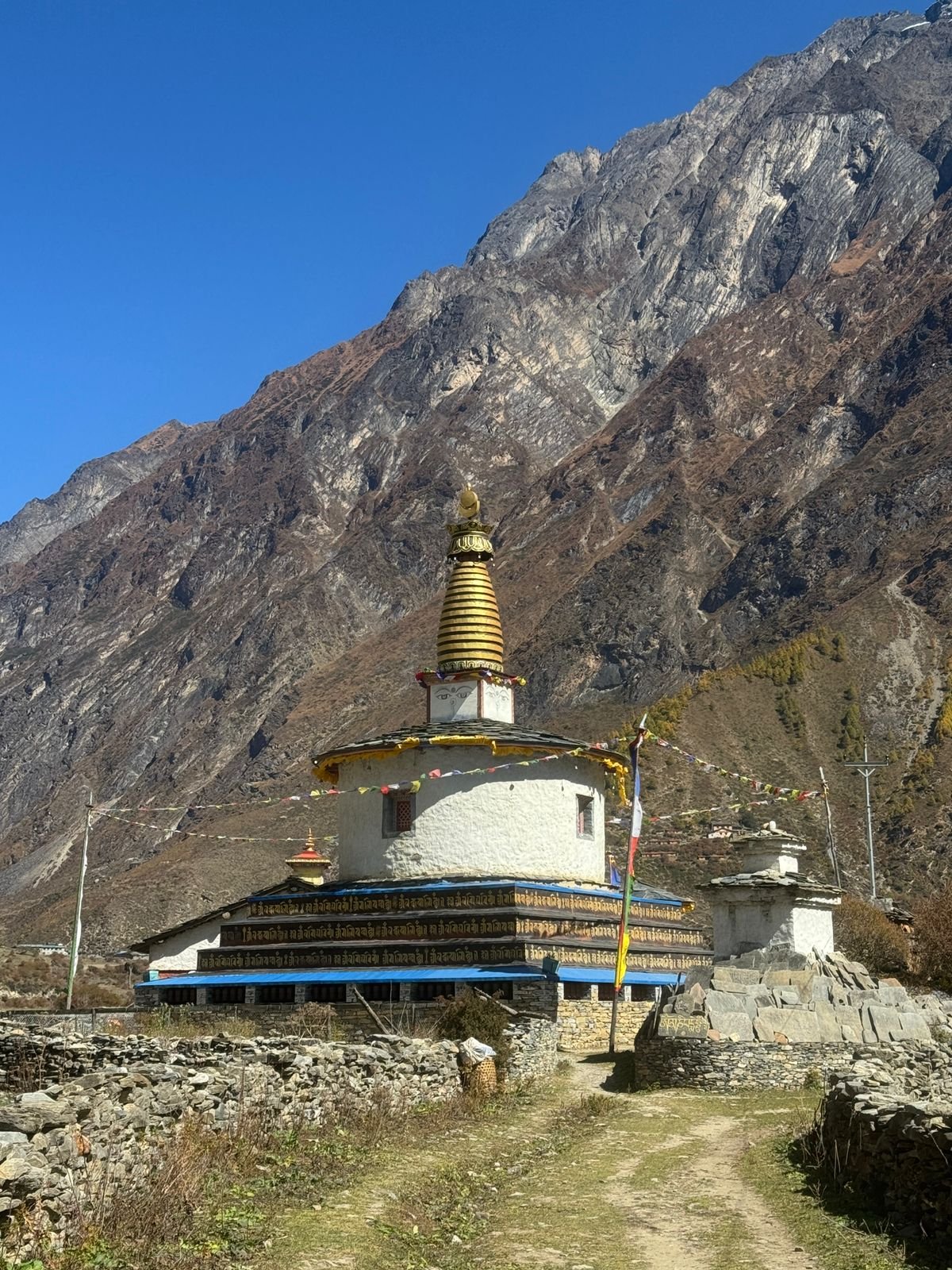
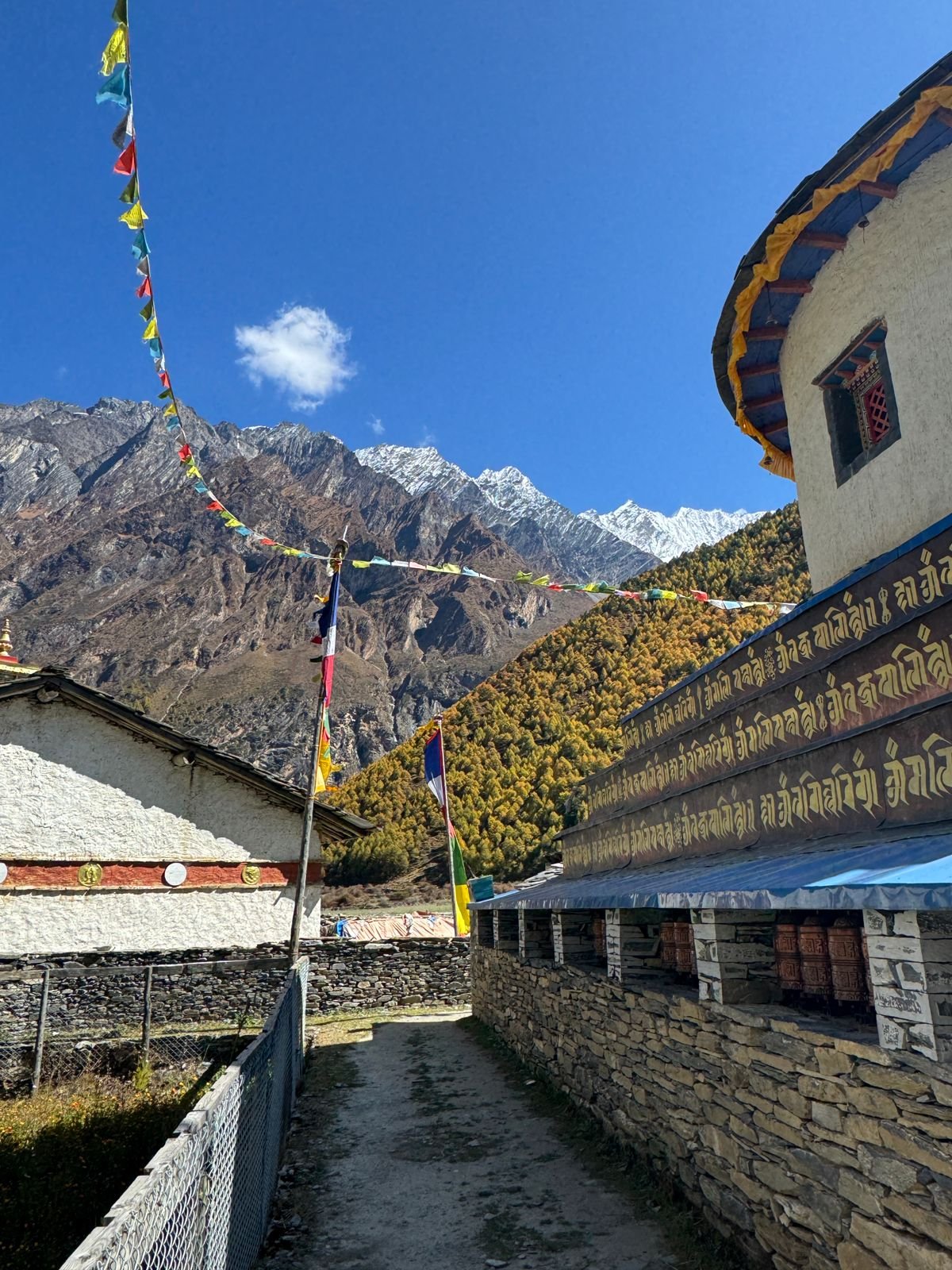
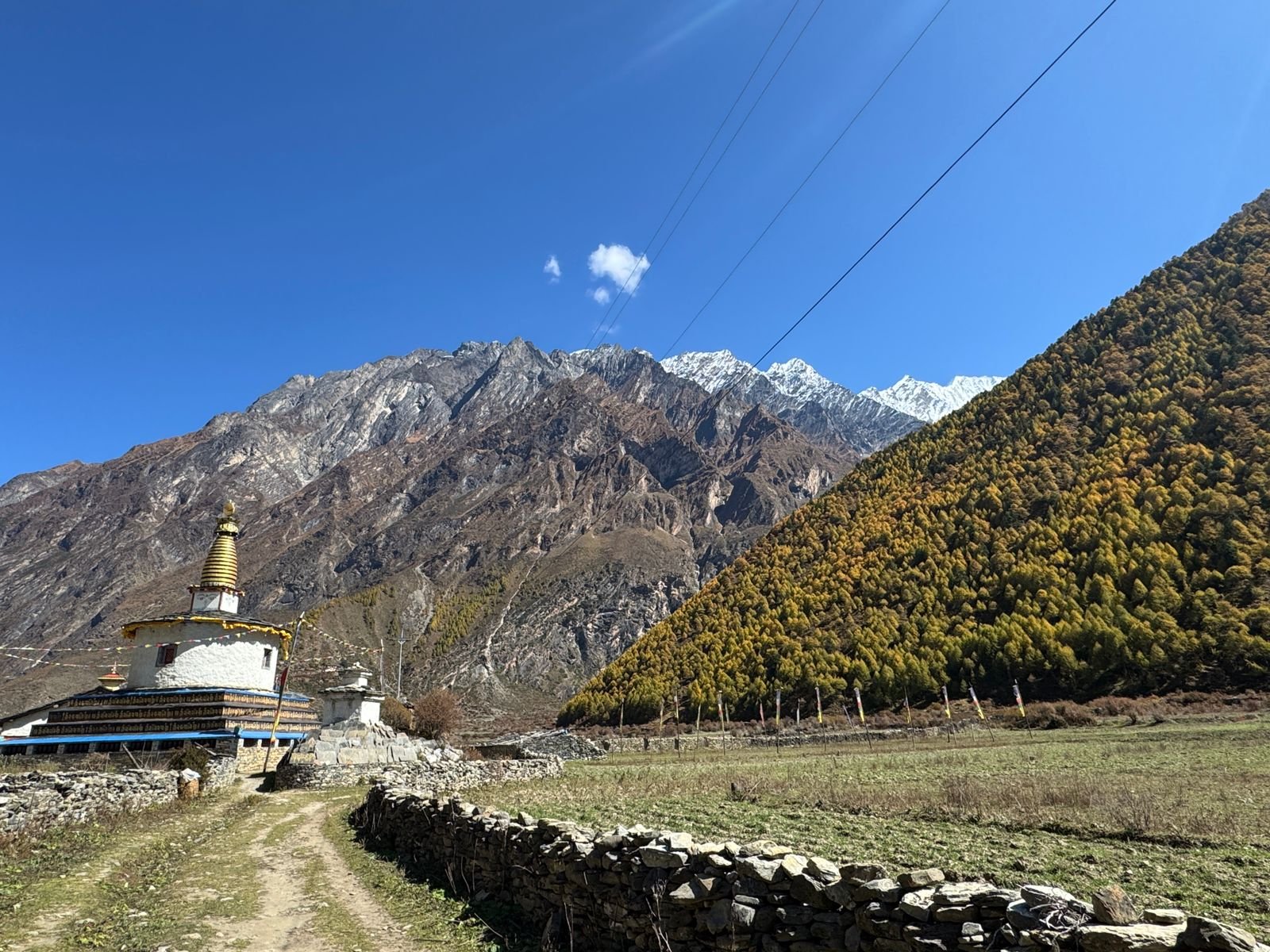
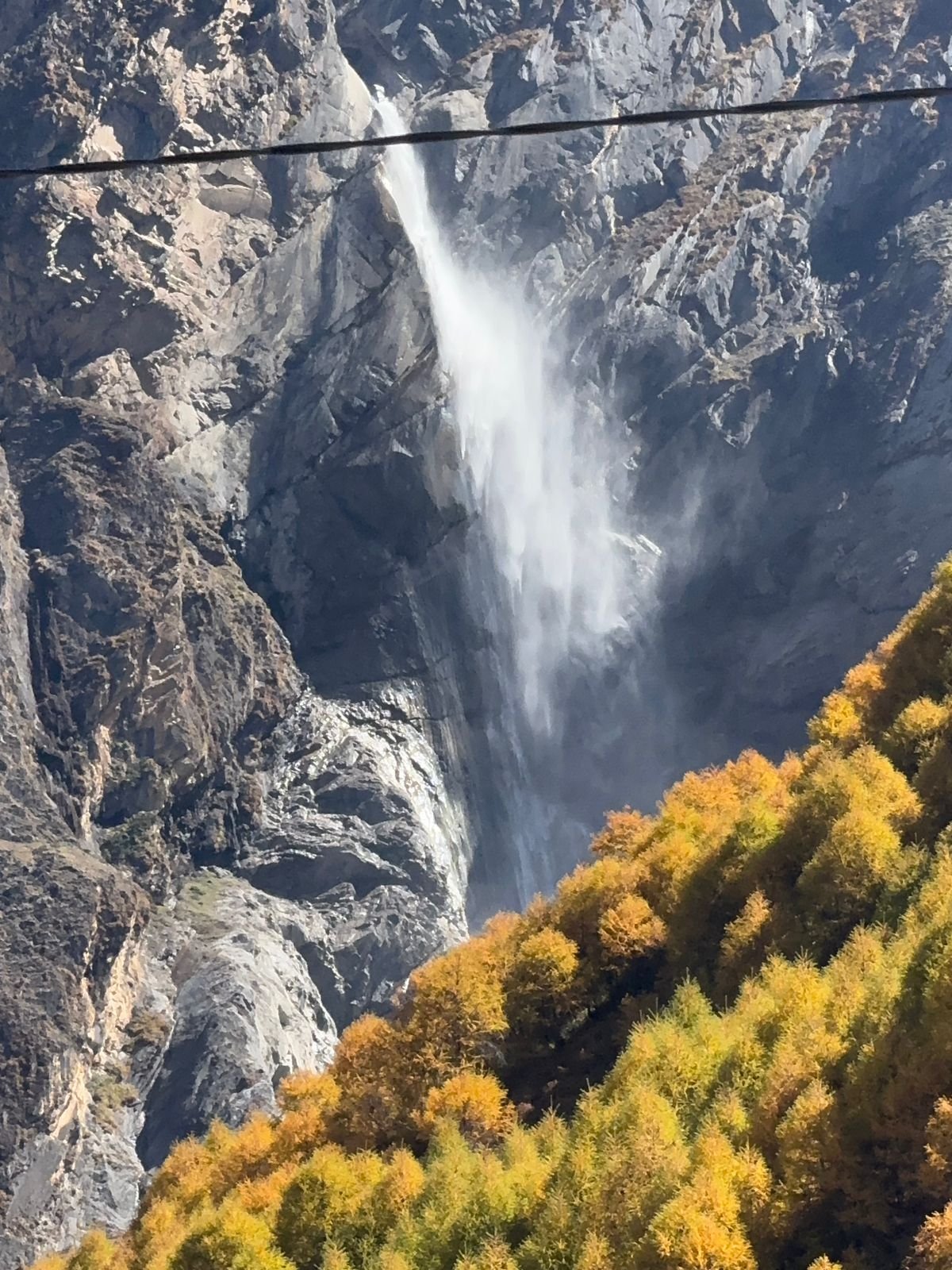
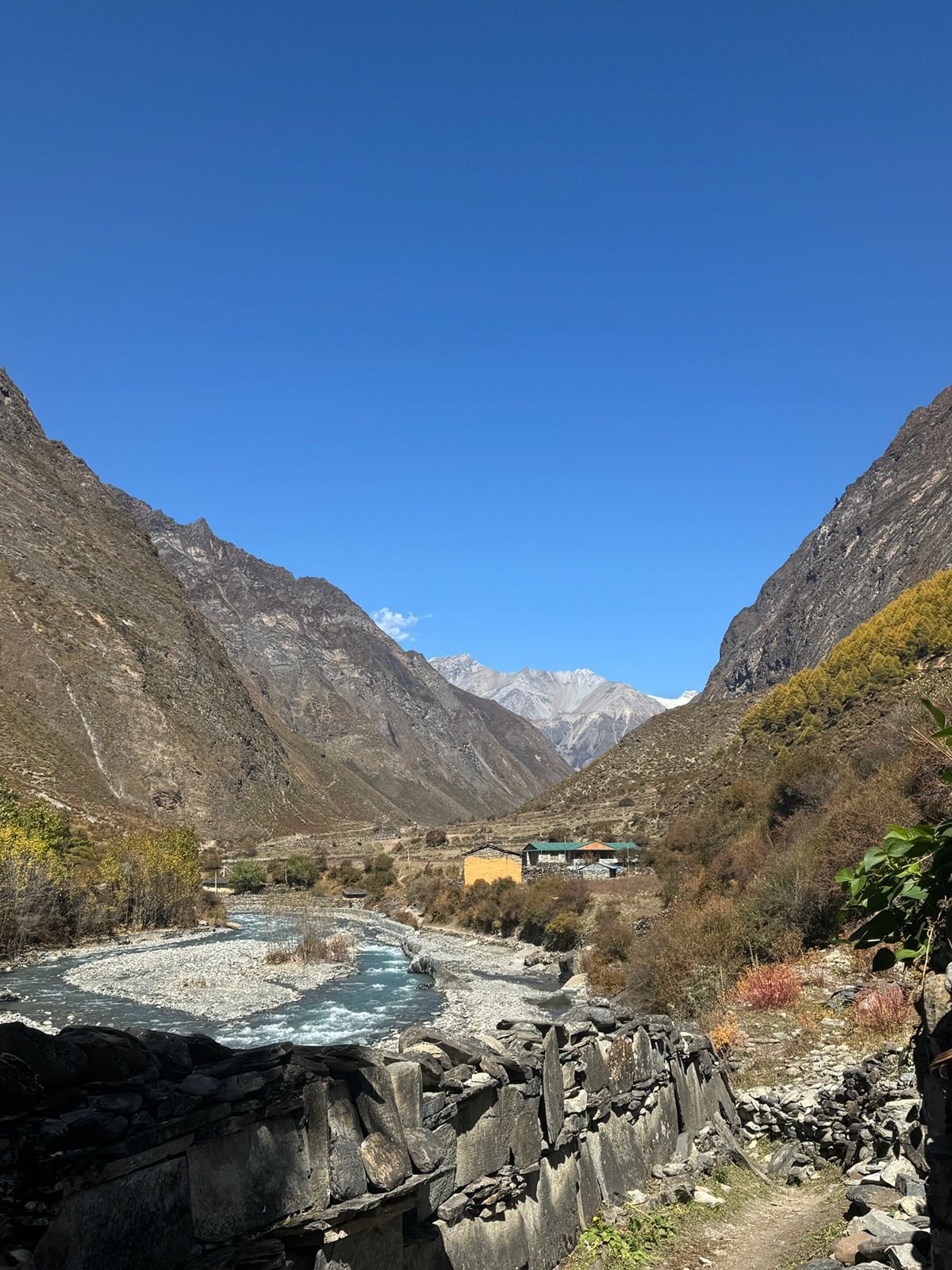
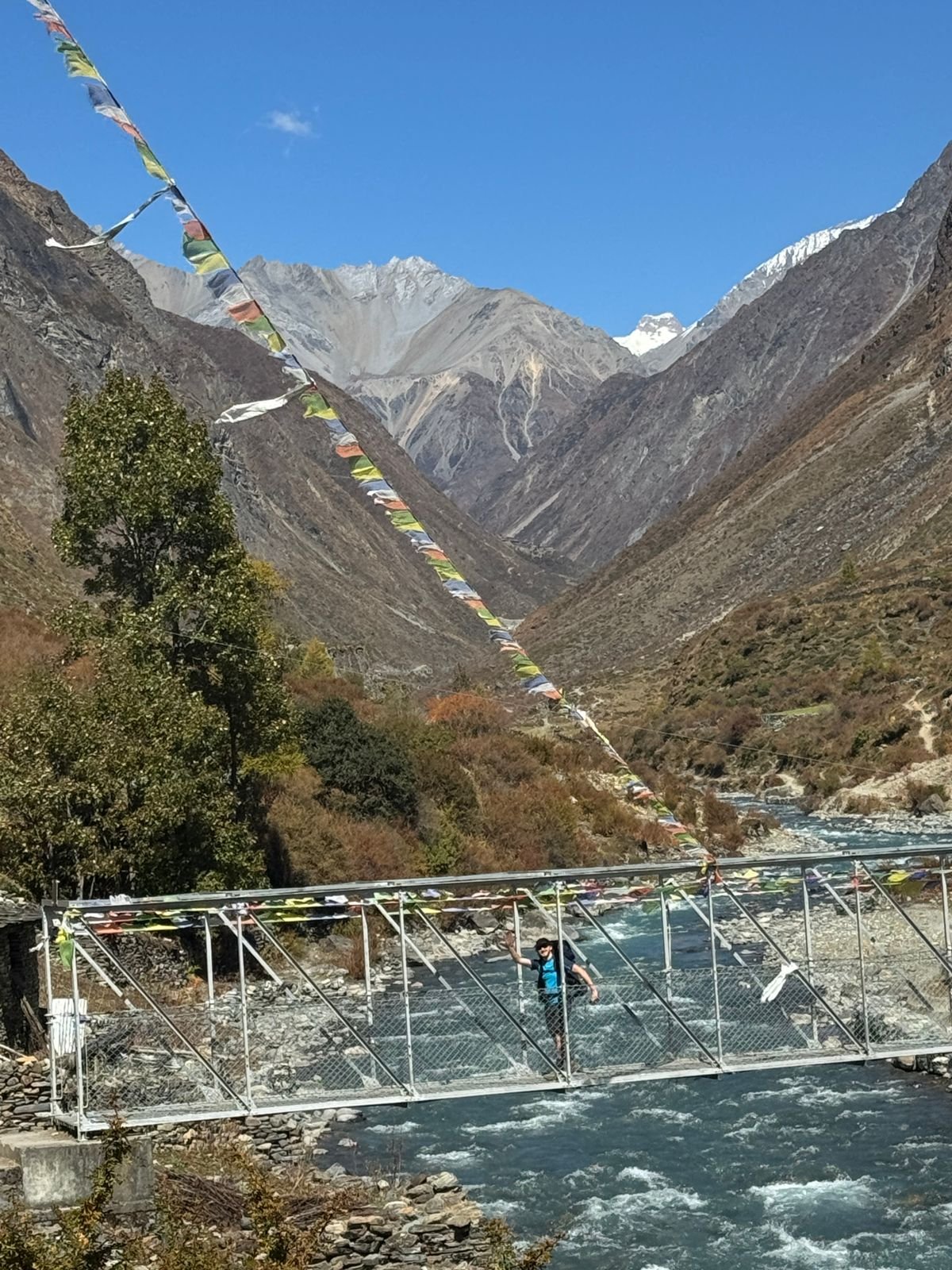
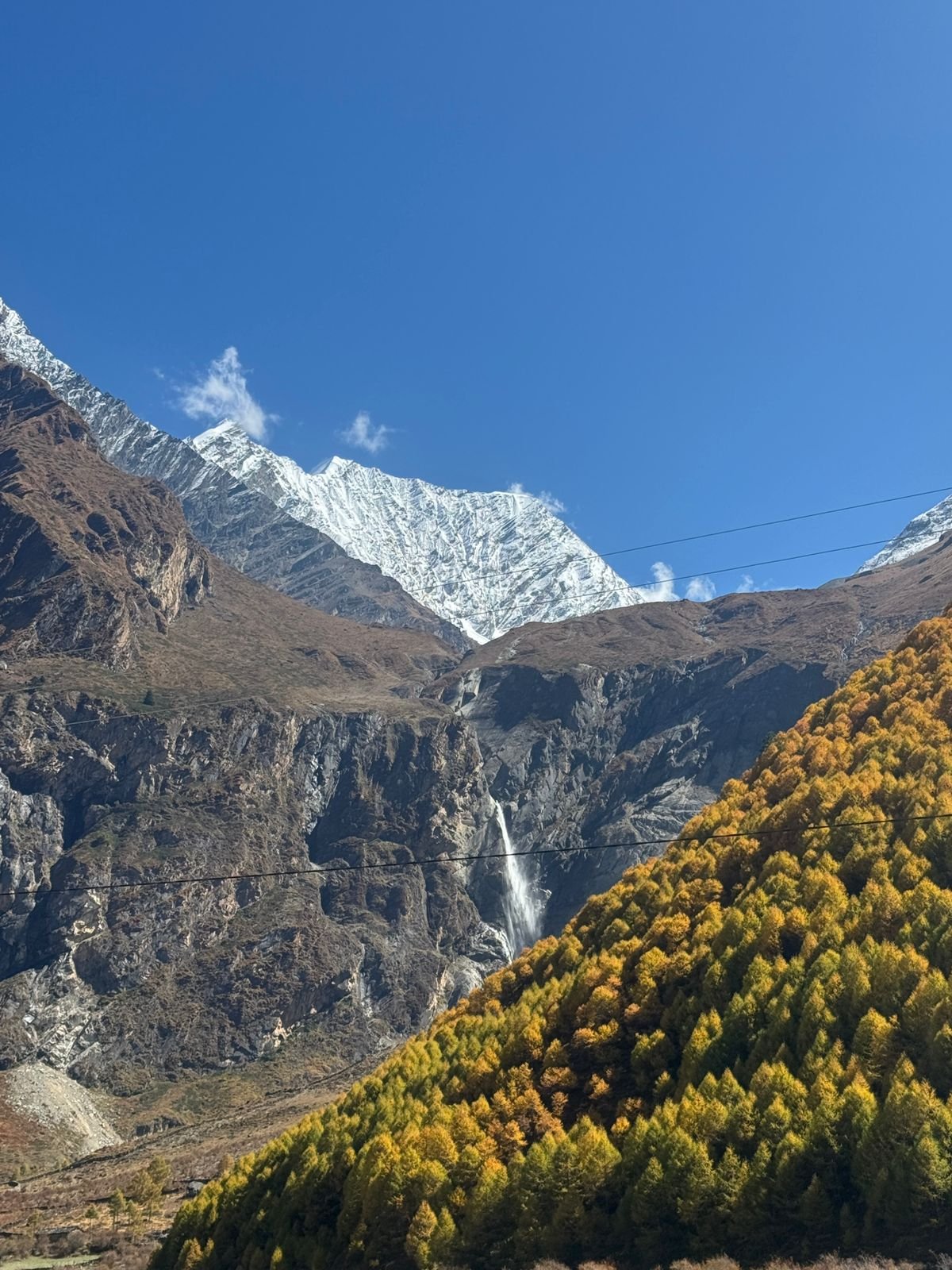
Route Map for Tsum Valley Trek-14 Days
Frequently Asked Questions
The Tsum Valley trek is a lesser-known, off-the-beaten-track route nestled in the Manaslu area of the Nepal Himalayas. Also referred to as the “Hidden Valley”, it is a stunning mix of the cultural heritage of Tibetan Buddhism, ancient monasteries, traditional villages and magnificent mountain views. It was only in 2008 that the valley was opened for foreign visitors, and it is still one of Nepal’s most culturally conserved trekking regions.
The Tsum Valley Trek is a moderate level trekking. There aren’t very tall mountain passes to cross it, but trekkers should still be prepared for walking on rough trails, short steep climbs and getting used to the effects of high altitude.
If you do the regular Tsum Valley Trek only, then you will need 12 to 14 days to complete it. But there are also some trekkers who combine it with the Manaslu Circuit Trek, in which case, the total duration will be 20 days or even more.
The highest elevation reached during the trek is at Mu Gompa, which is about 3,700 meters above sea level. On some itineraries, there are opportunities to go to higher viewpoints, e.g., Ganesh Himal Base Camp.
Tsum Valley is a restricted area and a Restricted Area Permit (RAP) is what the visitors must have in order to visit Tsum Valley. Trekkers also have to get a permit for the Manaslu Conservation Area (MCAP).
No. You won’t be allowed to go on an independent trek in Tsum Valley. As per the government of Nepal rules, not only must you be accompanied by a licensed guide, but the permits should also be procured through a registered trekking company to be safe.
The two best time periods for the Tsum Valley Trek are Spring (March to May) and autumn (September to November). One can expect stable weather conditions, good visibility of mountains, and excellent trekking conditions in these months.
The main highlights of the trek are Mu Gompa, Tsumba communities, Tibetan Buddhist heritage, Mani walls, prayer flags, Ganesh Himal’s views, splendid monasteries – Rachen Gompa, and the quietness of a scarcely inhabited Himalayan valley.
Even though the highest point of the trek isn’t extremely high, some trekkers may still experience altitude sickness symptoms to a certain degree. The risk can be greatly lowered by proper acclimatization, drinking enough water, and slow ascent.
During the trek, you will be staying mostly in small teahouses and lodges. The rooms are generally very basic but sufficient and provide the visitors with the warmest hospitality from the local hosts.
Tea houses have a good range of food such as Dal Bhat, Chinese noodles, fried rice, pasta, soups, different kinds of potatoes, eggs and Tibetan bread. You will also find plenty of vegetarian dishes.
Your hiking gear will witness Ganesh Himal, Sringi Himal, Boudha Himal, Himalchuli along with other majestic Himalayan peaks surrounding the valley.
While the scenes from Everest Base Camp and Annapurna Base Camp are breathtaking, the Tsum Valley is off the beaten path and the cultural aspects of the trip, living in the traditional Tibetan lifestyle, the monasteries, and the folk stories will take you back to the days long gone.
Mu Gompa is the oldest and largest monastery of Tsum Valley. Lying close to the Tibetan border, it is a spiritual beacon of the trek and offers impressive views of the mountains.
There are several ancient monasteries that are visited during the trek such as Mu Gompa, Rachen Gompa and other religious sites that have preserved the traditions over centuries.
The main inhabitants of the valley are Tsumba people who are followers of Tibetan Buddhism and their customs, language, festivals and traditional ways of living have remained almost unchanged for generations.
Yes. It is highly advisable to hire an experienced guide and prepare yourself physically well prior to the trek, but a beginner with a good level of fitness can also achieve the trek without any problems.
You will need trekking shoes, warm garments, waterproof jacket, sleeping bag, trekking sticks, sunglasses, sunscreen, water container, a first aid kit and your personally required medicine.
In some villages there is some mobile and internet connectivity, but it can be unreliable at times. You should not expect to have internet or mobile access all the time.
Tsum Valley Trek offers the perfect chance for anyone who likes to explore the most authentic Himalayan culture, visit the holy monasteries, admire the magnificent mountain scenery and enjoy a truly peaceful trekking experience far away from the busy trekking routes in Nepal. It is indeed a wonderful hidden gem for cultural and spiritual exploration that most people are not aware of.
You may also like

Menu