-
 Duration
18 Days
Duration
18 Days
-
 Difficulty
Challenging
Difficulty
Challenging
-
 Max Elevation
5,545m
Max Elevation
5,545m
-
 Group Size
1-10 Person
Group Size
1-10 Person
-
 Accommodation
Lodge to Lodge Trek
Accommodation
Lodge to Lodge Trek
-
 Start/End
Kathmandu/Kathmandu
Start/End
Kathmandu/Kathmandu
-
 Destination
Kalapatthar
Destination
Kalapatthar
-
 Best Season
March, April, May and Sept, Oct, Nov
Best Season
March, April, May and Sept, Oct, Nov
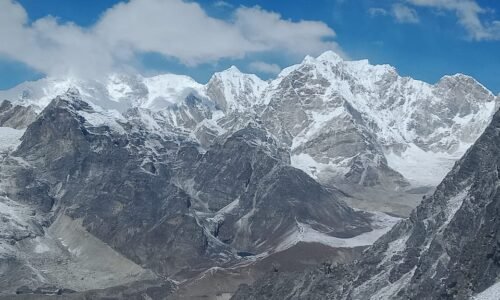
The Everest Three Passes trek is among the most comprehensive and challenging trekking expeditions in the Nepalese Himalayas and is intended for hikers who do not wish to follow the standard trekking paths. It links three high passes, Kongma La, Cho La, and Renjo La, into a single long trail that will see you through established places of interest and remote and silvery valleys.
The trek not only offers a visit to the Everest Base Camp, but it also provides a journey in the center of the Khumbu region. It traverses all varieties of landscapes, including bustling Sherpa towns and frozen valleys, as well as remote alpine basins that are rough and wild. Each segment of the walk presents a new face of the Himalayas, so the trip is exciting and interesting throughout.
The walk is unique, as it connects the well-known places with the lesser-known ones. There are many ways to view Mount Everest, not just one way. Passing by you, too, see other high mountains, Lhotse, Makalu, Cho Oyu, Ama Dablam, Nuptse, and Pumori, usually quietly and privately. The trek is challenging, but it is organized in a way that allows you to acclimate to the altitude. The alternation of hard days, rest, and exploring more in the villages like Namche Bazaar, Dingboche, and Gokyo gives your body time to acclimatize, and you are also enjoying the journey in the process. The speed of this trek is hard but can be done by well-prepared trekkers.
Ultimately, the hike is not only about the exploration of locations. It is about the effort to get each site, walking on rocky terrain that not many get to, and seeing Everest in all its glory. Upon completion, you get the impression that you have travelled through Everest and not visited it.
Why Choose the Everest Three Passes Trek?
By deciding to go on the trek, one decides to go deep rather than shallow. Although the regular Everest base camp can give a wonderful introduction to the region, the Three Passes trail is a trip that leads you deeper both physically and in experience.
One of the motives to choose this trek is the numerous types of landscapes. The path passes through and past popular Namche Bazaar, the open alpine plains of Dingboche and Chukhung, the blue lakes of Gokyo, and distant high valleys with minimal hikers. This unending variation makes the walk fresh even after weeks.
The other enormous attraction is the three high passes. Each has its own feel. Kongma La is also mountainous and distant, with a spectacular glacier panorama. Cho La is a combination of ice, rock, and steep ascents, which is usually the most technical. Renjo La is also difficult but offers one of the best views on Gokyo Lakes and the Everest range in one.
The trek is culturally revealing of the Sherpa life and Tibetan Buddhism. There are old monasteries, turning prayer wheels, mani walls, and villages where mountain life is patterned by altitude, weather, and custom. Remaining there adds additional significance to the hard walk.
The trail is also pleasant to the hiker, who desires permanent pride. The accomplishment of the trek is regarded as one of the best things in Nepal trekking. That puts stamina, patience, and mental fortitude to the test, and in return, you have breathtaking views and self-satisfaction.
What the Everest Three Passes Trek Reveals Beyond the Map
The trek is not an immediate revelation of its secrets. The peculiarity of it is that the experience is modified as you get deeper into it. The initial days are comfortable and even rather simple, yet with time, the journey changes. Roads grow silent, dales widen, and you really feel that you are a long way off the normal world.
One of the major shifts is the rhythm of the trek. You find ordinary lodges and individuals on the common route to Everest. On the Three Passes trail, that is the break. There are days, and then there are days that are far and far between; and then there are days that are quiet, and far, and between, and then the land there is untouched and broad. These are the sections that trekkers are nearest to the Himalayas, due to the silence rather than the scenery.
The trek alters your perception of altitude. It desires patience instead of rushing towards one purpose. It can get used to it gradually, and the mountains will pay you off with some clarity, early morning lighting on snow, prayer flags fluttering softly along, or even just the occasional mountain at the end of much, long marching.
The other important aspect of the journey is the opposition of people and nature. The villages of shepherds, ancient monasteries, and stone-walled trails are located along glaciers, high passes, and open alpine basins. This combination brings a better understanding of the way life continues to move in one of the most challenging locations of the world.
To most trekkers, the trail is not just a trek. It turns into a silent lesson of strength, consciousness and respect of mountains. At the point of circuit closure, the experience seems to be stratified, composed of destinations and everything in between.
It is the reason why the Everest Three Passes Trek remains in the minds of people even after they are out of Khumbu. It’s not just a walk you finish. It’s a trek you keep with you.
What the Everest Three Passes Trek Reveals Beyond the Map
The Everest Three Pass Trek is a trek that evolves with time. The thing is that it is different as you move up the mountains and have a different experience. The initial days are new and homelike, but the expedition gradually evolves. Roads become narrower, depressions broader, and you are even farther away.
One of the major transformations is the pace of the trek. There is an orderly distribution of lodges and people on the common routes of Everest. At the Three Passes circuit, the trend is broken. There are trekkers that happen to be very distant and quiet, such as the high passes, where the land seems to be untouched. It is in these sections that the trekkers feel most connected to the Himalayas, not due to sights but the calmness.
The mountain climb also alters the attitude of people towards height. The trek does not force one goal that they have to pursue; it promotes patience. It is a process that takes time to master, and the mountains offer evidence of this patience when there are glimpses of early morning light on snow, prayer flags flying in the wind, or even an opening of the mountain in the distance after hours of walking straight through the snow.
The other important element in the journey is the contrast between life and uncivilized nature in human life. Wherever there are glaciers and high passes, stone paths, old monasteries, and Sherpa villages are located in the alpine basins. This combination provides a better insight into the way life goes on in a brutal setting.
The Everest Three Passes trail is not just a physical challenge for several trekkers. It becomes a silent lesson of strength, consciousness, and respect for the mountains. The experience is constructed by numerous experiences by the end, rather than by the final destination.
It is the reason that makes the Everest Three Passes Trek be in the memories of the people long after they are out of the Khumbu. It is not some sort of hike that you complete. It is one you carry with you.
Who Is This Trek Best Suited For?
The Everest Three Passes Trek is the most appropriate one to be taken by the trekkers who want to have a real adventure in the Himalayas, rather than a touring one. It is aimed at people who would like to see the entire Everest region, its isolated areas, high passes, and valleys, not overcrowded, to go by and who are prepared to face physical and psychological challenges.
The trek is suitable for experienced trekkers who have trekked routes such as the Everest Base Camp Trek, Annapurna Circuit, Manaslu Circuit, or other treks that are at high altitudes. Learning how to walk the long days, breathe thin air, and deal with the changing conditions on the mountain is safer, and the trek is more fun.
Nevertheless, this can also be completed by new high-altitude trekkers who are physically fit and well-equipped. Endurance training that is done at regular intervals, practice of walking up hills, and pacing discipline are useful. It is important to be strong-minded as well as fit.
The Trek suits travelers who:
- Could walk 6-8 hours a day for multiple days.
- Are okay with Comfortable in chilly weather, early mornings, and basic mountain accommodation.
- Like long walks and silent valleys on well-known Everest locations.
- Like to challenge themselves and gain views through hard work.
- Learning and self-development are more important than convenience.
It is a journey worth trekking by those people who like to venture elsewhere, other than just one place.
This is determination, to cross three high passes, and it’s an overwhelming feeling of accomplishment that can’t be achieved on any other road. The view of Everest, Lhotse, Makalu, and Cho Oyu will change constantly, as will photographers and mountain enthusiasts. Cultural tourists will love to be in Sherpa villages, monasteries, and old farmhouses that still remain living in the mountains.
However, the journey could not be appealing to those who prefer short walks, comforts, and budgeted schedules. It takes patience, flexibility, and deference to the mountains. To those who enjoy these qualities, it will be considered one of the best trekking experiences in Nepal.
Trek Route Description: From Lukla to the High Himalayan Passes
The Everest Three Passes Trek is a well-linked circuit that connects the most recognizable pieces of the Khumbu with the most challenging, far-away high passes. This trek allows you to view the region in a variety of angles, unlike the railroad way to the base camp of Everest, which only takes you around roughly.
Once you have taken a picturesque flight to Lukla, it is time to begin your hike up the forested hills and river valleys, where Phakding and then Namche Bazaar are. The first few days are like a warm-up since your body is also feeling comfortable with it as you traverse the suspension bridges, pine forest, and the bustling Sherpa villages.
The trail out of Namche Bazaar takes us to Tengboche, where the largest monastery of the area can be found. Later, it winds into the landscape of alps to Dingboche. It continues, and the perception opens to open valleys, fields with stone walls,s and sights of Ama Dablam and Lhotse.
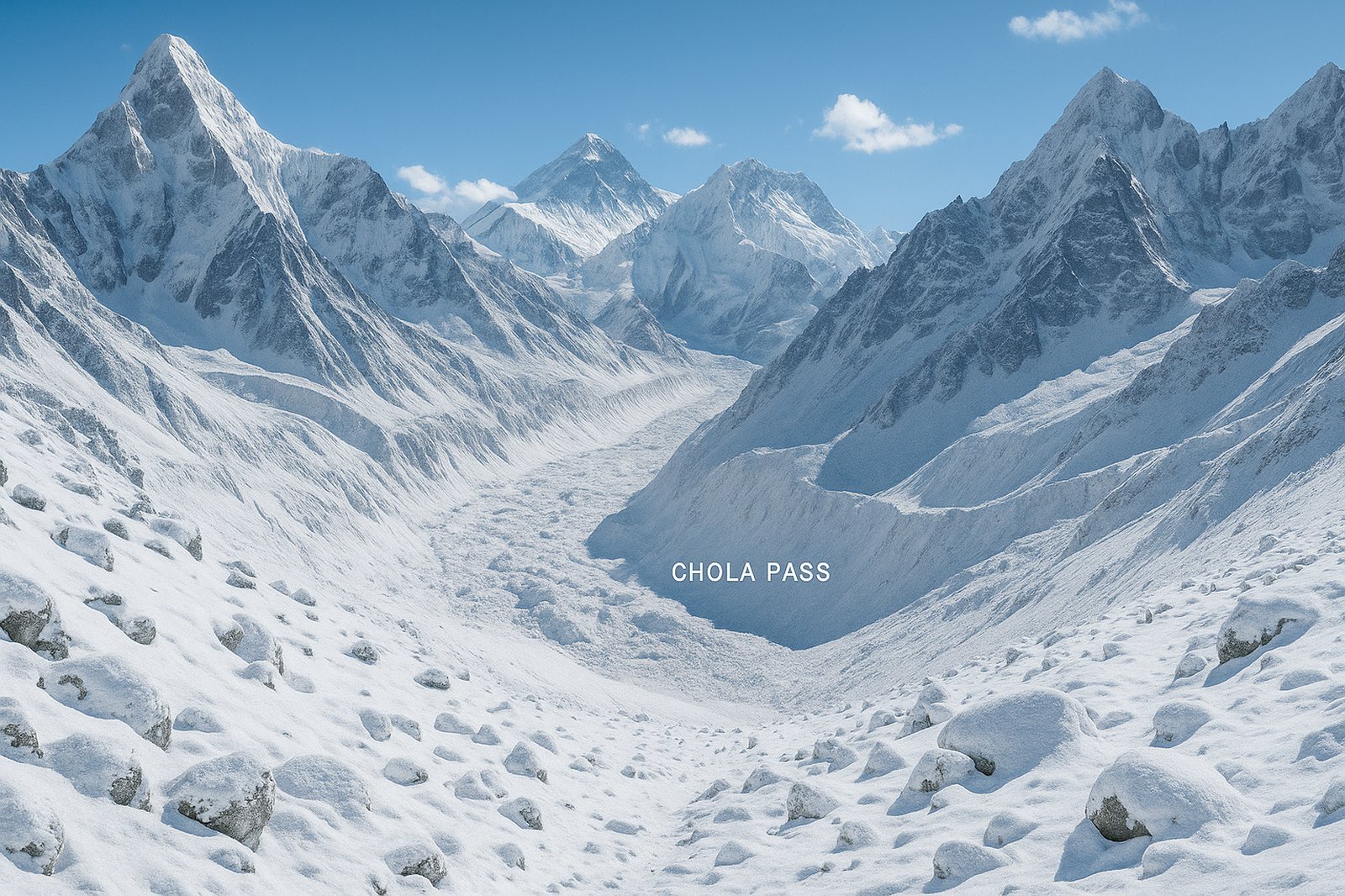
The great initial transformation occurs as the trail turns into the Chukhing Valley– silent, little travelled, and buried beneath great ice-white mountains. This is the Kongma La Pas,s which is the highest of the three passes. The landscape now changes to the rugged glacial hills and connects Chukhung to the Lobuche side.
It is there that the trail leads to the Everest Base Camp and Kala Patthar to provide you with the classical Everest sights. Then it goes westwards to Dzongla before the rugged Cho La Pass. It is a mixture of rocky roads and ice fields that will allow you to have the magnificent mountain view on a real high-altitude hike. You have now descended into the beautiful Gokyo Valley, and the road now takes you into another world of turquoise Gokyo Lakes, open plateaus, and Cho Oyu visions. After the hecticness of the high passes, it provides a relaxing respite. Your final major crossing is Renjo La Pass, which provides one of the finest panoramas in Khumbu, and then you head back to Namche Bazaar.
The Everest Three Passes Trek is endless and submerging, completing the entire circuit. All the valleys flow naturally one into the other, providing an added insight into the geography of the area, its culture, and size.
Trek Difficulty & Fitness Level
The Everest Three Pass trek is one of the most difficult trails in Nepal. It is not due to technical ascents but the duration, altitude and non-ceasing physical effort. It requires training, patience, and appreciation of the mountains.
You have to walk long hours, a six- or eight-hour walk being the average, but a pass day may be longer. The landscape changes to the well-kept village roads to rough moraines, glacier crossings, and ascending steep slopes to high passes. Mountaineering skills are unnecessary; however, one has to be assured in unstable terrain.
One of the most significant aspects during the trek is the altitude. All three crossings are above 5,300 meters and a number of nights in the passes above 4,000 meters. The itinerary also includes proper acclimatization days; nevertheless, the trekkers should not ignore their bodies and get into a steady pace. The challenge is introduced in bits to ensure that trekkers who are well prepared handle the challenge.
Physically, this is a good trek that is appropriate for people who:
- Good cardiovascular fitness
- Trekking/long-distance hiking experience.
- Strong legs to do long climbs and long descents.
- Psychological toughness to deal with cold mornings and weather shifts.
You have to train before you begin, which can be accomplished by walking or hiking, taking stairs, and performing other light strength exercises. Trekking poles are highly encouraged, particularly during cross passes and when climbing long descents.
The Everest Three Passes Trek is a wonderful experience despite the challenges it presents. Properly prepared trekkers with a loose attitude tend to feel empowered but not beaten. Each pass you overcome will be one step toward confidence, and the road will become a collection of individual victories rather than a final challenge to persevere.
Weather & Temperature Throughout the Year
The Everest Three Passes Trek is more or less influenced by the weather. Being aware of the seasonal patterns will allow you to select the appropriate time and make an arrangement. As you are moving over three high altitude passes, it is all the more important to be weather aware than on normal Everest routes.
The favorite time of the trek is Spring (March -May), days become more pleasant, mornings are usually clear, and rhododendrons are in blossom in the lower woods. Phakding and Namche are comfortable, whereas the higher areas remain cold but tolerable. Earlier in the season, snow might be present even on Kongma La and Cho La, but generally, the conditions are normal. Spring balances the landscape, climate, and trail conditions well.
The best season is Autumn (September -November), with the clearing of the monsoon, the air is always cool, and the visibility is at its best, and the mountain views are sharp and clear-cut- perfect when passing a pass. The days remain sunny and dry, although nights get chilly as the season progresses. Later in the month of October and November, the temperature at high altitude decreases, but the trails are still great.
December-February (Winters) are sunny, yet it is simply atrociously cold. The Everest region is not closed yet; however, during snowy seasons, they can get stuck on the roads, and the complete route becomes hard or unattainable.
The nighttime is so cold that it goes well down to below zero, and the winds are strong and blow on bare ridges. Winter trekking is conducted only to those who are experienced trekkers, who have an elastic schedule and strong cold-weather equipment.
Monsoon (June-August) is not normally recommended for this Everest Passes Trek. Rain causes the trails at the lower levels to become slippery, and clouds are seen to cover the mountains. Snow and poor visibility also make crossings of the passes unsafe. The Three Passes route is not advised during the high monsoon, although fewer people are trekking in the area.
The nature of the season you decide to go to brings you clearer scenes, less risky pass crossings, and a more pleasant trekking experience in general.
Accommodation & Meals During the Trek
Everest Three Passes Trek is based on the traditional system of teahouse. It provides a compromise of comfort and ease in the distant mountainous locations. Facilities will change according to the altitude and location, but trekkers can enjoy a uniform level of hospitality on the way.
Teahouses are well developed in the lower villages like Phakding, Namche Bazaar, and Tengboche. Twin beds in a room are normally fitted with mattresses, pillows, and covers. Hot showers, charging, and even Wi-Fi are sometimes available in some lodges, but usually at an additional cost.
The accommodation is more primitive higher up–in Dingboche, Chukhung, Lobuche, Dzongla, Gokyo. Rooms remain clean and functional, though heating is restricted to the common dining area. It can be chilly during the night, and one will need a good sleeping bag. The community is well-established, despite the simplicity, by the warm teahouse atmosphere and meals.
The lodges have meals made fresh and have a surprising variety, considering the altitude. Common options include:
- Dal Dal with rice, lentils, and vegetables.
- Tibetan bread, chapati, and pancakes.
- Noodles, pasta, fried rice, and soups.
- Breakfast Eggs, porridge, and toast.
Dal bhat is also popular as it is healthy and is refilled indefinitely in most of the lodges. In an elevated place,s the menus become less complicated and the prices increase because of transport difficulties. Remaining hydrated and consuming warm and energy-giving carbohydrate-rich foods keeps the energy up during the trek.
All in all, the accommodation and food on this route are more comfort-based, consistent, and dependable than luxurious.
Safety, Altitude Awareness & Trek Support
The Everest Three Passes Trek is all about safety due to the altitude, weather, and remoteness. The climb is not a technical one, and yet the conditions at high altitude are to be respected.
The greatest risk is altitude-related illness. The itinerary contains the acclimatization days in the main destinations- Namche Bazaar, Dingboche, and Gokyo to allow the time of the body to the itinerary. Headaches, fatigue, loss of appetite, and shortness of breath are some of the symptoms to be taken seriously. Walk slowly, drink plenty of water, and be frank with your guide.
Early mornings and consistent weather are needed as it involves crossing high passes- Kongma La, Cho La, and Renjo La. Guides evaluate the daily situations and can change plans with regard to safety. This is a must in a trek of this magnitude.
Senior guides watch over the health, the pace, and the logistics, and assist the trekkers to walk in a comfortable manner as they enjoy the adventure. Porters also ease physical stress, enabling trekkers to concentrate on the path.
There are evacuation points in case of an emergency; however, prevention is first priority. The Everest Three Passes Trek can be comfortably and safely achieved with the right preparation, acclimatization, and backup.
Packing List & Practical Trekking Tips
The clothing to bring along to the Everest Three Passes Trek must be both well-prepared and manageable. The expedition involves crossing over mountains and takes more than two weeks; hence, careful choice of gear is essential.
Dressing: It is necessary to wear layers. Cold in the mornings and evenings in comparison to warm during the day Sun requires a system of moisture-wicking bottom wear, insulating mid-layers (fleece or down jackets), and a waterproof outer-shell. Quickly drying trekking pants are better alternatives to heavy trousers. It is also necessary to have thermal wear above Dingboche.
Shoes: Trekking shoes that are broken in and have ankle support are highly essential, particularly during rocky areas and passes. Evening teahouse Sandals or camp shoes are good, they are light. Thermal pairs and other warm socks ensure that they will not have cold-related pain at higher elevations.
Others: A good sleeping bag that is temperature-rated for warm weather, trekking poles, a headlamp, sun protection, and a reusable water bottle with purification tablets or a filter. The UV protective sunglasses are essential due to snow blindness at higher elevations.
Experience has shown that fewer and more reliable things are better than overpacking. There are fewer laundry facilities, although clothes can be washed periodically in the village. Always keep your backpack tidy and just carry daily necessities so that you can have more time to walk.
Effective tips that get put into practice:
- Begin walking early on pass days.
- Keep water up, even when you are not thirsty.
- Take your time and do not hurry.
- Take warm foods as much as possible.
- Be open with your guide.
Habits of this nature are beneficial in keeping energy levels and minimizing fatigue when the trek takes a long time.
A Memorable Return from the Everest Region
The Everest Three Passes Trek is not just about crossing over high passes or some famous locations. It is a slow change, physical, psychological, and emotional. Every single valley and pass contributes to the adventure, and the trekkers will be in a silent state of triumph.
When you come out of the trail, you would have not only photographs, but you would remember what you experienced. It is the marching, the communal dinner in the mountain lodges, and the trust that is gained step by step. It is an experience, and the trek is memorable as it gives one more than just an adventure, but also a point of view.
By the time you have had enough of the Himalayas, the Everest Three Passes Trek is a reward of patience, preparation, and curiosity, and is something you will long remember when the Himalayas are no longer in sight.
Trip Highlights
- Cross three Himalayan legendary high passes, Kongee La (5535 m), Cho La (5420 m) and Renjo La (5360 m).
- View the Everest region not one way only, but several different valleys.
- Cling to the Khumbu Icefall, which is in motion, at Everest base camp.
- View Sunrise on top of Everest, Nuptse and Lhotse at Kala Patthar.
- Wander around the gorgeous Gokyo Lakes, which are framed one beneath Cho Oyu with a mirror-like reflection.
- A panoramic views at Renjo La Pass which is one of the best viewpoints in Khumbu
- Hike in rich Sherpa villages like Namche Bazaar, Dingboche, Chukhung, Lobuche and Gokyo.
- Stroll on distant tracks between Chukhung Valley, Lobuche and Gokyo, beyond the mainstream EBC fraternity.
- Have the opportunity to go through dramatic glacier crossings, rocky moraines and high-alpine ridgelines.
- Approach legendary Himalayan mountains, such as Everest, Lhotse, Makalu, Cho Oyu, Ama Dablam, Pumori and Nuptse.
- Conquer the difficult Cho La Pass which is made up of ice, rock and steep climbs.
- Visit the eastern and western valleys (Eastern and Western) of the Everest.
- Visit old monasteries, prayer wheels, mani walls, and chortens, which are a strong demonstration of strong Sherpa Buddhism.
- Spend nights in old mountain tea houses and even evenings in cozy dining halls up in the mountains.
- Get to enjoy the physical and mental fulfilment of climbing one of the most challenging trekking trails in Nepal.
- Have a trek that is both a classic Everest route and off-the-beaten-path mountain path.
- See day to day sceneries that alternate forests to glaciers and high mountain basins.
- Experience an actual sense of adventure instead of destination-driven adventure.
- Participate in one of the most reputed and rewarding long distance walks in Nepal Himalayas.
- Memorable mountain experience and view and confidence to walk away with you forever.
Everest Three High Pass Trek ~ Itinerary
Day 1
Arrival in Kathmandu- Welcome Day
- Max altitude : 1,350m
- Accommodation: Standard Three Star Hotel
Somebody sowing to your name lest next to Taxi line when you out from exit hall. Look at your name lest then drive to your hotel Thamel. Look around Thamel & buy the trekking equipment. Today easy day meet with your trekking guide then interdiction. Guide will let you know which time tomorrow we need to go airport. Make a ready to your backpack which is you bring to mountain, Useless thing better to leave behind in hotel. Mention that before heading bed tells the hotel staff makes a ready to your breakfast next day morning.
Day 2
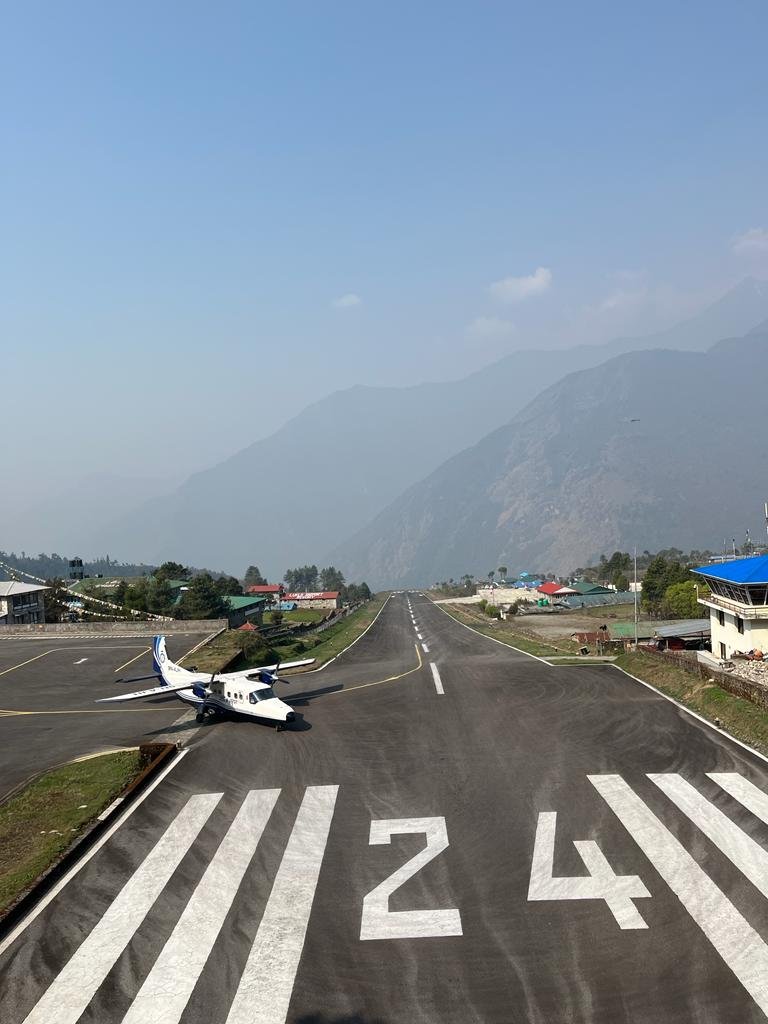
Flight from Kathmandu to Lukla (2,840m) and trek to Phakding
- Altitude: 2,610 m
- Flight Duration: Approximately 35-40 minutes
- Trek Duration: 3-4 hours
- Trek Distance: 6.2 km
- Meal: Breakfast, Lunch and Dinner
- Accommodation: Tea house
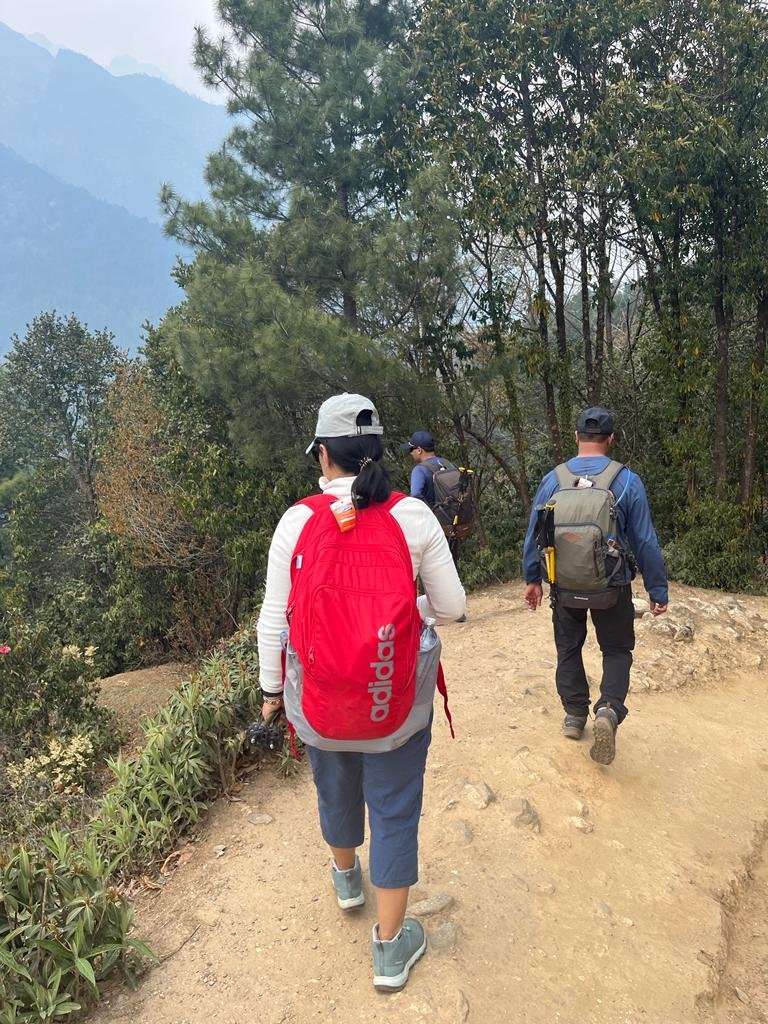
As per flight time, our Guide will meet you at your hotel and takes you to the domestic airport to fly into Lukla. It is scenery flight about 35 minutes, once you get into the Lukla, breakfast at the lodge and prepare luggage for the Porters then walking starts through the stone paved trails towards Bhaise Kharka. It is few up downs to get into Phakding passing through plenty of prayer Rocks (Mani in local language). After getting into the lodge at Phakding, fresh up and short walk to the village or hike up to the Gompa to get acclimatize.
Day 3
Trek from Phakding to Namche Bazaar
- Maximum Altitude: 3,440 m
- Trek Duration: 6-7 hours
- Trek Distance: 10.4 km
- Meal: Breakfast, Lunch and Dinner
- Accommodation: Tea house
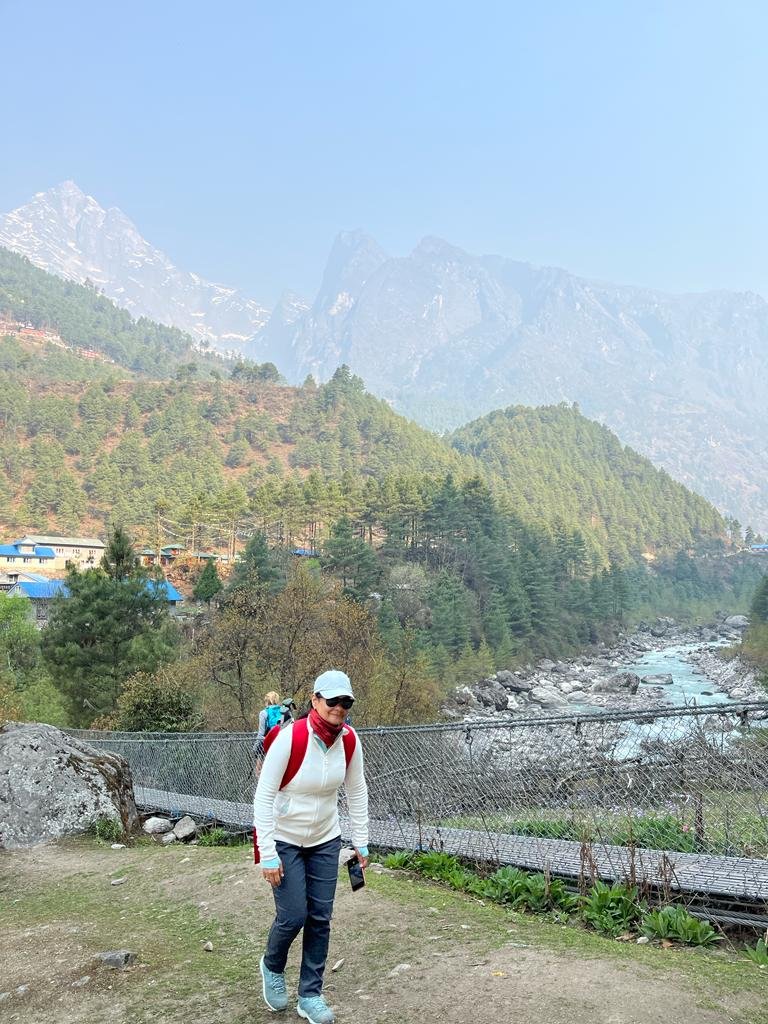
After hot breakfast at your lodge, the trail leads towards the suspension bridge and easy uphill to the Monju from where Sagarmatha National Park begins. After short National Park formalities, drop down to the river, cross another suspension bridge and continue walk to the high Hilary Bridge at the bottom of the hill. After the bridge the trail leads uphill to the Namche Bazzar. On the way you will have great view of Mt. Everest, Mt. Lhotse, Mt. Kusum Khangru and more with beautiful valley.
Day 4
Namche Bazaar - Acclimatize day
- Meal: Breakfast, Lunch and dinner
- Accommodation: Tea House
Today you explore the Museum, visit Khumjung village and Kongde village where you can enjoy the views of Mt. Everest and surroundings peaks with Sherpa culture. You can also visit Thame which is old Sherpa village as an option. Remaining of the day you can explore Namche Bazzar where you can use Internet, visit National Park head office, Museum and monastery as per your interest and time. Stay overnight at Namche.
Day 5
Hiking between Namche Bazaar and Tengboche
- Maximum Altitude: 3,867m
- Trek Duration: 5-6 hours
- Trek Distance: 8.6 km
- Meal: Breakfast, Lunch and dinner
- Accommodation: Tea house
Go up mountains, view Ama Dablam. Descend to cross Imja Khola. Then ascend to Tengboche, where there is a renowned monastery. You hear prayers in the evening and are relaxed in the vast mountains.
Day 6
Hiking between Tengboche to Dingboche
- Maximum Altitude: 4,410m
- Trek Duration: 5-6 hours
- Trek Distance: 11 km
- Meal: Breakfast, Lunch and Dinner
- Accommodation: Tea House
You pass through a rhododendron forest, cross the Imja River, and ascend to Dingboche. The trees grow skinnier, and you behold broad open valleys. The fields are secured by stone walls. Dingboche is lower than the tall mountains, and it assists in acclimatization.
Day 7
Hiking between Dingboche and Chukhung
- Altitude: 4,730m
- Trek Duration: 3-4 hours
- Trek Distance: 4.5 km
- Meal: Breakfast, Lunch and Dinner
- Accommodation: Tea House
You enter Chukhung Valley; it is a little walk. The route runs along glacier streams, and you are observing Lhotse and other mountains. Chukhung is more silent, and the beginning of the first high pass.
Day 8
Kongma La Pass (5,535m) to Trek to Lobuche
- Altitude: 4,940m
- Trek Duration: 7-8 hours
- Trek Distance: 7.7 km
- Meal: Breakfast, Lunch and Dinner
- Accommodation: Tea House
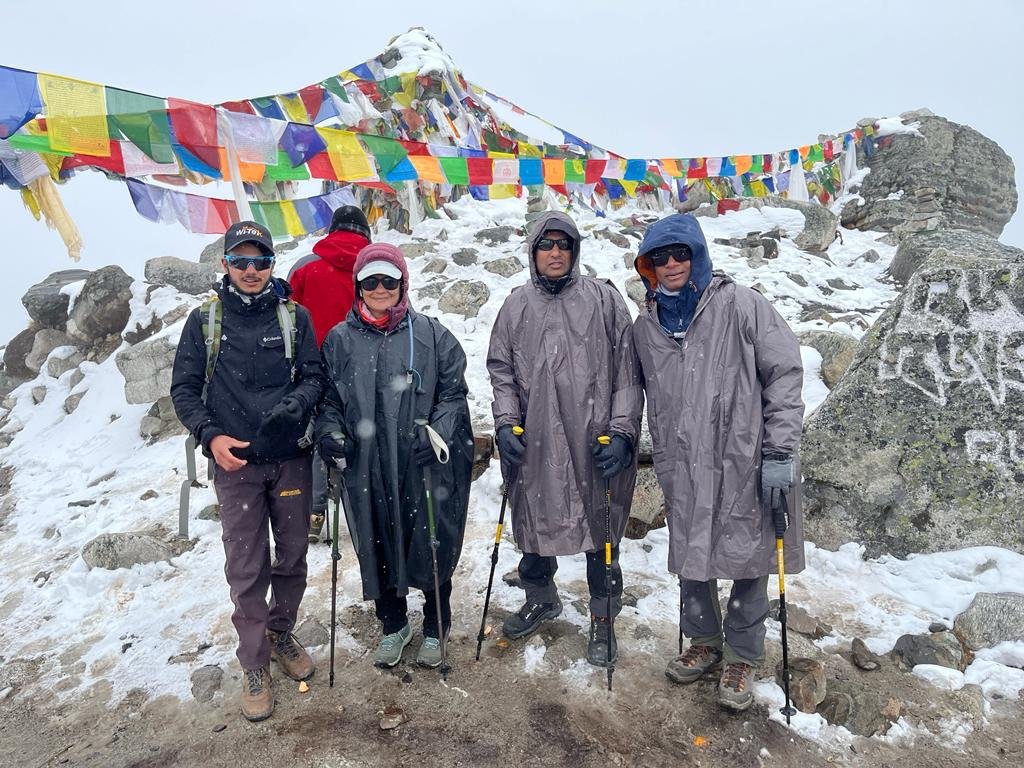
You ascend to Konmala La Pass, 5,535 m, which is a rocky mountain ascent, but with magnificent glaciers and mountaintop views. On the other side, you slow down a gradual descent to Lobuche and take a rest.
Day 9
The walk between Lobuche and Gorakshep (5,164m) - and visit Everest Base Camp
- Altitude: 5,364m
- Trek Duration: 3-4 hours
- Trek Distance: 5.2 km
- Meal: Breakfast, Lunch and Dinner
- Accommodation: Tea House
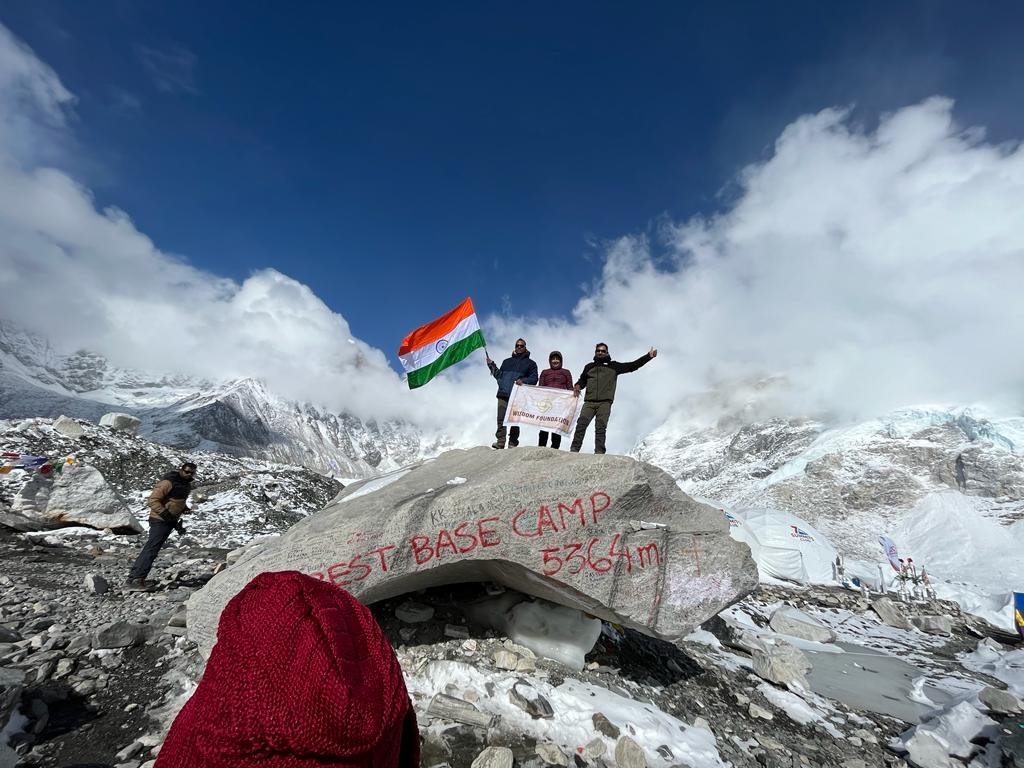
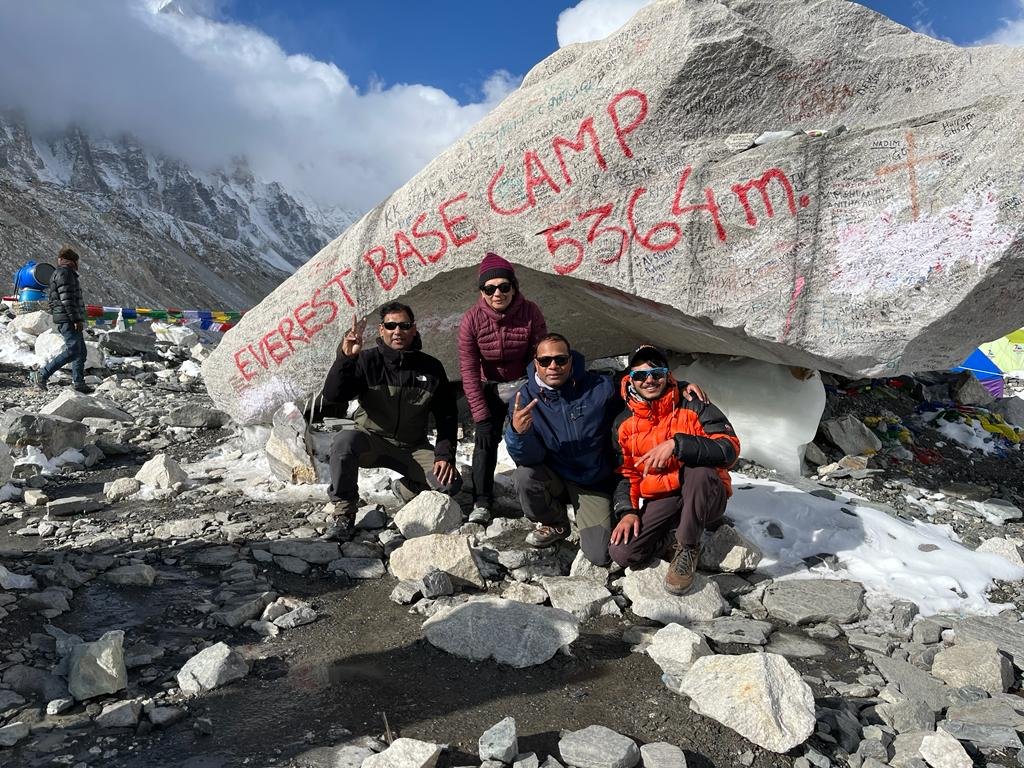
Tracing the Khumbu Glacier up to Gorakshep. You then hike to the Everest Base Camp, the base of the tallest mountain in the world, after lunch. The mountaintop is not visible, but the ice and the peaks around it make the scene dramatic. Go back to Gorakshep night.
Day 10
Trek from Gorekhshep (5140 m) to Kalapatthar (5,644 m) then Dzongla
- Altitude: 4,830m
- Trek Duration: 7-8 hours
- Trek Distance: 11.5 km
- Meal: Breakfast, Lunch and Dinner
- Accommodation: Tea House
This marks the the last days of your Three passes trek that started with a refreshing sunrise view from Kalapatthar. After a few hours’ walk, you will be at Kalapatthar, where you can take a break and enjoy looking at the world’s highest mountains. You can get close to Everest, Lhotse, Nuptse, Pumo Ri, Ama Dablam, Khangtenga, Lobuche Peak and see the Base Camp of Everest, Khumbu glacier, and Icefalls. Leave behind your footprints and carry memories and pictures to keep forever.
Day 11
Trek from Dzongla to Thagnak via Cho La Pass (5,367m) (Second Pass)
- Altitude: 4,700 m
- Trek Duration: 7-8 hours
- Trek Distance: 8 km
- Meal: Breakfast, Lunch and Dinner
- Accommodation: Tea House
It is necessary to rise early on the day of the Three Passes trek to see the spectacular view of Cholatse. The most demanding part of the Three Passes trek track starts when you go through Dzongla, via a spur woodland before you have a descent to the basin. As you climb the second half of the route you will get gorgeous views of Chola Lake and Mt Ama Dablam. The climb is made more challenging by the rocks when you reach the Bergschrund pathways. From the top, you can see astonishing mountain peaks around framed with fluttering prayer flags. The rocky path makes the way down to Thagnak quite practical unless the surface is frozen therefore unsafe and dangerous. You will spend the night in Thagnak.
Day 12
Trek from Thagnak to Gokyo
- Altitude: 4,750 m
- Trek Duration: 2-3 hours
- Trek Distance: 2.7 km
- Meal: Breakfast, Lunch and Dinner
- Accommodation: Tea House
The glacier can be walked to the blue Gokyo Lakes. The view is also beautiful and serene with Cho Oyu in the background. One of the most beautiful high places in Nepal is the Gokyo village.
Day 13
Acclimatization in Gokyo and Hike to Gokyo Ri (5357m) (for sunrise or sunset)
- Altitude: 4,750 m
- Meal: Breakfast, Lunch and Dinner
- Accommodation: Tea House
You hike early to Gokyo Ri. You have one of the best 360-degree viewpoints in the Himalayas of Everest, Lhotse, Makalu, and Cho Oyu. The remaining day, you take a rest and relax by the lakes.
Day 14
Trek from Gokyo to Marulung via Renjo La Pass (5,360m) (Third Pass)
- Altitude: 4,210 m
- Trek Duration: 6-7 hours
- Trek Distance: 7.4 km
- Meal: Breakfast, Lunch and Dinner
- Accommodation: Tea House
It is at the start of the day that you will take the path to Renjola pass, avoid taking the main way to Gokyo valley and instead use Renjola path through Dudh Pokhari. You can expect to be thrilled by the sight of Everest, Lhotse, Cholatse, and Taboche after hiking for 3 hours. Besides, it is a challenging part of the trek however, when you get to the top, you will have the joy of seeking 360-degree views of Mt. Cho-Oyu and other high peaks. The Three Passes Trek trail will go down through stairs leading to Angladumba Tsho. You continue to Relama Tsho, and later on Renjo Lake, then you will come across a tiny valley quite full of big stones before you get to Lumde. After you have traveled for an hour, you will get to Marlung where you will stay the night.
Day 15
Trek from Marulung to Thame (3,750m) then back to Namche Bazaar
- Altitude: 3,440 m
- Trek Duration: 7-8 hours
- Trek Distance: 11.5 km
- Meal: Breakfast, Lunch and Dinner
- Accommodation: Tea House
The last day of your Three passes trek is through a traditional route from Marlung to Thame that was used by Tibetan traders for centuries as well. Passing through Bhote Koshi and going down to Taranga you will reach Langmuche Khola. From the lodges next to the famous Buddhist shrine (Gompa) in Thame, you can see such mountains as Thamserku, Katenga, Kusum Kangguru, etc. Then, you cross the bridge to Samde, the place with stunning mountain views. Through the steep path, you reach the village of Thamo where you see a monastery called Khari Goma, which is also a nunnery. The world’s highest power plant built with the help of Australia will be your next stop. Then you will come across a small village named Phurte where you will get the Laudo Monastery. You are finally in Namche after passing some gompas, prayer flags, Chorten, and Mani stones.
Day 16
Trek to Lukla from Namche Bazaar
- Altitude: 2,800 m
- Trek Duration: 8-9 hours
- Trek Distance: 19 km
- Meal: Breakfast, Lunch and Dinner
- Accommodation: Tea House
After Breakfast the trail drops downhill through the pine forest till to the bridge and continue walk to the Monju. Again, some formalities had to be done at the check post of the National Park at Monju then continue walk to the Phakding at lunch time. After you all way treks back to Lukla.
Day 17
Fly to Kathmandu from Lukla
- Altitude: 1,350 m
- Flight Duration: Approximately 35-40 minutes
- Meal: Breakfast and Lunch
- Accommodation: Tea house
Today, you will take a flight back to Kathmandu which is a pretty journey. Due to difficult weather conditions (windy or low visibility), the flight Lukla to Kathmandu is usually conducted in the morning. Flights scheduled in Luka may be delayed or canceled due to bad weather in Luka and/or other unforeseen circumstances. Therefore, it is always advisable to have an extra day for the contingency so that it will be possible to compensate for the other commitments. After coming to Kathmandu and finishing your long, adventurous journey, you may spend the rest of the day sightseeing, taking it easy, or partying. You will be spending the night at the hotel and having a nice farewell dinner in Thamel to complete the Three passes trek successfully.
Day 18
Final Departure or Onward For Next Program
Depending on your flight schedule, you might have some leisure time to further explore Kathmandu after breakfast. One of our team members will then accompany you to the airport a few hours before your departure time, carrying with you unforgettable memories from your Everest Three Pass trek. As your reliable travel partner, Nepal Royal Tourism Holiday (www.nepalroyaltreks.com), we’re thankful for the opportunity to have shared this extraordinary journey with you. Until we meet again, travel safely!
Everest Three High Pass Trek Fixed Departures Dates
Trip Cost Includes/Excludes
Cost Includes
- Kathmandu airport transfers; arrival and departure. (By private car)
- Domestic route: Kathmandu - Lukla to Kathmandu.
- Three star standard Kathmandu hotel living breakfast included.
- Teahouse place during the trek.
- All the meals in trekking three times per day (Breakfast, Lunch, Dinner).
- Trekking licensed guide by the government and experienced.
- Porters (as per group size)
- Meal, insurance, guide and porter salary, and accommodation.
- Entry permit Sagarmatha National Park.
- Khumbu local area permit
- A complimentary company T-shirt as a trekking souvenir
- Trekking sleeping bag (unless necessary) and duffel bag.
- Any taxes and service fees by the government.
Cost Excludes
- Flight ticket (to and from Nepal)
- Nepal entry visa fees
- Dining and staying at Kathmandu
- Personal trekking gear and equipments (boots, jackets, gloves, sleeping bag not included, etc.)
- Travel and medical insurance, high altitude trekking and emergency evacuation by helicopters.
- Hot or cold drinks on the trek (tea, coffee, bottled water, soft drinks, etc.)
- Snacks, chocolates, alcohol and energy bars.
- Individual costs like laundry, hot showers, charging electrical gadgets, Wi-Fi and showers in teahouses.
- Additional days in Kathmandu or Lukla, because of flights delay, weather conditions or any other personal reasons.
- Expenses associated with itinerary delays of any kind caused by safety issues, weather, or natural factors.
- Uncovered rescue or evacuation costs.
- Trek medical costs, medicine or treatment.
- Personal communication costs (SIM cards, use phones (where necessary)
- Tips for trekking guide and porter (not mandatory, but customary and appreciated)
Trip Photo/Video Gallery

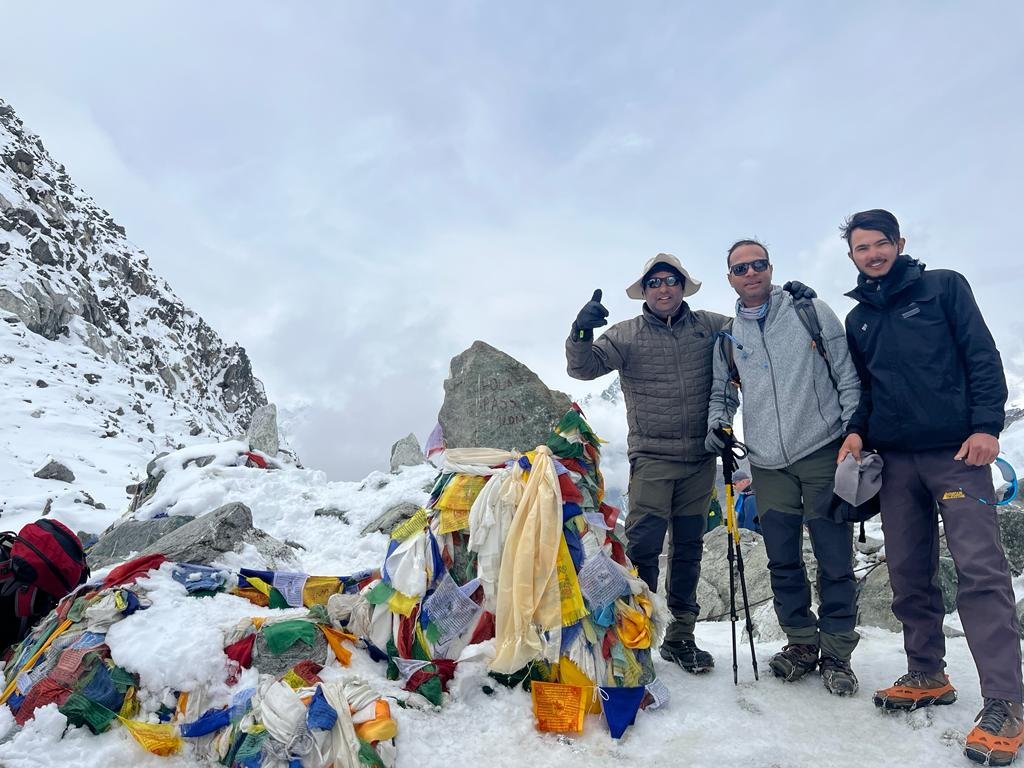
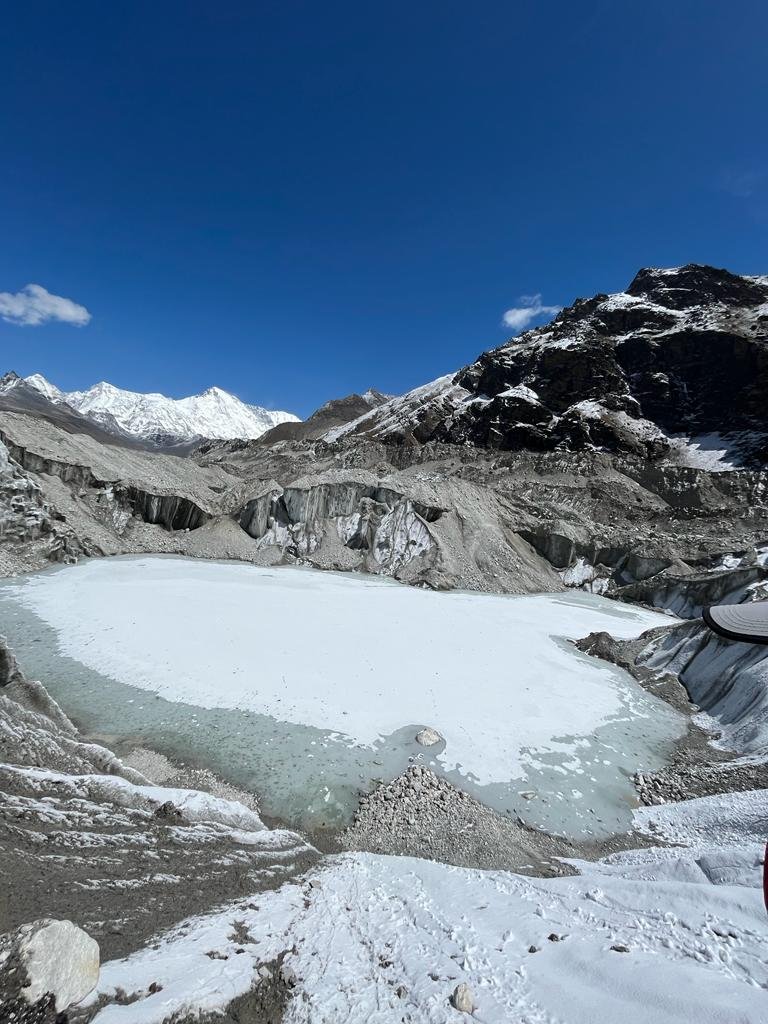
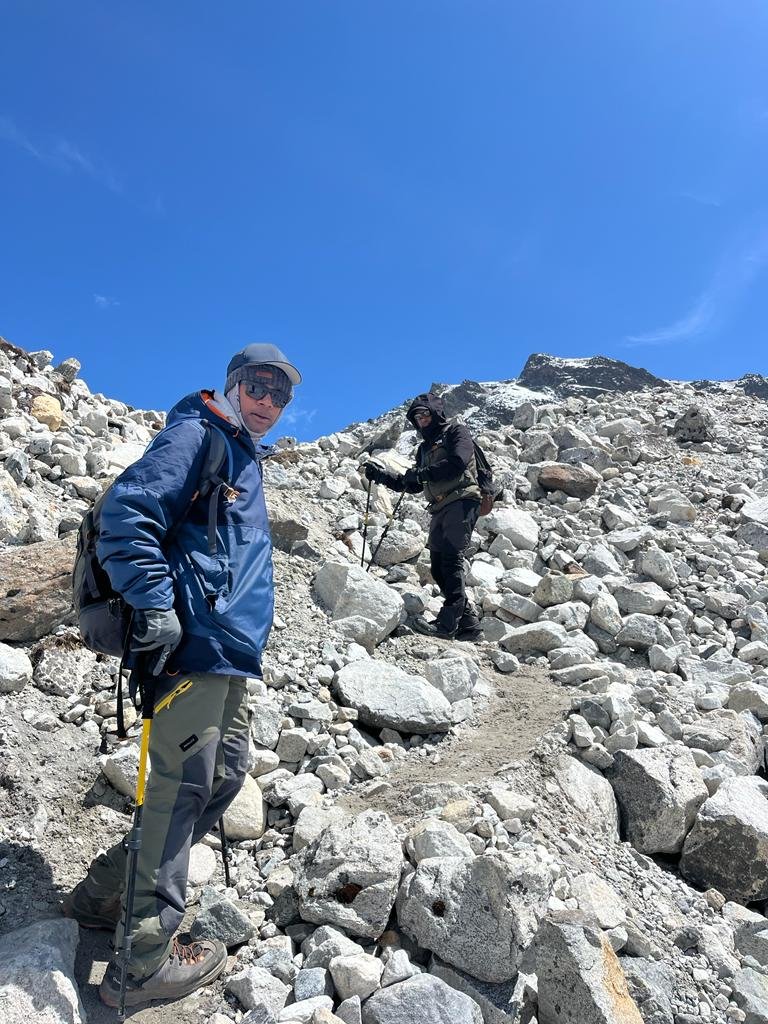
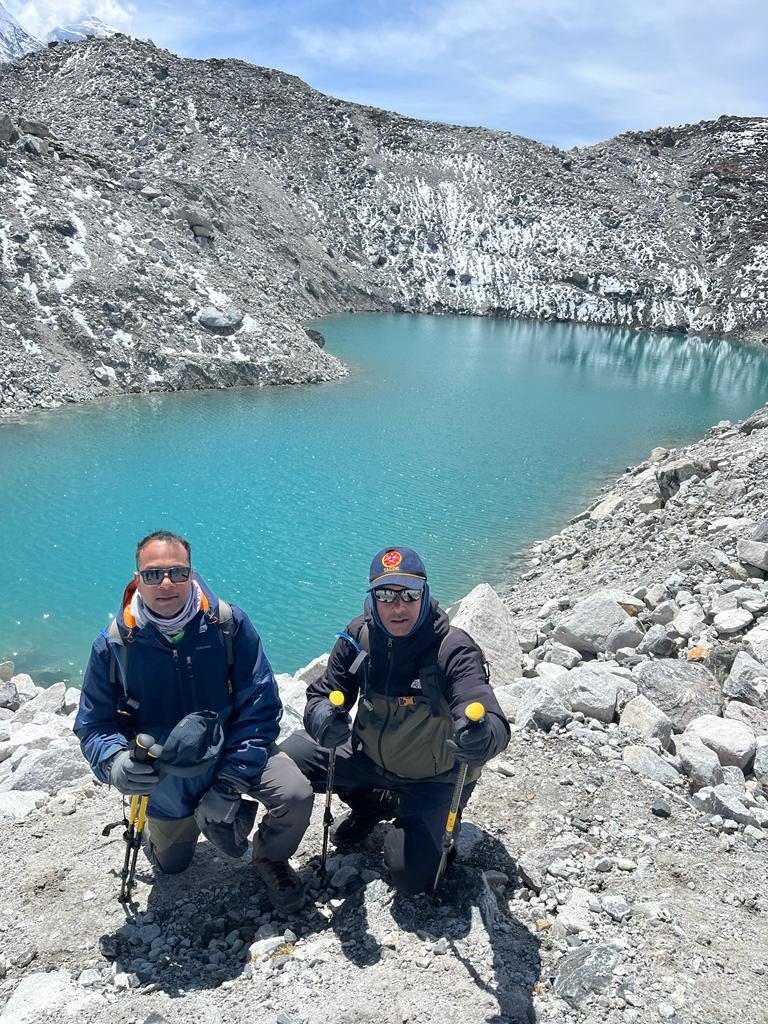
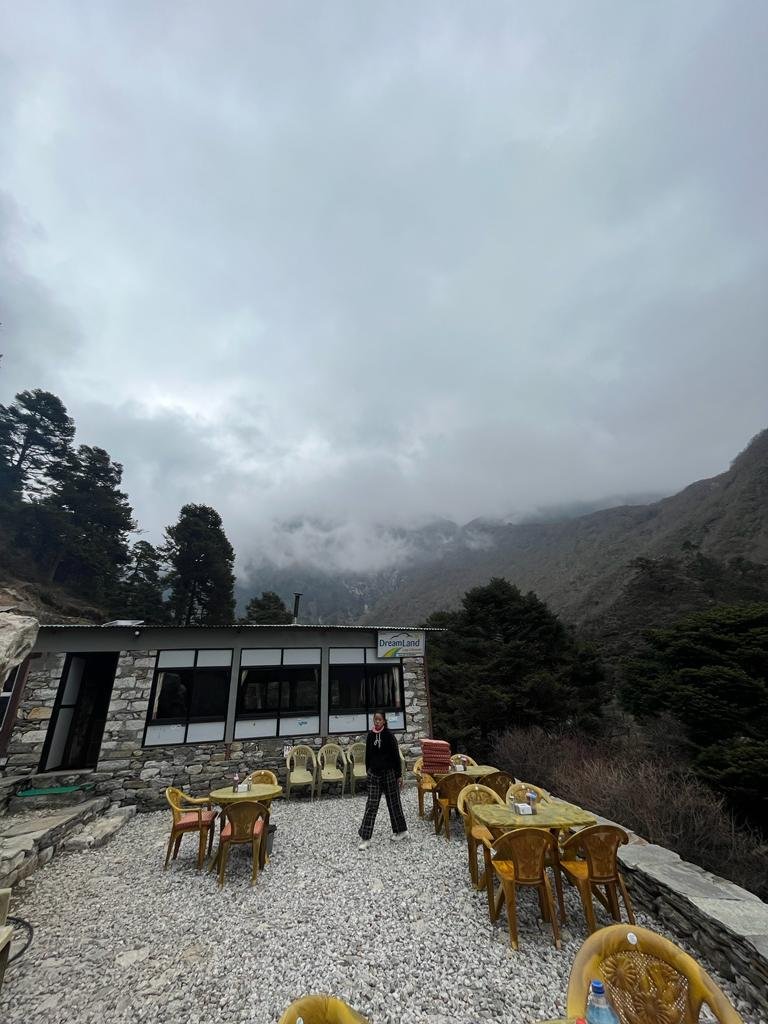
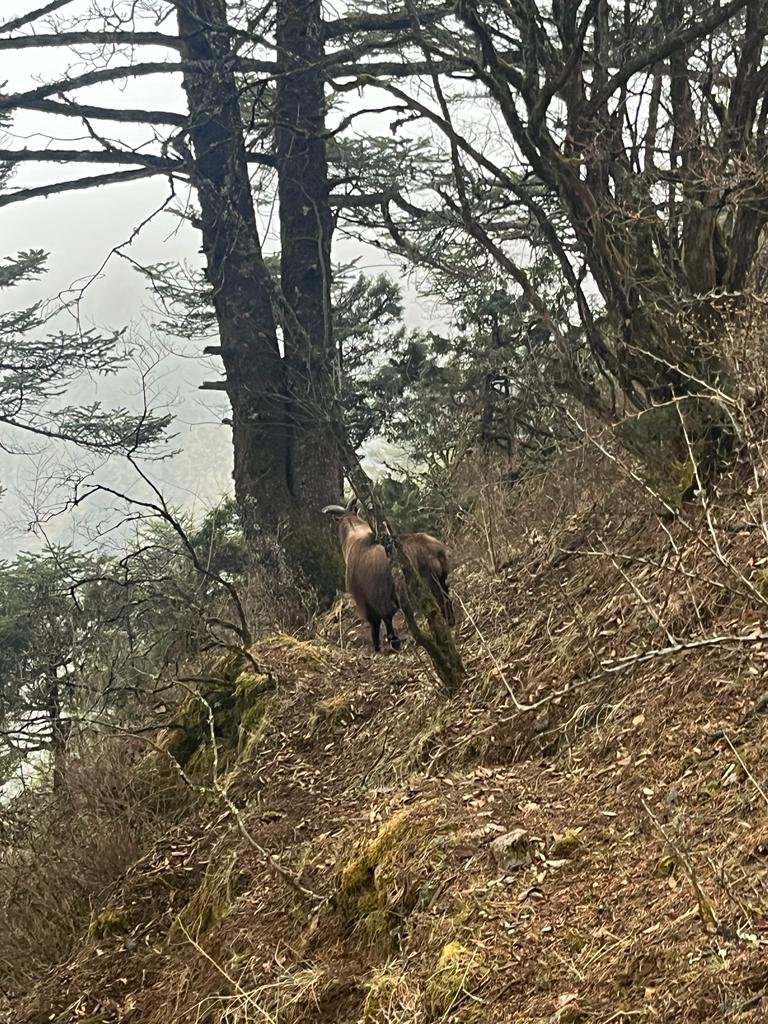
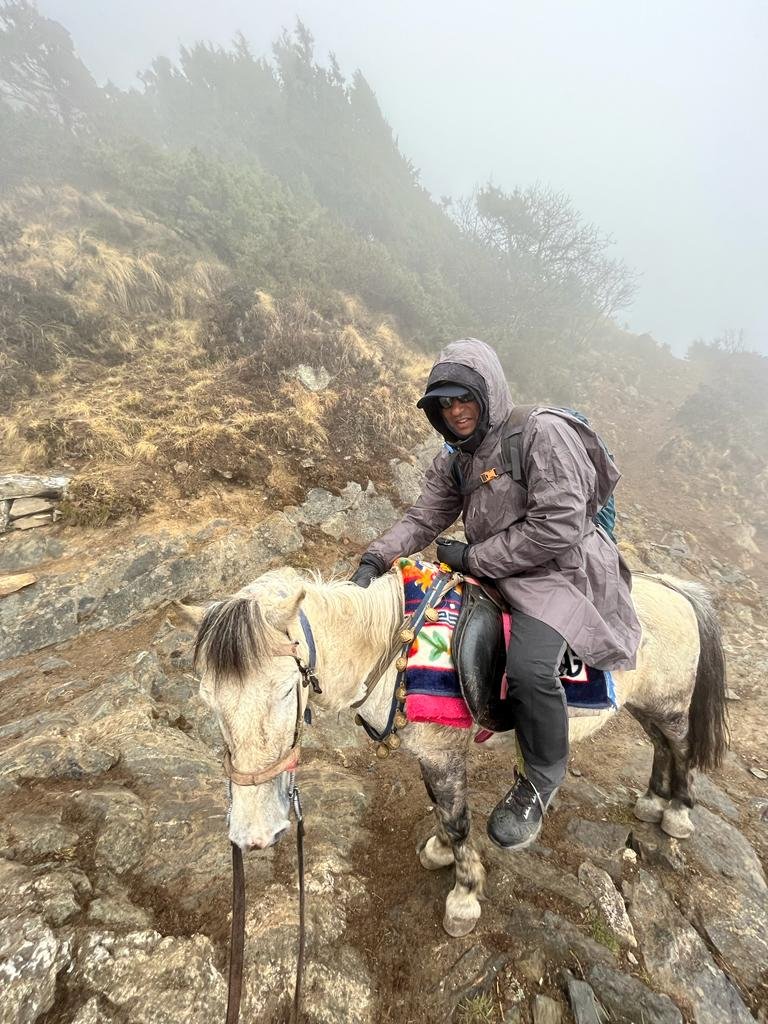
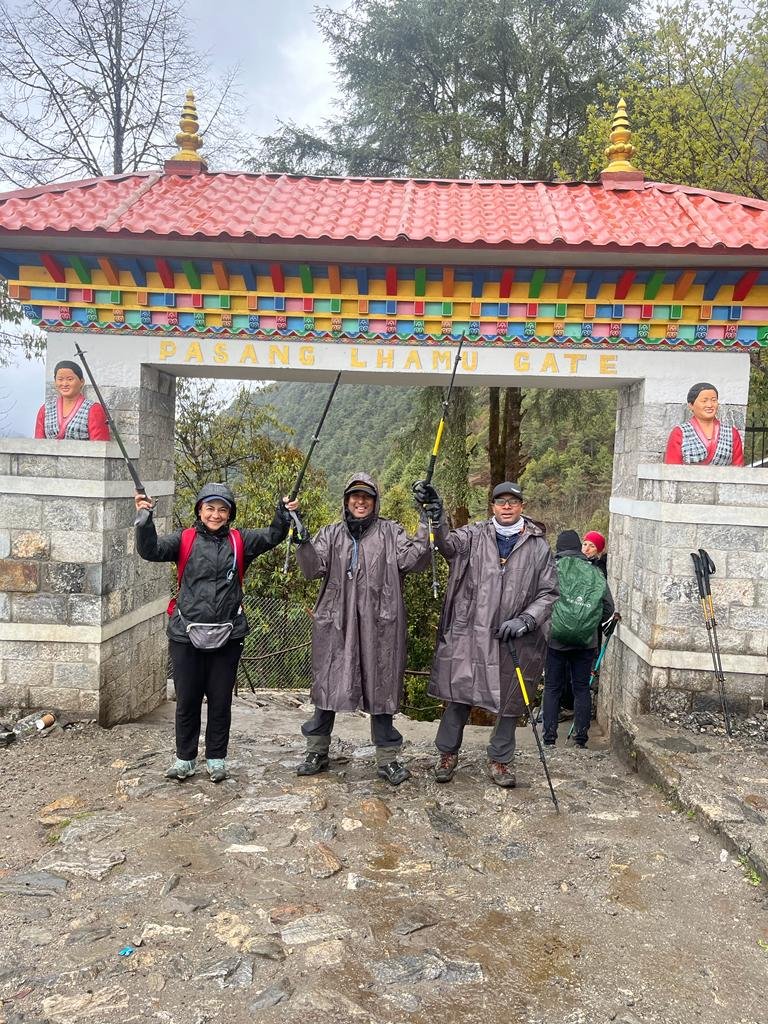
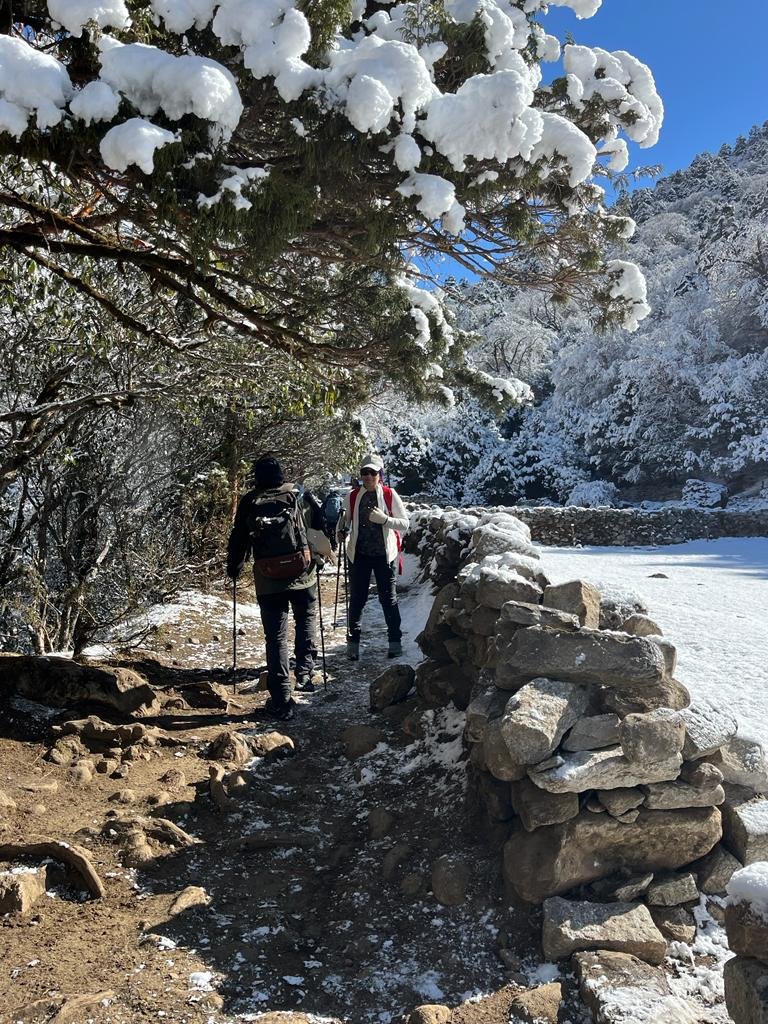
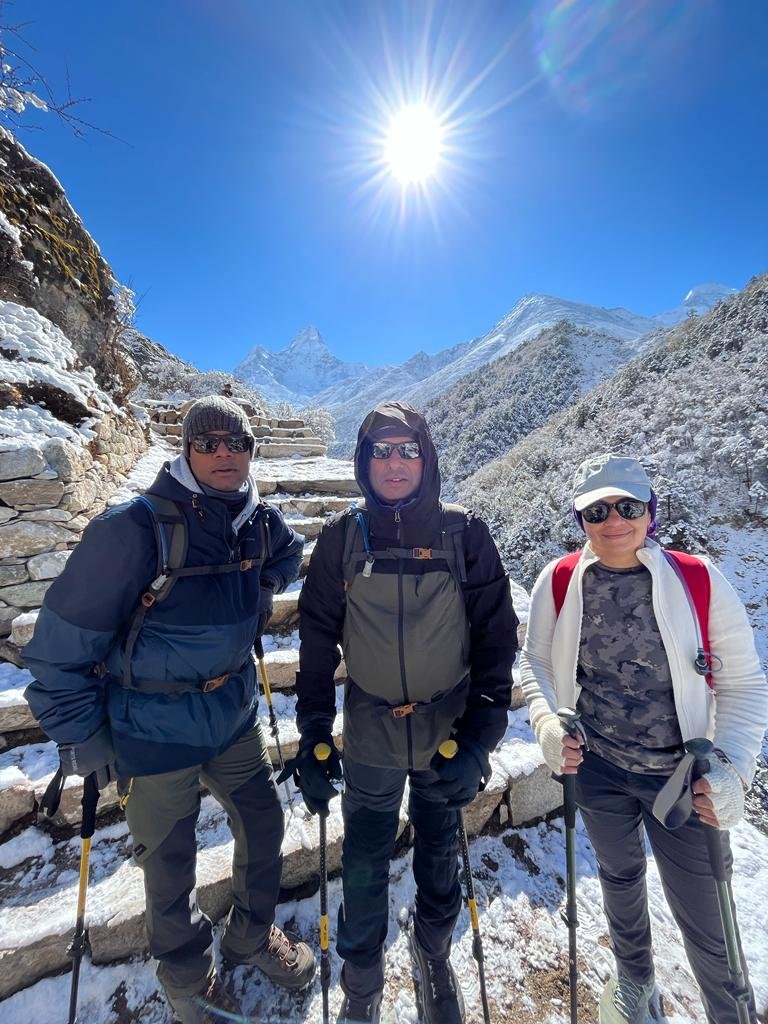
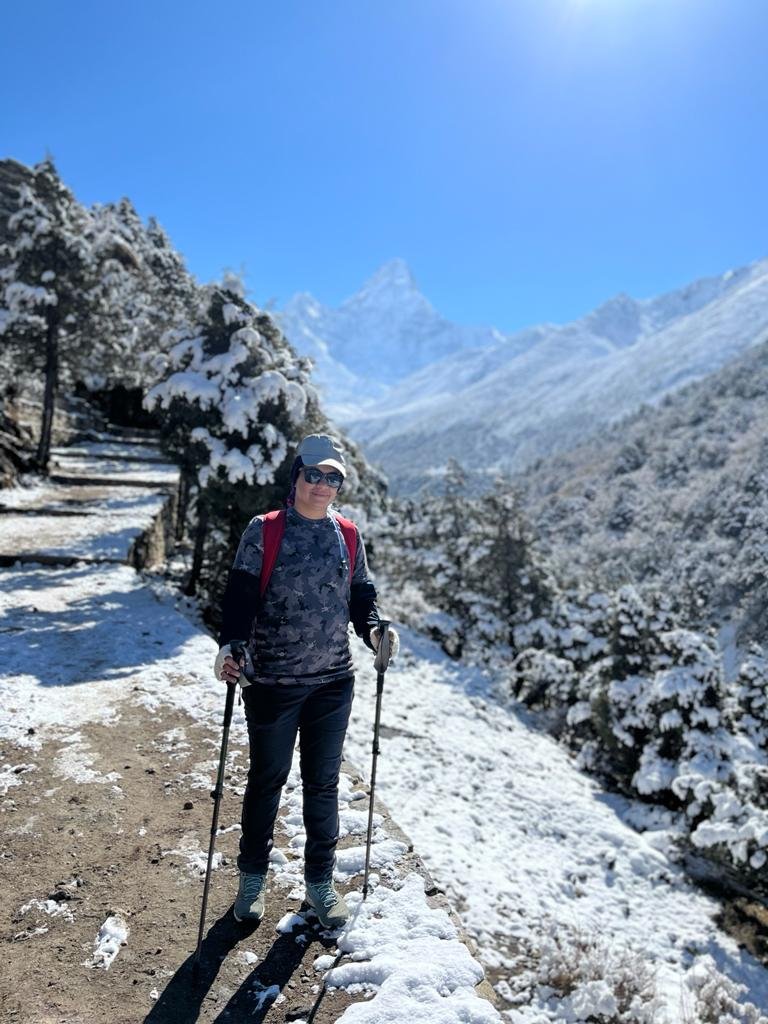
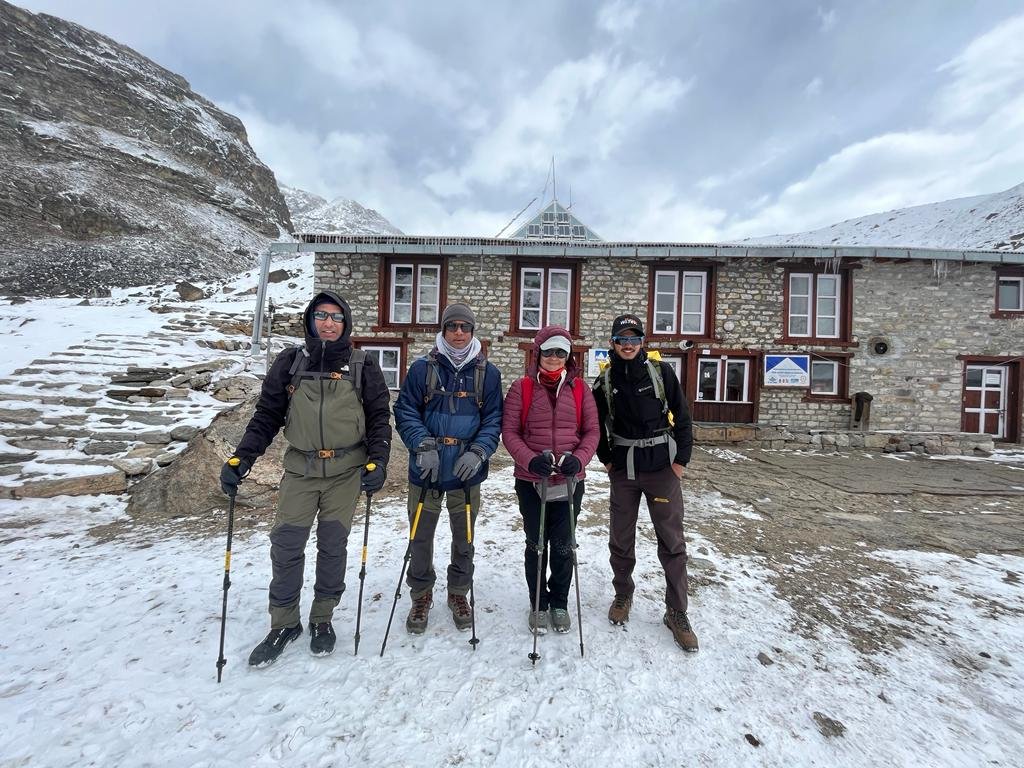
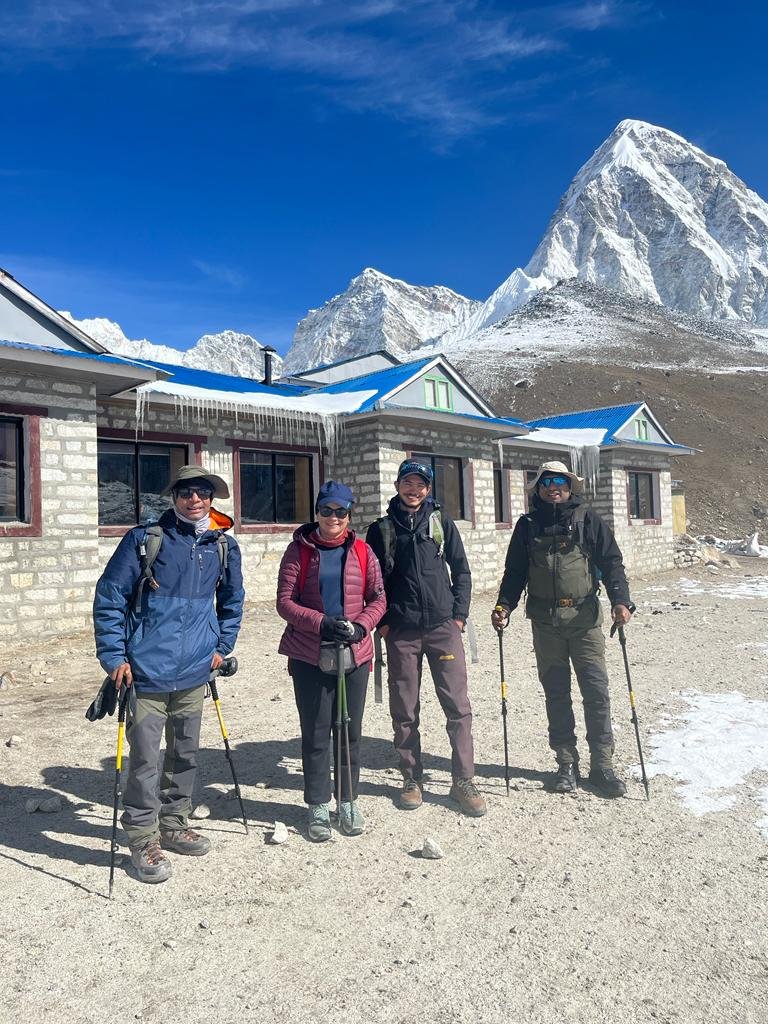
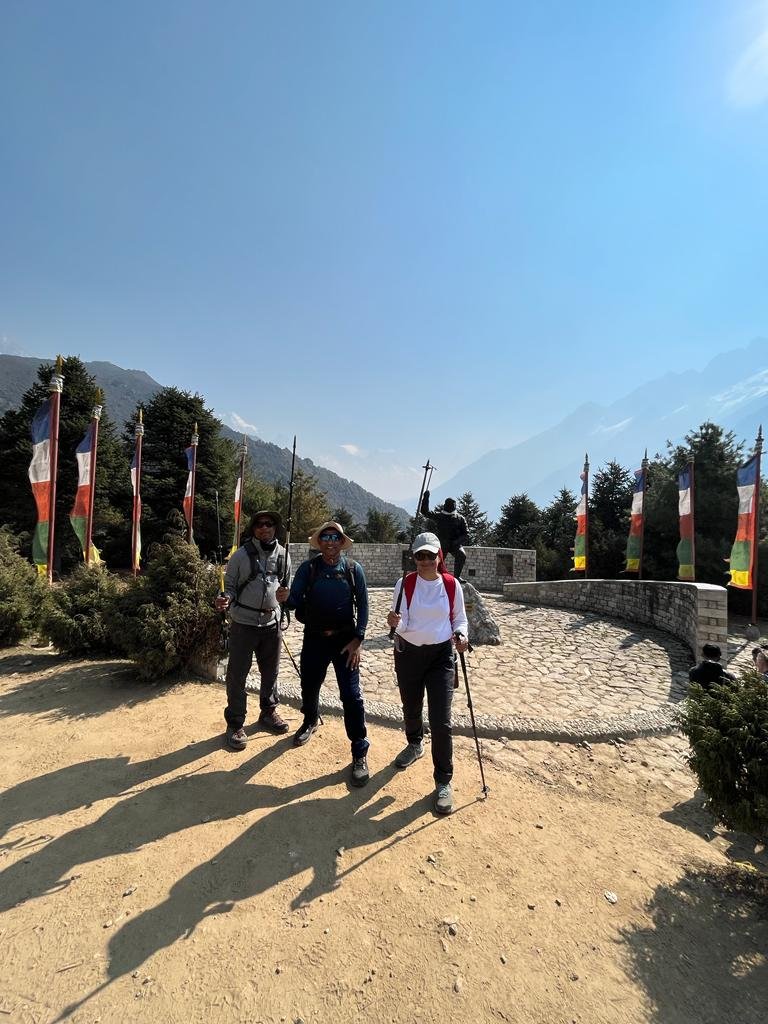
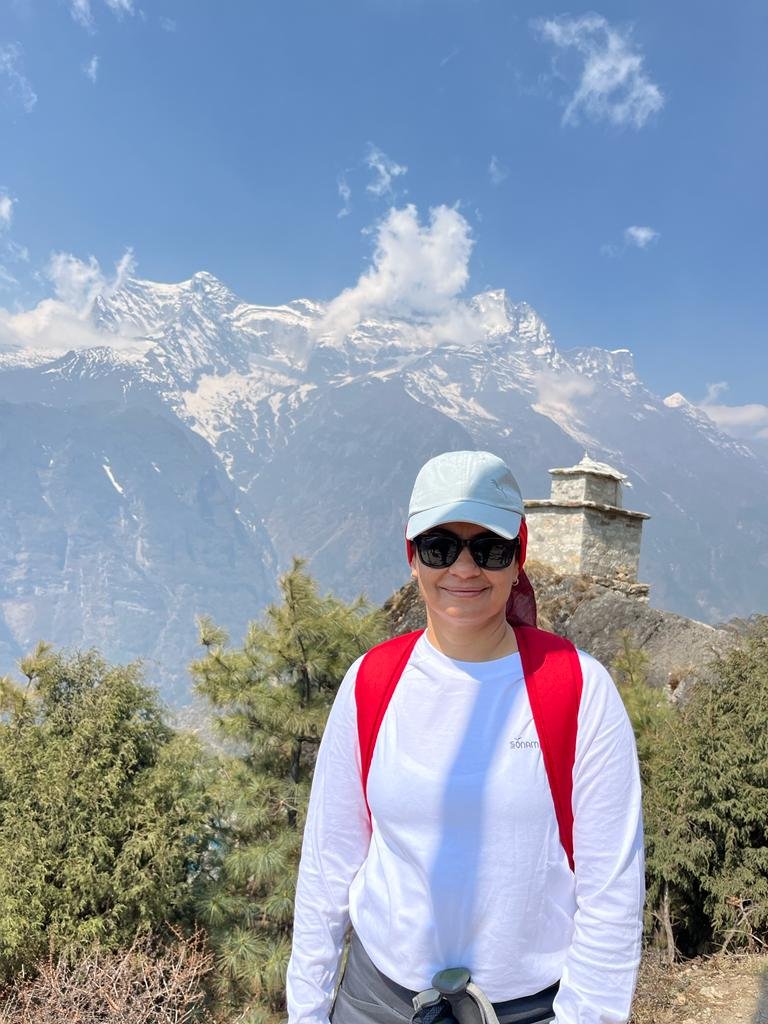
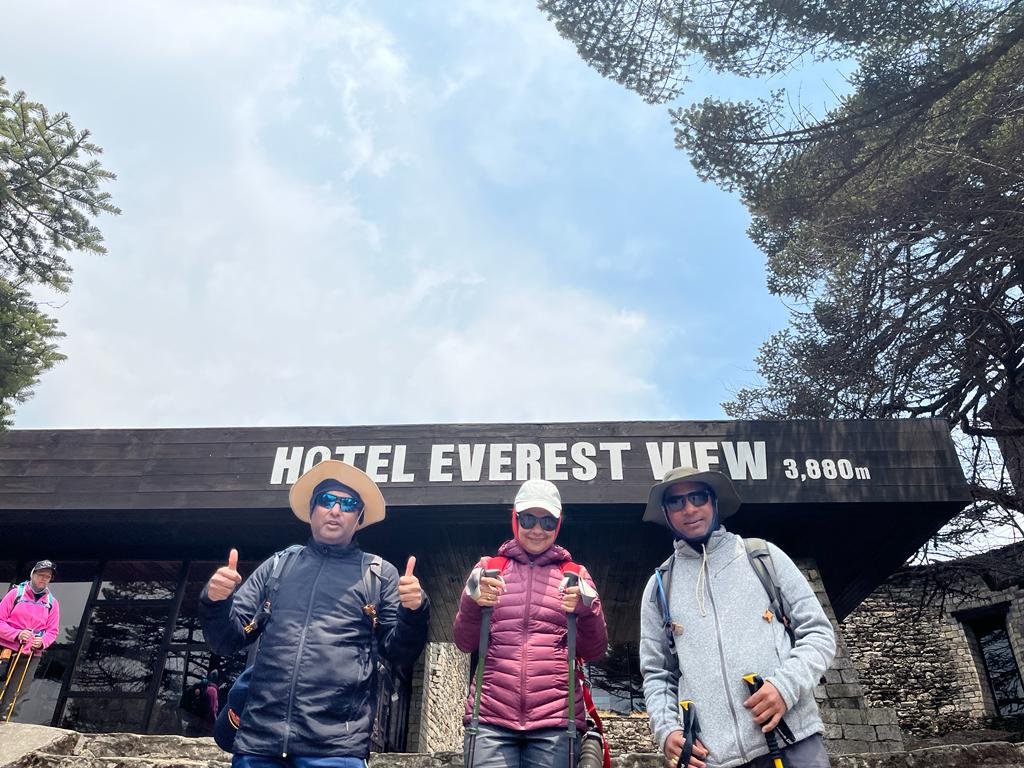
Frequently Asked Questions
The Everest Three Pass Trek is a challenging circular trek in the Everest region that includes crossing three high mountain passes above 5,000 meters while also visiting Everest Base Camp, Gokyo Lakes, and Kala Patthar.
It is rated as very strenuous. You’ll be trekking in high-altitude terrain, crossing steep and icy passes. It’s suitable for experienced trekkers in good physical condition.
-
Kongma La (5,535m) – between Chhukung and Lobuche
-
Cho La (5,420m) – between Dzongla and Gokyo
-
Renjo La (5,360m) – between Gokyo and Lungden
-
Kala Patthar (5,545m) – offers the best view of Mount Everest
-
All three passes are also above 5,300m
you will need:
-
Sagarmatha National Park Entry Permit
-
Khumbu Pasang Lhamu Rural Municipality Permit
These are usually arranged by us (Nepal ROyal Tourism) trekking agency.
A guide is strongly recommended due to route complexity and safety. Porters help carry your gear and make the trek less exhausting.
It is ideal when one is a trekker with previous experience of high-altitude or multi-day treks.
Yes. You’ll be trekking above 5,000m multiple times. The itinerary includes acclimatization days in Namche Bazaar and Dingboche. Always stay hydrated, go slow, and watch for symptoms.
There are no technical climbing abilities needed, although confidence on uneven ground will be of assistance.
The expedition takes an average of 18-21 days.
The most stable conditions are provided in autumn and spring.
Yes, but the higher in elevation, the facilities become simpler.
In some villages, there is limited Wi-Fi, which is often charged.
Yes, the itineraries could be changed according to pace and conditions.
You may also like
3 Nights 4 Days Chitwan Jungle Safari Tour | Wildlife Adventure in Nepal
-
Trip
4 Days
-
Grade
easy
-
Altitude
415m
Menu