


Best Bhutan Road Trips and Scenic Drives For Travelling in 2026
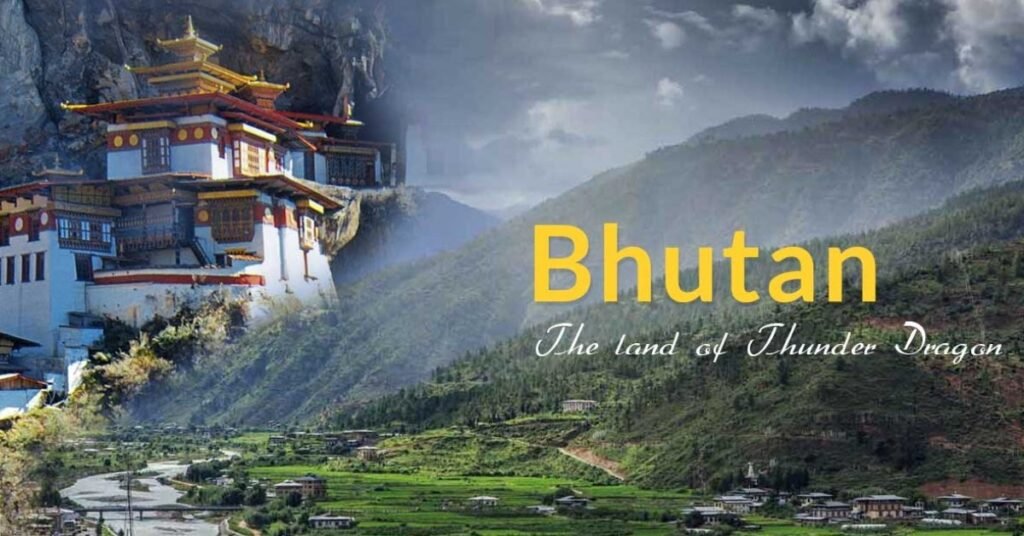
Bhutan, which is sometimes referred to as the Land of Thunder Dragon, is one such place where the trip may be as great as the destination. In Bhutan, people do not only use roads to reach a destination, as it is the case in many countries, where roads are just a means to an end.
Following narrow valleys, pine forests, mountain passes, and the villages, each drive leads tourists to the nature of the kingdom, its culture, and its religion. A road trip in Bhutan is the best way to explore sceneries and people who are hardly affected by the mass tourism industry, and thus experience a road trip that you will not forget.
Road traveling is special in Bhutan. The East- West Highway, which is the main artery also called the Lateral Road, is the road that crosses the country and connects the majority of the great valleys and the towns.
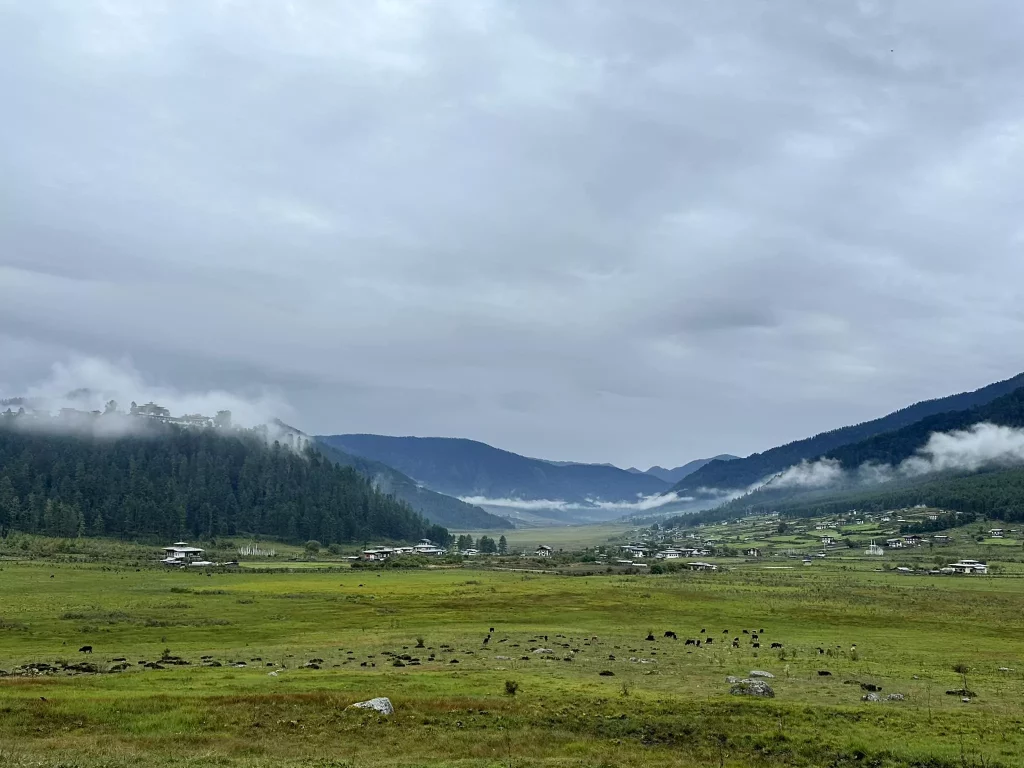
On a map, a short distance appears short; however, when it comes to the winding mountain passages, unexpected rises and drops, and a lot of scenic lookouts, the journey can be made more time-consuming than you anticipated. This is one of the benefits of such a slow pace, as it allows the travelers to get time to digest the environment.
The tourism policy of Bhutan promotes the High Value, Low Volume strategy, which means that the roads will not be congested, unsafe, or unpleasant. Any foreign tourist must bring licensed guides and drivers to enable tourists explore more of the culture of the country and navigate the mountain roads safely.
The Sustainable Development Fee (SDF) helps in conservation, local people, and heritage conservation so that your traveling can give back to the country you are visiting. The route is between Thimphu and Punakha via the Dochula Pass, which is considered one of the most popular drives.
This drive is approximately seventy-two kilometers in length, and the average time spent on it is two and a half to three hours without stopping.
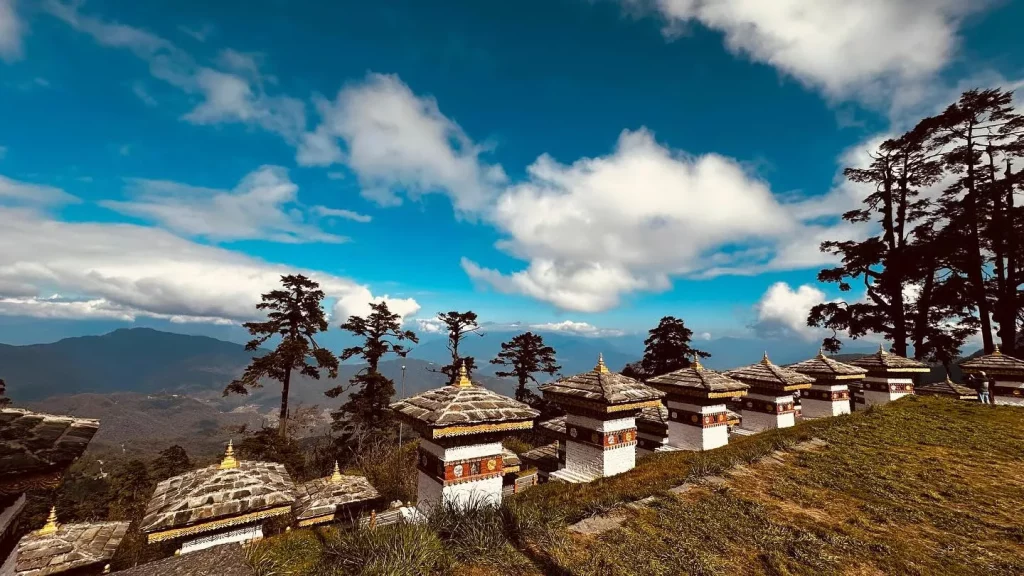
This road passes through thick pine woodland to a pass, called Dochula Pass, at a height of 3,100 meters, which has 108 memorial chortens, commanding the valleys.
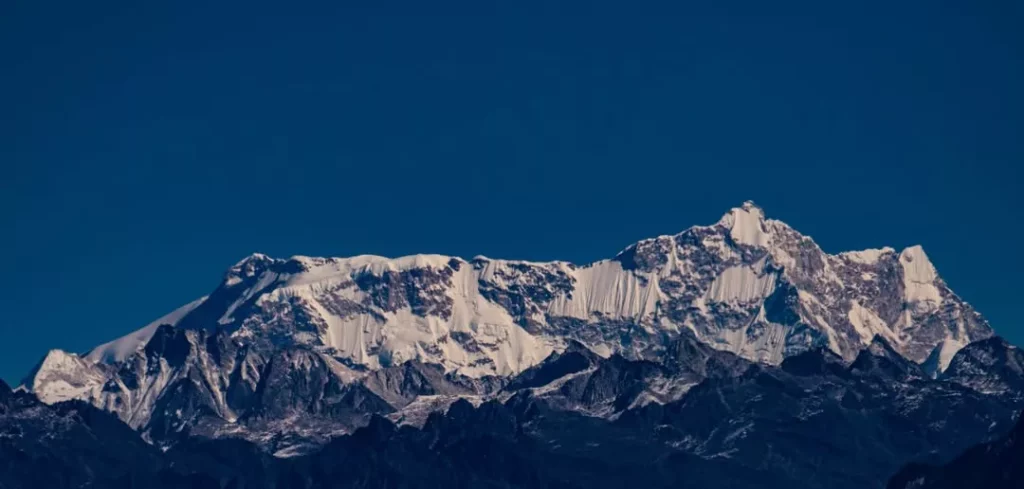
On a clear day, the snow-covered Himalayan peaks are visible in the distant distance such as Masagang and Gangkar Puensum. The pass not only serves as a point of view, but it is also a memorial to the Bhutanese soldiers and a spiritual center.
As one goes down Punakha Valley, the landscape transforms into mountainous terrain to terraced rice fields. The whitewashed walls and the complicated architecture of Punakha Dzong, which reigns the valley, dominate it.
The Fertility Temple is called Chimi Lhakhang, which is located close to the Temple of the Ecstatic Drukpa Kunley; paying a visit to the temple can be an insight into the Bhutanese folklore and religiosity. The other memorable road journey starts at Paro and takes the high altitude Chele La Pass to Haa Valley.
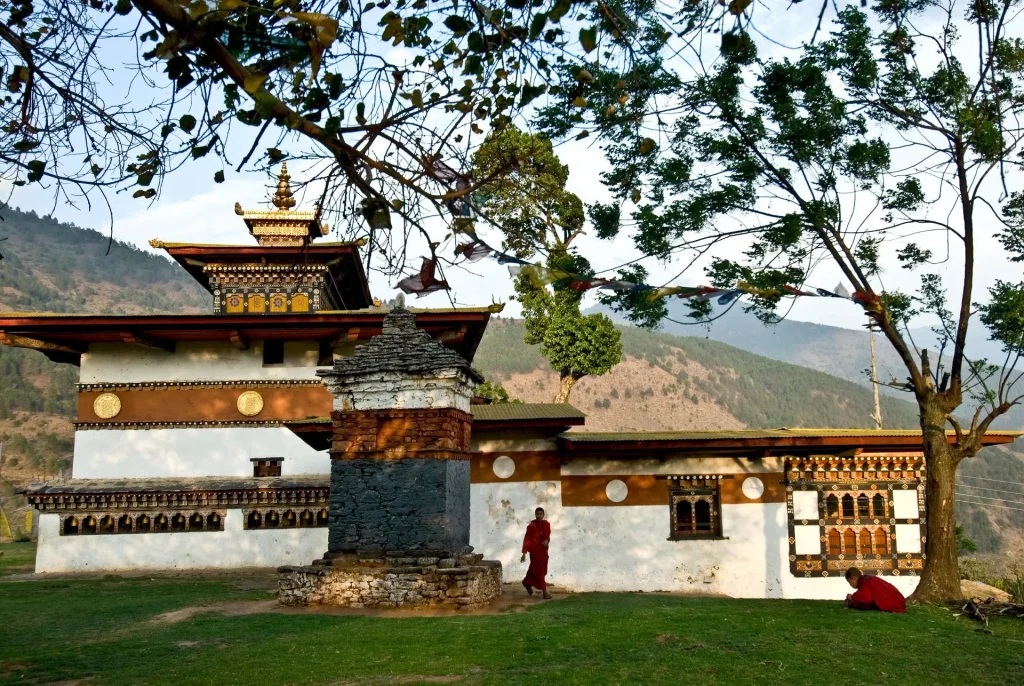
This trip is a thirty-kilometer trip that can be completed in three hours, although tourists usually take more time to have a photo of the scenery with such impressive landscapes or to breathe the fresh air in the mountains.
Chele La is the highest motorable pass in Bhutan with almost 4,000 meters, where one has a panoramic view of Jomolhari, Jichu Drake, and far away Tibetan plateaus.
| Route | Distance | Drive Time | Highlights | Best Season | Road Condition |
|---|---|---|---|---|---|
| Thimphu–Punakha | 72 km | 2.5–3 hrs | Dochula Pass, Punakha Dzong, Chimi Lhakhang | Oct–Apr | Good |
| Paro–Haa via Chele La | 70 km | 2.5–3.5 hrs | Chele La Pass, Haa Valley | May–Oct | Winding, steep |
| Bumthang–Mongar | 198 km | 7–8 hrs | Thrumshing La, Ura Valley, Mongar Dzong | Apr–Jun, Sep–Nov | Moderate, steep in sections |
| Lateral Road (Phuentsholing–Trashigang) | 700 km | 3–5 days | Major towns, passes, dzongs | Mar–May, Sep–Nov | Variable, some rough |
The Haa Valley is the least-visited and the most traditional part of Bhutan that can be seen through the descent. The valley contains the holy temples, White and Black Temples, Lhakhang Karpo, and Lhakang Nagpo, which are the center of the local spiritual life.

In July, the Haa Summer Festival is also an event of nomadic culture, traditional music, and arrow competition, and provides an insight into the local way of life. To more adventurous travelers who want to drive long distances, the route between Bumthang and Mongar offers dramatic driving through central and eastern Bhutan.
This is a road that covers almost two hundred kilometers and goes through the high mountain passes and also the cloud forests, and the villages too. On the way, there is the Ura Valley, which boasts of a special Yakchoe festival and traditional stone houses.
The road then takes a fall down, past Sengor, with waterfalls and bird life contributing to the visual appeal. Mongar, which is regarded as the entry point of eastern Bhutan, is a mixture of traditional buildings, colorful local markets, and hospitality.
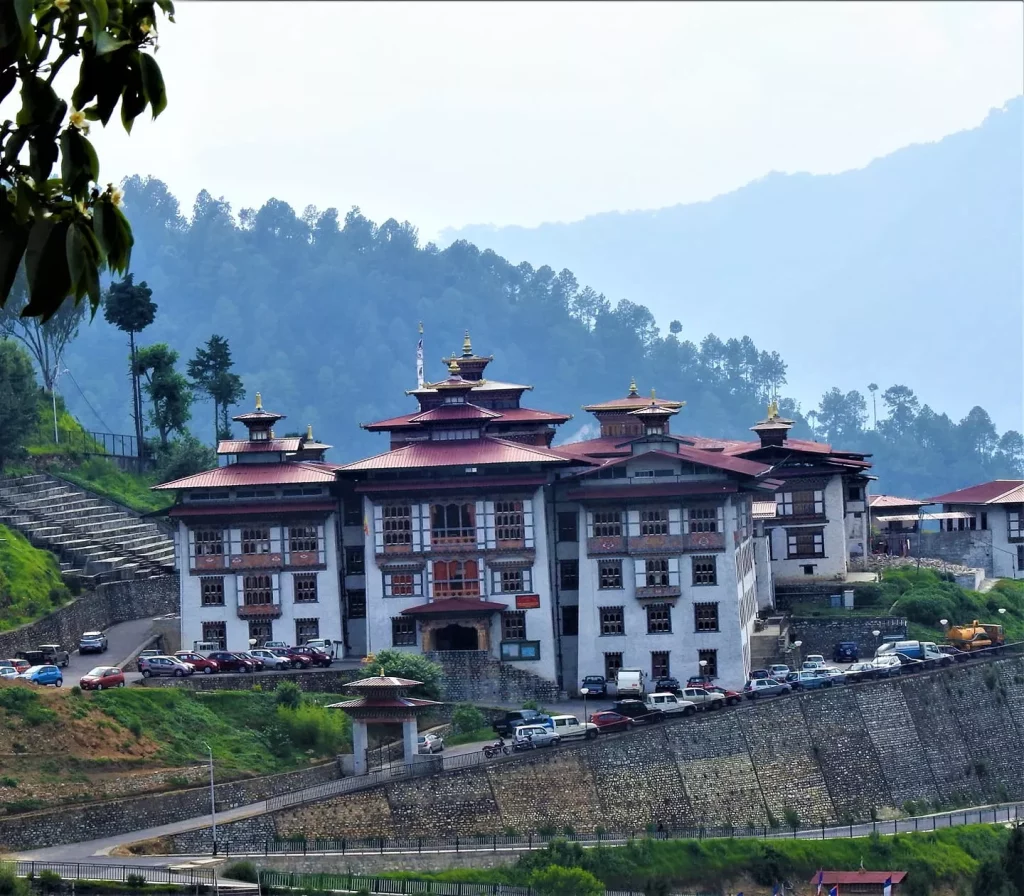
This is a route that would need planning so as to take a two-day drive to enjoy the views and cultural diversity. The main trans-kingdom artery of Bhutan is the Lateral Road which is about 700 kilometres long, stretching between Trashigang and Phuentsholing.
The road connects significant towns, dzongs, and cultural hubs and traverses valleys and high passes like Dochula, Pele La, Yotong La, and Thrumshing La, providing the driver with a great diversity of Bhutanese views- subtropical forests in the west, and alpine valleys and rugged eastern hills.
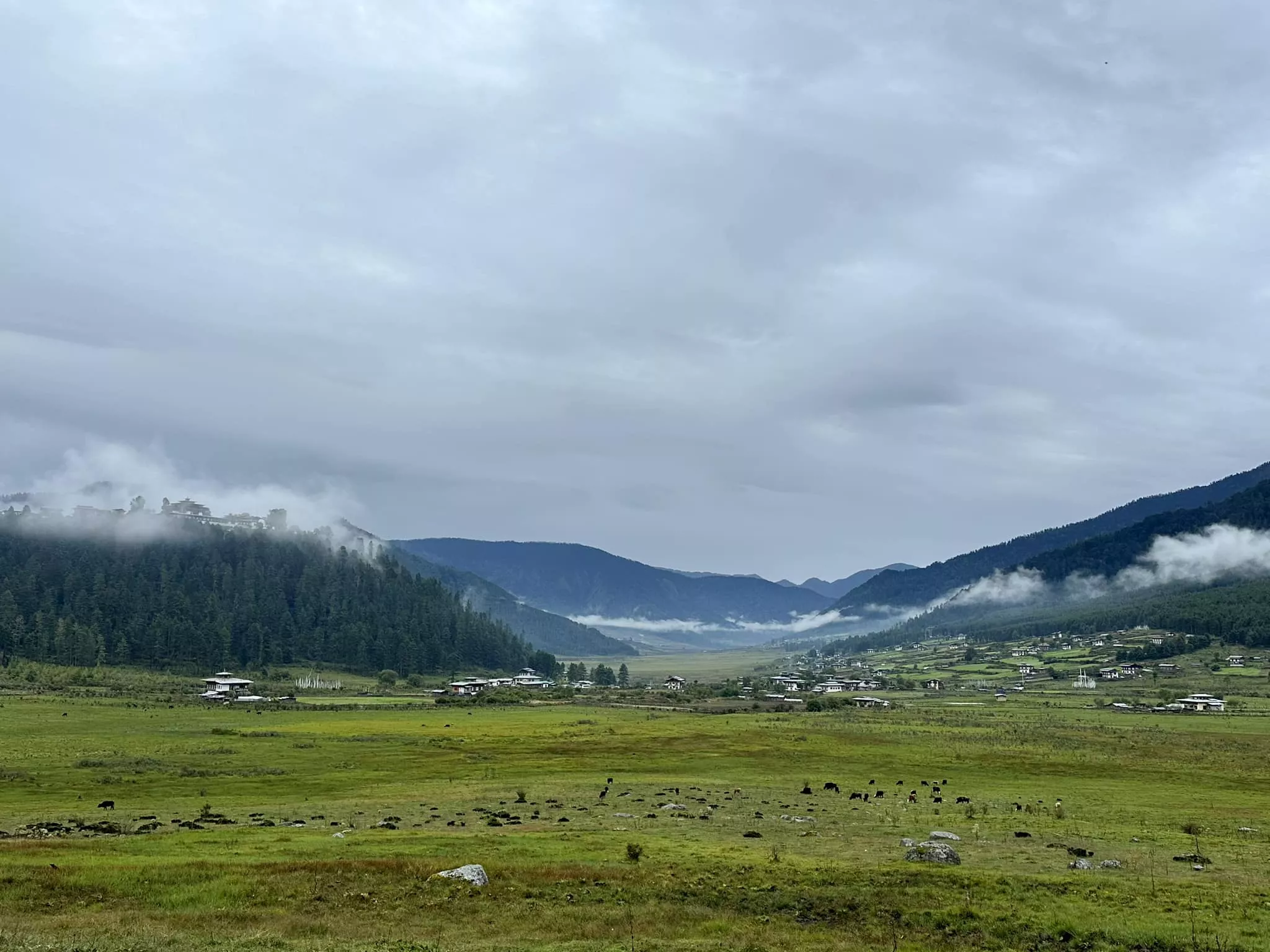
Whereas on paper distances may only be challenging, winding routes, narrow lanes and weather interruptions are planned and will need the skills of a local driver.
There are also more offbeat scenic drives and gems in Bhutan. One of these adventures is the Dagala Thousand Lakes trek.
Though this is more of a trekking experience, the road route is beautiful, and the trek would leave the visitors with a crystal-clear lake, alpine meadows, and yak herder camps.
Ura Valley is a traditional highland community of Bumthang and can be accessed after a two-hour drive, providing an insight into the life of the village, barley fields, and local festivals.
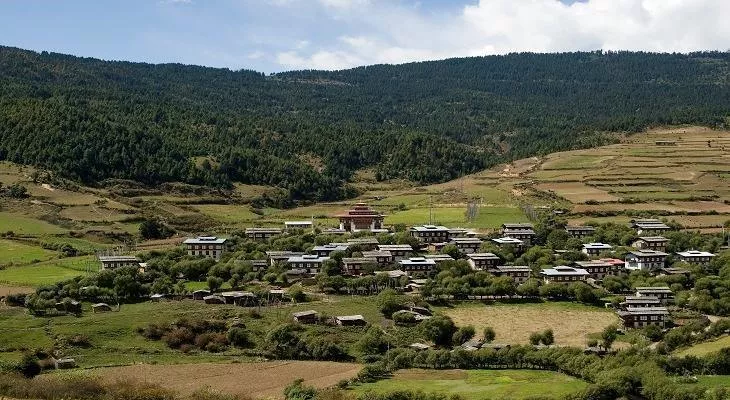
In the central-eastern corridor, there is Nabji Korphu, a community-based conservation and eco-tourism site, guided hikes through forested wildlife corridors. Merak and Sakteng are remote and culturally unique areas in Eastern Bhutan inhabited by the semi-nomadic Brokpa people, its yak-herding culture, and colorful festivals.
Lastly, Phobjikha Valley, with its broad glacial valley and Gangtey Monastery, is a must-see attraction sites with tourists who are concerned with wildlife, particularly the endangered black-necked cranes that rest here during winter.
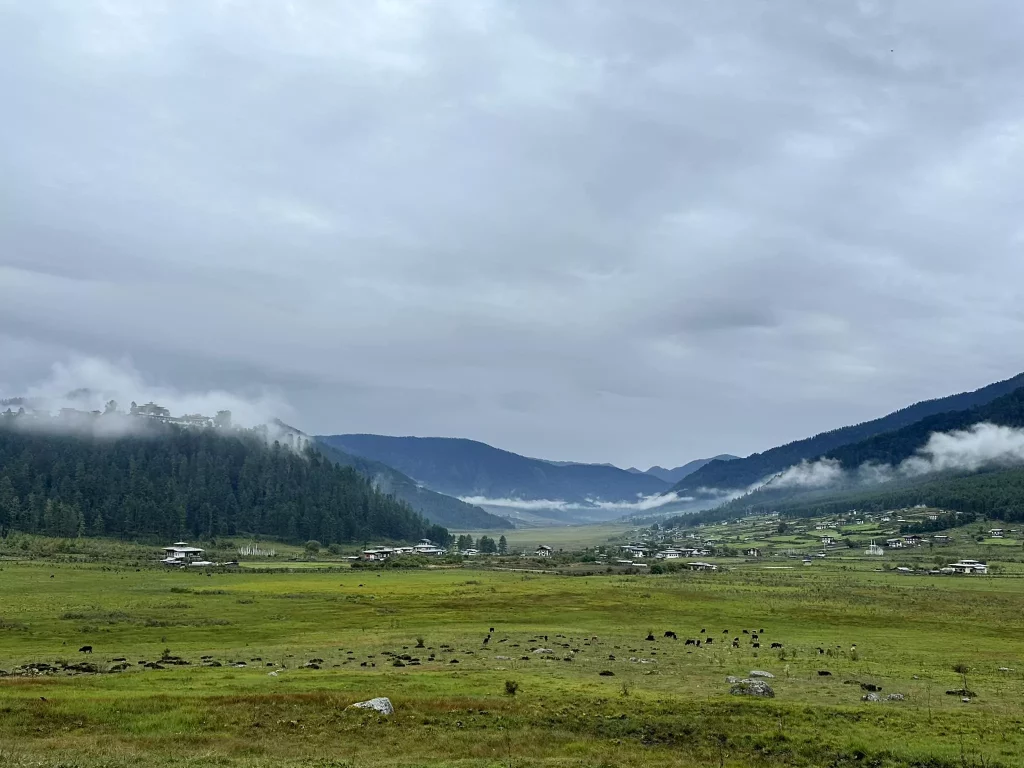
Traveling logistics, seasonal changes, and road conditions are some of the factors that should be known when planning a Bhutan road trip.
The roads in western Bhutan are usually in good condition, whereas the roads in the central and eastern parts can be narrow, steeper and easily affected by landslides. Single lane stretches or gravel can also be considered remote areas.
A traveler should never travel without a licensed guide and driver, should always carry a motion sickness remedy, and wear in layers so that the weather changes, especially when it is hot at high passes.
Altitude is not usually an issue, but some of the passes, like the Chele La and Thrumshing La, may be almost 4,000 meters.
Cultural abundance in Bhutan can be seen in all directions. Whether it is the spiritual centre of Thimphu and Punakha or the isolated wards of Haa, Ura, and Phobjikha, every single drive is a mix of natural beauty, history, and spirituality.

The journey includes monasteries, dzongs, and festivals, and the traveler is advised to treat the locals in a respectful manner, wear simple clothes, and accept the lifestyle. Bhutanese road trips are a journey of discovery, exploration and spirituality; they reward the traveller who is patient and curious enough.
Flexible itineraries can be made to Bhutan with its road networks, whether one has a week or two. The typical seven-day route is a circuit starting in Paro, then heading to Thimphu, Punakha Valley, Phobjikha Valley, and making a back track, whereas the 10-14 days are the long route that involves the eastern places, the offbeat routes and the isolated villages.
The luxury lodges, ordinary hotels, homestays all have their preferences and local foods, festivals, and sceneries all add richness to the traveling experience. The road in Bhutan is not just a road to a destination but a journey into the soul of a country that has its own quantification of success not on the money in the bank but on the well being of its populace.
Each twist, each village, each monastery tells a new tale, a new sight, and a further attachment with this Himalayan kingdom. Driving in Bhutan helps to go slowly, watch, and get into the world in which culture, nature, and human spirit live in harmony with each other.