


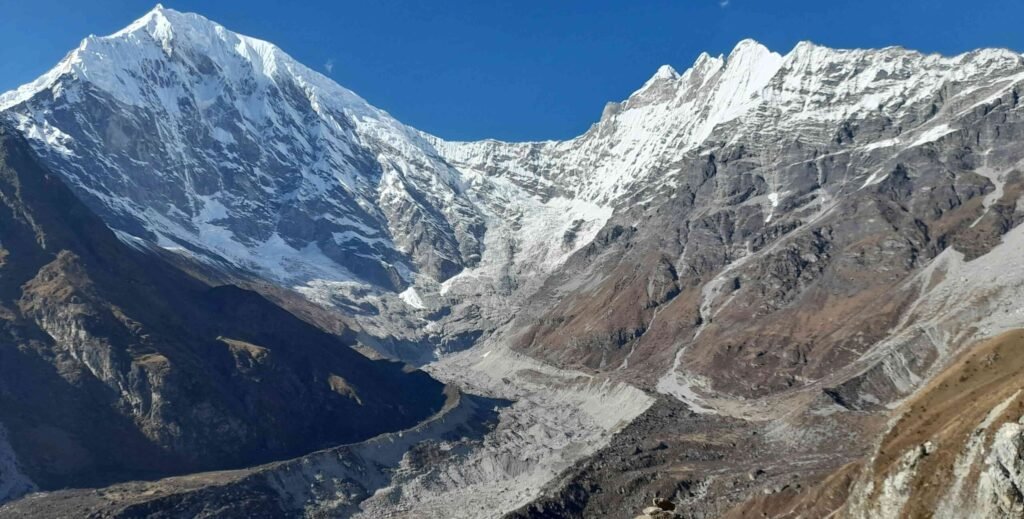
Langtang Valley Trek in June 2026
The Langtang Valley Trek in June 2026 will become a wonderful adventure for lovers of adventure, nature, and culture explorers. In fact, Nepal is in the heart of the Himalayas. It is where you can pay a visit to some big mountains, forests, Tamang villages, and open regions that will floor you in all directions.
In Nepal, it is summer in June. Days are longer, the weather is warmer, and the trail appears like a flow of color, given by flowers. Suppose you should stroll down through the valleys filled with wildflowers with their petals gently vibrating in the snowy mountain winds and the snow-white clouds close overhead. The ideal time to go is June 2026, when the high mountains are fresh and exhilarating to experience, and when one wants to get immersed in the local culture.
The Langtang Valley Trek is a relatively easy tour of Nepal with sightseeing fun in it. As compared to more frequented paths such as Everest Base Camp or the Annapurna Circuit, Langtang is small and allows you to explore things without other people. You may be an advanced trekker or a first-time tourist; however, the June nature trek will leave you to enjoy and make the trail worth remembering.
Why Choose the Langtang Valley Trek in June 2026?
This is a choice that can be made on the basis of good weather, scenic beauty, and rich culture. The month of June is generally the commencement of the dry season in Nepal; hence, the sky is clear, and the weather is very steady—an ideal condition to trek because of good visibility and safe routes.
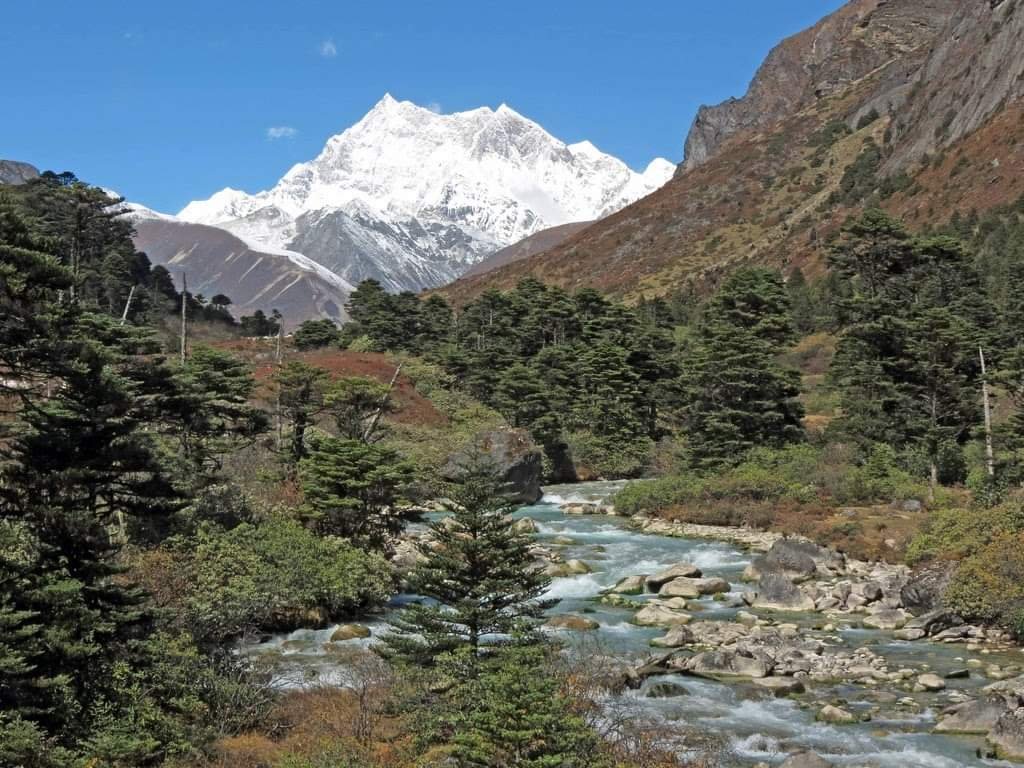
When the new green color is placed everywhere, the landscape transforms significantly. The rhododendron woodlands have blackened their last flowers, and the alpine fields swell with many types of wildflowers. The white mountains and the bright vegetation put up a dreamy scenario for the photographers.
June also provides plenty of daylight time, meaning that you can accomplish more in a day and still get to have cooler mornings, as the heat has not built up. It is better to sleep early enough and witness the sunrise, the yellow and pink mountain change, and have enough time to reach your destination before the evening.
The number of people in this season is also lower in comparison with the active fall seasons, such as October and November. You would not be forced to squeeze spectators in observation points or wait to take a tea break. It will be almost your path, and you will sometimes have a cup of tea with some good-natured trekker.
In addition, local festivals tend to be held at the beginning of summer. Tourists have an opportunity to observe actual Tamang traditions and practices. You could also experience a village party where there is singing, dancing, and local cuisine, which will provide you with a glimpse of what the center of the Himalayan culture is like.
Key advantages of trekking in June:
- A favorable weather system with a major amount of clear atmosphere.
- Blossoming plants are improving picturesque landscapes at all levels.
- Greater daylight to spend a lot of time roaming.
- Reduced the number of tourists during off seasons.
- The possibility to enjoy local festivals.
- Medium temperatures are perfect for extended hiking.
The trek that you plan in six months is in June 2026, and you can claim these benefits when the weather can be anticipated. The monsoon typically begins later in June or the beginning of July, and therefore, the sweet months are early to mid-June when the weather is good. June is usually the best month to get into a hiking trip where you can explore the best mountain landscapes of Nepal, besides having a thrilling trip.
Understanding the Langtang Valley: Geography and Significance
Unless you are in a hurry to tie up your hiking shoes, spare yourself some time to understand the reasons why Langtang Valley is unique. It is located right north of Kathmandu, in the Rasuwa District of the Langtang National Park—the first national park of the Himalayas in Nepal. It is near Kathmandu, and therefore it can be reached with ease compared to a number of other long treks.
The valley is oriented east-west, as formed by the Langtang River, but surrounded by the Langtang Himal mountains. Vast amounts of the walk are above Langtang Lirung, which is 7,227 m. The park contains a wide variety of environments, including subtropical forests and alpine meadows, and includes wildlife, including red pandas, Himalayan black bears, and numerous types of birds.
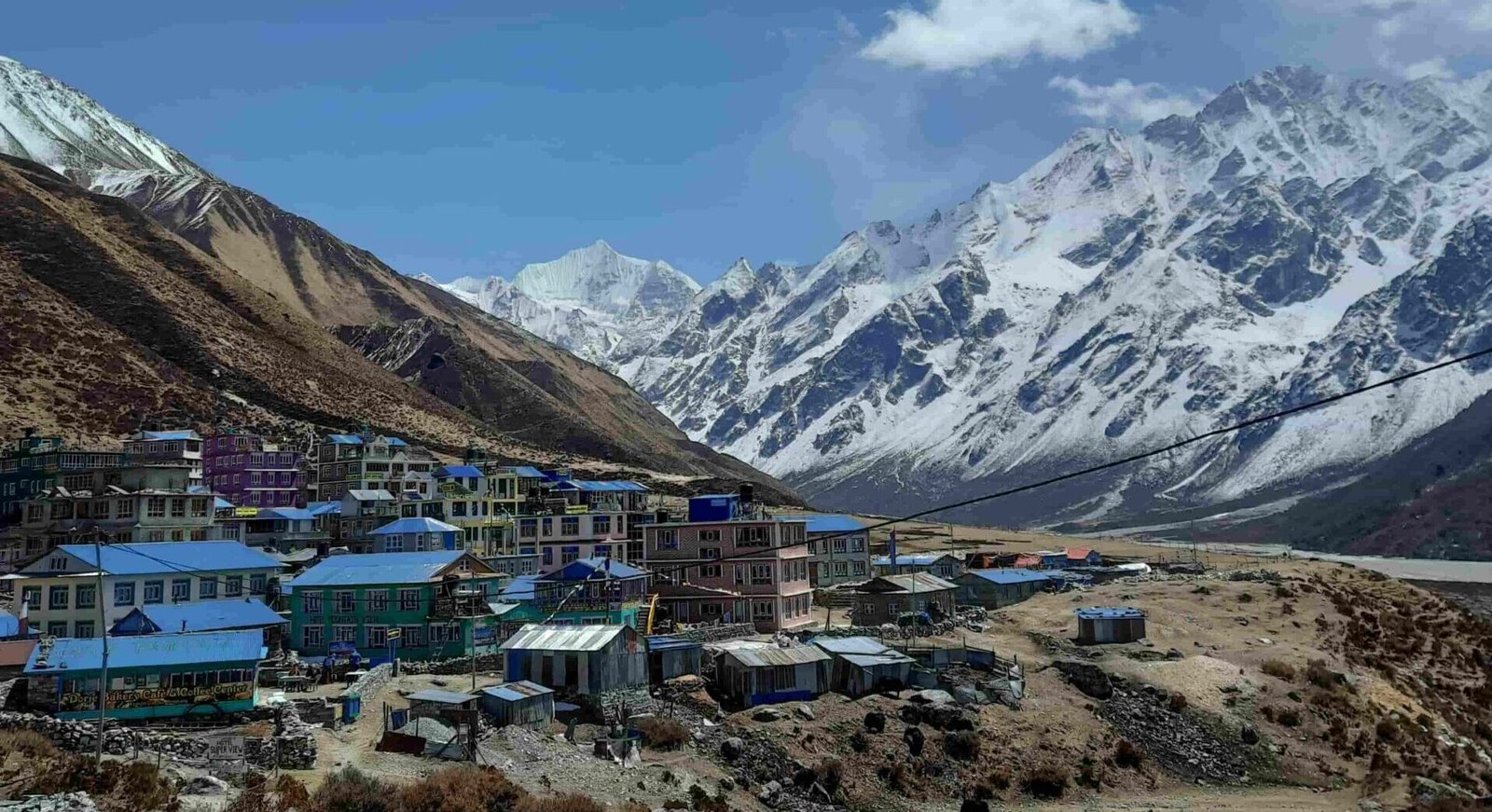
Tamang, ethnic people with Tibetan origins, are the people who predominate in the valley. Their use of stone houses roofed with slates, the colorful flags of prayers, the members of the culture, and the welcoming smiles give them a culture-rich environment, which is equally satisfying as the physical act of walking. The community was very powerful after the earthquake that struck the region in 2015. This is a way of helping such communities, as it boosts their growth by trekking here in 2026.
Preparing for Your Langtang Valley Trek in June 2026
The Langtang Valley Trek is a popular project to begin in June 2026. It is not only necessary to be fit to be successful in the mountains, but also to have good planning and awareness of your body’s limits.
Physical Fitness and Training
The walk is 5-7 hours of walking every day on various surfaces. You do not require marathon fitness; however, you require a strong foundation of cardio fitness. Begin training 8 to 12 weeks before departure with an increase of hikes, bike trips, or stairs with a weighted pack.
Include leg, core, and back strength training, as you will be carrying a bag for a long time. The use of squats, lunges, and planks strengthens the muscles required. The more fit you are, the more you will enjoy it, as opposed to merely enduring it.
Essential Gear and Packing Strategy
Wear clothes in layers so that you may adapt to changing temperatures. Wear light, moisture-wicking shirts on warm days, and also wear thermally cleaned clothes on cold nights. It is important to have the layering system: a base layer to keep skin dry, a mid-layer to keep warm, and a waterproof outer.
Good walking shoes are obligatory. They ought to hold up to your ankles and must be broken in before the journey. Blisters kill the fun. Put them on trial walks to ensure that they do not hurt during long distances. Bring several pairs of wool or artificial hiking socks, never cotton.
At higher altitudes, when there is cloud cover, you will be exposed to more sunlight, and the sun is harmful, so protect yourself by using sunscreen with an SPF of 50 or above and other wide-brimmed hats. You can even get sunburnt very easily at elevation.
Taking basic first aid kits and personal medication is also a good idea. Add blister treatment, pain medications, diarrheal medications, and altitude sickness medication, such as Diamox, with the recommendation of your doctor.
Pre-trek preparation checklist:
- Participate in 8-12 weeks of cardiovascular exercise.
- Add strength training for legs, core, and back.
- Cloisonné slippers on hot days and cold nights.
- Put on the hiking shoes, which are well worn.
- Provide full sun protection equipment.
- Bring a first aid kit and needed medicaments.
- Check all equipment on training upgrades.
It can be prepared properly and still be safe and comfortable, and you can enjoy everything about this beautiful trail.
Best Routes & Trails for the Langtang Valley Trek in June 2026
You need to find the correct route in your Langtang Valley Trek that you are going to complete in June 2026 in six months. The conventional road would pass through the village of Syabrubesi. The village is within an hour or so scenic ride via a bus all the way into Kathmandu.
The Classic Syabrubesi to Kyanjin Gompa Route
The normal program lasts 7-10 days, and it depends upon your speed and acclimatization requirements. The trail begins at Syabrubesi (1,503 m) and slowly rises over various scenery. You will also go on with the Langtang River, through oak, maple, and rhododendron woods. Places such as Lama Hotel, Langtang Village, and Mundu are visible on the trail, and each one of them provides a rest and a cultural experience.
The pathway is provided with terraced lands, bamboo bushes, snow-topped mountains such as Langtang Lirung, snow glaciers, and alpine grasslands teeming with flowers. The further up you go, the more the forests thin, giving place to alpine grass and bare rocks at length. The air becomes thinner, and the scenery is more fantastic.
Alternative Routes and Extensions
Other paths are extensions to either Tserko Ri (4,984 m) or the Gosaikunda Lake. Tserko Ri is panoramic in command—arguably the best in the area. It is a difficult climb that can be made without any complications once properly acclimatized, and the sunrise on top of it cannot be forgotten.
Gosaikunda Lake is a lake that can be included in a longer trek of Langtang and Helambu. This gives you 3-4 days in addition, where you are rewarded with breathtaking high-altitude lakes and other cultures.
Route highlights:
- The Syabrubesi-to-Kyanjin Gompa route challenges even the average level of fitness.
- Differences are also up to Tserko Ri summiteers.
- Extend to Gosaikunda Lake to make further journeys.
- Rhododendrons and wildflowers are also some of the scenic highlights.
- Being available during early summer periods.
- Guided tours increase security and offer firsthand knowledge.
The use of guided treks is also considered the best practice, particularly when it is the case of visiting Nepal as a first-time trekker. Local guides are perfectly equipped with priceless information regarding trail conditions, safety, and cultural practices. They also create jobs for the local communities and make sure that there are no hidden gems on the way.
Unique Cultural Experiences During Your Trek in June 2026
One of the greatest difficulties in the Nepali Himalayas trek is to become a part of the local culture. It is a journey through history that has begun, but this is not just a walk through mountains.
Tamang Culture and Hospitality
During your tour, you will go through the usual Tamang villages, where you will be offered warm hospitality. The Tamang people take their cultural identity with astounding pride, notwithstanding adversity following the earthquake in 2015.
You will observe unique architecture, which includes the use of stone constructions with wooden balconies and stone roofs, and is decorated with prayer flags. The flags send prayers into the wind, and they bring blessings all over the land.
Monastic visits give one a glimpse of the way of Buddhism. At the working monastery of Kyanjin Gompa, the monks are engaged in performing their daily rituals. A peep through these rituals reveals the Himalayan religious culture that has existed over the last one thousand years.
Local Markets and Cultural Engagement
Hand-made textiles and jewelry in local markets are formed by the craftsmen who conserve the traditions of their ancestors. They are not mass-manufactured knick-knacks but local art. Shopping has a direct impact by supporting families and allowing the maintenance of traditional skills.
Treating people with respect among villagers will bring about relationships that are not based on tourism. How to say a few Nepali phrases: take a bow, Namaste; thank you: Dhanyabad. Seek the approval of people before taking their pictures. Wear decently at places of worship. The gestures are a sign of respect and establish good relationships.
Cultural engagement opportunities:
- Mingle with the members of the Tamang community.
- Citizen Kundun Visit the ancient monasteries of Tibetan Buddhism.
- Tour newly emerging markets with handicrafts.
- Attend cultural rituals when they are welcomed.
- Adhere to the local culture to make sure that there are good relations.
- Get simple Nepali phrases of communication.
These cultural aspects are a perfect complement to the scenic landscape when you hike in June 2026, as they will leave one with not only nature and its majesty, but also the relationships with people.
Accommodation & Food Options Along the Trail in June 2026
Accommodation facilities in your Langtang Valley Trek in June 2026 will involve cozy teahouses and simple lodges accommodation to meet the accommodation needs of trekkers who desire to experience the true Himalayan hospitality. The teahouse system is an approach that allows mountain trekking without necessarily engaging in complete camping.
Teahouse Accommodations
The simple rooms with beds and blankets, along with communal dining areas where the guests eat and have lively table talk, are mostly found in most teahouses. Within the rooms, there are usually two thin single beds. Baths are typically common and simple.
Most teahouses have hot showers, which cost an extra charge of between 200 and 500 Rupees. It is prudent to pack a sleeping bag that is favored when it is cold outside, particularly in areas with higher altitudes where the temperatures decrease during the night.
Culinary Delights on the Trail
The food options are mostly Nepali dishes like dal bhat (lentil soup with rice), which is the best friend of the trekker since it is both nutritious and filling, besides being usually offered freely on refills. You will also find momo (dumplings) and various dishes that are done with noodles, such as the chow mein, and regional cuisines. Numerous teahouses serve western food such as pancakes, pasta, and eggs.
There are Nepali milk tea (chiya), black tea, herbal teas, and coffee. Do not drink too much at elevated levels because it disrupts the acclimatization. Drink water, tea, and hot lemon beverages to keep oneself hydrated.
Accommodation and dining tips:
- Accommodate at traditional teahouses that are comfortable.
- Think about carrying a sleeping bag.
- Sample the fantastic Nepali food, such as an unlimited serving of dal bhat.
- Taste local specialty food and momos.
- Choose sustainable ways of action, such as saying no to single-use plastics.
- Use water purifying pills rather than buying bottled water
The right meals at Long-lasting accommodation will keep you going during your trek and lend livelihood to the local communities.
Managing Altitude & Weather Challenges During Your Journey
Though early summer tends to be a good period to undertake trekking in the month of June 2026, altitude sickness is another factor that should be given serious attention, especially in higher altitudes such as Kyanjin Gompa (3,800 meters).
Altitude Acclimatization Strategies
Slow climbing enables acclimatization. The golden rule is to sleep low and climb high–during your daytime, go up to a higher elevation, but at night, sleep at a lower elevation, to have time to get accustomed to it. The majority of the itineraries involve acclimatization days at Kyanjin Gompa.
It is important to hydrate–take 3 -4 liters of water each day at elevation. Consumption of alcohol should be avoided as it may increase the effects of dehydration. Study to note the symptoms of altitude sickness: headache, nausea, dizziness, fatigue. Mild symptoms are frequent, and most of them respond to rest. Nevertheless, when the symptoms become worse, the only remedy is to sink directly down.
Weather Considerations for June
Sunny days with dehumid or cool mornings and evenings are to be expected, but lightning psychological catastrophes like rainstorms or fog can be experienced because of the Himalayan microclimates. Mornings are usually clear, with cloud formation in the afternoon. Trying Tserko Ri, one should get down early in the day to be able to have the maximum possible number of clear views.
It is advisable to bring light but waterproof clothes, such as jackets or ponchos. The essential one is a good rain cover for your backpack to keep your gear dry.
Successive ranges of temperature differ with elevation. In June, the temperature goes up to 20-25 o C during the day, and down to 10-15 o C during the night at Syabrubesi (1,500 m). In Kyanjin Gompa (3,800‛), the temperatures in the day are around 10 15 o C and in the night around or under freezing.
Altitude and weather management tips:
- Ascend gradually with rest days at key points
- Keep ourselves hydrated with 3-4 liters/day.
- Be on the guard against altitude sickness.
- Keen on unexpected weather changes.
- Check weather predictions on a routine basis.
- Start young when going to the summit.
- Go down now should the symptoms increase.
The process of managing the altitude issues and organizing plans that are flexible will yield a higher level of safety and will also enable maximum enjoyment of the scenic impressions.
Essential Packing Tips for Your Trek in June 2026
Efficient packing is essential when packing to go and experience the Langtang Valley Trek. The best equipment is comfortable and allows carrying a manageable weight during long walks.
Clothing Essentials
Layering items made of lightweight clothing is suitable. Vote for any synthetic or merino wool undergarments instead of cotton. Carry convertible or quick-dry pants. An evening jacket and high-altitude stops must have a warm down jacket in place.
Rain clothes must be breathable and waterproof. Gore-Tex or other fabrics are the best to use since it does not absorb water and yet let the sweat vapour escape.
Footwear and Accessories
Injuries are eliminated by the use of durable hiking shoes that offer support to the ankles. Also, take camp shoes that are lightweight to be used when you go around teahouses in the evening. The poles that are used in trekking greatly minimize the pressure on the knees when walking downhill and give rigidity.
Technical and Safety Apparatus
The perfect pack would be a 40-50 liter backpack for teahouse trekking. It must have a good hip belt and several compartments. Some of the things that will be needed are: water bottles that are packed with purification pills, energy bars, a headlamp, spare batteries, good map books, GPS equipment, personal medicines, sun protection, and a camera.
Comprehensive packing list:
- Clothing- Layered clothes made up of base-layers, insulating-layers, and waterproof shells.
- Shoes: Light waterproof hiking shoes and camping shoes.
- Accessories: Sun protection equipment: a hat, sunglasses, and SPF 50 + sunscreen.
- Technology: GPS gadget, camera equipment, and a portable battery bank.
- Health Essentials: Medications for personal purposes, a first aid kit, and a water purification system.
- Trekking equipment: Trekking poles, a rain cover over the backpack, and a headlamp.
Good packing saves aches and pains while eliminating constraints from excess baggage.
Permits, Paperwork, and Practical Logistics
The first thing to do prior to hitting the trail is to purchase two permits: the Langtang National Park Entry Permit (some 3,000 NPR) and the TIMS card (some 2,000 NPR). They can be acquired in Kathmandu from trekking agencies or even at the Nepal Tourism Board office.
The travel insurance should be comprehensive. High-altitude trekking (up to 5,000 meters), emergency evacuation by helicopters, and hospitalization would fall under your policy. Stock of important documents has photocopies but not in the original form.
Because there are no ATMs outside Kathmandu, estimate the amount of money you are likely to spend and carry as many Nepali Rupees as you can in small amounts. On the trail, credit cards are of no use.
Responsible Travel & Environmental Conservation
Essentially, spend on responsible activities as a responsible tourist. Reduce wastage by using reusable water bottles instead of single-use plastics. Leave No Trace: Waste disposal should always ensure proper disposal. Pack everything up, such as food wrappers and hygiene products.
Do not interfere with the wild animals or delicate vegetation. Use specific trails to avoid the occurrence of erosion. Treat locals with respect and respect local practices by requesting the people’s permission before taking photos. Choose environmentally-friendly lodging with a focus on green business.
Fund local community-based tourism projects. Having local guides and porters, buying local crafts, and staying in local teahouses inject funds into mountain communities.
Responsible trekking practices:
- Use water bottles that are refillable using purification tablets.
- Put away all the garbage, such as wrappers and hygiene stuff.
- Use designated steps to avoid erosion.
- Stay in environmentally friendly hotels.
- Favored community-based tourism.
- Are mindful of wildlife, be it by observing them at a distance.
- Request people to allow you to take photos of them.
The practices will guarantee that the generations to come will retain the magnificent views of Nepal, as well as establish good ties between the guests and their hosts.
Health and Safety Considerations
In addition to the cause of altitude sickness, gastrointestinal problems are also prevalent. Prevent problems with the help of consuming only cooked food, avoiding raw vegetables, and consuming purified water. Bring oral diarrheal salts and an anti-diarrheal drug.
Dirty wounds should be thoroughly cleansed at elevated altitudes which heal slowly. Mobile reception is available to a large part of the trail, although it cannot be fully trusted. Show the position of the health post in Langtang village and in Kyanjin Gompa.
Before going on a trek, be registered with your embassy and leave behind vacation plans with somebody back home. Check in when you are covered to be sure that you are safe.
Making the Most of Your Langtang Valley Experience
It is good participation that makes a trek so memorable. Slow down. Be present. See clouds of watch building above. Listen to the river. Observe village life. Speak with people you meet. Your mentor can make you meet the keeper of the teahouse, the old woman who spins wool, and so on. Their narratives add more life to yours.
Carry a journal to capture reactions and observations of what you see, not only that. Abortion of photography. Catch the things rather than all with the help of a lens. Be prepared to suffer: an aching leg, dirt, and cold. It is the reward that includes that discomfort. Be adaptable with your schedule when the situations demand a change.
Conclusion: Why Your Next Adventure Should Be The Langtang Valley Trek in June 2026
The journey will be made available in June 2026, and this is a great opportunity. It is full of natural history and high culture experiences. There are good seasonal conditions. It can be approached by the less experienced trekkers and provides stunning similarities of the towering Himalayan giants such as the Langtang Lirung.
Perfect conditions are provided by the light climate of early summer. Clearly skied scenery makes panoramic photography better. Flowers of all colors border the walks in the Tamang traditional villages. The combination of nature, cultural diversity, and an accessible challenge allows Langtang to be a good choice when one wants to get a true mountain experience without crowds.
Choosing this walk enables tourists to view spectacular mountain views. It also takes them into the culture by taking part in the friendly locals who are hospitable to the point of legend. Your appearance promotes the communities that are yet to overcome the consequences of the earthquake in 2015. This is what makes your trip not just about yourself.
Overall, by selecting the Langtang Valley Trek during June 2026, the activity will involve both adventure quality and a green approach. It is a very rewarding experience, which one can keep for their lifetime. The trail awaits, and June 2026 is calling.