


Machu Picchu Hike: The Ultimate Trekking Adventure
Step into the Mystical Trails of Machu Picchu
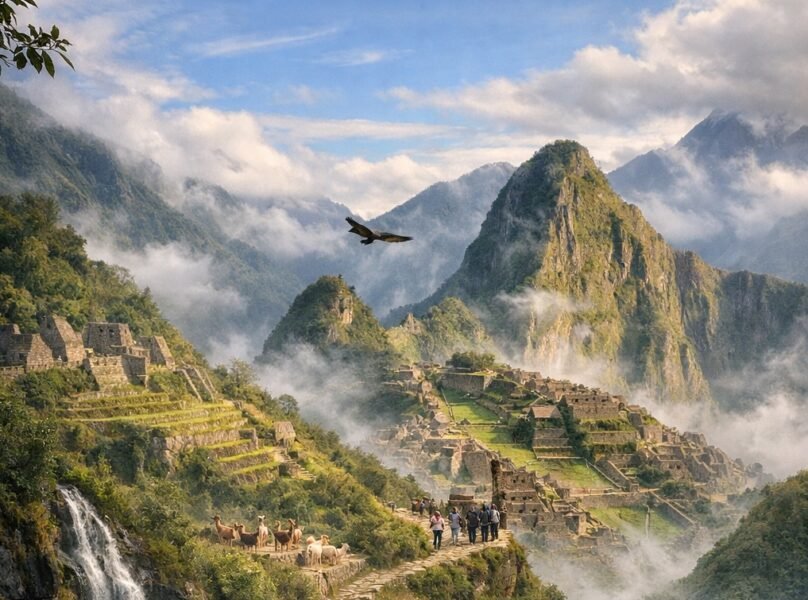
Hiking to Machu Picchu provides a mentally stimulating experience for everyone. It is not just a hike but a step back in time, a culture, and a beautiful world where the road opens up to reveal another story. The landscape is characterized by high Andes mountains, foggy valleys, and ancient ruins of Inca buildings, which make it mysterious and stunning.
This adventure is appropriate for international tourists in search of a great adventure and locals who will be interested in experiencing the heritage of Peru. It is most rewarding because of the combination of the exercise, scenic views, and cultural sites. You see clouds in the morning around the mountains, and you hear rivers and birds when you are walking.
It is a hike through green forests and old stone terraces that places you in such a location where nature and history coexist. You will ardently find colorful orchids, hidden falls, and expansive vistas that appear to be ideal for creating breathtaking photos.
The guide will show you the various trail options and cultural and natural sites to see, offer you some useful tips, and take you on one of the most renowned walks in the world. When you are ready, you will be prepared and enthusiastic, ready to start your hike of Machu Picchu.
Why the Machu Picchu Hike is a Trekker’s Paradise
The Magic of the Journey
The Inca Trail walk is incredible throughout. Wavy lines depict foggy forests, falling streams, and rivers that cut deep trenches. Every single step creates the impression of something unfamiliar; the path turns into smooth subtropical forest after being coarse and scrawny in the highlands. The perspective continues to shift, and you are on your senses. Large mountains are high and cloudy, and such precious little items as hummingbirds, orchids, or tiny creatures are to be found. To enjoy nature, hikers make stops to capture photos of the scenery, which is immense.
What makes this increase extremely special is the combination of both work and sightseeing. It is not always a sail or a smooth sail, and at times it is a hard climb, yet it all comes with breathtaking views, and you are in history. Besides natural beauty, the trail also has terraces, bridges, and steps that were composed of stone by the Incas many years ago.
Hikers tend to declare that they are connected to the past. There is not a stone, not a terrace, not a water channel, that does not speak of old people who were well acquainted with the mountains. It is more than a walk, but it is a walk of nature, history, and culture.
Historical and Cultural Significance
The Machu Picchu hike on the route has a historical value. Such sites as Winay Wayna and Intipata demonstrate the engineering achievements of the Inca and their spiritual life. The terraces cling to steep mountains, streams are guided into a watershed by water channels, and ceremonial plazas remind us of the ancient rituals.
The travelers get to know how the Incas merged buildings and nature. All the ruins along the path are evidence of their intelligence and harmony with nature. The hike will be enhanced with the aid of archaeology that will provide some history behind the stunning scenery.
Other places outside the buildings are cultured in such little details as the stone paths, smooth with years of wear; the holy places where the sun shines perfectly; and the terraces where the Incas cultivated their agriculture in an environmentally friendly way. To most of the citizens, the increase is like regressing.
There are also local tales, myths, and legends that were told over the years and contribute to the experience. Guides usually speak of ancient rites, spiritual protectors, and the mystical power of the mountains. This combination of actual ruins and the imaginary culture is what makes the trek extremely rewarding.
Seasonal and Environmental Considerations
When you trek Machu Picchu may have a significant difference in time of year. The seasons are dry, and the skies are clear between May and September, making hiking ideal, and the view of the sunrise on the Sun Gate is unbelievable. There is less rain or fog, with trails being safer and photos easier.
The wet season is a period between November and March that turns the whole landscape into a green heaven. The waterfalls are magnified, foliage is greener, and it is because fewer people are on the hikes, which makes nature more personal. Nevertheless, some highways may be slippery, and so you ought to take your steps carefully and put on good dress shoes.
Altitude matters too. The path crosses high over the Andes, which requires you to adapt. Have a few days in Cusco or at the towns that surround it to allow your body to get used to it, so that the trek is more secure and enjoyable.
Every hiker has the responsibility of ensuring that the environment is maintained. Respect the local laws; do not litter or walk off the existing paths in order not to ruin the sensitive area. The combination of eco-tourism hiking and appropriate seasonal travel will produce better visitor experiences at Machu Picchu, which visitors can share with their children.
Choosing the Right Trail: Inca Trail vs Alternative Routes
The Classic Inca Trail
Machu Picchu has the best-known trail to it, the Inca Trail, which requires four days and crosses mountains, forest, and ruins. The trail combines both nature and history and presents new findings daily. Hikers pass by Winay Wayna, which is a lovely place of Inca terraces and ceremonial places on cliffs.
The Sunrise at the Sun Gate depicts Machu Picchu being channeled by the golden light, which is a highlight of the walk. It is necessary to obtain permits in advance due to the lack of places and a large demand. The trail combines hard work and high rewards, and it is therefore recommended for adventurers who would like to experience the classic path.
Hikers usually claim that they are excited as they walk on stone stairs, pass on hanging bridges, and enter cloud forests. It is an emotional experience because of the combination of work and wonder. Guides provide history, with greater detail at each of the stops.
Salkantay Trek: Remote and Dramatic
The Salkantay Trek is the perfect path of all who want an adventure trail. It lasts five days and crosses snow-peaked mountains, ice-covered lakes, and isolated Peru and Bolivian Andes. The route is more challenging and demanding which puts a rewarding view and isolation to the trekkers.
Hikers are exposed to a wide range of ecosystems including high altitude alpine to moist cloud forests. There is wildlife observation, colorful wildflowers, and natural hot springs that add to the experience.
The focus of the Salkantay Trek is an experience of being in the forest, where the number of tourists is smaller, and people have a chance to think and see more. The tour ends with the typical Machu Picchu experience which makes the tour worth the struggle. To most of them, the difference between a distant hiking and the splendor of the Machu Picchu citadel generates the feeling of achievement further.
Lares Trek: Cultural Immersion
Lares Trek is a cultural variant of the journey to Machu Picchu. The tourists visit Andean villages where people observe the traditional ways of weaving and farming, and colorful celebrations. The communication with the local communities gives an in-depth insight into the contemporary Andean life, which is connected with the ancient culture.
On the way, hot springs can be found, which allow taking a break and enjoying the breathtaking views. This hike is a combination of both cultural and physical adventure experiences that provides a different view of the area around Machu Picchu. When people come back, they have not only these memories of the journey, but they also have a lifelong attachment to people and places that they have seen.
Highlights and Unmissable Experiences on the Machu Picchu Trek
Natural Wonders Along the Trail
Of the most interesting things related to the Machu Picchu hiking experience, the mix of natural scenery that a hiker experiences throughout the hiking experience is worth mentioning. From the blurred clouds in the forest to hiking through high mountain passes, everything seems to change in every minute, and in every minute, you are presented with something different. The trek is undertaken with the company of towering mountains, waterfalls, and the crystal-clear water that create a spectacular scenery.
There are many different plants and animals to see, such as the orchids and the beautiful bromeliads, as well as the less common Andean birds and the spectacled bears, providing the visitor is lucky enough to catch a glimpse of these. Each step is a visual feast because of the changing ecosystems that consist of humid forests to dry highlands. There are also natural features like glacial rivers and lagoons that are not visible that offer serene points of rest and reflection.
The beauty is further increased by the presence of early morning light which creates golden colors on top of the valleys and mountains. It is the most active period of wildlife and you might hear the melodic calls of the songbirds, or the rustling of the little mammals through the undergrowth. The trail has different views in every section and the hike acts as a continuous discovery.
The creation spectacles on the path are not mere views but an essential portion of the trip as they provide access to awe and inspiration. Even short pauses to look at the surrounding could be associated with entering a living postcard, which is ideal to take photos and memories.
Archaeological Marvels
The main route to Machu Picchu is the Inca Trail, which is a four day trekking experience through landscapes of different kinds and archaeological sites that evoke the Incas. Visiting Machu Picchu, you are able to gain a sense of what other Inca archaeological sites were in the Inca civilization.They demonstrated their abilities by building up strength that allowed them to attain spiritual wisdom and maintain health. Such locations as Patallacta, Winay Wayana or Intipata may be found there where terraces, ceremonious plazas and water canals may be discovered that have been at work decades and decades ago. These ruins demonstrate how great the Inca were in terms of their capability to combine architecture with nature.
Terraces, which are very well oriented towards the mountains and the sun, show a high level of agricultural knowledge and skills in engineering. Water channels control the efficient use of irrigation, which is one of the indications of the knowledge of natural resources that the present society appreciates. The spiritual life of the Incas is expressed in the temples and ritual places which help address the travelers to the culture that is closely connected to nature.
Visiting these ruins on the journey is a fascinating historical enrichment of the journey. Guides also offer background information, telling legends, myths and practical applications of every site. This mixture of narrating and discovering nature makes this hike a learning, and a sensory, experience.
The combination of nature and history makes the trek very inspiring. The walk in itself is also thought provoking as such places enable an individual to imagine how life could have been like back in the days when these mountains were home of one of the greatest civilization man has ever encountered.
The Grand Arrival: Machu Picchu
The greatest experience of the trip is the Machu Picchu, which is not only beautiful but also moving to the eye. It is indeed an experience to walk to the citadel via the Sun Gate in the morning, say just before sunset, and watch the mist falling down off the mountains and the old city gradually emerging.
There is excitement, fascination, and admiration common to all hikers.The terraced mountain ranges, rock temples and complex plazas are not only archaeological marvels but they represent human genius and survival. The combination of light and shadow during sunrise adds a mysterious feeling of the site.
When a traveler walks through Machu Picchu, he or she can envision the life that people had to live centuries ago, both in terms of the religious ceremonies and the farming methods that had nourished the population. The surrounding mountains provide the panoramic view which brings about harmony between the nature and the human accomplishment.
This is the payback of days of hiking and it makes the journey one of the best traveling experiences in the world. Tourists can be seen lingering around and taking pictures, savoring the experience, and reminiscing of the experience that led them to this place.
Local Culture, Food and Community Life
It is not all mountains and ruins dominating the trip when you walk through Machu Picchu, and it is people. On the way, the visitors meet local Andean populations whose existence is connected with the land. Villages are usually comprised of colorful houses, terraced fields and fields where llamas and alpacas are grazing. The encounter with these communities provides an insight of the way of life that has been fairly stable centuries old.
There is a rich cultural heritage demonstrated in traditional weaving, pottery and festivals. Tourists can find women working on complex textiles by using a technique, which was passed down to generations, and children can be seen playing in the fields and mountains and their daily life can be heard in the mountains and the way of life. When trekkers interact in a respectful way they usually come back with tales of hospitability, common meals and experience of sharing their culture that they will never forget.
Guides give information about local customs and beliefs, and festivals, the way the communities celebrate special days, or worship particular mountains and rivers. These experiences make the journey a very human experience rather than a merely physical one, with the interaction of travelers to people, as much as the landscape.
Culinary Delights Along the Trail
Peruvian food as different as the landscapes. During the journey, tourists get an opportunity to taste local cuisine prepared using local and fresh high- altitude foods. Foods are usually served with quinoa, potatoes, corn, and many fresh vegetables, cooked in a basic but very tasty manner.
Small villages also offer local soups, roasted meats and local cheeses both as food and culture. An additional sense of the adventure is the experience of having a meal with the local families, being taught on how objects are cooked, and trying flavors that have never been experienced before and are unique to the Andes. Even snacks like coca leaves, native fruits or local breads provide a flavor of the local background.
Sustainable living is also manifested in food experiences on the trail. There is a large number of different ingredients cultivated locally, which points out the adaptation of the people to the surroundings and the conservation of old methods of agricultural work. Having dinner with the locals would best ensure that the visitors would feel like they belong in.
Cultural Insights and Traditions
The hike will provide chances of observing centuries old ceremonies, rituals and traditions. The culture of honoring nature and ancestry is represented in pilgrimages to sacred mountains, small festivals, or spiritual offerings in local shrines. Tourists have a glimpse on how the Incas have continued to shape modern life in Andes.
Contacts with local guides offer background and narrative of such practices, and add detail to the trekking experience. Trekkers get to know that the mountains, rivers and forests are not merely landscapes but are divine and are regarded with admiration and are part of everyday living.
Even such minor experiences as watching a herd of llamas go over a village, seeing a farmer working on terraces, or hearing traditional music contribute to the emotional impact of the trip. Such cultural experiences render the Machu Picchu hike more than a walk; this becomes a glimpse into a living breathing culture.
Why Travelers Love Cultural Experiences
To most tourists, the travel experience is just as much an experience in culture as in physical increase. The local life experience offers a backdrop to ruins and scenery, making the hiking experience an all-time adventure. Storytelling, and familiarizing oneself with the traditions, and even trying the local food leaves memories that will be long after the trek is over.
Making sure that there is always cultural experiences will facilitate making the journey not only about arrival at a certain place but also about the people that make that area interesting. In doing so, the worth of Machu Picchu, its history, and the societies we live in today, as the inheritors of the Inca tradition, is enhanced.
For the maximum Machu Picchu experience, we encourage you to hike the paths, immerse yourself in the local culture, as well as savor the real taste of Andean cuisine at Nepal Royal Treks. Go on an adventure and develop memories beyond the mountains.
Preparing for Your Trek: Tips, Packing, and Fitness
Physical Preparation
Machu Picchu trekking experience has got a good level of fitness to cover steep climbs, long walking days as well as high altitudes. The physical conditioning of the hiker to the trail is through the endurance and cardiovascular training coupled with the leg and core strength exercises.
Walking each day, climbing stairs, and practicing at moderate altitude would greatly assist in making the actual walk comfortable and enjoyable. Stretching exercises would greatly reduce the incidence of injury, apart from increasing stamina levels. Physical preparation would greatly assist the travelers in enjoying the magnificence of the trail without necessarily feeling tired along the way.
It is also important that the altitude acclimatization takes place. The body can acclimatize to lower oxygen levels by spending a couple of days in Cusco or nearby towns. To prevent altitude sickness, keeping hydrated and setting a slow pace and heed the body to prevent environmental changes is recommended thus making it an enjoyable adventure.
Packing Essentials
A good packing gear enables a pleasurable trekking journey to become arduous. According to various needs, a few necessities include heavy trekking shoes, moisture-wicking clothing, and jackets and rain clothing according to the changing climate of Peru.
Water, snacks, sunscreen, insect repellent, and a camera to capture the plenty of scenic views are just a few things that a comfortable daypack should include. The Trekking poles may help to keep balance on the steep and uneven ground, and to save the knees. Such personal items as first aid kit, reusable water bottles and quick drying towels are also quite welcome.
Provided that the hiking party options to use light and flexible clothes, then these will be sufficiently dressed during mornings which are very cold and in afternoons which are very hot. Proper planning would imply that when people travel, they would be able to listen to the scenery, history and cultural elements other than being concerned about the equipment/gear being lost or too much luggage to carry.
Acclimatization and Health Tips
One of the most vital things in order for the hiking experience in Machu Picchu to be fun and secure is the adaptation of altitude levels. A couple of days in Cusco is required for easy adaptation, as this will help avoid headaches, fatigue, and vomiting associated with exposure to new altitude levels.
The passengers are advised to take a lot of drinks, eat small amounts of food, and abstain from alcohol on the first days of arrival.
While walking, it is important to walk slowly. The high-altitude long lapses may be tricky, yet gradual and consistent walking saves energy, and the body is not subjected to much stress. Being a good listener will mean you are listening to your guide and you will ensure that you will be safe throughout the journey.
The ability to bring along simple drugs to cover minor illnesses, sun protection and insecticide will help in general well-being. Awareness of boundaries, as well as these precautionary activities in the field of health, would ensure that the travelers utilize this trek to the maximum in terms of the wonderments involved in this trek.
Respecting Culture and Nature
One of things that can be related to Machu Picchu is sustainable tourism, and this can include, for instance, walking on the paths, that littering is not good, and the communities that are walked through should be respected. Respectful interaction with the Andean community will allow one to understand them in terms of culture as well as sustain them.
The tribal tourist is able to get ideas on how traditional weaving, farming, and rituals work, which could be used to develop connections beyond the physical trip.The conservation of plants, animals and archaeological sites is a guarantee that those who will come in the future will also be able to enjoy the same beautiful scenery. All little things, such as reusable water bottles, eco-friendly behavior, etc. will help preserve this world heritage site in the long run.
Embark on the Adventure of a Lifetime
Machu Picchu hike is an adventure, culture, and nature adventure, which can never be compared to any other trip. Both of the trails Inca trail and Salkantay trail or Lares trail have challenges, rewards and experience. Every second is memorable in a misty mountain, cloud forest, ancient ruins, and cultural experience.
Tourists do not just come back with pictures and recollections, but with a sense of accomplishment. The Machu Picchu sunrise and the reflections of the past on the pathways and the spectacular landscapes get one stunned and thinking.