Ten Best Villages to Tour in Nepal: Places to Visit For Culture, Food and Local Life
Village tours are where Nepal feels most real. Away from traffic and busy tourist streets, life slows down to simple routines, morning tea, terraced fields, kids walking to school, smoke rising from kitchen fires, and elders sitting in the sun talking like they’ve got all the time in the world.
Some villages are close enough to visit soon after you land in Nepal’s capital, Kathmandu, while others sit higher in the hills or deep in mountain valleys where the air is cooler, the altitude is higher, and the views stretch for miles.
We have brought together ten villages that are genuinely worth the trip, places with a strong local identity, memorable food, and a daily rhythm you can actually step into through homestays, village walks, and time spent with families.
Where altitude matters, it’s included, because it changes everything from how you feel to what you should pack, and how you plan your day, and importantly, your tour ahead while you are here in Nepal.
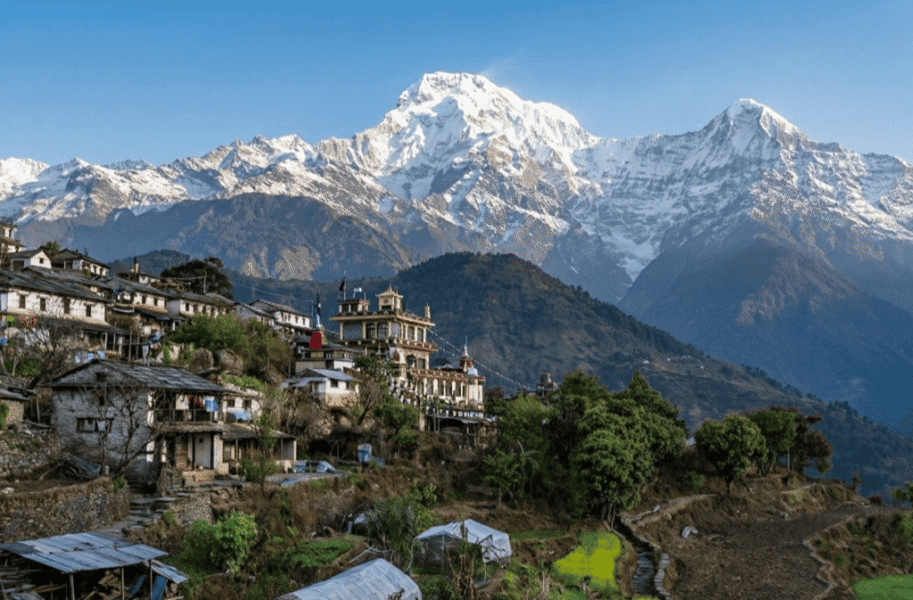
Ghandruk (Annapurna Region, around 2,012 m)
Ghandruk is one of the best introductions to mountain village life because it is truly a mix of culture and scenery without feeling forced.
It’s a traditional Gurung settlement in the Annapurna region, high enough for crisp mornings and clear air, but still comfortable for most travelers who are not used to altitude.
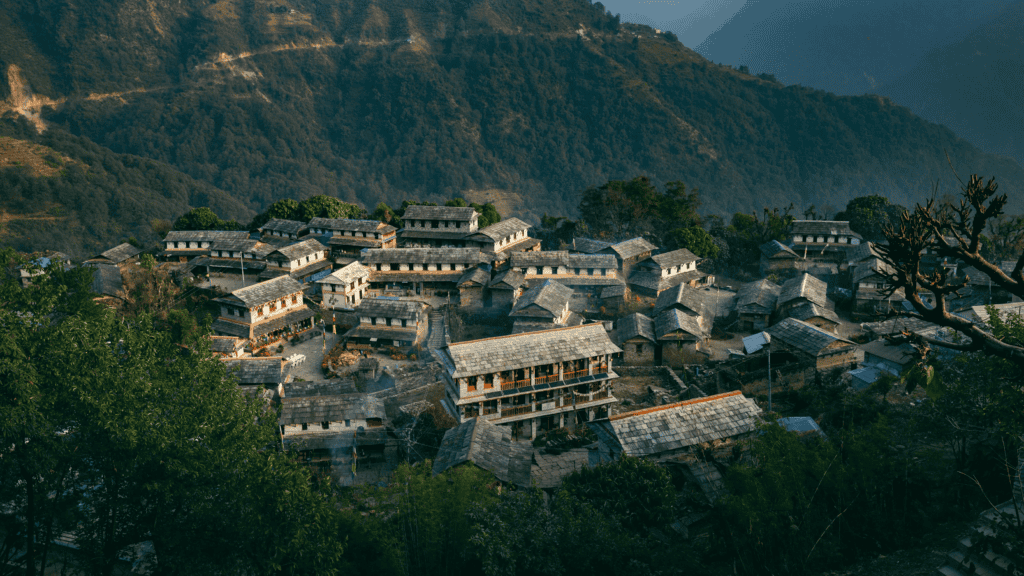
From Pokhara, reaching Ghandruk usually takes around 3 to 4 hours by road, depending on the route and road conditions.
The village itself is made for slow walking, stone steps, old houses, small courtyards, and quiet corners where you can sit and just watch the day move.
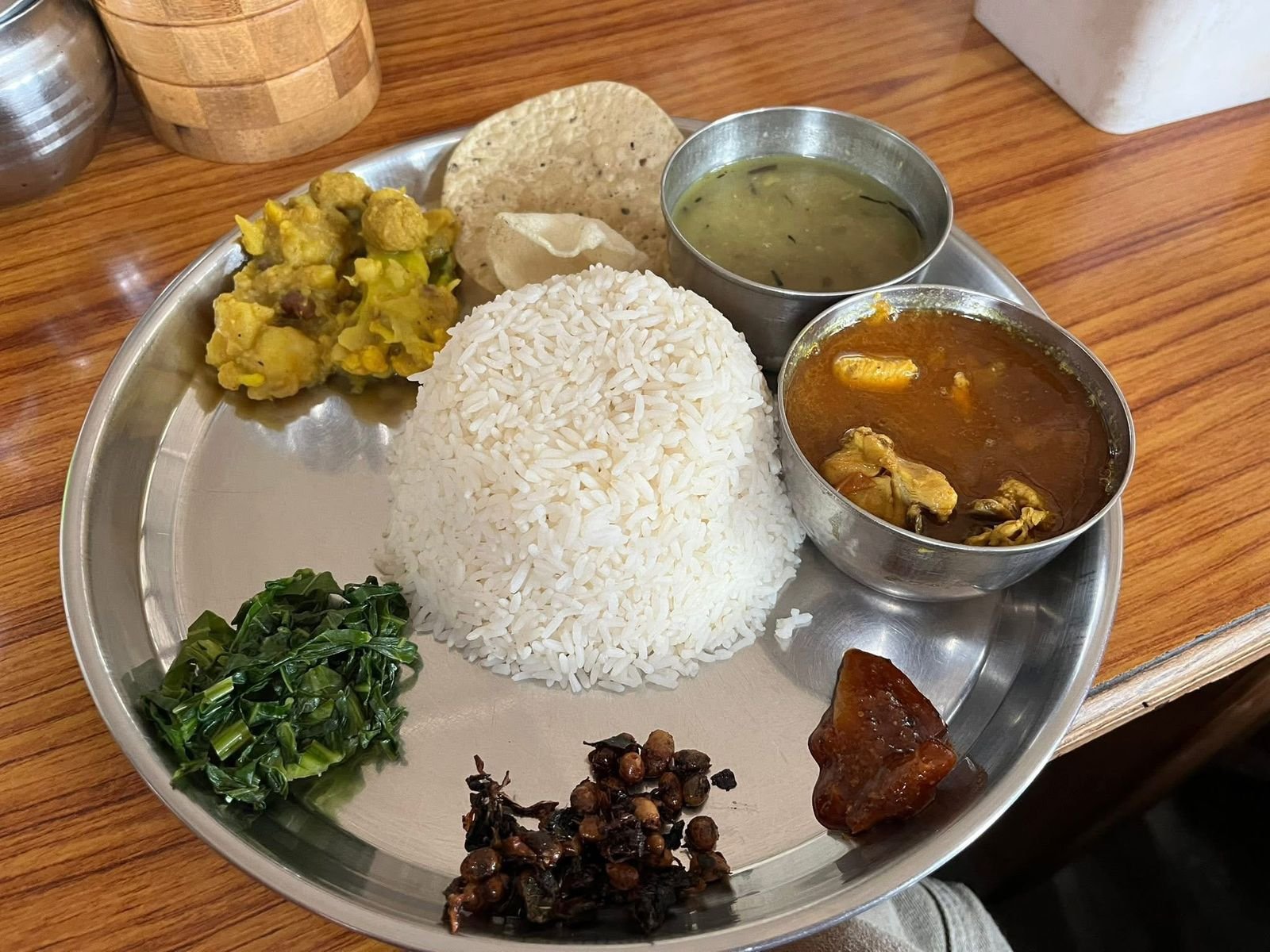
Food here is classic hill comfort. Dal bhat is the everyday staple and usually the best choice, fresh, consistent, and full, like we Nepalese say, “Dal Bhat Power, 24 hours.”
You’ll also find simple teahouse meals like noodle soup, fried rice, eggs, potatoes, seasonal vegetables, and tea that somehow tastes better when the air is cold.
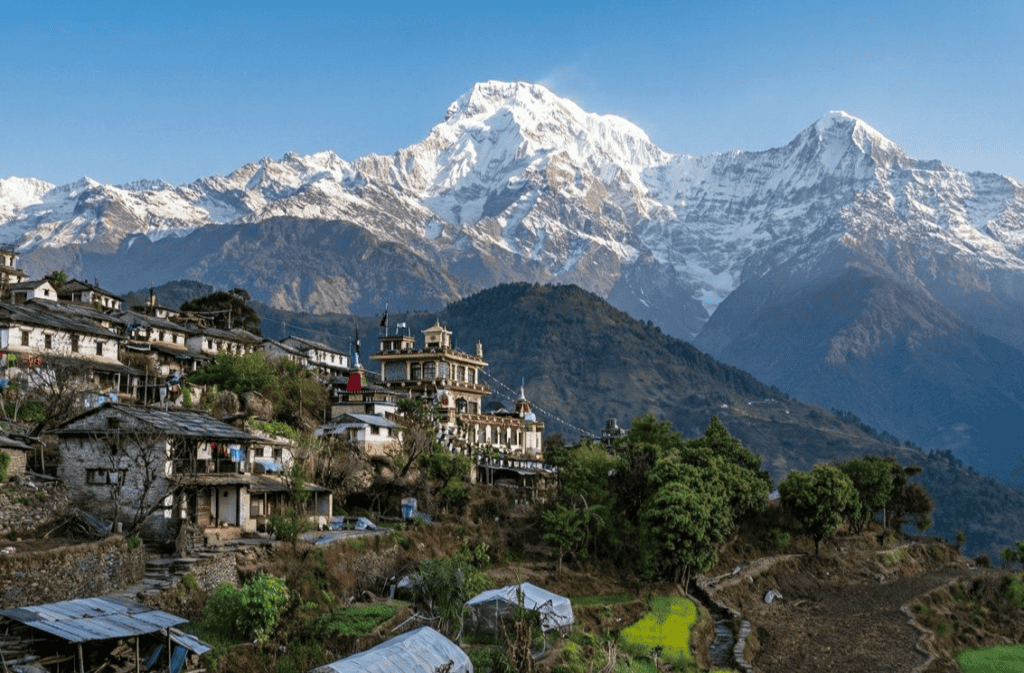
If you stay overnight, the early morning is the reward as the village truly sounds, offers cool air, and on a clear day, the mountains, including Annapurna South, Macchapuchhre, and Hiunchuli, show up like a wall
Ghalegaun (Lamjung, around 2,100 m)
Ghalegaun is often described as a homestay village because hospitality is not just available, it’s part of the village experience.
You don’t visit Ghalegaun, Lamjung, to see a place quickly.” You visit to slow down, spend time with people, and feel how rural life works when it’s not built around your typical 9 to 5 schedules.
Travel time depends on where you start. From Kathmandu, it’s commonly a long drive, and from Pokhara it’s still several hours, so it makes sense to treat Ghalegaun as an overnight stay.
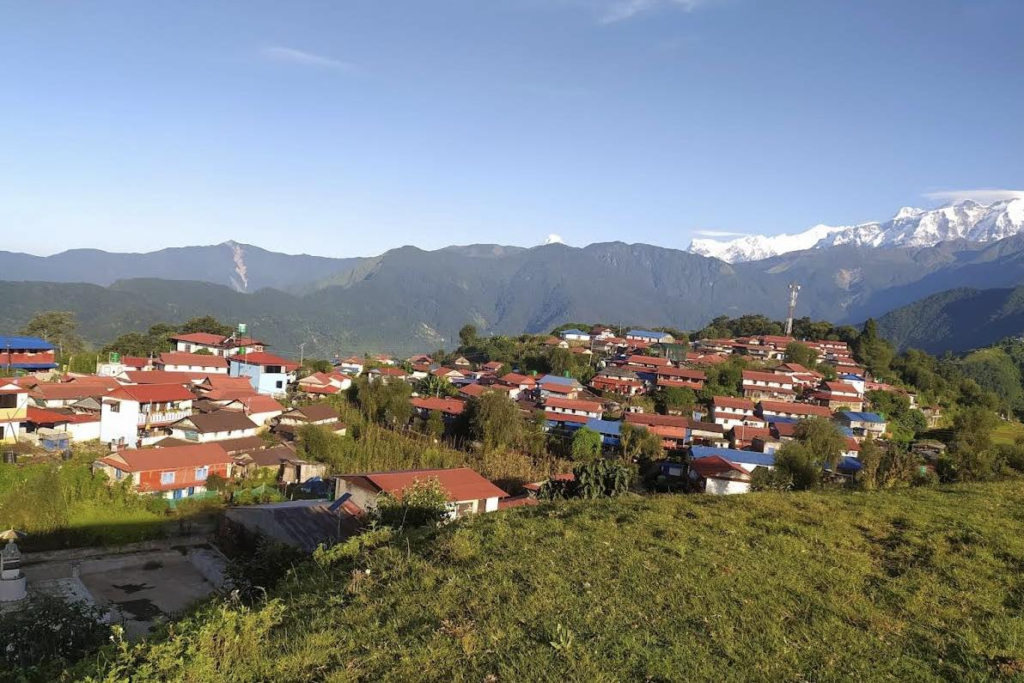
Here at Ghalegaun, you arrive, take a gentle walk, sit with tea, let the light change, and allow the evening to be quiet.
Meals like you normally expect are home-style and seasonal. Expect dal bhat, local greens, potatoes, fresh vegetables, pickles, and simple soups.
The point is not variety; the point is that it’s real, cooked in a real kitchen, and shared in a way that feels human and authentic, which is typical of Nepali Kitchen in the Rural areas.
Sirubari (Syangja, mid-hills)
Sirubari is known for community-based homestay tourism. It’s not just one house hosting visitors while the rest of the village watches.
The hosting is usually managed so families take turns, which spreads benefits across the community and keeps the experience for travelers as well as the local people in village life rather than “hotel culture.”
From Kathmandu, the trip is commonly treated as a full-day drive depending on road conditions.
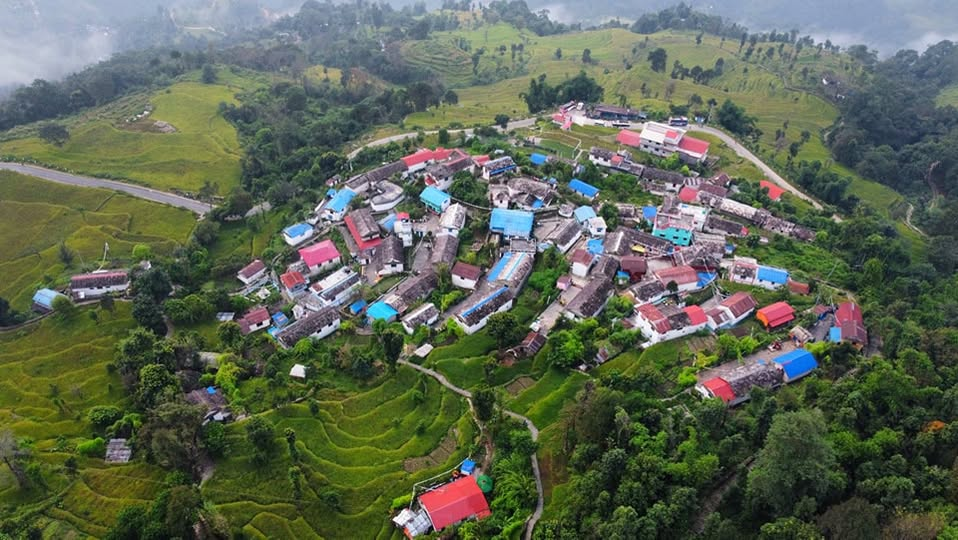
That distance is part of why Sirubari feels like a genuine rural break. Once you’re there, the best moments are rarely the big moments.
It’s the warm welcome, the evening conversations, the slow walks through terraced hills, and the feeling that you’re being hosted, not simply accommodated.
Food is simple and satisfying: dal bhat, seasonal vegetables, local pickles, and whatever is fresh that day.
If you are non-vegetarian, you can also expect local chicken cuisine. In villages like this, the meal is not a menu choice; it’s part of the home.
Bandipur (Tanahun, around 1,030 m)
Bandipur sits on a ridge and feels like a preserved hill settlement with a calmer pace than the cities, and if you are lucky, you can even have an amazing view with clouds below you from the Thani Mai Temple Viewpoint.
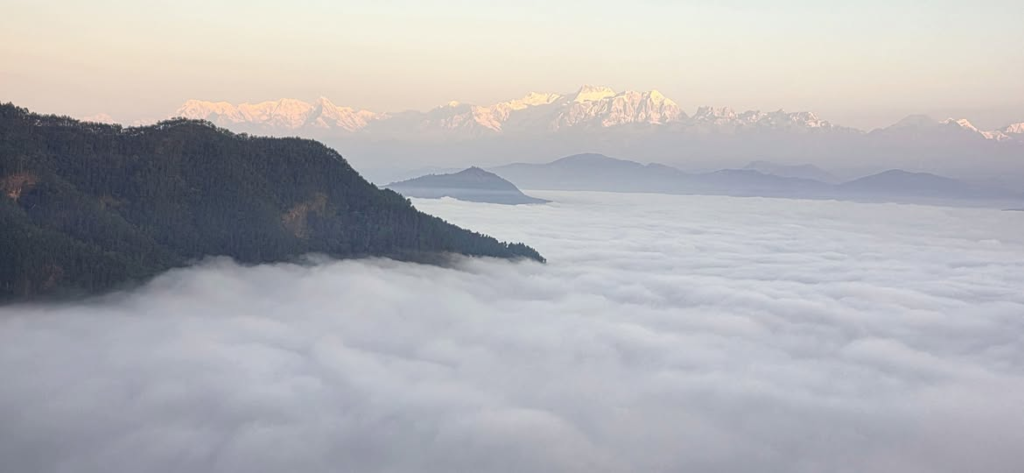
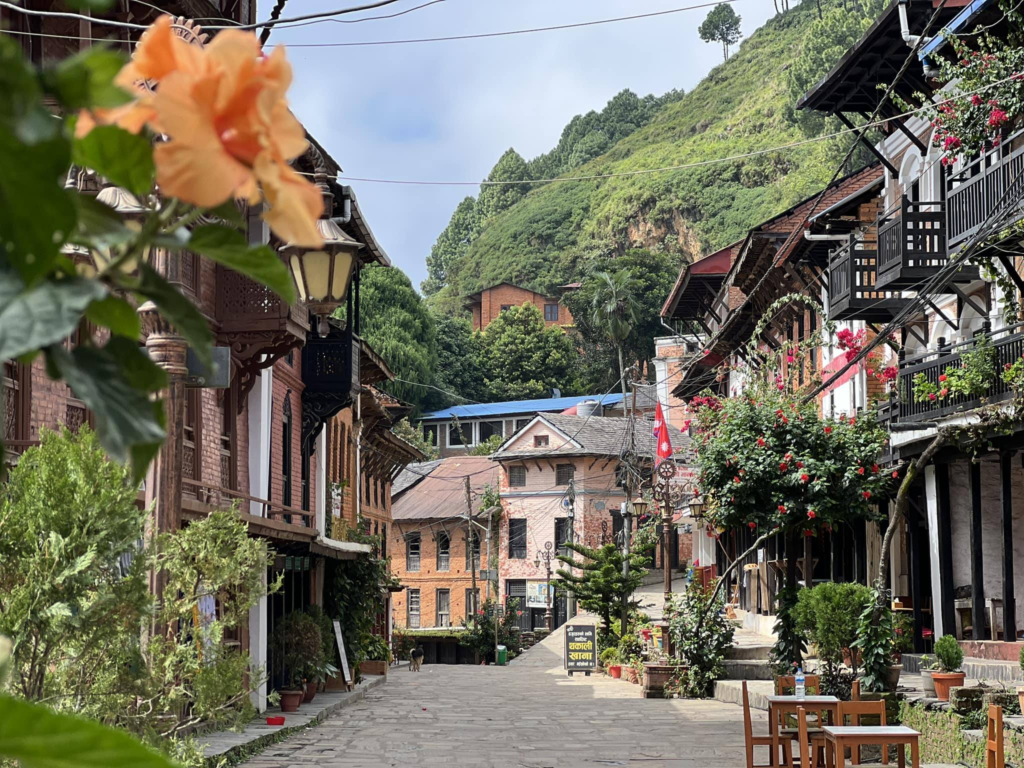
Some people call it a town, but it earns its place on a village tour list because it still carries that heritage charm, walkable streets, traditional architecture, and the kind of evening calm that makes you want to stay longer.
Bandipur works beautifully as a relaxed stop between Kathmandu and Pokhara.
You can arrive, check in, and spend hours doing nothing “big,” walking stone lanes, sitting with tea, watching the sunset, heading to small shops, letting the place breathe, and finally relax.
Food here is easy and comforting. Dal bhat is available almost everywhere, along with momo, soups, thukpa, and local snacks.
Bandipur feels best when you stay overnight, because the quiet hours, early morning and evening, are when the ridge shows its real personality.
Barpak (Gorkha, around 1,900 m)
Barpak is a powerful village to visit because it carries both culture and a recent history that many travelers are aware of.
The village is associated with the 2015 earthquake story, and you can still feel the weight of rebuilding and resilience in how the community speaks about itself.
Even though the altitude of the village is not high, you can expect snowfall, especially during the winter season, which could be icing on the cake for tourists.
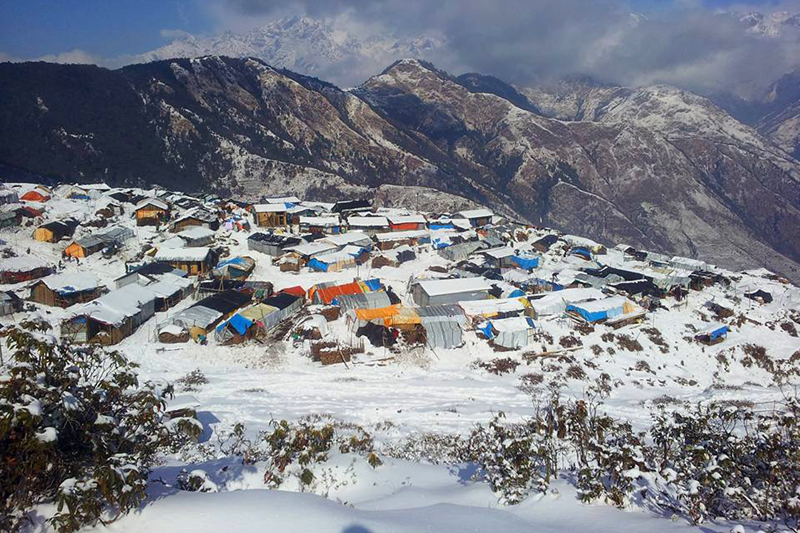
It’s a real working hill village, clustered houses, terraced fields, steep paths, and people living with the landscape rather than posing for it.
The scenery is wide, the air is clean, and the rhythm is grounded. Barpak is not about luxury; it’s about perspective and honestly seeing Nepal’s hills.
After a day of walking, those simple meals, including Dhido, Dal, and local vegetables, feel perfect.
Dhampus (Kaski, around 1,650 m)
Dhampus is one of the easiest ways to get a village feeling near Pokhara without committing to a long trek.
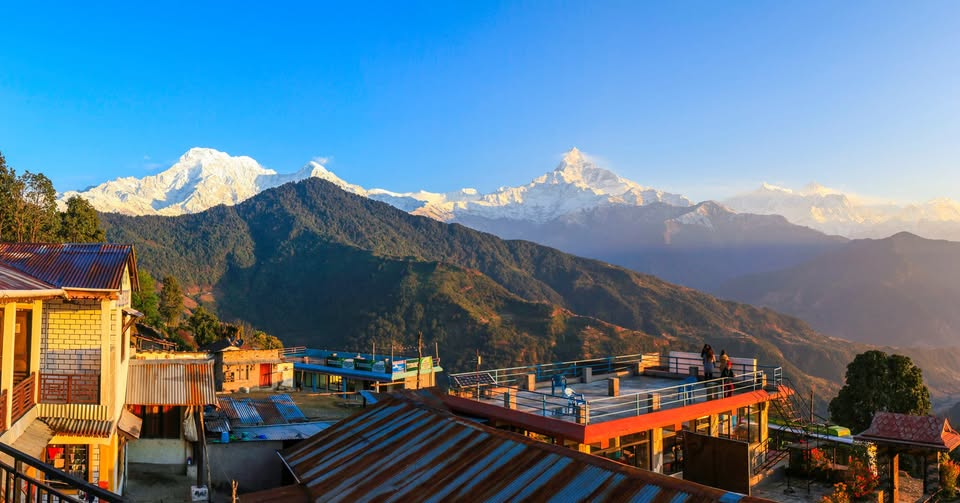
It’s comfortable, scenic, and simple, with terraced farms, village lanes, local homes, and viewpoints that can open into a big mountain view of the Annapurna range when the weather is clear.
Because it’s close to Pokhara, many people do Dhampus as a quick overnight, which is ideal if you want a village atmosphere without burning too many travel days.
A short walk in the evening, dinner, and a quiet early morning is often all you need to feel like you escaped the city.
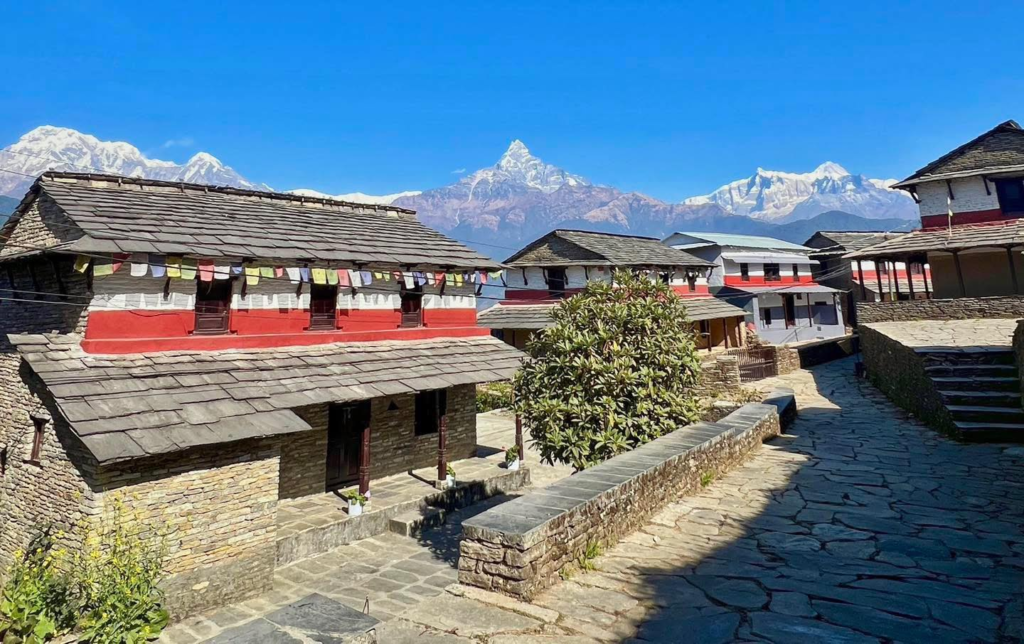
Food is familiar and comforting: dal bhat, noodle soups, eggs, potatoes, seasonal vegetables, and plenty of tea.
Lwang Ghalel (Kaski, roughly 1,300 to 1,500 m)
Lwang Ghalel has a greener, softer character than many mountain-facing villages. It’s often linked with tea farming, homestays, and a calm rural feel that suits slow travel.
The altitude is generally comfortable even for beginners who just want a stroll, and the village is close enough to Pokhara to plan without stress, and also a starting point to the Mardi Himal Trek.
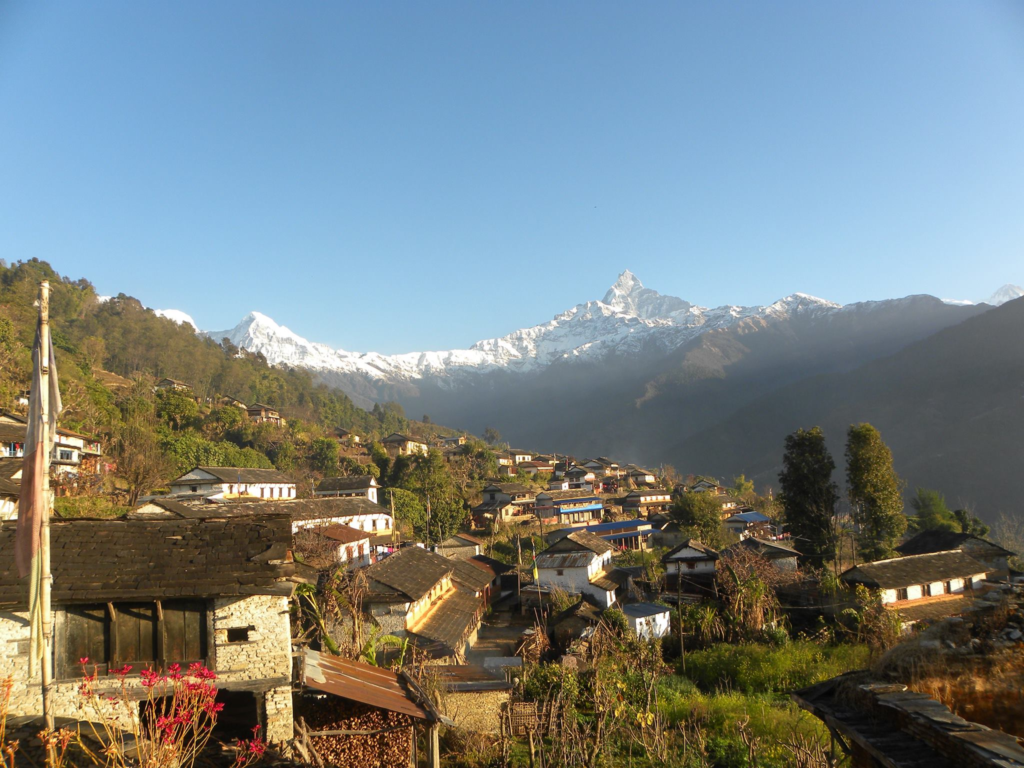
This is the type of place where the best moments come from doing less. Walk through terraces, sit with a cup of tea, talk to your hosts, and let the day pass without a strict plan. I
If you like villages because of the atmosphere rather than checklists, Lwang fits perfectly.
Meals in homestays tend to be seasonal and home-cooked, dal bhat, vegetables, local pickles, simple curries, Sel Roti, Corn, and sometimes meat, depending on the household.
It’s honest food, and it matches the pace of the place. You can enjoy them while watching Fishtail and Mardi Himal.
Marpha (Mustang, around 2,650 m)
Marpha feels like a different Nepal. The air is drier, the landscape is wider, and the village has a distinct identity.
It’s known for apples and apple products, and you’ll often hear about local apple brandy as part of the village story.
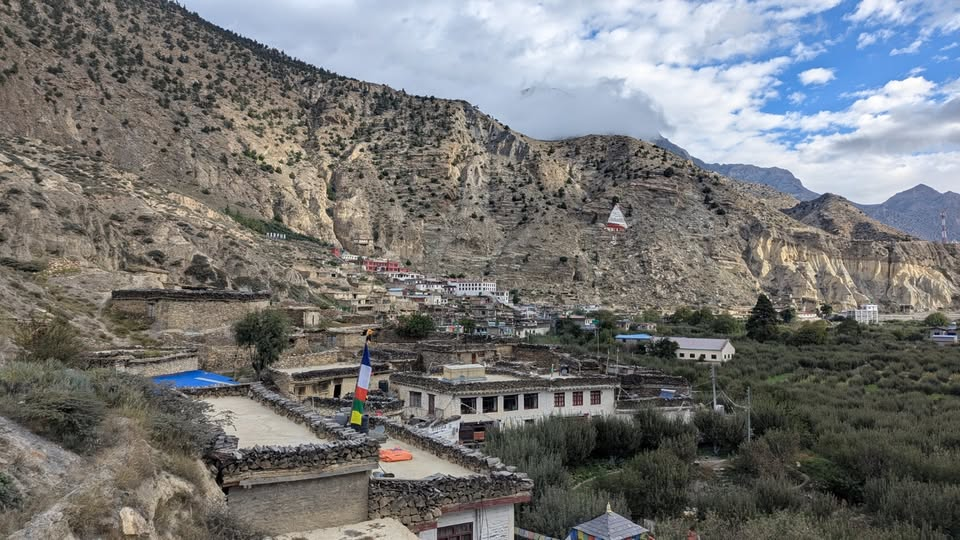
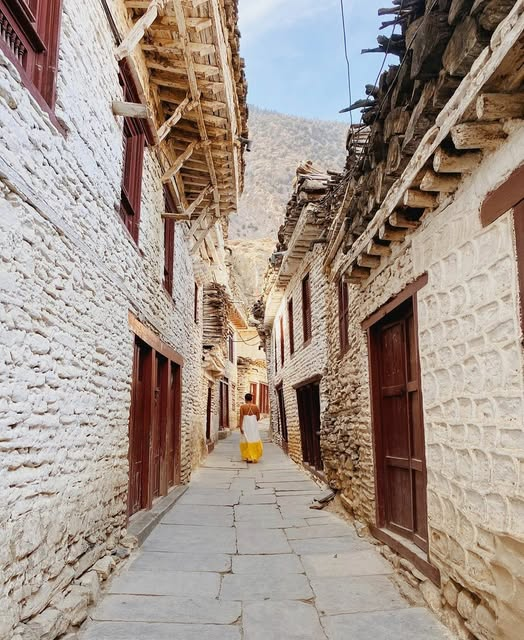
The village lanes are memorable, narrow, stone-lined, and clean, with a quiet feel that fits Mustang’s mood.
At 2,650 meters, it’s high enough that you should take it easy your first evening, hydrate, eat warm food, and sleep well.
Marpha rewards slow walking. It’s not about rushing to viewpoints; it’s about navigating through alleys, noticing details, and feeling the place.
Food here is hearty and warming, and local apple items are what make Marpha stand out. It’s a village where the simplest meal can feel unusually satisfying.
Khokana (Kathmandu Valley, near the city)
Khokana is known for its long connection to mustard oil production and a village layout that still feels old, with narrow lanes, courtyards, and a rhythm that’s clearly not city life.
It’s close enough to reach without heavy planning, which makes it a practical cultural stop even if your trip is tight.
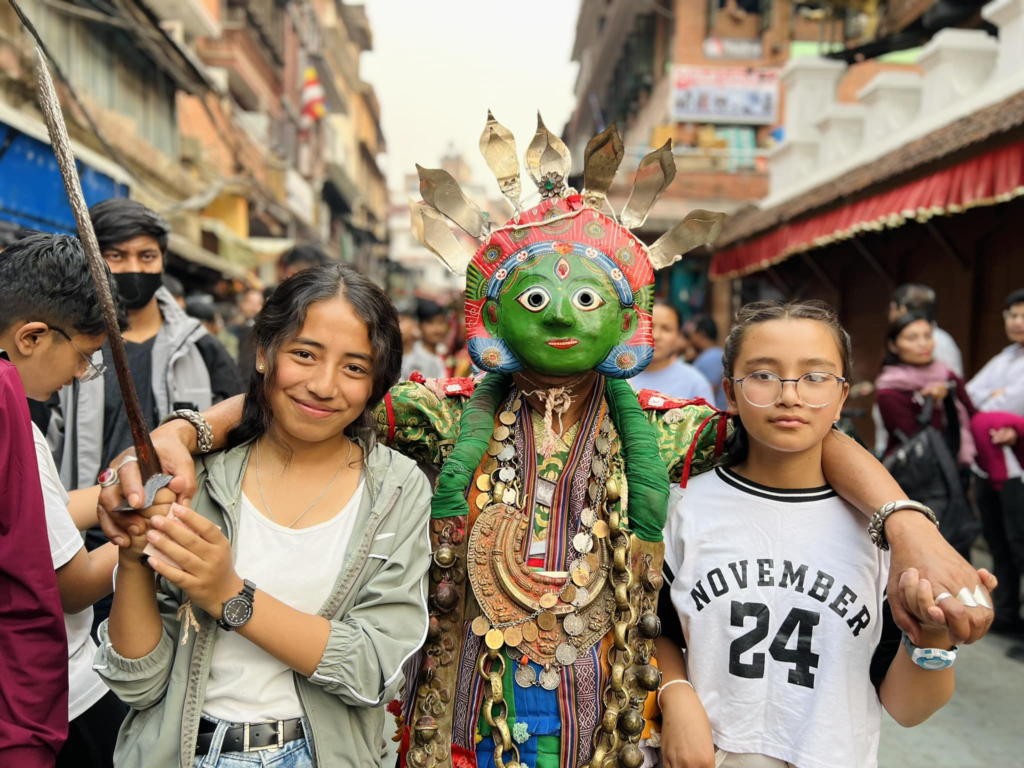
Khokana could be the best spot when you land at the Tribhuvan Int’l Airport and want to get somewhere cozy and something Authentic.
The best way to visit is to keep it simple. Walk slowly, watch daily life, and be respectful with photos as they are glancing right at you.
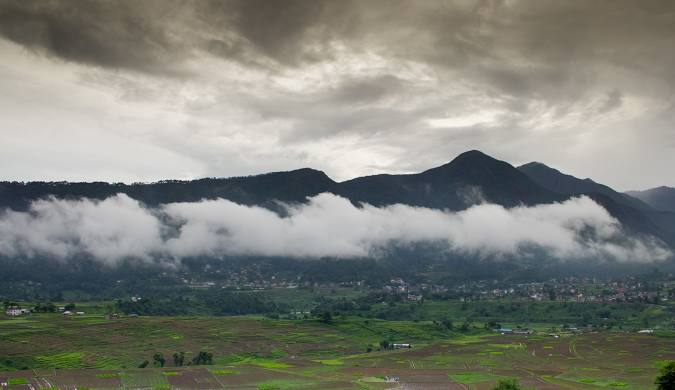
The value here is atmosphere, the feeling of a living village community, not a polished tourist setup.
Food is best kept simple, too. Look for local snacks if you find them, or eat before or after the visit. Khokana is more about culture than cafés.
You can enjoy local Newari dishes such as Samay Bhaji Set, Bara, Sapumicha, Choila, and much more when you are here at the Small Village, which is just 8 km away from the capital.
Bungamati (Kathmandu Valley, near the city)
Bungamati pairs naturally with Khokana and carries a strong Newar identity. It has traditional lanes, courtyards, woodwork, workshops, and temple corners that give it a grounded cultural feel.
Like Khokana, it’s close enough to visit without a big schedule, and just 11 km away from Kathmandu.
Bungamati is best when you treat it like a walk, not an “attraction.” Make sure the details, the carved windows, the small shrines, the quiet corners where people sit, the workshops where craft still exists in everyday life.
These are places that feel most meaningful when you move slowly.
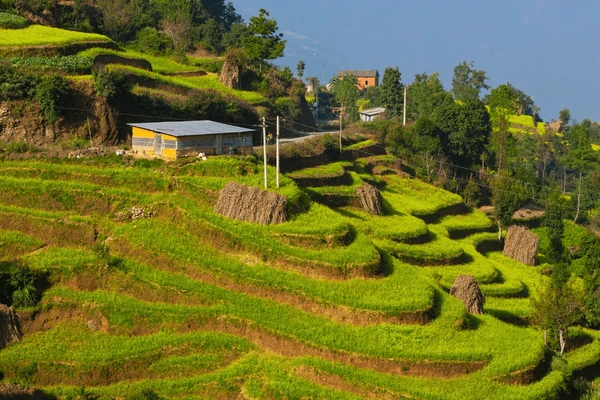
If you visit Bungamati and Khokana on the same day, you get a clean cultural counterbalance to Nepal’s bigger adventures, quick to reach, simple, and surprisingly memorable.
For food? Look no further than the Newari dishes, though you can also enjoy other Nepali cuisines like MoMo, local Chowmein, and more, as it’s easily accessible.
If your trip mixes low villages with higher ones, remember that altitude changes how you feel.
Villages like Dhampus and Ghandruk are usually comfortable for most travelers, while places like Marpha sit high enough that slowing down, hydrating, and sleeping well matter.
Across Nepal, the safest and most satisfying approach for village travel is to eat what locals eat.
Dal bhat is reliable almost everywhere; it’s fresh, filling, and consistent. In homestay villages, meals are usually home-cooked and seasonal, which is exactly what most people mean when they say they want authentic food and local life.