


5 Underrated Whisper Routes in the Everest Region
Trekking in the Everest region is a dream that draws adventurers from around the world. Most people are drawn to the famous Everest Base Camp trail, which has long been the highlight of any Himalayan trekking bucket list. The trail offers incredible views and the thrill of standing in the shadows of the world’s highest peak. However, the Everest region offers much more than this popular trail.
For those seeking a more peaceful and authentic experience, the region offers several hidden trails that reveal its true beauty and spirit. These lesser-known treks allow travelers to step away from the crowds and experience the Himalayas in a quieter, more intimate way. Along these trails, trekkers can enjoy stunning mountain views, explore traditional Sherpa villages, and experience daily life that remains largely untouched by tourism.
The trails offer a sense of solitude and serenity that is often missing on the busy Everest Base Camp route, allowing hikers to connect with nature and the landscape on a deeper level.
For modern trekkers who value sustainability, tranquility, and cultural immersion, these off-the-beaten-path trails provide an opportunity to experience the Everest region in a completely different way. Here are five underrated “whisper” treks in the Everest region that offer breathtaking views, peaceful landscapes, and unforgettable adventures away from the crowds.
1) Everest Three Passes Trek
The first trek worth exploring is the Everest Three Passes Trek, a true high-altitude adventure spanning around 160 to 180 kilometers and usually taking 17 to 20 days to complete. This demanding trek links the classic Everest Base Camp trail with three spectacular mountain passes: Kongma La (5,535m), Cho La (5,420m), and Renjo La (5,360m). By crossing these passes, trekkers can explore the central valleys of the Khumbu region, experiencing a full spectrum of its landscapes and culture. The trek is renowned for its incredible variety.
Along the way, hikers pass lakes, vast glaciers, frozen mountain passes, and charming Sherpa villages connected by historic trade routes. It is considered a trek for seasoned adventurers with strong fitness and previous high-altitude experience, as crossing three high passes in succession is physically demanding.
Highlights of the route include Kongma La, the highest and most challenging pass, Cho La, a dramatic icy crossing linking the Khumbu and Gokyo valleys, and Renjo La, which rewards trekkers with some of the most breathtaking views of Everest, Lhotse, Makalu, and Cho Oyu. Crowds are minimal, only appearing briefly where the trail intersects with the main Everest Base Camp route.
2) Renjo La Pass Trek
Renjo La Pass sits at the western edge of Nepal’s Three Passes Trek (the other two being Kongma La and Cho La) and is often chosen by trekkers seeking a challenging yet manageable high-altitude adventure. Linking the stunning Gokyo Lakes with the less-visited western valleys of the Khumbu, it offers a quieter, more serene experience than the busier trails. From the summit, the views are truly spectacular.
Towering peaks like Everest, Lhotse, Makalu, and Cho Oyu dominate the skyline, while the turquoise waters of Gokyo Lakes sparkle below. Along the way, trekkers pass through traditional Sherpa villages such as Thame and Lungden, where ancient monasteries, stone homes, and Buddhist relics provide a glimpse into Himalayan life that has remained essentially unchanged for centuries. Renjo La is an ideal choice for those who want to experience the grandeur of the Everest region without committing to the whole Three Passes Trek, offering both breathtaking scenery and a sense of peaceful adventure.
3) Gokyo Lakes Trek
The Gokyo Lakes Trek is a hidden gem in the Everest region, offering a peaceful alternative to the well-trodden Everest Base Camp trail. This trek takes you through a series of high-altitude lakes set against the dramatic backdrop of the Himalayas.
The turquoise waters shimmer beneath the towering peaks, creating one of the most photogenic and tranquil landscapes in Nepal. The area feels almost untouched, giving trekkers a rare sense of solitude in the Khumbu. A highlight of the trek is the climb to Gokyo Ri, where hikers are rewarded with panoramic views of several of the world’s highest mountains, including Everest, Lhotse, Cho Oyu, and Makalu.
From this vantage point, the vast Ngozumpa Glacier stretches across the valley, providing a striking contrast to the calm lakes below. The trek also passes through quiet Sherpa villages where visitors can experience traditional Himalayan life, explore local monasteries, and witness centuries-old customs that have remained largely unchanged by tourism.
The combination of serene lakes, glaciers, peaks, and cultural encounters makes the Gokyo Lakes Trek an exceptional journey. It is ideal for trekkers seeking breathtaking scenery away from the crowds, offering both adventure and a deep connection with the natural and cultural beauty of the Everest region.
4) Ama Dablam Base Camp Trek
The Ama Dablam Base Camp Trek is a spectacular journey into the Everest region, offering trekkers an up-close encounter with one of the most iconic peaks in the Himalayas. Ama Dablam, often nicknamed the “Matterhorn of the Himalayas,” rises to 6,812 meters, its sharply pointed summit dominating the surrounding skyline. The base camp, located at 5,120 meters, provides a remarkable vantage point to observe the mountain’s towering south face, where climbers make their final preparations.
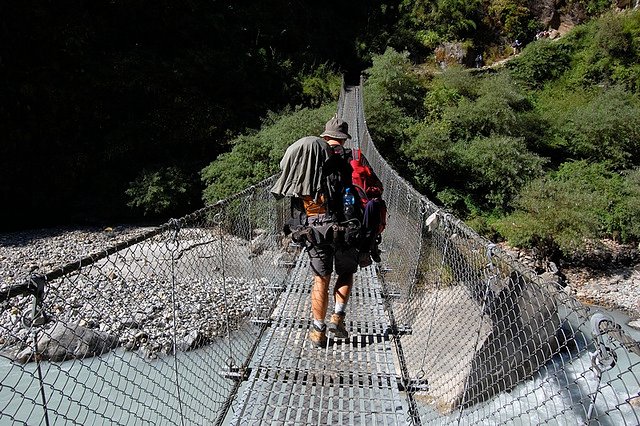
While the trek shares some similarities with the popular Everest Base Camp trail, it is a quieter and less crowded alternative that takes you directly to the foot of Ama Dablam. Along the way, you are surrounded by breathtaking views of peaks such as Lhotse, Nuptse, Taboche, Kangtega, and Thamserku, offering panoramic scenery that is as dramatic as it is unforgettable. The trek begins in Lukla, following a familiar route for the first part, but after Pangboche it veers onto a more secluded path that passes through charming Sherpa villages, suspension bridges adorned with prayer flags, and dense rhododendron forests.
Traversing the protected landscapes of Sagarmatha National Park, this trek offers a more intimate, serene experience than the busier Everest Base Camp route. It is ideal for trekkers who wish to enjoy the grandeur of the Everest region without the crowds and can also serve as an excellent acclimatization trek for mountaineering enthusiasts preparing for higher summits.
5) Pikey Peak Trek
Located in the lower Everest region, the Pikey Peak Trek is a stunning 6–8 day adventure that offers far more than its short duration suggests. Often praised as the best short trek in the Everest region, it combines accessibility with breathtaking scenery that rivals that of longer, more demanding routes.
From the summit, trekkers enjoy an incredible 360-degree Himalayan panorama—Everest, Lhotse, Makalu, Kanchenjunga, and even distant Dhaulagiri shining on the skyline. For travelers short on time but eager for an authentic Everest-region experience, Pikey Peak is the ideal alternative.
One of its most significant advantages is the tranquility. Unlike the busy Everest Base Camp trail, this route remains pleasantly uncrowded, giving you space to connect with nature at your own pace. Along the way, you’ll pass through vibrant rhododendron forests, peaceful yak pastures, and traditional Sherpa villages, with highlights such as the sacred Chiwong Monastery adding cultural depth to the trek.
Tips for Trekking Underrated Whisper Routes in the Everest Region
- Carry a reusable water bottle and purification pills: Buying bottled water every day increases both costs and plastic waste. Save money—and the environment—by using purification tablets or a reusable water filter.
- Get equipment locally and pack light: Renting jackets, sleeping bags, and trekking poles in Kathmandu or Pokhara is affordable and helps you avoid carrying unnecessary weight.
- Order local food: Stick with the classic Nepali dal bhat — it’s filling, nutritious, and often comes with unlimited refills. Perfect for trekkers wanting energy without overspending.
- Small group travel: Smaller groups can split the cost of guides and porters, making the trek more budget-friendly and flexible.
- Use local transport: Local buses might be slower than private jeeps, but they’re significantly cheaper and give you a more authentic look at daily Nepali life.
- Book with a reputable local company: Choose a trusted local trekking agency that employs licensed guides, arranges proper safety measures, and supports the local community. Not only does this ensure a safe and well-organized journey, but it also helps keep your money within the region, benefiting the people who make these treks possible.