


Facts About Mount Kailash
Where Earth Meets the Divine: Why Mount Kailash Still Stops Travelers in Their Tracks
Some mountains are good to behold from afar, and then some mountains alter your perspective. Mount Kailash clearly belongs to the latter category. Long before one lay eyes on its neatly crafted peak, one can feel it—through the quietness of the plateau, the tales carried by pilgrims, and the modest acknowledgment of all travelers headed towards it. Of all the facts one can learn about Mount Kailash, the most astonishing one is: no one “conquers” this mountain—everyone ascends it with humility.
Mount Kailash is not only a well-known destination across the border, but also to travelers arriving in Nepal; it is a component of a spiritual and geographical continuum that connects the Himalayas, ancient trade routes, and traditional pilgrimage practices that date back several centuries. Be it the Faith, the interest, or the mystery involved in this mountain of the Gods, the ride to Kailash is not the same as the start of the ride.
Mount Kailash does not offer summit images or boasting rights like the common trekking mountains. Rather, it provides more of a luxury, introspection, and a feeling of attachment to something bigger than yourself. The same thing numerous trekkers who have traumatised Nepal trails say once they hear about Mount Kailash: “This is not a place that you wish to visit in the first place. It stays with you.”
This guide discusses the facts about Mount Kailash based on the perspective of a Nepal traveler; the mystical significance of the mountain, many mysteries surrounding it, and also the tangible things in the real sense of traveling to this country, like Nepal. Whether you are out on pilgrimage, cultural tour, or just wish to know why this mountain has never been conquered before, you should get more than facts here. You’ll find perspective.
More Than a Mountain: Fascinating Facts About Mount Kailash Few Travelers Truly Understand
People tend to look up facts about Mount Kailash, and they are not surprised to come up with numbers such as height, location, and distance. Those details are important, but they are only a tip of the iceberg of what is interesting about this mountain. Mount Kailash is roughly 6,638 meters, which is not the highest in the Himalayas, but it is definitely one of the strongest symbols of sacred geography.
Mount Kailash has a unique geographical location in the isolated western Tibetan Plateau, bordering the origin of four large rivers in Asia, which are the Indus, Sutlej, Brahmaputra, and Karnali. This is in itself as to why it is so old from the perspective of a Nepal traveler. This mountain is home to rivers like those that serve millions of lives in Nepal, India, and other places. Locals often say Kailash doesn’t just stand there — it gives life outward.
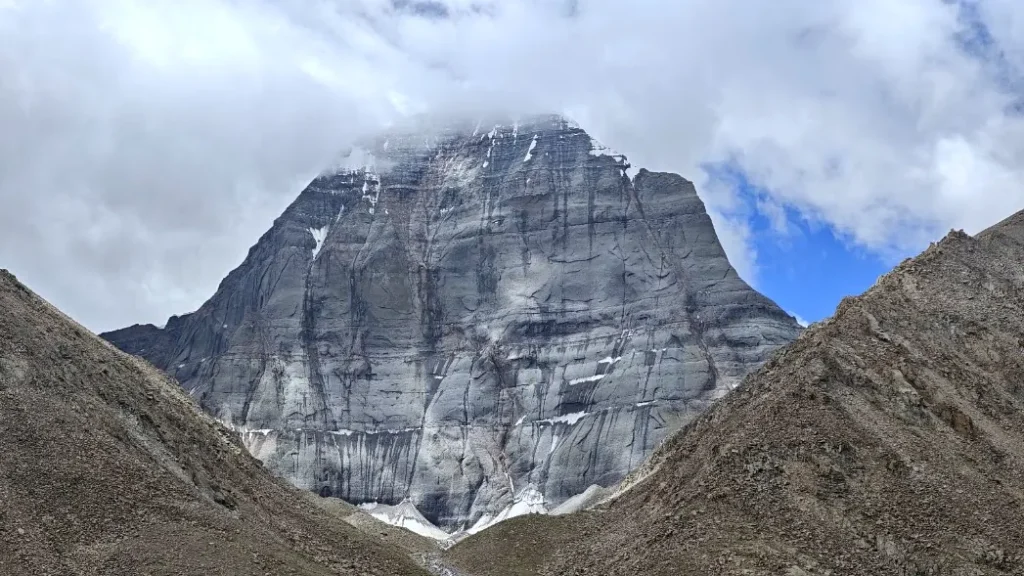
Among the most interesting facts about Mount Kailash is its almost perfect pyramidal structure. In contrast to jagged Himalayan mountains, Kailash seems to be carved, symmetrical, and premeditated. It is wonderful to watch its shadows make unbelievable figures during daylight, as seen at various angles, which most travelers observe unconsciously and even without full knowledge of the theories of its creation. It is much more awe-inspiring to stand before it and be quiet than to provide explanations.
The other little-known fact is the feeling of silence in the region. The Kailash area possesses an odd silence, even compared to the remote Nepal treks. Wind moves differently. Sound travels softly. This feeling of relaxation, intertwined with emotional discharge, laughter, weeping, or clarity, most pilgrims share that they do not have any apparent explanation. Regardless of perceiving the presence of spiritual power or not, the experience is definitely subjective.
Mount Kailash is mentioned in thousands of old and ancient writings, although it is remote. Even before the advent of modern borders, merchants, monks, and explorers passed through the Nepal Himalayan passes to this part of the world. When mount Kailash pilgrimage is currently undertaken by Nepalese tourists, they are indeed walking in the footsteps of an ancient human migration in the Himalayas.
The real uniqueness of Mount Kailash is not any extraordinary element, but all things about it are contrary to the contemporary assumptions. No climbing routes. No commercialization. No rush. It is just like it always was; it is looked at, worshipped, and left untouched.
Why Mount Kailash Is Sacred to Four Religions — A Nepal Traveler’s Perspective
The spiritual significance of Mount Kailash can be considered the most striking of all the facts about this mountain, as these levels of significance are shared by four religions. There are very few places on the Earth that can be so endowed with significance and so many traditions, and even fewer can achieve it without discord. Mount Kailash is not a holy place because there is a belief that has ownership over it, but because there are numerous beliefs that surround it.
According to Hinduism, Lord Shiva, the great ascetic and cosmic changer, is thought to be the dweller of Mount Kailash. It is a journey that Hindu pilgrims who travel to Nepal consider to be too personal. Shiva has penetrated the Nepalese culture: in Pashupatinath and in village shrines, and Kailash is regarded as the origin of the current of spirituality. Taking the parikrama or circumambulation around the mountain is believed to be an effective performance of devotion, removing the karma of several lifetimes.
To Buddhists, the Mountain Kailash is linked to Demchok (Chakrasamvara), or the highest pleasure. According to the Tibetan Buddhists, when one makes a walk around the sacred circuit, also referred to as kora, he or she can take a step closer to enlightenment. Nepal-based Buddhists, especially those in the Himalayan areas, complete this pilgrimage not as tourists, but as an ancient way.
Jainism is an Indian religion that is devoted to Mount Kailash, where its initial Tirthankara, Rishabhadeva, achieved liberation. Meanwhile, the Bon religion’s ancient representatives believe that Kailash stands for the source of all spiritual power and the center of the universe. The interesting thing here is that these notions do not contradict each other because they overlap, generating common reverence, not separatism.
On your way to Mount Kailash in Nepal, there are several pilgrims from different religious groups as you walk past each other following the same trail. Silence is different, silence is different, but silence is shared. Nobody states that his or her belief is right. Certainty is replaced with humility in the presence of Kailash.
That is why the meaning of Mount Kailash cannot be defined with the help of definitions. It is not facilitated by structures and institutions. It exists because individuals keep on believing from generation to generation.
The Untouched Peak: Strange Mysteries and Unclimbed Truths of Mount Kailash
Among the most commonly sought pieces of information about Mount Kailash is also the easiest to describe and the most difficult one to explain: nobody ever climbed it. This fact is almost impossible in a world where there are queues in Everest and satellite phones. But Mount Kailash is left unsaved, who knows, not through lack of ability.
Some of the well-known mountaineers over the decades have shown interest in climbing Kailash. Some were denied permission. Others retired at wish after coming close to the mountain, giving the reason of too much respect or discomfort. People tend to say, “The mountain does not permit it, locals say. Be it literally or symbolically, its consequence is the same (Kailash is unclimbed).
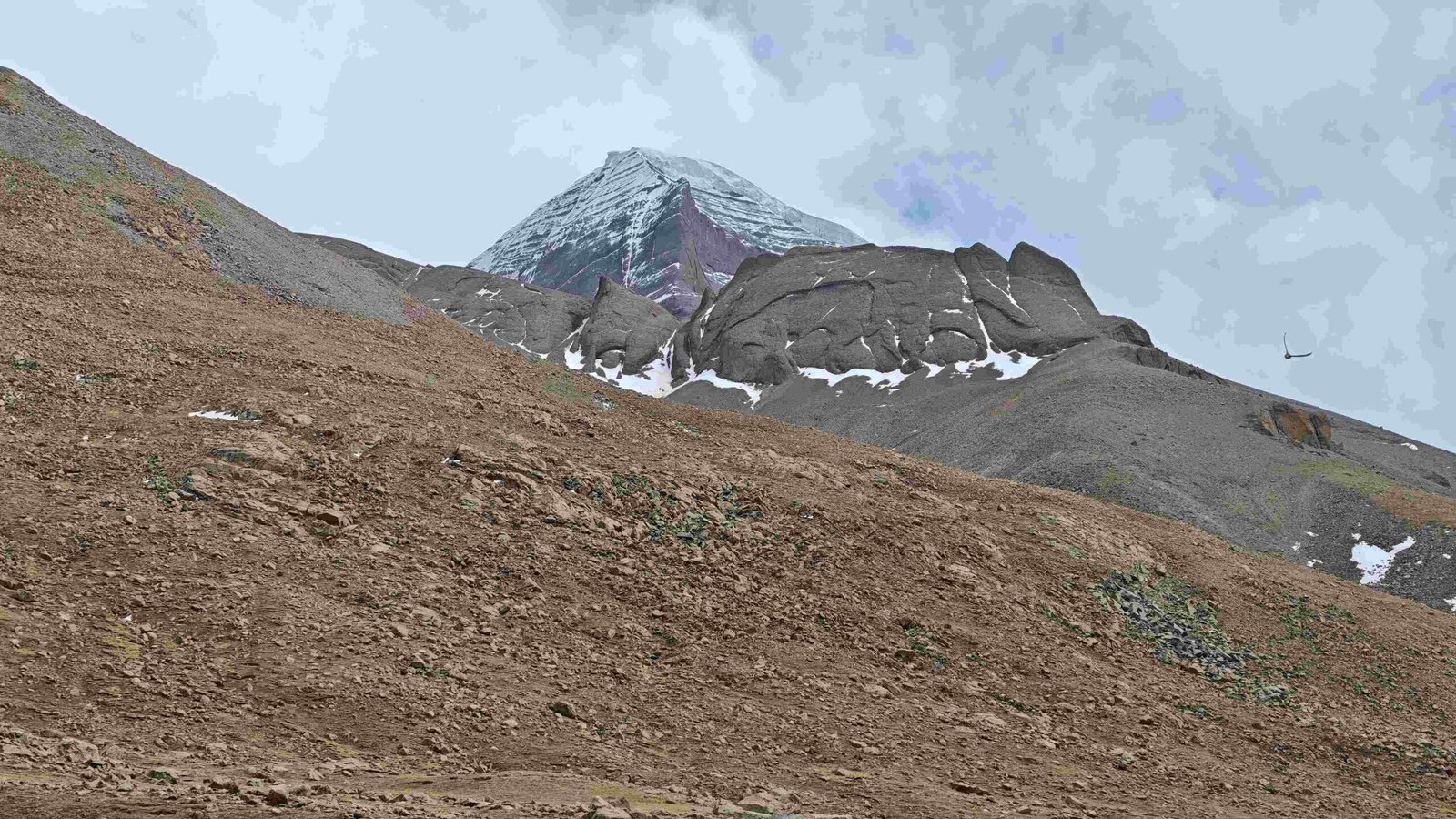
The mountain also has interesting mysteries of nature. Its rock formations are formed in a different manner compared to the rest of the surrounding peaks. Snow melts unevenly. Time is even weird to certain travelers, where they may find days either extremely short or long. Although science can be used to provide partial explanations, there are certain things that are too personal and immeasurable.
The other intriguing feature is the clockwise or counterclockwise circumambulation. Buddhists move in a clockwise direction and Bon in a counterclockwise direction. It is another silent lesson of coexistence; even though the pilgrims are going in opposite directions, they move around the mountain seamlessly.
As a Nepal trekking guide, the question to be perceived is not to demonstrate or refute the mysteries, but to recognize the power of Kailash on the people. Skeptics arrive curious. Believers arrive devoted. Virtually, no one comes out unchanged.
Maybe the most mystical fact about Mount Kailash is not geological or spiritual, but it is also human: why, without conquering Kailash, we feel complete.
Traveling to Mount Kailash via Nepal: Facts Every Trekker and Pilgrim Should Know
To a number of travellers, the Nepal pilgrimage to Mount Kailash is the most convenient and culturally enriched pathway. Nepal has easier acclimatization, well-adapted trekking arrangements, and knowledgeable pilgrimage guides.
The significant fact regarding the travel to Mount Kailash is that it is not difficult technically, but it is physically challenging. It has a length of some 52 kilometers, and the tallest point is Dolma La Pass (5,630 meters). It must be well prepared, particularly in the case of altitude.
Passing through Nepal would also be a gradual process of acclimatization, being met with help, and the availability of seasoned operators who have insight into the safety of the trekking process, as well as the religious sensitivity of the same. The trip, contrary to the commercial treks, takes an element of patience, respect, and mental preparedness.
Border procedures, season, and permits should be managed. The most desirable period is May to September, when the weather is more predictable. Agencies based in Nepal, such as Nepal Royal Treks, have effectively created solutions to these complexities, such that traveling with them gives the tourist more time to reminisce about the experience than the logistics that are involved.
What travelers never know about this trip is that this is more of an internal than an external journey. You can walk slowly, rest, and ask questions to yourself in between. That is normal. Mount Kailash is not a place where speed favors anyone but sincerity.
Mount Kailash Parikrama (Kora): Facts, Meaning, and Real Experience on the Sacred Path
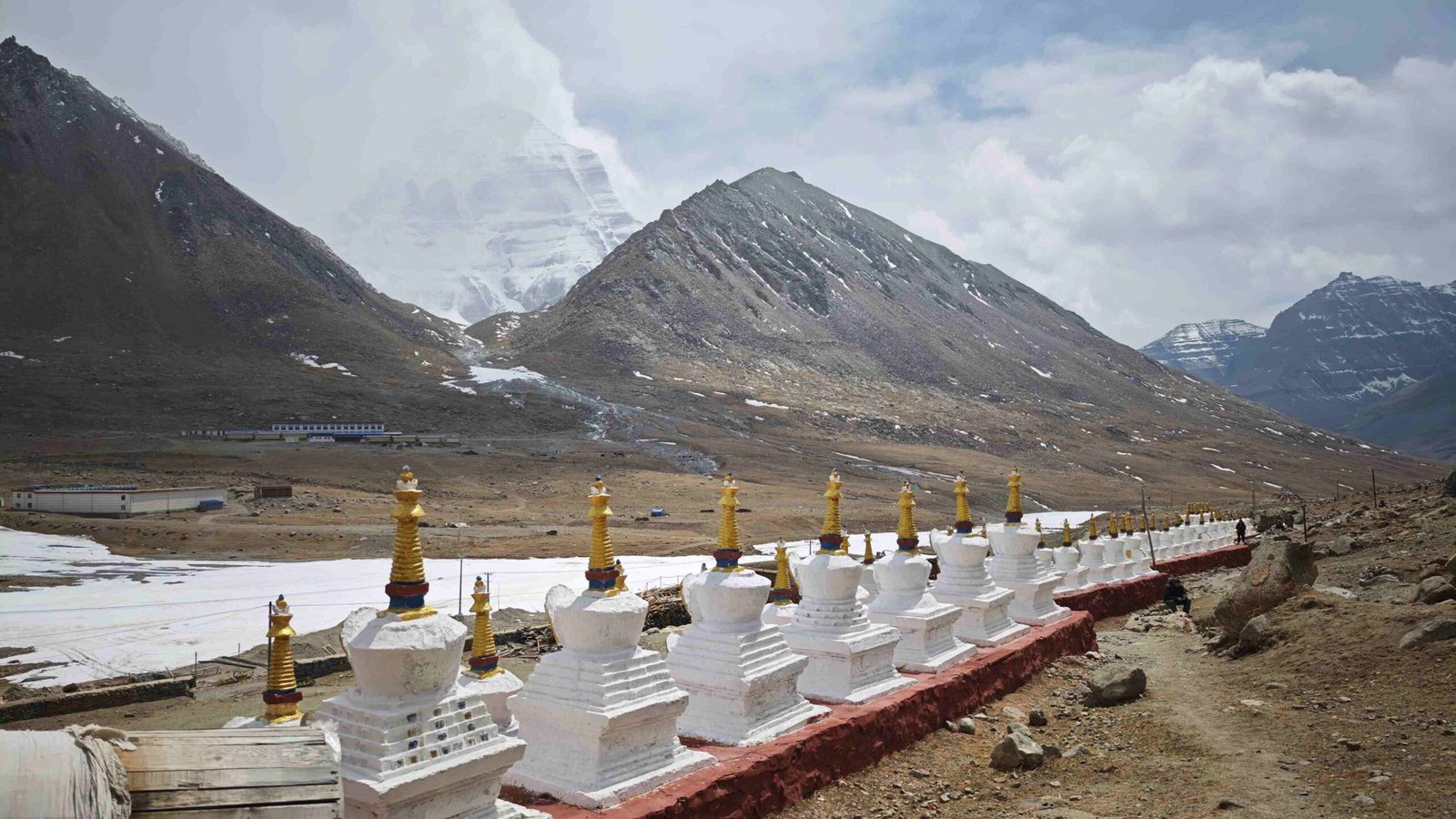
Out of all the facts of Mount Kailash, there is one truth that immediately becomes evident the moment you get onto the parikrama trail, and that truth is that this is not a trek measured by distance; in fact, it is by the virtue of patience, breath, and intent. The kora, also known as the Mount Kailash parikrama, is a Holy circumambulation of the mountain, performed by pilgrims from all over Asia on foot. To tourists who come to Nepal, this is like going into a slow-paced river of faith that has been flowing for centuries.
The kora has a different rhythm as opposed to the popular Himalayan treks, whose target is the elevation or the mountain vistas. People are walking and halting, praying, sitting, and personages twisting round and round without making a judgment. The mountain permits everyone to take his/her own time.
An actual meaning behind the Mount Kailash Parikrama
The Mount Kailash parikrama seems on the surface as a straightforward affair: the walk around a mountain. However, in a real sense, it is a completion of a kind of circle of life: born, struggle, surrender, and be reborn. Most pilgrims know that a single kora forgives the sins of a lifetime, and others get there with the intention of giving something back or just closure.
The concept is familiar to Nepalese travelers, particularly to those who have been used to circumambulating stupas and temples, but scaled up. It is not a stone circuit that we are walking around; it is the circuit of belief itself. Each step is intentional. Even quietness is incorporated in the ritual.
Among the less well-known, although quite interesting facts about the parikrama of Mount Kailash, it is necessary to mention that people usually come to the mountains with various personal objects, photos of close ones, prayer flags, and handwritten wishes in their pockets. These things are not represented or even discussed publicly, yet they weigh each move that is made.
The Reality of Distance, Time, and the Walking of the Day
Mount Kailash kora is approximately 52 kilometers and is usually done on three days. This looks on paper as something that one can handle no matter one’s basic fitness. At ground level, though, location and world structure restructure the expectations.
The first day is a misleader, comparatively smooth routes, and excitement to dissipate the tiredness. The second day is worse both physically and mentally. Day three is not that heavy, not that the terrain has changed any better, it is just that something inside has changed.
The hours of walking are multiple, but the speed is low. People pause not necessarily to rest, but to breathe, look, or wait till someone comes. There is also no feeling of being left behind or competition, as in trekking in Nepal. The mountain sets the tempo.
Dolma La Pass: The most transformative and the hardest point
The highest elevation of the Mount Kailash parikrama is Dolma La Pass, which stands at 5,630 meters, and at which each person is reduced to a state of equal humility. This is the source of most of the challenges that people facein their boundaries. Air blanch, stride reduces, and quiet expands.
It is not only the altitude, but the emotion the Dolma La brings that makes it unique. There are numerous prayer flags on the pass that are blowing in the wind. Certain pilgrims even place symbolic gifts behind as they go, such as hair or old garments, or even written prayers of what they want to shed.
This pass is technically not difficult but psychologically daunting, as proposed by the Nepal trekking point of view. The fall thereafter is sharp and rugged, and at times more difficult than the uphill. It is where pilgrims say that the parikrama really starts, and not stops.
How Nepal Travelers Experience the Kora Differently
Those who come to the mountain of Kailash through Nepal will always find a slight variation in the experience of the parikrama. The trekking culture of Nepal gives citizens a good training in altitude tolerance, taking walks, and the observance of spiritual areas.
There is familiarity, too– the step of walking in prayer, the common meals, the nods of familiarity between strangers. Nepalese guides tend to tell you that they are succeeding because they are not here to espouse direction, but reassure you that you are not failing to go slowly.
The ability to have a second chance is one of the most unsurprising details related to the Mount Kailash kora. Certain pilgrims are only walking around half the circuit. Others rest for long periods. It is the mountain that does not require completion; it is always the intention that counts more than the endurance.
Physical vs Mental Challenge on the Sacred Circuit
Talk to anyone who has come back after doing the parikrama of Mount Kailash, and most people will tell you the same thing: the body is not ready before the mind. Alternating tests lungs, however, replicating tests solve. The manifestation of doubt is mild in nature, and it may occur when the legs are still strong.
It is here that the parikrama is very personal. Some walk in prayer. Some walk in silence. Some cry without knowing why. It does not have one right way of experiencing it.
Probably the greatest truth of Mount Kailash parikrama is that it returns more or less what you take. Strength meets humility. Curiosity meets stillness. And as the trail at length leads to the closing of the circuit, so, with the trail, it seldom leaves the mountain the same as it was found before.
Mount Kailash and Lake Mansarovar: Sacred Facts, Legends, and What Travelers Actually Feel There
One of the most significant facts concerning Mount Kailash is the fact that the story of the object will never be complete without Lake Mansarovar. Mount Kailash stands in silent silence like a sentinel, and Lake Mansarovar lies next to it like a mirror, calm and contemplative, and very symbolic. To the people who come to Nepal, a visit to the two simultaneously is not sightseeing but a visitation to a dialogue between the earth and the spirit.
Lake Mansarovar is approximately 4,590 meters high, hence it is among the highest freshwater lakes in the world. But even the altitude cannot answer the question of why it happens that people fall silent when they come close to its shores. Even people experienced in trekking, who are accustomed to the melodramatic Himalayan scene, stand longer than anticipated.
The Mythological Bond Between Mount Kailash and Lake Mansarovar
According to the Hindu faith, Lord Brahma composed Lake Mansarovar to serve as an object of holiness and spiritual thinking. Its name derives from Manas (mind) and Sarovar (lake), meaning seamlessness of awareness. This definition is very powerful to pilgrims coming out of Nepal, particularly when they have spent days of physical activities and internalized thoughts.
Buddhist tradition writes that Lake Mansarovar is a holy beauty linked to enlightenment and kindness. It is believed that the lake symbolizes the tendency of feminine, nurturing energy, and that the mountain Kailash is a symbol of immobility and masculine power. The two of them create a whole spiritual balance.
This is not one of the most-mentioned yet potent facts about Mount Kailash to be in isolation.
Why Lake Mansarovar Feels Different From Any Other High-Altitude Lake
There are myriad beautiful alpine lakes in Nepal, but Lake Mansarovar stands out differently. It’s clear water, the sky is sharp in the water, and the horizon is visible. On sunny days, the mountain Kailash is dimly reflected on the lake surface, and this view is still seen by most tourists as more vivid than the images.
The mood here is more peaceful than projected. No shouting reprehensions of echoing. People sit. Others are slow on the bank. Others simply stare. It is usual to see pilgrims with prayer beads in their hands, but not moving them, as if they do not think they need to move.
Experience teaches that one of the most veracious facts about Mount Kailash is that Lake Mansarovar does not require worship; it offers it, it suggests it.
Bathing Rituals vs Reality at High Altitude
Lots of pilgrims gather at Lake Mansarovar with the purpose to do some ritual bath as they think that the water can cleanse their sins and refresh their souls. Although this is a very significant practice at its core, the reality at one such high altitude is something that needs to be considered very carefully.
Water is very cold, and even a slight immersion may be physically shocking. Might also recommend partial washing (you should just feel the water on the forehead, on the hands) instead of taking a bath. Respecting the journey is the respect of the body.
The point of the ritual is not important; it is what is intended. Other tourists opt not to shower and still report that this was a highly cleansing experience. This is a crucial yet usually neglected fact about the Mount Kailash travels because of the balance between faith and practicability.
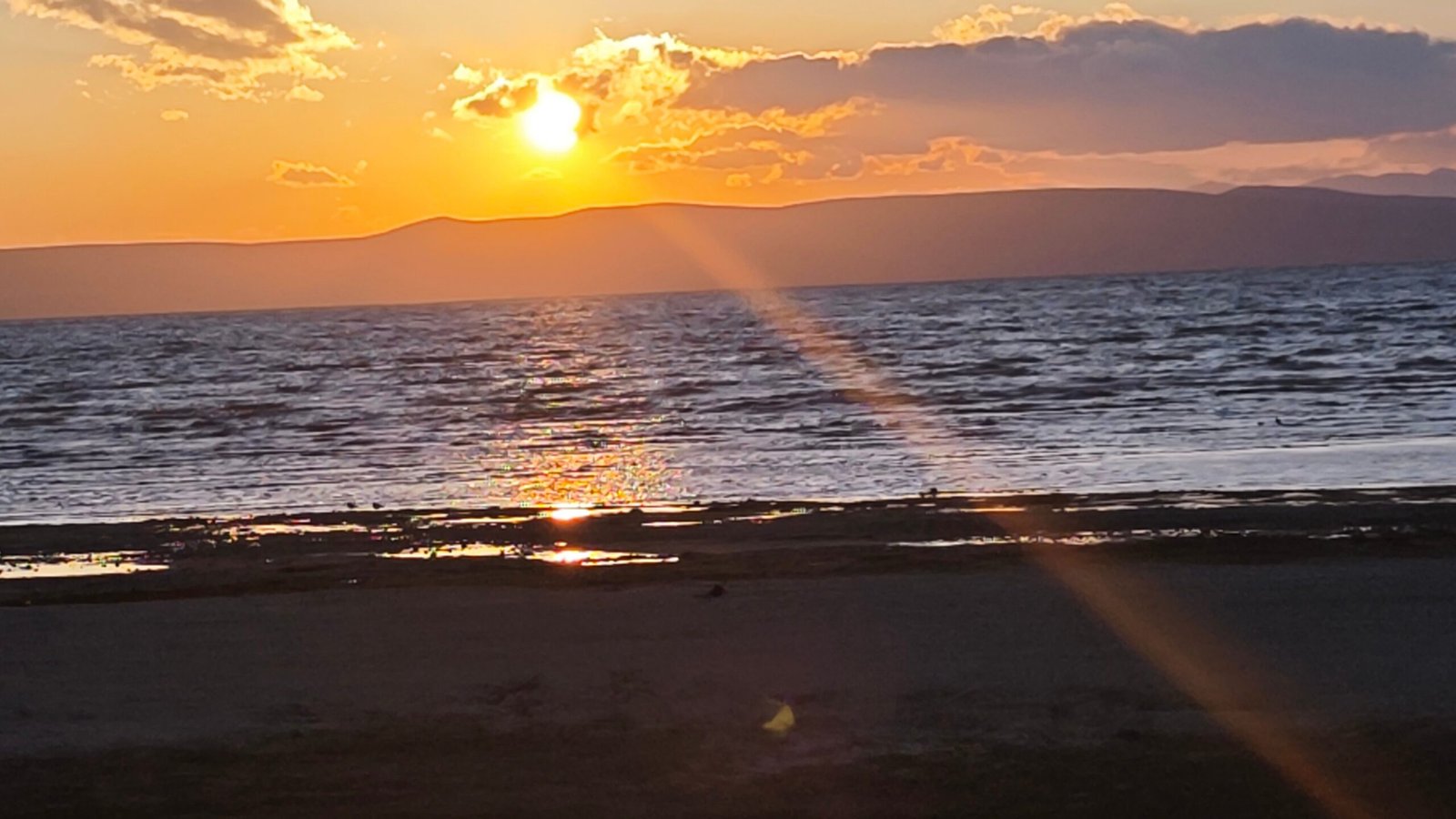
What Nepal Pilgrims Say After Seeing Mansarovar
Interestingly, a good number of pilgrims in Nepal attest that Lake Mansarovar is the place where feelings eventually emerge. Tears come easily here. So does gratitude. The lake is a sense of liberation after the work of travelling and parikrama.
The elders once recorded that one of the pilgrims said, “Kailash had made me strong. Mansarovar made me soft.” Many who hear, don’t forget that sentence.
Here, travelers do not take as many photos nor does he/she have as many selfies. Instead, they sit longer. Silence stretches. Time feels generous. It’s not dramatic — it’s gentle.
Best Time to Visit Mansarovar via Nepal Route
The most appropriate months to visit Lake Mansarovar through Nepal are between May and September, which are the months when access to this area is reliable, and the weather conditions are manageable. The mornings are best with their clearness, and even the mornings are best with their calmness and drama.
The problem with going to Mansarovar is that it is not about finding the best possible conditions. Some days it rakes, some days it rains. But though it covers the lake with grey skies, still, the lake has its silent power.
Among the most real realities surrounding Mount Kailash and Lake Mansarovar is the fact that they do not make a show to the visitors. They exist on their own terms. Patient people come in and get away with nothing more tangible in their possession than a feeling that they have been remodeled.
Mount Kailash Is Not Just Visited — It Is Felt
Of all the facts presented concerning Mount Kailash, the truthful fact of it all is that no article can elucidate it. You can hear about its height, its religions, its mysteries, its paths, but the true knowledge can be received only when you are walking in its direction and mean it.
Mount Kailash is a relative to travelling Nepalese people, what I mean is that it is not too near to feel that it is part of them, but close enough to make them feel part of it. It is a reminder that traveling is not necessarily going to the top. It can be as tactical as going in circles, slacking, and listening.
When you are planning this trip, you should seek advice that honors the land or the traveler. In Nepal Royal Tourism, we do not think that Mount Kailash is a product; it is a passage. And passages deserve care.
When you’re ready, the mountain will still be there. Silent. Watching. Waiting.