


Nepal’s Mighty 14-8000 Meter Peaks
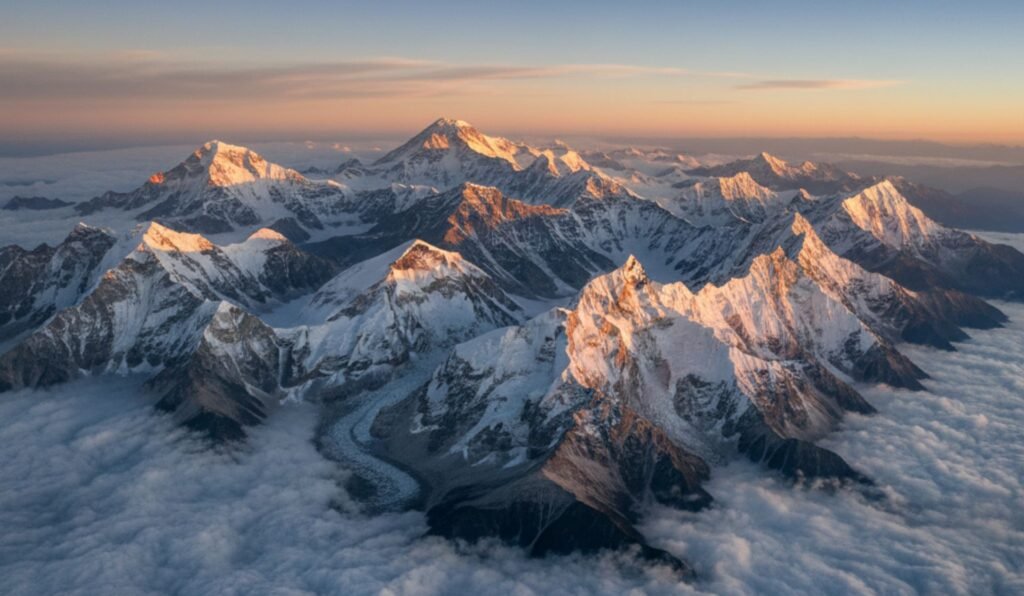
Nepal is home to some of the tallest mountains in the world. Until recently, there were eight peaks over 8,000 meters, but in mid-2025, six more were added, bringing the total to 14 towering giants. These are among the highest mountain in the world, attracting climbers from across the globe who dream of reaching their summits. Their height, natural beauty, and rich history make them famous worldwide.
The extreme altitude of these peaks is awe-inspiring—they rise so high that they seem to touch the sky, with freezing temperatures and thin air at the top. Climbing them is a huge challenge, and only the most determined adventurers attempt it. Mount Everest, at 8,848.86 meters, is the most renowned of them all.
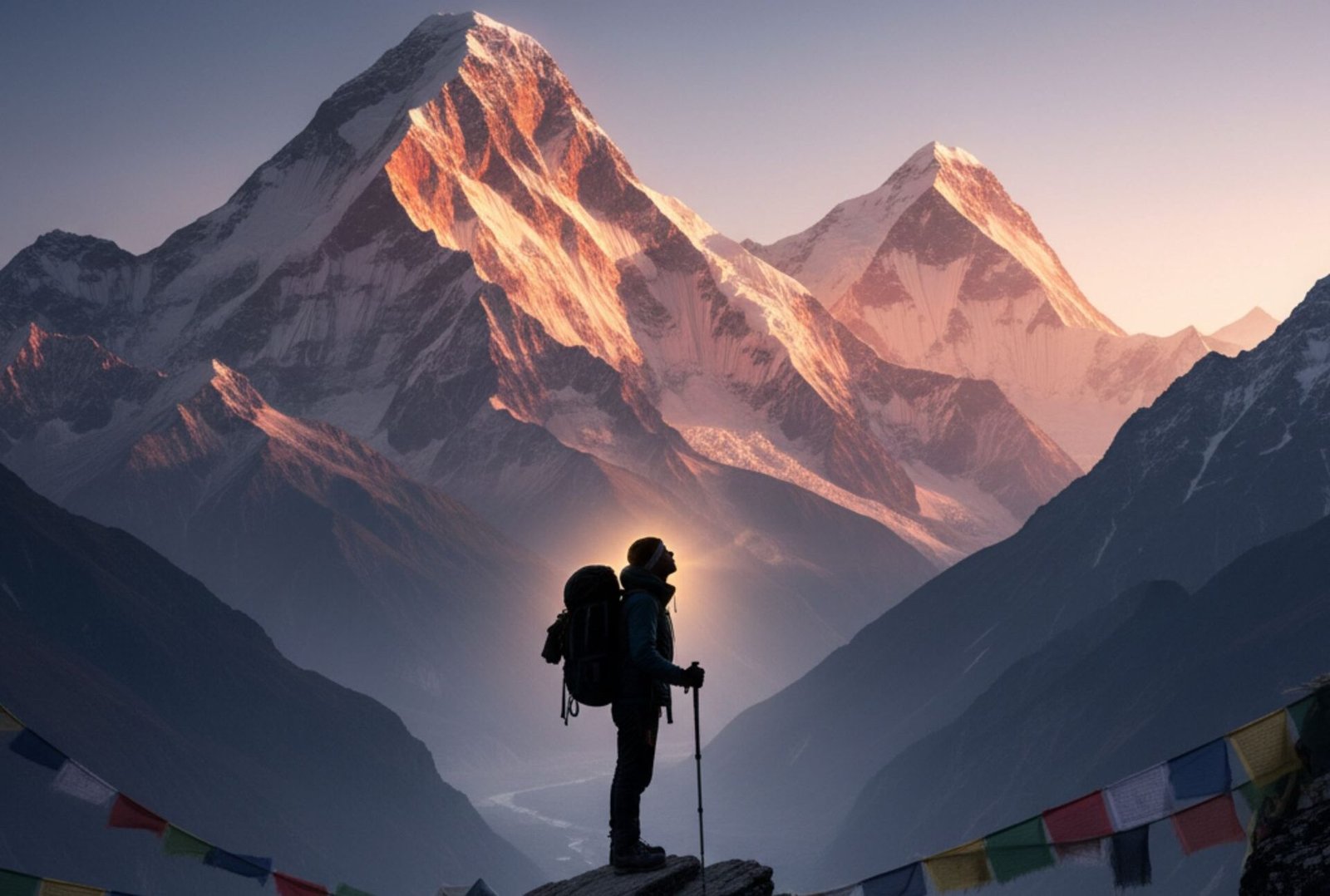
Beyond their height, these mountains are remarkable for their beauty. Snow blankets the peaks year-round, reflecting sunlight and creating breathtaking vistas. Even for those who don’t climb, the views from nearby trekking routes offer a glimpse of the majestic 8,000-meter giants, making Nepal a paradise for trekkers and nature lovers alike.
| S.No. | Mountain | Height (m) | Region |
|---|---|---|---|
| 1 | Mount Everest | 8,848.86 | Sagarmatha Region |
| 2 | Kanchenjunga | 8,598 | Kanchenjunga Region |
| 3 | Lhotse | 8,516 | Sagarmatha Region |
| 4 | Makalu | 8,463 | Mahalangur Range |
| 5 | Cho Oyu | 8,201 | Mahalangur Range |
| 6 | Dhaulagiri | 8,167 | Dhaulagiri Range |
| 7 | Manaslu | 8,163 | Manaslu Conservation Area |
| 8 | Annapurna I | 8,091 | Annapurna Range |
| 9 | Yalung Khang | 8,505 | Kanchenjunga Region |
| 10 | Yalung Khang West | 8,077 | Kanchenjunga Region |
| 11 | Kanchenjunga Central | 8,473 | Kanchenjunga Region |
| 12 | Kanchenjunga South | 8,476 | Kanchenjunga Region |
| 13 | Lhotse Middle | 8,410 | Sagarmatha Region |
| 14 | Lhotse Shar | 8,400 | Sagarmatha Region |
Nepal’s 8000-Meter Giants: Main Peaks and Their Sub-Peaks
1) Sagarmatha / Mount Everest
Height: 8,848.86 m | Range: Khumbu / Mahalangur
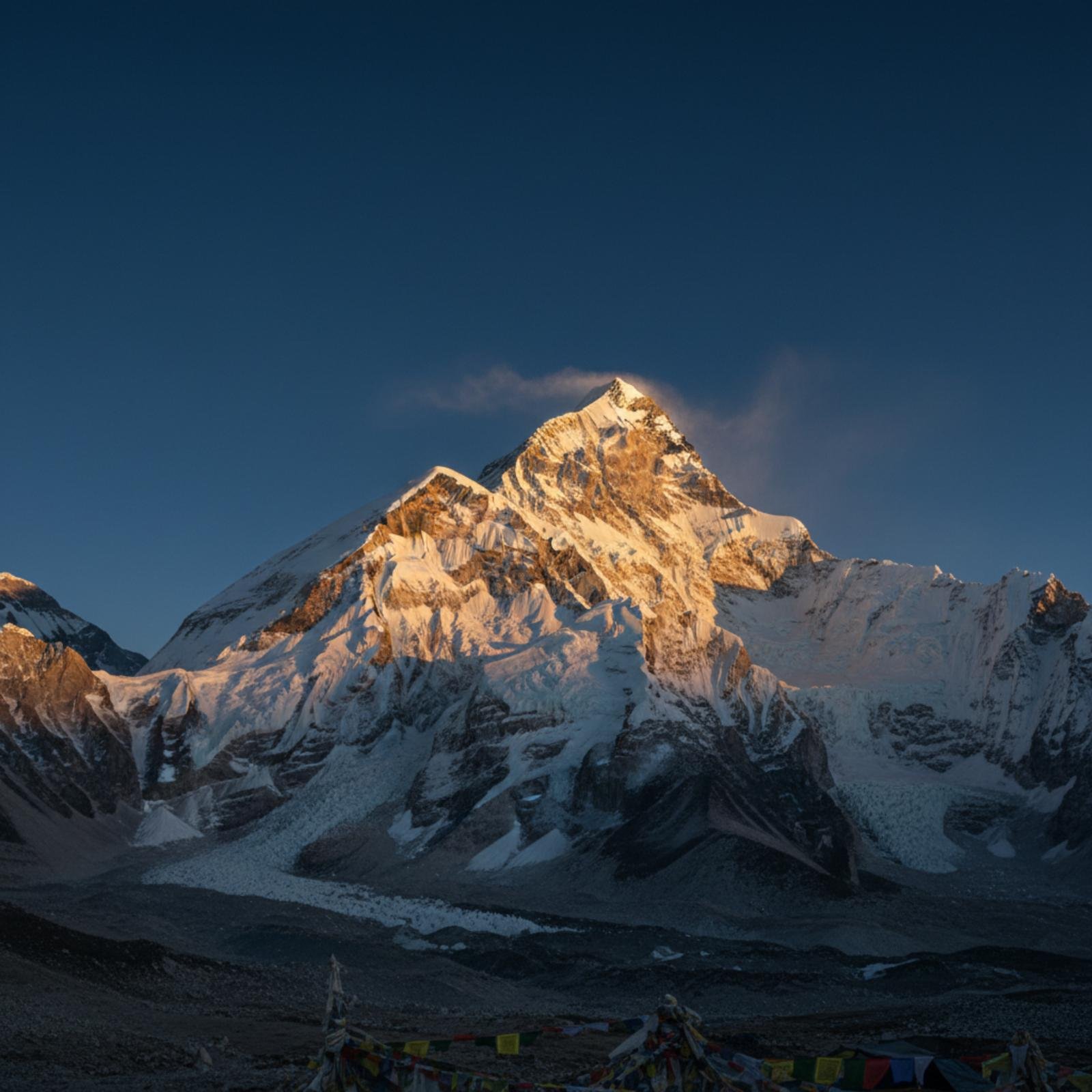
Mount Everest, called Sagarmatha in Nepal and Qomolungma in Tibet, is the highest peak on Earth. Revered by locals and climbers alike, it was formerly known as Peak XV. Everest was officially measured as the world’s tallest in 1852, and the first successful ascent was made on May 29, 1953. Since then, more than 6,000 climbers have reached the top.
2) Kanchenjunga Main
Height: 8,586 m | Range: Kanchenjunga
Kanchenjunga, the third-tallest mountain globally and second in Nepal, is known as the “Five Treasures of the Great Snows.” It lies near the Nepal-India border, about 128 km east of Everest. The mountain features narrow icy ridges and several satellite peaks, making it a challenging climb. It dominates the Brahmaputra River basin and was once thought to be the highest mountain in the world. Compared to Everest, Kanchenjunga sees fewer climbers, giving it a more remote and tranquil atmosphere.

3) Lhotse Main
Height: 8,516 m | Range: Khumbu / Mahalangur
Lhotse, the world’s fourth-highest peak, forms part of the Everest massif. Situated on the Nepal-Tibet border, it rises just south of Everest, with Nuptse to the west. Lhotse has three summits: Main (8,516 m), Middle (8,413 m), and Shar (8,400 m). Its steep ridges and rocky terrain make it one of the most demanding mountains over 8,000 meters. Climbers attempting Everest often traverse parts of Lhotse’s routes, which adds to its legendary status.
4) Makalu I
Height: 8,463 m | Range: Kumbhakarna
Makalu, located about 22 km east of Everest, is the fifth-highest mountain in the world. Its distinctive pyramid shape makes it instantly recognizable. The peak has two notable sub-peaks, Kang Chungtse and Makalu II. Makalu is notorious among climbers for its sharp ridges and technical difficulty, making it one of the toughest 8000-meter peaks. Its isolation adds to both the challenge and the awe it inspires.
5) Cho Oyu
Height: 8,201 m | Range: Khumbu / Mahalangur
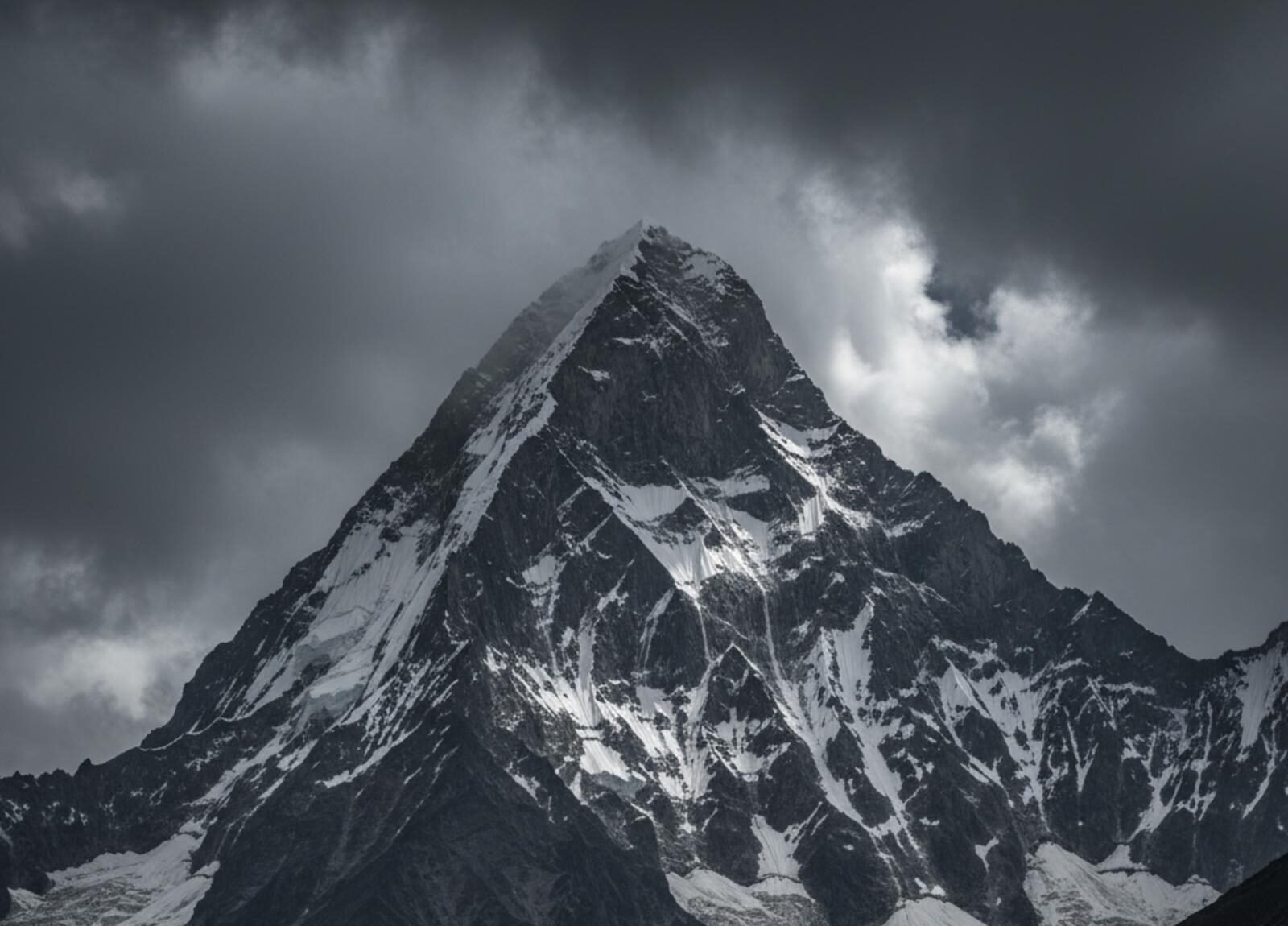
Known as the “Turquoise Goddess” in Tibetan, Cho Oyu is the sixth-tallest mountain globally. Located 20 km west of Everest, it is often considered the easiest of the 8000-meter peaks to climb. Many mountaineers use it to gain experience before attempting Everest. The nearby Nangpa La pass, at 19,000 feet, has historically been an important trade route connecting Khumbu Sherpas with Tibet since the 15th century.
6) Dhaulagiri I
Height: 8,167 m | Range: Dhaulagiri
Dhaulagiri, whose name means “White Mountain,” is Nepal’s seventh highest peak and the tallest in its range. It towers over the Gandaki River basin, and its remote location adds to the challenge of climbing it. The mountain’s rugged ridges, glaciers, and pyramid-like peaks make it visually striking but technically demanding for climbers. Its isolation also makes it one of the less crowded 8000m mountains.
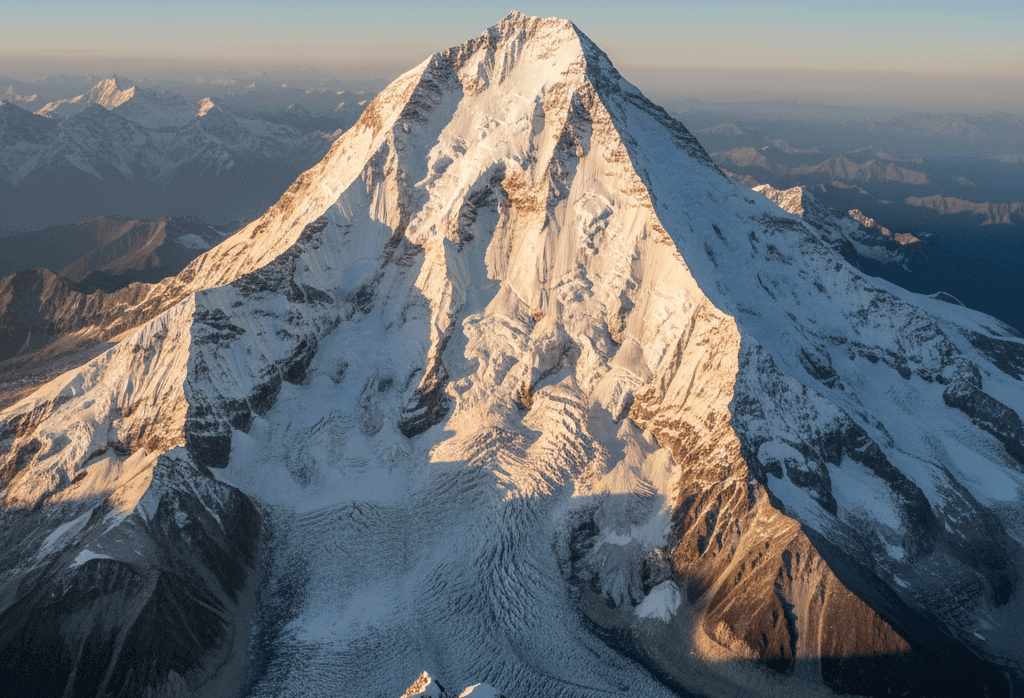
7) Manaslu
Height: 8,163 m | Range: Ganesh
8) Annapurna I
Height: 8,091 m | Range: Annapurna
Annapurna I is the tenth-highest peak on Earth and the first 8000-meter mountain ever climbed. Part of the Annapurna range, which includes Annapurna II, III, IV, and South, it is considered extremely dangerous due to avalanches and unpredictable weather. The Annapurna Base Camp Trek provides trekkers with a chance to witness its majesty without attempting the summit. The mountain is named after the Hindu goddess Annapurna, the deity of nourishment, and forms part of Nepal’s largest protected area, the Annapurna Conservation Area.
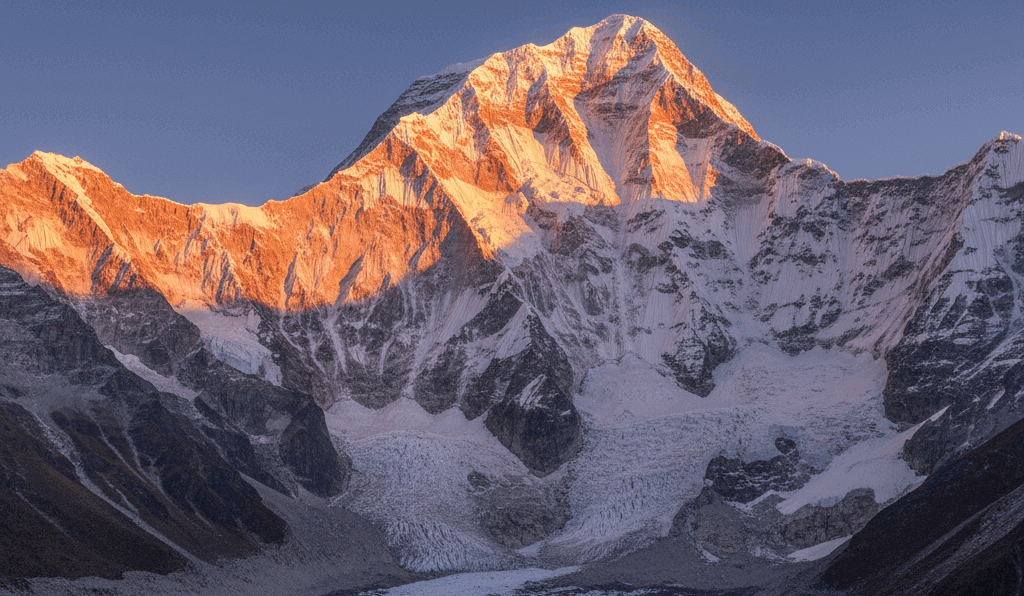
9) Yalung Khang
Height: 8,505 m | Range: Kanchenjunga
Yalung Khang is a sub-peak of Kanchenjunga and the second-highest in its range. Located 1.1 km north-northwest of Kanchenjunga Main and 1.3 km east of Yalung Khang West, it remains less-known but presents a challenging climb. Expeditions usually take around 70 days to complete.
10) Yalung Khang West
Height: 8,077 m | Range: Kanchenjunga
Also called Kanchenjunga West, this peak is situated in the Taplejung district’s Phaktanglung rural municipality. Standing at 8,077 meters, it is the fifth-highest peak in the Kanchenjunga range and is rarely climbed.
11) Kanchenjunga Central
Height: 8,473 m | Range: Kanchenjunga
Kanchenjunga Central lies on the border of Sirijanga rural municipality, 0.8 km south-southeast of Kanchenjunga Main and 0.5 km north-northwest of Kanchenjunga South. It is typically climbed as part of a Kanchenjunga expedition.
12) Kanchenjunga South
Height: 8,476 m | Range: Kanchenjunga
This sub-peak is among the least explored 8000m mountains in Nepal. Located in Taplejung’s Phaktanglung rural municipality, expeditions take around 75 days, following the traditional caravan route through Taplejung, Yamphudin, and Ramachaur to the base camp.
13) Lhotse Middle
Height: 8,410 m | Range: Khumbu/Mahalangur
Lhotse Middle is a sub-peak of Lhotse in Nepal’s Solukhumbu District. Known for steep ridges, it is a challenging climb. Expeditions usually take 60 days, starting with a flight to Lukla and passing through Jorsale, Namche, Khumjung, Pheriche, Lobuche, and Gorakshep. Lhotse Middle was the highest unclimbed 8000m peak for many years before its first ascent on May 23, 2001.
14) Lhotse Shar
Height: 8,400 m | Range: Khumbu/Mahalangur
Lhotse Shar, south of Mount Everest in Solukhumbu District, is another Lhotse sub-peak. Less frequently climbed, expeditions take around 56 days. The journey begins with a flight to Lukla and passes through Jorsale, Namche, Khumjung, Pangboche, Dingboche, and Base Camp, with Dingboche as the closest settlement.
Other Towering Peaks in Nepal
| S.No. | Mountain | Height (m) | Region |
|---|---|---|---|
| 1 | Gyachung Khang | 7,952 | Khumbu |
| 2 | Kanchenjunga North | 7,938 | Kanchenjunga |
| 3 | Annapurna II | 7,937 | Annapurna |
| 4 | Tenzing Peak | 7,916 | Mahalangur |
| 5 | Khangbachen | 7,903 | Kanchenjunga |
| 6 | Himal Chuli East | 7,893 | Mansiri |
| 7 | Dr. Harka Gurung Chuli | 7,871 | Mansiri |
| 8 | Nuptse | 7,855 | Mahalangur |
| 9 | Makalu South East | 7,803 | Mahalangur |
| 10 | Khambachen East | 7,784 | Kanchenjunga |
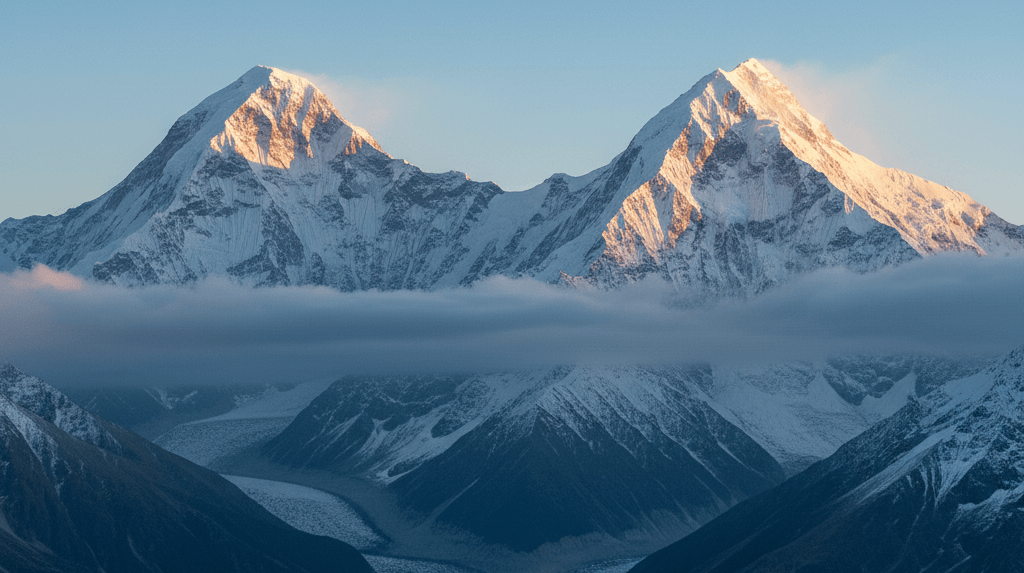
Nepal isn’t just about the 8000-meter giants. The country is full of other high mountains that impress with their height, shape, and climbing challenges. These peaks might not break world records, but they’re just as breathtaking and demanding.
In the Mansiri Himal, Himalchuli (7,893 m) and Ngadi Chuli (7,871 m) stand tall with dramatic faces and massive relief above the valleys. Climbers often admire Himalchuli for its sheer size and the sharp contrast it makes against the surrounding landscape.
Eastern Nepal is home to Kumbhakarna (Jannu, 7,710 m). This mountain is steep, technical, and a serious test for experienced climbers. Its routes are tricky, but the views from the slopes are incredible.
In the west, the Gurans Himal has peaks like Api (7,132 m) that rise sharply from deep valleys. Other notable mountains here include Bobaye (6,808 m) and Jethi Bahurani (6,850 m). These peaks are less traveled, making them perfect for adventurers who want solitude along with stunning scenery.
Closer to popular trekking trails, there are also high 6000-meter peaks that are easier to reach but still awe-inspiring. Baruntse (7,129 m) in the Everest region and Ama Dablam (6,812 m)—often called the “Matterhorn of the Himalayas”—are favorites among trekkers and climbers alike.