


Nepal Trekking Permits Explained: TIMS Card, National Park and Conservation Fees
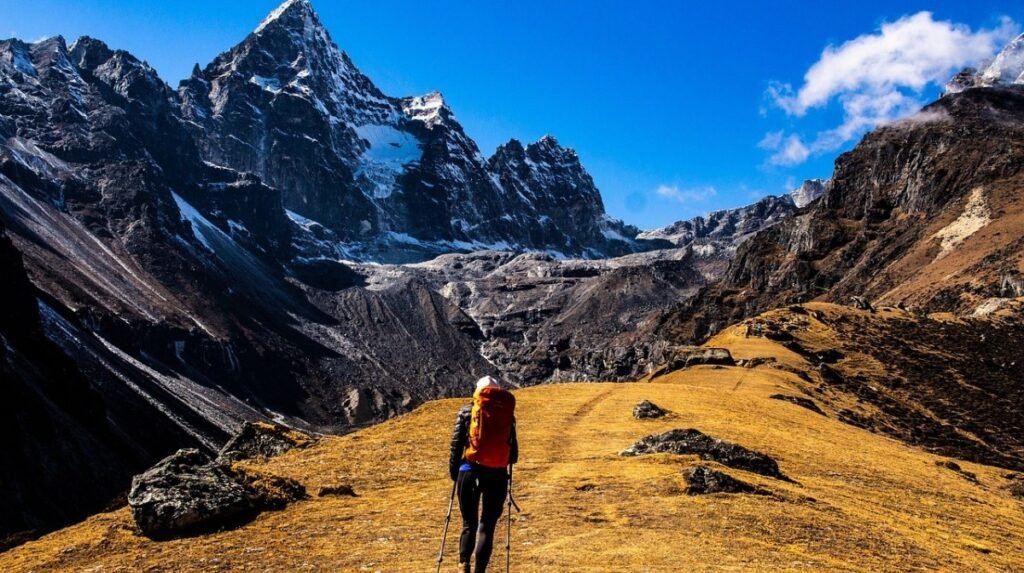
Hiking in Nepal is easy when you consider all you need to do is get on a trail and enjoy a cup of tea, but then again, documentation that surrounds the majority of the paths you walk up the Himalayas is important; not only to your well-being but also the sites that you hike.
Before you book flights or pack your gears, you should understand the different permits that govern trekking in Nepal including, the TIMS card, national-park and conservation area permits, and the special restricted-area permits that apply to places such as Upper Mustang or Upper Dolpo.
These documents are not a liability. rather a necessity as they fund conservation areas, help rescue teams, and ensure local authorities can track a trekker’s location in remote areas.
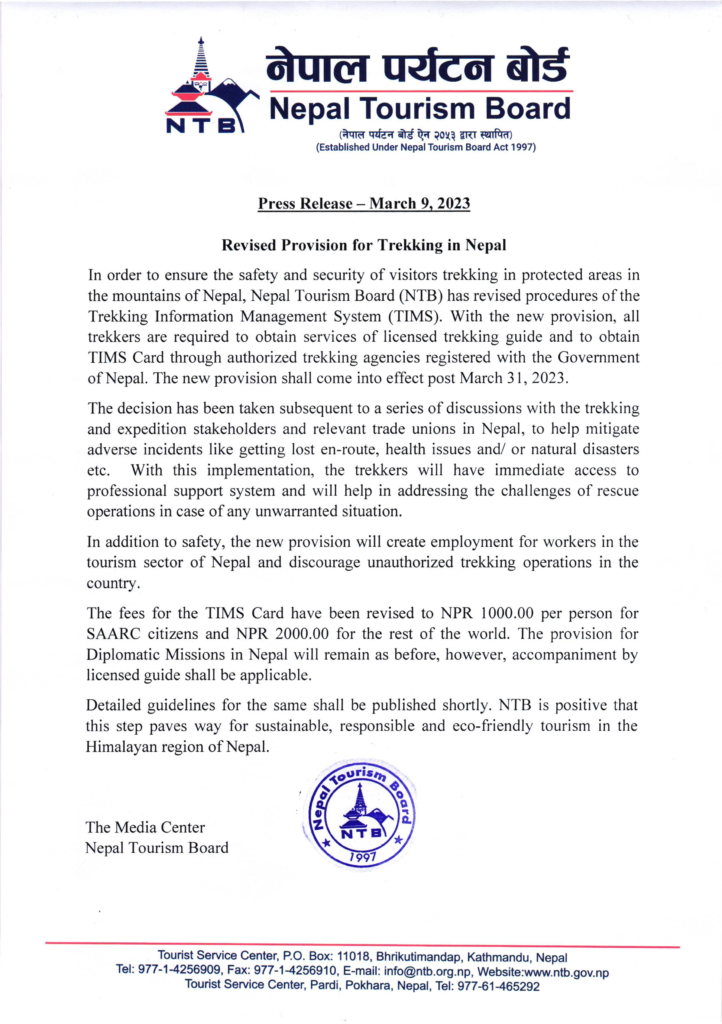
The official rules were updated in 2023 so several protected areas now require trekkers to register through a licensed operator and to be accompanied by a registered guide.
Why is TIMS and other Permits Required?
At the centre of the system is the TIMS, the Trekkers’ Information Management System. TIMS is a government-run registry that records basic personal and itinerary information for everybody on the trail.
The records are stored in order to ensure security in the event that rescue and search units can be notified expeditiously. They also demonstrate the number of individuals who are utilizing trekking trails and conservations.
After the update, as of March 31, 2023, there are now TIMS card requirements in some of the previously-protected areas, without a requirement to use a registered trekking operator.
Getting a licensed guide is also needed in those routes upon the condition that you are a foreign treker. According to the Nepal Tourism Board, the registration of trekkers by the agencies and the issue of an e-TIMS card containing a QR code is mandatory.
Typically, your guiding group and agency like us, Nepal Royal Tourism Holiday will handle this prior to commencing the hike.
When you are registering, you are required to pay the TIMS fee online. Most foreign nationals pay NPR 2000, and SAARC nationals pay NPR 1000.
Beyond TIMS, most of Nepal’s famous treks cross national parks or conservation areas, and those require their own entry permits.
The purpose here is conservation funding and management, money from permits is invested in trail maintenance, ranger patrols, community projects and waste programs.
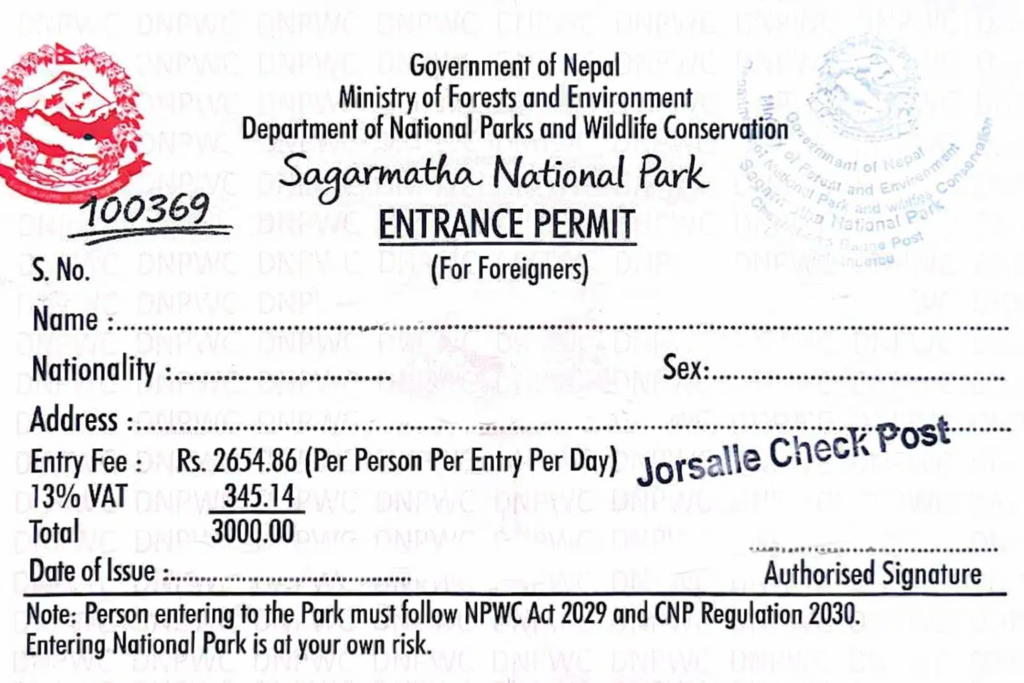
Fees vary by protected area but tend to cluster around the same range: for many parks and conservation areas the foreigner fee is about NPR 3,000 (roughly USD 25–35 depending on exchange rates), while SAARC nationals and Nepali citizens pay lower amounts.
As an example, to access the Annapurna relaxation zone and Sagarmatha (Everest) National Park, you need to receive a permit in the official checkpoints.
This particular permit must accompany you on your hike. It is checked by the park guards at the gates and lower-valley checkpoints. It is not optional hence budget on its cost. In Nepal, there are special treatment areas due to the location, culture, and borders.
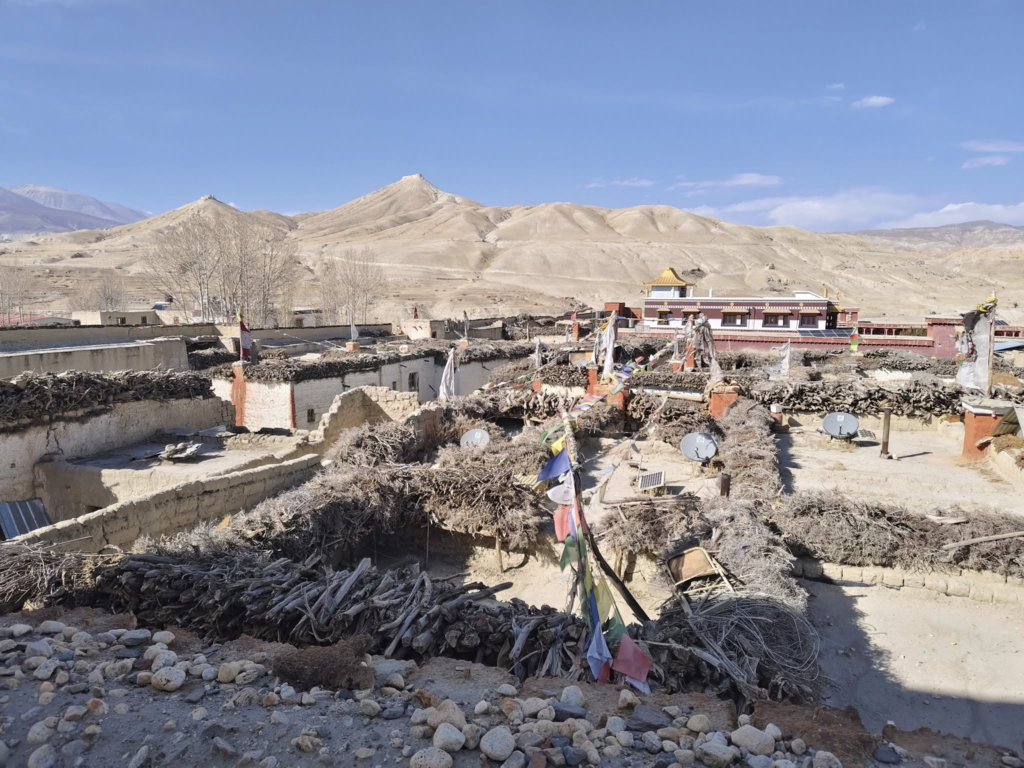
These are what are referred to as restricted areas. Some of these valleys are Upper Mustang, Upper Dolpo, Manaslu, Kanchenjunga and some additional ones that require additional permits.
Those are more expensive with more stringent regulations. Previously, Upper Mustang had been charged a fee, normally USD 500 or more, per ten days at least.
These newer changes tend to employ a daily rate, like USD 50 per day in Upper Mustang, with greater flexibility without loss of control.
There are also restricted zones that generally require the presence of a registered guide and a trekking company license.
Others might need particular minimum group size or paper work. Due to the constant changes in fees and regulations, it is always best to ensure that the latest notices of the Department of Immigration and their local authorities are checked in the area that you wish to visit.
A brief table below indicates the standard types of permits and the estimated prices of foreign trekkers. It is a good tool to plan on, however, it is important to note that its fees will vary with government decisions and season by season.
| Permit | Locations and routes | Fee for Foreign nationals | Fee for SAARC nationals |
|---|---|---|---|
| TIMS (agency-issued e-TIMS) | Most protected trekking routes (registration + e-card) | NPR 2,000 | NPR 1,000 |
| National Park entry | Sagarmatha (Everest), Langtang, etc. | NPR 3,000 | NPR 1,500 |
| Conservation Area permit | Annapurna Conservation Area (ACAP) and similar | NPR 3,000 | NPR 1,500 |
| Restricted area (Upper Mustang) | Upper Mustang (Lo Manthang and surrounding wards) | USD 500 (first 10 days) + USD 50 / day thereafter | USD 500 (first 10 days) + USD 50 / day thereafter |
| Restricted area (Upper Dolpo) | Upper Dolpo (Shey Phoksundo / Dolpo zones) | USD 500 (first 10 days) + USD 50 / day thereafter | USD 500 (first 10 days) + USD 50 / day thereafter |
| Restricted area (Manaslu) | Manaslu region (Manaslu Conservation / Gorkha) | Sept–Nov: USD 100 / week + USD 15 / day (beyond 1 week) Dec–Aug: USD 75 / week + USD 10 / day (beyond 1 week) |
Same rates |
| Restricted area (Humla & similar remote zones) | Humla (Simikot, Limi), other remote districts | USD 50 / week + USD 10 / day (beyond 1 week) | Same rates |
Note: Fees shown are typical government rates and commonly applied by registered operators. Rates and seasonal rules can change — confirm live fees before publishing or booking. For permit processing and up-to-date confirmation contact Nepal Royal Tourism Holiday.
The permits required when you intend to take a trek will depend on the route and the areas you will be traversing which are under protection.
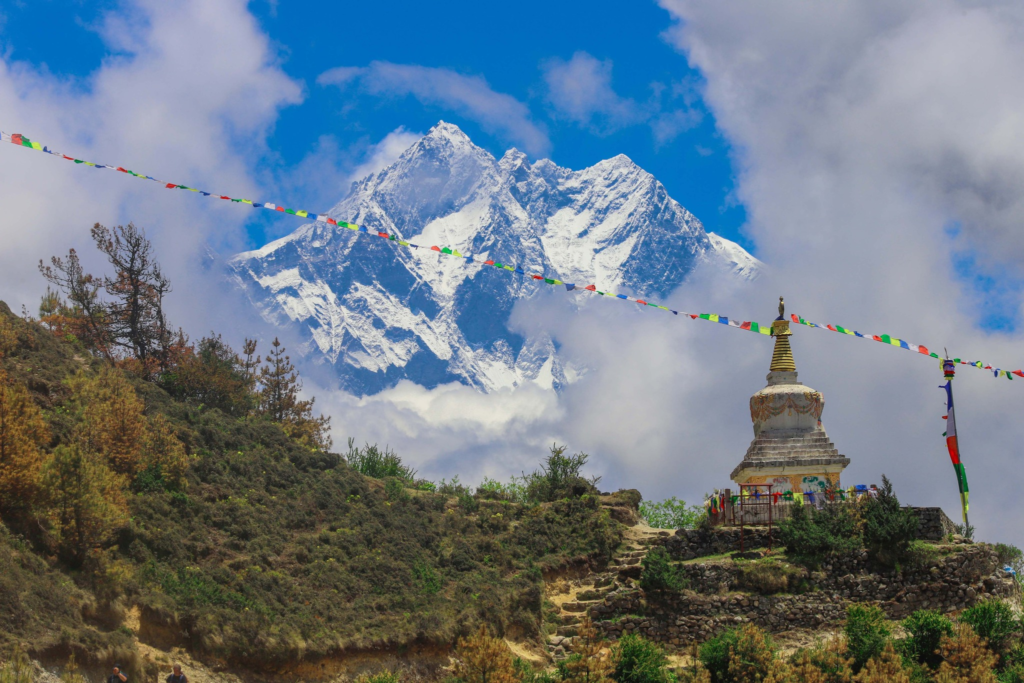
A good example is the Everest region where the combination of permits is typical of Nepal. A park entry permit to the Sagarmatha National Park is required by Trekkers visiting Namche, Tengboche, Gokyo valley or Everest Base Camp.
The municipality of Khumbu is also permitted to charge its fee. Your trekking company normally deals with TIMS in case the route is based on the 2023 regulations.
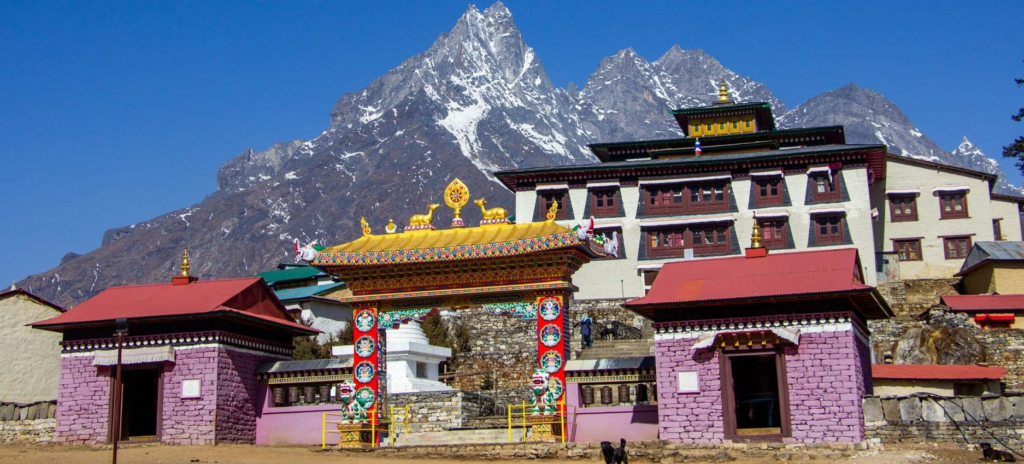
Annapurna Treks require an Annapurna Conservation Area Permit. Langtang Treks require a permit to Langtang National Park.
There are checkpoints in every area where the guards would verify your permits. Such regulations safeguard the environment and you. Carry copies of your permits and be prepared with e-TIMS QR code.
How do you get a TIMS card and the other permits?
For most foreign visitors the easiest, and increasingly the only practical, way is to have a licensed operator register your trek in advance.
The NTB portal allows registered agencies to create e-TIMS cards that include a QR code and personal data; permit payments are handled online through Nepalese payment gateways such as ConnectIPS or NepalPay.
In case of limited territories, the operator applies to the Department of Immigration and local government and receives the required letters and checks.
When you book with Nepal Royal Tourism Holiday, we will take care of the registration, apply to national-park or conservation permit, as well as any restricted-area permit needed to ensure your itinerary prior to arrival of the trailhead. This reduces hassle and keeps the risk of being stopped at a checkpoint low.
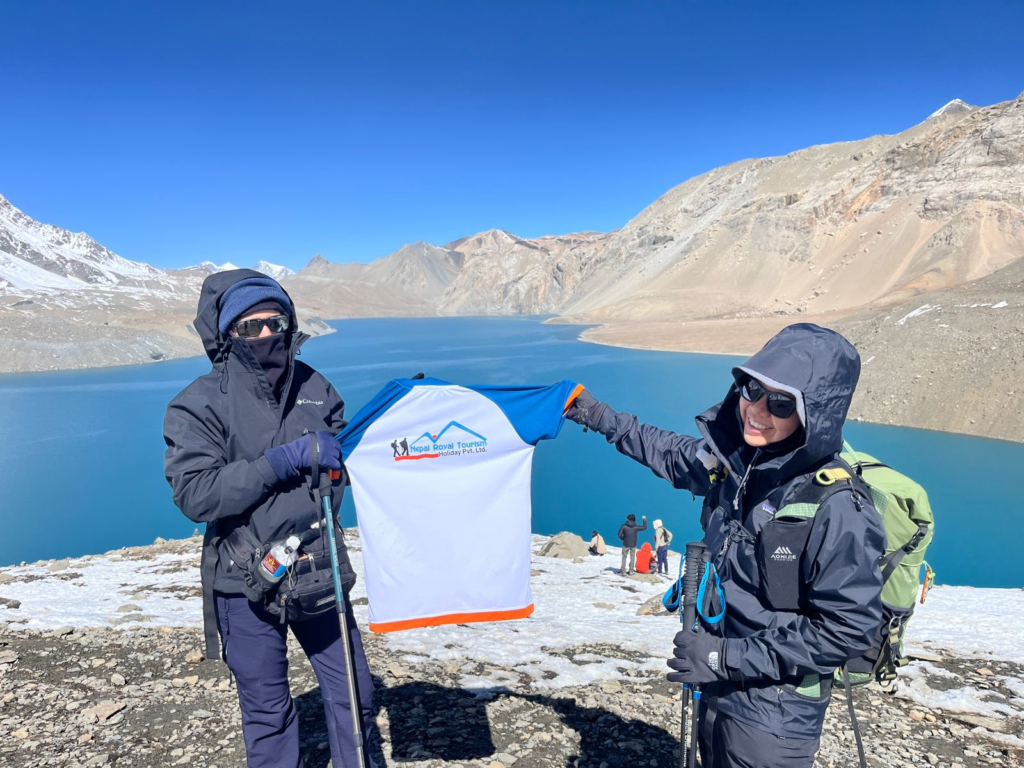
It has more than paperwork as they have some tips that are handy. To start with, this means that TIMS and park permits do not in any way substitute one another with travel insurance, you should always purchase one with high-altitude medical cover and helicopter evacuation.
Second, there has been the introduction of the compulsory use of a registered guide on most routes.
Guides are more than merely a guide, they keep an eye on the acclimatization and a liaison to the local communities as well as organizing the logistics in case of weather, flights and other disruptions to the plans.
Moreover, there are often also more rules in restricted areas or the minimum group size, local liaison officers and the necessity to use local accommodation networks.
The conditions can be used to maintain local livelihoods and cultural locations but you cannot just turn up and roam around. Lastly, bring hard copies of permits and IDs since connectivity may be patchy, an e-TIMS QR code is useful, but occasionally checkpoints demand a physical copy.
The permit system plays an important role in maintaining sustainable tourism in Nepal. The Himalayas are fragile environments where increased tourism can create pressure on natural resources, wildlife habitats, and mountain communities.
Permit fees contribute to conservation projects, trail maintenance, waste management programs, and community development initiatives. They also help authorities track trekkers in remote areas where communication and transportation are limited.
For trekkers, carrying the correct permits is essential. Checkpoints along trekking routes regularly verify permits, and travelers without proper documentation may face fines or be denied entry to protected areas.
Trekking permits may seem complicated at first, but they are a normal part of traveling in the Himalayas. Most trekking routes in Nepal require at least one permit, and many require two or more depending on the region and itinerary.
Understanding the differences between the TIMS card, national park permits, conservation area permits, and restricted area permits allows trekkers to plan their journeys smoothly and legally.
For travelers planning to explore Nepal’s trekking regions, Nepal Royal Tourism Holiday can assist with arranging all necessary permits, guides, and logistics before the trek begins.
With the paperwork handled in advance, trekkers can focus on what matters most: enjoying the mountains, experiencing local culture, and discovering the incredible landscapes of the Himalayas.