


Can You Trek in Nepal Without a Guide? Rules, Permits and Safety for Various Regions
Nepal is famous for its high mountain trails, but recent changes and safety considerations mean the answer to “can you trek in Nepal without a guide?” is no longer a simple yes or no.
As of 2023, tourism authorities introduced stricter guidance that effectively ties foreign trekkers’ permits and tracking to licensed operators and local staff.
The driving goals behind were to reduce rescue incidents by improving tracking, make permit processes more reliable, and increase local employment for licensed guides and porters.
The practical result is that TIMS registration and park permits are now much more often processed through licensed agencies, with a named guide or agency contact appearing on the official paperwork.
That makes truly unregistered independent walking on the main managed corridors impractical and legally risky for foreign visitors.
This does not mean every step must be physically led by a guide. The change separates paperwork and emergency tracking from the day-to-day feel of walking at one’s own pace.
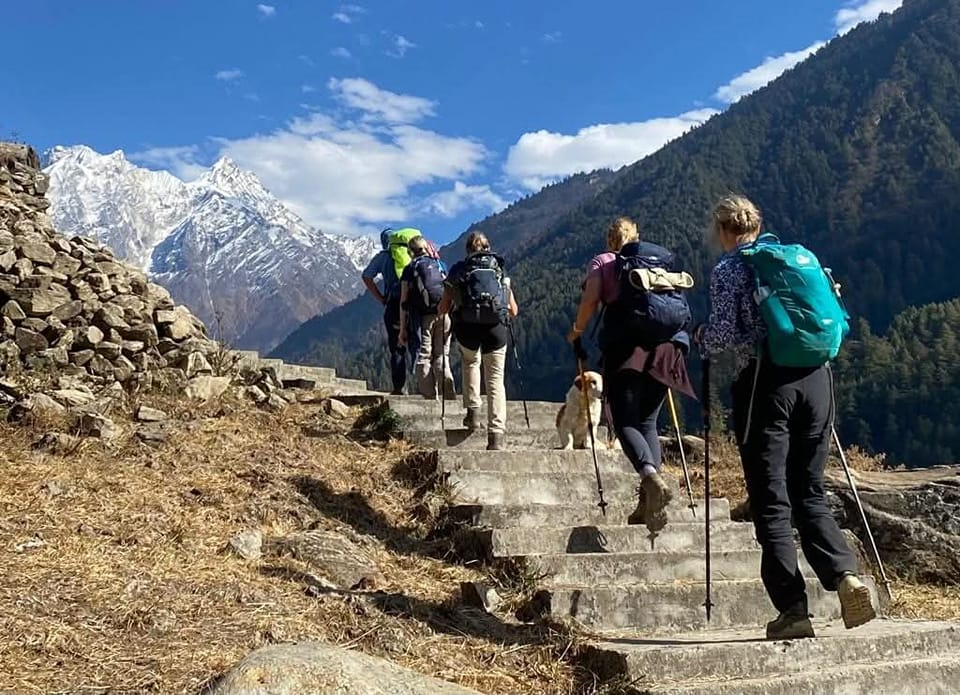
A common approach now is the hybrid “solo style” model, where a licensed local guide typically handles permits and acts as the formal emergency contact while the trekker walks largely independently.
That keeps the trip legal, keeps many of the freedoms people want, and preserves safety nets when something goes wrong.
However, some areas were and remain strictly off-limits for solo foreign trekkers. These restricted valleys require special permits, liaison officers, and agency-managed itineraries.
If a plan includes one of these corridors, the only practical option is to book a guided trip through an authorized operator; the permits alone are complex and normally issued only after the agency files a complete itinerary and pays special local fees.
Trying to approach one of those zones independently risks being turned back, fined, or forced to join a licensed group.
Rules, Permits, and Where Guides Are Required
Two permit systems dominate long treks in the country. One is the national tracking system commonly called TIMS, which records foreign trekkers for safety and search purposes.
The other is the set of park or conservation area permits specific to each protected region.
For example, the Everest region requires a Sagarmatha National Park permit; the Annapurna area needs an Annapurna Conservation Area permit; and the Langtang valley needs a Langtang National Park permit.
Many other conservation and restricted regions have their own permit regimes and fees. Foreign trekkers will usually find TIMS and those park entries handled through a licensed operator, who attaches the guide’s name to records and hands clients printed permit packs.
Certain trans-Himalayan and remote corridors remain restricted by design and always require an agency and guide. Examples include Upper Mustang, the Manaslu conservation corridor, the Nar-Phu area, Upper Dolpo, and the Kanchenjunga region.
Those valleys are fragile, politically sensitive, or remote in ways that demand fixed itineraries, liaison officers, and quota controls.
Attempting to enter them without a licensed operator will almost always fail at the checkpoint, and you could get in trouble for that alone.
On the classic open corridors, the main Everest approaches, the Annapurna routes, and Langtang, foreign trekkers can still walk the trail provided they hold the correct permits and TIMS registration.
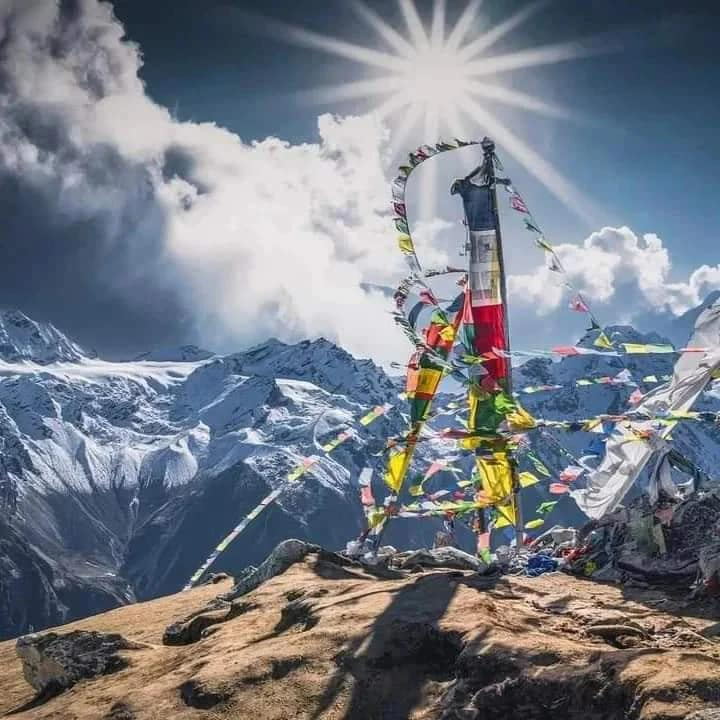
In practice, however, many checkpoints and park offices now look for operator ties in the permit records.
The simplest routes to walk without any company are the popular, long-established routes where one only requires the customary park or conservation permits and a TIMS card.
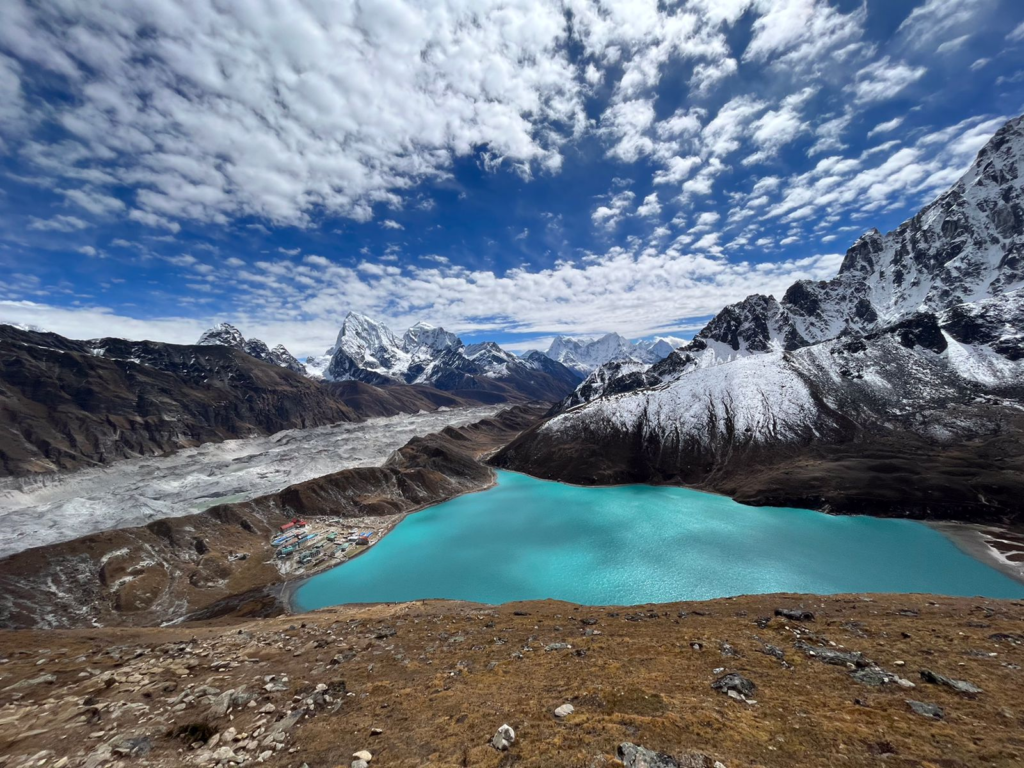
The pathways that wend to the lakes and vistas in the Everest area are logical to skilled climbers once the paperwork is filed and a Sagarmatha National Park permit and TIMS registration handle the tracking aspect, and the chain of villages and tea houses keeps the direction and supply easily managed.
Gokyo Lakes is located within this network, and once the permits have been taken, the trail will be bearable since the locals are used to the foreign trekkers and services.
Another location where independent trekking provides a good solution to walkers who are prepared is the Annapurna side of the country.
The approach to the Annapurna Base Camp, Ghorepani Poon Hill circuits, and much of the lower circuit are all within a conservation area well marked with a large number of lodges along the route; a hiker with the ACAP permit and TIMS can traverse them without a permanent guide.
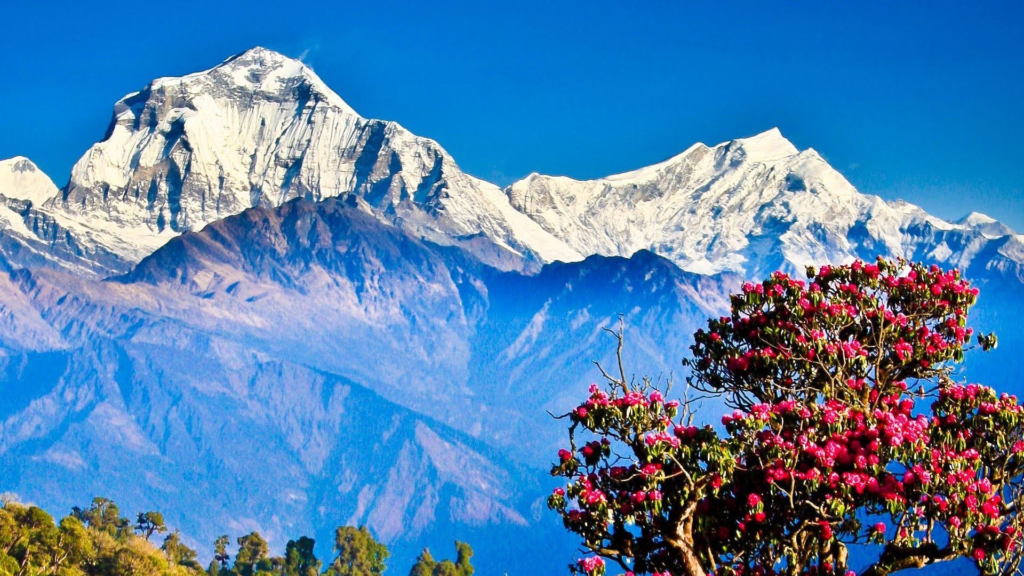
With that said, the trans-Himalayan route past Muktinath to Lo Manthang remains limited, and as such, it is always recommended to triangulate the line between the open Annapurna areas and those requiring agency permission.
In the close areas of Kathmandu as well as around Pokhara, you get the easiest independent choice.
Day hikes and lower-altitude overnights on ridgelines of the Langtang valleys are easy to arrange and carry out when you already have a Langtang National Park permit, where needed.
These tracks are training in gears and pacing, and allow you to gain confidence before going further up the mountain; they also imply that you do not need to carry the additional logistics of a guide on the longer walks, and that you can go out on your own alone over a few days.
Remember that some conservation areas are highly regulated and regulations change according to season and local policy, hence always check.
Certain regions within the Manaslu zone and the surrounding trans-Himalayan valleys still demand agency-organized permits and local escort, and the officers at checkpoints expect to receive printed permits and photocopies of passports.
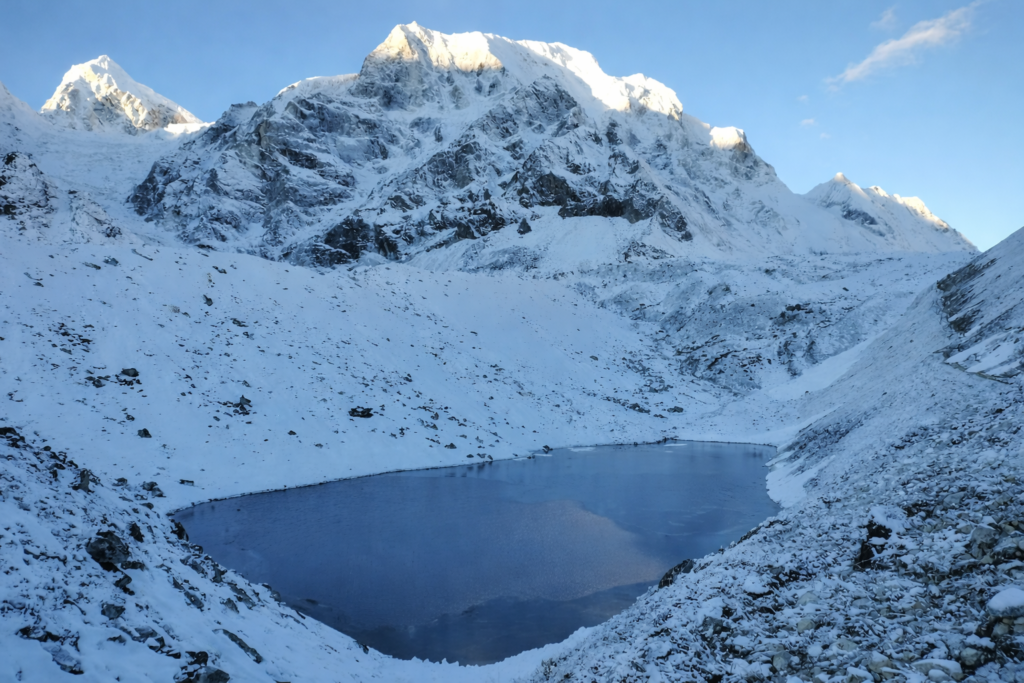
You are safe and free, but you do not want to be caught; you should lock or fix the formal permits in advance, bring with you your paperwork, good insurance, and you may hire a porter.
You can even share a guide along the high or exposed areas, in such a way you have the freedom you desire without being caught, and you are also free with their legal permits.
That means an independent hiker might still be able to walk physically, but the paperwork that tracks them is increasingly routed through licensed agencies. Trekkers counting on weak enforcement are risking it and are not advised.
The legal reality also affects group composition, including the authorities that commonly expect foreign parties to have a Nepali companion or a licensed guide attached.
An all-foreign small party that lacks a Nepali or guide will generally be required to hire a local guide or porter for legal compliance in many controlled corridors.
For day hikes, local circuits, and short loops outside conservation areas, these requirements are minimal or absent, so independent walking remains simple near Kathmandu and Pokhara.
Safety, costs, and how to plan an independent-style trek
Safety is the clearest practical reason to hire a guide. Altitude is the biggest hazard above roughly 3,000 metres, and guides spot early symptoms, enforces conservative pacing, and knows the evacuation routes and contacts.
They also have local judgment about seasonal hazards, passes, and streams that seem fine in October may be dangerous in November.
Guides and lodge owners know which stops have reliable stoves, hot water, and local medical help.
In modern practice, the guide is often the difference between an on-trail inconvenience and a fast, well-coordinated rescue.
However, it comes with a cost and can be a turn-off for someone who is on a budget. A licensed guide typically earns roughly twenty five to thirty five US dollars per day; a porter commonly costs fifteen to twenty five dollars per day.
For a ten to fourteen-day trek, skipping guide and porter wages might save roughly four to seven hundred dollars.
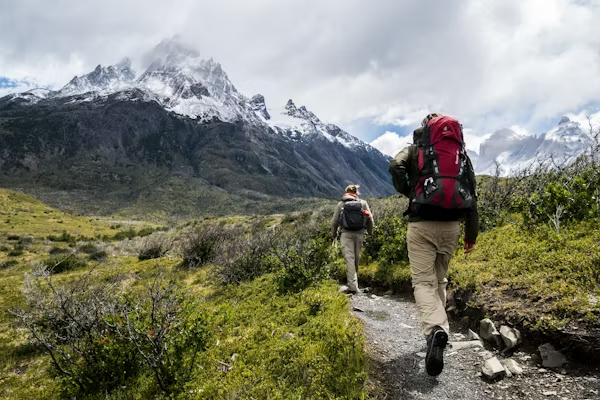
That saving is reduced by the reality that permit registrations and TIMS cards are routed through licensed operators, and by the nontrivial risk that an evacuation or logistical failure could be extremely costly.
Sharing a guide among two or three trekkers is usually the smartest way to lower per-person cost while remaining legal and safe.
If the goal is an independent-feeling trip, plan for the hybrid model. Start by confirming the exact route rules with a licensed operator and ask for the minimum legal service that keeps your permit valid: TIMS registration, park permit handling, and a guide who is the formal emergency contact for the high or remote sections.
Also, make the guide’s duties explicit in writing, which days they will be present, the evacuation plan, and what logistics they will handle.
Additionally, carry travel insurance that explicitly covers high-altitude trekking and helicopter evacuation, and keep printed policy and emergency numbers offline as well as on your phone.
Packing conservative gear is also a necessity, including a warm down jacket, a sleeping bag rated for cold nights, a waterproof shell, sturdy boots, and poles.
For navigation, carry offline maps and a GPS tracker or satellite communicator; do not rely solely on mobile coverage.
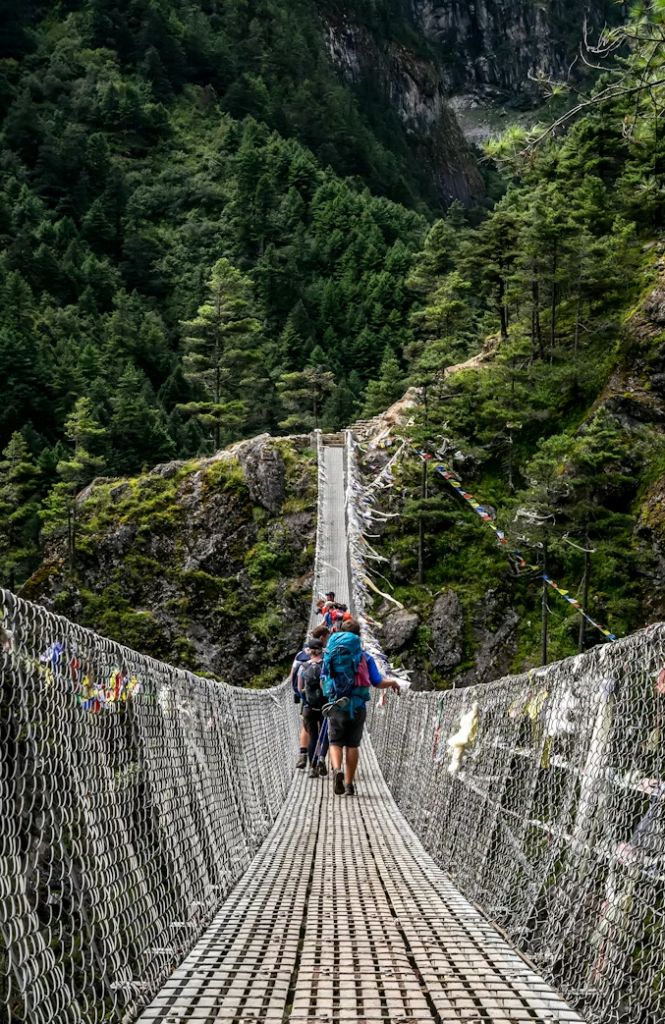
If you want the maximum independence at the lowest practical cost, consider hiring a porter for comfort while sharing a guide among a small party when possible.
You can also build buffer days for weather at mountain airstrips like Lukla and avoid tight, inflexible schedules.
For restricted regions, there is no practical alternative to a full guided package; for classic open corridors, the hybrid model preserves most of what makes solo travel attractive while keeping the trip legal and safer.
Finally, consider the ethical side of travelling too. Guides and porters are how many mountain families earn their living.
Using licensed staff who are fairly paid supports trail maintenance, local services, and community resilience.
Choosing cheaper operators who underpay staff may save money, but it harms long-term sustainability. The best compromise for independent-minded trekkers is to share staff, choose reputable local agencies, and keep permits and insurance clear.