

-
 Duration
9 Days
Duration
9 Days
-
 Difficulty
Moderate
Difficulty
Moderate
-
 Max Elevation
4065m
Max Elevation
4065m
-
 Group Size
1 to 10 People Person
Group Size
1 to 10 People Person
-
 Accommodation
Teahouse/Lodge
Accommodation
Teahouse/Lodge
-
 Start/End
Kathmandu Airport/Kathmandu
Start/End
Kathmandu Airport/Kathmandu
-
 Destination
Everest Region
Destination
Everest Region
-
 Best Season
March-May and Sep-Nov
Best Season
March-May and Sep-Nov
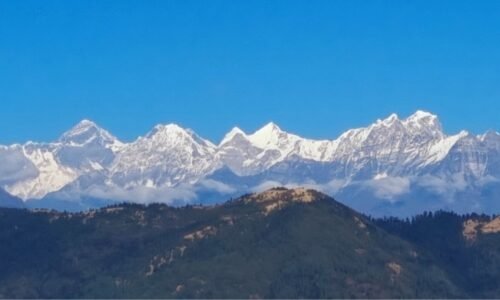
The Pikey Peak Trek is a small yet highly appreciated adventure by tourists into the lower Everest, where trekkers do not have to do a long haul of walking and climb up high elevations elevations as the typical Everest Base Camp trail.
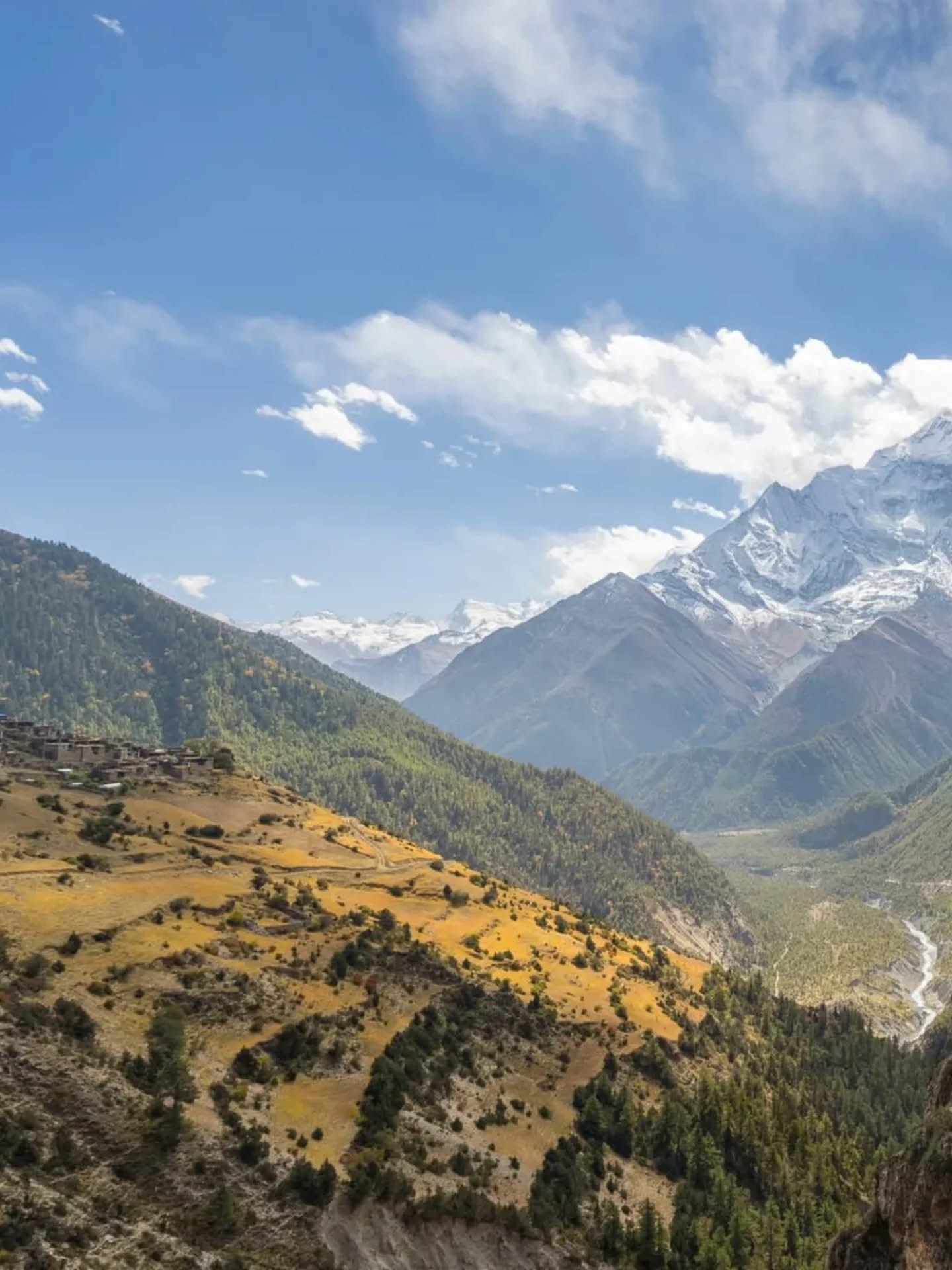
During more than nine days, the trail takes you through the chaos of Kathmandu into peaceful Sherpa, Rai settlements, into rhododendron, pine forests, and to the pure and cold peak of Pikey Peak (4,065 m).
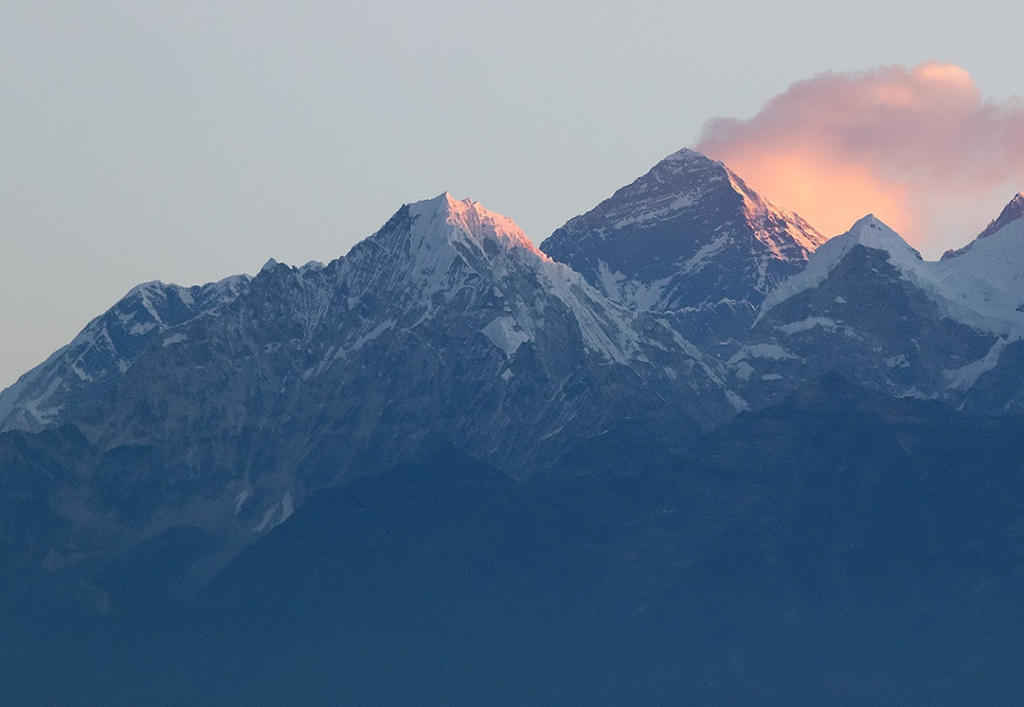
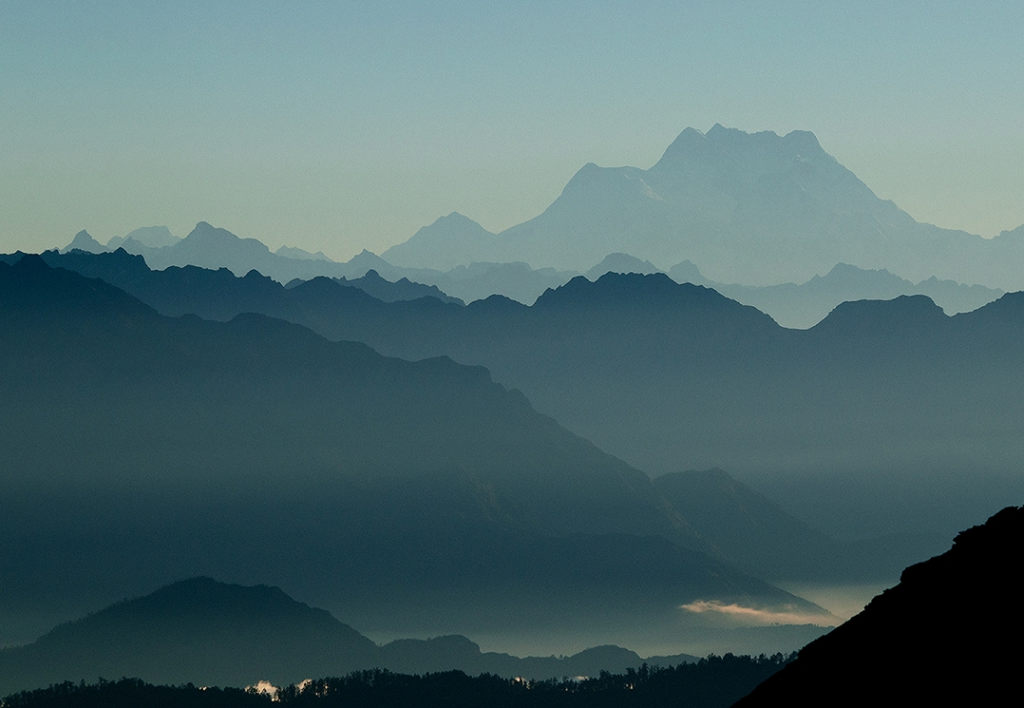
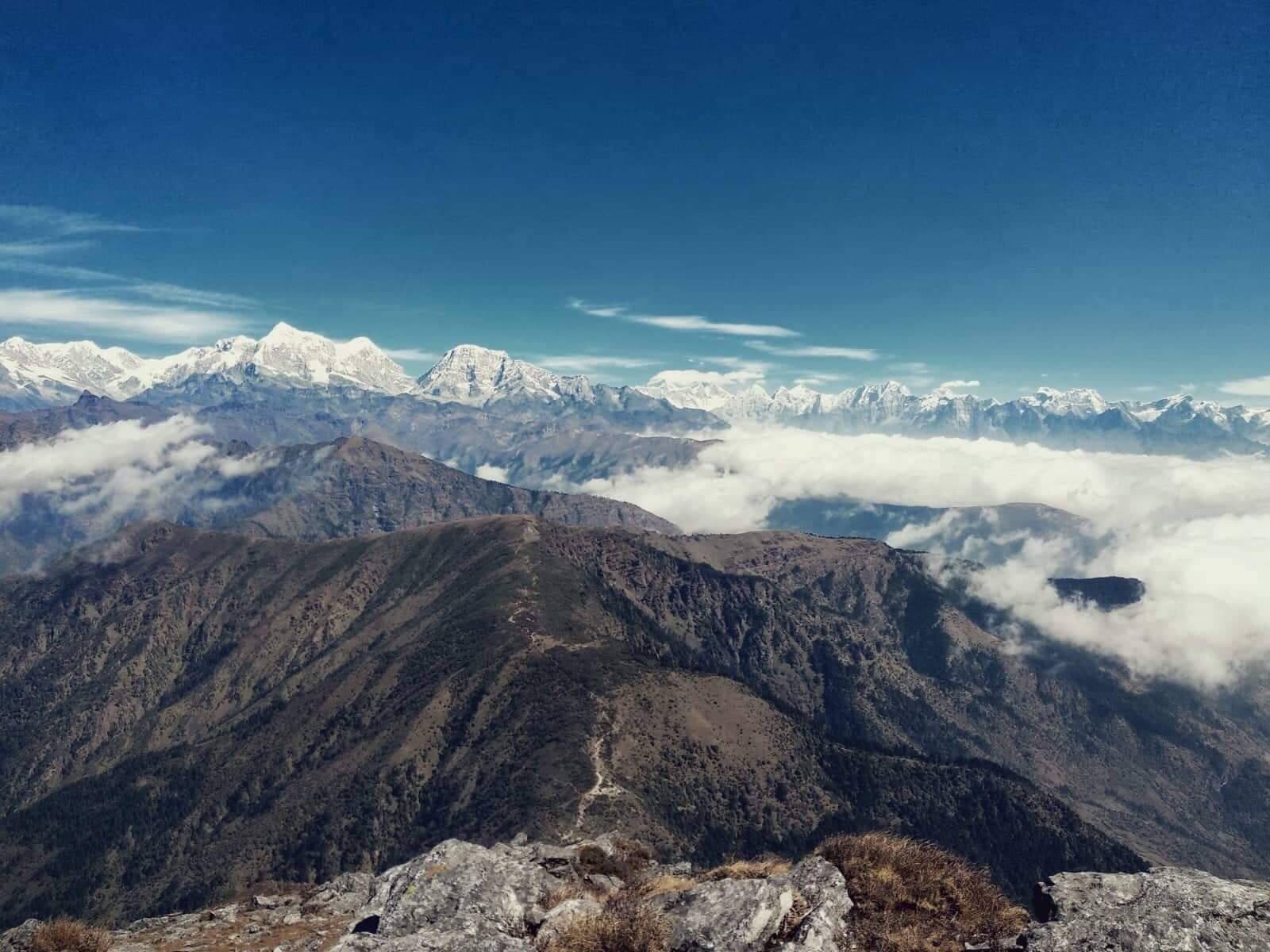
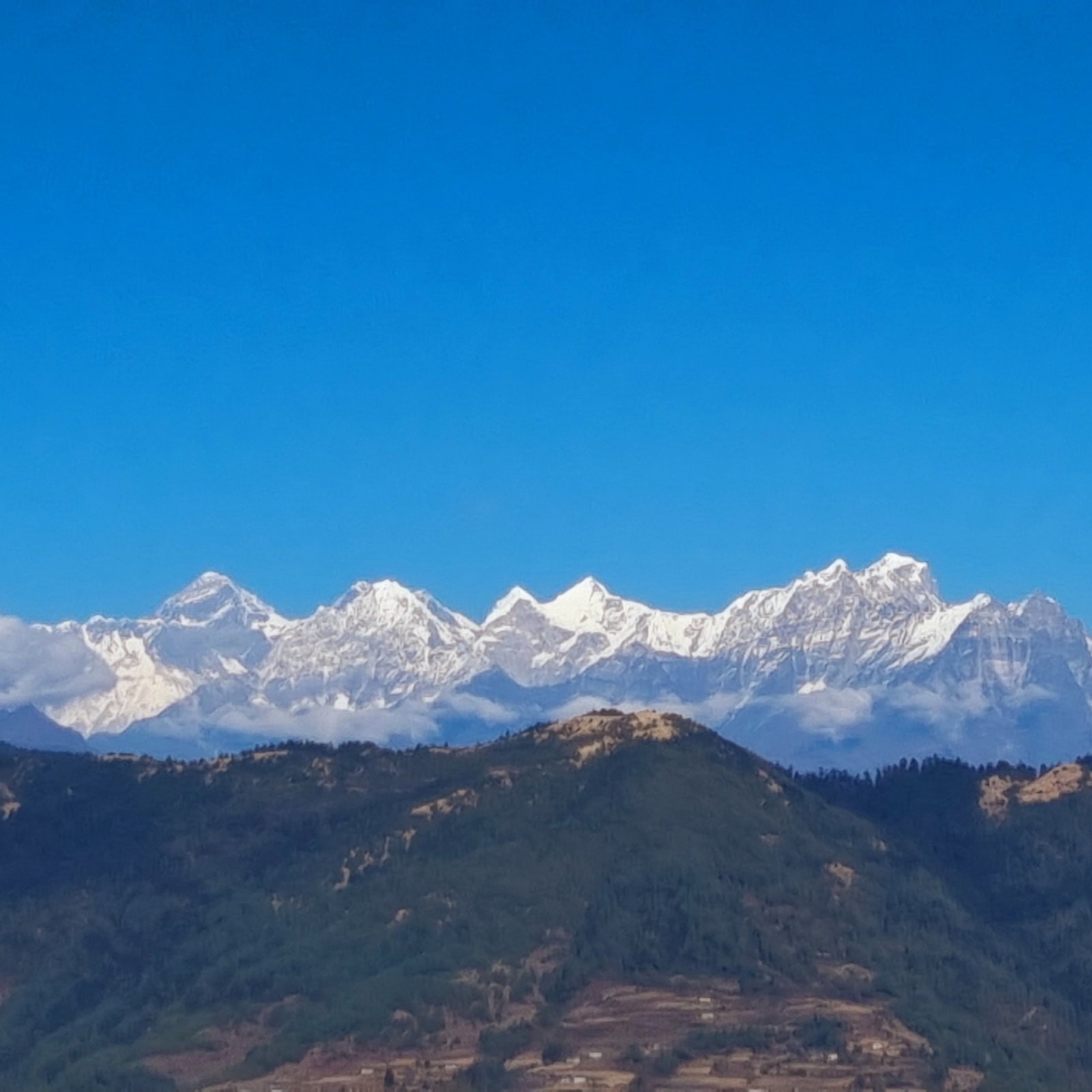
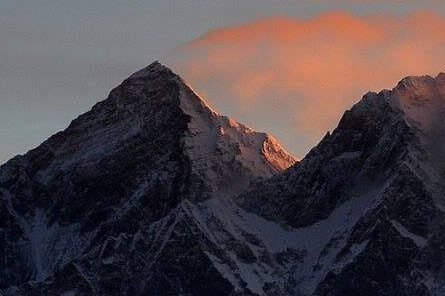
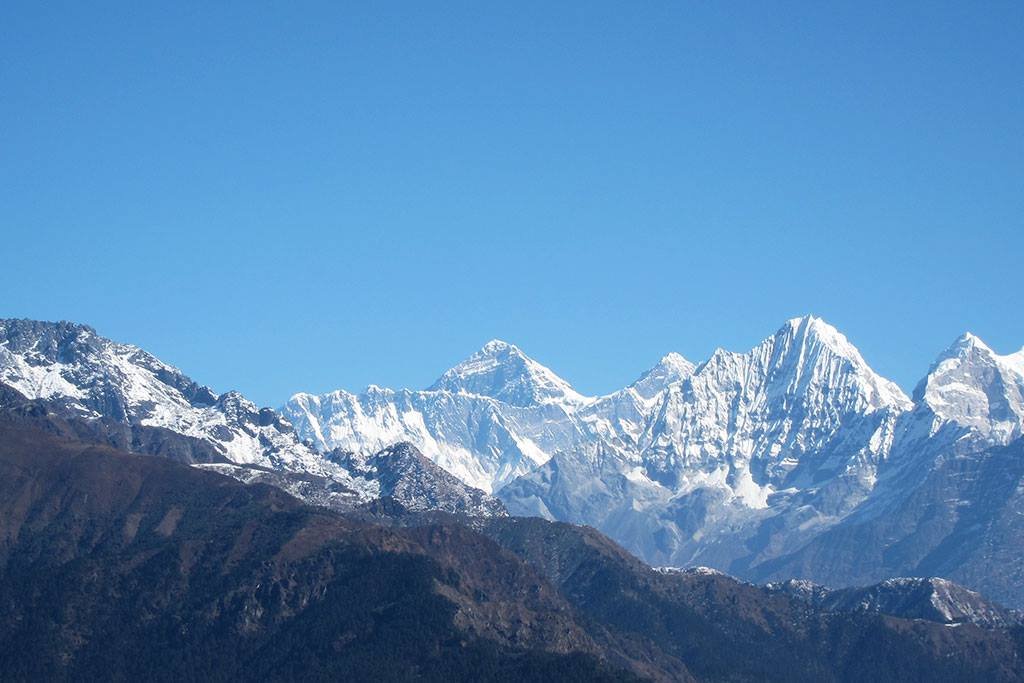
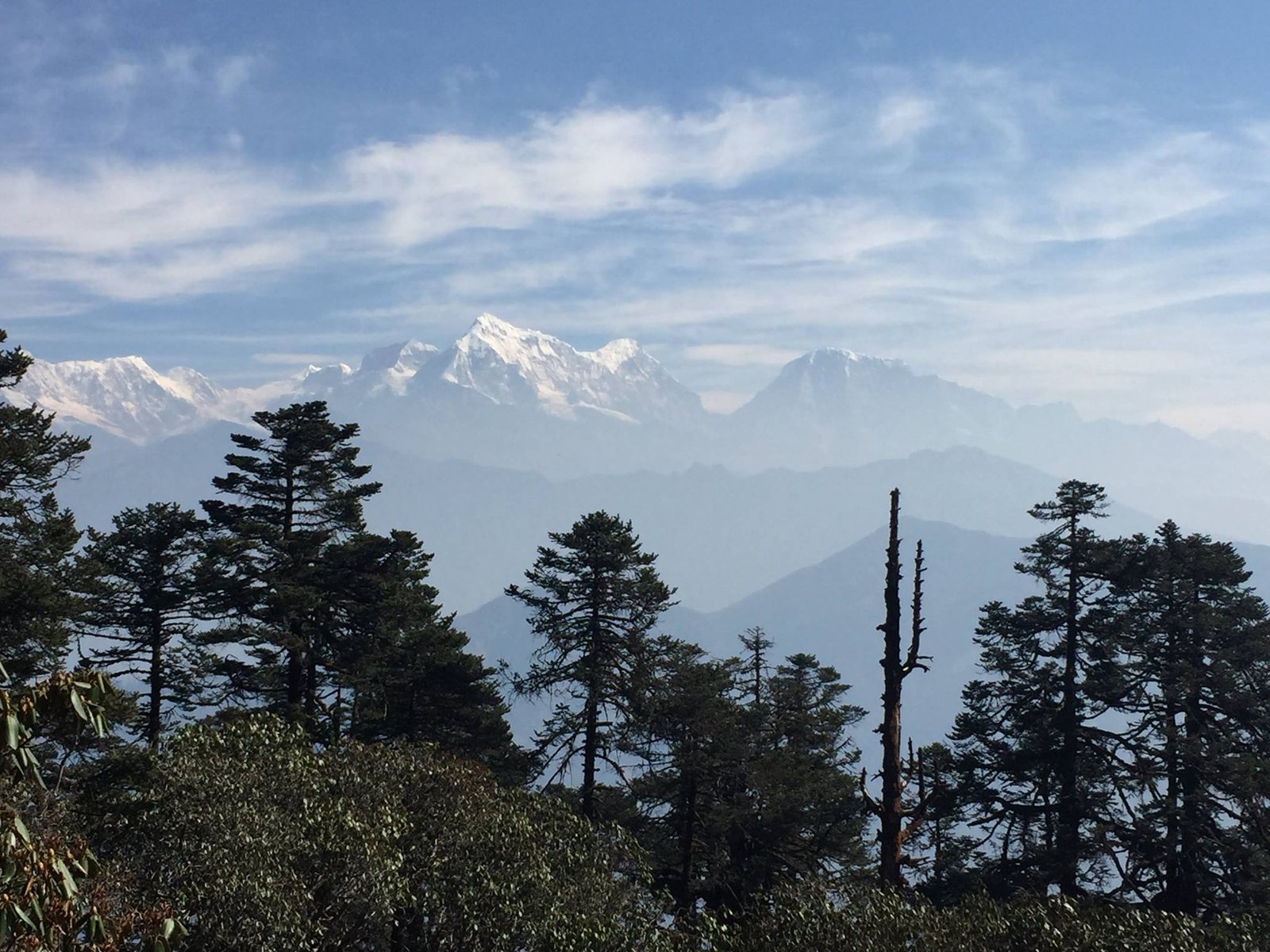
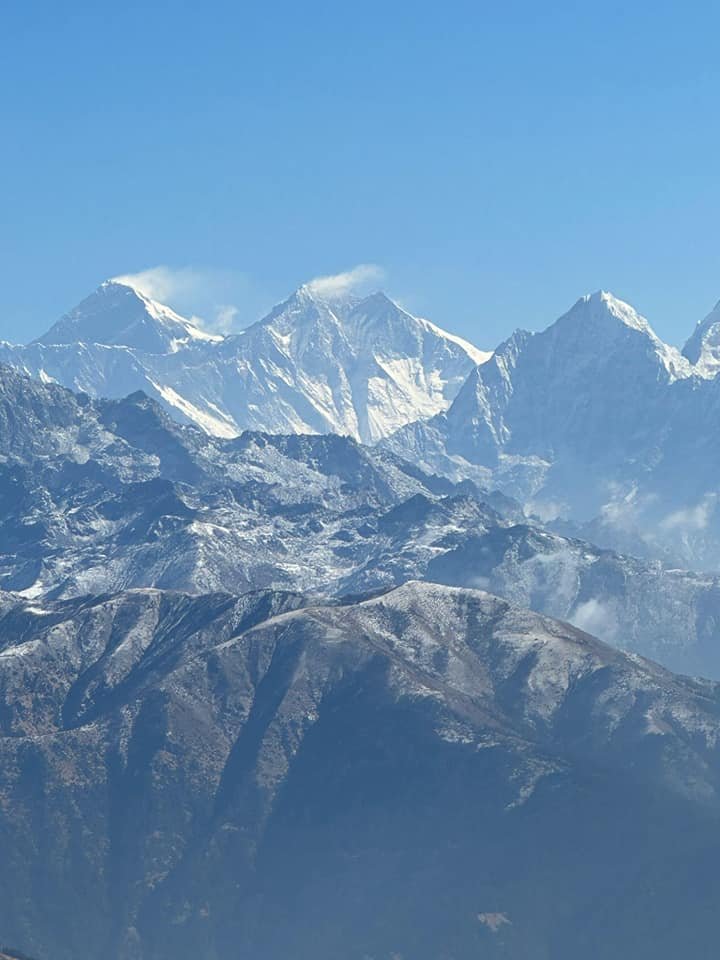
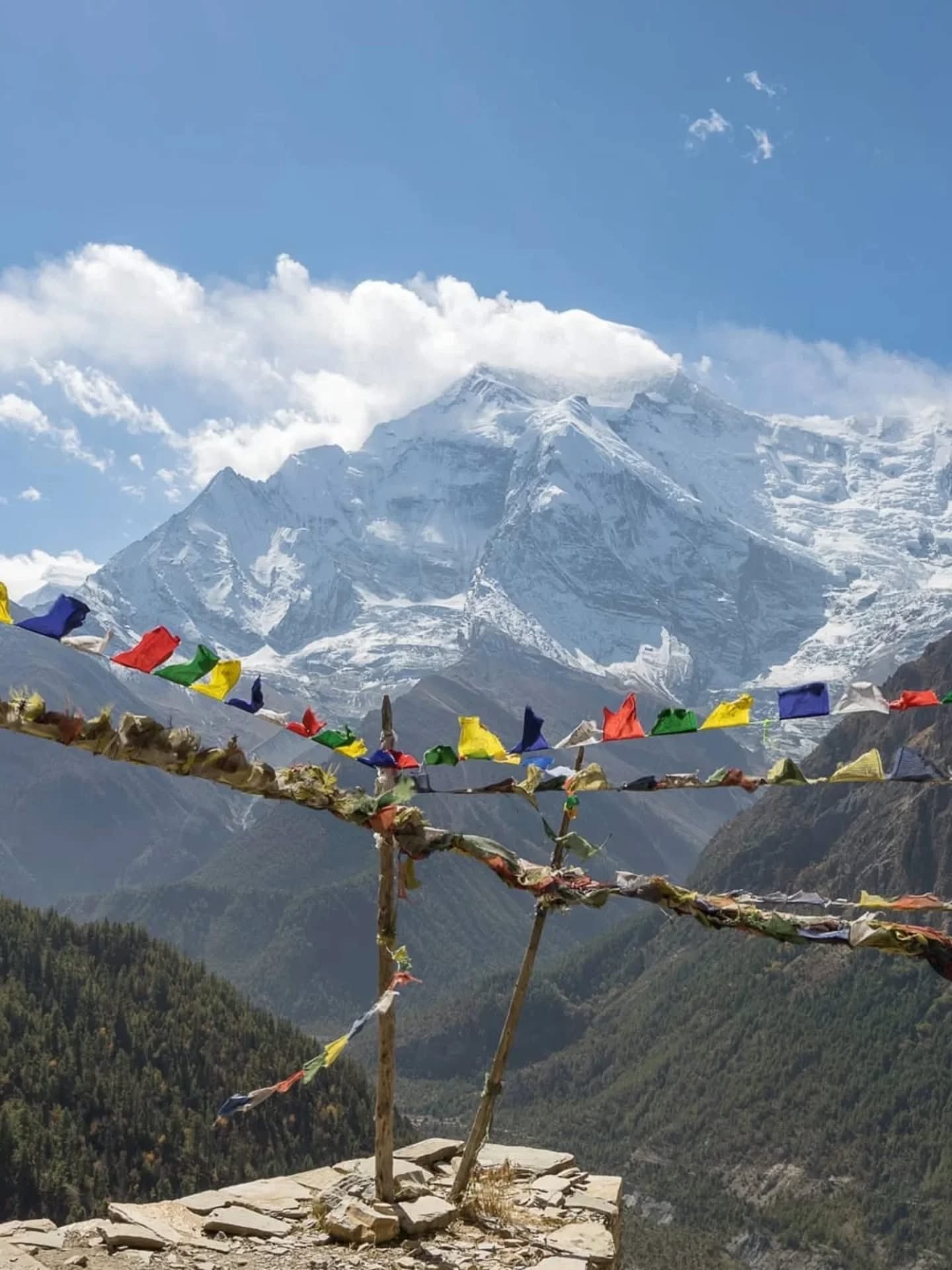
You will also have a dawn view stairs of Everest, Lhotse, Makalu, Cho Oyu, Mahalangur, Numbur and Kusung Kunguru piling on each other.
This is an ideal trek that is ideal among those who wish to enjoy the mountain show, village atmosphere and beauty of the Khumbu area, while keeping the itinerary pretty small and manageable at the same time.
This trek Starts with a scenic drive out of the capital towards toward the foothills, the route passes through terraced farmland and small market towns.
Unlike most Everest-region treks that rely on a Lukla flight, the Pikey Peak route is typically drive-based to villages such as Dhap and Phaplu.
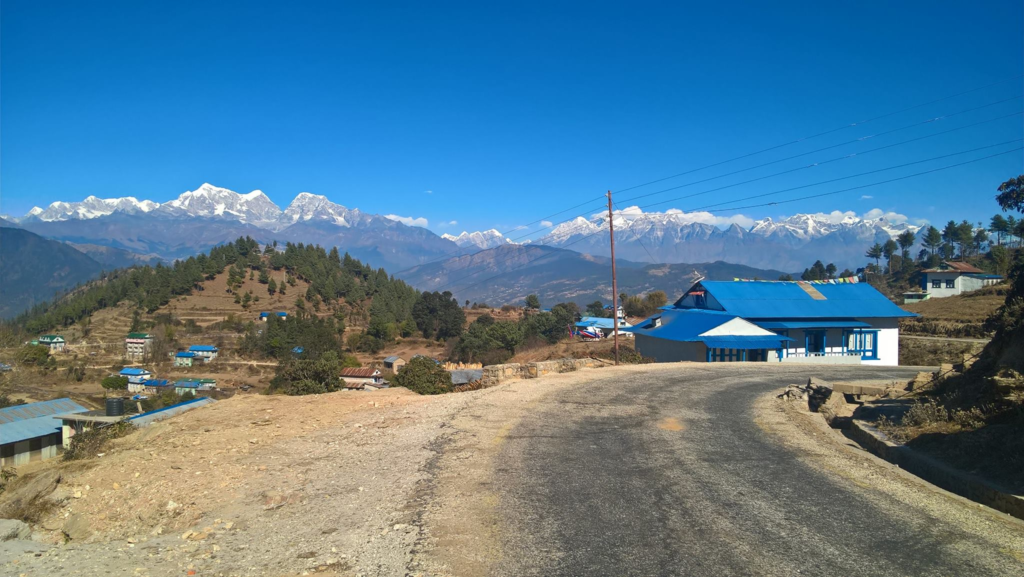
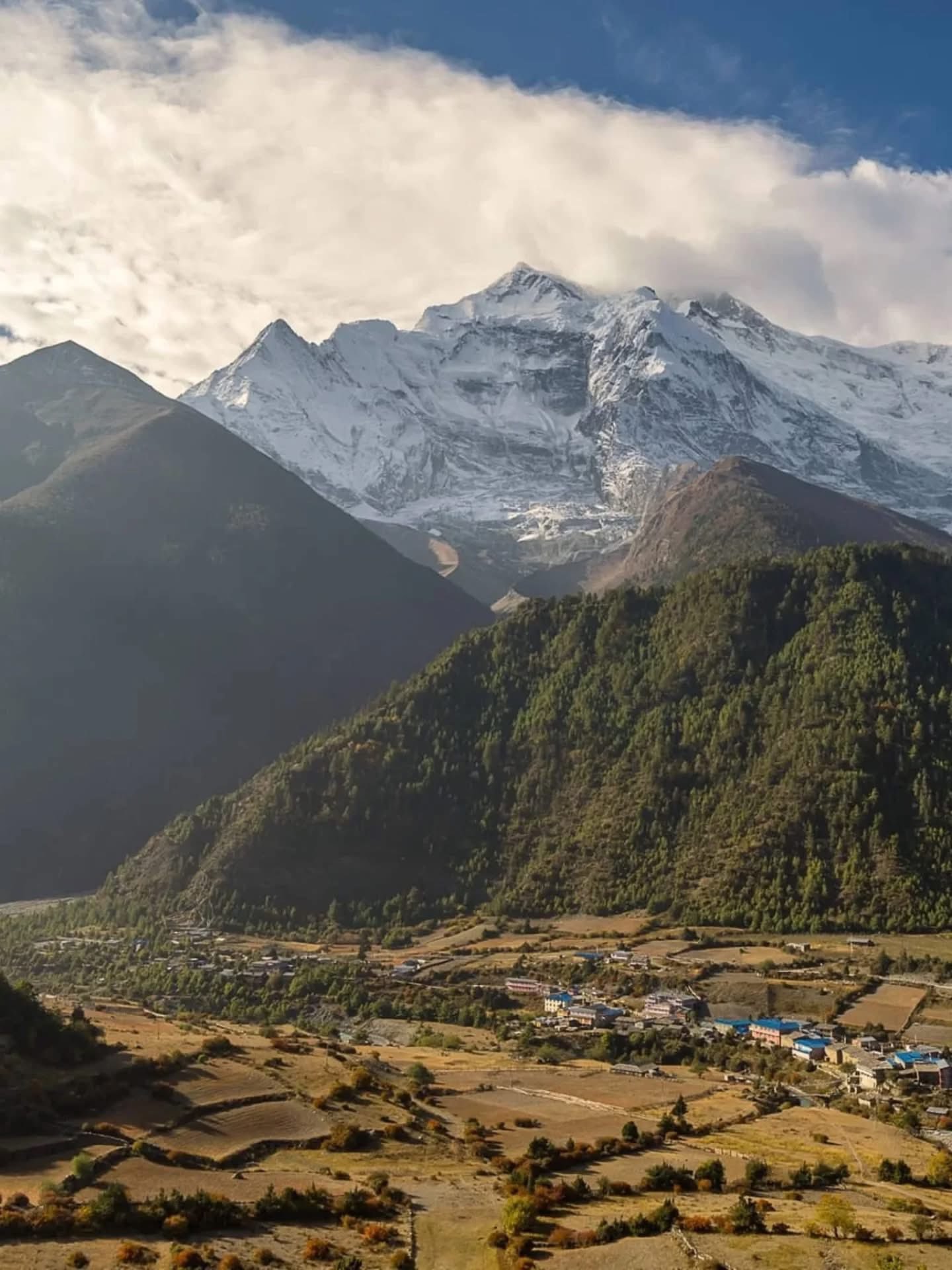
This way you can enjoy the terraced farmlands, small settlements and villagers doing their daily task for a living. Also, it makes experience a slower, more land-connected rhythm.
The daily walking for this trek is also moderate, generally 4–6 hours, making it suitable for beginners, families and travelers short on time but hungry for big views.
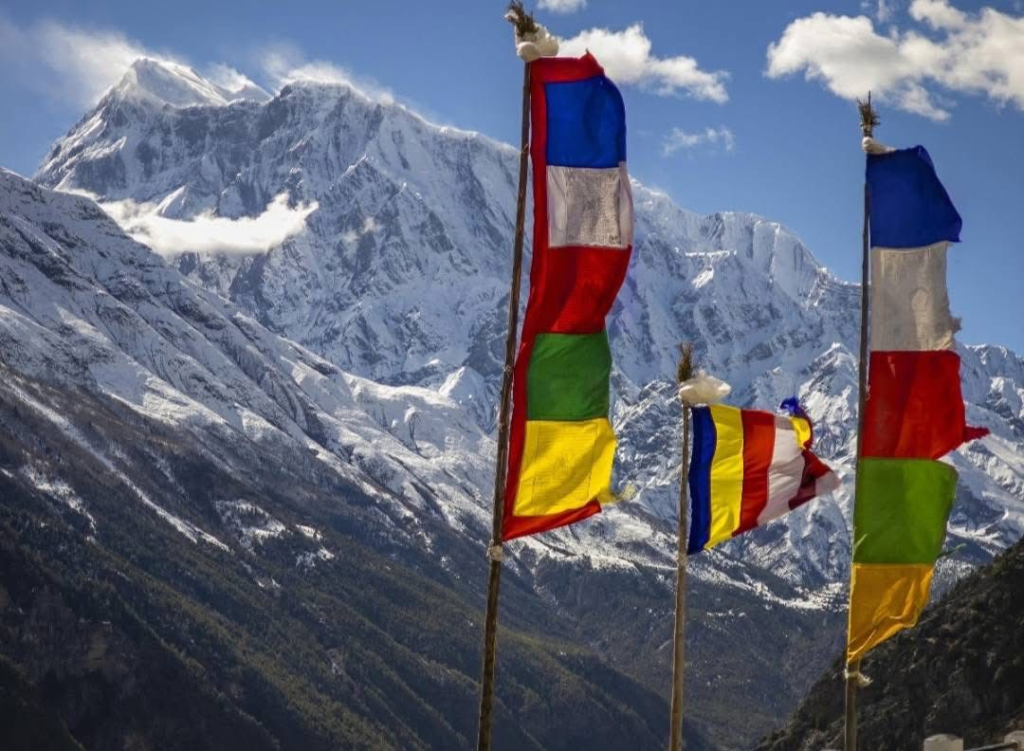
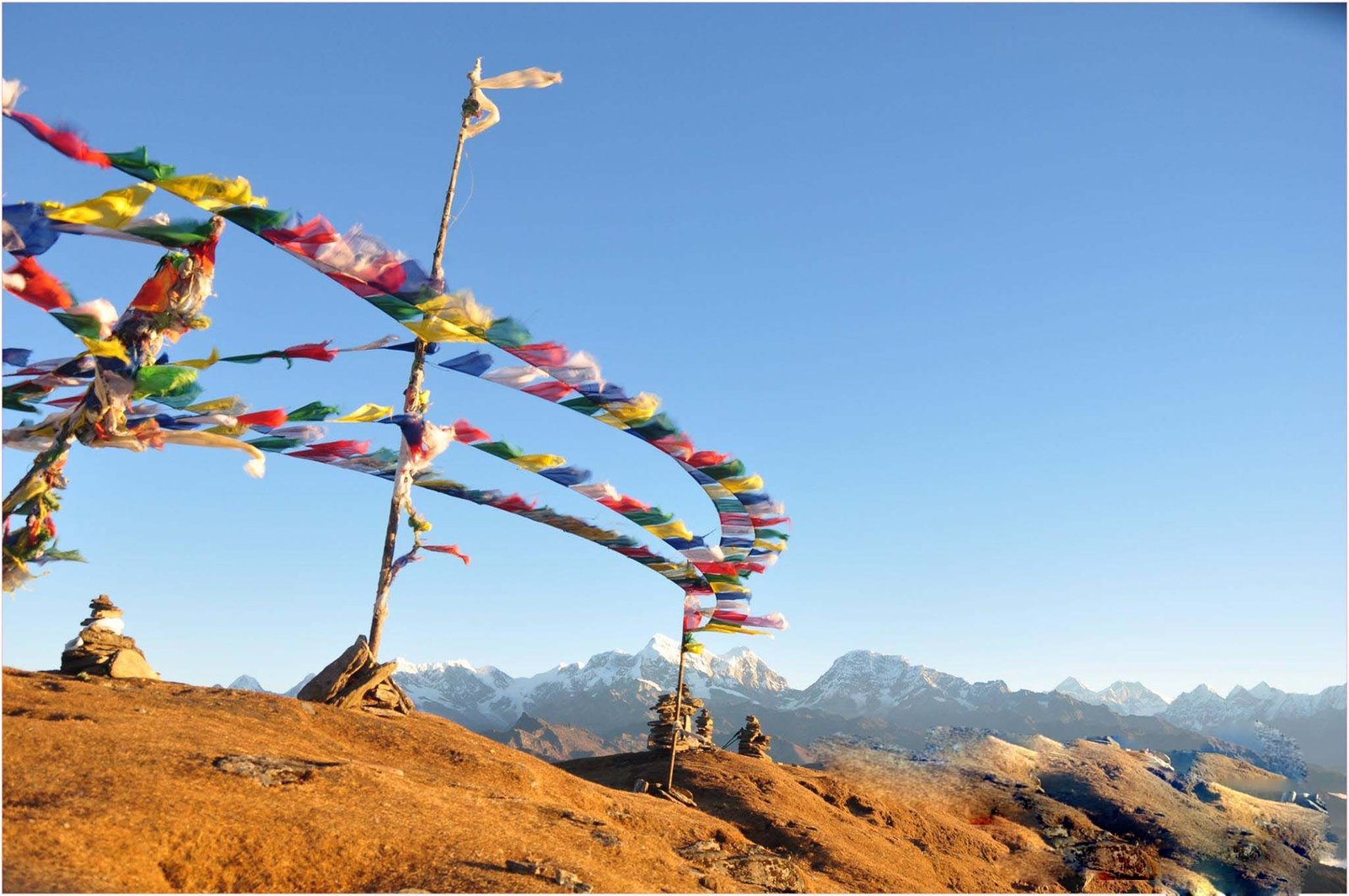
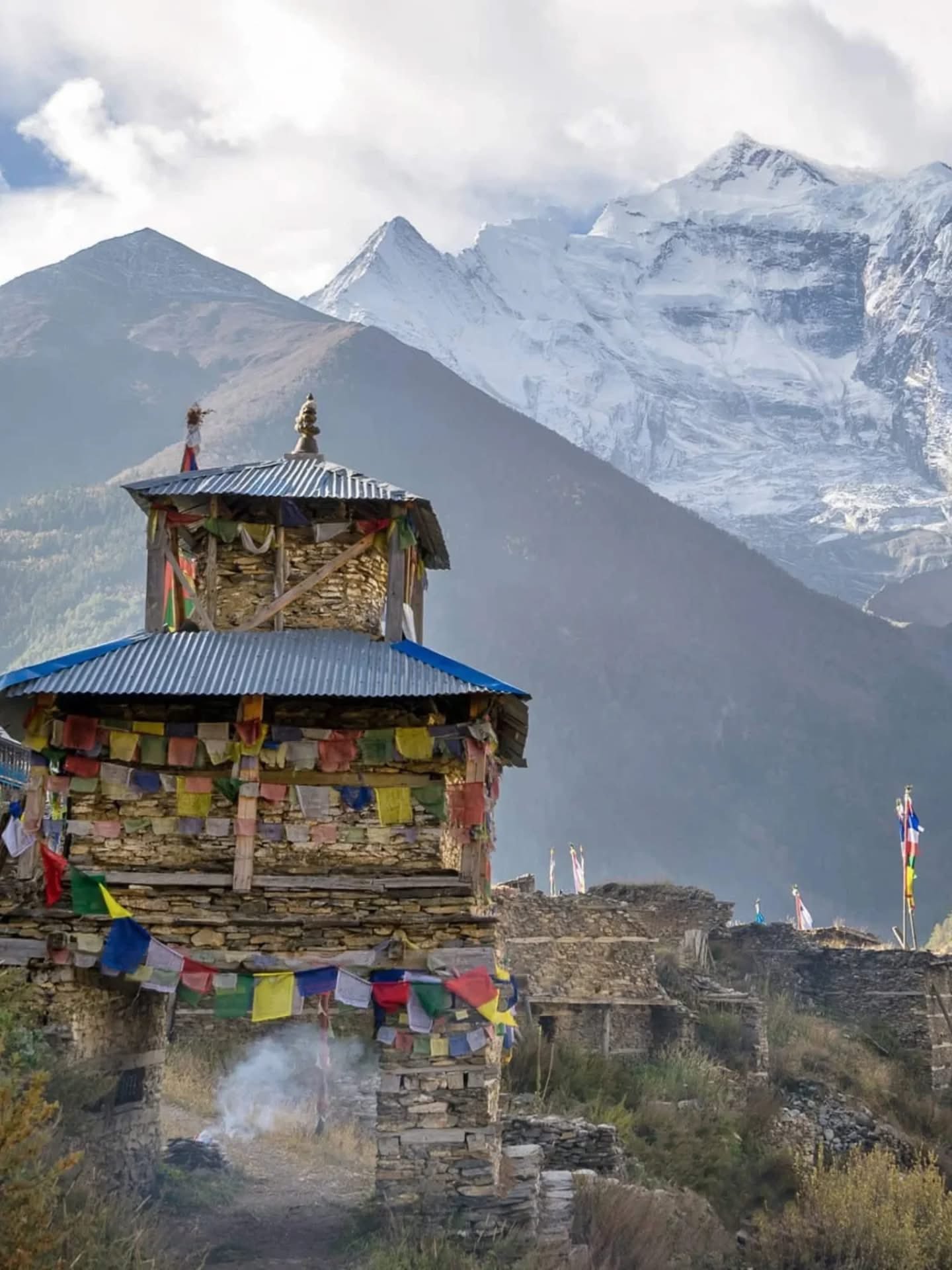
One of the best parts of the trek is that it combines both culture and scenery. As you go, you are going to see mani walls, prayer flags, and chortens; you will visit small gumbas; you will encounter families that have been residing in such valleys their entire lives.
Social comfort should make as much a difference as the pictorial sight: markets at Dhap and Jhapre are swamped with local commerce, and small teahouses are kept alive with hot bowls of dalbhat and dig on the fire.
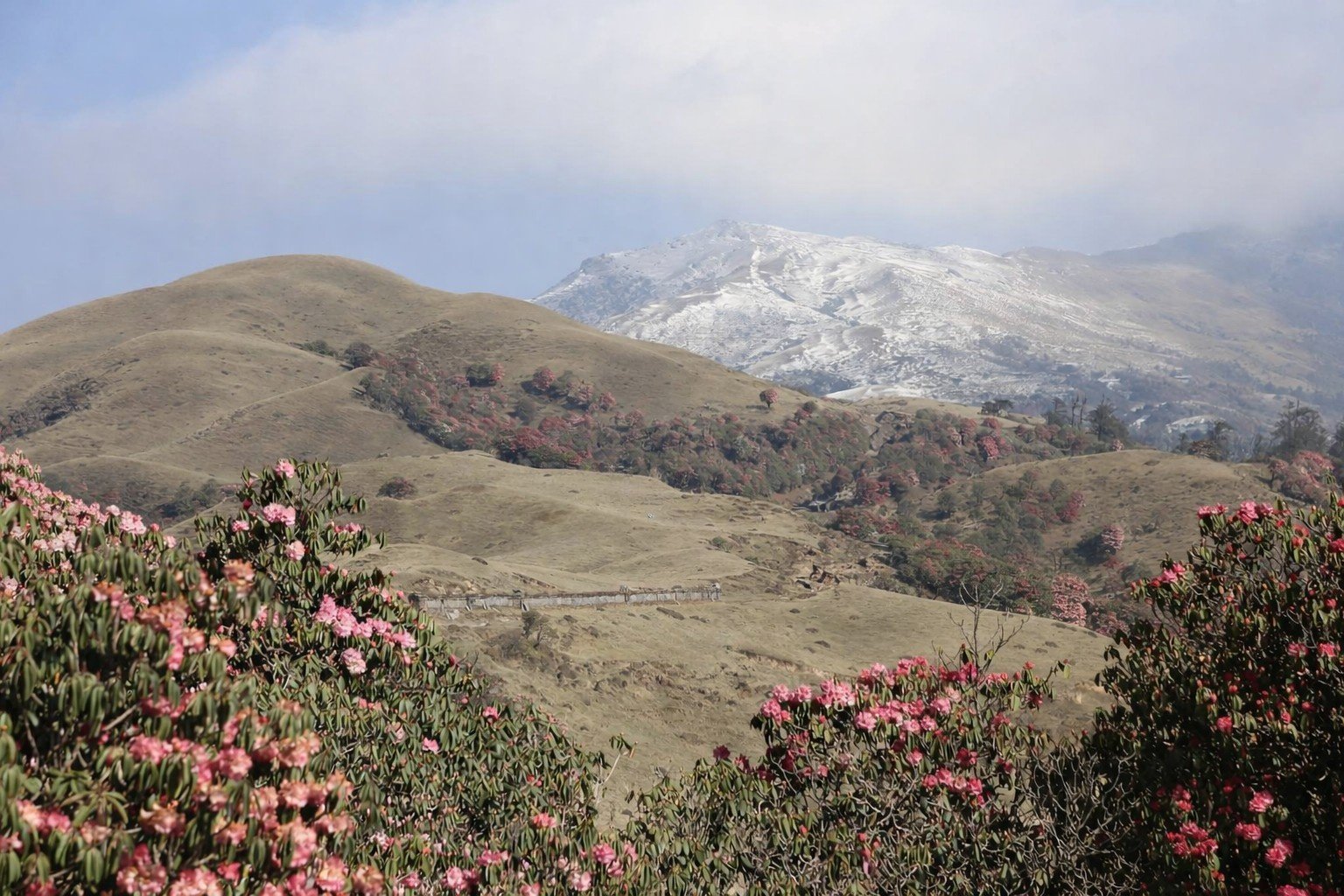
In March (spring) to May (spring) the forests become the rhododendron garden with blue skies, and in fall (September) to the end of November, they are extremely clear and visible, and these are the most suitable months of the year to go trekking.
Gain in altitude is slow and calculatedly small; so you don’t have to worry about altitude sickness a lot, but hey precaution is necessary nonetheless.
A rest night with acclimatisation at Pikey Base Camp pictorially referred to as Pikey Base Camp allows the trekkers to acclimatise before the final climb.
This time allows less time to develop acute mountain sickness, and the groups time to indulge in side walks, points of view, and the enjoying village scenes.
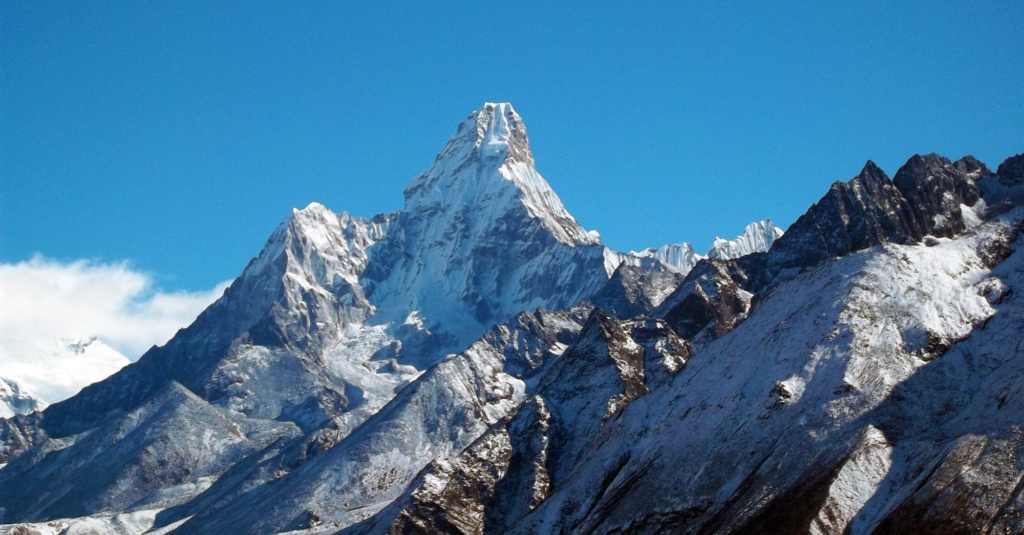
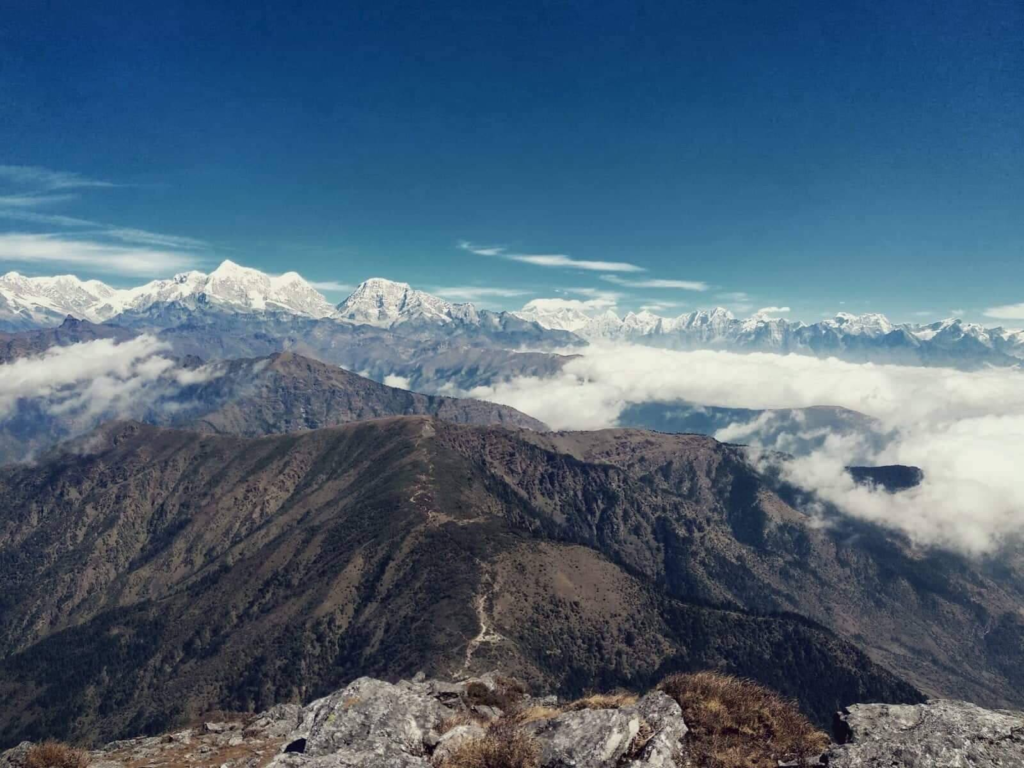
On summit morning, the pre-dawn walk up the ridge is rewarded by a 360° panorama, an unforgettable visual payoff that includes not only Everest but view of nearby giants like Ama Dablam, Thamserku and Kangtega.
The package in terms of logistics is easy to carry and convenient to the traveler. There are transfers in and out of Kathmandu, and you spend each night in the trail in teahouses.
The trek tuitions, mostly the meals, are included. Nepal Royal Tourism Holidays will deals with permits (TIMS), and a licensed English speaking guide and porter, normally one porter to every two trekkers.
The focus is made on safety and comfort. Teahouses are austere yet clean, sharing meals in a common place, and having basic hot-water facilities.
Autumn and spring offer the best chances at weather, but the monsoon months offer affected trails and winter nights are below 3,500 m bitterly cold.
We recommend travel and medical insurance to all trekkers and the insurance should cover helicopter evacuation. Guides observe the process of acclimatisation and regulate the rate on group fitness.
Light pack, not heavy, drink plenty, and walk steadily, with a owning gait, on up-hikes, be this your custom, and you are sure of an easy stride.
The closeness and diversity of Pikey Peak is what differentiates it against the other adjacent Everest paths.
It is more akin to a filled out way of a place of worship, and more a series of mountain along a ridge, with plenty of dramatic viewpoints.
Pikey Peak will serve as a stay of peace to trekkers who have already traversed the Everest Base Camp or Gokyo Lakes routes, with fewer teahouses, more direct interactions with culture, and a summit at sunrise as easy as many views on the high side, without demanding the same dedication of an expedition.
It is also a great resource to those who like a mountain-top experience but do not want the weight and logistical burden of glacier travel or technical climbing.
Overall, the Pikey Peak Trek is a small Himalayan masterpiece; a rich experience of culture, a scenic beauty, and simply organized with those travelers having the desire of getting a lot of benefits with less time out of work.
Whether you are a first-time trekker and would like to be introduced to Khumbu region in a way that is both reliable and welcoming or are an experienced trekker and would enjoy a panorama experience in the high-mountains without any noise that might disturb you even after you are back in Kathmandu; then Pikey has it all.
Trip Highlights
- Pikey peak (4, 065 meters) is regarded as one of the best-views in Nepal. It is possible to view several 8,000 meter-high mountains Eversest, Makalu, Kanchenjunga and more all in close proximity in a wide Himalayan expanse.
- The expedition starts on the lower part of Solukhumbu region starting with Dhap Bazaar. Then it crosses through Junbesi, Jhapre and Phaplu along the traditional Everest approach path before the construction of the Lukla airport.
- This trail remains below 4,100 meters most of the time unlike the Everest Base Camp routes. It is also a more user-friendly and safer choice that stretches to beginners.
- Cultural attractions are visits to significant monasteries (e.g. Thupten Chholing, junbesi). In this case, the Buddhist practices and other local customs are still upheld.
- The road passes through the classic farming land, hilly fields, yak grazing fields, as well as the ancient trade routes that once made the remote Himalayan individuals connected.
- You can explore pine, oak and rhododendron trees in forest areas between Dhap and Pikey Base Camp. Wildlife such as Himalayan thar and musk deer may also be found there.
- The walking periods required per day are not so tough, between 4 and 6 hours of walking, 8 to 12 kilometers, which means that the walk can be done at a steady speed throughout the trek.
- The tea house rooms along the road are bare though locally owned. They are serving a real meal like dal bhat and this makes their trekking experience more intimate.
- The trail provides continuous ridge-line views and open landscapes, giving frequent glimpses of peaks such as Numbur Himal, Thamserku and Ama Dablam even before reaching the summit.
- Option of flexible returns through Phaplu by the road transport or short mountain flight. This has alternatives to the trip and makes it less dependent on flights to Lukla.
Pikey Peak Trek – 9 days ~ Itinerary
Day 1
Arrival at Kathmandu Airport - Welcome to Nepal
- Altitude: 1,350 m
- Accommodation: Standard Three Star Hotel
- Meal: Provided for rest of the day depending upon your flight
Welcome to Capital of Nepal. After arriving at Tribhuvan International Airport, our team at Nepal Royal Tourism Holiday will transfer to your hotel at Thamel. You can enjoy the evening at Basantapur, explore local markets and enjoy some local drinks and cuisines. In the evening we hold a trek briefing, check gear, and prepare permits for the trek.
Day 2
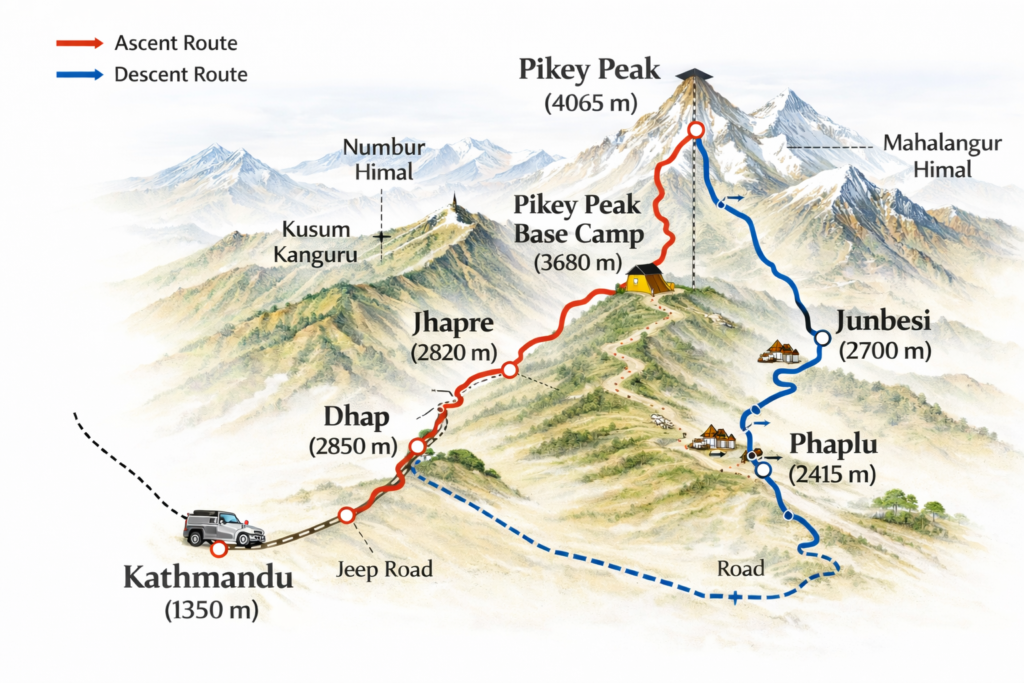
Drive from Kathmandu to Dhap Bazaar
- Altitude: 2850 m
- Drive Duration: 7-8 hours
- Drive Distance: 230 km
- Meal: Breakfast, Lunch and Dinner
- Accommodation: Teahouse in Dhap
We depart early from Kathmandu by jeep passing through scenic hills, farmlands and a bit of off-road to get to Solukhumbu. The drive will take us through the high passes into Dhap Bazaar, a village bordering the Himalaya. On the way, we have a lunch on the river banks. After arriving in Dhap, you can roam the small bazaar and get your first real feel of Sherpa country. We stay overnight in a local teahouse and get a good resting before our real journey starts.
Day 3
Trek from Dhap to Jhapre
- Altitude: 2820 m
- Trek Duration: 4-5 hours
- Trek Distance: 8 km
- Meal: Breakfast, Lunch and Dinner
- Accommodation: Teahouse in Jhapre
We begin our hike on a dirt road that comes out of Dhap in the north direction. The road ascent leads through villages and terraced fields and to the pine and bamboo forest. In another two hours of continuous ascending we pass a few suspension bridges across small streams. The destination of the day is a small mountain hamlet, Jhapre, which lies at 2,820 m. Looking out there you can see some snowy mountains in the distance. We arrive in mid afternoon and relax at teahouse in the quietest atmosphere.
Day 4
Trek from Jhapre to Pikey Base Camp
- Altitude: 3640 m
- Trek Duration: 5-6 hours
- Trek Distance: 9 km
- Meal: Breakfast, Lunch and Dinner
- Accommodation: Teahouse in Pikey Base Camp
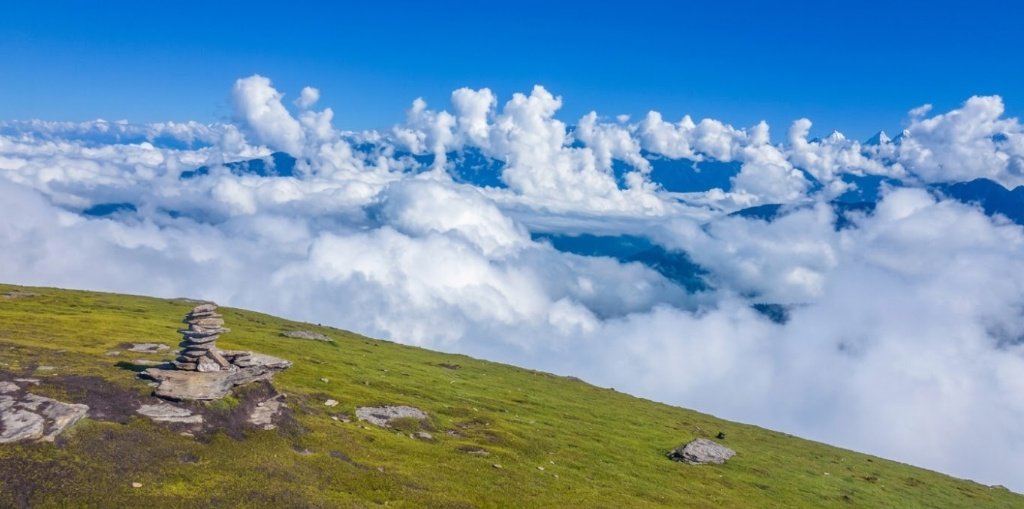
Moving north of the trail climbs through plains and rhododendron trees. To reach our destination Pikey Base Camp, we pass through small settlements, shephered huts and yaks grazing. We arrive there in mid-afternoon, and have awesome sights of snowy ridges near. During the evening, when it is not raining, observe the glow of the sunset on the mountains. This is also our acclimatization camp (which is also called Pikey Base Camp) where we spend two nights.
Day 5
Acclimatization at Pikey Base Camp
- Altitude: 3,604 m
- Trek Duration: 3 hours
- Trek Distance: 4km
- Meal: Breakfast, Lunch and Dinner
- Accommodation: Teahouse in Pikey Base Camp
This is the day to get used to the surroundings. We will also be able to do a quick walk up the nearby hill or to a spot where we can have a good look of more mountain, and then go back to the camp to have lunch. The remaining day will be free: You can rest and/or talk to other trekkers and visit the local Monastery. We remain in the same teahouse, and partake of hot soup and the manners of the high-altitude life.
Day 6
Trek down from Base Camp to Pikey Peak and trek to Junbesi
- Altitude: 4065 m
- Junbesi Altitude: 2,700 m
- Trek Duration: 6-7 hours
- Trek Distance: 13 km
- Meal: Breakfast, Lunch and Dinner
- Accommodation: Teahouse in Junbesi
We depart early out of camp climbing gradually to the top pf Pikey Peak. The trail gains about 450 m in the first hour, then traverses a ridge to the top. At the view point, we get to see eveal Everest (8,849 m), Lhotse, Makalu, Cho Oyu, Ama Dablam, Kusum Kanguru, and many other peaks. After clicking pictures and enjoying breathtaking views we descent beyond the base camp. Rather than returning the same route, retracing our steps, we we begin our descent on a different trail, heading towards the beautiful Sherpa village of Junbesi, a traditional village known for its monasteries. After reaching our destination by late afternoon, we will enjoy another day of warm Dal bhat with a side of local vegetable and pickle.
Day 7
Trek from Junbesi to Phaplu
- Altitude: 2,469 m
- Trek Duration: 4-5 hours
- Trek Distance: 8 km
- Meal: Breakfast, Lunch and Dinner
- Accommodation: Teahouse in Phaplu
This is mostly a downhill day. Along the way we stop in rural villages, perhaps encountering fellow villagers with yaks and horses. The trail passes through beautiful forests, open hillside paths, and small rural settlements, offering one last chance to enjoy the peaceful mountain atmosphere of lower Solukhumbu. In the afternoon you may have free time to explore the village market or rest at the lodge. We stay Overnight again in Phaplu’s teahouse and prepare for departure.
Day 8
Drive back to Kathmandu from Palphu
- Altitude: 1,350 m
- Dive Duration: 8-9 hours
- Drive Distance: 266 km
- Meal: Breakfast and Lunch
- Accommodation: Standard Three star hotel in Kathmandu
After breakfast, we begin our long but scenic return journey back to Kathmandu by jeep. The drive follows mountain roads through Solukhumbu, passing numerous villages, farmlands and river. Although the road can be rough in some sections, the journey offers a great chance to experience the countryside and local lifestyle of Nepal. We will make several stops along the way for meals and rest breaks. After around eight hours of drive, we arrive back in Kathmandu and transfer to the hotel at Thamel, where you can relax after the trek.
For those who prefer a quicker return, there is also an option to take a short flight from Phaplu to Kathmandu. This option provides beautiful aerial views of the Himalayas but comes with additional cost and depends on weather conditions and availability.
Day 9
Final Departure from Kathmandu
- Altitude: 1,350 m
- Meal: Provided according to your flight time
After having meals, you may have a leisure time to spend exploring Thamel or nearby places one last time. We, at Nepal Royal Tourism Holiday are really thankful of getting an opportunity to serve you during the Pikey Peak Trek. One of our team members will drop you off at airport around three hours before the flight. Until we meet again, travel safely!
Pikey Peak Trek – 9 days Fixed Departures Dates
Trip Cost Includes/Excludes
Cost Includes
- All airport pickup and drop by Private car
- Hotel in Kathmandu (2 nights, twin sharing with breakfast) plus twin-bed rooms or dorm rooms in teahouses on trek
- All ground transportation by private car
- All meals during trek (breakfast, lunch, dinner) with Nepali and Western menus
- A cup of tea
- Licensed, English-speaking trek guide and porters (1 porter per 2 trekkers) to carry luggage
- TIMS trekking permit (trekker information management system) and any local area permits
- Group gear such as sleeping bags and trekking map
- Trek completion certificate and Nepal Royal Treks T-shirt
- All government taxes and service charges
Cost Excludes
- International Flights and Nepal Visa Entry
- Travel Insurance; emergency evacuation insurance is recommended for beginners.
- Personal expenses including, hot showers, snacks, Wi-Fi, snacks etc.
- Tips for porters, drivers or guides
- Any miscellaneous costs due to flight delays, itinerary changes or unforeseen events
Trip Photo/Video Gallery
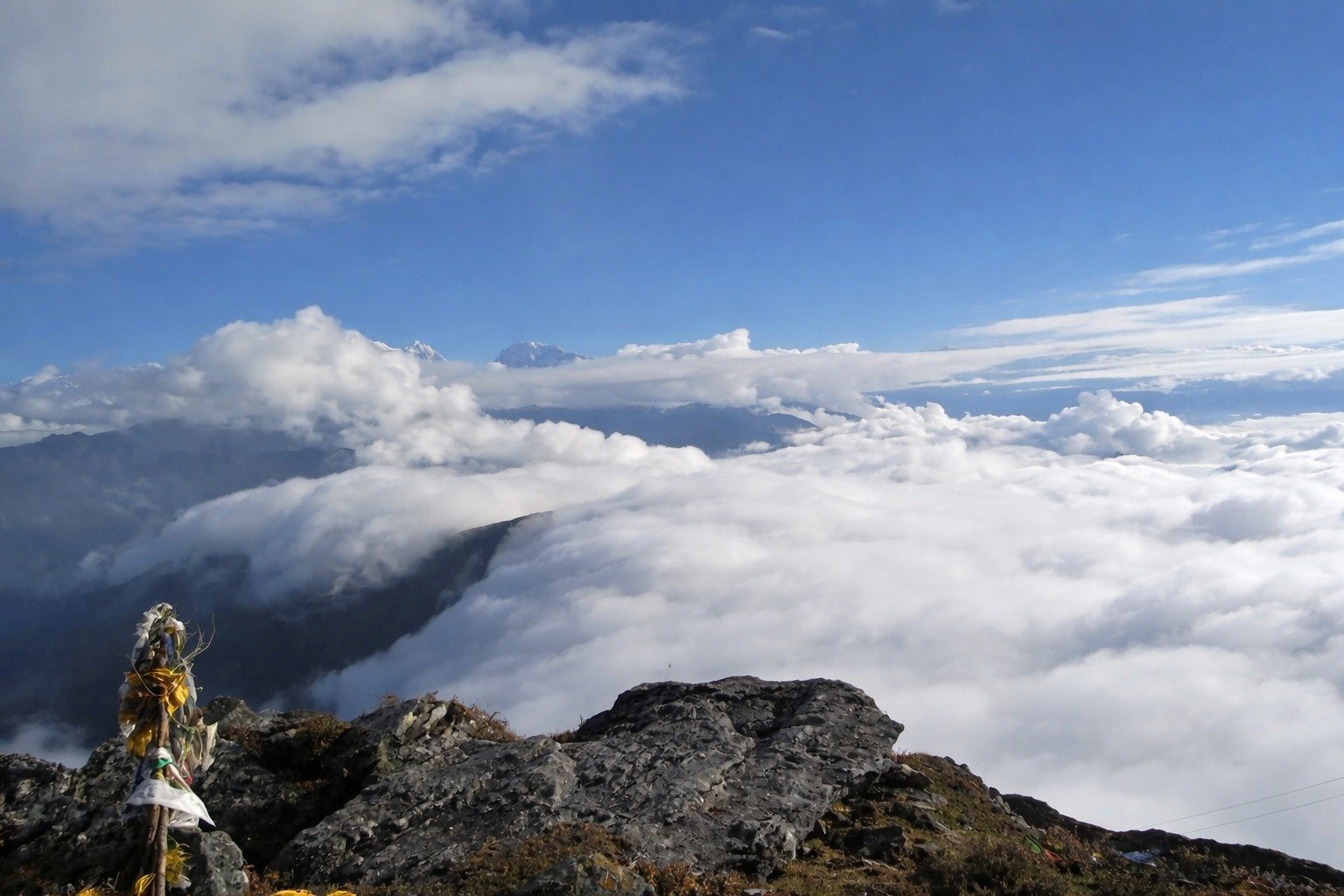
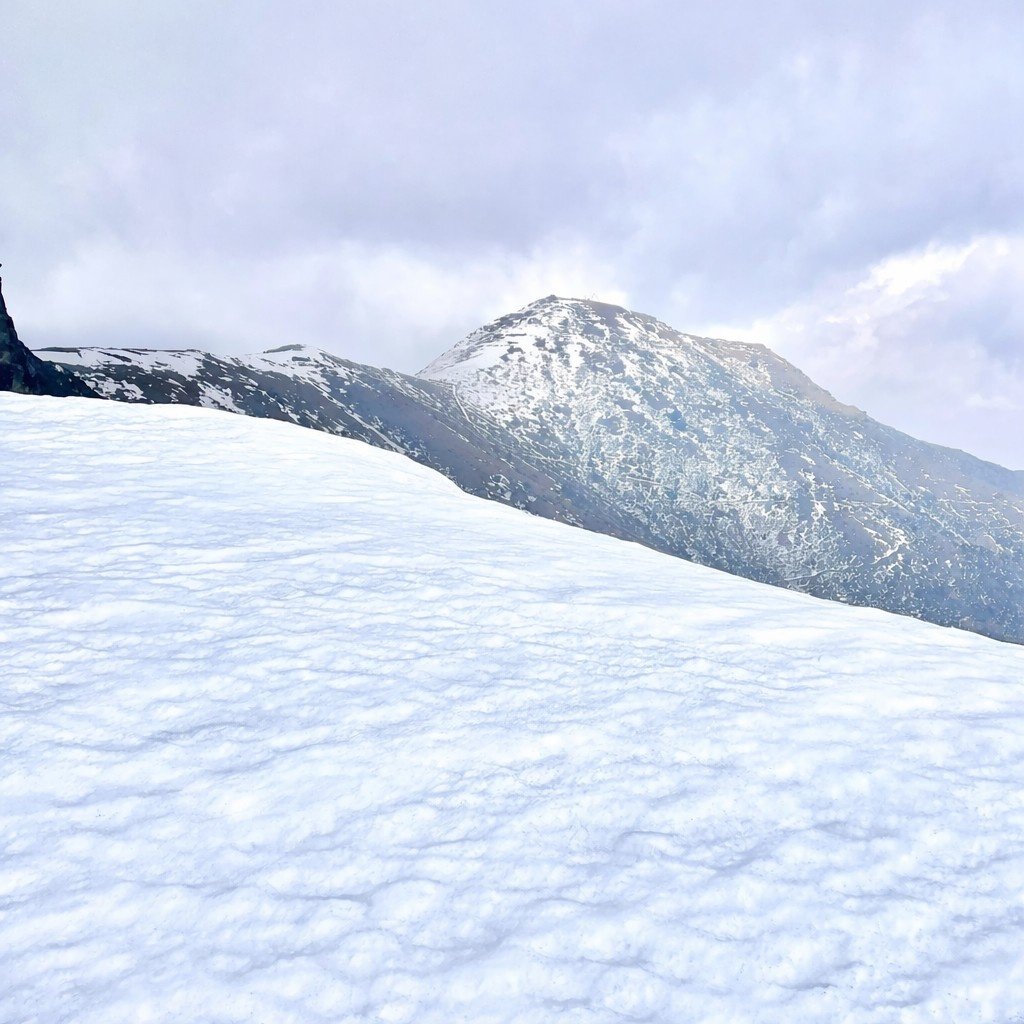
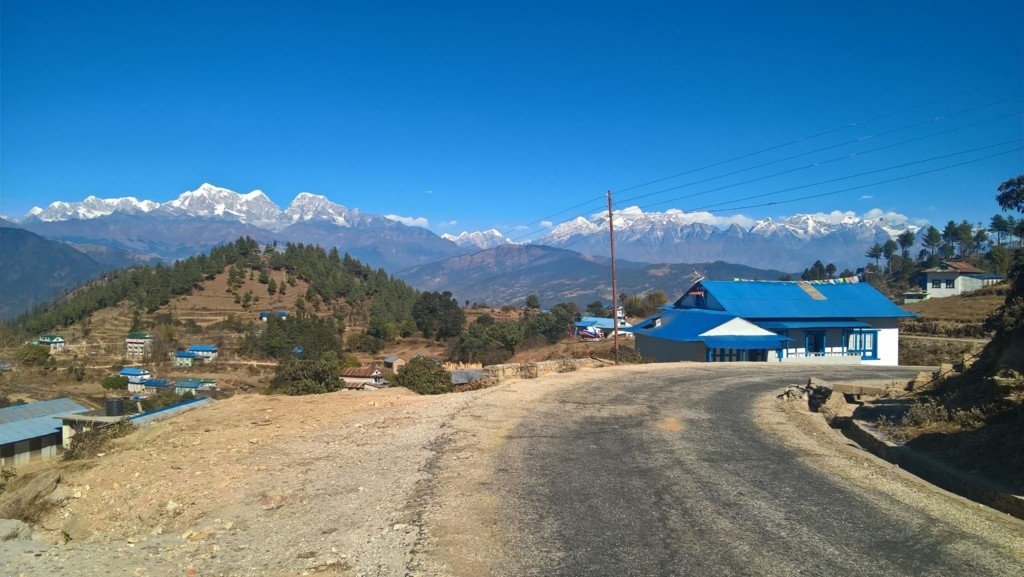
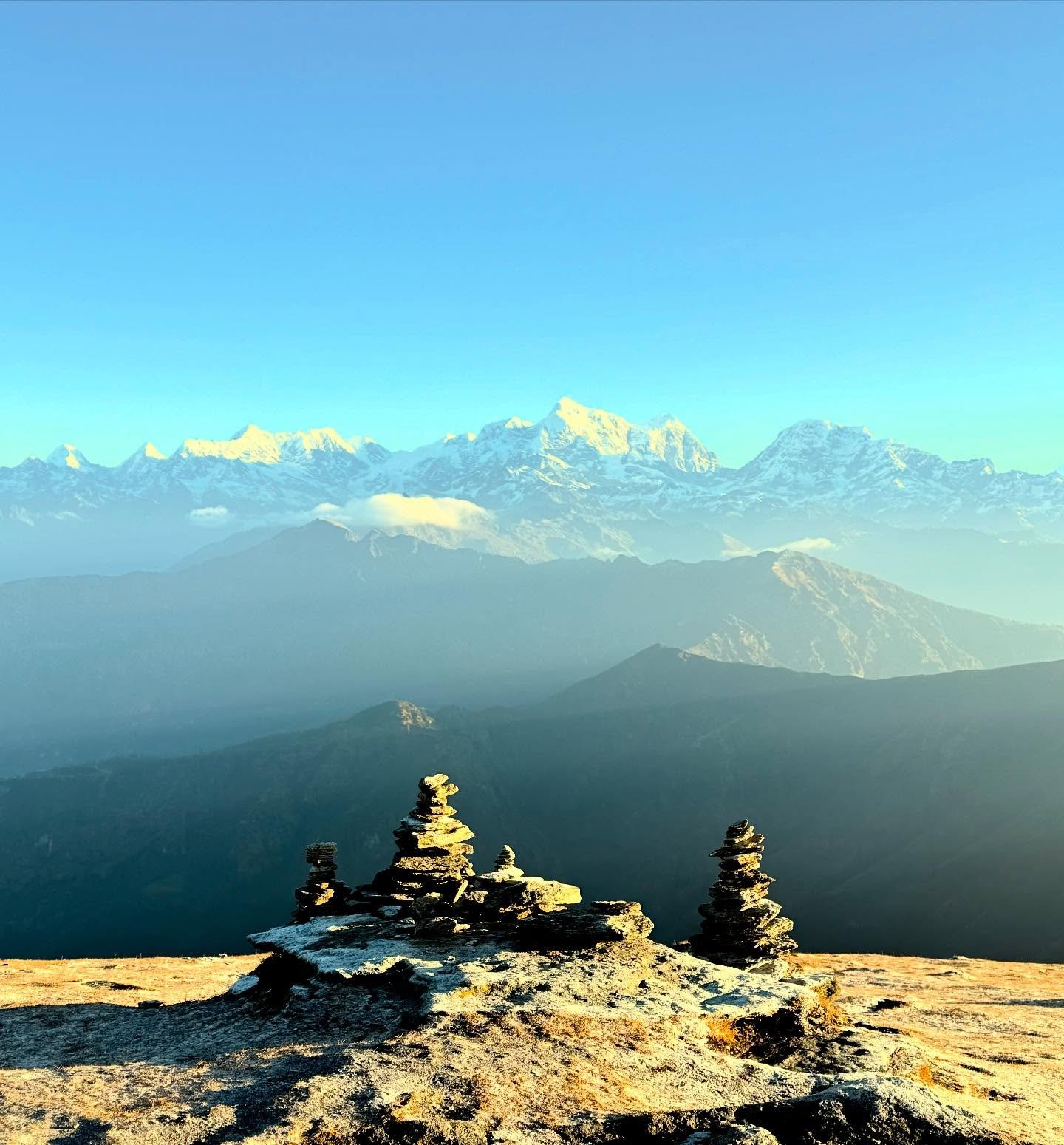
Route Map for Pikey Peak Trek – 9 days
Frequently Asked Questions
No, prior trekking experience is not required. This trek can be completed by beginners, and any family with children and older adults with good fitness levels.
The best seasons are spring (March to May) and autumn (September to November). These months offer clear skies, stable weather, and the best mountain views. During Spring season, you can also enjoy beautiful Rhododendron forests.
Altitude sickness is possible but not as compared to other typical Everest Region Treks, as the elevation is below 4100 m. Our Guides will assist you if they notice any symptoms and carry trek accordingly.
The highest altitude of Pikey Peak trek is 4,065 meters. For overnight stays we rest at around around 3,500–3,600 meters.
No, a flight to Lukla is not required even though this is an Everest region trek. Though, you can take and return via Phaklu Airport; however, extra charges will be applicable accordingly.
Pikey Peak offers one of the best panoramic sunrise views in Nepal, including Everest, Lhotse, Makalu, and even Kanchenjunga on clear days as well as the trail is less crowded, making it ideal for most trekkers.
You get to stay in local Teahouse Lodge along the trail, where you get to enjoy Dal Bhat typically, noodles, soups, and teas. Wi-Fi and Hot Showers are available in few teahouses, but can come up with additional charge.
We recommend all trekkers to pack light but smart. Bring layers of apparel, thermal, fleece, down jacket, waterproof shell, and good trekking boots. Also add gloves and hat to the mix. Always remember to bring a small daypack, water bottle, sun glasses and sun screen. It is suggested to carry simple essentials, personal medicine, and snacks. A porter can carry heavy gear, so you can carry light essentials with for the day.
On average, trekking days range from 4 to 7 hours depending on the itinerary and terrain. Some days are shorter for altitude adjustment, while summit day is usually longer.
You may also like

Menu

Jennifer Thompson
at 11:18 pm
My First Trek Made Easy and Memorable
Honestly, the trek was my first time hiking, and I was very fortunate it was with you. The team always made me feel safe and comfortable. Thank you for the wonderful memories!
Julien Renault
at 12:39 pm
Highly Recommended Trek in Nepal
The natural beauty of the place and the company professionalism impressed me greatly. Traveling with them will be a definite consideration for me in the future.
Emma van Dijk
at 9:03 pm
Beautiful Culture and Quiet Trails
Apart from mountain scenery, the cultural aspect impressed me a lot. The guide did a great job telling local customs.
Robert Mitchell
at 12:19 pm
Best Trek Without the Crowds
If you like nature’s beauty without hardship, this is a perfect trekking. Nepal Royal Tourism has to be one of my best choices.
Olivia Scott
at 9:47 pm
Magical Sunrise Experience
I will always remember the breathtaking vista of Pikey Peak at daybreak. They made sure the team was on its toes.
Carlos Torres
at 6:05 pm
Excellent Service and Great Food
This was quite a very smoothly operated trip. Comfortable lodges and tempting food from day one to day last. The company is very professional.
Marco Bianchi
at 8:22 pm
Adventure with Comfort
The adventure-comfort duo was nicely mixed. We thoroughly enjoyed every activity on the itinerary.
Anna Larsson
at 7:56 am
Peaceful Trek with Stunning Views
Untouched tracks, majestic views, and a super great guide. Certainly recommend Nepal Royal Tourism for Nepal treks and tour