

-
 Duration
17 Days
Duration
17 Days
-
 Difficulty
Very Challenging
Difficulty
Very Challenging
-
 Max Elevation
6476m
Max Elevation
6476m
-
 Group Size
1-10 pax Person
Group Size
1-10 pax Person
-
 Accommodation
Tea House and Camping
Accommodation
Tea House and Camping
-
 Start/End
Kathmandu Airport/Kathmandu
Start/End
Kathmandu Airport/Kathmandu
-
 Destination
Everest Region
Destination
Everest Region
-
 Best Season
Spring and Autumn
Best Season
Spring and Autumn
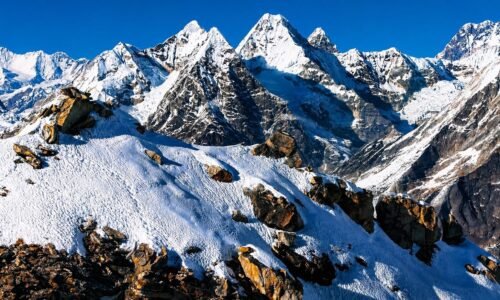
There are many trekking peaks in Nepal, but very few offer the complete Himalayan experience that Mera Peak does.
Rising to 6,476 metres, Mera Peak is the highest trekking peak in Nepal, yet its appeal goes far beyond standing on the summit.
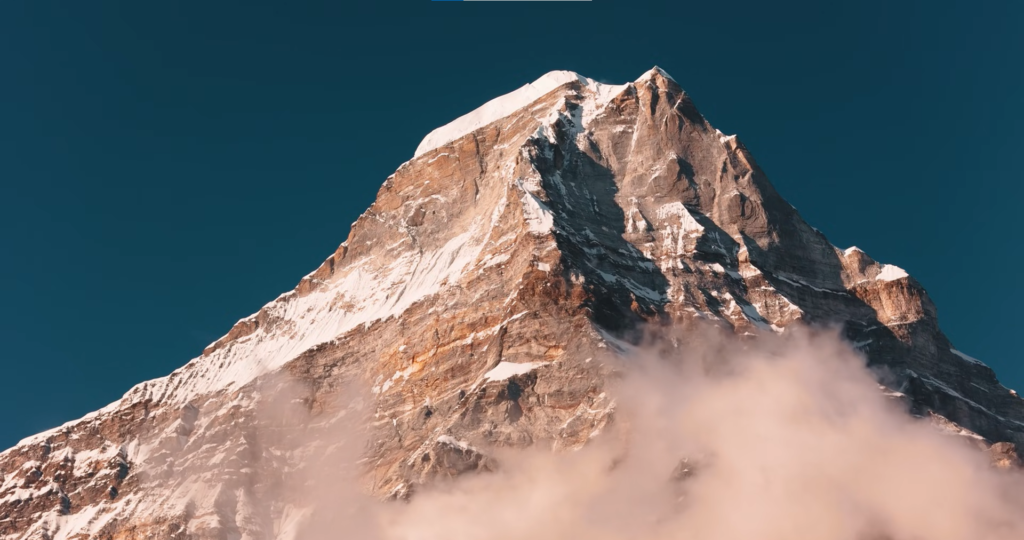
It is a journey that begins in lively mountain villages, winds through peaceful forests and remote valleys, crosses glaciers shaped by centuries of ice, and finally leads to one of the most spectacular viewpoints anywhere in the Himalayas.
For trekkers looking to step beyond traditional hiking without committing to an advanced technical expedition, Mera Peak Climbing offers the perfect balance of adventure, challenge, and achievement.
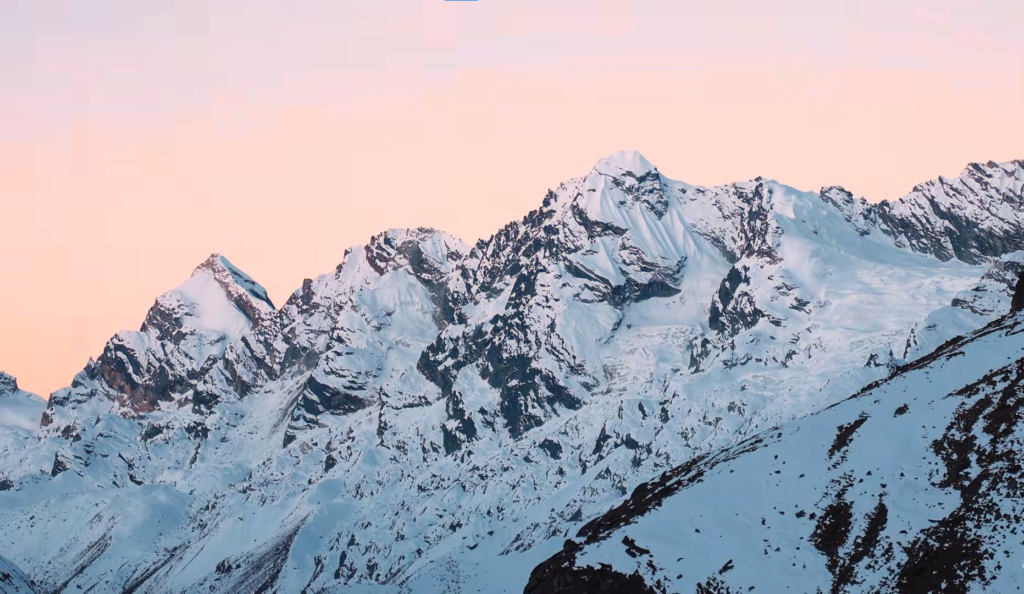
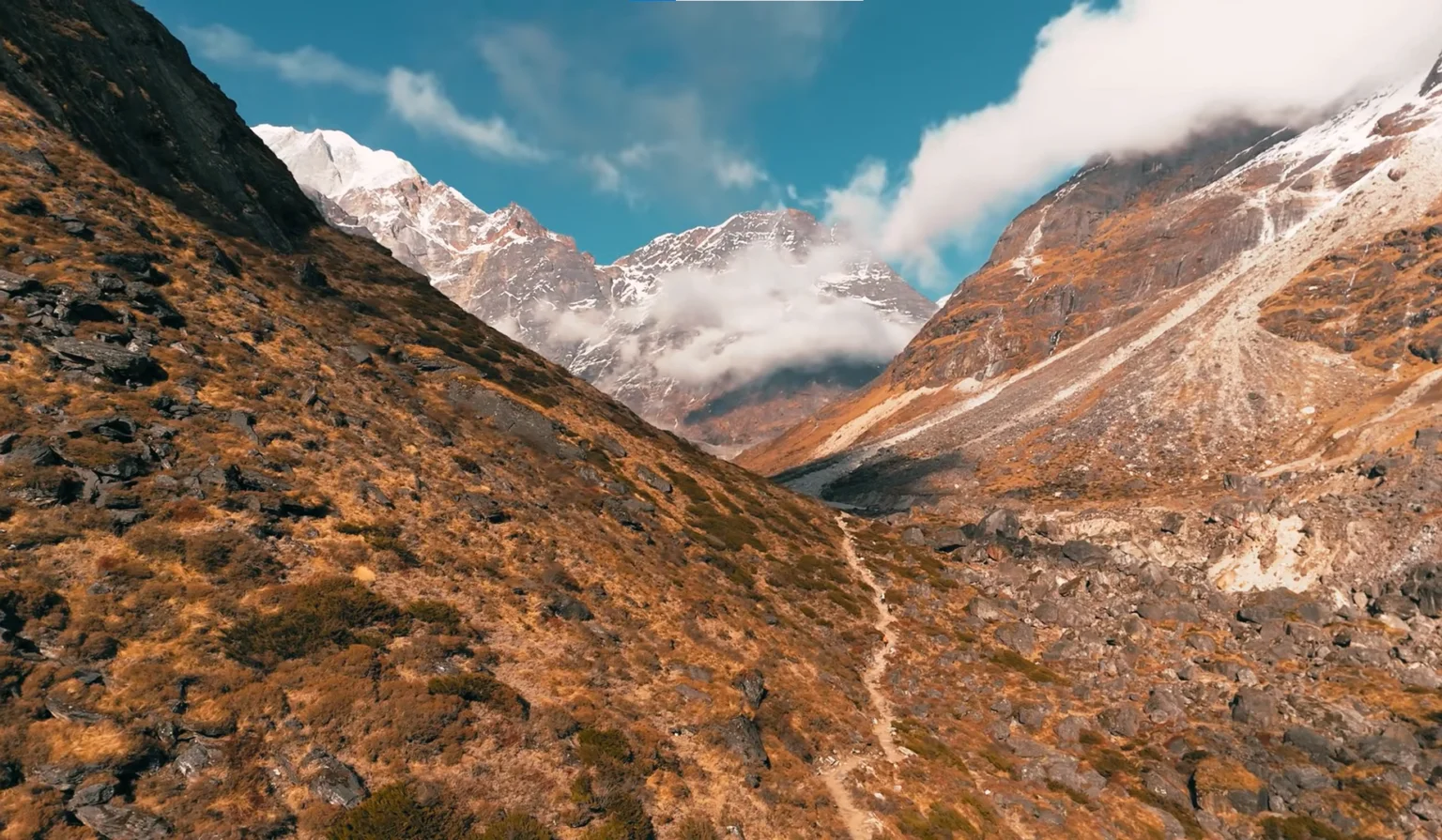
Unlike the busy Everest Base Camp trail, the route to Mera Peak follows the beautiful Hinku Valley, one of the quieter corners of the Everest region.
From the moment you leave Lukla, the atmosphere begins to change. The crowds gradually disappear, replaced by peaceful forests, rushing mountain rivers, yak pastures, and small settlements where life continues much as it has for generations.
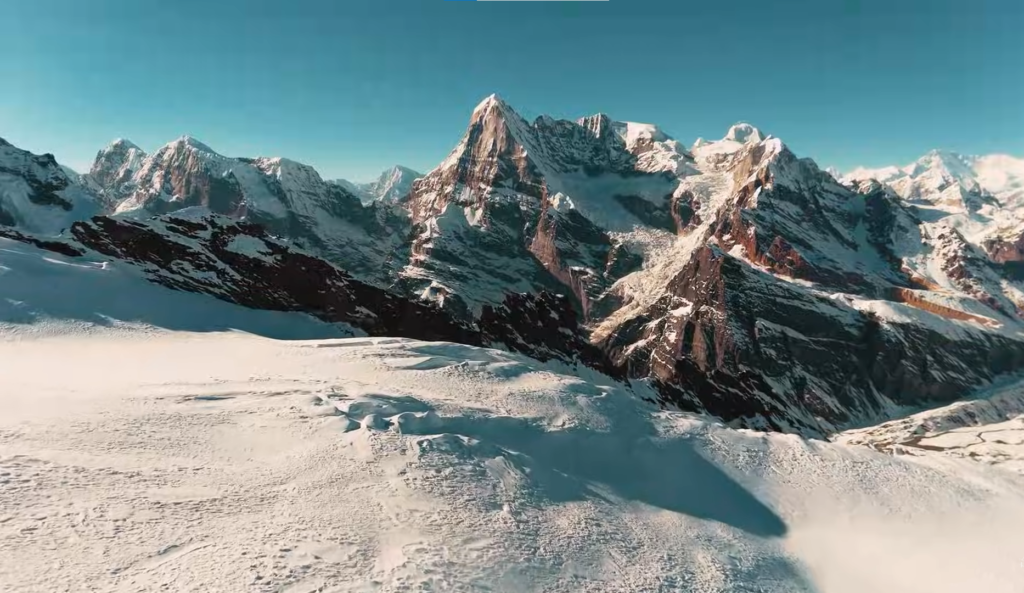
Every day reveals a different side of eastern Nepal, from dense rhododendron forests and traditional Sherpa villages to wide alpine landscapes surrounded by towering snow-covered peaks. The journey itself becomes just as memorable as the summit.
Although Mera Peak is classified as a trekking peak, reaching the top is still a serious Himalayan accomplishment.
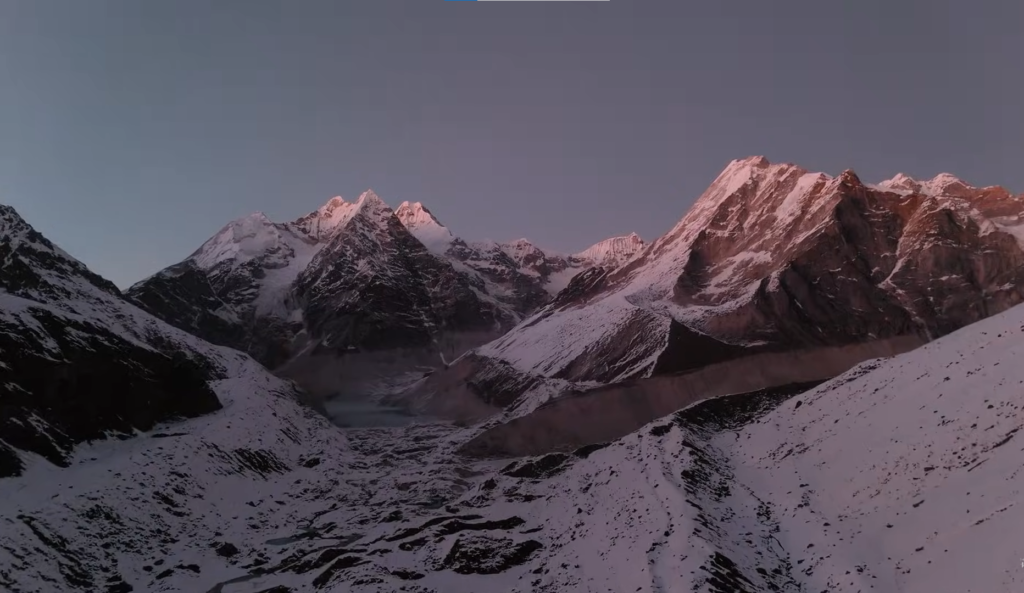
Standing above six thousand metres requires determination, good physical fitness, careful acclimatization, and the support of experienced climbing guides.
That is exactly why our itinerary has been designed with a gradual ascent, allowing your body enough time to adjust naturally to the increasing altitude before the summit attempt.
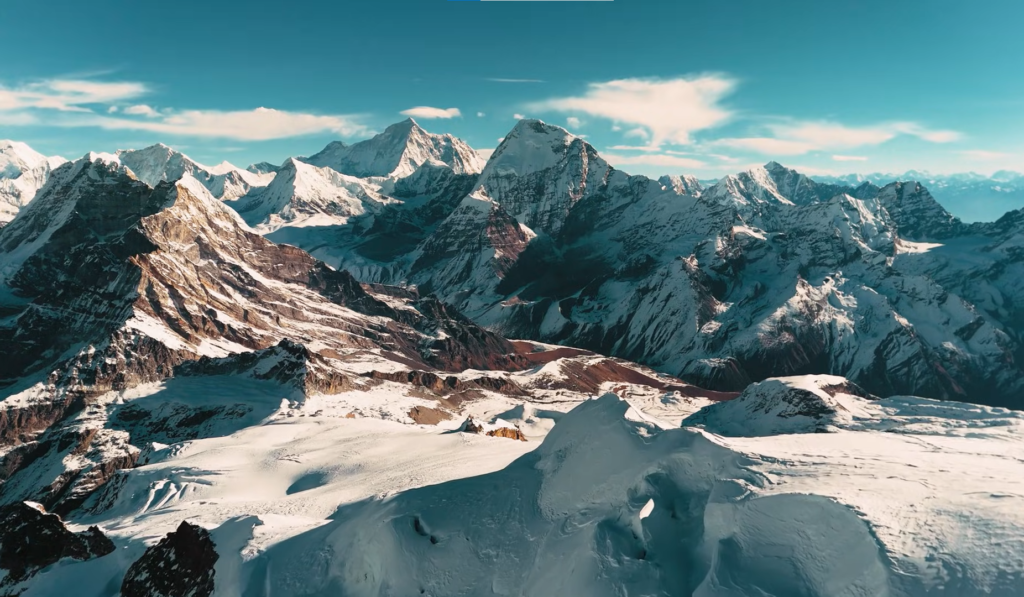
Instead of rushing toward higher elevations, the route provides a steady progression through Kothe, Thangnak, and Khare, helping reduce the risk of altitude-related problems while allowing you to fully enjoy the landscapes along the way.
One of the most exciting parts of the expedition begins at Khare, where trekking gradually transforms into mountaineering.
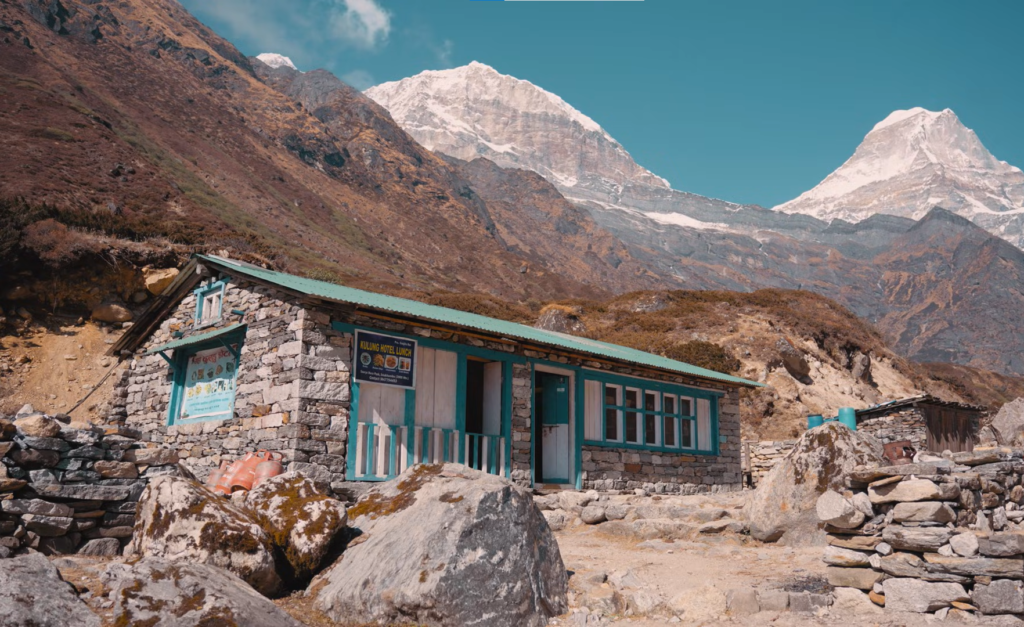
Before heading higher, your climbing guides provide practical instruction on using essential equipment such as crampons, ice axe, climbing harness, helmet, and fixed ropes.
For many participants, this is their first real introduction to Himalayan climbing techniques.
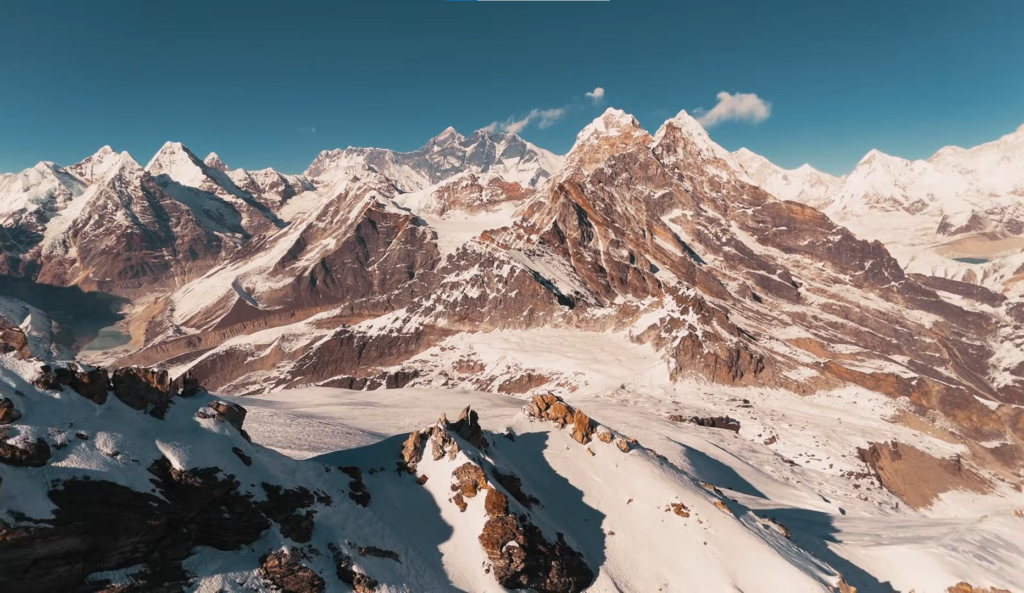
The training is conducted in a relaxed and supportive environment, giving every climber the opportunity to build confidence before stepping onto the glacier.
Previous mountaineering experience is helpful, but it is not a requirement for most physically fit trekkers joining this expedition.
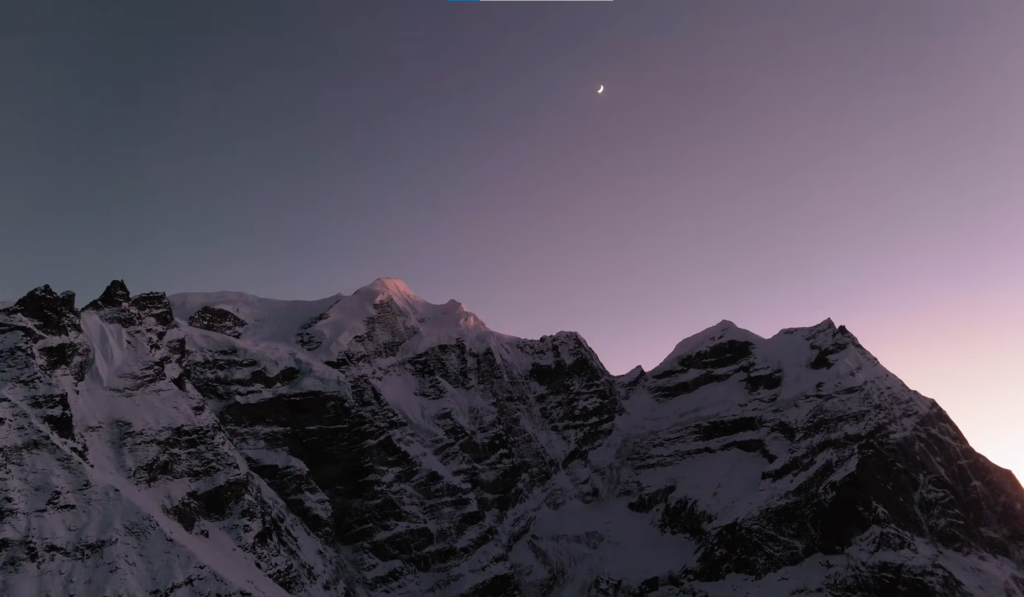
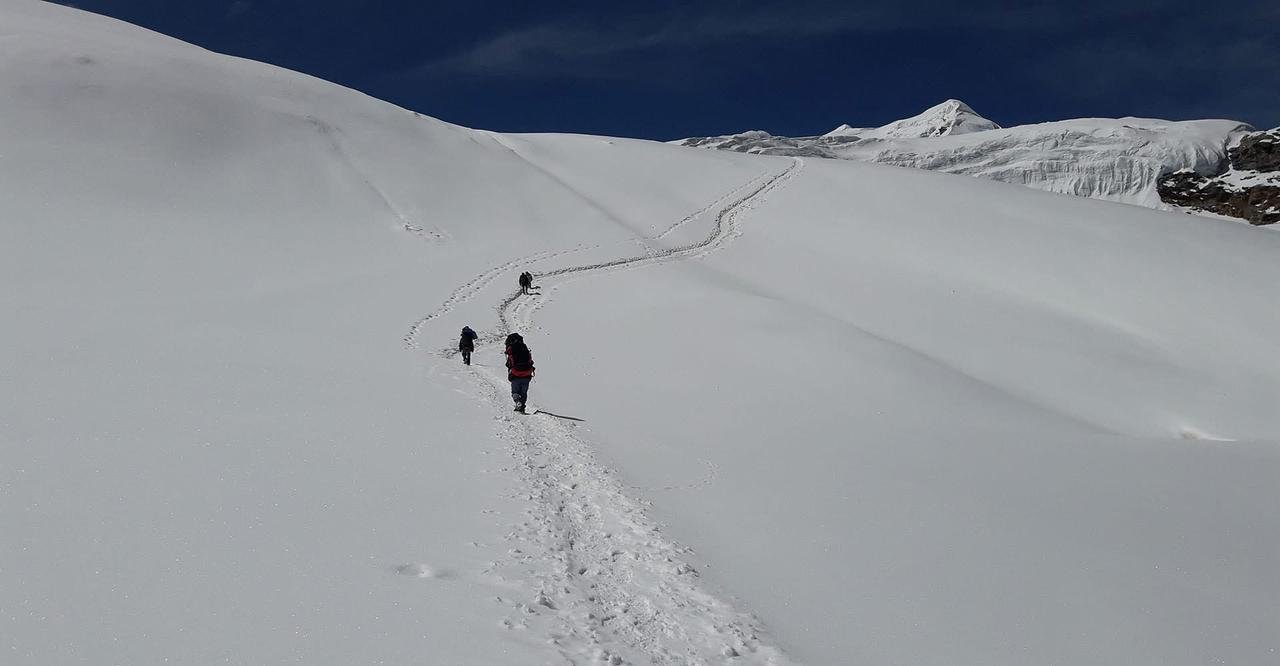
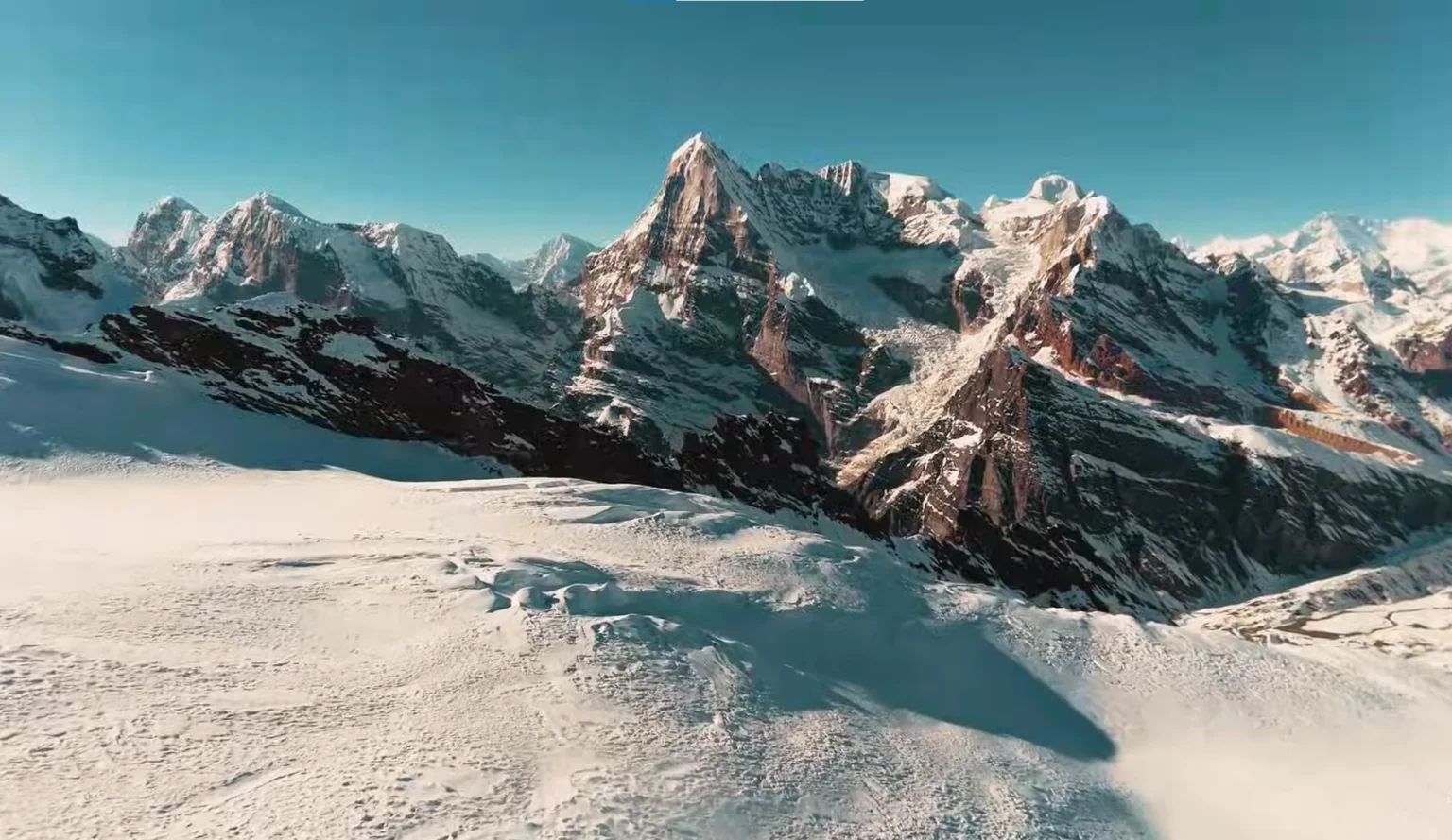
From Khare, the trail climbs onto the vast Mera Glacier, where the scenery changes dramatically.
Rocky trails give way to snow-covered slopes, glacial formations, and an endless landscape of ice stretching toward the surrounding mountains.
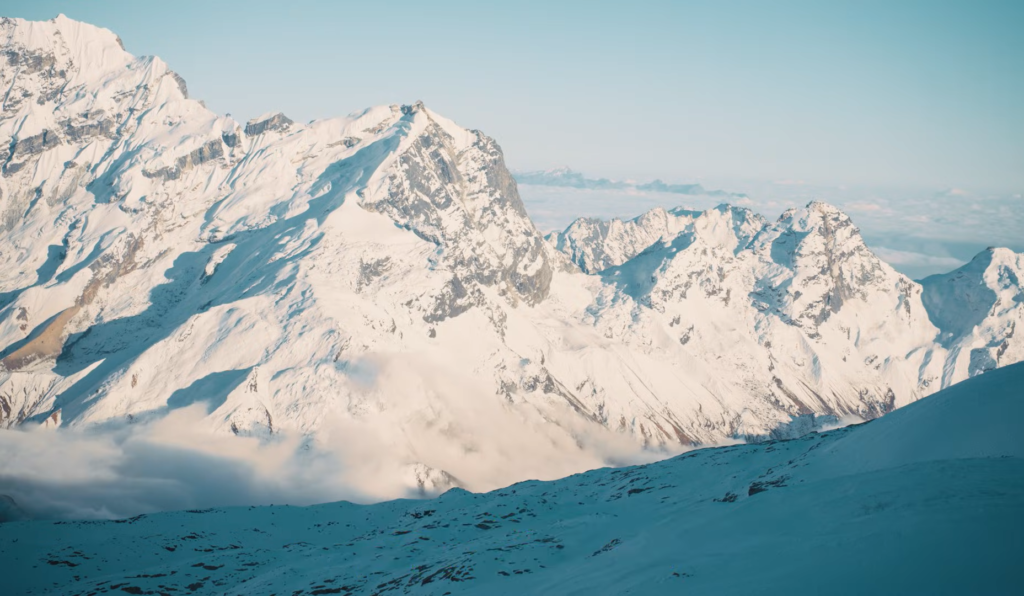
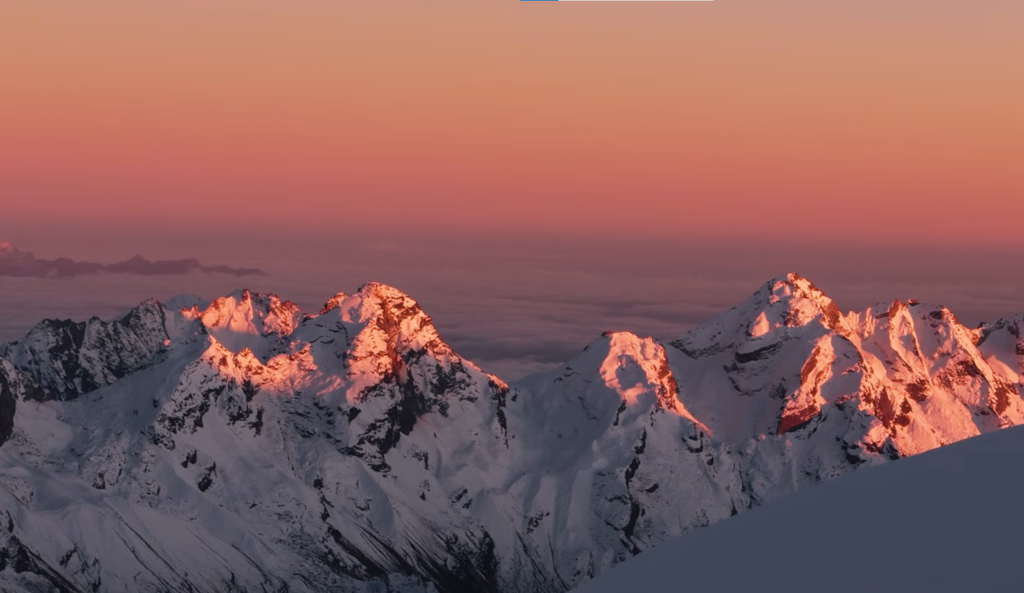
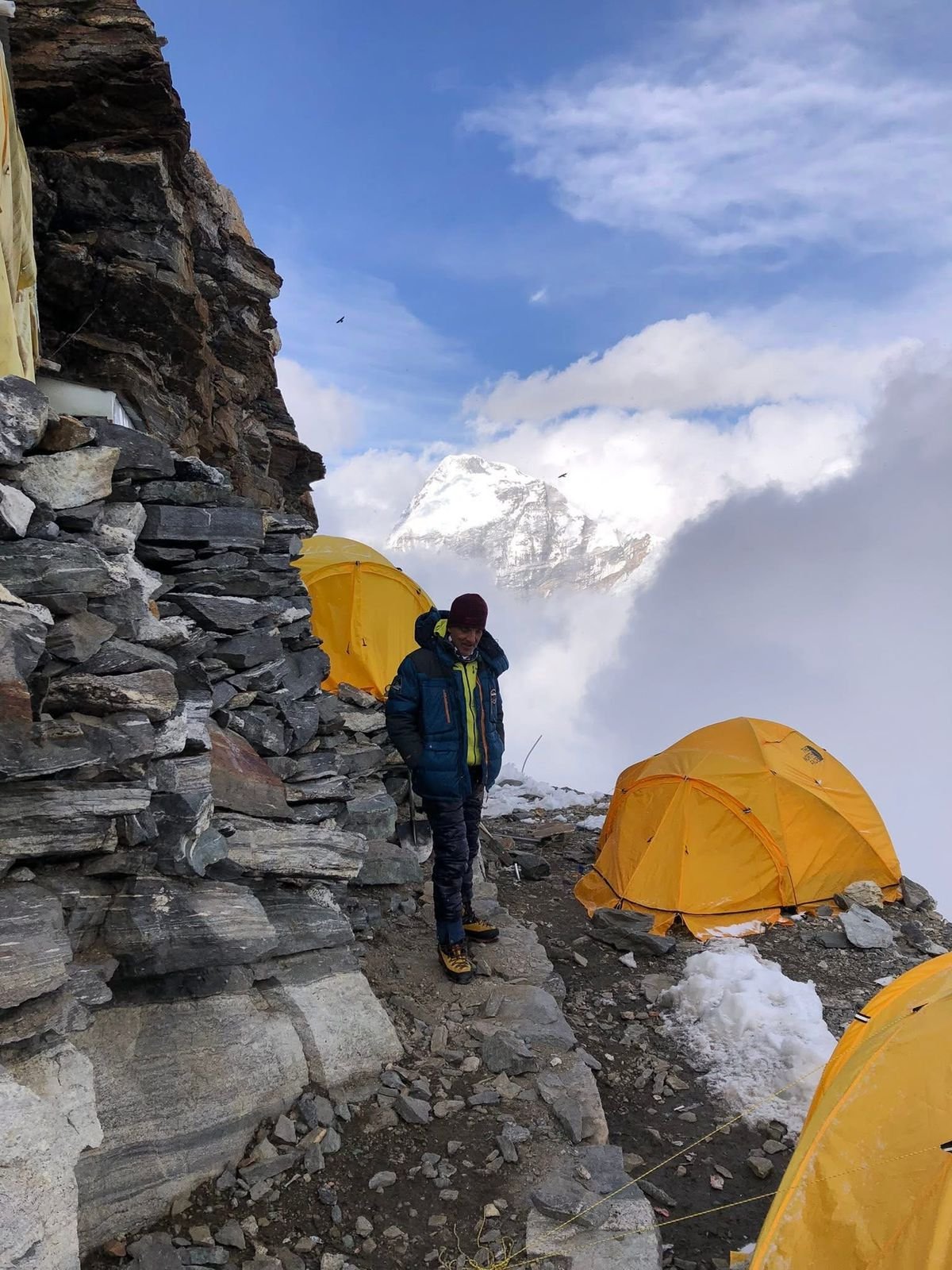
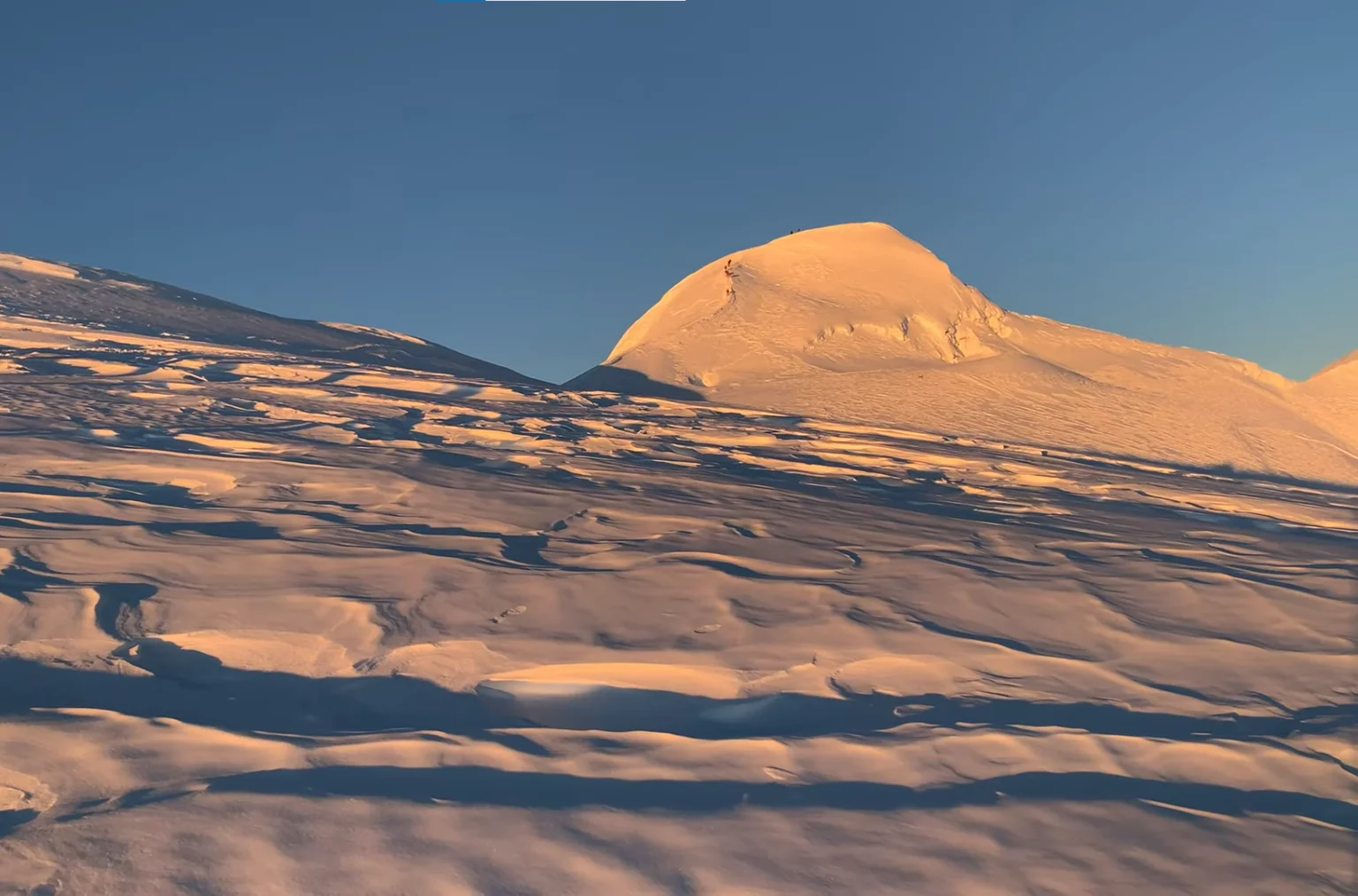
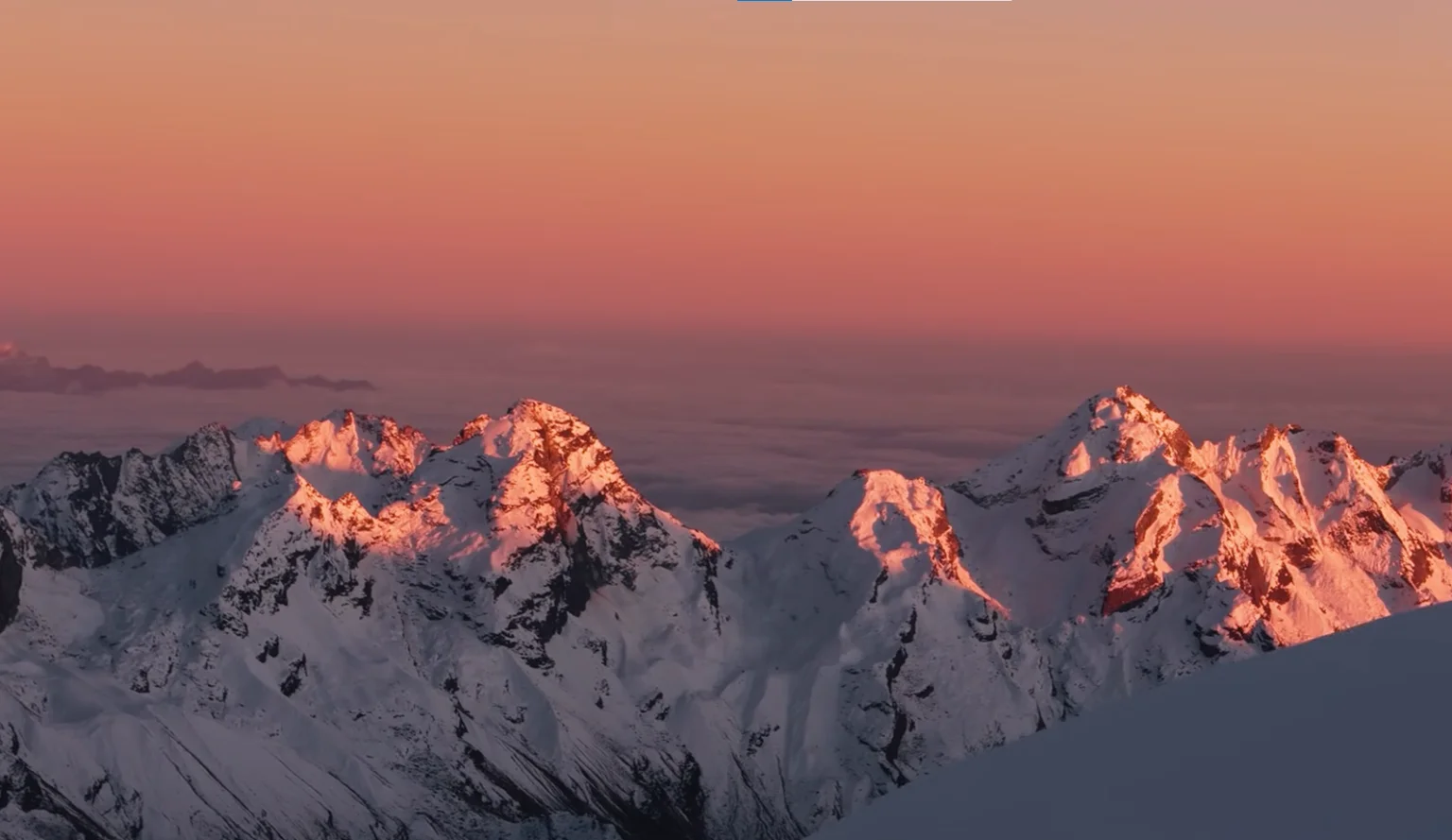
Spending a night at Mera High Camp is an experience in itself. As the afternoon light fades across the glacier, some of the highest mountains on Earth begin to glow in shades of gold and orange, creating a scene few people ever have the chance to witness.
The peaceful silence of High Camp, broken only by the sound of the mountain wind, reminds you that the summit is now within reach.
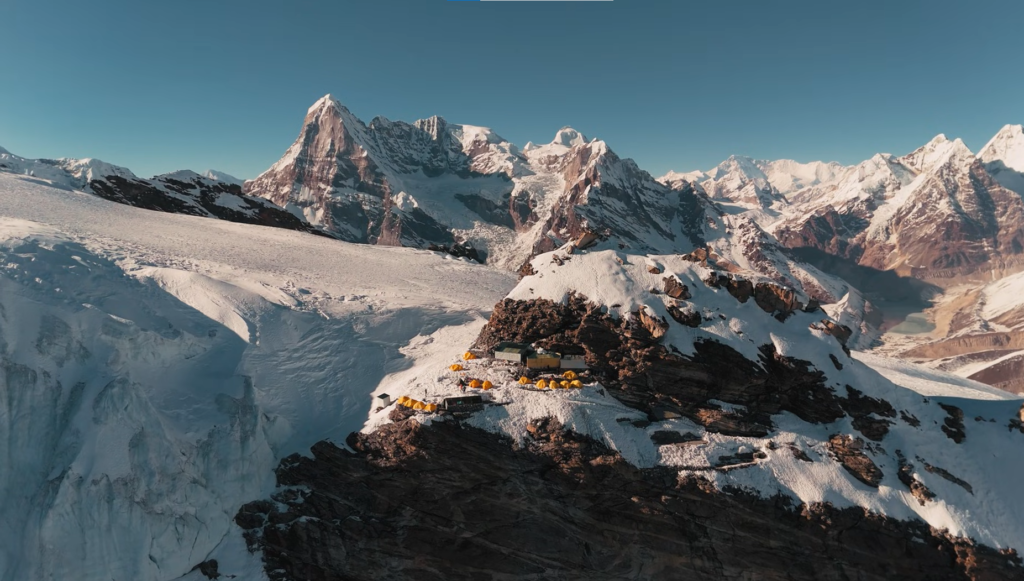
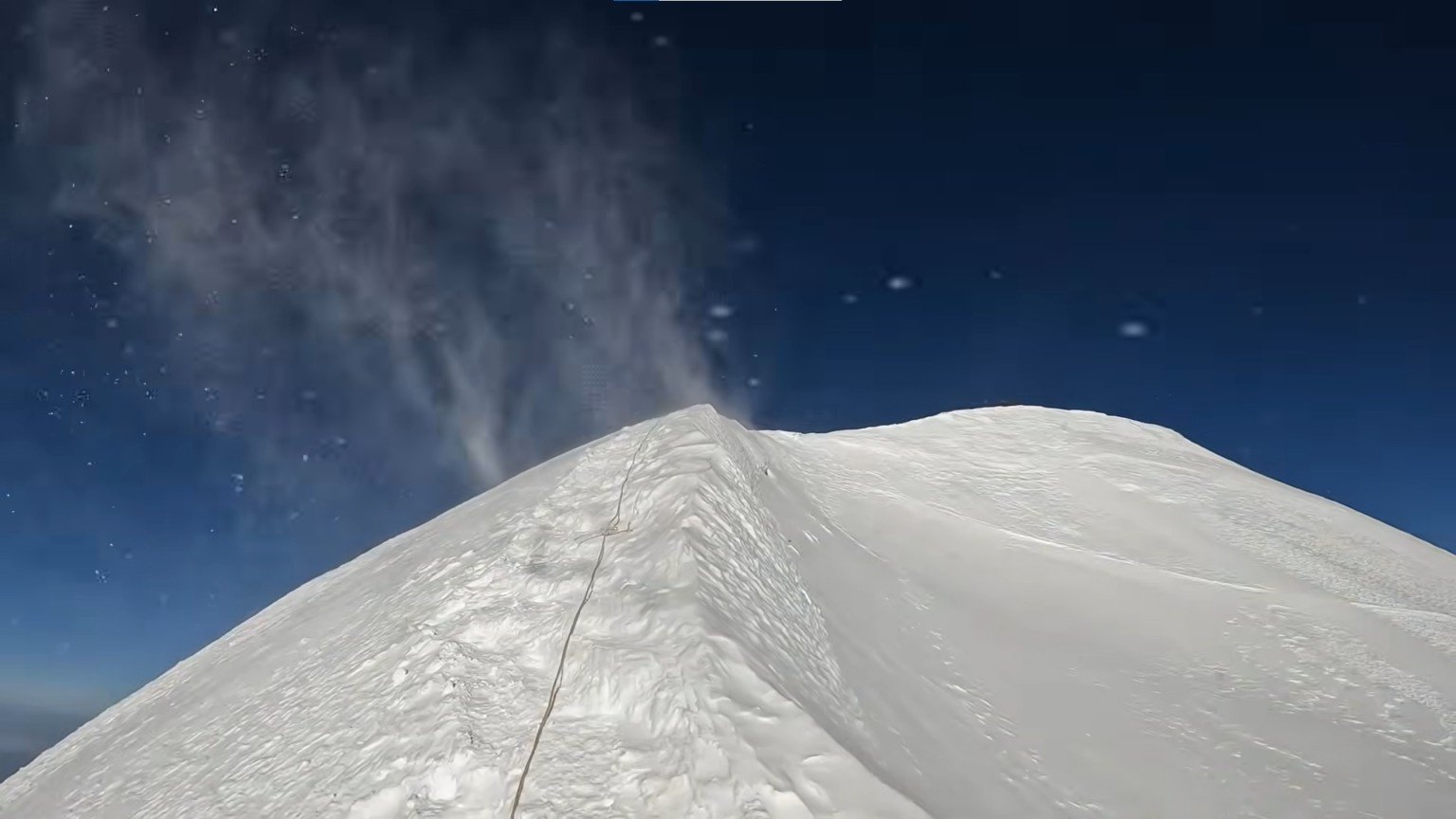
Summit day begins long before sunrise. Guided by headlamps beneath a sky filled with countless stars, the climbing team steadily moves across the glacier while the first light of dawn slowly reaches the eastern Himalayas.
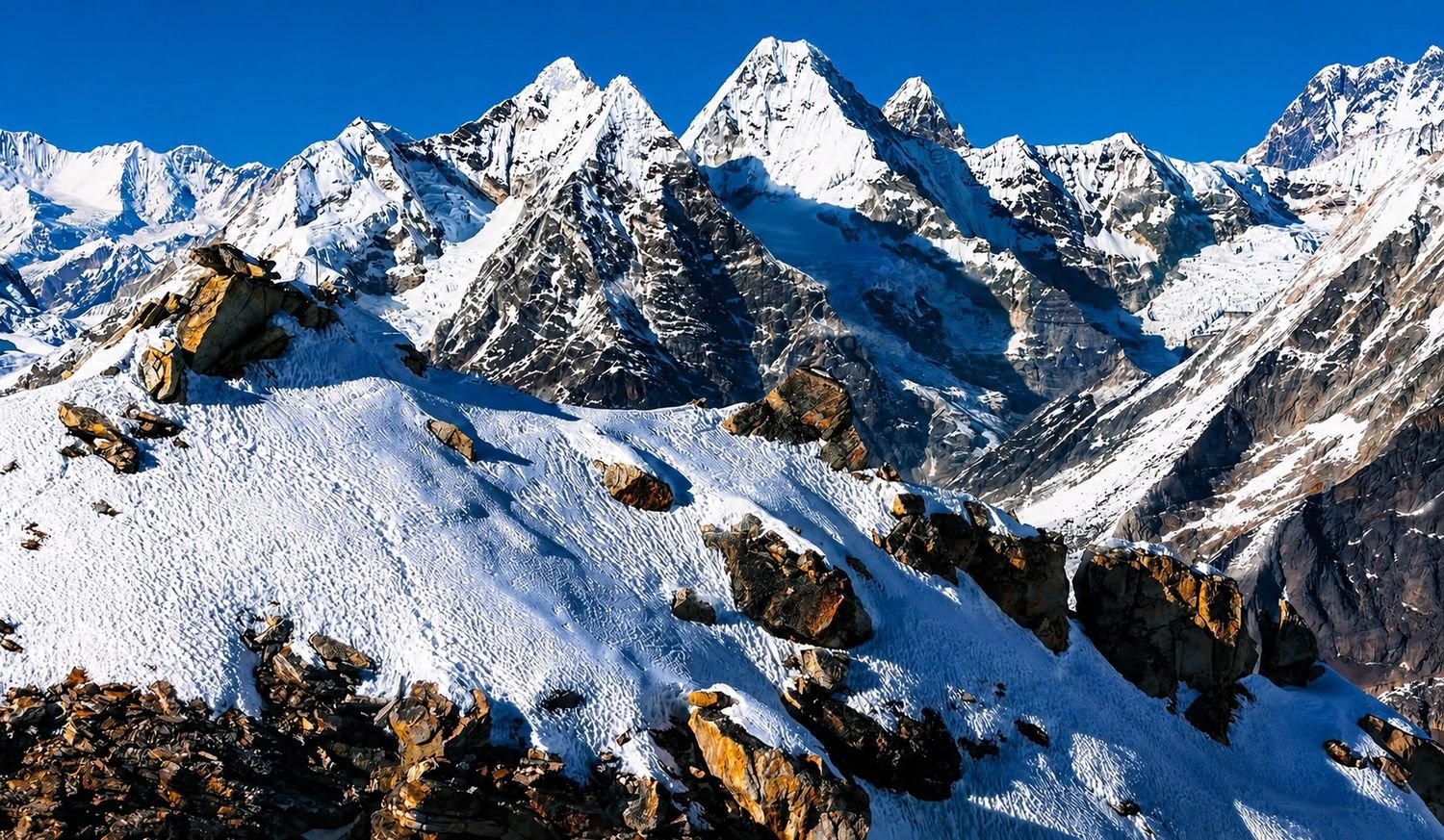
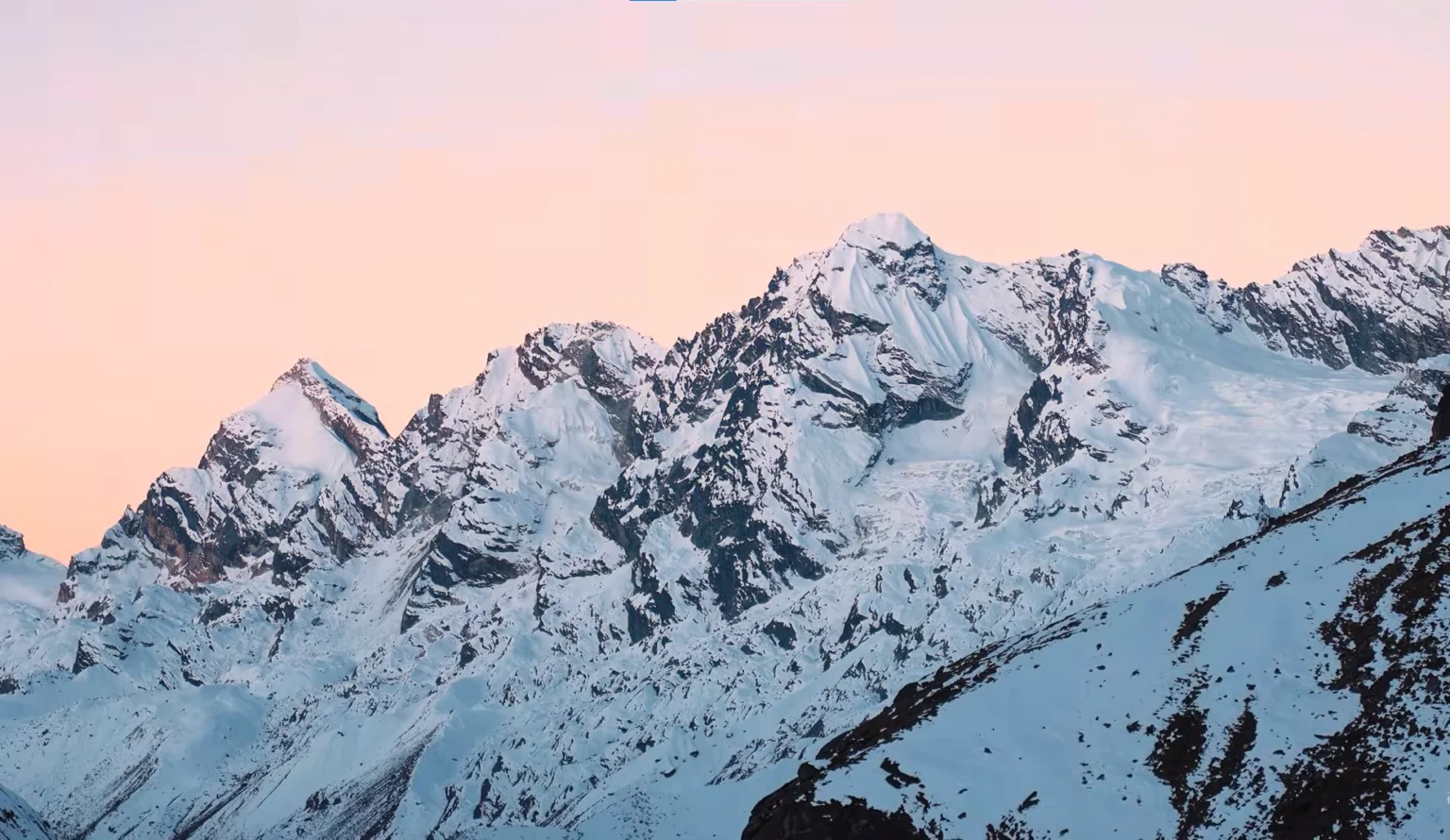
As the sun rises, the surrounding peaks begin to reveal themselves one after another. Few places in Nepal offer such an extraordinary mountain panorama.
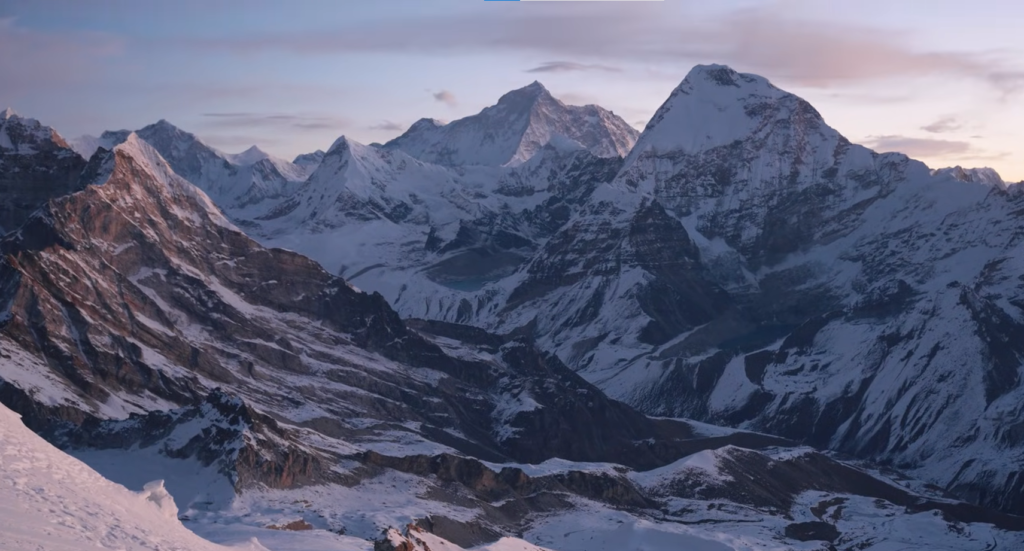
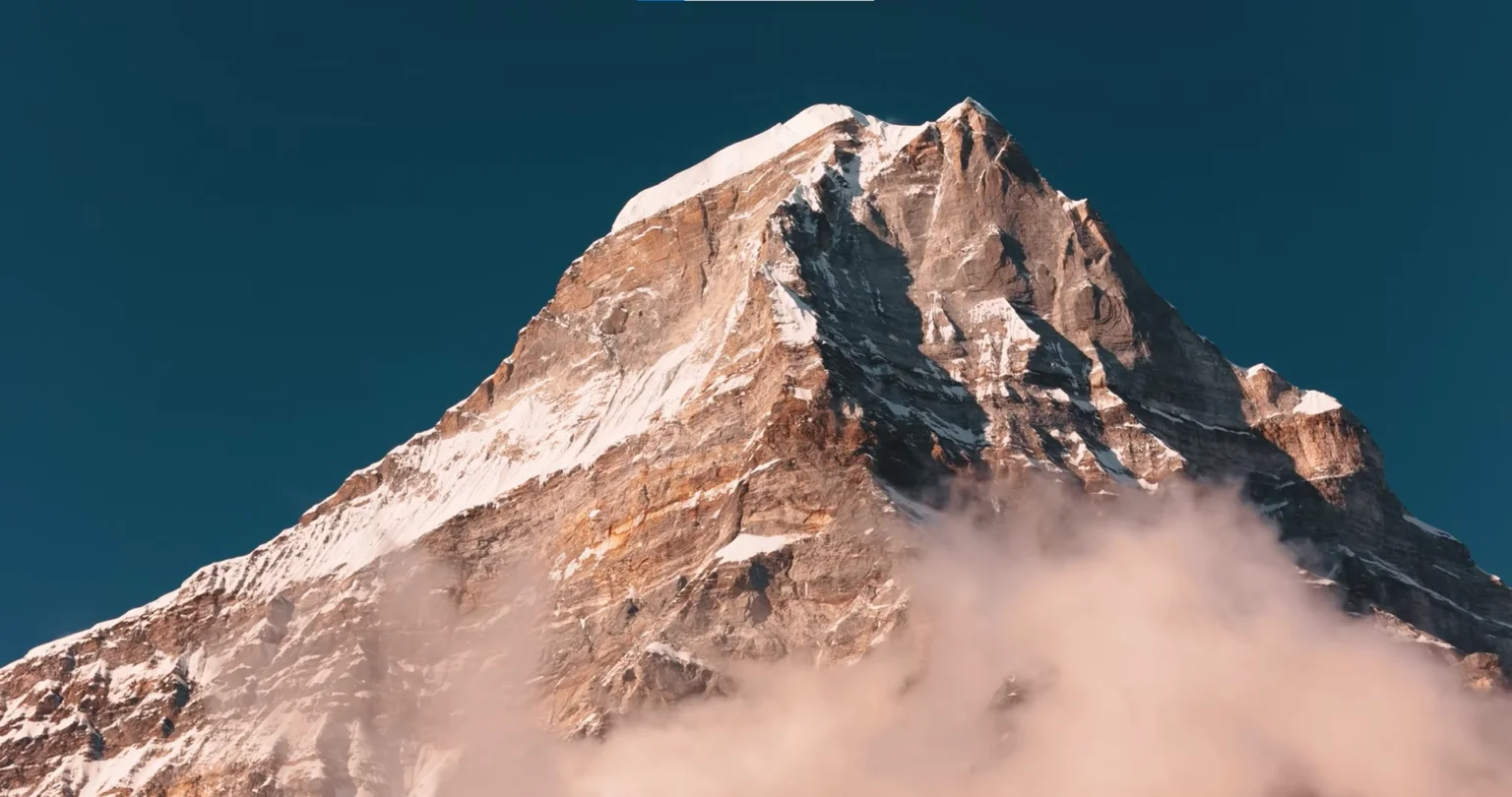
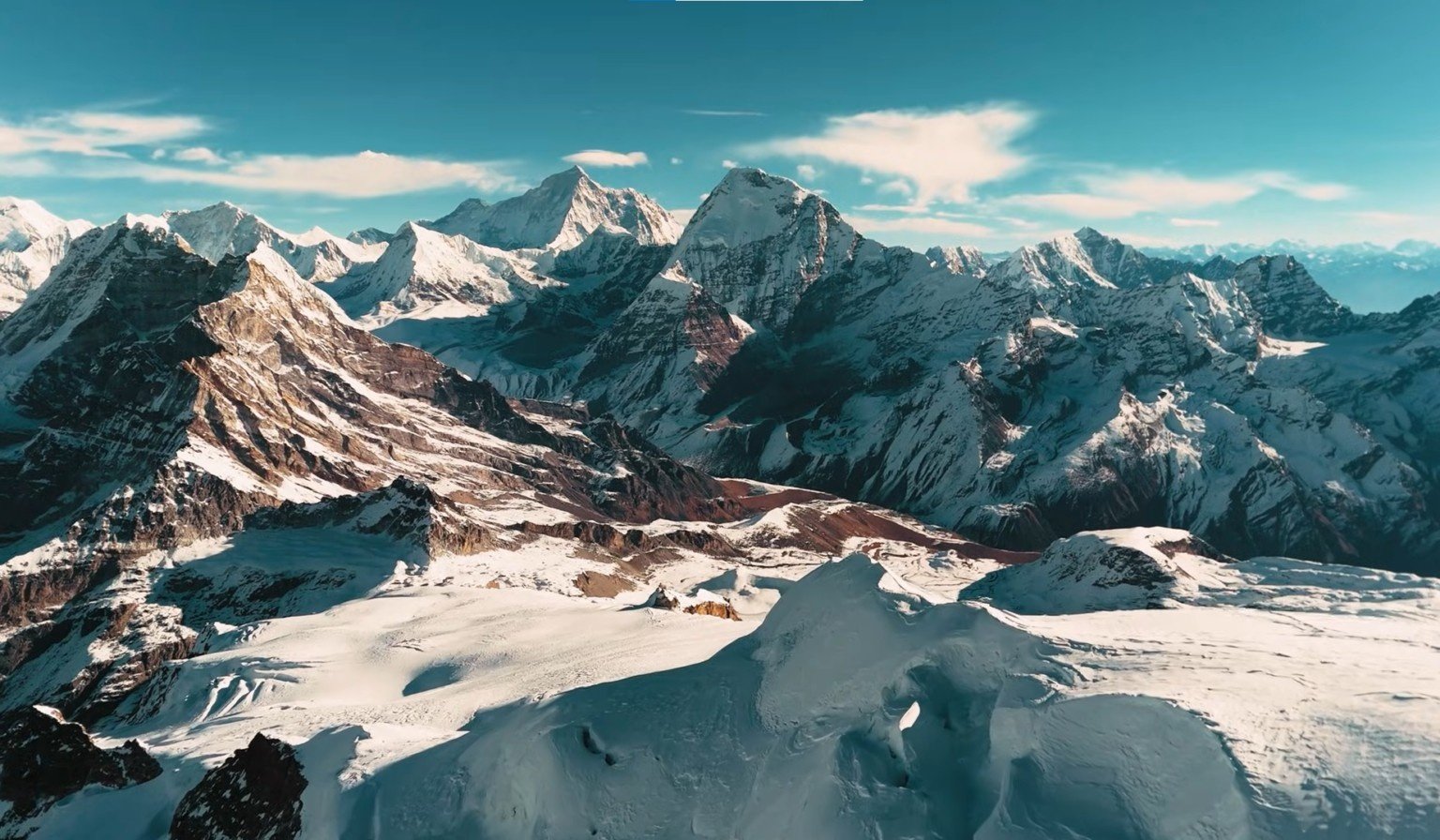
From the summit of Mera Peak, you can see Everest, Lhotse, Makalu, Cho Oyu, Kanchenjunga, Baruntse, Chamlang, Ama Dablam, and dozens of other Himalayan giants stretching across the horizon.
Standing among these legendary mountains is a moment that remains with climbers long after they return home.
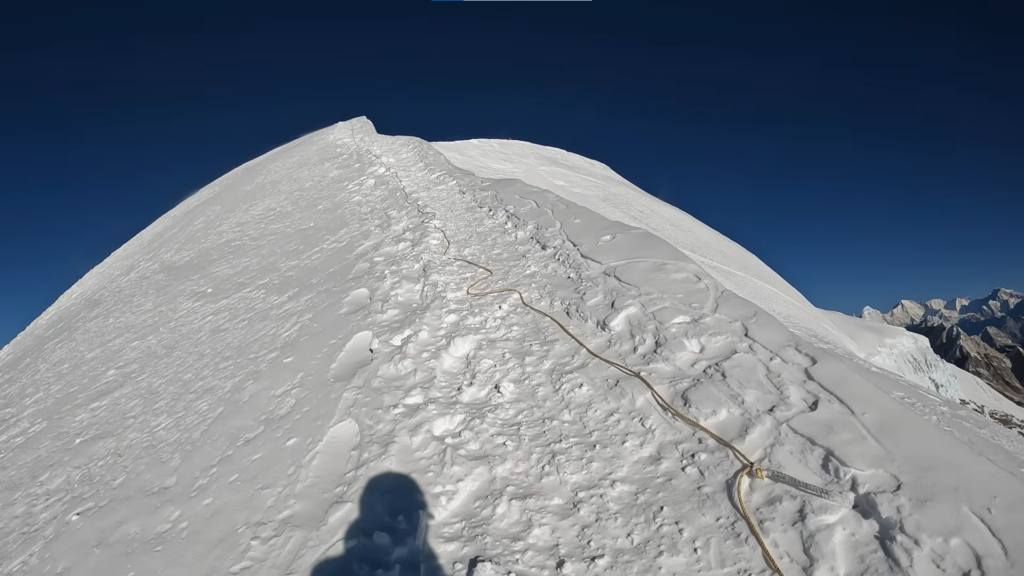
What makes Mera Peak especially rewarding is that the summit is only one part of the overall experience.
The expedition introduces you to landscapes that change every single day, from lush forests and hidden valleys to glacier crossings and high alpine camps.
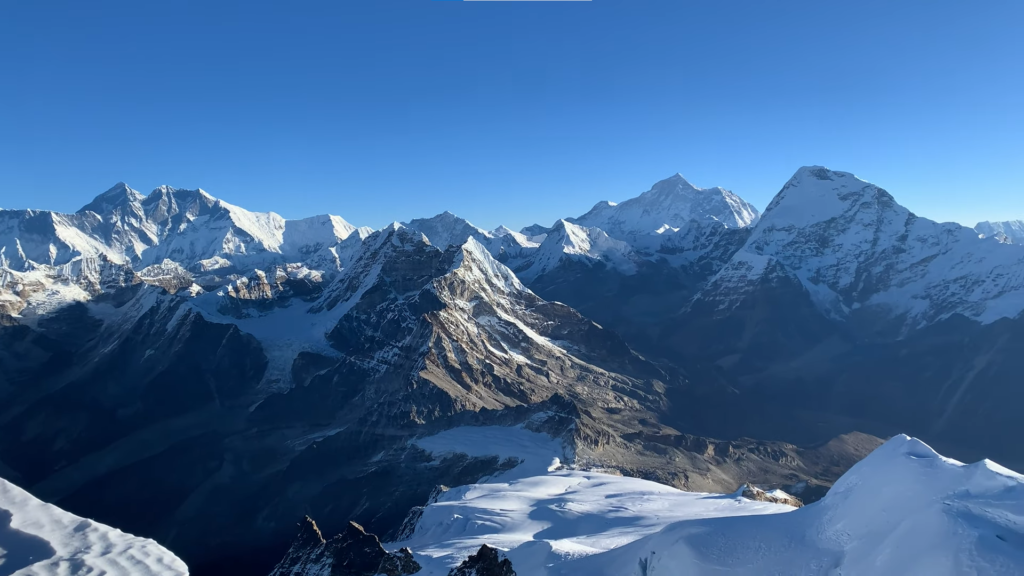
Along the route, you encounter traditional Sherpa culture, colourful prayer flags, ancient mani walls, small mountain monasteries, and warm hospitality in remote teahouses that continue to welcome travellers despite their isolated locations.
These moments create a journey that feels authentic rather than commercial, allowing you to experience a quieter side of the Everest region that many visitors never see.
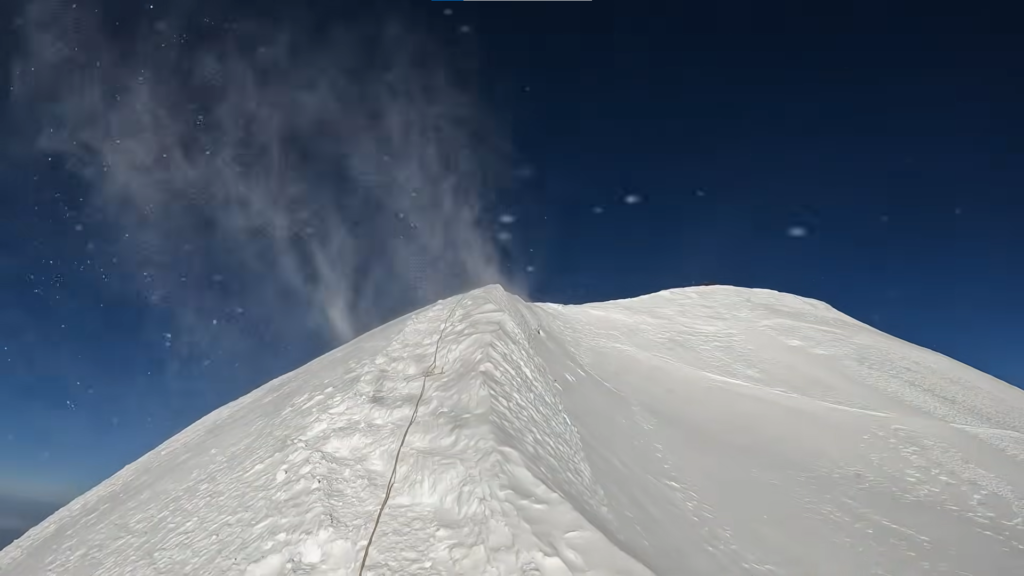
Our Mera Peak Climbing itinerary follows a carefully planned schedule that combines safety, comfort, and adventure.
Comfortable hotel accommodation in Kathmandu allows you to prepare before entering the mountains, while traditional teahouses along the trekking route provide a warm place to rest each evening.
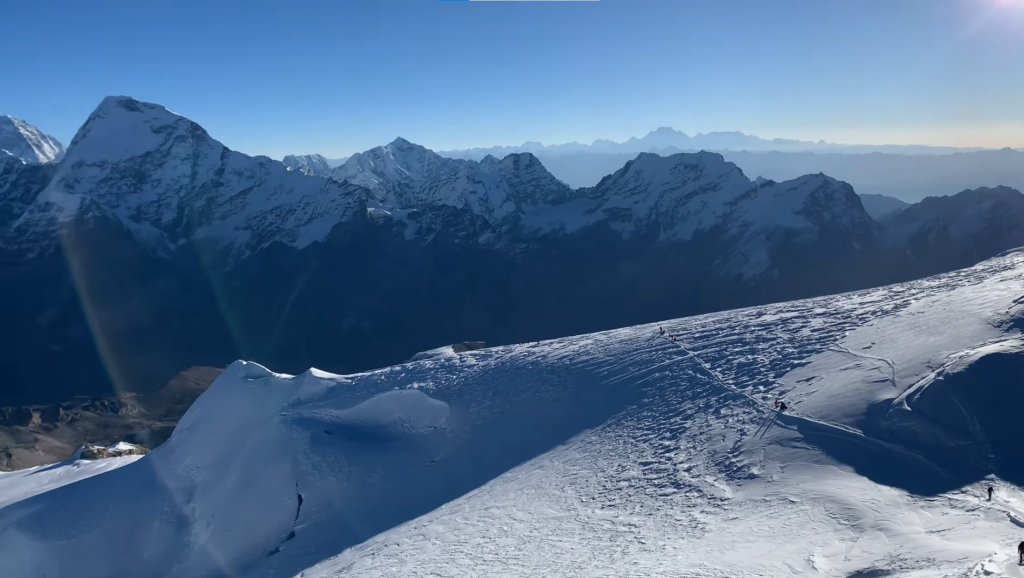
During the climbing section, our experienced expedition staff establish High Camp and manage the logistics required for a safe summit attempt.
Throughout the journey, our guides continuously monitor your health, pace, and acclimatization, making decisions based on weather conditions and the well-being of the entire group rather than simply following a fixed timetable.
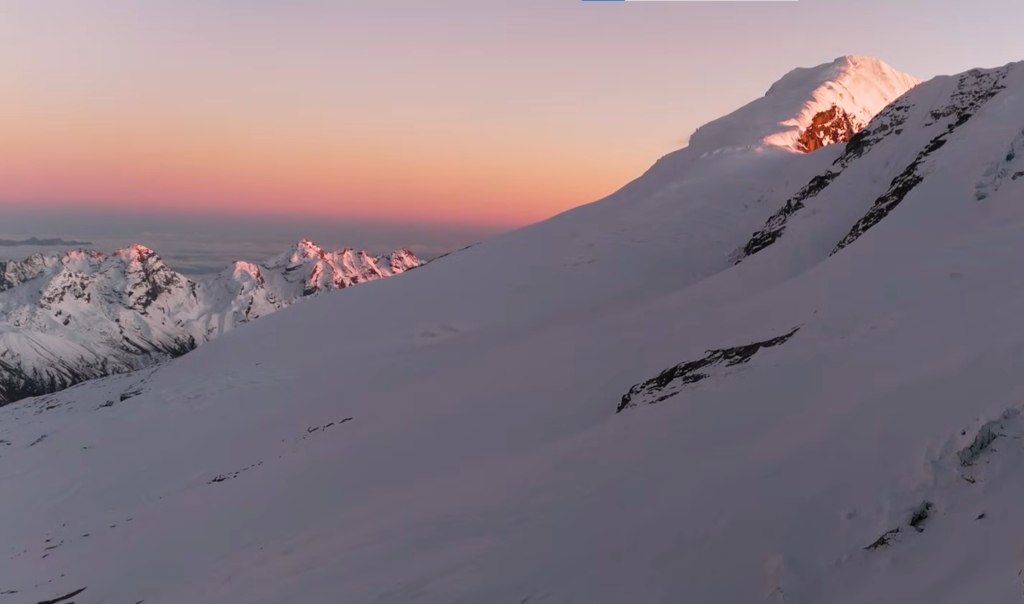
Physical preparation is an important part of any successful Mera Peak expedition.
While the climb is considered non-technical compared to many Himalayan mountaineering objectives, spending multiple days above four thousand metres and eventually climbing beyond six thousand metres demands stamina, determination, and a positive mindset.
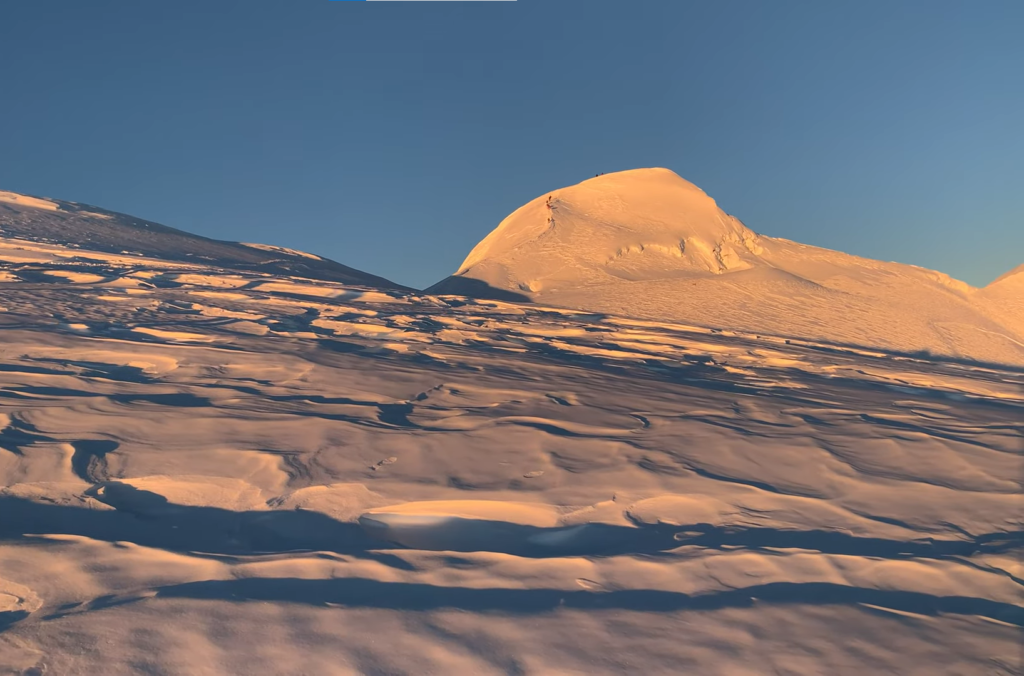
Regular hiking, cardiovascular training, and strength exercises before arriving in Nepal will greatly improve both your comfort and enjoyment throughout the expedition.
With the right preparation and a sensible pace, Mera Peak becomes an achievable goal for many adventurous trekkers ready to take the next step into high-altitude climbing.
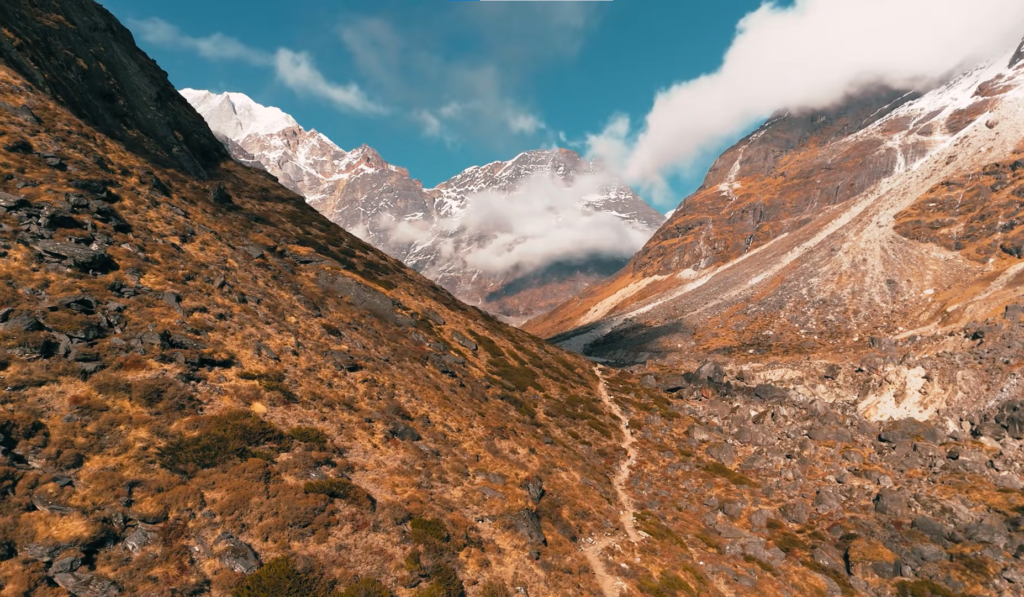
The best seasons for Mera Peak Climbing are spring (March to May) and autumn (September to November), when stable weather, clear mountain views, and comfortable daytime temperatures create excellent climbing conditions.
These months usually offer the best opportunity for a successful summit while showcasing the Himalayas at their most spectacular.
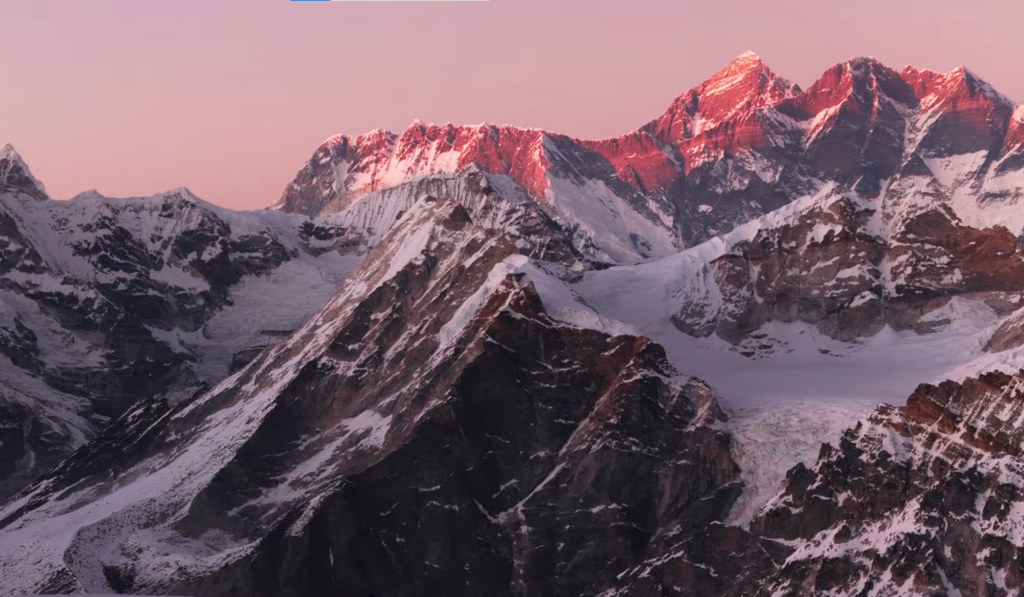
Although winter departures are possible for experienced climbers, colder temperatures and increased snowfall make the expedition considerably more demanding.
Whether your goal is to climb your first Himalayan peak, prepare for more technical mountaineering expeditions in the future, or simply experience one of Nepal’s greatest mountain adventures, Mera Peak delivers an unforgettable combination of trekking and climbing.
From peaceful valleys and glacier crossings to one of the finest summit panoramas on Earth, every stage of the journey offers something different.
With experienced guides, carefully planned logistics, and a strong commitment to safety, Nepal Royal Tourism Holidays is proud to accompany you on an expedition that will remain one of the defining adventures of your lifetime.
Mera Peak Permit Cost
| Permit Type | Season | Cost (USD) |
|---|---|---|
| Mera Peak Climbing Permit | Spring (March–May) | $350 |
| Mera Peak Climbing Permit | Autumn (September–November) | $175 |
| Mera Peak Climbing Permit | Winter (December–February) | $175 |
| Mera Peak Climbing Permit | Summer/Monsoon (June–August) | $175 |
Additional Permits
| Additional Permit | Fee (NPR) | Issuing Authority |
|---|---|---|
| Makalu Barun National Park Entry Permit | NPR 3,000 (approx. USD 25) | Nepal Tourism Board |
| Sagarmatha National Park Entry Permit | NPR 3,000 (approx. USD 25) | Nepal Tourism Board / Park Office at Monjo |
Clothing Layers
| Layer | Items |
|---|---|
| Base Layer | Moisture-wicking thermal top, thermal leggings, synthetic underwear |
| Mid Layer | Fleece jacket, softshell jacket or lightweight insulated jacket |
| Outer Shell | Waterproof and windproof jacket, Gore-Tex or similar waterproof trousers |
| Summit Layer | Expedition down jacket, insulated down trousers (optional but recommended in winter) |
| Hands | Thermal liner gloves, fleece gloves, insulated waterproof summit mittens |
| Head | Warm beanie, balaclava, buff or neck gaiter, sun hat, UV-protection sunglasses |
| Feet | Thermal trekking socks, liner socks, gaiters for snow protection |
Essential Trekking Gear
| Category | Items |
|---|---|
| Footwear | Insulated mountaineering boots compatible with crampons, lightweight camp shoes or sandals |
| Backpack | 35–45 litre daypack, waterproof duffel bag for porter |
| Sleeping | Sleeping bag rated to at least -20°C, sleeping bag liner |
| Hydration | Two insulated water bottles, thermos flask, water purification tablets or filter |
| Safety | Sunscreen SPF 50+, lip balm, glacier sunglasses, personal first-aid kit |
| Lighting | Headlamp with spare lithium batteries for summit push |
| Extras | Trekking poles, power bank, camera, dry bags, personal toiletries |
Technical Climbing Gear
| Category | Items |
|---|---|
| Boots | Insulated mountaineering boots compatible with crampons (can be rented in Khare) |
| Crampons | 12-point steel crampons fitted to your boots |
| Harness | Adjustable climbing harness |
| Ice Axe | Standard mountaineering ice axe for glacier travel |
| Ascender | Jumar or mechanical ascender for fixed rope sections |
| Protection | Climbing helmet, locking carabiners, descender, safety sling, prusik loop |
| Rope | Fixed ropes and climbing rope provided by the expedition climbing guide |
Trip Highlights
- Reach the summit of Mera Peak (6,476 m), Nepal's highest trekking peak, and enjoy breathtaking views of Everest, Lhotse, Makalu, Cho Oyu, Kanchenjunga, Baruntse, Chamlang, and countless Himalayan peaks.
- Trek through the remote Hinku Valley, passing peaceful forests, alpine meadows, glacial rivers, yak pastures, and traditional mountain villages away from the busy Everest Base Camp trail.
- Follow a well-paced itinerary with gradual acclimatization, helping your body adjust naturally before reaching higher elevations and increasing your chances of a successful summit.
- Receive climbing instruction at Khare, where experienced guides introduce the use of crampons, ice axe, harness, fixed ropes, and other essential mountaineering equipment.
- Spend a memorable night at Mera High Camp, surrounded by glaciers, snow-covered peaks, and one of the most spectacular alpine settings in eastern Nepal.
- Cross the Mera Glacier and experience real Himalayan glacier travel on the final approach to one of Nepal's most rewarding trekking peaks.
- Combine scenic trekking with non-technical peak climbing, making Mera Peak an excellent choice for fit trekkers looking to experience Himalayan mountaineering.
- Explore authentic Sherpa and Rai settlements while discovering local culture, Buddhist traditions, prayer flags, mani walls, and warm mountain hospitality.
- Climb with experienced guides, reliable support staff, and carefully planned logistics throughout the expedition from Kathmandu to the summit.
- Trek through Sagarmatha National Park, a UNESCO World Heritage Site renowned for its spectacular Himalayan landscapes, rich biodiversity, and iconic mountain scenery.
- Complete an unforgettable Himalayan adventure that combines remote trekking, glacier travel, high-altitude climbing, and the achievement of standing above 6,000 metres.
Mera Peak Climbing – 17 Days ~ Itinerary
Day 1
Welcome to Kathmandu
- Altitude: 1,350 m
- Accommodation: Standard Three Star Hotel in Thamel
Upon arrival at the airport, a team member will greet you and transfer you to the hotel in Thamel. Thamel, situated in the heart of Kathmandu, is a lively area filled with restaurants, bars, and shops selling unique Nepalese products and trekking gear. You’ll have the opportunity to explore this vibrant area. You’ll also meet our guide on the same day, who will address any questions or concerns you may have about your Mera Peak Climbing.
Day 2
Fly to Lukla from Kathmandu and trek to Paiya (Chutok)
- Altitude: 2,480m
- Flight Duration: 30-35 minutes
- Trek Duration: 4-5 hours
- Trek Distance: 8 km
- Meal: Breakfast, Lunch and Dinner
- Accommodation: Teahouse in Paiya
An early morning mountain flight brings you to Lukla, the gateway to the Everest region. After meeting the trekking crew and making final preparations, the trail leaves the busy Everest Base Camp route and gradually heads toward the quieter Hinku Valley. Descending through forests of pine and rhododendron, the path passes small bridges, waterfalls, and scattered mountain settlements before reaching Paiya. From this point onward, the crowds begin to disappear, giving a peaceful introduction to one of Nepal’s most remote trekking regions.
Day 3
Trek from Paiya to Pangkoma.
- Altitude: 2,846 m
- Trek Duration: 6 to 7 hours
- Trek Distance: 8 to 9 km
- Meal: Breakfast, Lunch and Dinner
- Accommodation: Teahouse in Panggom
We will cross Col Khari La (3,081m) and then ultimately reach our destination at Pangkongma, taking around 6 hours. Today’s journey includes several ascents and descents as the trail winds through dense forests, suspension bridges, and traditional villages of the lower Solu region. The route crosses mountain ridges before gradually entering quieter landscapes where local farming and livestock remain an important part of daily life. As you approach Panggom, impressive views of surrounding hills and distant Himalayan peaks begin to appear, offering the first real feeling of trekking into Nepal’s remote eastern mountains.
Day 4
Trek from Pangkoma to Ningsow (Shibuche)
- Altitude: 2,860 m
- Trek Duration: 4 to 5 hours
- Trek Distance: 8 to 9 km
- Meal: Breakfast, Lunch and Dinner
- Accommodation: Teahouse in Ningsow
Leaving Panggom behind, the trail climbs gradually through peaceful forests filled with rhododendron, pine, and bamboo before crossing several small mountain passes. Colorful prayer flags, mani walls, and isolated settlements reflect the cultural traditions of the region while the surrounding wilderness becomes increasingly untouched. Ningsow is a quiet mountain village where trekkers often enjoy their first close connection with the peaceful atmosphere that makes the Mera Peak route different from the busier Everest trails.
Day 5
Trek from Ningsow (Shibuche) to Chhatra khola
- Altitude: 2,800 m
- Trek Duration: 6 to 7 hours
- Trek Distance: 13 to 14 km
- Meal: Breakfast, Lunch and Dinner
- Accommodation: Teahouse in Chhatra Khola
Today’s trail enters the beautiful forests of Sagarmatha National Park, a UNESCO World Heritage Site renowned for its rich biodiversity and spectacular Himalayan landscapes. Walking beneath towering pine and rhododendron trees, you may spot Himalayan birds and other wildlife while following quiet forest paths toward the Hinku Valley. Several streams, wooden bridges, and narrow ridges add variety to the day’s walk before reaching the peaceful riverside settlement of Chhatra Khola.
Day 6
Trek from Chhatra khola to Kothe
- Altitude: 3,600 m
- Trek Duration: 6 to 7 hours
- Trek Distance: 15 to 16 km
- Meal: Breakfast, Lunch and Dinner
- Accommodation: Teahouse in Kothe
The route now follows the Hinku River deeper into the valley as the scenery changes from dense woodland to wide alpine landscapes. The trail passes grazing areas used by yak herders and offers increasingly impressive views of Kusum Kanguru and surrounding snow-covered peaks. With fewer settlements and a growing sense of isolation, today’s trek highlights the remote beauty of the Hinku Valley before arriving at the small mountain settlement of Kothe, where many climbers spend the night beside the river.
Day 7
Trek from Kothe to Thaknak
- Altitude: 4,350 m
- Trek Duration: 3 to 4 hours
- Trek Distance: 7 to 8 km
- Meal: Breakfast, Lunch and Dinner
- Accommodation: Teahouse in Thaknak
Although shorter in distance, today’s walk brings a noticeable gain in altitude as you continue beside the Hinku River toward the upper valley. The forests gradually disappear, giving way to rocky terrain, glacial streams, and broad alpine meadows surrounded by towering Himalayan peaks. As you approach Thangnak, the impressive moraine of Dig Glacier dominates the landscape, creating one of the most dramatic settings along the Mera Peak route while allowing your body additional time to acclimatize.
Day 8
Trek fromThaknak to Khare
- Altitude: 4,950 m
- Trek Duration: 3 to 4 hours
- Trek Distance: 6 to 7 km
- Meal: Breakfast, Lunch and Dinner
- Accommodation: Teahouse in Khare
Today’s trail crosses glacial moraine and rocky alpine terrain before gradually climbing toward Khare, the final permanent settlement before the climbing section begins. Along the way, spectacular views of Mera Peak, Mera Glacier, and surrounding Himalayan giants become increasingly impressive. Upon arrival, guides inspect climbing equipment, discuss summit plans, and ensure everyone is well prepared for the higher elevations that lie ahead.
Day 9
Acclimatization and Climbing Training at Khare
- Altitude: 4,950 m
- Activity Duration: 3 to 5 hours
- Meal: Breakfast, Lunch and Dinner
- Accommodation: Teahouse in Khare
Rather than remaining completely at rest, today is dedicated to active acclimatization and practical climbing preparation. Under the guidance of experienced climbing guides, you practice walking with crampons, using an ice axe, wearing a climbing harness, and moving safely on fixed ropes. Depending on weather and group condition, a short hike toward the lower section of Mera Glacier may also be included to help your body adjust to the altitude while building confidence before moving to High Camp. The remainder of the day is spent checking personal equipment, reviewing safety procedures, and preparing for the most exciting stage of the expedition.
Day 10
Trek from Khare to Mera Base Camp.
- Altitude: 5,780 m
- Trek Duration: 6 to 7 hours
- Trek Distance: 7 to 8 km
- Meal: Breakfast, Lunch and Dinner
- Accommodation: Tented Camp at Mera High Camp
Leaving Khare after breakfast, the trail climbs steadily across the rocky slopes beside the impressive Mera Glacier before reaching Mera La Pass (5,415 m). From here, climbers rope together as the route continues across the glacier toward High Camp. Snow-covered terrain, wide glacier fields, and towering Himalayan peaks replace the rocky landscape below. As you gain elevation, magnificent views of Everest, Makalu, Baruntse, Chamlang, and other surrounding peaks begin to appear. Mera High Camp sits on a rocky ridge above the glacier, providing one of the finest viewpoints of the expedition. After arriving, the guides make final summit preparations while everyone rests before the early morning climb.
Day 11
Mera High Camp to Summit and back to Khare
- Altitude: 6,476m at Mera Peak and 4,950 at Khare
- Trek Duration: 6 to 7 hours
- Trek Distance: 7 to 8 km
- Meal: Breakfast, Lunch and Dinner
- Accommodation: Teahouse in Khare
Your summit day begins well before sunrise as headlamps illuminate the glacier while the climbing team steadily ascends toward the highest trekking peak in Nepal. Using crampons, harnesses, and fixed ropes where required, the gradual climb rewards every step with expanding Himalayan views. From the summit of Mera Peak (6,476 m), one of the world’s finest mountain panoramas comes into view, including Everest, Lhotse, Makalu, Cho Oyu, Kanchenjunga, Baruntse, Chamlang, Ama Dablam, and countless surrounding peaks. After celebrating this unforgettable achievement and taking photographs, you carefully descend via High Camp before returning to Khare for a well-deserved night’s rest.
Day 12
Reserve Day for Contingency
- Altitude: Around 4,950 m
- Activity: Contingency Day
- Meal: Breakfast, Lunch and Dinner
- Accommodation: Teahouse in Khare
This day is reserved to provide additional flexibility in case the summit attempt is delayed due to unfavorable weather, heavy snowfall, strong winds, or other unforeseen circumstances. High-altitude climbing is always subject to mountain conditions, and keeping a contingency day greatly improves the chances of reaching the summit safely without affecting the remainder of the itinerary. If the summit is completed according to schedule, the day can be used for rest, short acclimatization walks around Khare, interacting with fellow climbers, or simply enjoying the spectacular views of Mera Peak, Mera Glacier, and the surrounding Himalayan landscape before beginning the return journey.
Day 13
Trek back from Khare to Kothe
- Altitude: 3,600 m
- Trek Duration: 5 to 6 hours
- Trek Distance: 14 to 15 km
- Meal: Breakfast, Lunch and Dinner
- Accommodation: Teahouse in Kothe
After the excitement of summit day, today’s descent follows the familiar route through Thangnak before continuing beside the beautiful Hinku River toward Kothe. The lower elevation brings warmer temperatures and more comfortable breathing after several days spent above 5,000 metres. Along the way, the rugged glacier landscape gradually changes into alpine meadows and scattered vegetation, while distant views of Mera Peak remain visible behind you. Arriving in Kothe marks the completion of the climbing section and offers a comfortable place to relax after one of the most challenging days of the expedition.
Day 14
Trek from Kothe to Thuli Kharka
- Altitude: 4,300 m
- Trek Duration: 6 to 7 hours
- Trek Distance: 13 to 14 km
- Meal: Breakfast, Lunch and Dinner
- Accommodation: Teahouse in Thuli Kharka
Leaving the Hinku Valley, the trail gradually climbs through peaceful forests of pine and rhododendron before reaching the higher grazing areas around Thuli Kharka. Unlike the outward journey, today’s route offers fresh scenery and a different perspective of the surrounding mountains. As the trail gains altitude once again, panoramic views of Mera Peak, Kusum Kanguru, and neighbouring Himalayan ranges accompany the climb. Thuli Kharka is a quiet alpine settlement where trekkers spend the night before crossing the final high pass on the return journey.
Day 15
Trek from Thuli Kharla to Lukla via Zatrwa La pass
- Altitude: 4,610 m at Zatrwa La Pass and 2,860 m at Lukla
- Trek Duration: 6 to 7 hours
- Trek Distance: 12 to 13 km
- Meal: Breakfast, Lunch and Dinner
- Accommodation: Teahouse in Lukla
The final trekking day begins with a steady climb to Zatrwa La Pass (4,610 m), one of the best natural viewpoints on the return journey. On clear mornings, the pass offers sweeping panoramas of Numbur Himal, Kongde Ri, Karyolung, and several snow-covered peaks stretching across eastern Nepal. After enjoying the scenery, the trail descends through alpine ridges, forests, and traditional Sherpa settlements before reaching Lukla. Completing this final section of the trek marks the successful end of your Mera Peak climbing adventure.
Day 16
Fly from Lukla to Kathmandu
- Max altitude: 1,350 m
- Flight Duration: 30 to 35 minutes
- Meal: Breakfast, Lunch and Dinner
- Accommodation: Three Star Hotel in Thamel
We will catch an early morning flight from Lukla to Kathmandu. Upon arrival, you’ll be taken to your hotel in Kathmandu where you can unwind and rejuvenate. Afterwards, take the opportunity to explore the city, shop for souvenirs, or visit any nearby attractions you might have missed at the start of your journey.
Day 17
Final Departure
- Meal: Breakfast
Depending on your flight schedule, you might have some leisure time to further explore Kathmandu after breakfast. One of our team members will then accompany you to the airport a few hours before your departure time, carrying with you unforgettable memories from your Mera Peak Climbing. As your reliable travel partner, Nepal Royal Tourism Holiday (www.nepalroyaltreks.com), we’re thankful for the opportunity to have shared this extraordinary journey with you. Until we meet again, travel safely!
Mera Peak Climbing – 17 Days Fixed Departures Dates
Trip Cost Includes/Excludes
Cost Includes
- Airport pickups and drops in a private vehicle
- Two Nights three star standard hotel accommodation in Kathmandu with breakfast
- Welcome and farewell dinners
- Teahouse accommodation during the trek
- Tented accommodation during the climb
- All meals (breakfast, lunch, and dinner) during the trek and climb with a cup of Tea/Coffee
- All ground transportation on a comfortable private vehicle as per the itinerary
- Domestic flights (Kathmandu- Lukla -Kathmandu)
- English speaking, trained and experienced trekking guide(leader), climbing guide (leader) and assistant guides
- Porter service (2 trekkers: 1 porter)
- Staff costs including their salary, insurance, equipment, domestic airfare, food, and accommodation
- Duffel bag and sleeping bag (to be returned after trip completion)
- All necessary paperwork; trekking permits and Mera Peak climbing permit
- Good quality tents and kitchen utensils for camping
- Tea or coffee during the trek
- Group mountaineering (climbing) equipment
- Medical kit (carried by your guide)
Cost Excludes
- Nepalese visa fee (bring accurate USD cash and two passport photographs)
- International airfare to and from Kathmandu
- Excess baggage charges (if you have more than 15 kg luggage, cargo charge is around $1.5 per kg)
- Extra night accommodation in Kathmandu because of early arrival, late departure, early return from mountain (due to any reason) than the scheduled itinerary
- Altitude chamber (PAC) or oxygen
- Lunch and evening meals in Kathmandu (and also in the case of early return from mountain than the scheduled itinerary)
- Travel and rescue insurance
- Personal expenses (phone calls, internet, laundry, bar bills, battery recharge, extra porters, bottle or boiled water, shower, etc.)
- Personal climbing guide if requested
- Optional trips and sightseeing if extended
- Tips for guides and porters
Trip Photo/Video Gallery






Route Map for Mera Peak Climbing – 17 Days
Frequently Asked Questions
Yes. Mera Peak is widely regarded as one of Nepal’s best introductory trekking peaks. Although excellent physical fitness is required, the climb involves limited technical sections, and your climbing guide will provide basic mountaineering training before the summit attempt.
Previous climbing experience is helpful but not essential. Most fit trekkers with good endurance and a positive attitude can successfully climb Mera Peak after completing the acclimatization program and climbing training at Khare.
The itinerary is designed with gradual altitude gain and acclimatization days to reduce the risk. However, because the summit reaches 6,476 metres, every climber should be aware of altitude-related symptoms and immediately inform the guide if they feel unwell.
You stay in comfortable hotels in Kathmandu and traditional teahouses throughout the trekking route. At Mera High Camp, accommodation is provided in fully equipped expedition tents with support from the climbing crew.
On a clear day, the summit offers one of the finest mountain panoramas in Nepal, including Everest, Lhotse, Makalu, Cho Oyu, Kanchenjunga, Baruntse, Chamlang, Ama Dablam, and many other Himalayan peaks.
The expedition requires several official permits, including the Mera Peak Climbing Permit, Makalu Barun National Park Permit, and the Khumbu Pasang Lhamu Rural Municipality Permit. These are normally arranged by your trekking company.
Yes. Kathmandu has many reliable gear rental shops where you can hire climbing boots, crampons, harnesses, helmets, ice axes, sleeping bags, down jackets, and other mountaineering equipment if you prefer not to bring your own.
Absolutely. The itinerary can be adjusted to match your schedule, fitness level, and travel preferences. Additional acclimatization days, helicopter returns, luxury hotel upgrades, or alternative trekking routes can also be arranged on request.
Yes. Many climbers combine Mera Peak with Island Peak, Amphu Lapcha Pass, Everest Base Camp, or the Three Passes Trek for a longer and more challenging Himalayan adventure. We can create a fully customized itinerary based on your experience and available time.
Spring (March to May) and autumn (September to November) are considered the best seasons. These months generally provide stable weather, clearer mountain views, comfortable trekking conditions, and the highest chances of a successful summit.
The itinerary includes a dedicated contingency day to allow flexibility if the summit is delayed by weather or other unforeseen mountain conditions. Your climbing guide will always prioritize safety and choose the most suitable summit window.
Our experienced climbing guides, carefully planned itineraries, quality equipment support, transparent pricing, and personalized service ensure a safe and memorable Mera Peak expedition. From your arrival in Kathmandu to your successful summit and departure, we focus on delivering a well-organized Himalayan adventure tailored to your needs.
Leave a Review
Mera Peak Climbing – 17 Days
7 Reviews to Mera Peak Climbing – 17 Days
You may also like
Annapurna Base Camp Trek with Poon Hill and Mardi Himal – 17 Days
-
Trip
17 Days
-
Grade
Moderate
-
Altitude
4500m
Menu

Nathaniel Brooks
at 7:06 am
Incredible Mera Peak Adventure with Expert Sherpa Support
Mera Peak Climbing with Nepal Royal Tourism exceeded every expectation. The itinerary was perfectly designed for acclimatization, and our Sherpa guide was highly experienced and supportive throughout the expedition. Every detail, from airport transfers to climbing logistics, was professionally managed. Standing on the summit with breathtaking views of Everest, Makalu, Lhotse, and Kanchenjunga was an unforgettable moment. I highly recommend Nepal Royal Tourism for anyone planning a peak climbing adventure in Nepal.
Isabella Vermeer
at 10:25 pm
Perfect Choice for Mera Peak Climbing in Nepal
Choosing Nepal Royal Tourism for my Mera Peak expedition was one of the best travel decisions I’ve ever made. The team was friendly, organized, and always prioritized safety. The trekking route through the Hinku Valley was spectacular, and the guides shared fascinating insights about the local culture and mountains. If you’re searching for a trustworthy company for Mera Peak Climbing, this is the one to choose.
Oliver Kensington
at 2:56 pm
Outstanding Service from Start to Summit
Our Mera Peak Climbing experience was outstanding from the first day until we returned to Kathmandu. The communication before the trip was excellent, the accommodations were comfortable, and the climbing guide made us feel confident even on the glacier. The summit sunrise over the Himalayan giants was simply unforgettable. Nepal Royal Tourism offers exceptional service, experienced guides, and excellent value for anyone seeking a successful Mera Peak expedition.
Sofia Lindgren
at 10:10 pm
The Best First Himalayan Peak Climbing Experience
As my first peak above 6,000 meters, Mera Peak was challenging but absolutely unforgettable. Nepal Royal Tourism provided excellent climbing equipment, comfortable teahouse accommodations, and professional guides who encouraged us every step of the way. Watching Everest, Makalu, Lhotse, and Cho Oyu from the summit was beyond my expectations. I would happily choose this company again for another Himalayan adventure.
Ethan Marlowe
at 10:10 pm
A Safe and Well-Organized Mera Peak Expedition
I successfully reached the summit of Mera Peak thanks to the incredible team at Nepal Royal Tourism. From the moment I arrived in Kathmandu until the end of the expedition, everything was perfectly organized. Our Sherpa guide was experienced, patient, and always focused on our safety. The acclimatization schedule was excellent, which made a huge difference on summit day. If you’re looking for a reliable company for Mera Peak Climbing in Nepal, I highly recommend this team.
Amelia Rothwell
at 6:33 pm
An Unforgettable Summit with an Amazing Team
Reaching the summit of Mera Peak was a dream come true, and Nepal Royal Tourism made it possible. The itinerary was well planned, allowing enough time for proper acclimatization. The support from our climbing guide and porters was exceptional throughout the journey. The panoramic views from the summit were breathtaking, and the service exceeded every expectation. I highly recommend Nepal Royal Tourism to anyone planning a Mera Peak expedition in Nepal.
Lucas Beaumont
at 12:52 am
Professional Guides and Outstanding Mountain Service
I have trekked in several countries, but this Mera Peak Climbing trip stands out as one of the best adventures I’ve ever experienced. The guides were knowledgeable about altitude, glacier travel, and local culture. Every detail, from permits to meals and logistics, was handled professionally. Nepal Royal Tourism truly delivers a world-class climbing experience in the Himalayas.