

-
 Duration
14 Days
-
 Difficulty
Challenging to Strenuous
-
 Max Elevation
5,755 m
-
 Group Size
1 to 10 People Person
-
 Accommodation
Teahouse/Camping
-
 Start/End
Kathmandu/Kathmandu
-
 Destination
Rolwaling Valley
-
 Best Season
Spring and Autumn
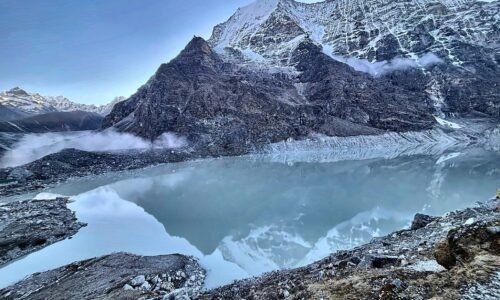
The Rolwaling Valley Trek via Tashi Lapcha Pass is one of Nepal’s most demanding and rewarding high-altitude trekking adventures, connecting the remote Rolwaling Valley with the famous Khumbu region.
The journey takes trekkers through traditional Sherpa villages, deep river valleys, alpine landscapes and rugged glaciers before crossing Tashi Lapcha Pass at approximately 5,755 metres (18,881 feet).
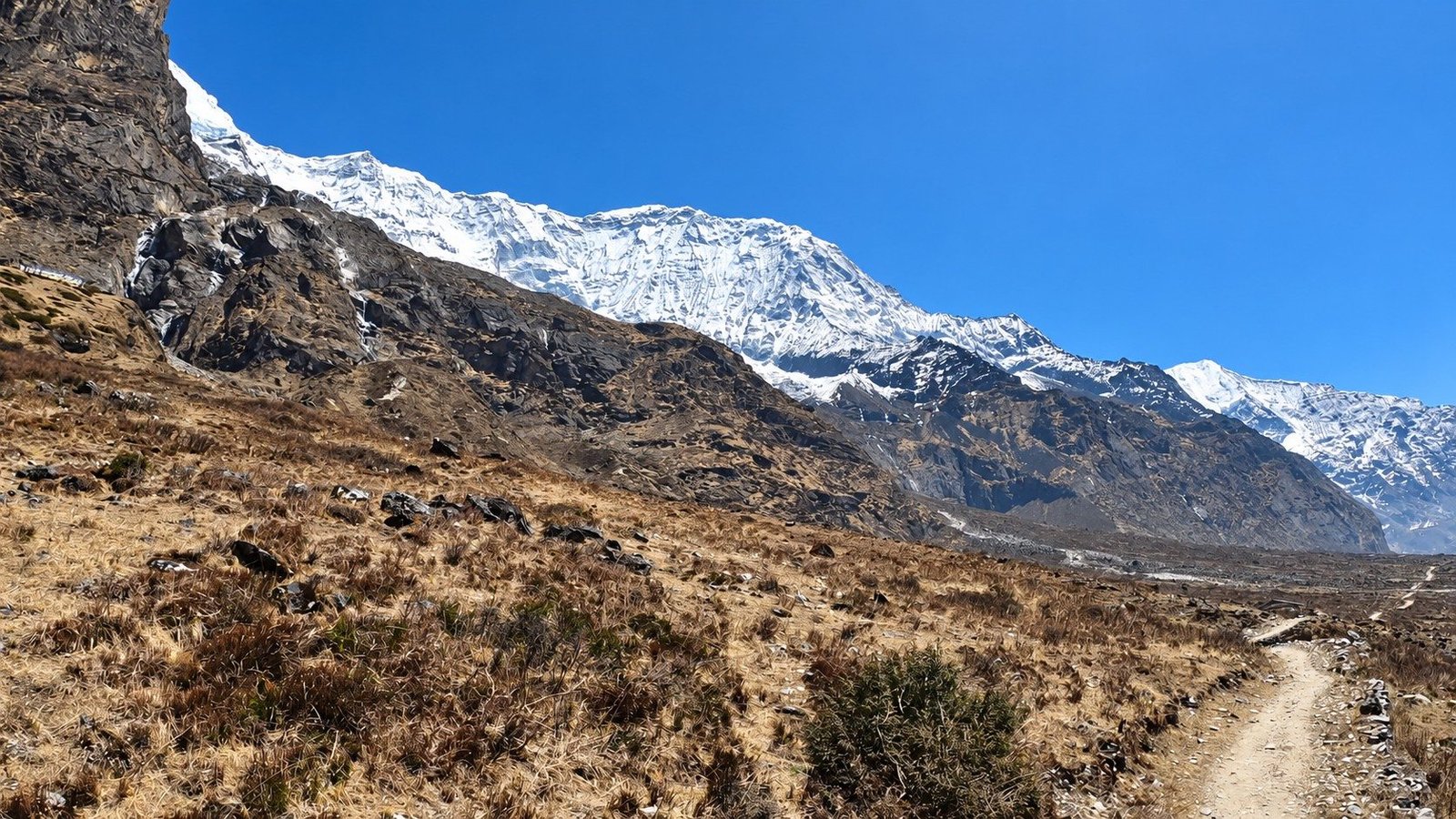
Unlike conventional trekking routes that return along the same trail, this adventure follows a remarkable passage between two Himalayan valleys.
Beginning with a drive from Kathmandu toward the Dolakha region, the trek enters the Gaurishankar Conservation Area and continues through Simigaon, Kyalche, Beding and Na Gaon.
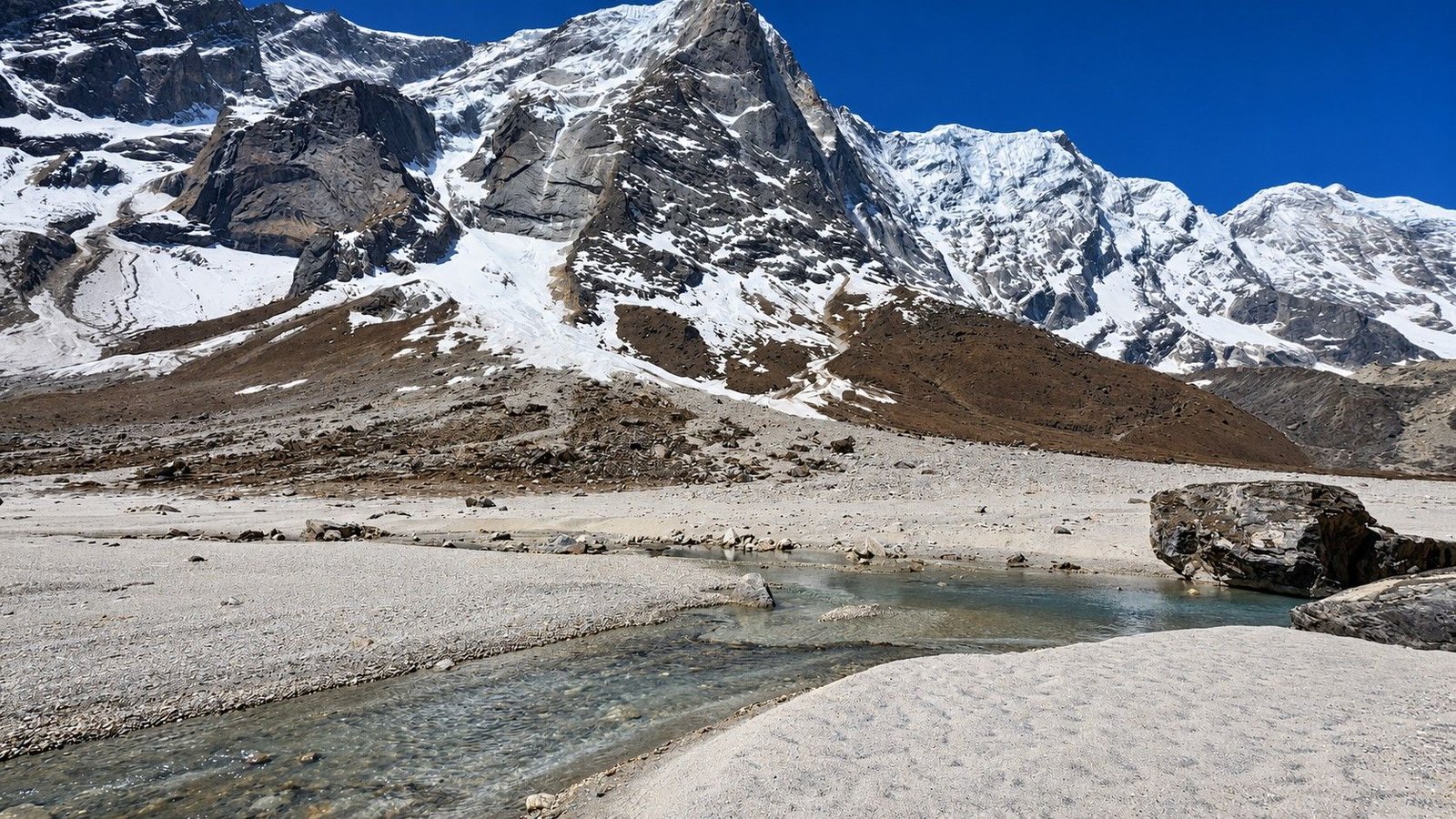
Beyond the villages, the route approaches Tsho Rolpa Lake and enters the challenging terrain of the Trakarding Glacier before climbing toward Tashi Lapcha Pass.
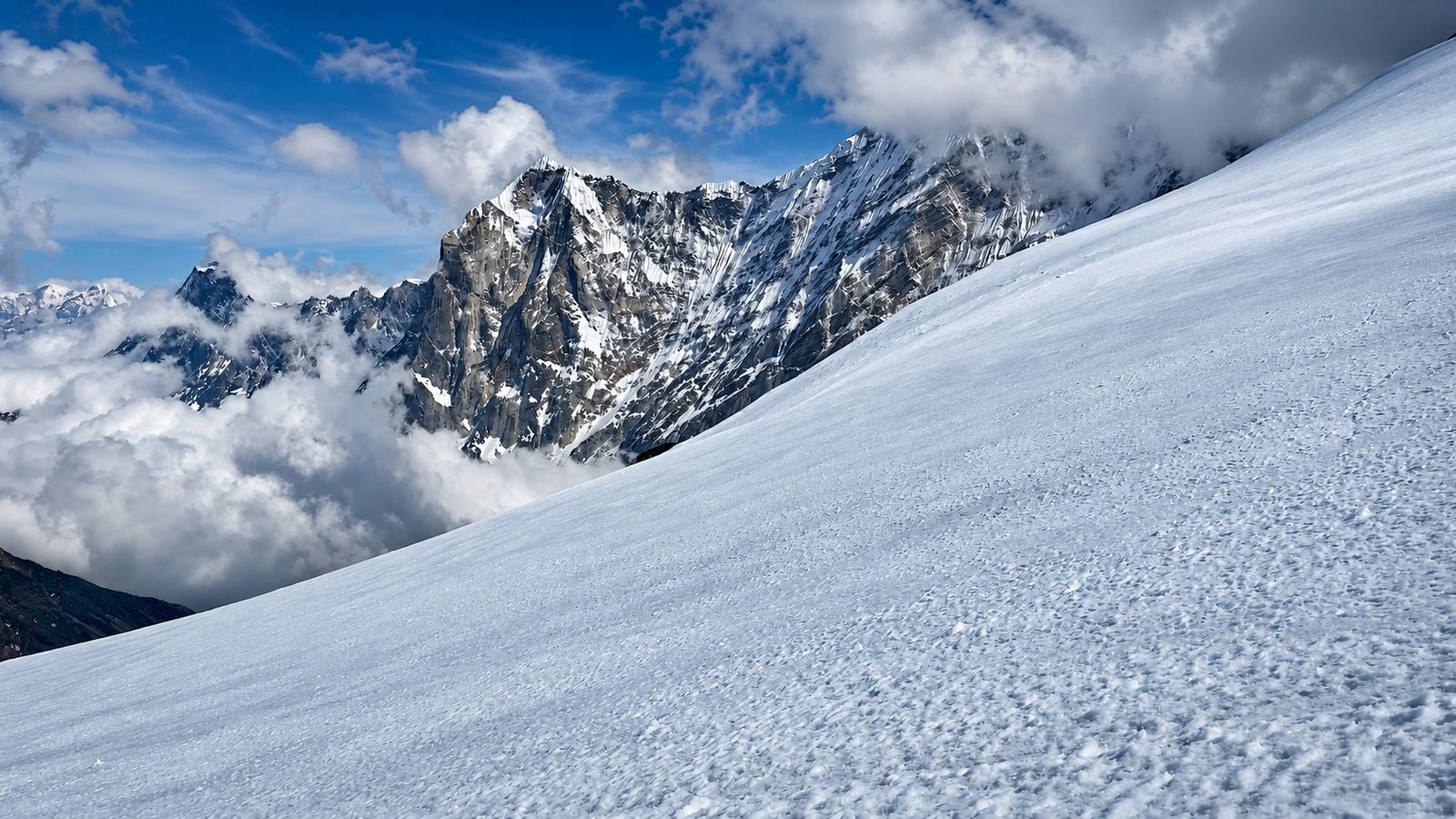
Crossing the pass is the defining experience of the journey. The upper route involves glacial moraine, snow, ice and exposed mountain terrain where ropes and technical climbing equipment may be required.
After successfully crossing into Khumbu, the trail descends toward Thame, a traditional Sherpa settlement, before continuing through Namche Bazaar and Lukla.

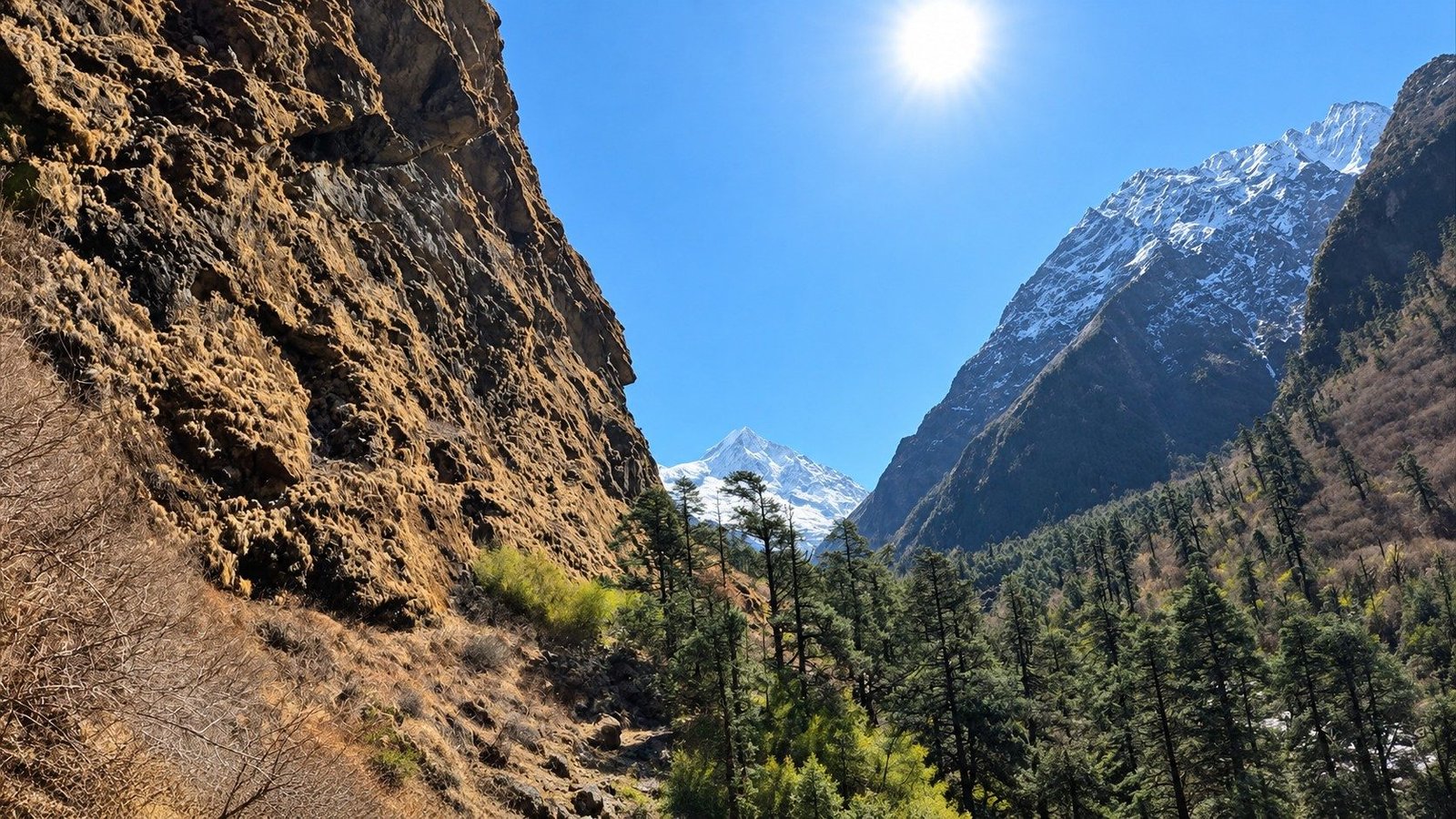
One of the most fascinating aspects of this trek is how dramatically the landscape changes. The lower Rolwaling Valley is filled with forests, waterfalls, rivers and scattered mountain settlements.
Higher up, the vegetation disappears and the surroundings become dominated by glaciers, rocky slopes and towering Himalayan peaks.
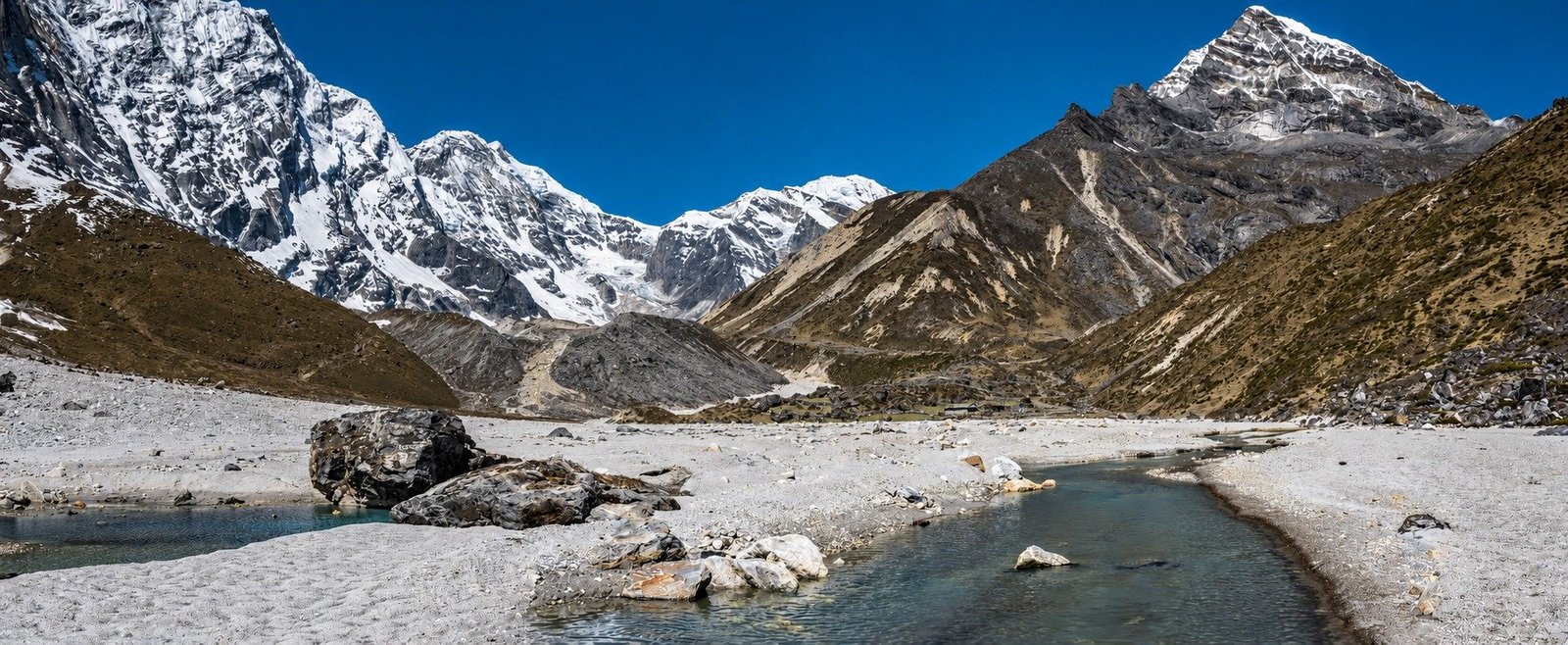
The descent into Khumbu introduces a different atmosphere, with established mountain villages, Buddhist monasteries and the familiar trails of the Everest region.
Our 15-day Rolwaling Valley Trek via Tashi Lapcha Pass is designed for experienced trekkers seeking a challenging wilderness crossing rather than a conventional teahouse trek.
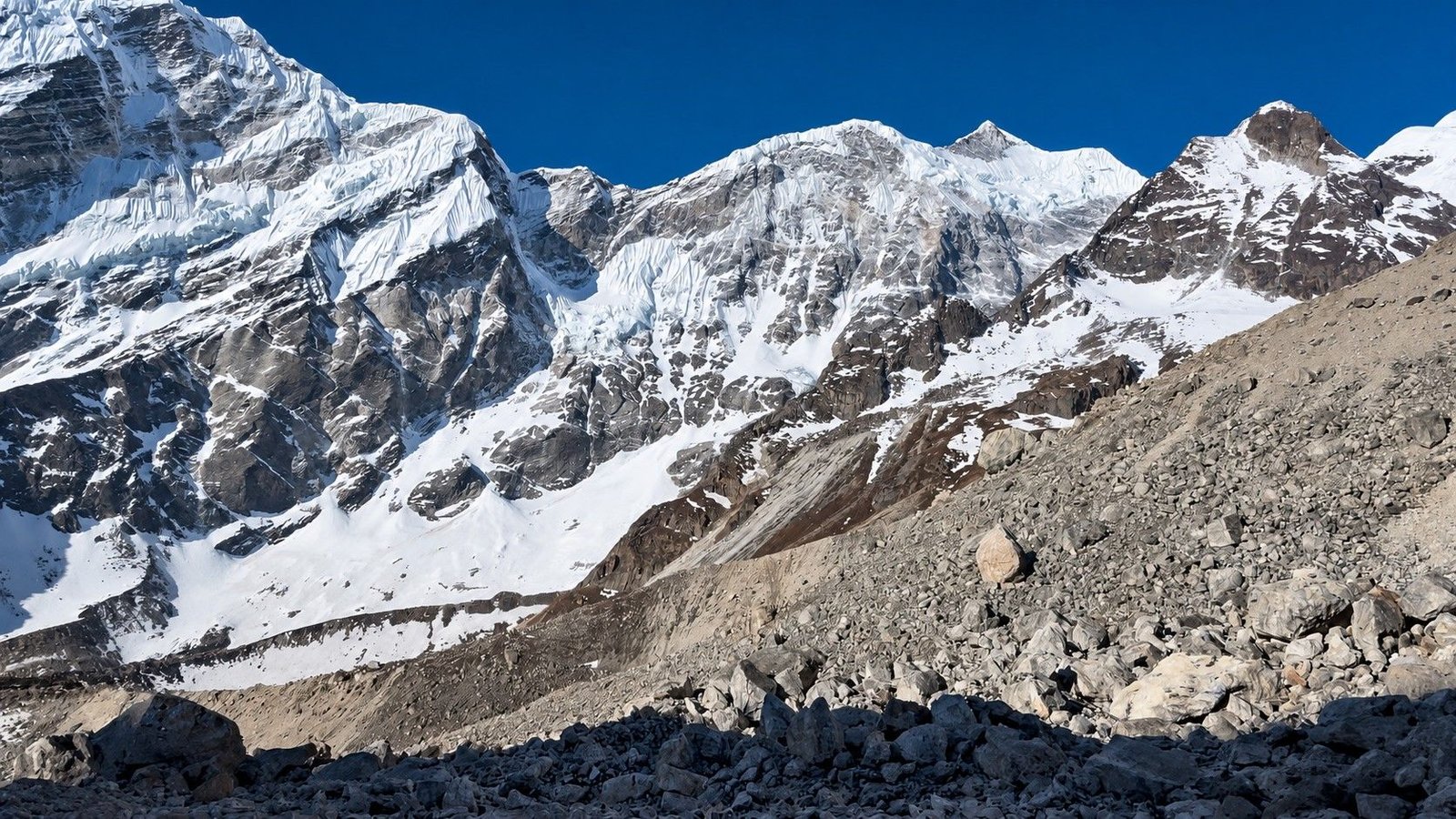
It includes high-altitude camping, an acclimatization day in Na Gaon and the journey across Tashi Lapcha Pass into Khumbu. The itinerary does not include an ascent of Pachermo Peak, which requires a separate climbing arrangement.
With its combination of remote mountain scenery, Sherpa heritage and technical high-altitude terrain, the Tashi Lapcha Pass Trek offers a distinctive Himalayan adventure for those prepared to take on one of Nepal’s more serious trekking routes.
Rolwaling Valley Trek Details
| Trip Information | Details |
|---|---|
| Trip Name | Rolwaling Valley Trek via Tashi Lapcha Pass |
| Duration | 15 Days, including Kathmandu arrival and departure |
| Maximum Altitude | Tashi Lapcha Pass – approximately 5,755 m / 18,881 ft |
| Difficulty | Strenuous / Technical High-Altitude Trek |
| Trekking Regions | Rolwaling Valley, Gaurishankar Conservation Area and Khumbu |
| Starting and Ending Point | Kathmandu, returning through Lukla |
| Main Trekking Trailhead | Gonggar / Chhetchhet area, depending on road access |
| Major Trekking Stops | Simigaon, Kyalche, Beding, Na Gaon, Trakarding Glacier, Tashi Lapcha Phedi, Thame, Namche Bazaar and Lukla |
| Major Attractions | Tsho Rolpa Lake, Trakarding Glacier, Tashi Lapcha Pass and the Rolwaling Himal |
| Accommodation | Hotel, local teahouses and tented high-altitude camps |
| Best Seasons | Spring (April–May) and Autumn (October–November) |
| Transportation | Overland transfer to Rolwaling and a return flight from Lukla, with airport arrangements depending on the season |
| Technical Experience | Previous high-altitude trekking and suitable snow, ice and rope-handling experience |
| Pachermo Peak Climbing | Not included |
A Journey from the Remote Rolwaling Valley to Khumbu
What makes the Rolwaling Valley Trek via Tashi Lapcha Pass special is the opportunity to experience two very different sides of the Himalayas within one journey.
The Rolwaling Valley is far less developed for tourism than the main Everest trekking corridor, offering quiet mountain trails, traditional settlements and a genuine sense of remoteness.
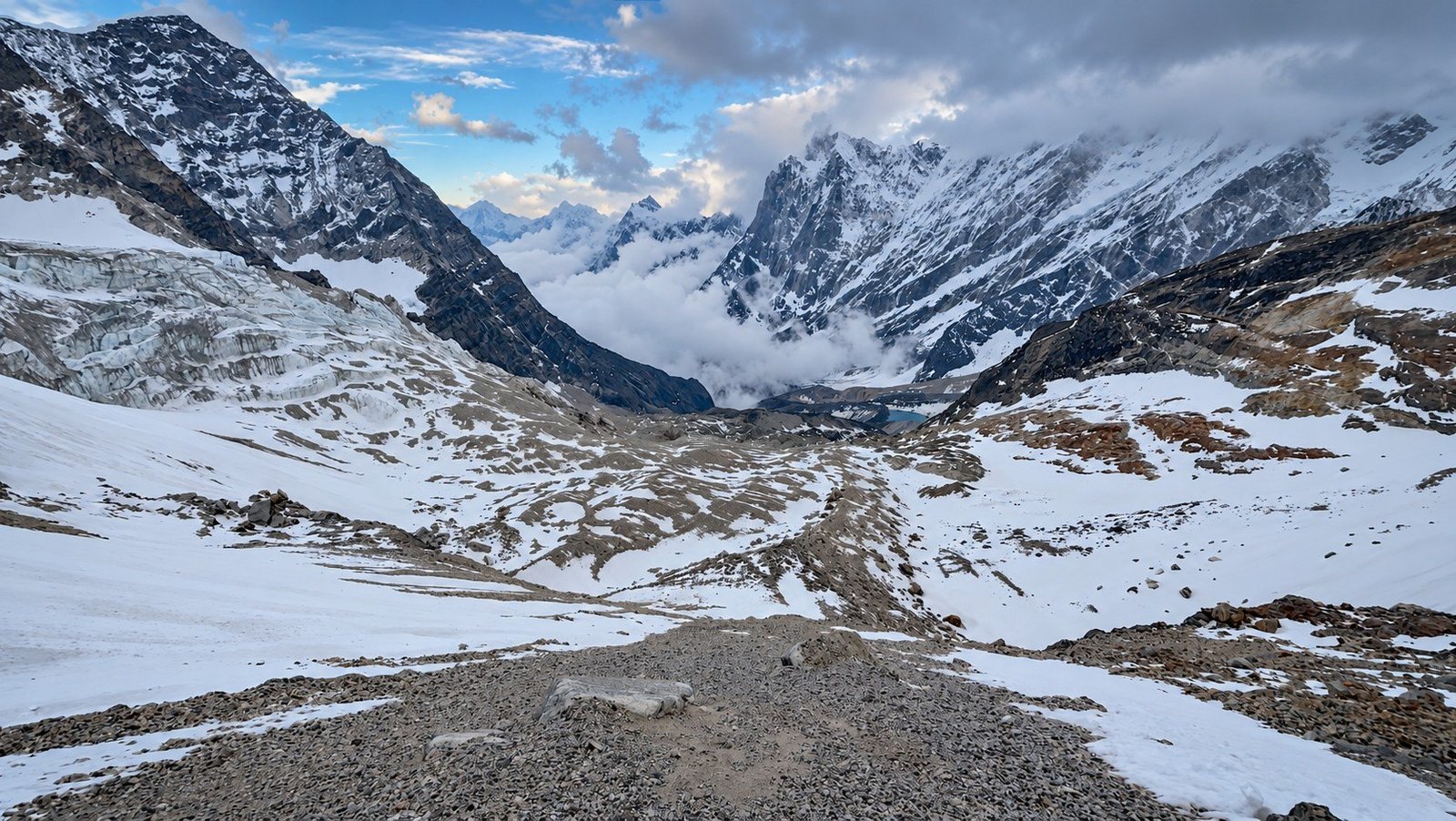
The trek begins with an overland journey from Kathmandu toward Dolakha and the Tama Koshi Valley. From the trailhead near Chhetchhet, a steep ascent leads to Simigaon, a hillside settlement overlooking the surrounding valleys.
The route then enters dense rhododendron and pine forests, with rivers, waterfalls and suspension bridges forming part of the early trekking experience.
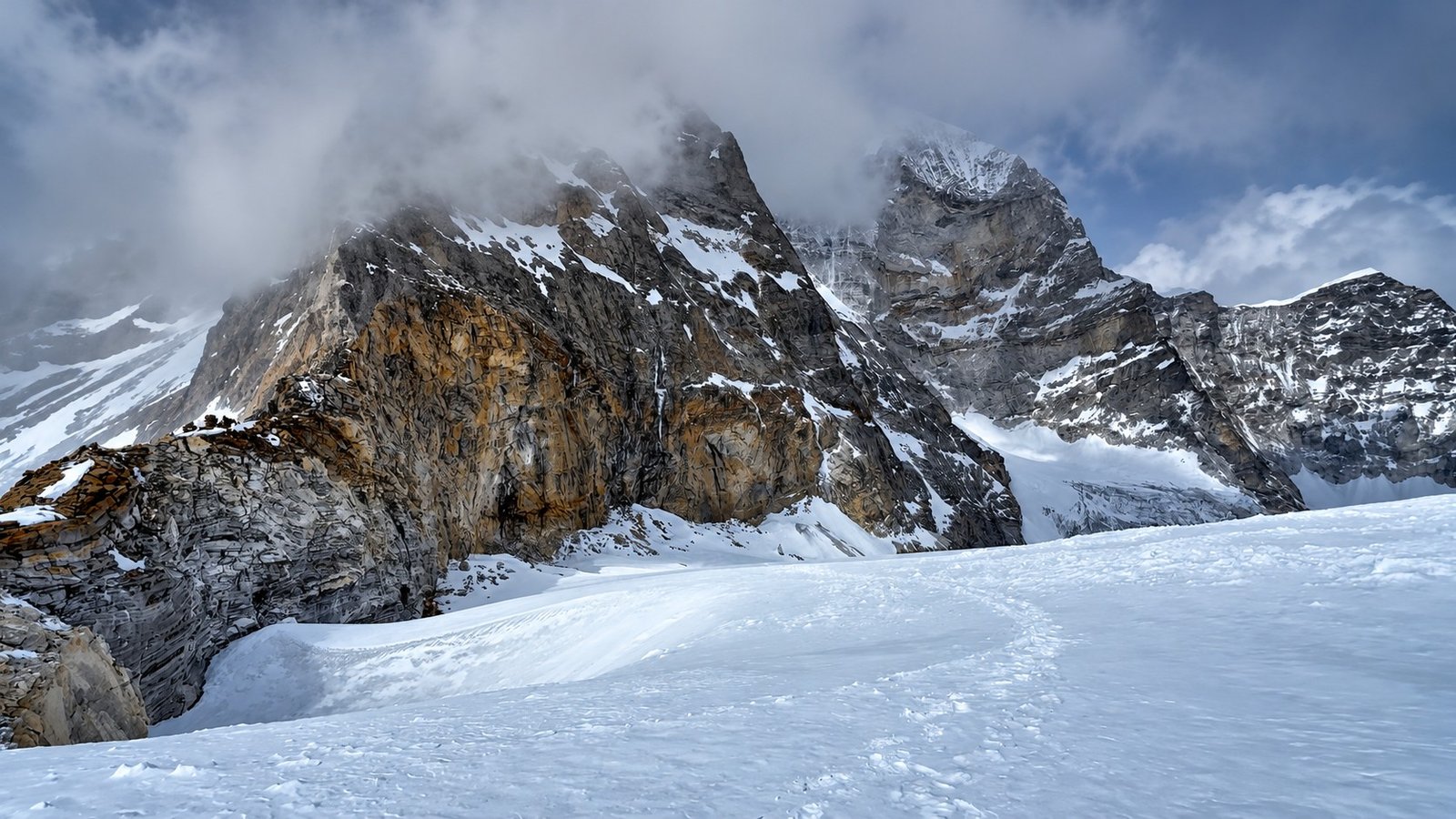
As the journey continues through Kyalche and toward Beding, the valley becomes increasingly secluded. The surrounding mountains appear larger, the vegetation gradually changes and the traditional villages provide an insight into the lives of communities that have adapted to this challenging landscape.
Unlike the standard Tsho Rolpa Lake Trek, this journey does not turn back after reaching the upper Rolwaling Valley. Instead, it continues beyond the established settlements and enters the remote glacial terrain leading toward Tashi Lapcha Pass.
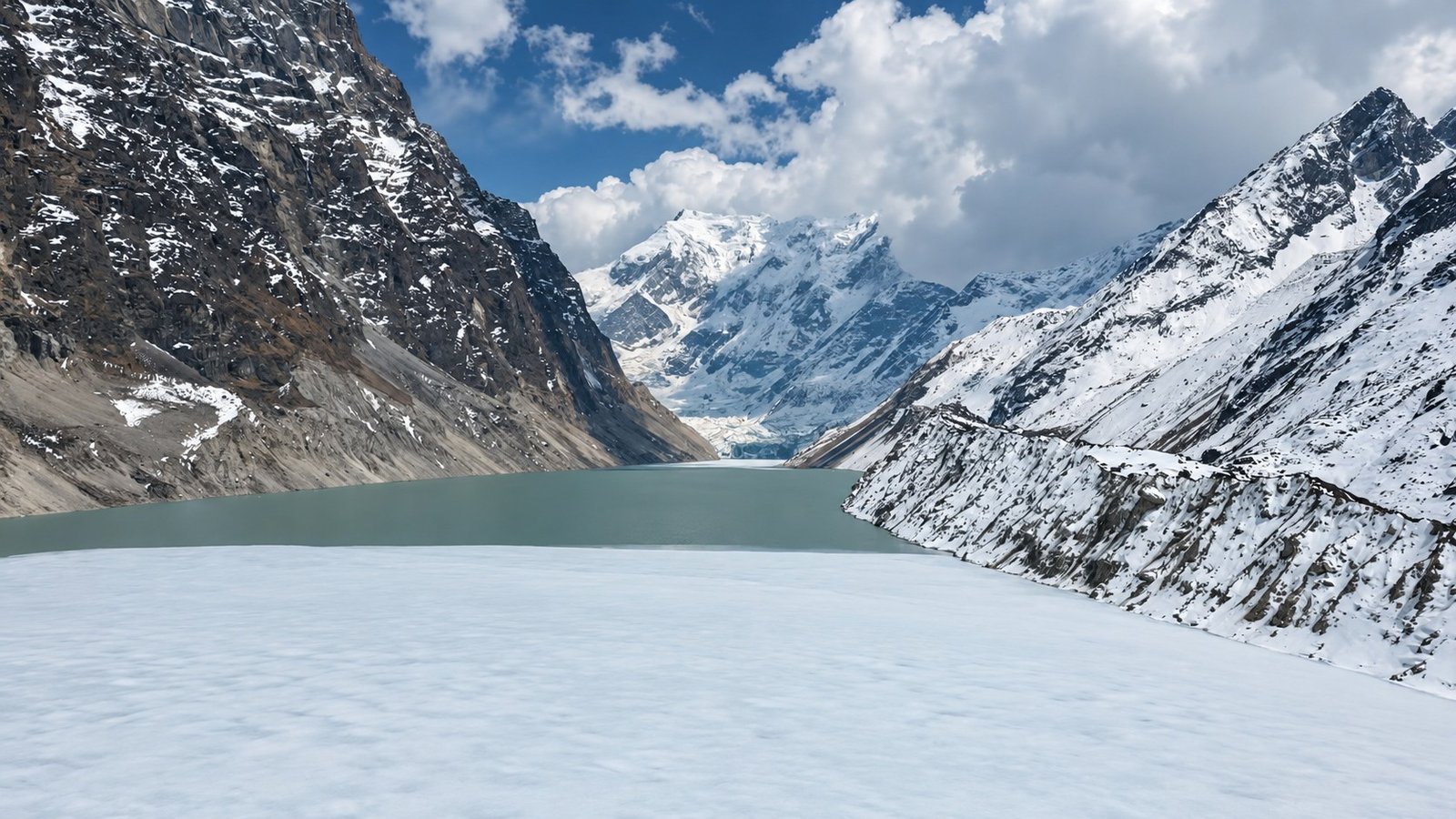
The landscape becomes harsher and more exposed, while tented camps replace the simple village teahouses.
After crossing the pass, the descent toward Thame marks the beginning of the Khumbu section. The surroundings gradually return to alpine pastures, villages and established mountain paths, eventually connecting with Namche Bazaar and the route to Lukla.
Beding and Na Gaon: Sherpa Culture in the Rolwaling Himal
The villages of Beding and Na Gaon are among the most interesting cultural stops on the Rolwaling approach. Beding, situated at approximately 3,690 metres, is one of the main traditional Sherpa settlements in the valley.
The village is known for its stone houses, Buddhist heritage and long association with Himalayan mountaineering.
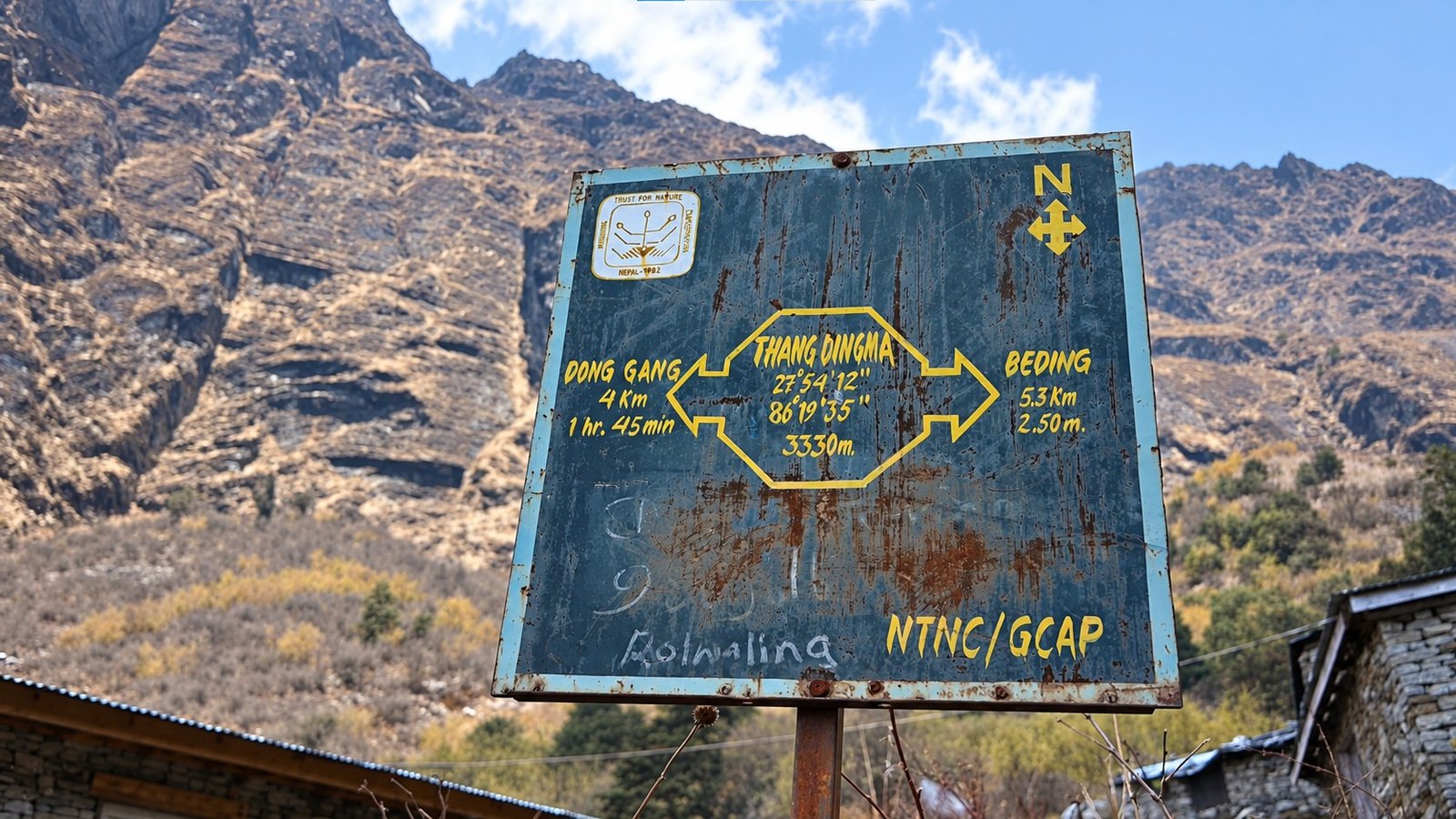
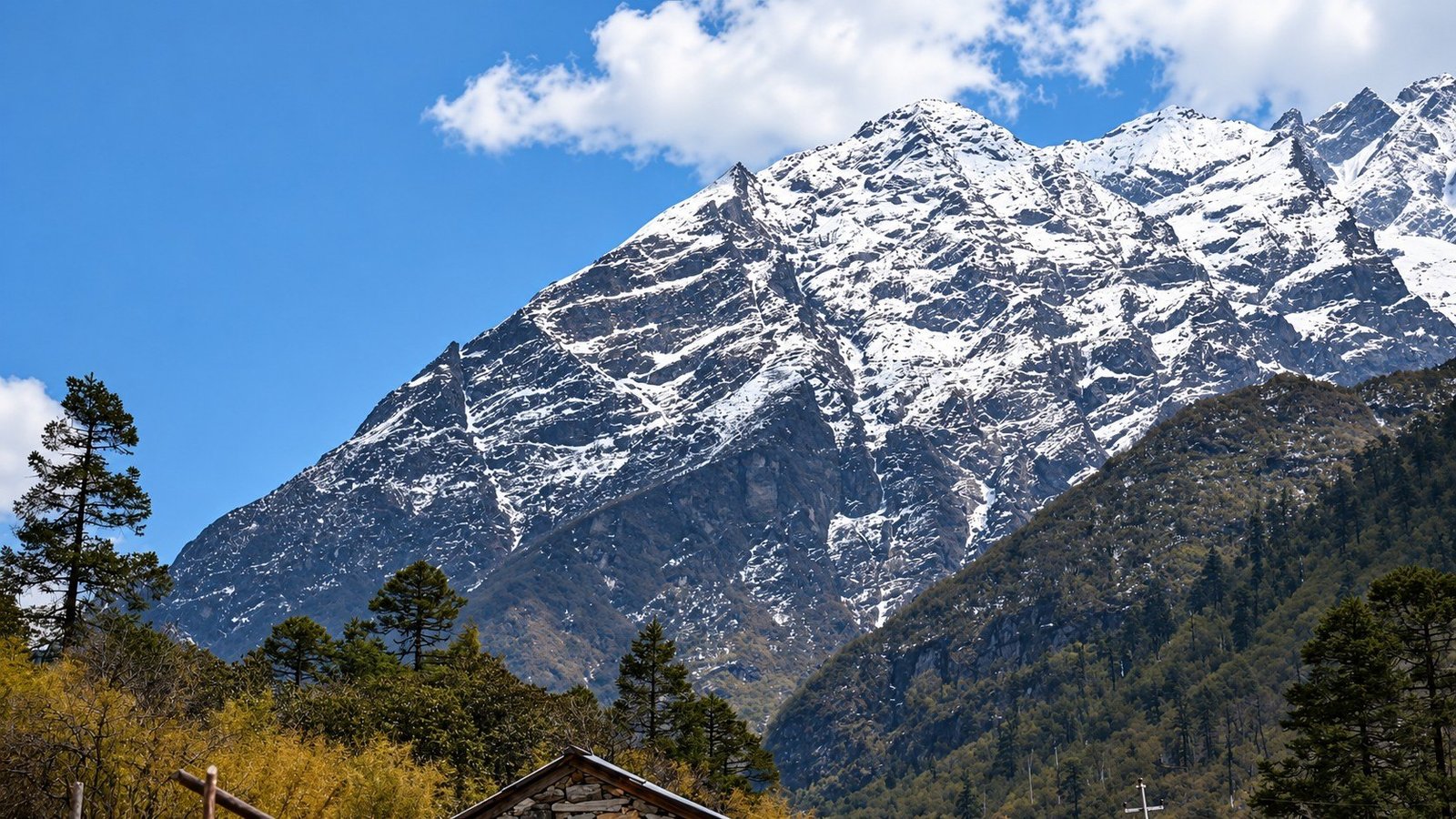
Prayer flags, traditional architecture and the surrounding snow-covered peaks give Beding a distinctive atmosphere. The village also provides an important opportunity to experience local culture before continuing into the higher and more isolated sections of the route.
Beyond Beding, the trail climbs toward Na Gaon at approximately 4,180 metres. The landscape becomes more open, with rocky hillsides, alpine pastures and impressive views of the surrounding mountains.
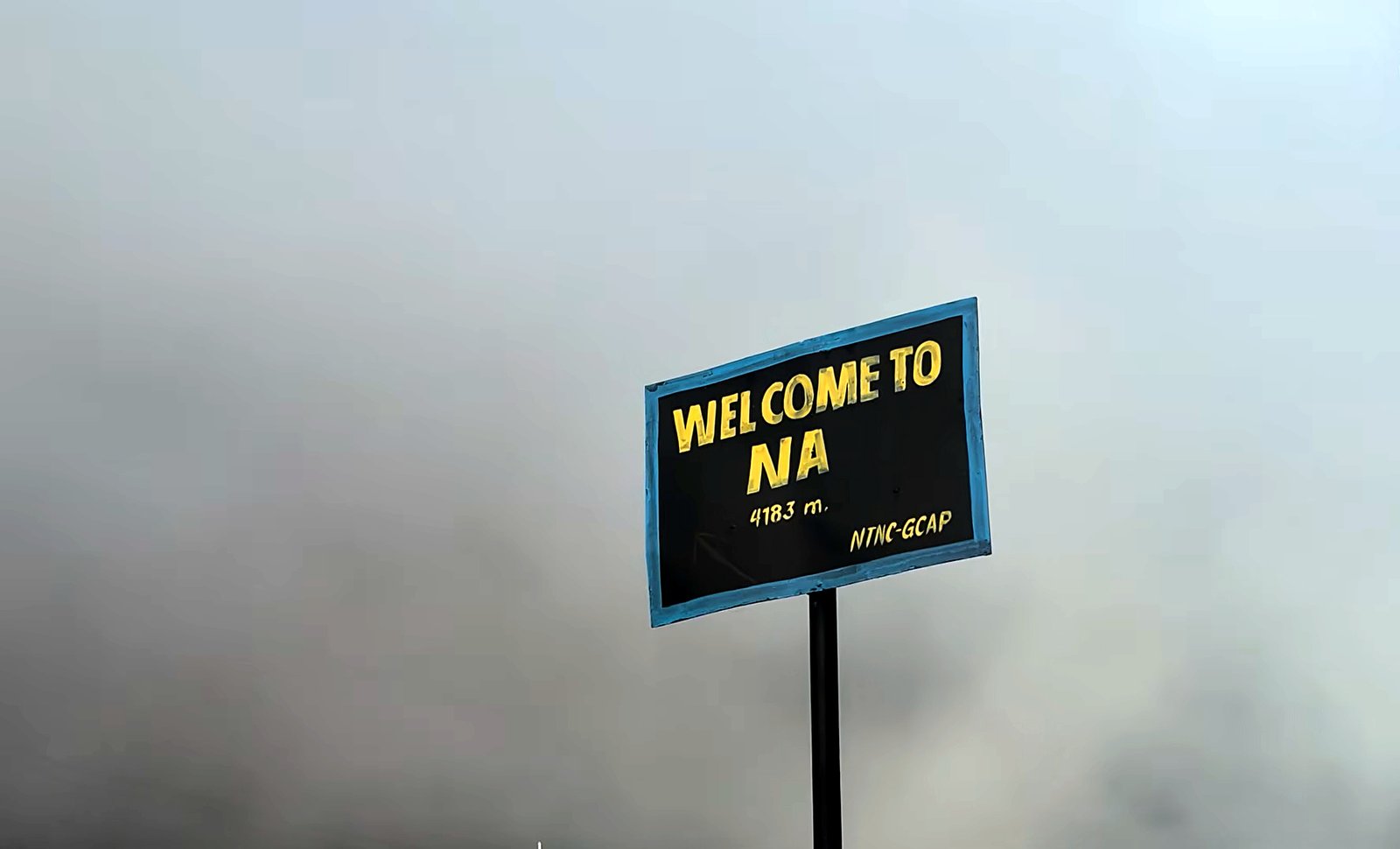
Na has traditionally been associated with seasonal livestock grazing and serves as an important staging point for journeys toward Tsho Rolpa Lake and Tashi Lapcha Pass.
Our itinerary includes an acclimatization day in Na Gaon before continuing into the glacial section. This gives trekkers time to recover, enjoy the mountain surroundings and prepare their equipment for the demanding days ahead.
The group may undertake a controlled hike toward higher ground or the Tsho Rolpa area, depending on weather and individual acclimatization.
Tsho Rolpa Lake and the Trakarding Glacier
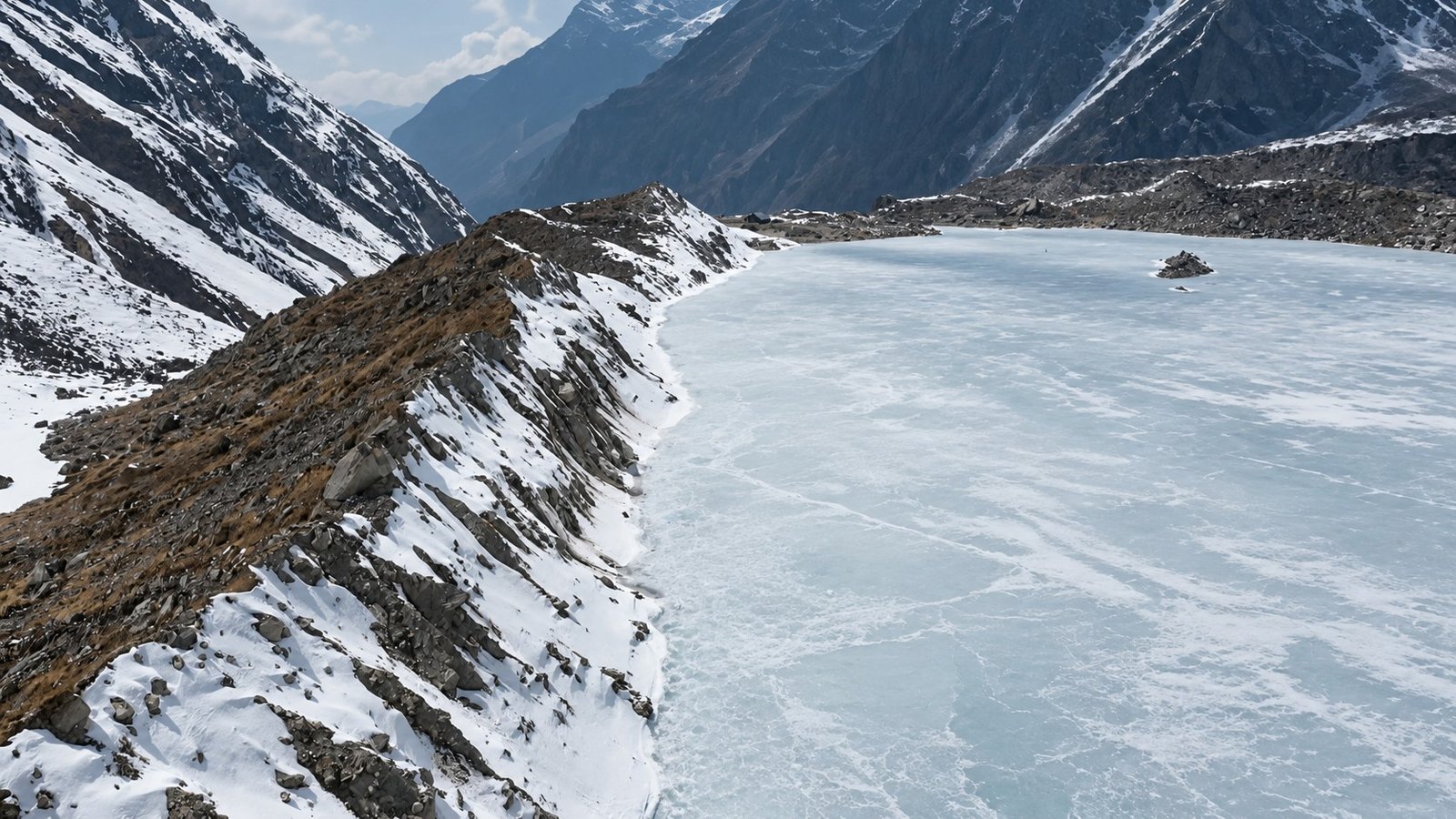
Situated at approximately 4,580 metres, Tsho Rolpa is one of Nepal’s most remarkable glacial lakes. Surrounded by rugged Himalayan mountains and glacial moraine, the lake forms an important landmark along the upper Rolwaling route.
While Tsho Rolpa is the final destination of the standard lake trek, it is only one part of the wider adventure on the Tashi Lapcha crossing.
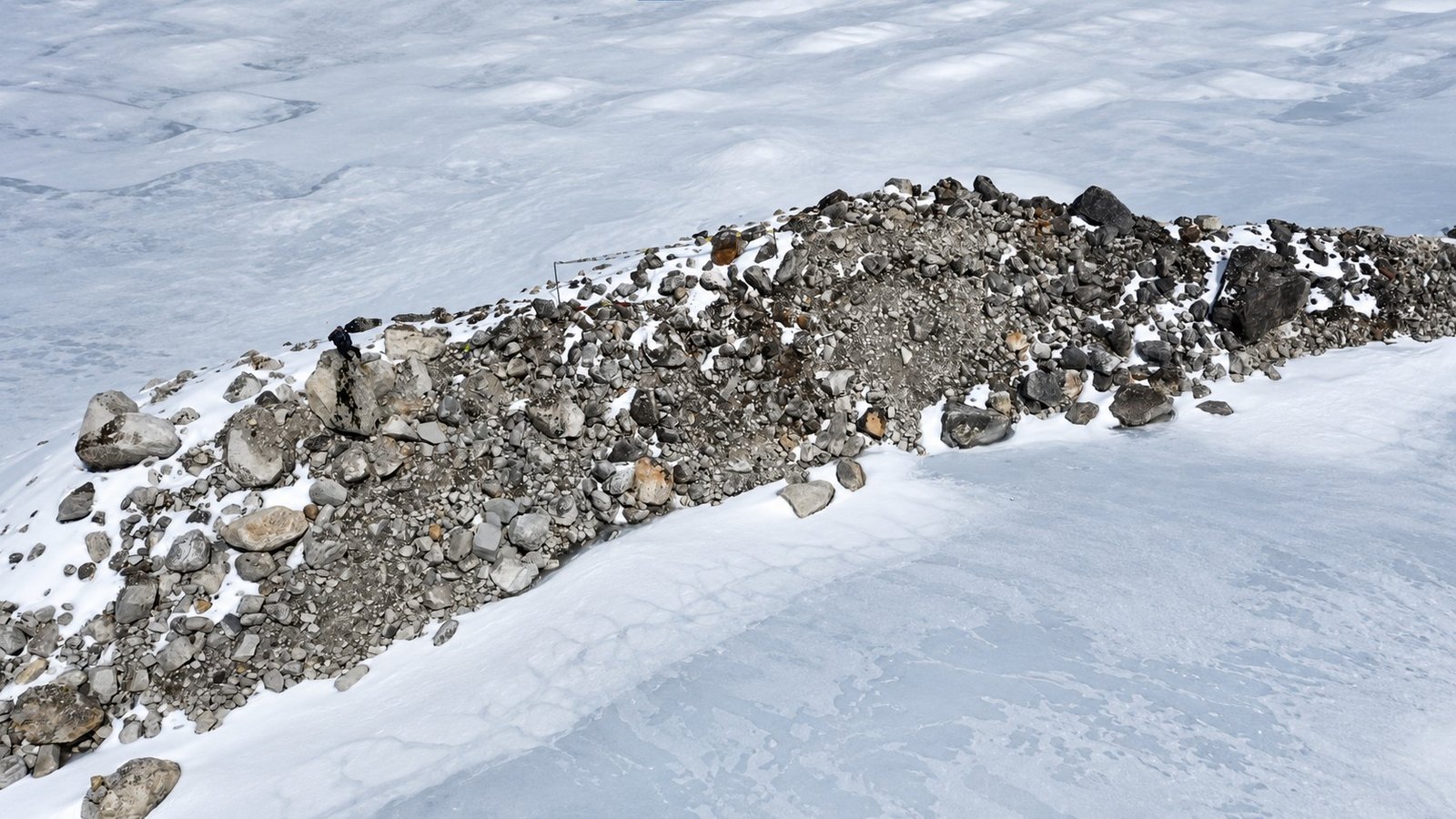
Depending on the group’s condition and the route selected, the itinerary allows an opportunity to visit or approach the lake during the acclimatization and upper-valley stages.
Beyond the lake area, the landscape becomes increasingly rugged as the route approaches the Trakarding Glacier. This section introduces a different kind of trekking experience, with rocky moraine, glacial deposits, loose stones and potentially icy surfaces.
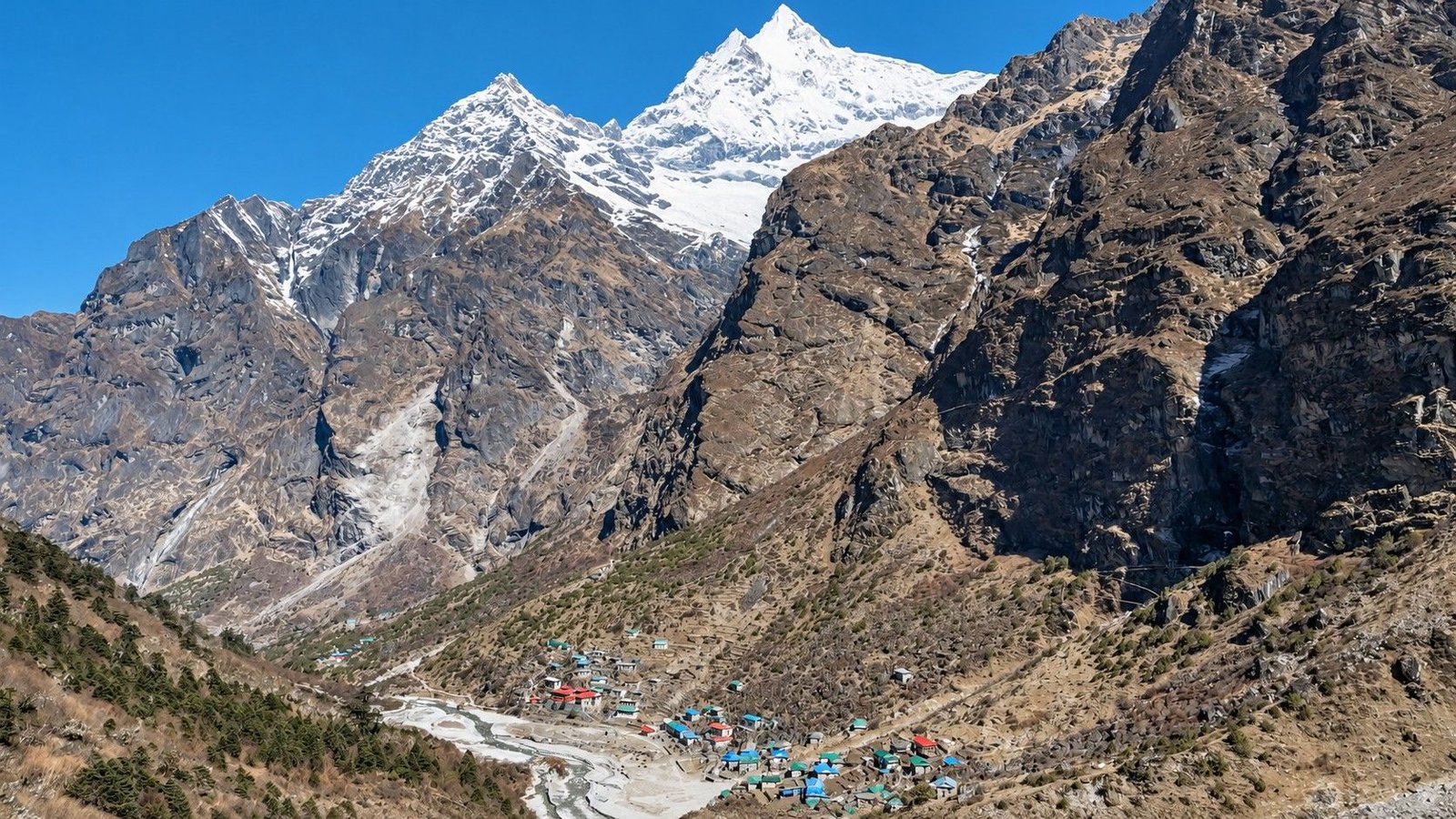
Walking across this terrain requires considerable concentration. The ground can be uneven, and the route may change according to glacier movement, snow cover and seasonal conditions.
Even relatively short distances can take several hours when the terrain is difficult or the team needs to move carefully.
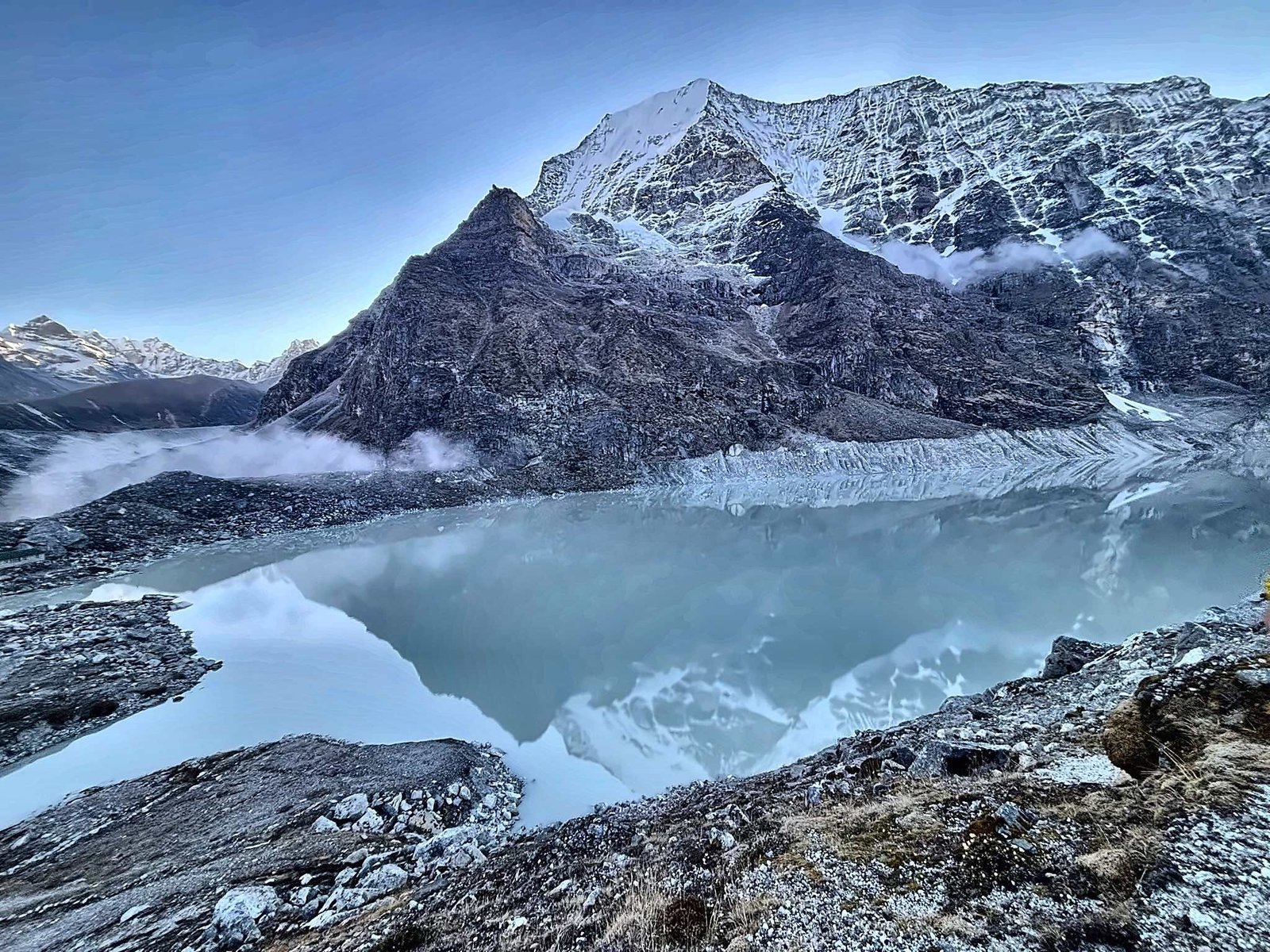
Accommodation in the upper glacier section is provided in tents because permanent lodges are not available along the crossing route.
Trekkers experience several nights in remote high-altitude camps before reaching the staging area below Tashi Lapcha Pass.
Crossing Tashi Lapcha Pass (5,755 m)
The highest and most demanding stage of the trek is the crossing of Tashi Lapcha Pass at approximately 5,755 metres.
Connecting Rolwaling with Khumbu, the pass is significantly more technical than the high passes encountered on many conventional trekking routes in Nepal.
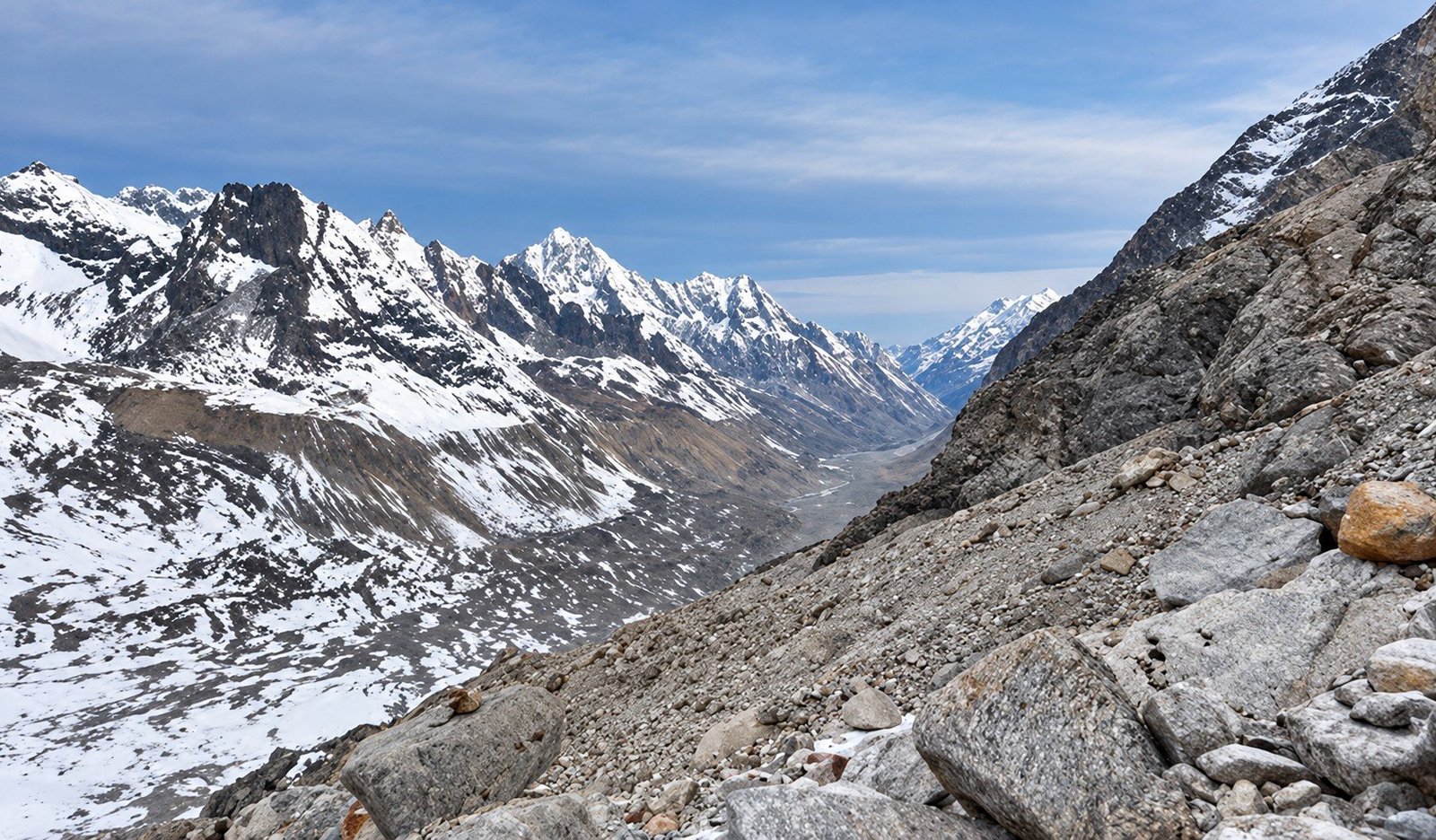
The approach includes exposed mountain terrain where snow, ice, steep slopes and glaciated sections can make progress difficult.
Depending on current conditions, the crossing may require crampons, an ice axe, climbing harness, helmet, ropes and other safety equipment. Some sections may involve fixed-rope ascending or controlled descent under the supervision of the technical guide team.
The crossing generally begins early in the morning to make use of suitable conditions. As trekkers climb toward the pass, the thin air and demanding terrain make every step more challenging.
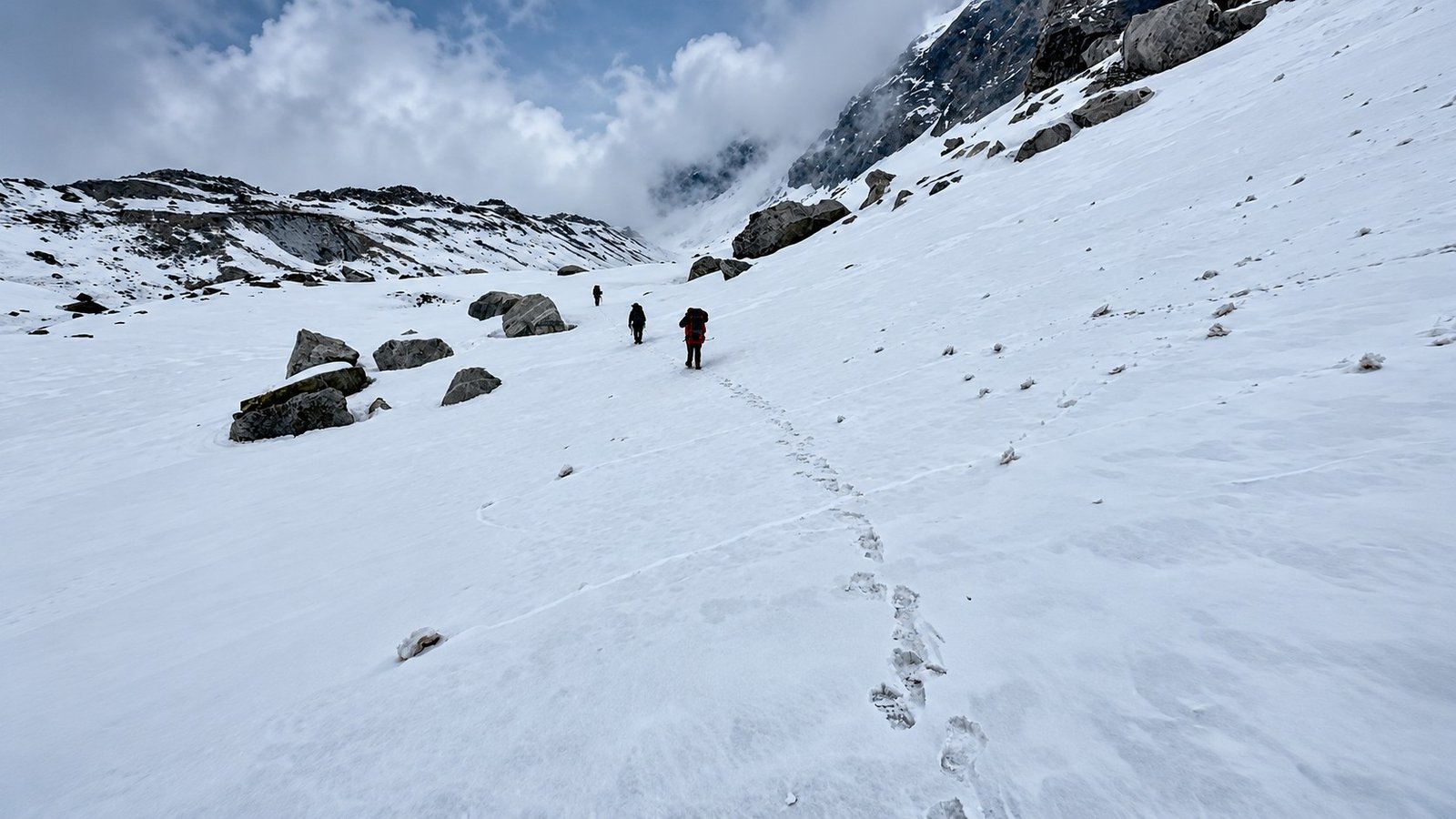
Reaching the high point provides an impressive perspective over the surrounding mountain landscape and the remote terrain separating Rolwaling from Khumbu.
However, reaching the pass is only part of the day’s challenge. The route continues down toward the Khumbu side, where the team generally establishes an overnight camp in the Pachermo High Camp or Tashi Puk area.
Camp placement depends on the route, snow conditions and available safe ground.
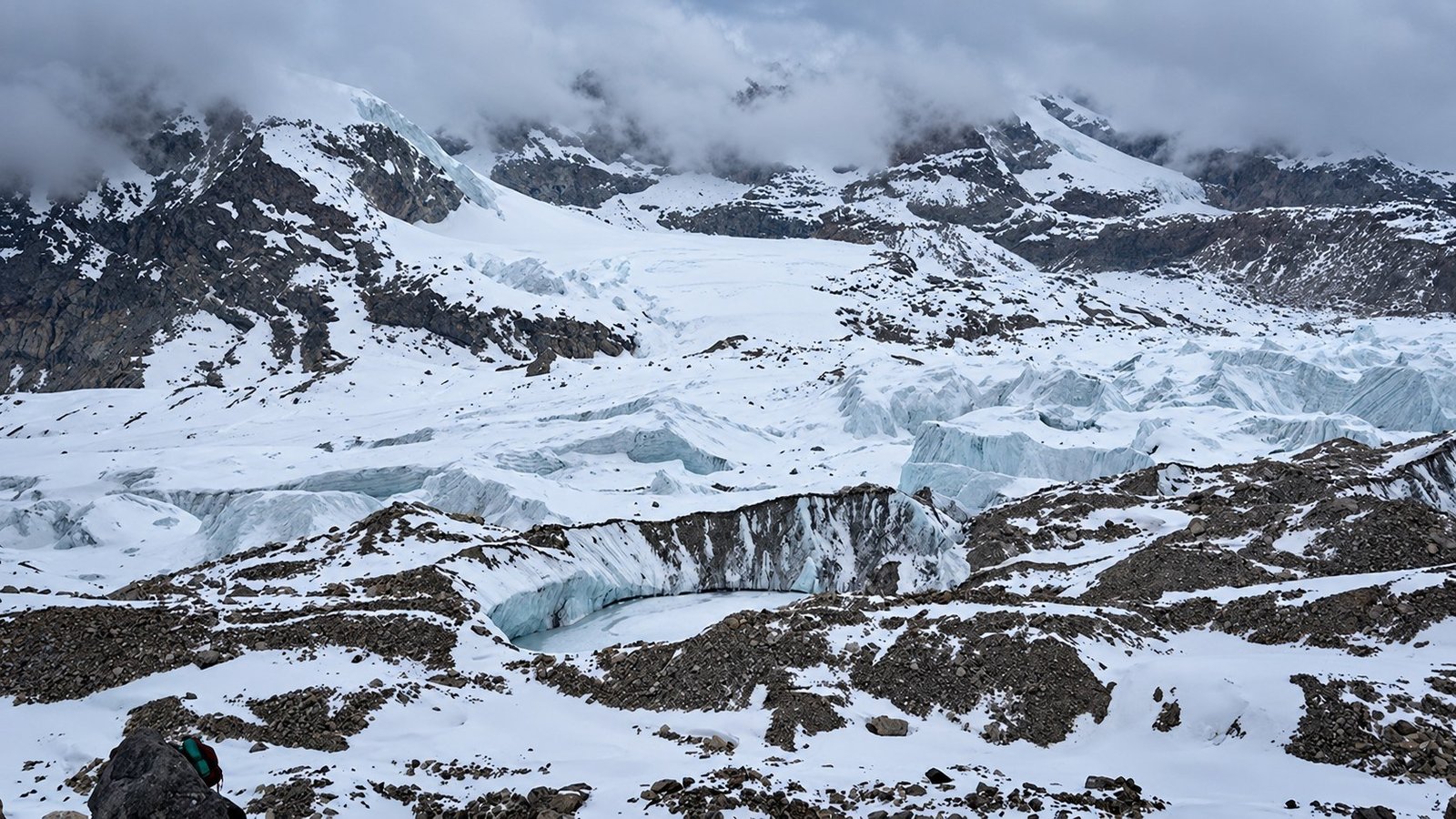
This journey does not include a summit attempt on Pachermo Peak. The objective is to complete the crossing and continue toward Thame rather than undertake an additional climbing expedition.
Important: Tashi Lapcha Pass is a serious technical crossing. The climbing team must assess snow stability, weather, glacier conditions and group readiness before attempting the pass. The planned crossing date may change if conditions are unsuitable.
Descending into Khumbu: Thame, Namche Bazaar and Lukla
After crossing Tashi Lapcha Pass, the journey continues toward Thame, a traditional Sherpa village at approximately 3,820 metres. The descent gradually leads away from the glaciated environment into mountain pastures and established trails.
Thame is known for its Buddhist monastery, traditional settlement and strong connections with Sherpa mountaineering culture. Reaching the village is a memorable milestone, as it marks the completion of the most remote and demanding section of the trek.

From Thame, the trail continues toward Namche Bazaar (3,440 m), the main commercial centre of the Everest region. The contrast with the upper Rolwaling Valley is immediately noticeable, with more developed lodges, shops and trekking facilities.
The final trekking stage follows the established Khumbu trail to Lukla, passing villages, forests and suspension bridges along the Dudh Koshi corridor. From Lukla, a scheduled mountain flight and the necessary ground transfer arrangements return trekkers to Kathmandu, completing the journey between the two valleys.
Altitude and Route Overview
| Location | Approximate Altitude | Route Features |
|---|---|---|
| Simigaon | 2,020 m | Hillside settlement and beginning of the walking route |
| Kyalche | Around 2,800–2,890 m | Forest trails and remote valley accommodation |
| Beding | 3,690 m | Traditional Sherpa village and upper Rolwaling settlement |
| Na Gaon | 4,180 m | Alpine pastures and acclimatization stop |
| Tsho Rolpa Lake | 4,580 m | Glacial lake and upper valley landmark |
| Chhukyima / Odar Camp | Around 4,820–4,870 m | Remote camping area beyond Na Gaon |
| Trakarding Glacier Camp | Around 4,850–4,980 m | Rocky moraine, glacial terrain and tented accommodation |
| Tashi Lapcha Phedi | Around 5,010 m | High-altitude staging camp below the pass |
| Tashi Lapcha Pass | 5,755 m | Technical snow, ice and glacier crossing |
| Thame | 3,820 m | Traditional Sherpa village in Khumbu |
| Namche Bazaar | 3,440 m | Established Everest-region trekking centre |
| Lukla | Around 2,840–2,860 m | Final trekking destination and mountain airport |
Elevations are approximate and may vary between mapping sources. Upper glacier camps are particularly dependent on seasonal snow, ice and the availability of suitable camping ground.
How Difficult Is the Rolwaling Valley Trek via Tashi Lapcha Pass?
The Rolwaling Valley Trek via Tashi Lapcha Pass is strenuous and technical. Although much of the lower route follows established mountain trails, the upper crossing requires significantly greater preparation than a conventional high-altitude trek.
The main challenges include consecutive days of uphill walking, sleeping above 4,000 metres, negotiating unstable moraine, camping in remote locations and crossing snow or ice-covered terrain.
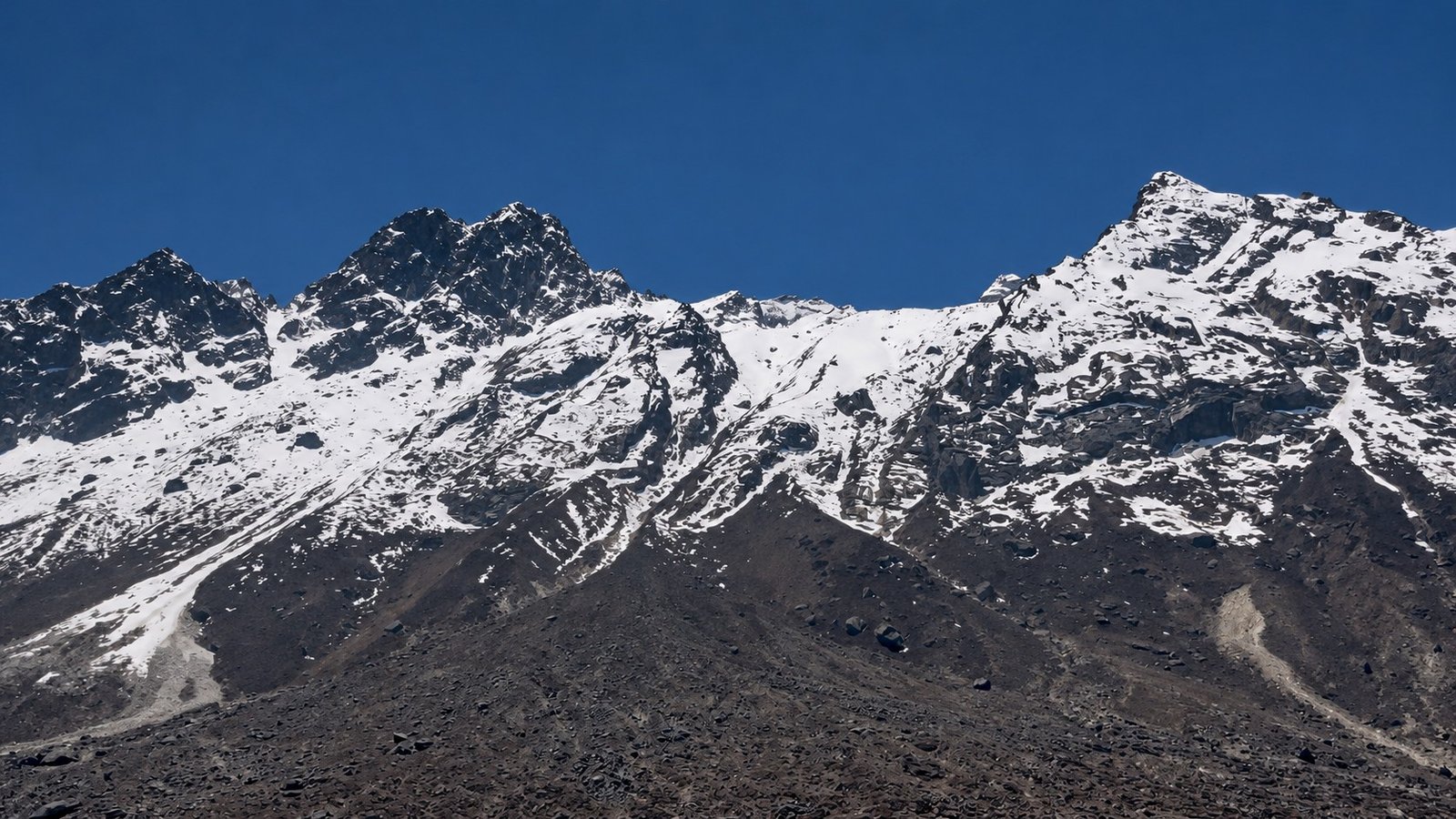
The final approach to Tashi Lapcha Pass can involve steep sections requiring technical equipment and experience with rope systems.
Previous high-altitude trekking experience is essential, while practical experience using crampons, an ice axe, a harness and fixed ropes is strongly recommended.
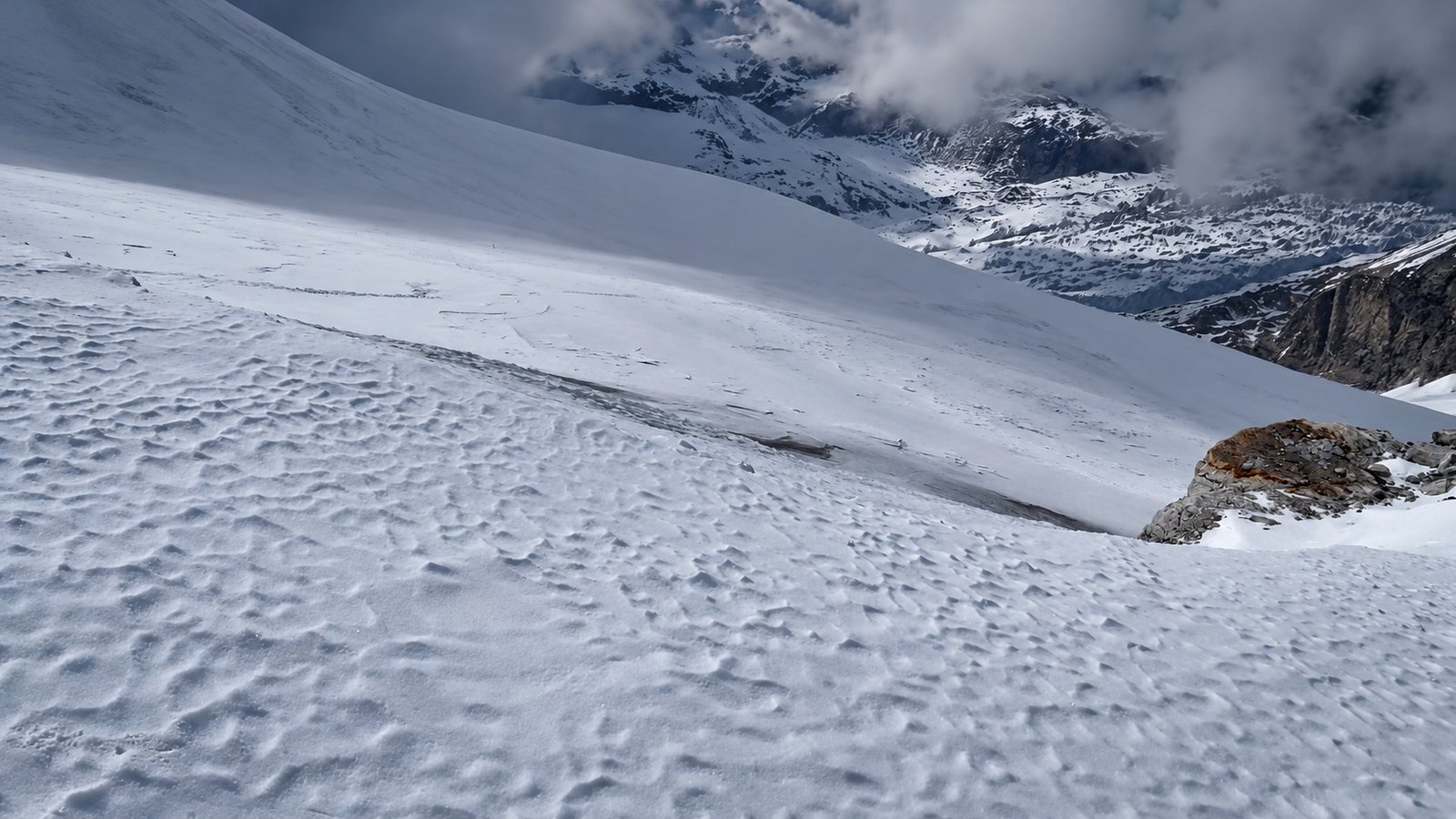
Trekkers should be physically fit, comfortable with mountain exposure and prepared for long days in cold and demanding conditions.
| Challenge | What Trekkers Should Expect |
|---|---|
| High Altitude | The crossing reaches 5,755 metres, where physical effort becomes more demanding. |
| Technical Terrain | Snow, ice, glacier travel and possible fixed-rope sections. |
| Remote Camping | Tented nights without ordinary lodge facilities in the upper valley. |
| Long Trekking Days | Several sustained walking stages, including a demanding pass-crossing day. |
| Mountain Weather | Strong winds, snowfall, poor visibility and rapidly changing conditions. |
Best Time for the Rolwaling Valley and Tashi Lapcha Pass Trek
Spring (April to May) and autumn (October to November) are generally the preferred seasons for attempting the Tashi Lapcha Pass Trek.
These periods often provide more favourable trekking conditions in the lower valleys, although the actual condition of the pass must be assessed independently of the general seasonal forecast.
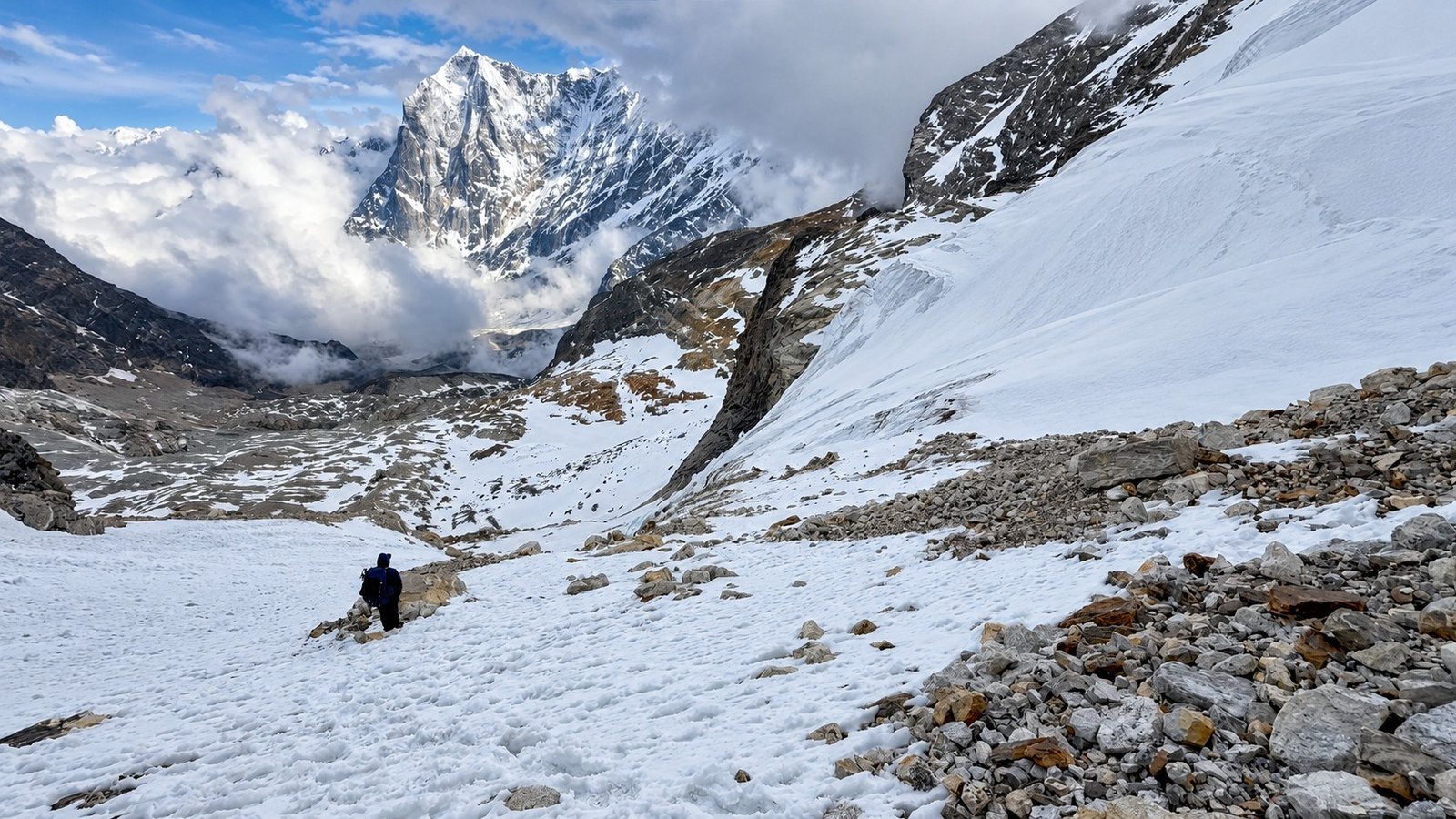
Spring brings gradually warmer weather and flowering forests along the Rolwaling approach. However, snow may remain on the high crossing, affecting the route and technical difficulty.
Autumn often provides impressive Himalayan views after the monsoon, but cold temperatures and snowfall can still affect the upper glacier and pass.
| Season | Months | General Conditions |
|---|---|---|
| Spring | April–May | Suitable trekking season; snow and ice conditions still require careful assessment. |
| Autumn | October–November | Often clearer mountain views, with increasingly cold conditions at higher elevations. |
| Monsoon | June–September | Rain, landslides, slippery trails and difficult mountain visibility. |
| Winter | December–February | Severe cold, snow accumulation and potentially impassable high-altitude terrain. |
Because Tashi Lapcha is a technical glaciated crossing, the final departure date should be selected with consideration for recent snowfall, weather forecasts and the condition of the upper route.
Accommodation and Meals During the Trek
Accommodation on this journey changes considerably as the route moves from Rolwaling into Khumbu. During the lower approach, trekkers stay in available local teahouses or mountain lodges in settlements such as Simigaon, Kyalche, Beding and Na Gaon.
Facilities are generally basic, with simple rooms and limited hot showers, electricity or internet access.
Beyond Na Gaon, the trek enters remote high-altitude terrain where normal accommodation is unavailable. The group relies on tented camping arrangements, including suitable sleeping tents, cooking equipment and support staff.
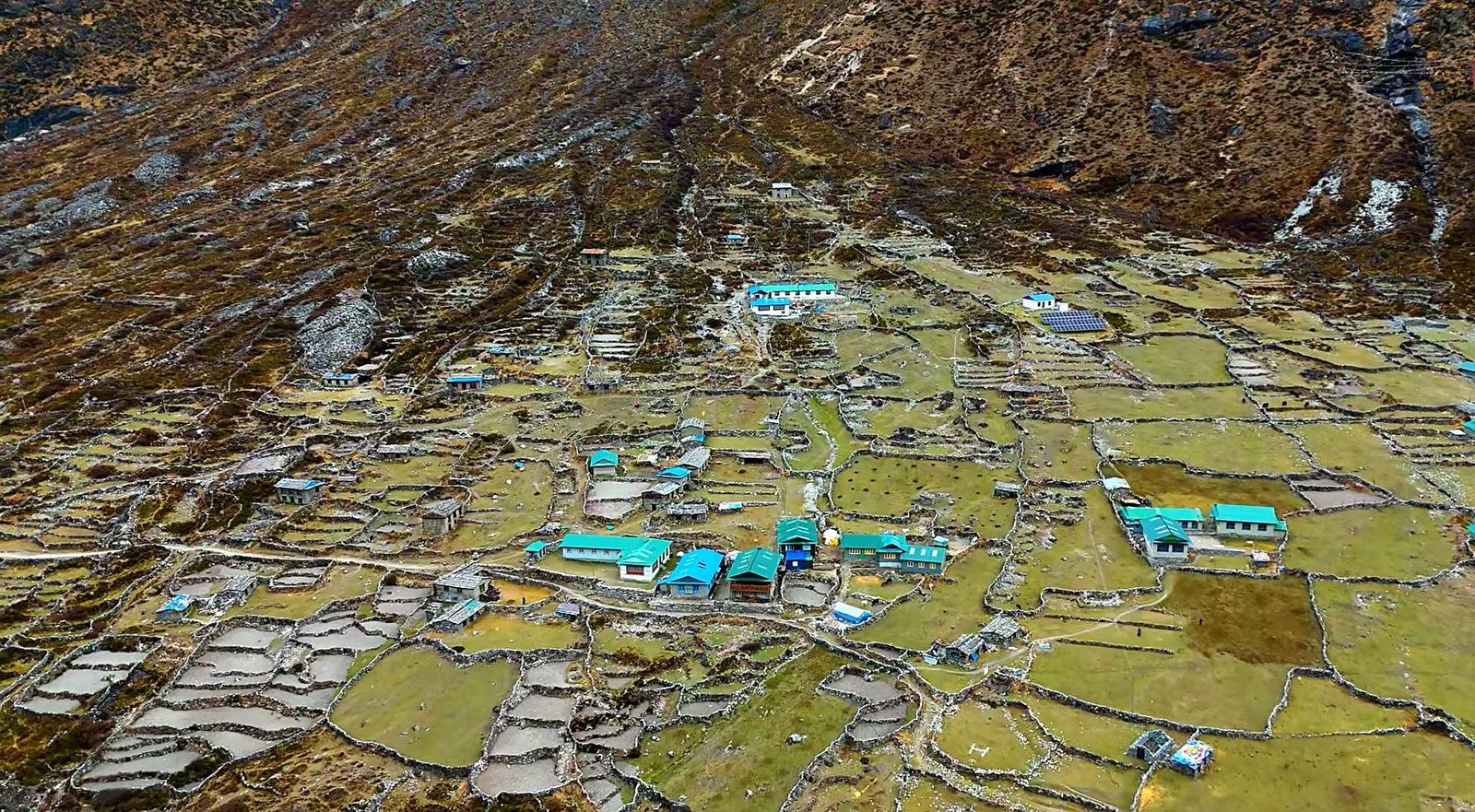
Cold nights, limited facilities and exposure to mountain weather make warm sleeping equipment and proper preparation especially important.
After descending into Khumbu, lodge accommodation becomes available again in Thame, Namche Bazaar and Lukla, where facilities are generally more developed than in upper Rolwaling.
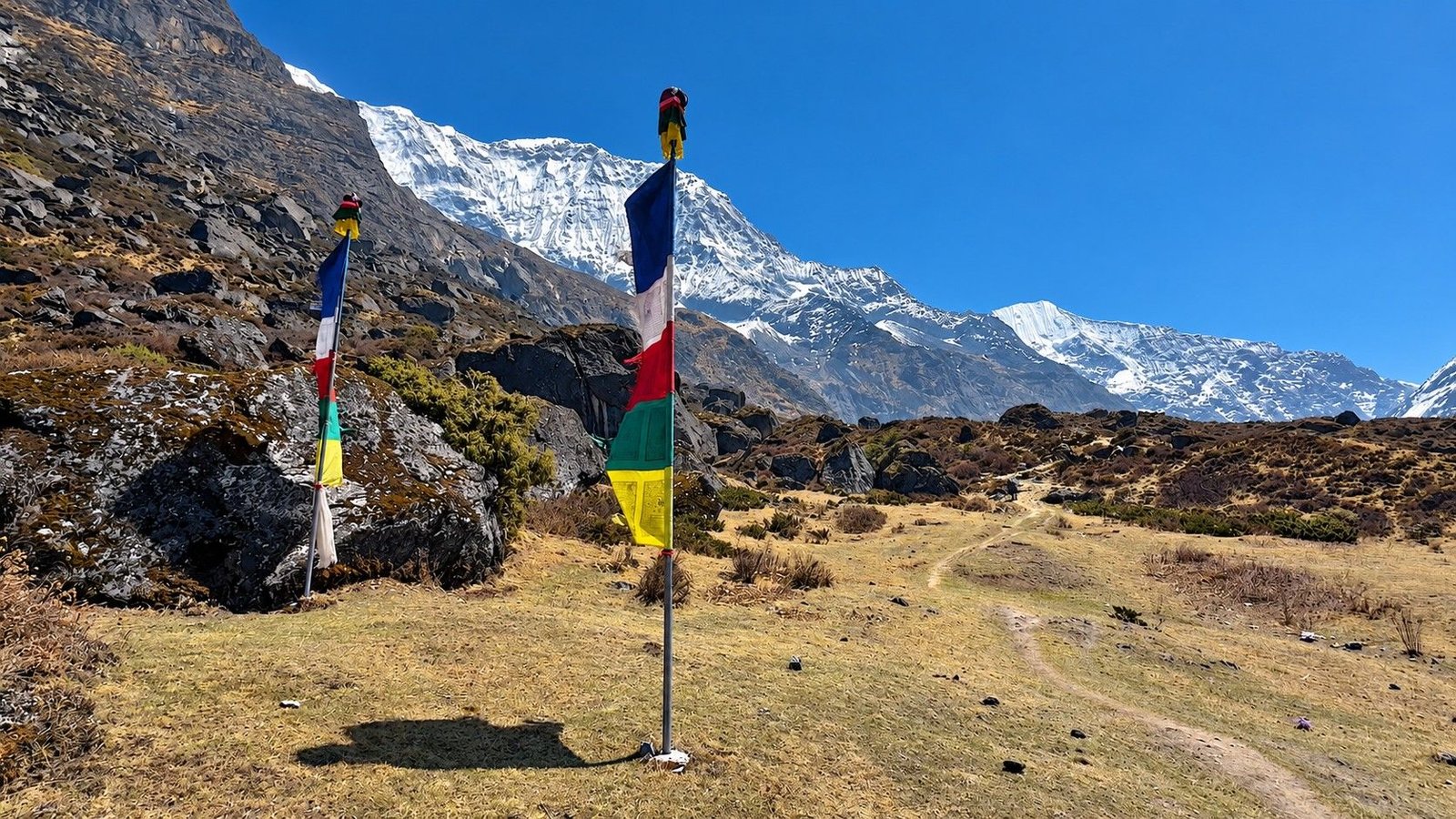
Meals during the village stages commonly include Nepali dal bhat, noodles, soups, potatoes, eggs, porridge and other simple trekking dishes.
During the camping section, food and hot drinks are prepared by the trekking support team according to the confirmed package arrangements. Drinking water should always be boiled, filtered or properly treated before consumption.
Permits Required for the Tashi Lapcha Pass Trek
Because the journey connects the Rolwaling and Khumbu regions, the trek requires documentation for more than one protected or regulated area. Trekkers must arrange the applicable permits before departure and carry the required documents throughout the journey.
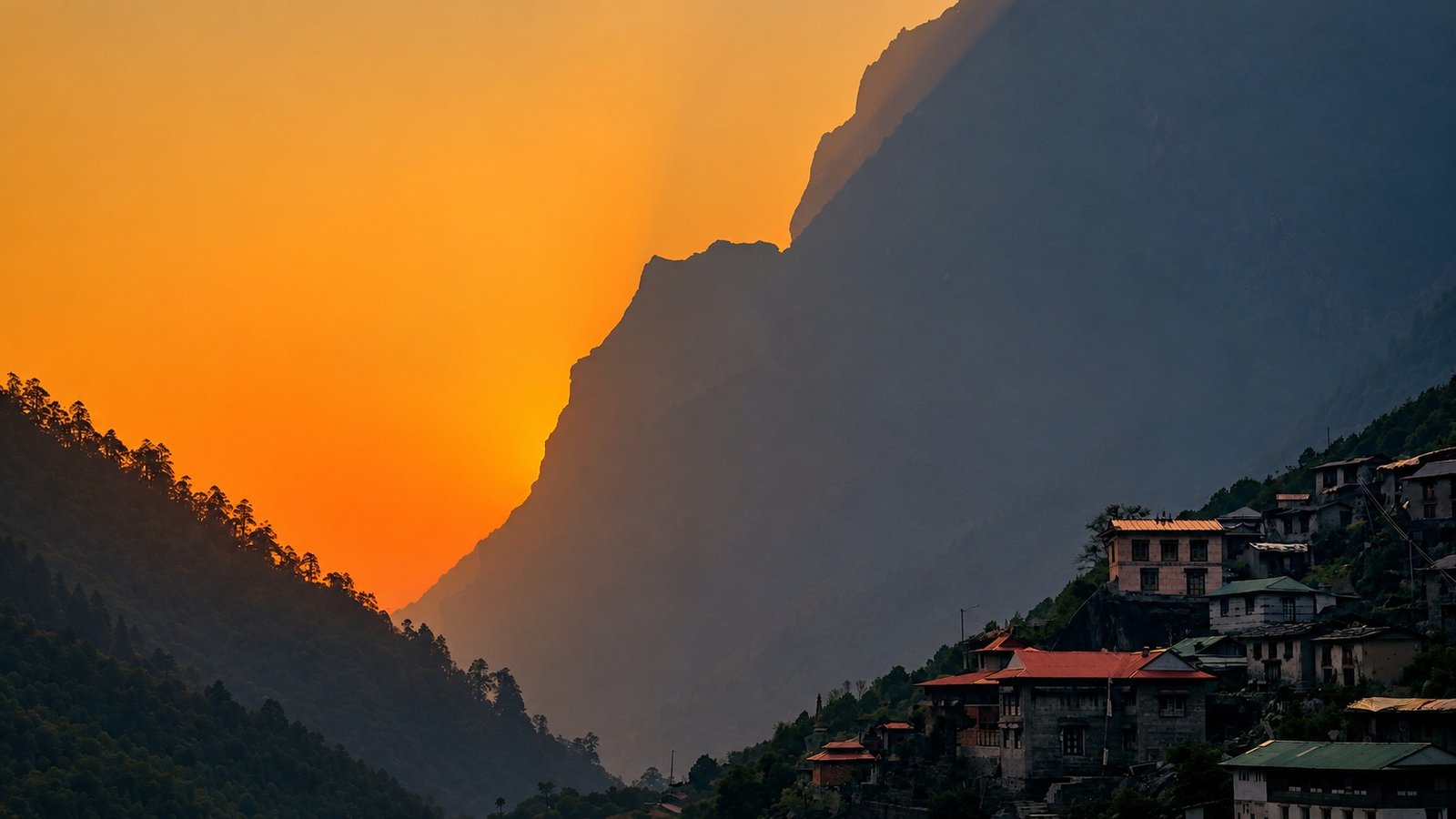
Requirements include the Gaurishankar Conservation Area Permit, the applicable Rolwaling trekking registration and restricted-area authorization, and the relevant national park and local entry documentation for the Khumbu section.
The exact permit combination depends on the route, designated administrative boundaries and the regulations in effect for the selected departure.
| Permit / Requirement | Purpose |
|---|---|
| Gaurishankar Conservation Area Permit | Entry to the protected Rolwaling region. |
| TIMS / Trekking Registration | Applicable trekking registration for the Rolwaling and Tashi Lapcha route. |
| Restricted-Area Permit | Authorization for designated restricted sections of Dolakha and, where applicable, Solukhumbu. |
| Sagarmatha National Park Permit | Protected-area entry for the applicable Khumbu section. |
| Khumbu Pasang Lhamu Rural Municipality Trek Card | Local visitor registration and entry requirements in the Khumbu region. |
Permit fees and requirements can change. Nepal Royal Tourism Holiday will confirm the necessary permits, current charges and documentation for the selected route and travel dates before departure.
Technical Equipment for Tashi Lapcha Pass
The Tashi Lapcha crossing requires equipment suitable for snow, ice and potentially exposed glacier terrain. Unlike an ordinary high-altitude trek, this route may involve technical sections where proper mountaineering equipment and the ability to use it correctly are essential.
Trekkers should confirm their personal equipment requirements before travelling to Nepal. The exact items needed depend on the route selected by the guide team, current mountain conditions and the technical arrangements included in the package.
| Equipment | Purpose |
|---|---|
| Mountaineering Boots and Crampons | Secure footing and traction on snow and ice. |
| Ice Axe | Support and protection on appropriate snow and ice slopes. |
| Climbing Harness and Helmet | Connection to rope systems and head protection in exposed sections. |
| Carabiners and Rope Equipment | Safe movement through technical sections when instructed by the guide. |
| Warm Clothing and Sleeping Bag | Protection against freezing temperatures at remote mountain camps. |
| Headlamp and Spare Batteries | Visibility during early departures and low-light conditions. |
| Personal Trekking Essentials | Water bottles, sun protection, first-aid supplies, trekking poles and personal medication. |
Shared technical equipment, personal equipment rental and guide support should be confirmed as part of the final package arrangements. Trekkers must be familiar with the equipment they are expected to use during the crossing.
Physical Preparation, Acclimatization and Safety
This trek is best suited to experienced mountain trekkers with strong physical endurance and previous exposure to high-altitude conditions.
Preparation should include regular hiking on steep terrain, cardiovascular exercise, leg-strength training and practice carrying a daypack over long distances.
Technical preparation is equally important. Trekkers should have appropriate experience using crampons, an ice axe and rope systems before attempting the crossing. The upper glacier section is not a suitable place to learn essential mountain safety techniques for the first time.
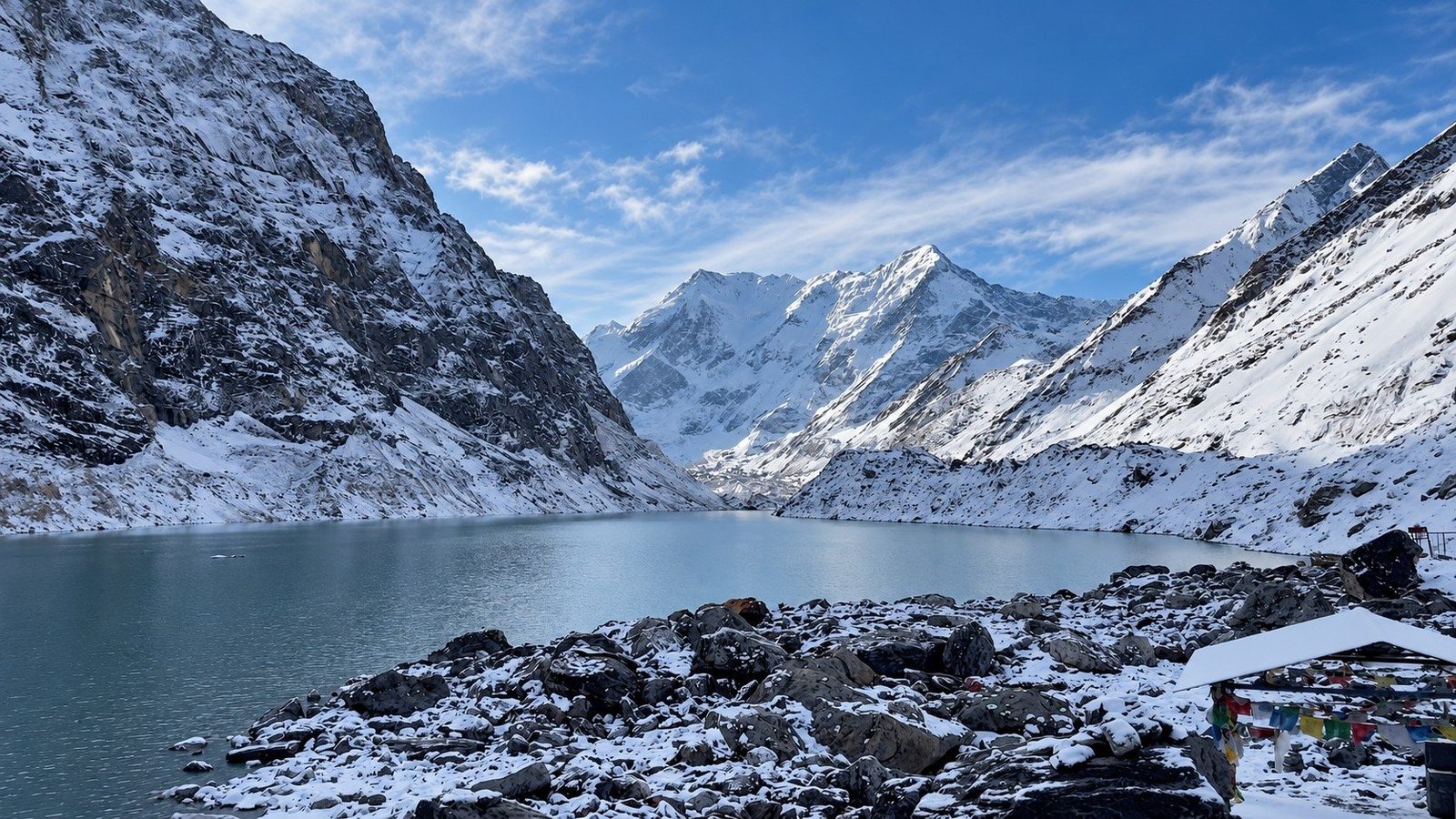
Altitude also requires careful attention. The itinerary includes an acclimatization day at Na Gaon before moving toward the glacier camps, but the 15-day schedule remains compact. Individual responses to altitude vary, and the guide may need to delay or modify the ascent if a participant is not adapting adequately.
Travel insurance should specifically cover trekking to at least 5,755 metres, technical high-pass travel, emergency medical treatment and helicopter evacuation where available.
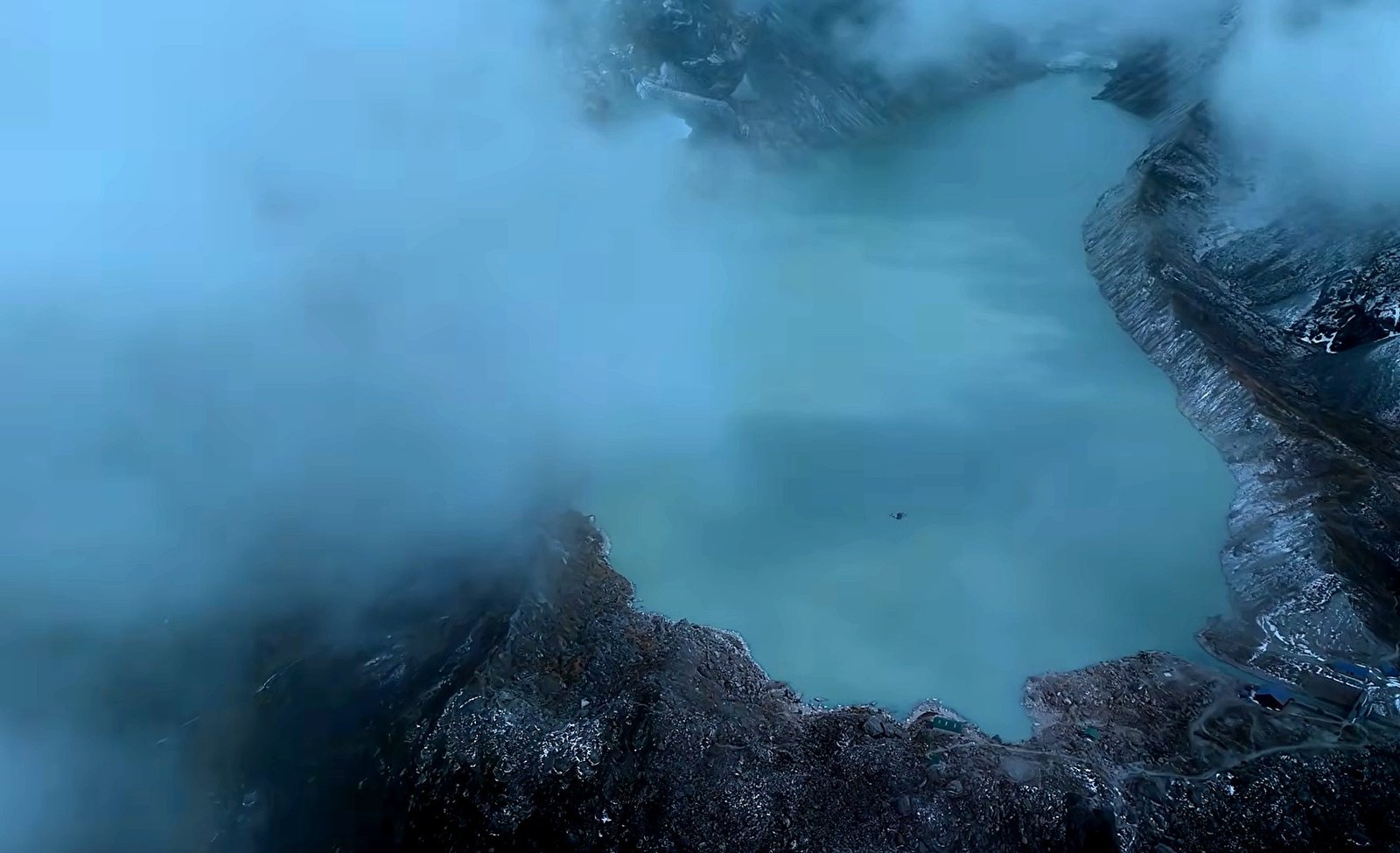
Medical services and communication facilities are limited along the remote upper route, and rescue operations cannot be guaranteed during poor weather.
Safety decisions must always take priority over the published itinerary. Snowfall, unstable glacier conditions, high winds or altitude-related illness may require the guide to change the route, postpone the crossing or turn back. Trekkers should be prepared for this possibility before confirming their trip.
Transportation and Travel Arrangements
The journey begins with a long drive from Kathmandu toward the Rolwaling trailhead near Gonggar or Chhetchhet. Mountain roads can be affected by seasonal rain, landslides, roadworks and traffic, so the exact driving time and accessible roadhead may vary.
After completing the Tashi Lapcha crossing and trekking through Khumbu, the journey finishes at Lukla. Return flights may operate to Kathmandu or through Manthali Airport in Ramechhap, depending on the season and airline arrangements. Additional ground transportation may therefore be required.

As mountain flights are highly dependent on visibility and weather, flight delays or cancellations are possible.
The compact 15-day itinerary does not include a separate scheduled contingency day, so travellers should allow some flexibility around their onward international flights.
Important Trekking Note: The 15-day Rolwaling Valley Trek via Tashi Lapcha Pass is a compact high-altitude itinerary. The location of glacier camps, technical route, acclimatization schedule and crossing date may change according to weather, snow, ice and individual trekking conditions. The itinerary does not include a separate contingency day or a Pachermo Peak summit attempt. All participants must have suitable experience, equipment and insurance, and the trekking leader retains responsibility for deciding whether the crossing can proceed safely.
Plan Your Rolwaling Valley and Tashi Lapcha Pass Trek with Nepal Royal Tourism Holiday
Experience a remarkable Himalayan crossing from the remote Rolwaling Valley into the Khumbu region. Explore traditional Sherpa villages, travel through the rugged Trakarding Glacier landscape and take on the challenge of Tashi Lapcha Pass at 5,755 metres.
Contact Nepal Royal Tourism Holiday to discuss your preferred travel dates, previous trekking experience, technical equipment requirements and the arrangements for your 15-day adventure.
Trip Highlights
- Cross the challenging Tashi Lapcha Pass (5,755 m), connecting the remote Rolwaling Valley with Nepal's famous Khumbu region
- Experience an adventurous Himalayan journey through two distinct mountain regions, from the secluded Rolwaling trails to the established Everest trekking routes
- Explore Tsho Rolpa Lake (4,580 m), one of Nepal's most remarkable glacial lakes, surrounded by dramatic Himalayan scenery, subject to route and weather conditions
- Trek through the rugged Trakarding Glacier region, experiencing rocky moraine, snow-covered landscapes and remote high-altitude terrain
- Discover traditional Sherpa villages, including Beding, Na Gaon and Thame, known for their mountain heritage and Buddhist culture
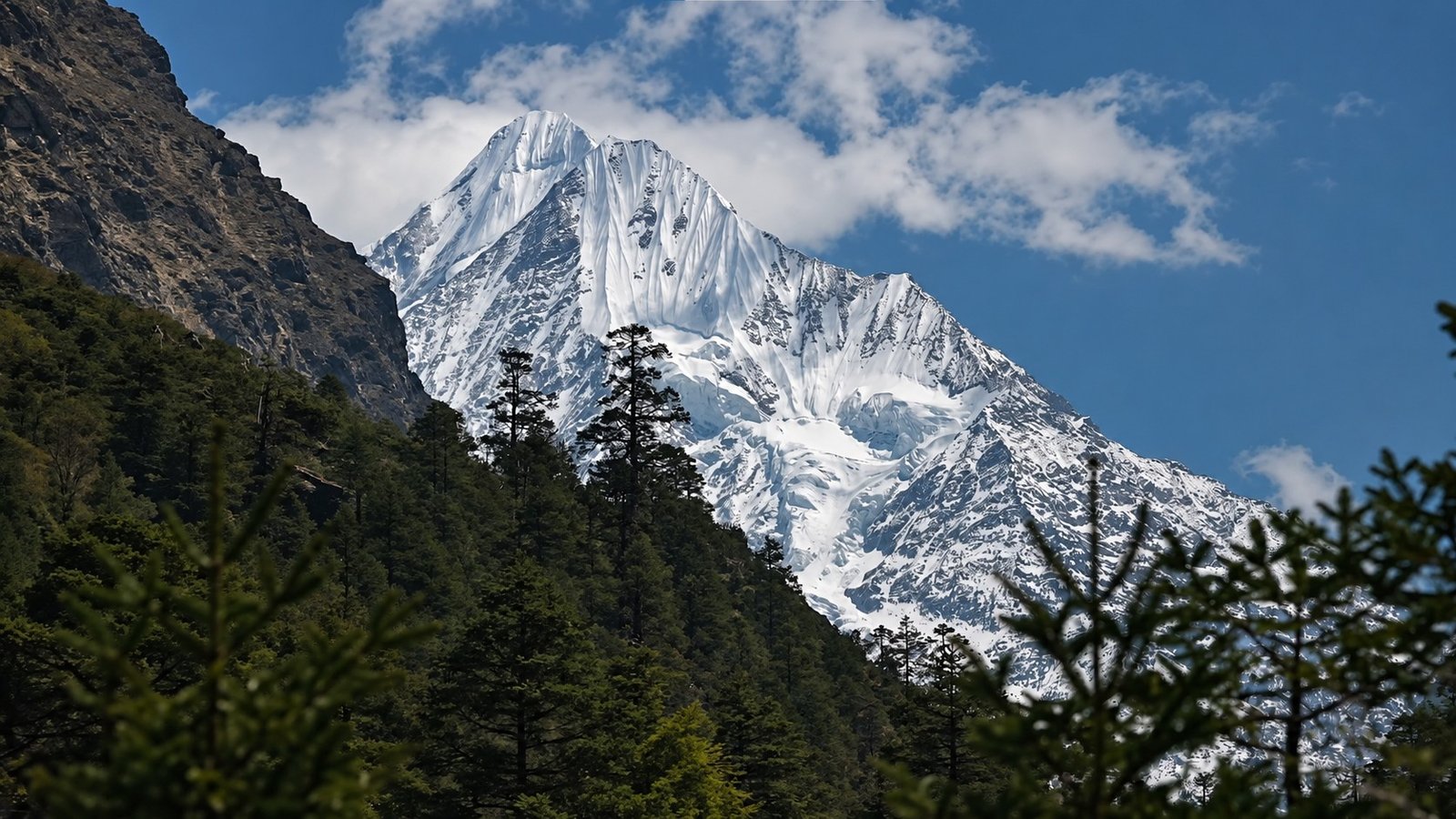
- Enjoy spectacular views of the Rolwaling Himal, Mount Gaurishankar and surrounding snow-covered peaks when visibility is clear
- Experience remote tented camping above 4,800 metres, surrounded by rugged mountains and breathtaking alpine landscapes
- Challenge yourself on a technical high-altitude crossing involving snow, ice and potentially fixed-rope sections under experienced mountain guidance
- Explore Thame Village (3,820 m) and its traditional Sherpa heritage before joining the established trails of the Everest region
- Visit Namche Bazaar (3,440 m), the lively mountain trading centre and main gateway to the Everest region
- Complete an exciting 15-day cross-valley adventure, finishing in Lukla without attempting the separate summit climb of Pachermo Peak
Rolwaling Valley Trek via Tashi Lapcha Pass – 15 Days ~ Itinerary
Day 1
Arrival in Kathmandu
- Maximum Altitude: Kathmandu (1,350 m)
- Overnight Altitude: Kathmandu (1,350 m)
- Activity: Airport arrival, hotel transfer and trek briefing
- Meals: Not Included
- Accommodation: Three Star Hotel in Kathmandu
Welcome to Nepal! Upon your arrival at Tribhuvan International Airport, a representative from Nepal Royal Tourism Holiday will welcome you and transfer you to your hotel in Kathmandu. After checking in, you can relax and recover from your journey or explore the nearby streets if time permits.
Depending on your arrival schedule, you will meet your trekking representative for an introduction to the Rolwaling Valley Trek via Tashi Lapcha Pass. The briefing covers the trekking route, camping arrangements, necessary permits and the technical requirements of the high-altitude crossing. Your guide will also review your mountain experience and check essential equipment, including suitable mountaineering boots, crampons, a harness and other climbing gear.
Spend the evening organising your trekking equipment and preparing for the journey ahead. An early departure is scheduled for the following morning, when your adventure begins with a drive toward the remote Rolwaling Valley.
Day 2
Drive from Kathmandu to Chhetchhet and Trek to Simigaon
- Maximum Altitude: Simigaon (2,020 m)
- Overnight Altitude: Simigaon (2,020 m)
- Driving Duration: 7–9 hours
- Trekking Duration: 2–3 hours
- Meals: Breakfast, Lunch and Dinner
- Accommodation: Local teahouse or lodge in Simigaon
Your Himalayan adventure begins with an early morning drive from Kathmandu toward Dolakha. The journey passes through scenic hills, terraced farmlands and traditional settlements before continuing through Charikot and the Tama Koshi Valley. The landscapes gradually become more remote as you approach the Rolwaling trekking region.
After reaching Chhetchhet or the accessible trailhead near Gonggar, you begin the trek toward Simigaon. The trail crosses the river and climbs steeply through stone steps, cultivated fields and hillside paths. Although the walking distance is relatively short, the ascent can feel demanding after the long road journey.
As you gain elevation, beautiful views of the surrounding valleys and forested hillsides begin to appear. Eventually, you arrive in Simigaon, a traditional mountain settlement situated at 2,020 metres. Settle into your accommodation, enjoy a warm meal and prepare for the first full day of trekking through the Rolwaling Valley.
Day 3
Trek from Simigaon to Kyalche
- Maximum Altitude: Kyalche (2,890 m)
- Overnight Altitude: Kyalche (2,890 m)
- Trekking Duration: 5–6 hours
- Meals: Breakfast, Lunch and Dinner
- Accommodation: Local lodge or arranged camping in Kyalche, depending on availability
After breakfast, leave Simigaon and follow the trail deeper into the Rolwaling Valley. Today’s journey passes through beautiful rhododendron and pine forests, with several uphill and downhill sections. The surrounding hillsides are covered in thick vegetation, while streams and waterfalls create a peaceful mountain atmosphere.
The trail continues through narrow forest paths, occasional clearings and sections overlooking the Rolwaling River. During spring, flowering rhododendrons bring colour to the landscape, while clear weather provides occasional glimpses of the surrounding Himalayan peaks. The route becomes increasingly quiet as you move farther from the more accessible villages.
Continue toward Kyalche, a small stopping point surrounded by forests and steep mountain slopes. After arriving, settle into the available accommodation or the camping arrangement organised by your trekking team. Enjoy dinner and rest before continuing toward Beding the following day.
Day 4
Trek from Kyalche to Beding
- Maximum Altitude: Beding (3,690 m)
- Overnight Altitude: Beding (3,690 m)
- Trekking Duration: 5–7 hours
- Meals: Breakfast, Lunch and Dinner
- Accommodation: Local teahouse or lodge in Beding
Leaving Kyalche after breakfast, continue along the Rolwaling Valley toward Beding, one of the most important traditional Sherpa settlements in the region. The trail passes through forested slopes, rocky sections and mountain streams as the surrounding scenery gradually becomes more dramatic.
As you climb higher, the vegetation begins to thin and the valley opens toward the impressive mountains of the Rolwaling Himal. Today’s route involves a significant elevation gain, so maintaining a steady walking pace and taking regular breaks are important. Your guide will monitor the group’s condition as you approach the higher settlements.
Eventually, you reach Beding, situated at 3,690 metres. This traditional Sherpa village is known for its Buddhist heritage, stone houses and long association with Himalayan mountaineering. After settling into your lodge, you can enjoy the mountain surroundings and experience the peaceful atmosphere of the village before resting for the evening.
Day 5
Trek from Beding to Na Gaon
- Maximum Altitude: Na Gaon (4,180 m)
- Overnight Altitude: Na Gaon (4,180 m)
- Trekking Duration: 3–4 hours
- Meals: Breakfast, Lunch and Dinner
- Accommodation: Basic teahouse or lodge in Na Gaon
After breakfast in Beding, continue toward Na Gaon, the last major settlement before the remote upper Rolwaling glacier region. Although today’s trek is shorter than the previous stages, the increasing altitude requires a slower and more comfortable walking pace.
The landscape gradually changes as the trail leaves the main village behind. Forested terrain gives way to open alpine meadows, rocky hillsides and wide mountain valleys. Traditional yak-grazing pastures and impressive Himalayan scenery accompany the journey as you approach Na Gaon.
Situated at 4,180 metres, Na Gaon is an important stopping point for trekkers heading toward Tsho Rolpa Lake and Tashi Lapcha Pass. Upon arrival, settle into your accommodation and enjoy the afternoon resting. Your guide will review the following day’s acclimatization activities and assess how everyone is adjusting to the increasing altitude.
Day 6
Acclimatization Day at Na Gaon and Optional Hike to Tsho Rolpa Lake
- Maximum Altitude: Tsho Rolpa Lake (4,580 m), if the optional hike is completed
- Overnight Altitude: Na Gaon (4,180 m)
- Activity: Acclimatization, optional high-altitude hike and equipment preparation
- Hiking Duration: 2–7 hours, depending on the selected route
- Meals: Breakfast, Lunch and Dinner
- Accommodation: Basic teahouse or lodge in Na Gaon
Today is dedicated to acclimatization before entering the remote glacier section of the Rolwaling Valley. After spending the previous night at 4,180 metres, the additional day allows the group to rest, recover and adjust to the thinner mountain air.
Depending on the weather, trail conditions and the group’s fitness, your guide may organise an acclimatization hike toward Tsho Rolpa Lake. Located at 4,580 metres, the lake is surrounded by rugged Himalayan peaks, glacial deposits and the remarkable landscapes of the upper Rolwaling Valley. If conditions allow, a visit to the lake provides an excellent opportunity to appreciate its dramatic natural setting before returning to Na Gaon.
A shorter acclimatization walk may be chosen if a full lake excursion is unsuitable. The remainder of the day is spent resting and preparing for the upcoming camping stages. Your guide will review the equipment required for the glacier approach, including warm clothing, waterproof protection, crampons and other technical gear.
Spend another night in Na Gaon before leaving the established settlements and continuing toward the remote high-altitude camps.
Day
Trek from Na Gaon to Chhukyima / Odar Camp
- Maximum Altitude: Chhukyima / Odar Camp (4,870 m)
- Overnight Altitude: Chhukyima / Odar Camp (4,870 m)
- Trekking Duration: 5–6 hours
- Meals: Breakfast, Lunch and Dinner
- Accommodation: Tented camp at Chhukyima / Odar Camp
Leaving Na Gaon after breakfast, you begin the journey into the more remote upper Rolwaling Valley. The trail follows increasingly rugged terrain, passing rocky slopes, glacial deposits and exposed mountain landscapes. The familiar village surroundings gradually disappear as you continue toward the wilderness below Tashi Lapcha Pass.
Depending on the selected route, the journey may pass through the Tsho Rolpa area before continuing toward Chhukyima or the nearby Odar camping area. The trail becomes more demanding, with uneven stones, loose moraine and sections where careful footing is necessary. The surrounding glaciers and towering mountain walls create an impressive high-altitude setting.
As you gain elevation, walking becomes more strenuous because of the thinner air and rugged terrain. Your guide will maintain a suitable pace while the support team manages the camping equipment and supplies needed for the upper route.
Upon reaching Chhukyima / Odar Camp, settle into your tent and enjoy the peaceful but exposed mountain environment. This marks the beginning of the main camping section, with the journey continuing toward the Trakarding Glacier the following day.
Day 8
Trek from Chhukyima to Trakarding Glacier Camp
- Maximum Altitude: Trakarding Glacier Camp (4,980 m)
- Overnight Altitude: Trakarding Glacier Camp (4,980 m)
- Trekking Duration: 5–7 hours
- Meals: Breakfast, Lunch and Dinner
- Accommodation: Tented camp at Trakarding Glacier Camp
After breakfast at Chhukyima, continue toward the Trakarding Glacier, one of the most rugged sections of the Rolwaling Valley. Today’s journey takes you farther into the high-altitude wilderness, where rocky moraine, glacial deposits and towering mountain slopes dominate the landscape.
The route involves walking over uneven stones, loose rocks and potentially icy terrain. Although the overall altitude gain may be relatively small, progress can be slow because of the challenging ground and reduced oxygen levels. The surrounding mountain scenery becomes increasingly dramatic, with views of the upper Rolwaling peaks and immense glacial formations.
As you approach the glacier camping area, the guide team will select a suitable route based on the current snow, ice and moraine conditions. Moving carefully and following the team’s instructions are essential, particularly around unstable ground and possible crevassed sections.
Upon reaching Trakarding Glacier Camp, the support team will establish the tents and prepare the evening meal. Spend the remainder of the day resting, staying warm and enjoying the remote Himalayan surroundings before continuing toward Tashi Lapcha Phedi.
Day 9
Trek from Trakarding Glacier Camp to Tashi Lapcha Phedi
- Maximum Altitude: Tashi Lapcha Phedi (5,010 m)
- Overnight Altitude: Tashi Lapcha Phedi (5,010 m)
- Trekking Duration: 4–5 hours
- Activity: High-altitude trekking and preparation for the pass crossing
- Meals: Breakfast, Lunch and Dinner
- Accommodation: Tented camp at Tashi Lapcha Phedi
Today’s trek brings you closer to the most challenging part of the adventure. Leaving Trakarding Glacier Camp, continue through rugged mountain terrain toward Tashi Lapcha Phedi, the staging area below the high pass. The trail crosses rocky moraine and potentially snow-covered ground, where progress depends on the condition of the route.
Despite the relatively short trekking distance, walking at this elevation requires considerable effort. The thin air, cold temperatures and uneven terrain make it important to conserve energy and maintain a controlled pace. Throughout the journey, impressive mountain walls and glacial landscapes surround the route.
After reaching Tashi Lapcha Phedi, the technical team will assess the conditions of the pass and prepare for the following day’s crossing. Necessary equipment, including crampons, harnesses, helmets, ice axes and rope systems, will be checked. Your guide will explain the planned route, safety procedures and the instructions that everyone must follow.
Spend the afternoon resting and preparing for an early departure. Enjoy a warm meal, organise your personal equipment and settle into the tents for the night. Tomorrow marks the most demanding stage of the Rolwaling Valley Trek.
Day 10
Cross Tashi Lapcha Pass and Descend to Pachermo High Camp
- Maximum Altitude: Tashi Lapcha Pass (5,755 m)
- Overnight Altitude: Pachermo High Camp / Tashi Puk (5,300 m)
- Trekking Duration: 7–10 hours or longer, depending on conditions
- Activity: Technical high-pass crossing and glacier descent
- Meals: Breakfast, Lunch and Dinner
- Accommodation: Tented camp on the Khumbu side of Tashi Lapcha Pass
Today is the most challenging and memorable stage of the entire trek. The journey begins before sunrise as you leave Tashi Lapcha Phedi and begin ascending toward Tashi Lapcha Pass, situated at 5,755 metres. With the surrounding mountains rising above the glacier, the landscape offers a remarkable sense of isolation and adventure.
The ascent involves demanding high-altitude terrain that may include steep snow slopes, icy sections, exposed rocks and glacier crossings. Depending on the conditions, the technical team may establish fixed ropes or other protective systems to assist with the crossing. Trekkers must follow the instructions of the experienced mountain guides and use the required technical equipment correctly.
Reaching Tashi Lapcha Pass is a major achievement. From the high point, clear weather can reveal breathtaking views across the Rolwaling Himal and the surrounding mountains of the Khumbu region. The crossing represents the remarkable transition from one remote Himalayan valley into another.
However, the journey does not end at the pass. After a brief stop, begin the demanding descent toward Pachermo High Camp or the Tashi Puk camping area. The terrain may remain steep, icy and exposed, requiring careful movement even after completing the main ascent.
Upon reaching the selected camp, settle into your tent and enjoy a well-earned rest. Your team has now completed the main crossing from Rolwaling into Khumbu. The route continues toward Thame the following day without attempting the separate summit climb of Pachermo Peak.
Day 11
Trek from Pachermo High Camp to Thame
- Maximum Altitude: Pachermo High Camp / Tashi Puk (5,300 m)
- Overnight Altitude: Thame (3,820 m)
- Trekking Duration: 5–7 hours
- Meals: Breakfast, Lunch and Dinner
- Accommodation: Local teahouse or lodge in Thame
After successfully crossing Tashi Lapcha Pass, begin the descent toward Thame, a traditional Sherpa village in the Khumbu region. Leaving the high camp, the trail follows rugged mountain terrain before gradually descending toward alpine pastures and the upper Thame Valley.
The first sections may involve rocky paths, loose moraine and uneven ground, so careful footing remains important. As you lose elevation, the landscape begins to change. The exposed glacial surroundings gradually give way to greener hillsides, mountain streams and traditional grazing areas.
Continue descending toward Thame, where the return of village settlements marks a welcome change after several nights in remote high-altitude camps. Situated at 3,820 metres, Thame is known for its Sherpa heritage, historic monastery and strong connections with Himalayan mountaineering.
Upon arrival, settle into a local teahouse or lodge and enjoy the comfort of a proper room and a warm meal. Completing the journey from the remote Rolwaling Valley to Thame is a significant milestone, with the technical section of the adventure now behind you.
Day 12
Trek from Thame to Namche Bazaar
- Maximum Altitude: Thame (3,820 m)
- Overnight Altitude: Namche Bazaar (3,440 m)
- Trekking Duration: 4–5 hours
- Meals: Breakfast, Lunch and Dinner
- Accommodation: Local teahouse or lodge in Namche Bazaar
After breakfast in Thame, continue along the established trekking trail toward Namche Bazaar, the main commercial centre of the Everest region. Compared with the remote glacier sections of Rolwaling, today’s journey offers a more comfortable walking experience through traditional Sherpa settlements and beautiful mountain landscapes.
The route follows the Bhote Koshi Valley, passing prayer flags, mani walls, traditional houses and forested slopes. Along the way, you may encounter local villagers, trekkers and yak caravans travelling between the settlements of Khumbu. Clear weather provides beautiful views of the surrounding Himalayan peaks.
After several hours of walking, arrive in Namche Bazaar at 3,440 metres. Built along a natural mountainside amphitheatre, Namche is known for its lively atmosphere, colourful buildings, trekking shops and wide range of local lodges.
Spend the afternoon exploring the town or relaxing at your accommodation. After the remote camping stages and demanding Tashi Lapcha crossing, Namche offers a welcome opportunity to enjoy the comforts of the established Everest trekking region.
Day 13
Trek from Namche Bazaar to Lukla
- Maximum Altitude: Namche Bazaar (3,440 m)
- Overnight Altitude: Lukla (2,840 m)
- Trekking Duration: 6–8 hours
- Meals: Breakfast, Lunch and Dinner
- Accommodation: Local teahouse or lodge in Lukla
Today marks the final walking day of your Rolwaling Valley Trek via Tashi Lapcha Pass. After breakfast, leave Namche Bazaar and follow the well-established Khumbu trail toward Lukla, descending through beautiful forested hillsides and traditional mountain settlements.
The route follows the Dudh Koshi Valley, passing suspension bridges, prayer wheels, mani walls and villages such as Monjo and Phakding. Along the way, enjoy the changing scenery and the lively atmosphere of one of Nepal’s most famous trekking corridors.
Although much of the journey involves descending, several uphill sections remain before reaching Lukla. The trail can be busy with trekkers, porters and pack animals, so maintain a comfortable pace and take regular breaks throughout the day.
Upon reaching Lukla, settle into your lodge and celebrate the completion of an extraordinary Himalayan crossing. From the quiet trails of Rolwaling to the glaciers of Tashi Lapcha and the traditional Sherpa villages of Khumbu, the journey has offered an unforgettable experience. Prepare for the return flight the following morning.
Day 14
Fly from Lukla to Kathmandu
- Maximum Altitude: Lukla (2,840 m), excluding flight altitude
- Overnight Altitude: Kathmandu (1,350 m)
- Flight Duration: 30–40 minutes for a direct Kathmandu flight
- Activity: Domestic flight, ground transfer and free time in Kathmandu
- Meals: Breakfast
- Accommodation: Hotel in Kathmandu
After breakfast in Lukla, prepare for the return flight following the successful completion of your Rolwaling Valley and Tashi Lapcha Pass adventure. Weather permitting, the mountain flight offers beautiful views of the surrounding Himalayan landscapes as you leave the Everest region behind.
Depending on seasonal airline operations, your flight may operate directly to Kathmandu or through Manthali Airport in Ramechhap, followed by a road transfer to Kathmandu. The exact arrangements will be confirmed according to the flight schedule and operational conditions.
Upon reaching Kathmandu, transfer to your hotel and enjoy the remainder of the day at leisure. You can relax after the demanding trek, explore the nearby markets or enjoy a meal at one of the city’s restaurants.
Take the evening to reflect on the journey, from the remote villages of Rolwaling and the challenging Tashi Lapcha crossing to the beautiful Sherpa settlements of Khumbu. Your Himalayan adventure is now complete, with your international departure scheduled for the following day.
Day 15
Final Departure from Kathmandu
- Maximum Altitude: Kathmandu (1,350 m), excluding flight altitude
- Overnight Altitude: None – International departure
- Activity: Hotel checkout and airport transfer
- Meals: Breakfast
- Accommodation: None
Your 15-day Rolwaling Valley Trek via Tashi Lapcha Pass comes to an end today. Depending on your international flight schedule, you may have some free time in Kathmandu before checking out of your hotel.
A representative from Nepal Royal Tourism Holiday will arrange your transfer to Tribhuvan International Airport for your onward journey.
After exploring the remote Rolwaling Valley, experiencing traditional Sherpa culture and crossing Tashi Lapcha Pass at 5,755 metres, you leave Nepal with unforgettable memories of an extraordinary Himalayan adventure.
We thank you for travelling with Nepal Royal Tourism Holiday and hope to welcome you again for another remarkable journey through the mountains of Nepal.
Trip Cost Includes/Excludes
Cost Includes
- Airport pickup and drop-off by private tourist vehicle in Kathmandu
- Two nights of hotel accommodation in Kathmandu on a twin-sharing basis with breakfast
- Ground transportation from Kathmandu to Chhetchhet/Gonggar by suitable private vehicle
- Domestic flight from Lukla to Kathmandu or Manthali, including the necessary ground transfer to Kathmandu
- All required trekking permits and applicable entry fees for the Rolwaling and Khumbu regions, including restricted-area permits where applicable
- Experienced, government-licensed English-speaking trekking guide throughout the journey
- Qualified high-altitude technical guide and necessary climbing support for the Tashi Lapcha Pass crossing
- Porter assistance for carrying trekking luggage and camping supplies within the agreed weight allowance
- Local teahouse and lodge accommodation during the village trekking sections
- Tented accommodation and necessary camping arrangements during the upper Rolwaling and glacier stages
- Three meals daily (breakfast, lunch and dinner) throughout the trekking and camping days
- Camping kitchen equipment, cooking staff and necessary food supplies for the remote high-altitude sections
- Shared technical equipment, including climbing ropes and essential group safety equipment required for the crossing
- Guide, porter and support staff salaries, meals, accommodation, transportation, insurance and necessary equipment
- Basic first-aid kit and emergency coordination assistance during the trek
- All applicable government taxes and company service charges
- Nepal Royal Tourism Holiday branded T-shirt as a souvenir of your Himalayan adventure
- Trek completion certificate from Nepal Royal Tourism Holiday upon successful completion of the journey
Cost Excludes
- International airfare to and from Nepal
- Nepal entry visa fees
- Lunch, dinner and personal food expenses in Kathmandu
- Personal travel insurance covering trekking above 5,755 metres, technical mountain activities, medical treatment and emergency helicopter evacuation
- Emergency rescue, helicopter evacuation, hospitalisation and medical expenses
- Personal trekking and mountaineering equipment, including boots, crampons, ice axe, harness, helmet and sleeping bag, unless specifically included in the booking
- Personal expenses such as laundry, telephone calls, Wi-Fi, hot showers and battery charging
- Alcoholic beverages, soft drinks, bottled water, specialty coffee and additional snacks
- Extra meals, accommodation or transportation beyond the scheduled itinerary
- Additional costs arising from flight delays, cancellations, road closures, landslides, severe weather or changes to the trekking schedule
- Additional personal equipment rental or technical support beyond the agreed package arrangements
- Optional sightseeing, activities and services not mentioned in the itinerary
- Personal medications, vaccinations and other individual healthcare expenses
- Tips and gratuities for trekking guides, climbing guides, porters, kitchen staff and drivers
- Any other expenses or services not specifically mentioned in the Cost Includes section
Trip Photo/Video Gallery
Frequently Asked Questions
Our trek takes 15 days, including arrival and departure in Kathmandu, the Rolwaling Valley approach, Tashi Lapcha Pass crossing and return through Khumbu.
The trek is graded strenuous and technical, involving steep mountain trails, glacier travel, snow, ice and high-altitude camping. Previous mountain trekking experience is essential.
The highest point is Tashi Lapcha Pass (5,755 m), connecting the Rolwaling Valley with the Khumbu region.
Experience with high-altitude trekking, crampons, ice axes and rope systems is strongly recommended. Trekkers must be comfortable using the equipment required for the crossing.
Yes, the itinerary includes an opportunity to visit Tsho Rolpa Lake (4,580 m), depending on weather, trail conditions and the group’s acclimatization.
Spring (April–May) and autumn (October–November) are generally preferred. The crossing remains dependent on current snow, ice and weather conditions.
Trekkers stay in local teahouses and lodges in the villages, with tented camping arrangements during the remote glacier and high-pass sections.
The route requires applicable Gaurishankar Conservation Area, Khumbu and trekking permits, including restricted-area authorization where necessary. Our team arranges the required documentation.
Shared technical equipment and rope support are included. Personal equipment such as crampons, mountaineering boots, harnesses and ice axes must be arranged separately unless agreed otherwise.
No. The itinerary crosses Tashi Lapcha Pass (5,755 m) and descends into Khumbu. Climbing Pachermo Peak requires a separate arrangement.
The trek finishes in Lukla, followed by a domestic flight to Kathmandu or Manthali with a connecting road transfer, depending on seasonal flight operations.
The guide may delay, modify or cancel the crossing if conditions are unsafe. Additional days and costs may be necessary, as the 15-day itinerary has no scheduled contingency day.
You may also like

Menu
