


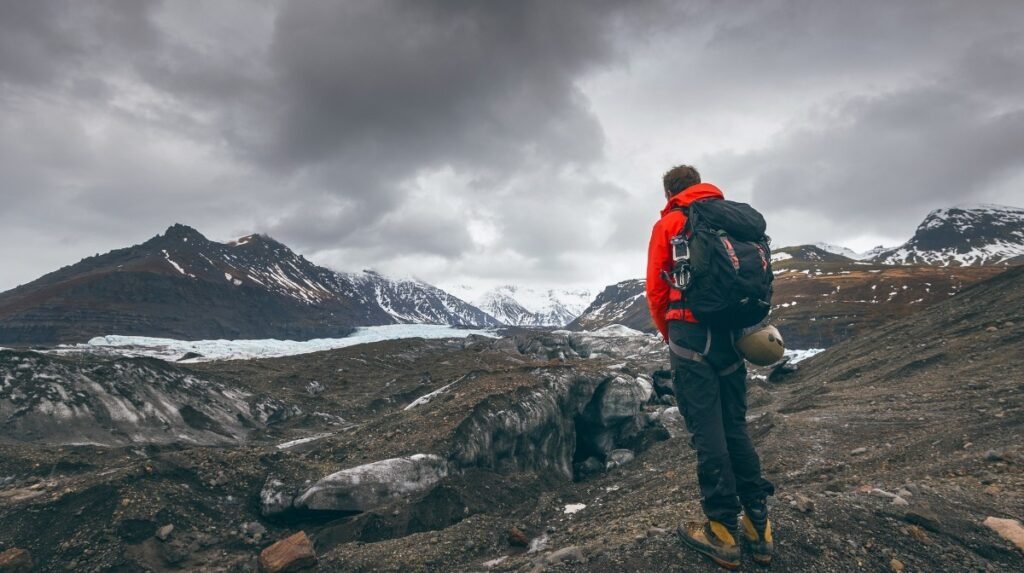
DoI Revises Restricted-Area Trekking Rules; Allows Single Trekkers and Pre-Arrival Permits After TAAN’s Proposal
Nepal’s Department of Immigration has revised Nepal’s restricted-area trekking permit policy, allowing individual foreign tourists to obtain permits that were previously issued only to groups of two or more.
Another revised rule was granting the Restricted Area Trekking Permit even before the arrival of the trekkers, using the visa details.
This is possible due to Trekking Agencies’ Association of Nepal (TAAN) proposal initiated by President Sagar Pandey, along with other tourism Stakeholders.
Previous trekking and permit rules made access to the Himalayan regions difficult and top of that discouraged the independent travellers.
However, even with the revision, the Department of Immigration has kept strict safeguards in place i.e., solo trekkers must still travel through a registered trekking agency and must be accompanied by a licensed guide.
The change matters because restricted-area trekking has long been one of the most tightly controlled parts of Nepal’s tourism system.
According to the Nepal Tourism Board trekkers entering restricted areas must obtain a special permit from the Department of Immigration in Kathmandu and keep that permit with them while trekking, ready to show it to immigration staff or police if asked.
TAAN’s own permit information also makes clear that, under the earlier arrangement, permits were issued only to groups and not to individual trekkers.
In other words, the system was designed around formal approval, agency handling, and route control, not flexible independent travel.
Why the old system became a problem
For many trekkers, the biggest issue was not the permit itself but the way the permit rules made or break the entire Himalayan journey.
A traveller who wanted to visit a restricted region on their own could not simply apply as a single person and go.
The existing setup required work through a registered trekking agency, and the application had to fit the group-based framework.
That made planning more complicated for independent travellers, people booking at the last minute, and visitors who preferred flexible itineraries rather than fixed group departures.
The restrictions were not limited to a few famous routes either. Nepal’s official permit structure covers several remote and highly regulated areas, including Upper Mustang, Upper Dolpa, the Gorkha Manaslu area, Humla, Taplejung, Lower Dolpa, and other controlled regions in the country’s mountain districts.
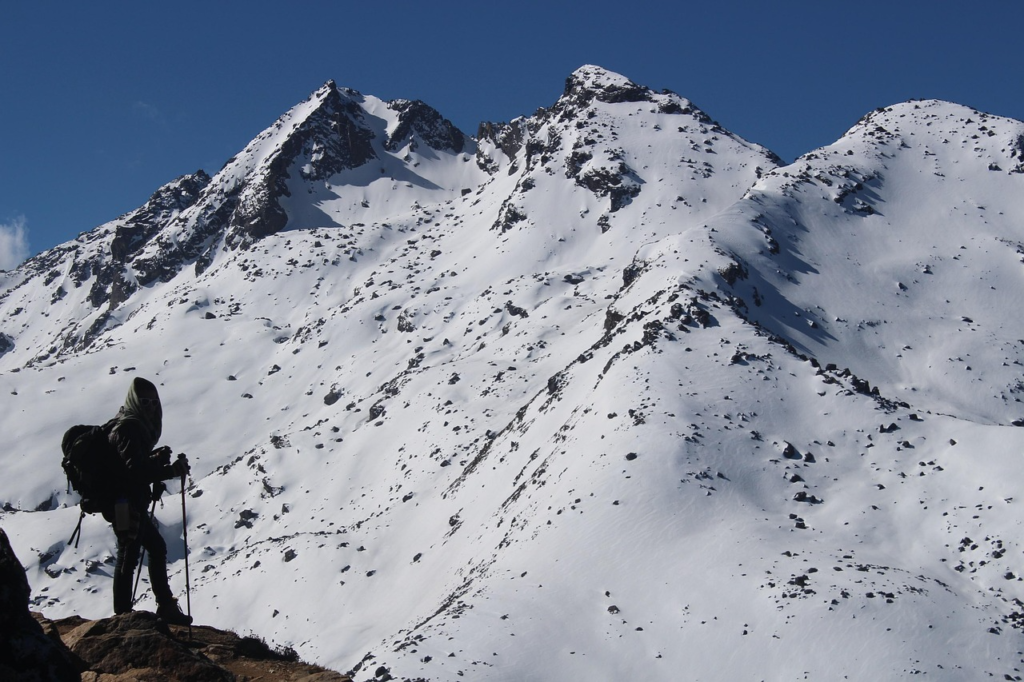
The Department of Immigration and the Nepal Tourism Board both list these destinations under restricted or controlled categories, which means the permit system touches some of Nepal’s most sought-after trekking landscapes.
The fees also show how closely these areas are regulated. Upper Dolpa require USD 500 per person for the first ten days and USD 50 per day beyond that period. Whereas, Upper Mustang required USD 50 per day with no minimum day limit.
There are similarly structured charges for other restricted regions such as Manaslu, Humla and Taplejung, with different weekly or daily rates depending on the area and season. These are not ordinary trekking fees.
They are part of a special entry system for designated restricted zones, and that is exactly why the rules around timing, agency handling and documentation have such a big impact on the traveller’s experience.
That is also why TAAN’s earlier call drew so much attention. The association had been asking for a policy change that would allow a single tourist to trek in restricted areas without needing to form an artificial group just to satisfy the permit requirement.
The concern was not only about fairness to independent travellers. It was also about tourism growth, because a rule that blocks solo visitors can reduce demand, complicate itineraries and push some travellers to choose other destinations instead. The Department of Immigration’s revision now responds directly to that criticism.
A second issue was timing. Under Nepal’s earlier system, trekkers often had to complete permit formalities only after arriving in the country, which meant extra waiting and extra coordination in Kathmandu.
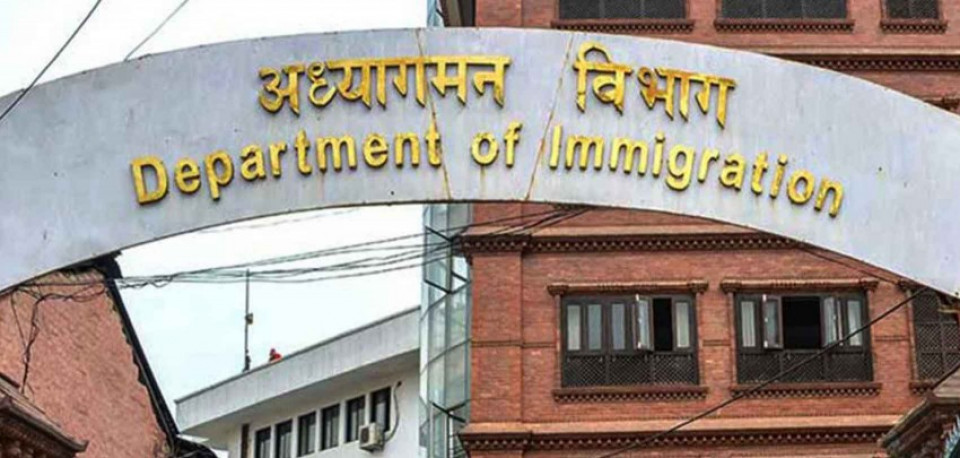
The immigration guidance requires trekkers to have valid visa coverage for the trek and to provide visa information as part of the process. TAAN had argued that this approach created unnecessary delays for visitors who had already planned their trips properly.
The revised policy now moves the process further toward advance handling by allowing foreign nationals to use valid Nepali visa numbers, while applicants from abroad can use an Application Submission ID to pay permit fees in advance.
What the revised policy changes
The Department of Immigration’s new guideline does not remove oversight from restricted-area trekking. Instead, it changes who can apply and how the application moves through the system.
According to the notice issued by the department’s spokesperson, Tikaram Dhakal, solo trekkers will still need to be accompanied by a licensed trekking guide, and the trip must still be arranged through a registered trekking agency.
The department said the facilitating agency will be fully responsible for emergency rescue and logistical arrangements, which keeps agency accountability at the center of the permit process.
The revised rules apply to restricted areas in 13 districts, including Upper Mustang in Mustang, Upper and Lower Dolpa in Dolpa, the Manaslu and Tsum Valley regions of Gorkha, and the Nar and Phu valleys of Manang, among others.
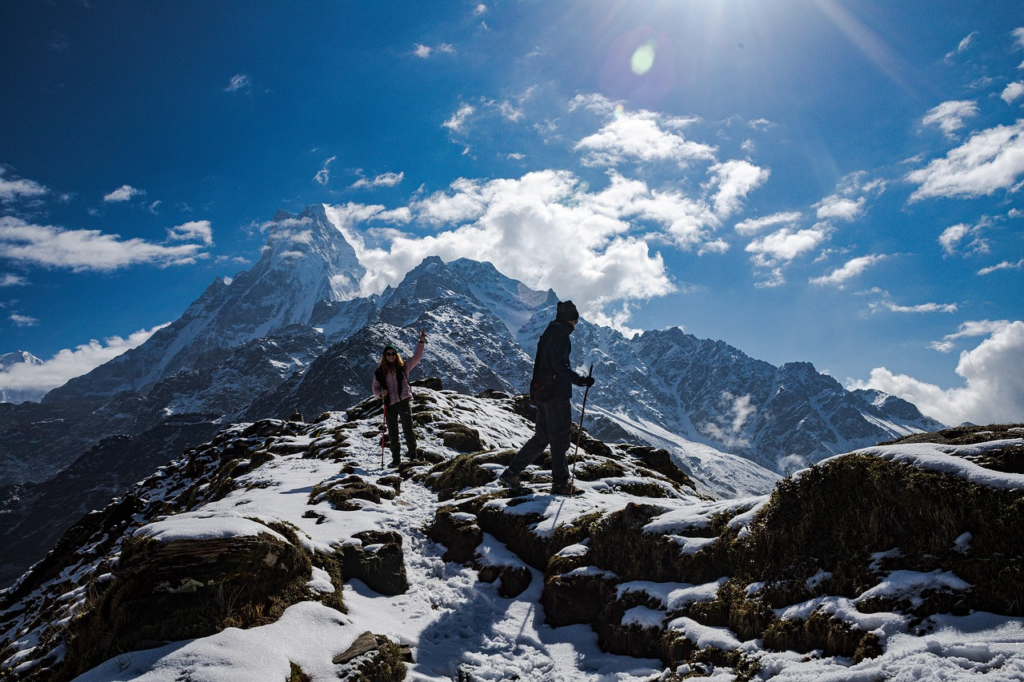
These are not casual trekking routes. They are some of the most remote, sensitive and difficult-to-access parts of Nepal’s mountain region, which is why the state has historically maintained tighter monitoring there than on ordinary trekking trails.
The policy update therefore represents a change in access, not a removal of control.
One of the most important additions is the new guide-to-trekker ratio. The department has introduced a system allowing one guide to lead a maximum of seven trekkers.
Officials say this is meant to improve safety and oversight in remote areas where weather, terrain and logistics can change quickly.
In practical terms, it also gives agencies a clearer operating framework than the old two-person minimum, while still ensuring that trekkers are never left to move through restricted zones without supervision.
The digitised permit process is another major shift. Foreign nationals can now apply using their valid Nepali visa numbers, and those applying from abroad can use an Application Submission ID to pay permit fees in advance.
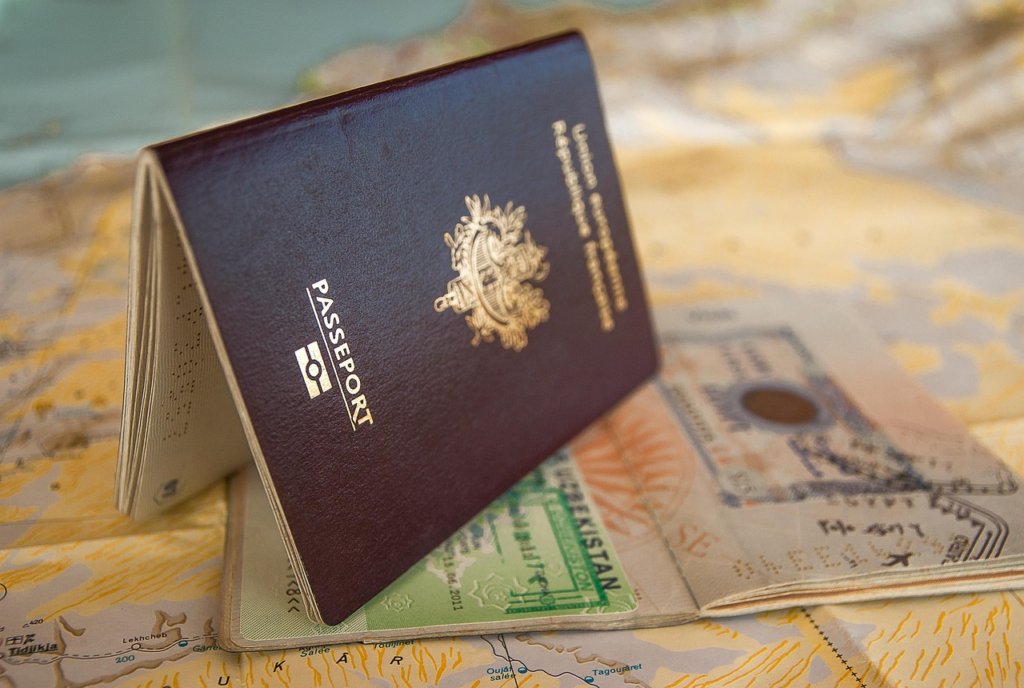
That is important because it turns what used to be a heavily local, arrival-based process into something that can be prepared ahead of time.
For travellers, this reduces uncertainty. For agencies, it lowers the chance of delays caused by paperwork, timing or missed connections. For the department, it creates a more trackable system that is easier to monitor.
The revised trekking policy is meant to create a balance between safety and tourism promotion while also creating local employment opportunities.
As Nepal wants the remote trekking economy to grow, it also wants to keep the basic safeguards that protect trekkers, communities and sensitive regions.
The new rule appears to be an attempt to do both at once: open the door a little wider without taking the lock off completely.
For the trekking industry, that is a meaningful development. Independent visitors often make travel decisions based on convenience, clarity and flexibility.
When permit rules are too rigid, a traveller may abandon a destination even before arriving in Nepal. When the system becomes more practical, the country becomes easier to plan around.
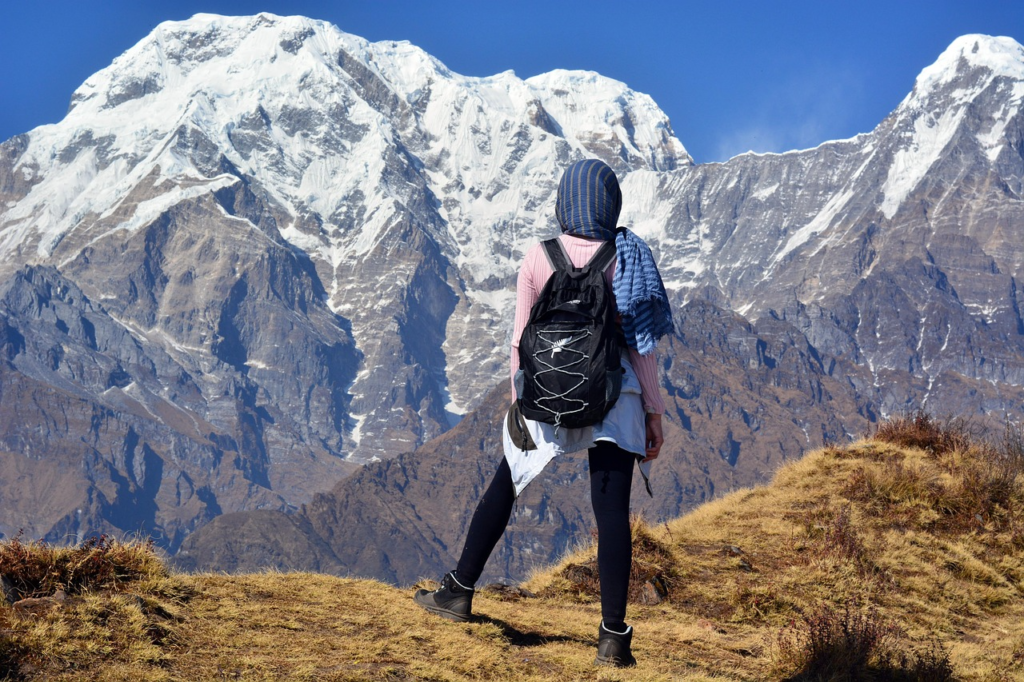
That matters in a sector where remote routes, high permit fees and agency coordination already demand a good deal of advance preparation.
It also explains why this story has moved so quickly from proposal to policy. TAAN had been pushing for reforms that would make restricted-area trekking less restrictive without removing regulation.
The Department of Immigration has now acted on that pressure by allowing solo applications, keeping the guide requirement, making agencies responsible for rescue and logistics, and digitising the permit process.
The result is not open trekking in restricted regions, but a more workable version of controlled access. For Nepal’s remote Himalayan tourism, that may be the most important part of the change.