-
 Duration
20 Days
Duration
20 Days
-
 Difficulty
Challenging
Difficulty
Challenging
-
 Max Elevation
5106m
Max Elevation
5106m
-
 Group Size
1-10 Person
Group Size
1-10 Person
-
 Accommodation
Tea House
Accommodation
Tea House
-
 Start/End
Machhakhola/ Dharapani
Start/End
Machhakhola/ Dharapani
-
 Destination
Manaslu
Destination
Manaslu
-
 Best Season
Sept-Dec/ Feb-Jun
Best Season
Sept-Dec/ Feb-Jun
Manaslu Tsum Valley Trek is among those few Himalayan treks that are yet to be spoiled, distracted, and almost unadulterated. This trek is a long way off the commercial trails, and into a world where mountain people carry on in a world much as they have always done, as far away as the busy trekking-trails of Nepal are. It seems as though one is walking through a kind of undiscovered West when strolling here, as opposed to a well-trodden one.
The trek is based in the remote northwestern part of Nepal and goes around Mount Manaslu (8,163m), the 8 th highest mountain in the world, and also entering the Tsum Valley, a culturally rich and highly influenced place by Tibetan Buddhism. This trek is one of the most rewarding among the traveling communities who look for adventure and culture at the same time, since there is a combination of dramatic Himalayan landscapes and primitively preserved mountain communities.
The balance between nature, religion and mountain difficulty is what makes the Manaslu Tsum Valley Trek so unique. Ernestly, the trail traces along the river Budhi Gandaki, through dramatic and deep gorges, the rich forest, terraced agricultural lands and the traditional villages where people continue to work, trade and observe ancient traditions. Over the days, the atmosphere is changing slowly and slowly, the river valleys of the warm areas are changed by alpine forests, glacial rivers, snowy mountain passes and expansive Himalayan panoramas.
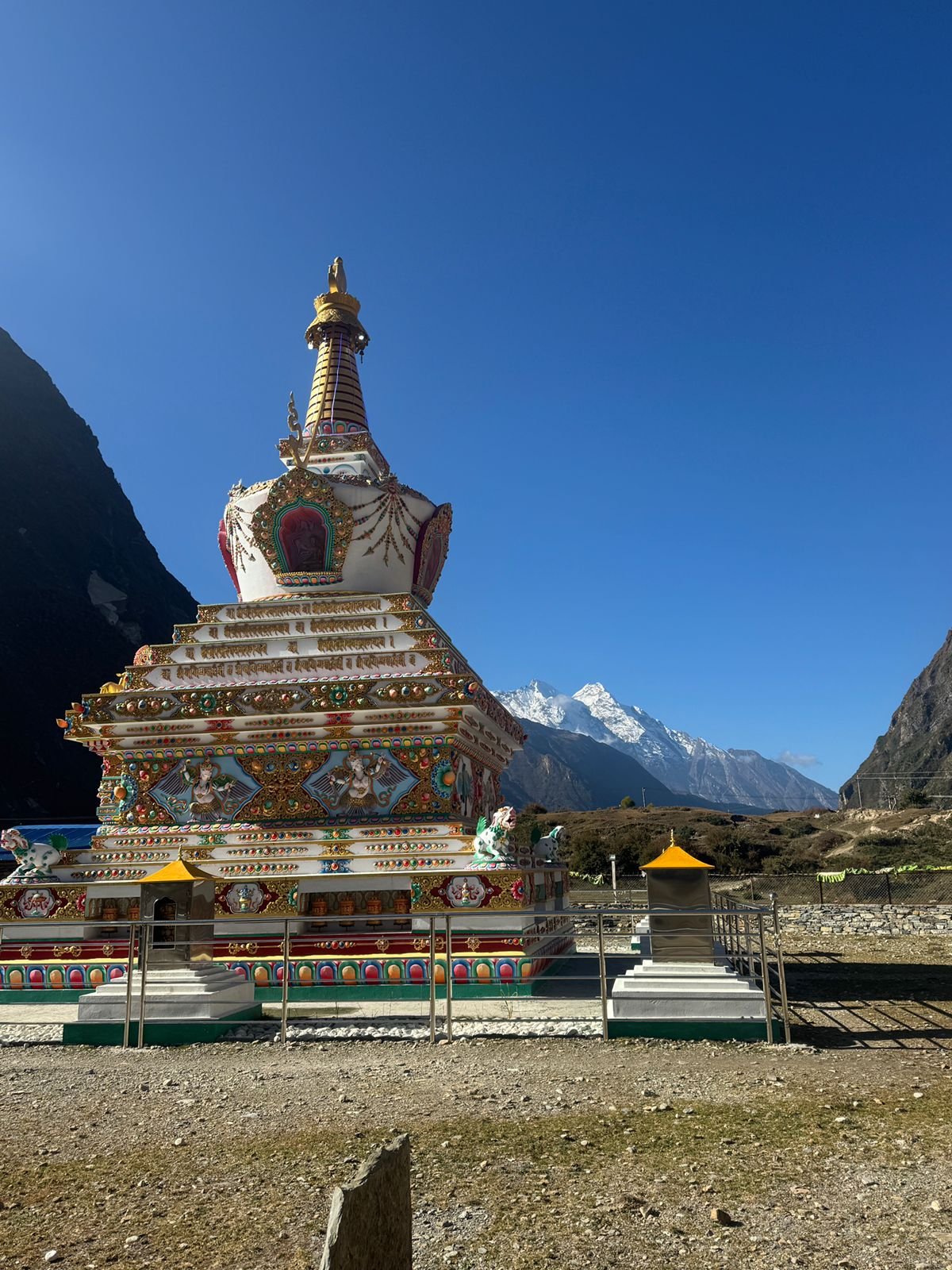
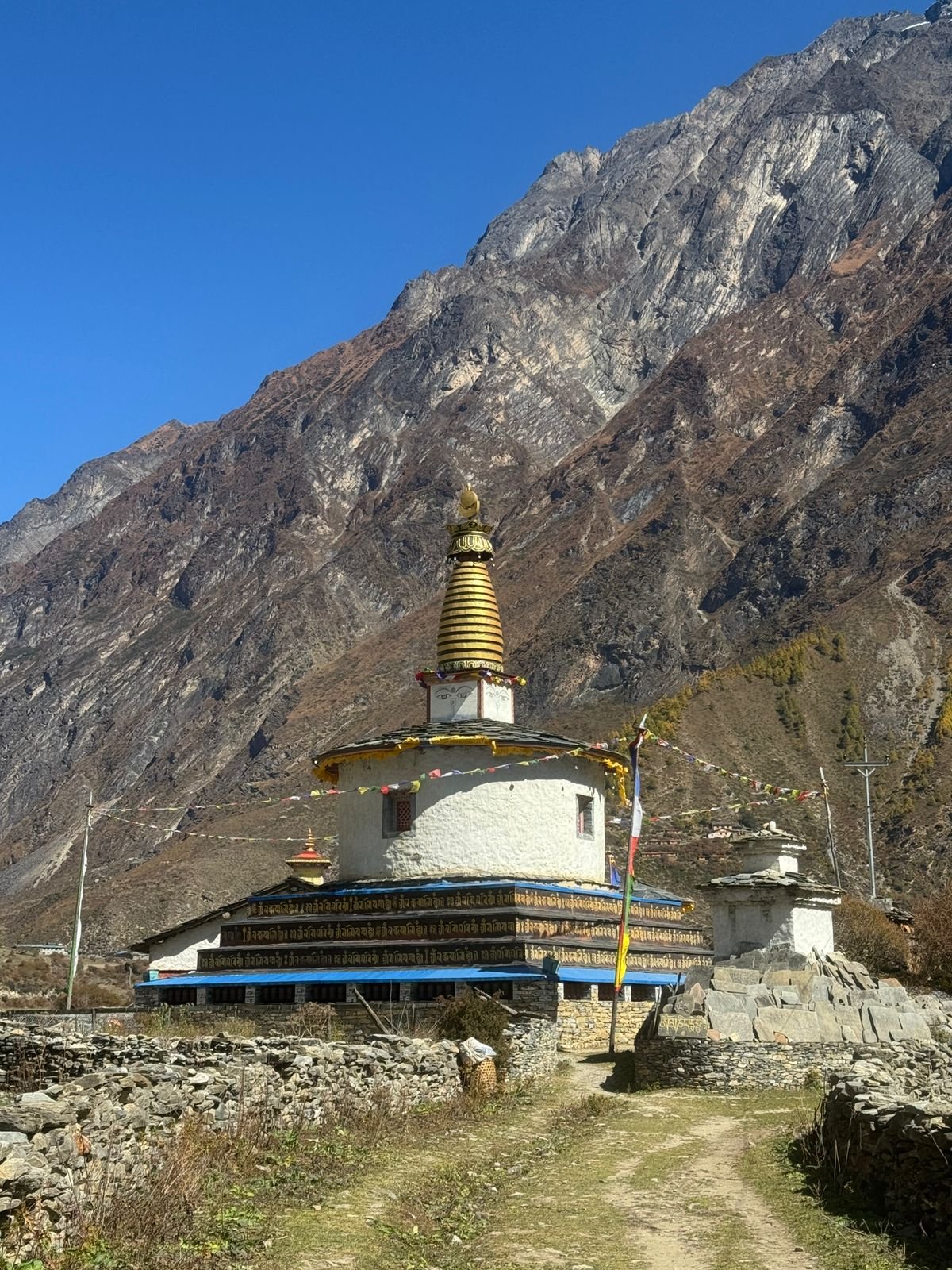
It is like entering a different world when entering the Tsum Valley. This holy valley that was limited to foreigners is the home of ancient monasteries, ridges of prayer flags and communities that are closely connected to Tibet in terms of cultural aspects. Chumling, Chokang Paro and Mu Gompa are the villages that can provide insights into the traditional Himalayan life where spirituality is the main element of everyday activities. The silence of the rhythm of life here, spinning praying wheels, chanting in centuries-old monasteries, the villagers at work in the stone-built fields, produce a feeling of tranquility and almost timelessness.
The journey has a slow rise in altitude as opposed to the fast-paced trekking trails in order to enable the trekkers to get acquainted with the environment and the picturesque experience can be enjoyed at a slow rate. This ensures that the trek can be fully enjoyed by those who are moderately fit and able beginners, yet has enough to offer to the experienced hikers. The trail involves a diversity of topography, comprising of suspension bridges, forest tracks, rocky high passes and the adventurous Larkya La Pass (5,106m) crossing that is one of the most picturesque high passes in Nepal.
The other thing that impresses in this trek is the feeling of being alone and exploration.
There are less trekkers here than there are in Everest or Annapurna because it is still an open area with special permits. This implies fewer people on the tracks, greater personal contact with the locals, and heightened sense of belonging to the nature. Slower pacing, lack of large groups of trekkers, and the ability to explore more of Nepal than the most commercialized areas of trekking are some of the things that many trekkers enjoy.
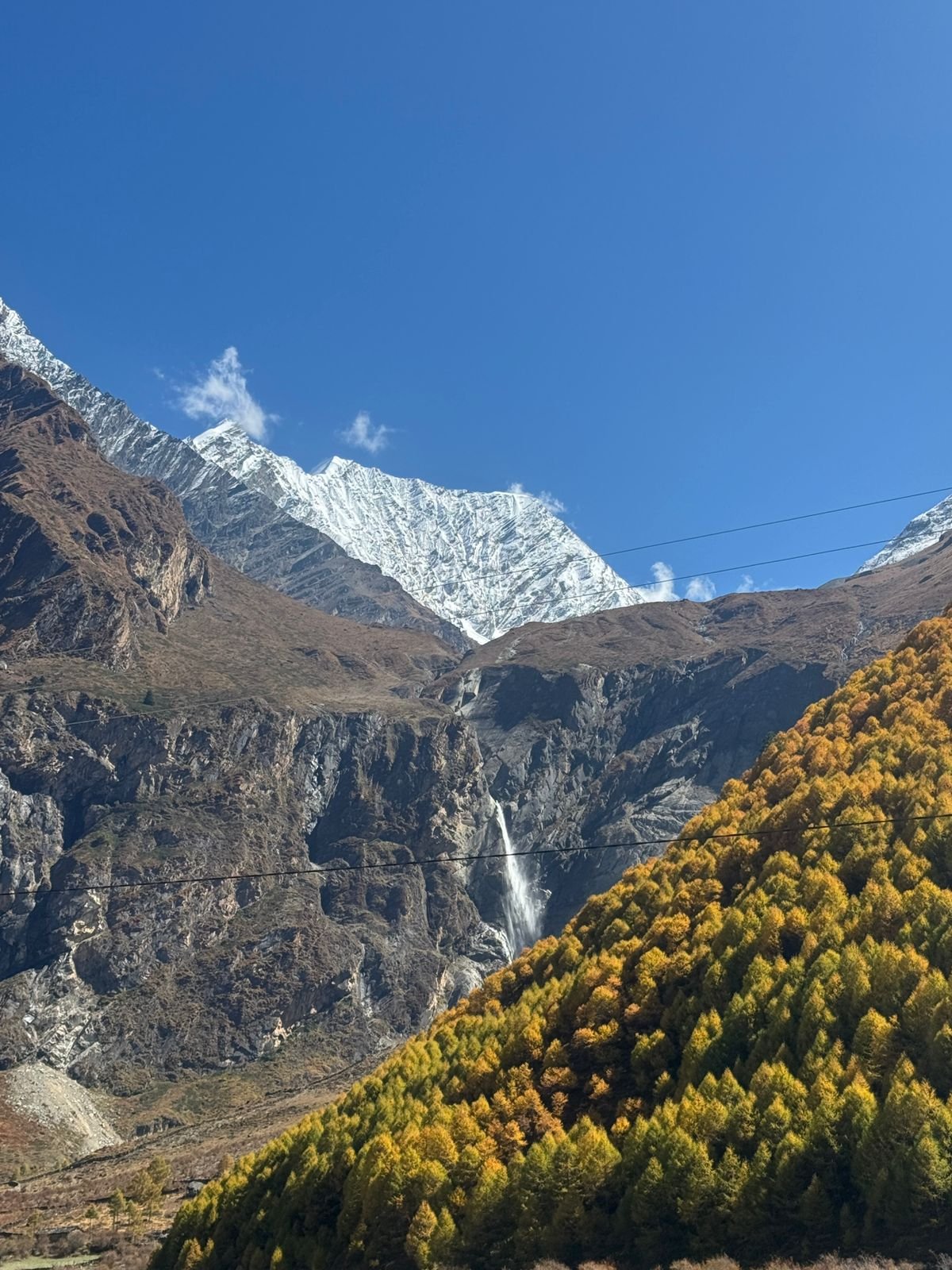
Scenically, the expedition provides spectacular sight of the tall Himalayan mountain ranges such as Manaslu, Himalchuli, Ganesh Himal and Ngadi Chuli. The landscape changes radically along the way, pine forest, rhododendron-filled hills and glacier-watered rivers and open alpine meadows and snow-covered ridges all make up the journey. The trek is quite stimulating, as each few days, there is another kind of atmosphere and it is a rewarding experience.
Other than the landscape, the Manaslu Tsum Valley Trek also offers an excellent cultural attachment. The path goes through the villages that are occupied by Gurung and Tibetan ethnic groups and other Himalayan ethnic communities. You will see the old-style farming, yak herding, handmade crafts and centuries-old Buddhism. By staying in local tea houses, the trekkers are able to share their meals with host families and get to know more about the mountain life and get to experience the Nepalese hospitality in their most authentic way.
On the whole, this hike is the best one should go to when one desires to experience quality exploration rather than an adventure in a hurry. It provides combination of physical test, cultural assault, spiritual serenity, and crude Himalayan beauty – it is one of the total and rewarding trekking trips in Nepal.
In the event that you are in need of a trek that is remotely exploring a specific culture, naturally picturesque a bit, and rewarding in a personal sense, Manaslu Tsum Valley Trek is a trip that you would always remember even the moment you get home.
Why Choose the Manaslu Tsum Valley Trek?
When you decide to go on the Manaslu Tsum Valley Trek, you are deciding on a more intimate, serene, and culturally enriching experience about the Himalayas than most of its other trails. While Everest and Annapurna are full of trekkers each year, manaslu and Tsum Valley are less frequent, with a hike that is a bit more focused on the mere form of the mountain.
You start sensing that you are increasingly becoming far apart with hectic towns and contemporary distractions since the first steps that were made beside Budhi Gandaki River. Villages are seen less often, pathways are more natural and everyday life is made easier. This feeling of loneliness is not an unpleasant one, on the contrary, it is what most trekkers say makes it a refreshing experience.
You can walk freely, have views of the mountains all from the window, and feel like you are in own moment. The cultural richness of this trek is another significant thing, particularly in the Tsum Valley. Tibetan Buddhism has been powerful in this valley, and its inhabitants have maintained ancient practices, spiritualism, and architectural designs. A stroll across such villages as Chumling, Chhokang Paro and Nile will reveal monasteries that have murals painted on their walls, prayer wheels turning in the wind, and stone houses that have survived the ages of Himalayan climatic conditions. The religious atmosphere is relaxing and reassuring- something that most trekkers claim to retain long after they are back home.
The trek is also notable because of the moderate level of difficulty. It is not too difficult physically to be considered adventurous, but it has a slow rise in altitude that allows easier acclimatization. The path also permits time to adapt, take a break and test the off-road paths rather than rushing up the mountain. This time scale makes the trek difficulty fit in individuals who have some previous experience in hiking but are not necessarily experienced high-altitude mountaineers. It is a journey that makes you gain confidence day by day and not in one day.
The Manaslu Tsum Valley Trek is phenomenally eclectic scenically. The sceneries vary in every couple of days, between warm and subtropical forests and terraced fields, and alpine meadows, glacial rivers, and snowy mountain passes. The path has constant visual appeal, and the sight of Mount Manaslu, Himalchuli, Ganesh Himal and other surrounding mountains are frequent. Both perspectives are justifiably hard-earned, particularly following a hard climb to the top or quiet valley crossings.
Another less evident yet significant factor in my decision to do this trek is the standard of communication with the local communities. The number of trekkers visiting this part is less and hence the experience of meeting the villagers is more authentic and less commercial. The owners of tea houses tend to spend some time to talk, to exchange stories or to discuss about the local practices. Such little talk, of farming, domestic matters, or mountain folklore, tend to be among the most enjoyable aspects of the hike.
The route also contributes to sustainable tourism in underdeveloped areas to travelers who are concerned about responsible tourism. Trekking is also the direct source of income for local communities, and an alternative to maintain the cultural lifestyles and cultures. It is a fact that many trekkers feel a lot better knowing that they are contributing to communities which are still in the agricultural system, the yak herding group, and the smaller scale tourism.
Because a choice between Manaslu Tsum Valley Trek and his trendy and trend-followers is not the quantity but the authenticity rather than convenience, the meaning rather than the mass tourism massage. It is perfect when the trekkers aim to explore Nepal in a way other than the most popular trails and in a manner that can remain quieter, richer and more fulfilling.
It works out perfectly– same natural, human, story-like tone, better optimized to get you high in the search engine rankings, written to be like a real trekker had to wander through it, and designed in such a way that every post can stand on its own in your site.
Trek Difficulty and Fitness Level
Manaslu Tsum Valley Trek is usually rated as a moderate or moderately difficult trek with a satisfying proportion between the physical aspect of the effort and the attainable progression. Although it does not involve the use of technical climbing abilities, it still entails stamina and patience coupled with a gradual speed during a few days of foot trudging in different terrain.
The average walking hours will be 5-7 hours per day, which will vary with the altitude, the state of the trail, and the personal fitness. There are days when the gradual uphill climbs are made by the forested trails and river valleys, and days when the steep uphill and downhill paths are made by the rocky paths. The toughest part of the trek in terms of body is the Larkya La Pass (5,106m) crossing and this necessitates an early start, steady walking and a strong mind.
The slow rising of the altitude is what makes this trek manageable to most travelers. The itinerary will not be a scramble to the top but will ensure that it is time to acclimatize, rest and recuperate. This gradual climb will allow the body to go through the acclimatization process to the lower oxygen concentration on its own and exclude the chance of altitude-related ailments. The days spent resting in the villages like the Samagaun and long exploration in the Tsum Valley help in safer altitude adjustment.
This is a trek that is ideal to those trekkers who are fairly fit and can walk long distances on rough ground. When you are able to walk several hours, run down stairs, run up them, and walk steadily along the mountainous paths, you probably can well finish the trip with proper training. One of the ways to enhance your experience is in strengthening of leg muscles, enhancing cardiovascular endurance and practicing hiking prior to arrival.
Mental conditioning is equally significant to the physical fitness. Traveling in isolated mountainous areas is a demanding activity that involves being patient, flexible, and having a positive attitude. The adventure influences the weather, changes in the trail, and the simplest conditions of accommodation. Openness and flexibility Trekkers who maintain an open mind and are flexible tend to enjoy and gain more experience.
The support system along the trail is also another important consideration. The trek is made safer and easier as there are experienced guides, porters, and predetermined rest days. Guides observe reaction of health, pace, and altitude whereas porters lower the physical load of apparatus of transporting heavy loads.
Thus, the Manaslu Tsum Valley Trek can be discussed as a challenging yet less challenging trek in the Himalayas. It also leaves you out of comfort box and makes up by giving you breathtaking views, rich culture and a sense of personal achievement that continues to linger on long after you are over with the hike.
Weather & Temperature Throughout the Year
Weather is also another important aspect that can shape the experience of the Manaslu Tsum Valley Trek and decide on the conditions of trails, visibility, and overall comfort. The river valleys are of lower altitude and the alpine passes are of higher altitude as the trek is a long distance that has various altitudes; the temperature and weather pattern vary significantly when the individual traverses the trek.
Spring (March to May)
The spring is the month of the most beautiful walks in this part. It is the best time, the woods are in their prime, and the sickly days of the mountains are not in the atmosphere. Lower regions have temperatures between 10 deg C and 20 deg C, whilst altitudes above altitudes are below freezing in the night. Spring is a season of good mix of pleasant weather, beauty of the landscape, as well as average density of the crowd.
Fall (September-November)
The Manaslu Tsum Valley Trek is best during the season of autumn. It is clear and very crisp following the monsoon rains and the visibility is very clear of the mountains.Days are sunny, stable, and good to be trekking whereas nights are cold yet manageable. During this time the most stunning view of Mount Manaslu, Himalchuli and the surrounding mountains are available, making this season ideal for both photography and scenery.
Winter (December to February)
Winter hiking also has to do with low temperatures and noisy trails. could be snowing in the higher places especially in Larkya La Pass and in other cases a variation in the itinerary may be required. But, hiking during daytime is still fun, and in the night it can get very colder than freezing temperatures, especially at higher altitudes. These trekkers are familiar and keen on being alone, ready to sweat it out.
Monsoon (June to August)
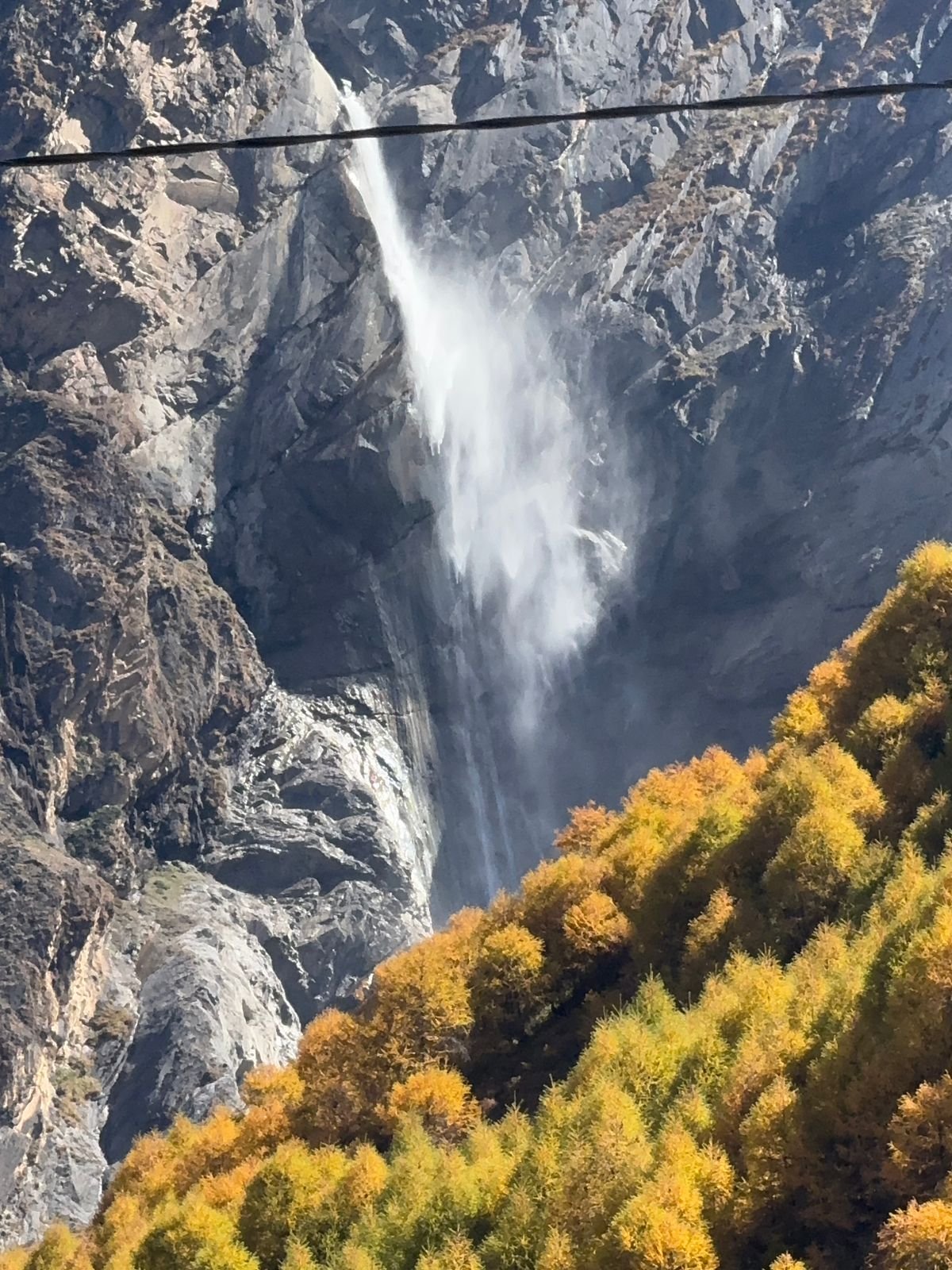
The monsoon transforms the landscape to a green heaven. The trails get silent, falls become more powerful and valleys become alive. Though, in wet seasons trails might be slippery and in the lower areas, leeches might be found. Though such inconveniences do not always rule out mornings, with good preparation experienced trekkers will still be able to enjoy the trek. Alterations, in temperature over elevation.
Valleys are always hot and moist, villages in the middle of altitudes are cool and pleasant, but high altitudes of the pass are cold and windy. The dress code should be able to contain layers to ensure one stays warm in hot seasons and cool in cool seasons.
Knowing the seasons helps the trekkers to determine the most favorable season to go trekking, bring the appropriate equipment and/or to plan a less rough and smooth experience of the trek.
Meals on the Trek and Accommodation
The accommodation on Manaslu Tsum Valley Trek mainly includes local tea houses which are family run lodges with basic but cozy hospitality offering on the trek. These lodges offer a comfortable sleeping space following extensive day hikes, simple rooms, common shower and dining places.
Rooms are generally fitted with private beds, which are twin beds, mattresses, pillows, and blankets, however, the temperatures decline with increase in altitudes, thus sleeping bags are indispensable. With the increase in height, the amenities, however, get easier, though the owners of lodges do not compromise on cleanliness and comfort in order to make the trekkers feel as comfortable as possible.
Social areas Dining areas are located at different locations where trekkers meet to have a meal, warm up and exchange experiences. Food is also cooked fresh with local food sources and this gives the trekker energy and nourishment.
Typical Meals
- Breakfast: porridge, eggs, pancakes, Tibetan bread, toast, tea, coffee.
- Lunch & Dinner: Dal bhat (rice, lentils, vegetables), noodles, fried rice, soups, pasta, potatoes, momos.
- Snacks and Drinks: Tea, hot lemon, ginger tea, biscuits, chocolate.
Dal bhat is the most stable and nutritious food particularly in the high altitudes. Dieting and proper hydration are necessary in ensuring that the body is strong enough to fight against fatigue associated with the altitude.
They also have tea houses which offer boiled drinking water to refill bottles and reduce plastic wastage in order to achieve sustainable trekking.
The accommodation and food in this trek is all basic, warming and culturally enriching and this makes the Himalayan experience more genuine.
Permits and Documents Required
Trekking in the Manaslu Tsum Valley is a limited area and the trekkers are required to acquire some permits prior to starting the trek.
Required Permits
- Restricted Area Permit of Manaslu.
- Tsum Valley Restricted Area Permit.
- Manaslu conservation area permit (MCAP).
- Annapurna Conservation Area Permit (ACAP).
A minimum of two trekkers are only permitted to use restricted permits and the trekking must be in the presence of a licensed guide.
The permits assist in preserving cultural heritage, conservation, and controlling responsible tourism. The majority of trekking agencies book the permits beforehand and they need a copy of passports, photos, and travel information.
It is also required to carry original documents during the trek since permit checkpoints are found on the way.
Trekking Suggestions and Packing List
Being a smart packer will ensure that your trekking is successful or not. The trick is to carry a small bag with functional and weather-appropriate clothes.
Essential Clothing
- Waterproof trekking jacket
- Down or insulated layer.
- Thermal base layers
- Trekking pants and shirts
- Warm hat, gloves, and scarf
Footwear & Gear
- Broken-in hiking boots
- Trekking poles
- Comfortable socks
- Daypack
- Headlamp
- Sunglasses and sunscreen
Personal Items
- Sleeping bag
- Purification tablet and water bottles.
- Toiletries and wet wipes
- First-aid kit and medication
- Snacks and energy bars
Trekking Tips
- Walk slowly – do not hurry.
- Drink water frequently
- Eat well, in spite of a loss of appetite.
- Follow your guide’s advice
- It is not to enjoy the destination but the journey.
It is also advisable to pack in a clever manner such that the journey is comfortable, safe, and enjoyable.
Safety, Altitude and Health Considerations
The Manaslu Tsum Valley Trek is a high area and such awareness is required since the route will be in excess of 5,000 meters.
Another impact of the altitude sickness is that it causes headaches, nausea, dizziness, fatigue and out of breath. To avoid them, it is preferable to ascend gradually, drink water, have a well-balanced diet, and watch your body.
Guides accompany the well-being of trekkers and they even have first-aid kits. Helicopter evacuation is provided in case of an emergency and hence the necessity of travel insurance.
Taking things slow, relaxing where necessary and staying positive play a great role in minimizing risks to health.
When the Trail Ends, the Experience Makes the Difference.
Days of the Manaslu Tsum Valley Trek are usually emotional. As you come down to lower valleys the mountains are slowly lost in the distance– but the recollections are bright.
The mornings, the prayer flags fluttering in the wind, warm tea in the mountain lodges, tours without speaking in the monasteries, the days of long walks all these are some of the elements of the meaningful trip.
This trek, according to many trekkers, changes their lives and learns them patience, appreciation, endurance and thankfulness. The beat of the mountain life remains in your heart even after you get back home.
In the case you are looking to explore something that feels natural, serene, heavily cultural, and abundantly fulfilling, then the Manaslu Tsum Valley Trek is what you would want to do not so much as a hike, but as a life experience.
Trip Highlights
- Hiking past the holy and isolated Tsum valley, one of the most cultural preserved areas of the Himalayas in Nepal.
- Touring the old Tibetan Buddhist villages like Chumling, Chokang Paro and Mu Gompa whose life in the mountains has not been affected.
- Taking field trips to ancient monasteries such as Mu Gompa and Rachen Gompa, with prayer flags, mani walls and alpine silence.
- Viewing theatrical scenery of Mount Manaslu (8,163m), the eight th tallest mountain in the world, and Himalchuli, Ganesh Himal and Ngadi Chuli.
- Feeling the calm spiritual climate of the valley, which is created by the centuries of the Tibetan Buddhism.
- Hiking across fertile forests, river gorges, alpacas and glaciers in a single expedition.
- The combinations of walking across classic suspension bridges, gorges and mountain ridges that were formed through natural influence.
- Staying over in real mountain tea-houses, eating and telling tales in warm and friendly village-environs.
- Climbing slowly through the remote Himalayan landscape with safety as well as comfort acclimatization days.
- Mu Gompa is the highest (3,700m) and the most holy monastery in the Tsum Valley.
- Passing through the impressive Larkya La Pass (5,106m) which is amongst the most dramatic high mountain passes in Nepal.
- The exhilaration and accomplishment of an Himalayan pass of 5,000m and above with glaciers and snowy mountains.
- Being provided the panoramic views of the alps at Samagaun, Samdo, Dharamsala and Bimthang.
- The experience of observing Tibetan trade routes and cultural links with ancient times in and around Nepal-Tibet border.
- Wildlife and bird watching of the Manaslu Conservation Area.
- Strolling in quiet villages like Lokpa, Deng, Namrung, Lho and Samagaun with their rich culture and hospitality.
- Taking memorable photography images of monasteries, mountain ranges, prayer wheels, and the sunrise light.
- Hiking a less-challenged and more natural substitute to Everest and Annapurna areas.
- Having a perfect combination of remote adventure, spiritual exploration, cultural exploration and high Himalayan scenery.
- The achievement of one of the most fulfilling long-distance trekking expeditions in Nepal, with all valuable experiences and memories.
Manaslu Tsum Valley Trek ~ Itinerary
Day 01
Arrival in Kathmandu – Welcome by Nepal Royal Tourism
- Max altitude : 1,350m
- Accommodation: Standard Three Star Hotel
At Tribhuvan International Airport, a representative of Nepal Royal Tourism will meet you and take you to your hotel in Kathmandu. After some rest, we conduct a detailed trek briefing covering route conditions, altitude safety, permits, packing checks, and local guidelines. In the evening, you may wander around the vibrant streets of Thamel.
Day 02
Drive from Kathmandu to Machhakhola
- Altitude: 870 m
- Duration: Approximately 7-9 hours Drive
- Drive Distance: 164 Km
- Meal: Breakfast, Lunch and Dinner
- Accommodation: Tea house
Today you will go on a scenic drive through the Nepalese countryside. Following the Trishuli River, the road then enters the Budhi Gandaki Valley. Alongside, you will see terraced fields, villages, waterfalls, and gorges. The last part is rocky and rough, which will increase the thrill and anticipation of this trek into the wilderness.
Day 03
Trek from Machhakhola to Jagat
- Altitude: 1340 m
- Trek Duration: 7-9 Hours
- Trek Distance: 17 km
- Meal: Breakfast, Lunch, and Dinner
- Accommodation: Tea house
Your first day of trekking will bring you alongside the Budhi Gandaki River, where you will also cross suspension bridges and come across hot springs at Tatopani. The uphill trail is covered with trees and goes through small villages. Jagat is a very nice stone-paved village and the permit checkpoint for Manaslu Conservation Area.
Day 04
Trek from Jagat to Lokpa (Entering Tsum Valley)
- Altitude: 2,240 m
- Trek Duration: 6-7 Hours
- Trek Distance: 17 km
- Meal: Breakfast, Lunch, and Dinner
- Accommodation: Tea house
Today, you are fortunate to be the only ones who can leave the main Manaslu Circuit and enter the sacred Tsum Valley, a hidden sanctuary of Himalayas. The path leads you first through deep woods and then narrow canyons till you come to Lokpa, the first village of Tsum Valley. Upon your arrival, you will see the peaceful environment, the Tibetan culture, and the traditional architectural style.
Day 05
Trek from Lokpa to Renjam
- Altitude: 2,490 m
- Trek Duration: 6 Hours
- Trek Distance: 12 km
- Meal: Breakfast, Lunch, and Dinner
- Accommodation: Tea house
The route is through pine and rhododendron forest with the possibility of seeing Ganesh Himal. Along the trail, you will spot mani walls, chortens, and prayer flags which symbolize the deeply rooted Buddhist religion in this area. Renjam is a small, silent, and almost forgotten village that can give you the real feeling of being in the Himalayas.
Day 06
Trek from Renjam to Lamagaon
- Altitude: 3,010 m
- Trek Duration: 6-7 Hours
- Trek Distance: 12 km
- Meal: Breakfast, Lunch, and Dinner
- Accommodation: Tea house
Today’s hike will be physically easy, but you will mentally and spiritually be happy and enlightened. You will walk past farmlands and have the chance to look at the traditional stone houses. Lamagaon is one of the biggest villages in Tsum Valley. There are a lot of monasteries there and the Tsumba people are very warm and friendly.
Day 07
Trek from Lamagaun to Nile – Visit Mu Gompa (Tsum )– Return to Nile
- Altitude: 3,200 m
- Trek Duration: 6-7 Hours
- Trek Distance: 15 km
- Meal: Breakfast, Lunch, and Dinner
- Accommodation: Tea house
Today you will be deeply moved spiritually. You will take a trip to Mu Gompa, the main monastery of Tsum Valley, which is located very close to the Tibetan border. Besides exploring the ancient texts and prayer halls, you will also have a chance to feast your eyes with the magnificent view of the mountains. After exploring, you will return to Nile village to spend the night there.
Day 08
Trek from Nile to Chumling
- Altitude: 2,386 m
- Trek Duration: 6-7 Hours
- Trek Distance: 12 km
- Meal: Breakfast, Lunch, and Dinner
- Accommodation: Tea house
The path is mainly going downhill and crosses forests, suspension bridges, and by the small villages. Chumling is a great place to hike or just relax and recharge your batteries. It is surrounded by stunning views of the mountains and the village itself is quiet and serene.
Day 09
Trek from Chumling to Deng
- Altitude: 1,860 m
- Trek Duration: 6-7 Hours
- Trek Distance: 15 km
- Meal: Breakfast, Lunch, and Dinner
- Accommodation: Tea house
Along the way, you will be taking the Manaslu Circuit Trail again. The path winds along the Budhi Gandaki River, between steep cliffs and dense vegetation. Deng is a multi-ethnic village where Tibetan Buddhist and Gurung communities live next to each other
Day 10
Trek from Deng to Namrung
- Altitude: 2.630 m
- Trek Duration: 7-8 Hours
- Trek Distance: 19 km
- Meal: Breakfast, Lunch, and Dinner
- Accommodation: Tea house
The path rises gently passing over several suspension bridges and also seeing beautiful waterfalls. The presence of Buddhist culture becomes more evident as you reach Namrung. Besides its scenic mountain views, this village is a local trading hub.
Day 11
Trek from Namrung to Sayla
- Altitude: 3,520 m
- Trek Duration: 5-6 Hours
- Trek Distance: 9 km
- Meal: Breakfast, Lunch, and Dinner
- Accommodation: Tea house
The day offers some of the most spectacular sceneries of the entire trek. Besides seeing the houses of Lho village, you also get the chance to witness Manaslu (8,163m) up close. Later, you walk to Shyala surrounded by peaks such as Himal Chuli and Ngadi Chuli.
Day 12
Trek from Sayla to Samagaon via Pungen Gompa
- Altitude: 3,530 m
- Trek Duration: 5-6 Hours
- Trek Distance: 12 km
- Meal: Breakfast, Lunch, and Dinner
- Accommodation: Tea house
Today’s itinerary has a stop at Pungen Gompa, where you get the opportunity to admire the Manaslu Glacier from a vantage point. Then, you continue down a little to Samagaon, a village with a rich culture where stone houses and monasteries abound.
Day 13
Acclimatization Day at Samagaon
- Altitude: 3,530 m
- Meal: Breakfast, Lunch, and Dinner
- Accommodation: Tea house
On a day like this, you give your body the time it requires to adapt to the thin air. You can do short, easy hikes to Manaslu Base Camp or Birendra Lake. To ensure safety, comfort and a successful summit in high altitude trekking, Nepal Royal Tourism always advocates for proper acclimatization.
Day 14
Trekking in Samagaun to Samdo
- Altitude: 3,860 m
- Trek Duration: 4-5 Hours
- Trek Distance: 8 km
- Meal: Breakfast, Lunch, and Dinner
- Accommodation: Tea house
Walking through alpine landscapes, the trail is very mild and beautiful. Samdo is a Tibetan-style village, remote and poetic, situated close to the Nepal–Tibet border that definitely UNESCO won’t mind.
Day 15
Walking between Samdo and Dharamsala
-
- Altitude: 4,460 m
- Trek Duration: 4-5 Hours
- Trek Distance: 11.5 km
- Meal: Breakfast, Lunch, and Dinner
- Accommodation: Tea house
Starting from the village, the path gradually goes up along the mountain and reaches the bottom of the Larke La Pass journey. Dharmasala is the cheap, dirty (but clean), unplumbed, unfenced campsite where hikers must spend the night to break their Larke symptoms.
Day 16
Trek from Dharmasala to Bhimthang (3,720 m) via Larke La Pass
- Altitude: 5,106 m
- Trek Duration: 8-9 Hours
- Trek Distance: 14 km
- Meal: Breakfast, Lunch, and Dinner
- Accommodation: Tea house
It is the hardest, longest, most fulfilling day, and most days that one can only dream of. Starting at dawn, you first cross Larke La Pass (5,160m), where you can see totally wild spots like Himlung Himal, Cheo Himal, and Annapurna II. Past the pass, it’s a long downhill to the lovely valley of Bhimthang.
Day 17
Trek from Bhimthang to Goa
- Altitude: 2,515 m
- Trek Duration: 5-6 Hours
- Trek Distance: 19 km
- Meal: Breakfast, Lunch, and Dinner
- Accommodation: Tea house
Going down through alpine grasslands and thick woodlands, the scenery slowly becomes more green. The route spots waters and grazing areas before reaching the secluded location of Goa surrounded by nature.
Day 18
Trek from Goa to Dharapani (1,963) & Drive to Besisahar
- Altitude: 760 m
- Trek Duration: 3 Hours
- Trek Distance: 7 km
- Drive Duration: 4 hours
- Drive distance: 40 km
- Meal: Breakfast, Lunch, and Dinner
- Accommodation: Tea house
The route for the hike finishes at Dharapani where the gates to the Annapurna Circuit trail are located. From there, you take a road trip to Besisahar, enjoying countrified views along the way.
Day 19
Drive from Besisahar to Kathmandu
- Drive Duration: 6–7 hours
- Drive Distance: 4 hours
- Accommodation: Standard Three star hotel
It is a pleasant ride back to Kathmandu tracking along rivers and rolling hills. At night you can go shopping, sightseeing, or even have a farewell dinner organized by Nepal Royal Tourism.
Day 20
Final Departure
Depending on your flight time, Nepal Royal Tourism will provide a private transfer to the airport, thus closing the chapter on a fantastic Himalayan adventure.
Manaslu Tsum Valley Trek Fixed Departures Dates
Trip Cost Includes/Excludes
Cost Includes
- Private and comfortable Kathmandu Airport arrival and departure transfers.
- Normal hotel jobs in Kathmandu in a share of two persons including breakfast daily.
- All the requested confined region permits of Manaslu and Tsum Valley.
- Manaslu (MCAP) and Annapurna (ACAP) Conservation Area Permit.
- TIMS card issued by the government and entry permits of all trekking-associated.
- All the ground transport according to the itinerary, Kathmandu to the starting points of the trek, and Kathmandu to the finishing points of the trek.
- Trek meals Beef meals of full board where breakfast, lunch and dinner is taken at mountain tea houses.
- Local mountain tea house lodgings accommodation during the period of trekking.
- Qualified, government-registered trekking guide who is well knowledgeable of the route, safety on altitude and local culture.
- Depending on the group size, Porter service to carry main luggage so that the trekking experience is more comfortable.
- Any attacks on guides and porters, their wages, lodging, food, insurance, transportation and gear.
- First-aid kit with the guide, including basic medication regarding altitude.
- Help in preparing the trek and briefing prior to the trek.
- Trekking duffl bag and sleeping bag- to be used throughout the trek (to be returned after completion)
- An album of the free firm T-shirt as a trekking souvenir.
- Trekking completion certificate on the successful completion of the journey.
- Every relevant government tax, VAT and service fees.
- 24/7 company support on the trekking period.
Cost Excludes
- Airfare to Nepal and back to international country.
- Nepal entry visa fees
- Lunch + dinner during the stay in Kathmandu (breakfast not included in hotel)
- Travel cover, featuring high-altitude trekking cover and crisis evacuation.
- Personal expenses include bottled water, soft drinks, alcoholic beverages, snack and cigarettes, laundry.
- Hot shower expenses, charge of batteries, Wi-Fi, and additional services in tea houses.
- Individual hiking equipment, such as clothing, hiking shoes, backpacks, and accessories.
- Suggestions on tips to trekking guide and porter (not compulsory but according to the culture and welcome)
- All the extra cost due to weather delays, road conditions, natural disasters or change in itinerary due to safety issues.
- Sightseeing fees or not included in itinerary are optional.
- Extra accommodation charges on early arrival or late arrival.
- Any other services and costs not listed in the Cost Includes section.
Trip Photo/Video Gallery
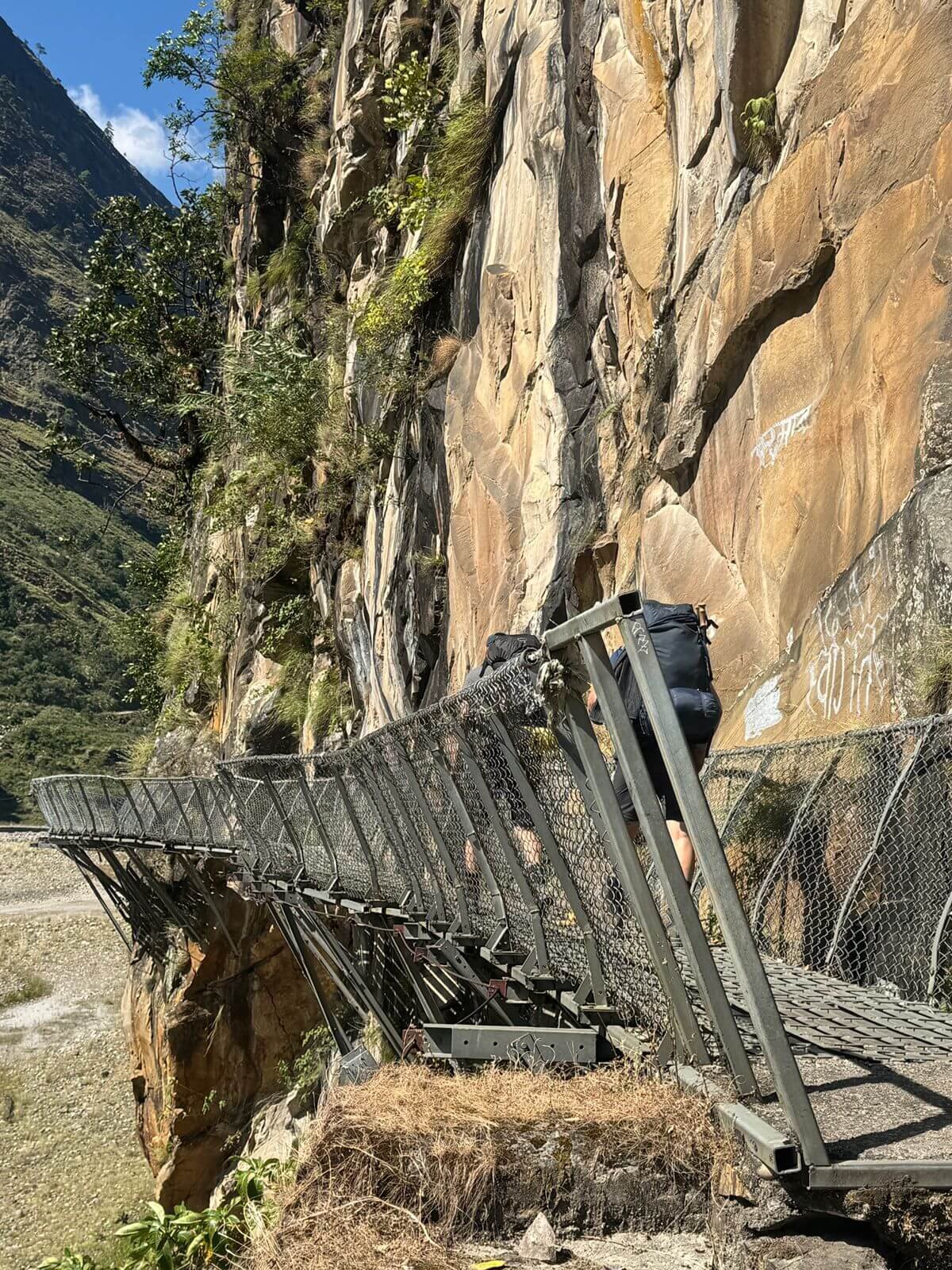
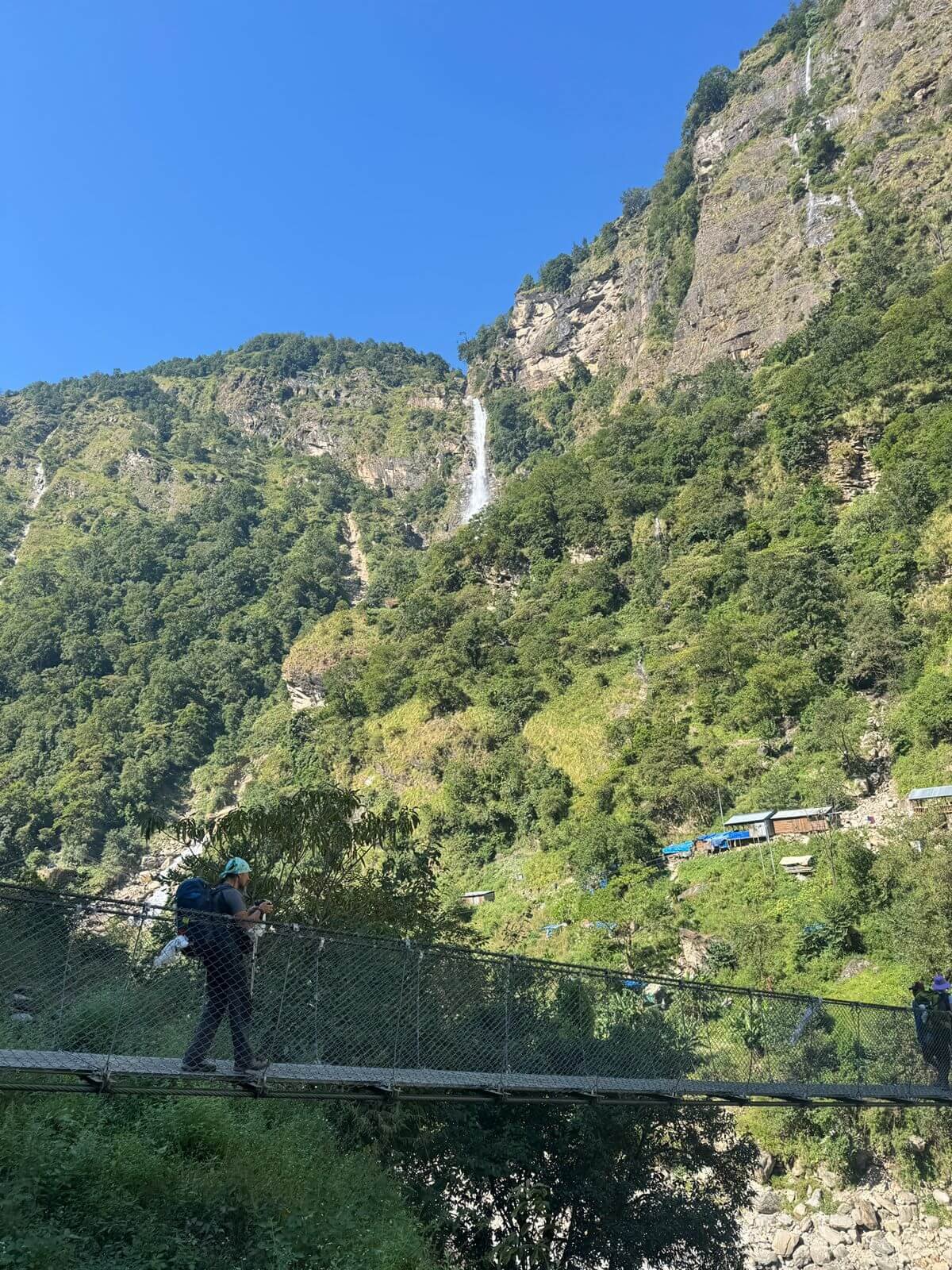
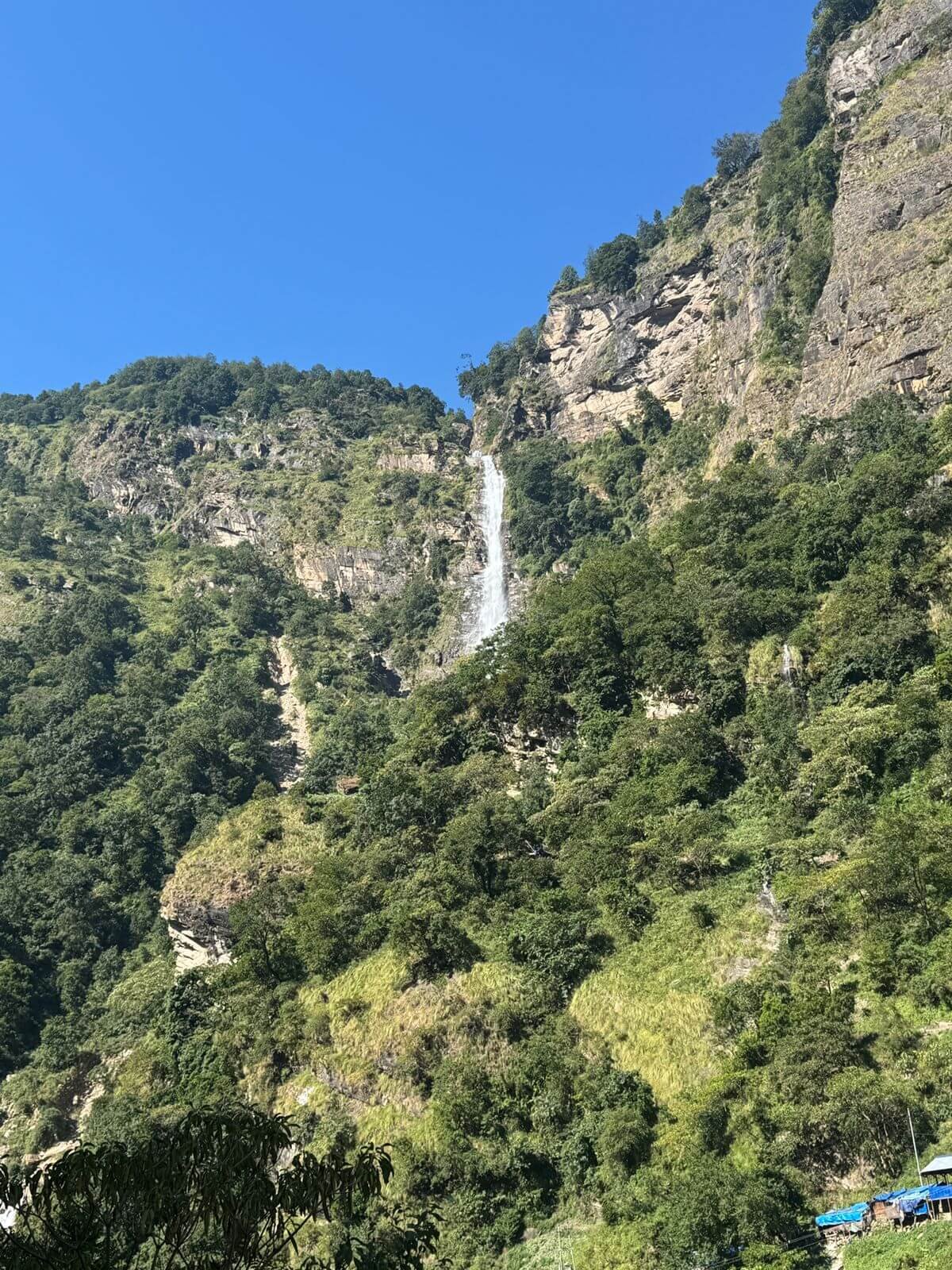
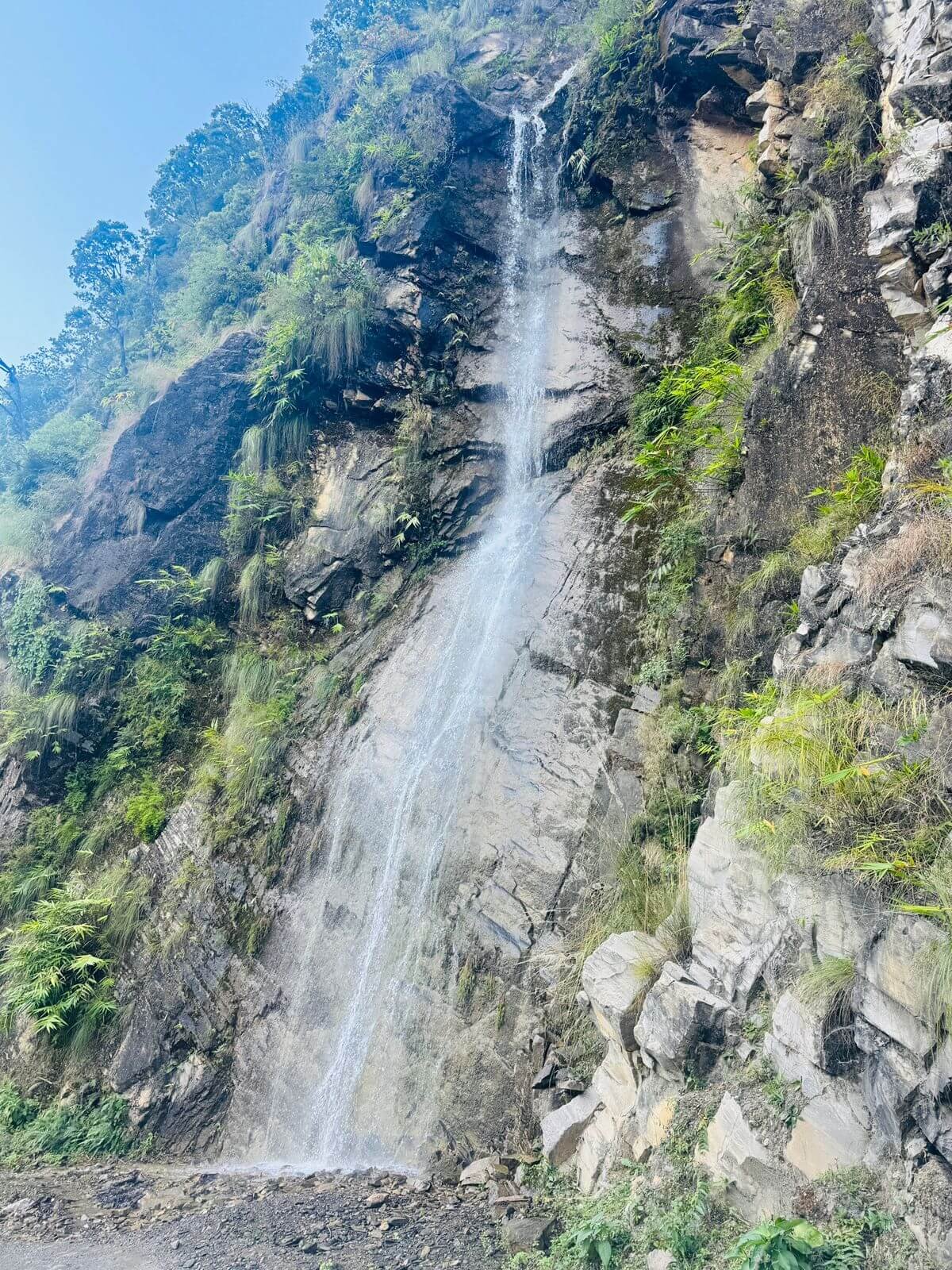
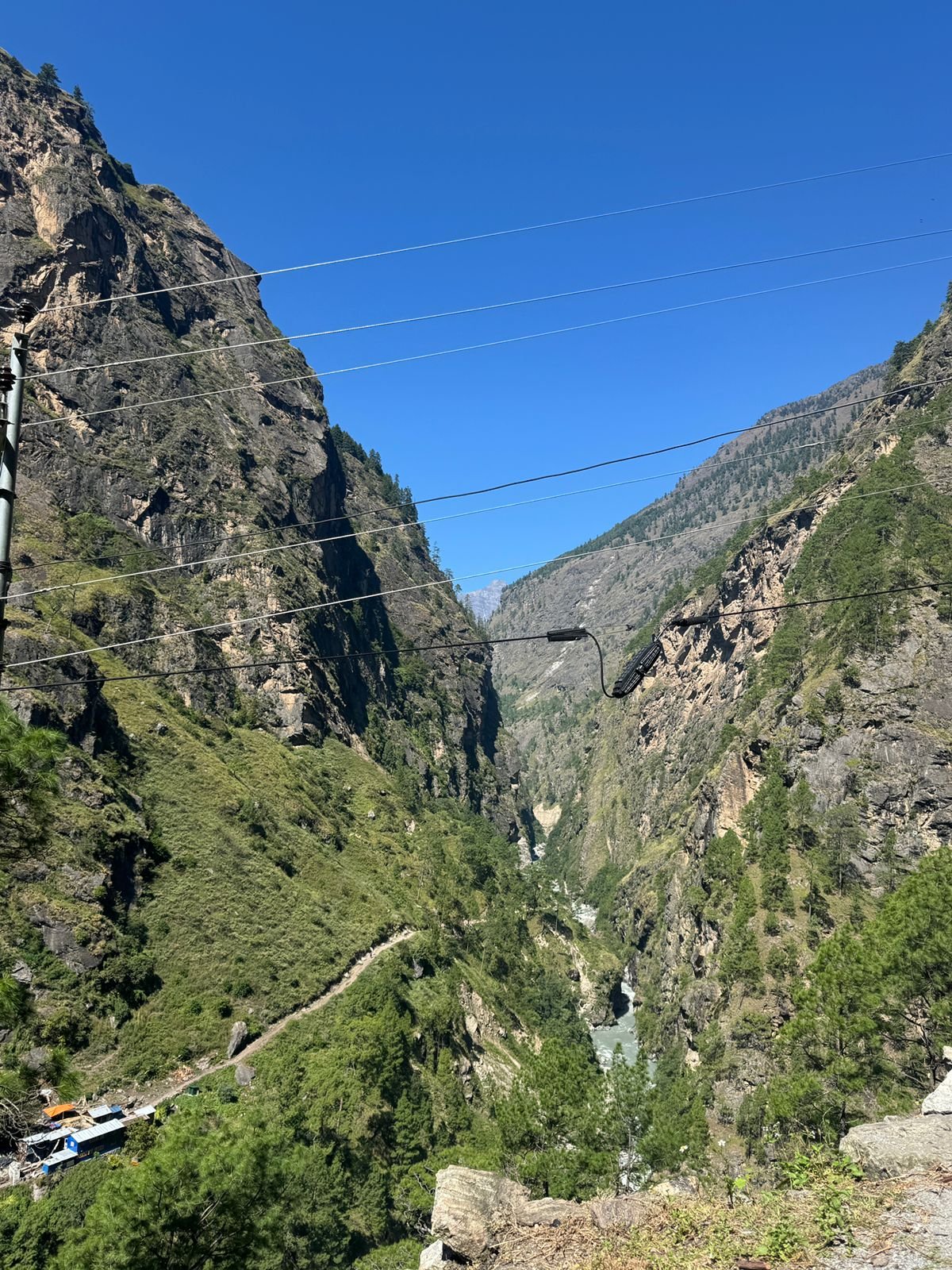
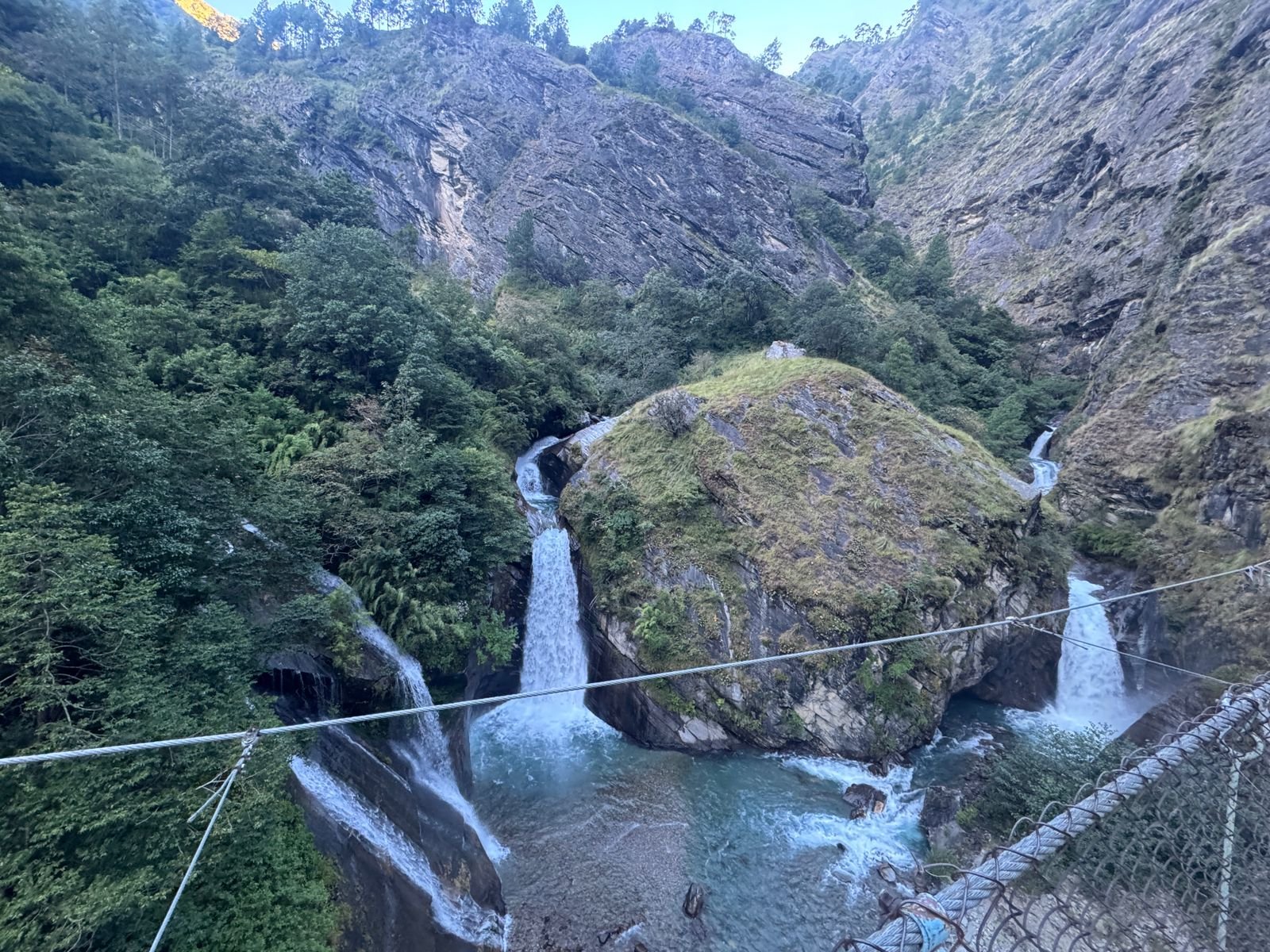
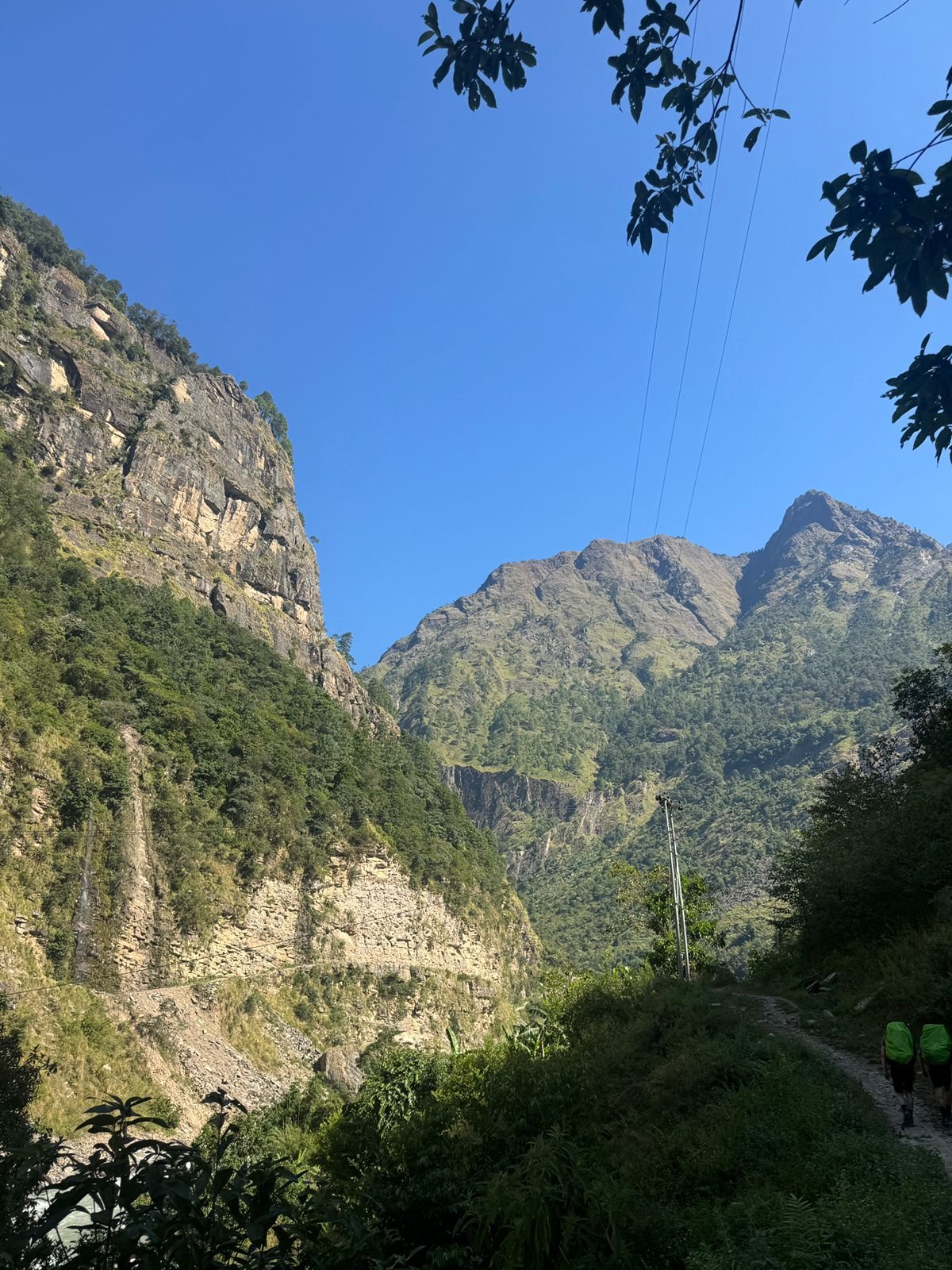
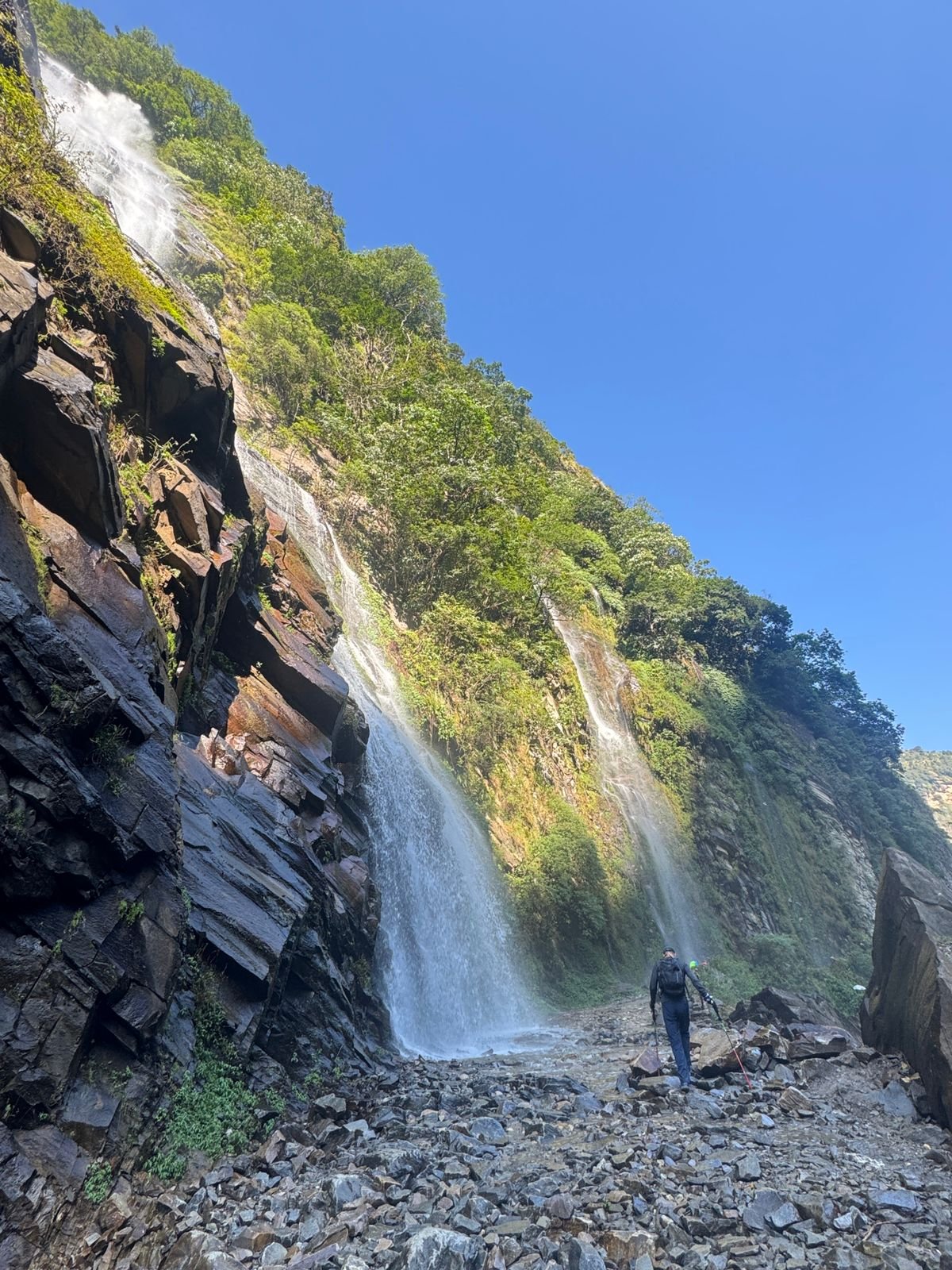
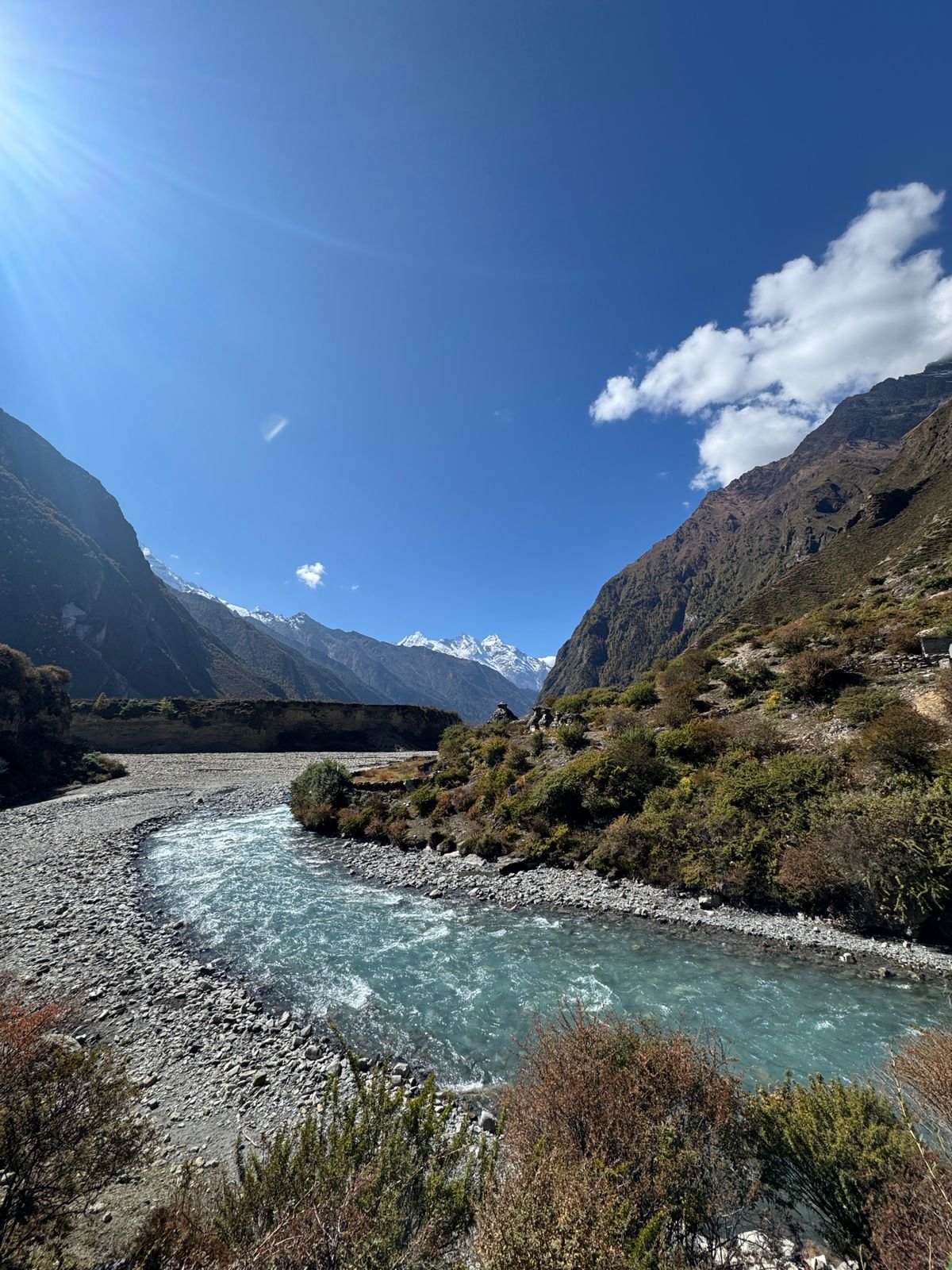
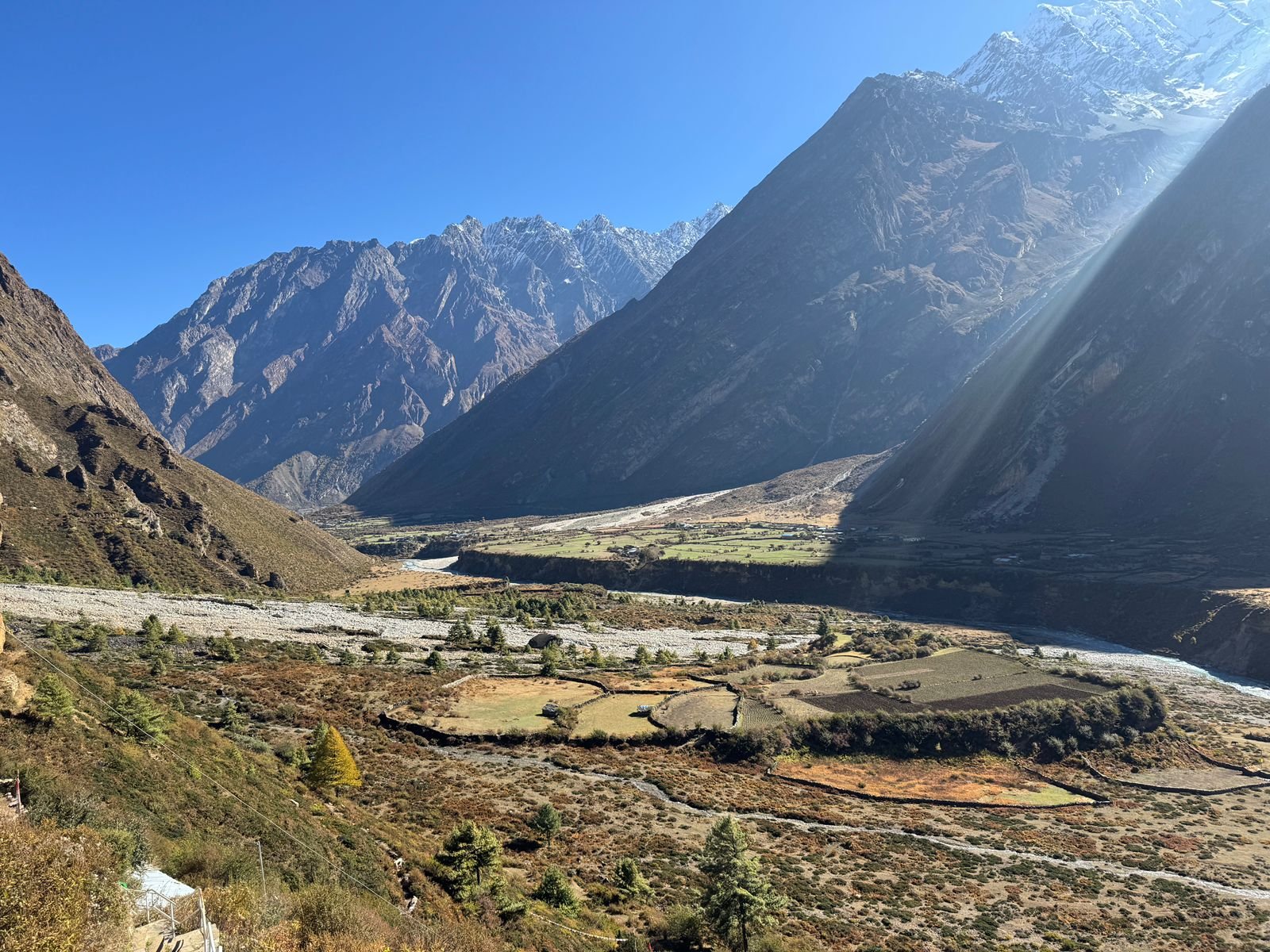
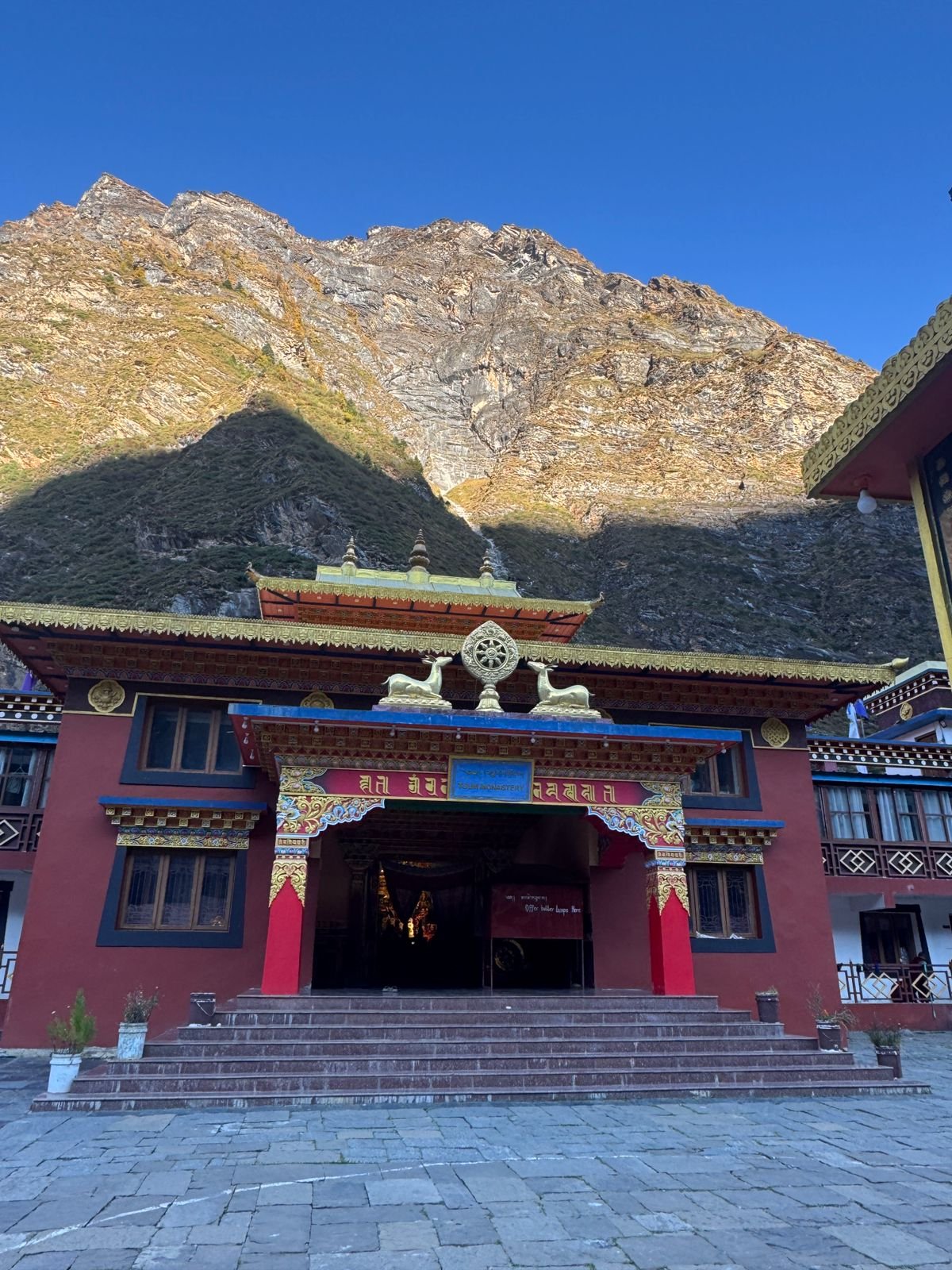
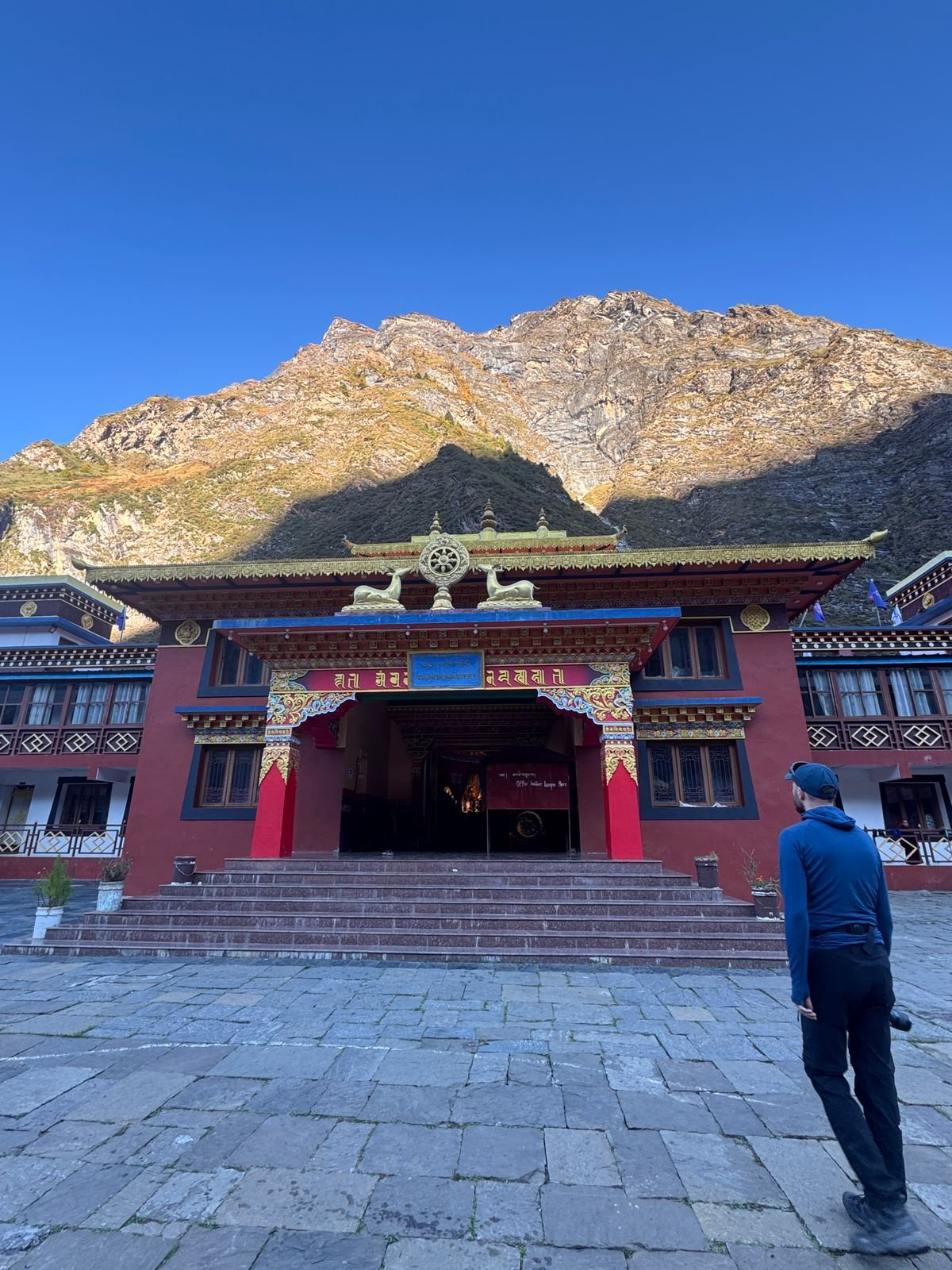
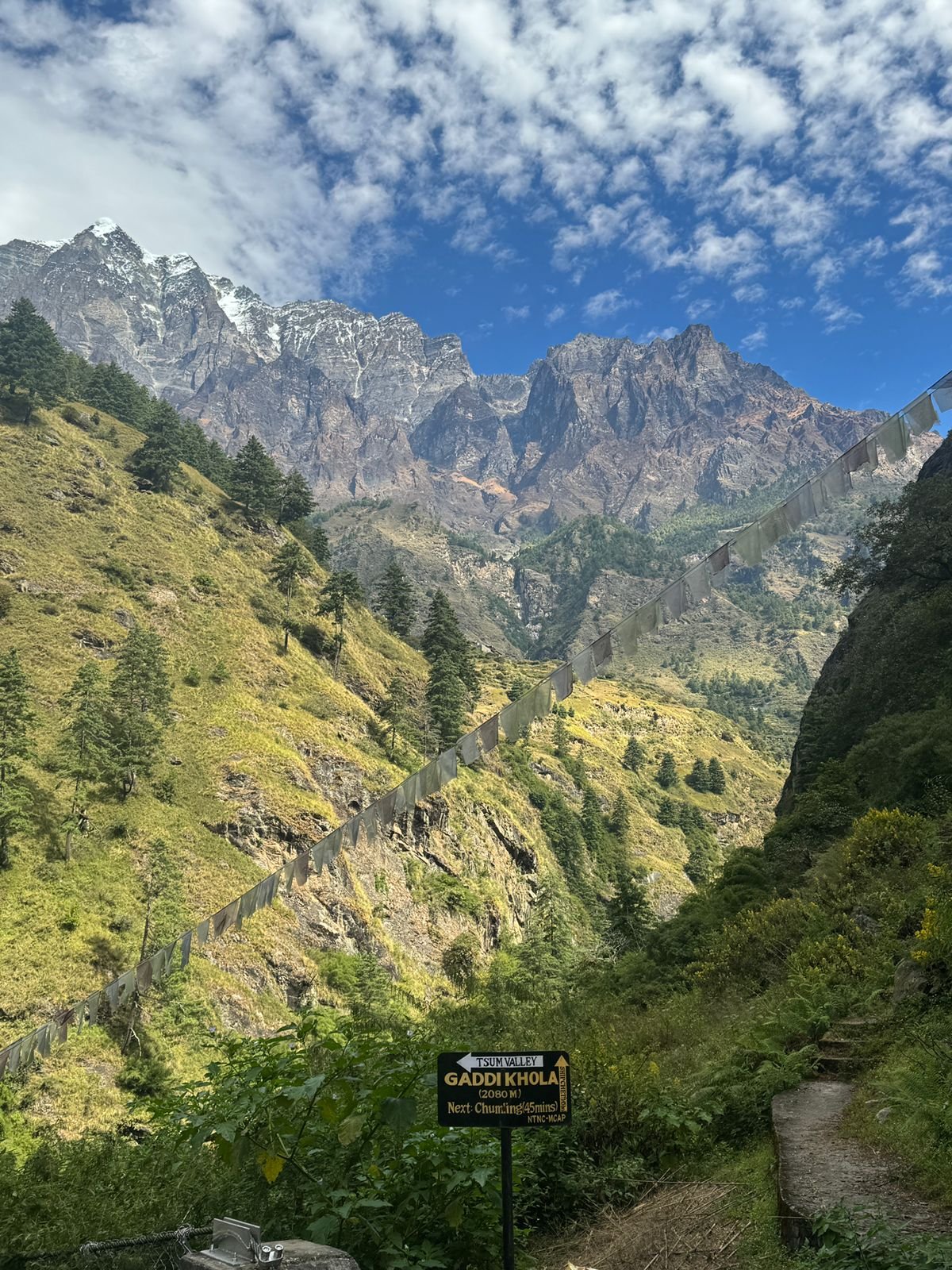
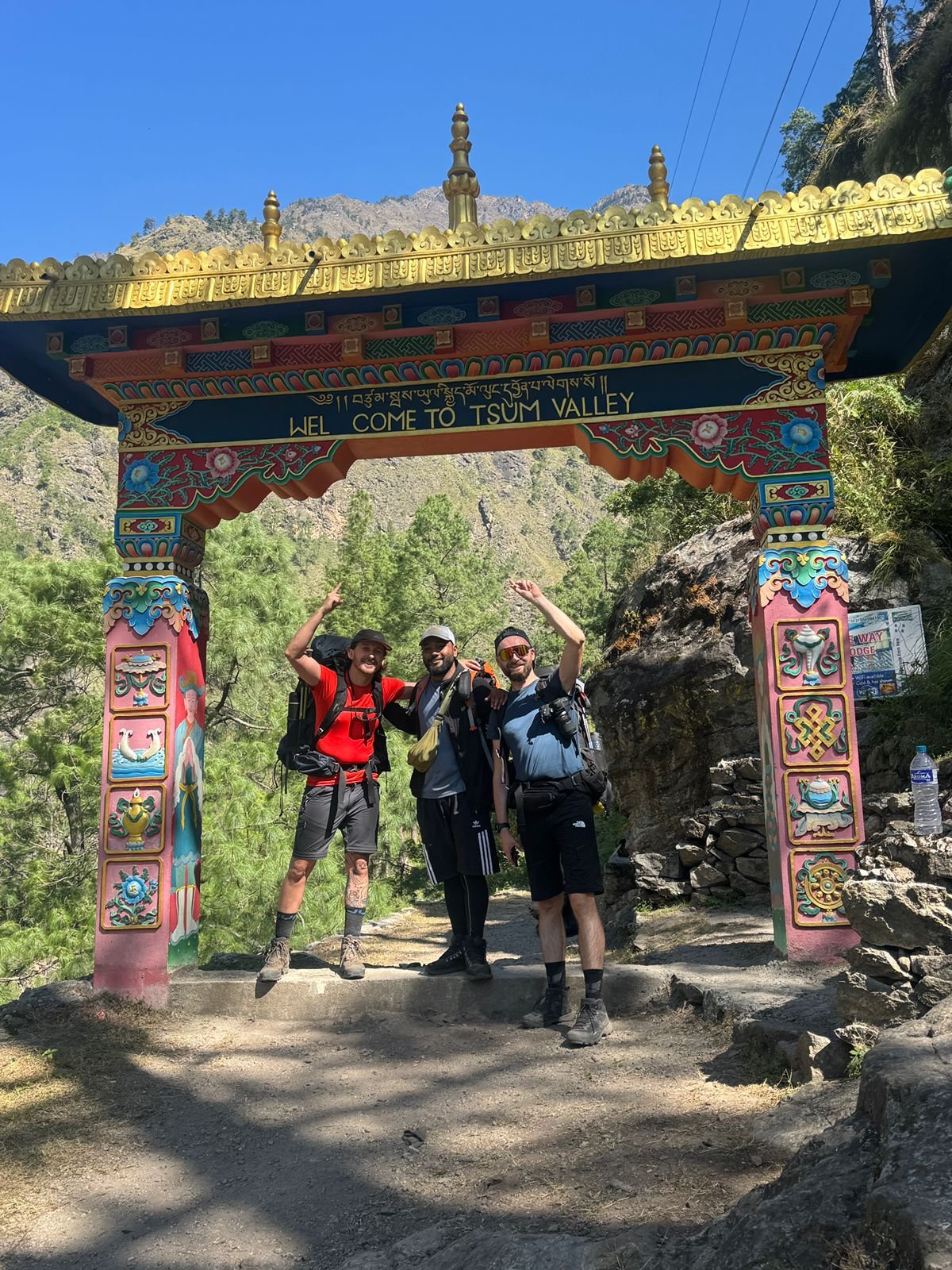
Frequently Asked Questions
Yes. It is a relatively difficult trek with a steady increase in altitude and appropriate acclimatization it is manageable with a guide.
It is moderate. Walking hours of daytime are between 5-7 hours on uneven terrain with hiking, forest and elevated areas.
Its summit is the Larkya La Pass 5,106. It is crossed during one of the most fruitful days of the journey.
Experience is not essential, but beneficial. The technical skills are not important but basic fitness, endurance, and mental preparedness.
Yes, especially above 3,500 m. The itinerary also incorporates rest days to acclimatize and gradual climbing of the mountain to minimize risks. Keep the body hydrated and walk slowly.
A Manaslu Restricted Area Permit, a Tsum Valley Restricted Area Permit, an MCAP and an ACAP are required. The reservations on these permits are made by licensed trekking agencies.
Yes. Due to the fact that Manaslu and Tsum Valley are restricted zones, a trekker has to be accompanied by a licensed guide and at least one other trekker.
The trip will be based on local tea house lodges which provide simple and comfortable rooms, shared washing bays, cozy dining places and pure mountain welcomes.
Among the foods served are dal bhat, noodles, rice, soups, pasta, potatoes, eggs, pancakes, Tibetan bread and hot beverages. Food is cooked fresh as it gives energy to trekking.
The seasons that are best are spring (March-May) and fall (September-November) due to the predictable weather, clear mountain ranges and comfortable trekking.
The seasons and altitude differ in temperatures. During the evening, it may fall below freezing point at the higher level particularly in and around Larkya La Pass.
Trekking takes between 5 and 7 hours of walking, depending on the distance, altitude and the trail condition.
There is water available on the way, however, it must be treated with tablets, filters or boiled to make sure it is safe.
Some of the low villages have mobile network although this is limited when one goes to higher altitudes. Wi-Fi can be used in tea houses at an extra fee.
The ATMs can only be obtained in Kathmandu. Carry a good amount of cash to use on a personal basis, snacks, charging, Wi-Fi, and tips.
You must feel at ease with walking some hours per day on rough paths. Often practicing cardio, walking and climbing stairs before the trek will make you ready.
Yes. High-hiking and emergency helicopter evacuation must be covered by the travel insurance since they are not only safe but also a way to be secure.
Yes. There are numerous vegetarian dishes, and throughout the route, dal bhat is a sure and healthy choice.
This adventure is not as popular, more immersive in culture, more isolated and can give one a better feel of the Tibetan Buddhist villages, sacred monasteries, and pristine Himalayan scenery.
Owing to the combination of remote adventure, cultural authenticity, spiritual insight, high mountain scenery and a less hectic trekking experience it is one of the most significant and satisfying journeys in Nepal.
You may also like
Menu