-
 Duration
19 Days
Duration
19 Days
-
 Difficulty
Very Challenging
Difficulty
Very Challenging
-
 Max Elevation
4870m
Max Elevation
4870m
-
 Group Size
1 to 10 pax Person
Group Size
1 to 10 pax Person
-
 Accommodation
Teahouse/Lodge
Accommodation
Teahouse/Lodge
-
 Start/End
Kathmandu Airport/Kathmandu
Start/End
Kathmandu Airport/Kathmandu
-
 Destination
Makalu Region
Destination
Makalu Region
-
 Best Season
March-May and Sep-Nov
Best Season
March-May and Sep-Nov

Makalu Base Camp Trek is one of Nepal’s strongest remote trekking journeys for people who want real mountain wilderness without the heavy trail traffic of Everest or Annapurna Region.
The route heads into the eastern Himalayas and climbs to the foot of Mount Makalu, the world’s fifth-highest mountain, through deep river valleys, huge forest, steep trails, high passes, alpine places and the upper Barun valley.
It is a trek that feels raw from start to finish, and that rawness is exactly what makes it special.
A big part of the appeal in the Makalu base camp trek is the landscape progression.
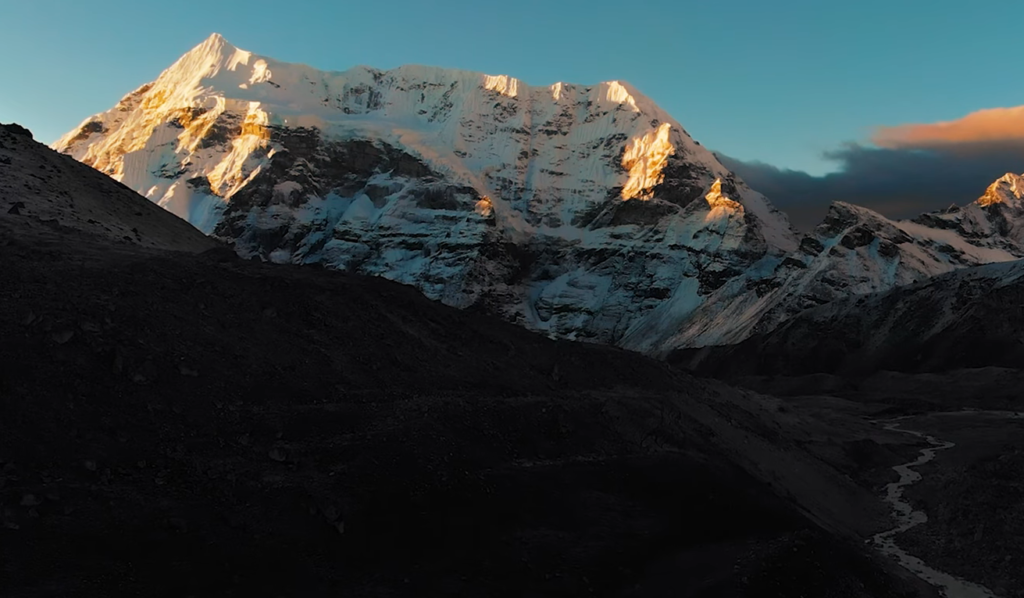
The lower route begins in warm hill country after the flight to Tumlingtar and the drive to Num, then quickly drops and rises through the Arun River side before entering Seduwa, which serves as the headquarters area of Makalu Barun National Park.
From there, the trail works upward through cultivated hillsides, bamboo, oak, rhododendron, and pine forest before the scenery changes again near Tashigaon and Khongma Danda.
That steady change is one of the best things about this trek. You feel the mountain world build in layers instead of arriving all at once.
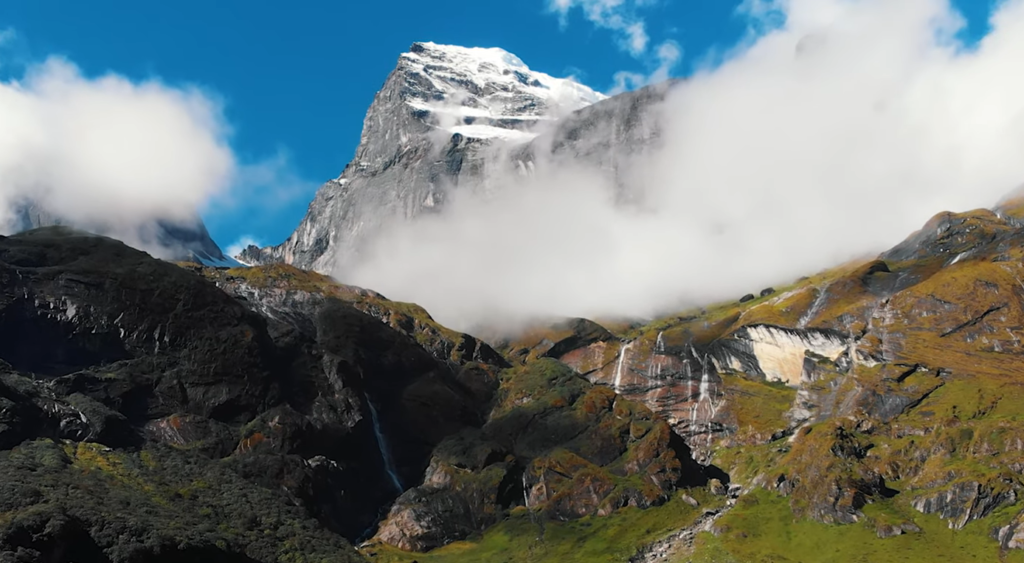
The park setting gives the trek even more depth. Makalu Barun National Park is one of Nepal’s richest protected mountain landscapes, known for its dramatic vertical range from subtropical forest to alpine terrain.
The area is associated with red panda, snow leopard, Himalayan black bear, Himalayan tahr, ghoral, and hundreds of bird species, and it also supports remarkable plant diversity with 47 species of orchids, 25 of Nepal’s 30 rhododendron varieties, many medicinal herbs, and dozens of rare plants.
Even when wildlife stays hidden, the feeling of biodiversity stays with you throughout the trek because the vegetation shifts so clearly as the altitude rises.
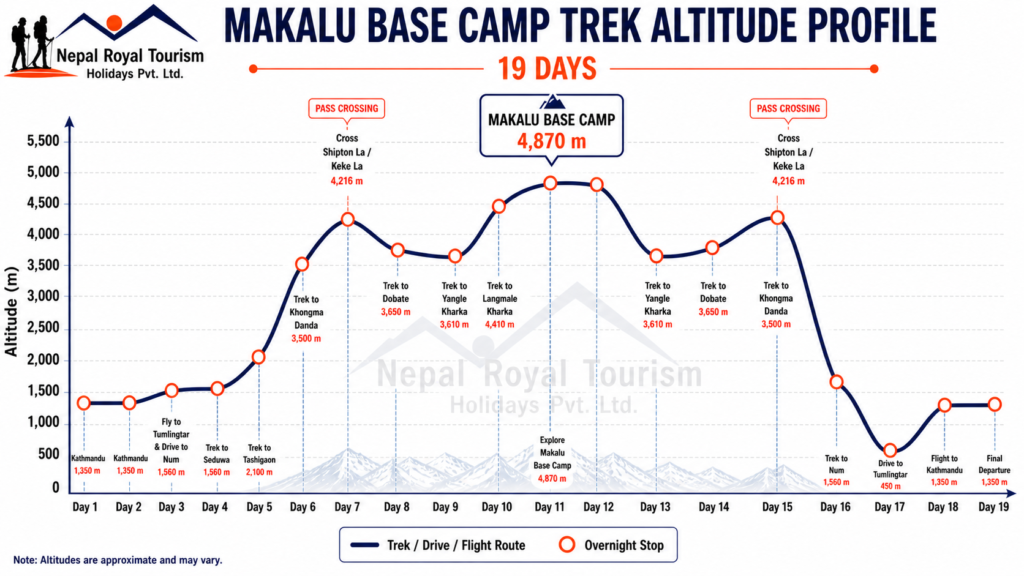
The trek becomes far more serious after Tashigaon, where the steep climb to Khongma Danda starts the real high-country phase.
This is where the route earns its reputation. The climb is hard, the ridgeline is exposed in places, and the trail soon crosses the better-known high points of the route, including Keke La, Shipton La, and Tutu La. Also, not to forget Kalo Pokhari, which feels like a wonderland.
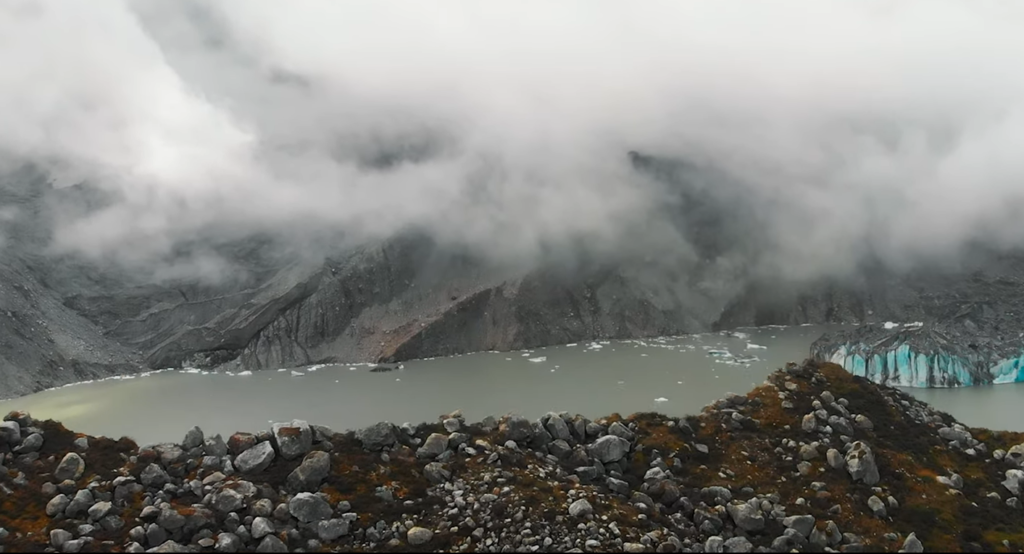
This section is one of the biggest reasons Makalu Base Camp Trek feels tougher than many other teahouse routes. It is not just long. It asks for strong legs, patience, and proper pacing right from the middle days onward.
Beyond the passes, the trail drops toward Dobate and then opens into the Barun valley, where the whole character of the trek changes again.
Forest starts to thin, the valley broadens, and places like Yangle Kharka and Langmale Kharka bring a much more alpine feel with yak grazing ground, wider views, rocky slopes, and a sense that the route is now moving away from village country and into a high Himalayan basin.
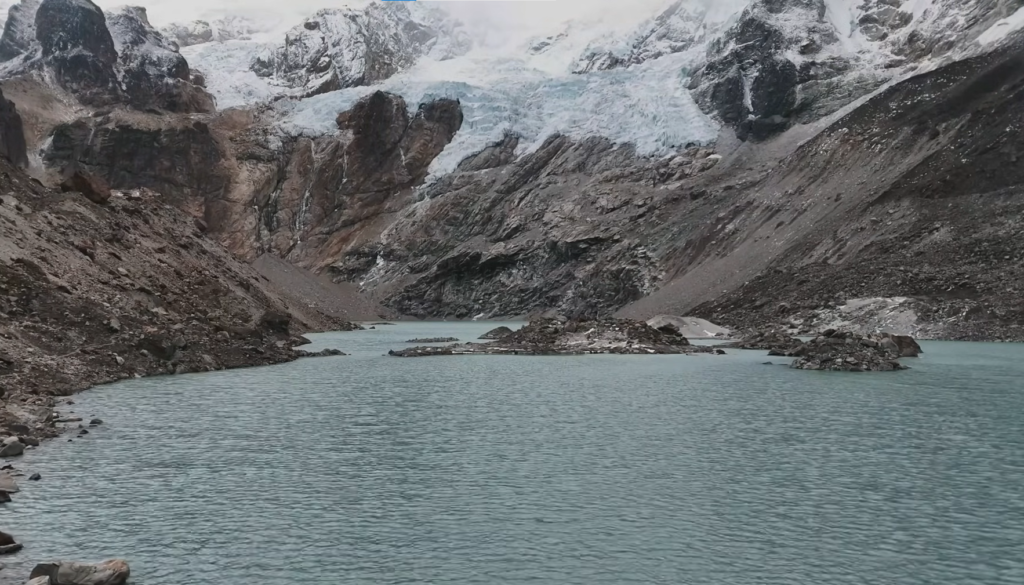
This is also the stretch where the trail starts giving bigger mountain scenery more consistently, especially as you move toward Shershong and the base camp side.
The final approach to Makalu Base Camp at 4,870 meters is one of the best parts of the whole journey.
The upper valley becomes broader, the landscape feels glacial and wind-shaped, and the base camp itself sits in a rocky high mountain setting with the Barun Glacier nearby.
From the upper section and around base camp, the panorama can include Makalu, Chamlang, Baruntse, Everest, Lhotse, and other surrounding peaks depending on visibility. That combination is one of the strongest visual rewards on any remote trek in Nepal.
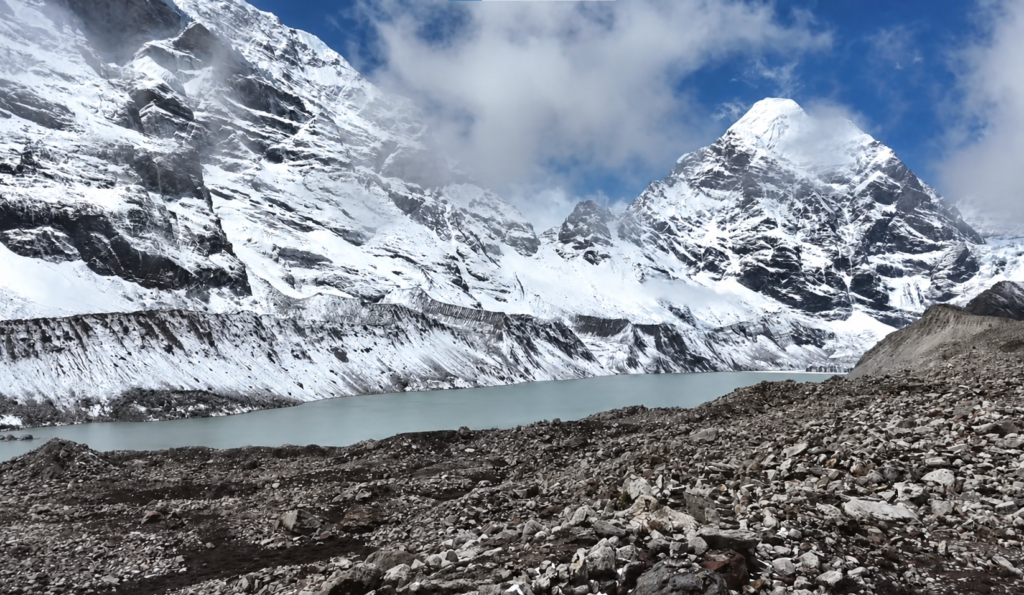
The scenery feels big, cold, and open, but it never feels empty. There is always something happening in the skyline.
This route is also known for being quieter than Nepal’s more commercial treks. That quieter feel shapes the whole experience.
You spend more time in small settlements, more time on forest and ridge trail, and more time in places where the teahouse infrastructure is basic but still workable.
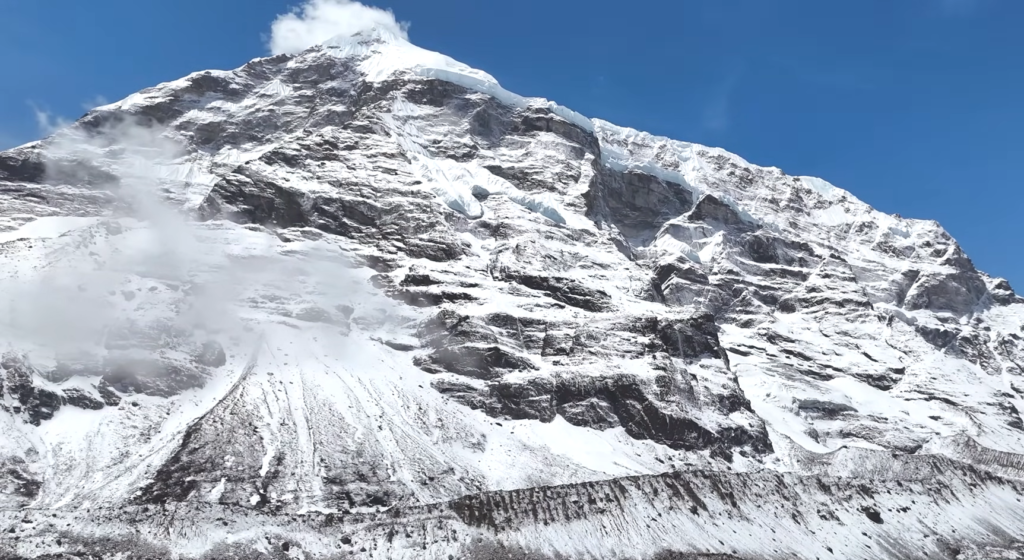
That is part of why Makalu appeals so strongly to trekkers who want something more original.
The route gives real solitude, but it still stays in the teahouse trekking world rather than becoming a full expedition-style camping trip in its most common modern form.
In terms of effort, this is a strenuous trek, not a soft adventure holiday. Our Makalu Base Camp package covers total trekking distance in the rough range of 100 to 110 kilometers, while others begin lower or add more walking can go beyond that.
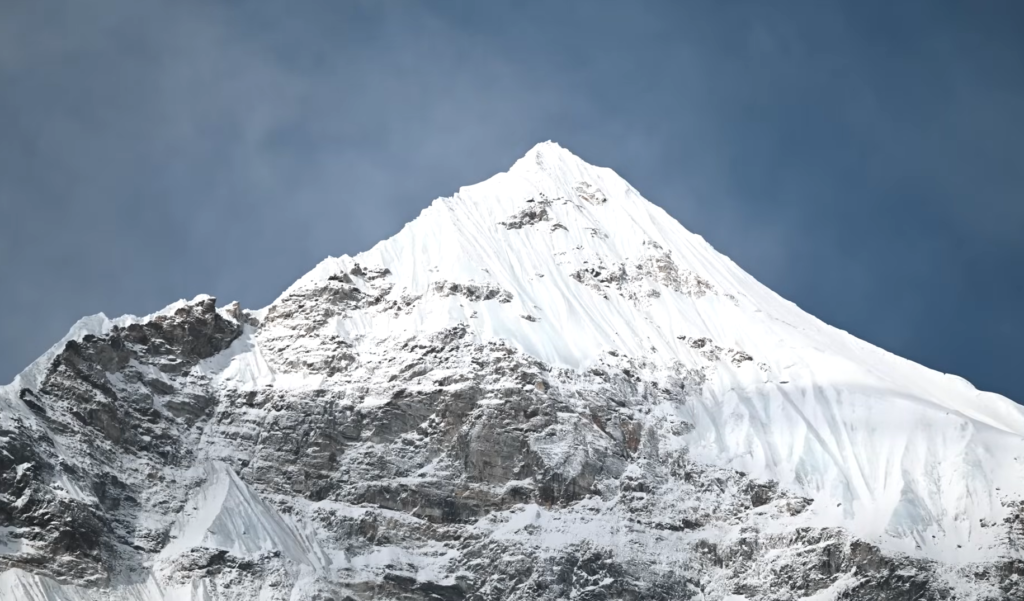
The challenge comes from long days, steep climbs and descents, high passes, altitude, and the remoteness of the terrain rather than any technical climbing.
That is why Makalu Base Camp usually suits trekkers who already know how multi-day Himalayan trekking feels and want something less crowded but still very rewarding.
The best time for this trek is spring and autumn, especially March to May and September to November. Spring brings stronger forest color and rhododendron bloom, while autumn usually offers the cleanest post-monsoon mountain views.
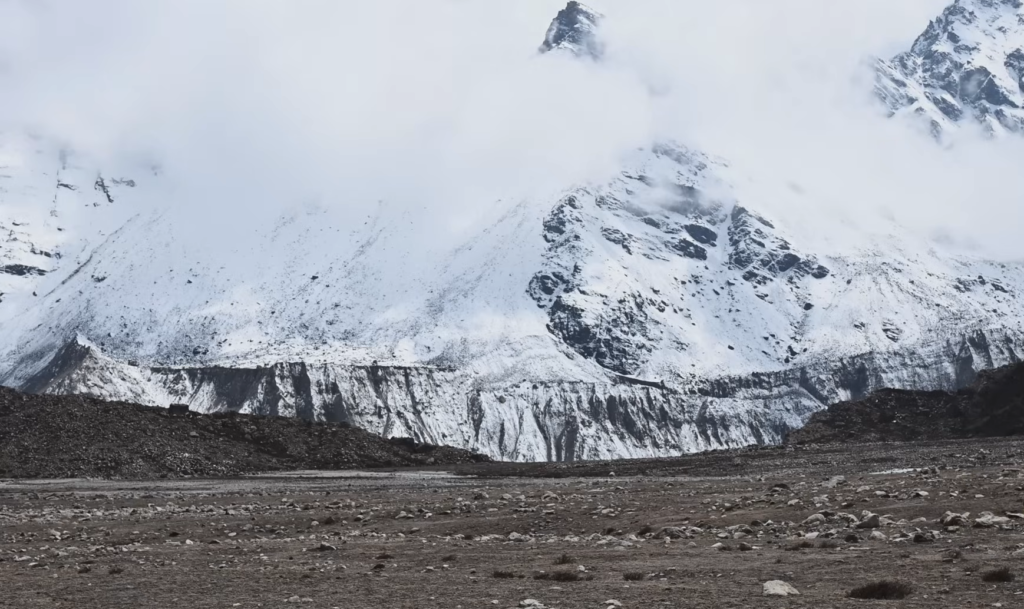
Timing matters here because the upper Barun valley and base camp are so dependent on visibility. When the weather opens, the whole last section of the trek becomes far more scenic and dramatic.
This 19-day version works well because it keeps the route realistic without adding unnecessary loose days.
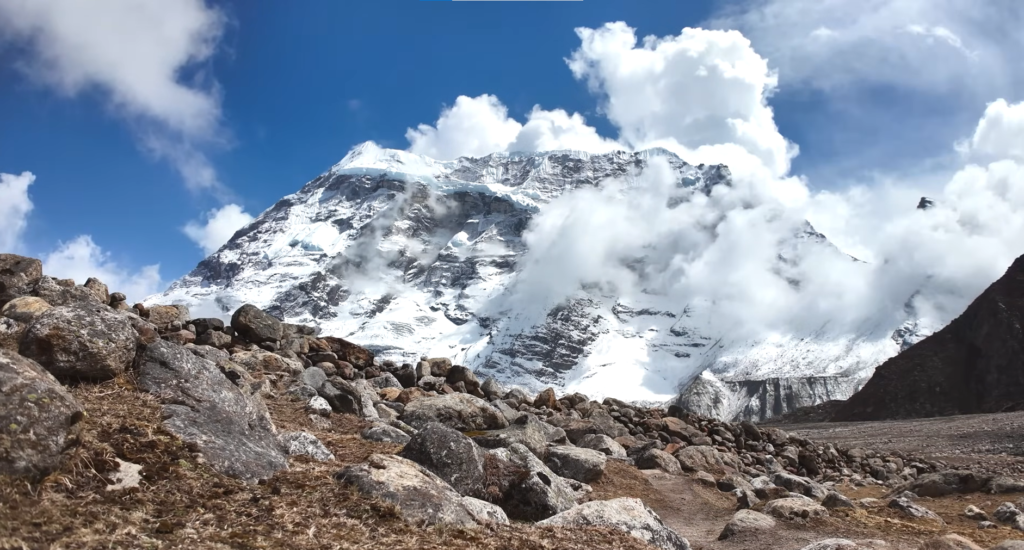
You arrive in Kathmandu, keep a rest and preparation day there, move quickly east by flight and jeep, follow the classic teahouse trail to base camp, then return cleanly to Tumlingtar and Kathmandu before departure.
It gives the trek proper shape without rushing the important middle section where the route really matters.
Trip Highlights
- Trek to the base camp of Mount Makalu, the fifth-highest mountain in the world, through one of Nepal’s least crowded Himalayan regions.
- Explore and walk inside the Makalu Barun National Park, world's only protected area with elevation of above 8000m,
- Follow a remote route through Num, Seduwa, Tashigaon, Khongma Danda, Dobate, Yangle Kharka, and Langmale Kharka before reaching base camp.
- Pass the tough section during the middle of the trek at Keke La, Shipton La, and Tutu La, where the trail becomes steeper and more rigid.
- Trek and ascend gradually from lower hilly country and river valleys to a bit cold upper Barun Valley and mountainous terain near the Makalu Base Camp
- Enjoy mountain views that can include Makalu, Chamlang, Baruntse, Everest, Lhotse, and Mera Peak on the upper trail and around base camp
- Pass through remote villages and trails of Rai, Sherpa, and other eastern hill communities, giving the trek a strong cultural side as well as a mountain one.
- Enjoy simple meals cooked by love from local mountain people and give your body a rest at teahouses and lodge while watching peaks surrounding you.
- Reach Makalu Base Camp at 4870 meters, where the Barun Glacier and the face of Makalu dominate the surroundings.
- Experience a tru;y off-beat Himalayan journey that combines biodiversity, sense of remoteness, culture, different kinds of trails and a bigger mountain panorama.
Makalu Base Camp Trek – 19 Days ~ Itinerary
Day 1
Arrival at TIA - Welcome to Nepal
- Altitude: 1350 m
- Accommodation: Standard Three Star Hotel in Thamel
After landing in Kathmandu, one of our agency member will transfer to a hotel in Thamel. You can spend the remaining day resting or visit somewhere closer for a moment of fresh air in the capital city.
Day 2
Rest Day at Kathmandu
- Altitude: 1350 m
- Meal: Breakfast
- Accommodation: Standard Three Star Hotel in Thamel
As this is a lengthy trek of almost three weeks, your body have to get enough rest before we start your journey. Try spending your time in Basantapur area, enjoy local cuisines, stroll around Thamel, or simply manage your bagpacks. At night, you have to attend trekking orientation to help you ease out the expereince. At the same time, we will also do permit briefings and necessary documentation handling.
Day 3
Fly from Kathmandu to Tumlingtar and drive to Num
- Max altitude: 1560 m
- Flight Duration: 45 to 50 minutes
- Travel Duration: 5-6 hours drive
- Travel Distance: About 245 km by road after the flight
- Meal: Breakfast, Lunch and Dinner
- Accommodation: Teahouse in Num
You take an early flight to Tumlingtar in Sankhuwasabha district. From there, the jeep takes you into the eastern hills towards Num, which is the starting point for the trek. The scenic drive passes through rivers, scattered hill villages and ridges before you reach the Makalu side. You get to rest in Mum after a long travel day.
Day 4
Trek from Num to Seduwa
- Max altitude: 1560 m
- Trek Duration: 4-5 hours
- Trek Distance: 6-8 km
- Meal: Breakfast, Lunch and Dinner
- Accommodation: Teahouse in Seduwa
The trek begins with a steep descent from Num to the Arun River, followed by the climb back up through forest, fields, and terraced hillsides to Seduwa. This is one of the first days that shows how the Makalu trail works, with a lot of height loss and gain packed into a relatively short distance. Seduwa is also an important checkpoint settlement near the Makalu Barun National Park side of the route.
Day 5
Trek from Seduwa to Tashigaon
- Max altitude: 2100 m
- Trek Duration: 4-5 hours
- Trek Distance: 8 km
- Meal: Breakfast, Lunch and Dinner
- Accommodation: Teahouse in Tashigaon
From Seduwa, the trail moves through small farms, local village land, and forest on the way to Tashigaon, the last major village before the harder upper climb begins. The walking is more settled than the previous day, and it gives you a better look at the rural side of the region before the trail turns steeper and more alpine higher up.
Day 6
Trek from Tashigaon to Khongma Danda
- Max altitude: 3500 m
- Trek Duration: 5-6 hours
- Trek Distance: 6-7 hours
- Meal: Breakfast, Lunch and Dinner
- Accommodation: Teahouse in Khongma Danda
This is one of the hardest climbing days of the whole trek. The route rises steeply from Tashigaon through forest and ridge trail toward Khongma Danda, and the climb feels much bigger than the distance suggests. By the time you reach the ridge area, the trail has clearly left the lower village world behind and started moving into colder, more exposed mountain ground.
Day 7
Trek from Khongma Danda to Dobate
- Max altitude: 4216 m
- Trek Duration: 6-7 hours
- Trek Distance: 8 km
- Meal: Breakfast, Lunch and Dinner
- Accommodation: Teahouse in Dobate
Today crosses the high pass section of the Makalu route, including Keke La and Shipton La, before dropping toward Dobate. This is one of the most important days on the trek because the trail changes from steep ridge country into a wilder alpine setting with rockier ground, thinner vegetation, and much broader views. The pass section is also one of the reasons Makalu Base Camp feels tougher than many other teahouse treks.
Day 8
Trek from Dobate to Yangle Kharka
- Max altitude: 3650 m
- Trek Duration: 6-7 hours
- Trek Distance: 9-10 km
- Meal: Breakfast, Lunch and Dinner
- Accommodation: Teahouse in Yangle Kharka
From Dobate, the trail follows the Barun Valley and gradually opens out into a greener and wider mountain landscape on the way to Yangle Kharka. You pass forest, waterfalls, hanging glaciers, and river-side sections, and the valley starts to feel less like pass country and more like a long approach into the upper Makalu basin. Yangle Kharka is a peaceful grazing area where yaks are often seen.
Day 9
Trek from Yangle Kharka to Langmale Kharka
- Max altitude: 4410 m
- Trek Duration: 5-6 hours
- Trek Distance: 10 km
- Meal: Breakfast, Lunch and Dinner
- Accommodation: Teahouse in Langmale Kharka
Today the trail continues deeper into the upper valley along the Barun River toward Langmale Kharka. The climb is steady rather than extreme, but the landscape changes clearly as you gain height. Forest starts thinning, the ground becomes more open and rocky, and the mountain backdrop grows much bigger as you move closer to the base camp side.
Day 10
Trek from Langmale Kharka to Makalu Base Camp
- Max altitude: 4870 m
- Trek Duration: 4-5 hours
- Trek Distance: 7 km
- Meal: Breakfast, Lunch and Dinner
- Accommodation: Teahouse in Makalu Base Camp
This is the day you finally reach Makalu Base Camp. The trail climbs through rocky upper-valley ground, moraine, glacial grounds, and alpine terrain, with the route passing the Shershong side before the final approach. As you get closer, the views begin to open to Makalu, Baruntse, Chamlang, and the wider mountain basin around base camp.
Day 11
Explore Makalu Base Camp
- Max altitude: 4870 m
- Trek Duration: 3-4 hours of exploration
- Trek Distance: Around 3-5 km
- Meal: Breakfast, Lunch and Dinner
- Accommodation: Teahouse in Makalu Base Camp
Today is for rest, acclimatization, and exploring the base camp area. This is the best point on the trek to slow down and enjoy the setting because as the view broad, cold, and very dramatic. In clear weather, the panorama around base camp can include Makalu, Chamlang, Baruntse, and the wider skyline toward Everest and Lhotse. Make sure you have the best exploration, click pictures and feel the high mountain life one final time before you descend tomorrow.
Day 12
Trek from Makalu Base Camp to Yangle Kharka
- Max altitude: 4870 m
- Trek Duration: 6-7 hours
- Trek Distance: 16 km
- Meal: Breakfast, Lunch and Dinner
- Accommodation: Teahouse in Yangle Kharka
After the base camp stay, the trail descends back down the same upper valley, passing through the Langmale Kharka side before returning to Yangle Kharka. This is a long return day, but it usually feels easier on the lungs than the ascent because you are losing altitude the whole way. The scenery stays wide and impressive for much of the day before the valley begins to feel greener and softer again.
Day 13
Trek from Yangle Kharka to Dobate
- Max altitude: 3650 m
- Trek Duration: 6-7 hpurs
- Trek Distance: 9 km
- Meal: Breakfast, Lunch and Dinner
- Accommodation: Teahouse in Dobate
Today the route continues back down the Barun Valley toward Dobate. The trail follows the river, crosses greener ground again, and gradually re-enters thicker forest and lower terrain. It is a quieter return day, but still very scenic because the valley changes so much between the upper base camp side and the forested middle section.
Day 14
Trek from Dobate to Khongma Danda
- Max altitude: 4216 m
- Trek Duration: 5-6 hours
- Trek Distance: 8 km
- Meal: Breakfast, Lunch and Dinner
- Accommodation: Teahouse in Khongma Danda
The trail climbs back out of the valley and re-crosses the same high pass system toward Khongma Danda. The day again reaches the Shipton La / Keke La side. It is a physically demanding return day with steep climbs, ridge walking, and another stretch of rugged alpine terrain.
Day 15
Trek from Khongma Danda to Seduwa
- Max altitude: 3500 m
- Trek Duration: 5-6 hours
- Trek Distance: 7-8 km
- Meal: Breakfast, Lunch and Dinner
- Accommodation: Teahouse in Seduwa
From Khongma Danda, the route drops back through steep trail, forest, and the Tashigaon side before continuing to Seduwa. This is the stage where the trek begins to feel softer again, because the harsher ridge country gives way to village land, trees, and a more settled landscape. By the time you reach Seduwa, the main high mountain section is clearly behind you.
Day 16
Trek from Seduwa to Num
- Max altitude: 1560 m
- Trek Duration: 2-3 hours
- Trek Distance: 6-8 km
- Meal: Breakfast, Lunch and Dinner
- Accommodation: Teahouse in Num
The final trekking section retraces the lower route back toward Num, first descending and then finishing the last stretch of hill trail. This is your last day of trekking, as you will take transportation from the next day.
Day 17
Drive from Num to Tumlingtar
- Max altitude: 1560 m
- Travel Duration: 5-6 hours drive
- Travel Distance: 65 km by road
- Meal: Breakfast, Lunch and Dinner
- Accommodation: Lodge in Tumlingtar
From Num, the road journey continues to Tumlingtar, where the trek officially comes to an end. It is a long transition day, but it works well because it cleanly takes you out of the mountain trail and back to easier travel.
Day 18
Flight from Tumlingtar
- Max altitude: 1350 m
- Travel Duration: 45-50 minutes flight
- Meal: Breakfast, Lunch and Dinner
- Accommodation: Standard Three Start Hotel in Thamel
Take the return flight from Tumlingtar to Kathmandu and transfer to your hotel. After days in remote valleys and basic teahouses, getting back to the capital usually feels like a big change in pace. It is also a good day to rest properly after the long return from the trail.
Day 19
Final Departure
- Meal: Breakfast
After a lengthy yet unforgettable Makalu Base Camp trek, your journey in Nepal comes to an end for this time. Nepal Royal Tourism Holidays is extremely grateful of getting an opportunity to serve you, Hopefully, we get to met again in another trek or during your holiday stay in Nepal.
Makalu Base Camp Trek – 19 Days Fixed Departures Dates
Trip Cost Includes/Excludes
Cost Includes
- Airport pick-up and final drop-off in Kathmandu by private vehicle
- Standard Three Star Hotel during Kathmandu stay
- Teahouse or Lodge during trekking days
- Three meals a day while at trek
- Domestic flights between Kathmandu and Tumlingtar
- Ground transportation on the Tumlingtar–Num–Tumlingtar section
- Required Makalu Barun National Park and local route permits.
- Basic first-aid support carried by the trekking team
- Government-licensed trekking guide and porter
- Trekking route arrangement and support
- Nepal Royal Tourism Holidays T-shirt and trek completion certificate
Cost Excludes
- Nepal Visa Fees
- International Airfare
- Personal expenses such as snacks, drinks or extra foods
- Personal rented equipments and gears
- Wi-fi, Hot Shower, Charging and other personal spendings
- Travel Insurance (emergency evacuation recommended)
- Tips for guides, porters and service staffs
- All other extra cost not mentioned in the inclusions list
Trip Photo/Video Gallery


Route Map for Makalu Base Camp Trek – 19 Days
Frequently Asked Questions
Yes, Makalu Base Camp Trek is considered a strenuous/ very challenging trek due to long walking days, steep climbs and descents, rough terrain, high passes, and a remote setting with basic teahouse facilities. Nonetheless, it suits trekkers with good fitness and some mountain trekking experience.
The main trekking high point on this route is Makalu Base Camp at 4,870 meters.
The best time is usually spring and autumn, especially March to May and September to November. These months are generally the most reliable for clearer mountain views and better trail conditions.
Accommodation is mostly basic teahouses and simple lodges on the trekking route. The more you go higher the less facilities should be expected.
Yes, Wi-Fi is available on few teahouses on bit lower elevation, and mobile network is also visible till some point. But, best option is don’t rely on them completely. You can also get charging points and hot-shower, but it often comes with an extra charge.
Yes, permits are required. The trek goes through Makalu Barun National Park, TIMS and park permit are the requirements for the route.
What makes this trek stand out is the combination of remoteness, biodiversity, and big mountain scenery. It goes through Makalu Barun National Park, a protected area known for rare wildlife, rich plant life, and a dramatic rise from lower subtropical forest to mountain terrain.
The upper trail and base camp area can give views of Makalu, Chamlang, Baruntse, Everest, and Lhotse.
It is usually not recommended for complete beginners. The route is remote, physically demanding, and high in altitude, so it is better for trekkers who already understand multi-day mountain walking.
Yes, altitude sickness is something to take seriously on Makalu Base Camp Trek. Much of the route climbs above 3,000 meters, and the base camp sits at 4,870 meters, so slow pacing, proper acclimatization, and hydration are very important.
Pack warm layered clothing, a down jacket, waterproof shell, good trekking boots, gloves, hat, sunglasses, sleeping bag, small daypack, trekking poles, water bottle, headlamp, basic first-aid items, and personal toiletries.
You may also like

Menu