



Hidden Trekking Regions in Nepal: 8 Quiet Himalayan Regions Beyond the Famous Trails
Most people planning a trek in Nepal begin with the same names. Everest Base Camp, Annapurna Circuit, and Langtang Valley usually come first, and that makes sense because they are famous for good reason.
But once you move away from those names whom most trekkers are familiar, the country starts to feel wider and far more interesting.
The trails grow quieter, the villages feel remote, places shaped not much by by tourism, less commercialization and the journey becomes less about following a classic route and more about entering a region with its own pros and cons.
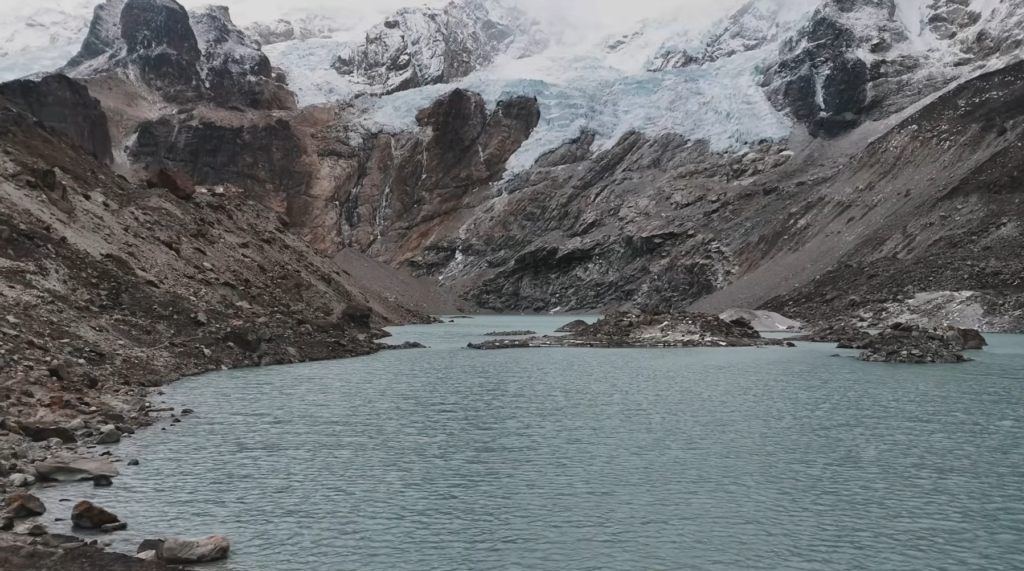
That is why many trekkers start looking beyond the obvious routes after their first trip, or even before it.
The treks and regions are not hidden because nobody knows they exist. They stay quieter because they ask for more time, more planning, or a stronger appetite for distance and rougher country.
| Region | Location | Usual Trek Length | Main Highlights | Best For |
|---|---|---|---|---|
| Kanchenjunga | Far eastern Nepal, Taplejung side | Around 3 weeks | Long remote trail, mixed ethnic villages, big eastern Himalayan scenery | Trekkers wanting a serious quiet journey |
| Makalu Barun | Remote northeast Nepal | 18–21 days | Deep valleys, wild terrain, base camp route, strong wilderness feel | Experienced trekkers who like raw scenery |
| Dolpo | Remote western Nepal | 24 days and often longer | Phoksundo Lake, high passes, dry trans-Himalayan landscapes | Trekkers wanting long remote routes |
| Tsum Valley | Northern Gorkha, Manaslu side | Around 14 days | Mu Gompa, Rachen Gompa, sacred valley feel, mountain villages | Trekkers wanting culture and quiet |
| Nar Phu | Manang district, Annapurna side | 9–16 days | Nar and Phu villages, Kang La, dry valley scenery | Trekkers wanting a shorter remote-feeling trek |
| Rolwaling | Dolakha / Tibet-border side | 14–15 days | Tsho Rolpa, Gaurishankar, rough alpine valley | Trekkers who like tougher mountain terrain |
| Ganesh Himal | Between Langtang and Manaslu | 18–19 days | Village culture, forests, passes, wide Himalayan views | Trekkers wanting a quieter but less extreme trail |
| Upper Mustang | North of Annapurna, near the Tibetan border | Around 16 days | Lo Manthang, desert terrain, caves, Tibetan culture, big mountain views | Trekkers wanting a very different side of Nepal |
Some sit in restricted areas. Some take longer to reach. Some have fewer lodges, rougher trails, or less forgiving weather windows.
What they give back is exactly what many trekkers start wanting after the obvious routes, more space, more silence, less crowds and a stronger sense that the mountains still set the pace.
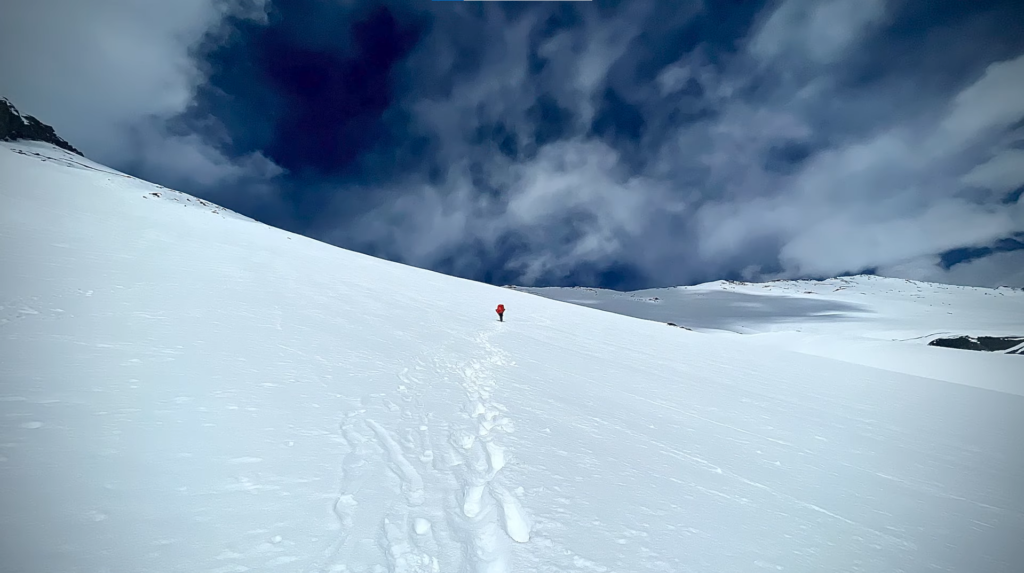
They also show how varied Nepal really is. One region may be all prayer walls, cliff-set villages, and old Buddhist monasteries.
Another may feel dry, and almost Tibetan from the first day. Another may stay greener, more village-based, and culturally rich without feeling too extreme.
Trek length helps, but only as supporting detail. A 14-day route through a sacred valley feels very different from a 24-day push through remote trans-Himalayan country, even if both are beat trekking experiences.
Kanchenjunga region
Far eastern Nepal has a scale that feels different from the country’s busier trekking area, and the Kanchenjunga region carries that beautifully.
Centered around Taplejung and the Kanchenjunga side of the eastern Himalaya, it is one of the best places in Nepal for trekkers who want a long mountain approach, a real feeling of remoteness, and a route that still feels like a serious undertaking.
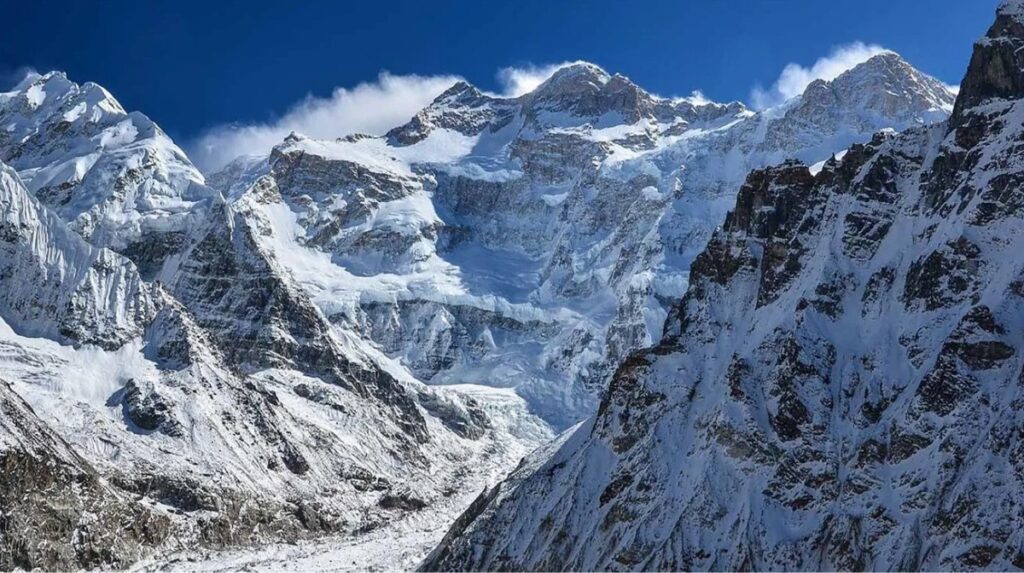
The landscape builds slowly, and that is part of the reward. You move through Rai, Limbu, and Sherpa village country before the route lifts toward the huge mountain ground below the world’s third-highest peak.
Kanchenjunga works best for trekkers who want a big journey rather than a short escape.
A common base camp route is around 18 days, though longer versions run well beyond that for the Kanchenjunga Circuit.
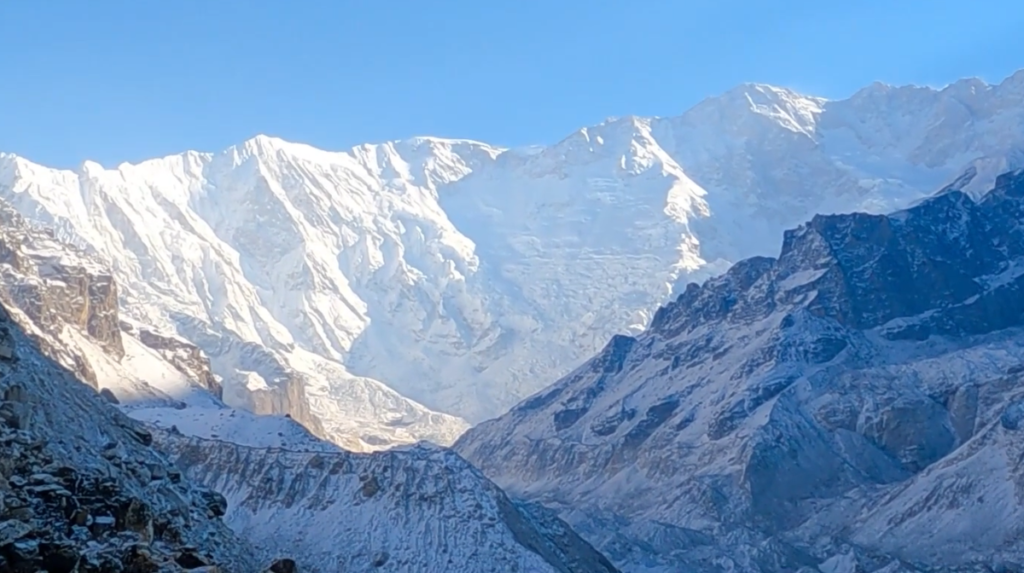
The attraction is not only the mountain itself. It is the whole eastern-Himalayan feel of the trek: long valleys, less infrastructure, fewer trekkers, and a trail that still feels genuinely earned.
If someone wants Nepal at its grander, quieter, and more old-school scale, Kanchenjunga is one of the clearest answers.
Makalu Barun region
Makalu Barun is one of Nepal’s strongest wilderness regions, and it remains surprisingly underused compared with the better-known trekking names.
Set in the eastern Himalaya around Makalu Barun National Park, it takes trekkers through dense forests, deep valleys, steep land, and rather harsher upper-country landscapes on the way toward the foot of Makalu.
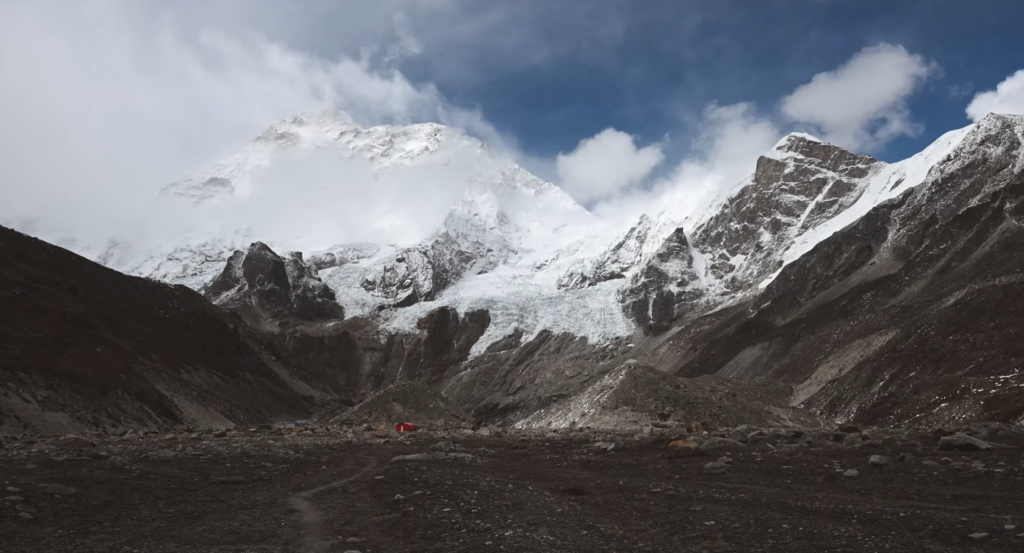
It is a trail for people who like their mountain journeys to feel raw and less-crowded rather than commercialized.
This region suits experienced trekkers who want Nepal to feel wild again. Most Makalu Base Camp trips fall in the 18 to 21 day range, and that is about right for the kind of country involved.
The Makalu Barun trek usually passes through villages such as Num, Seduwa, Tashigaon, Khongma, Dobate, Yangle Kharka, Langmale Kharka, and Makalu Base Camp
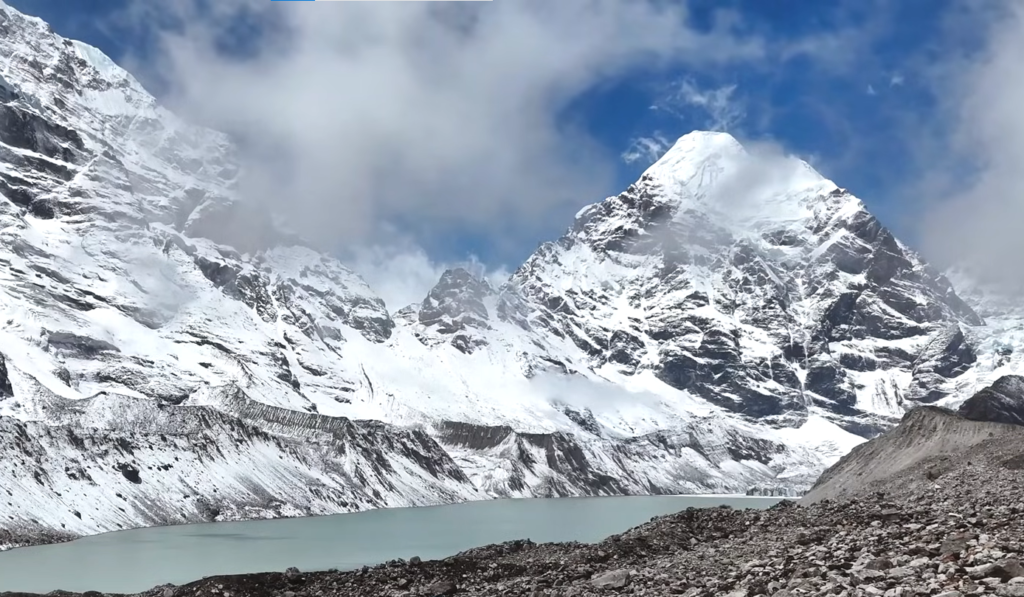
It is tough, long, and visually dramatic, but it also rewards that effort with a stronger sense of wilderness than many of Nepal’s commercial tea-house routes now offer.
Dolpo region
Dolpo feels different from the moment you picture it. Much of the region lies in the rain shadow, so the landscape is drier, wider, and more bare than the greener trekking belts of central Nepal.
Instead of long forest walks and busy tea-house trails, Dolpo gives you high passes, empty and old villages, and a much stronger Himalayan mood.
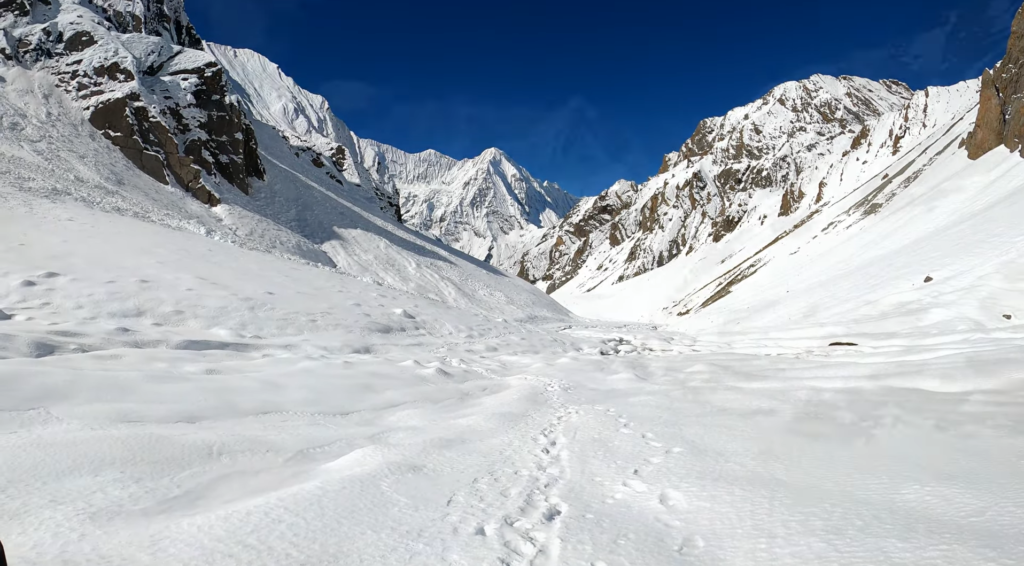
That is why trekkers who love Dolpo often talk about the region itself before they talk about any single trail.
Upper Dolpo is the best-known long route here, and it is one of the biggest commitments on this list.
Shey Phoksundo, Ringmo, Dho Tarap, Shey Gompa, and the dry high-country valleys give the trek a powerful identity.
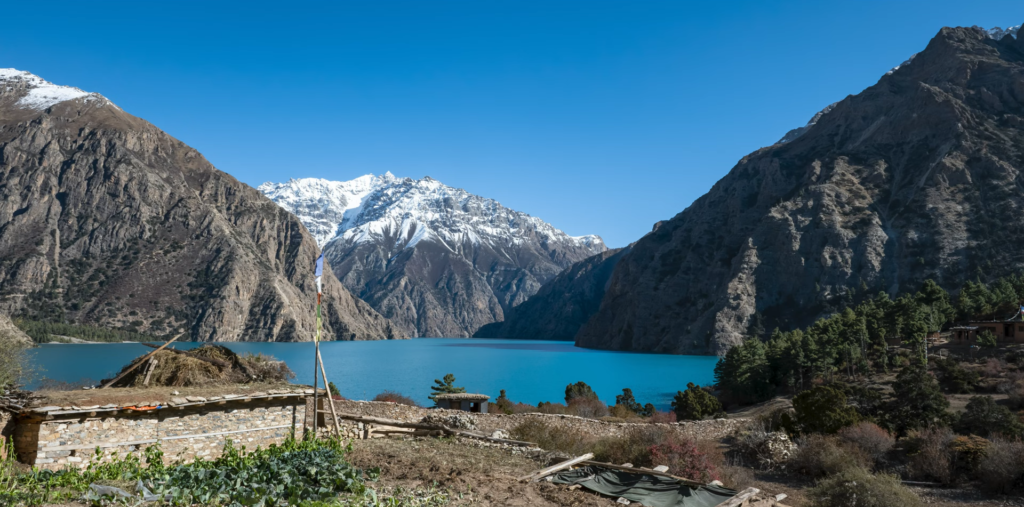
Phoksundo Lake is one of the standout sights, but the deeper appeal is the feeling of being in one of Nepal’s most isolated mountain areas.
A full Upper Dolpo trip often takes around 24 days, and some itineraries go even longer. That makes it a region for trekkers who want a long, serious, unforgettable walk rather than a comfortable holiday trek.
Tsum Valley and the Manaslu side
Tsum Valley is one of Nepal’s most appealing hidden regions because it offers more than scenery.
In northern Gorkha, on the Manaslu side, the trail follows the Budhi Gandaki country before entering a sacred valley influenced by Tibetan Buddhist culture, old monasteries, and villages that still feel inward-looking rather than heavily touristed.
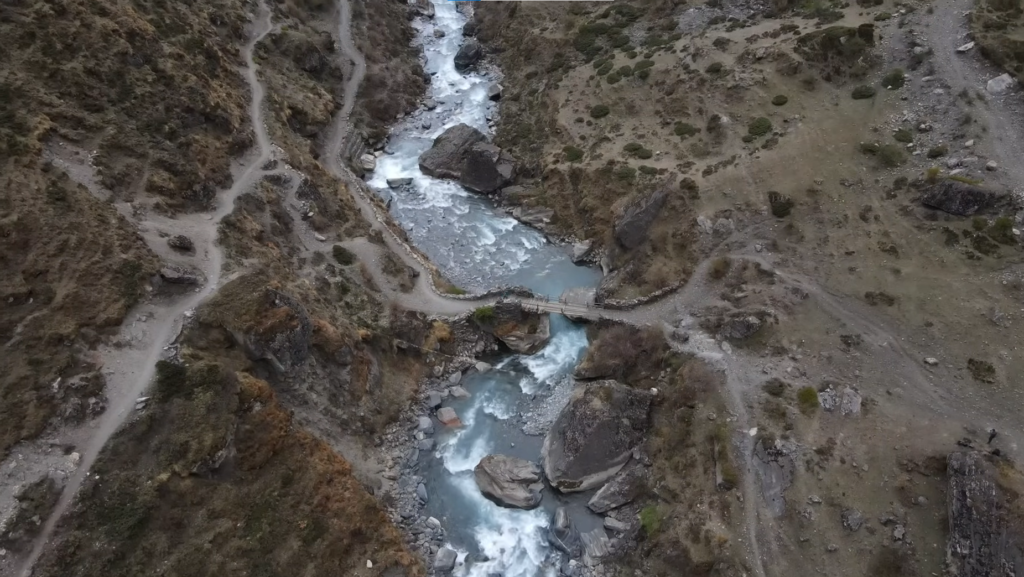
Chumling, Chokang Paro, Nile, Mu Gompa, and Rachen Gompa give the route a spiritual feel that makes it very different from a standard pass-focused trek.
Forests, suspension bridges, deep gorges, prayer flags, high ridges, and the stronger mountain presence of Manaslu, Himalchuli, Ganesh Himal, and Ngadi Chuli all give the valley a dymanic feel.
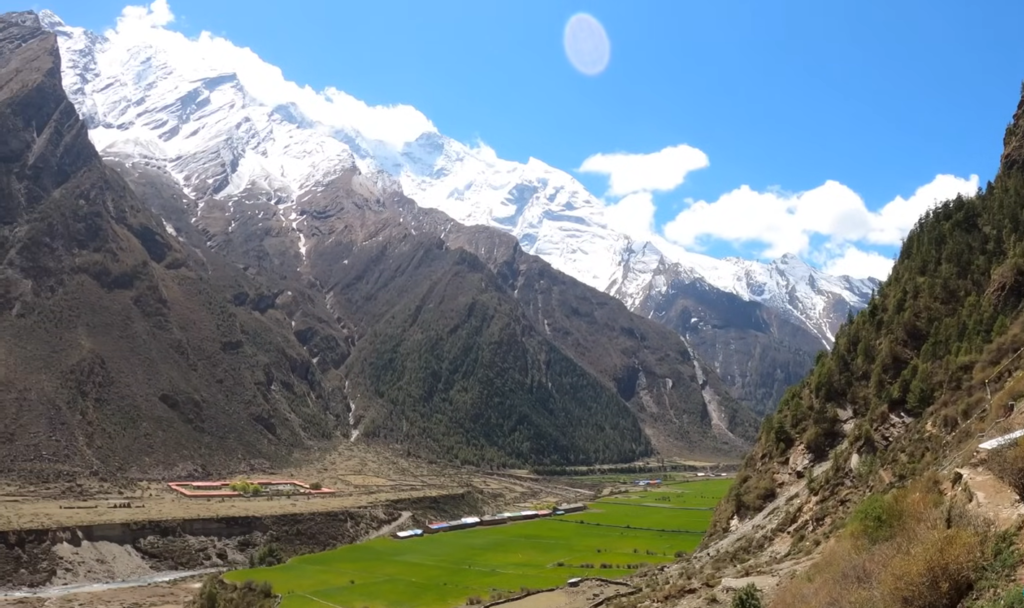
A dedicated Tsum Valley trek often takes around 14 days, though longer routes that combine it with the Manaslu side need more time.
For trekkers who want a quieter trail with old monasteries, mountain villages, and a sacred valley feel, Tsum is one of Nepal’s richest trekking regions.
Nar Phu region
Nar Phu is proof that a trek can sit close to famous country and still feel entirely separate once you are inside it.
Set in Manang district behind the Annapurna side, this restricted region is known for stark canyon country, old stone settlements, a dry high-valley atmosphere, and the kind of enclosed mountain world that feels more Tibetan than most trekkers expect from the Annapurna region.
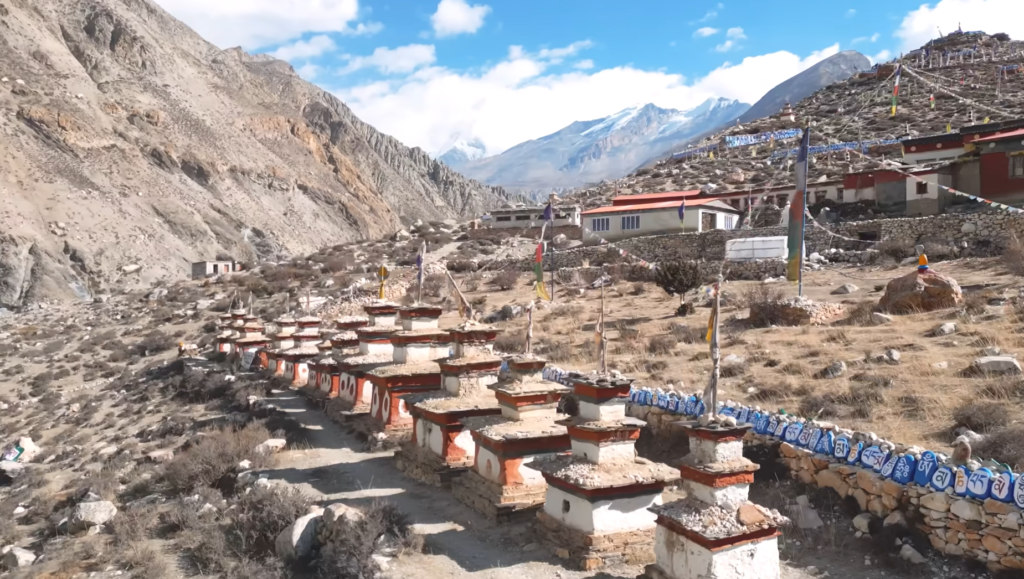
The valley takes its identity directly from Nar and Phu, and that village character is a big part of why the route feels so distinct.
The region also hits a useful middle ground on time. It is remote enough to feel special, but it does not always demand the same long schedule as Dolpo or Makalu.
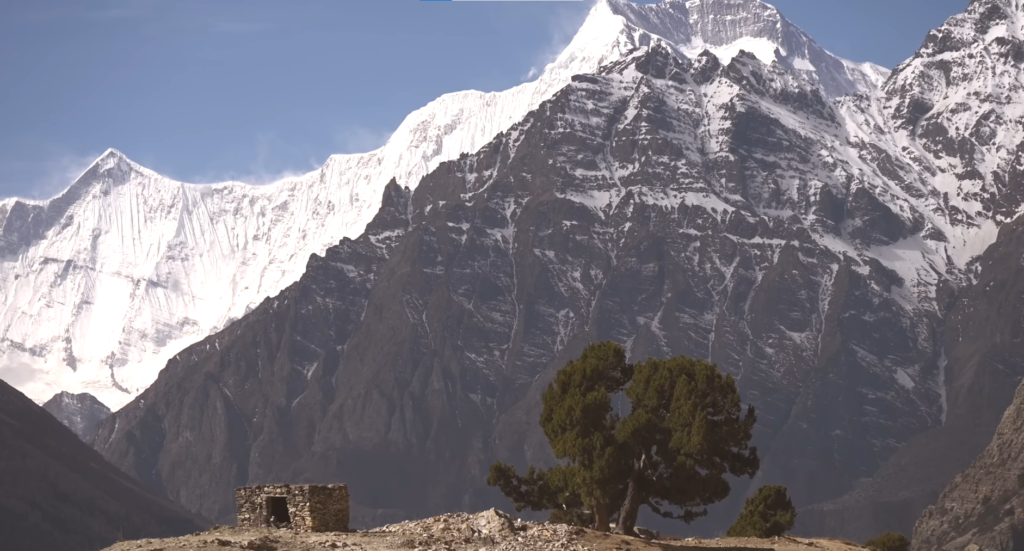
Many itineraries sit between 9 and 16 days, and Kang La Pass is the key high point on the route.
The scenery adds to the appeal in this trek including, big views of Manaslu, Dhaulagiri, and Annapurna I, along with a tougher, rockier trail character that gives the whole region a very different feel from the greener Annapurna classics.
Rolwaling region
Rolwaling is for trekkers who want a wilder mountain valley with real alpine character. The route into the Rolwaling Valley takes you through forest, river country, Sherpa settlements, and rougher upper terrain before opening toward Tsho Rolpa, one of the region’s best destinations.
Gaurishankar, Melungtse, and Chugimago frame the high mountain scenery and give Rolwaling a sharper, more dramatic mood than many of Nepal’s better-known lodge routes.
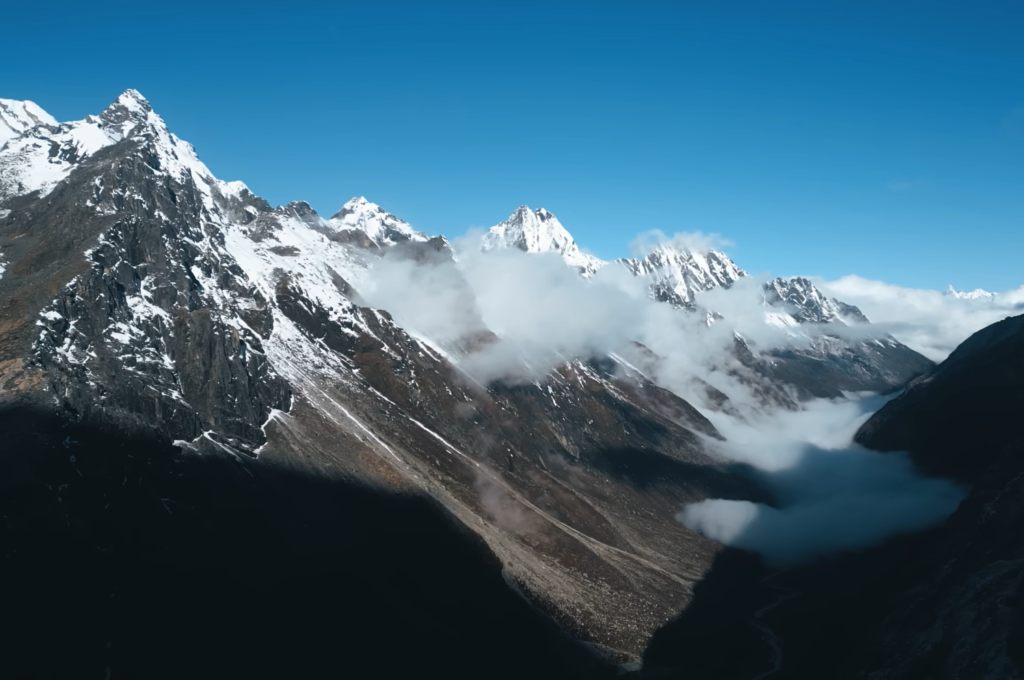
A typical Rolwaling or Tsho Rolpa journey runs about two weeks, but the region feels bigger than the number suggests.
The trail works through forest, river country, Sherpa villages, and rough upper terrain before reaching the glacial lake and the stronger mountain scenery around it.
Gaurishankar, Melungtse, Chugimago, and Numbur help give the region its powerful backdrop.
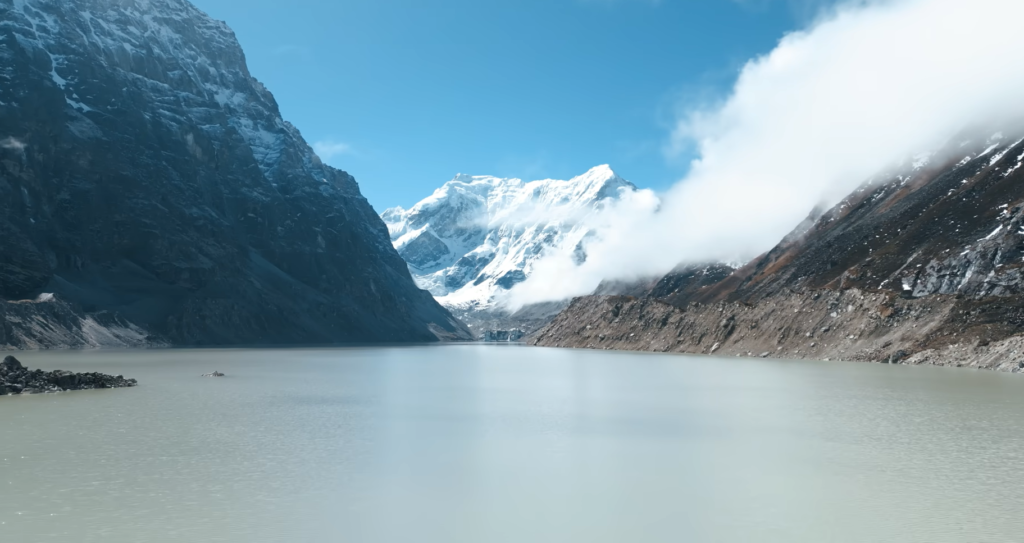
For trekkers who want something quieter and more rugged without going all into full expedition mountaineering, Rolwaling remains one of the best region picks in Nepal.
Ganesh Himal region
Ganesh Himal is one of the most underrated trekking regions in Nepal because it offers a lot without demanding the same level of hardship as Dolpo or Makalu.
It lies between the Langtang side and the Manaslu side, not far from Kathmandu by Nepal standards, yet it stays much quieter than the classic routes.
The region is especially attractive for trekkers who want village life to be part of the experience, not just something they pass through.
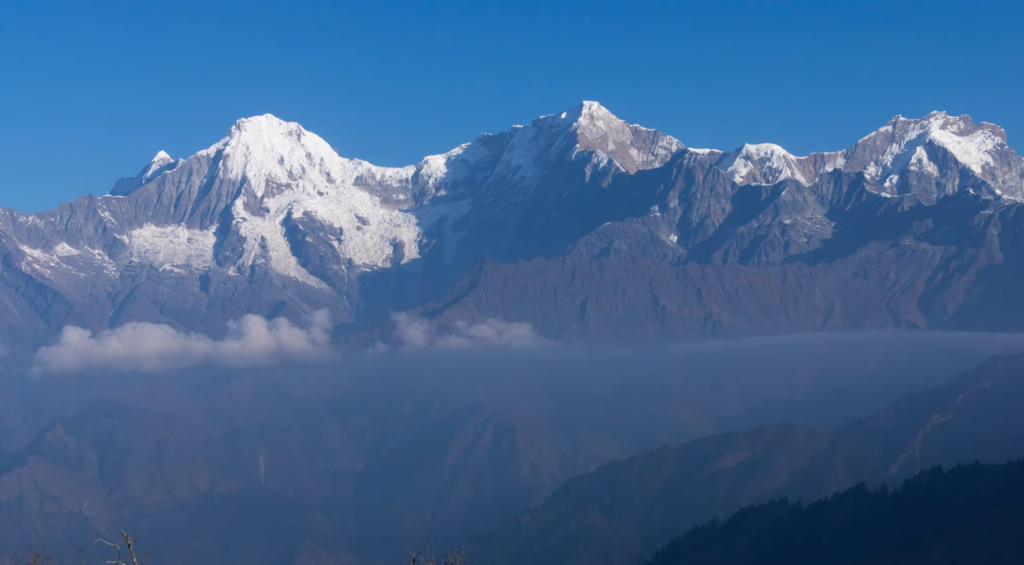
Betrawati, Bhalche, Gonga, Rupchet, Pangsang, Tipling, and Sertung help give the journey a strong local feel.
On clear days, the big reward is the mountain panorama, with views toward Ganesh Himal, Langtang, Manaslu, and even parts of Annapurna.
A full route usually takes around 18 to 19 days. Ganesh Himal suits trekkers who want a quieter trail with real variety and broad mountain views, but who do not necessarily want the hardest route in the country.
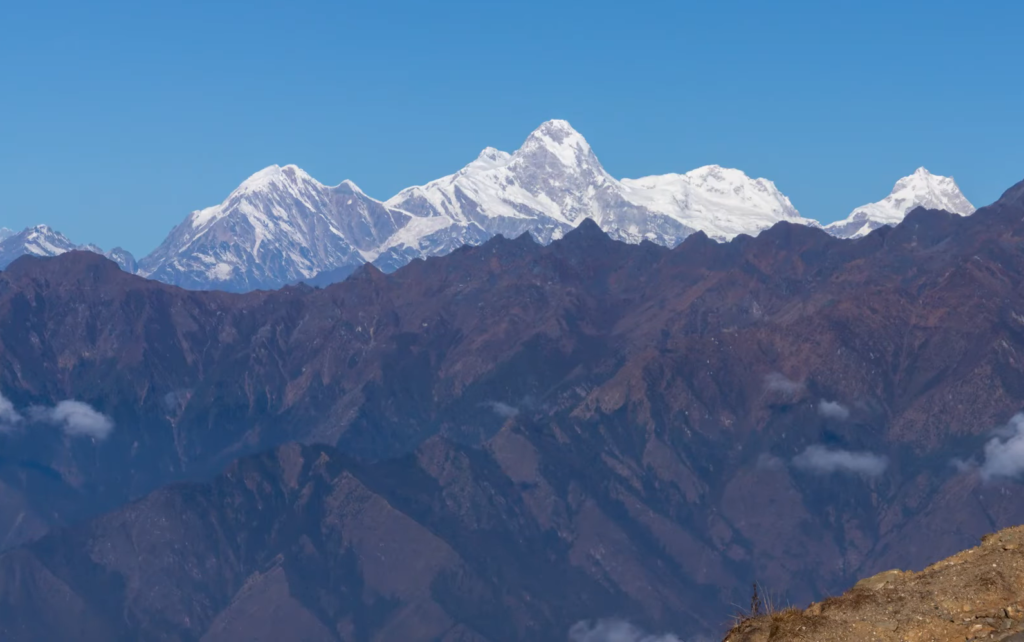
That makes Ganesh Himal a strong choice for trekkers who want something less commercial and more regionally textured, but not necessarily as severe as Dolpo or Makalu. It feels original without becoming punishing for the sake of it.
Upper Mustang region
Upper Mustang belongs in this conversation because it looks and feels unlike almost anywhere else in Nepal.
Set in the former Kingdom of Lo near the Tibetan border, it is a land of dry valleys, eroded cliffs, wind-shaped terrain, and old settlements that give the whole region a strong trans-Himalayan identity.
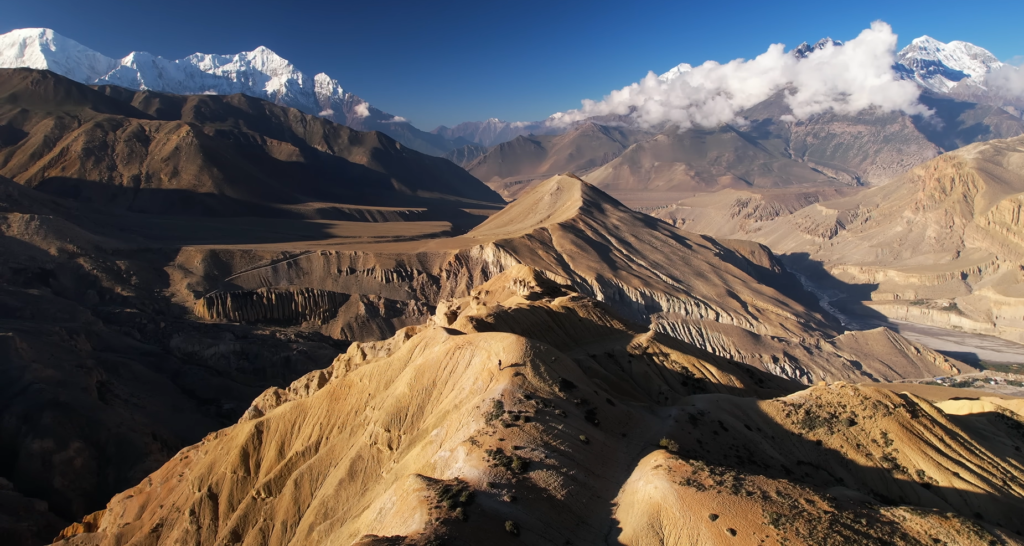
Lo Manthang remains the signature cultural draw, but the wider appeal is the landscape itself. It is one of those regions where the terrain changes the mood of the trek from the start.
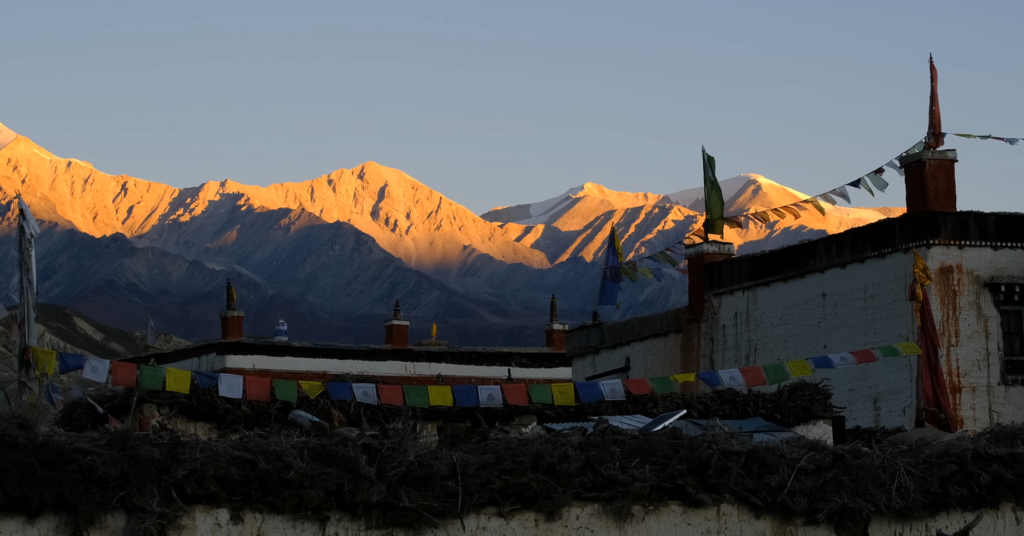
The mountain backdrop helps keep the route visually rich and appealing. Upper Mustang offers views of Dhaulagiri, Nilgiri, Annapurna, and Damodar Himal, and its 16-day format makes it long enough to feel immersive without turning into a month-long commitment.
It is also one of Nepal’s more flexible remote-region options because the rain-shadow setting makes it more forgiving when wetter trekking belts are struggling through the monsoon.
For trekkers who want a region with real atmosphere, old Tibetan culture, and a landscape that does not look like the standard green-Himalaya postcard, Upper Mustang is hard to beat.
For most of these regions, spring and autumn still give the best overall balance of weather, trail conditions, and mountain visibility.
That is the safest general rule in Nepal. The exception is the rain-shadow belt, where Upper Mustang and parts of Dolpo stay more workable even when wetter parts of the country are in full monsoon mode.
That flexibility is one reason those regions keep showing up in serious trekking conversations.
The right choice depends on what kind of quiet a trekker wants. Kanchenjunga, Makalu Barun, and Dolpo suit people chasing scale and remoteness.
Tsum Valley suits those who want monastery culture and village life to matter as much as the mountains. Nar Phu is ideal for trekkers who want a stronger hidden-valley feel without automatically signing up for three weeks on the trail.
Ganesh Himal works well for people who want a less crowded region that still feels approachable.
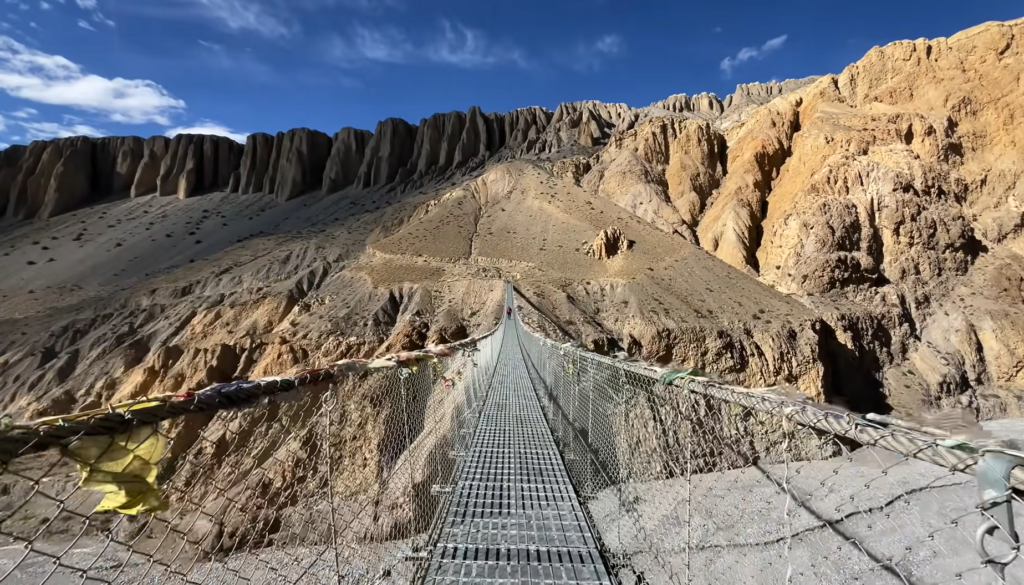
Upper Mustang is for those who want a completely different landscape and mood from the greener Himalaya most people picture first.
Nepal’s lesser-known trekking regions are not just backups for people who missed the famous trails.
In many cases, they are the richer choice who prefer a relaxed trekking route which is less crowded. That is why so many experienced trekkers eventually start looking beyond the standard shortlist.
The big names like Everest or Annapurna region may open the door, but these are the regions that make Nepal feel larger, deeper, and much harder to forget.