



Where to Travel in Nepal During Rainy Season: 10 Places That Actually Work in Monsoon
Nepal is almost a different country when the rains come. Between June and September, the vast majority of the year’s rainfall pours down, turning the hills brilliantly green, making rivers swell and rush, and the sky becoming a lovely, ever-changing show of mist, clouds and bright breaks of sun.
The fascinating thing about Nepal is that the monsoon doesn’t treat all areas equally. While some places get absolutely wet, others are remarkably dry, being sheltered in the ‘rain shadow’ to the north of the Himalayas.
Because of this, travelling in Nepal during the rainy season isn’t about not going to Nepal, it’s about picking the best place to be.
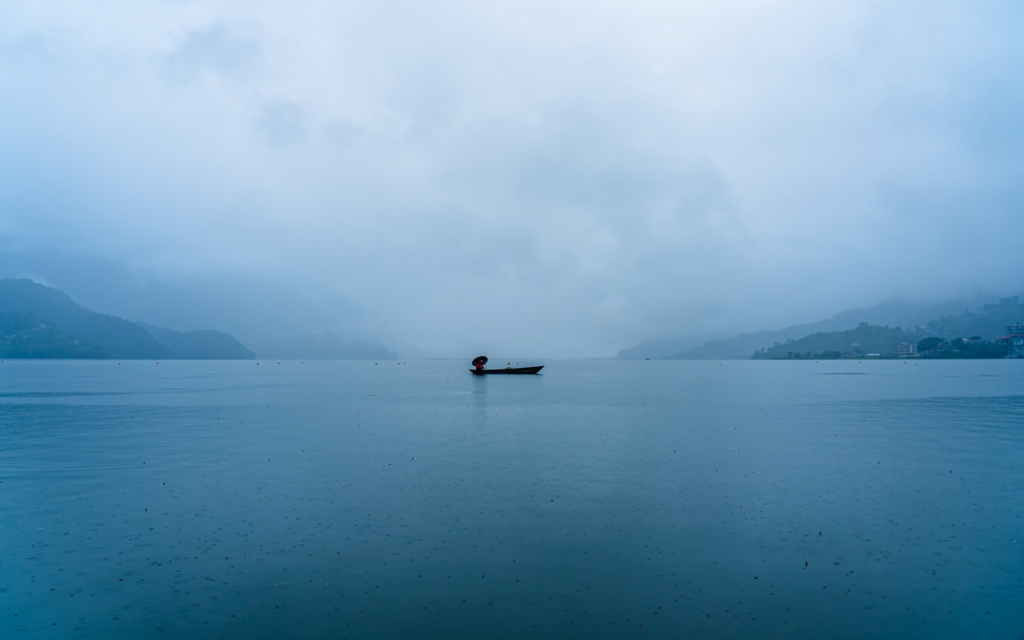
Pokhara gets a lot more rain than Mustang, and the high, dry valley, Manaslu and Dhaulagiri are still good for exploring even in the middle of summer.
That is also what makes monsoon travel here so interesting. You can move from lush hill towns to dry trans-Himalayan landscapes in the same trip, and the experience changes completely from place to place.
Some destinations in this list are excellent because they remain dry and clear enough for travel. Others are included because they are still rewarding in rain, either for their culture, scenery, or atmosphere.
Together, they create a monsoon list that feels practical, varied, and genuinely worth travelling.
Upper Mustang
Upper Mustang is one of the safest and most rewarding monsoon destinations in Nepal because it sits in the Himalayan rain shadow.
All the hills and valleys further south get absolutely drenched, but Mustang stays delightfully dry, is easily navigable, and is open for exploring while the rest of Nepal is underwater.
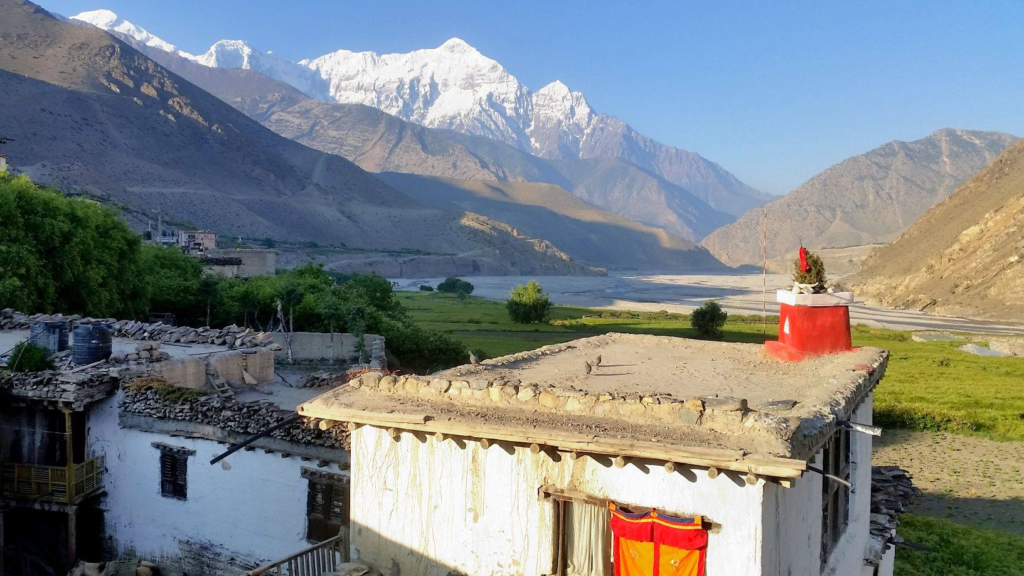
And it’s a place that’s very much itself! You have the ancient, walled city of Lo Manthang, a culture heavily shaped by Tibet, monasteries, caves to explore, and a high, empty desert landscape, making it unlike any other part of Nepal.
You will still need specific access to go, and most people get there by going to Jomsom first, which you can reach by plane or by road.
What makes Upper Mustang especially useful in a rainy-season is that it is not just a “safe option”; it is a destination that actually improves the logic of monsoon travel.
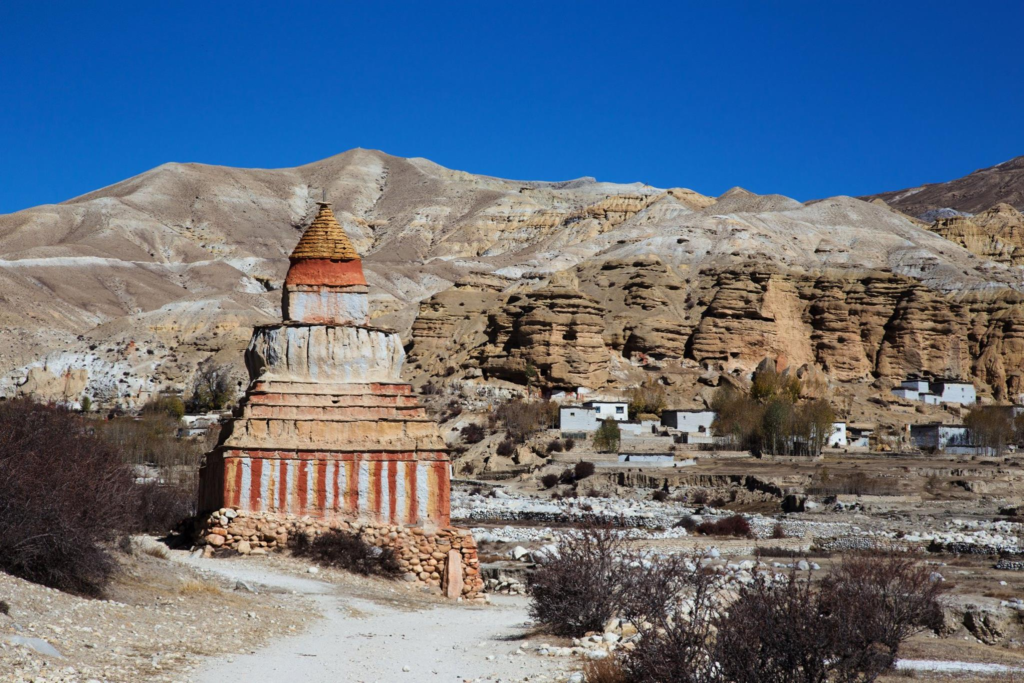
While lower regions become slippery and cloudy, Mustang stays relatively stable and much less humid.
Along the way, villages such as Kagbeni and Marpha add more character to the journey, and Muktinath gives the route a major pilgrimage dimension. If the goal is a Himalayan trip that still works when the monsoon is active elsewhere, Upper Mustang belongs at the very top.
Upper Dolpo
Upper Dolpo is another place where the monsoon weather in changes. The region is located behind the mountains in the west so it stays much drier than the southern hills.
This dry climate is the reason it can still work during the rainy season even though Upper Dolpo is one of the most remote and tough parts of the country.
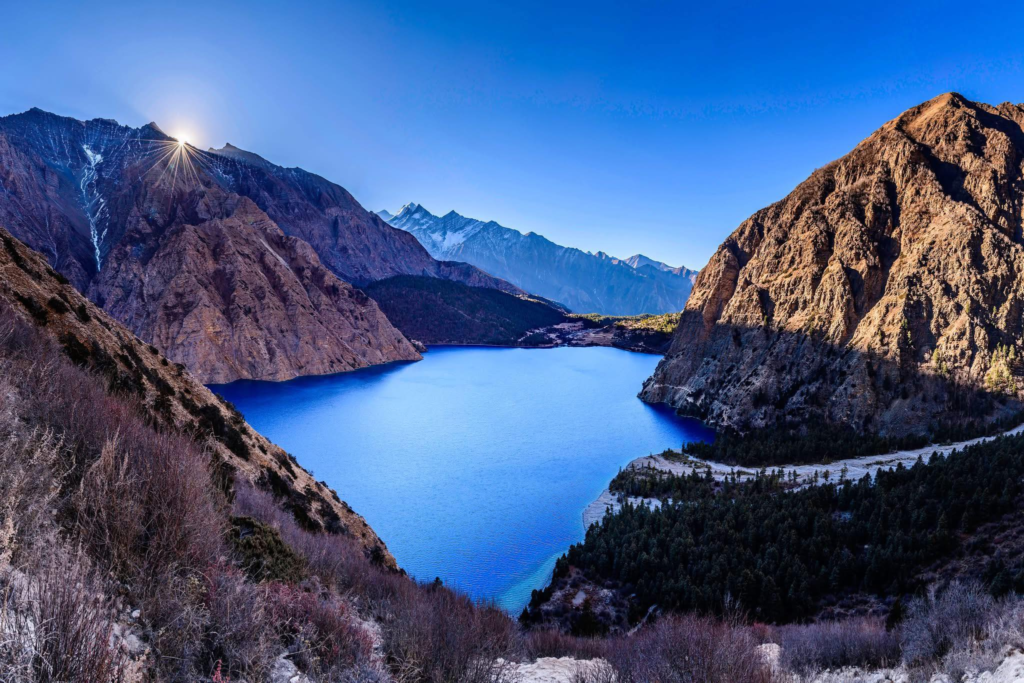
Upper Dolpo is also home to Shey Phoksundo Lake, one of Nepal’s striking natural landmarks. The wider Karnali province is known for trekking routes and cultural depth.
The reason people keep coming to Upper Dolpo in monsoon is the mix of solitude and landscape. This place is not crowded and it does not try to be.
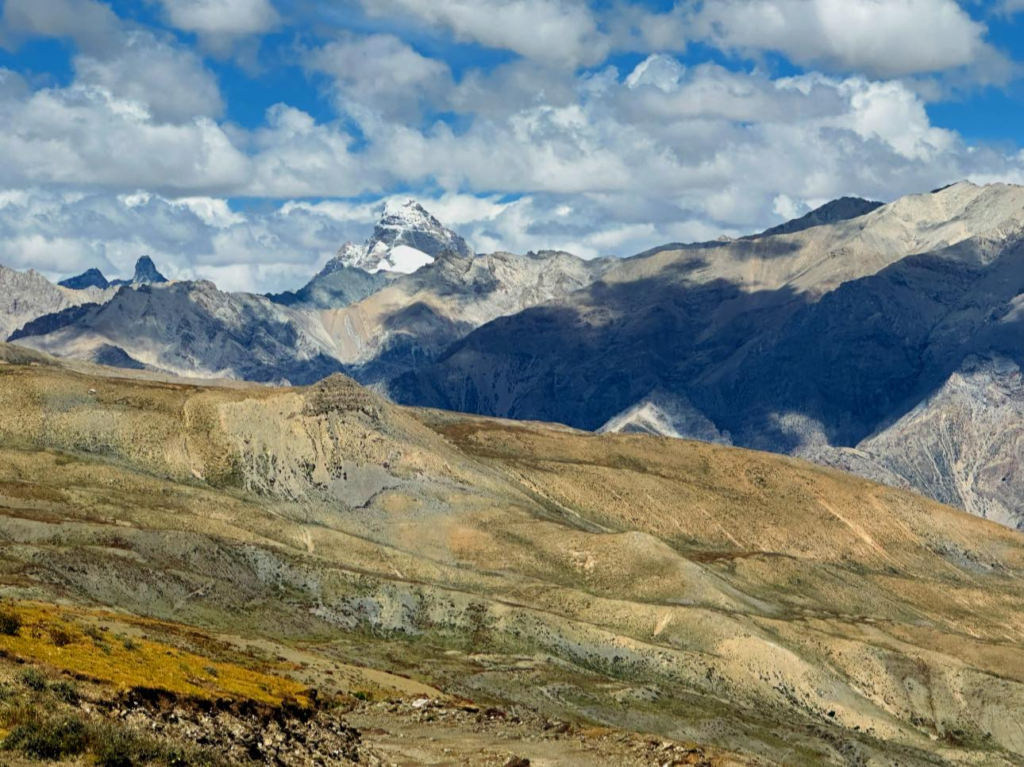
Upper Dolpo feels raw, quiet and dramatic with a spiritual side that includes ancient monasteries and villages shaped by isolation.
In a rainy-season, Upper Dolpo gives you something, from the usual mountain holiday: not just dry weather, but real remoteness of Upper Dolpo.
Nar Phu Valley
Nar Phu Valley is one of the hidden corners of the Annapurna region. It is a place to visit during the monsoon season because Nar Phu Valley is in a rain-shadow zone. The valley is located north of the Annapurna Circuit.
Nar Phu Valley gets less rain than the lower trails.. The route can still be slippery and hard to walk on during the wet season.
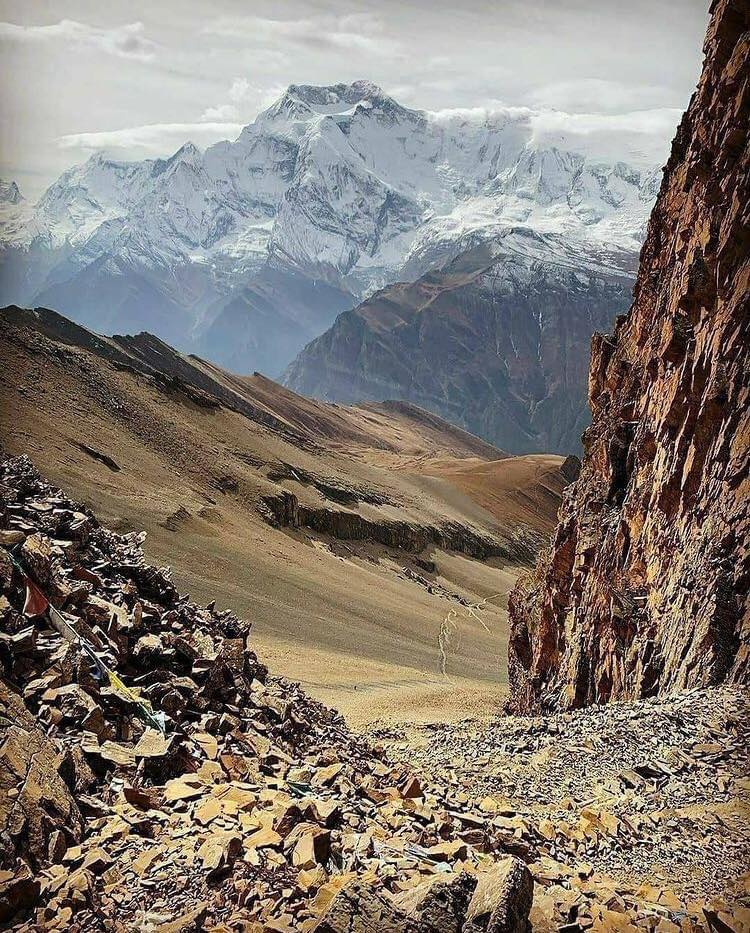
This makes Nar Phu Valley a good option for experienced travelers who want a trip to the Himalayas. They may prefer this over a popular trip.
What makes Nar Phu Valley so special is the feeling that you are discovering something. The villages in Nar Phu Valley are very remote. The landscape is also very rugged. The culture in Nar Phu Valley feels real and Not just changed for tourists.
When it is monsoon season the valley becomes greener. This does not change the fact that Nar Phu Valley is a dry and high place.
The season may change the mood of Nar Phu Valley.. It does not make the experience any less special. This is why Nar Phu Valley should be, on a list of places to visit during the monsoon season.
Upper Annapurna Circuit Through Manang
The top part of the Annapurna Circuit is really special the part that goes through Manang and then on to Thorong La and Muktinath.
People usually trek in the areas of Manang and Mustang during the monsoon and that is why this part is so good.
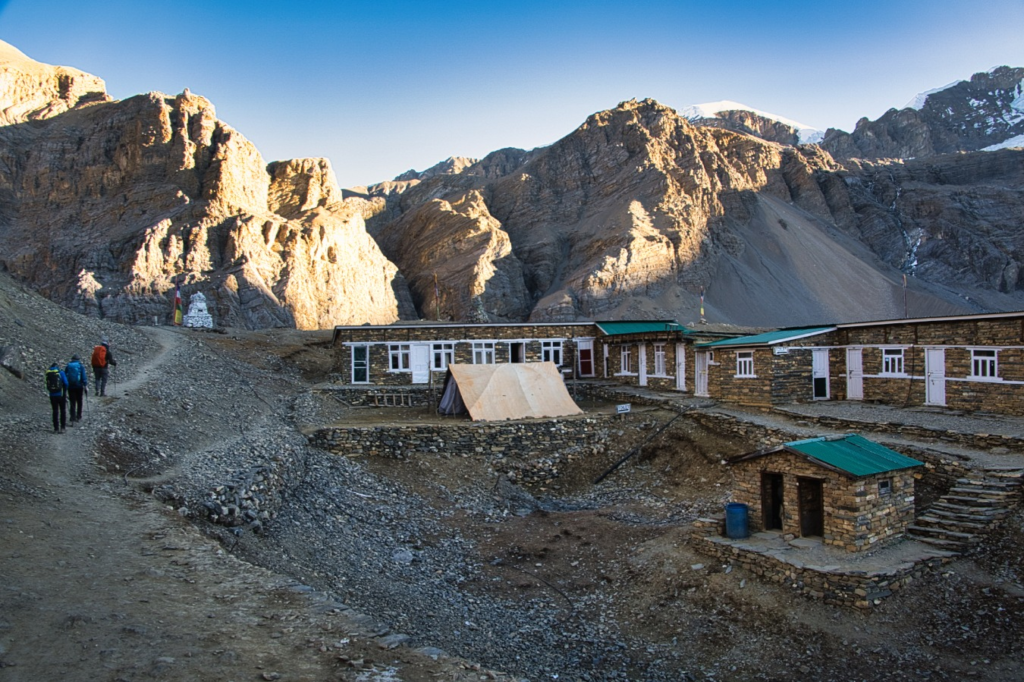
Manang is at 3,519 meters and it is a big stop for people to get used to the high altitude and the top part of the trek. The trek has really beautiful mountain scenery without making you go through the wet valleys.
This route is great because the mountains make it work. The lower parts of the Annapurna region can get really wet during the monsoon but the higher parts are totally different.
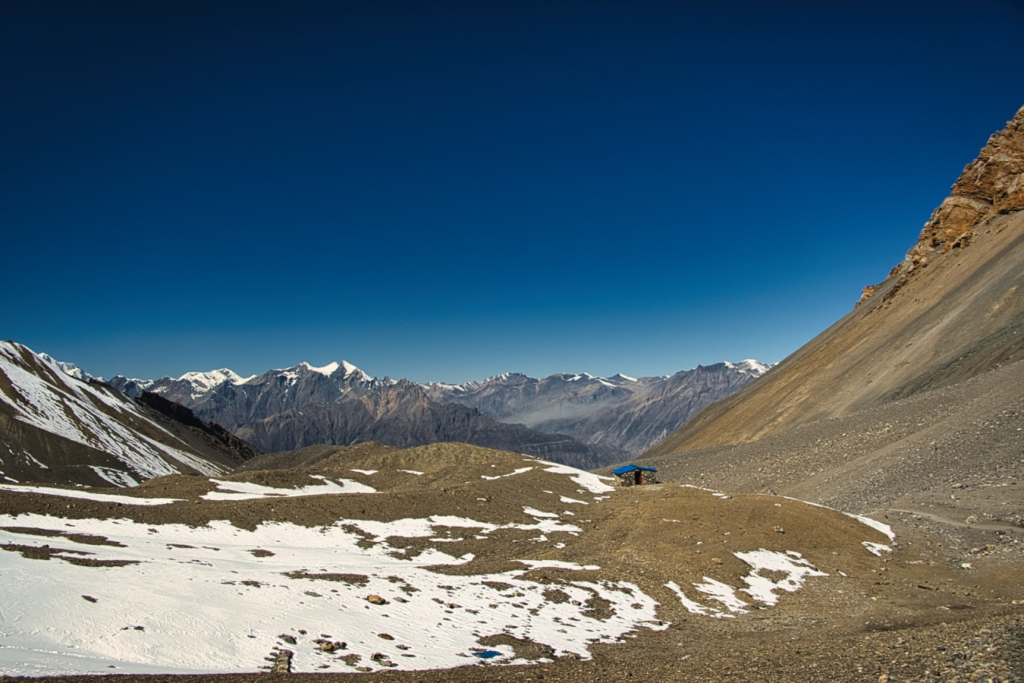
They are drier, more open and much better for traveling in the summer. People who travel here need to be careful, about the altitude and the changing weather but it is worth it because you get to have a classic Himalayan adventure that is still possible when other treks are not.
If you want to go during the monsoon that will still be an amazing experience the Annapurna Circuit is one of the best choices. The Annapurna Circuit is a trip that you will never forget.
Jomsom–Muktinath
The Jomsom–Muktinath corridor is one of the easiest monsoon-friendly routes in the Himalaya because it combines dry terrain, road and air access, and a route that is already built around travel rather than difficulty.
The route is already made for travelers not just for adventures. Jomsom is a place that we can reach by air or land and it is the entry point to the Kali Gandaki valley.
Muktinath is an important place for pilgrims and it is 3,749 meters high. The route also passes through Kagbeni and Marpha which’re two amazing villages.
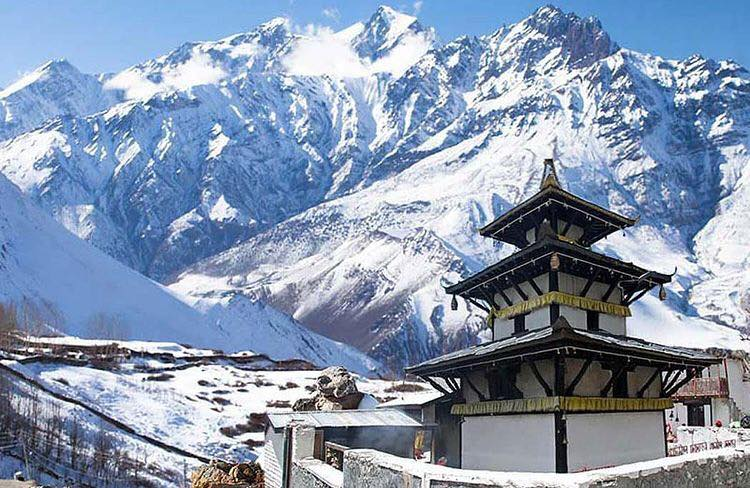
This route is very useful during monsoon because it remains dry compared to places in Nepal. It is not for pilgrims or trekkers; it is a journey to enjoy the landscape.
The Kali Gandaki gorge, the Shaligram stones found along the river, the strong winds around Jomsom, and the apple-growing character of Marpha all make the trip feel varied and memorable.
Khopra Danda
Khopra Danda is one of the better monsoon choices in the Annapurna region for travelers who still want mountain views but prefer a quieter route.
The destination is at an altitude of 3,660 meters and is is one of the notable attractions in Myagdi. The views from Khopra Danda are really scenic.
You can see Dhaulagiri and Annapurna South from there. Khopra Danda is a community-based trek which means it is not as crowded as the other viewpoints in Annapurna.
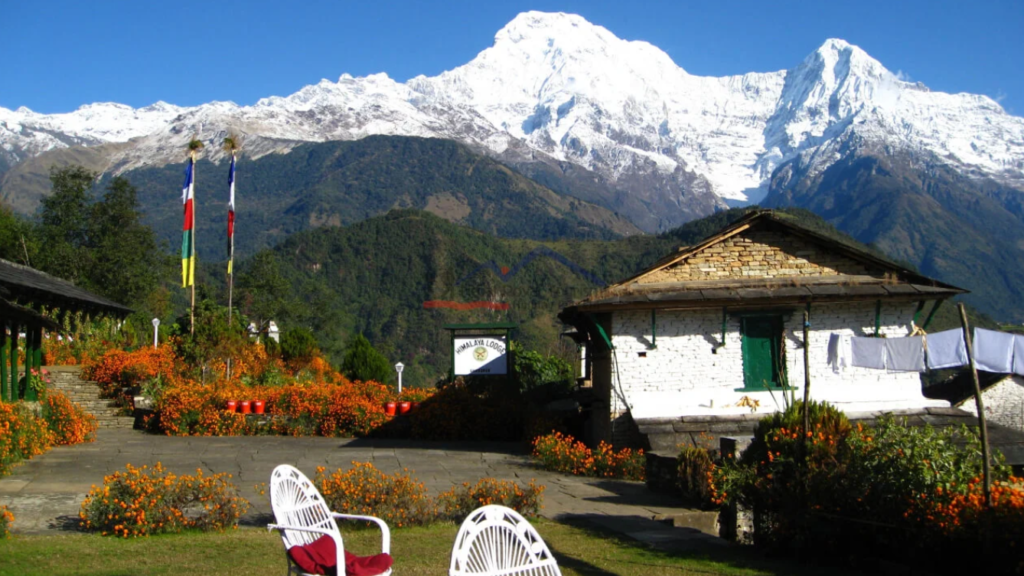
When monsoon season comes to Khopra Danda it does not guarantee views. However, the monsoon makes the landscape around Khopra Danda greener and the trail is quieter.
This is what makes Khopra Danda special. For people who do not mind a bad weather and are okay with not knowing what the weather will be like Khopra Danda is a great place to visit during the rainy season.
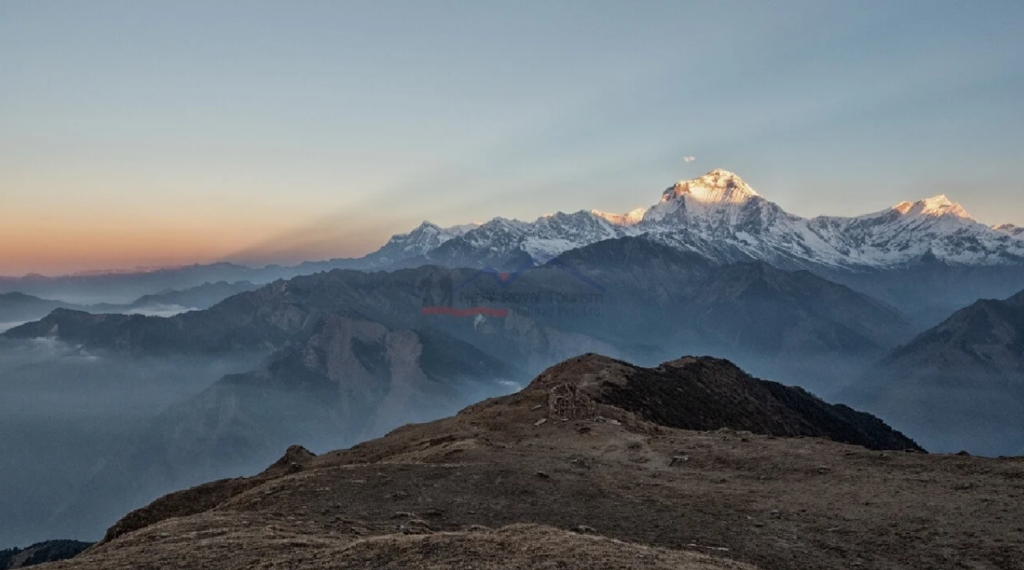
Khopra Danda has an enough altitude so it feels impressive and also far from the routes so it feels peaceful.
The location has a lot of natural beauty which makes the journey interesting even, on cloudy days.
Ghorepani–Poon Hill
Ghorepani–Poon Hill is one of Nepal’s most famous short Himalayan routes, and it remains relevant in a rainy-season because it combines accessibility with atmosphere.
Poon Hill itself sits at 3,210 meters, and the route is known for sunrise views over Annapurna and Dhaulagiri, rhododendron forests, and Gurung villages.
In monsoon, though the trail can be wet and cloudy, but the scenery becomes lush and the forest feels alive.
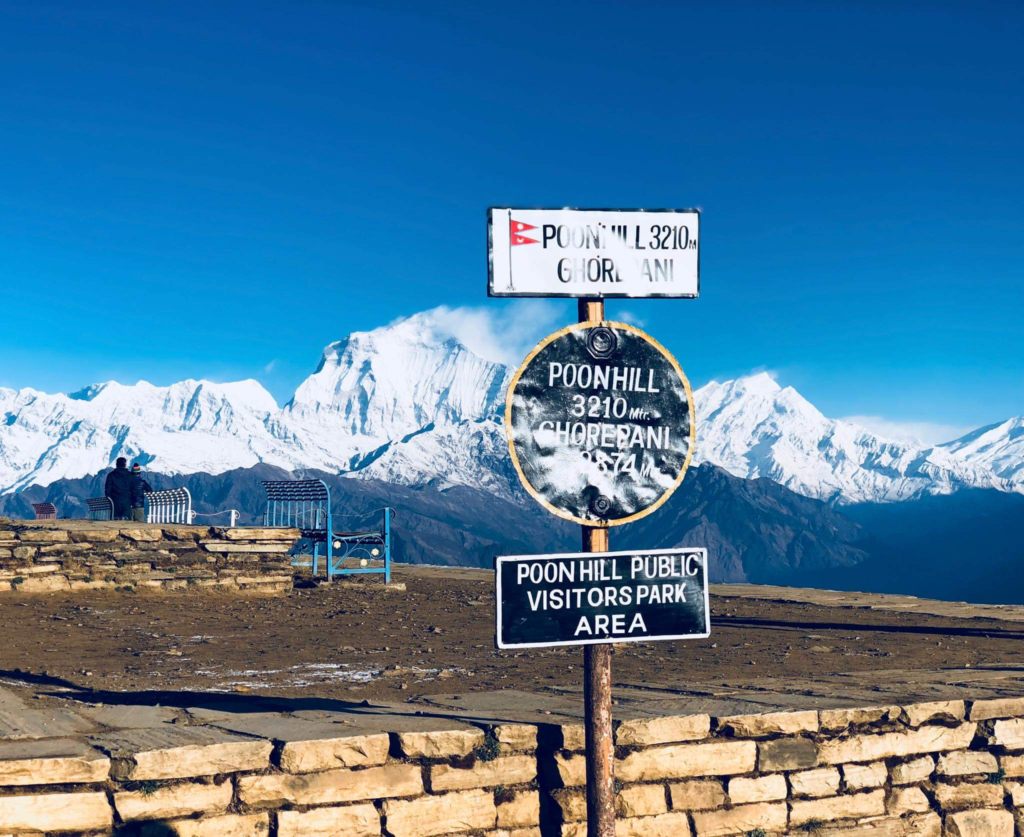
That makes Poon Hill a route for travelers who understand the season rather than fight it.
It is not the month for guaranteed long-range visibility, but it is a very good month for green slopes, mist, and a softer, more atmospheric mountain mood.
If someone wants a short trek with strong culture and a fair chance of beauty even in cloudier weather, Poon Hill still earns its place. It is one of those routes that changes character in monsoon instead of simply becoming worse.
Pikey Peak
Pikey Peak is one of the best hidden monsoon hills in Nepal because it combines high views with a quieter, less commercial feel.
Pikey Danda sits at about 4,065 meters, where you can enjoy wide views of Everest, Makalu, Kanchenjunga, and other major Himalayan peaks.
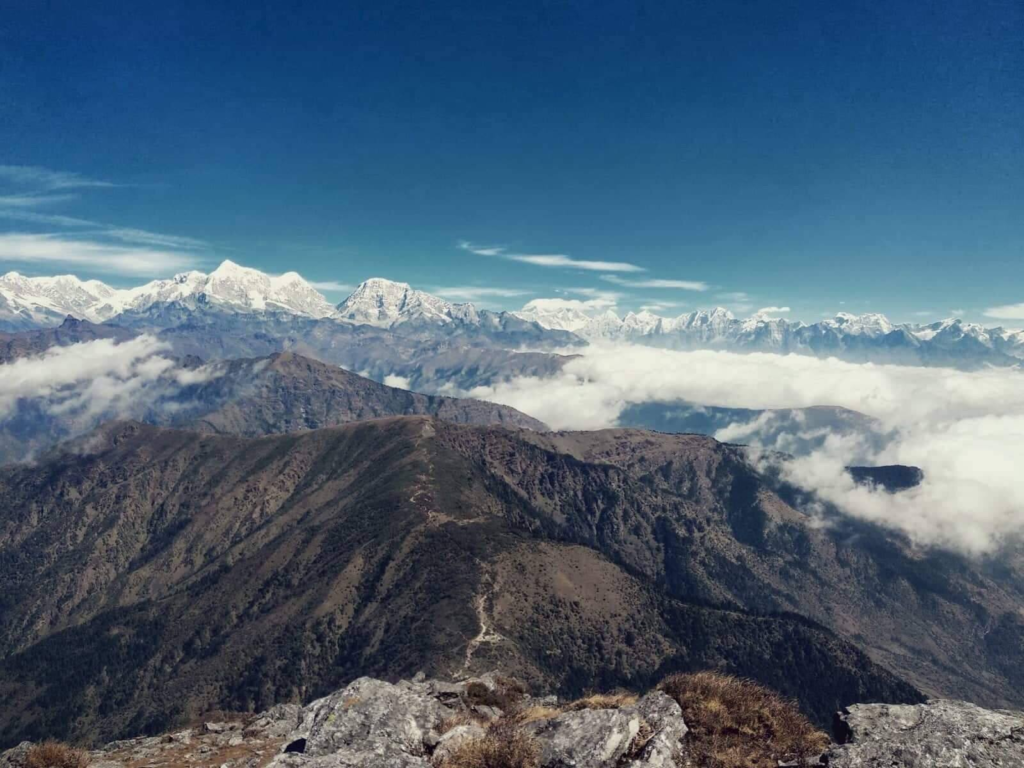
During the rainy season, the landscape turns greener and cloudier, which means the experience becomes more moody and photogenic even when perfect visibility is not guaranteed.
That is exactly why Pikey Peak works in a rainy season. It is not only about the summit view; it is about the full feeling of the route: the forest, the ridges, the mist, the changing light, and the sense that you are seeing the Himalaya in a less polished season.
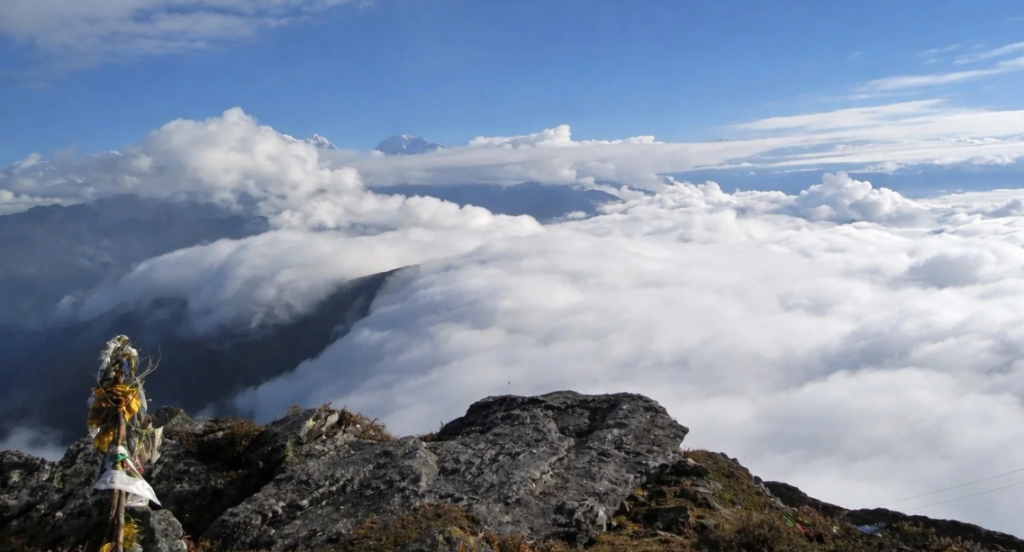
For travelers who like places that look dramatic in rain and fog rather than only in clear autumn skies, Pikey Peak is one of the smartest picks on the list.
Pokhara
Pokhara is not a place that escapes the rain. Thats exactly why it fits in here in its own way.
It is one of the cities in Nepal with a lot more rainfall each year than Mustang. Still it remains one of the places to visit during the monsoon season. This is because the city itself is set up for travel.
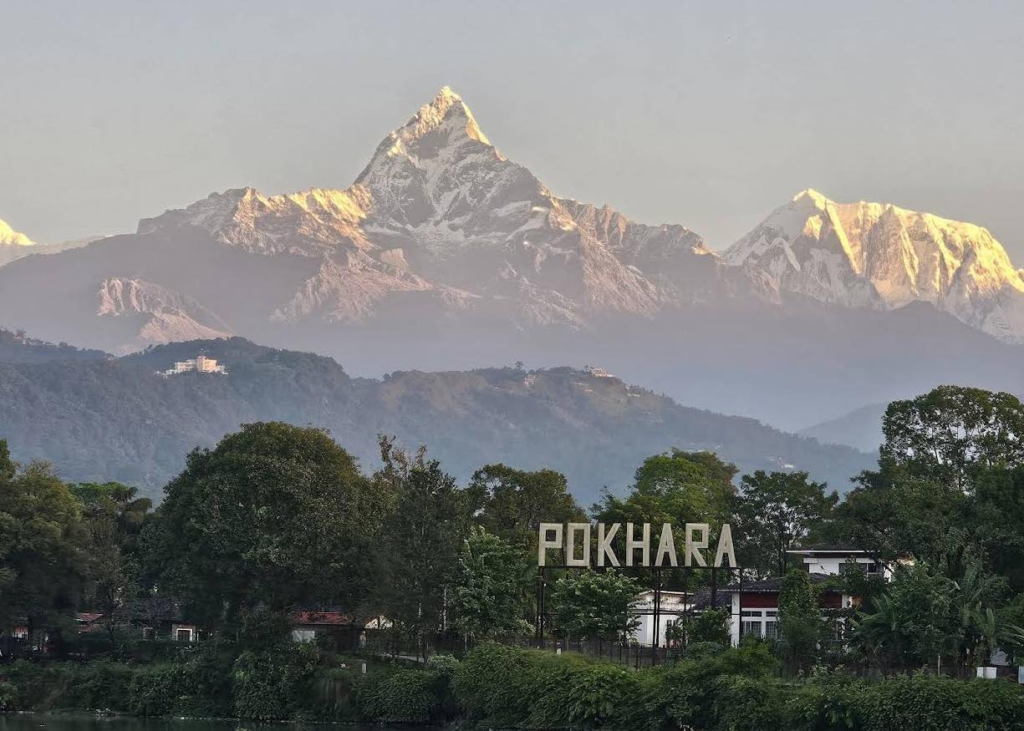
The lakefront area, the cafes, the views when the clouds part and the nearby waterfalls and caves all give Pokhara a personality during the rainy season. It is also one of Nepal’s destinations to reach by road or air.
In the monsoon season Pokhara becomes more relaxed and greener. The mountain views are not always clear.
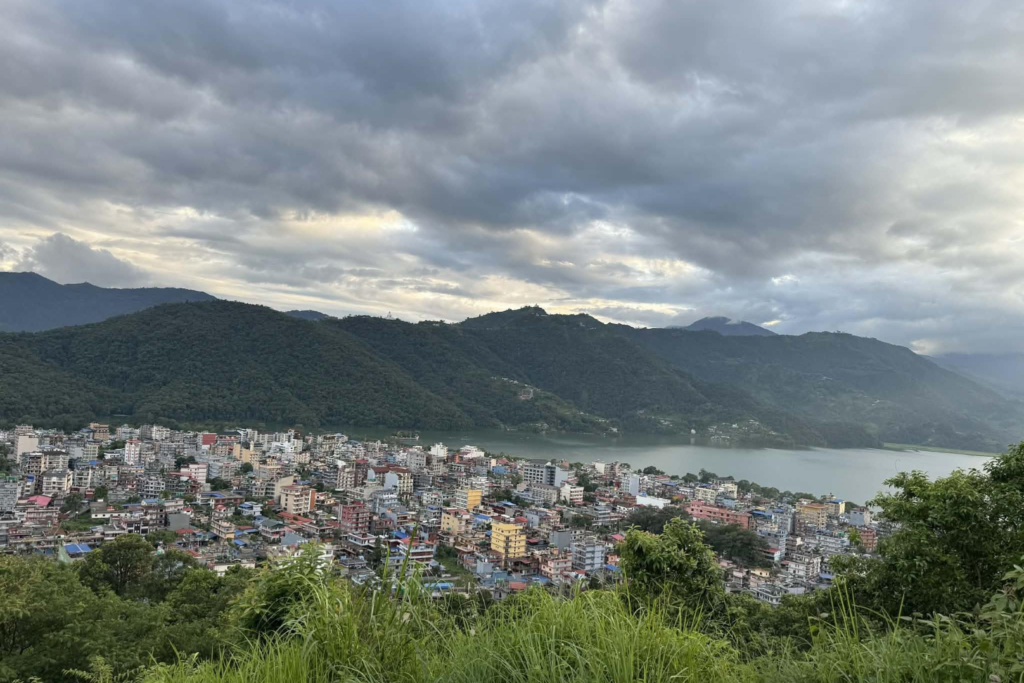
The atmosphere is often at its best. There are crowds, strong waterfalls, low clouds over the hills and a calm feel by the lake. This works well for travelers who’re happy to take it easy.
Pokhara is not the place to visit if you want to see the mountains clearly during the rainy season.
It is one of the best places to visit if you want comfort, scenery and variety all in one easy base. For example you can stay close to Phewa lake or take a stroll, near Davis Fall.
Lumbini
Lumbini gives the rainy-season list a different vibe. Of mountains or hills you get flat plains, beautiful gardens, monasteries and one of the most important Buddhist pilgrimage sites.
It is the birthplace of Lord Buddha, located in Rupandehi and the area has international monasteries and the sacred Mayadevi Gardens.
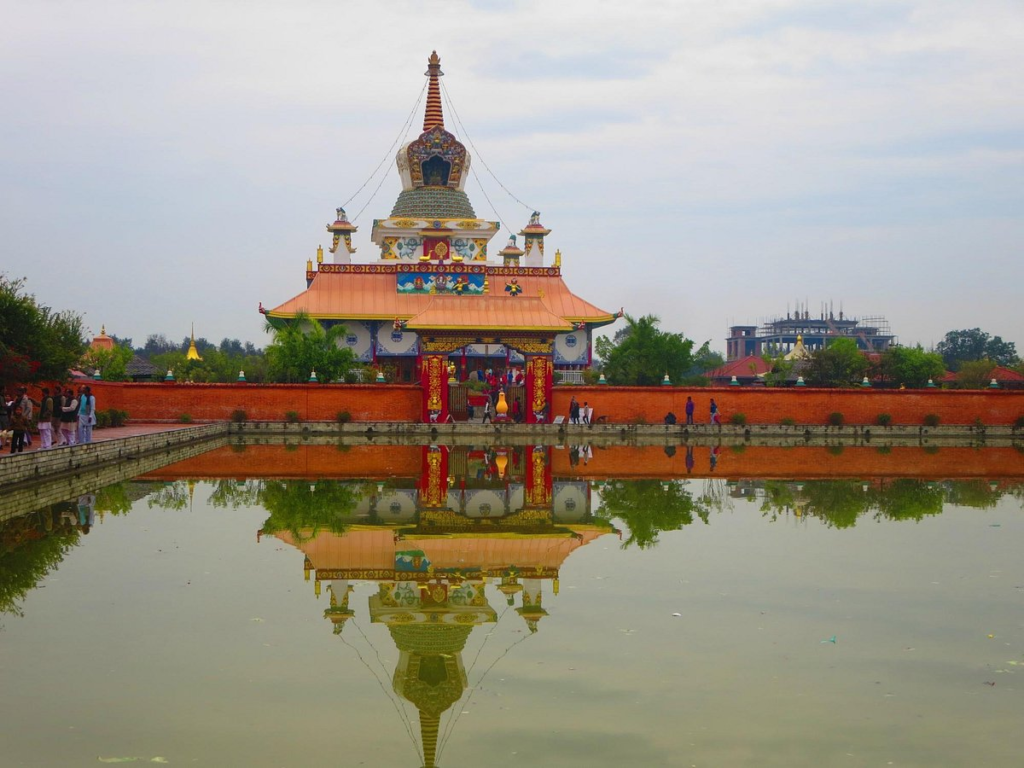
The flat land means the rainy season does not bring landslides like it does in hill areas.
Lumbini is great in the monsoon because the experience is more about spirituality and architecture than the weather. Rain makes the gardens greener and the atmosphere quieter. It does not ruin your visit.
That makes it a top choice for travelers who want a meaningful place to visit in a season when other routes become uncertain.
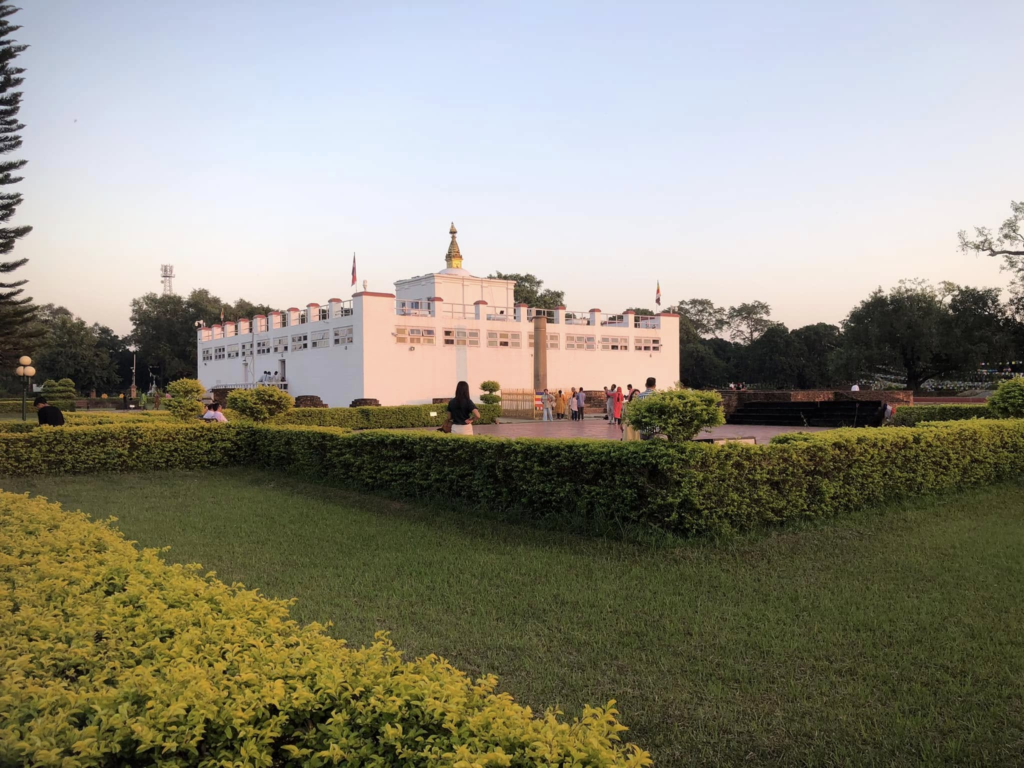
Lumbini is special because it shows that Nepal’s monsoon travel is not about mountains; it is also about culture, peace and sacred places like Lumbini.
Nepal in the rainy season is not a place to avoid. It is a place to choose carefully.
The best monsoon destinations are those that stay dry in the Himalaya like Upper Mustang, Upper Dolpo, Nar Phu, Manang and the Jomsom–Muktinath corridor along with places that are worth visiting because of their culture and atmosphere like Pokhara and Lumbini.
You can also add ridge destinations like Khopra Danda, Ghorepani–Poon Hill and Pikey Peak to your list. You get a monsoon travel list that feels varied rather, than repetitive.