


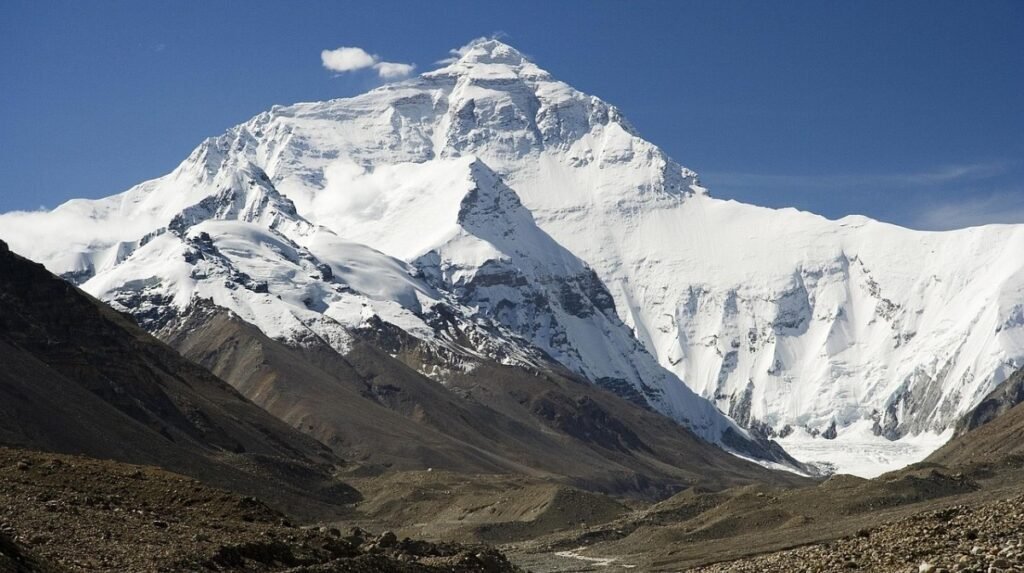
Nepal Trip Cost for Foreigners in 2026: Daily Budget, Visa, Hotels and Transport
Nepal remains one of the best-value travel destinations only only in South Asia but across Asia, but the cost of a trip can vary more than many first-time visitors expect.
A simple city break built around guesthouses, local meals, and buses can stay fairly affordable. A more comfortable trip with better hotels, regular taxis, internal flights, guided sightseeing, or trekking support can cost much more for the foreigners.
Nepal, the land of the Himalayas, is still accessible on many budgets; the final number depends on how you travel and how much ground you want to cover.
For most foreign visitors in 2026, the main expenses fall into five main things, visa, hotels, food, transport, and permits or entry fees.
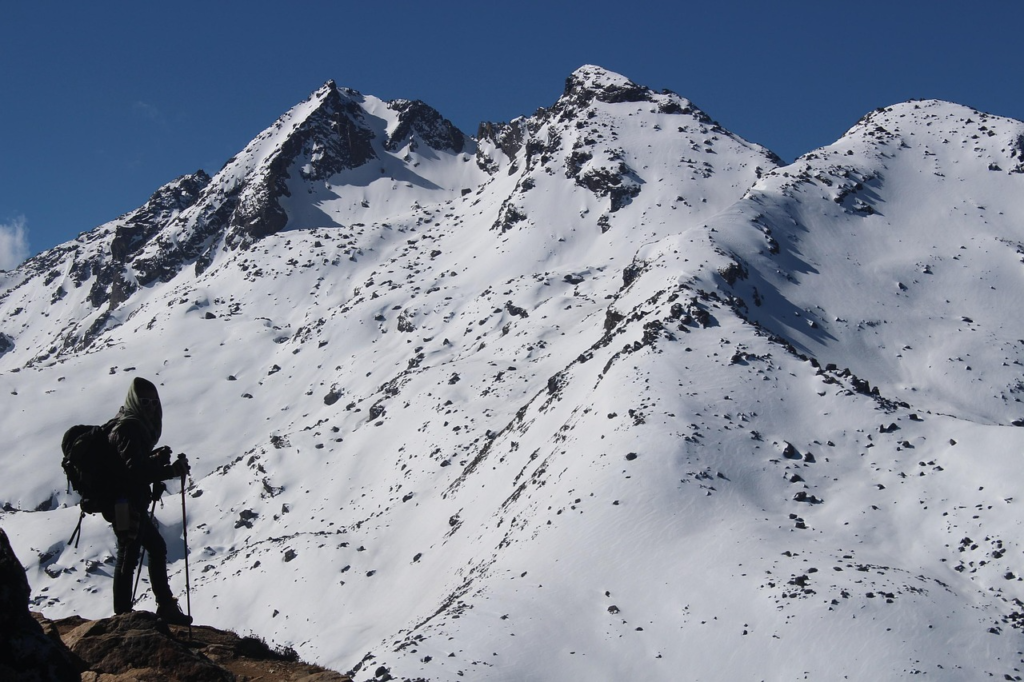
Once trekking enters the picture, the spnding automatically increases due to park fees, restricted-area permits, guide requirements, trail transport, and higher food prices in the mountains.
That is why a Nepal trip can look cheap at first and then rise quickly when the itinerary becomes more ambitious.
Nepal visa cost for foreigners in 2026
Most foreign nationals entering Nepal need a tourist visa. The current tourist visa fees are US$30 for 15 days, US$50 for 30 days, and US$125 for 90 days.
Tourist visas are multiple-entry, which is useful for travelers combining Nepal with nearby destinations before returning.
Nepal also allows extensions, with the minimum extension cost set at US$45 for 15 days, and additional days charged separately.
Indian nationals are in a different category and do not need a tourist visa in the same way as most other foreign travelers.
That matters when comparing trip costs by nationality, because for many international visitors the visa is one of the first fixed expenses before hotel, food, or transport even enter the picture.
Nepal tourist visa fees in 2026
| Visa Type | Validity | Cost |
|---|---|---|
| Tourist visa | 15 days | US$30 |
| Tourist visa | 30 days | US$50 |
| Tourist visa | 90 days | US$125 |
| Extension | Minimum 15 days | US$45 |
| Additional extension days | Per day | US$3 |
Daily budget in Nepal
A realistic daily budget for Nepal depends on whether the trip is built around simple travel, moderate comfort, or a more premium experience.
Budget travelers can often manage on roughly US$25 to US$40 a day in cities if they stay in basic accommodation, eat local food, and use cheaper transport.
A more comfortable trip usually sits closer to US$50 to US$90 a day, especially for travelers who want private rooms, cleaner hotels, café stops, easier transport, and several paid attractions.
Higher-end travel often starts around US$120 a day and can go up higher once flights, private vehicles, or luxury stays are involved.
Those numbers work best as planning ranges, but not are always fully guaranteed.
Nepal can still be a low-cost destination, but it is easy to spend more than expected through small additions.
A day that starts with a reasonable hotel and a simple meal can end with taxis, monument tickets, coffee stops, and an internal transfer that change the total quickly.
The same applies to trekking, where daily living costs are only one part of the overall budget.
Nepal daily budget estimate for foreign travelers
| Travel Style | Estimated Daily Budget | Typical Setup |
|---|---|---|
| Budget | US$25–40 | Hostels or basic guesthouses, local food, buses |
| Mid-range | US$50–90 | Private rooms, decent hotels, tourist transport, paid sights |
| Higher-end | US$120–200+ | Boutique or luxury stays, private transport, flights, comfort-heavy trips |
These are practical planning ranges built around current visa and fee structures, not package rates.
Hotel costs in Nepal
Accommodation is one of the easiest costs to control in Nepal if you choose the right areas and travel style.
In Kathmandu and Pokhara, budget travelers can still find hostel beds or simple guesthouses at the low end of the market.
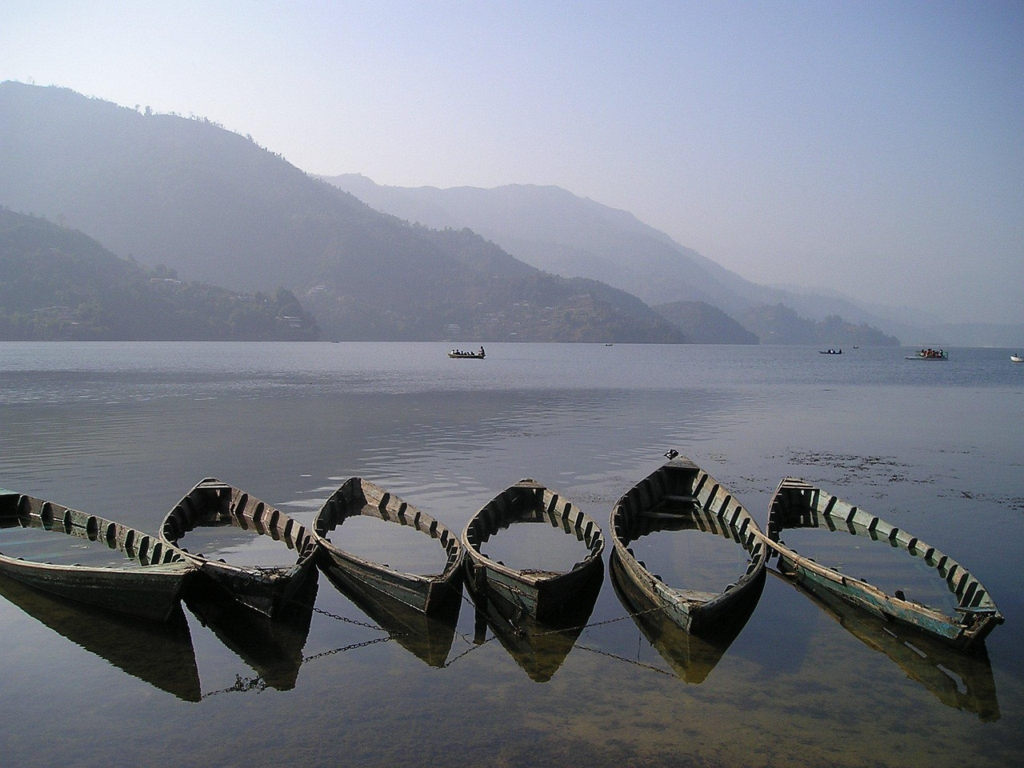
Mid-range hotels are widely available and usually offer the best balance between cost and comfort.
Upscale stays, heritage properties, and better resorts can raise the budget, especially in the busiest tourist zones and peak travel months.
In Nepal hotel ranges of around US$5 to US$15 for budget stays, US$20 to US$50 for mid-range, and US$80 and above for luxury, which obviously depends on the accommodations you want.
Hotel pricing also changes by location. Thamel in Kathmandu and Lakeside in Pokhara generally cost more than quieter neighborhoods because travelers are paying for convenience as well as the room itself.
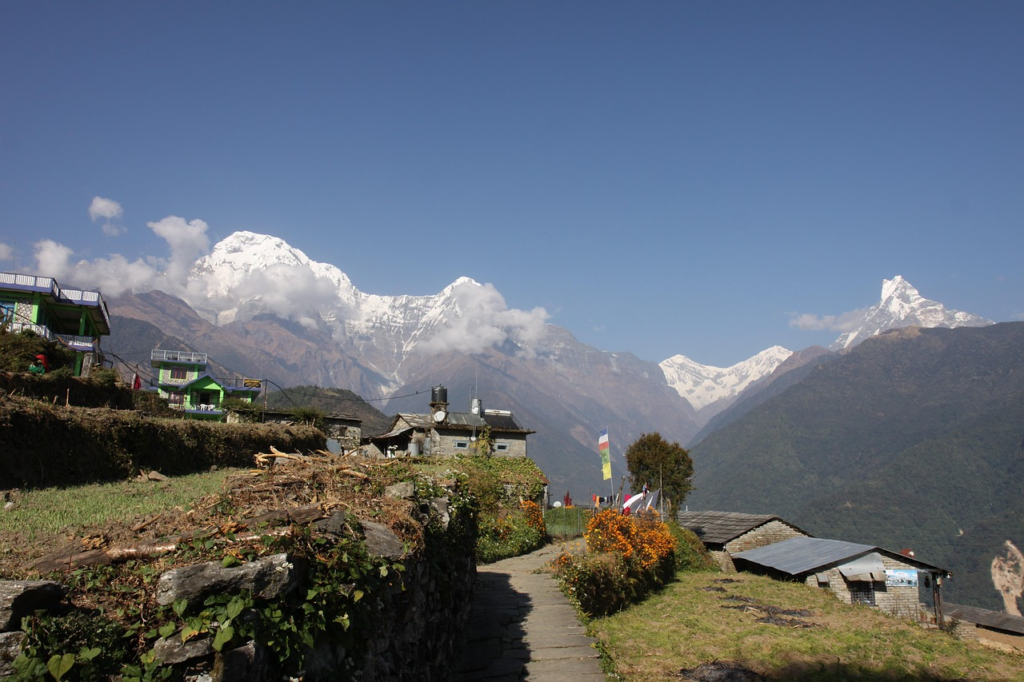
On trekking routes, the nightly room can still look cheap starting as low as $3, but the wider mountain budget grows through meals, charging, Wi-Fi, hot showers, and transport to the trailhead.
That is why city hotel budgets and mountain lodging budgets should never be treated as the same thing.
Food costs in Nepal
Food is one reason Nepal still works well for budget-conscious travelers. Local meals remain relatively affordable, especially if you stick with Nepali food instead of imported snacks, western comfort dishes, or regular café spending.
Dal bhat, momo, noodles, tea, and simple thali-style meals can keep daily food costs under control in cities.
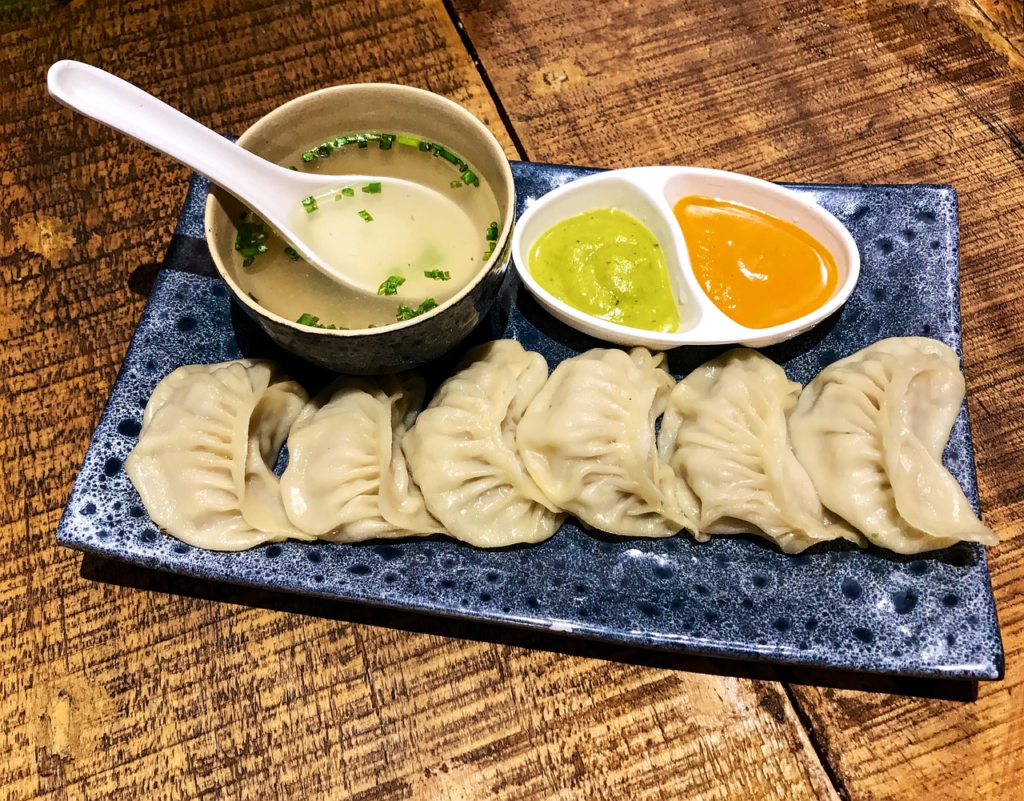
You can spend US$1 to US$3 for very cheap food and US$5 to US$10 for regular local restaurant meals, which is still a useful practical range for writing about everyday spending.
The numbers change once the trip goes into the mountains. Food costs rise on trekking routes because supplies are harder to carry and basic logistics become more expensive with altitude and remoteness.
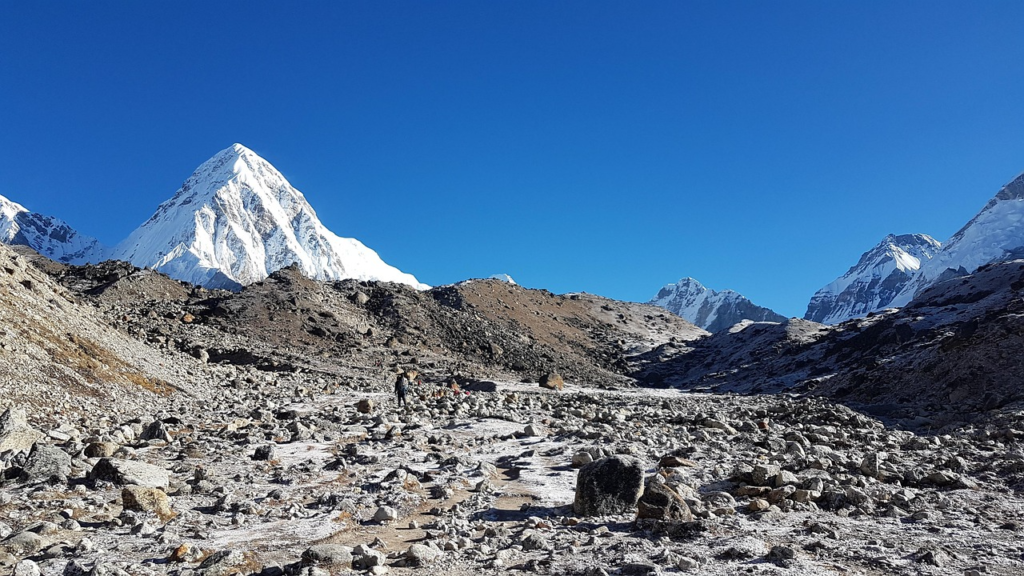
In commercialized places you can get simple meals and accommodations for around $10, but it can go higher in remote destinations.
A traveler using Kathmandu prices to estimate the cost of meals on a popular trekking trail will almost always budget too low. The base country may be affordable, but mountain food follows a different rhythm, especially if you want western food, coffee or non-nepali dishes.
Transport costs in Nepal
Transport has a bigger effect on Nepal trip cost than many people think. Local buses and shared transport are still the cheapest way to move around.
Tourist buses cost more but usually make long journeys easier. Taxis, private cars, and jeeps raise daily spending much faster, especially when several short rides are added together.
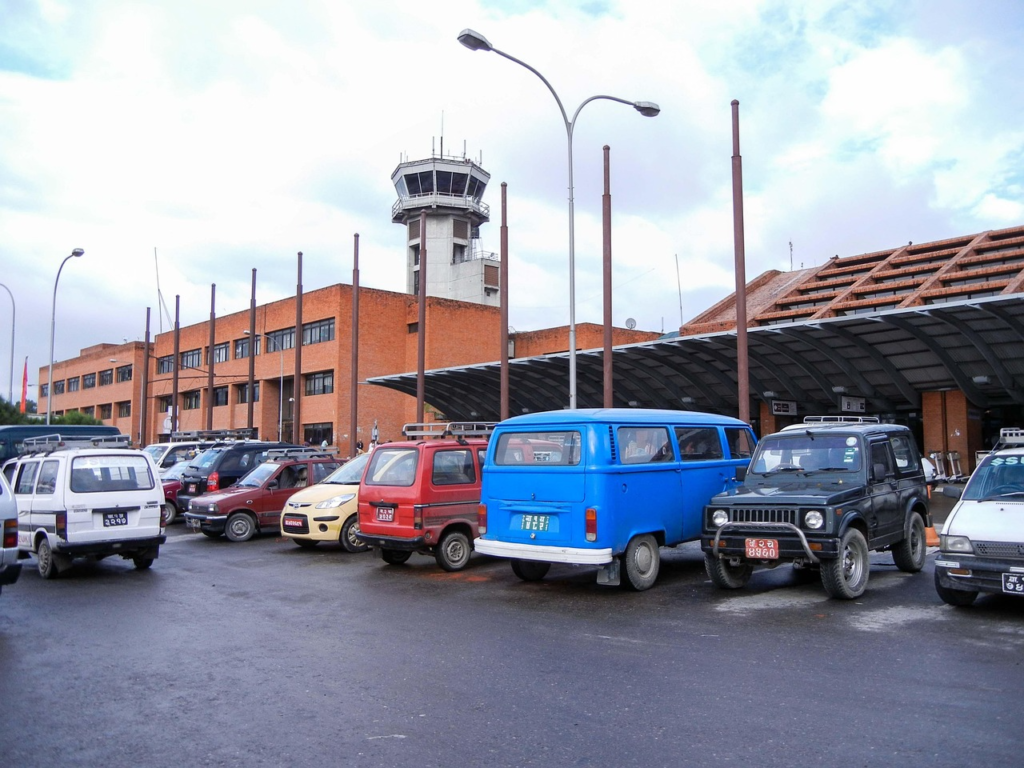
Domestic flights save major time, but they are one of the quickest ways to push the total trip budget upward.
This matters because Nepal’s geography is beautiful but not always easy. Distances that look manageable on a map can take far longer on the ground due to condition of roads
A traveler trying to fit Kathmandu, Pokhara, Chitwan, Lumbini, and a short trek into one trip may end up choosing comfort over cost simply to save time.
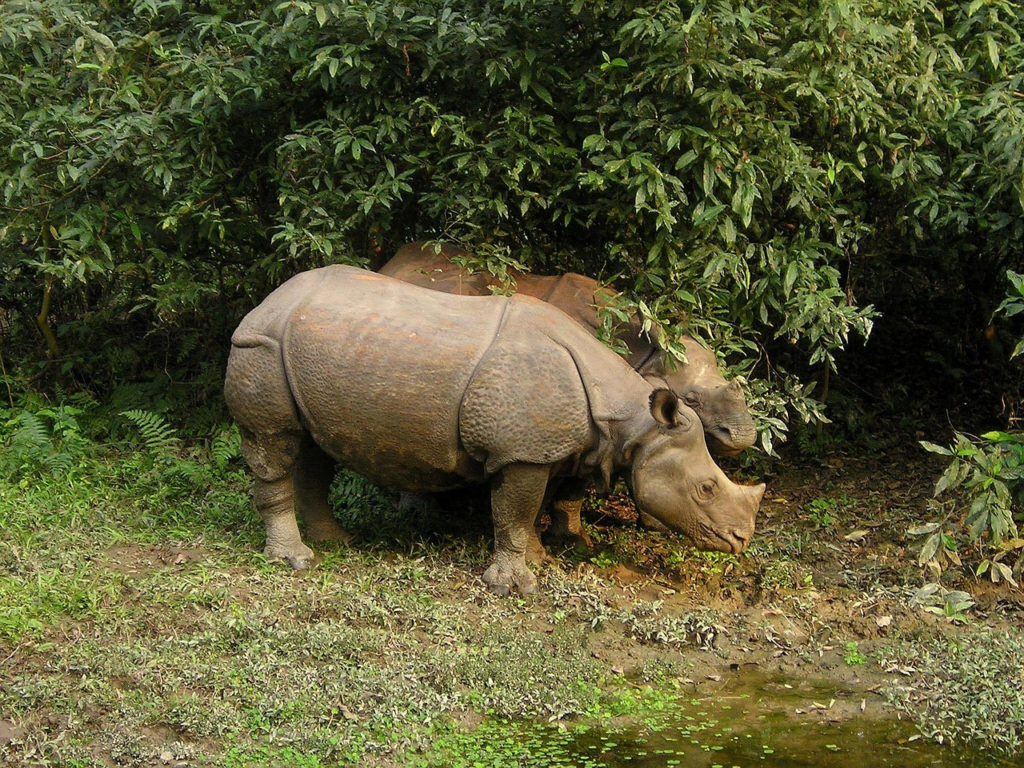
That is often where a Nepal budget changes from “affordable” to “moderate” or even “expensive.”
Typical transport cost in Nepal
| Transport Type | Cost Level | Budget Effect |
|---|---|---|
| Local bus / shared local transport | Low | Keeps daily costs down |
| Tourist bus | Moderate | Better comfort, still manageable |
| Taxi / app ride / short private trip | Moderate | Fine in small amounts, adds up quickly |
| Private car / private transfer | High | Useful for comfort, raises total trip cost fast |
| Domestic flight | High | Saves time, strongly increases budget |
| Jeep to trekking trailhead | Moderate to high | Common extra on trekking itineraries |
Entry fees in Nepal are not the same for every foreign traveler
This is one of the most important things to understand before pricing a trip. At many major cultural sites in Nepal, third-country foreign nationals pay the highest tourist rate, while SAARC visitors usually pay less, and Indian nationals may receive a lower rate or free entry at some sites.
That difference can be small on a single monument visit, but it becomes noticeable when a trip includes several heritage sites, temples, and parks.
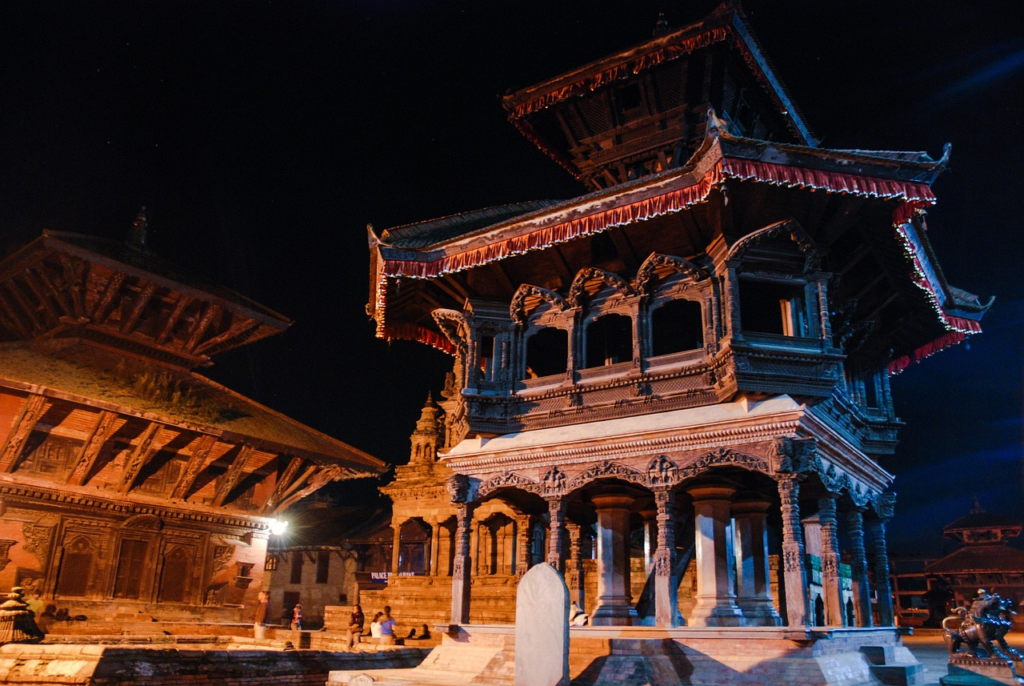
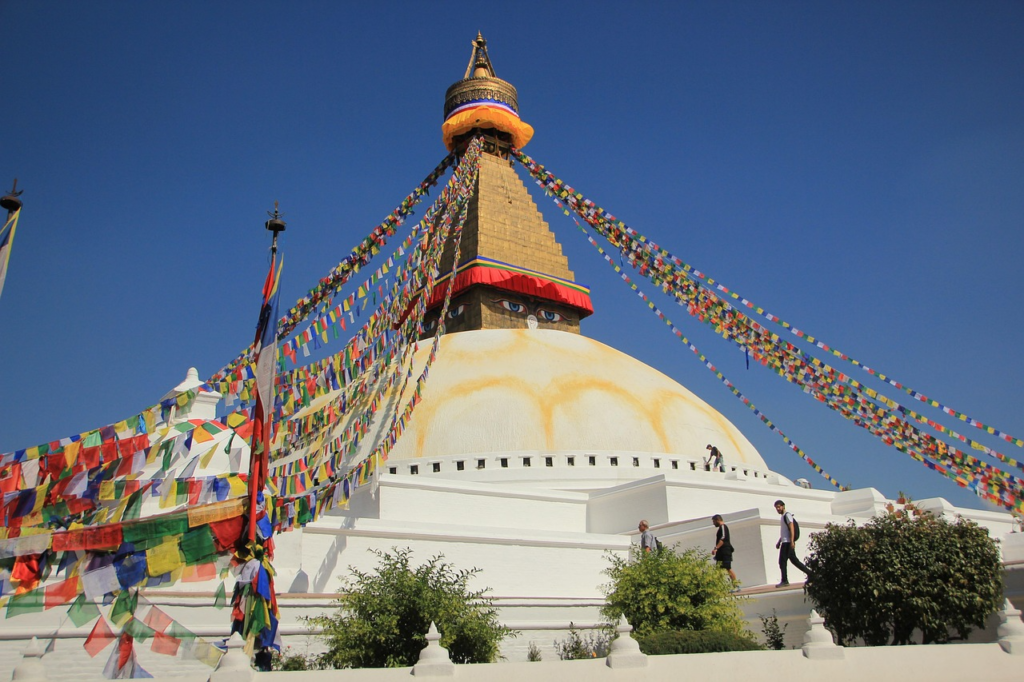
Kathmandu Valley is where many travelers first notice it. Foreign nationals pay more at places such as Kathmandu Durbar Square, Patan Durbar Square, Boudha, and Swayambhu.
Pashupatinath also has a different setup, with Indian nationals receiving free entry.
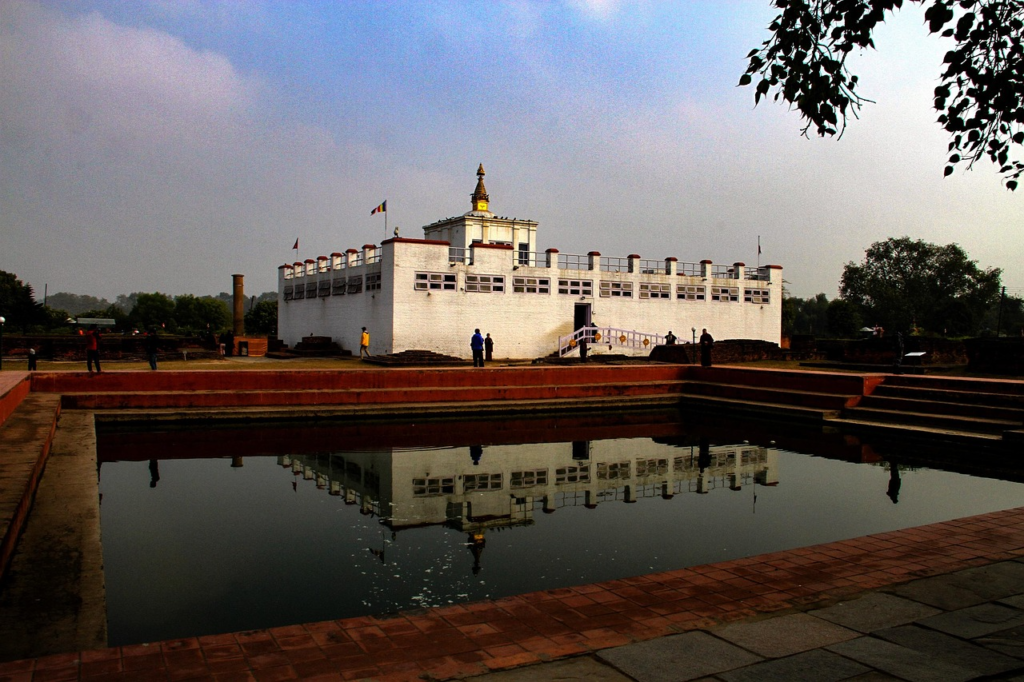
Outside the valley, Lumbini and Chitwan also show the same kind of price separation between foreign visitors and South Asian travelers.
Selected Nepal entry fees for foreigners in 2026
| Site | Foreign Nationals | SAARC / BIMSTEC Nationals | Indian Nationals |
|---|---|---|---|
| Kathmandu Durbar Square | NPR 1,000 | NPR 500 | — |
| Patan Durbar Square | NPR 1,000 | NPR 250 | — |
| Boudha Stupa | NPR 400 | NPR 100 | NPR 400 |
| Swayambhu Stupa | NPR 200 | NPR 50 | — |
| Pashupatinath Temple | NPR 1,000 | NPR 1,000 | Free |
| Lumbini | NPR 700 | NPR 400 | NPR 16 |
Current public tourism fee schedules also note separate park-entry tables for protected areas such as Chitwan National Park.
That means two travelers doing nearly the same Nepal itinerary can still end up with different sightseeing costs based on nationality alone.
For travelers from Europe, North America, Australia, and many other regions, the full foreign tourist rate is usually the one that matters most for budgeting.
For Indians and many South Asian visitors, the total can come out lower over the same trip.
Trekking costs change the whole budget
Trekking is where Nepal stops being only a cheap travel destination and starts becoming a more layered one. The cost of a trek is not just about a bed and a meal.
It is determined by park entry fees, trekking rules, guide requirements, trail transport, food prices in the mountains, gear, tips, and sometimes restricted-area permits.
A traveler building a city budget and a trekking budget in the same way will almost always miss a large part of the real cost.
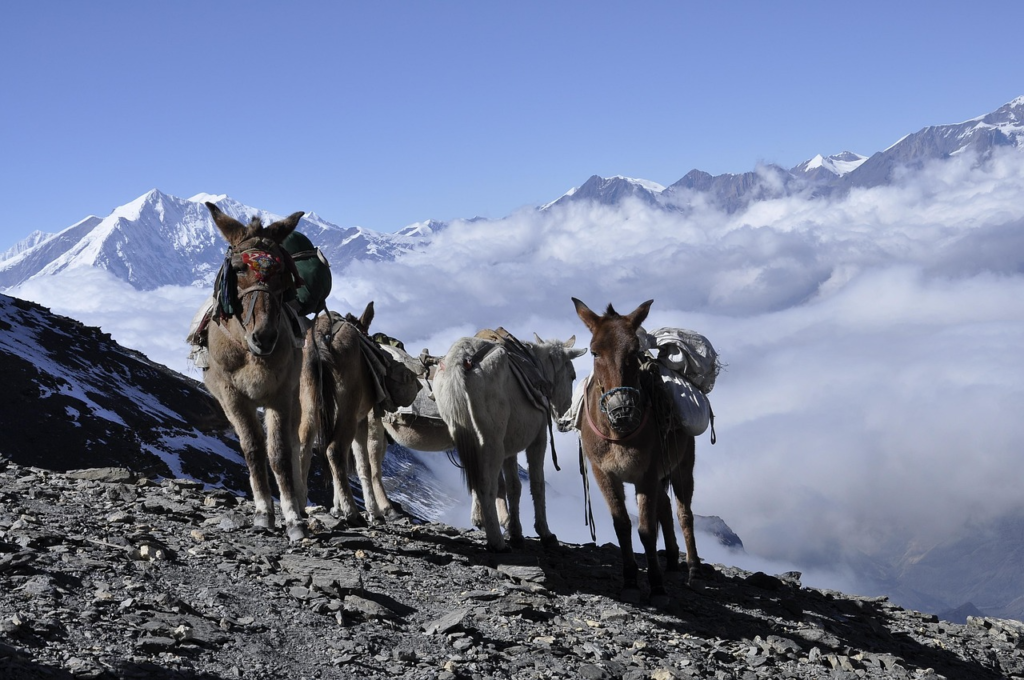
Restricted areas make the difference even furthrr. In the Manaslu area, for example, the current special permit schedule includes US$100 per person per week during September to November, with extra daily charges after the first week.
The lower season costs less, but the route still sits in a very different budget category from easier general trekking areas. That is before trail food, accommodation, guide fees, porter costs, and transport are even added.
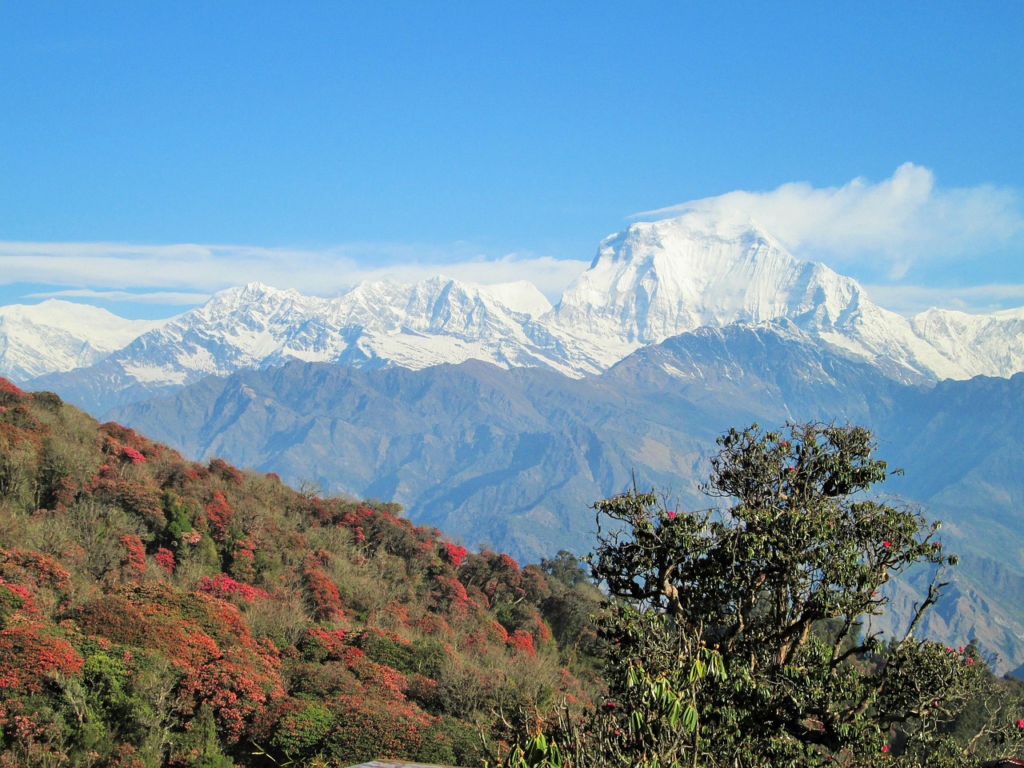
TIMS is another part of the trekking structure. Nepal’s current trekking system continues to route trekkers through official registration and guide-linked systems for many routes, which means the cost of “just going for a trek” is no longer independent as many travelers believe.
In 2026, trekkers need to think in terms of the full trail structure, not only the day-to-day cost on the mountain.
A realistic Nepal trip budget in 2026
A short city-based trip can still be done fairly well on a controlled budget. A traveler spending a week in Kathmandu and Pokhara with budget accommodation, local food, and selective sightseeing can keep costs manageable.
A mid-range traveler doing the same route with private rooms, regular restaurant meals, a few taxis, and more paid attractions will land much higher. Add Chitwan, Lumbini, domestic flights, or a trek, and the total costs shifts again.
The cleanest way to budget Nepal is to separate the trip into parts instead of hunting for one all-purpose number.
Count the visa first. Then price hotels by city and comfort level. Add a daily food estimate. Add transport based on whether the trip relies on buses, ride sharing apps, taxis, or flights. Then add entry fees and trek-related costs separately.
Once those pieces are broken out, Nepal becomes much easier to price honestly.
Simple trip planner
Nepal trip cost for foreigners in 2026 depends on what kind of trip you are building. Budget city travel is still very possible.
Comfortable travel is still good value. Mountain-heavy itineraries, internal flights, private transport, and restricted-area trekking can change the number quickly.
The biggest mistake is not overspending on one luxury hotel; it is underestimating how many small and mid-sized costs stack up once the trip goes beyond a basic Kathmandu stay.
| Cost Area | What to Budget For |
|---|---|
| Visa | Fixed entry cost before arrival |
| Hotels | Varies by city, season, and comfort level |
| Food | Lower in cities, higher on trekking routes |
| Transport | Cheap by bus, much higher by flight or private vehicle |
| Sightseeing | Heritage and park fees often vary by nationality |
| Trekking | Permits, guides, transport, mountain food, and extras |
For most foreign travelers, the smartest approach is planning budget visa, hotels, food, transport, and entry or permit costs separately.
Do that, and Nepal becomes much easier to price properly. Ignore those layers, and even a country known for value can end up costing more than expected