

-
 Duration
22 Days
Duration
22 Days
-
 Difficulty
Challenging
Difficulty
Challenging
-
 Max Elevation
5140m
Max Elevation
5140m
-
 Group Size
1 to 10 People Person
Group Size
1 to 10 People Person
-
 Accommodation
Teahouse/Lodge
Accommodation
Teahouse/Lodge
-
 Start/End
Kathmandu Airport/Kathmandu
Start/End
Kathmandu Airport/Kathmandu
-
 Destination
Kanchenjunga Region
Destination
Kanchenjunga Region
-
 Best Season
March-May and Sep-Nov
Best Season
March-May and Sep-Nov
The Kanchenjunga Circuit Trek is one of the great long-distance treks in Nepal. It takes you around the far-eastern Himalaya, linking the North Base Camp at Pangpema with the South Base Camp viewpoint near Oktang.
It is a long and demanding journey, but that is also what makes it so rewarding. This is not a trek built around one famous viewpoint or one quick mountain moment.
The route shows you two very different sides of Kanchenjunga. It first climbs through the northern valley toward Pangpema, then crosses the high Sele La pass system before dropping into the greener southern side.

By the end, you do not just see Kanchenjunga from one angle. You experience the full scale of the region, from lower villages and forests to glaciers, passes and high mountain viewpoints.
The circuit begins in the lower hills of eastern Nepal, where the trail passes through villages, farms, forests and river valleys. From there, the route slowly moves into wilder and more remote country.
The change does not happen suddenly. It builds day by day, and that slow rise from warm lower valleys to cold alpine terrain is one of the strongest parts of the trek.
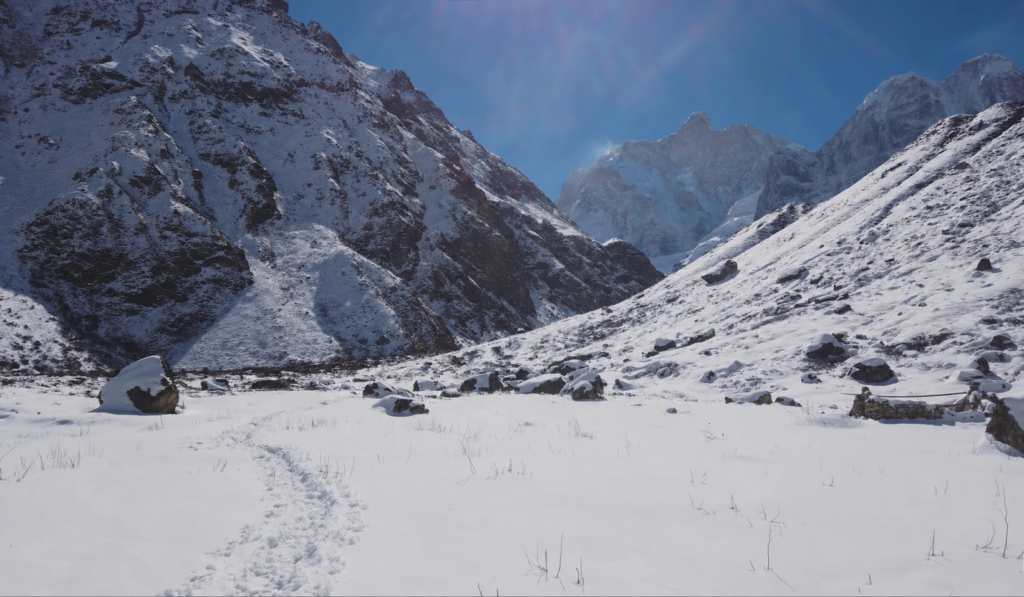
Kanchenjunga is also much quieter than the Everest and Annapurna regions. The trails are less crowded, the villages are smaller, and the whole journey feels more remote.
As the route moves through Sekathum, Amjilosa, Gyabla, Ghunsa, Khambachen and Lhonak, the isolation becomes a real part of the experience.
This is a trek where the days feel earned. You do not reach the high Himalaya quickly, and that is part of what makes the journey feel so complete.

You follow steep forest trails, cross rivers, climb through narrow valleys, and slowly work your way toward the glaciers. That gradual build-up makes the higher sections feel even more powerful.
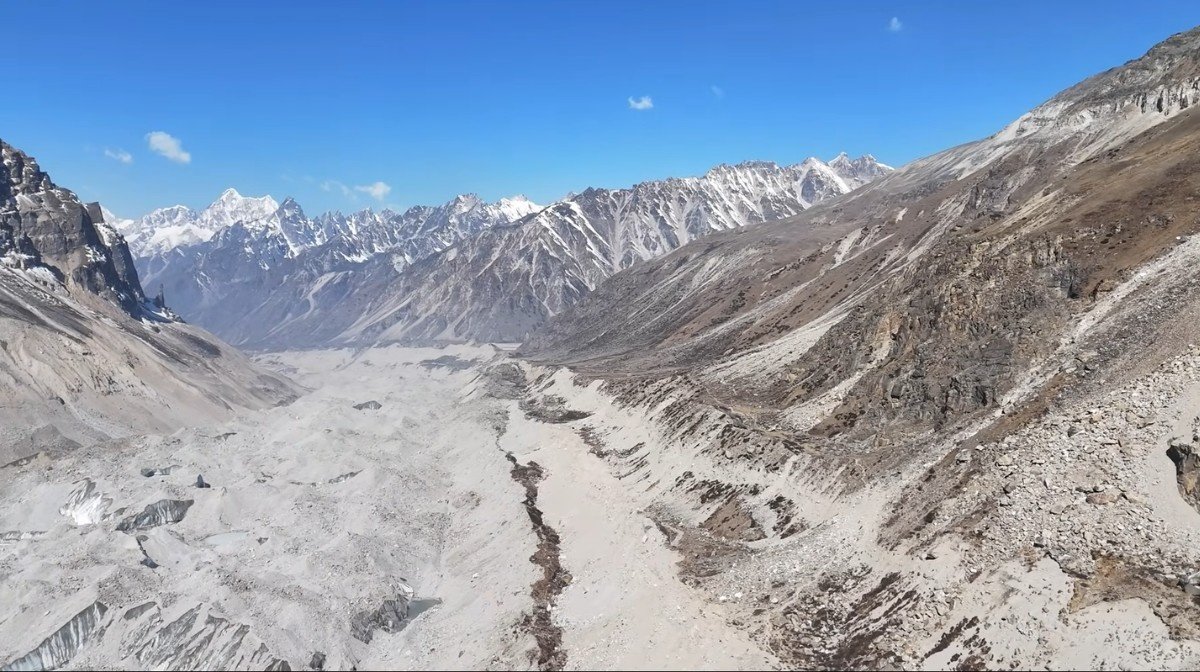
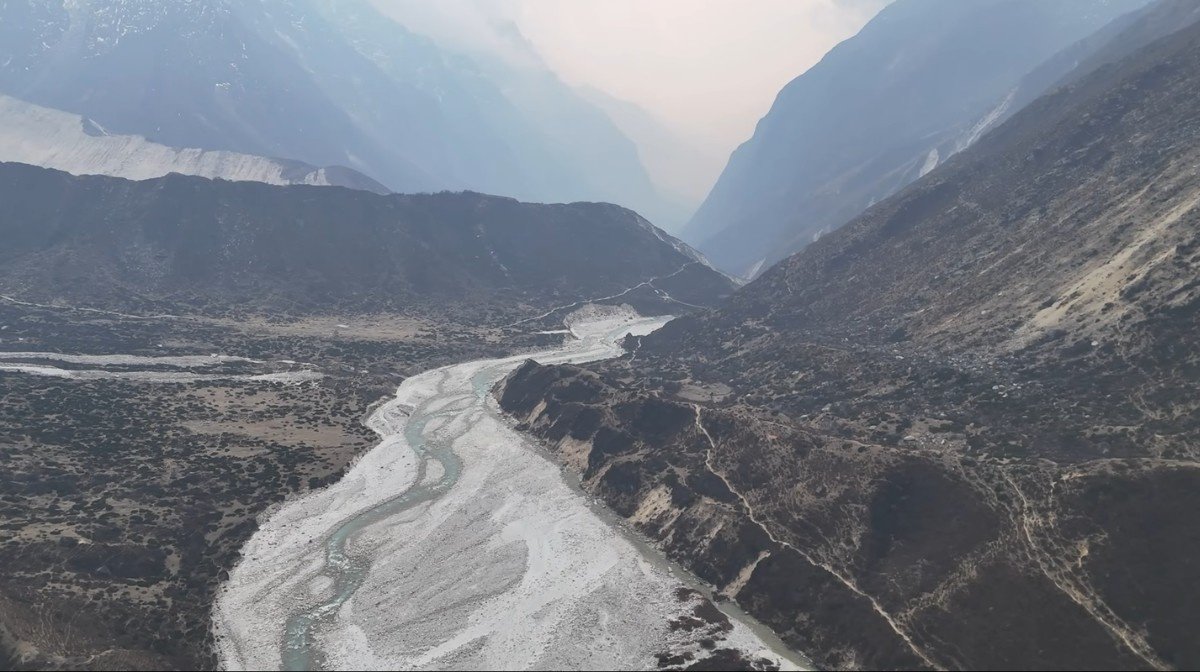
The northern side gives the trek its strong alpine character. After Ghunsa, the landscape begins to change and the route starts to feel colder, wider and more exposed.
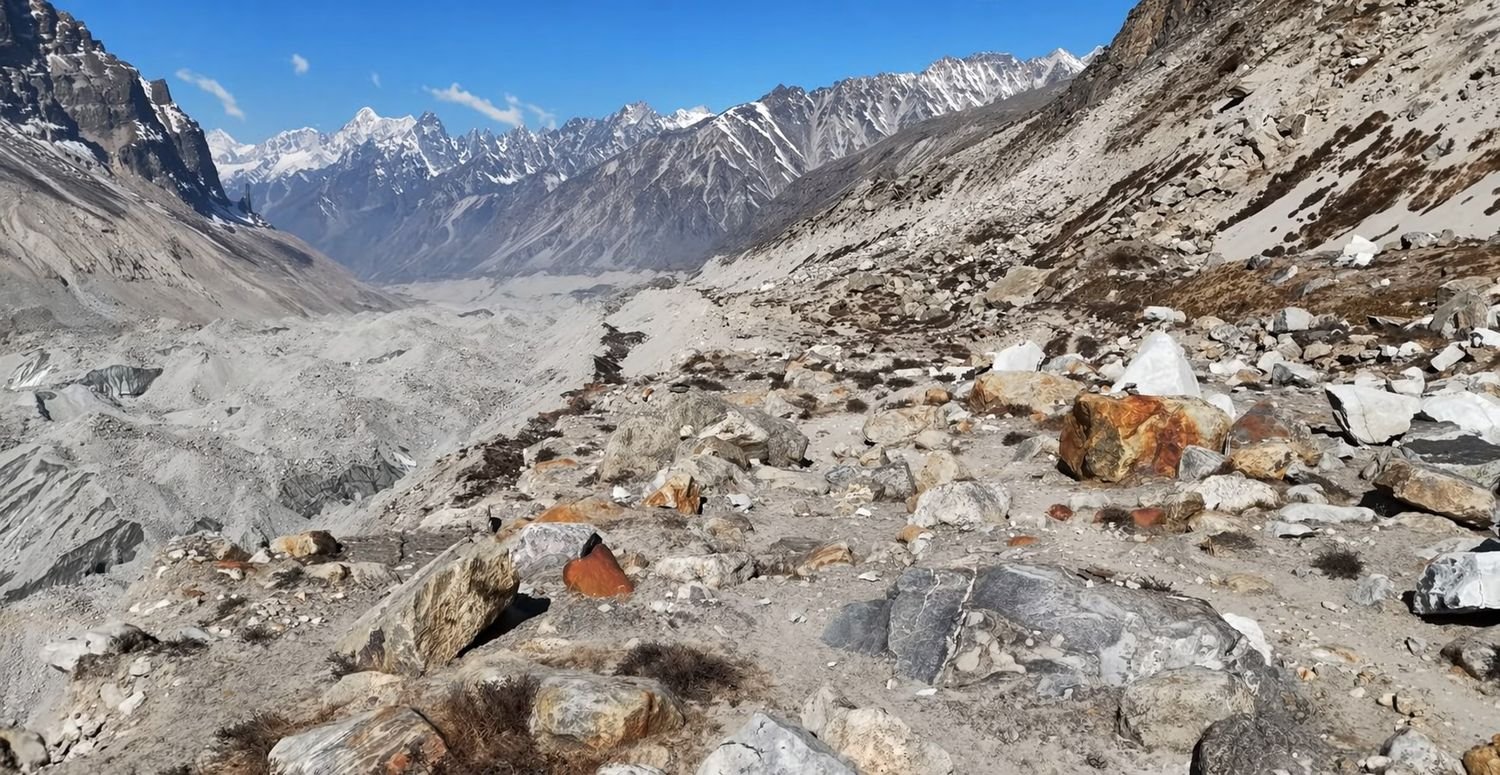
The forest becomes thinner, the valley opens up, and the trail passes through rocky ground, old landslide areas and rough slopes before reaching Khambachen and Lhonak.

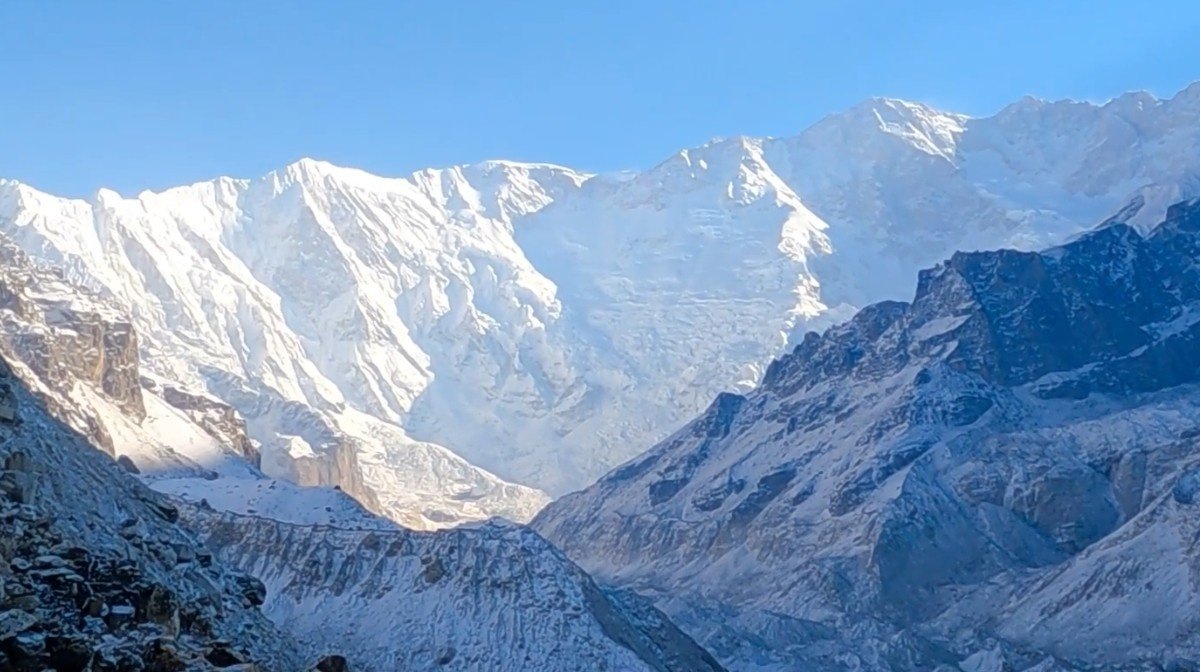
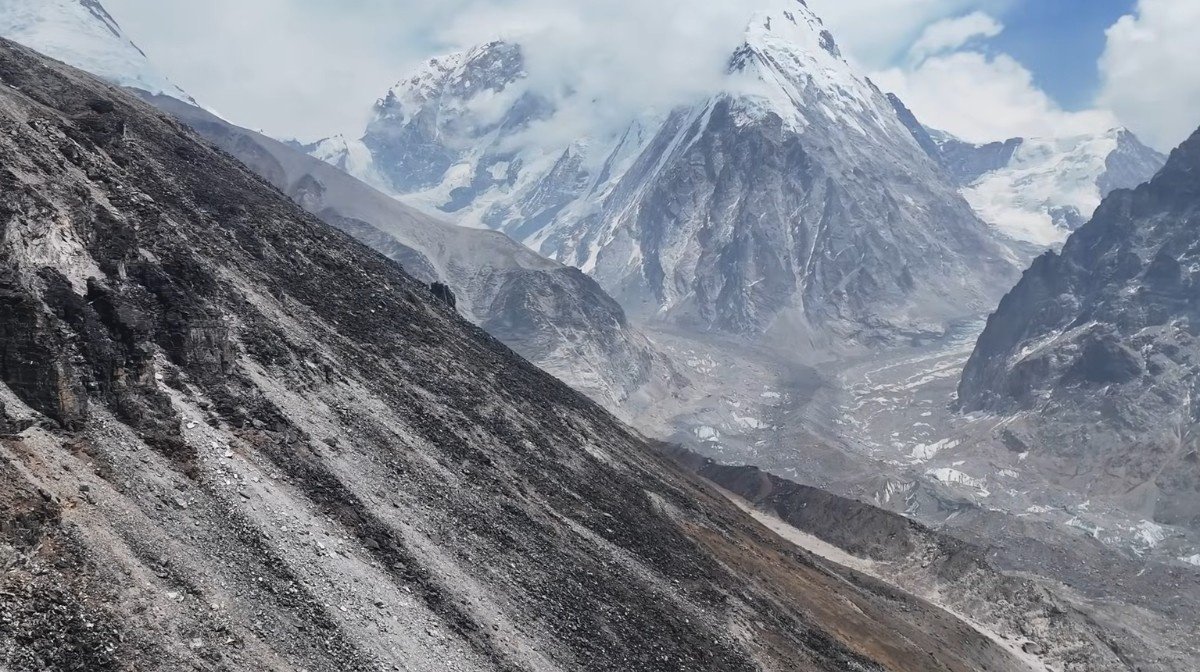
This part of the trek feels raw and serious. Jannu, also known as Kumbhakarna, dominates parts of the approach and gives the northern valley a powerful mountain backdrop.
The higher trail toward Lhonak can also give views of Wedge Peak, Nepal Peak, Mera Peak and the Twins. The scenery here is more about rock, ice, wind and huge mountain walls.
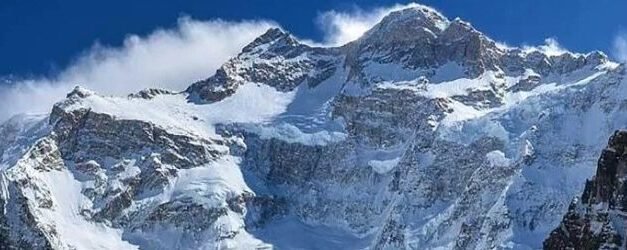
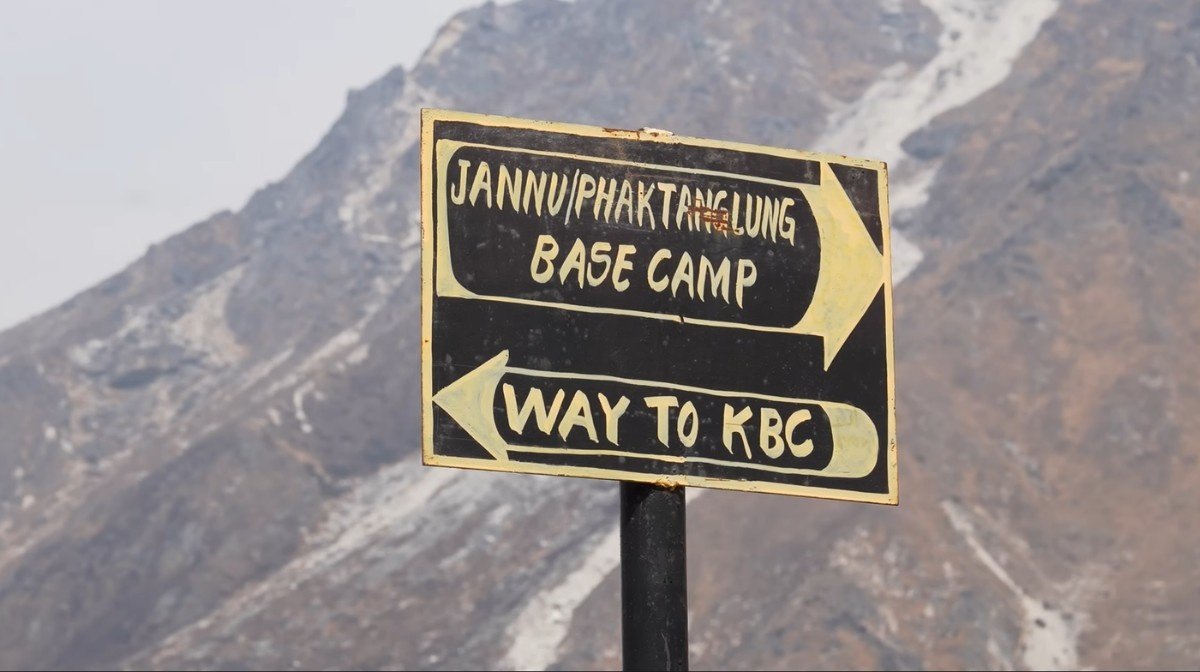
Pangpema, the North Base Camp of Kanchenjunga, is the main highlight on this side. It is reached from Lhonak and is usually the highest point of the trek at around 5,143 meters.
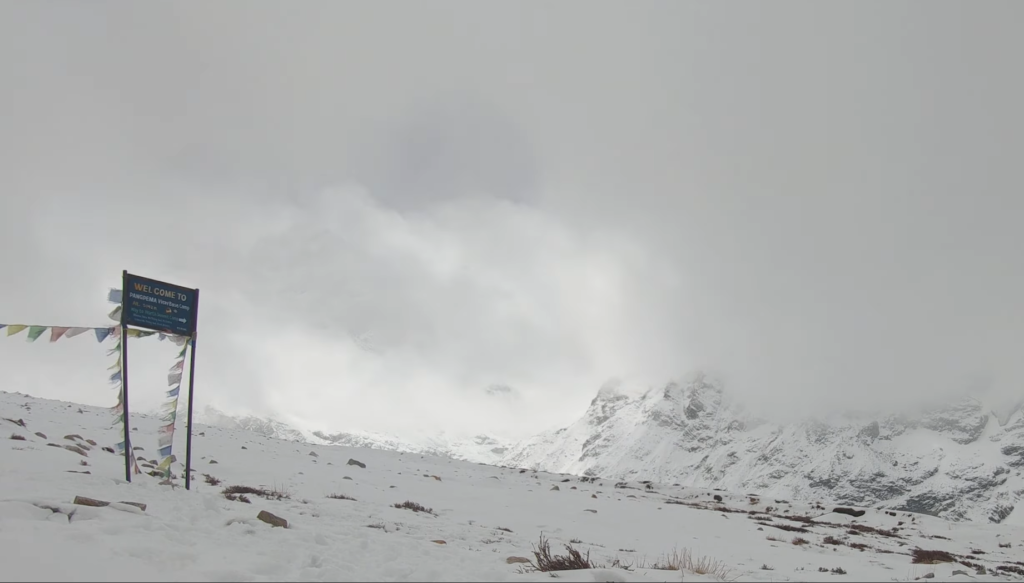
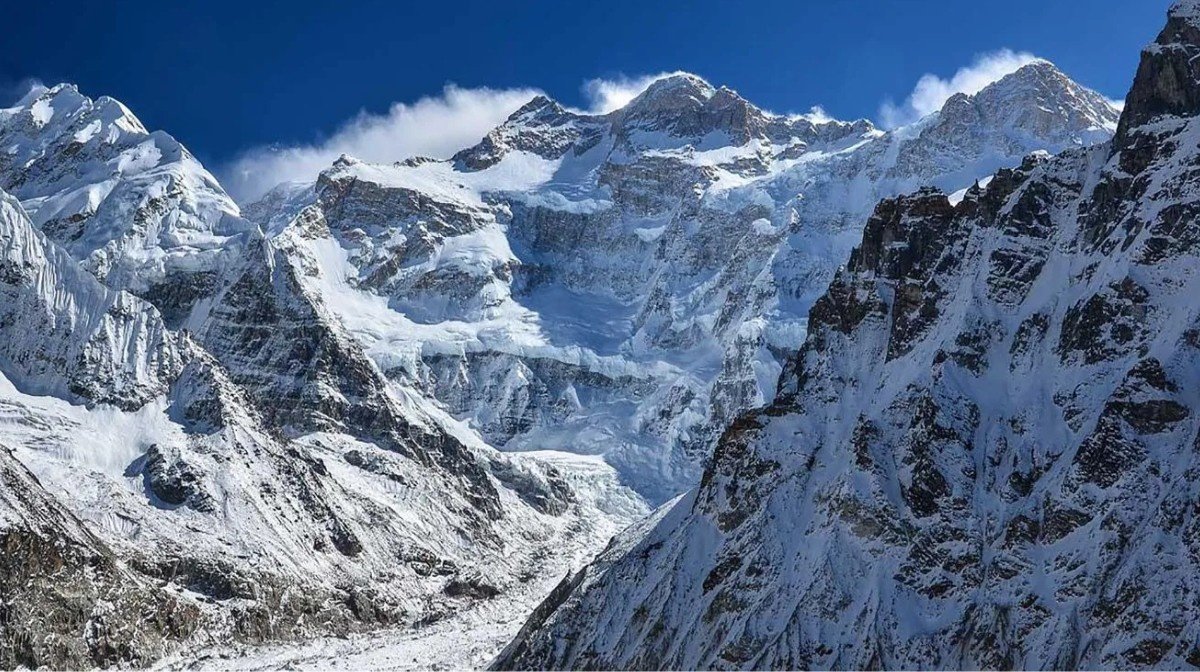
The walk to Pangpema follows rough high-altitude ground beside the glacier. It is a demanding day, but the reward is one of the finest close views of Kanchenjunga’s north face.
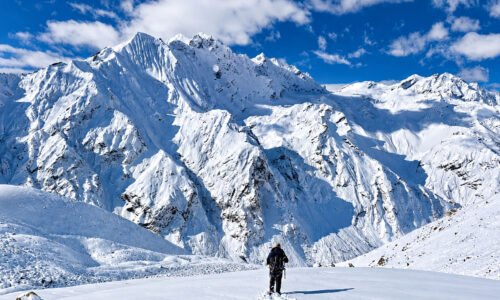
At Pangpema, the mountain feels close and serious. The north face rises above the basin, while the whole upper valley feels cold, open and dramatic.

Reaching this point feels like a real achievement. It comes after several days of climbing, acclimatizing and moving through some of the most remote country on the route.
After Pangpema, the trek changes again. The route leaves the northern valley and crosses toward the southern side through the Sele La, Mirgin La and Sinion La pass system.

This section is long and tiring, but it is also one of the most memorable parts of the circuit. It connects two very different mountain environments in one journey.
From the high passes, the views can include Kanchenjunga, Jannu, Makalu and, on a very clear day, even Everest from certain points. The scenery feels wide, high and lonely.
As the trail drops toward the southern valley, the mood of the trek begins to change. The air feels softer, the hills become greener, and the route moves toward the Yalung side of the mountain.
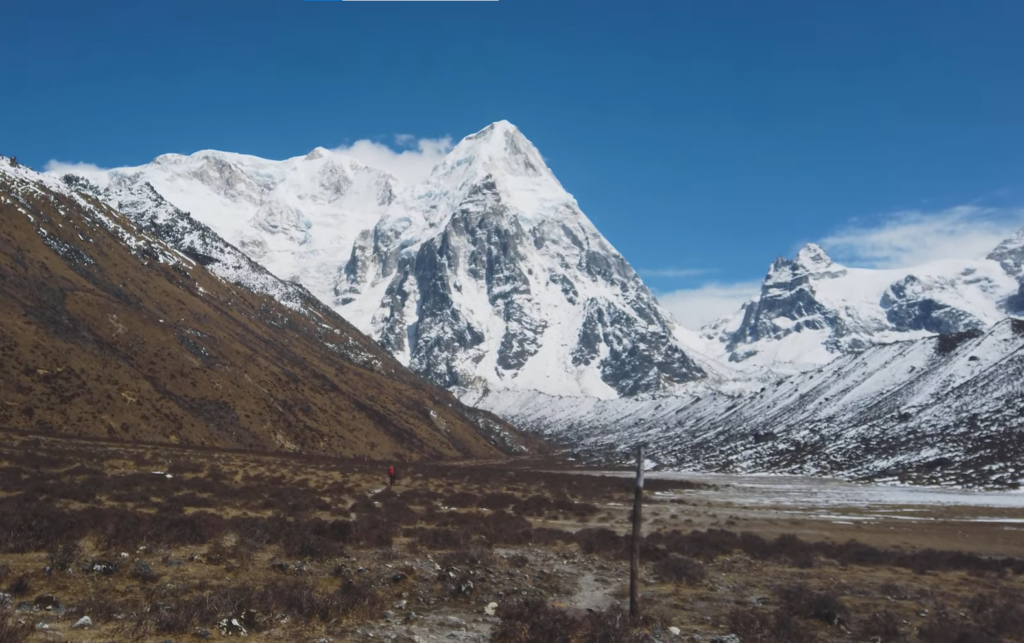
The southern side has a different beauty from the north. It is greener, gentler in places and more varied, but the upper viewpoint day still feels wild and high Himalayan.
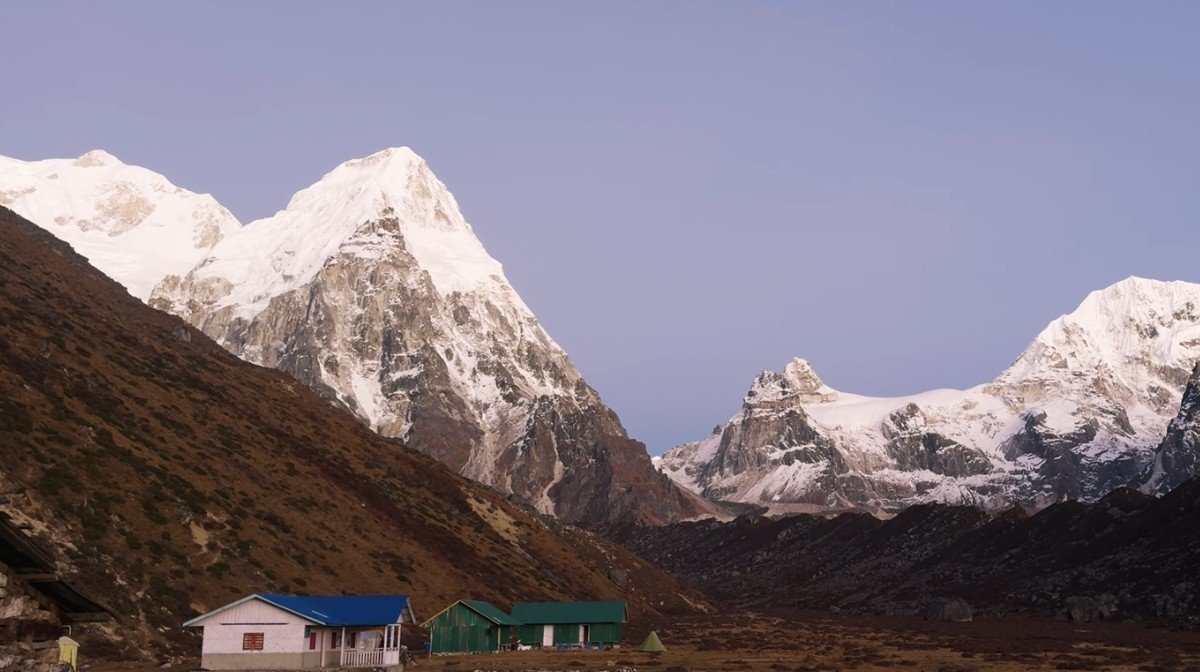
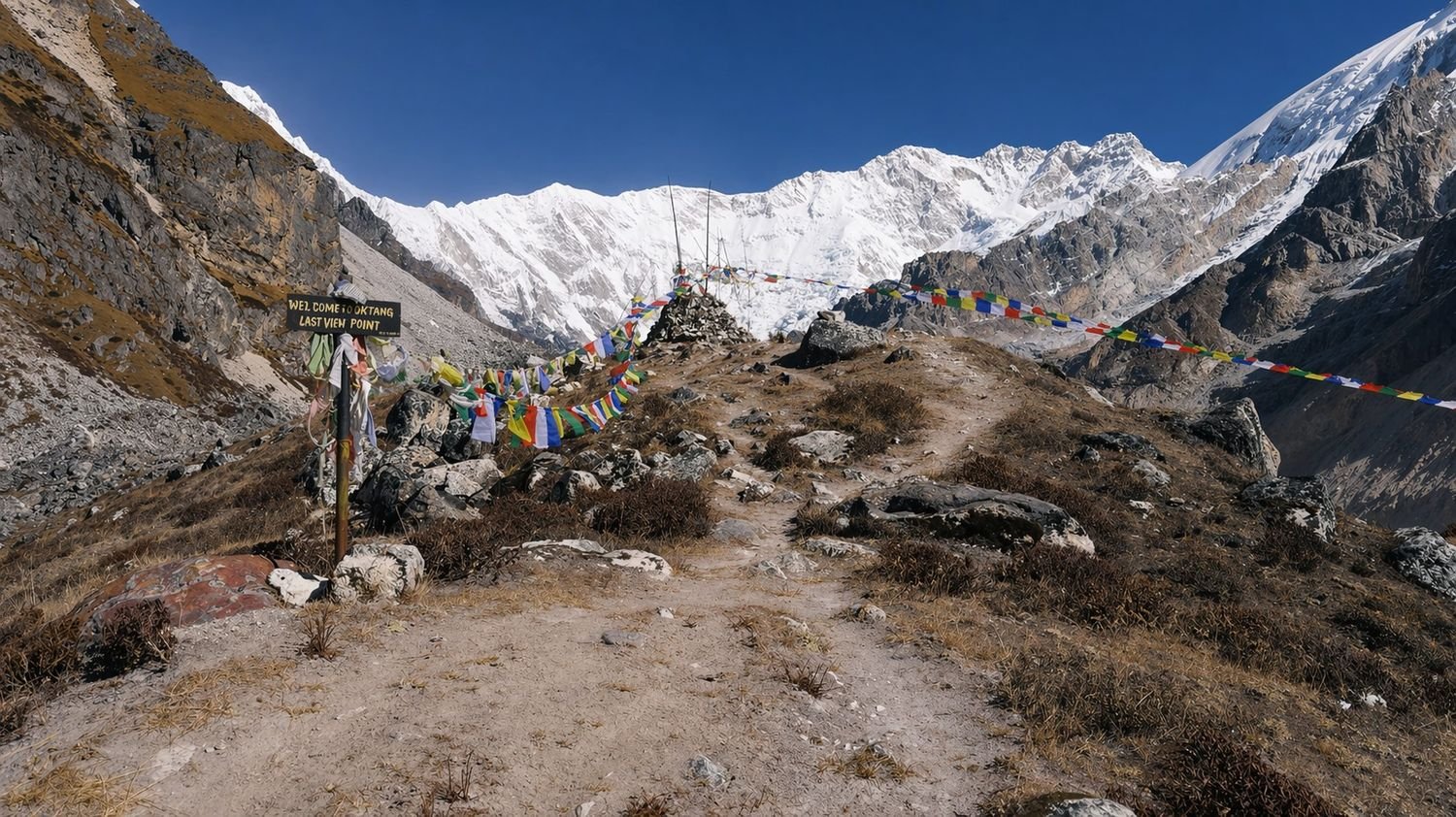
From Tseram, Ramche and Oktang, the trail leads toward the Yalung Glacier basin and the South Base Camp viewpoint area. This section gives a dramatic view of Kanchenjunga from the south.
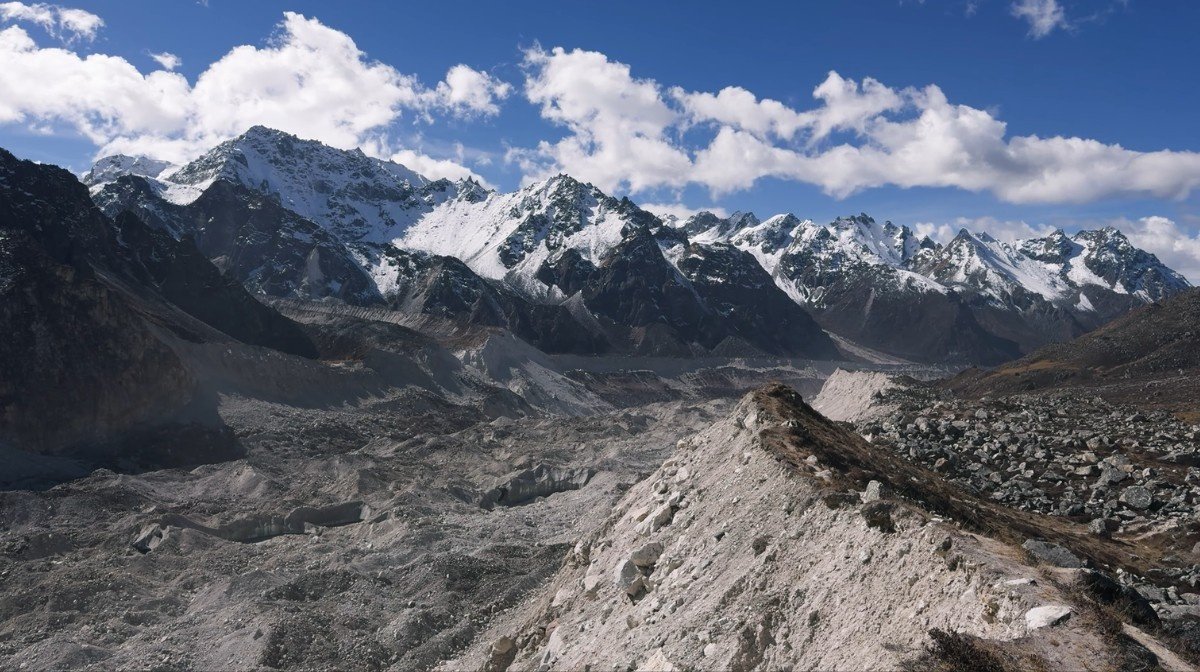
The scenery includes glacier valleys, moraine ground, open flats and a huge mountain backdrop. It feels different from Pangpema, but it is just as impressive in its own way.

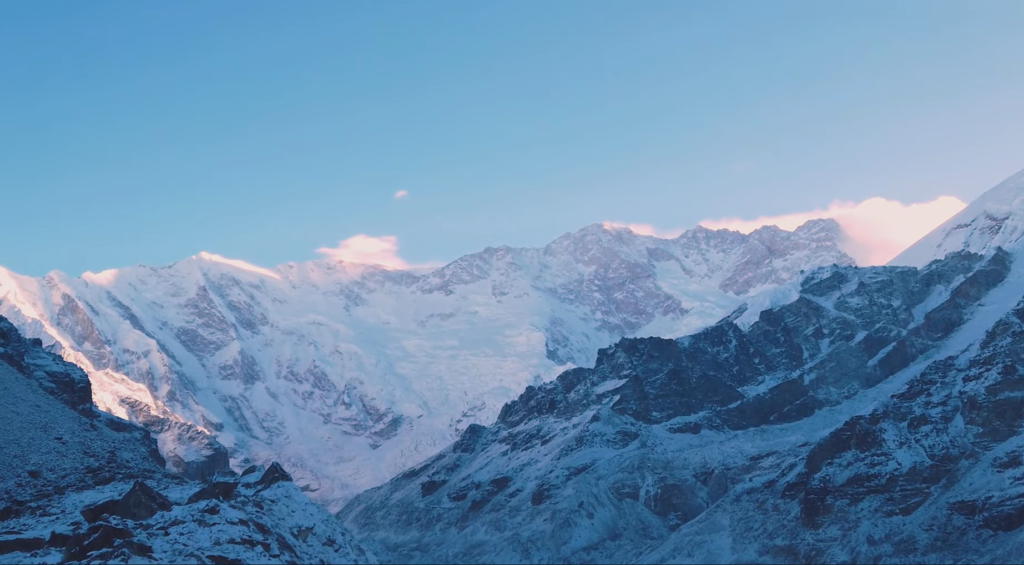
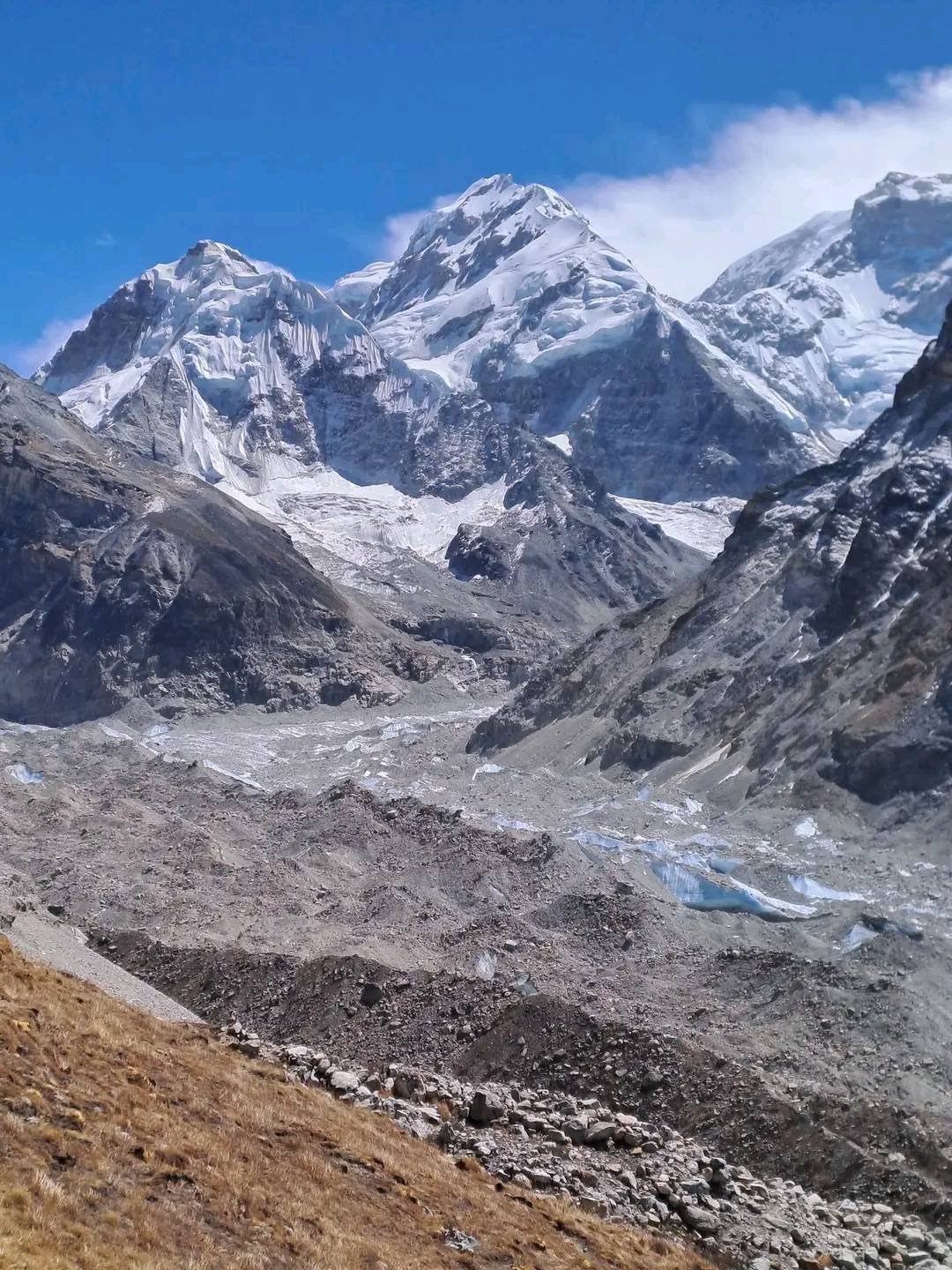
From the Oktang viewpoint, trekkers may see Kanchenjunga Main, Yalung Kang, Kanchenjunga Central and Kanchenjunga South. Other major peaks include Kabru, Rathong, Talung and Koktang.
For many trekkers, the south side gives one of the best glacier views in the whole Kanchenjunga region. The lower trail is greener, but the upper valley still feels wild and dramatic.
The cultural side of the circuit also adds a lot to the trek. This is not a route through just one community or one type of village.

The trail passes areas connected with Limbu, Rai, Sherpa and Tibetan-influenced communities. That mix gives the journey more depth than a simple up-and-down valley trek.
In the lower areas, you walk past cardamom farms, terraced fields, forests and village homes. As the trail climbs higher, the settlements become smaller and more seasonal.
Prayer flags, monasteries, yak pastures and stone lodges become more common in the higher sections. That slow change from farming villages to alpine settlements is one of the quiet strengths of the circuit.

The trek lies inside the Kanchenjunga Conservation Area in Taplejung district. The protected area was created in 1998 and covers 2,035 square kilometres.
This is one of Nepal’s major mountain conservation zones. It includes forests, glaciers, high peaks, river valleys and a wide range of wildlife habitats.
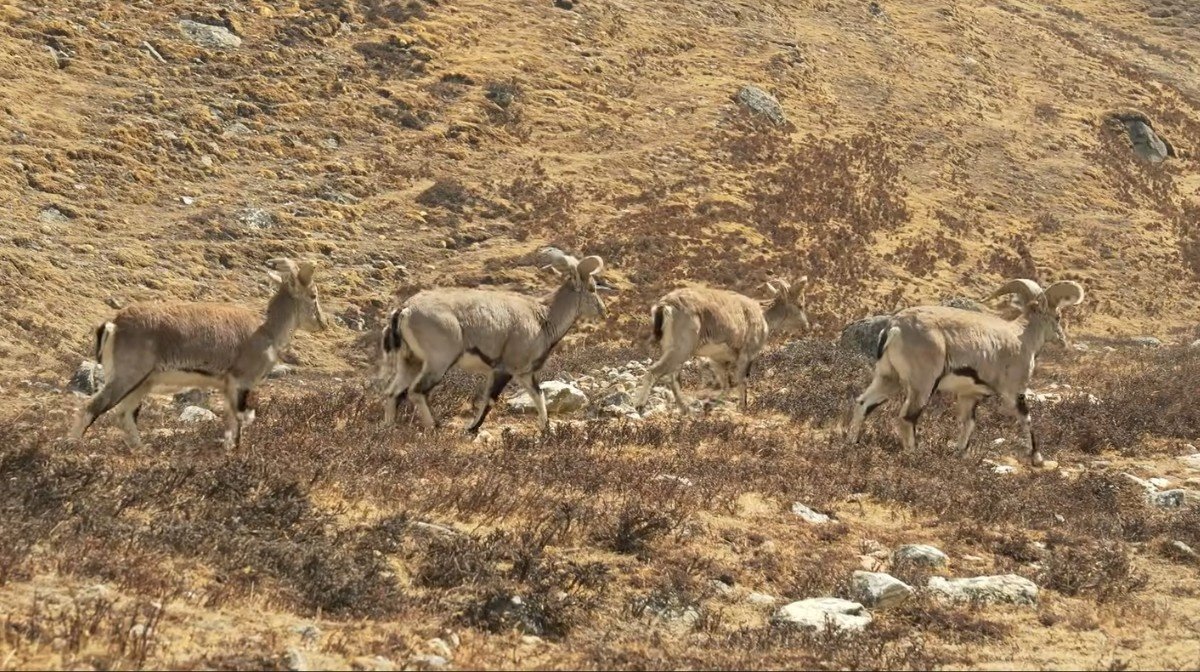
The area is linked with wildlife such as snow leopard, red panda, Himalayan black bear, musk deer, blue sheep and more than 250 bird species.
You may not see these animals during the trek, but the richness of the landscape is easy to notice. The vegetation changes again and again as the route gains and loses height.
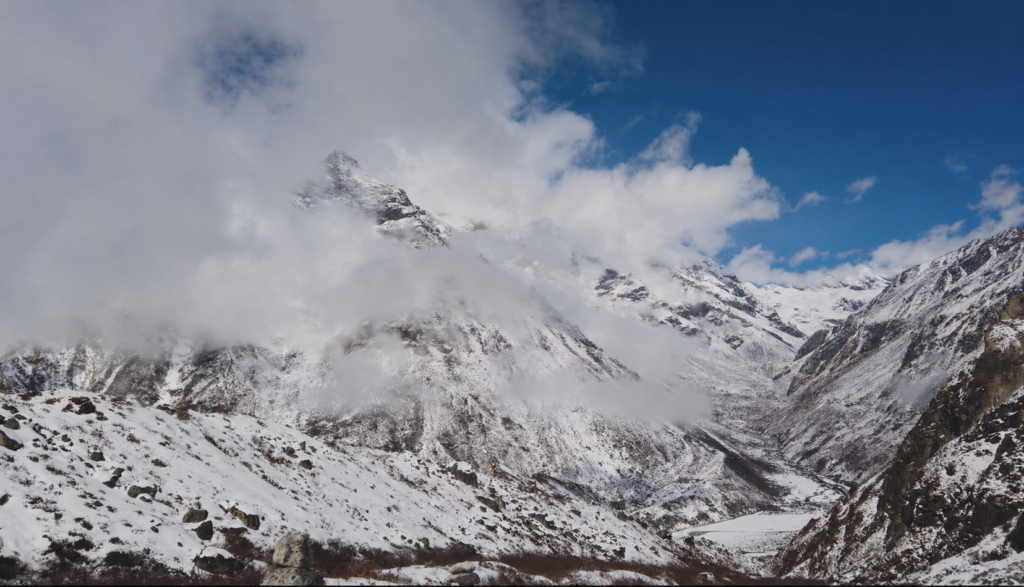
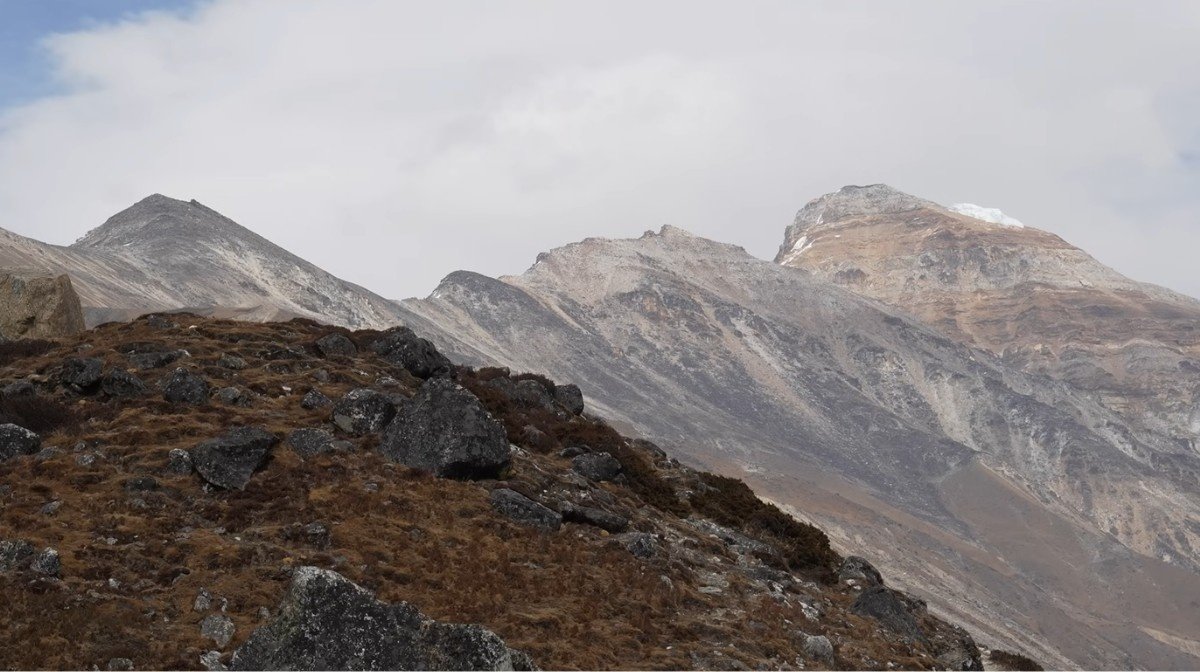
Warm lower forests slowly give way to rhododendron, alpine scrub, rocky valleys and finally glacier country. This constant change is one of the defining visual features of the trek.

This is not an easy trek. It is not technical, but it is long, remote and physically demanding, so it is not the best choice for a simple first Himalayan trek.
The walk to Pangpema, the return from Lhonak, the high pass crossing and the South Base Camp side all require stamina. Good pacing and acclimatization matter a lot here.
Still, that difficulty is part of the reward. The Kanchenjunga Circuit feels special because it asks more from the trekker and gives more back in return.

A 22-day itinerary usually covers around 180 kilometres, depending on the exact route.
That is why distances can vary from one itinerary to another. The important point is that this is one of Nepal’s great remote long-distance teahouse treks.
The best time to trek the Kanchenjunga Circuit is spring and autumn. March to May and September to November usually offer clear skies, safer trail conditions and better mountain views.
The main route now has teahouses and lodges, so the trek is more accessible than it used to be. Even so, lodges in the remote sections are basic, and trekkers should be ready for simple rooms and limited facilities.
This 22-day version works well because it gives the journey enough time to develop. It includes arrival, preparation, the northern build-up, Pangpema, the high passes, the southern base camp side and the return to Kathmandu.
That structure keeps the trek manageable without rushing the scale of Kanchenjunga. It lets the route breathe, and that is important on a circuit this long, remote and rewarding.
Trip Highlights
- Reach both major viewpoints of the region in one journey, with Pangpema (5143 m) on the north side and Oktang (4730 m) on the south side included in the same circuit.
- Enjoy mountain views that can include Jannu, Makalu, Everest, Wedge Peak, Nepal Peak, Kabru, Rathong, Talung, and Koktang at different stages of the route.
- Trek inside the Kanchenjunga Conservation Area, one of Nepal’s richest protected and remote mountain landscapes.
- Reach Pangpema, the North Base Camp viewpoint, where the north face of Kanchenjunga rises dramatically and the upper valley opens to peaks such as Wedge Peak, Nepal Peak, Mera Peak, the Twins, and Jannu.
- Cross the Sele La, Mirgin La, and Sinion La system, one of the best sections of the circuit, and enjoy views of Kanchenjunga, Jannu, Makalu, and on very clear days even Everest.
- Explore the Yalung Glacier side around Ramche and Oktang, with close views of Kanchenjunga’s south face and peaks like Kabru, Rathong, Koktang, and Simvo.
- Trek through villages and trails connected with Limbu, Rai, Sherpa, and Tibetan-influenced communities across different parts of the circuit.
- Follow one of Nepal’s most complete remote teahouse routes, crossing from the northern glacier valleys to the southern Yalung side instead of returning the same way.
- Experience both sides of Kanchenjunga in one trek, from the harsher high-altitude north valley and rugged glacier terrain to the greener, softer southern side through forests, rivers, and village trails.
- Stay in teahouses run by locals, enjoy heartwarming meals including dal bhat, wrap the challenging yet fulfilling journey in Nepal's one of the remote trekking regions through the tea hills of Kanyam, which gives the circuit a softer and more scenic exit after the remoter mountain days.
Kanchenjunga Circuit Trek – 22 Days ~ Itinerary
Day 1
Arrival at TIA - Welcome to Nepal
- Altitude: 1,350 m
- Accommodation: Standard Three Star Hotel in Thamel
Welcome to the Capital of Nepal. After the landing, one of our members will transfer you to hotel in Thamel, Kathmandu. You can enjoy rest of the day strolling around Basantapur area, enjoy local snacks or simply rest.
Day 2
Rest Day at Kathmandu
- Altitude: 1350 m
- Meal: Breakfast, Lunch and Dinner
- Accommodation: Standard Three Star Hotel in Thamel
As you are heading to a lengthy journey, exceeding three weeks this day is especially kept for preparation, rest, gear checks, permits briefing and everything you need to know about the Kanchenjung Circuit Trek. If you have time you can explore the Thamel area or head to UNESCO sites in Kathmandu.
Day 3
Morning flight to Bhadrapur, then drive to Taplejung
- Max altitude: 1442 m
- Flight Duration: 45 to 50 minutes
- Travel Duration: 8-9 hours
- Travel Distance: 241
- Meal: Breakfast, Lunch and Dinner
- Accommodation: Teahouse in Taplejung
An early flight takes you from Kathmandu to Bhadrapur in the southeastern lowlands of Nepal. From there, the road heads up through the eastern hills toward Taplejung, the main gateway to the Kanchenjunga region.
Day 4
Drive from Taplejung to Sekathum
- Max altitude: 1820 m
- Travel Duration: 4-5 hours
- Travel Distance: 40 km
- Meal: Breakfast, Lunch and Dinner
- Accommodation: Teahouse in Sekathum
Today’s drive follows rough mountain roads into the valley toward Sekathum, the point where the real trekking atmosphere starts to take over. The route passes river sections, hillsides, small settlements, and the corridor of the Kanchenjunga region, where the Tamor and Ghunsa river systems shape the landscape.
Day 5
Trek from Sekathum to Amjilosa
- Max altitude: 2898 m
- Trek Duration: 5-6 hours
- Trek Distance: 7-9 km
- Meal: Breakfast, Lunch and Dinner
- Accommodation: Teahouse in Amjilosa
The trek begins properly today from Sekathum. The trail follows the Ghunsa Khola, crosses several suspension bridges towards Amjilosa, a small Tibetan-influenced settlement. Along the way, the route passes places such as Jonggim and Ghaiyabari, where the trek starts to feel narrow and more remote.
Day 6
Trek from Amjilosa to Gyabla
- Max altitude: 2725 m
- Trek Duration: 4-5 hours
- Trek Distance: 8 km
- Meal: Breakfast, Lunch and Dinner
- Accommodation: Teahouse in Gybala
From Amjilosa, the trail starts through forest and a greener section of the valley. The route follows the Ghunsa Khola through bamboo, rhododendron, and mixed woodland before reaching Gyabla, also known as Kyapra, a quiet Tibetan-style village in a more open part of the valley.
Day 7
Trek from Gyabla to Ghunsa
- Max altitude: 3415 m
- Trek Duration: 6-7 hours
- Trek Distance: 11 km
- Meal: Breakfast, Lunch and Dinner
- Accommodation: Teahouse in Ghunsa
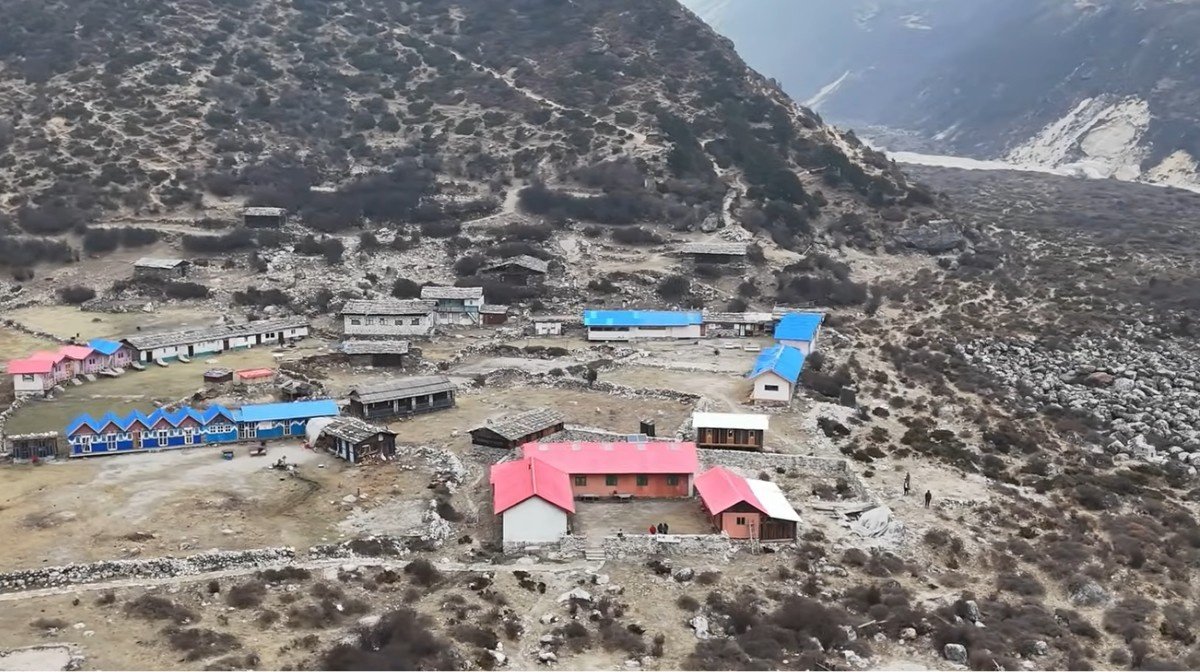
The trail to Ghunsa is one of the most scenic lower-valley days of the circuit. It moves through forest, crosses streams and bridges, and passes Phale, a Tibetan refugee settlement, before climbing into Ghunsa, one of the most important villages on the trek. Ghunsa has a strong Sherpa and Tibetan-influenced mountain feel, with prayer flags, monasteries, and better facilities than the smaller stops below.
Day 8
Trek from Ghunsa to Khambachen
- Max altitude: 4145 m
- Trek Duration: 6-7 hours
- Trek Distance: 10-11 km
- Meal: Breakfast, Lunch and Dinner
- Accommodation: Teahouse in Khambachen
After Leaving Ghunsa, the trail grows more open and alpine. The route follows the river through pine and juniper, crosses old landslide sections, and enters harsher terrain below the mountain walls around Khambachen. This is also one of the best days for views of Jannu or Kumbhakarna, which dominates much of the northern side.
Day 9
Rest and acclimatization day in Khambachen
- Max altitude: 4145 m
- Trek Duration: 3 to four hours
- Trek Distance: custom to match acclimatization
- Meal: Breakfast, Lunch and Dinner
- Accommodation: Teahouse in Khambachen
This is an important day to reset and acclimatize. You can go out for a short walk above the village to help your body adjust to the altitude or enjoy surroundings of the mountains closer. Rest days are especially important on the circuit because the route still climbs significantly from here toward Lhonak and Pangpema.
Day 10
Trek from Khambachen to Lhonak
- Max altitude: 4792 m
- Trek Duration: 5-6 hours
- Trek Distance: 9-10 km
- Meal: Breakfast, Lunch and Dinner
- Accommodation: Teahouse in Lhonak
The trail to Lhonak follows the upper valley though the rocky, glacial terrain and extremely plain ground. Along the way you will pass Ramtang and landslide-prone areas. By the time you reach Lhonak, you will find yourself deep inside the mountain zone.
Day 11
Hike to Kanchenjunga North Base Camp at Pangpema and return to Lhonak
- Max altitude: 5143 m
- Trek Duration: 7-8 hours
- Trek Distance: 8-9 km
- Meal: Breakfast, Lunch and Dinner
- Accommodation: Teahouse in Lhonak
Today you reach the highest point of the Kanchenjunga circuit trek. From Lhonak, the trail follows the side of the glacier toward Pangpema, the North Base Camp viewpoint of Kanchenjunga. The terrain is rough and high as expected, but it blesses you with the great mountain view of Kanchenjunga’s north face, Wedge Peak, Tent Peak, Nepal Peak, The Twins, and more. After spending time at Pangpema, you return to Lhonak for the night.
Day 12
Trek from Lhonak to Ghunsa
- Max altitude: 4792 m
- Trek Duration: 7-8 hours
- Trek Distance: 20 km
- Meal: Breakfast, Lunch and Dinner
- Accommodation: Teahouse in Ghunsa
Today is a long ad hectic descent day back through the north valley. You pass through Khambachen again by entering the greener locality before reaching Ghunsa. The legs can be tiring, but your lungs will definitely fell better given the lo elevation.
Day 13
Trek from Ghunsa to Sele Le Base Camp
- Max altitude: 4240 m
- Trek Duration: 5-6 hours
- Trek Distance: 10-11 km
- Meal: Breakfast, Lunch and Dinner
- Accommodation: Teahouse in Sele Le Base Camp
The circuit now leaves the north valley and turns toward the pass system that connects the trek to the south side. The climb to Sele Le Base Camp moves through forest, stone trail, and increasingly open ground.
Day 14
Trek from Sele Le Base Camp to Tseram via Sele La, Mirgin La, and Sinion La
- Max altitude: 4646 m
- Trek Duration: 8-10 hours
- Trek Distance: 12 km
- Meal: Breakfast, Lunch and Dinner
- Accommodation: Teahouse in Tseram
This is probably the hardest day of the trek, but rewarding at the same time due to exceptional views. The trail crosses the Sele La system, including Mirgin La and Sinion La, before descending into the Yalung valley toward Tseram. On clear days, the pass section can open to views of Kanchenjunga, Jannu, Makalu, and even Everest from the highest points.
Day 15
Trek from Tseram to Ramche
- Max altitude: 4610
- Trek Duration: 3-4 hours
- Trek Distance: 7 km
- Meal: Breakfast, Lunch and Dinner
- Accommodation: Teahouse in Ramche
The walk to Ramche is relatively easier and shorter, but the scenery becomes more beautiful as you ascend. On the journey to South Base Camp side, you will get through upper valley, glacial terrains, and get improved views of the mountains across.
Day 16
Hike to Oktang, explore the Yalung Glacier and South Base Camp side, then return to Tseram
- Max altitude: 4730 m
- Trek Duration: 6-7 hours
- Trek Distance: 14 km round trip
- Meal: Breakfast, Lunch and Dinner
- Accommodation: Teahouse in Tseram
Today is the south-side highlight of the circuit. The route heads from the Ramche–Tseram area toward Oktang, the main South Base Camp viewpoint, where you get to enjoy the views of Yalung Glacier basin and the south face of Kanchenjunga. This section is known for close mountain scenery and, on clear days, views of several of Kanchenjunga’s main summits together with nearby peaks such as Kabru, Rathong, and Koktang are visible. After exploring the viewpoint area, the you returnn to Tseram for the night.
Day 17
Trek from Tseram to Tortong
- Max altitude: 3870 m
- Trek Duration: 6-7 hours
- Trek Distance: 13 km
- Meal: Breakfast, Lunch and Dinner
- Accommodation: Teahouse in Tortong
The descent begins from upper Yalung valley, passing through greener forest, rhododendron section, all the way to river corrdidor before reaching Tortong. It is a riverside stop, a beautiful relaxation stop to get breezy air and rest by the night.
Day 18
Trek from Tortong to Yamphudin
- Max altitude: 2080 m
- Trek Duration: 6-7 hours
- Trek Distance: 9 km
- Meal: Breakfast, Lunch and Dinner
- Accommodation: Teahouse in Yamphudin
Today’s walk continues down through lower forest, village trail, and cultivated hill country. The route passes areas such as Lasiya or Lamite Bhanjyang on the way toward Yamphudin, one of the larger settlements on the south side of Kanchenjunga. By the time you reach there you will notice huge difference in surroundings going from the glacier basin to back toward the warmer lower hills,
Day 19
Drive from Yamphudin to Kanyam
- Max altitude: 1210 m
- Travel Duration: 7-8 hours
- Travel Distance: 75 km
- Meal: Breakfast, Lunch and Dinner
- Accommodation: Lodge in Kanyam
The trek now gives way to a long road transfer through eastern hill country. The drive passes terraced farmland, river valleys, forests, and small settlements before reaching Kanyam, a tea-growing area in Ilam known for it’s softer scenery. After the remoter mountain days, Kanyam gives the circuit a calmer and greener finish.
Day 20
Drive from Kanyam to Bhadrapur and evening flight back to Kathmandu
- Max altitude: 1350 m
- Travel Duration: About 1:30 hours drive and 45 minutes flight
- Travel Distance: 50 km by road
- Meal: Breakfast, Lunch and Dinner
- Accommodation: Standard Three Star Hotel in Kathmandu
A short morning drive after breakfast takes you from Kanyam down to Bhadrapur. After having a luch, you take a flight back to the capital. Make sure to enjoy the greenary, hills and tea hubs one last time before you enter chaotic Kathmandu.
Day 21
Rest and relax in Kathmandu
- Max altitude: 2480m
- Flight Duration: 30-35 minutes
- Meal: Breakfast, Lunch and Dinner
- Accommodation: Standard Three Star Hotel in Thamel
This is a free day for you to explore around Kathmandu, go for a one-day sightseeing, buy sovereigns for your friends and family or simply relax to recover from a lengthy trek.
Day 22
Final Departuree
- Meal: Breakfast
Your Kanchenjunga Circuit trek exceeding three weeks longs ends today. Thank you for providing an opportunity to Nepal Royal Tourism Holidays as your trekking companion. You will be transfer to the airport for your onward flight and depart Nepal. Hopefully, we get to meet again in exciting journey in future days.
Kanchenjunga Circuit Trek – 22 Days Fixed Departures Dates
Trip Cost Includes/Excludes
Cost Includes
- Airport pick-up and final airport drop in Kathmandu by private car
- Three Star Standard hotel accommodation in Kathmandu
- Domestic flights between Kathmandu and Bhadrapur
- All ground transportation during the trekking schedule
- Teahouse or lodge accommodation during the trek
- Breakfast, lunch, and dinner during the trekking section
- Kanchenjunga region permit arrangements required for the circuit
- English speaking government-registered trekking guide
- One porter for two trekkers
- Basic first-aid support and Trekking Map carried by the trekking team
- Kanchenjunga Circuit Trek completion certificate
- Nepal Royal Tourism Holidays' complimentary T-shirt
Cost Excludes
- International airfares
- Nepal Visa fees
- Travel insurance and emergency evacuation cover
- Personal expenses such as drinks, snacks, charging, Wi-Fi, hot showers, and laundry
- Personal trekking gear and equipment
- Tips for guides, porters, and support staff
- Extra hotel nights caused by personal schedule changes
- Any other cost not mentioned in the inclusion list
Trip Photo/Video Gallery
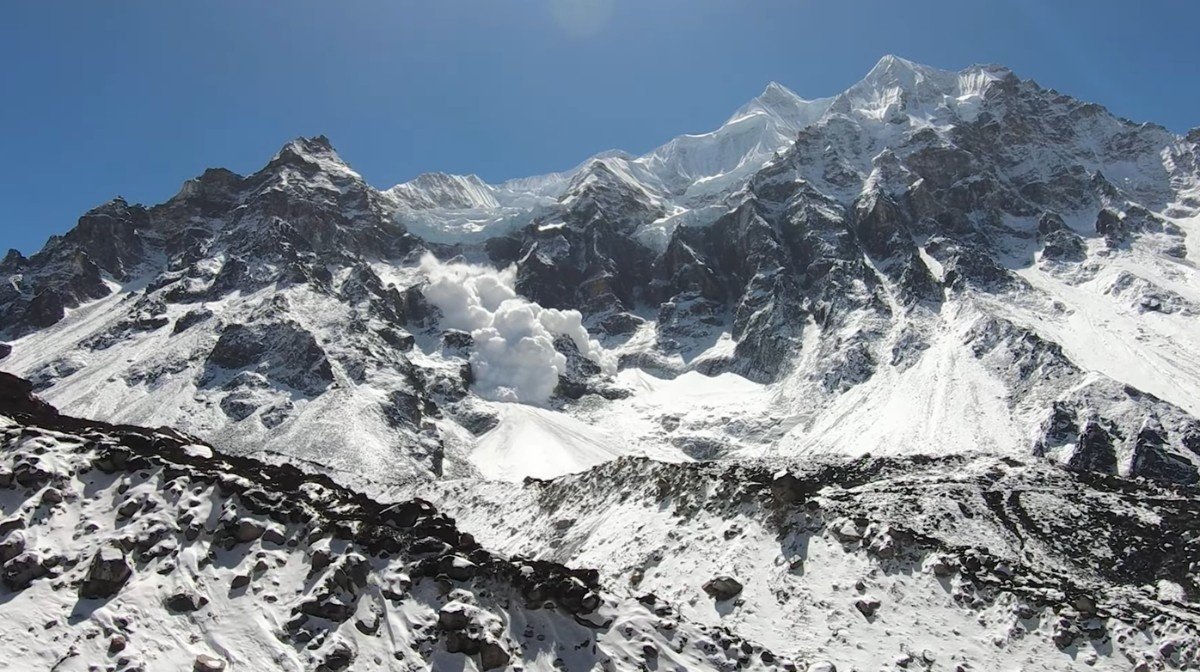
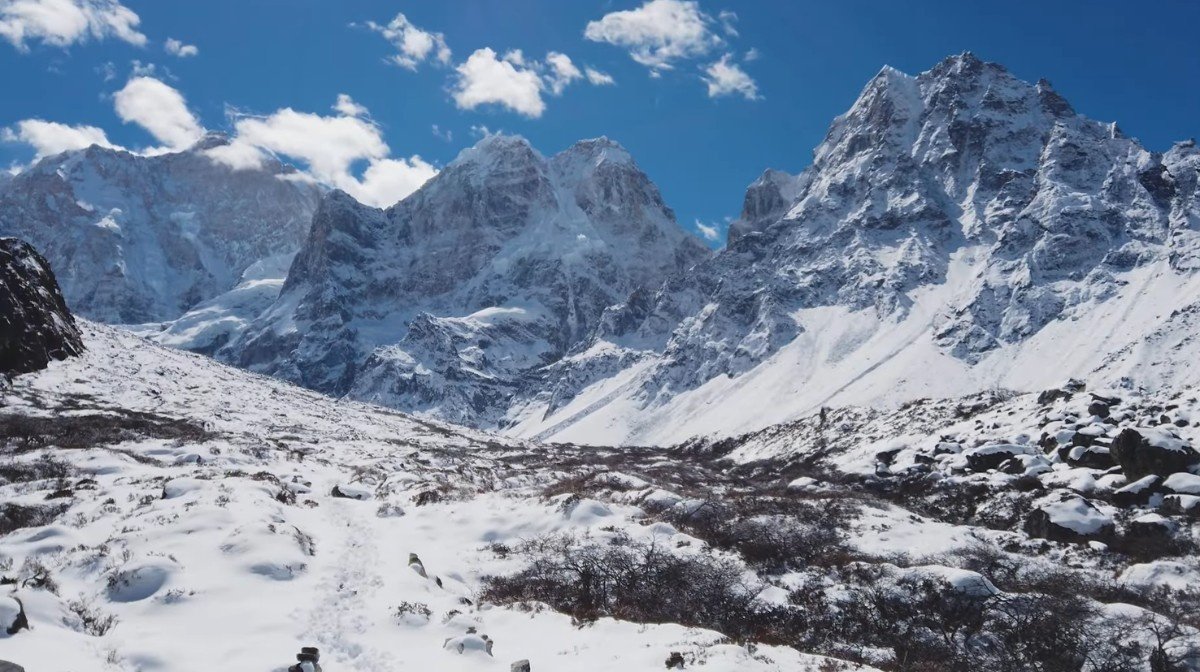
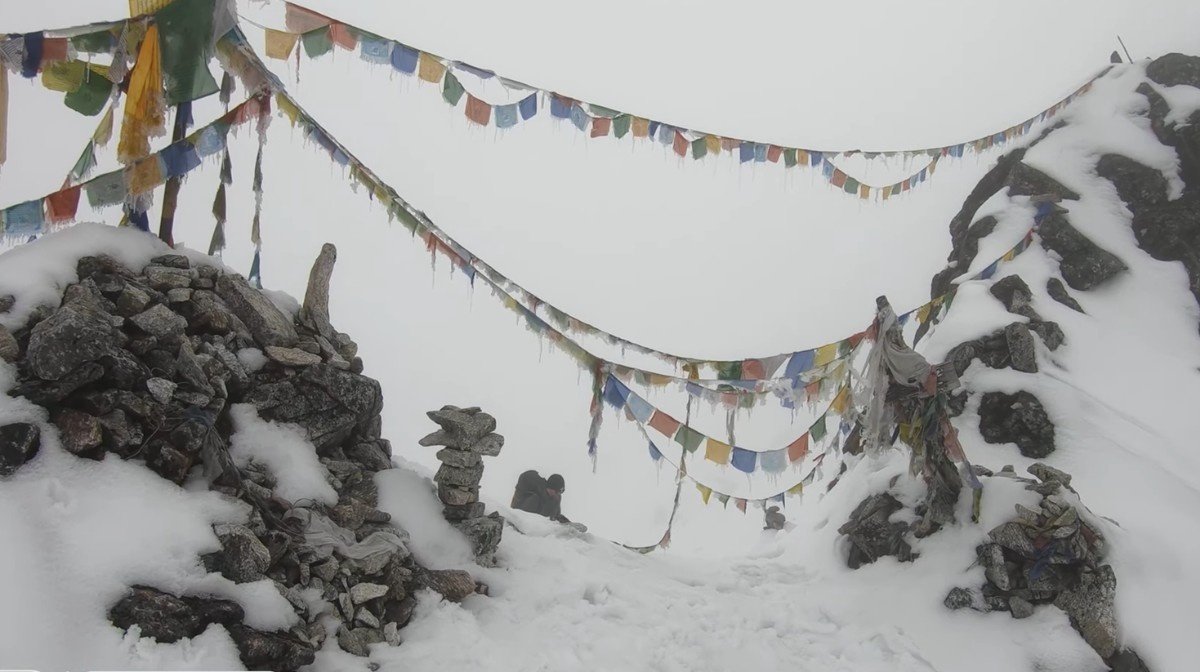
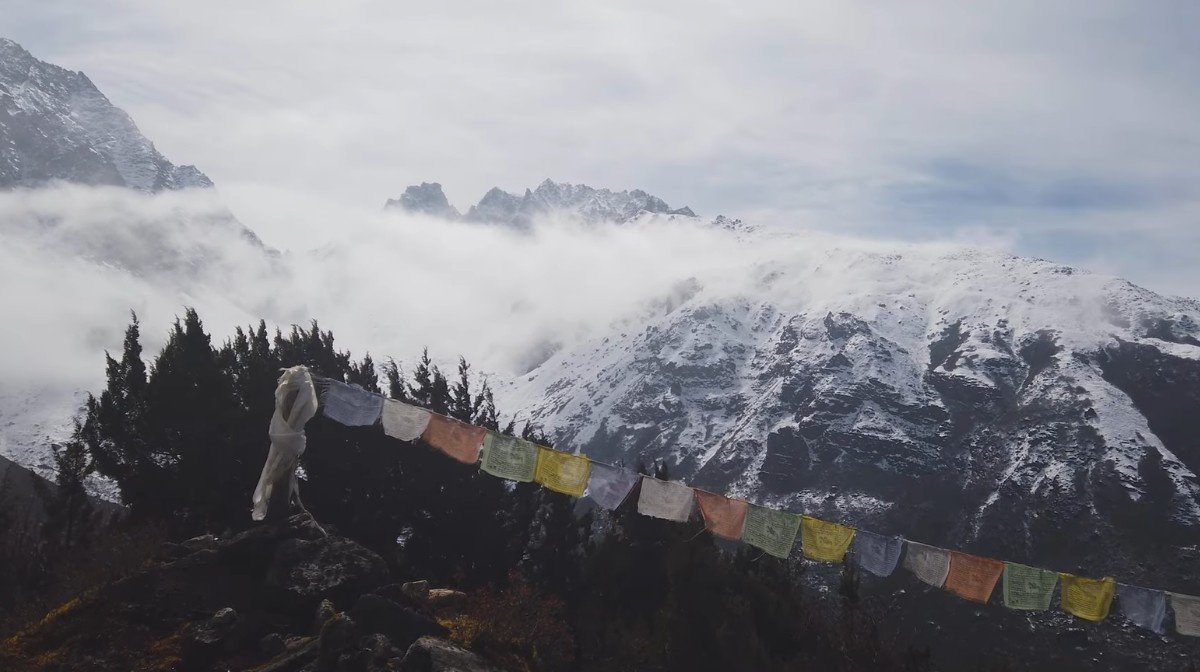
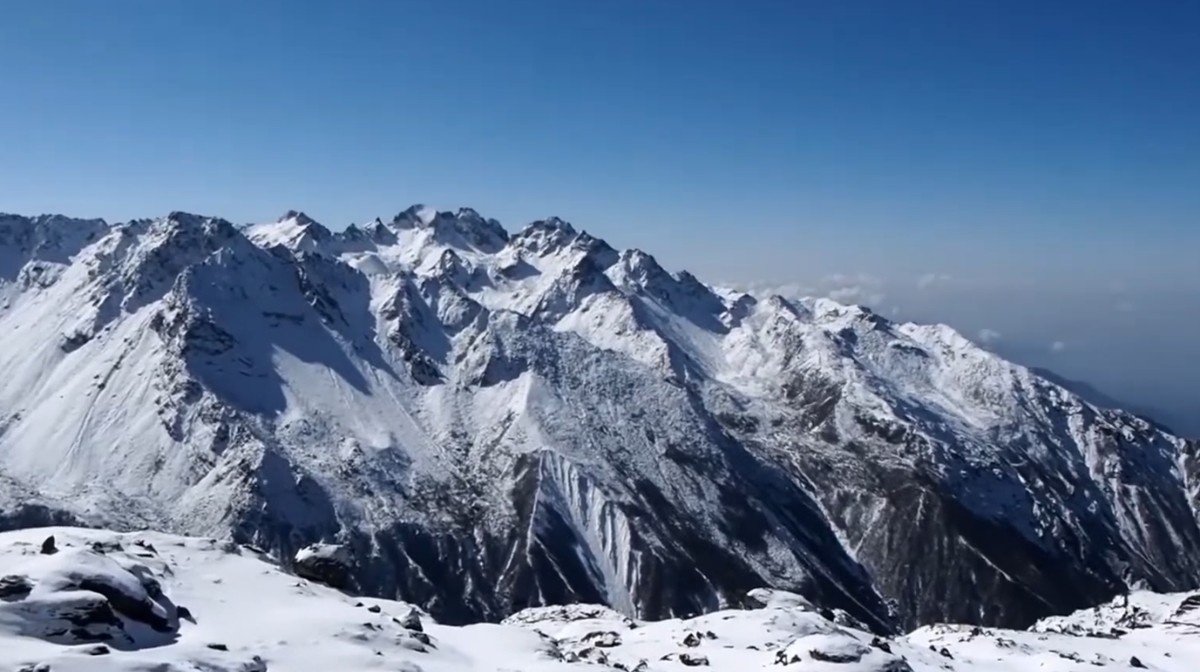
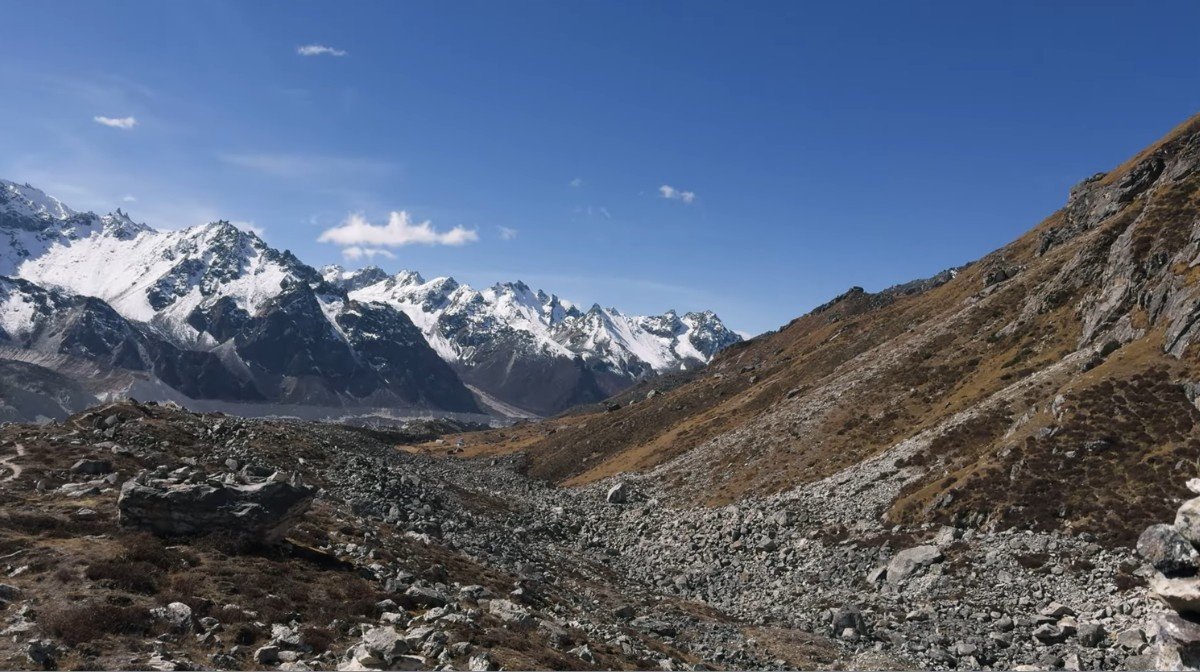
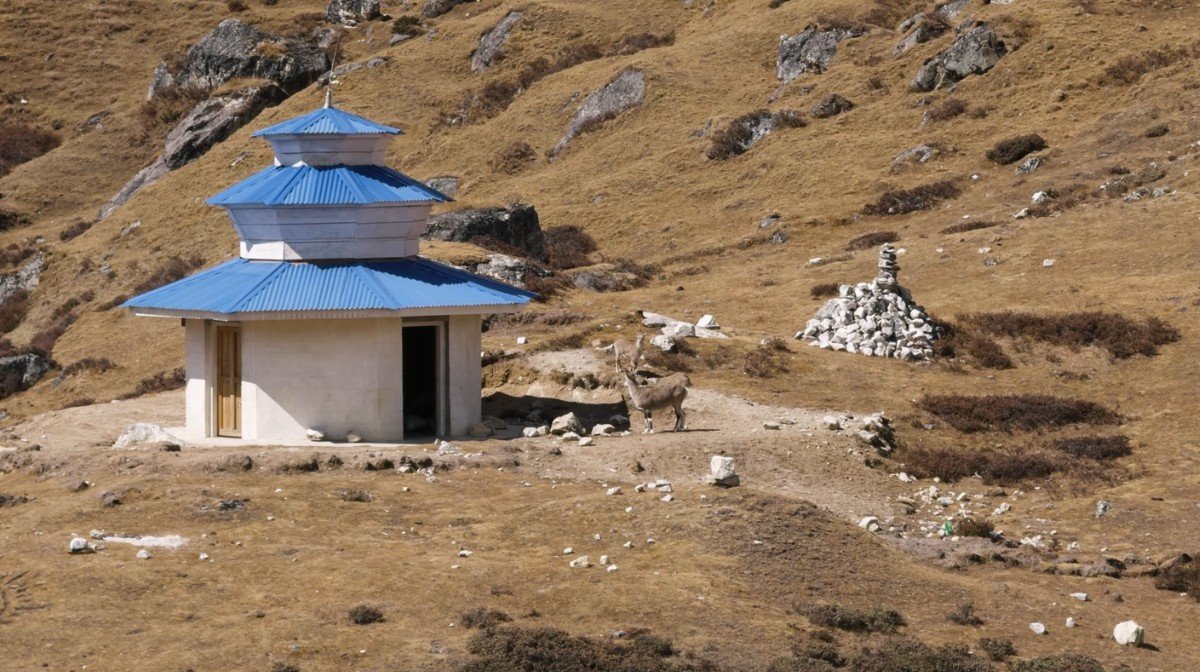
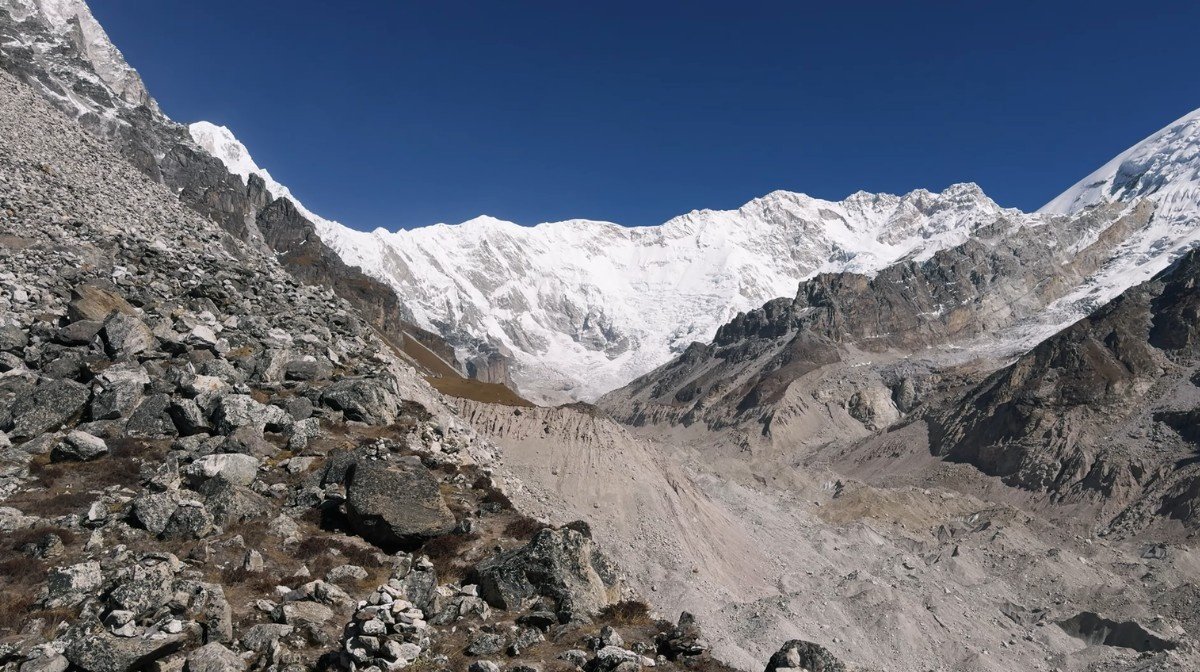
Route Map for Kanchenjunga Circuit Trek – 22 Days
Frequently Asked Questions
Yes, Kanchenjunga Circuit Trek is a challenging trek. The trek has long walking days, rough trail sections, high passes, remote valleys, and altitude above 5,000 meters. It is better for trekkers who already have some multi-day trekking experience and good fitness.
The highest main point on the trek is Pangpema, the Kanchenjunga North Base Camp viewpoint, at around 5,143 meters. This is the biggest altitude point in the normal circuit route and one of the main highlights of the trek.
For better acclimatization and safety, we have designed this as a 22-day trek, considering trekkers safety and rush-free journey. It includes arrival in Kathmandu, preparation, the full north and south base camp route, the Sele La crossing, return travel, one rest day in Kathmandu, and final departure.
The main highlights are Pangpema North Base Camp, Oktang and the Yalung Glacier side, the Sele La, Mirgin La, and Sinion La crossing, remote villages, deep river valleys, high alpine terrain, and views of Kanchenjunga from both the north and south sides.
This trek gives views of Kanchenjunga, Jannu or Kumbhakarna, Kabru, Rathong, Talung, Koktang, Wedge Peak, Nepal Peak, the Twins, and in clear conditions from the pass area, views can also reach toward Makalu and even Everest.
The best seasons are spring and autumn. Spring, from March to May, brings rhododendron flowers and warmer lower valleys. Autumn, especially October and November, usually gives the clearest mountain views and more stable weather.
Yes, permits are required because the trek goes through the Kanchenjunga Conservation Area and restricted trekking areas. These permits can be arranged by Nepal Royal Tourism Holidays before the trek starts, and a licensed guide is required for the restricted-area route.
This trek is not the best choice for complete beginners. The route is long, remote, and physically demanding, with basic teahouses and high-altitude walking. A fit beginner with strong preparation may complete it, but it is much better for trekkers who already know what Himalayan trekking feels like. You may opt for Kanchenjunga South Base Camp trek if you have decent fitness level.
Accommodation is mostly in basic teahouses and lodges, ran by local families. The rooms are simple, and facilities become more limited as you go higher and deeper into the remote valleys. Kathmandu hotels are more comfortable, but the mountain section is simple. You can also get Wi-Fi, hot showers and charging facilities depending on the location. Also, food is usually Dal bhat in the breakfast and Dinner.
The circuit combines both sides of Kanchenjunga in one trek. You first reach the harsher, higher north side around Lhonak and Pangpema, then cross the Sele La pass system and continue to the greener south side around Tseram, Ramche, Oktang, and the Yalung Glacier. It gives a fuller experience than doing only one base camp.
Leave a Review
Kanchenjunga Circuit Trek – 22 Days
3 Reviews to Kanchenjunga Circuit Trek – 22 Days
You may also like

Menu

Freja Kristensen
at 7:00 am
Journey felt pure and untouched.
“The diversity of landscapes and cultures along the Kanchenjunga Circuit was incredible. Nepal Royal Tourism provided excellent service from start to finish, making the long trek comfortable and well-organized. I’d recommend it to anyone wanting a genuine Himalayan adventure.”
Anders Nielsen
at 8:02 am
High-Altitude Trekking Specialist
“A demanding yet deeply rewarding trek. The Kanchenjunga Circuit challenged me in the best way possible. Nepal Royal Tourism’s professionalism and care were outstanding throughout the 22 days. If you want a remote, less crowded trek with stunning views, this is the one.”
Mikkel Sorensen
at 11:56 am
Arctic Landscape Designer
“Kanchenjunga Circuit Trek was unlike anything I’ve experienced before. The raw beauty and peaceful trails made it truly special. Nepal Royal Tourism handled every detail flawlessly, and the guide’s deep knowledge of the region added so much value. A perfect expedition for those seeking real wilderness.”