


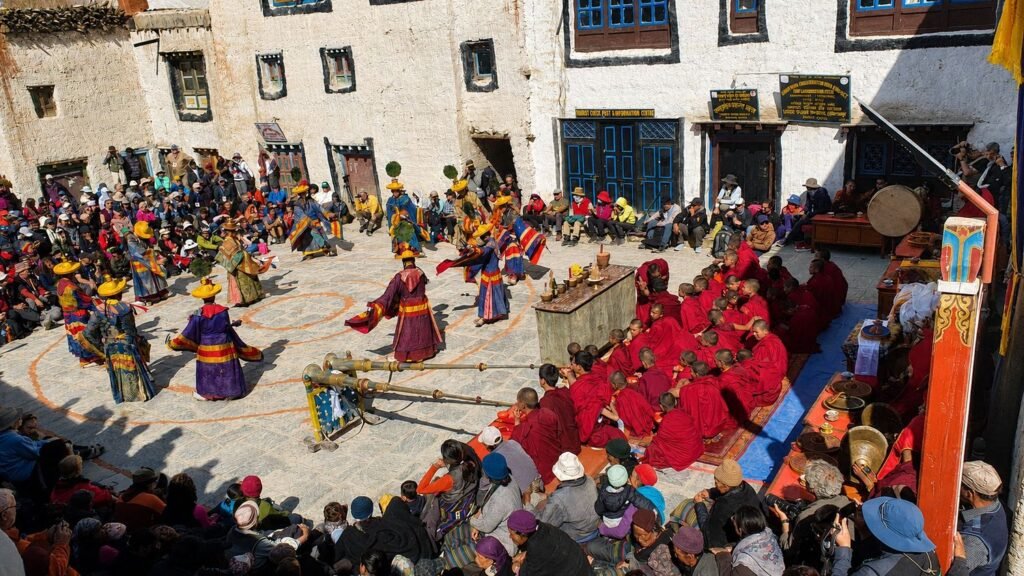
Tiji Festival Trek in Nepal: Experience of Upper Mustang’s Three Days Ritual in Lo Manthang
There is a moment on the third day of the Tiji Festival when everything goes quiet right before it ends.
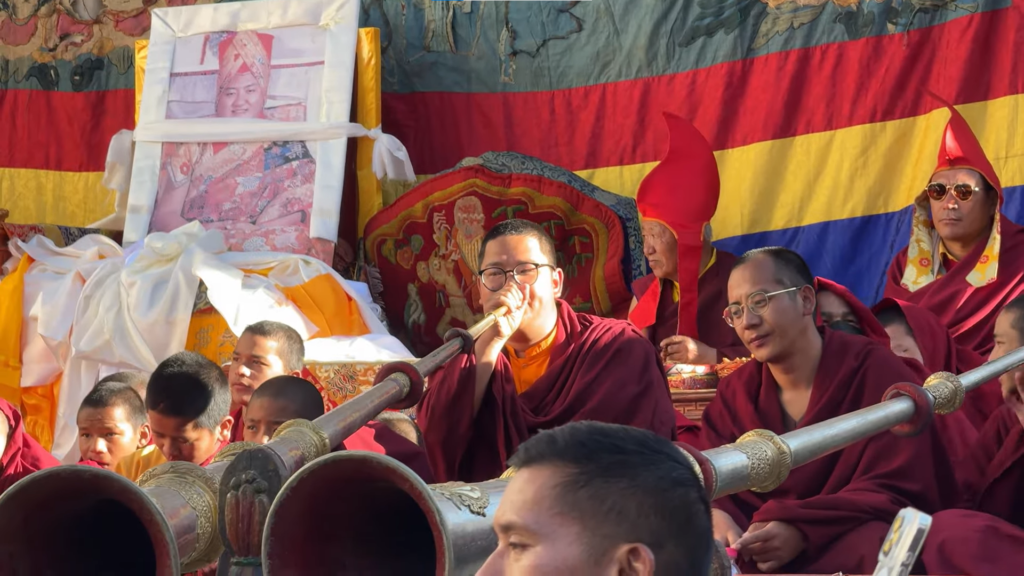
The monks have been dancing for three days and the drums and the long Dungchen horns have not stopped.
Then the lead monk, playing the deity Dorje Jono, raises a tsampa effigy above his head and throws it to the ground, symbolizing the final defeat of the demon Ma Tam Ru.
The crowd exhales, local women in coral and turquoise jewelry cover their mouths and children who had been dancing along from the edges of the courtyard freeze.
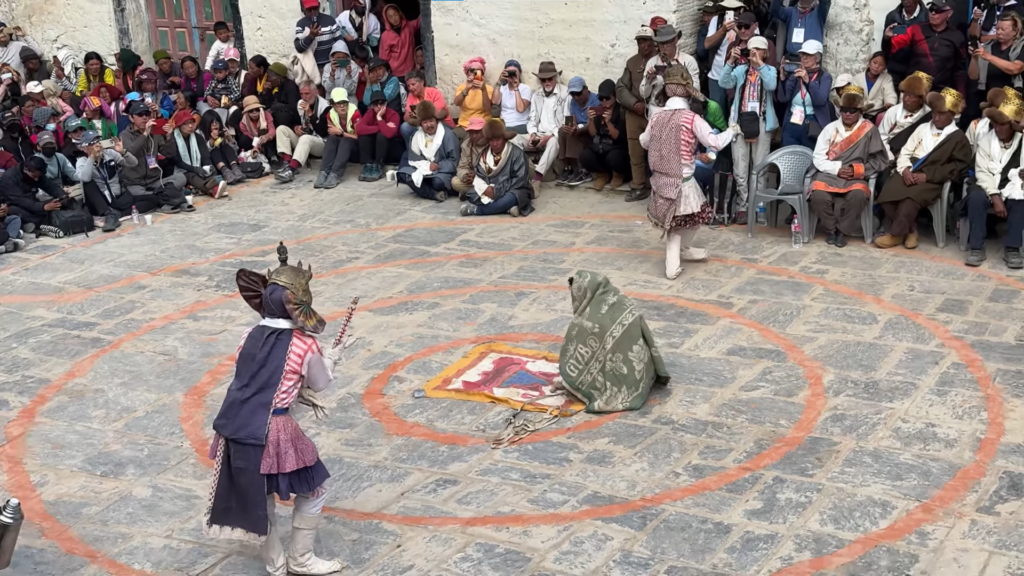
Then the courtyard of Lo Manthang emerges in the kind of joy that only happens when something actually means something.
It is this moment which the Tiji Festival Trek centers around. It is not the trek itself, but the trail through Upper Mustang that makes it amazing, Not just the walled city of Lo Manthang, but also the entire city, which looks more like a movie set than reality.
The festival of the Tibetan Buddhist monk, Tiji is one of the most memorable and unique things you will ever see.
What Is the Tiji Festival
Prior to booking the trip, most people have never heard of Tiji. It is named after Tenchi, the Tibetan expression for prayer for world peace, which is a shortened version of Tempa Chirim.
For more than three centuries, the Upper Mustans locals have been referring to it as that, and the name gives you an important clue as to what it’s about.
It is not a show for visitors to look at. The Loba people of the ethnically Tibetan community in Upper Mustang have to follow this ritual annually or else the world cannot remain balanced.
The story of the festival has a spiritual connection with the Vajrayana Buddhism and it has its roots in the history of the Kingdom of Mustang.
There lived a demon named Ma Tam Ru who was inflicting on the land droughts, diseases and destruction on the people of Lo.
The great Buddhist master Padmasambhava dispatched the deity Dorje Jono (also named as Vajrakila or Vajrakumara) to slay the demon and bring back peace to the kingdom.
Each year it is performed with masked dances, ritual chants and ceremonies by the monks in Chhode Monastery, which has been going on since the seventeenth century when it was officially begun by King Samadup Rabten in Lo Manthang.
The Tiji is different to many cultural festivals that you might come across as a traveller in that there isn’t any show at all performed for the outside world.
The monks go through months of preparation and people from all seven provinces of Lo trek several days to reach Lo Manthang.
The nomadic families come from the high altitude areas with their yak. Even if no single foreigner came to the festival, it would occur, because their community, the Loba, is a genuinely strong believer that it holds their world together.
You are allowed to witness it, and that privilege is not something to take lightly. In In 2026 the Tiji Festival falls on May 14, 15, and 16.
The Three Days in Lo Manthang
Day One: Tsa Chham
On the first morning, it’s all about a deep soft sound, the Dungchen, long ceremonial horns that announce the beginning of ritual time in Tibetan Buddhism.
Before dawn breaks the sound reverberates from one little stone lane to another in Lo Manthang and echoes out over the desert valley that lies around them.
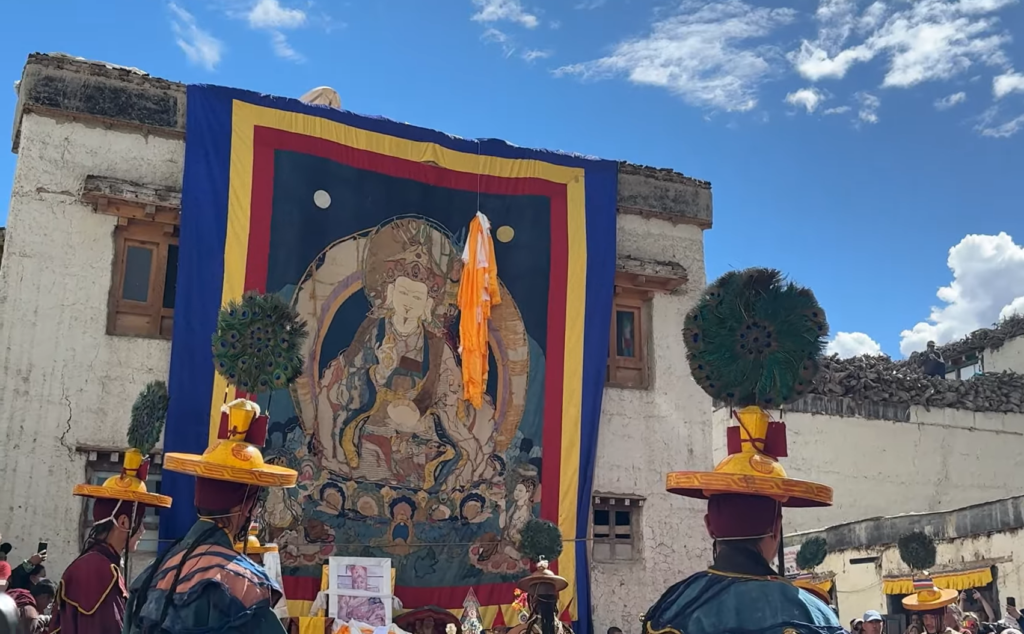
When the monks come into the courtyard of the royal palace, the place is already of the people who live there dressed in their best chuba (clothes) and women with elaborate headdresses which are covered in turquoise, coral and amber.
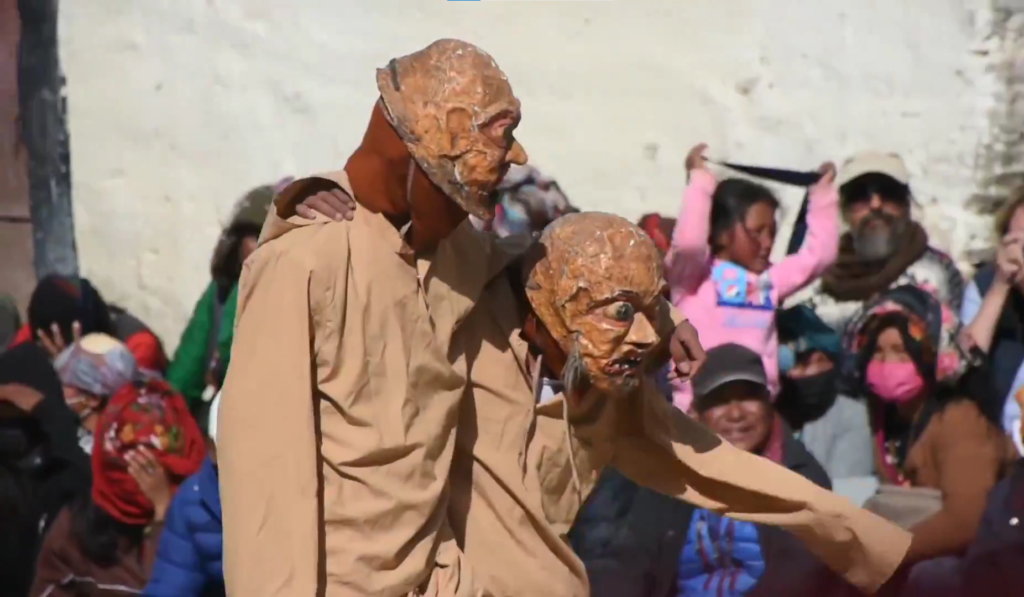
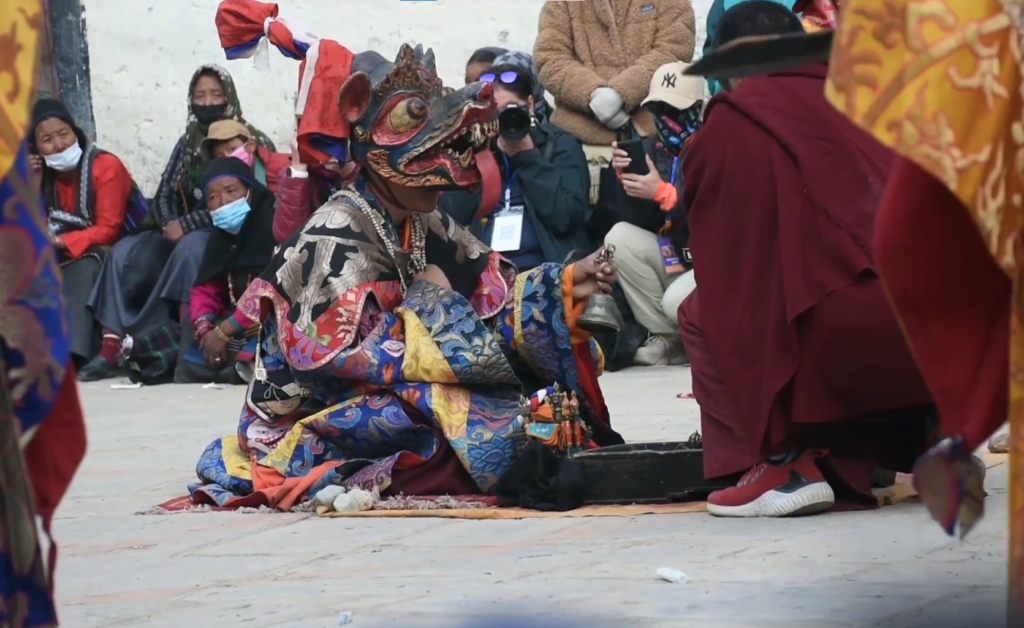
The Tsa Chham dance is a representation of the arrival of evil forces. The monks, wearing intricate masks that symbolize gods, animals and demons, walk through the courtyard in slow, deliberate movements that have remained unchanged for centuries.
The monks act under the guidance of a giant thangka painting on the southern wall of the square that serves as the emblem of the divinity of the monks.
The first day is a day of meditation, abstraction, symbolism and for the able to read the choreography, a whole story in movement.
Day Two: Nga Chham
The second day is when the energy really goes up. The masks this day are the most aggressive of the three, lions, tigers, and the guardian birds of Buddhist protection, all facing the forces of chaos, the direct confrontation of Dorje Jono with the demon is portrayed in the Nga Chham dance.
The dance is more intense, the drumbeats are more rapid and the courtyard is full of an intense expectation that has been created by the whole community of Lo Mangthang.
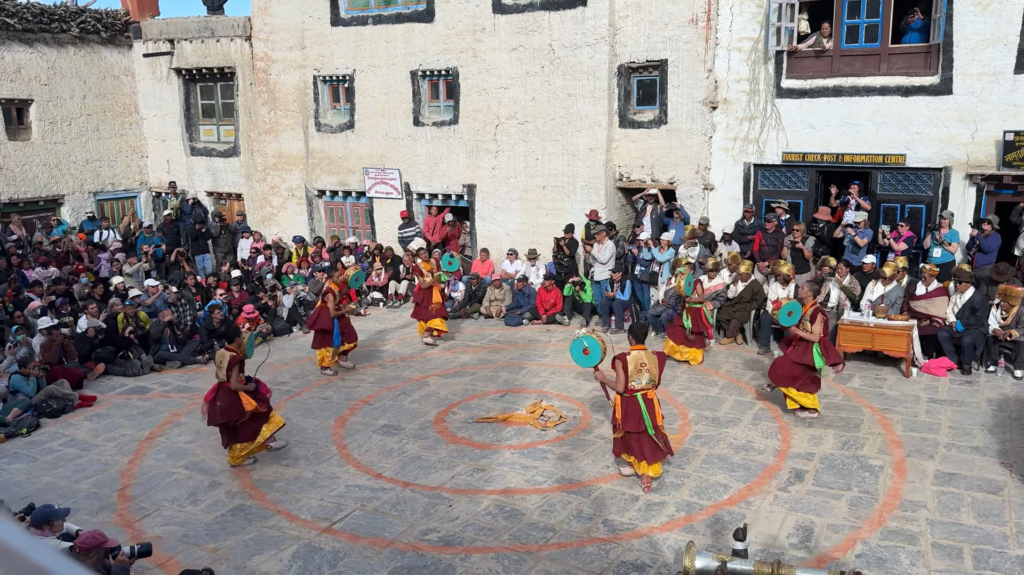
This is also the day when the women of Lo Manthang come out in their most extraordinary dress. On the side of the square are rows of coral and amber jewelry, striped aprons and silk bakkhu robes.
Visitors approach with respect and are blessed by the elders. Butter tea is shared, children take part in imitation from the sidelines of the monks and It starts to feel like a show. You stand within a community ritual with a real meaning.
Day Three: Rha Chham
The quality is different on the last day of the trip. The previous two mornings were different and there’s a feeling of anticipation in the air.
The Rha Chham is the winning dance of all the events of the festival. The choreography on the third day is done at a celebratory speed and the whole community appears to be holding its breath waiting for the culmination of the ceremony.
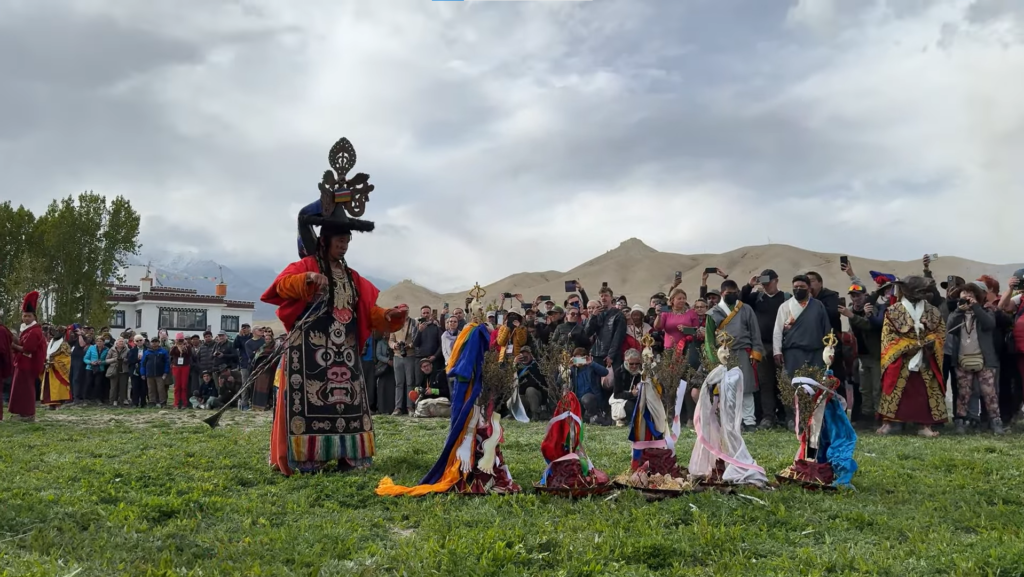
The moment when the lead monk throws the tsampa effigy, the symbolic body of the demon Ma Tam Ru is quite different from any planned entertainment.
The courtyard erupts in a celebration, gunfire echoes off the ancient walls and dancers spin.
Collectively, Lo Manthang, who’s had to bear the burden of this three day ritual, exhales something that sounds like relief.
The Trek That Gets You There
There is no way to walk in and come to Lo Manthang for the festival. It is a restricted region and to enter the region is to purchase a special permit, which costs $50 a day per person as it is located in Upper Mustang.
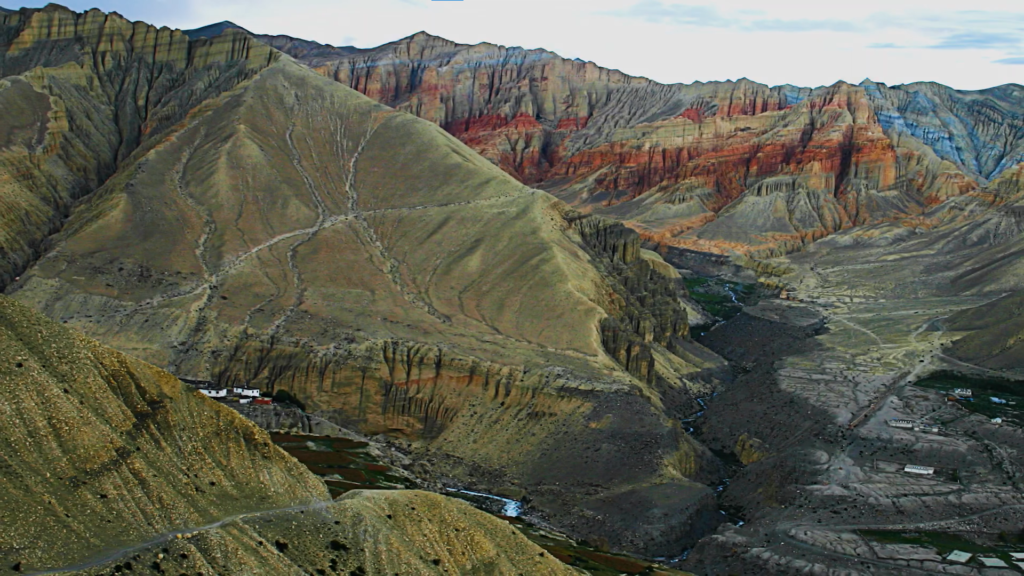
The trek to the region’s trekking approach contributes to the feeling of arriving at the festival earned.
The usual path to Lo Manthang from Jomsom is four or five days by foot and passes through increasingly dramatic and alien terrain the further north one goes.
| Day | Itinerary | Altitude | Duration |
|---|---|---|---|
| 1 | Arrival in Kathmandu | 1,350m / 4,428ft | 30 min |
| 2 | Drive or flight to Pokhara | 830m / 2,723ft | 6 to 8 hours |
| 3 | Fly to Jomsom and trek to Kagbeni | 2,715m / 8,907ft | 6 to 7 hours |
| 4 | Trek to Chele Village | 3,045m / 9,990ft | 5 to 6 hours |
| 5 | Trek to Syangbochen Village | 3,800m / 12,467ft | 5 to 6 hours |
| 6 | Trek to Ghami Village | 3,932m / 12,900ft | 5 to 6 hours |
| 7 | Trek to Charang Village | 3,520m / 11,549ft | 5 to 6 hours |
| 8 | Trek to Lo Manthang and attend the opening ceremony of Tiji | 3,840m / 12,598ft | 4 to 5 hours |
| 9 | Explore Lo Manthang and watch the second day of Tiji | 3,840m / 12,598ft | Full day |
| 10 | Explore Lo Manthang and attend the closing day of Tiji | 3,840m / 12,598ft | Full day |
| 11 | Trek to Drakmar via Chokula Pass | 4,298m / 14,101ft | 5 to 6 hours |
| 12 | Trek to Ghiling Village | 3,570m / 11,713ft | 5 to 6 hours |
| 13 | Trek to Chhuksang Village | 3,880m / 12,730ft | 5 to 6 hours |
| 14 | Trek to Jomsom Town | 2,743m / 8,999ft | 4 to 5 hours |
| 15 | Fly to Pokhara | 830m / 2,723ft | 30 min |
| 16 | Drive to Kathmandu | 1,350m / 4,428ft | 7 to 8 hours |
| 17 | Final departure | 1,350m / 4,4283ft | 30 min |
Here is how the full 17 day journey starts and ends:
Day 1: Arrival in Kathmandu
The journey begins in Kathmandu where trekkers collect and register at the hotel, and receive a proper briefing before moving north.
The easy day that allows the trip to rest prior to the flight to Pokhara the following morning.
On the first night, the gear is sorted, permits are finalised and the final plan is drawn up for getting to Lo Manthang in time for the festival.
Day 2: Drive or Flight to Pokhara
It takes about 6-7 hours by driving on the Prithvi Highway from Kathmandu to Pokhara or about 25 minutes by domestic domestic flight.
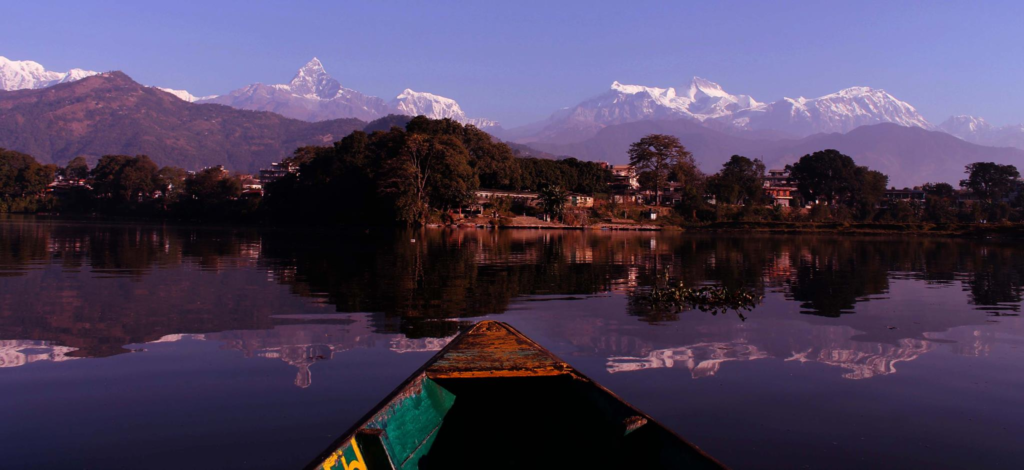
All that follows comes from Pokhara and it’s comfortable, warm and the final easy day before the terrain begins getting serious.
Day 3: Fly to Jomsom followed by a trek to Kagbeni
The early morning flights to Jomsom are the only times they fly as the famous Kali Gandaki winds do not develop through the narrow valley.
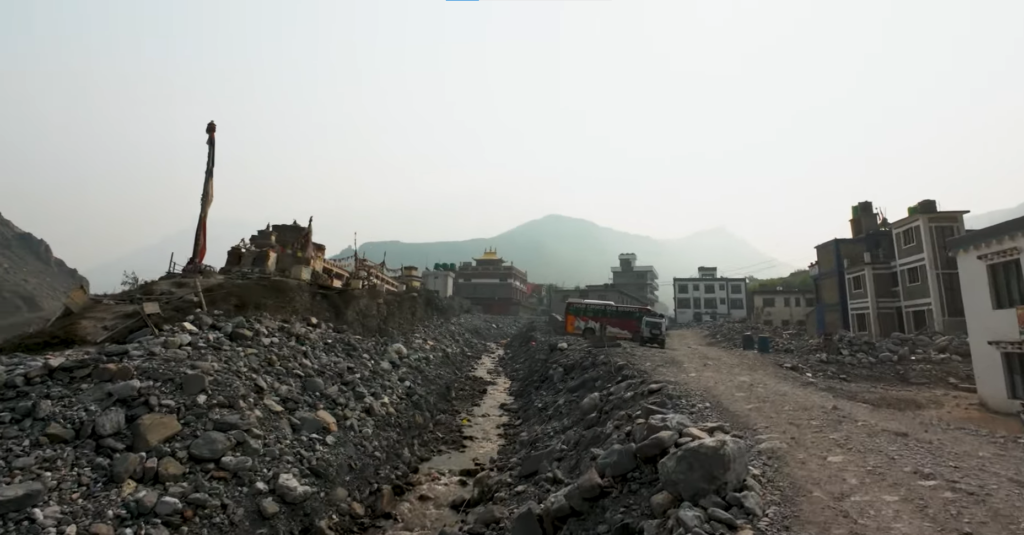
The short flight north from Pokhara is itself dramatic enough. As the plane descends into the valley of Mustang, Dhaulagiri and Nilgiri can be seen on both sides.
The trail then heads north from Jomsom along the Kali Gandaki River, passing into the formal border village of Upper Mustang, the medieval looking village of Kagbeni. Here permits are inspected and restricted area begins.
Day 4: Trek from Kagbeni to Chele Village
After leaving Kagbeni, the trail is in the Upper Mustang corridor and the landscape begins to move firmly towards the Tibetan Plateau.
There are huge red cliffs rising above the path, ancient cave formations high on the cliff faces, and little vegetation.
Chele is located on a dry hillside above the canyon section, providing the first real sense that you’re in someplace truly extraordinary..
Day 5: Trek from Chele to Syangbochen Village
Syangbochen is a climb on a wind-swept plateau. At regular intervals along the way and also the views back down the Kali Gandaki corridor are lined with prayer walls and chortens.
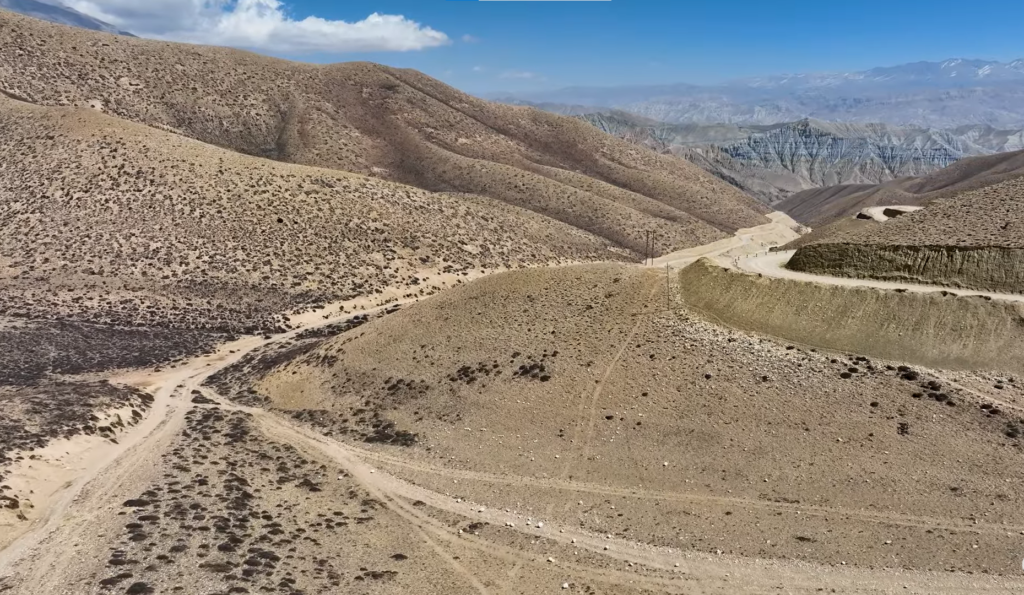
The scenery here begins to look more Tibet than Nepal and that’s the point. Throughout the ages, this area has been a unified cultural and geographic area long before the establishment of modern boundaries.
Day 6: Trek from Syangbochen to Ghami Village
Ghami is one of the larger villages in the Upper Mustang area, and the oldest monastery as well as having the longest mani wall in Nepal is located on the edge of the village.
The village itself has a strongly preserved Tibetan character, flat-roofed stone houses, painted doorways, and an atmosphere that the 20th century seems to have largely left alone.
Day 7: Trek from Ghami to Charang Village
The trail to Charang passes through a landscape of eroded canyon walls and dry riverbeds before dropping into the Charang valley.
Charang’s white monastery sits above the village and is one of the oldest in the Upper Mustang region, containing a collection of thangka paintings and bronze statues that date back several centuries.
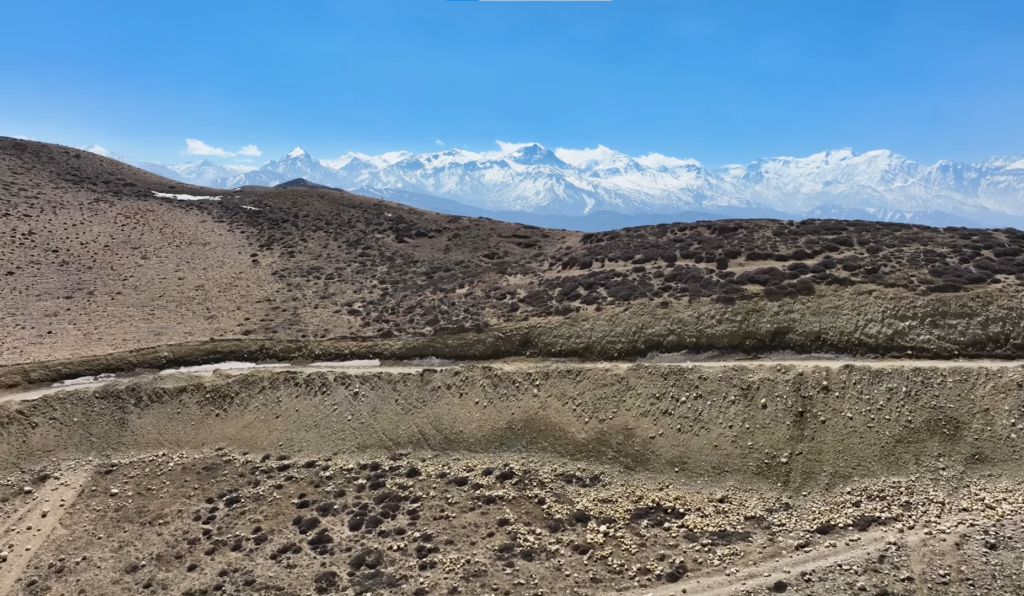
The descent into Charang also marks the point where Lo Manthang begins to feel close.
Day 8: Trek to Lo Manthang and Enjoy Opening Of The Tiji Festival from Charang
The whole journey has been leading up to this day. The morning hike from Charang winds through open desert and down through the walled city of Lo Manthang, a compact knot of whitewashed buildings surrounded by a wall of mud bricks, outdone by the snowy ridges of the Tibetan borderlands.
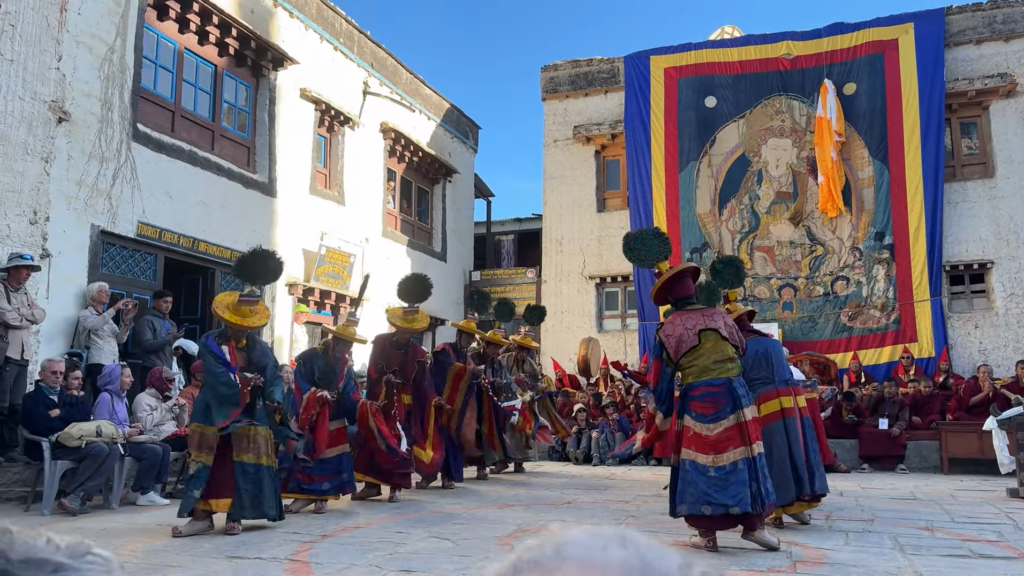
The arrival feeling is authentic and real. The royal court is already full with preparations by the afternoon when the Tsa Chham dance started and the festival started.
Day 9: Explore Lo Manthang and watch the Second day of the Tiji festival
The second day of the festival, Nga Chham, is the most dramatic part. The morning starts with the Dungchen horns and villagers begin to arrive from villages that have been making their slow trek to Lo Manthang over days and days fill the square.
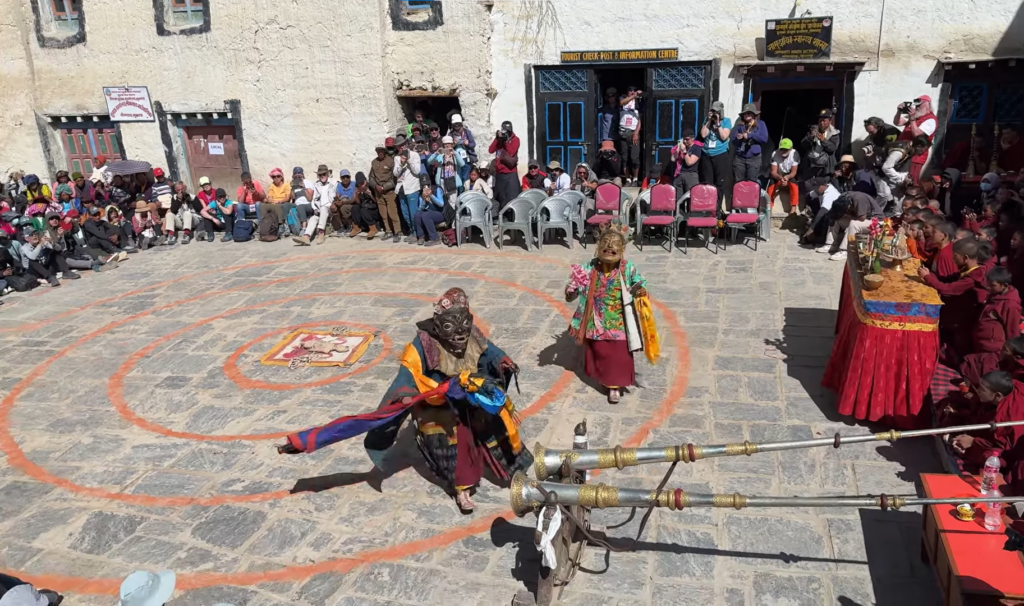
There’s time to wander through the walled city, visit the monastery of the Thugchen Gompa, the Jampa Lhakhang, and walk through the houses and interact with people as they go about their lives who are unaffected by the show in the courtyard.
Day 10: Participate in the Tiji Festival’s Closing Ceremony
The third day is the culmination of the three days’ ritual known as the Rha Chham. The throwing of the tsampa effigy, the symbolic expulsion of the demon, and the celebration by Lo Manthang of the relief that such an ancient spiritual tradition brings.
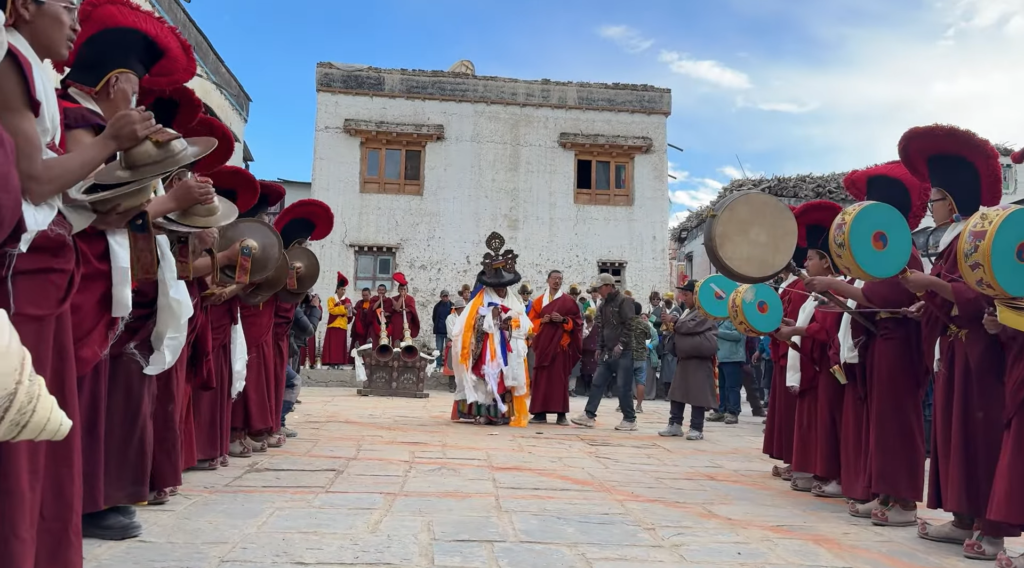
Take time in afternoon to explore the upper parts of the walled city, visit the ancient sky caves on the nearby cliffs and to let all the events from the last three days settle.
Day 11: Trek from Lo Manthang to Drakmar Village via Chokula Pass
The approach to the village is through the Chokula Pass at 4298m before dropping to the village of Drakmar/Dhakmar (also known as the red earth village).
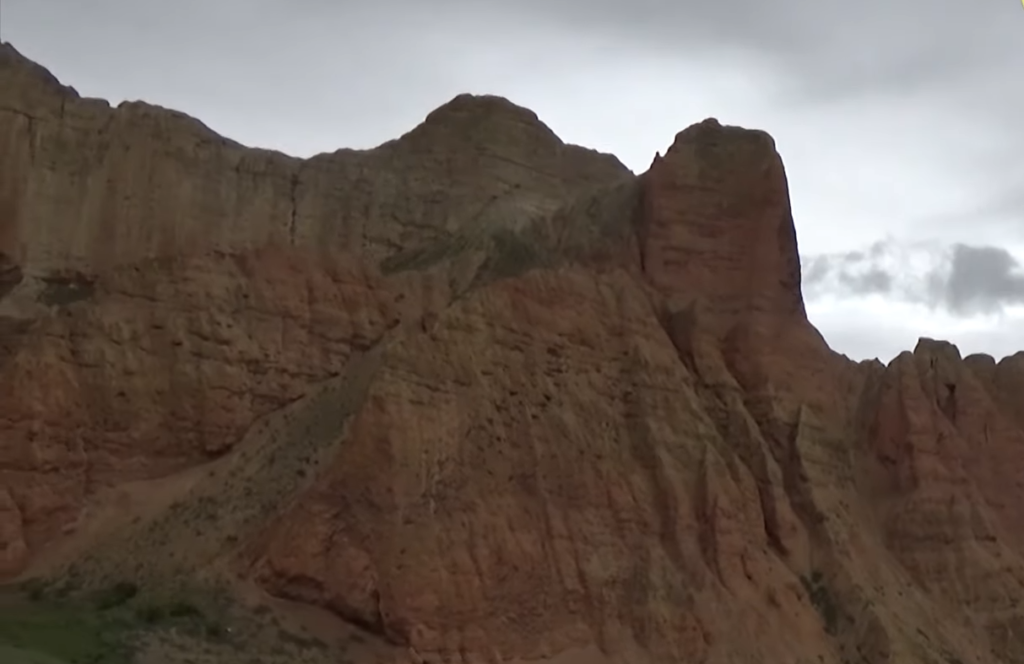
This trek is through Chokula Pass, passing through Sheripati village and Namjabung lake. These cliffs are said to be the blood stained ones where the demon was defeated by Guru Rinpoche and the color of the cliffs in the late afternoon light is indeed beautiful.
Day 12: Trek from Drakmar to Ghiling Village
The path descends from Drakmar to open plateau country through the kind of desert landscape that is not found anywhere else in Nepal to Ghiling.
The expansive valley floors, canyon walls, and the lack of greenery create the sense of a vastness, while heading in this trail.
Day 13: Trek from Ghiling to Chhuksang Village
The track heads south and east returning into the upper Kali Gandaki valley. Chhuksang is a small village located at the junction of two rivers.
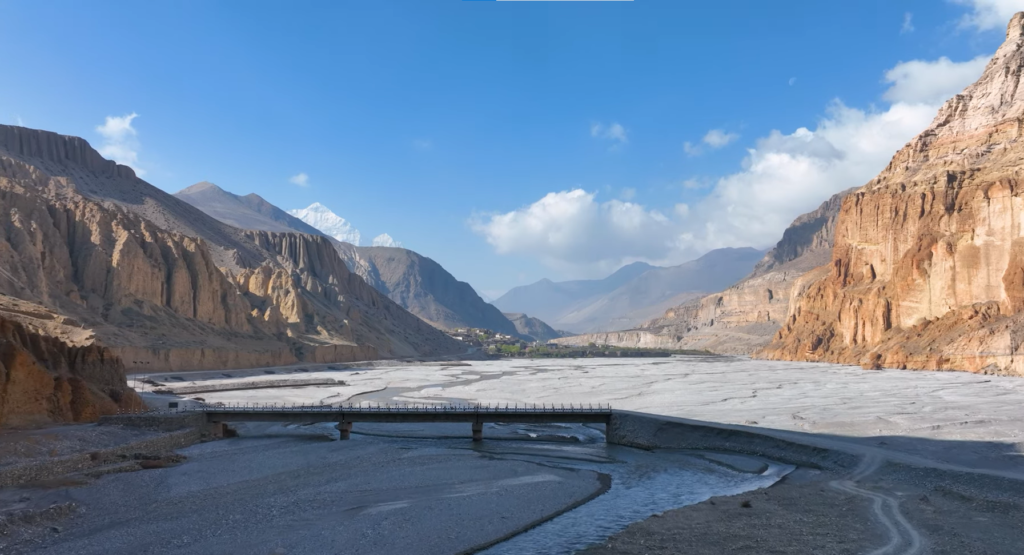
The typical Upper Mustang surrounding starts to give way to a slightly more forested region of the lower Mustang corridor.
Day 14: Trek from Chhuksang to Jomsom
The last day of the trek is the ride down the Kali Gandaki south to Jomsom via Kagbeni and a repeat of a portion of the original approach.
The walk gives a final chance to take in the scale of the Kali Gandaki Gorge, Dhaulagiri on one side, Annapurna on the other, before the mountains recede behind the airport buildings of Jomsom.
Day 15: Fly from Jomsom to Pokhara
Several days later, the same environment is the set for the early morning flight out of Jomsom.
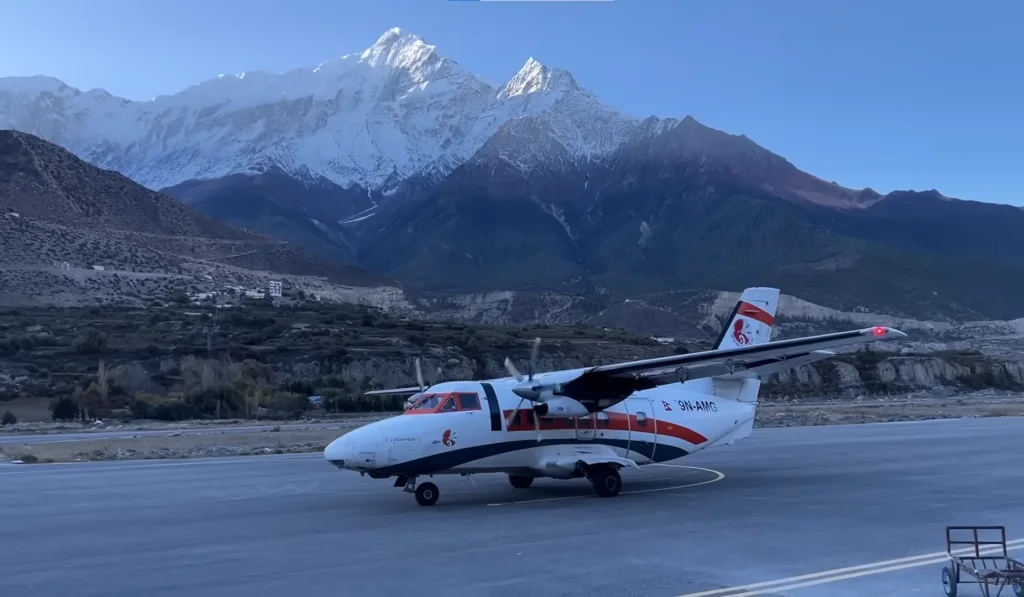
You are greeted with a hearty welcome in Pokhara and the lakeside is just what a most trekkers usually want after enjoying a long yet amazing trek
Day 16: Pokhara to Kathmandu (drive)
The last day, you drive through the Prithvi Highway, which leads back to Kathmandu passing the Mugling lunch stop on the banks of the Trishuli River.
The festival is still fresh in trekkers memories as they arrive in the capital and they find the contrast between the old and the new is a positive one, the old in Lo Manthang, the new in Kathmandu.
Day 17: Final Day in Kathmandu
This is the final day in Kathmandu, which we spent waiting for our flight to Nepal. The trip ends at Tribhuvan International Airport.
Lo Manthang and the Loba People
Lo Manthang was established in 1380 by King Ame Pal, and became the seat of independent Kingdom of Mustang more than 600 years.
The walled city is small enough for a walk from one end to the other in 10 minutes, yet is full of history.
Four large monasteries, a royal palace, and a continuous architectural tradition that has been maintained by the Loba community through decades of political change and isolation.
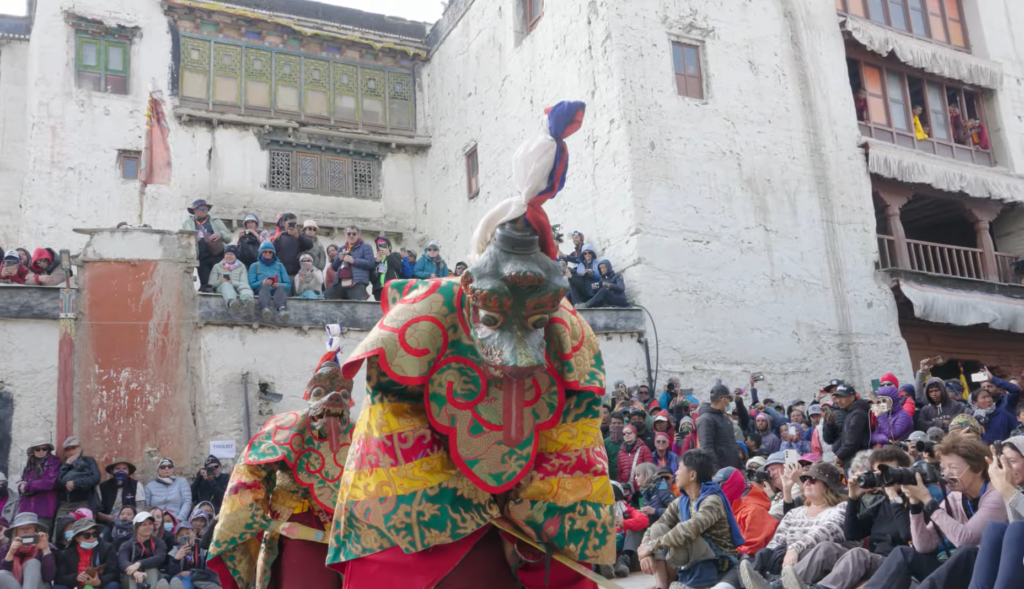
The Loba are ethnically Tibetan and their language, dress, and social structures have remained remarkably intact.
The last monarch of Mustang, Jigme Dorje Palbar Bista, died in 2016, and Nepal officially dissolved the monarchy in 2008, but the cultural authority of the royal family still carries weight in Lo Manthang in ways that formal governance rarely captures.
During the Tiji Festival the Loba community comes together in a way that is genuinely moving to witness.
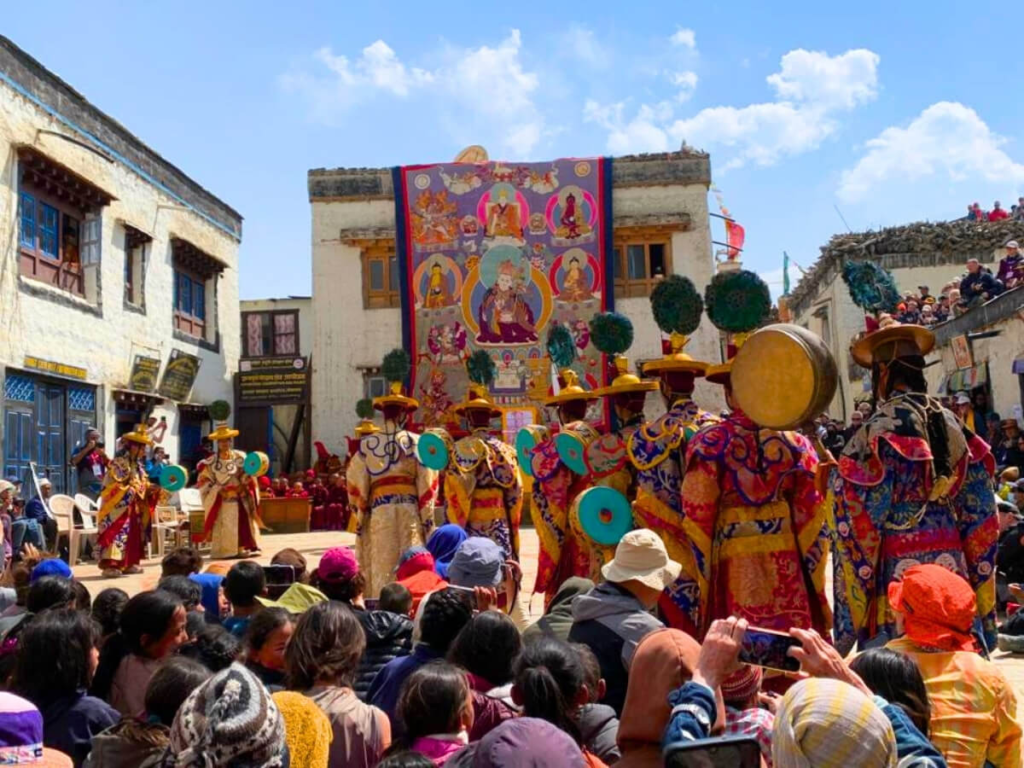
People who have been separated by geography and seasonal migration for months converge on the walled city for these three days.
The festival is simultaneously a religious obligation, a social reunion, and an act of collective identity preservation.
For a community that has been maintaining these traditions at the edge of the Tibetan land for three hundred years with no guarantee that the outside world would ever notice or care, there is something in the Tiji Festival that carries the full weight of that continuity.