



Best Time To Visit Tibet: Seasons, Festivals, Locations and Travel Advice
Tibet, also known as “Roof of the World” for its towering peaks, is an autonomous Part of China and is full of the Himalayas.
The season to travel there is significant as it is the season that differs significantly during the year in terms of weather conditions, availability of roads, services, and festivals.
We will try to give you certain information about when to visit, the season to visit, the time to spend, some things to budget upon, permit and health regulations, which you should be aware of, that guide you with almost everything, whether you are a full-time traveler or an occasional tourist.
Travel Windows For Tibet Visit
The two most appropriate windows for most tourists are the end of April to June and mid-September to the beginning of October. The weather during these seasons is clear, and roads and high passes are open, and the mountain visibility is assured.
The plateau starts to warm up in spring, and flowers bloom in all the low valleys, particularly in places such as Nyingchi, which is also referred to as the land of spring flowers.

The season of autumn is stable and can be described by dry air and the clearest mountain sight.
Western parts receive monsoon rain and are greener, but summer is warmer, thus making road travel slow. It is so cold in winter, and numerous isolated roads, elevated routes, and services are shut down altogether.
Lhasa, a must-visit place in Tibet
Lhasa, the capital of Tibet, can be considered to be the best place to visit during spring and autumn since the weather is comfortable during the daytime, but cooler in the evenings.
The place is located at an altitude of above 3,600 meters, hence altitude adjustment is needed. The most appropriate thing is that visitors take a day off once they are there. as it can cause altitude sickness for those who aren’t used to such elevations.
The city is also home to the most significant cultural sites in Tibet, such as Potala Palace, the previous home of the Dalai Lama, Jokhang Temple, which is the heart of Tibetan Buddhism, as well as Barkhor Street, where pilgrims take clockwise walks as they spin prayer wheels.
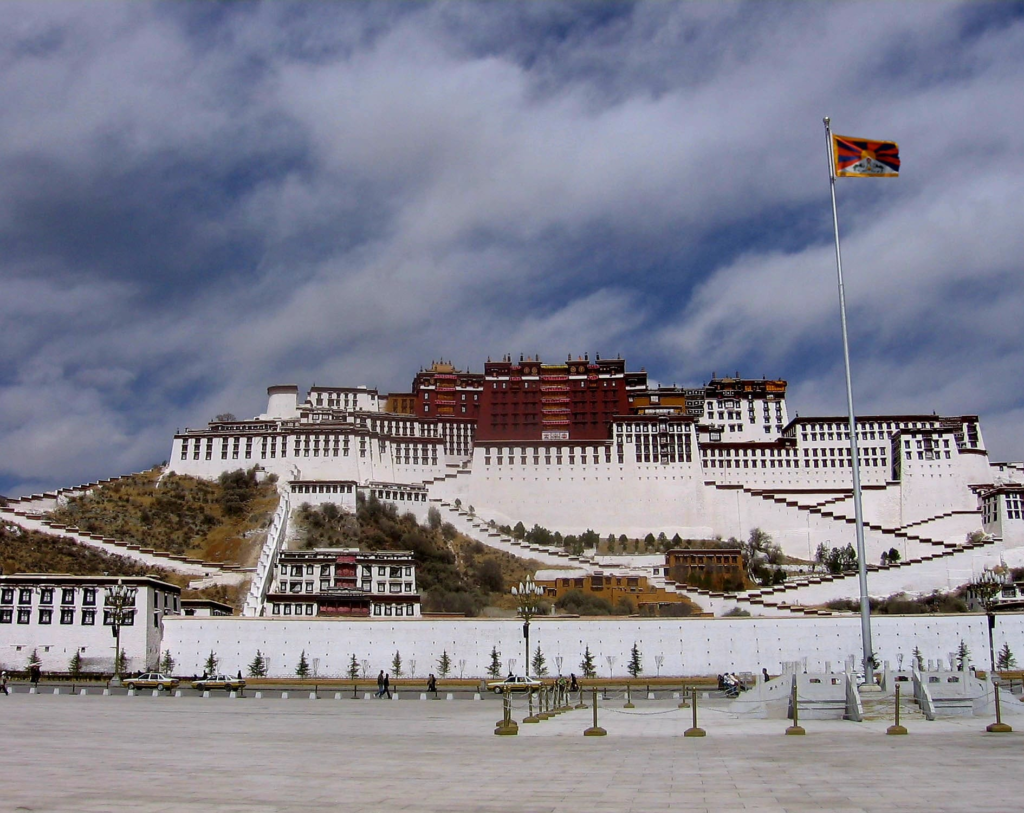
Festivals such as Losar and Shoton are associated with vitality, religion, and traditional performances, but services and offices can be minimised in Losar.
The Mansarovar Lake (Mapam Yumtso) area and Mount Kailash can be reached from late months of April till October. This place has profound spiritual significance to the Buddhist, Hindus, Jains, and Bon.

Moreover, the Kailash kora is a multi-day circuit that encircles the mountain and involves crossing high passes, and thus needs physical preparation and good acclimatization.
The majority of the treks start in Lhasa or the Nepal frontier and require about twelve to fifteen days.
It is a pilgrimage town in Darchen, and the adjacent lake Mansarovar (at 4,600 meters) is sacred. The pilgrims convene in May or June in the program known as Saga Dawa, which forms the most culturally important period to visit.
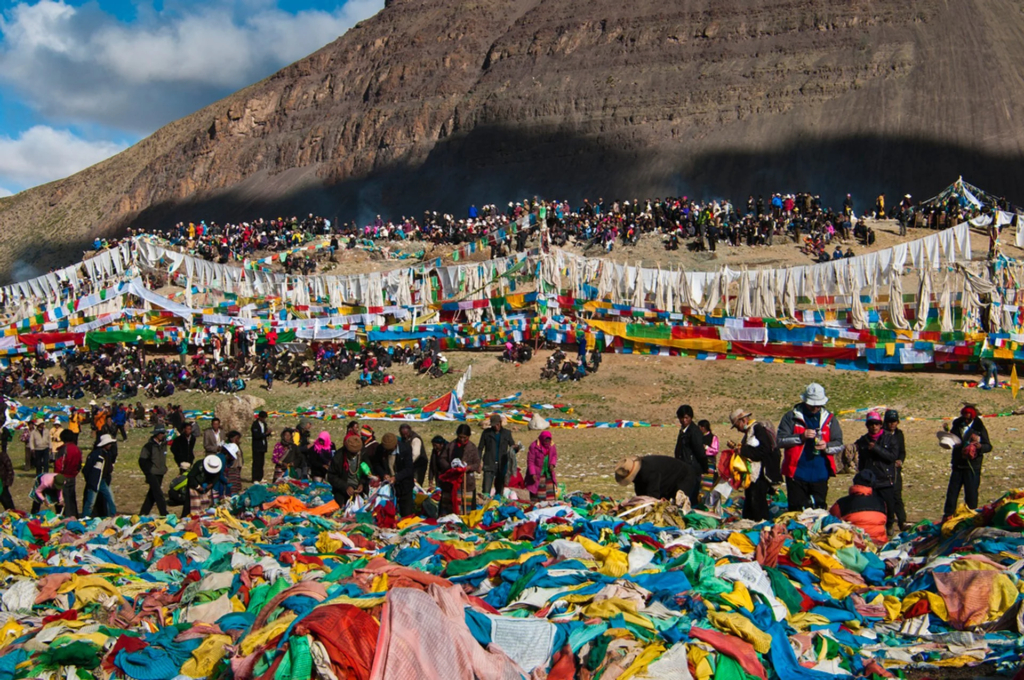
Namtso Lake is another destination you can look upto. It popular high-altitude lake (4,718 m) and can be approached with a lot of ease during the late spring and autumn seasons when the skies are clear, and the roads are open.
The lake is situated in the surroundings of an open plateau of around 250 kilometers around Lhasa, and its water is famous for being of a deep blue colour.
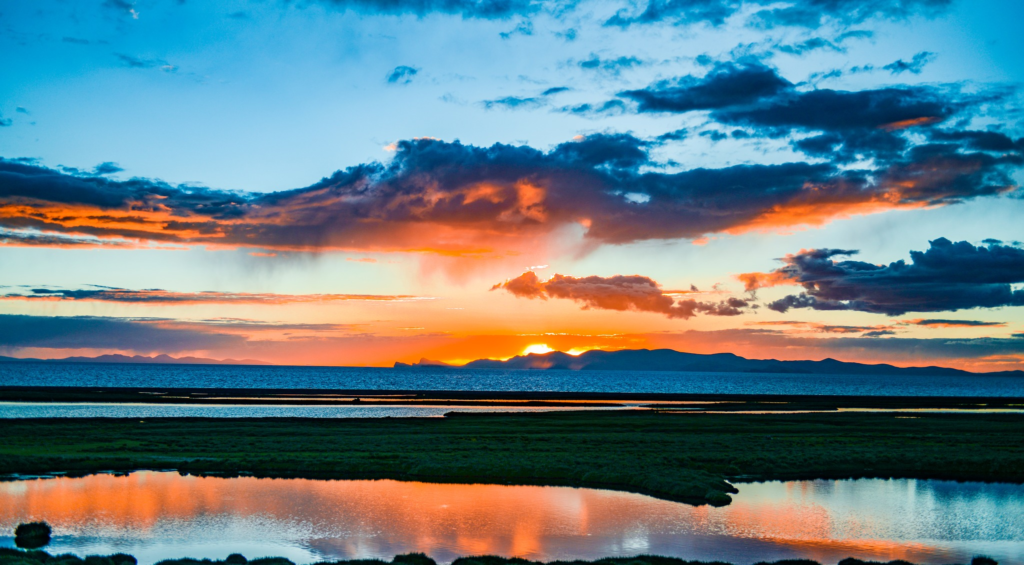
A lot of tourists prefer to spend the night in order to watch the sunset and sunrise, when the lighting is most favorable.
During summer, there are greener grasslands and grazing nomads, but during winter, it is extremely cold and requires careful planning before visiting.
The walks along the Lhasa-Gyantse-Shigatse are among the surest paths to travel, and their cultural value is impressive.
These are the towns that are available throughout the year and give us an idea about the Tibetan lifestyle and religions.
Gyantse is experienced with its ancient monastery and fortress, and Shigatse has Tashilhunpo Monastery, which is one of the biggest monasteries in Tibet.

Other scenic features along this path are high mountain ranges, lakes, and an open plateau.
Spring and autumn represent the seasons of the most favorable conditions of travel by horses, but summer is characterized by horse festivals in local grasslands.
The Everest entry by the Tibetan side is no exception to the seasonal windows of travel. Spring and autumn are the best seasons to enjoy Mount Everest from the north base perspective around Rongbuk Monastery (sits at ~5,000 meters) due to the clear skies.

It is the tallest monastery in the entire world and has one of the nearest approachable views of Everest without climbing.
During summer, clouds and occasional storms may be encountered, and during winter, traveling is very hard, especially because of cold weather and road closures. Traveling at high altitudes in this area involves slow movement and adequate acclimatization.
The key cultural festivals of Tibet are solar-based. The Tibetan New Year is called Losar, and it is celebrated in February or March, comprising both religious and family celebrations and ceremonies in monasteries.
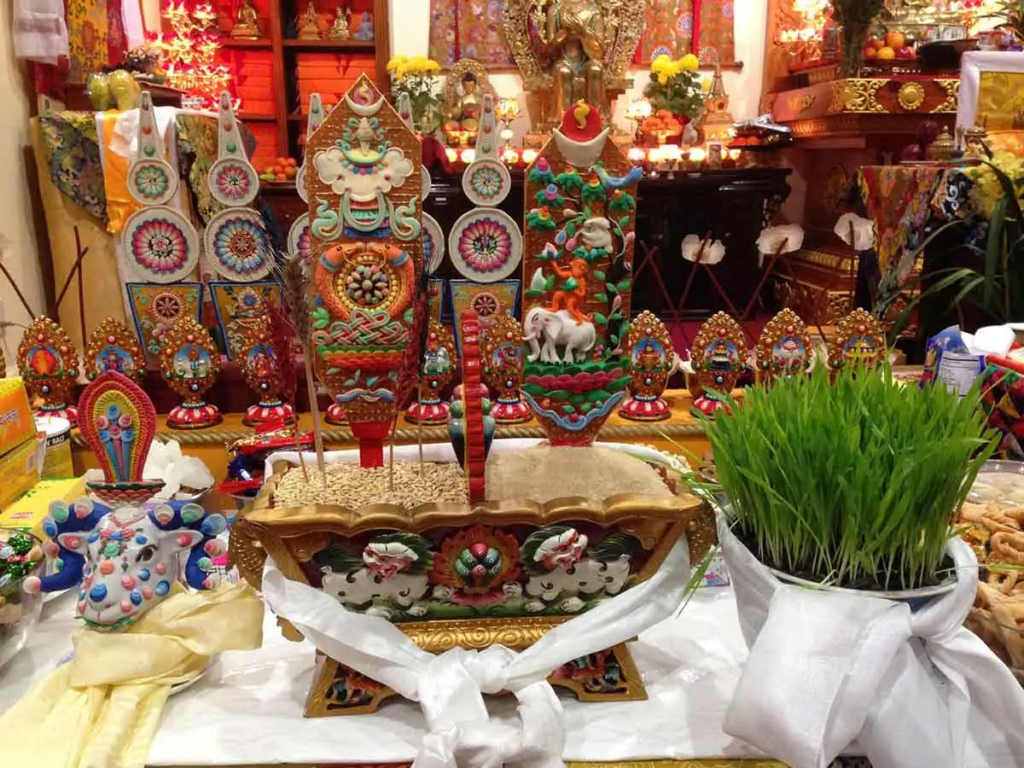
The most sacred month and occasion of significant events in the life of Buddha is Saga Dawa, celebrated in May or June.
The summers are also marked by the Shoton Festival, which involves the unveiling of giant Thangko paintings along with the celebrations among the masses in Lhasa.

These festivals provide an exceptional experience of the Tibetan religious lifestyle as well as boost the number of visitors and are to be planned in advance.
Plan Your Tibet Trip Wisely
One should spend at least seven or ten days in Tibet to pay a comfortable visit. This would be enough time to do some sightseeing in Lhasa, as well as do one big side trip like the Namtso (Namucuo) Lake or the north part of Everest.
Two-three weeks are needed for longer travels, particularly pilgrimages to Mount Kailash. Four-six-day short trips can be made, but it puts one at risk of issues of altitude and hasty traveling.
To accommodate weather delays and adjustment of the altitude adjustments, recovery days must always be added.

Sightseeing in Tibet is done by licensed Tour operators since independent touring is not possible. The tours are more expensive in terms of time, especially during the season and the periods of festivals.
Guided tours consist of permits, transport, guides, and lodging. Depending on the group tours, a standard one-week or ten-day group tour would cost an average of one thousand to fifteen hundred US dollars.
Any travelers need a Chinese visa and a Tibet Travel Permit. This permit should be obtained from a certified travel agency before entering Tibet by train, air, or road.
The approval of permits also requires a number of weeks. Nepal or mainland China entry is also the same permit.
Preparation for altitude is important, too. On arrival, visitors are supposed to take rest, hydrate and not engage in physical activities during the initial days.

The festival times can have an impact on the availability of permits and travel services, and they would need to be scheduled and booked beforehand.
Proper planning makes a major difference. Choosing the right season, allowing enough acclimatization time, securing permits early, and planning realistic travel distances ensure a smoother journey.
Most travelers who want stable weather, clear mountain views, and strong cultural experiences should plan their visit between late April and June or between mid September and early October.
With correct preparation, Tibet offers one of the most unique travel experiences in the world. Its high plateau landscapes, historic monasteries, pilgrimage routes, and traditional culture remain preserved in ways rarely seen elsewhere.
The combination of altitude, religion, and geography creates a destination that feels remote, quiet, and unforgettable.