

-
 Duration
19 Days
Duration
19 Days
-
 Difficulty
Very Challenging
Difficulty
Very Challenging
-
 Max Elevation
5360 m
Max Elevation
5360 m
-
 Group Size
1-10 Person
Group Size
1-10 Person
-
 Accommodation
Teahouse/Camping
Accommodation
Teahouse/Camping
-
 Start/End
Kathmandu Airport/Kathmandu
Start/End
Kathmandu Airport/Kathmandu
-
 Destination
Dhaulagiri Region
Destination
Dhaulagiri Region
-
 Best Season
March-May and Sep-Nov
Best Season
March-May and Sep-Nov

The Dhaulagiri Circuit Trek is one of the most remote and rewarding treks in Nepal. It is a perfect route for trekkers who want something serious, scenic, and far less crowded than the better known trails in the Everest or Annapurna regions.
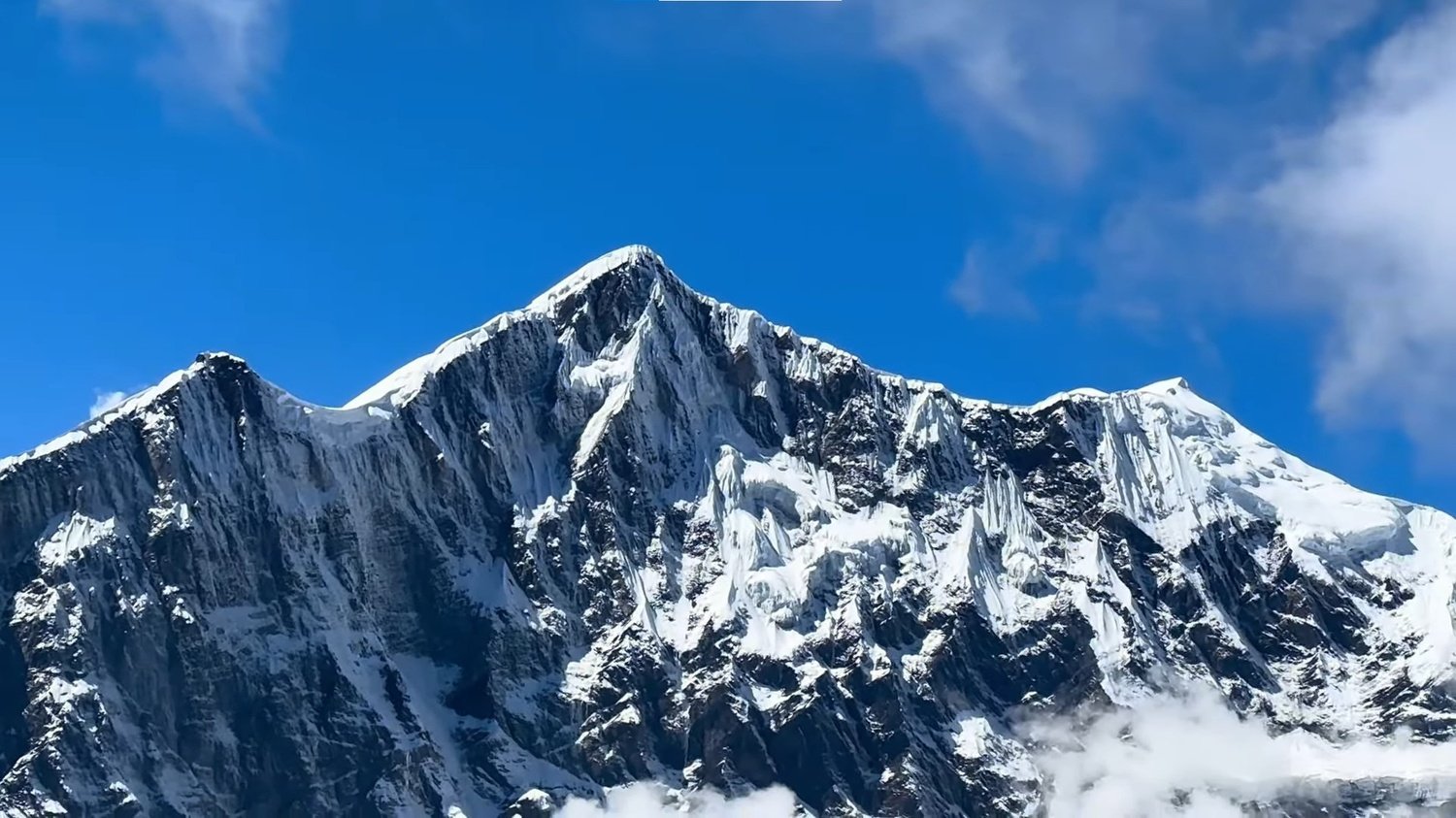
This rich trek circles Mt. Dhaulagiri I, 8167 metres, the seventh highest mountain in the world, and follows a route that takes you from the lower hills of western Nepal into deep valleys, high alpine camps, glacier terrain.
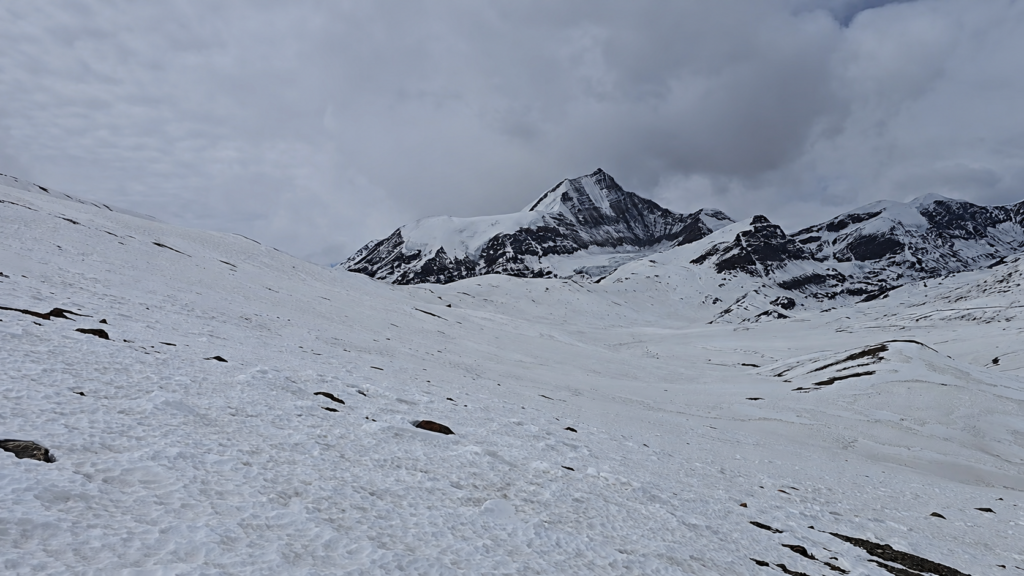
You will also stroll over major mountain passes before descending into the Kali Gandaki valley. It is a long journey, but every stage adds something important to the overall experience, make the journey worth every second of your time.
What makes the Dhaulagiri Circuit special is the way the landscape changes as you walk. The trek begins in Kathmandu, then moves to Pokhara and Beni, where the mountain journey truly starts.
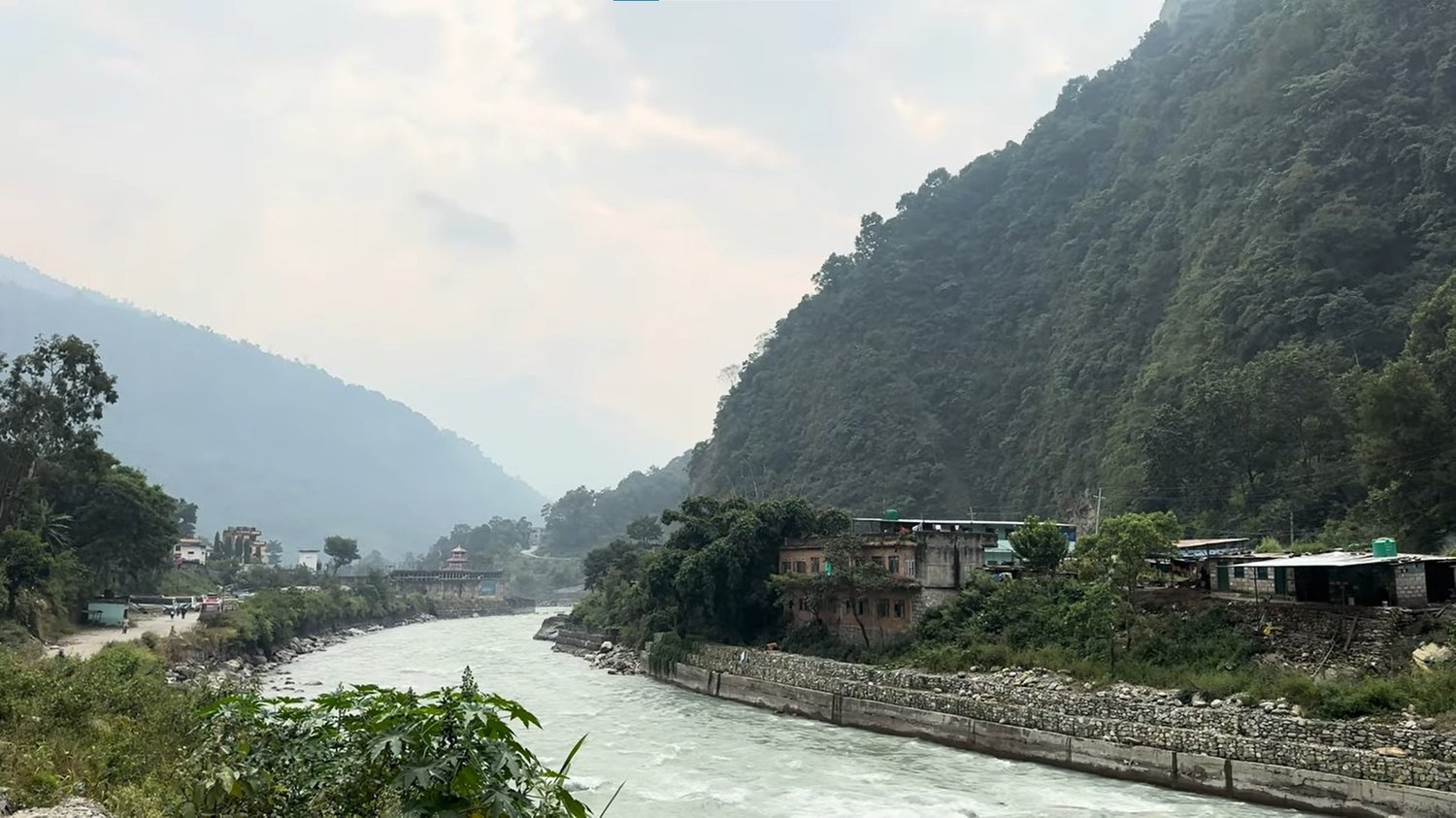
From there, the trail climbs through Darbang, Sibang, Muri, Boghara, and Nawarpani, passing through quiet villages, terraced farmland, suspension bridges, and slopes.
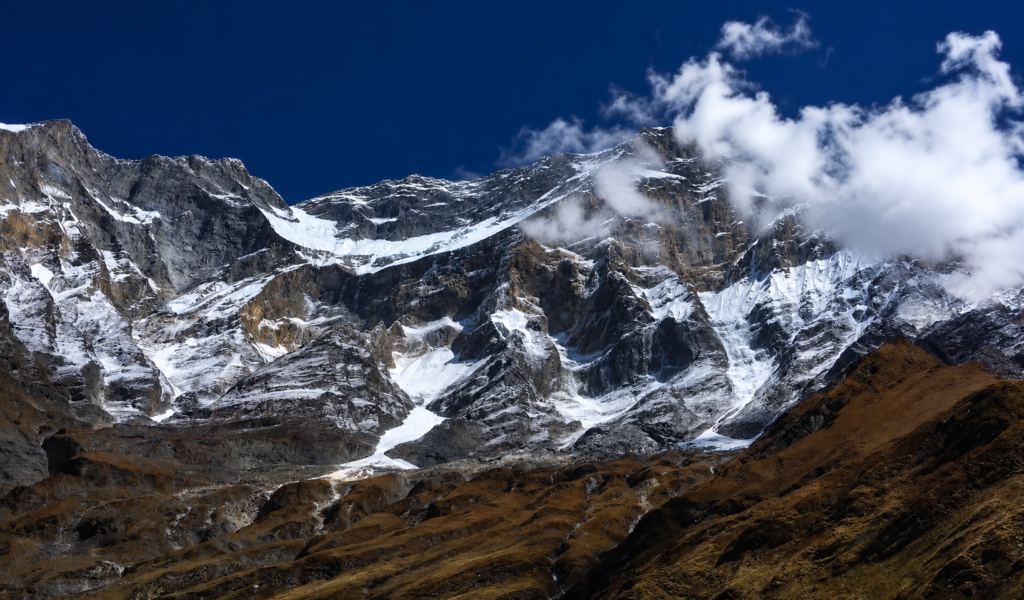
These early days are more than just an approach to the mountains. It give trekkers a clear sense of the people and places that are part of this remote experience, while slowly getting the momentum you need to complete the trek.
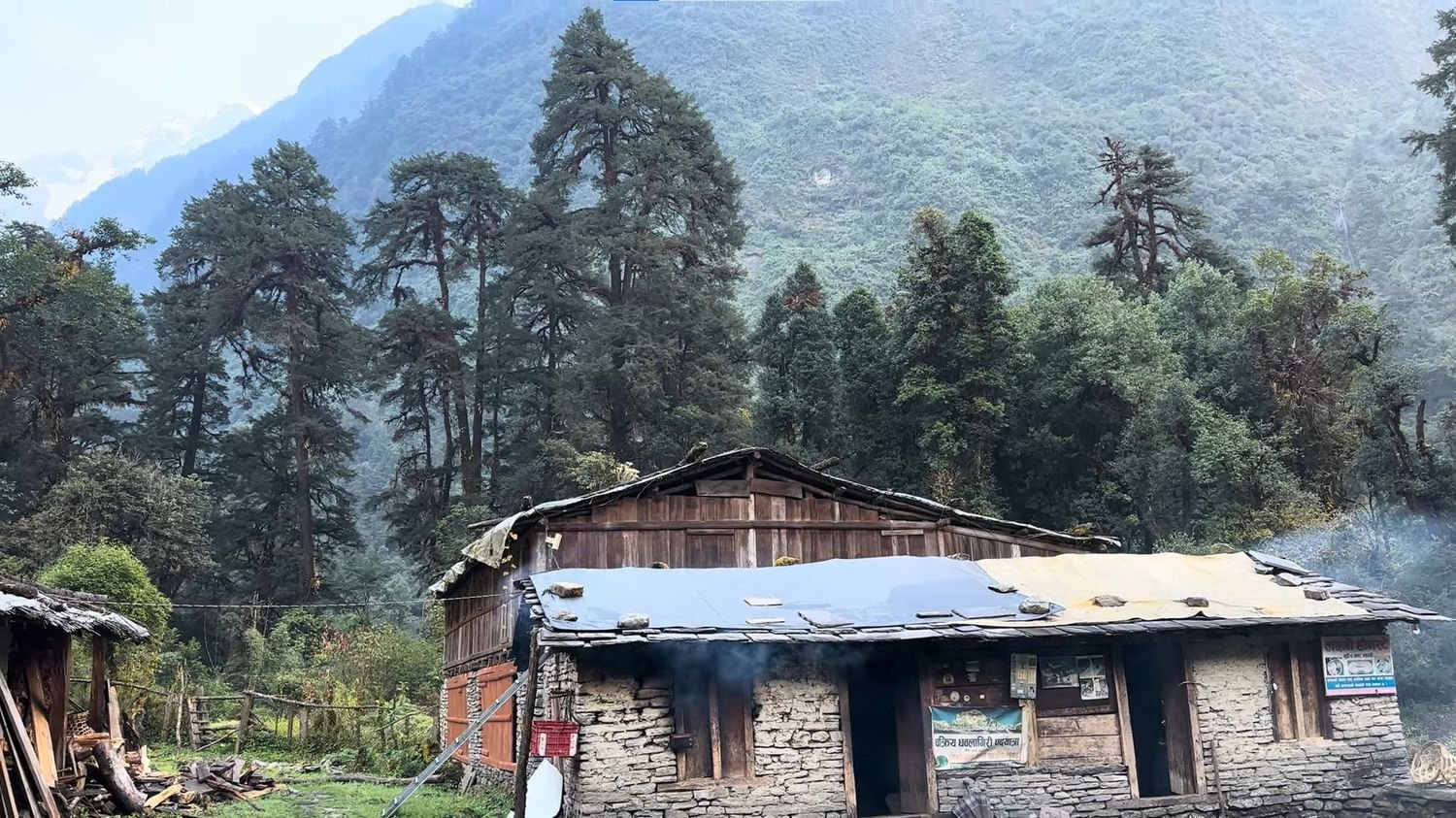
The villages of the Myagdi region are home mostly to Magar communities, whose traditional way of life is closely connected to farming, livestock, and the rhythm of the seasons.
l that remains local and uncomplicated, with stone houses, small fields, children walking along the trail, and villagers carrying supplies on foot in the same way they have for generations.
Here the time goes extremely slow, you can get fresh air while enjoying every moments and scenes they pass by.
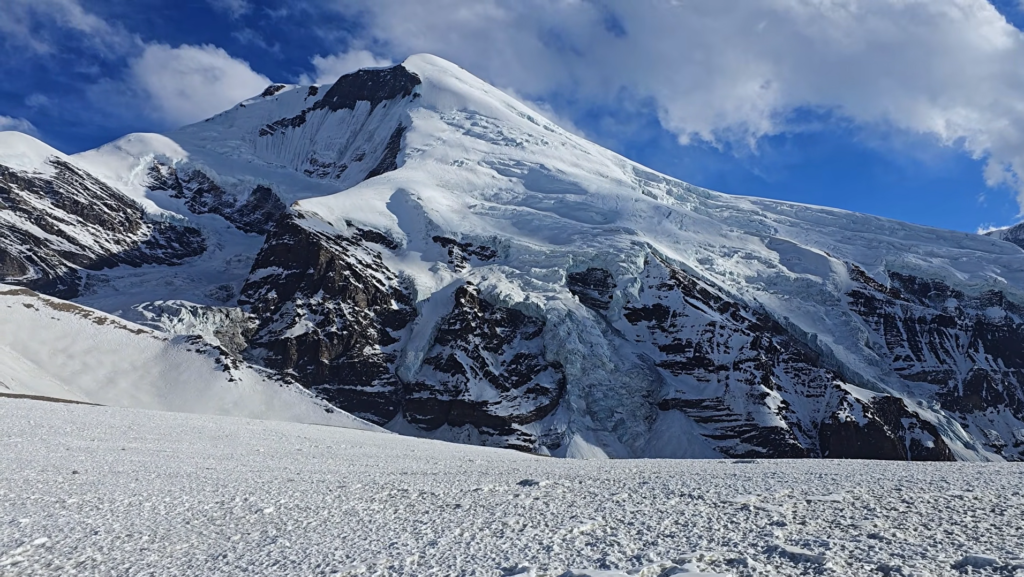
As the trek continues higher, the scenery becomes more rugged and remote. The forests begin to thin, the trail narrows, and the sense of isolation grows stronger.
By the time trekkers reach Glacier Camp and then Dhaulagiri Base Camp, the journey will enter a completely different world, especially if you ae not used to have trekking experience in hidden regions.
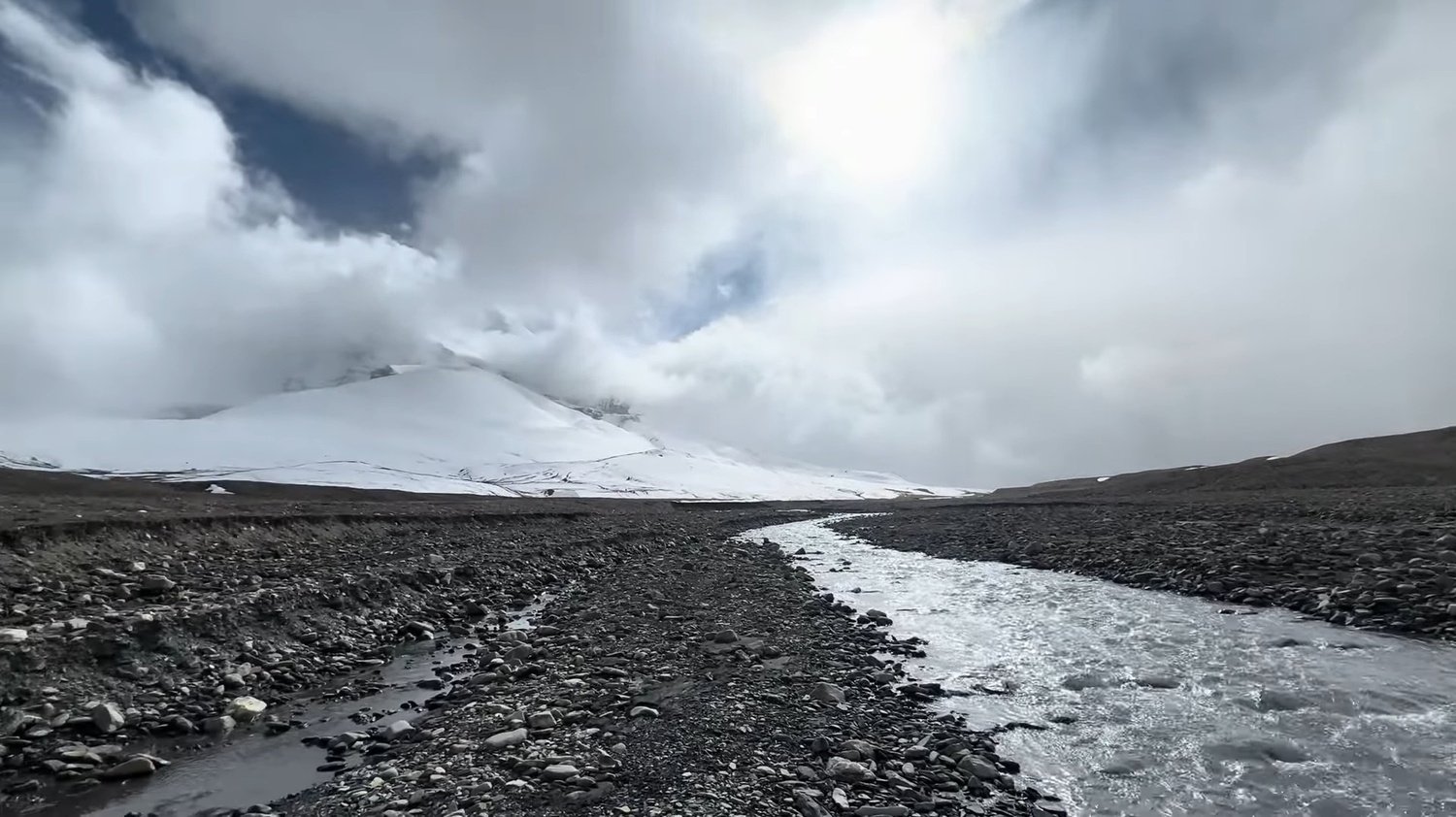
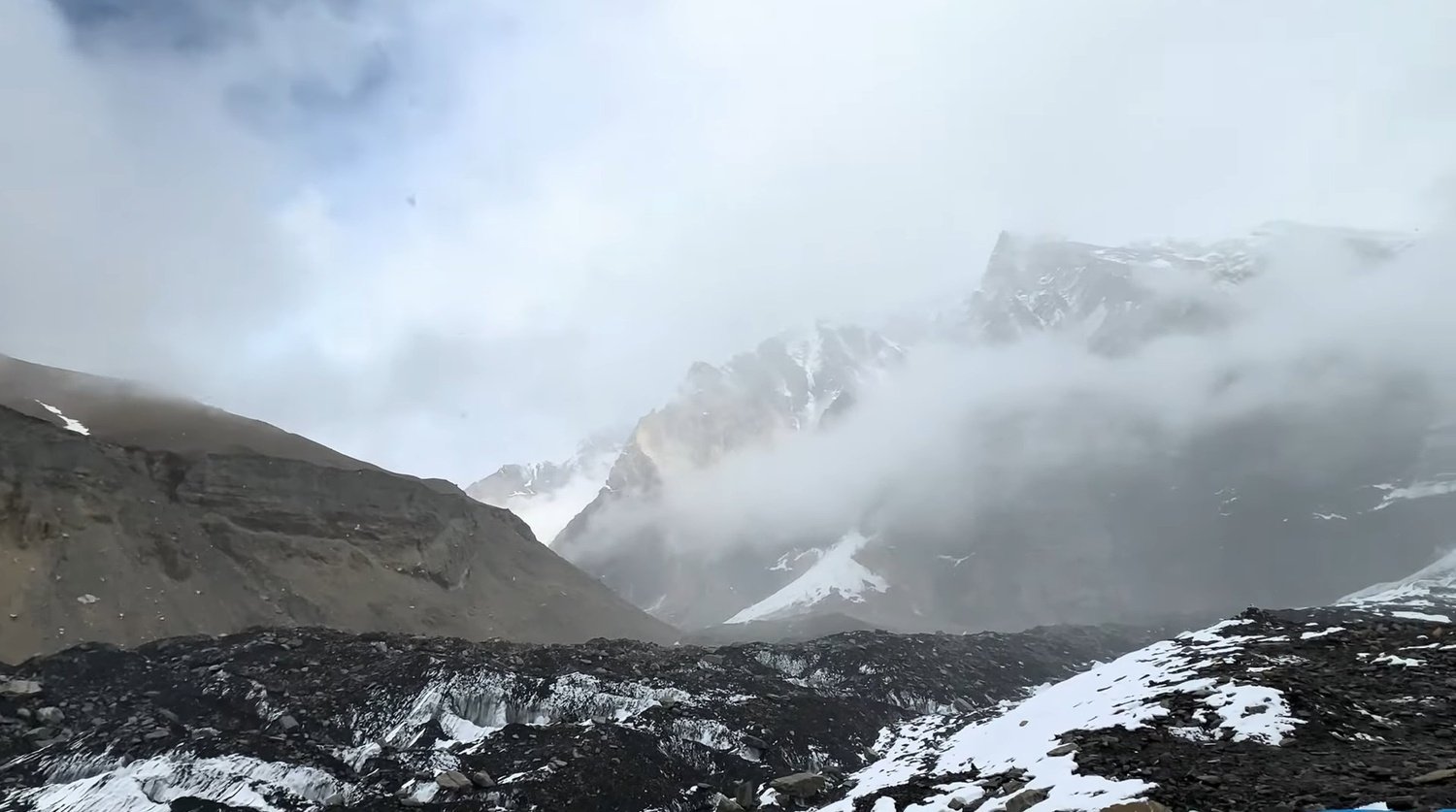
The terrain is filled with moraine, ice, rock, and the movement of glaciers. The air feels colder and thinner, the nights are quieter, and the mountain becomes impossible to ignore.
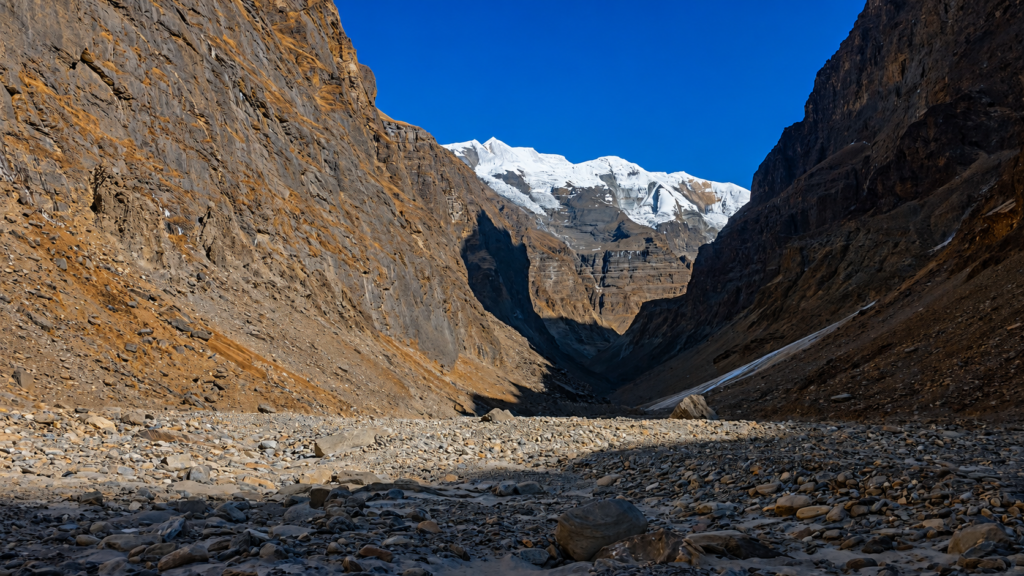
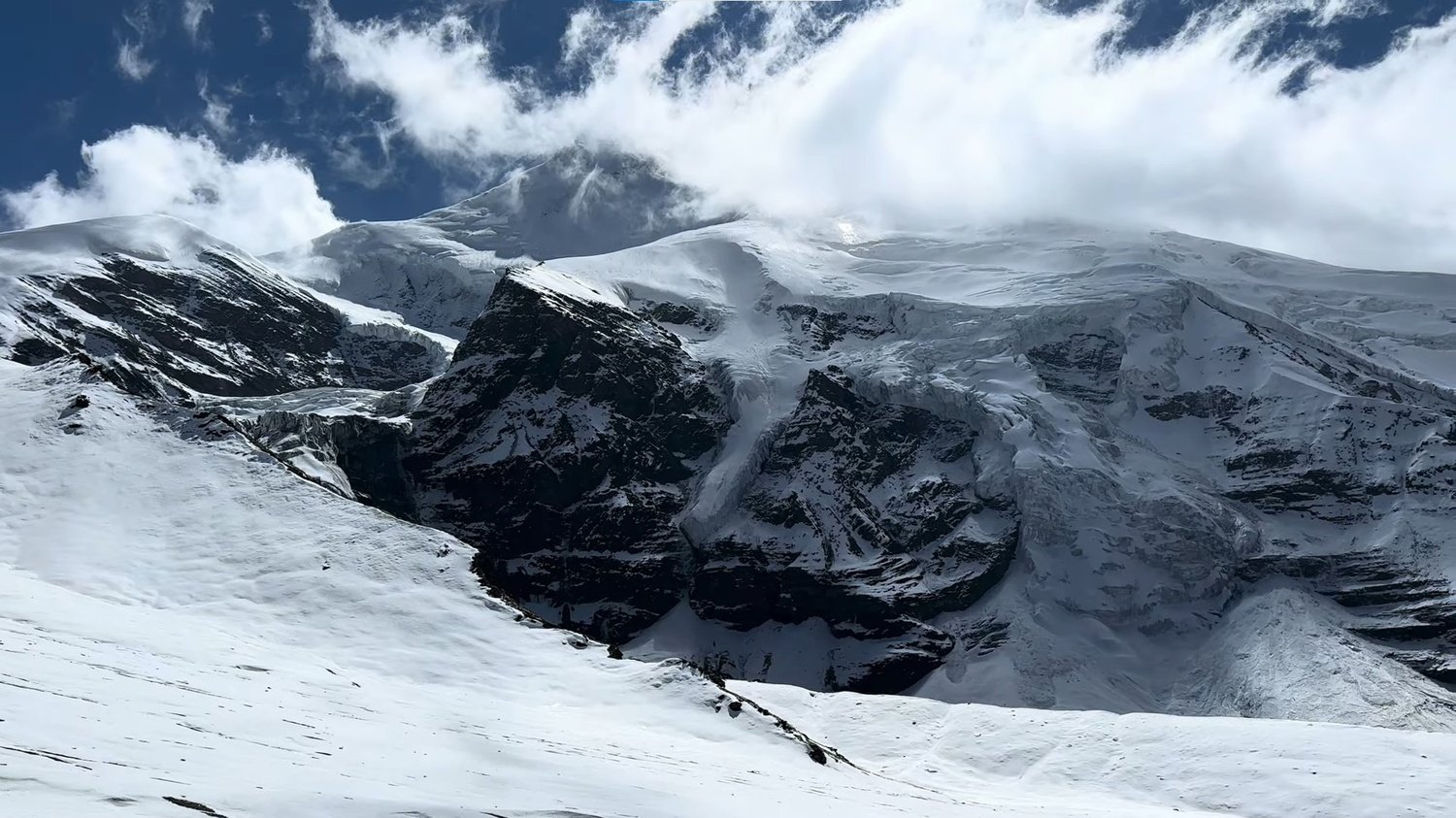
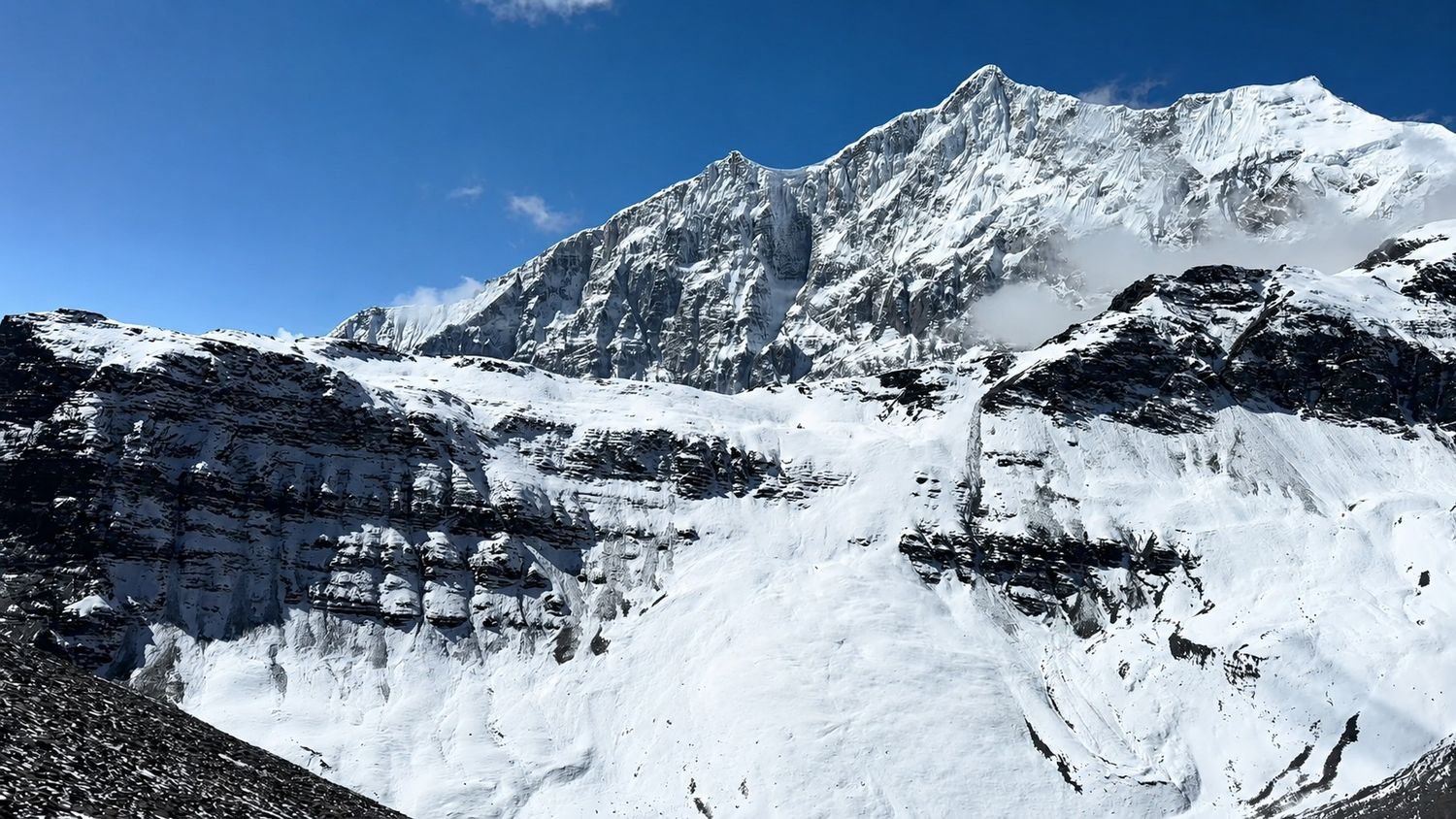
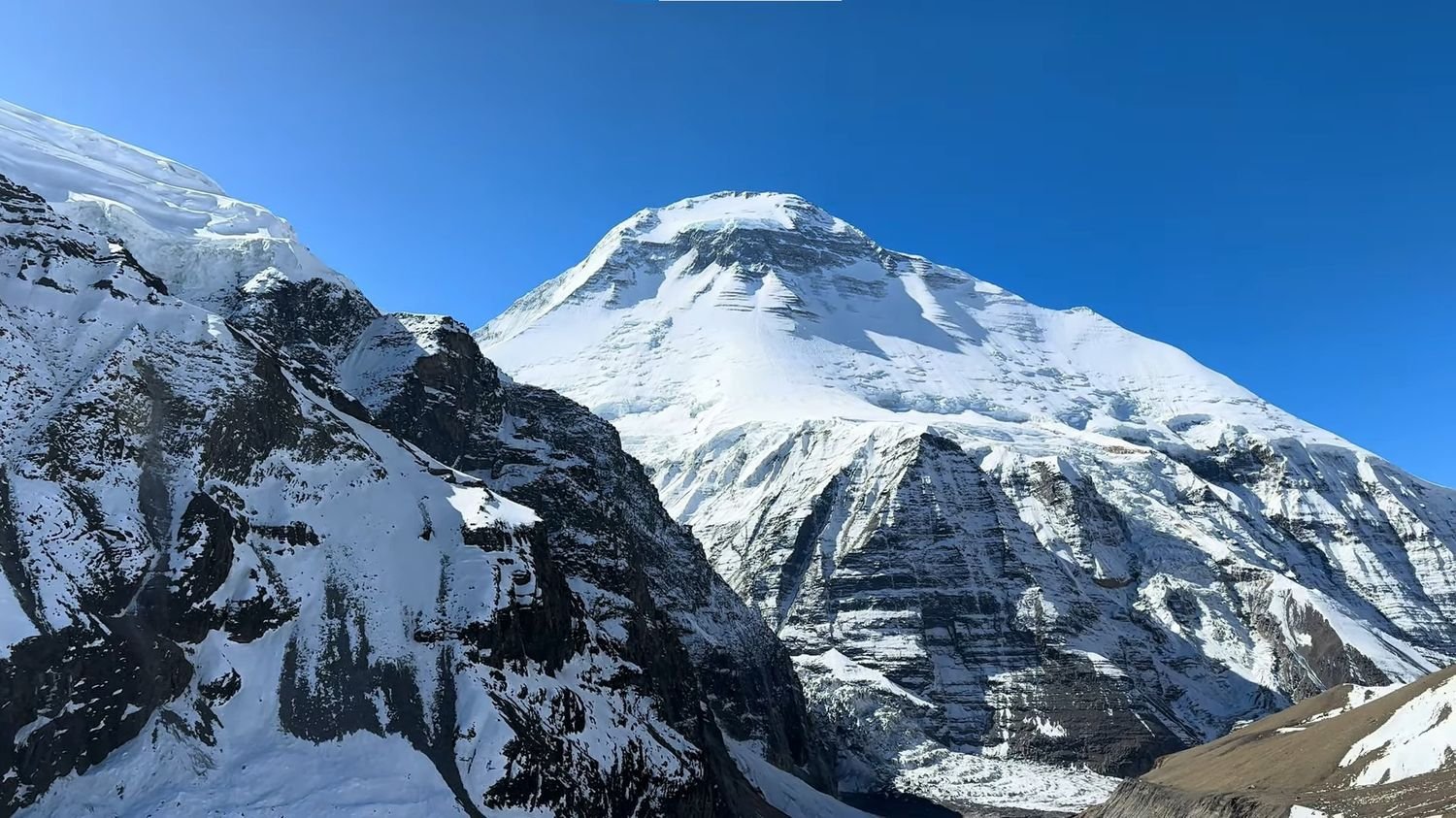
Standing at Dhaulagiri Base Camp is one of the most memorable parts of the circuit because the north face of Mt. Dhaulagiri rises directly above the glacier in a way that feels immense and powerful.
This is not a mountain that sits in the distance, but it dominates the landscape and reminds you at every step why this trek has such a strong reputation and no faint hearted can do this.
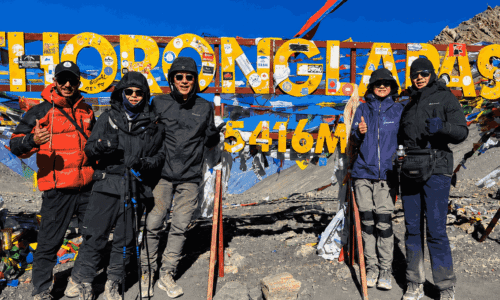
The most famous and challenging section of the Dhaulagiri Circuit is the crossing of French Pass/Col, 5,360 metres.
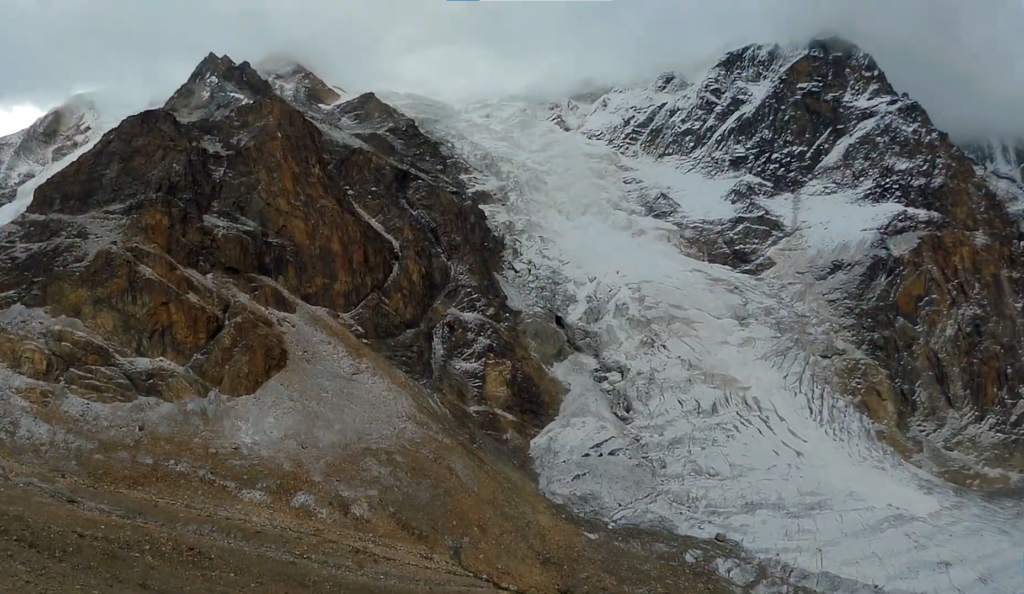
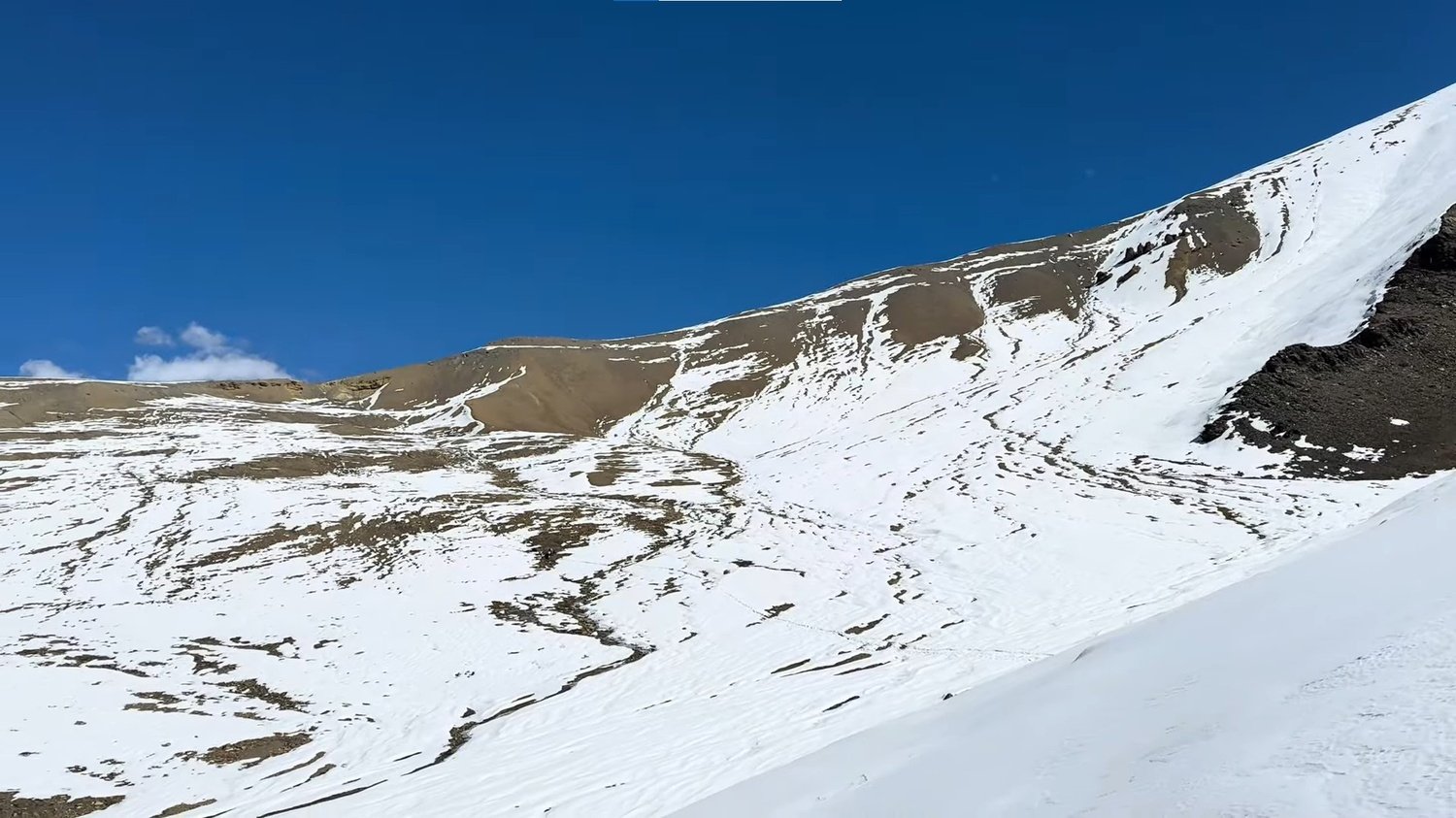
This is the highest point of the trek and the most demanding day on the route. It involves glacier travel, snow, steep climbing, and careful movement at high altitude.
For many trekkers, this is the defining moment of the entire journey, which also requires crampons, and waerproof boots apart from other essential items you carry.
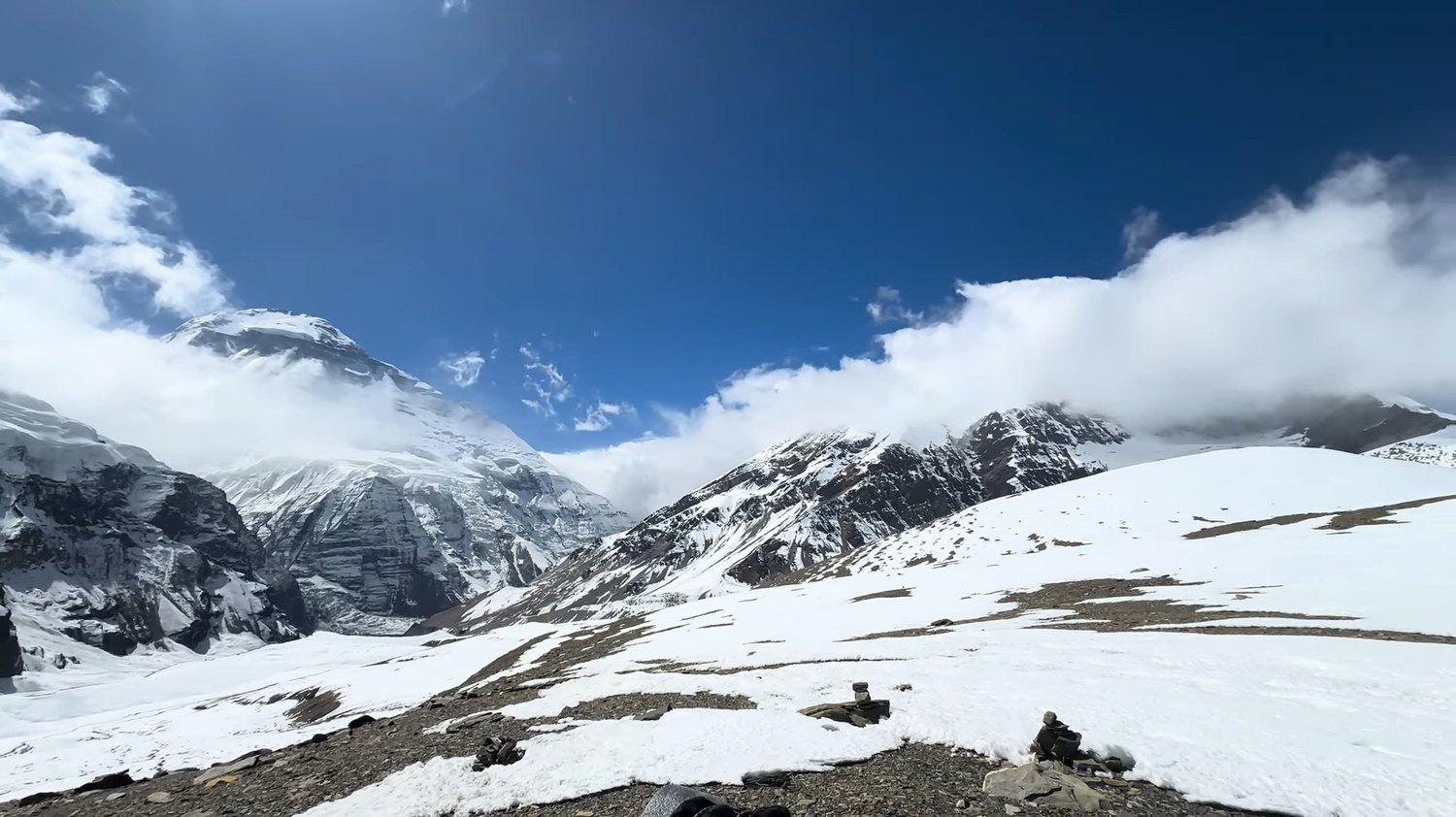
The climb requires patience and a steady pace, but the reward is unforgettable. From the French Pass, you can see across the full Dhaulagiri mountain smiling back at you and on clear days toward the Annapurna range and other high peaks of western Nepal.
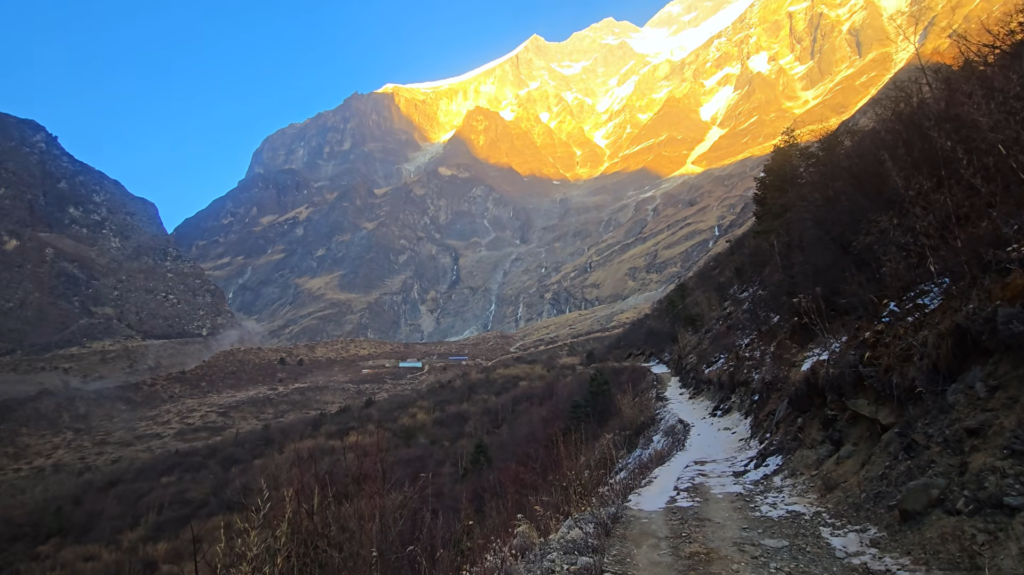
The feeling at the top is something magical because it combines effort, exposure, and a wide Himalayan view in one place.
After crossing French Col, the route descends into the Hidden Valley, one of the most isolated and striking parts of the trek.
This high valley feels completely separate from the lower world. It is open, quiet, and surrounded by mountains on all sides.
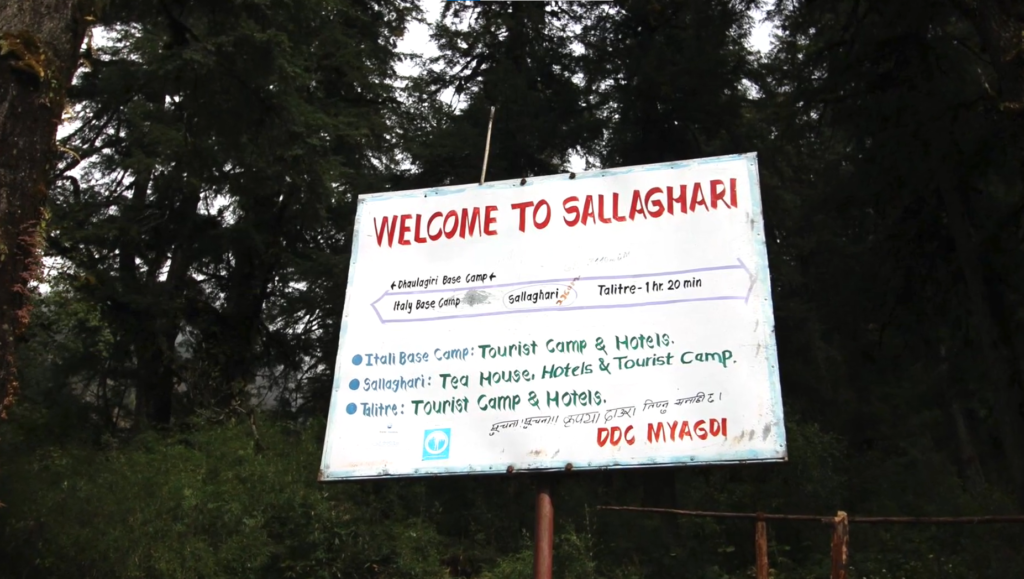
Few trekkers ever reach this area, and that makes the experience even more special. The Hidden Valley is the kind of place that makes people understand why high altitude trekking in Nepal is so unique.
It is not just about reaching a destination. It is about moving through terrain that feels raw, empty, and deeply powerful.
The trek then continues over Thapa Pass, another major crossing that takes you down from the highest section of the circuit. This pass is less famous than French Col but still very important to the route.
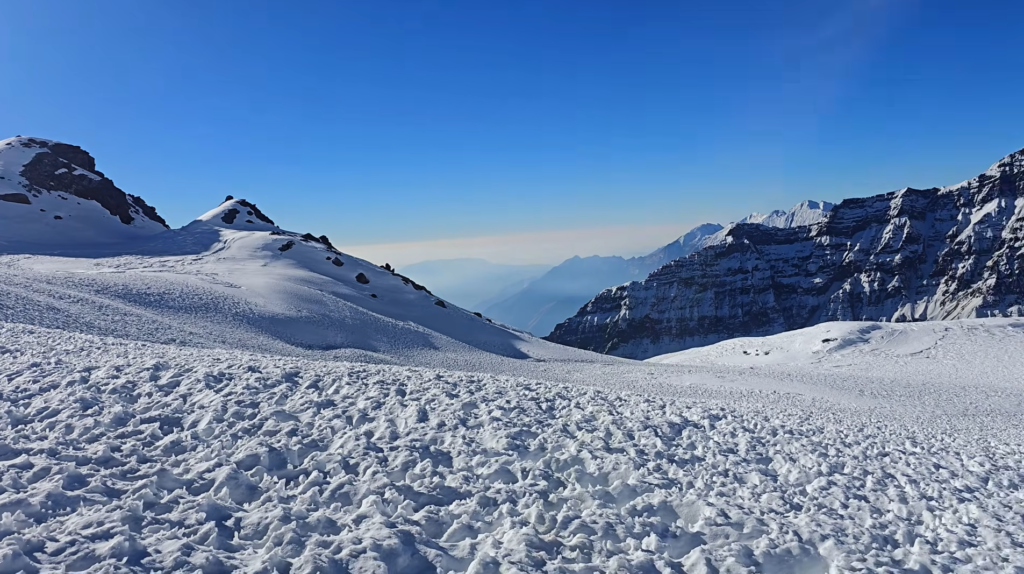
It links the high glacial section with the descent toward the lower valleys. From there, the landscape begins to change again.
You will see grass returning, the air becoming warmer, and eventually reach Yak Kharka, then descend farther into the Kali Gandaki valley.
This is one of the most dramatic transitions on the trek, because the environment changes from snow and stone to villages, and drier valleys.
One of the strongest cultural highlights of the route is Marpha. This beautiful Thakali village sits in the Kali Gandaki valley and offers a strong contrast to the raw mountain camps above.
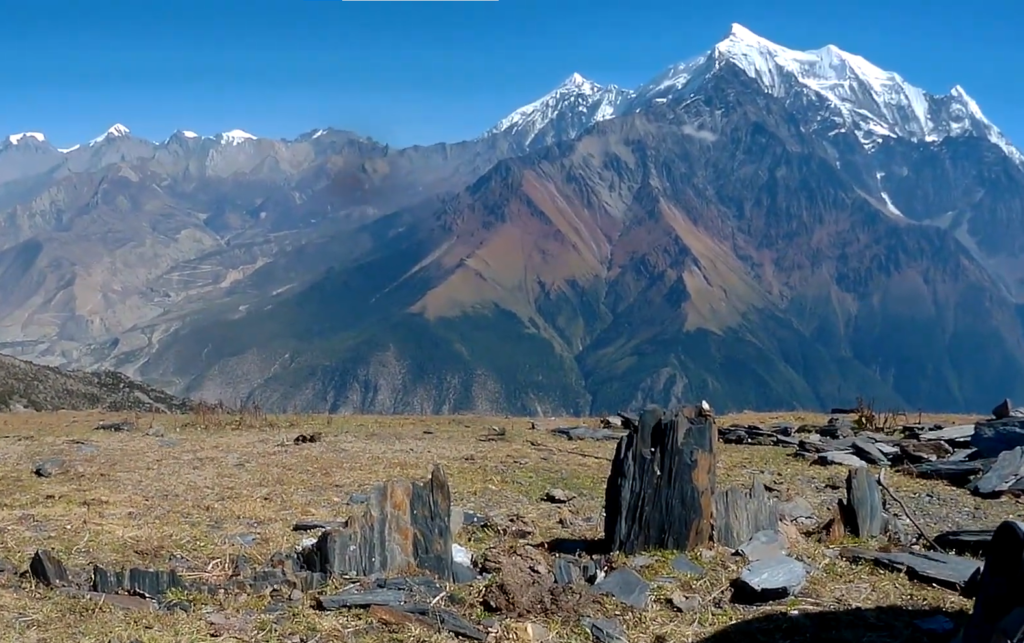
Marpha is known for its whitewashed houses, narrow stone lanes, apple orchards, and traditional local character.
It is one of the best places on the trek to experience the culture of the upper Mustang side of Nepal without entering the restricted region itself.
From Marpha, the trail continues through Kalopani and Tatopani, both of which sit in the wider Kali Gandaki corridor.
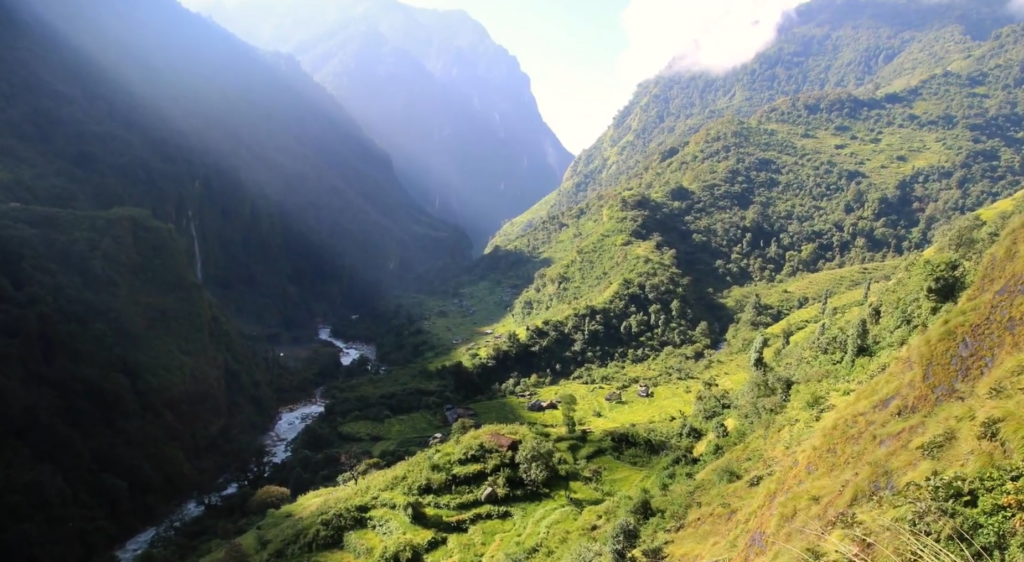
Tatopani is especially welcome because of its natural hot springs, which offer trekkers a chance to relax after the colder and more difficult high mountain section.
Geographically, the Dhaulagiri Circuit is also fascinating because it passes through some of Nepal’s most important mountain landscapes.
The Kali Gandaki gorge, which lies between the Dhaulagiri and Annapurna massifs, is one of the deepest gorges in the world.
The views here are very different from the glacier section above. The valley is wide in some places, narrow in others, and often shaped by strong winds that sweep through the corridor.
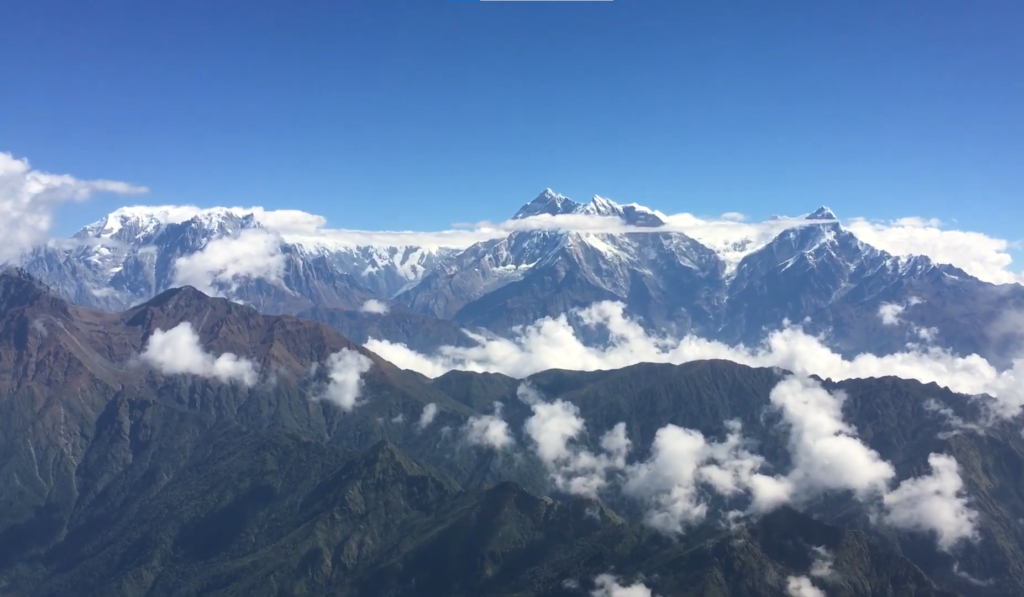
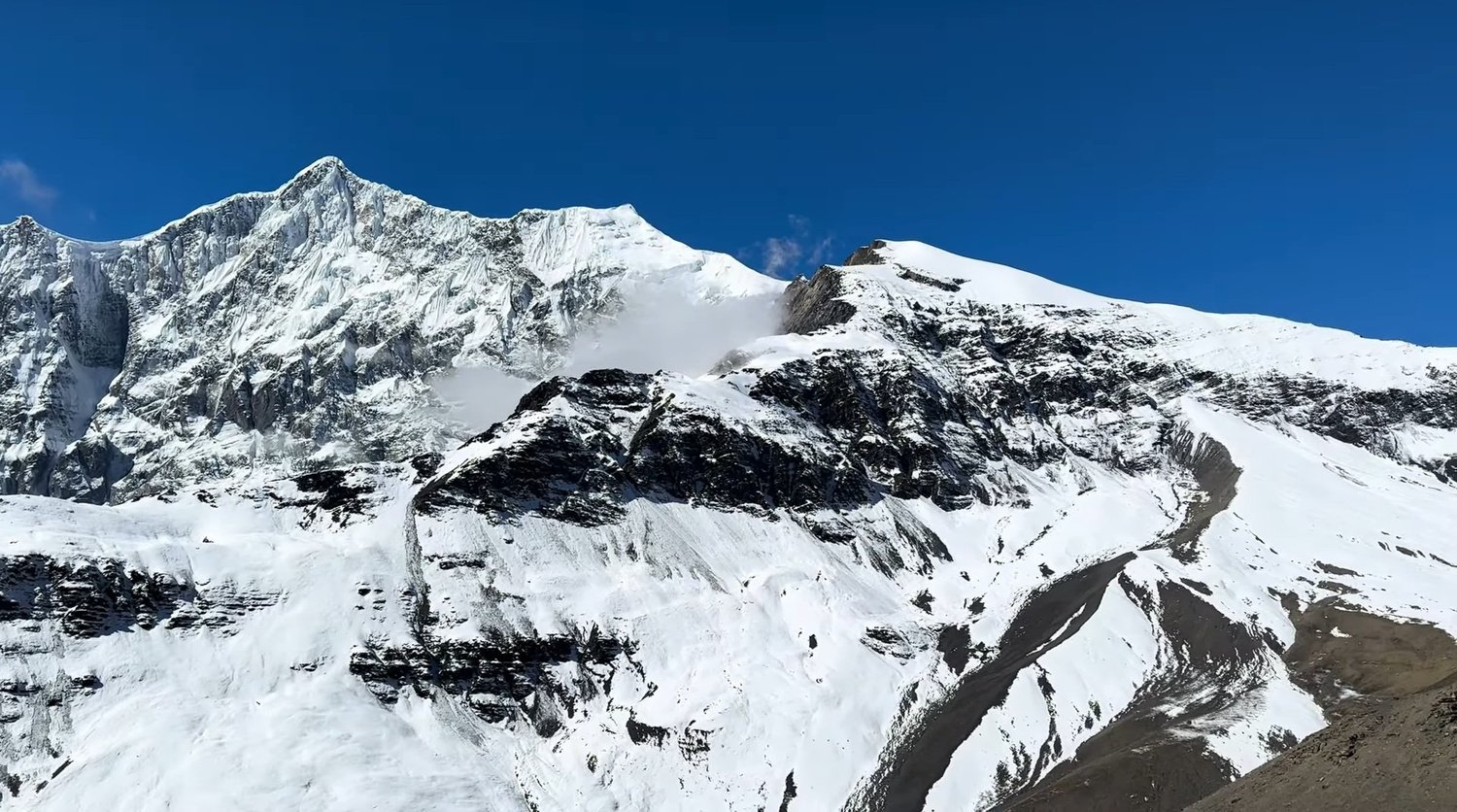
Nearby peaks such as Nilgiri, Tukuche, Dhaulagiri, and the Annapurna range give the route a constant sense of scenic experience.
Even when you are not climbing, the scenery remains impressive because the mountains are always visible in one form or another.
The 19 day trek is important because this trek should not be rushed. Dhaulagiri demands time for acclimatization, rest, and proper pacing.
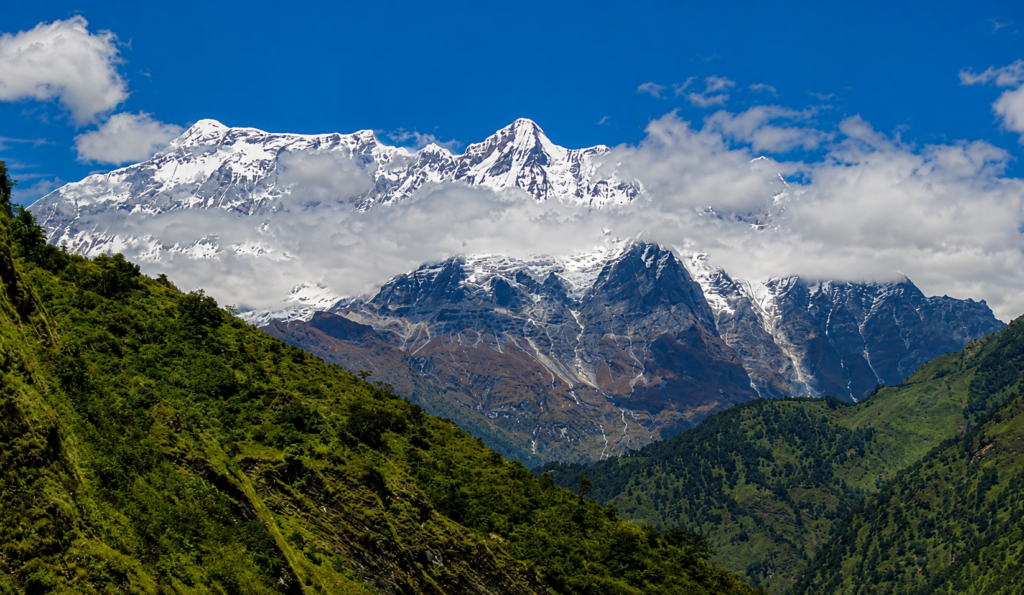
The early days through Myagdi allow trekkers to move gradually into higher ground before entering the glacier zone.
The high camp section then gives enough time to reach Base Camp, cross French Col, and continue safely over Thapa Pass before descending.
A well planned itinerary matters on a route like this because the terrain is remote and the altitude is serious. The longer format also makes the journey feel complete.
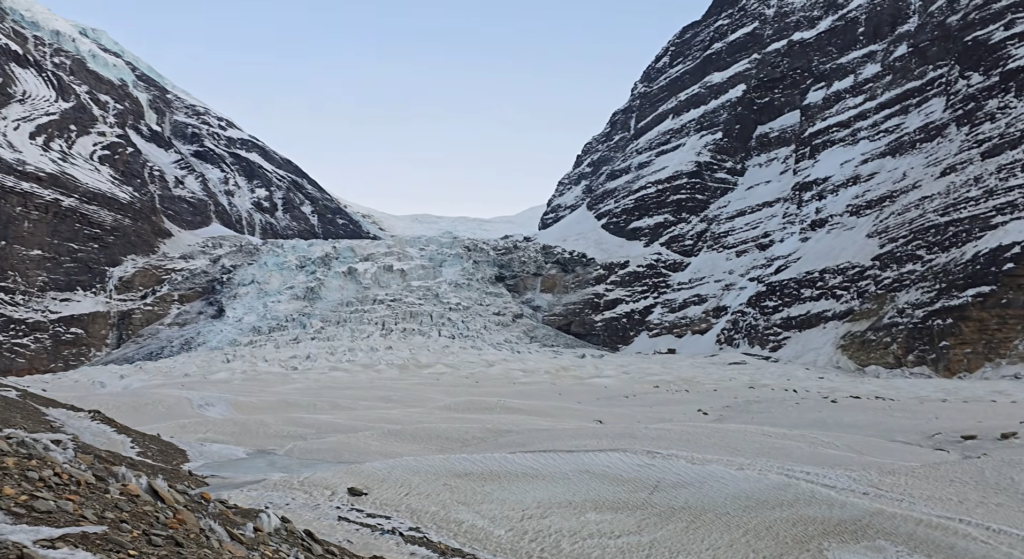
You are not just going to one place and returning. You are walking a full circuit around one of the greatest mountains in Nepal.
The Dhaulagiri Circuit Trek is best suited for trekkers who want a route with real depth and those who have completed couple of longer treks before.
It offers wilderness, culture, mountain views, high passes, and a strong sense of journey from start to finish.
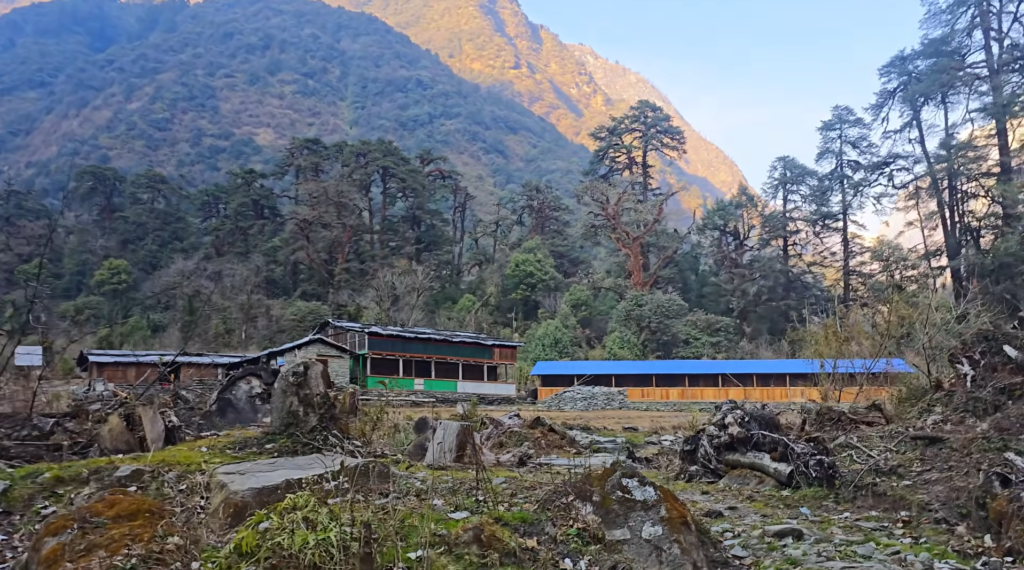
Though this is physically demanding, it is also one of the most satisfying treks in Nepal because every section feels different and every day adds something meaningful.
For trekkers looking for a serious Himalayan experience that is rich in scenery, mountain history, local culture, and remote adventure, the Dhaulagiri Circuit is one of the finest choices in the country.
Trip Highlights
- One of the greatest rewards of this trek is standing close to the north face of Dhaulagiri I, seventh-highest mountain in the world.
- The most iconic moment of the trek is the crossing of French Col, where you reach the highest point of the circuit at 5,360 metres where you can enjoy views of the Dhaulagiri, Hidden Valley, and even Annapurna range.
- The route also brings you through the Kali Gandaki gorge, widely known as one of the deepest gorges in the world which is situated between carved between the Dhaulagiri and Annapurna massifs.
- Villages like Darbang, Sibang, Muri, and Boghara give a real look at Magar life in western Nepal, with stone houses, terrace farming, and traditional mountain culture.
- The trail through the Myagdi valley is rich in forest scenery, river crossings, and suspension bridges, especially in the lower and middle sections of the trek.
- Reach Dhaulagiri Base Camp at around 4,750 metres, which sits beside the Chonbarden Glacier beneath the massive north face of Mt. Dhaulagiri, where you get a raw high altitude atmosphere unlike anywhere else on the trek.
- Glacier Camp marks the start of the true alpine section, where vegetation disappears and the route becomes raw, rocky, and much more remote.
- Thapa Pass at 5,169 metres adds another high mountain crossing, linking the Hidden Valley with the descent toward the Kali Gandaki side.
- Visit Marpha, one of the most beautiful villages on the route, known for its Thakali culture, apple orchards, whitewashed houses, and narrow stone lanes.
- Enjoy the trekking days in one of the most remote routes, while staying in a local teahouse and even camps. At the same time enjoy local meals prepared by villagers to satisfy both your soul and tummy.
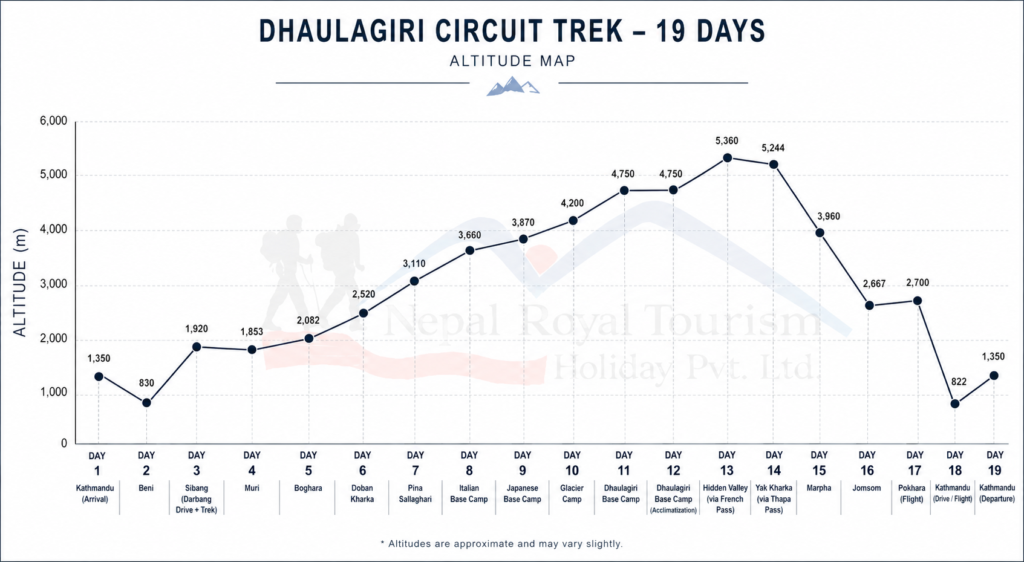
Dhaulagiri Circuit Trek – 19 Days ~ Itinerary
Day 1
Arrival at TIA - Welcome to Nepal
- Altitude: 1350 m
- Accommodation: Standard Three Star Hotel in Thamel
After your international flight lands at Tribhuvan International Airport, a Nepal Royal Tourism Holidays representative will be waiting at the arrivals hall to receive you and transfer you to your hotel in Thamel. The drive usually takes around 30 to 45 minutes depending on traffic. Once you are checked in, the rest of the day is for recovery, final settling in, and an easy start to Nepal before the trek begins. Your trek leader will also use the afternoon to sort all necessary permits, including the Annapurna Conservation Area Permit and TIMS card, so that the team is ready to move first thing tomorrow.
Day 2
Drive from Kathmandu to Beni
- Max altitude: 830 m
- Travel Duration: 9-10 hours drive
- Travel Distance: About 280 km by road
- Meal: Breakfast, Lunch and Dinner
- Accommodation: Guesthouse in Beni
The journey west begins early with a long drive from Kathmandu to Beni, the district headquarters of Myagdi and the main gateway into the Dhaulagiri region. The road passes through river valleys and hill settlements before reaching the lower Kali Gandaki corridor. Beni is an important supply town with pharmacies, a small bazaar, and the last reliable banking facilities before the route becomes properly remote. By the time you arrive, the mountain journey has already started to feel real.
Day 3
Drive from Beni to Darbang and Begin Trek to Sibang
- Max altitude: 1920 m
- Travel Duration: 1.5 hours drive
- Travel Distance: About 35 km by road after the flight
- Trek Duration: 4-5 hours
- Trek Distance: Abput 10 km
- Meal: Breakfast, Lunch and Dinner
- Accommodation: Teahouse in Sibang
From Beni, a jeep drive takes you to Darbang, where the walking section begins in the Myagdi valley. The trail heads north through terraced fields, Magar settlements, and pockets of subtropical forest while the valley slowly tightens around the river. Sibang is a small and quiet ridge settlement with basic teahouse accommodation and a strong local feel. It is a solid first trekking night and a good introduction to the pace of the circuit.
Day 4
Trek from Sibang to Muri
- Max altitude: 1853 m
- Trek Duration: 5-6 ours
- Trek Distance: About 12 km
- Meal: Breakfast, Lunch and Dinner
- Accommodation: Teahouse in Muri
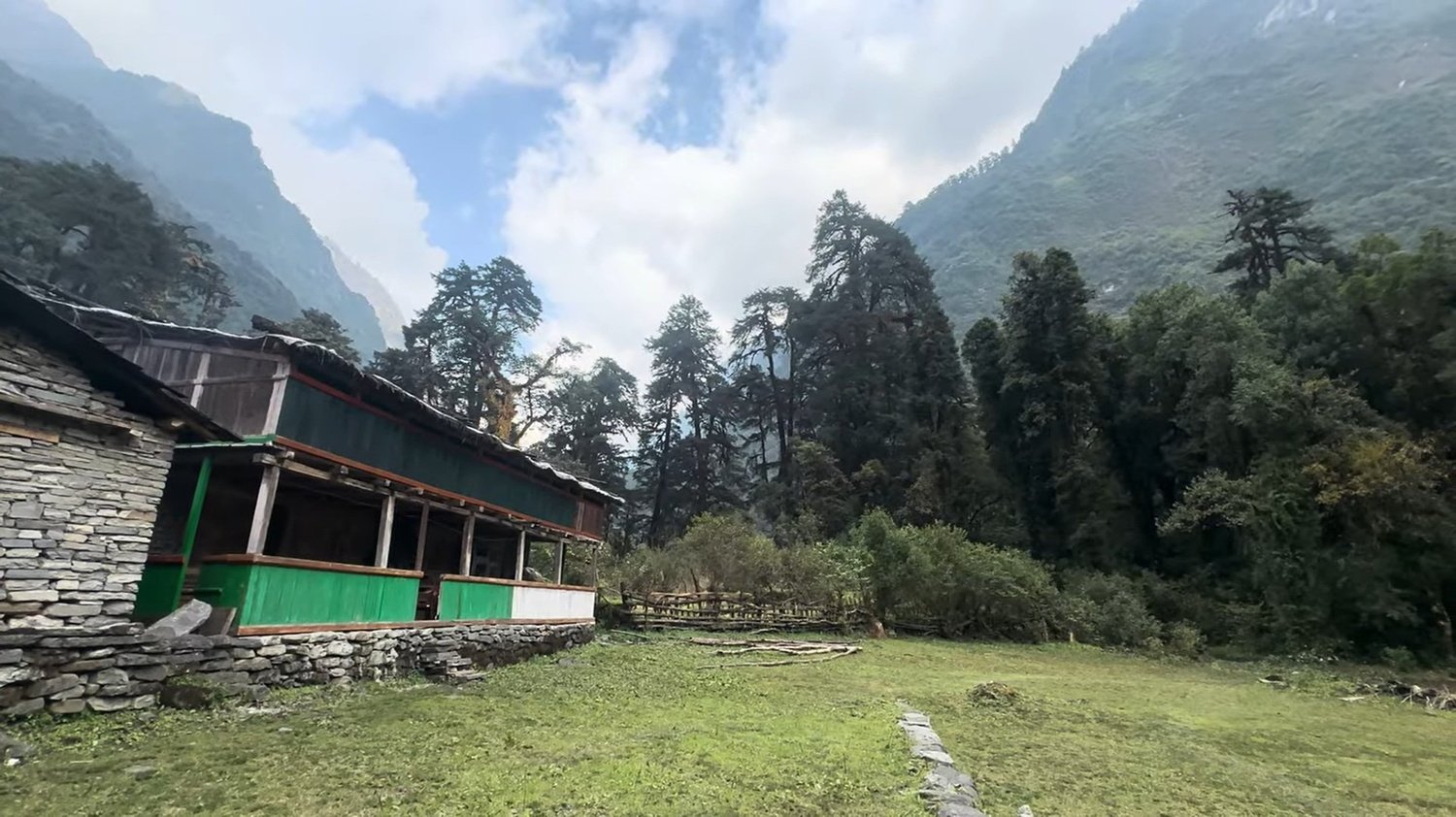
The trail continues up the Myagdi Khola valley, crossing suspension bridges and following a mix of riverbank and contour line paths. The forest here is rich and varied, with pine, rhododendron, and alder making the walking genuinely enjoyable. Villages along this section still feel very local, with stone houses, small gardens, and a mountain way of life that has changed very little over time. Muri is one of the more established villages on the lower route and offers a strong cultural start to the trek.
Day 5
Trek from Muri to Boghara
- Max altitude: 2082 m
- Trek Duration: 5-6 hours
- Trek Distance: 11 km
- Meal: Breakfast, Lunch and Dinner
- Accommodation: Teahouse in Boghara
Today the route becomes more remote and the valley begins to feel less inhabited. The trail climbs gradually through forested slopes and hillside settlements where farming is still the main rhythm of life. Boghara is a quiet village and one of the important lower stops on the Dhaulagiri approach. The scenery is still green, but the terrain ahead already feels more serious and less forgiving. The upper peaks will begin to appear above the ridgeline on clear afternoons.
Day 6
Trek from Boghara to Doban Kharka
- Max altitude: 2520 m
- Trek Duration: 6-7 hours
- Trek Distance: 13 km
- Meal: Breakfast, Lunch and Dinner
- Accommodation: Teahouse in Doban Kharka
The trail now pushes deeper into the upper Myagdi gorge, where the river drops lower and the valley walls grow steeper. Permanent settlements become more scattered, and the walking turns into a quieter, more isolated mountain experience. The transition from mid-altitude mixed forest to higher alpine vegetation begins to show on this stretch, with juniper and high altitude shrubs appearing alongside the trail. Doban Kharka is a basic overnight point, but it marks an important transition into the higher alpine section that follows. The route beyond here starts to feel much more committed.
Day 7
Trek from Doban Kharka to Pina Sallaghari
- Max altitude: 3110 m
- Trek Duration: 5-6 hours
- Trek Distance: 10 km
- Meal: Breakfast, Lunch and Dinner
- Accommodation: Teahouse in Pina Sallaghari
This is where the trek begins to feel properly alpine. The trail becomes more open, the forest thins out, and the valley starts to reveal the raw Dhaulagiri environment that lies ahead. The path narrows in places and sections of steep scrambling appear where the gorge walls push the trail upward to avoid the water below. Pina Sallaghari is a simple camp area with very basic shelter, and the air is noticeably thinner by the time you arrive. It is a good place to slow down, rest well, and prepare for the expedition-style section of the route.
Day 8
Trek from Pina Sallaghari to Italian Base Camp
- Max altitude: 3660 m
- Trek Duration: 5-6 hours
- Trek Distance: 9-10 km
- Meal: Breakfast, Lunch and Dinner
- Accommodation: Tented Camp at Italian Base Camp
The trail climbs out of the gorge and moves into a wide, rocky high-mountain landscape where moraine replaces forest. Italian Base Camp is one of the major staging points on the circuit, historically used by Italian mountaineering expeditions during Dhaulagiri summit attempts in the mid-20th century. The north face of the mountain becomes more visible here, and the camp gives trekkers their first strong sense of the Dhaulagiri expedition environment. This is where the trek makes its clear shift from remote village walking into true high-altitude terrain.
Day 9
Trek from Italian Base Camp to Japanese Base Camp
- Max altitude:
- Trek Duration:
- Trek Distance:
- Meal: Breakfast, Lunch and Dinner
- Accommodation: Tented Camp at Japanese Base Camp
The route continues higher across moraine and rough glacial ground toward Japanese Base Camp, named after a Japanese expedition that used it as a key staging camp. The terrain is fully alpine now, with little vegetation left and the Dhaulagiri massif increasingly dominating the skyline. This is a shorter but important day because it keeps the ascent gradual while moving you closer to the glacier section. Japanese Base Camp is cold, exposed, and surrounded by the kind of landscape that makes the trek feel like a real Himalayan expedition.
Day 10
Trek from Japanese Base Camp to Glacier Camp
- Max altitude: 4200 m
- Trek Duration: 4-5 hours
- Trek Distance: 5-6 km
- Meal: Breakfast, Lunch and Dinner
- Accommodation: Tented Camp at Glacier Camp
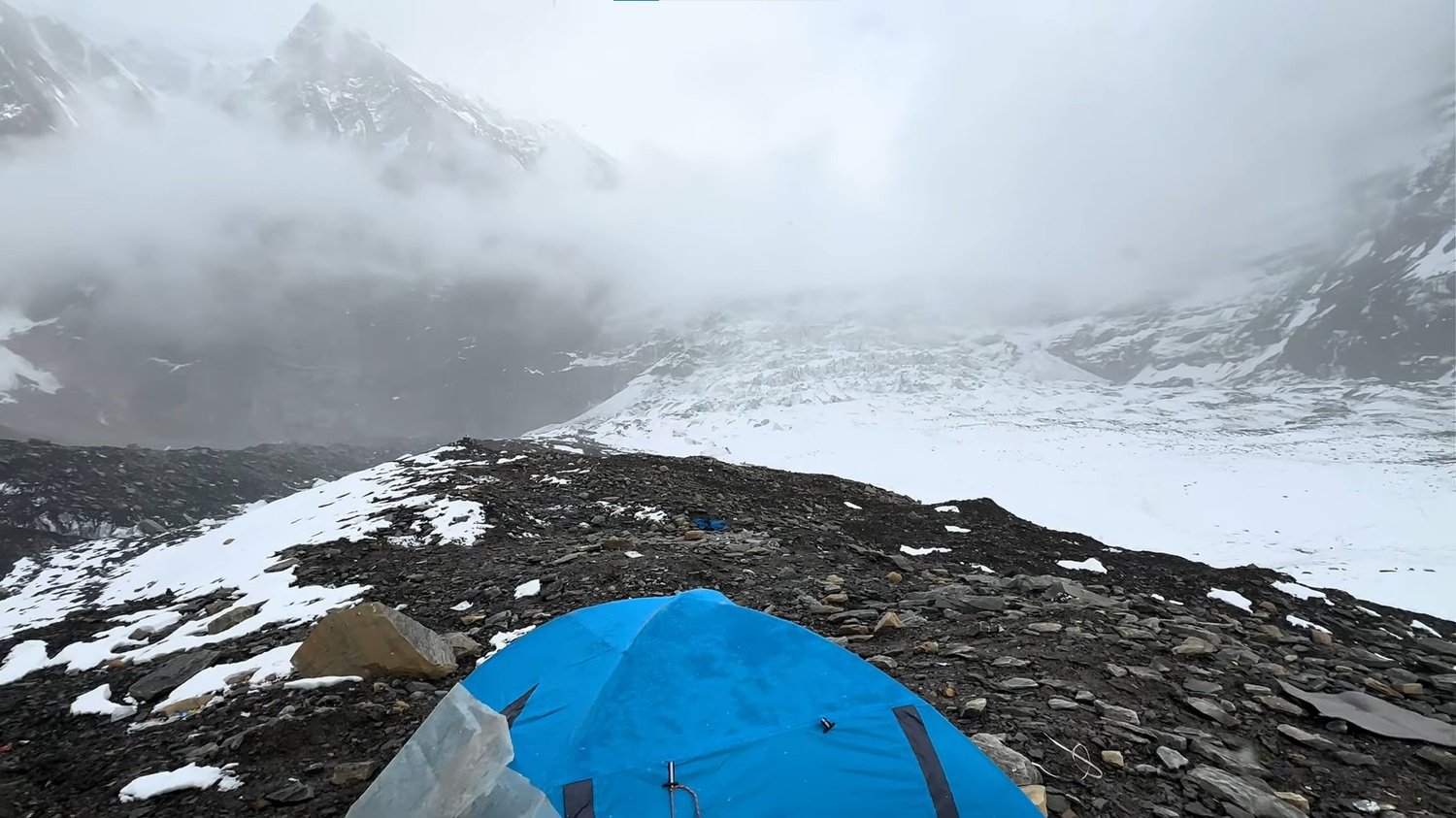
This day brings you fully into the glacier corridor beneath Dhaulagiri. The walking is slower and more demanding now, with rocky moraine, frozen ground, and the heavy presence of the mountain above. Glacier Camp is one of the key high points of the route and a place where the terrain feels raw, cold, and completely shaped by ice and stone. By now even simple tasks take noticeably more effort. A warm sleeping bag is not a luxury here, it is essential.
Day 11
Trek from Glacier Camp to Dhaulagiri Base Camp
- Max altitude: 4750 m
- Trek Duration: 3-4 hours
- Trek Distance: About 5 km
- Meal: Breakfast, Lunch and Dinner
- Accommodation: Tented Camp at Dhaulagiri Base Camp
The trail continues along the glacier moraine until you reach Dhaulagiri Base Camp, one of the most powerful places on the entire trek. Here the full scale of the north face becomes clear, rising directly above the glacier in a way that feels genuinely overwhelming. The camp has a real expedition atmosphere because of the mountain’s long climbing history, Dhaulagiri was first summited in 1960 by a Swiss-Austrian team. This is a major milestone on the circuit and one of the most memorable nights of the journey.
Day 12
Acclimatization Day at Dhaulagiri Base Camp
- Max altitude: 4750 m
- Trek Duration: 2-3 hours walk
- Trek Distance: 2-3 km
- Meal: Breakfast, Lunch and Dinner
- Accommodation: Tented Camp at Dhaulagiri Base Camp
This acclimatization day is essential before the French Pass crossing. A short hike above camp in the morning helps the body adjust while following the standard climb-high, sleep-low principle at altitude. The guide team will also use this time to assess glacier and weather conditions for the crossing tomorrow. Rest, hydration, and slow deliberate movement are the priority. Spending a full day at base camp also gives trekkers time to absorb the setting, which is one of the most powerful high-mountain environments in Nepal. The afternoon should be kept quiet. Tomorrow is French Pass, and it requires everything you have.
Day 13
Trek from Dhaulagiri Base Camp to Hidden Valley via French Pass
- Max altitude:
- Trek Duration:
- Trek Distance:
- Meal: Breakfast, Lunch and Dinner
- Accommodation: Tented Camp in Hidden Valley
This one of the most demanding high-altitude days on any trekking route in Nepal. The start is early, well before sunrise, to allow enough daylight for the full crossing and descent. The ascent to French Pass involves crossing the upper Chonbarden Glacier on a route that requires crampons from the outset. The glacier is crevassed in places, and the final push to the col is steep, icy, and exposed. The guide leads the pace, it must be kept slow and consistent throughout. At the top, the views open across the full Dhaulagiri mountain, the Hidden Valley drops away below, and on clear mornings the Annapurna range is visible in the distance to the east. It is a moment that most trekkers describe as one of the strongest of their entire time in the Himalaya. The descent into the Hidden Valley is equally dramatic, leading into a remote valley where silence and altitude define everything. Almost nothing grows here. Almost no one comes.
Day 14
Trek from Hidden Valley to Yak Kharka via Thapa Pass
- Max altitude: 5244 m
- Trek Duration: 6-7 hours
- Trek Distance: 10-12 km
- Meal: Breakfast, Lunch and Dinner
- Accommodation: Teahouse in Yak Kharka
From the Hidden Valley, the route crosses Thapa Pass at 5,244 metres before making a long, sustained descent toward Yak Kharka. Thapa Pass is less well known than French Pass but is still a serious high crossing that demands care and a measured pace. The descent on the far side is steep and rocky in sections, dropping almost 1,300 metres before reaching the valley floor. As you come below 4,500 metres, thin alpine grasses reappear, the air feels marginally warmer, and the landscape begins to soften from the extreme glaciated terrain of the past several days. The dramatic altitude loss gives most trekkers a noticeable energy return by the time camp is reached.
Day 15
Trek from Yak Kharka to Marpha
- Max altitude: 2667 m
- Trek Duration: 5-6 hours
- Trek Distance: 13-15 km
- Meal: Breakfast, Lunch and Dinner
- Accommodation: Teahouse in Marpha
The descent into the Kali Gandaki valley is one of the most dramatic transitions on the entire circuit. The landscape becomes drier, the valley opens wider, and the strong wind of the trans-Himalayan corridor becomes part of the day’s character. Marpha is a beautiful Thakali village with whitewashed stone houses, narrow flagstone lanes, apple orchards, and a strong local identity rooted in the old salt trade routes that once ran through this valley between Tibet and the lower hills. After days of glacier camps and raw high-altitude terrain, Marpha feels calm, and deeply civilised. The contrast is one of the most satisfying moments of the entire trek.
Day 16
Trek from from Marpha to Jomsom
- Max altitude: 2667 m
- Trek Duration: 5-6 hpurs hours
- Trek Distance: 13-15 km
- Meal: Breakfast, Lunch and Dinner
- Accommodation: Teahouse in Jomsom
The final trekking day follows the Kali Gandaki valley toward Jomsom, passing through Tukuche, a historically significant trading settlement on the old Tibet salt route. The afternoon winds in this corridor are some of the strongest in any trekking region in Nepal and typically pick up with full force by midday, so an early start is advisable. Jomsom is the natural end point for the walking section of the circuit, a larger town with proper hotel facilities and warm showers. The sense of finishing something serious really starts to settle in here. A proper celebration dinner with your guide team is the right way to spend the evening.
Day 17
Fly from Jomsom to Pokhara
- Max altitude: 822 m
- Flight Duration: 20-25 minutes
- Meal: Breakfast and Lunch
- Accommodation: Standard Three Star Hotel in Pokhara
The morning flight from Jomsom to Pokhara is one of the great short scenic flights in Nepal, running along the Kali Gandaki gorge with Dhaulagiri visible to the west and the Annapurna range to the east as the aircraft climbs and turns south. Jomsom flights are weather dependent and operate in the early morning window before the valley winds make flying conditions difficult, so an early check-in at the airport is essential. After landing in Pokhara, the rest of the day is entirely yours. The city’s lakeside area has excellent restaurants, cafes with mountain views, comfortable accommodation, and a relaxed energy that feels like a full-system reset after two weeks on the trail.
Day 18
Drive from Pokhara to Kathmandu
- Max altitude: 1350 m
- Travel Duration: 6-7 hours drive
- Travel Distance: About 200 km
- Meal: Breakfast
- Accommodation: Standard Three Star Hotel in Thamel
The return to Kathmandu from Pokhara can be made either by domestic flight for those with early international connections, or by private vehicle along the Prithvi Highway for those with a more relaxed schedule. The road journey takes approximately six to seven hours through the hills and river corridors of central Nepal and is a comfortable, scenic final drive. Upon arriving in Kathmandu, the team will transfer you to your hotel in Thamel. The evening is reserved for a formal farewell dinner where your trek leader will present trek completion certificates, a proper send-off for the journey you have just completed.
Day 19
Final Departure
- Meal: Breakfast
Nepal Royal Tourism Holidays will arrange your airport transfer from Thamel to Tribhuvan International Airport based on your flight schedule. Allow at least three hours before your international departure for check-in, security, and immigration. Your guide will be available through to the point of check-in. The Dhaulagiri Circuit is behind you now. French Pass, the Hidden Valley, Dhaulagiri Base Camp, the Kali Gandaki gorge, all of it earned on foot, day by day, at altitude. Safe travels home.
Dhaulagiri Circuit Trek – 19 Days Fixed Departures Dates
Trip Cost Includes/Excludes
Cost Includes
- Airport and hotel transfers on arrival and departure by private vehicle
- Three Star Hotel Accommodation during Kathmandu and Pokhara
- All teahouse and guesthouse accommodation during the trek (twin sharing)
- Tented camp accommodation and full camping support
- All meals during the trek, breakfast, lunch, and dinner throughout the trekking days as mentioned in the itinerary
- Annapurna Conservation Area Permit (ACAP), Trekkers' Information Management System (TIMS) card, and restricted area permits as required
- English-speaking, government-licensed senior trekking
- One porters for two trekkers each
- Road/Air Transportation during the trek
- First aid kit carried by the lead guide throughout the trek
- Nepal Royal Tourism Holidays trekking map and route information
- Company trekking completion certification and complementary T-shirt
- All government taxes and applicable service charges
Cost Excludes
- International airfare to and from Kathmandu
- Nepal entry visa fee
- Travel insurance with high-altitude trekking and emergency helicopter evacuation coverage (mandatory and must be arranged before departure)
- Any beverages, soft drinks, bottled water, or hot drinks beyond what is included in standard teahouse meal packages
- Personal trekking equipment
- Hot showers, battery charging fees, and Wi-Fi charges at teahouses along the route
- Tips and gratuities for guides, porters, and other trek staff
- Any costs incurred due to flight delays, cancellations, weather-related route changes, medical evacuations, or other circumstances beyond Nepal Royal Tourism Holidays' control
- Any extra nights of accommodation in Kathmandu or Pokhara required due to weather delays or permit issues
Trip Photo/Video Gallery







Route Map for Dhaulagiri Circuit Trek – 19 Days
Frequently Asked Questions
It is one of the hardest trekking routes in Nepal. The combination of long days, high passes, glacier travel, and remote terrain makes it much more demanding than standard tea house treks.
Not formal mountaineering experience, but you should be comfortable using crampons and trekking poles and walking on snow and ice in a guided group.
The trek typically requires ACAP and TIMS, along with any route-specific permits depending on current regulations and your exact itinerary. These can be arranged by Nepal Royal Tourism Holidays.
Spring and autumn are the best seasons. Spring brings rhododendrons and good weather, while autumn usually offers clearer skies and more stable high-altitude conditions.
No, this trek is best for experienced trekkers or very strong hikers who are prepared for altitude, basic camping, and remote conditions. It is recommended for someone who has done EBC, Annapurna Circuit or similar treks.
Expect a mix of simple tea houses, basic mountain lodges, and tented camps in the higher sections where permanent accommodation is unavailable.
The French Col is one of the difficult part of the circuit and is subject to weather closure, particularly during periods of heavy snowfall, high winds, or poor visibility. If conditions on the col are assessed as unsafe on the scheduled crossing day, the guide team will make a call to wait at base camp for a maximum of one to two additional days depending on the group’s schedule
Mobile phone connectivity on the Dhaulagiri Circuit is unreliable beyond the Myagdi valley floor and effectively absent on all sections above approximately 3,000 metres.
The Dhaulagiri Circuit is genuinely remote, and this is one of the most important factors to understand before committing to the trek. The upper sections, from Nawarpani through the glacier camps, French Col, Hidden Valley, and back down to Marpha, have no road access, no established helicopter landing pads at most points, and limited or no mobile phone signal.
The Dhaulagiri Circuit Trek requires proper high altitude trekking gear including, sturdy waterproof trekking boots, warm layered clothing, a down jacket, thermal wear, gloves, sunglasses, trekking poles, and a high quality sleeping bag suitable for sub zero temperatures. Crampons are strongly recommended for the French Col section, especially during spring and late autumn when snow and ice conditions are common around Dhaulagiri Base Camp and the Chonbarden Glacier.
Leave a Review
Dhaulagiri Circuit Trek – 19 Days
4 Reviews to Dhaulagiri Circuit Trek – 19 Days
You may also like
Menu

Callum MacGregor
at 10:25 pm
First-Class Gear and Great Helpers on a Trek
Since the Dhaulagiri Circuit is a real wilderness trail with almost no tea houses, the trekking company’s planning skills must be impeccable. All along, this firm was unmatchable. We had a fantastic time in the well-equipped camps that allowed us to be comfortable in the cold high-altitude nights. The porters, while spirit in the manner of superheroes, were continuing to negotiating with the rocky moraines and our guide’s familiarity with the path via Dhampus Pass was great. Being outdoors and sleeping in the surroundings of 7,000 and 8,000-meter giants is a spiritual experience. If you are in shape mentally and physically for the 19-day challenge in the high-altitude environment, you should definitely go with this group.
Alistair Vance
at 12:56 pm
The Ultimate 19-Day Himalayan Challenge – Perfect Execution!
The Dhaulagiri Circuit Trek (19 Days) is far from a simple tea-house trek if that is what you are after. Actually, it is a full-scale and hard expedition. For example, we slept a few nights in tented camps at over 4,000 meters and we crossed the French Pass (5,360 m) under the bad weather conditions. It was hard to physiologically support ourselves, but this trekking firm was superb at managing all the aspects of the trip. The guides who led us on the glacier and who were equally competent in the wilderness setting changed remarkably when the terrain turned to snow and ice – the same with the other employees who were amazing and whose kitchen crew served hot meals in freezing temperatures. I have never felt so safe. I think this trek is by far the most challenging and rewarding one in Nepal. I highly recommend it to experienced trekkers!”
Freja Lindstrom
at 8:48 pm
Secret Wilderness and Stunning Alpine Views
My reason for picking the Dhaulagiri 19 days was because I wished to avoid the overly crowded trails around the Annapurna circuit, and after all, it proved to be the right choice for me. The breathtaking changes in the environment are like from one movie set to the next—starting with the Myagdi Khola river valley where there are thick green woods then reaching the Hidden Valley, which is a stark, icy world. From right underneath the incredible west face of Dhaulagiri I is a moment for me will always last in my mind. It is very far away, rough, and not yet affected by huge tourism. The acclimatization days incorporated in the schedule of this company at Italian Base Camp were very helpful for the safe crossing of the high passes.
Mateo Silva
at 10:59 pm
Life-Changing Journey Through the High Himalayas
This 19-day itinerary struck the perfect balance. The first few days you will be treated to beautiful cultural interactions in the traditional Magar and Gurung villages like Muri and Boghara, and then it gradually becomes a high-alpine, glacial wonderland. The French Pass
crossing showed me that the biting winds of the Hidden Valley were capable of testing my mental and physical strengths, yet, the feeling of accomplishment when I arrived at Marpha was beyond words. For those who are looking to try an adventure camping trek in Nepal and to test their limits this is the kind of company one should be trusting.