-
 Duration
12 Days
Duration
12 Days
-
 Difficulty
Easy
Difficulty
Easy
-
 Max Elevation
3867m
Max Elevation
3867m
-
 Group Size
1 to 10 People Person
Group Size
1 to 10 People Person
-
 Accommodation
Teahouse/Lodge
Accommodation
Teahouse/Lodge
-
 Start/End
Kathmandu Airport/Kathmandu
Start/End
Kathmandu Airport/Kathmandu
-
 Destination
Everest Region
Destination
Everest Region
-
 Best Season
October
Best Season
October
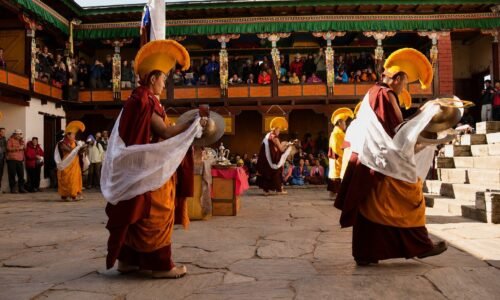
The Mani Rimdu Festival Trek is one of the most culturally rewarding journeys in Nepal, and what makes it stand out is that it is not built around distance alone.
It combines the classic mountain atmosphere of the Everest region with a rare opportunity to witness one of the most sacred and visually striking Buddhist festivals in the Khumbu.
For trekkers who want more than high altitude and mountain scenery, this is a journey that carries real cultural meaning.
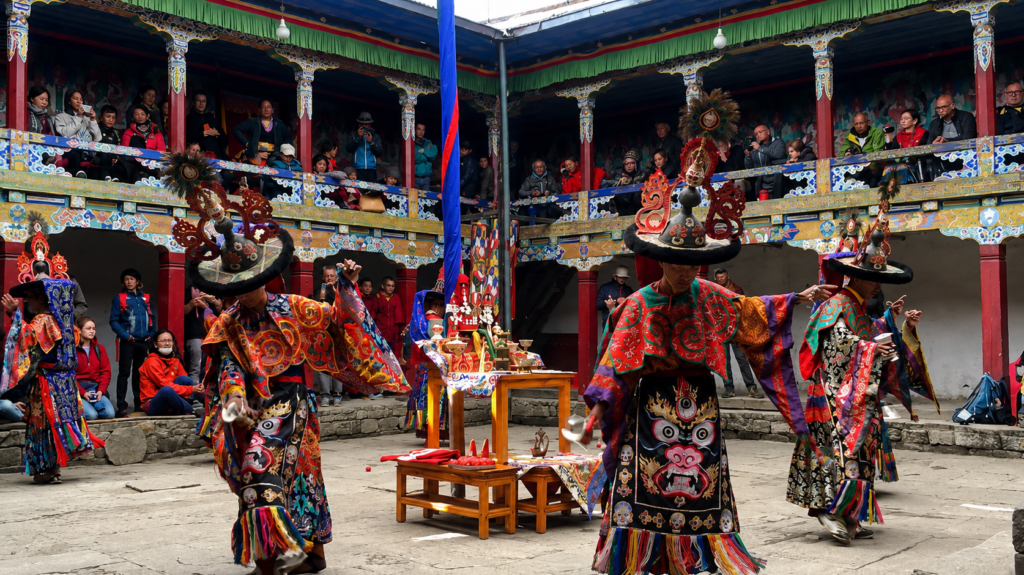
The festival trek offers the Everest trail in its autumn best, but at the same time it places you at Tengboche Monastery during a festival that most people who pass through the region never get to see.
Mani Rimdu is celebrated at Tengboche Monastery, the most important Buddhist monastery in the Khumbu region.
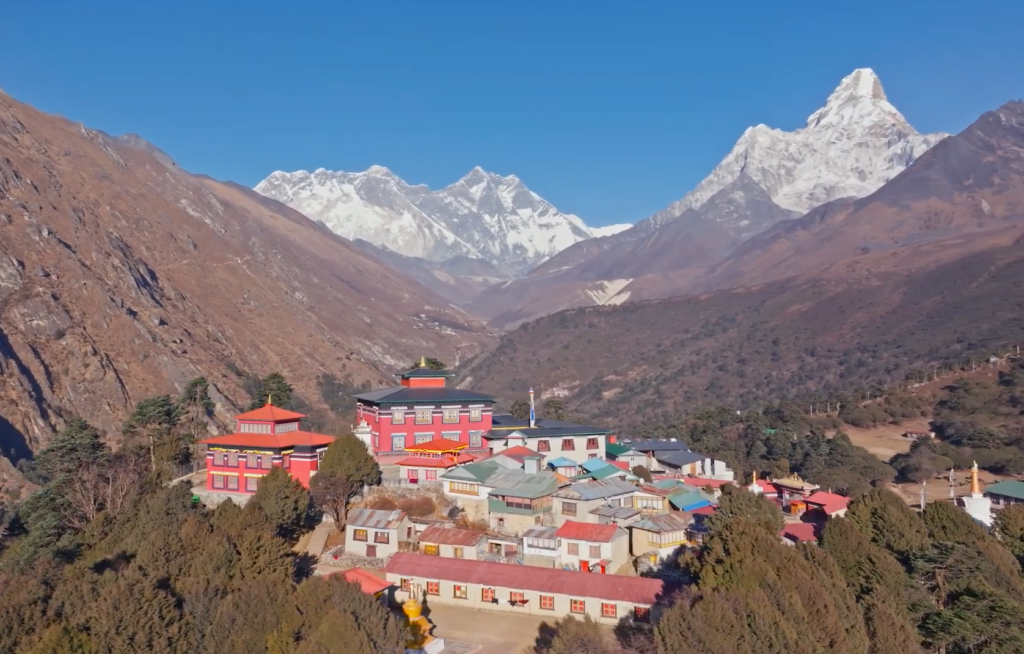
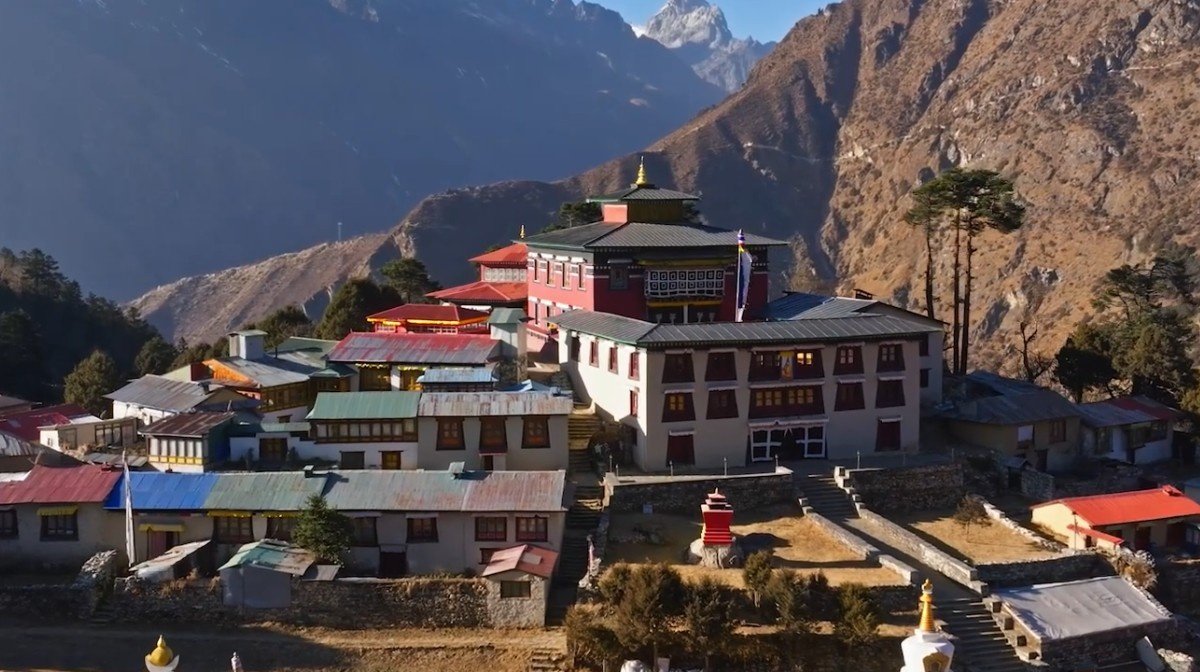
The monastery sits at 3,867 metres on a forested ridge above the Dudh Koshi valley, with wide views toward Ama Dablam and, on clear days, the larger Everest massif beyond.
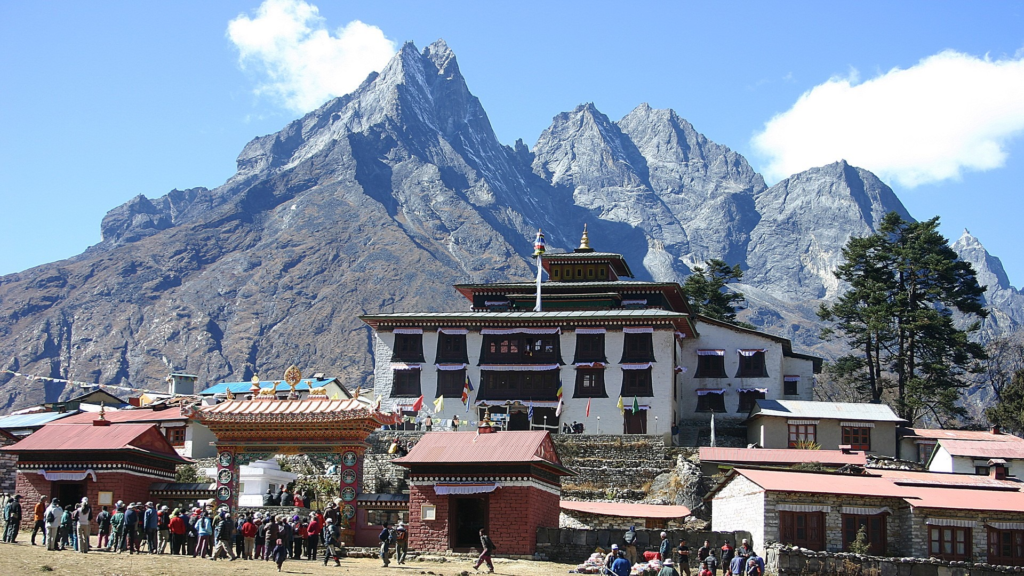
Its setting alone makes it one of the most memorable places in the Himalaya, but during Mani Rimdu it becomes something more than a scenic landmark.
The whole atmosphere changes. Pilgrims, monks, Sherpa families, and trekkers gather in the courtyard, and the monastery feels alive with ritual, sound, and movement.
The festival usually falls on the full moon of the ninth Tibetan lunar month, which places it in late October or early November depending on the lunar calendar, right in the middle of the best trekking season in the Everest region.
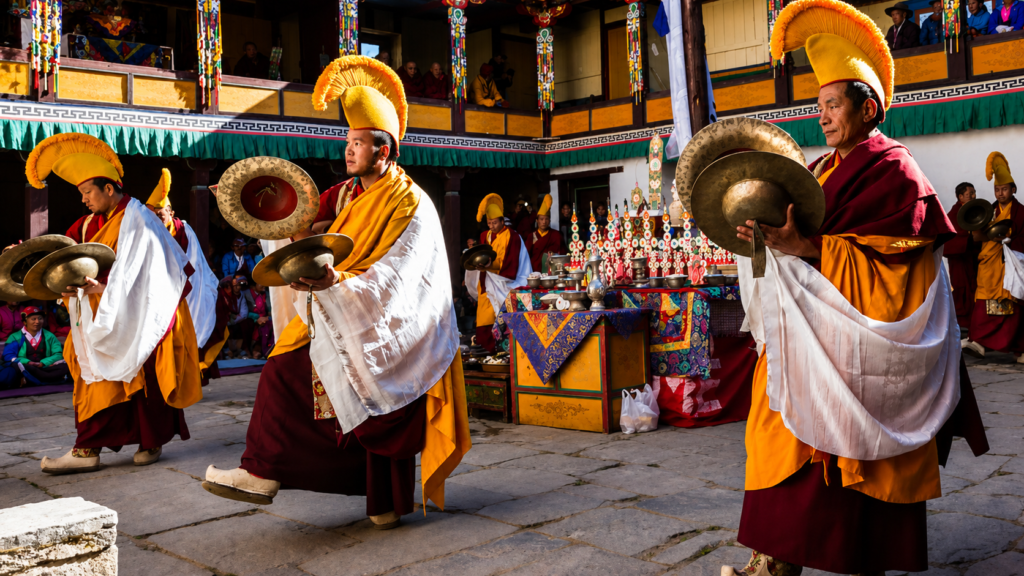
In 2026 this lands approximately around October 26 to 28. The festival runs three days, fire puja on Day 1, the main Cham masked dance on Day 2 (full moon), and the blessing ceremony on Day 3.
That timing is one of the reasons this departure is so special, because the weather is often at its clearest exactly when the festival is taking place.
What makes Mani Rimdu especially meaningful is that it is not a show arranged for visitors.
It is a living religious ceremony that has been observed at Tengboche for generations and remains deeply important to the Sherpa Buddhist community.
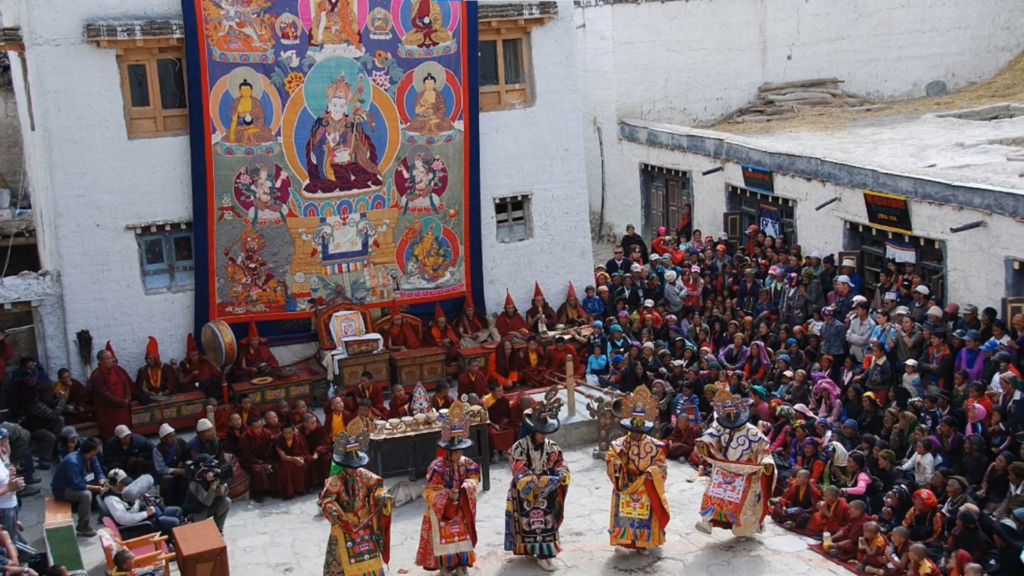
The festival is traditionally held over three days. The first day is focused on ritual preparation inside the monastery, where monks perform prayers and fire offerings in a more private setting.
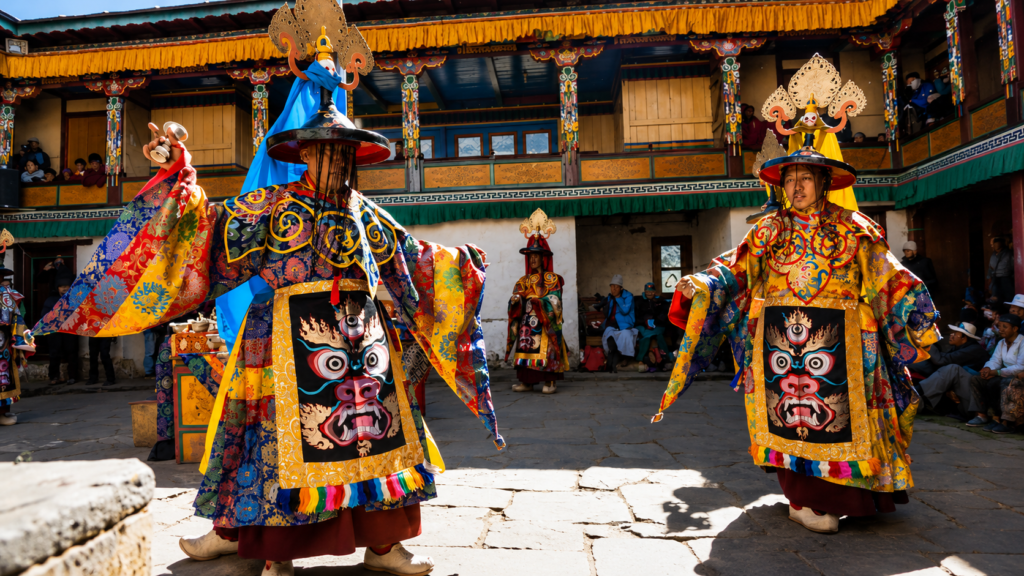
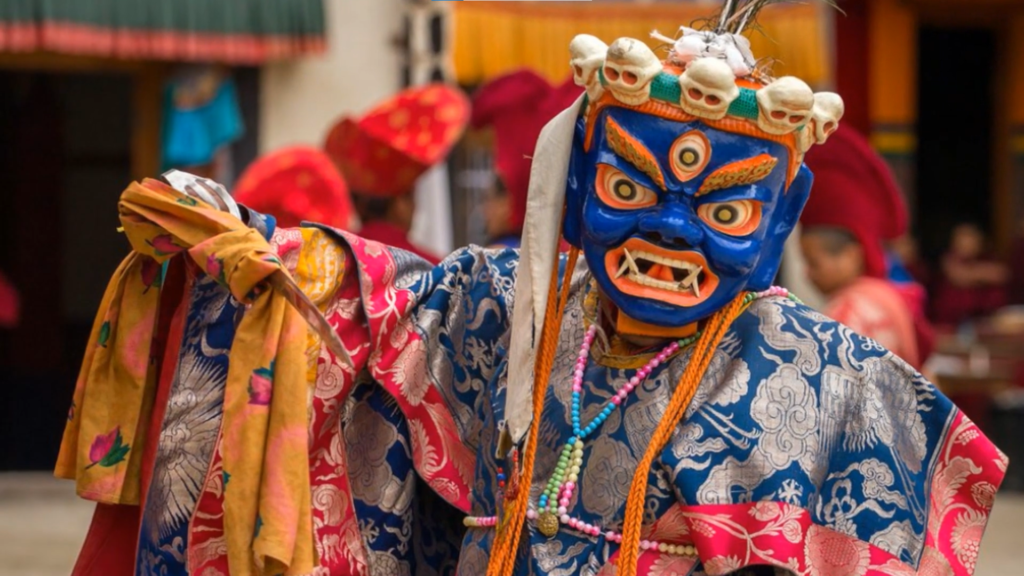
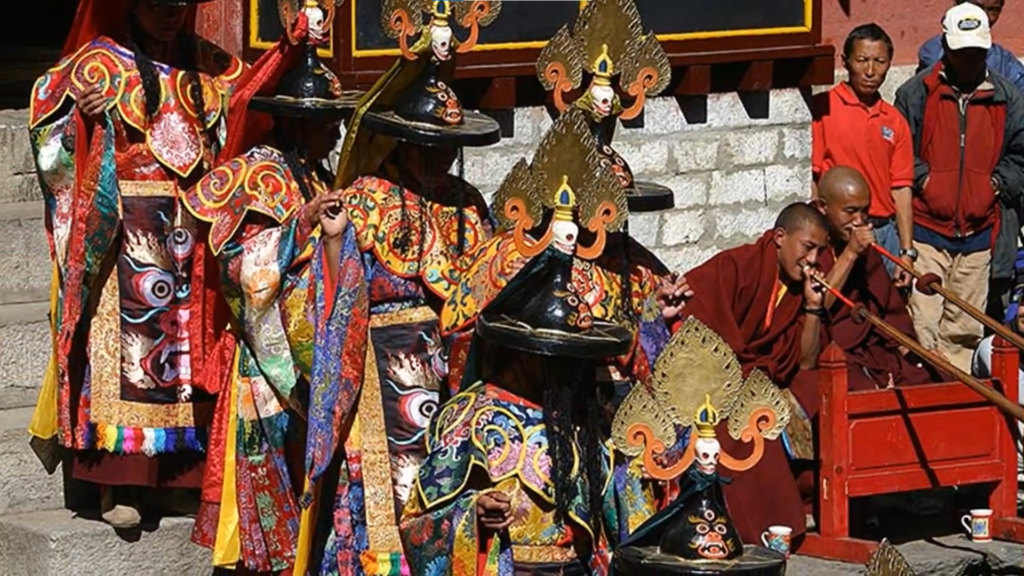
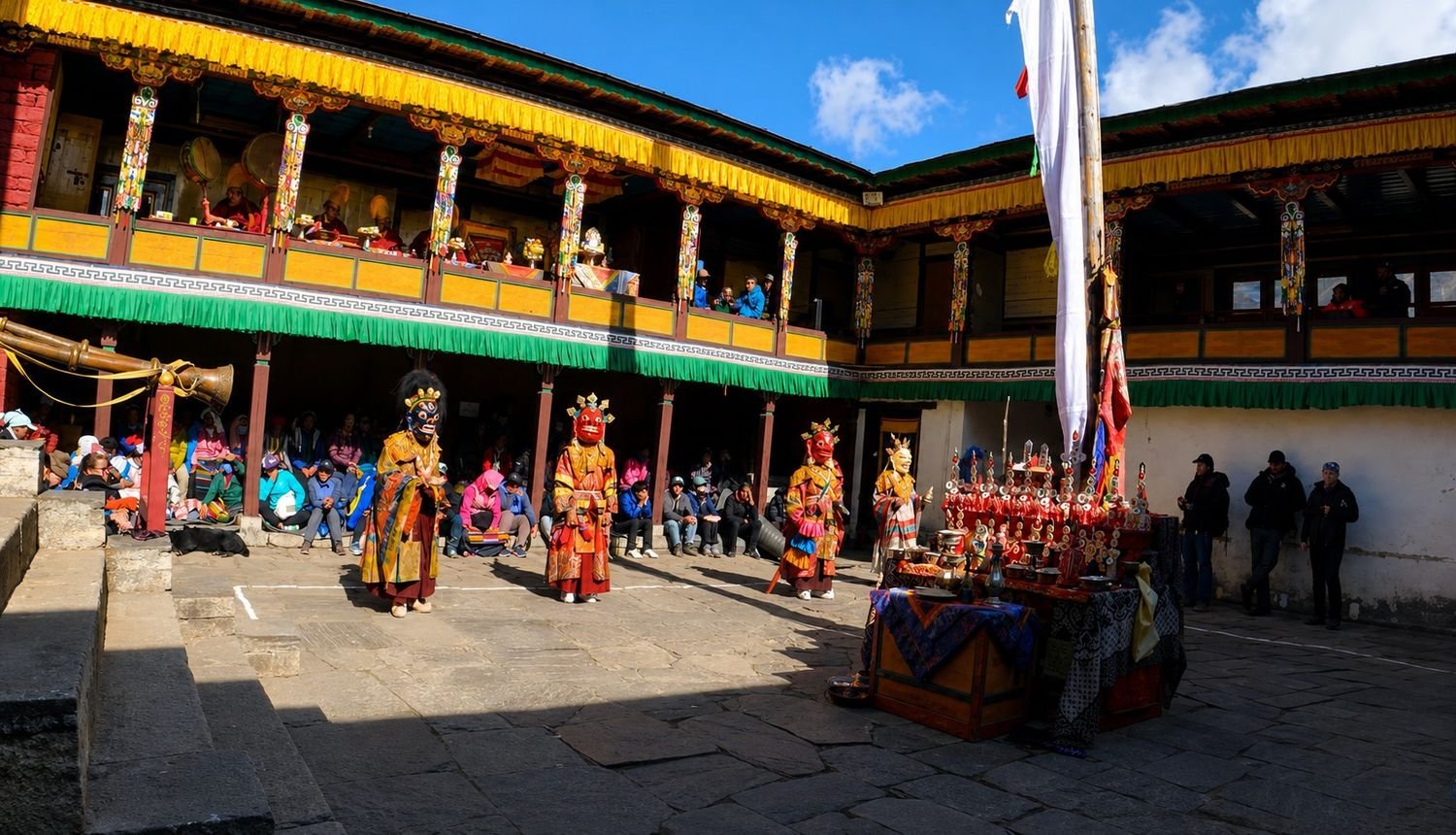
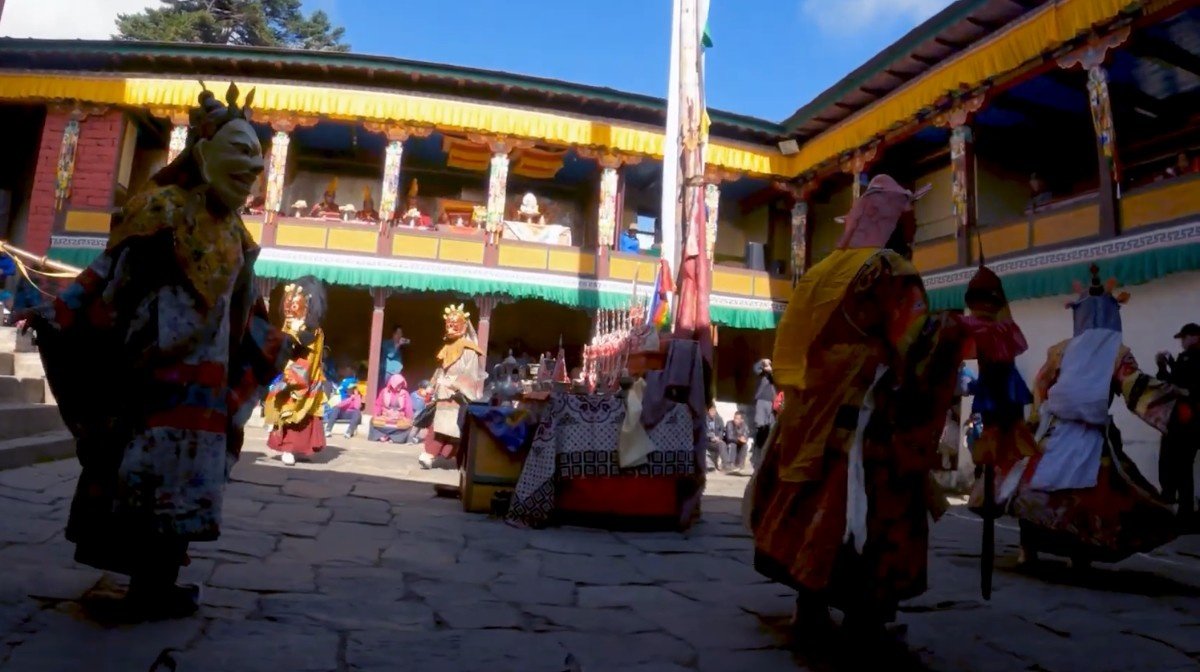
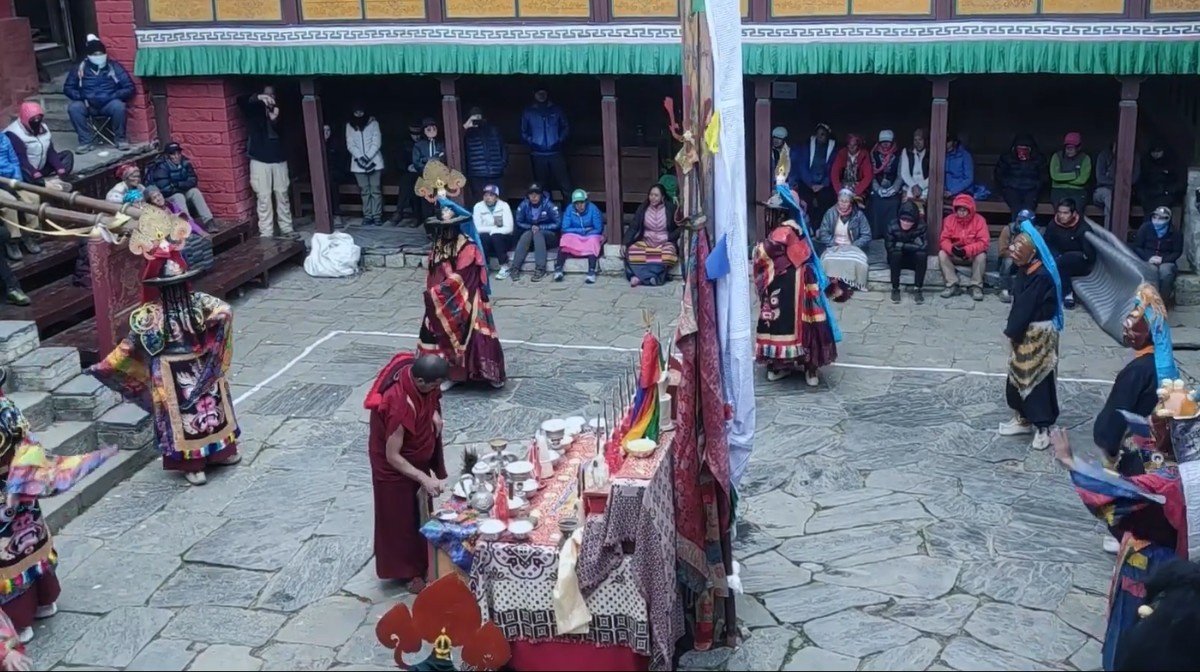
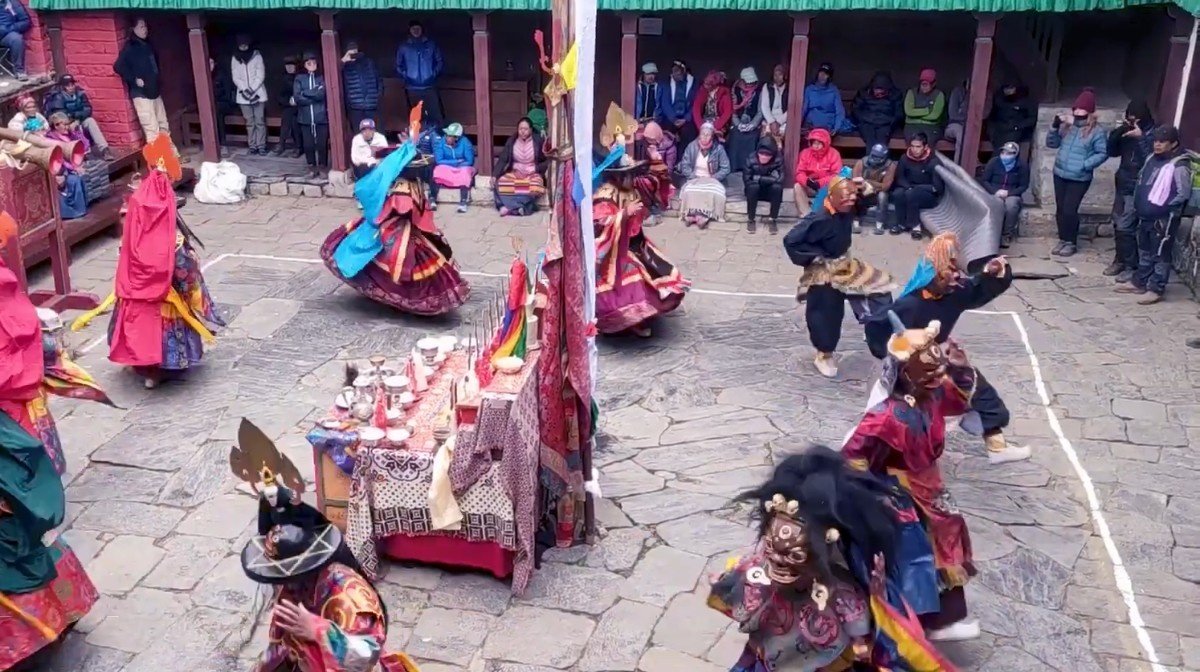
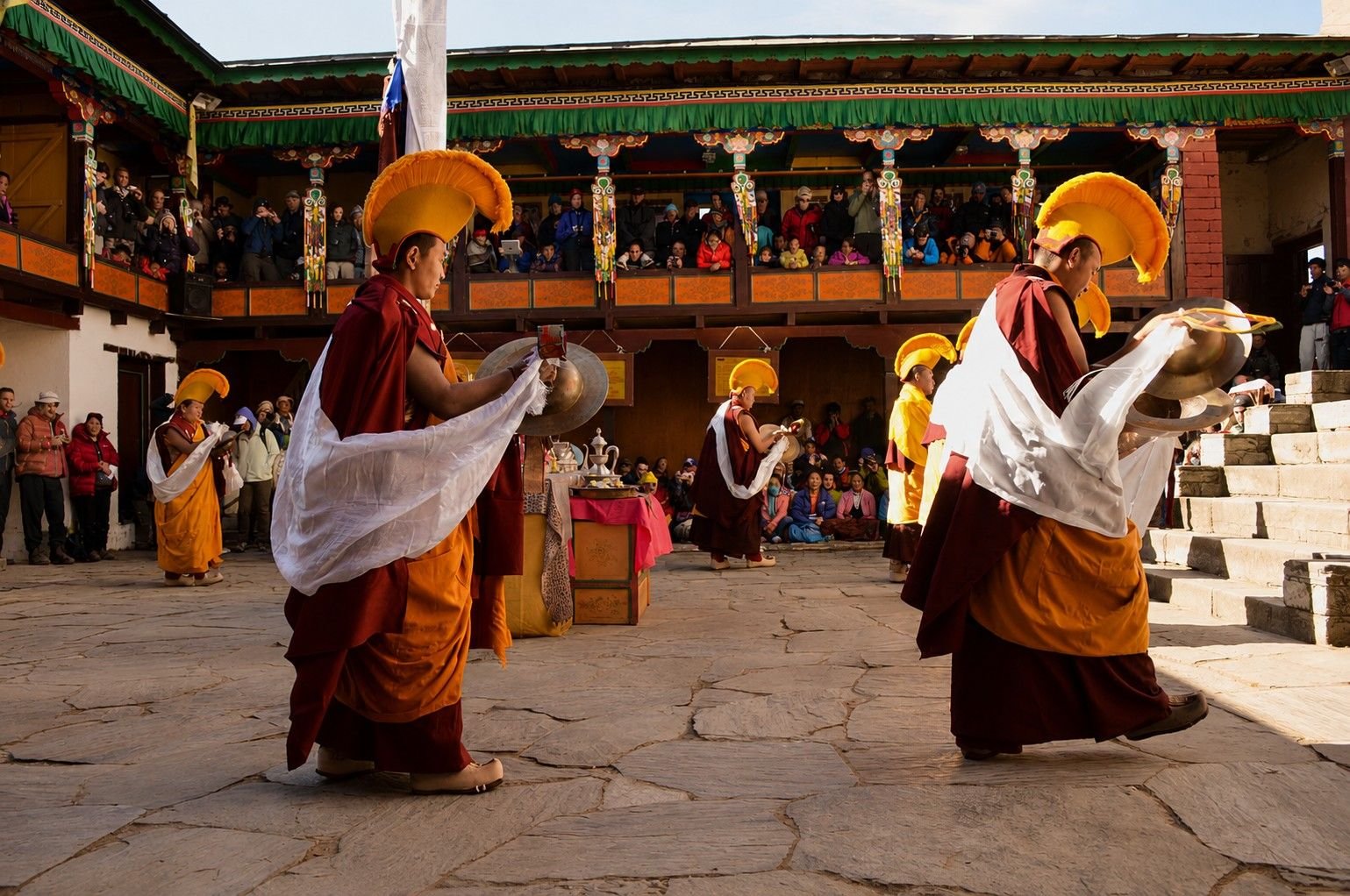
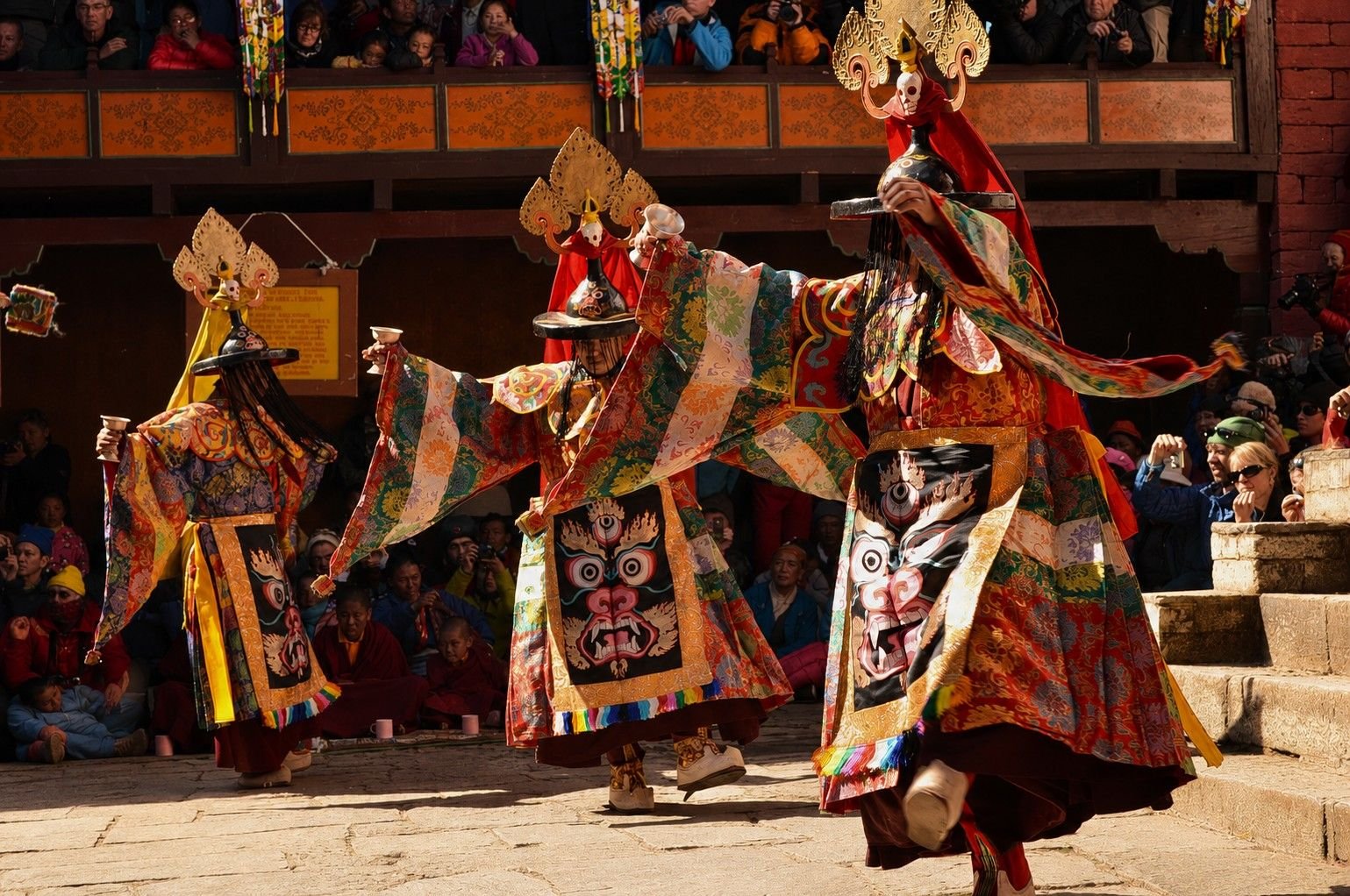
The second day is the main public event, and it is the one most trekkers remember best. This is when the Cham masked dance is performed in the monastery courtyard by monks wearing elaborate painted masks and silk costumes. The dances are not entertainment in the usual sense.
They are sacred ritual performances that represent the triumph of Buddhist deities over evil and ignorance, and every movement carries meaning within the Nyingma tradition of Tibetan Buddhism.
The third day is the blessing ceremony, when the head lama distributes Mani pills to the assembled crowd, a moment that feels intimate and deeply local even though the setting is high in the mountains and open to visitors.
The trek to Tengboche follows the classic Everest route through the Khumbu valley, and the journey itself is a major part of the experience.
After the mountain flight into Lukla, the trail begins gently through Sherpa villages, river crossings, and forested sections along the Dudh Koshi.
Phakding gives the trek its first overnight stop, then the route climbs toward Namche Bazaar, the social and commercial heart of the Khumbu.
Namche is more than a stopover town. It is where the Sherpa world, the trekking economy, and the high-altitude mountain environment all meet in one compact amphitheatre of lodges, shops, prayer walls, and steep stone alleys.
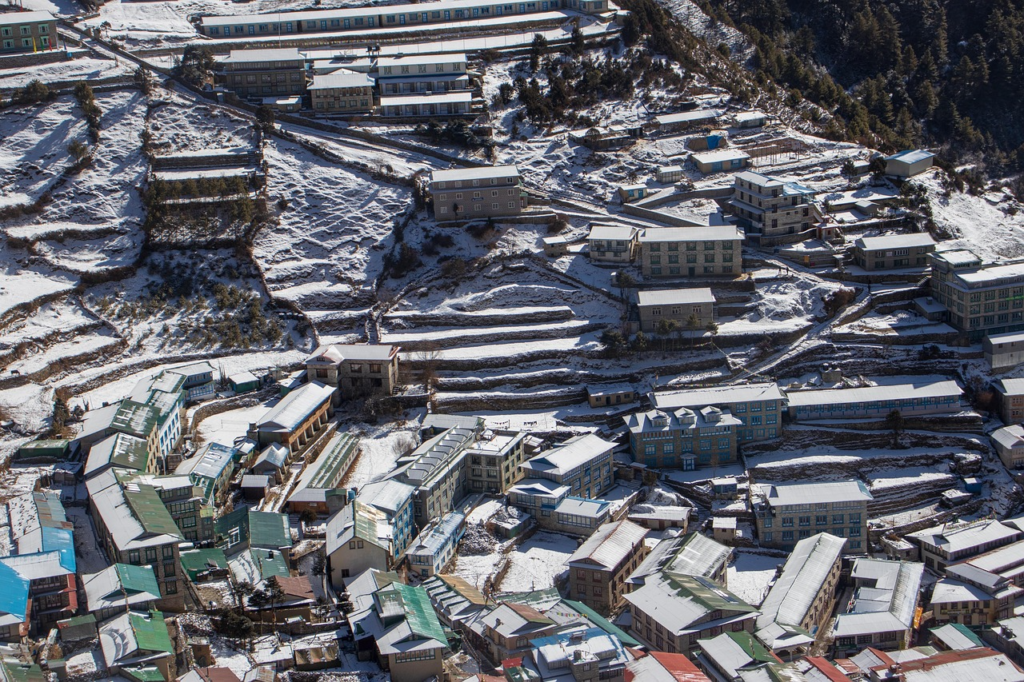
A rest day here is useful for acclimatization, but it also gives trekkers time to understand the rhythm of the region before heading higher.
From Namche, the trail climbs gradually through pine and juniper forest toward Tengboche.
This is one of the finest short trekking sections in Nepal. The path opens and closes in stages, with the landscape becoming more alpine as the day goes on.
The approach to Tengboche is especially memorable because the monastery ridge comes into view with Ama Dablam rising directly ahead in a way that stops many trekkers mid-step.
The monastery itself sits in a position that feels both dramatic and peaceful, surrounded by prayer flags, mountain silence, and a panorama that changes with every shift in light.
On clear days the view is extraordinary, and during Mani Rimdu the setting becomes even more powerful because the natural landscape and the spiritual atmosphere work together so naturally.
The return journey follows the same route south, but it never feels exactly the same on the way back. Once the festival is complete, the trail has a different rhythm.
The villages feel more familiar, the descent feels easier, and the whole journey begins to settle into memory.
Lukla marks the end of the walking section, and the flight back to Kathmandu closes the circle.
A final night in the capital gives the trek a proper ending before departure, which is important after a journey that combines physical effort, high altitude, and a deeply memorable cultural experience.
This trek is suitable for trekkers who are reasonably fit and comfortable with several days of mountain walking, but it does not require technical climbing.
The highest point on the core itinerary is Tengboche itself, so the altitude is manageable compared with more extreme Himalayan routes, but the pace still matters.
What makes the trek feel demanding is less the technical difficulty and more the steady altitude gain, the mountain climate, and the need to respect the cultural setting once you arrive at the monastery.
That balance is exactly what makes the Mani Rimdu Festival Trek so appealing. It gives you a serious Everest region experience without pushing into expedition-style terrain, and it does so in a season when visibility is usually excellent and the mountain views are at their strongest.
For trekkers who want a longer journey, the Mani Rimdu route can also be extended into a combined Everest Base Camp itinerary.
That version allows you to witness the festival at Tengboche and continue deeper into the Khumbu toward Everest Base Camp and Kala Patthar.
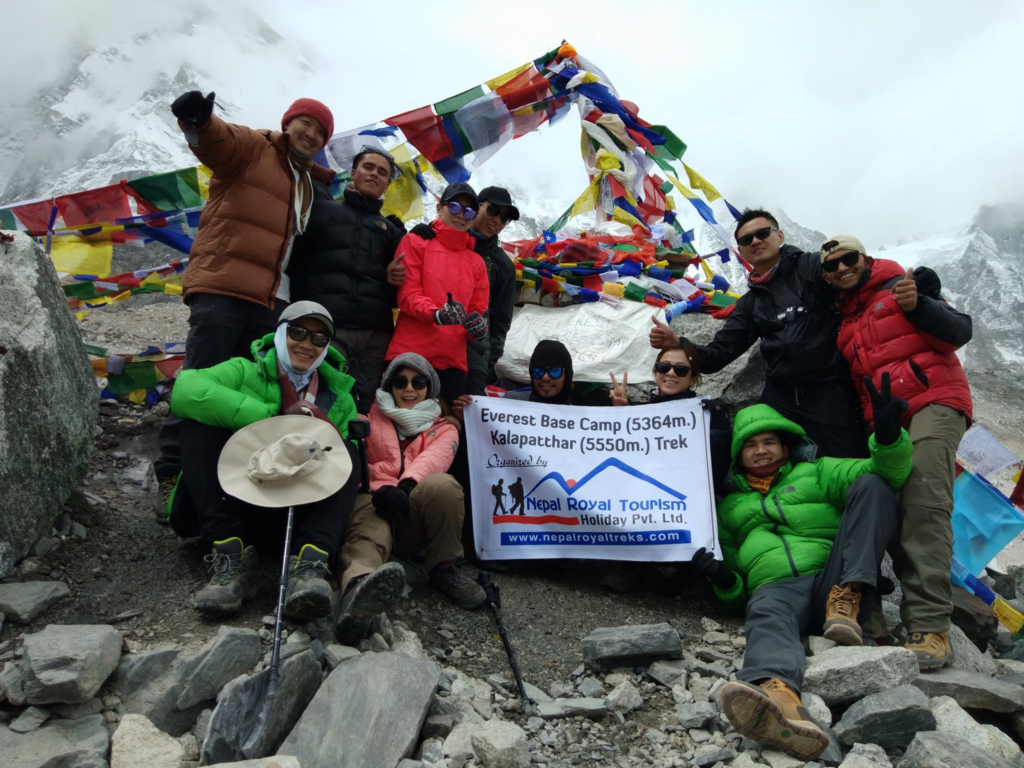
It creates a more complete Everest experience and works especially well for trekkers who want both the cultural heart of the region and the iconic high-altitude destination at the base of the world’s highest mountain.
Whether taken as a festival-focused trek or as part of a longer Everest journey, Mani Rimdu offers something rare.
It is scenic, spiritual, and fully rooted in the living culture of the Khumbu. That combination is what makes it one of the strongest autumn packages in Nepal.
Trip Highlights
- The three-day Mani Rimdu Festival at Tengboche Monastery is the main reason for this trek, giving you a rare chance to witness one of the most important Sherpa Buddhist ceremonies in the Everest region during its public celebration period in late October 2026.
- The Cham masked dance is the most visually powerful part of the festival, with monks performing ritual movements in elaborate costumes and painted masks that represent the victory of compassion and wisdom over destructive forces.
- Tengboche Monastery sits at 3,867 metres on a ridge with outstanding views of Ama Dablam, while Everest, Lhotse, and other major Himalayan peaks appear clearly on good weather days from the monastery area.
- The walk through Namche Bazaar introduces you to the commercial and cultural centre of the Khumbu, where Sherpa life, mountain trade, and trekking activity all come together in one lively high-altitude settlement.
- The Kathmandu to Lukla flight adds a dramatic start to the journey, with a short mountain landing that immediately shifts the experience from city travel into the high Himalaya.
- The blessing ceremony on the final day of Mani Rimdu gives trekkers a rare chance to witness a living spiritual tradition up close, and for many visitors this becomes the most memorable moment of the entire journey.
- The trail from Lukla to Tengboche passes through Sherpa villages, suspension bridges, rhododendron forests, mani walls, and chortens, giving the route a strong Buddhist character long before the festival begins.
- Autumn is the best season for this trek because the skies are usually clearest in the Everest region, giving excellent mountain visibility and the most reliable setting for both trekking and festival photography.
- The trek can be combined naturally with Everest Base Camp, allowing you to experience both the Mani Rimdu celebrations and the classic high-altitude Everest route in one extended itinerary.
- The overall journey is not just about reaching Tengboche, but about watching the Khumbu slowly change from a trekking corridor into a deeply cultural Himalayan landscape where Sherpa life, monastery tradition, and mountain scenery all come together.
Mani Rimdu Festival Trek – 12 Days ~ Itinerary
Day 1
Arrival in Kathmandu
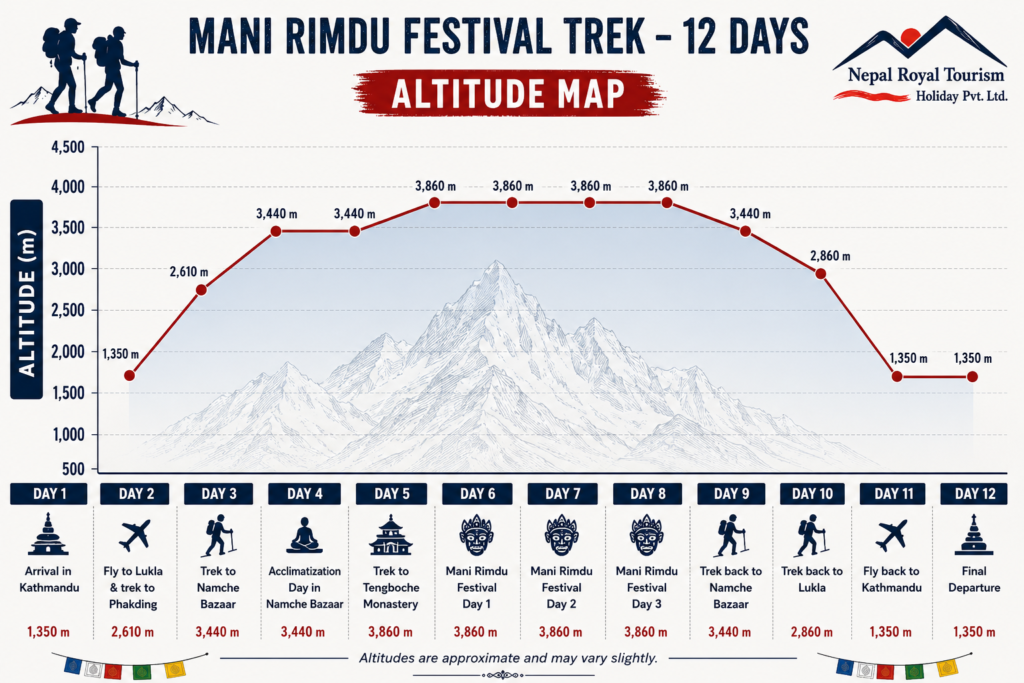
- Max Altitude: 1350 m
- Accommodation: Standard Three Star Hotel in Thamel
After your international flight arrives at Tribhuvan International Airport, a Nepal Royal Tourism Holidays representative will be at the arrivals hall to receive you and transfer you to your hotel in Thamel. The drive takes around 30 to 40 minutes depending on traffic. Once checked in, the day is yours to rest and recover from travel. In the evening, your trek leader will join you for a welcome dinner and a short briefing on the route, the festival schedule, and what to expect in the days ahead.
Day 2
Fly Kathmandu to Lukla; Trek to Phakding
- Max altitude: 2860 m
- Flight Duration: 35 minutes
- Travel Duration: 3-4 hours
- Travel Distance: 8 km
- Meal: Breakfast, Lunch and Dinner
- Accommodation: Teahouse in Phakding
A very early start takes you to Kathmandu’s domestic airport for the famed flight to Lukla (2860 m). The 30–35 minute flight offers thrilling Himalayan views as the small plane climbs into the mountains and lands on the high-altitude runway. In Lukla, you meet your porters and begin trekking south down the Dudh Koshi valley. The trail today is mostly undulating with a few gentle ascents and descents. You pass through pine forest and cross the Dudh Koshi on suspension bridges. The first village is Chaurikharka, then Monjo (entrance to Sagarmatha NP). After the park checkpoint, descend to the village of Phakding. The teahouses here are simple, and you’ll spend your first night in the Khumbu highlands. Rest and recover, tomorrow the trails start climbing higher.
Day 3
Trek Phakding to Namche Bazaar
- Max altitude: 3440 m
- Trek Duration: 5-6 hours
- Trek Distance: 10 km
- Meal: Breakfast, Lunch and Dinner
- Accommodation: Teahouse in Namche Bazaar
Today’s trek follows the forested valley of the Dudh Koshi with increasing altitude.. You cross several suspension bridges over the roaring river, stepping in and out of fir and rhododendron forests. From Phakding, the trail climbs gradually at first, but after crossing the Hillary Suspension Bridge you begin the steep ascent to Namche. This climb (about 600 m of elevation) takes about 2 hours through woodlands, with occasional views opening to Thamserku (6,608 m) and Lhotse (8,516 m). Emerging above the tree line, you see Namche Bazaar spread below you against the mountainside. Namche (3,440 m) is the largest Sherpa town in Everest region, a bustling market with guesthouses, shops, bakeries, and internet cafes. After checking in at a teahouse, take time to stroll the narrow alleys lined with prayer flags. The town affords spectacular views of Everest, Nuptse, and Lhotse peaks. Evening at Namche is lively – you can enjoy a cup of butter tea while watching the distant Himalayan sunset.
Day 4
Rest and Acclimatization in Namche
- Max altitude: 3440 m
- Trek Duration: 2-3 hours walk
- Trek Distance: 2-3 km
- Meal: Breakfast, Lunch and Dinner
- Accommodation: Teahouse in Namche Bazaar
Namche Bazaar is your acclimatization stop. Spend the day resting and adjusting to altitude (we strongly recommend a slow pace). After breakfast, optional hikes are on offer. You can ascend to the Everest View Hotel (3,880 m), about 1–2 hours above Namche, for an exhilarating panorama of Everest and Ama Dablam. Another option is to visit the Sherpa village of Khumjung (3,790 m), you will see the impressive Khumjung Monastery, and the Hillary School (built by Sir Edmund Hillary). Either way, keep yourself well-hydrated and pack warm layers as temperatures drop sharply at night. Back in Namche, explore the colorful market if your visit coincides, mingle with other trekkers, and prepare for higher altitudes. Your guide will review health and acclimatization protocols. Tonight, get a good sleep, tomorrow you head up to the Tengboche monastery.
Day 5
Trek Namche Bazaar to Tengboche
- Max altitude: 3860 m
- Trek Duration: 5-6 hours
- Trek Distance: 9 km
- Meal: Breakfast, Lunch and Dinner
- Accommodation: Teahouse in Tengboche
This morning you leave the bustle of Namche and enter the true Himalaya. The trail climbs gently at first through rhododendron and pine forest. After about an hour, you cross a high suspension bridge over the Imja Khola (deep valley) and reach the village of Phunki Tenga. From here, the path ascends in long switchbacks through forest. Eventually the trees thin out, and the trail levels off just below Tengboche Monastery. The final approach is along an open ridge with Ama Dablam. Tengboche (3,860 m) is located on a broad ridge, this is the famed monastery with unmatched views of Ama Dablam, Everest, Lhotse and the entire Mahalangur range. After check-in at the guesthouse, visit the monastery’s prayer hall for blessings. The atmosphere is tranquil and spiritual. In the afternoon, you can walk to nearby viewpoints and on clear days, Everest is visible to the north. You can also explore the monastery grounds. The community of Tengboche, monks, nomadic herders, visiting pilgrims and trekkers, creates a memorable high Himalayan setting. This evening, enjoy dinner at the lodge; tomorrow the festival begins.
Day 6
Mani Rimdu Festival, Day 1
- Max altitude: 3860 m
- Meal: Breakfast, Lunch and Dinner
- Accommodation: Teahouse in Tengboche
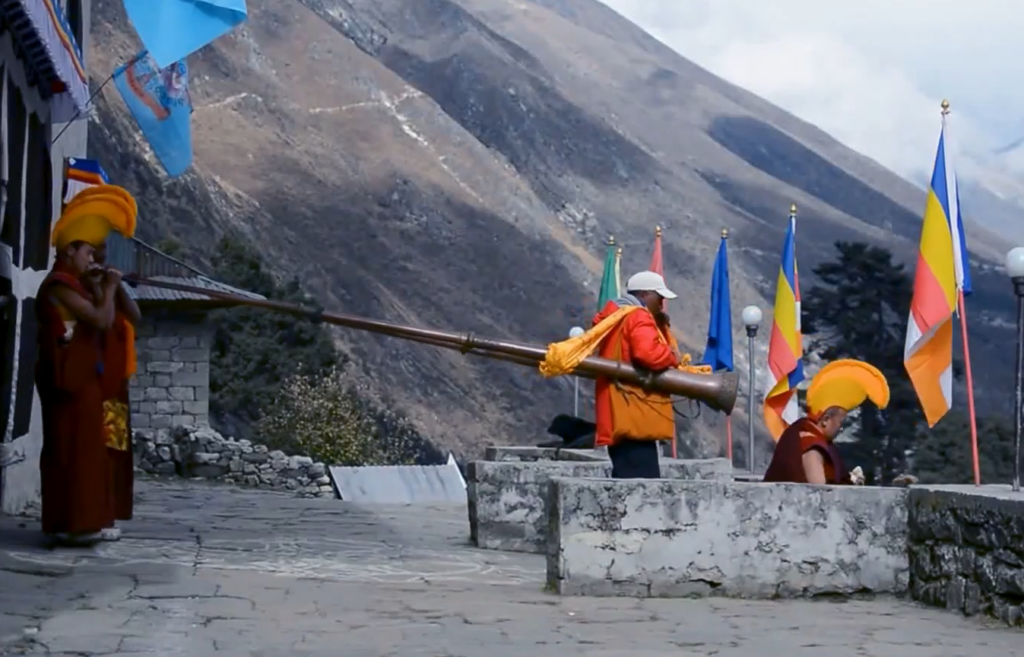
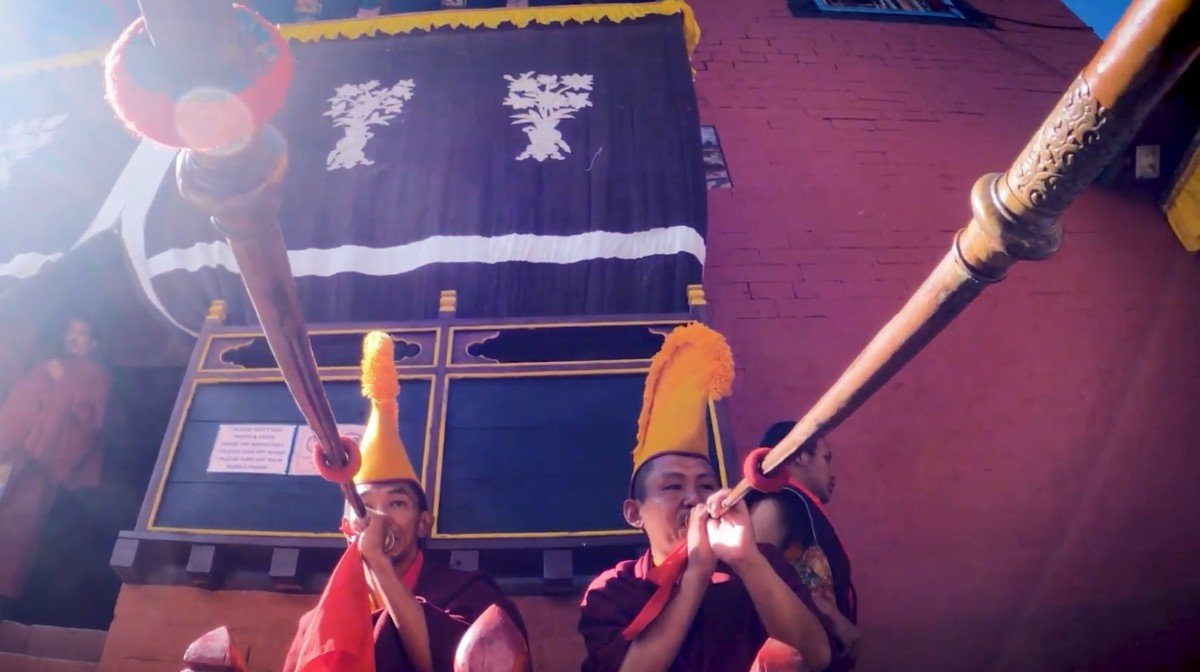
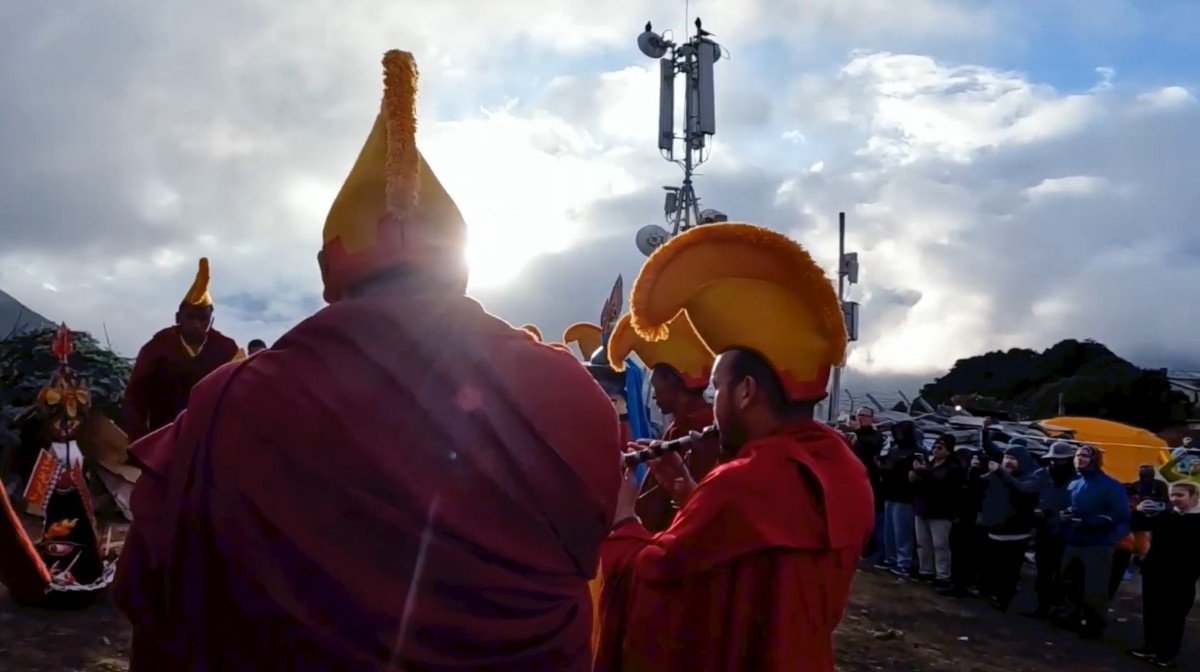
Today marks the first day of the Mani Rimdu festival. Dawn is calm and the sky is often blue at this time of the month, which is a perfect setting for the ceremonies. After breakfast, gather at the monastery courtyard to watch the monks begin the ritual. The day usually starts with consecration ceremonies, monks chant mantras and display sacred relics. A highlight is the creation of the sand mandala, monks painstakingly place colored sand into a circular Tibetan art design, symbolizing the universe. Laypeople offer prayers, and everyone receives blessings with long horns and prayer flags. By midday, masked dancers (Cham performers) may appear, representing protective deities; their elaborate costumes and masks are both beautiful and striking. As a trekker, you respectfully observe and photograph at a distance, absorbing the chanting and drumming. The energy is uplifting, local Sherpas (in their best dress) mix with Nepalese and foreign visitors. In between rituals, you can explore more of the monastery complex or hike to a nearby ridge for a view of Ama Dablam at sunset. Overnight in Tengboche, the night sky here is incredibly starry.
Day 7
Mani Rimdu Festival, Day 2
- Max altitude: 3860 m
- Meal: Breakfast, Lunch and Dinner
- Accommodation: Teahouse in Tengboche
The second day of Mani Rimdu is usually the most vibrant. After offerings and morning prayers, the courtyard fills for the main Cham dances. Dressed as fierce deities and animals, the monks perform under the open sky. Each dance (often called the Dance of the Wisdom Protector, etc.) symbolizes stories of the Buddha and Guru Rinpoche. The atmosphere is joyful yet solemn; even the wind feels hushed. As observers, we move quietly around the perimeter of the performance area. Spectators carry tormas (ritual cakes) and khata scarves to offer. Between dances, senior monks may give teachings or blessings to the crowd. The entire three-day festival aims to bring “compassion and wisdom” (the meaning of Mani Rimdu) to all present. By late afternoon, the ceremonies wind down. Trekkers often share a quiet dinner discussing the day’s profound experience. Your photo night in Tengboche will be one of your trek’s highlights.
Day 8
Mani Rimdu Festival, Day 3
- Max altitude: 3860 m
- Meal: Breakfast, Lunch and Dinner
- Accommodation: Teahouse in Tengboche
The third and final day of the festival begins with final prayers and the dissolution of the sand mandala, monks sweep the colored sand into a container, symbolizing impermanence, and distribute it as holy relic. This is followed by concluding Cham dances and offerings. By midday, Mani Rimdu draws to a close. Sherpa families sprinkle large kernels of barley over the assembled crowd (a rain of blessings), and pilgrims bid farewell. The monastery gates close once the ceremonies end, returning Tengboche to its peaceful daily rhythm. This afternoon is at leisure, you might take one last stroll to the sweeping viewpoint below the monastery. Reflect on the sacred experience as the sun sets behind Ama Dablam. Tonight is also a time to celebrate with your trekking team; many groups share an extra yak steak or apricot brandy toast in honor of the festivities.
Day 9
Trek Tengboche to Namche Bazaar
- Max altitude: 3440
- Trek Duration: 4-5 hours
- Trek Distance: 10 km
- Meal: Breakfast, Lunch and Dinner
- Accommodation: Teahouse in Namche Bazaar
After three days at Tengboche, the return journey begins. The descent to Namche follows the same trail as the approach, but walking it southward with the festival behind you gives the familiar landscape a different quality. The forest below the monastery is quieter than it was when trekkers and pilgrims were moving in both directions, and the views back toward Ama Dablam on the descent are arguably better on the return than the approach. Namche in the afternoon, after the high altitude quiet of the monastery ridge, feels noticeably warmer, busier, and more comfortable. It is a good final night in the Khumbu interior.
Day 10
Trek Namche Bazaar to Lukla
- Max altitude: 2860
- Trek Duration: 6-7 hours
- Trek Distance: 18 km
- Meal: Breakfast, Lunch and Dinner
- Accommodation: Teahouse in Lukla
The longest single walking day of the trek takes you all the way from Namche back down to Lukla in one sustained push. The trail descends through Monjo, Jorsale, and Phakding before the final climb to Lukla, and the distance adds up by the time you arrive in the late afternoon. It is a physically tiring day but not technically difficult, and the downhill momentum carries most trekkers through it without too much difficulty. Lukla in the evening has a particular end-of-trek energy, where groups finishing their time in the Khumbu share teahouse dining rooms and swap stories over dinner before the early flight out the next morning.
Day 11
Fly Lukla to Kathmandu
- Max altitude: 1350 m
- Flight Duration: 35 minutes
- Meal: Breakfast, Lunch and Dinner
- Accommodation: Standard Three Star Hotel in Thamel
A final morning in the Khumbu. Depending on weather, you will fly back to Kathmandu around 8:00–10:00 AM. The flight retraces your route but in reverse, look for Ama Dablam, Everest, and the distant ranges one last time. Back in Kathmandu, you are transferred to your hotel in Thamel. The afternoon is free, you can spend it resting at the pool, shopping for souvenirs, or exploring Kathmandu’s colorful Durbar Square and its temples. In the evening, we hold a farewell dinner with your Nepal Royal Tourism Holidays guide team. You receive a trek completion certificate, and everyone shares memories from the journey. Kathmandu at night is lively, but an early rest is wise after two weeks of trekking.
Day 12
Final Departure
- Max altitude: 1350 m
- Meal: Breakfast
After breakfast, Nepal Royal Tourism Holidays provides airport transfer from your hotel to Kathmandu’s Tribhuvan International Airport. Allow at least three hours before your international flight for check-in and security procedures. Reflect on the incredible journey, you have walked in the footsteps of Himalayan explorers, seen mountains that few ever get to witness up close, and participated in one of Nepal’s most sacred festivals. From Kathmandu’s busy streets to the silent peaks of the Khumbu, the Mani Rimdu Festival Trek has offered the full spectrum of Nepal’s beauty and culture. Safe travels, and we hope to see you on another adventure soon.
Mani Rimdu Festival Trek – 12 Days Fixed Departures Dates
Trip Cost Includes/Excludes
Cost Includes
- Airport and hotel transfers on arrival and departure by private vehicle
- Three Star Hotel Accommodation in Kathmandu for 2 nights
- Domestic round trip flights, Kathmandu to Lukla and Lukla to Kathmandu including airport taxes
- All teahouse accommodation during the trek on twin sharing basis
- All meals during the trek, breakfast, lunch, and dinner throughout all trekking days as specified in the itinerary
- A cup of tea
- Sagarmatha National Park entry permit
- Trekkers' Information Management System (TIMS) card
- One experienced, English-speaking, government-licensed senior trekking guide throughout the entire trek
- All staff costs including insurance, accommodation, meals, wages, and transportation for guide and porter team
- Necessary number of porters, one porter for every two trekkers
- Festival cultural briefing and on-ground orientation during the three Mani Rimdu ceremony days
- First aid kit carried by the lead guide throughout
- Company T-shirt and trek completion certificate
Cost Excludes
- International airfare to and from Kathmandu
- Nepal entry visa fee
- Travel insurance including emergency helicopter evacuation coverage
- Lunch and dinner in Kathmandu outside of specified group meals
- Alcoholic beverages, soft drinks, bottled water, and hot drinks beyond standard teahouse meal packages
- Personal trekking equipment including boots, clothing, sleeping bag liner, and personal first aid supplies
- Hot shower charges, battery charging fees, and Wi-Fi charges at teahouses along the route, charged locally at each stop
- Tips and gratuities for guides and porters
- Any costs incurred due to flight delays, weather-related changes, or circumstances beyond Nepal Royal Tourism Holidays' control
- Personal expenses and shopping
Trip Photo/Video Gallery
Route Map for Mani Rimdu Festival Trek – 12 Days
Frequently Asked Questions
Mani Rimdu is a Tibetan Buddhist festival celebrated by the Sherpa community of the Khumbu region. It involves 19 days of rituals (Mani means “prayer of compassion,” Rimdu means “gathering”) with the last three days open to the public.
Mani Rimdu is both a religious ceremony and a community celebration. It revitalizes Sherpa culture and faith, drawing thousands of people (Sherpas, pilgrims and trekkers) to Tengboche. For visitors, it offers an authentic cultural experience rarely seen on treks. It also marks the end of the monastic summer retreat and the beginning of the new Buddhist year
The trek has no technical climbing, but it is physically demanding due to altitude and long days of walking (5–7 hours on some days). You should be in good physical condition and comfortable walking 6–7 hours on mountain trails. Some prior trekking experience and high-altitude awareness is helpful.
We rate this trek as easy to moderate to strenuous. The highest camp (Tengboche, 3,860 m) is within the trekking range unlike Everest Base Camp at 5,364 m. With an acclimatization day at Namche, altitude gain is managed well.
Mani Rimdu is fixed to the Tibetan lunar calendar, usually falling in October or November. The fall season (late September–November) is actually the best time to trek: skies are clear, temperatures are cool but not extreme, and the festival takes place
Yes, this itinerary can be extended. After the festival, many trekkers continue east from Tengboche to Pangboche, Dingboche, and onward to Everest Base Camp and Kala Patthar (5,545 m) for a total trek of about 17–18 days. Our team can arrange an extra 4–5 days for those who want the full Everest experience.
Accommodation is in basic mountain teahouses. Each night is spent in communal sleeping quarters with bunk beds or simple double rooms with wool blankets. Bathrooms are usually shared, squat-type or Western toilets but with limited water, and hot water is available for a small fee or limited hours. At this altitude, lodges provide hearty local meals including dal bhat which is basically lentils and rice, soups, noodles, etc. and, tea/coffee.
Yes. On clear days you will see Everest (8,848 m) and many other high peaks. The highlight viewpoints are from Tengboche Monastery, from the trail between Namche and Tengboche, and possibly from Namche itself or the Everest View Hotel hike on the rest day. Ama Dablam is nearly always visible from Tengboche. Weather in autumn is generally stable, giving some of the best mountain views of the year.
Yes, anyone can attend, but Tengboche is only accessible by trekking or helicopter. A helicopter can land at Tengboche if weather allows on the festival days for those who prefer not to trek, but space is limited and expensive. Trekkers will enjoy the journey and the festival more fully.
Essential gear includes sturdy hiking boots, warm layers like fleece or down jacket, waterproof jacket/pants, hat and gloves, and a good daypack. Bring trek essentials like sunglasses, sunscreen, water purification (tablets or filter), and personal meds.
Mobile data works in parts of the lower Khumbu, especially around Lukla, Phakding, and Namche Bazaar, though the signal becomes weaker and less reliable near Tengboche during busy trekking seasons. Most teahouses along the route offer paid Wi-Fi services, but speeds are usually slow and weather conditions can affect connectivity. Trekkers should not expect stable internet throughout the journey, especially during the festival days when lodges and networks are busier than usual.
You may also like

Annapurna Base Camp Trek with Poon Hill and Mardi Himal – 17 Days
-
Trip
17 Days
-
Grade
Moderate
-
Altitude
4500m
Menu