


How to Avoid Altitude Sickness in Nepal? Symptoms, Prevention, High Risk Treks, Packing Tips, and Guide Safety
Every year, trekkers arrive in Nepal physically fit, well-motivated, and completely unprepared for the one variable that has nothing to do with fitness.
Altitude sickness does not care how many marathons you have run or how many kilometres you ran before the trip.
It is a physiological response to reduced atmospheric pressure and the lower oxygen availability that comes with it, and the human body handles it in its own time regardless of how capable the person inside it is.

The good news is that altitude sickness risk can be reduced strongly when you understand what causes it, what the early warning signs look like, and how to build an itinerary that gives your body the time it needs to adjust.
Nepal Royal Tourism Holidays has been guiding trekkers through the Himalaya since 2000’s across the Everest, Annapurna, Langtang, Manaslu, Kanchenjunga, Dolpo, and Dhaulagiri regions. Our high-altitude itineraries are built around acclimatisation, not around speed.
Here we have covered everything you need to know before you go, including the symptoms, the dangerous warning signs, the treks with higher altitude risk, what to carry, what guides monitor, and what to do if altitude sickness starts on the trail.
What Altitude Sickness Actually Is
At sea level, every breath you take delivers oxygen to your bloodstream at roughly the atmospheric pressure your body has spent its entire life adapting to.
As you gain altitude, that pressure drops. At 3,500 metres, the effective oxygen available in each breath is roughly 65 percent of what it is at sea level.
At 5,000 metres, it drops to around 53 percent. The body can adapt to these conditions, but the process takes time, usually two to three days at a given altitude before the system starts finding a working rhythm.
When you ascend faster than your body can adapt, the result is Acute Mountain Sickness, commonly called AMS. It is the mildest form of altitude-related illness and the most common.
If AMS is ignored or pushed through rather than managed, it can progress to two far more serious conditions.
The causes are High Altitude Cerebral Edema, known as HACE, where altitude illness affects the brain, and High Altitude Pulmonary Edema, known as HAPE, where altitude illness affects the lungs.
Both HACE and HAPE are medical emergencies. Both can become dangerous very quickly if the response is wrong.
HAPE is especially serious because it is one of the major causes of altitude-related deaths in the mountains, so breathlessness at rest, chest tightness, blue lips, or a wet cough at altitude should never be treated as normal trekking tiredness.
Understanding the difference between these three conditions and recognising which stage you or your trekking partner may be in is one of the most important practical things anyone can carry into the mountains.
The Three Conditions and Their Symptoms
| Condition | What Is Happening | Key Symptoms | Action Required |
|---|---|---|---|
| AMS Acute Mountain Sickness | Body struggling to adapt to lower oxygen availability | Headache, fatigue, nausea, poor appetite, dizziness, difficulty sleeping | Rest, hydrate, do not ascend further, and tell your guide early |
| HACE High Altitude Cerebral Edema | Altitude illness affecting the brain | Severe headache, loss of coordination, confusion, unusual behaviour, altered consciousness | Descend immediately, use emergency support, and arrange medical care |
| HAPE High Altitude Pulmonary Edema | Altitude illness affecting the lungs | Breathlessness at rest, dry cough becoming wet, chest tightness, blue lips, extreme weakness | Descend immediately, use oxygen if available, and arrange evacuation if needed |
AMS symptoms usually appear several hours after reaching a new altitude, often during the night or the next morning.
The headache of AMS is the main warning sign, and it should never be dismissed too quickly as only dehydration, tiredness, or poor sleep. Not every headache is an emergency, but a headache after gaining altitude always deserves attention.
HACE and HAPE are different. Confusion, poor balance, difficulty walking straight, breathlessness at rest, chest tightness, or a cough that becomes wet or unusual should not be treated as normal trekking fatigue.
These are serious signs, and the right response is to stop going higher and descend.
The Romberg Test and Why Balance Is Important
One of the clearest early danger signs of HACE is loss of coordination. In the mountains, a simple balance check can be useful when a trekker has a headache, confusion, strange behaviour, or unusual weakness.
A guide may ask the person to stand with feet together, eyes closed, and arms relaxed at the sides. A healthy trekker may wobble slightly, especially on uneven ground, but someone with serious coordination loss may sway heavily, step out, or fall within a few seconds.
This kind of Romberg-style check is not a replacement for medical diagnosis, but it can help guides recognise when altitude is affecting the brain.
If a person cannot stand steadily or walk straight after gaining altitude, the solution is not more motivation. The solution is descent and emergency support if needed.
Which Nepal Treks Carry the Highest Altitude Risk
Altitude sickness becomes a genuine concern above 3,000 metres and becomes a serious management issue above 4,000 metres.
Some treks in Nepal need more caution because they sleep high, cross high passes, stay above altitude for several days, or pass through remote terrain where evacuation is more complicated.
| Trek | Maximum Altitude | Altitude Risk | Key Acclimatisation Points |
|---|---|---|---|
| Everest Base Camp Trek | 5,545m at Kala Patthar | High | Namche 3,440m and Dingboche 4,360m |
| Everest Three High Passes Trek | Above 5,300m | Very high | Three high passes in succession |
| Annapurna Circuit Trek | 5,416m at Thorong La | High | Manang rest day is essential |
| Gokyo Lakes Trek | 5,357m at Gokyo Ri | High | Gradual Everest ascent and time at Gokyo |
| Dhaulagiri Circuit Trek | 5,360m at French Pass | High | Remote camps and difficult evacuation profile |
| Manaslu Circuit Trek | 5,106m at Larkya La | High | Samagaon and Samdo acclimatisation |
| Kanchenjunga North Base Camp Trek | 5,143m at Pangpema | High | Long remote approach before altitude |
| Tilicho Lake Trek | 4,919m at Tilicho Lake | Moderate to high | Manang acclimatisation before the lake section |
| Mardi Himal Trek | Around 4,500m | Moderate | Shorter route with faster ascent profile |
| Annapurna Base Camp Luxury Trek | 4,130m at ABC | Moderate | Well-staged ascent if not rushed |
| Langtang Valley Trek | 3,870m at Kyanjin Gompa | Moderate | Side hikes only if feeling well |
| Ghorepani Poon Hill Trek | 3,210m at Poon Hill | Low | Lower risk, but dehydration and fast walking still matter |
The Everest Three High Passes route carries one of the highest overall altitude exposures of any standard Nepal trek because it crosses three major passes above 5,000 metres in succession.
It is not only one high point that makes it serious. It is the repeated exposure, cold starts, long days, and accumulated fatigue.
The Dhaulagiri Circuit is serious for a different reason. The altitude is high, but the remoteness makes mistakes more consequential because evacuation and communication are not as simple as on busier routes.
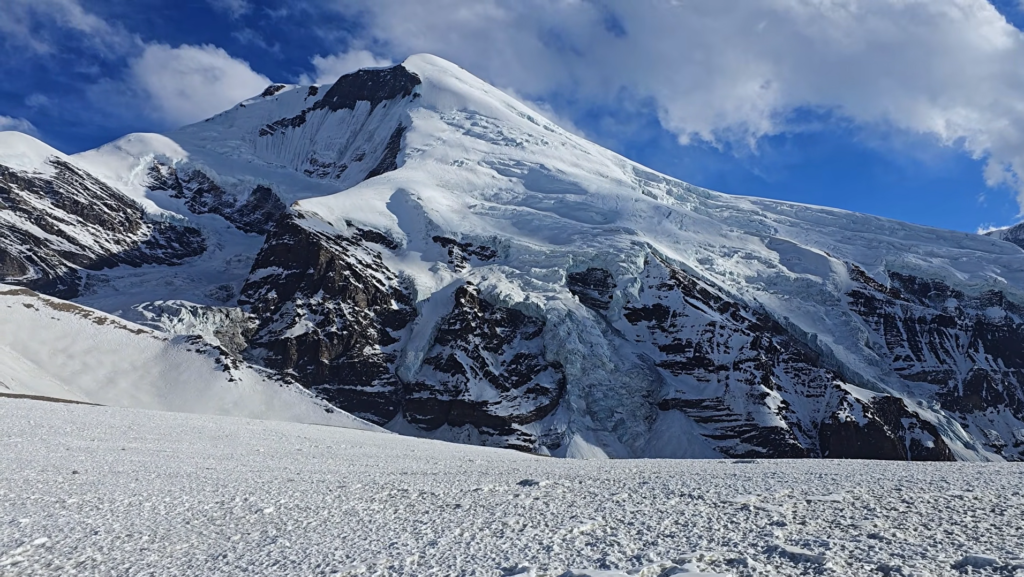
This is the kind of trek where altitude management needs to be conservative from the beginning.
The Manaslu Circuit and the Annapurna Circuit both require crossing a high pass above 5,000 metres after a sustained build-up through lower valleys.
Larkya La and Thorong La are not places where trekkers should arrive under-acclimatised, dehydrated, or already showing symptoms.
Even routes like Annapurna Base Camp, Mardi Himal, and Langtang Valley deserve respect. They are not as extreme as the highest pass routes, but the body still notices altitude when the climb is fast, the sleep is poor, or the trekker arrives tired and dehydrated.
The Rules That Actually Prevent It
There is one principle that underlies altitude sickness prevention more than anything else. Ascend slowly and give the body time to adjust before sleeping higher. Everything else supports this rule, but ascent rate is the controlling variable.
Medication, hydration, food, warm clothing, and fitness all matter, but none of them fully protects a person who climbs too high too quickly.
Above 3,000 metres, sleeping altitude should increase gradually, and rest days should be treated as part of the safety plan rather than extra days added for comfort.
Where you are trekking in over 3,000 metres of elevation, the general rule is to gain no more than 300 to 500 metres of sleeping altitude per day.
This does not mean you cannot hike higher during the day. You nned to climb high and sleep low, which basically reflects the fact that brief exposure to greater altitude during the day can help acclimatisation, while sleeping lower allows the body to recover with less stress.
The rest day in Namche Bazaar on the Everest Base Camp route exists because the body needs time before moving deeper into the Khumbu.
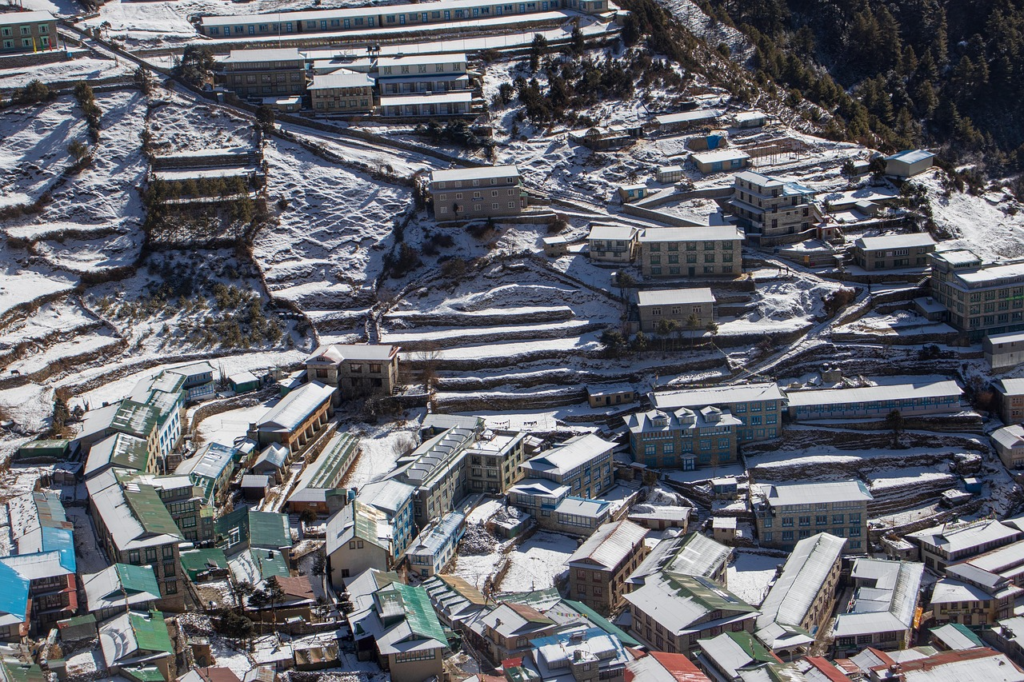
The rest day in Dingboche exists for the same reason. Trekkers who rush toward Lobuche and Gorak Shep without allowing the body to settle often arrive weaker than they expected.
On the Annapurna Circuit and Tilicho Lake routes, Manang is one of the most important safety points of the whole trek. It is where the body prepares for Tilicho, Yak Kharka, Thorong Phedi, and Thorong La.
Skipping Manang to save time is one of the easiest ways to make the upper route harder and riskier.
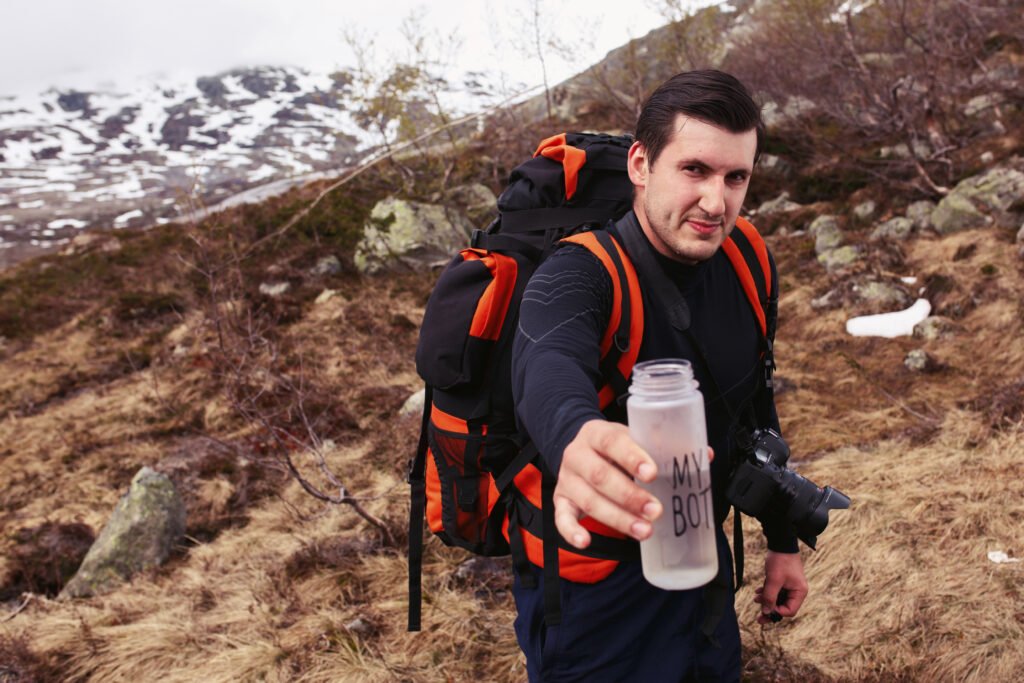
Hydration matters more at altitude than at lower elevations because you lose fluid faster through increased respiration and because many people suppress thirst without realising it.
Aim for three to four litres of water per day on treks above 3,500 metres, unless your doctor has told you to limit fluids. Avoid alcohol in the first few days at altitude and avoid sleeping tablets unless medically advised, as both can make altitude adjustment harder.
Simple Prevention Habits That Work
| Prevention Habit | Why It is Imoritant |
|---|---|
| Walk slower than you think you need to | A slow rhythm keeps the body calmer and makes symptoms easier to notice early |
| Do not skip acclimatisation days | Rest days are built into high-altitude itineraries for a reason, especially above 3,500m |
| Drink regularly through the day | You lose more fluid through faster breathing at altitude, and thirst can be unreliable |
| Eat even when appetite drops | The body needs steady energy, and altitude often reduces hunger before effort reduces |
| Avoid alcohol early in the trek | Alcohol can affect hydration, sleep, breathing, and judgement at altitude |
| Tell your guide about small symptoms | Early disclosure can turn a problem into a rest day instead of an evacuation |
Diamox For Altitude Sickness
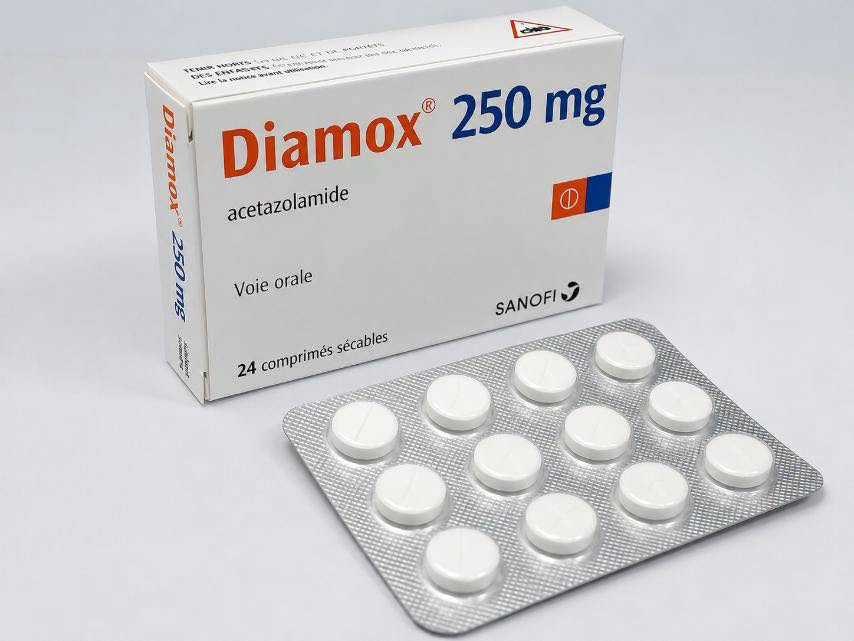
Acetazolamide, commonly sold under the brand name Diamox, is a medication that can help the body acclimatise by stimulating breathing and improving oxygen levels.
The medicine is is widely used by trekkers and climbers, but it should not be treated like a casual travel supplement.
A commonly used preventive dose is 125mg to 250mg twice daily, usually started before major altitude gain and continued during the high-altitude section as advised by a doctor.
Some trekkers take it preventively, while others carry it for use if symptoms begin. Either way, the better approach is to speak with a doctor before travelling so you know whether it is suitable for you.
Diamox can cause side effects such as tingling in the fingers or toes and more frequent urination. These effects are common, but they are still something trekkers should understand before using the medicine on the trail.
It is possible to buy Diamox in Kathmandu or Pokhara, but getting advice from your home doctor before arriving in Nepal is better.
That way, you can confirm the dose, check whether it is safe for you, and avoid discovering an allergy or bad reaction once you are already in the mountains.
Most importantly, Diamox is not a substitute for a sensible ascent profile. A trekker taking medication and climbing too fast is still taking a risk.
The medicine supports acclimatisation when used correctly, but it does not replace rest days, slow walking, hydration, or descent when symptoms become serious.
What to Pack for Altitude
Good packing does not prevent altitude sickness by itself, but it helps you stay warm, hydrated, fed, and prepared. Many small altitude problems become worse when a trekker is cold, tired, hungry, or pretending to feel better than they do.
| Item | Purpose | Notes |
|---|---|---|
| Pulse oximeter | Monitor oxygen saturation | Useful as supporting information, but symptoms matter more than one reading |
| Diamox if approved by your doctor | Support acclimatisation | Do not use it as an excuse to climb faster |
| Ibuprofen or headache medicine | Manage headache pain | Medicine should not be used to hide worsening altitude illness |
| Oral rehydration salts | Maintain fluid and electrolyte balance | Useful when appetite drops or stomach issues start |
| Ginger chews or ginger tea | Reduce nausea from mild AMS or stomach discomfort | Available in many tea houses, but worth carrying if it works for you |
| Water purification tablets | Support safe hydration | Important when drinking more water every day at altitude |
| Warm layers | Prevent cold stress | Cold nights and early starts make altitude feel harder |
| Travel insurance documents | Emergency evacuation access | Make sure your policy covers your route altitude and helicopter evacuation |
Understanding Pulse Oximeter Readings
A pulse oximeter measures blood oxygen saturation, also called SpO2. It is useful because it gives the guide one more piece of information instead of relying only on how a trekker describes symptoms.
Still, the number is not everything, the Context matters according to situation. A reading of 88 percent in a trekker who is eating, sleeping, walking, thinking clearly, and improving after rest is different from the same reading in a trekker who is confused, vomiting, breathless at rest, or unable to walk straight.
A pulse oximeter should support judgement, not replace it.
| SpO2 Reading | What It Can Mean on a Nepal Trek | Recommended Response |
|---|---|---|
| 95 percent and above | Usually reassuring at lower altitude or early in the trek | Continue normal monitoring |
| 90 to 94 percent | Mild reduction, common as altitude increases | Rest, hydrate, monitor symptoms, and avoid rushing |
| 85 to 89 percent | Body is under noticeable altitude stress | Take symptoms seriously, rest, reassess, and strongly consider no further ascent |
| 80 to 84 percent | Serious concern, especially with headache, nausea, weakness, or poor sleep | Stop ascent, consult guide immediately, and strongly consider descent |
| Below 80 percent | Potential emergency, especially with confusion, breathlessness, cough, or poor coordination | Descend immediately, use oxygen if available, and arrange medical support or evacuation |
These figures should be treated as field reference ranges, not absolute rules. Some people naturally read lower at altitude than other.
Keep in mind that devices vary, cold fingers can give poor readings, and symptoms always matter. A number should never be used to justify climbing higher when the person clearly looks worse.
What Nepal Royal Tourism Holidays’ Guides Monitor
A good guide is one of the most important safety factors on a high-altitude trek. The guide is not only there to show the path, they are also watching how each trekker is adapting.
A guide looks at pace, appetite, sleep, breathing, walking style, energy level, mood, and how willing someone is to speak honestly about symptoms.
The most important thing a guide can do is create an environment where a client feels comfortable saying, “I have a headache,” at 4,500 metres.
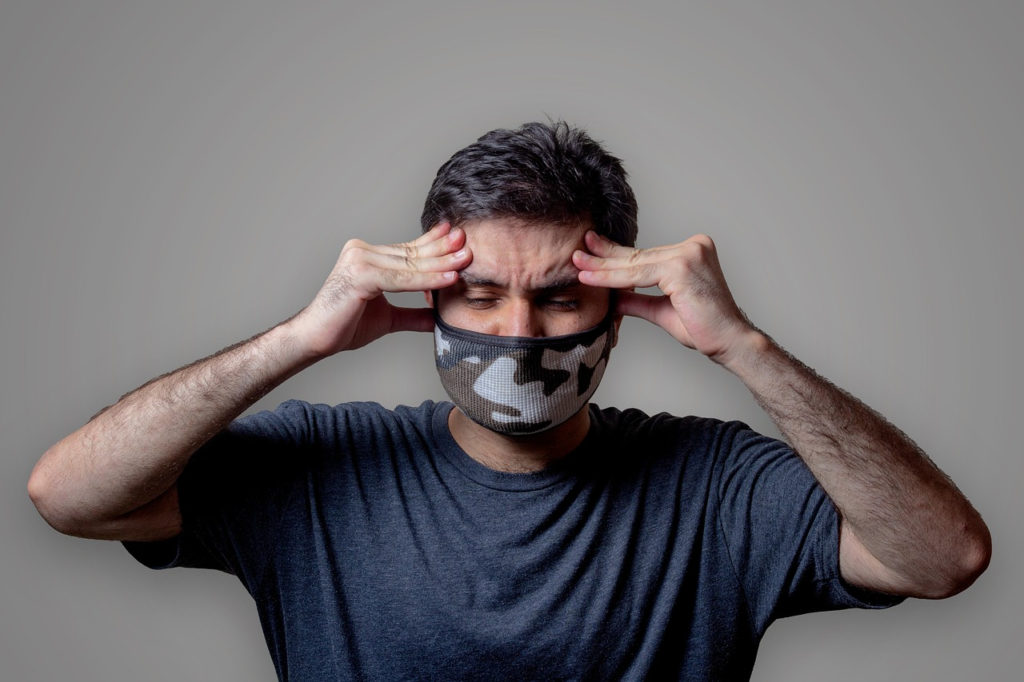
That early disclosure is often the difference between a rest day that solves the problem and an evacuation that could have been avoided.
Trekkers who are honest about minor symptoms usually give the guide enough time to make small adjustments before the issue becomes serious.
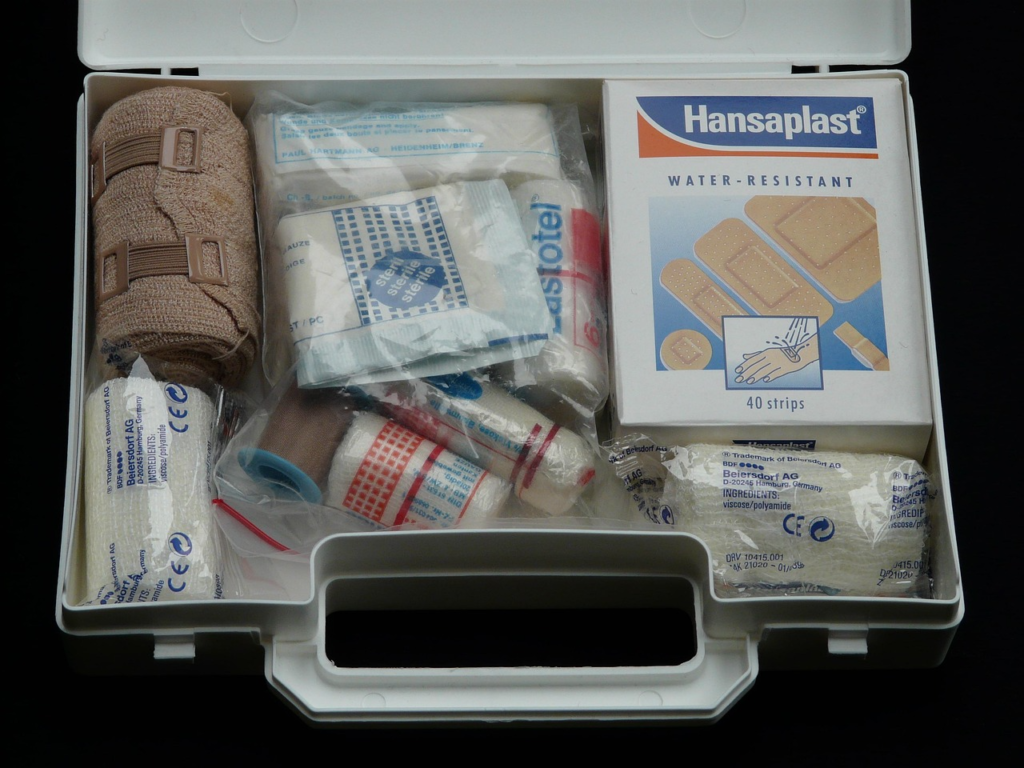
On higher-altitude routes, safety support may include a first aid kit, pulse oximeter, oxygen support, emergency medicines, communication planning, and evacuation coordination.
Emergency medicines may include Dexamethasone for suspected HACE and Nifedipine for suspected HAPE, depending on the route, guide kit, trek arrangement, and medical protocol being followed.
These medicines are not casual comfort medicines. They are emergency tools used when the situation is serious, usually alongside descent, oxygen, or evacuation planning.
On longer high-altitude treks, SpO2 readings may be checked and compared against the altitude profile over several days. A single number is useful, but a pattern is better.
If a trekker’s oxygen reading keeps dropping, appetite disappears, sleep worsens, and the person becomes slower each day, the guide has a clearer picture than if they only looked at one reading after dinner.
The One Rule That Supersedes Everything Else
If serious symptoms appear, descend. Do not wait for morning if the situation is clearly worsening. Do not see if confusion improves after sleep. Do not let pride decide what the body has already answered.
A headache that does not improve with rest, any loss of coordination, confusion, breathlessness at rest, chest tightness, or a cough that becomes wet or unusual should stop the trek immediately.
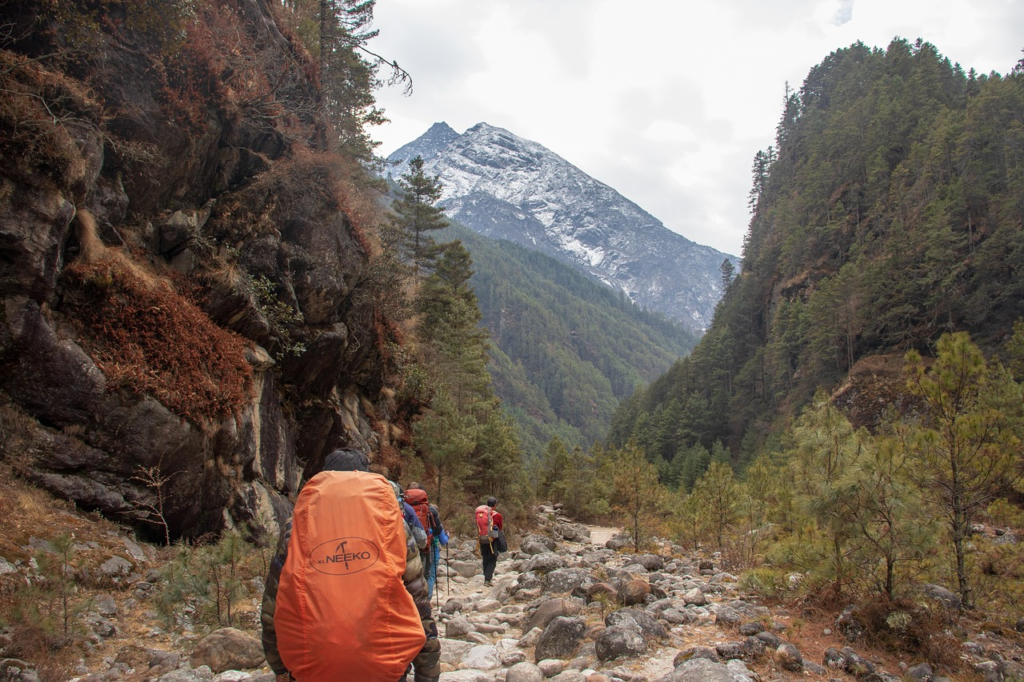
A descent of even 300 to 500 metres can produce major improvement, which is why descent remains the most reliable response when altitude illness becomes serious.
The mountain will still be there when you are well. No viewpoint, pass, lake, or base camp is worth gambling with HACE or HAPE.
In a serious altitude situation, the guide’s safety decision should be respected because the person affected may not be thinking clearly, especially if HACE is developing.
Planning a Trek With Altitude in Mind
The best preparation for a high-altitude trek in Nepal is not only physical. Fitness helps, but a superb athlete with poor acclimatisation can struggle more than an average trekker with a well-paced itinerary.
Start building the itinerary from the acclimatisation requirement, not only from the number of days you have available.
If you have a tight travel window, do not force a route like Everest Base Camp, Three Passes, Annapurna Circuit, or Manaslu Circuit into fewer days than the body can reasonably handle.
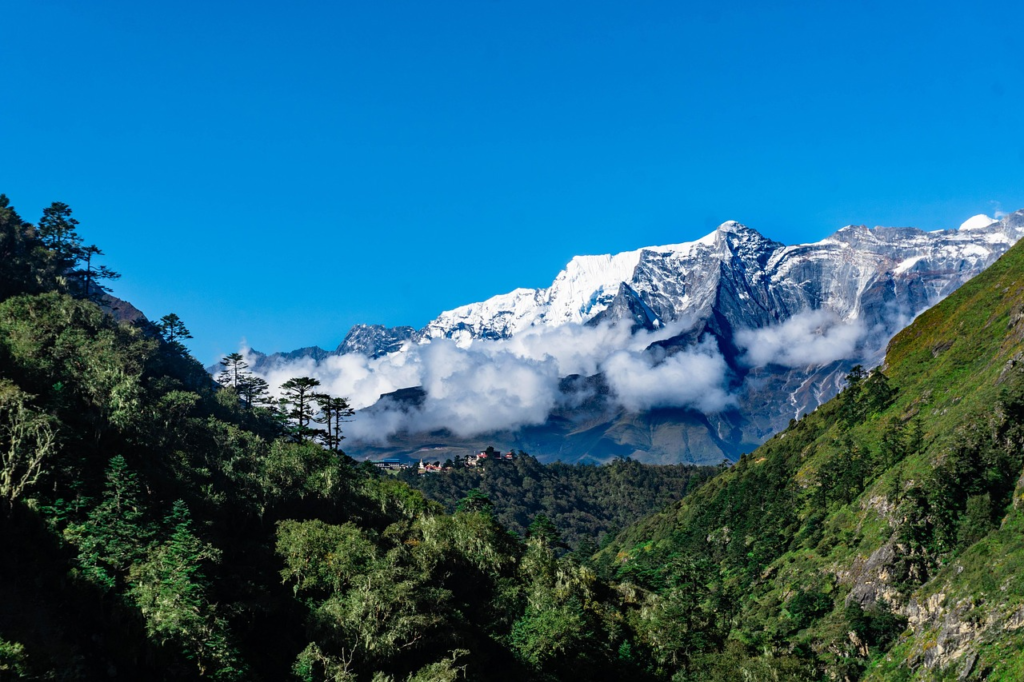
Choose a route that fits the time you actually have. Annapurna Base Camp, Langtang Valley, Mardi Himal, or Ghorepani Poon Hill may be safer and more enjoyable choices when the schedule is short.
A trip that ends well and leaves you thinking about coming back is always better than a rushed itinerary that ends with sickness, descent, or emergency evacuation.
Route Specific Safety Advice
Different routes create different altitude problems. Some routes are risky because they climb fast, some because they stay high for many days, and some because evacuation is difficult if symptoms become serious.
| Route | Main Altitude Concern | Safety Advice |
|---|---|---|
| Everest Base Camp Trek | Altitude builds steadily after Namche and becomes more serious around Dingboche, Lobuche, Gorak Shep, and Kala Patthar. | Do not rush above Namche. The acclimatisation days in Namche and Dingboche are part of the safety design, not empty days added for comfort. |
| Gokyo Lakes Trek | The route stays high near Gokyo village, and Gokyo Ri adds extra altitude stress. | The lakes and Gokyo Ri are beautiful, but the altitude is serious. Do not push to Gokyo Ri if you already feel unwell at the village. |
| Everest Three High Passes Trek | Repeated exposure above 5,000 metres, cold starts, long days, and accumulated fatigue. | The risk is not just one high point. This route needs patient pacing, strong acclimatisation, and honest reporting of even small symptoms. |
| Annapurna Circuit Trek | Thorong La is a serious high pass and the body needs time before reaching Thorong Phedi or High Camp. | Manang should be treated as a proper rest and acclimatisation stop. Skipping it before Thorong La increases risk for no good reason. |
| Tilicho Lake Trek | Tilicho Lake adds a high altitude push before or around the Thorong La side of the route. | The lake section adds altitude pressure, so pacing around Manang becomes even more important. Do not force Tilicho if symptoms are already present. |
| Manaslu Circuit Trek | Larkya La comes after days of steady ascent through remote upper villages. | Samagaon and Samdo help the body prepare for Larkya La. These places should not be treated as simple overnight stops to rush through. |
| Dhaulagiri Circuit Trek | Remote terrain, high camps, difficult evacuation, and serious pass crossings. | Remoteness changes the risk. The altitude is high and evacuation can be more complicated, so prevention matters even more from the beginning. |
| Langtang Valley Trek | The route reaches Kyanjin Gompa and then offers higher side hikes that should not be forced. | Side hikes from Kyanjin Gompa should only be done if the trekker feels well. A viewpoint is not worth forcing when the body is already warning you. |
| Annapurna Base Camp Luxury Trek | ABC is lower than Everest or Thorong La, but 4,130 metres is still real altitude. | Headache, nausea, dizziness, or poor sleep near Deurali, MBC, or ABC should be taken seriously. Do not treat ABC as a low altitude route. |
Travel Insurance for Altitude Sickness
Travel insurance is not just paperwork for Nepal trekking. It should clearly cover the altitude of your chosen route and include emergency evacuation.
This matters because many high-altitude routes are remote. Road access may be limited, weather can delay flights, and medical support may not be close to the trail.
Before buying insurance, check the maximum trekking altitude, helicopter rescue terms, medical evacuation coverage, and whether trekking is included as an activity.
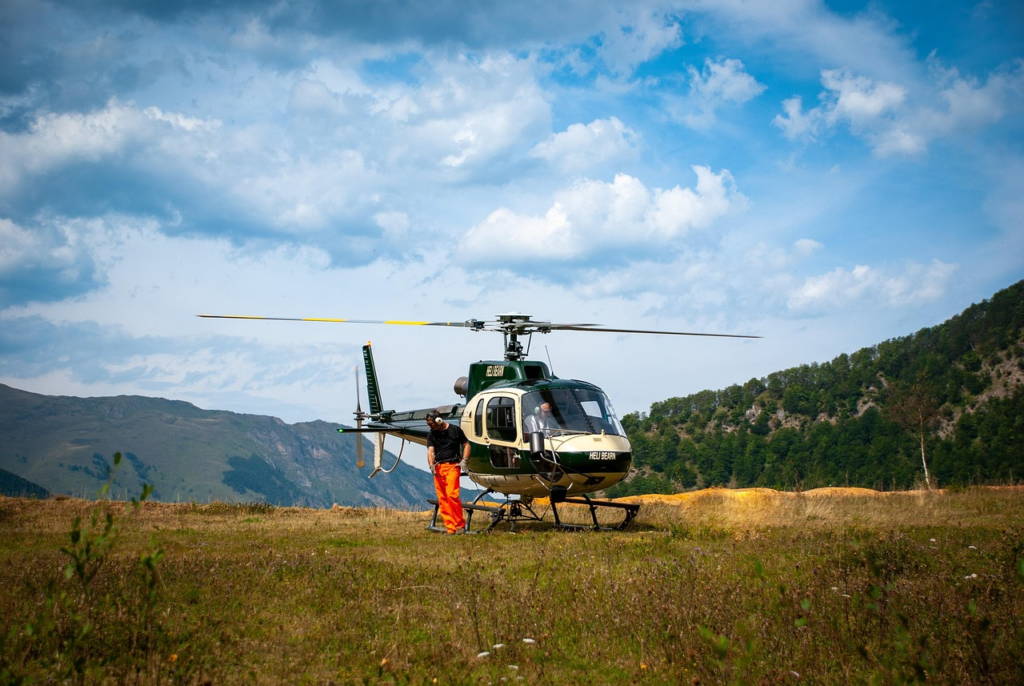
For Everest, Manaslu, Annapurna Circuit, Dhaulagiri, Kanchenjunga, Dolpo, Nar Phu, and other remote routes, this is not something to leave vague.
Altitude sickness should not scare you away from trekking in Nepal, but it should make you respect the mountains.
The safest trekkers are not always the fastest ones. They are the ones who walk steadily, rest properly, drink enough, eat when appetite drops, and listen when the guide says the body needs time.
The best altitude advice is still simple. Do not rush the mountain. Do not hide symptoms. Do not treat rest days as wasted days. Do not climb higher when your body is clearly asking you to stop.
FAQs About Altitude Sickness in Nepal
At what altitude does altitude sickness start in Nepal?
Altitude sickness can start above around 2,500 metres, but it becomes more important above 3,000 metres and becomes a serious planning issue above 4,000 metres.
Can fit trekkers get altitude sickness?
Yes. Fitness helps with walking, but it does not guarantee acclimatisation. A fit trekker can still get sick if the ascent is too fast.
Which Nepal treks have the highest altitude risk?
Everest Three High Passes, Everest Base Camp, Gokyo Lakes, Annapurna Circuit, Tilicho Lake, Manaslu Circuit, Dhaulagiri Circuit, Kanchenjunga, Dolpo, Nar Phu Valley, and peak climbing routes need the most care.
Should I take Diamox before trekking in Nepal?
Speak with your doctor before taking Diamox or any altitude medicine. A commonly used preventive dose is 125mg to 250mg twice daily, but your own health history matters more than copying a dose from the internet.
What does 88 percent SpO2 mean at altitude?
It depends on the altitude, symptoms, and the person. On a Nepal trek, 88 percent should be monitored carefully. If it comes with headache, nausea, poor sleep, weakness, confusion, or breathlessness, do not keep climbing higher.
Is oxygen enough to treat altitude sickness?
Oxygen can help in emergencies, but descent is usually the most reliable treatment when symptoms are serious or worsening. Oxygen should not be used as a reason to keep climbing higher.
Plan a Safe High Altitude Trek in Nepal
If you are planning a high-altitude trek in Nepal and want an honest assessment of the route against your time, fitness, and altitude experience, reach out to Nepal Royal Treks. A good itinerary should give your body what it needs, not just fit the shortest possible calendar.
Ask Nepal Royal Tourism Holidays Read Altitude Safety Info View Trekking Packages