

-
 Duration
10 Days
Duration
10 Days
-
 Difficulty
Moderate
Difficulty
Moderate
-
 Max Elevation
4,130m
Max Elevation
4,130m
-
 Group Size
1 to 10 People Person
Group Size
1 to 10 People Person
-
 Accommodation
Teahouse/Lodge
Accommodation
Teahouse/Lodge
-
 Start/End
Kathmandu Airport/Kathmandu
Start/End
Kathmandu Airport/Kathmandu
-
 Destination
Annapurna Region
Destination
Annapurna Region
-
 Best Season
March-May and Sep-Nov
Best Season
March-May and Sep-Nov
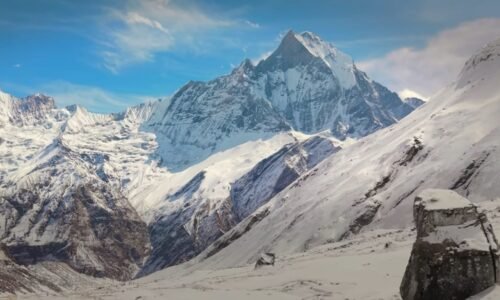
The Annapurna Base Camp Luxury Trek is a shorter and more comfortable way to experience one of Nepal’s most famous mountain routes.
It keeps the heart of the classic Annapurna Base Camp journey, but removes some of the road fatigue and long overland travel that can make standard trekking itineraries feel more tiring than necessary.
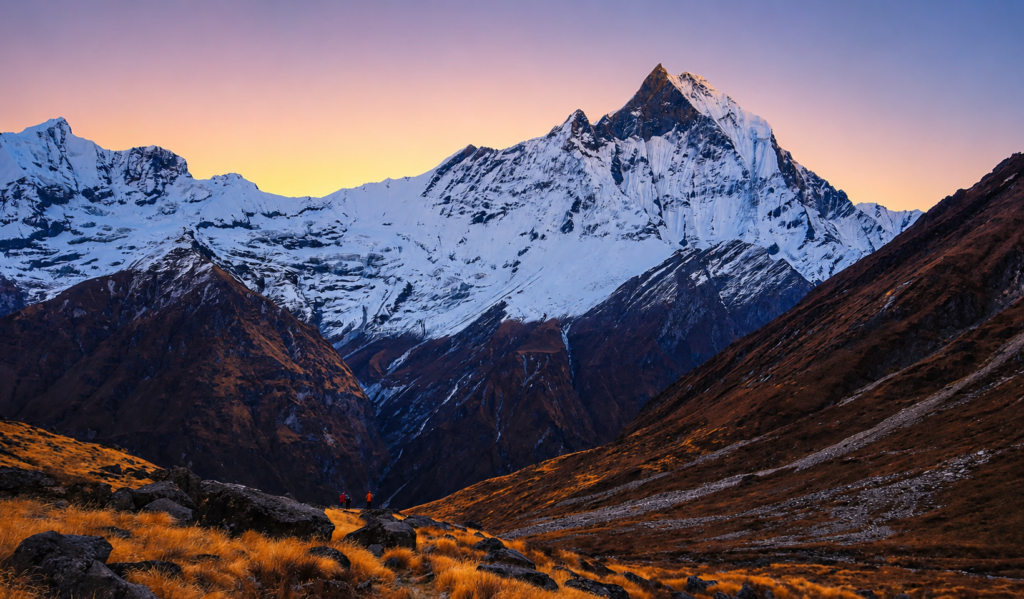
With a flight into Pokhara, a smoother approach into the trekking route, and a more comfort focused style of accommodation and service, this version is designed for trekkers who want the full sanctuary experience in a cleaner, faster, and more refined format.
What makes this trek special is that it still follows the natural flow of the Annapurna Sanctuary route. You do not jump straight into the high mountains.
Instead, the journey moves gradually from Kathmandu into Pokhara, then into the lower hills, and finally into the forested and alpine sections of the trail.
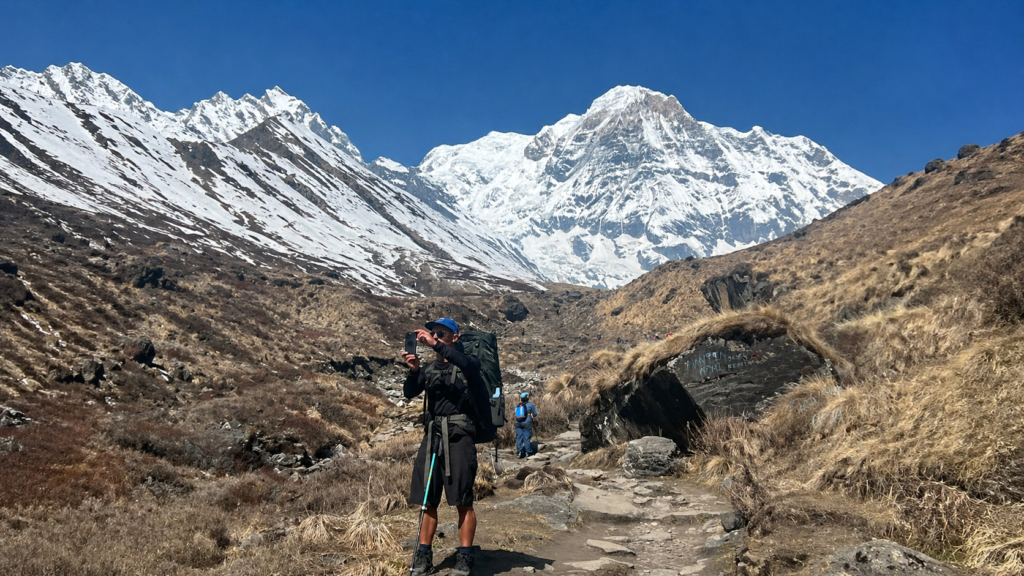
That progression matters because it is what gives the trek its sense of depth. The landscape changes in layers.
The lower sections are warm and green, with terraces, rivers, and village life. The middle sections become quieter and more enclosed, with bamboo, oak, and rhododendron forest.
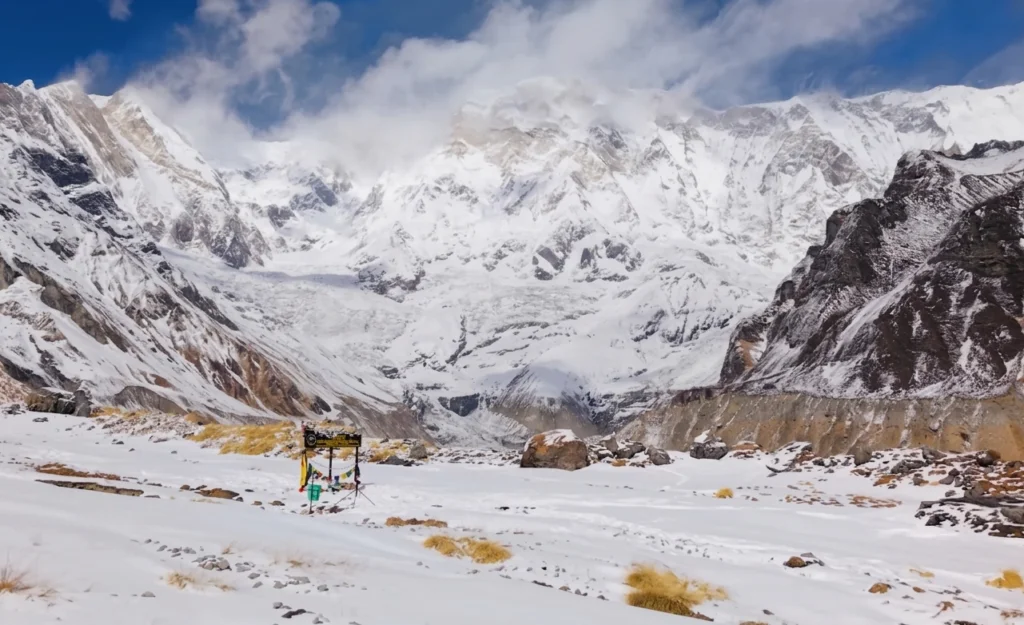
The upper sections open into the wide mountain basin around Machhapuchhre Base Camp and Annapurna Base Camp, where the scenery becomes more dramatic and the air much thinner.
The luxury version of this trek does not mean that the trail itself becomes easier in a physical sense.
The mountains are still the mountains, and the walking still requires fitness, steady pacing, and respect for altitude.
What changes is the overall experience around the trek. The hotels in Kathmandu and Pokhara are more comfortable, the logistics are more efficient, and the pace of the itinerary is arranged to feel less rushed.
In practical terms, that makes a big difference. After a flight into Pokhara and a direct transfer into the trail, you reach the walking section quicker and with less fatigue than on a longer road based plan.
One of the strengths of this route is that it gives you a real mountain journey without requiring technical climbing.
You still walk through proper Himalayan terrain, climb stone staircases, cross suspension bridges, move through forest, and sleep close to the mountains.
But you do it with better planning, stronger support, and more comfort before and after the trekking section.
The first part of the journey gives you time to settle into Nepal without being thrown straight into a rough schedule.
Kathmandu works as the cultural starting point, with its old temples, busy streets, and layered atmosphere.
Even a short time in the city gives the trip context. You arrive, rest, meet the team, and prepare properly before heading toward the Annapurna region.
Flying to Pokhara also adds to the experience. The flight is short, but it saves a long day on the road and gives you more energy for the trek itself. On a clear morning, the mountains appear above the clouds before you land in one of Nepal’s most relaxed cities.
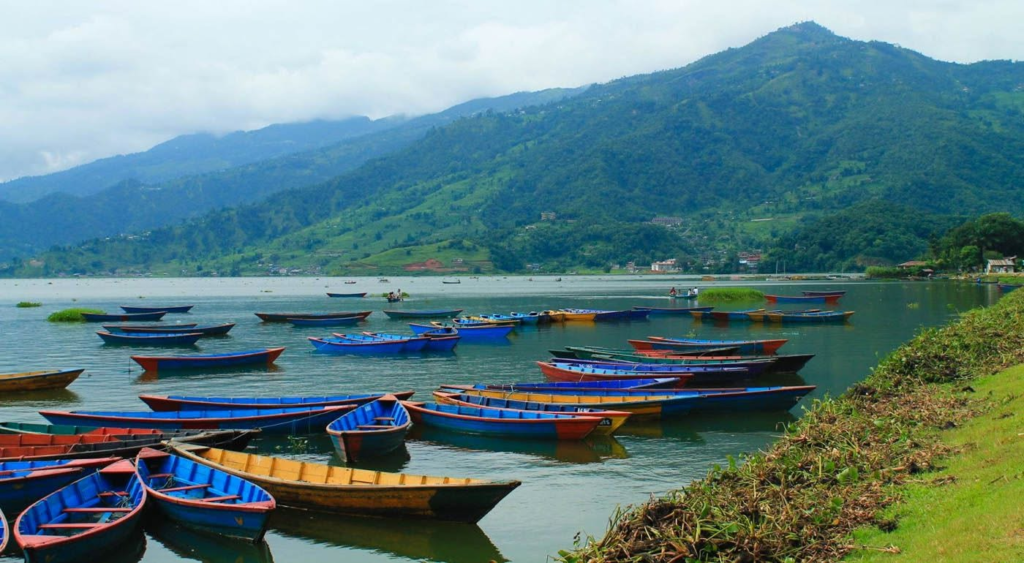
Pokhara feels very different from Kathmandu. It is slower, greener, and easier on the body before a trek.
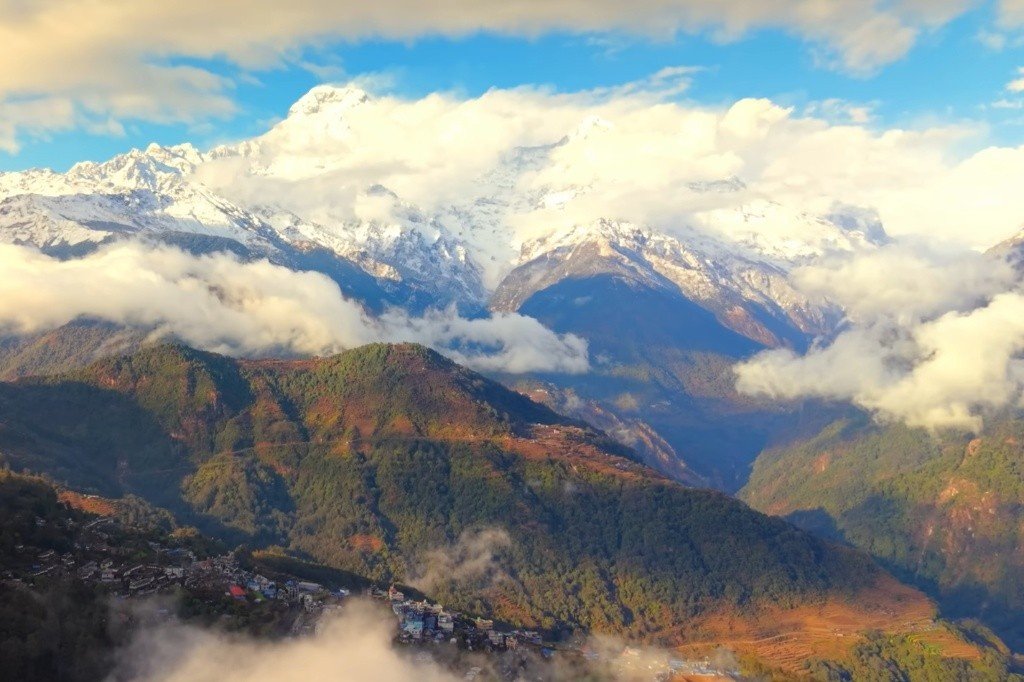
The lake, the cafés, and the view of Machhapuchhre across the valley make it the right place to start a journey into the Annapurna Sanctuary.
From Pokhara, the route moves toward Jhinu Danda and then into the walking trail. This is where the trek begins to feel real.
The comfort of the city slowly drops away, and the sound of rivers, birds, and village life starts to replace traffic and noise.
The climb toward Chhomrong is a good introduction to the rhythm of the trail. It is not extreme, but it asks for patience. Stone steps, farmland, forest patches, and small settlements lead you upward until the village appears on the hillside.
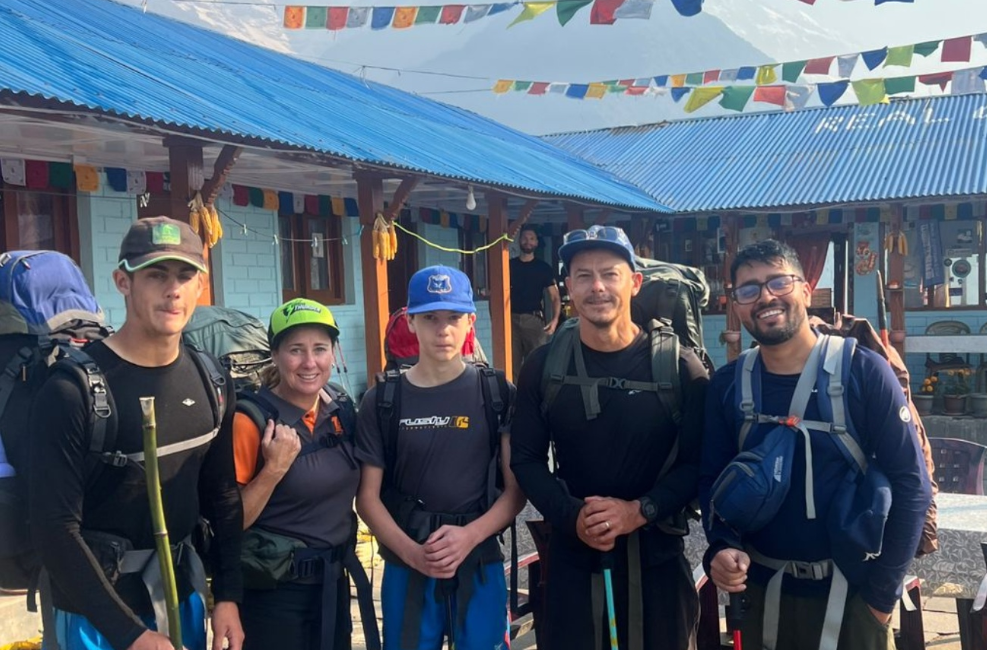
Chhomrong is one of the most memorable villages on the route. It sits in a beautiful position with views toward Annapurna South and Machhapuchhre, and it feels like a natural gateway into the sanctuary.
There are lodges, stone houses, small shops, and a strong Gurung village atmosphere.
This is also where you begin to understand that Annapurna Base Camp is not just about reaching one famous place. The villages and the route itself are a big part of the experience.
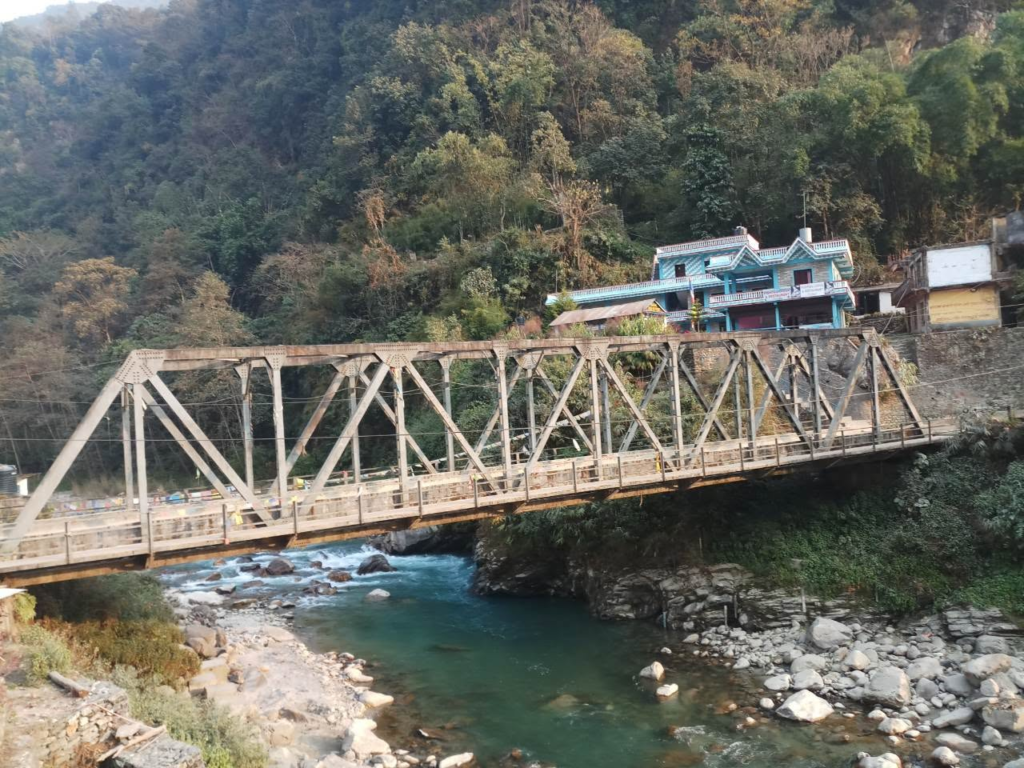
After Chhomrong, the trail becomes more enclosed. You descend toward the river and then climb again through forest.
The walking can feel repetitive in parts because of the many steps, but the surroundings keep changing. Bamboo, oak, and rhododendron forest create a cooler and more shaded atmosphere.
The sound of the Modi Khola stays close, and the trail gradually feels more remote as you move beyond the bigger villages.
The section toward Himalaya is one of the most atmospheric parts of the trek. It is not the widest viewpoint section, but it has a deep mountain feeling.
The forest is thicker, the valley narrows, and the route begins to feel more serious.
Lodges are simpler here, but that is part of the reality of trekking inside the sanctuary.
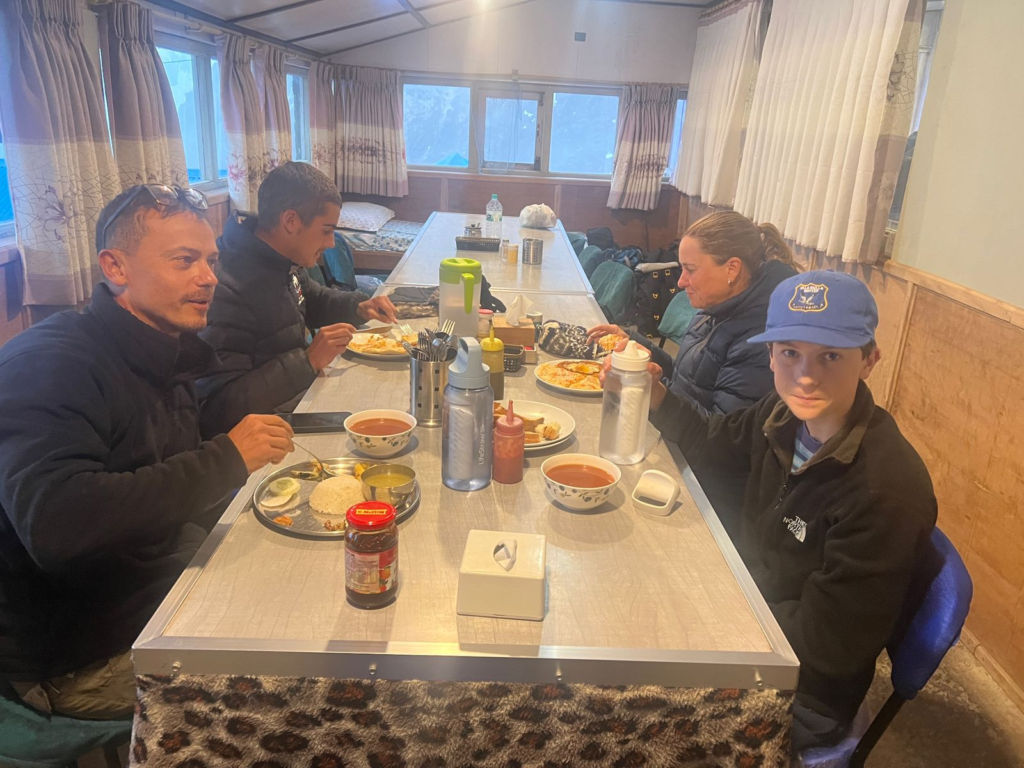
On a luxury trek, the comfort does not come from pretending every mountain lodge is a luxury hotel.
It comes from choosing the best available places, managing the logistics well, providing good meals, and making the rougher sections feel organized and supported.
As you continue toward Machhapuchhre Base Camp, the environment changes again.
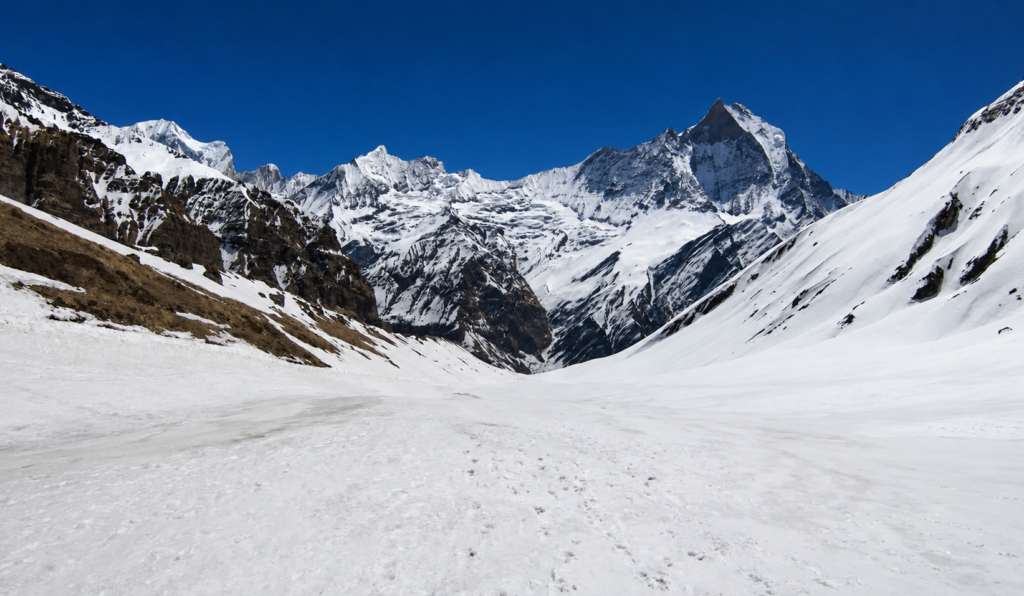
The forest starts to thin, the valley opens, and the mountains begin to feel much closer. This part of the walk is where the trek becomes truly dramatic.
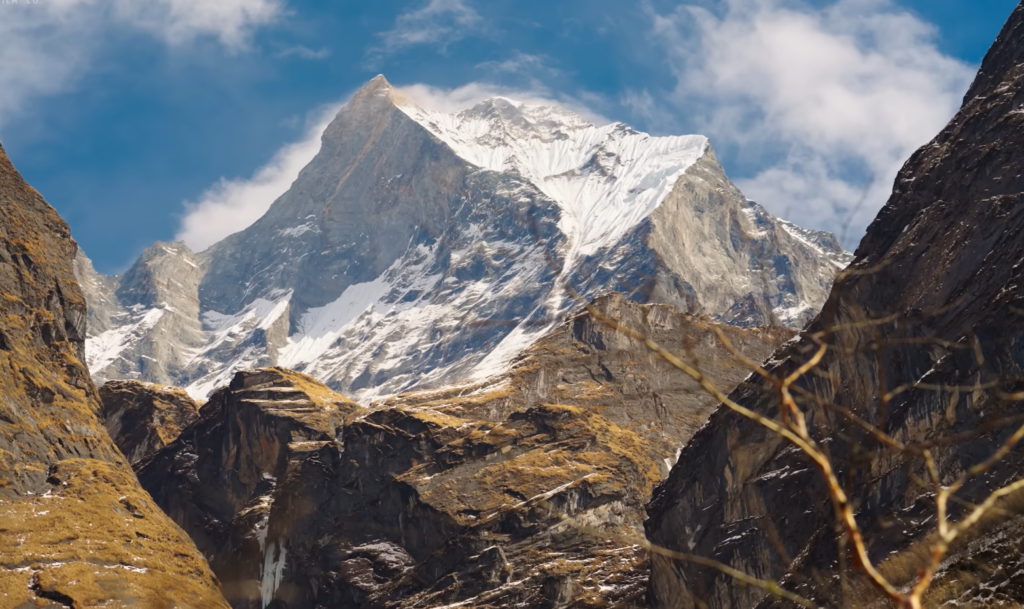
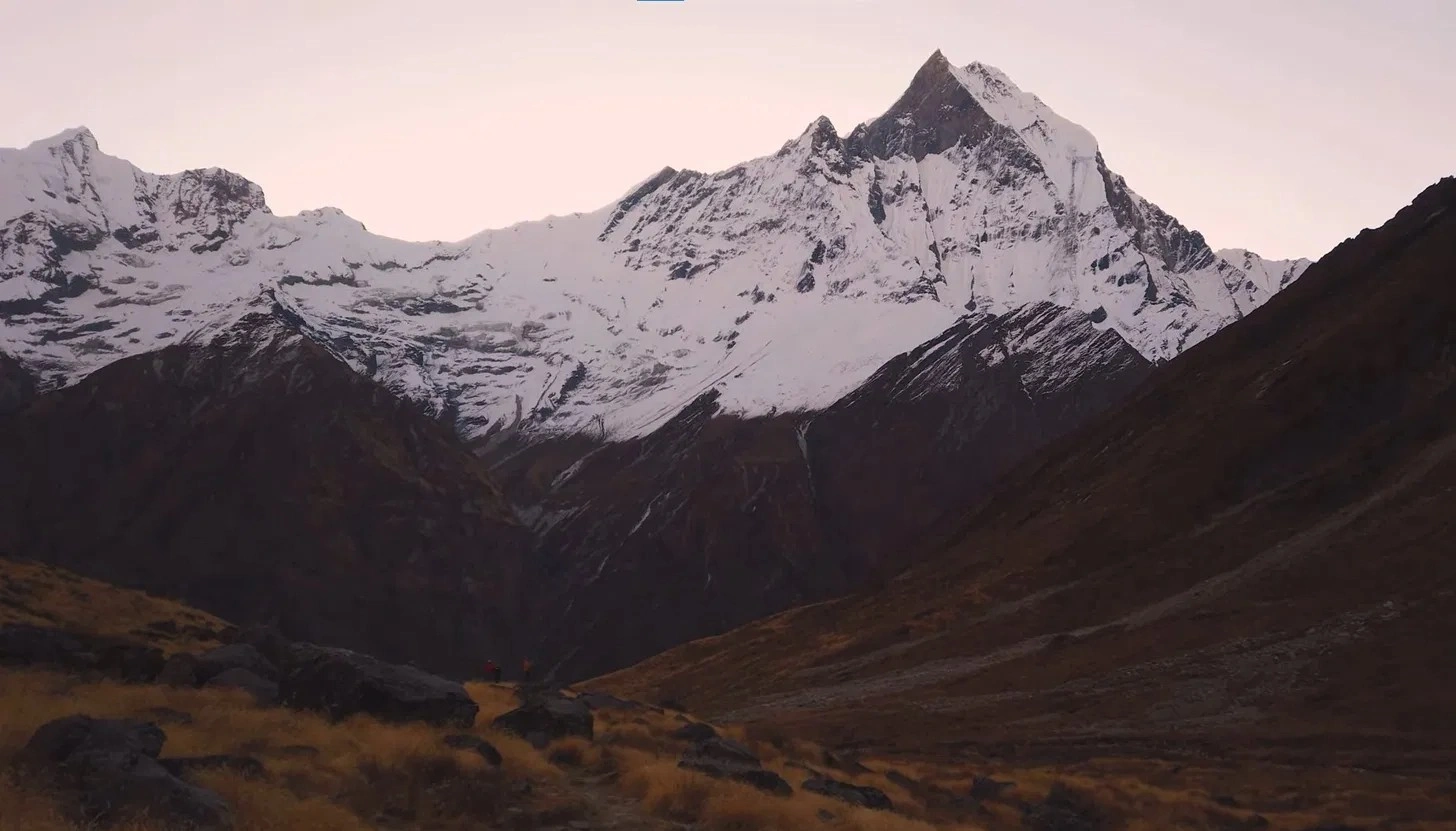
Machhapuchhre, often called Fishtail, dominates the route with its sharp and sacred looking summit.
The mountain feels less like something in the distance and more like something standing directly over the valley.
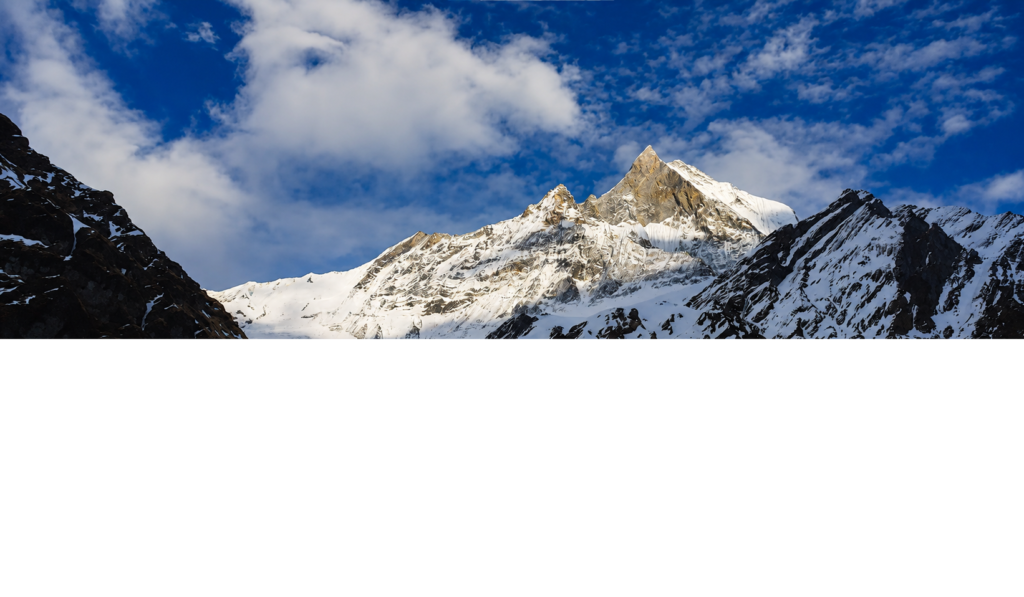
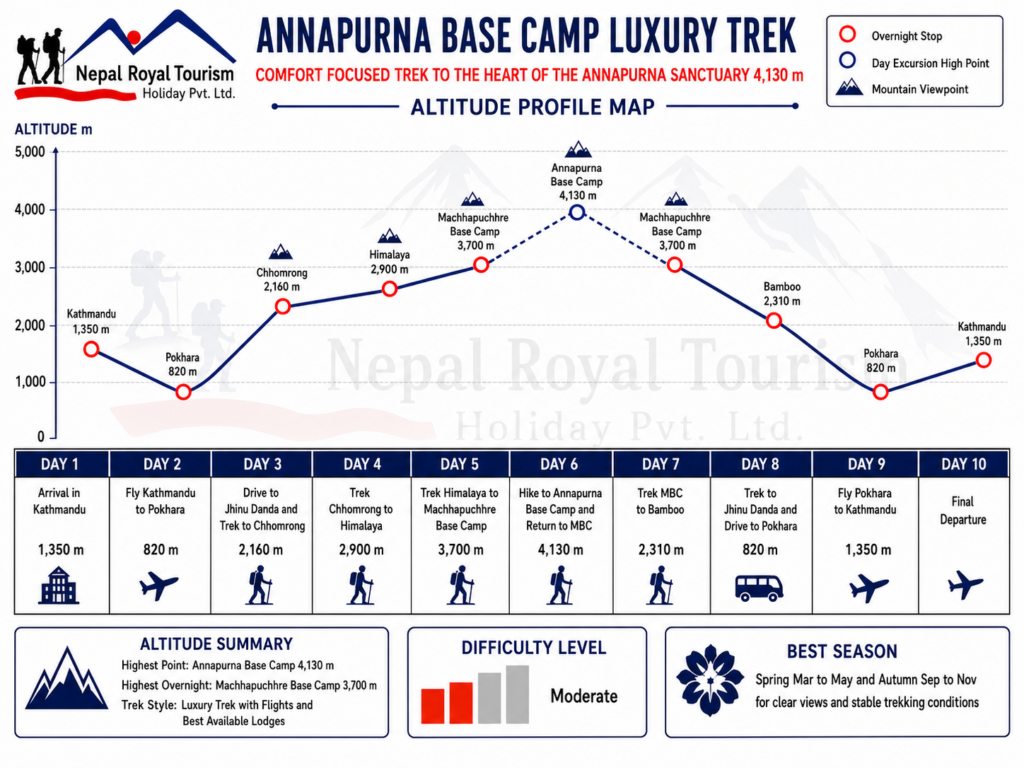
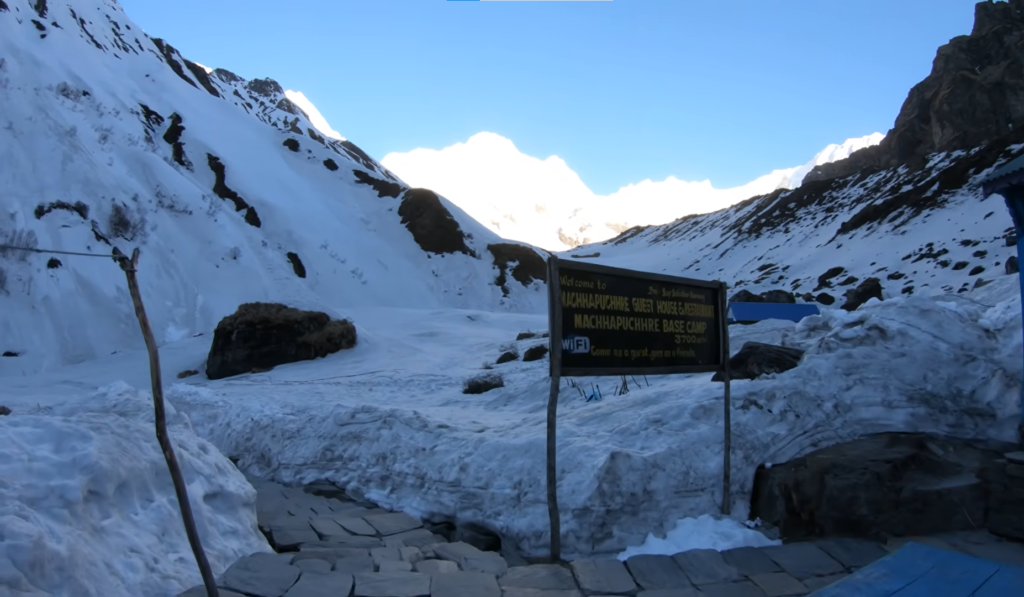
Machhapuchhre Base Camp is one of the finest overnight stops on the journey. It sits at around 3,700 m and offers a powerful preview of the sanctuary.
The air is colder, the landscape is wider, and the mood is completely different from the lower villages.
By this point, you are no longer just walking through hills. You are inside the high mountain world of the Annapurna.
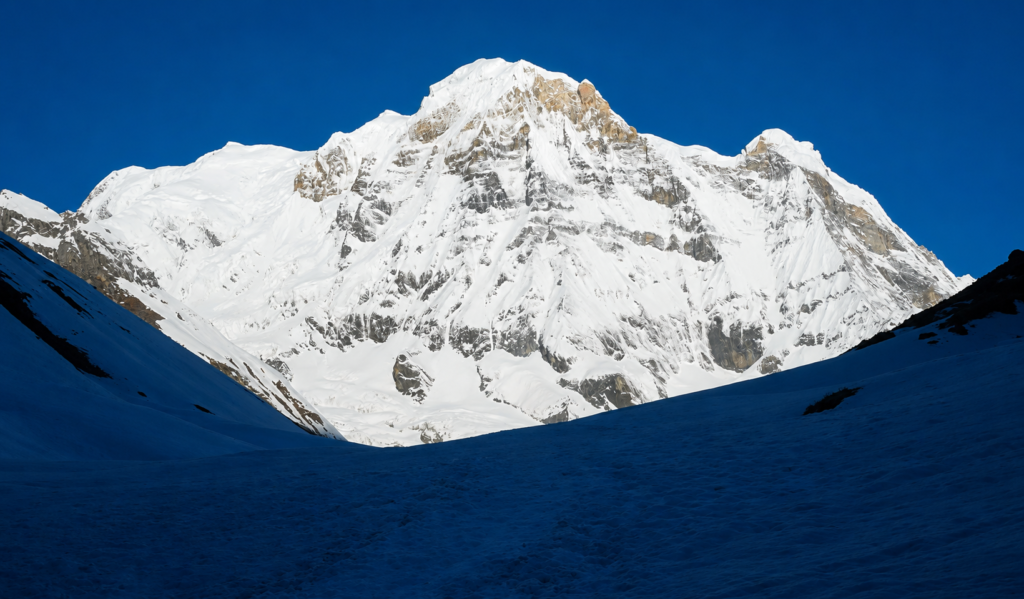
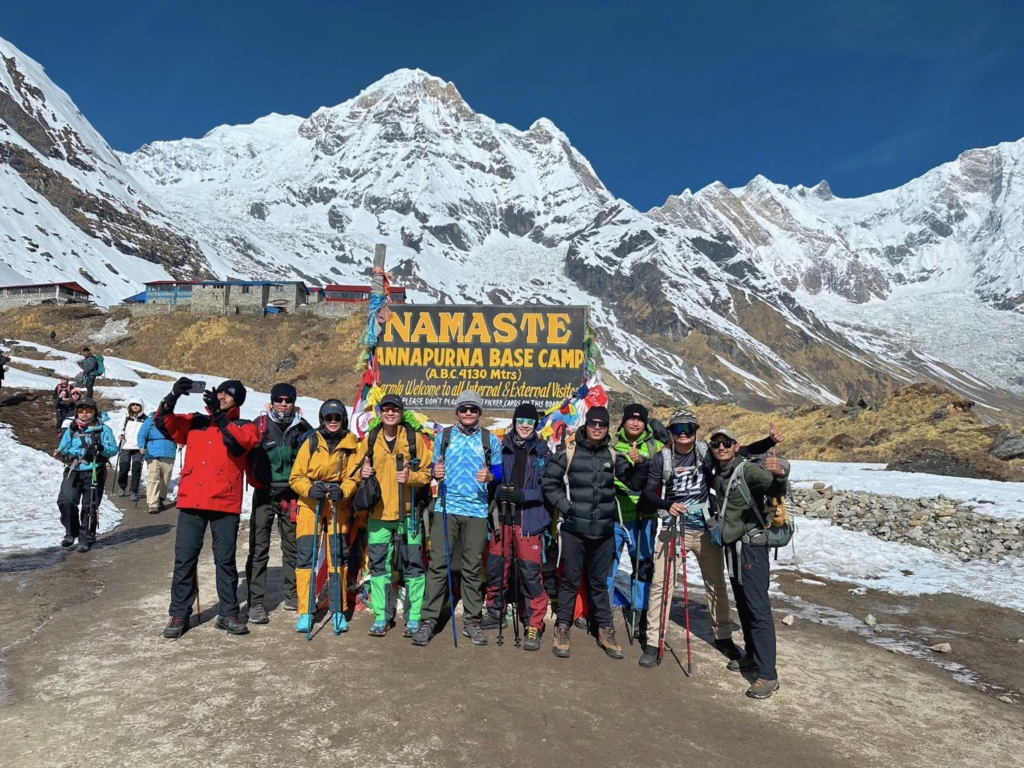
The final approach to Annapurna Base Camp is short compared to some earlier days, but it is unforgettable.
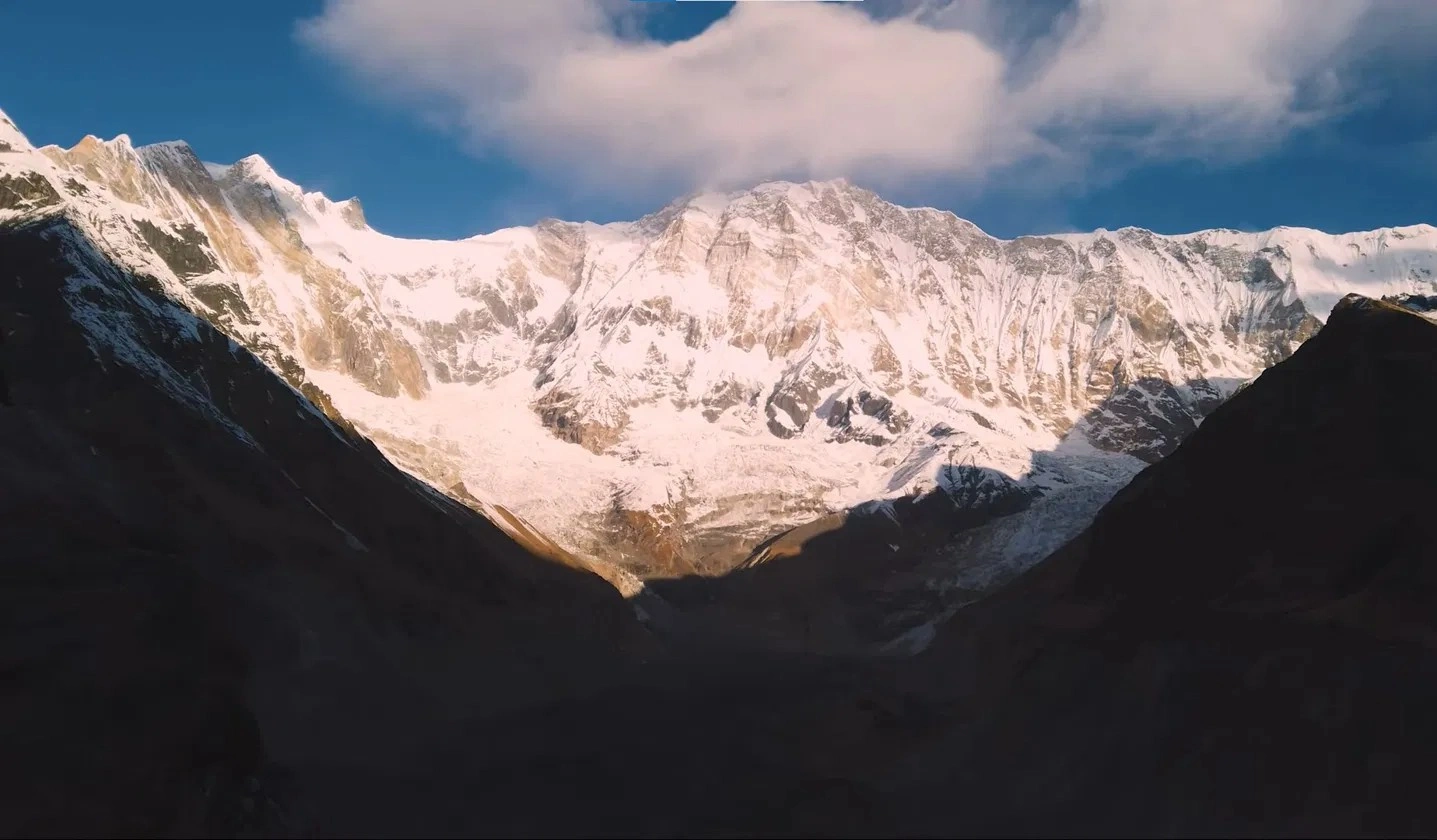
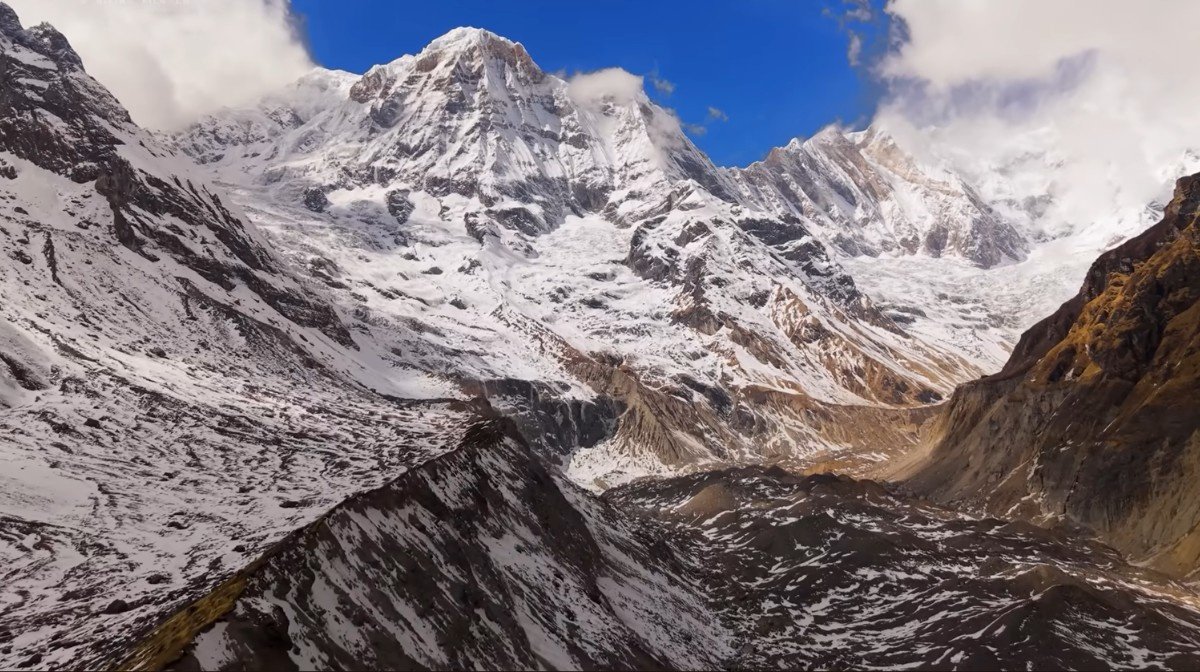
The trail rises gradually from Machhapuchhre Base Camp into a natural amphitheatre surrounded by Himalayan walls.
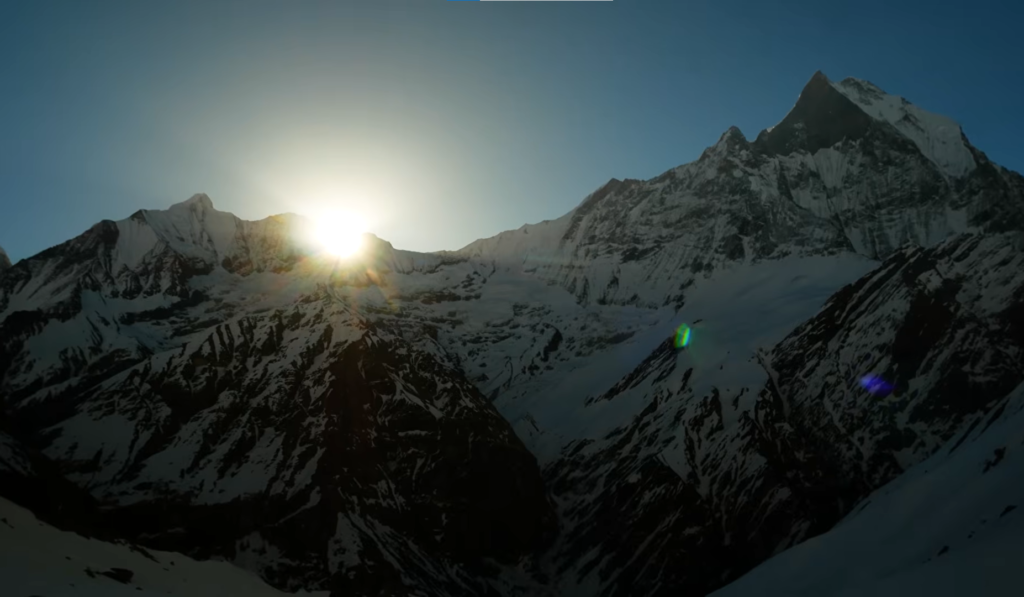
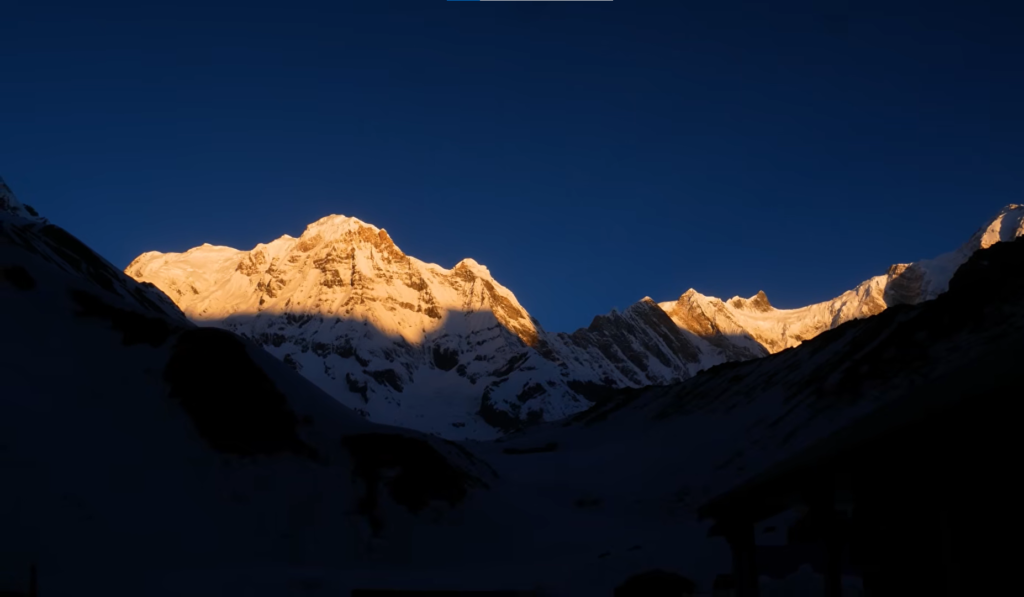
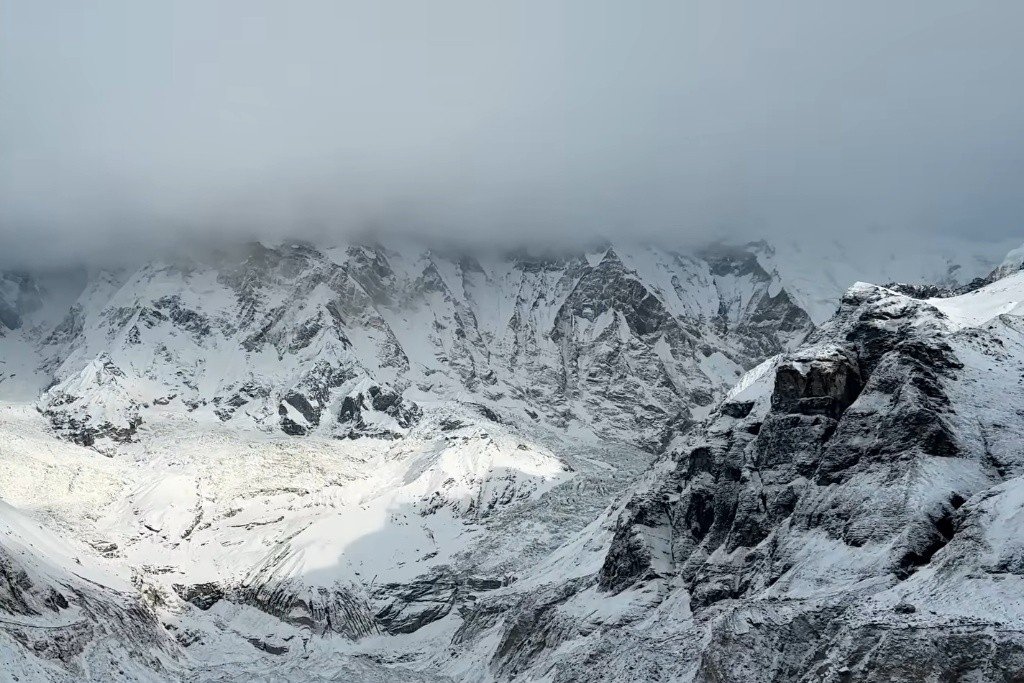
Every step opens the view a little more. Annapurna I, Annapurna South, Hiunchuli, Gangapurna, and Machhapuchhre begin to form a complete circle around the trail.
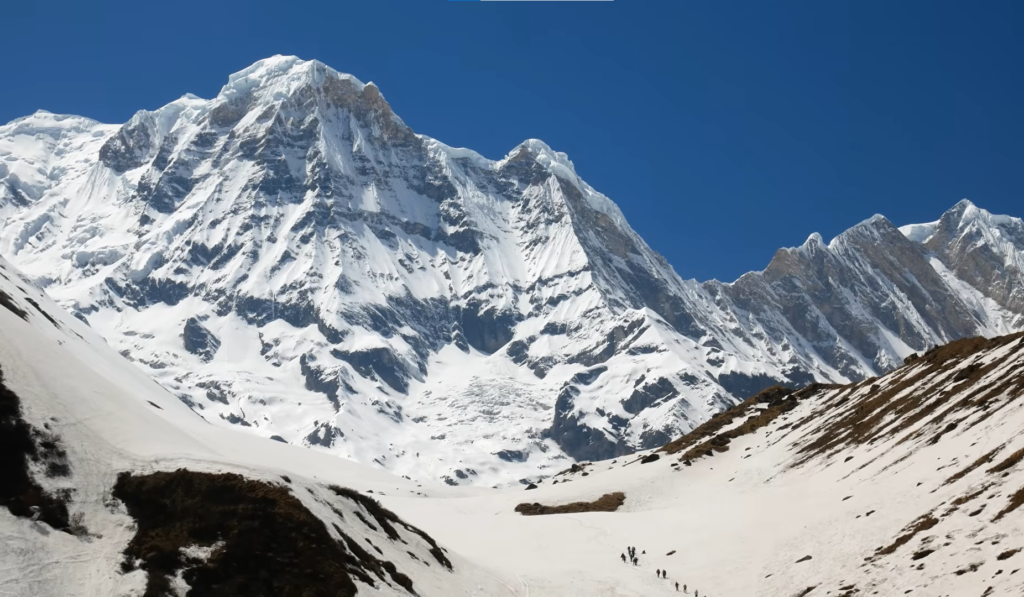
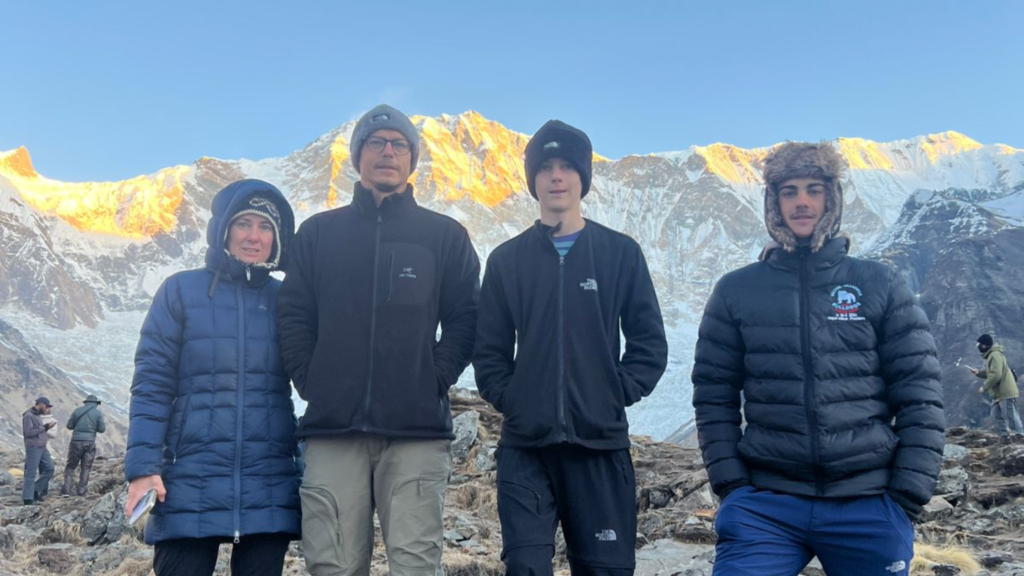
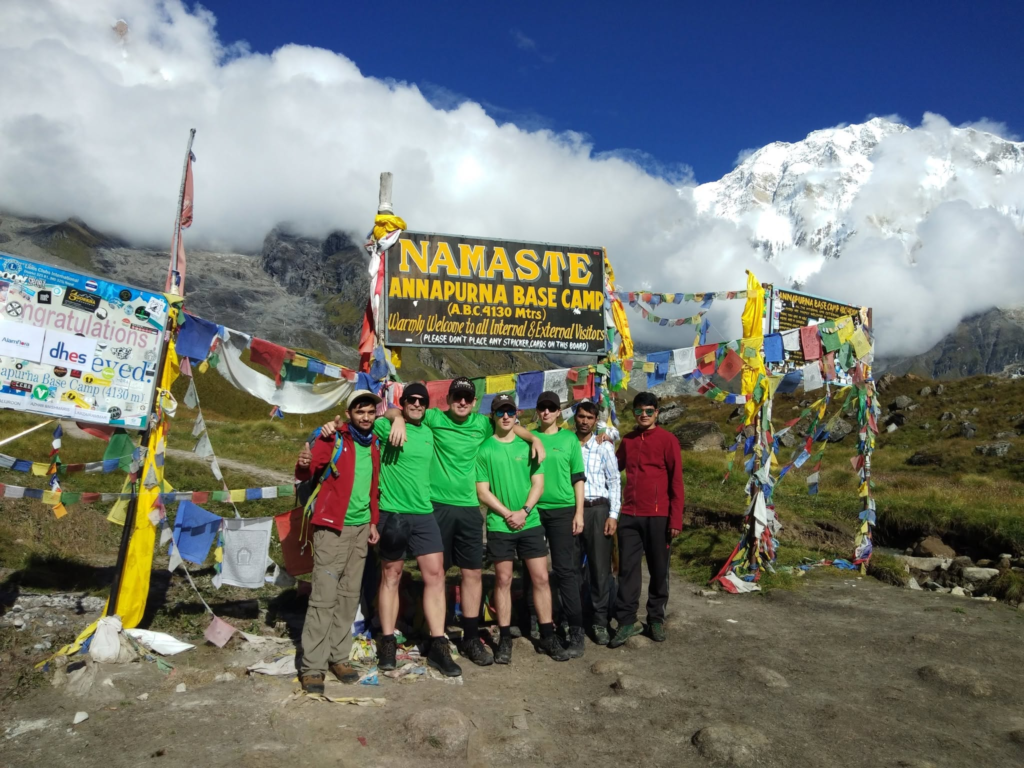
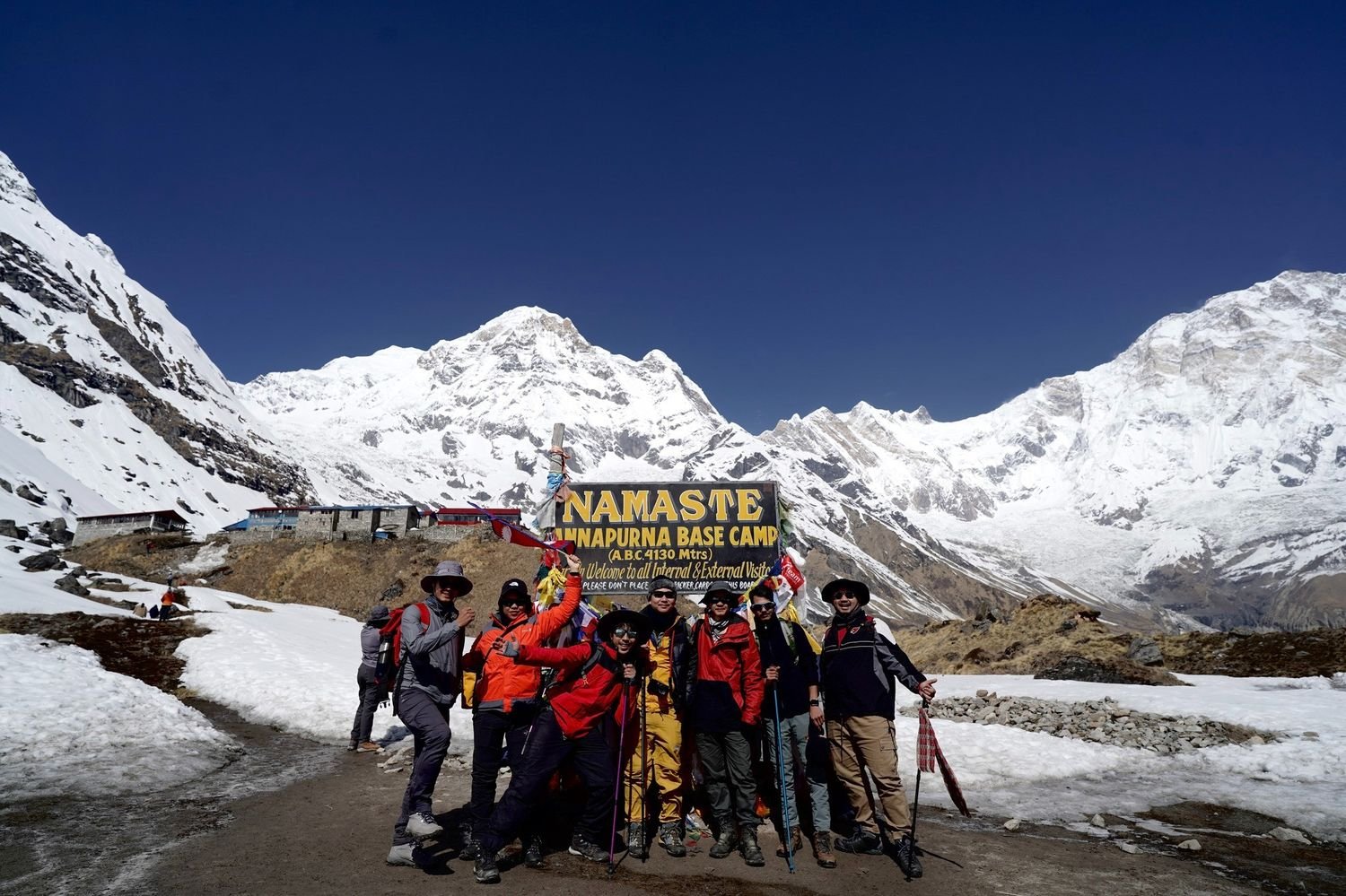
Standing at Annapurna Base Camp at 4,130 m feels different from reaching a normal viewpoint. You are not simply looking at the mountains from far away.
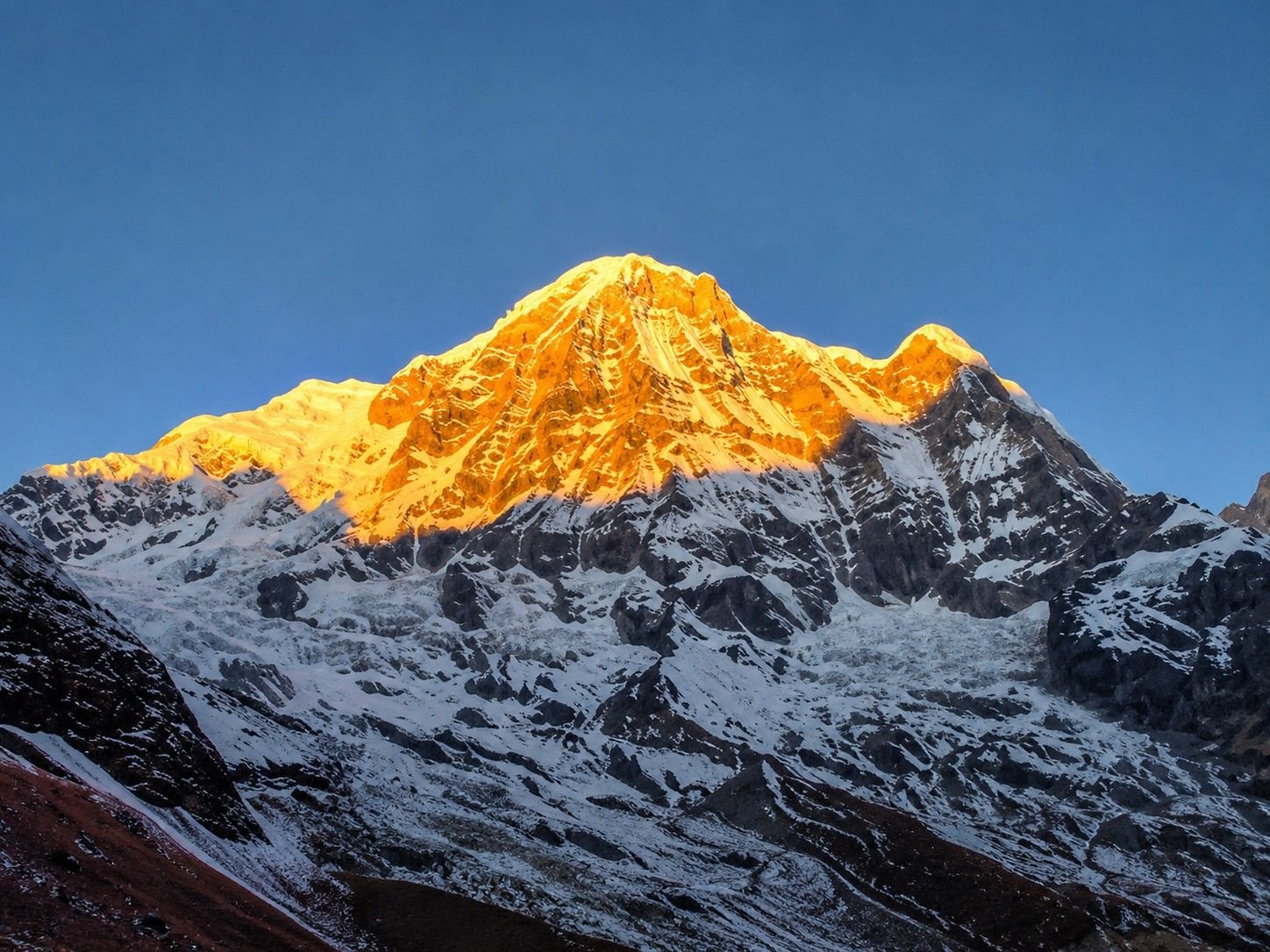
You are inside the sanctuary itself, surrounded by some of the most famous peaks in Nepal. Annapurna I rises to 8,091 m, and the size of the mountain becomes hard to explain until you are standing below it.
The whole place feels still, open, and powerful.
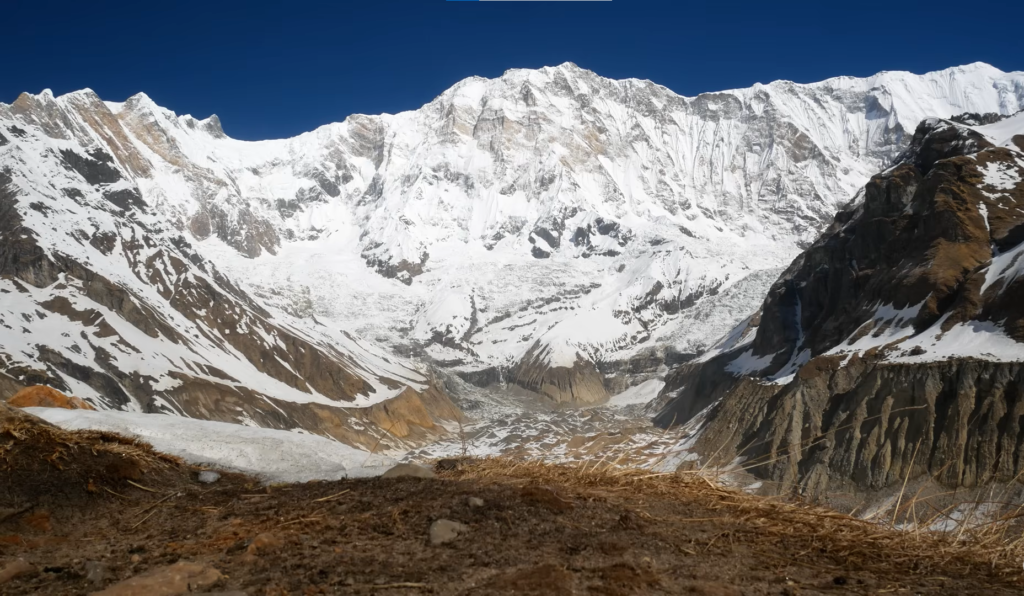
For many trekkers, the moment at base camp is emotional because the route has built toward it slowly.
You have not arrived there by shortcut. You have moved through cities, lakeside comfort, villages, stone steps, forest, river valleys, and alpine slopes.
By the time the sanctuary opens around you, the view feels earned.
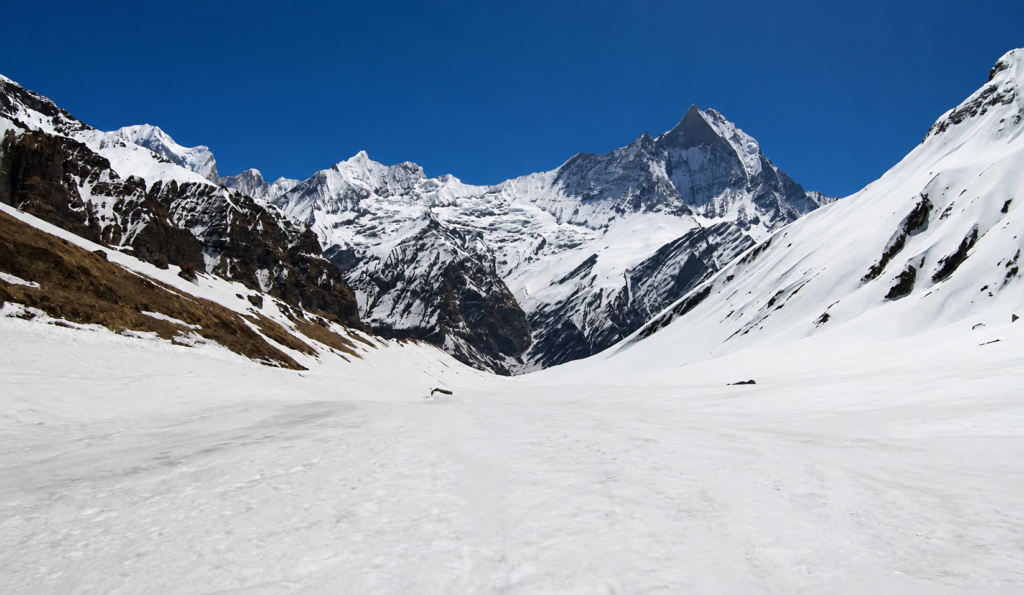
The descent gives the journey a different feeling. Going down through the same valley is easier on the lungs, but it still needs care on the knees and stone steps.
The forests feel warmer again, the air becomes thicker, and the villages slowly return. Bamboo, Jhinu Danda, and the lower trail bring the body back from the high mountain zone into the green hills.
Jhinu Danda adds a nice finishing touch to the trekking section.
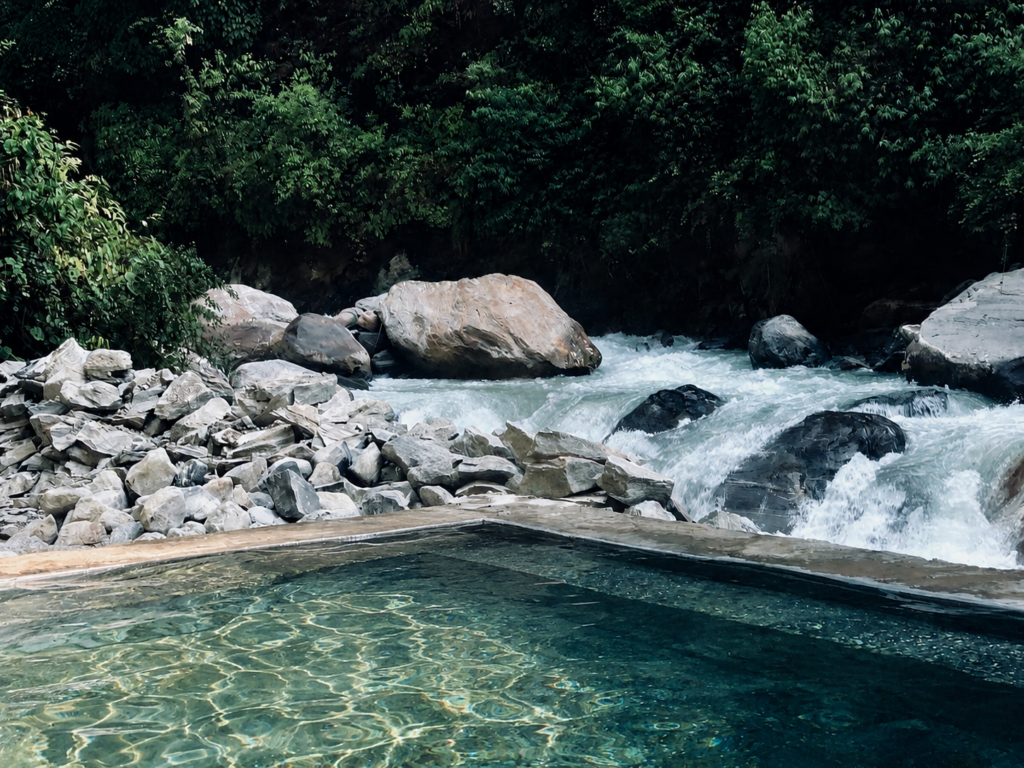
After several days of walking, the chance to visit the natural hot springs, if time allows, feels like a proper reward. It is one of those small details that makes the route feel complete.
Then the drive back to Pokhara brings you out of the trail and back into comfort.
This is where the luxury style of the package becomes especially valuable. After sleeping in mountain lodges and walking long days, returning to a comfortable hotel in Pokhara feels genuinely satisfying.
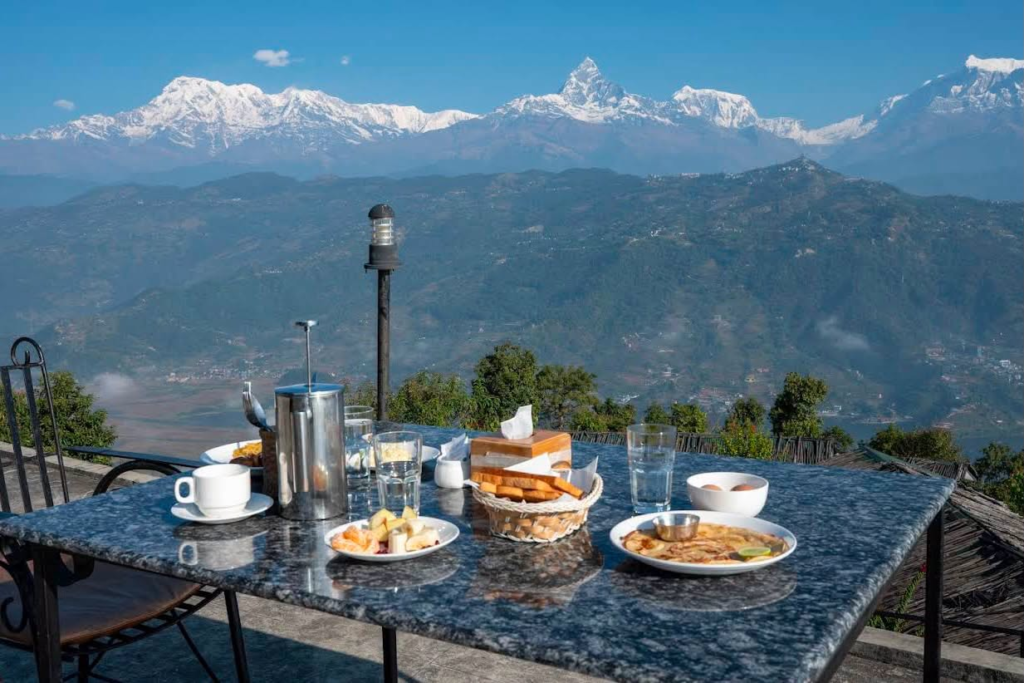
A good shower, a proper bed, a relaxed evening by the lake, and a slower morning the next day all help the body recover from the trek.
The Annapurna Base Camp Luxury Trek is best suited for travelers who want the real Himalayan experience but do not want unnecessary discomfort around it.
It is for people who are happy to walk, sweat, climb, and deal with mountain conditions, but still prefer better hotels, smoother transfers, organized service, and a more refined travel flow.
It is not a soft holiday, and it should not be sold as one. The trail still includes long walking days, altitude gain, cold mornings, basic lodge facilities in the higher sections, and changing weather.
But with the right support and a comfort focused structure, the trek becomes far more enjoyable and less draining than a basic budget version.
In the end, this journey works because it keeps the soul of the Annapurna Base Camp trek intact.
The villages remain real. The forests remain quiet. The mountains remain huge. The sanctuary still feels wild and humbling.
The difference is that the whole experience is handled with more care from start to finish.
You save time where it makes sense, rest better where comfort is available, and still walk into one of the most beautiful mountain basins in the Himalaya.
For trekkers who want a shorter, smoother, and more comfortable way to reach Annapurna Base Camp without losing the feeling of a true Himalayan journey, this luxury trek is one of the best ways to do it.
Altitude Range and Character
| Section | Altitude Range | Terrain Character |
|---|---|---|
| Kathmandu and Pokhara | 820 to 1350 m | City comfort, scenic flight, hotel stay, final preparation |
| Lower trail | 1780 to 2160 m | River crossings, Gurung villages, terraced hillside, stone steps |
| Forest trail | 2160 to 2900 m | Bamboo, oak, rhododendron forest, Modi Khola gorge |
| High trail | 2900 to 3700 m | Thinner forest, colder air, rocky valley, close mountain walls |
| Sanctuary section | 3700 to 4130 m | Alpine moraine, open basin, Annapurna Sanctuary |
Difficulty Overview
| Factor | Level | Notes |
|---|---|---|
| Physical demand | Moderate | 5 to 7 hours walking per day on steep and varied terrain |
| Maximum altitude | Moderate to High | 4130 m at Annapurna Base Camp, high enough for altitude awareness |
| Technical difficulty | Low | No climbing, ropes, or specialist mountaineering equipment required |
| Endurance requirement | Moderate to Good | Sustained uphill and downhill walking on consecutive days |
| Weather exposure | Moderate | Cold above 3000 m, especially around MBC and ABC |
| Comfort level | Higher than standard trek | Flights, private transfers, upgraded city hotels, and best available lodges |
Packing Lists
| Layer | Items |
|---|---|
| Base layer | Moisture wicking shirts, thermal long sleeves |
| Mid layer | Fleece jacket, light insulation layer |
| Outer layer | Waterproof jacket, windproof shell, waterproof trousers |
| Lower body | Trekking pants, thermal leggings |
| Warm layer | Down jacket essential for Deurali, MBC, and ABC |
| Accessories | Warm gloves, wool hat, buff or neck gaiter, sun hat |
| Category | Items |
|---|---|
| Footwear | Well broken in waterproof trekking boots, sandals for lodges |
| Backpack | Daypack 30 to 40 litres, larger duffel for porter |
| Sleeping | Sleeping bag rated to 0°C or below |
| Hydration | Reusable water bottles, purification tablets or water filter |
| Safety | Sunscreen, high UV sunglasses, personal first aid kit |
| Extras | Trekking poles, headlamp with spare batteries, power bank |
Seasonal Trekking List
| Season | Extra Items | Why You Need Them |
|---|---|---|
| Spring | Light fleece, sun hat, high UV sunglasses, light gloves, rain jacket | Warm lower trail, strong sun, cool mornings, and occasional showers |
| Autumn | Warm fleece, down jacket, thermal base layer, wool hat, lip balm | Clear skies, dry air, cold nights, and excellent mountain visibility |
| Winter | Heavy down jacket, warm sleeping bag, insulated gloves, warm socks, microspikes | Very cold upper trail, possible snow, icy steps, and freezing nights |
| Monsoon | Strong rain jacket, waterproof trousers, dry bags, quick dry shirts, extra socks | Rain, slippery trail, humid forest sections, and wet gear risk |
Trip Highlights
- Stand at 4,130 m in the heart of the Annapurna Sanctuary in middle of Himalayan peaks including Annapurna I (8,091 m), Annapurna South, Hiunchuli, and Machhapuchhre.
- Enjoy overnight stays in upgraded hotels in Kathmandu and Pokhara, and the finest available lodges along the trekking route, all with hearty Nepali meals included.
- Take scenic mountain flights between Kathmandu and Pokhara for a smoother and more comfortable start and end to the journey.
- Trek through traditional Gurung villages, terraced hillsides, forest trails, and peaceful river valleys before entering the high alpine sanctuary.
- Spend a night at Machhapuchhre Base Camp, one of the most scenic stops on the route with close views of Fishtail Mountain.
- Reach Annapurna Base Camp without rushing the experience, following a well balanced itinerary designed for comfort and steady altitude gain.
- Walk through bamboo, rhododendron, oak, and alpine landscapes that change beautifully as the trail climbs higher each day.
- Enjoy private ground transfers where possible, reducing long road stress and making the journey feel smoother from city to trail.
- Relax in Pokhara beside Phewa Lake after the trek, with comfortable hotel accommodation and mountain views around the valley.
- Experience the classic Annapurna Base Camp route with extra comfort, guided support, and a luxury focused approach from arrival to departure.
Annapurna Base Camp Luxury Trek – 10 Days ~ Itinerary
Day 1
Arrival in Kathmandu
- Altitude: 1350 m
- Accommodation: Standard Four Star hotel in Thamel
Your journey begins at Tribhuvan International Airport in Kathmandu, where a Nepal Royal Tourism Holidays representative meets you on arrival and transfers you to your hotel in the Thamel district. The afternoon and evening are free to rest after your flight, explore the nearby markets and streets of Thamel, or visit the ancient temple complexes within walking distance of the neighbourhood. In the evening you join your guide for the first proper briefing on the days ahead. Your guide will walk through the itinerary, check your gear, answer questions, and give you a clear picture of what to expect from the first morning onward.
Day 2
Fly from Kathmandu to Pokhara
- Altitude: 800 m
- Flight Duration: 25 to 30 minutes
- Flight Distance: 146 km
- Meal: Breakfast
- Accommodation: Standard Four Star Hotel in Pokhara
After breakfast, take an early domestic flight to Pokhara, the lakeside city and gateway to the Annapurna region. Flights offer aerial views of the Himalayan ranges. In Pokhara, check into a four-star hotel. In the afternoon you may relax by Phewa Lake or explore Lakeside Market with the spectacular view of Machhapuchhre across the water.
Day 3
Drive from Pokhara to Jhinu Danda and Trek to Chhomrong
- Altitude: 2160 m
- Travel Duration: 2 to 3 hours
- Travel Distance: 40 to 50 km
- Trek Duration: 4 to 5 hours
- Trek Distance: 9 to 10 km
- Meal: Breakfast, Lunch and Dinner
- Accommodation: Teahouse in Chhomrong
After breakfast, drive from Pokhara to Jhinu by private vehicle through scenic river valleys and hillside settlements. From Jhinu, begin the trek by crossing the Chhomrong Khola on a suspension bridge and then climbing steadily through farmland and tropical forest. The switchbacks are long but the path is well made of stone steps. You pass through small Gurung settlements and forests of rhododendron and bamboo. After roughly 5 to 6 hours of trekking, you arrive at Chhomrong village. Chhomrong is a traditional Gurung village with stone houses and prayer walls, and it offers the first close up views of Annapurna’s south face.
Day 4
Trek from Chhomrong to Himalaya
- Altitude: 2900 m
- Trek Duration: 5 to 6 hours
- Trek Distance: 8 to 9 km
- Meal: Breakfast, Lunch and Dinner
- Accommodation: Teahouse in Himalaya
Continuing upwards, today’s trail first descends a little into the Modi Khola valley, then climbs again through rhododendron forest. Shortly after Chhomrong, you follow Kimrong Khola upstream and pass Sinuwa, the junction that offers a side trek to Ghandruk. The trail zigzags up steep stone steps to Bamboo Camp, where you can pause for views of Annapurna South and Machhapuchhre emerging through the trees. From Bamboo the trail climbs further to Deurali. After Deurali, you finally reach the cluster of lodges at Himalaya. This spot has a viewpoint of Annapurna South and is a good place for acclimatization.
Day 5
Trek from Himalaya to Machhapuchhre Base Camp
- Altitude: 3700 m
- Trek Duration: 4 to 5 hours
- Trek Distance: 8 to 9 km
- Meal: Breakfast, Lunch and Dinner
- Accommodation: Teahouse in Machhapuchhre Base Camp
From Himalaya, the trail continues along the Modi Khola. You cross several streams via footbridges and pass through juniper scrub upper forest to reach the Machhapuchhre Base Camp area. En route you may spot Himalayan birds and see glaciers starting to appear. The lodge at MBC provides stunning views of Machhapuchhre and Annapurna South up close.
Day 6
Trek from Machhapuchhre Base Camp to Annapurna Base Camp
- Altitude: 4130 m
- Trek Duration: 2 to 3 hours
- Trek Distance: 4 to 5 km
- Meal: Breakfast, Lunch and Dinner
- Accommodation: Teahouse in Annapurna Base Camp
Today is the climax of the trek. From MBC, a well marked trail leads up the terminal moraine to Annapurna Base Camp. The climb is shorter in distance but includes steady altitude gain. From the top, you enjoy a 360 degree panorama. Annapurna I towers ahead, with Gangapurna and Annapurna South to one side, and Hiunchuli and Annapurna Fang around you. Spend some time at the base camp for photos and rest before settling in for the night.
Day 7
Trek from Annapurna Base Camp to Bamboo
- Altitude: 2310 m
- Trek Duration: 6 to 7 hours
- Trek Distance: 13 to 14 km
- Meal: Breakfast, Lunch and Dinner
- Accommodation: Teahouse in Bamboo
Descend from Annapurna Base Camp and retrace yesterday’s route back through Machhapuchhre Base Camp, Deurali, and Himalaya. Continue down through juniper scrub and rhododendron forest until you reach Bamboo. The trail is steep in parts, but the descent feels much easier than the climb. Bamboo is tucked into a forest grove and provides a quiet and comfortable stop after a long day.
Day 8
Trek from Bamboo to Jhinu Danda and Drive to Pokhara
- Altitude: 800 m
- Trek Duration: 4 to 5 hours
- Trek Distance: 8 to 9 km
- Travel Duration: 2 to 3 hours
- Travel Distance: 40 to 50 km
- Meal: Breakfast and Lunch
- Accommodation: Standard Four Star Hotel in Pokhara
The descent continues from Bamboo toward Jhinu Danda. The path drops to Syauli Bazaar, a Gurung village known for its sweeping view of Machhapuchhre across the valley. From there, zigzag down a long stone staircase through bamboo and rhododendron forest until you reach Jhinu Danda. Here is the opportunity to soak in the natural hot springs if time permits. In the late afternoon, a private vehicle waits at Jhinu to drive you back to Pokhara. Once there, check into your four star hotel and rest by the lake.
Day 9
Fly from Pokhara to Kathmandu
- Altitude: 1350 m
- Flight Duration: 25 to 30 minutes
- Flight Distance: 146 km
- Meal: Breakfast
- Accommodation: Standard Four Star Hotel in Thamel
Enjoy a leisurely morning in Pokhara. Mid morning, take the domestic flight back to Kathmandu and transfer to your four star hotel. The rest of the day is free for last minute sightseeing or shopping in the capital. Make sure to visit Basantapur Durbar square or other UNESCO sites if you have enough energy. At night, you can try dinner at a local restaurant in Thamel.
Day 10
Final Departure
- Meal: Breakfast
After enjoying breakfast one last time in Kathmandu, depending on your flight time, you may have a little time for any last-minute souvenirs (Pashmina shawls, handicrafts, tea, etc.). After lunch you will be transferred to Tribhuvan Airport for your departing international flight. This concludes the trek Goodbye to the Himalaya, until next time. Nepal Royal Tourism Holidays will be looking to serve you again in the near future.
Annapurna Base Camp Luxury Trek – 10 Days Fixed Departures Dates
Trip Cost Includes/Excludes
Cost Includes
- All Airport pickup and drop off by private car
- Domestic flights from Kathmandu to Pokhara to Kathmandu
- Two night each in four star standard hotel in Kathmandu and Pokhara with breakfast included
- Pokhara to Jhinu to Pokhara by private transportation
- Three Meals a day in mountain valley (Breakfast, Lunch and dinner)
- Tea or Coffee three times a day
- Fruits desert after your dinner
- English-speaking government-licensed guide
- Trekking Porter Services
- First-Aid Kit Box Carried by Our Team
- Annapurna Conservation Area Permit and other essential government permits
- ABC Luxury Trek completion certificate
- Nepal Royal Tourism Holidays T-shirt
Cost Excludes
- Nepal entry visa fees and travel insurance (medical and evacuation)
- International airfare to/from Kathmandu
- Meals in Kathmandu and Pokhara, outside B/B hotels
- Tips/gratuities for guide and porters
- Personal trekking gears and equipments
- Personal food expenses such as bottled water, snacks, beverages and extra meals
- Hot shower, Wi-Fi, phone charging and other personal usage
- Any other expenses due to flight delays, itinerary changes, or circumstances beyond our control
- Anything apart from our inclusion list
Trip Photo/Video Gallery




Route Map for Annapurna Base Camp Luxury Trek – 10 Days
Frequently Asked Questions
This luxury version makes the journey smoother and more comfortable without removing the real trekking experience. You fly to Pokhara instead of taking a long road journey from Kathmandu, use private vehicles where possible, stay in upgraded hotels in Kathmandu and Pokhara, and use the best available lodges on the trail. Porters carry your main luggage, so you walk with only a light daypack and enjoy the mountains with less stress.
The trek is moderate to challenging. You will walk around 5 to 7 hours on most trekking days across stone steps, forest paths, river valleys, and uphill sections. The luxury style reduces travel fatigue, but the trail still needs good fitness. Regular walking, cardio, and stair climbing before the trip will help a lot.
In Kathmandu and Pokhara, you stay in comfortable four star standard hotels. During the trek, you stay in the best available mountain lodges along the route. Rooms are usually twin sharing, and facilities become more basic at higher elevations. The comfort comes from better hotel choices, careful lodge selection, smoother logistics, and strong support throughout the journey.
Meals are provided as mentioned in the itinerary. In the cities, breakfast is usually included at the hotel. During trekking days, breakfast, lunch, and dinner are served at local lodges. Common meals include dal bhat, soups, noodles, rice dishes, vegetables, eggs, potatoes, pasta, tea, coffee, and hot drinks.
Yes, altitude should be taken seriously because Annapurna Base Camp reaches 4,130 m. The route climbs gradually through Chhomrong, Himalaya, and Machhapuchhre Base Camp before reaching the sanctuary. Your guide monitors your condition, and you should walk slowly, drink enough water, eat properly, and report symptoms such as headache, dizziness, nausea, or unusual tiredness.
Yes, the package includes the domestic flight from Kathmandu to Pokhara and the return flight from Pokhara to Kathmandu. These short flights save time, reduce road fatigue, and make the journey more comfortable for travelers who want a refined trekking experience.
The trek requires the Annapurna Conservation Area Permit and may require trekking documents based on current local rules. These are arranged before the trek begins. You only need to provide your passport details and copies in advance.
This trek can be suitable for fit beginners who are healthy, active, and prepared for daily walking. There is no climbing or technical mountaineering involved. However, the route includes long ascents, descents, stone steps, forest trails, and high altitude, so preparation is important.
The best seasons are spring from March to May and autumn from September to November. Spring brings blooming rhododendron forests and warmer days. Autumn usually offers clear skies, dry trails, and excellent mountain views. Winter is colder at higher elevations, while monsoon months bring rain and slippery trails.
Yes, active older travelers can do this trek if they are in good health and comfortable walking for several hours a day. The luxury structure helps by reducing unnecessary road travel and improving comfort in the cities. A slow pace, proper rest, and honest communication with the guide are very important.
You should bring strong trekking boots, layered clothing, a warm jacket, waterproof outerwear, gloves, a hat, sunglasses, sunscreen, a refillable water bottle, personal medicine, and a comfortable daypack. Trekking poles are useful for long stone steps and descents. Porters carry your main duffel, so you only carry daily essentials.
This itinerary is designed to reach ABC and return in 10 days. Adding Poon Hill (3210 m) or side treks would require extra days. If you have more time, extensions like Poon Hill or Ghorepani can be arranged, but they are not included in this package.
Leave a Review
Annapurna Base Camp Luxury Trek – 10 Days
6 Reviews to Annapurna Base Camp Luxury Trek – 10 Days
You may also like


Menu

Clara Hoffmann
at 5:06 pm
An Incredible Himalayan Escape in Nepal
The Annapurna Base Camp Luxury Trek was an unforgettable adventure through beautiful forests, charming Gurung villages, and spectacular mountain landscapes. I loved returning each evening to comfortable accommodation with great food and warm hospitality. The professionalism of Nepal Royal Tourism Holiday and the knowledge of our guide made this trek truly special. I would happily book another trek with this company.
Jonathan Pierce
at 3:59 pm
Luxury Trekking at Its Finest
The Annapurna Base Camp Luxury Trek was the perfect combination of adventure and comfort. Staying in premium lodges after a day of trekking made the journey much more enjoyable. The sunrise views over Annapurna South, Hiunchuli, and Machhapuchhre were absolutely breathtaking. Nepal Royal Tourism Holiday organized every detail professionally, and our guide was experienced, friendly, and always ready to help. This is the best luxury trekking experience I’ve had in Nepal.
Sofia Ramirez
at 8:30 am
A Five-Star Trekking Experience in Nepal
If you’re looking for a comfortable trek in the Himalayas, I highly recommend the Annapurna Base Camp Luxury Trek. The combination of breathtaking mountain views, luxury accommodation, excellent meals, and professional local guides created an unforgettable experience. Nepal Royal Tourism Holiday handled every detail with care, making the journey smooth, safe, and enjoyable from beginning to end. I’ll definitely return to Nepal for another adventure with Nepal Royal Tourism.
Nathan Gallagher
at 11:15 am
Exceptional Service from Start to Finish by Nepal Royal Tourism
From the moment I landed in Kathmandu until the end of the trek, everything was perfectly arranged. The luxury lodges were clean and comfortable, and our guide shared fascinating insights about the local culture and mountains. The panoramic views from Annapurna Base Camp were beyond words. Nepal Royal Tourism Holiday delivered outstanding service, making this one of the best holidays I’ve ever experienced.
Isabelle Dupont
at 6:55 pm
A Comfortable Journey to Annapurna Base Camp
I wanted to experience the Annapurna Base Camp Trek without sacrificing comfort, and this luxury package was exactly what I was looking for. The accommodations exceeded my expectations, the food was excellent, and the itinerary was well paced. Reaching Annapurna Base Camp surrounded by towering Himalayan peaks was unforgettable. I highly recommend Nepal Royal Tourism Holiday for anyone looking for a premium trekking experience.
Daniel McKenzie
at 9:07 am
The Perfect Mix of Adventure and Comfort
This was my first trek in Nepal, and choosing the luxury version was definitely the right decision. The trail was stunning, with incredible Himalayan scenery every day, while the premium lodges provided a relaxing place to recover each evening. Annapurna Base Camp was even more impressive than I imagined. Nepal Royal Tourism Holiday exceeded my expectations in every way.