



Is Nepal Safe for Solo Female Travelers in 2026?
Nepal is one of those places that looks intimidating from a distance and feels far more manageable once you are actually there. That is especially true for solo female travelers.
The mountains are huge, the trekking stories can sound extreme, and the permit rules can look complicated on paper, but the day to day reality is much more straightforward.
You can move around the cities, take the classic lodge treks, and travel independently in the right places.
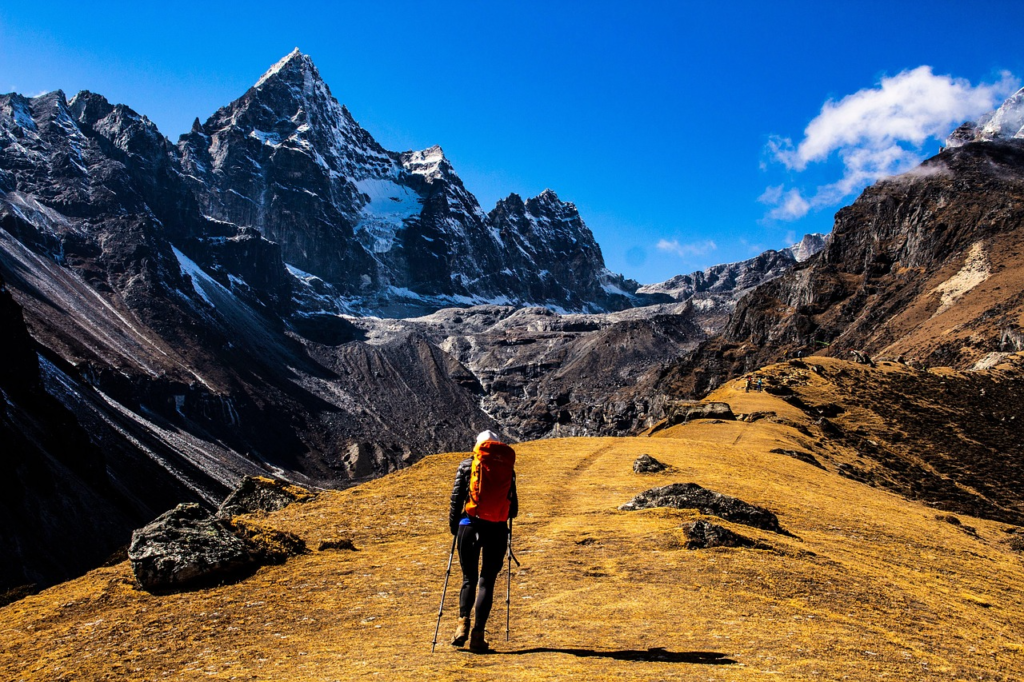
The key is understanding where Nepal still lets you travel lightly and where the route now expects more structure.
The best way to think about Nepal in 2026 is that it is open, welcoming, and very workable for women traveling alone, but not every trail is an open invitation to improvise.
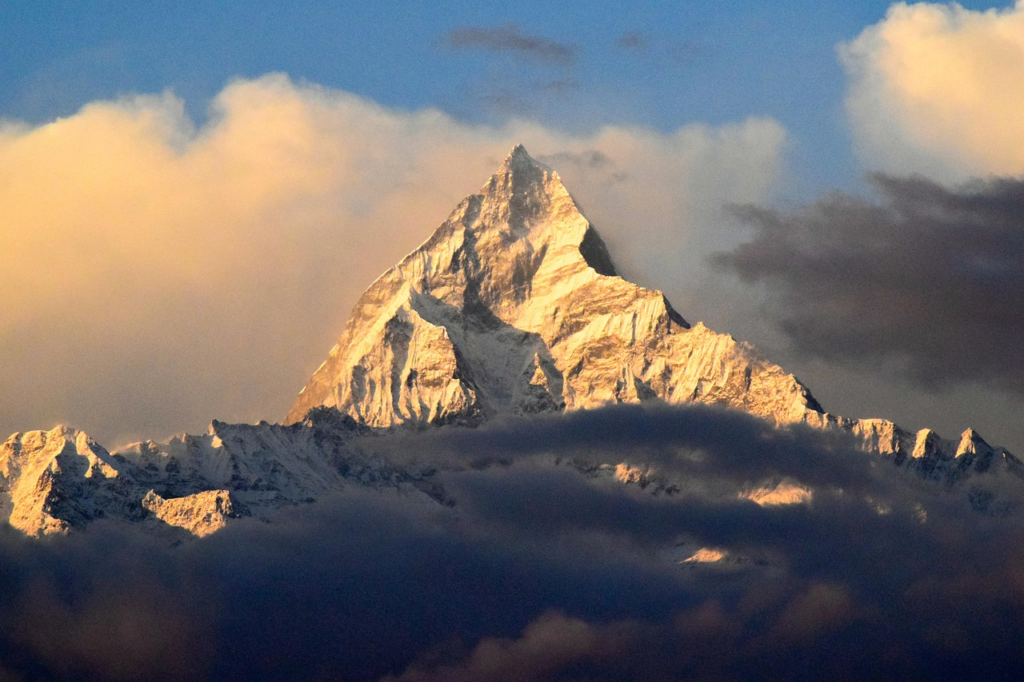
In the city, daytime movement is normal and uncomplicated. On the mountains, some routes still support a more independent style, while many of the big name Himalayan treks now sit in a guide required category.
For a solo woman, that does not make Nepal harder. It just means the country asks you to match the route to the rules instead of guessing.
What solo female travel feels like in Nepal
The first surprise for many women is that Nepal does not feel hostile in the way some first time visitors fear it might.
In the cities, it is normal to walk around from morning to late evening, and the basic precautions are the same ones you would use in any busy travel destination.
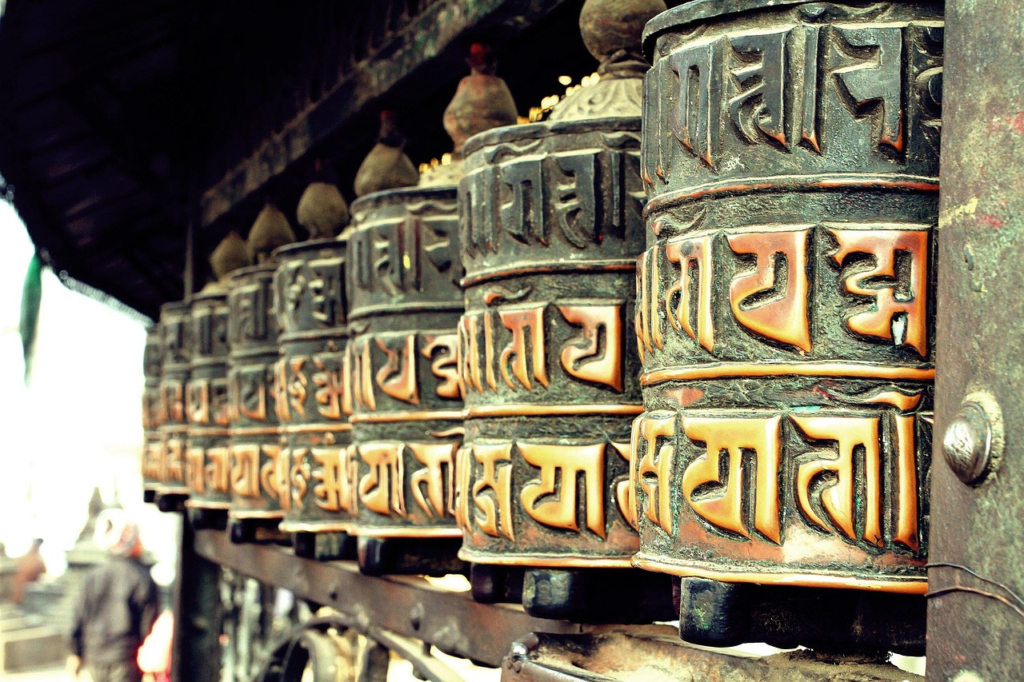
Keep cash and expensive items out of sight, lock your room and baggage, and use the Tourist Police if you need help with security or paperwork after a loss.
That is the practical version of safety in Kathmandu, Pokhara, and the other busy tourist hubs.
That basic day to day ease matters because a solo female traveler is not trying to prove independence every minute of the trip. She is trying to travel well.
Nepal works best when it is treated that way. You do not need to treat every street as a threat, and you do not need to act like a person in a crisis.
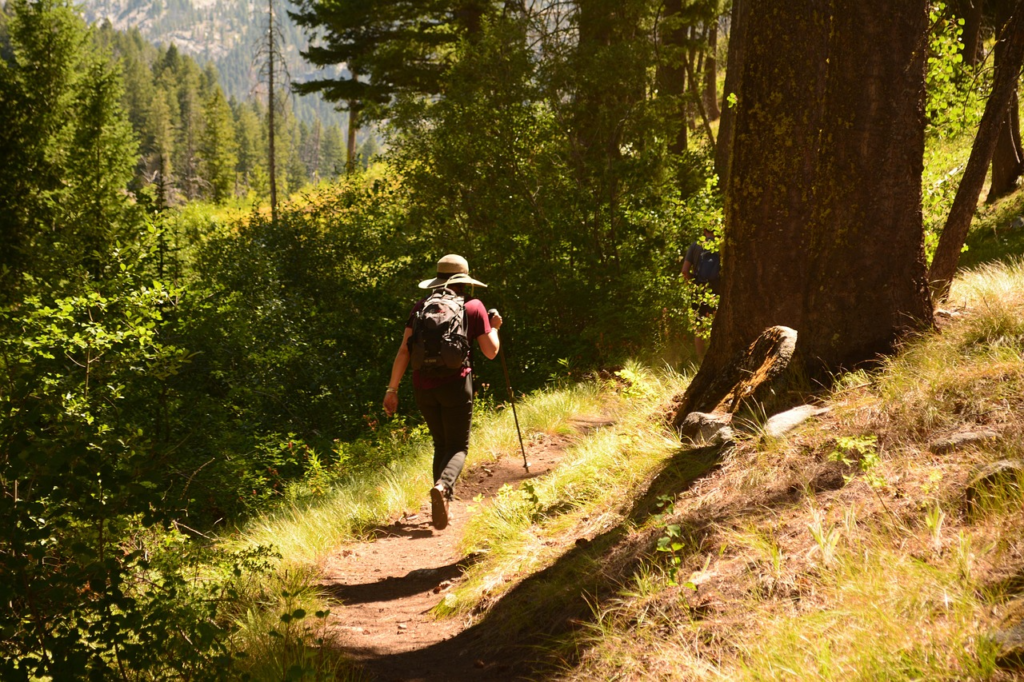
The normal rhythm of the country is already built around visitors, and the current travel updates say that walking and trekking are open and lodges are operating as usual.
The mountain side of the experience is even more interesting. Nepal still has many places where the trail feels social rather than isolated.
Tea houses, local guides, porters, fellow trekkers, and village owners create a rhythm that usually feels more welcoming than lonely.
For many solo women, that is the real reason Nepal feels easier than they expected. The country does not force a wilderness survival mindset on you unless you choose a very remote route.
How the rules work now
The rules are the part most travelers need to understand properly.
Some general trekking areas can still be done independently, but the current official trekking and permit structure also says that many protected areas need a licensed trekking guide and agency issued TIMS card, and restricted areas require a special trekking permit from the Department of Immigration.
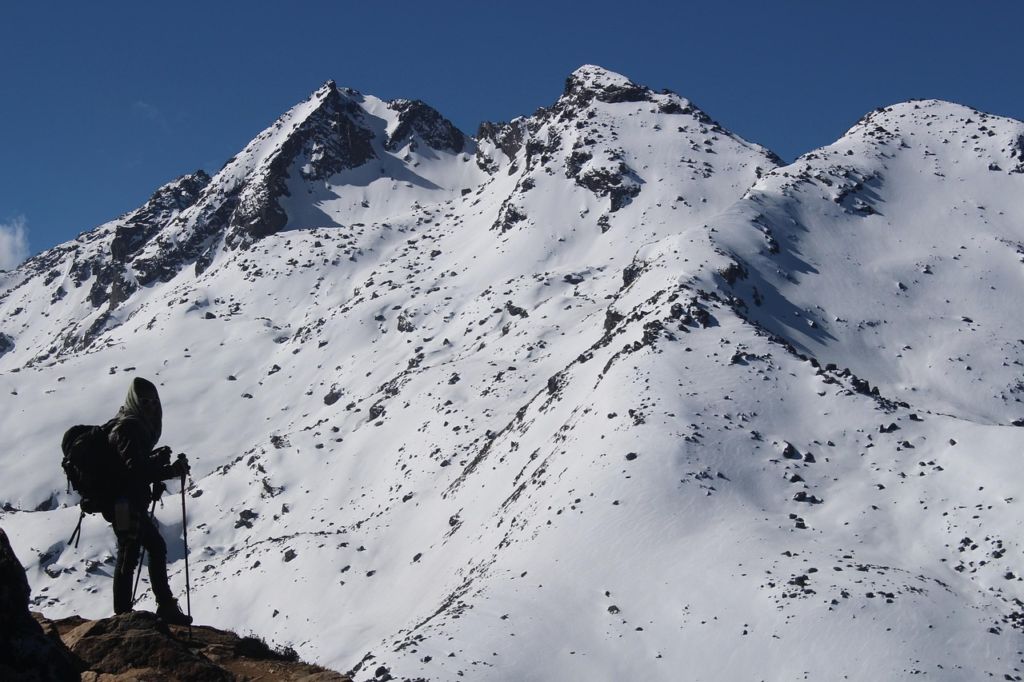
The simplest way to think is that Nepal still allows a more independent style in some places, but many of the routes people really want to do now sit inside a guided or permitted framework.
That is why the question is not really “Can a woman trek solo in Nepal?” The better question is “Which trek am I talking about?”
On the current guide mandatory list are routes such as Everest Base Camp, Gokyo, Three Passes, Langtang, Manaslu, Upper Mustang, Upper Dolpo, Humla Limi Valley, Kanchenjunga, Makalu Base Camp, and even several Annapurna side routes.
Some of the most familiar routes that women usually imagine when they think of Nepal are therefore no longer guide free in the practical sense.
| Situation | What it means in practice | Solo female verdict |
|---|---|---|
| City travel | Daytime movement is normal, and basic precautions are enough | Comfortable and straightforward |
| General trekking areas | Some routes can still be done independently, depending on the exact route | Possible in the right place |
| Protected areas | Guide and agency TIMS are required on many of the major trails | Solo is possible only with structure |
| Restricted areas | Special trekking permit is required and the route must be followed exactly | Not a place to improvise alone |
The important point is that guide required does not mean unsafe. In many cases it means the opposite. The guide is part of the safety system now.
That is especially true on the routes where the weather can turn, the altitude rises fast, or the trail becomes hard to read in poor visibility.
Nepal’s trekking information is very direct about that. Even while saying that trekking alone is possible in general trekking areas, the safety advice also says that trekking with a guide from a registered agency is the best security.
What the solo experience is like on the best routes
For solo women, the routes that feel easiest are usually the established lodge treks where you are rarely far from other travelers and tea house support is part of the daily rhythm.
Nepal Royal Tourism Holidays continues to feature routes like Ghorepani Poon Hill, Mardi Himal, Langtang Valley, and Annapurna Base Camp as core destinations, which tells you something important about how well established these corridors are.
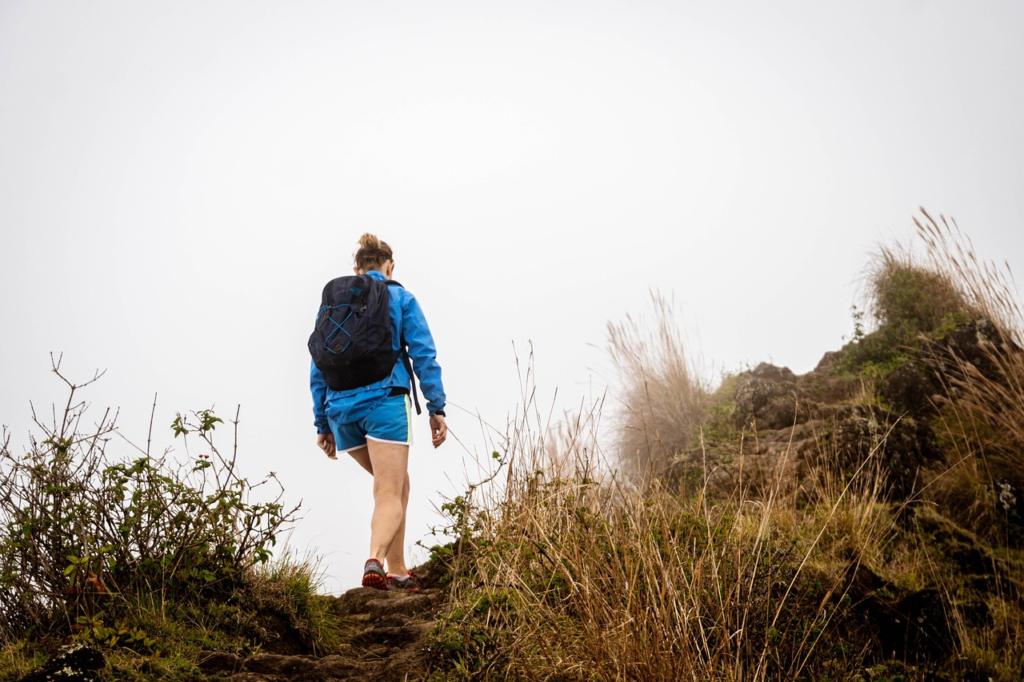
These are not hidden wilderness routes. They are the classic trekking lines that already have a strong hospitality structure around them.
That matters because solo female travelers usually want two things at once. They want independence, and they want predictability.
The classic lodge routes give both. You still travel on your own terms, but the walking day has a familiar shape, the nights are spent in places built for trekkers, and the trail culture is already used to international visitors.
On a route like that, “solo” does not have to mean “alone in a difficult way.” It can simply mean traveling without a private group.
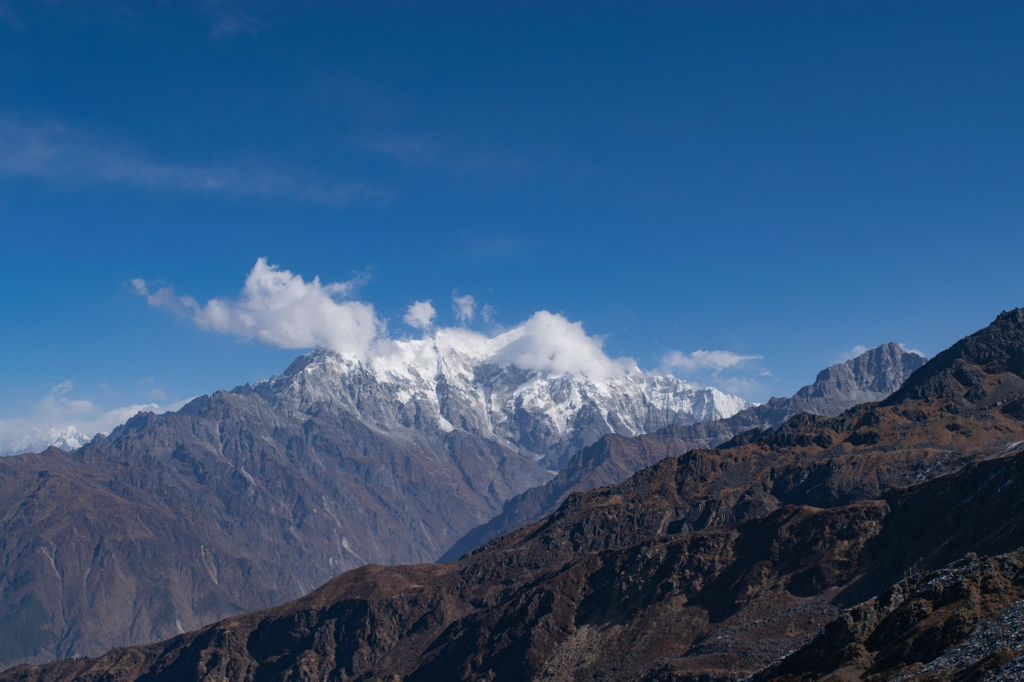
The same logic is one reason people stay comfortable on the Annapurna side of Nepal. Nepal Royal Treks lists the Ghorepani Poon Hill Trek and Mardi Himal Trek among its Annapurna offerings, and the company’s route pages show that these are active, familiar trails rather than experimental ones.
If you are a solo woman looking for a first serious Himalayan walk, that kind of route is far more sensible than chasing a remote valley just because it looks good on a map.
Restricted areas are a different category
Restricted areas deserve a clear answer because they are the places where solo women most often get confused. Upper Mustang, Upper Dolpo, Humla Limi Valley, Manaslu, Kanchenjunga, and several other remote regions are not simply difficult. They are legally controlled.
A special trekking permit has to be obtained from Immigration, and trekking outside the specified route is treated as a violation.
That means the route itself is part of the law, not just the adventure.
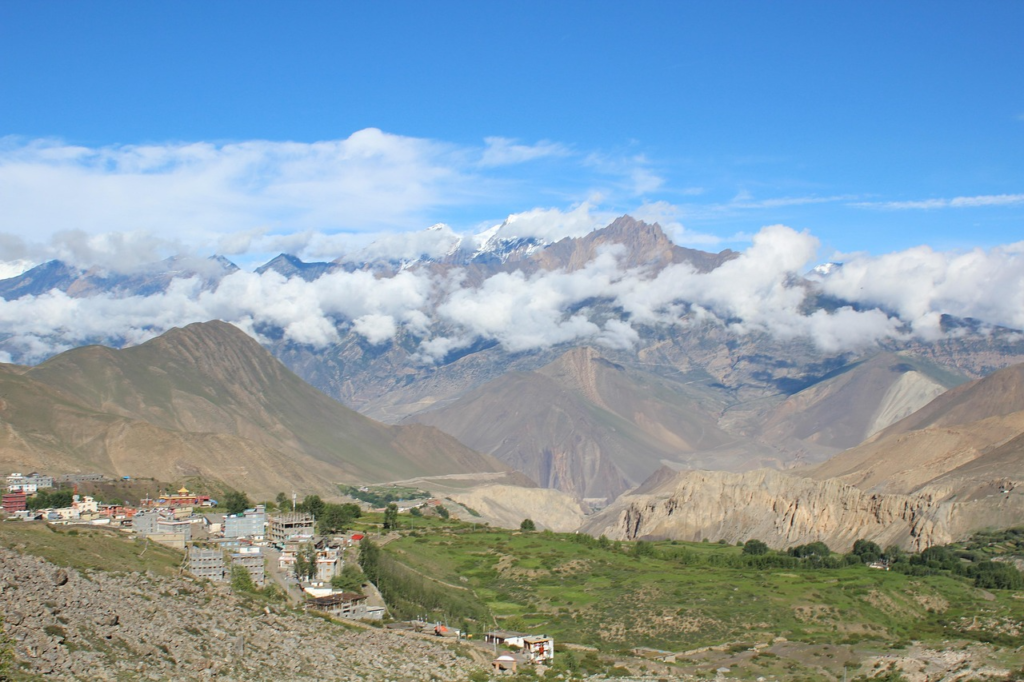
For a solo female traveler, that changes the entire framing. These are not routes where you arrive and make it up as you go.
They require advance organization, the right permit, and in many cases a guide and agency setup before you even start.
The good news is that this does not make the experience less rewarding. It just means the kind of solo travel you are doing is structured solo travel, not independent wandering.
| Route family | What it feels like for a solo woman | Guide status |
|---|---|---|
| Classic lodge routes such as Poon Hill, Mardi Himal, Langtang, Annapurna and Everest side trails | Social, established, and easy to settle into | Guide required on many of these routes |
| Remote restricted routes such as Upper Mustang, Upper Dolpo, Humla Limi Valley, Manaslu, Kanchenjunga | Quiet, remote, and highly structured | Permit and guide required |
| General trekking areas | More flexible and closer to the old independent trekking style | Route specific and not universal |
That table is the cleanest way to read Nepal in 2026. The country still has room for independent travel, but the more famous and the more remote the route becomes, the more likely it is to sit inside a guide or permit system.
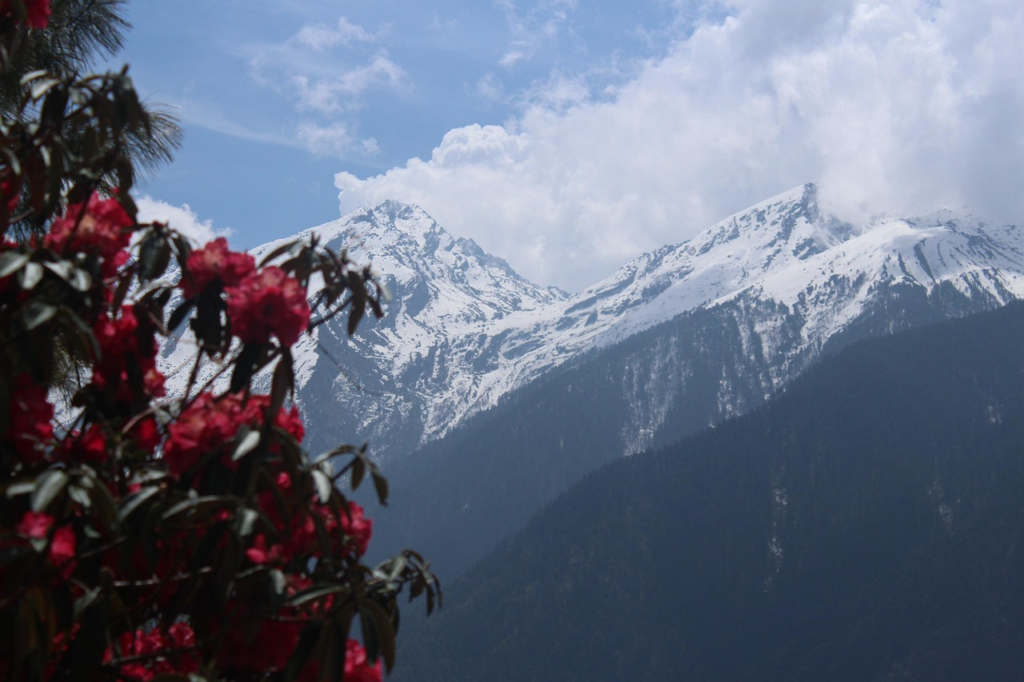
For solo female travelers, that is actually useful information because it reduces guesswork. You know in advance whether you are choosing a freer route or a more controlled one.
City safety and practical comfort
Kathmandu and Pokhara are usually where solo female travelers feel the first real difference between fear and reality. The reality is usually much calmer than the fear.
The city guidance says it is safe to walk around from morning to late evening until the shops close. It also says not to display your cash or expensive items, and to keep your room and baggage locked.
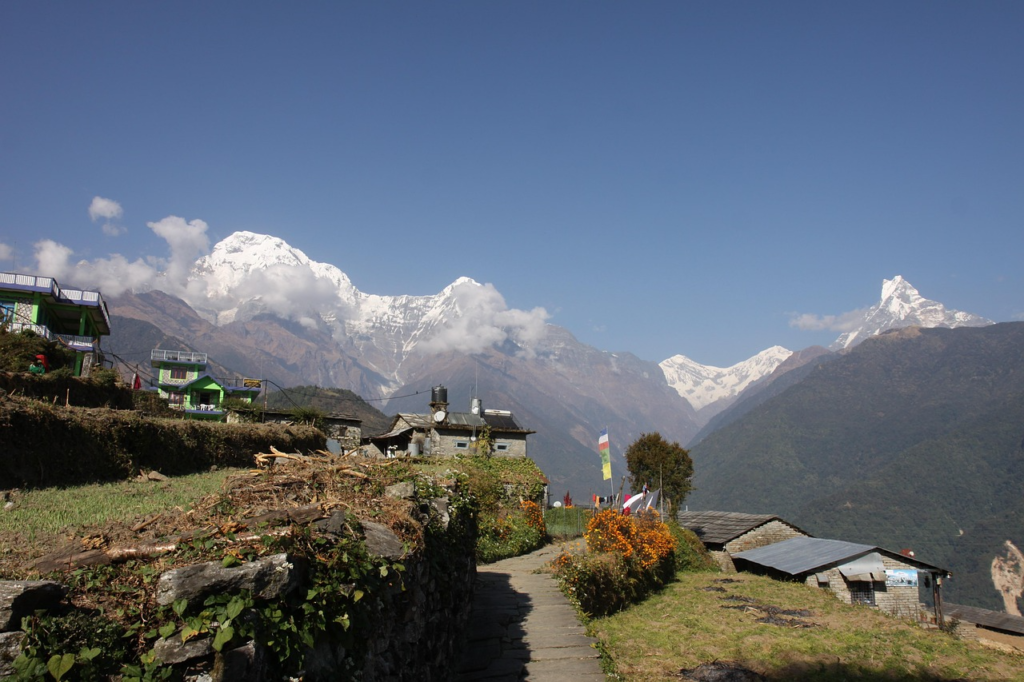
Those are not dramatic rules. They are normal travel habits in a busy South Asian city.
The Tourist Police are also helpful more than most people realize. If something gets lost or stolen, the tourist police can help with the paperwork for insurance claims and travel related problems.
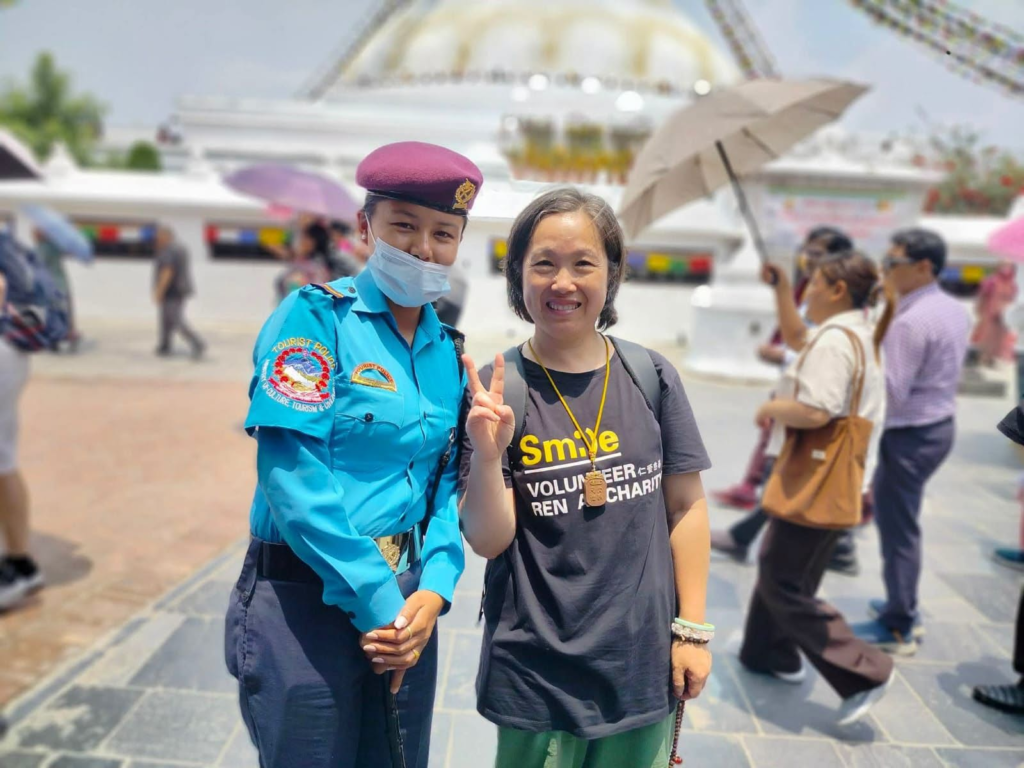
That makes city travel less stressful because there is an actual support route if something goes wrong. Solo women do not need to travel in a paranoid way here.
They just need to travel with awareness, just as they would in any city with a lot of visitors and a lot of movement.
Season makes a bigger difference than most people think
For solo female travelers, the season changes how Nepal feels almost as much as the route does.
Post monsoon weather tends to be clearer, winter is colder and has shorter days, spring can be affected by rain and snow storms, and summer is short before the monsoon arrives.
In simple terms, autumn is the easiest window, spring is good, and monsoon is the season that asks for the most patience.
| Season | What it feels like | Solo female verdict |
|---|---|---|
| Autumn | Clear, dry, and usually the easiest trekking window | Best overall |
| Spring | Good visibility, but weather can still shift | Very good |
| Winter | Cold with shorter days | Possible, but tougher |
| Monsoon | Wet, slippery, and less reliable | Least comfortable |
For most solo women, autumn is the safest emotional choice as well as the safest practical one. The trails are clearer, the weather is more stable, and the route feels easier to read.
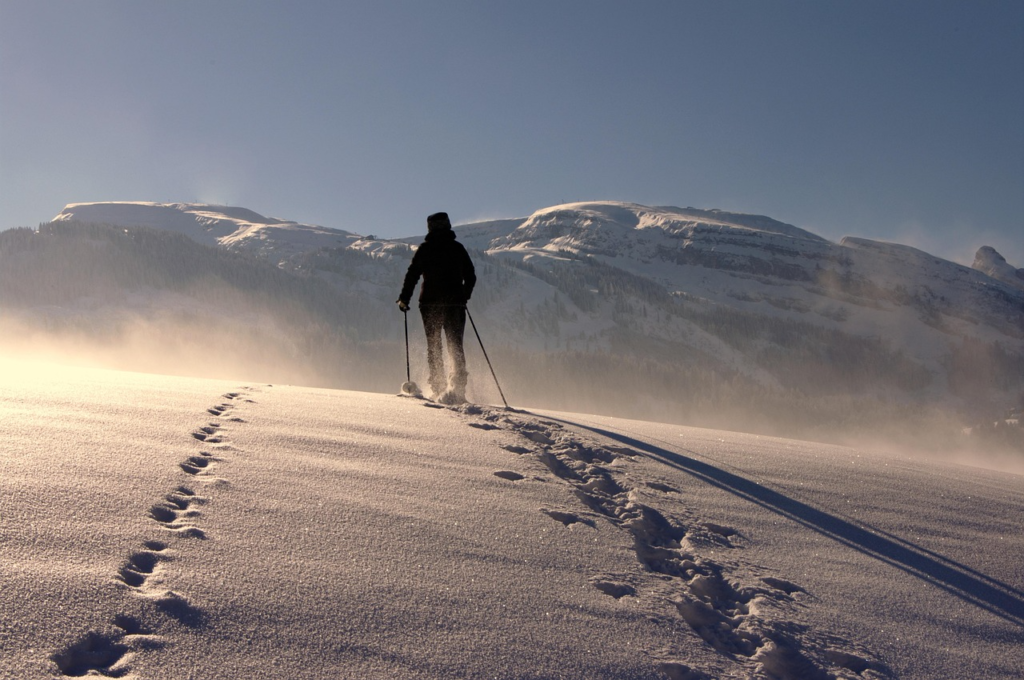
Spring is a very good second choice if you want rhododendrons, quieter trails, and decent conditions without waiting for the post monsoon window.
Winter is fine for lower or more flexible itineraries, but it becomes less forgiving as the altitude rises.
Health, insurance, and the mountain part of safety
The mountain side of solo safety is mostly about preparation. Travel insurance is strongly advised if you are trekking in Nepal because helicopter rescue and medical treatment can be expensive.
The Himalayan Rescue Association also operates aid posts in Manang and Pheriche during the trekking season, which is useful to know if altitude becomes an issue on the trail.
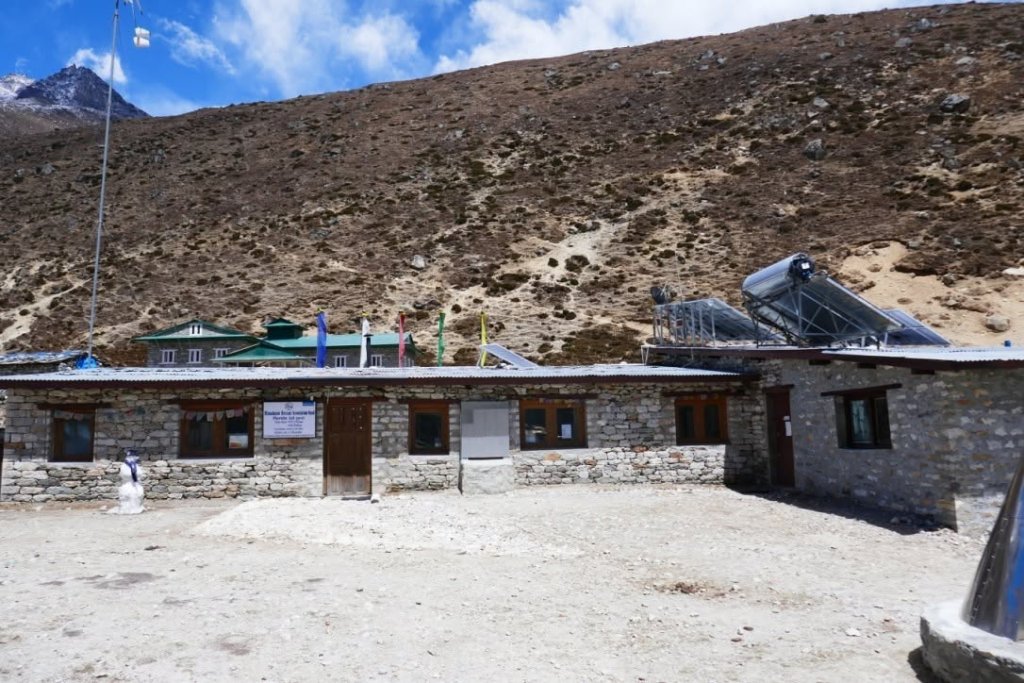
That combination of insurance and rescue support matters more than most first timers expect.
This is where solo women sometimes make a mistake by focusing too much on people and not enough on conditions.
In Nepal, the biggest trail risks are often altitude, weather, and poor planning rather than personal harassment.
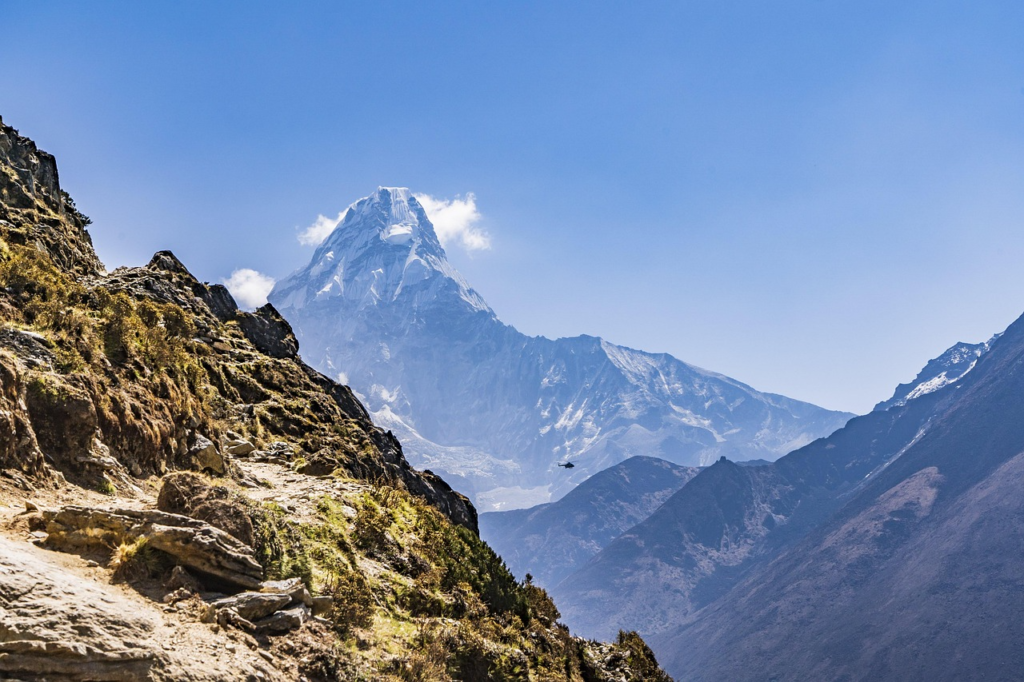
If you have the right route, the right season, and the right support, the trail itself becomes very manageable.
That is why the current advice keeps pointing back to guides, permits, and sensible route choice. It is not about turning trekking into a bureaucracy. It is about keeping the mountains honest.
So, is Nepal safe for solo female travelers in 2026?
Yes, Nepal is safe enough for solo female travelers in 2026, but the route matters more than the label solo. City travel is comfortable with ordinary care.
General trekking areas still exist where a more independent style can work. Protected and restricted zones now require more structure, and many of the famous Himalayan routes belong in that category.
That is not a reason to avoid Nepal. It is a reason to choose properly.
For a solo woman, the most practical strategy is stay relaxed in the cities, respect the route rules, pick the right season, and let the mountains be the challenge rather than the logistics.
Nepal can absolutely handle solo female travel. The trick is not trying to make every route independent when the country itself has already told you which ones should not be