


Yartung Horse Riding Festival in Mustang: Everything You Need to Know Before You Go
Most people who end up at the Yartung Festival in Lo Manthang did not plan it as the main event.
The travelers or trekkers come to Upper Mustang for the landscapes, the ancient caves, the walled city, and the feeling of being somewhere completely removed from the rest of the world.
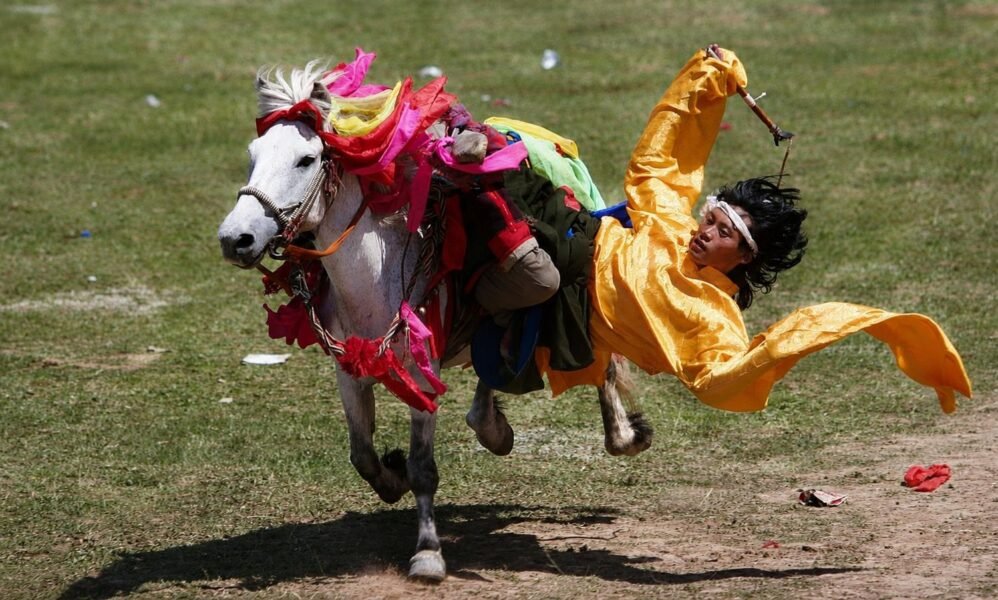
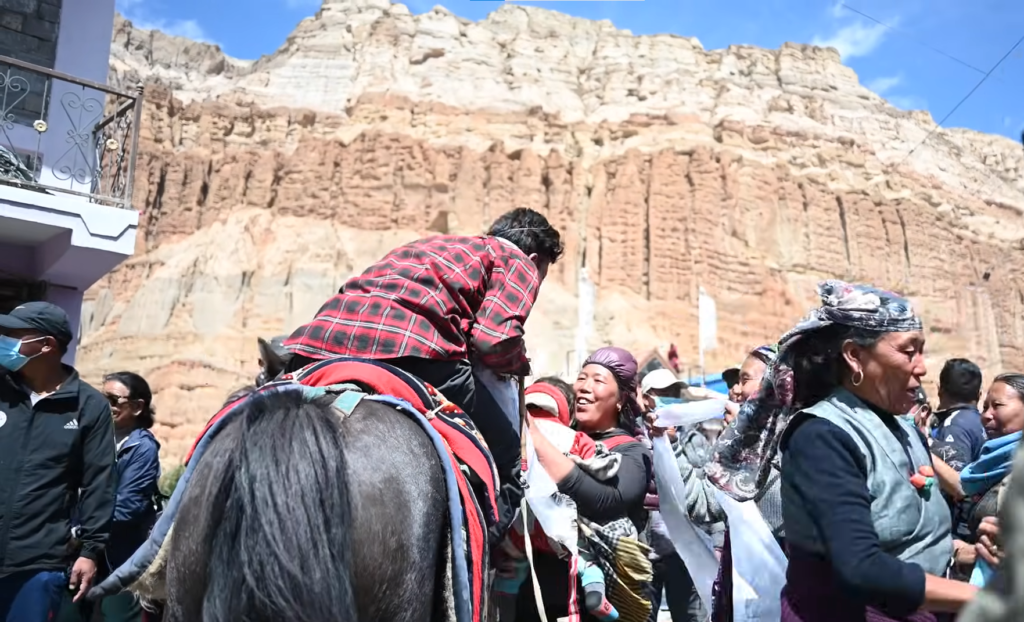
Then the festival arrives around them and suddenly nothing else matters. Riders in traditional dress charging across a high-altitude valley, dust rising into the dry air, chang being poured from copper pots, monks looking on from ancient walls, and the whole valley feeling alive for a few short days.
That is Yartung (celebrated exactly on Janai Purnima), also known as the horse riding festival people of Upper Mustang truly love. If you are thinking about Mustang in August, the answer is simple, yes, it is worth it.
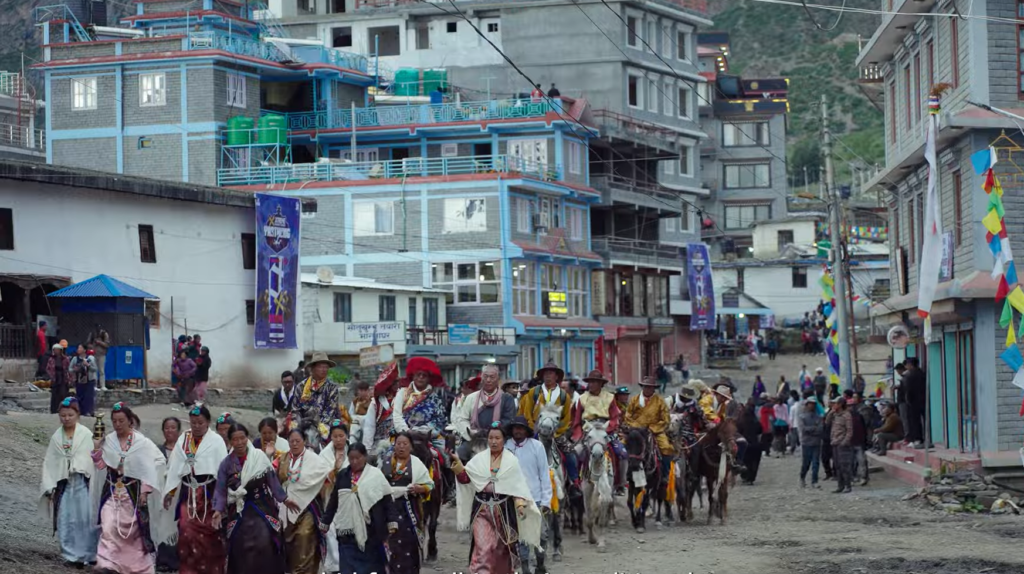
Yartung is one of Mustang’s most distinctive cultural traditions. It is a major horse-racing event in the Mustang region, especially around Lo Manthang and Muktinath, and is celebrated late summer around the full moon period.
It is celebrated over three days, and those three days bring together horse racing, community feasting, singing, dancing, ritual activity, and local social life.
What Is the Yartung Festival and Why Does It Exist?
The word Yartung is generally explained as a Tibetan term connected to the end of summer. In practice, it is a seasonal festival that marks the time when harvest work is done, animals have returned from the high pastures, and the people of Mustang finally pause to celebrate together.
It is a three-day festival held in August or September, usually around the full moon, with horse racing, drinking, dancing, and community gathering at its core.
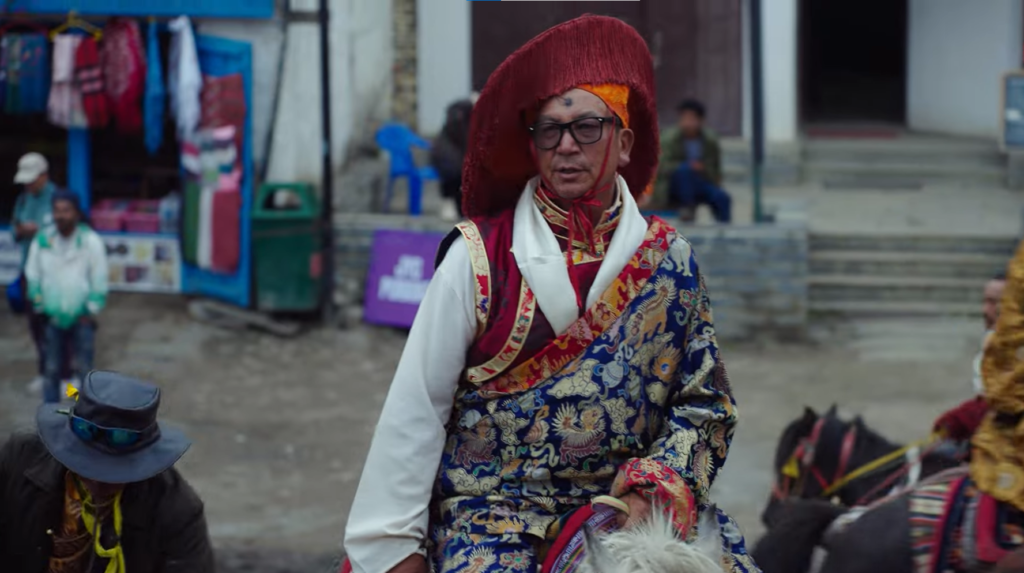
This is not a festival invented for tourists. It comes from local life in Upper Mustang, especially among the Loba community, whose culture is deeply shaped by Tibetan heritage.
Over time, the festival faded in some periods and later returned strongly, in part because local communities wanted to keep it alive.
What you see today in Lo Manthang is not a performance made for outsiders. It is a community celebration that still belongs first to the people who live there.
The festival is especially important because it happens in two key Mustang setting,: Lo Manthang, the historic walled capital of Upper Mustang, and Ranipauwa near Muktinath, where the pilgrimage atmosphere gives the festival a different feel.
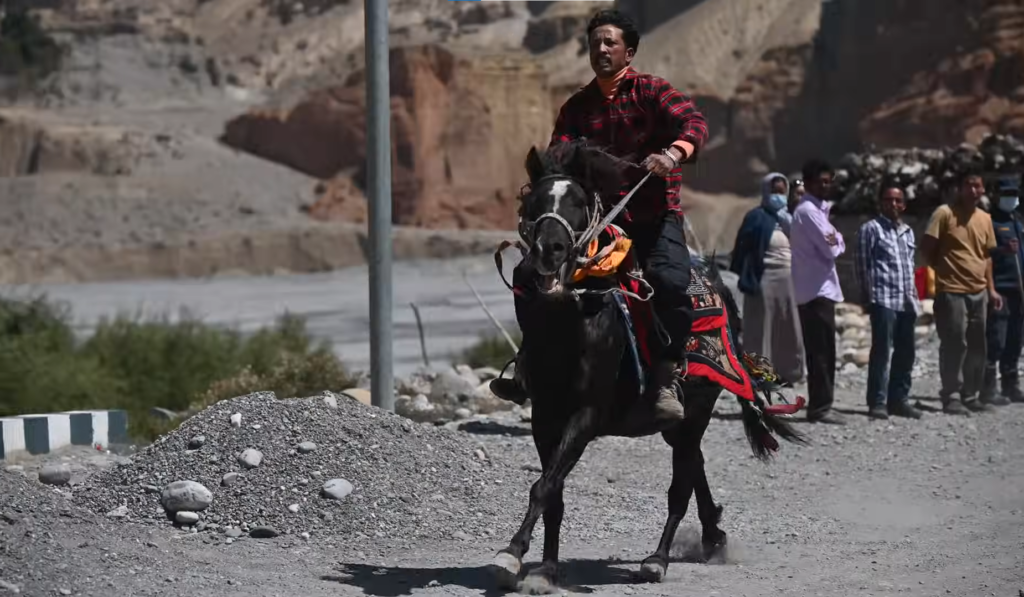
Lo Manthang is the old capital of Upper Mustang and that Muktinath is a sacred site for both Hindus and Buddhists. That combination makes Yartung feel bigger than a local event. It becomes part of the cultural identity of the whole region.
When Is the Yartung Festival?
Yartung follows the lunar calendar, so the exact English dates shift each year. The safest way to understand it is this, it usually falls around the full moon of August or the Janai Purnima period, and the full celebration lasts three days.
| Year | Approximate Yartung Dates |
|---|---|
| 2024 | August 8–10 |
| 2025 | August 28–30 |
| 2026 | August 17–19 |
The key thing for a traveller is not to chase the exact date too early without checking the local calendar. In Mustang, a few days’ difference matters less than being in the region at the right time.
If you are planning a trip specifically around the festival, arriving a little early is smarter than arriving on the first morning and hoping everything lines up.
Why August Is Actually the Best Time to Go to Mustang
This is the part that surprises people. August is monsoon season in much of Nepal, so why would anyone go to Mustang then? Because Mustang is different.
Upper Mustang lies in a rain-shadow zone created by the Annapurna and Dhaulagiri ranges, which means it stays much drier than the lower hills of Nepal during the monsoon.
Mustang is one of the few places where late summer is still practical and rewarding for travel. That is one reason Yartung fits August so well, the weather is comparatively stable, the valley is open, and the season has the feeling of release after harvest.
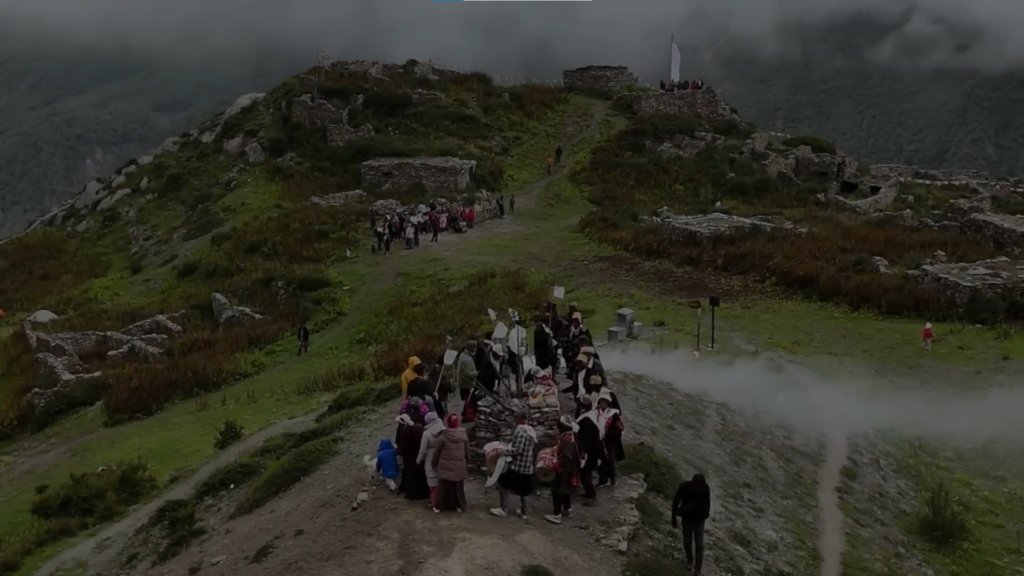
August is also when the landscape feels most alive. The plateau is not at its dry autumn peak yet, and the air still carries the freshness of the season.
The orchards and fields in lower Mustang, especially around Jomsom and the Muktinath area, add another layer of colour and life.
So while the rest of Nepal may be dealing with rain, Mustang gives you a clear sky, dry air, and a cultural event that feels inseparable from the season itself.
What Happens Over the Three Days?
The three-day structure is one of the best reasons to write about Yartung properly. It is not just one horse race repeated three times. The festival unfolds in stages, and each stage has its own mood.
In Lo Manthang, one commonly described structure is that the first day is associated with the local elite or traditional leadership, the second with monks, and the third with the wider community. That gives the celebration a sense of progression rather than repetition.
Some travellers also describe the atmosphere in terms of different social roles and gatherings across the three days.
| Day | Main Feel | What Happens |
|---|---|---|
| Day 1 | Opening day | Riders gather, horses are prepared, celebration begins |
| Day 2 | Ritual and community energy | Monastic involvement, dancing, songs, feasting |
| Day 3 | Festival climax | Horse racing and the most public celebration |
Horse racing is the headline event, but it is not the only thing happening. There are songs, drinking, food, social gatherings, and a festival atmosphere that fills Lo Manthang and the surrounding villages.
Horse races, traditional dancing, communal drinking, and local celebration as the core ingredients of Yartung.
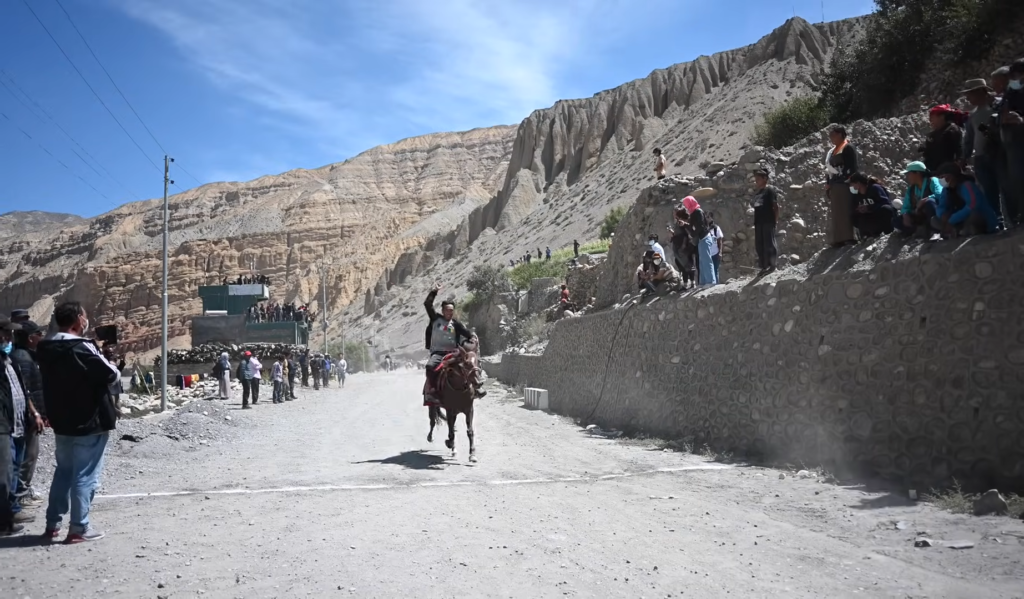
The horse racing itself is what most visitors remember first. Riders in traditional clothing guide their horses across an open high-altitude field, and for some locals the races are linked with archery and riding skill displays.
The point is not only speed. It is balance, control, tradition, and community pride. Mustang horses are compact and well adapted to altitude, which makes the races feel rooted in the landscape rather than imported into it.
The Food, Drink, and Social Side of Yartung
A festival like Yartung is not only about what happens on the race ground. It is also about what happens around it.
Yartung is also a festival of chang, shared food, singing, dancing, and informal games as part of the celebration.
That makes a difference because it gives the festival its human warmth. You are not just watching an event; you are seeing a community gather at the end of summer and celebrate the season together.
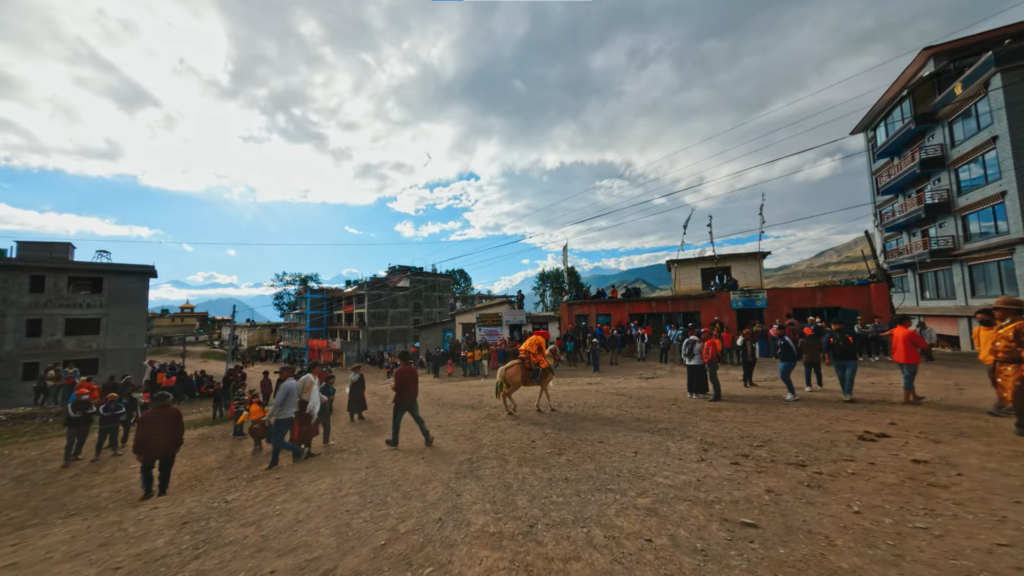
For someone looking to travel in August, this is the kind of detail that makes the story feel real. Festivals in Mustang are not packaged around one performance.
They are social events where people meet, eat, talk, drink, and take part in traditions that have been shaped by altitude, isolation, and local identity.
That is what makes Yartung more than just a festival. It is a seasonal expression of how Mustang lives.
Lo Manthang: The City Behind the Festival
You cannot really understand Yartung without understanding Lo Manthang.
Lo Manthang is the historic walled capital of Upper Mustang, the old capital of Upper Mustang and it that can be reached in a few days, with at least one extra day recommended for sightseeing.
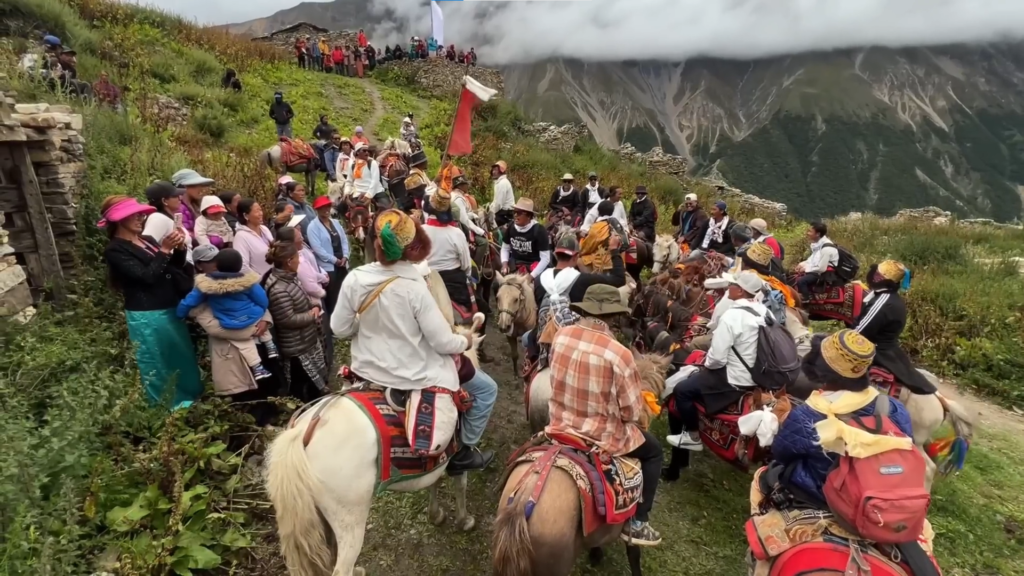
The city is famous for its mud-brick walls, monasteries, royal history, and preserved Tibetan-style culture.
Lo Manthang is also culturally important because it preserves a way of life that feels unusually intact for a Himalayan settlement and also popular for other festivals like Sonam Lhosar, Tiji Festival and Bagcham.
| Place | Why It Matters |
|---|---|
| Lo Manthang | Main Upper Mustang festival setting |
| Muktinath / Ranipauwa | Another major Yartung celebration area |
| Kagbeni | Threshold village before Upper Mustang |
| Jomsom | Main gateway to Mustang |
| Chhoser | Cave area and cultural extension of the Lo Manthang region |
Its monasteries, old streets, and borderland history give Yartung a backdrop that is difficult to match anywhere else in Nepal.
That is why the festival hits so hard visually: the event is lively, but the city itself feels ancient and still.
Beyond the city walls, Mustang also offers some of the most memorable landscapes in Nepal.
Getting there and Celebrating the Festival
Upper Mustang is not difficult in a technical sense, but it does require effort and planning. Most travellers begin in Kathmandu, fly to Pokhara, then take a morning flight or road journey to Jomsom.
Jomsom is the main gateway to Mustang, and flights are subject to strong winds in the valley, which makes delays and cancellations common.
From Jomsom, you can continue by jeep or trek. The road to Lo Manthang is real, but it is rough and long, and trekking remains the more immersive way to experience the region.
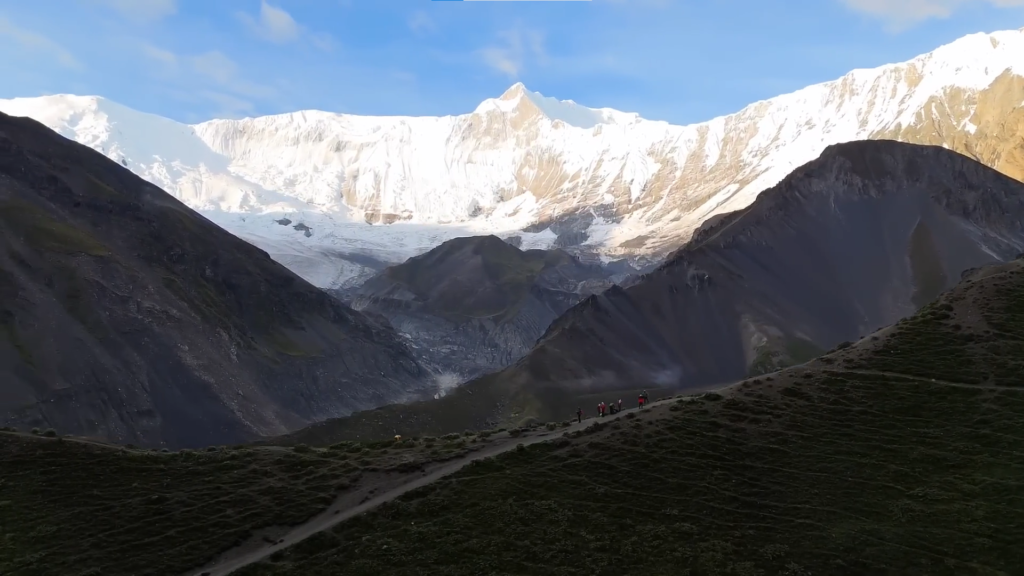
The route passes Kagbeni, Chele, Ghiling, Charang, and other villages before reaching Lo Manthang. That is one reason the festival works best as part of a broader Mustang trip rather than as a one-day visit.
| Route Leg | Typical Mode | Approximate Time |
|---|---|---|
| Kathmandu to Pokhara | Flight or drive | 25 min flight / around 6 hours by road |
| Pokhara to Jomsom | Morning flight | Around 20 minutes |
| Jomsom to Lo Manthang | Jeep | About 8–10 hours |
| Jomsom to Lo Manthang | Trek | About 7–10 days |
A lot of travellers combine trekking and jeep travel so they can experience the landscape properly in one direction and save time in the other.
That is a sensible approach in Mustang, especially if your main goal is to be present for the festival rather than spend all your time in transit.
Permits: What You Need to Know
Upper Mustang is a restricted area, so you cannot simply turn up and walk in. Nepal’s trekking permit system requires a special restricted-area permit from the Department of Immigration, and trekkers must go through authorised trekking companies for restricted zones.
The region is controlled for cultural preservation and border-security reasons, so planning matters.
| Permit | What It Is For |
|---|---|
| Restricted Area Permit | Required for Upper Mustang access |
| ACAP | Annapurna Conservation Area entry |
| TIMS | Trekker registration / management support |
The permit structure is important for anyone planning a Mustang trip because it shapes the way the journey is built.
Upper Mustang is not an ordinary walk-in destination. It is a regulated cultural landscape, and that is part of what has helped preserve its distinct character.
A Simple Trip Flow Around Yartung
This is not a package itinerary. It is just a practical travel flow that helps readers imagine the festival in a real journey.
| Day | Where | What Is Happening |
|---|---|---|
| Day 1 | Kathmandu | Arrive, permit processing with agency, rest |
| Day 2 | Kathmandu to Pokhara | Flight or overnight drive to Pokhara |
| Day 3 | Pokhara to Jomsom to Kagbeni | Early morning flight to Jomsom, jeep to Kagbeni, restricted zone entry |
| Day 4 | Kagbeni to Chele | First full day trekking, dramatic canyon entry into Upper Mustang |
| Day 5 | Chele to Ghiling | Red and white cliff landscapes, ancient villages, Ghiling monastery |
| Day 6 | Ghiling to Charang | High plateau walking, Charang dzong and monastery |
| Day 7 | Charang to Lo Manthang | Arrival in the walled city, first evening inside the walls |
| Day 8 | Lo Manthang | Full day exploring: royal palace, Thubchen Gompa, Chode Gompa, old alleys |
| Day 9 | Lo Manthang | Yartung Day 1, men’s horse racing and celebration on the valley |
| Day 10 | Lo Manthang | Yartung Day 2, women’s riding and traditional songs and dances |
| Day 11 | Lo Manthang | Yartung Day 3, monks’ ceremonies and closing blessings |
| Day 12 | Lo Manthang and Chhoser | Morning at Chhoser Cave and Tibetan border views at Korala |
| Day 13 | Lo Manthang to Jomsom | Full day jeep return south through Mustang |
| Day 14 | Jomsom to Pokhara to Kathmandu | Morning flight out, return to Kathmandu |
That kind of structure works well because the festival is only part of the larger Mustang experience. A little buffer time also helps, since flights, roads, and mountain weather can all affect the schedule.
Why Yartung Stands Out
Yartung is not the biggest festival in Nepal, and it is not the easiest one to reach. That is exactly why it feels special. It is a festival tied to a place, a season, and a community rather than to an event calendar made for mass tourism.
The horses, the food, the music, the monks, and the walled city all belong to Mustang itself. For travelers who want something more than a standard travel roundup, Yartung offers a better story.
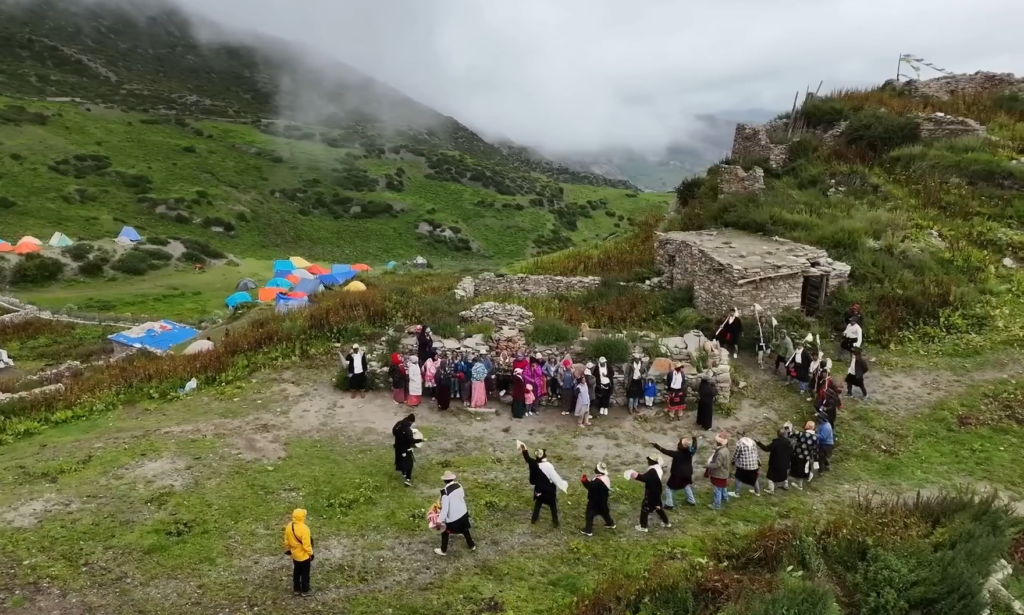
It is cultural without being artificial, dramatic without being staged, and remote without feeling empty.
If you arrive with enough time, enough curiosity, and the willingness to let Mustang set the pace, Yartung becomes more than a festival. It becomes the moment the region opens itself up for a few short days and lets you see how it celebrates being itself.