



How Many People Climb Mount Everest Each Year? Successful Climbs, Fatality, Cost, Time, and Traffic Jam
Mount Everest is not just the tallest mountain on earth. The Mount Everest, also called the Sagarmatha in Nepal, is the most watched, most debated, most obsessed-over piece of rock and ice in human history.
Every spring, hundreds of climbers from dozens of countries converge on the Khumbu Valley in Nepal, trek to Base Camp through villages like Namche Bazaar and Gorak Shep, and then spend weeks pushing their bodies toward a summit that sits at 8,848.86 metres above sea level.
The numbers behind all of this are staggering, and coming to mid of 2026, they are more dramatic than ever.
The Numbers are unbelievable
The answer has changed drastically over the decades. In the 1990s, fewer than 300 people summited Everest in an entire year. By 2018 that number had risen to over 800.
2019, the mountain recorded 891 successful summits, the highest figure seen at that point. Then 2020 brought the COVID pandemic, the mountain closed entirely, and the number dropped to zero.
The recovery was surprising coming to the 2020’s.. By 2023, over 667 climbers reached the summit, though that year was shadowed by a tragic 18 deaths that made it one of the deadliest seasons in recent memory.
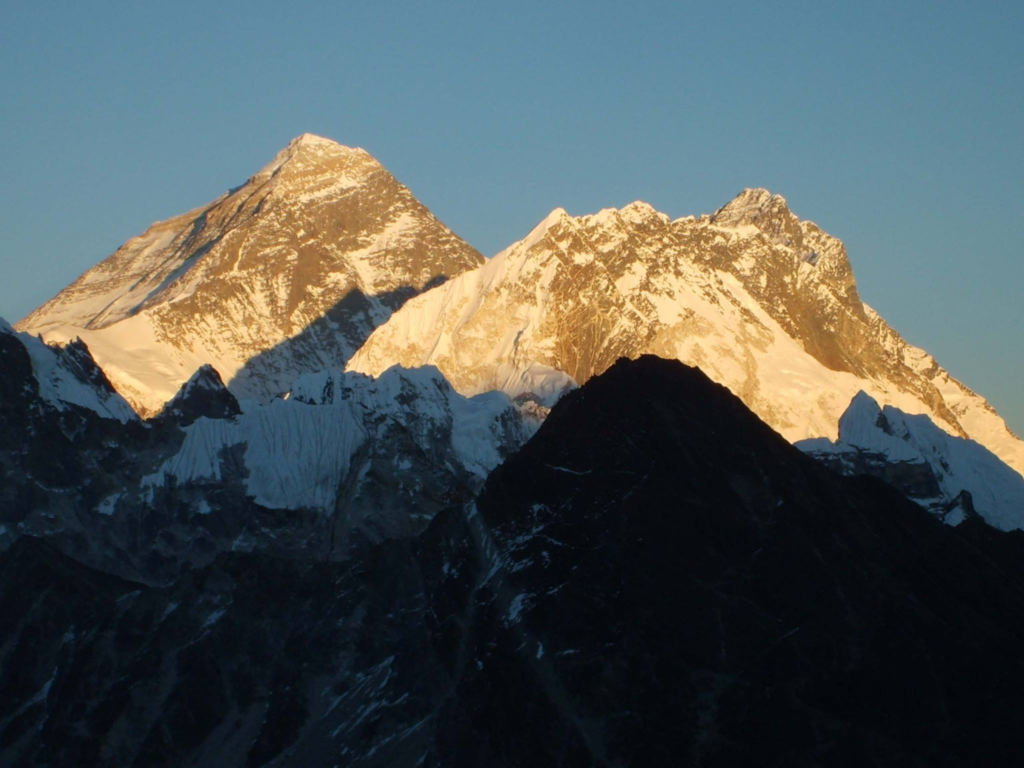
In 2024 things improved significantly, with 861 successful summits recorded and only 8 deaths, representing both rise in successes and a dramatic drop in fatalities.
Then came 2025. Nepal issued 468 foreign climbing permits and by the end of the spring season roughly 846 climbers had summited from both the Nepal and Tibet sides.
On the days of May 18 and 19 alone, 722 climbers reached the top from the Nepal side in a single two-day window, a number that stunned even veteran observers of the mountain.
| Year | Successful Summits | Deaths |
|---|---|---|
| 2018 | 807 | 5 |
| 2019 | 891 | 11 |
| 2020 | 0 (permits closed) | 0 |
| 2021 | 600+ | 4 |
| 2022 | 678 | 6 |
| 2023 | 667 | 18 |
| 2024 | 861 | 8 |
| 2025 | 846 | 3 |
| 2026 | Season ongoing | 5 (as of May 22) |
The 2026 season has already broken records of its own. Nepal issued 492 foreign climbing permits this spring, the highest number ever recorded for a single season, where most of them are Chinese nationals.
On May 20, 2026, 274 climbers summited Everest in a single day, a new all-time record for ascents in one 24-hour period.
How Many People Have Successfully Climbed Mount Everest
Since Edmund Hillary of New Zealand and Tenzing Norgay Sherpa of Nepal made the first confirmed ascent on May 29, 1953, the mountain has been summited over 13,700 times.
That figure counts every individual ascent, including the many climbers and Sherpas who have gone up multiple times.
When counting unique individuals rather than total summits, the number is closer to 7,500 people, with men making up roughly 86 percent of that total and women accounting for around 14 percent.
Nepal’s side of the mountain, the Southeast Ridge route through the South Col, accounts for about 70 percent of all ascents.
The remaining 30 percent have come from the Tibetan north side via the Northeast Ridge. Of the many routes attempted on the mountain over the decades, only a small number of climbers have ever gone up via non-standard lines.
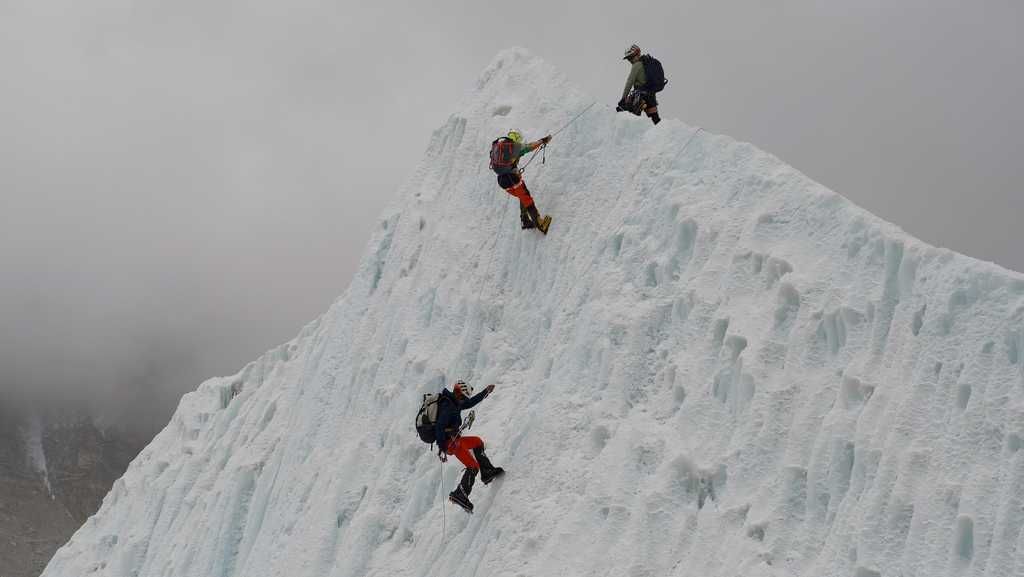
As of December 2025, fewer than 200 of all recorded summits used routes other than the two standard ones.
Nepal itself produces the highest number of summits by nationality when Sherpa ascents are included, followed by the United States with over 800 total summits recorded by its nationals.
How Long Does It Take to Climb Mount Everest
A standard guided Everest expedition from Nepal takes between 60 and 70 days from arrival at Lukla to return.
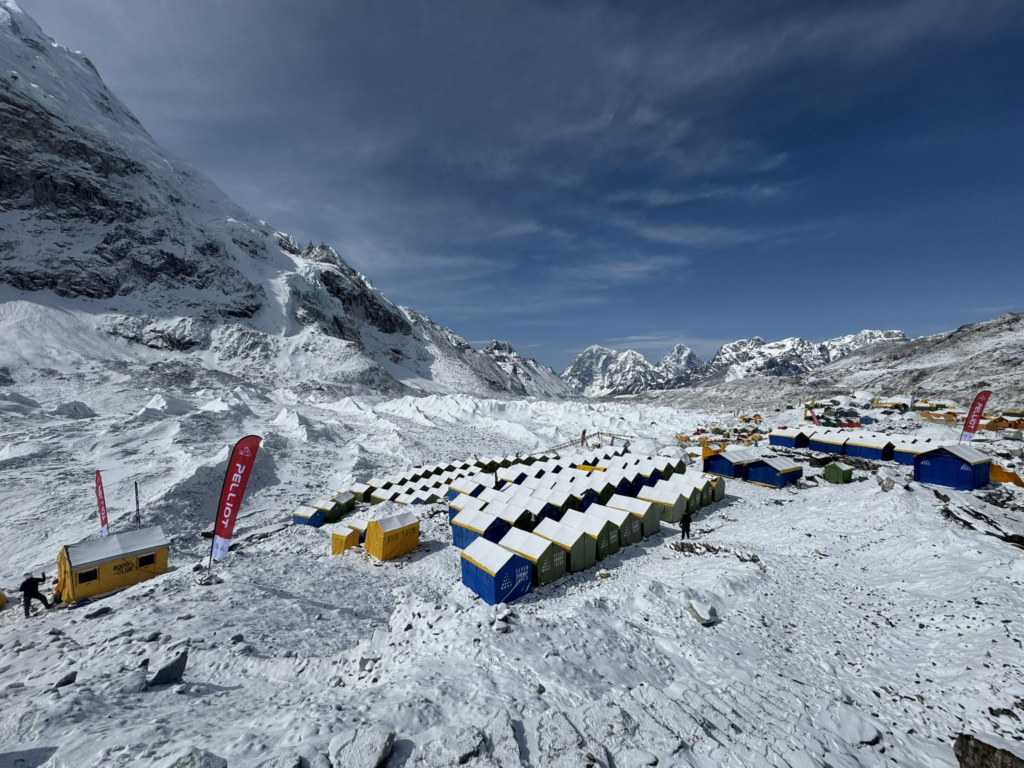
The breakdown roughly looks like this. The trek from Lukla to Everest Base Camp takes about 8 to 10 days, passing through Phakding, Namche Bazaar, Tengboche, Dingboche, and Lobuche before reaching Gorak Shep, the last village on the route, which sits at 5,164 metres.
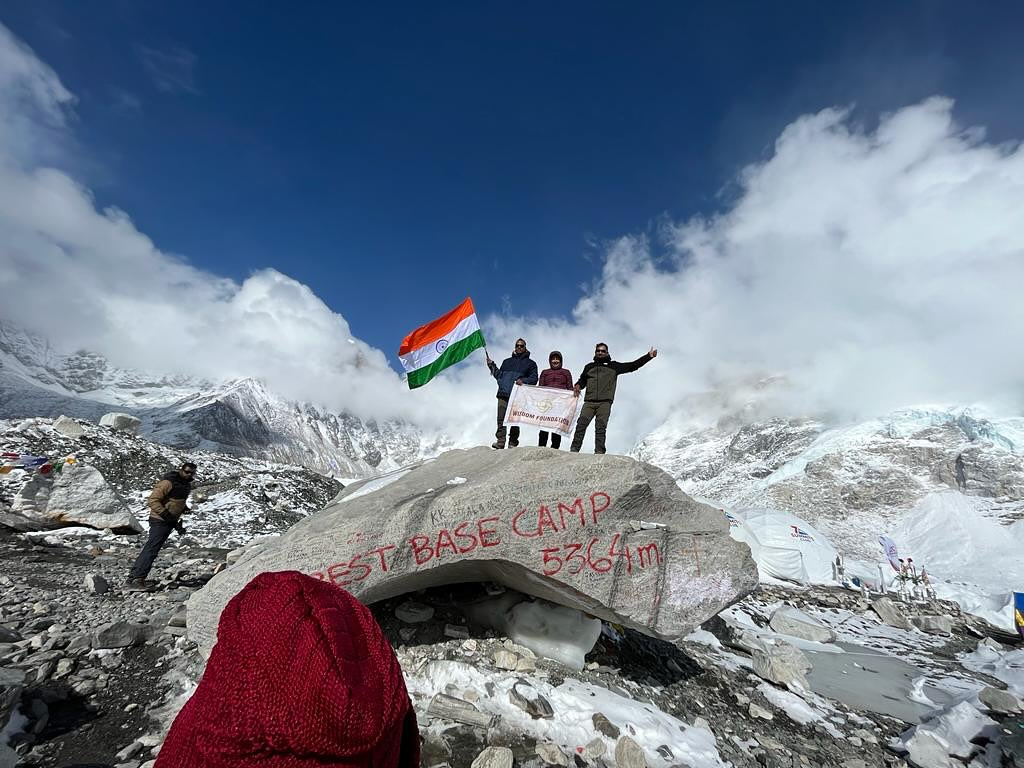
From Gorak Shep it is a short walk to Base Camp at 5,364 metres. Gorak Shep is worth understanding as a place, not just a dot on a map.
It is the last teahouse settlement before Base Camp and one of the highest permanently inhabited points on the Everest approach.
Climbers descend back here from rotations on the mountain, rest, eat, and wait for weather windows.
| Stage of the Expedition | Typical Length | What Happens |
|---|---|---|
| Arrival and preparation | Several days | Permits, gear checks, logistics, and expedition briefings |
| Trek to Everest Base Camp | About 8–14 days | Trekking through the Khumbu region toward base camp |
| Acclimatization rotations | Several weeks | Repeated climbs to higher camps followed by descents for recovery |
| Summit push | Usually 1–2 days | Final ascent from the upper camps to the summit |
| Full expedition | Around 60–70 days | The full time commitment for most guided Everest expeditions |
For trekkers doing the Everest Base Camp Trek, Gorak Shep is the turnaround point and the place where you wake up before the pre-dawn walk to EBC itself.
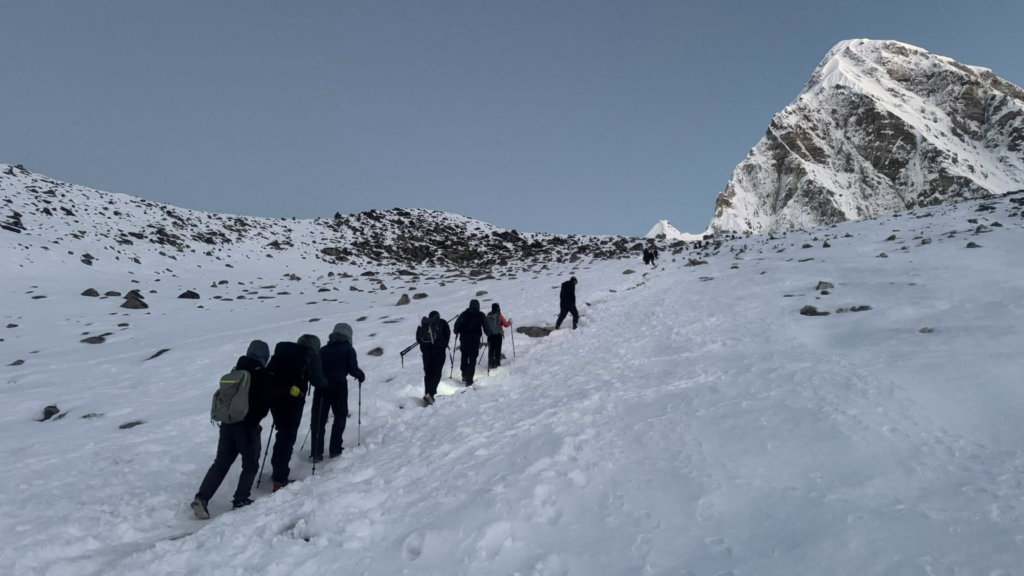
Once at Base Camp, the expedition proper begins. Climbers spend several weeks doing rotations, meaning they climb to higher camps and return to Base Camp repeatedly to acclimatise.
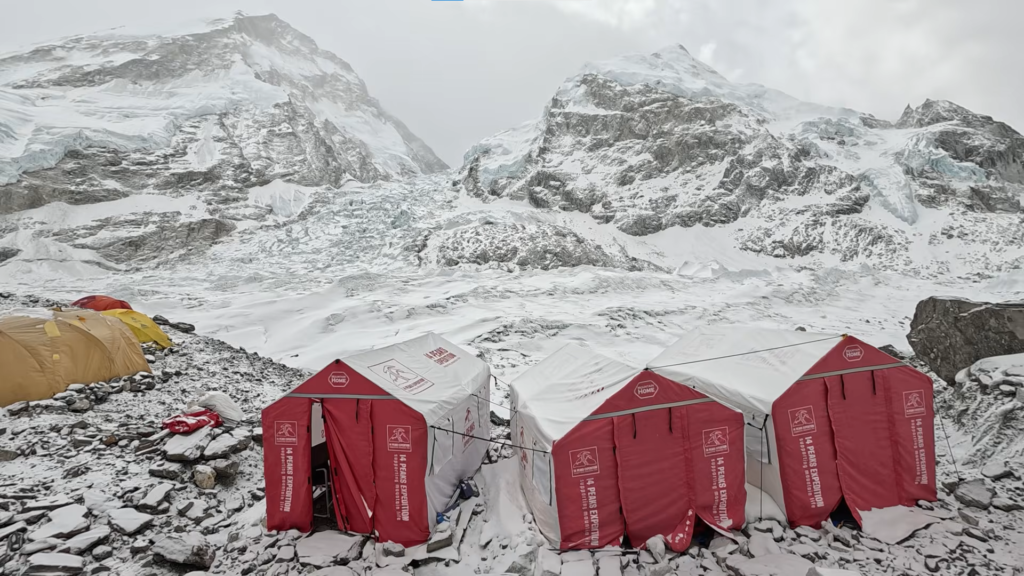
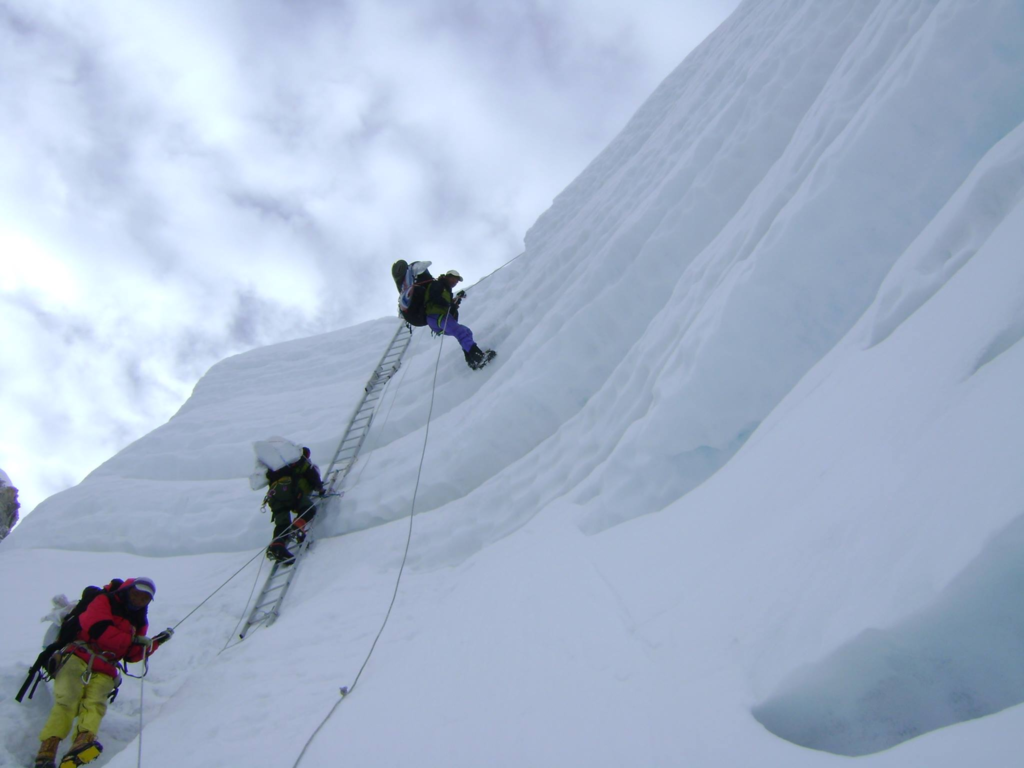
A typical schedule involves climbing to Camp 1 at 6,065 metres through the Khumbu Icefall, then to Camp 2 at 6,500 metres in the Western Cwm, then up the Lhotse Face to Camp 3 at 7,200 metres, and finally to Camp 4, also called the South Col, at 7,950 metres.
Each rotation is followed by a descent back to Base Camp for rest.
The summit push itself typically happens during a narrow weather window in mid to late May, when the jet stream shifts and winds above 8,000 metres briefly calm.
Climbers leave Camp 4 late at night, usually around 9 or 10 pm, climb through the night across the Death Zone, and aim to reach the summit around sunrise.
The total time from leaving Camp 4 to reaching the top and returning is usually between 16 and 20 hours for most guided climbers.
The Death Zone and What Happens Above 8,000 Metres
Every Everest conversation eventually arrives here. The Death Zone is the term used for any altitude above 8,000 metres, a threshold above which the human body cannot acclimatise no matter how much time it spends there.
The air holds roughly a third of the oxygen available at sea level. Without supplemental oxygen, cognitive function deteriorates rapidly, judgement becomes unreliable, and the body begins consuming its own muscle tissue for energy.
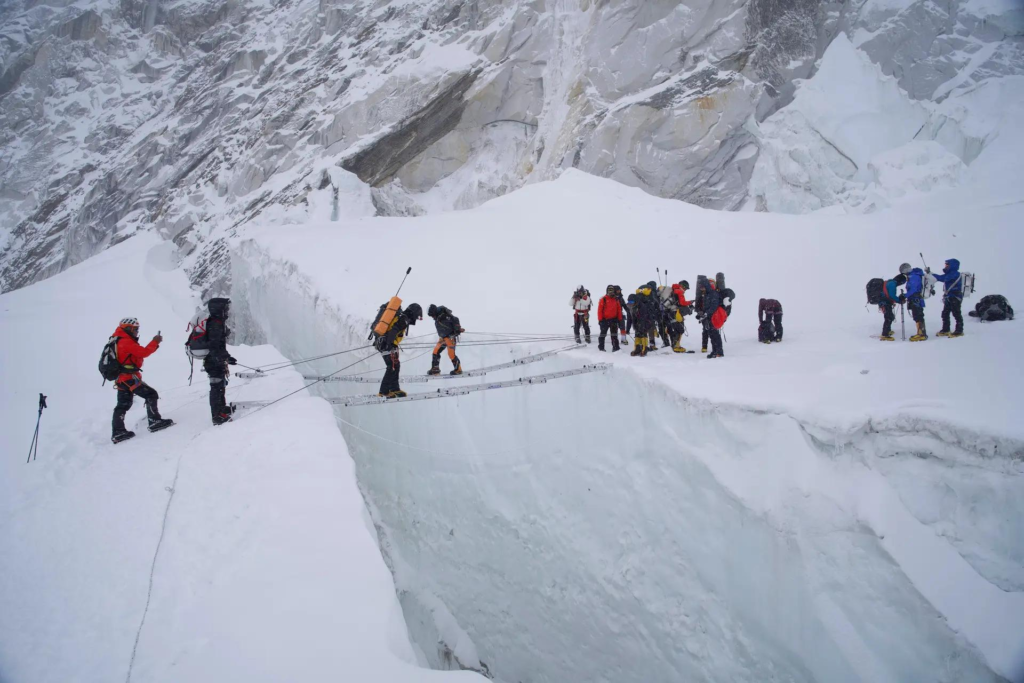
Even with bottled oxygen, every hour spent above 8,000 metres is a slow-motion race against physical collapse.
The Death Zone on Everest includes the South Col camp, the Balcony at 8,400 metres, the South Summit at 8,748 metres, the Hillary Step just below the top, and the summit itself at 8,848.86 metres.
Each of these points has seen deaths. The Hillary Step, a near-vertical rock and ice pitch just 40 metres below the top, is where Arun Kumar Tiwari, one of the two Indian climbers who died on May 21 and 22, 2026, was found while being assisted by four Sherpas during his descent.
Mount Everest Deaths in 2026
The 2026 season has been one of the busiest on record and, as of May 22, five people have died on Everest.
Three Nepali mountain workers were the first to lose their lives this season. Lakpa Dende Sherpa, 52, died on May 3 while trekking to Base Camp. Bijaya Bishwakarma, 35, died on May 10 while climbing through the Khumbu Icefall, and Phura Gyaljen Sherpa, just 20 years old from Thame village, slipped and fell at around 7,000 metres on the Lhotse Face on May 11.
Phura’s grandfather was the legendary Nepalese mountaineer Ang Rita Sherpa, famously known as the “Snow Leopard”

Then on May 21 and 22, two Indian climbers died during descent after successfully summiting. Sandeep Are summited on May 20 and died during descent.
Arun Kumar Tiwari summited on May 21 and died near the Hillary Step while four Sherpa guides worked to bring him down.
Both were part of an expedition organised by Pioneer Adventures. The exact cause of death in both cases has not been confirmed, though exhaustion and altitude-related illness during descent are consistent with reports from the mountain.
Their deaths bring the 2026 season death toll to five. The season remains ongoing. Nepal has issued a record 492 foreign climbing permits for Everest this spring, the highest ever.
That record permit count came on the same week that 274 climbers summited in a single day on May 20, itself a new all-time record for single-day ascents.
The Traffic Jam Problem on Everest
The image that most defines modern Everest is not just a figure on the summit.
It is multiple photographs from numerous years mainly stating from 2019 showing a line of hundreds of climbers stretching down the fixed ropes below the Hillary Step, all waiting their turn, all standing above 8,000 metres with their oxygen slowly depleting.
The vast majority of climbers use the same route, the same fixed ropes, and target the same narrow windows of good weather.
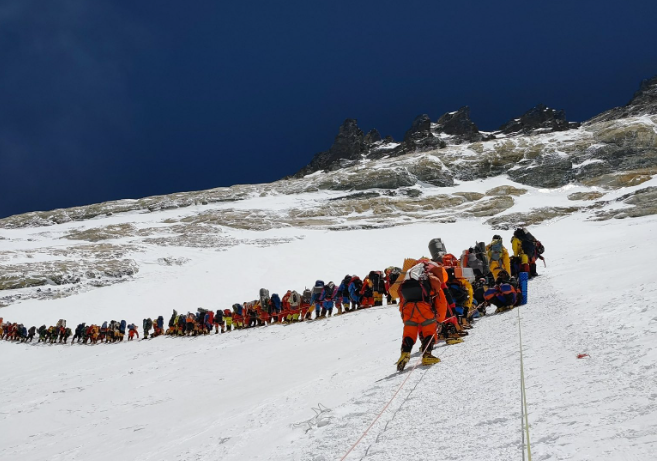
When hundreds of people all receive the green light from their guides on the same morning, the result is a queue in the Death Zone.
In 2019, at least four of the eleven deaths that season were directly attributed to the delays caused by overcrowding.
| Altitude / Zone | What It Means | Why It Matters |
|---|---|---|
| Lower trekking section | Safe enough for acclimatized trekking | The route is physically demanding but generally manageable |
| Base Camp to Camp II | Start of technical climbing | The climb becomes significantly more serious and technical |
| Above 8,000 m | Death zone | Oxygen levels are extremely low and physical performance rapidly declines |
| Summit ridge | Final exposed section | Delays and weather changes here can become especially dangerous |
Climbers exhausted their oxygen supplies waiting in line. Others became so fatigued from standing still in minus-thirty temperatures that they could not descend safely.
The 2026 season has already seen the same pictures circulating. On May 18, there was a long queue of climbers in single file along the fixed ropes high on the Nepal route.
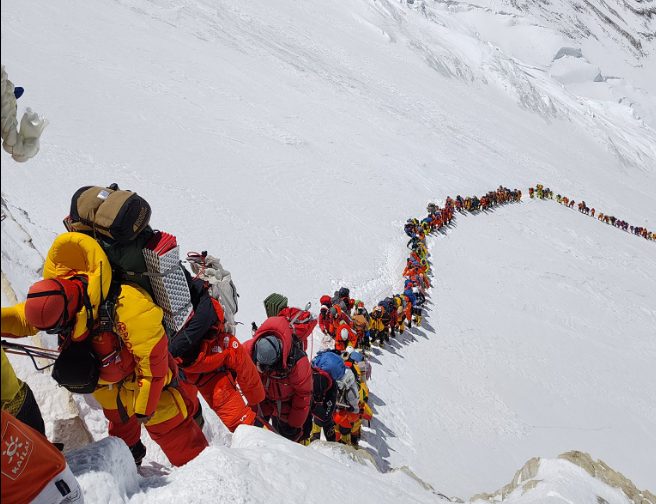
This was the same week that records were being broken for single-day summits.
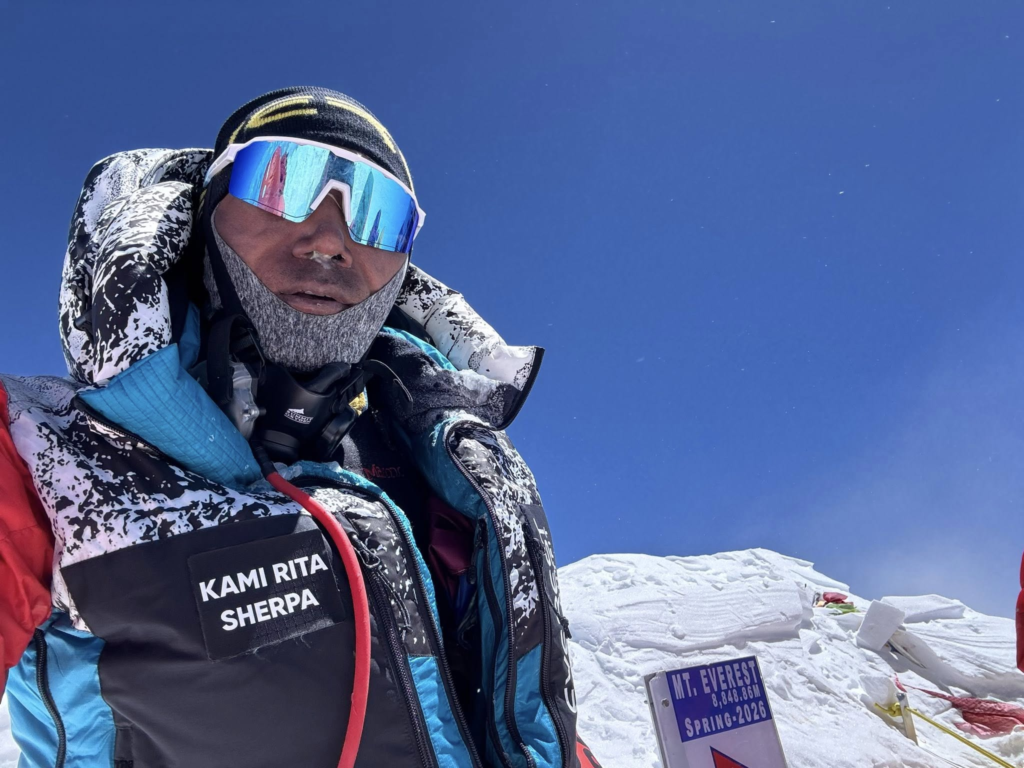
Even Kami Rita Sherpa, who summited Everest for a record 32nd time on May 17, 2026 and returned to Kathmandu on May 22, raised concerns publicly about the experience level of some climbers on the mountain this season.
Nepal responded to previous overcrowding criticism with new regulations including mandatory guide-to-climber ratios and a permit fee increase to $15,000.
Whether those measures are sufficient is a question the mountain keeps answering in its own way.
Records on Everest: Youngest, Oldest, and Most Times
The record for the most Everest summits belongs to Kami Rita Sherpa, a Nepali guide who reached the top for the 32nd time on May 17, 2026.
He has held this record for years and keeps extending it and beating Apa Sherpa’s record previously. His first summit was in 1994 and he has returned almost every season since.
The oldest person to summit Everest was Yuichiro Miura of Japan, who reached the top at age 80 in 2013. The youngest confirmed summiteer is Jordan Romero, an American who summited in 2010 at the age of 13.
Among foreign non-Sherpa climbers, British mountaineer Kenton Cool holds the record with 20 ascents. His 20th summit came on May 22, 2026, the same day the two Indian climbers were confirmed dead on the mountain.
The most summits by a woman belong to Lhakpa Sherpa, a Nepali-American climber who has reached the top eleven times.
How Much Does It Cost to Climb Everest
The cost of an Everest expedition varies enormously depending on the operator, the level of support, and which side of the mountain is used.
A basic guided package from Nepal currently starts at around $35,000 and can exceed $100,000 with full support, high-end oxygen systems, and premium logistics.
The Nepal government permit alone now costs $15,000 per climber following the 2025 fee increase.
| Cost Component | Estimated Range (USD) |
|---|---|
| Nepal government permit | $15,000 |
| Guided expedition package (basic) | $35,000 to $45,000 |
| Guided expedition package (premium) | $65,000 to $130,000 |
| Personal gear and equipment | $5,000 to $15,000 |
| Travel insurance with helicopter evacuation | $1,500 to $3,000 |
| Flights to Kathmandu and Lukla | $1,000 to $3,000 |
The cheaper end of the market has drawn significant criticism in recent years. Analysis of the 2023 and 2024 seasons found that the vast majority of deaths occurred on low-cost expeditions with thin Sherpa ratios and less robust oxygen supplies.
Nepal has responded with mandatory guide requirements, but debate continues about whether the lower-cost permits represent a safety risk that the mountain’s death statistics are beginning to confirm.
Where Does Everest Stand Now
The mountain in 2026 is both more accessible and more contested than at any point in its climbing history.
Record permit numbers, record single-day summits, and a season of breaking records in almost every direction exist alongside the same truth that has always been true: above 8,000 metres, the mountain does not negotiate.
Over Everest’s full recorded history from 1921 to 2025, 339 people have died on the mountain. That number is now five higher as of today, May 22, 2026.
Over 200 bodies remain on the mountain because the conditions that took their lives make recovery almost impossible.
The death rate has improved significantly compared to the early decades of climbing, now sitting at roughly 1 to 1.2 percent of attempts, but with permit numbers at all-time highs, even that improved rate produces real names and real tragedies every season.
For climbers who want to stand on the top of the world, the mountain remains exactly what it has always been.
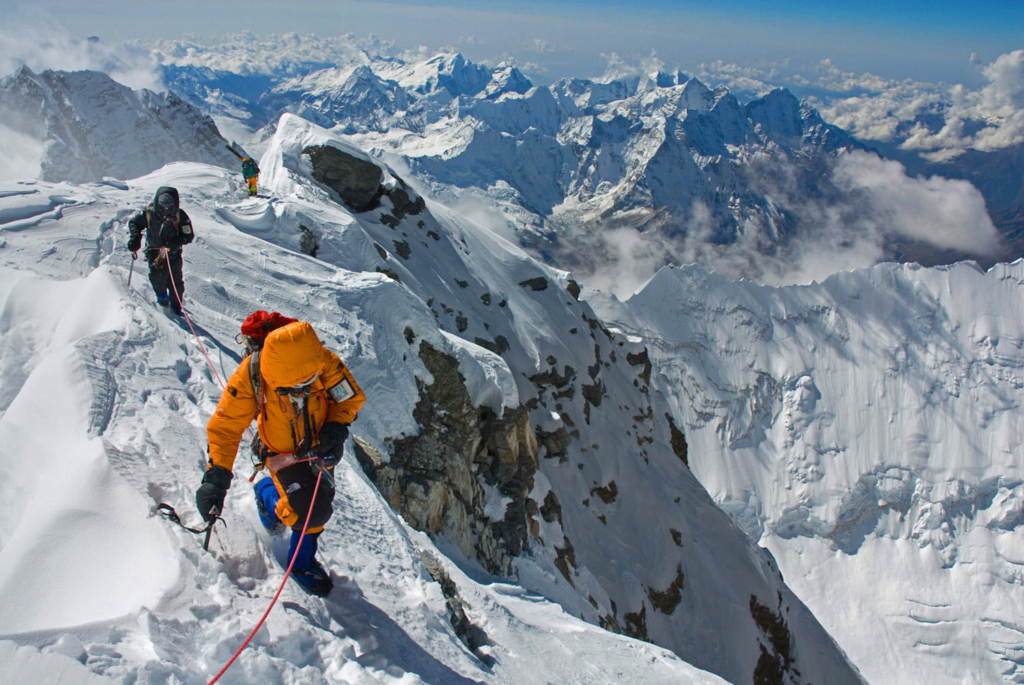
For the Sherpa guides who make those climbs possible, and who cross the Khumbu Icefall dozens of times over a guiding career compared to a client’s four or five, the mountain is both livelihood and constant risk.
And for the rest of the world watching from sea level, Everest in 2026 remains the most compelling story in adventure, where records and tragedies arrive in the same news cycle, sometimes on the same day.