


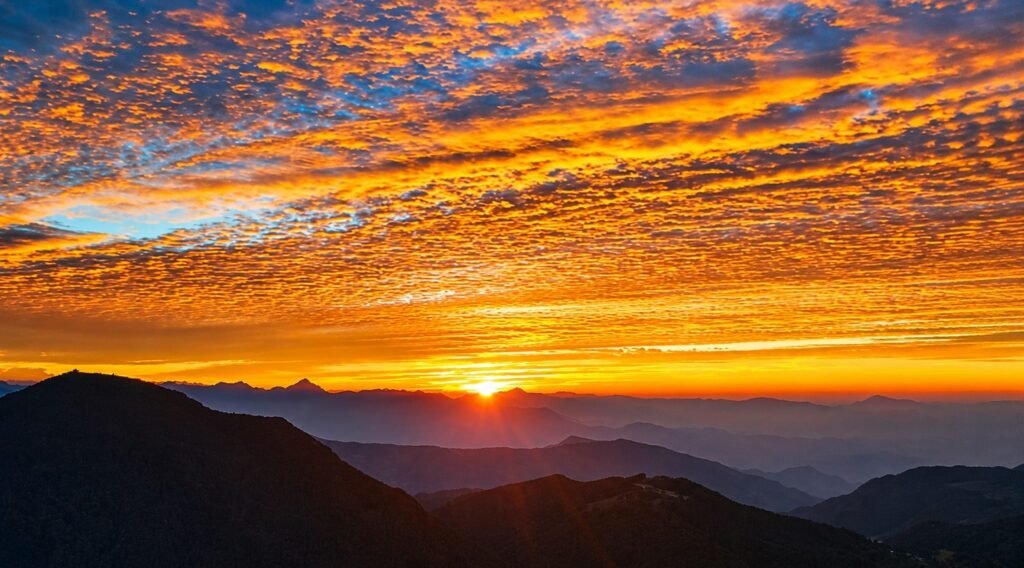
Best Himalayan Sunrise Viewpoints in Nepal for Trek and Travel
There is a special kind of silence on a Himalayan viewpoint before sunrise. The air is cold, the sky is still dark, and most people are too busy breathing into their jackets to talk much.
Then the first line of light appears behind the hills, and slowly the mountains begin to separate from the night.
The light does not arrive all at once. It starts softly, turns pink, then amber, and finally lands on the high snow peaks in a colour that looks somewhere between gold and fire.
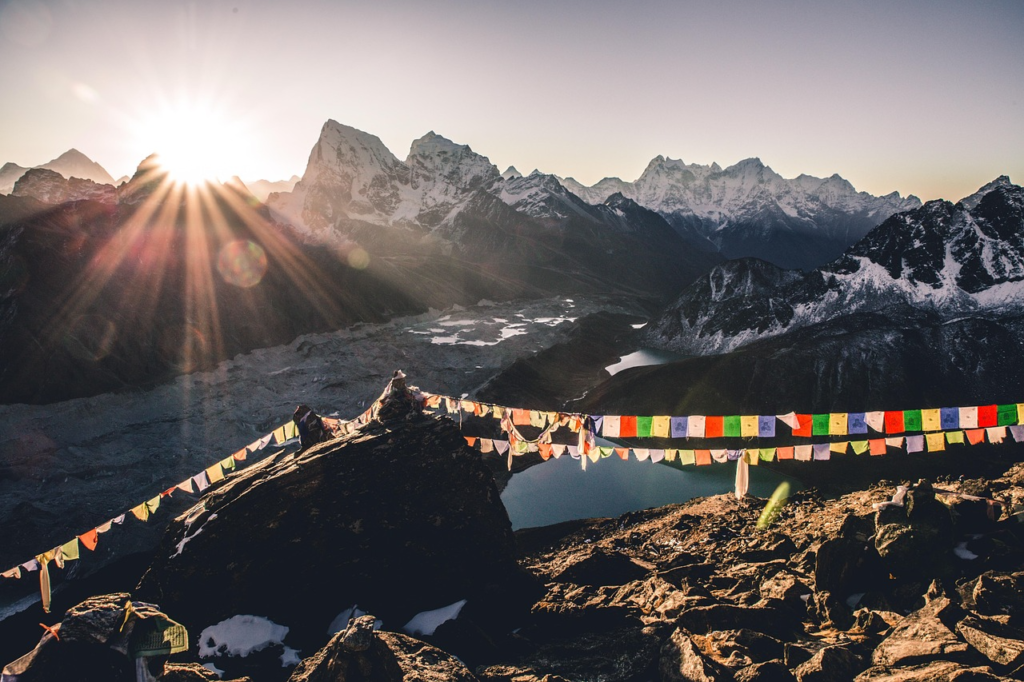
For a few minutes, the mountains glow before the full sun washes everything back into white. Those few minutes are the reason trekkers wake up at four in the morning, walk with headlamps, and wait in freezing wind all across Nepal.
Nepal has sunrise viewpoints for every kind of traveler. Some are easy hilltops near Pokhara. Some are short trekking viewpoints in the Annapurna foothills.
Some are quiet ridges near Kathmandu. Some are serious high-altitude climbs in the Everest region where the sunrise is beautiful but the effort is real.
Nepal’s Best Sunrise Viewpoints
The right sunrise viewpoint depends on your time, fitness, altitude comfort, and travel style. Some viewpoints are perfect for non-trekkers, while others need several days of walking and proper acclimatisation.
| Viewpoint | Altitude | Access | Mountains Visible | Difficulty |
|---|---|---|---|---|
| Sarangkot | Around 1,600m | Short drive from Pokhara | Annapurna range, Machhapuchhre, Dhaulagiri side, Pokhara Valley | Easy |
| Chisapani | Around 2,215m | Short trek from Sundarijal | Langtang Lirung, Ganesh Himal, Jugal Himal, Shivapuri hills | Easy to moderate |
| Poon Hill | 3,210m | Trek from Pokhara side via Ghorepani | Annapurna, Dhaulagiri, Machhapuchhre, Nilgiri, Hiunchuli | Easy to moderate |
| Khopra Danda | 3,660m | Trek through quieter Annapurna trails | Dhaulagiri, Annapurna South, Nilgiri, Hiunchuli, Machhapuchhre | Moderate |
| Tengboche | Around 3,867m | Trek from Lukla through Namche Bazaar | Ama Dablam, Everest, Lhotse, Nuptse, Thamserku | Moderate |
| Pikey Peak | 4,065m | Trek through lower Solukhumbu | Everest, Lhotse, Makalu, Kanchenjunga, Cho Oyu, Numbur | Moderate |
| Mardi Himal Viewpoint | Around 4,500m | Trek from Pokhara side via forest and ridge trails | Machhapuchhre, Mardi Himal, Annapurna South, Hiunchuli | Moderate |
| Annapurna Base Camp | 4,130m | Trek through Annapurna Sanctuary | Annapurna I, Annapurna South, Hiunchuli, Gangapurna, Machhapuchhre | Moderate to challenging |
| Gokyo Ri | 5,357m | Trek from Lukla to Gokyo Lakes | Everest, Cho Oyu, Lhotse, Makalu, Gokyo Lakes, Ngozumpa Glacier | Challenging |
| Kala Patthar | Around 5,545m | Trek from Gorak Shep on the EBC route | Everest, Lhotse, Nuptse, Pumori, Ama Dablam, Khumbu Glacier | Challenging |
Why Sunrise Looks Different in the Himalayas
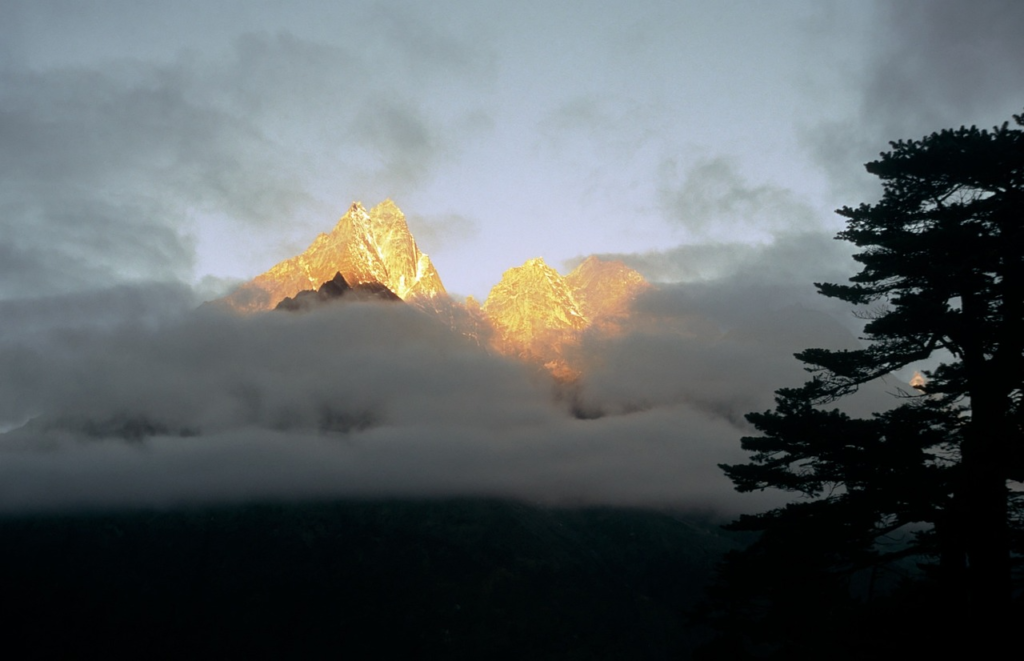
The magic of sunrise in the Himalayas comes from the way early light hits high snow and ice. The valleys are still dark, but the highest peaks are already catching the sun.
That is why mountains like Dhaulagiri, Annapurna, Mount Everest, and Ama Dablam can glow orange or gold before the villages below have any light at all.
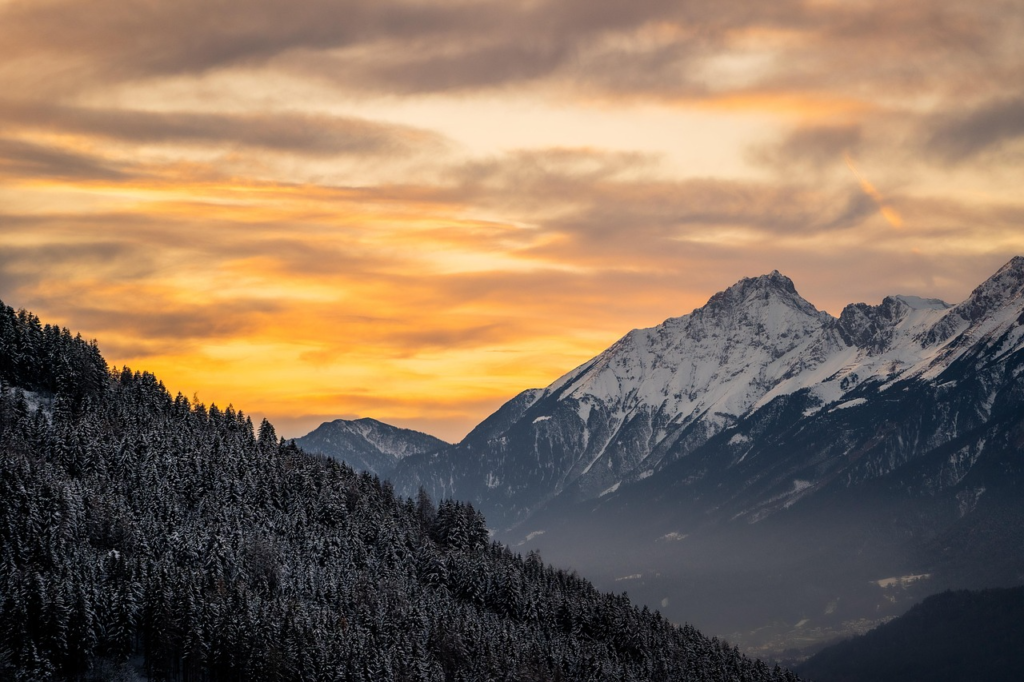
This short window does not last long. Sometimes it is only five minutes. Sometimes it stretches a little longer if the sky is clear and the clouds stay low.
That is why guides always push trekkers to leave early. Reaching a viewpoint after sunrise is not the same experience. The best colour often appears before the sun itself is fully visible.
The other thing that makes Nepal special is scale. From one viewpoint, you may see several major Himalayan peaks at once.
Poon Hill gives Annapurna and Dhaulagiri in one wide sweep. Pikey Peak gives Everest, Makalu, and Kanchenjunga on the same horizon. Gokyo Ri gives peaks, lakes, and glacier together. Kala Patthar gives the close Everest view that trekkers come from all over the world to see.
That is also why the best sunrise viewpoint is not always the highest one. It depends on the angle, the weather, the mountains in front of you, and the journey that brought you there.
Sarangkot Sunrise Viewpoint
Sarangkot is the easiest serious Himalayan sunrise viewpoint in Nepal. It sits above Pokhara and can be reached by early morning drive, short hike, or as part of a Pokhara stay.
You do not need trekking boots, porters, or several days on the trail to enjoy the view. That is why Sarangkot is one of the best choices for travelers who want a mountain sunrise but do not have time for a full trek.
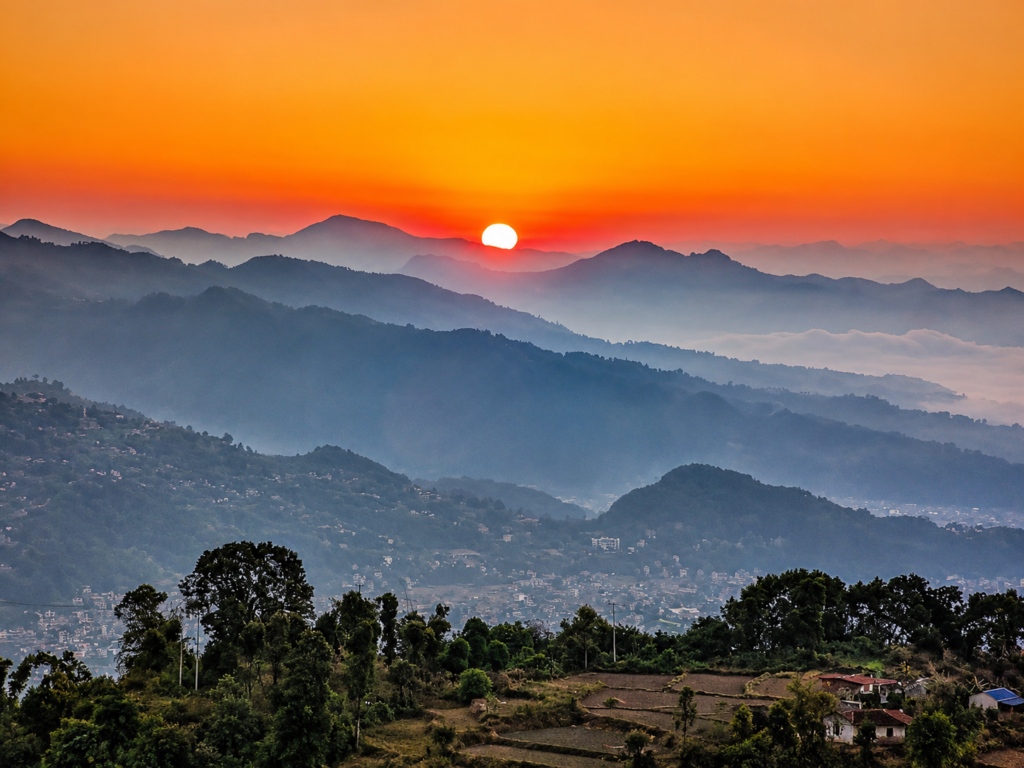
The view opens toward the Annapurna range. On a clear morning, Machhapuchhre rises sharply with its famous fishtail shape, while Annapurna South, Annapurna II, Lamjung Himal, and the Dhaulagiri side of the horizon can appear in the distance.
Below the mountains, Pokhara Valley and Phewa Lake add another layer to the scene. That mix of lake, valley, city lights, and snow peaks makes Sarangkot different from the higher trekking viewpoints.
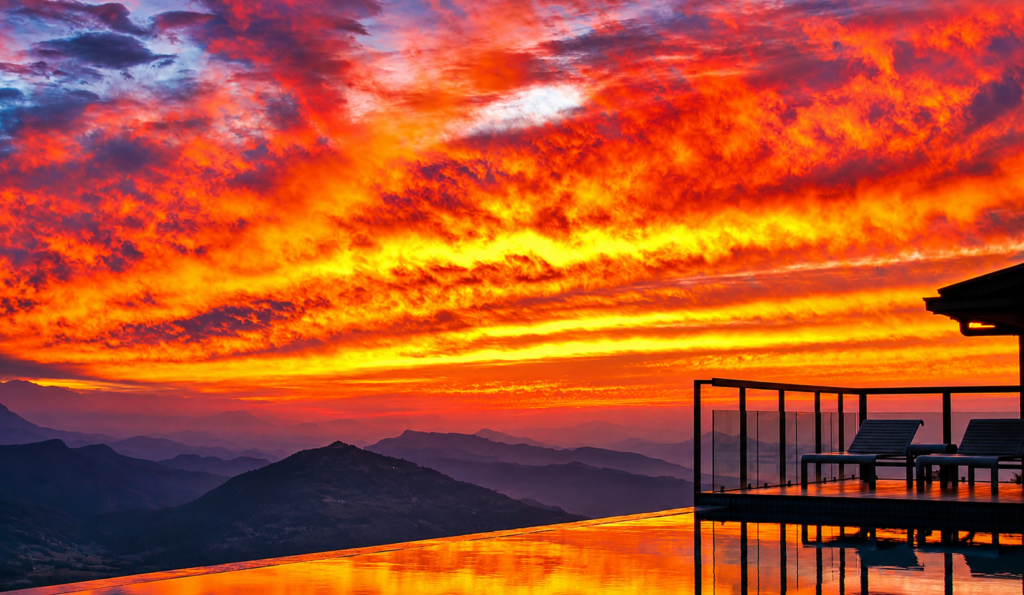
Sarangkot is best for travelers who do not have time for a trek, families with children, honeymooners, older travelers, or anyone staying in Pokhara for a short visit. It can be crowded in peak season, but the view is still strong enough to justify the early alarm.
The best way to enjoy Sarangkot is to leave Pokhara early and reach before the sky begins to brighten. After sunrise, many visitors stay longer to watch paragliders launch over the valley when the weather is suitable.
Chisapani Sunrise Viewpoint
Chisapani is one of the most underrated sunrise viewpoints near Kathmandu. It is reached by walking from Sundarijal through Shivapuri Nagarjun National Park, so it feels more like a short trek than a sightseeing stop.
The trail passes through forest, village areas, and quiet ridges before reaching Chisapani. From the viewpoint, you can see Langtang Lirung, Ganesh Himal, Jugal Himal, and the surrounding hill country when the weather is clear.
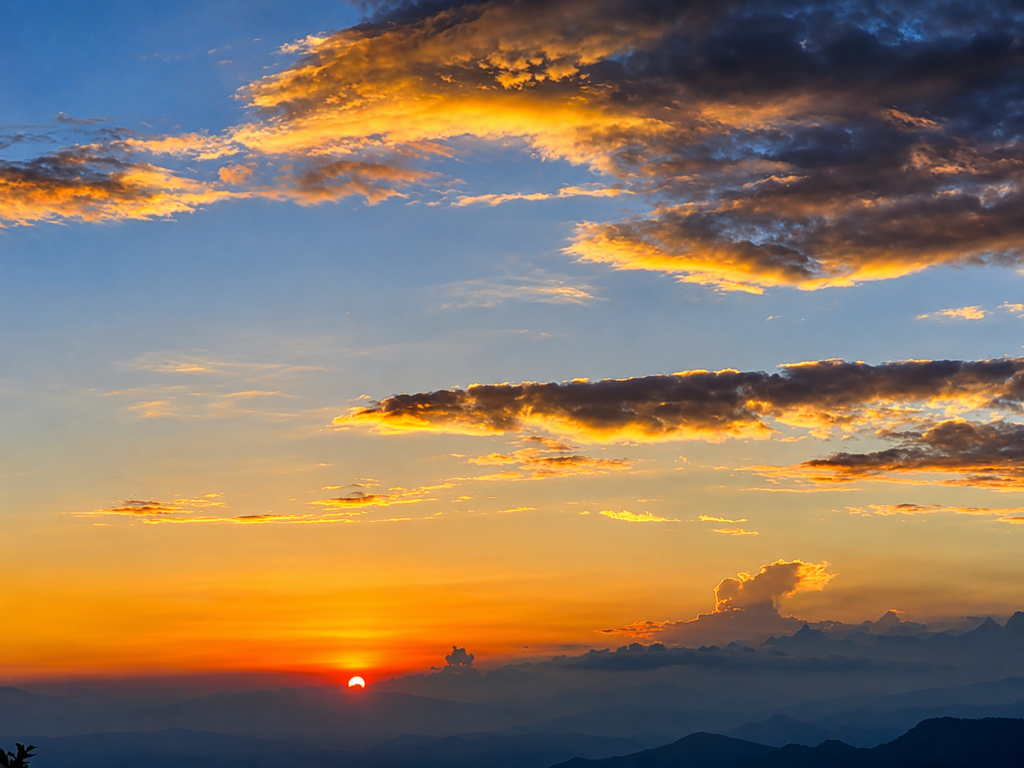
The mountains are not as close as in the Everest or Annapurna trekking regions, but the calm feeling of the place makes the sunrise special. It has a soft, peaceful atmosphere that feels very different from crowded drive-up viewpoints.
Chisapani is best for travelers in Kathmandu who want to walk, not just drive. It can be done as part of a short Kathmandu Valley trek, often combined with Nagarkot or Dhulikhel.
For people with only two or three spare days, it gives forest, village life, ridge walking, and sunrise views without flying or taking a long road journey. It is also a good warm-up trek before a bigger Himalayan route because it gives the body a taste of climbing without going into high altitude.
Poon Hill Sunrise Viewpoint
Poon Hill is probably the most famous trekking sunrise viewpoint in Nepal, and it has earned that reputation. At 3,210 metres, it gives a huge Annapurna and Dhaulagiri panorama without pushing trekkers into extreme altitude.
The morning usually begins in Ghorepani. Trekkers leave before dawn, climb slowly with headlamps, and reach the viewpoint while the sky is still dark.
Then the mountains, Dhaulagiri I, Annapurna I, Annapurna South, Machhapuchhre, Nilgiri, Hiunchuli, and other peaks across the skyline appear.
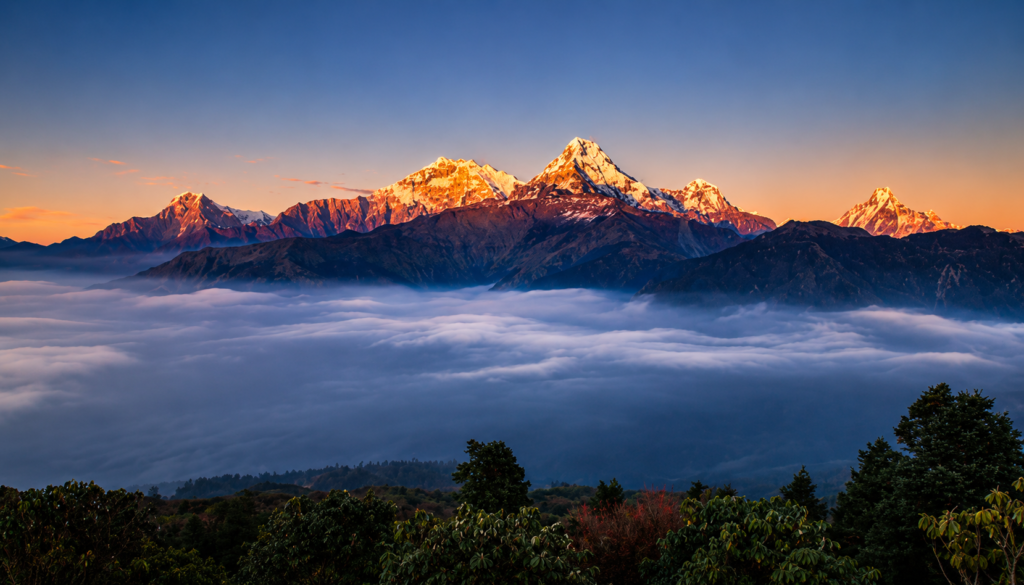
What makes Poon Hill so good is the balance. It is dramatic enough to feel like a major Himalayan sunrise, but accessible enough for beginners, families, and people with limited time.
The route through Gurung and Magar villages, rhododendron forest, and stone steps adds a proper trekking feeling before the viewpoint. You do not just arrive by car, take a photo, and leave. You walk into the landscape first, and that makes the sunrise feel earned.
Spring is especially beautiful because the rhododendron forest can bloom along the trail. Autumn usually gives clearer skies and sharper mountain edges. Winter can also be lovely if you are ready for cold mornings.
Khopra Danda Sunrise Viewpoint
Khopra Danda is a quieter Annapurna sunrise viewpoint for trekkers who like the idea of Poon Hill but want fewer people around them. The ridge sits at around 3,660 metres and gives wide views toward Dhaulagiri, Annapurna South, Nilgiri, Hiunchuli, and Machhapuchhre.
The sunrise from Khopra feels more personal because the trail is less crowded. You are not standing on a busy platform with hundreds of trekkers. You are usually near smaller lodges, open ridges, and a quieter mountain line.
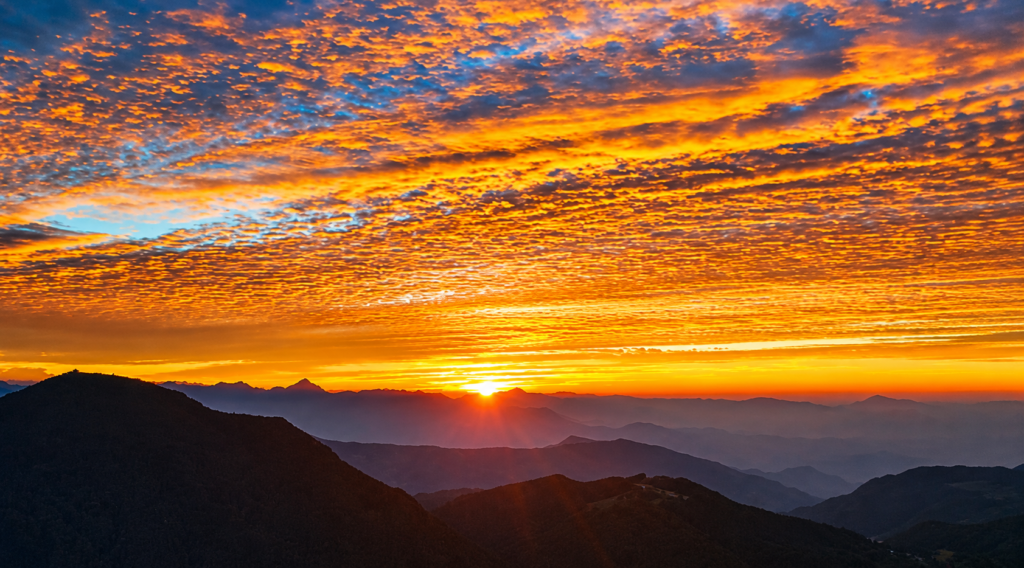
The light has space to move across the peaks, and the whole place feels slower. Dhaulagiri often looks especially strong from this side, while the Annapurna range fills the view from another angle.
The trek also has strong variety. It passes through villages, forest, ridge sections, and community lodge areas. This gives Khopra Danda a calm, local feeling that many busier Annapurna routes do not have anymore.
Khopra is best for trekkers who want Annapurna and Dhaulagiri views but prefer a route with more silence. It is a strong choice for photographers, couples, repeat Nepal visitors, and anyone who wants a less obvious sunrise viewpoint.
Tengboche Sunrise
Tengboche is one of the most beautiful sunrise places in the Everest region because the view is not only about mountains. It is about the monastery, the ridge, the prayer flags, and Ama Dablam rising behind the whole scene.
At around 3,867 metres, Tengboche sits on the Everest trail after Namche Bazaar. From here, you can see Ama Dablam, Everest, Lhotse, Nuptse, Thamserku, and other Khumbu peaks when the weather is clear.
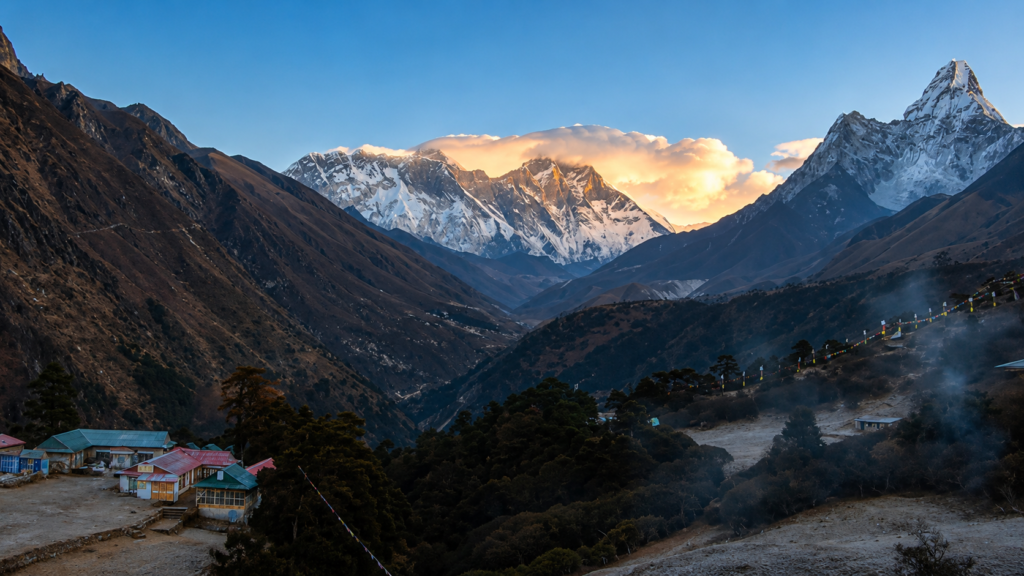
Ama Dablam often steals the morning because its shape looks especially sharp in early light. The mountain rises with a clean, elegant form that makes the whole valley feel dramatic without needing to be at extreme altitude.
The monastery gives this sunrise a cultural layer. Many viewpoints are only about scenery, but Tengboche has prayer flags, monks, stone paths, and the feeling of Sherpa Buddhist life around the mountains.
Tengboche is best for people doing Everest View Trek or Everest Base Camp Trek. It is not as high or difficult as Kala Patthar, but it gives one of the best combinations of mountain scenery and culture in Nepal.
Pikey Peak Sunrise Viewpoint
Pikey Peak is one of the best sunrise viewpoints in Nepal for travelers who want Everest views without the busier Khumbu route. At 4,065 metres, it is high enough to feel like a real mountain viewpoint, but the route is usually quieter than Lukla, Namche, and the Everest Base Camp corridor.
The view from Pikey Peak is wide. On a clear morning, you can see Everest, Lhotse, Makalu, Kanchenjunga, Cho Oyu, Numbur, and other peaks across the far horizon.
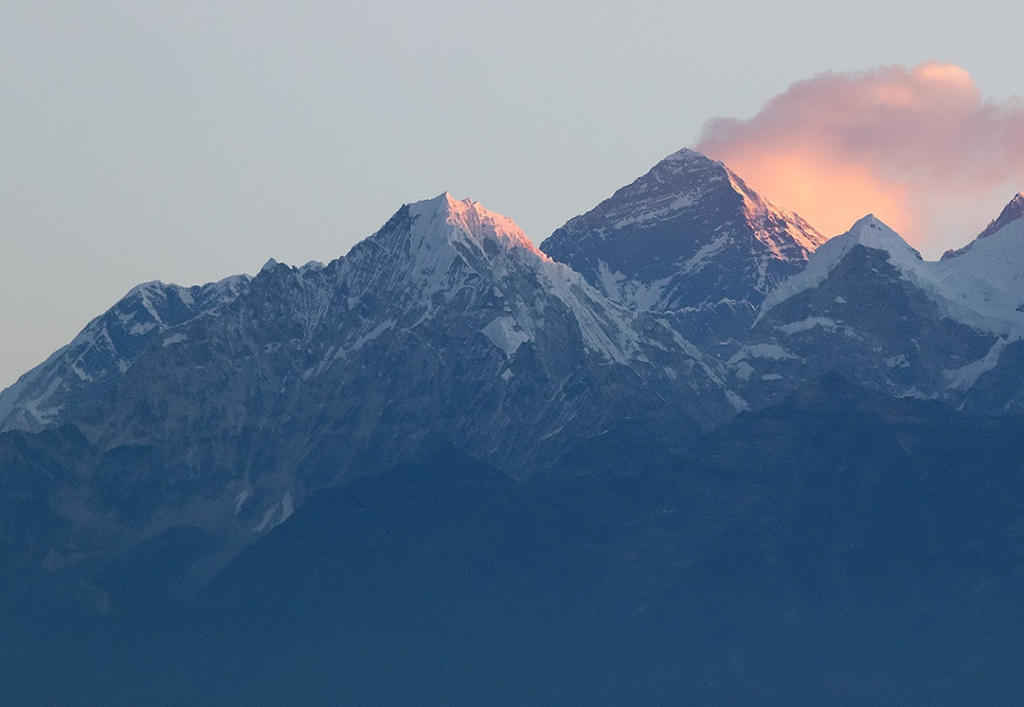
This is not the closest Everest view, but it is one of the best wide-angle Everest sunrises in Nepal. Instead of one mountain taking over the frame, the whole eastern Himalayan skyline spreads in front of you.
The route often passes through places such as Dhap Bazaar, Jhapre, Pikey Base Camp, Junbesi, and Phaplu. These villages give the trek a calm lower-Solukhumbu feeling with Sherpa culture, monasteries, forest sections, and local trails that feel less commercial.
Pikey Peak is best for trekkers who want Everest views but do not want the full Everest Base Camp challenge. It is also excellent for people who prefer quiet trails and cultural walking over crowded routes.
Mardi Himal Viewpoint Sunrise
Mardi Himal Viewpoint gives a close and dramatic sunrise in the Annapurna region. The trail climbs through forest before reaching open ridge sections where the mountains begin to feel much nearer than they look from Pokhara.
Machhapuchhre is the main mountain here. From the upper viewpoint, its steep fishtail shape dominates the skyline, while Mardi Himal, Annapurna South, and Hiunchuli stand close around it.
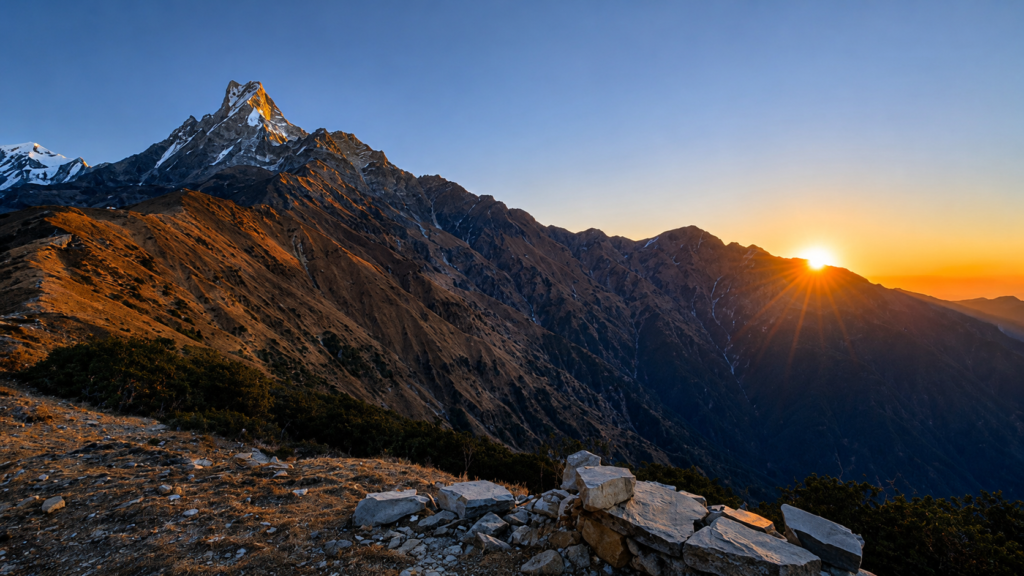
The sunrise feels powerful because the mountains are not far away on the horizon. They feel right in front of you. The ridges, faces, and shadows look sharper from this route than they do from lower viewpoints.
The morning often begins from High Camp or nearby lodges. Trekkers leave early and walk in the cold before clouds start building from the valley. When the first light reaches Machhapuchhre, the mountain can look sharper and more powerful than it does from anywhere lower down.
Mardi Himal is best for active trekkers, photographers, and travelers who want close Annapurna drama inside a shorter itinerary. It is higher and more exposed than Poon Hill, so it should be taken more seriously, especially in cold or windy conditions.
Annapurna Base Camp Sunrise
Annapurna Base Camp gives a different kind of sunrise because the mountains do not sit far away on the horizon. They surround you. At 4,130 metres, ABC lies inside the Annapurna Sanctuary, a natural mountain basin enclosed by some of the most beautiful peaks in Nepal.
The morning light usually touches Annapurna South, Hiunchuli, Machhapuchhre, Gangapurna, and Annapurna I before the lower valley fully wakes up.
The trekking experience feels more intimate than a distant viewpoint because you are standing inside the mountain bowl instead of looking at the range from far away.
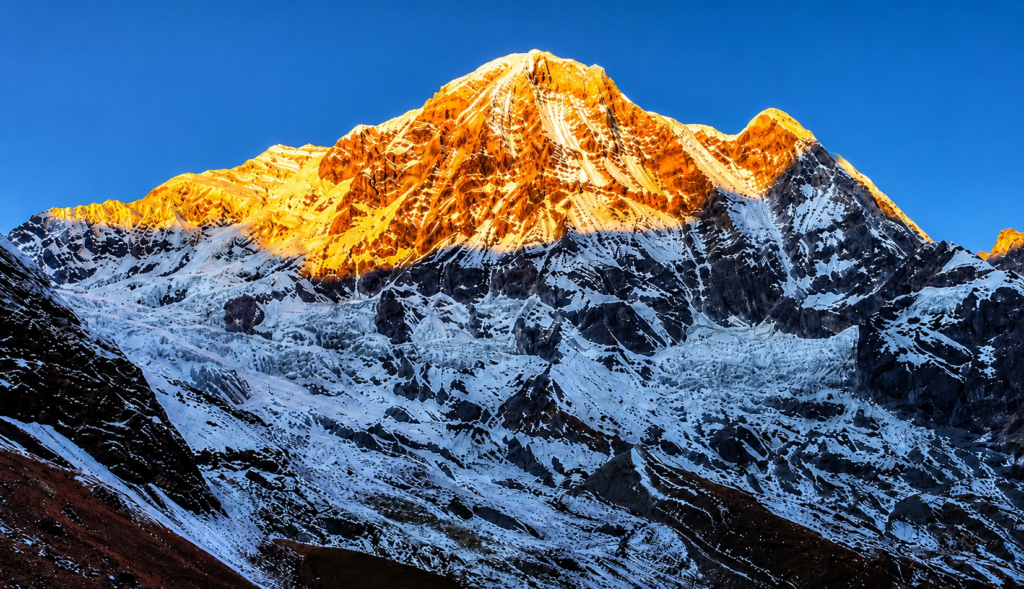
The final approach through Machhapuchhre Base Camp makes the sunrise feel earned. You pass through villages, forest, bamboo sections, river valleys, Deurali, and the upper sanctuary trail before reaching ABC.
By the time morning comes, the view carries the whole journey behind it. The mountains are close, the valley is quiet, and the first light moves across the walls of the sanctuary in a way that feels completely different from ridge viewpoints.
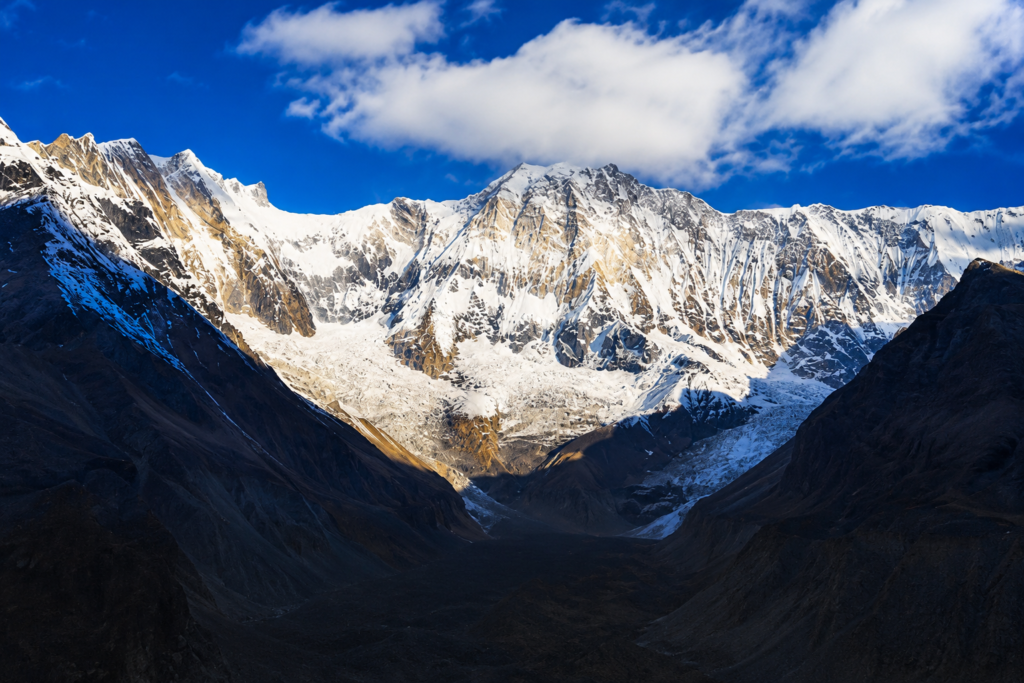
Annapurna Base Camp sunrise is best for travelers who want a real base camp experience but prefer the Annapurna region over Everest. The luxury version adds smoother logistics and better comfort around the trek, but the mountain section still needs steady walking and altitude awareness.
View Annapurna Base Camp Luxury Trek
Gokyo Ri Sunrise Viewpoint
Gokyo Ri is one of the most complete sunrise viewpoints in the Everest region. At 5,357 metres, it is high, cold, and demanding, but the view includes mountains, lakes, and glacier landscape in one frame.
From Gokyo Ri, trekkers can see Everest, Cho Oyu, Lhotse, Makalu, the Gokyo Lakes, and the Ngozumpa Glacier. The lakes below add colour and shape, while the glacier gives the scene a wild, open feeling.
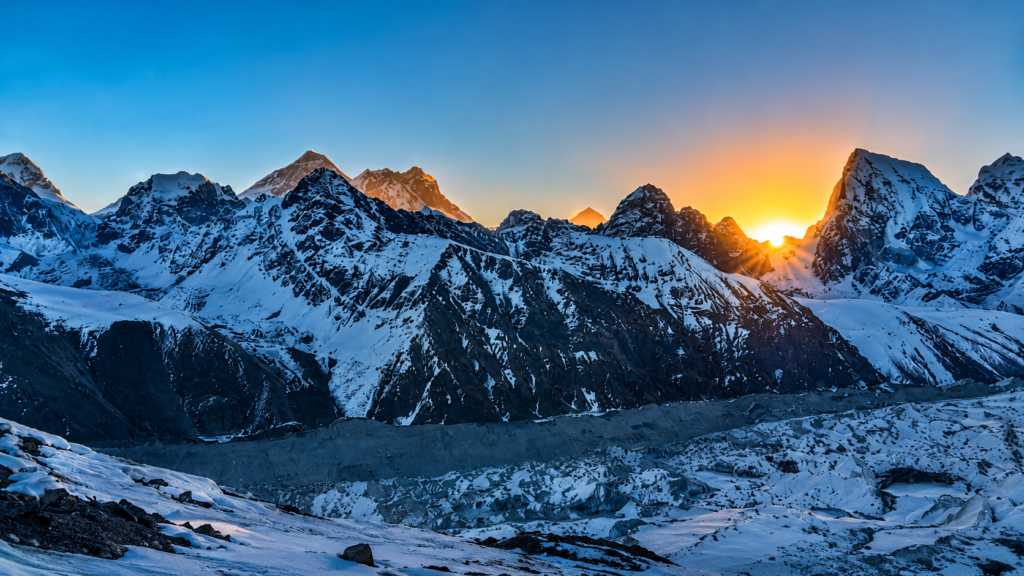
This is why many photographers prefer Gokyo Ri over more direct Everest viewpoints. It is not just a line of peaks. It has foreground, water, ice, valley shape, and huge mountains in one view.
The climb usually starts before dawn from Gokyo village near the lake. The distance is not huge, but the altitude makes the climb slow. Most trekkers need to pace carefully and allow time to recover before the best light arrives.
Gokyo Ri is best for experienced trekkers or travelers who want an Everest alternative with more landscape variety. It is not just an Everest view. It is a lake, glacier, and high-peak sunrise all together.
Kala Patthar Sunrise Viewpoint
Kala Patthar is the classic Everest sunrise viewpoint. It sits above Gorak Shep at around 5,545 metres and gives one of the best close views of Everest available to trekkers without technical climbing.
From Everest Base Camp itself, the summit of Everest is not seen as clearly because nearby ridges block the angle. From Kala Patthar, the view opens properly. Everest rises behind Nuptse, while Lhotse, Pumori, Ama Dablam, and the Khumbu Glacier area complete the scene.
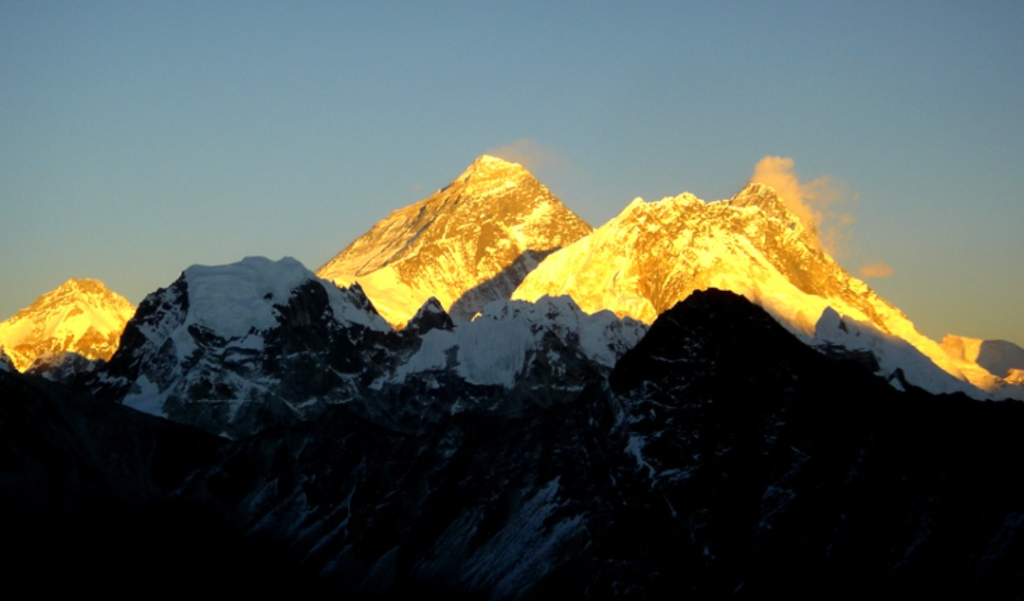
The sunrise climb from Gorak Shep is cold and difficult. Trekkers usually start in the dark and move slowly because the air is thin. This is not a casual viewpoint, but when the first light reaches Everest, the effort becomes unforgettable.
The cold before dawn can be serious, especially in autumn and winter mornings. Good gloves, warm layers, a headlamp, and steady pacing matter here more than at lower viewpoints.
Kala Patthar is best for properly acclimatised Everest Base Camp trekkers. It should not be rushed, and it should not be treated as optional if the body is already struggling with altitude. The sunrise is powerful, but the altitude deserves respect.
Best Sunrise Viewpoints by Traveler Type
Not every traveler needs the hardest viewpoint. The right place depends on your time, fitness, comfort level, and the kind of mountain view you want.
| Traveler Type | Best Viewpoint | Why It Fits |
|---|---|---|
| Non-trekker | Sarangkot | Reachable by road from Pokhara, with strong Annapurna views and no multi-day trek required. |
| Kathmandu short-stay traveler | Chisapani | A short walking escape with forest, village life, and Langtang-side sunrise views. |
| First-time trekker | Poon Hill | Classic sunrise, manageable altitude, good lodges, and strong Annapurna views. |
| Quiet trail seeker | Khopra Danda | Strong Annapurna and Dhaulagiri views with fewer crowds than Poon Hill. |
| Everest culture lover | Tengboche | Mountain views, monastery atmosphere, Sherpa culture, and Ama Dablam sunrise. |
| Wide Everest view seeker | Pikey Peak | Everest, Makalu, Kanchenjunga, and more peaks on a broad Solukhumbu skyline. |
| Photographer | Mardi Himal or Gokyo Ri | Mardi gives close ridge drama, while Gokyo gives lakes, glacier, and high peaks together. |
| Comfort-focused trekker | Annapurna Base Camp Luxury Trek | A major sunrise setting inside the Annapurna Sanctuary with smoother logistics. |
| Serious Everest trekker | Kala Patthar | The classic close sunrise view of Everest from the Everest Base Camp route. |
Best Season for Himalayan Sunrise Views in Nepal
Sunrise depends heavily on weather. The sun rises every day, but the mountains do not always show themselves.
Autumn is usually the most reliable season for clear Himalayan views. Spring is also excellent, especially around Annapurna, where rhododendron forests add colour to the lower trails.
| Season | Best Viewpoints | What to Expect |
|---|---|---|
| Spring March to May | Poon Hill, Mardi Himal, Khopra Danda, Annapurna Base Camp, Sarangkot | Warmer days, rhododendron forests, good morning views, and occasional cloud build-up later in the day. |
| Autumn September to November | All major sunrise viewpoints | Clear skies, sharp mountain views, stable weather, and the most reliable sunrise conditions. |
| Winter December to February | Sarangkot, Chisapani, Poon Hill, Khopra Danda, Pikey Peak | Cold mornings, fewer trekkers, crisp air, and strong views when the trail is safe and open. |
| Monsoon June to August | Only for flexible travelers | Clouds, rain, slippery trails, leeches in forest areas, and less reliable mountain visibility. |
How to Prepare for a Sunrise Viewpoint in Nepal
Most sunrise viewpoints are cold before dawn, even when the daytime weather feels comfortable. A small amount of preparation makes the morning much better, especially if you are walking in the dark at altitude.
| What to Carry | Why It is Essential |
|---|---|
| Headlamp | Many sunrise walks begin before dawn, and the trail can be uneven in the dark. |
| Warm layers | Standing still before sunrise feels much colder than walking during the day. |
| Water and snack | Useful before breakfast, especially at high viewpoints like Gokyo Ri and Kala Patthar. |
| Camera or phone battery | Cold weather drains batteries fast, so keep devices warm until the best light arrives. |
| Extra time | The best colour often comes before or just after sunrise, so arrive early rather than rushing at the last minute. |
FAQs About Himalayan Sunrise Viewpoints in Nepal
Which is the best sunrise viewpoint in Nepal?
Poon Hill is the best classic sunrise viewpoint for most trekkers because it is scenic, accessible, and not too high. For Everest views, Kala Patthar, Gokyo Ri, and Pikey Peak are stronger choices.
Which sunrise viewpoint is best near Pokhara?
Sarangkot is the easiest sunrise viewpoint near Pokhara. Poon Hill, Mardi Himal, Khopra Danda, and Annapurna Base Camp are stronger trekking viewpoints from the Pokhara side.
Can I see Everest sunrise without doing Everest Base Camp?
Yes. Pikey Peak is one of the best options for seeing Everest sunrise without trekking to Base Camp. Everest View Trek also gives good Everest region sunrise moments around Namche and Tengboche.
Is Kala Patthar sunrise difficult?
Yes. Kala Patthar is above 5,500 metres, and the sunrise climb from Gorak Shep is cold and physically demanding. It should only be done with proper acclimatisation and guide support.
What is the best season for sunrise views in Nepal?
Autumn is usually the most reliable season for clear Himalayan sunrise views. Spring is also excellent, especially around Annapurna, where rhododendron forests add colour to the trails.
Plan a Sunrise Trek in Nepal
Tell Nepal Royal Tourism Holidays your travel dates, fitness level, preferred region, and whether you want an easy sunrise viewpoint or a full trekking sunrise. The right route can give you the mountain morning you are looking for without forcing the wrong itinerary.
Ask Nepal Royal Tourism Holidays View Trekking Packages