


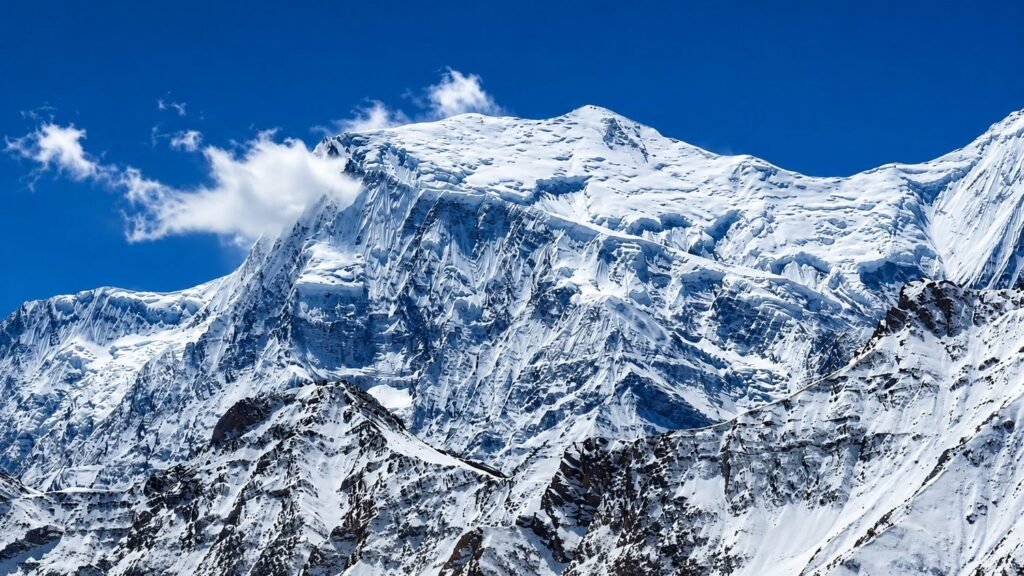
Nepal Peak Climbing Guide 2027: Best Peaks, Permit Costs, Preparation, and Everything You Need Before the Summit
Standing on a Himalayan summit is different from reaching the end of a trekking trail. Not dramatically different in the lower sections, where the trail looks like a trail and the villages look like villages.
The difference arrives at around 5,000 metres, where the glacier begins and the crampons go on and the fixed rope above you disappears into the dark. That is where trekking ends and climbing starts, and for a lot of people it is the most alive they have ever felt on a mountain.
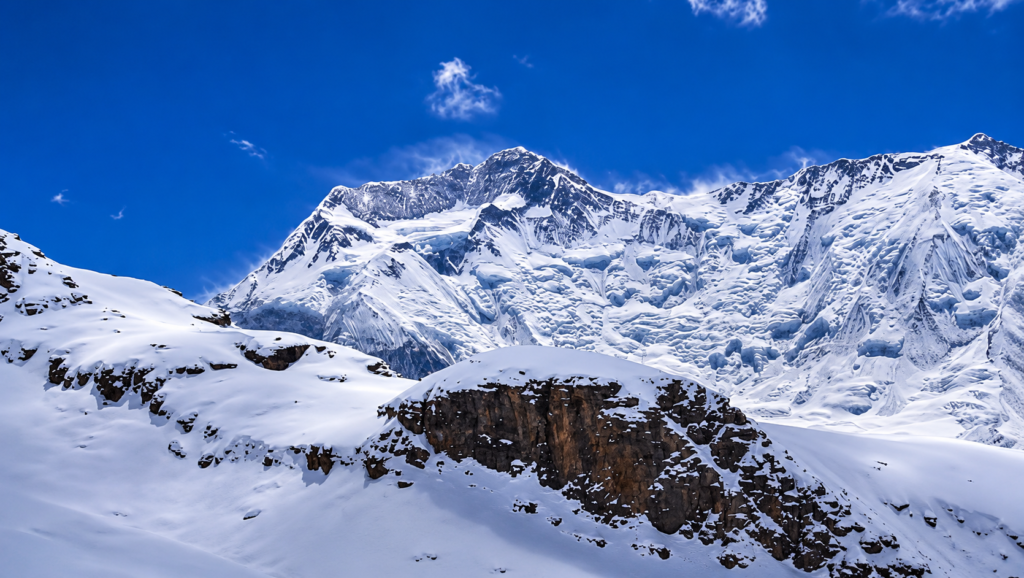
Nepal’s trekking peaks were created specifically for this transition. The Nepal Mountaineering Association manages a list of peaks that are open to non-expedition climbers under a classic permit system.
The routes on these peaks combine the approach experience of Nepal’s best trekking corridors with a genuine summit day that involves glacier travel, fixed ropes, and high altitude climbing.
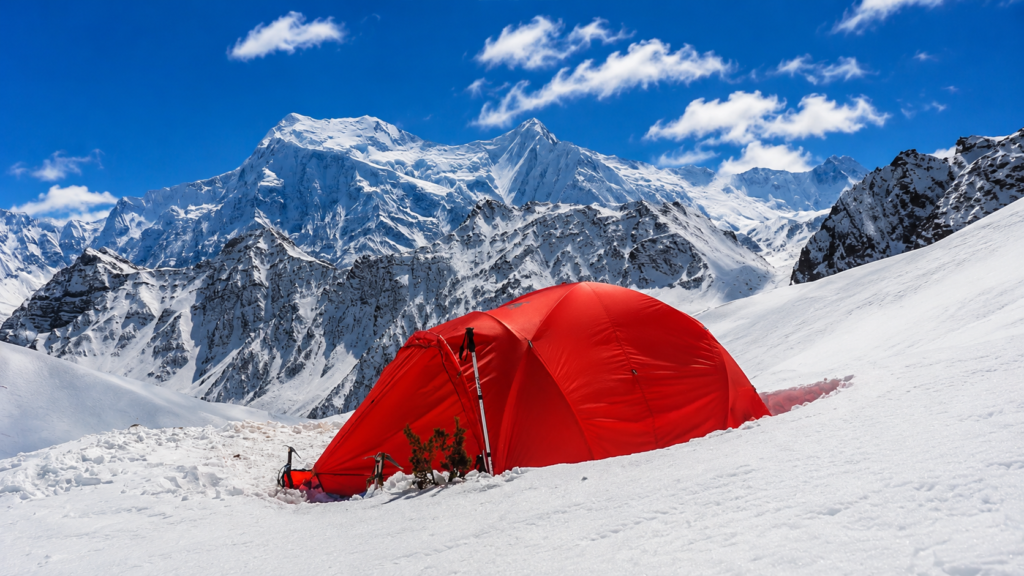
Island Peak, Mera Peak, Lobuche East, Pisang Peak, Chulu East, Chulu West, Yala Peak, and Paldor Peak all sit in this category.
They are real climbs. They are achievable with proper preparation and experienced guides. And the views from the top are the kind that justify every difficult morning that got you there.
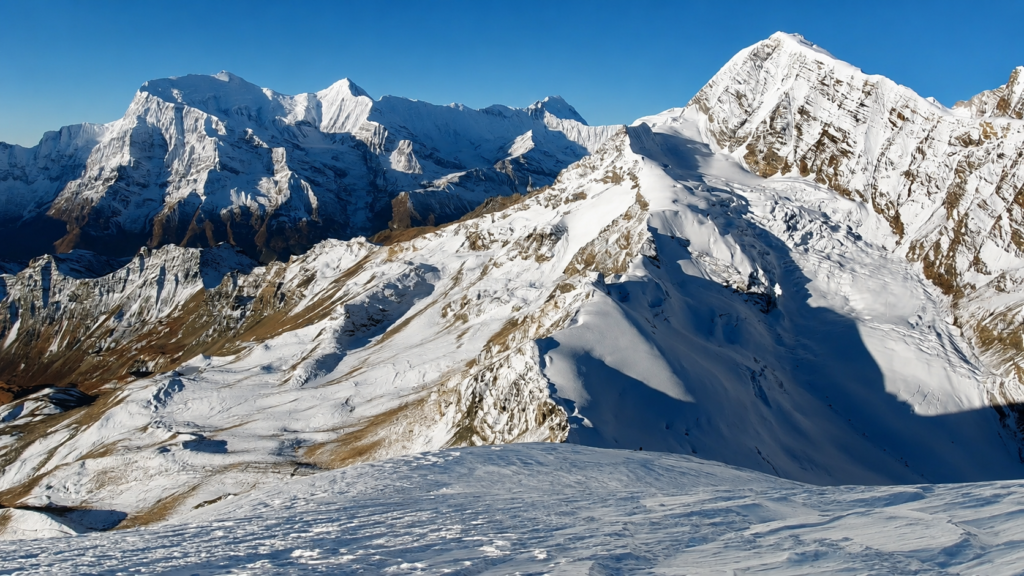
Nepal Royal Tourism Holidays have covered everything you need before planning a Nepal peak climbing trip in 2027, which peak suits your experience level, what the permit costs, what the best seasons are, what gear you need, and how to prepare your body before you arrive.
Nepal’s Most Popular Trekking Peaks
| Peak | Height | Region | Difficulty | Best For | View Trip |
|---|---|---|---|---|---|
| Island Peak | 6,189m | Everest | Moderate to Challenging | First Himalayan summit | View Trip |
| Mera Peak | 6,476m | Everest | Moderate | Highest trekking peak | View Trip |
| Lobuche East | 6,119m | Everest | Challenging | Technical progression | View Trip |
| Pisang Peak | 6,091m | Annapurna | Moderate | Annapurna climbers | View Trip |
| Chulu East | 6,584m | Annapurna | Challenging | Experienced climbers | View Trip |
| Yala Peak | 5,732m | Langtang | Easy to Moderate | Complete beginners | View Trip |
| Paldor Peak | 5,896m | Ganesh Himal | Moderate | Remote adventure seekers | View Trip |
Trekking vs Peak Climbing: What Is the Actual Difference?
A trek follows mountain trails through villages, forests, passes, and valleys. Reaching Everest Base Camp or crossing the Annapurna Circuit is physically demanding and genuinely impressive, but it does not require technical equipment.
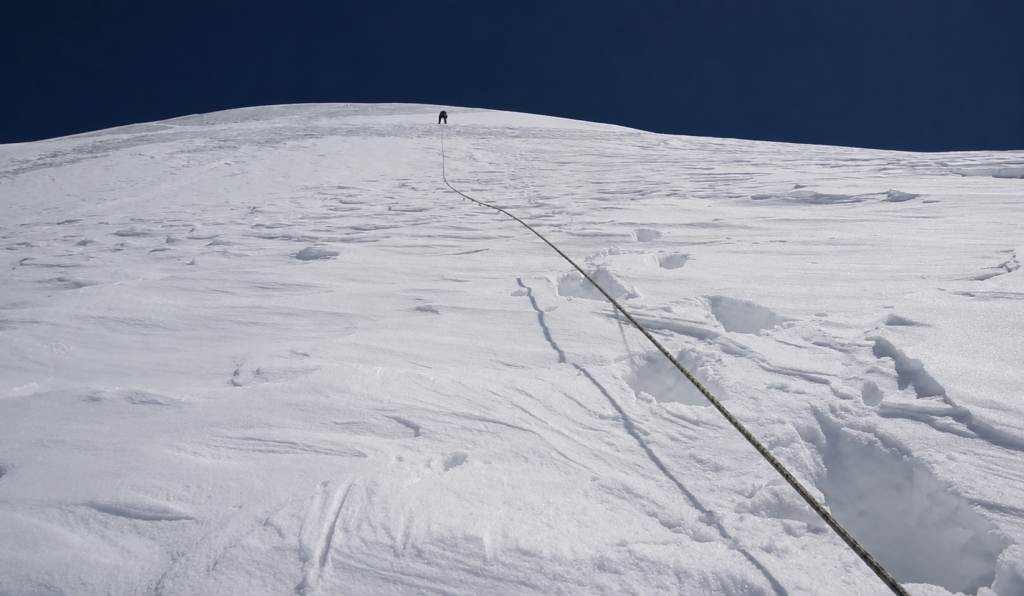
You are walking, not climbing. Peak climbing is what happens when the trail ends and the glacier begins.
The final section to the summit crosses snow slopes, ice faces, or exposed ridges where crampons are strapped on, harnesses are clipped to fixed ropes, and the climbing guide is making route decisions rather than navigation decisions.
A practical training session is often included before the summit attempt, usually the day before the push. Your guide explains crampon technique, how to clip and move safely on a fixed rope, how to use a jumar on steep ascents, and how to descend properly.
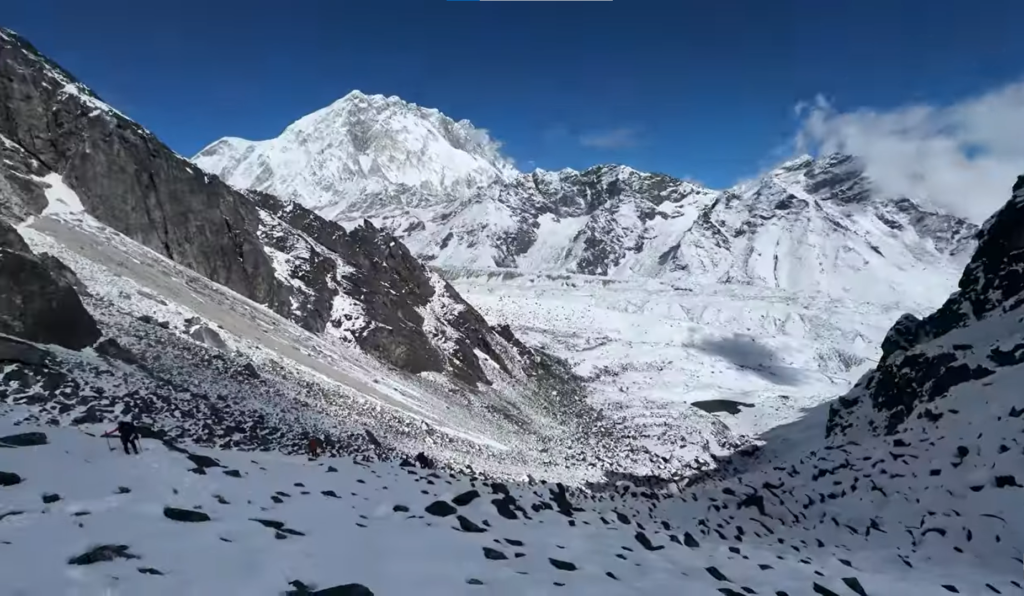
For most people that training session closes the gap between “I have never climbed before” and “I understand what I am doing on the mountain tomorrow.”
Previous climbing experience makes the summit day more comfortable but is not always a strict prerequisite on the moderate peaks..
| Factor | Trekking | Peak Climbing |
|---|---|---|
| Technical Skills | Not required | Basic mountaineering, taught by guide before summit |
| Equipment | Standard trekking gear | Crampons, harness, helmet, ice axe, fixed ropes |
| Summit Day | Trail walking | Glacier, snow, and fixed rope climbing |
| Start Time | Early morning | Midnight to 3am for most peaks |
| Typical Duration | 7 to 18 days | 14 to 22 days |
| Permit Type | Conservation area permit | NMA climbing permit plus trekking permits |
Official NMA Permit Costs for Nepal Peak Climbing in 2027
Every trekking peak in Nepal requires a climbing permit issued by the Nepal Mountaineering Association in addition to the standard trekking permits for the relevant conservation area or national park.
The NMA charges standardised fees for Group B trekking peaks based on height bracket and season. Most peaks under 6,500 metres fall into the same fee tier. Chulu East at 6,584 metres sits in a slightly higher bracket.
All permits must be arranged through a registered Nepali trekking agency, individual climbers cannot purchase NMA permits directly.
| Peak | Height | Spring Permit (March to May) | Autumn Permit (Sept to Nov) | Summer or Winter Permit | Mandatory Additional Permits |
|---|---|---|---|---|---|
| Island Peak | 6,189m | $350 USD | $175 USD | $175 USD | Sagarmatha National Park (~$23 USD) + Khumbu Local Tax (~$23 USD) |
| Mera Peak | 6,476m | $350 USD | $175 USD | $175 USD | Makalu Barun National Park (~$30 USD) + Local Municipality Fee (~$20 USD) |
| Lobuche East | 6,119m | $350 USD | $175 USD | $175 USD | Sagarmatha National Park (~$23 USD) + Khumbu Local Tax (~$23 USD) |
| Pisang Peak | 6,091m | $350 USD | $175 USD | $175 USD | Annapurna Conservation Area ACAP Permit (~$23 USD) |
| Chulu East | 6,584m | $500 USD | $250 USD | $250 USD | ACAP Permit (~$23 USD), highest bracket as one of only two NMA peaks above 6,500m |
| Yala Peak | 5,732m | Royalty free | Royalty free | Royalty free | Falls below the 5,800m NMA royalty threshold. Langtang National Park Permit (~$23 USD) still required |
| Paldor Peak | 5,896m | $350 USD | $175 USD | $175 USD | Ganesh Himal Conservation Area Permit (~$23 USD) |
Hidden Costs Most Climbers Do Not Budget For
The NMA climbing permit is only the first line of the cost structure. Several mandatory fees sit alongside it that are easy to overlook when building a climbing budget for the first time.
| Cost Item | Amount | Notes |
|---|---|---|
| Garbage Deposit | $500 USD refundable | Lodged with the NMA before departure, returned once your team brings waste back down from the mountain |
| Mandatory Licensed Guide | Included in NRT package | Nepal law requires all trekkers and climbers to hire a licensed guide. Independent climbing is not permitted. |
| Climbing Staff Insurance | Required by law | Medical and emergency helicopter rescue insurance must be purchased for all hired guides and porters |
| Agency Administrative Fee | Varies by agency | NMA permits cannot be purchased directly as an individual. All permits must be sourced through a registered Nepali trekking agency. |
| Personal Travel Insurance | Required for permits | Must cover the maximum altitude of your chosen peak and include helicopter evacuation. Required documentation for the permit process. |
Island Peak Climbing (6,189m)
Island Peak, locally called Imja Tse, is Nepal’s most popular trekking peak for a reason that becomes obvious on summit day.
The approach follows the Everest Base Camp trail through Lukla, Namche Bazaar, Tengboche, and Dingboche before branching south toward Chhukung and the base camp.
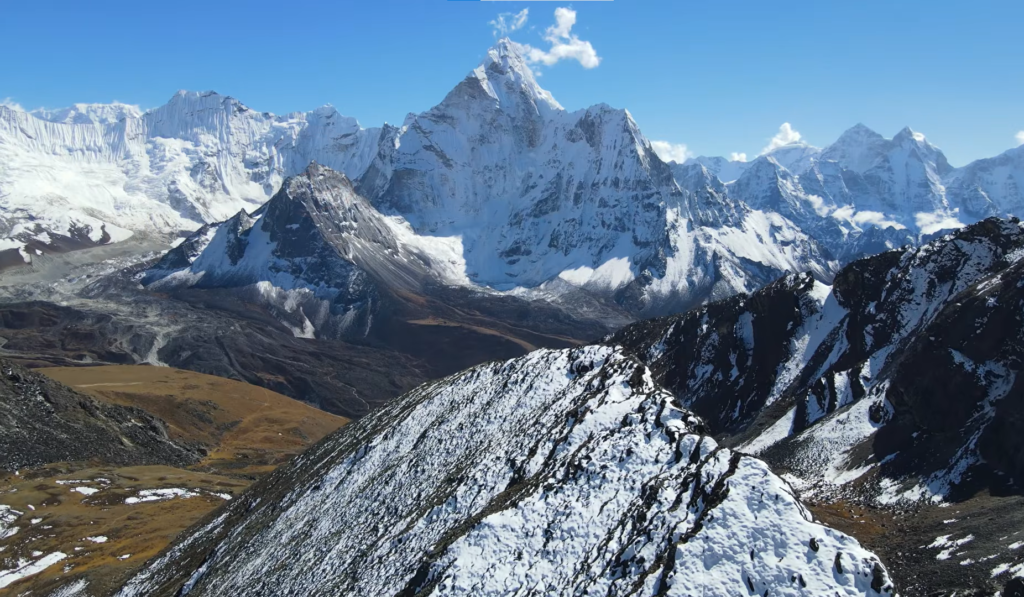
You have spent days acclimatising to altitude before the technical section begins, which is one of the reasons the success rate on Island Peak is higher than on peaks with shorter approach routes.
Summit day starts in the dark, usually around midnight. The trail from high camp crosses rocky ground before the glacier begins and the crampons go on.
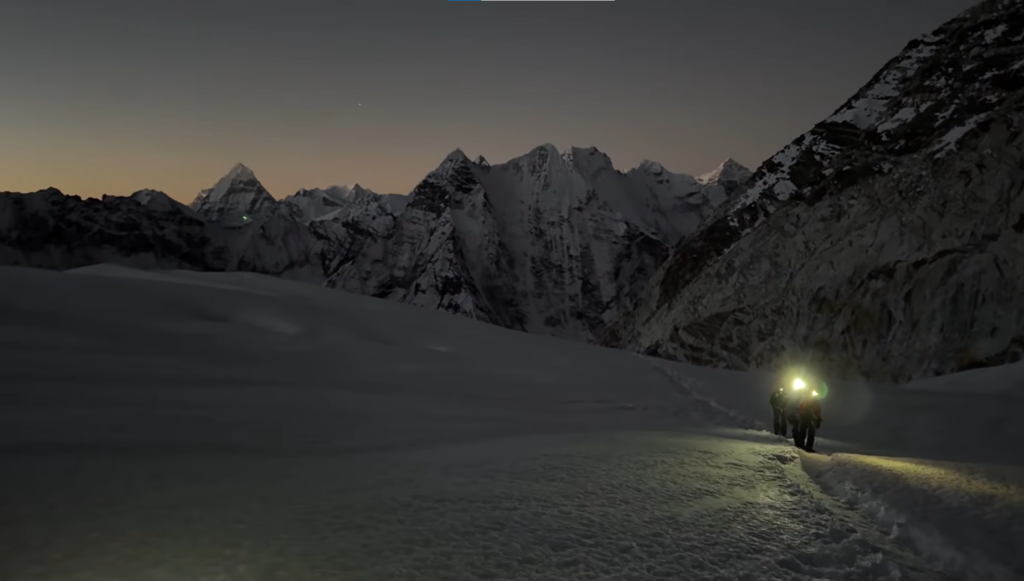
The final section is a steep snow face climbed on fixed ropes, and the effort required on that face at 6,000 metres with the cold and the altitude and the darkness and the headlamp beam disappearing upward is the moment most Island Peak climbers describe as the hardest and most memorable part of the entire trip.
The summit ridge, when you reach it, is narrow. Everest, Lhotse, Nuptse, Makalu, Baruntse, and Ama Dablam sit in every direction. Most people stand there for a few minutes before the cold sends them back down.
| Island Peak | Details |
|---|---|
| Height | 6,189 metres |
| Region | Everest, Khumbu |
| Climbing Difficulty | Moderate to Challenging |
| Technical Section | Glacier travel and fixed rope snow face |
| Best Season | Spring and Autumn |
| Best For | First Himalayan climbing experience |
Mera Peak Climbing (6,476m)
Mera Peak is Nepal’s highest trekking peak and the one that most consistently delivers the specific experience of standing above 6,000 metres with a view that covers five of the world’s fourteen highest mountains simultaneously.
Everest, Lhotse, Makalu, Cho Oyu, and Kangchenjunga are all visible from the summit on a clear day. That is a panorama that very few viewpoints on earth can match, and it is one of the main reasons Mera draws climbers who have already done Island Peak and want to go higher.
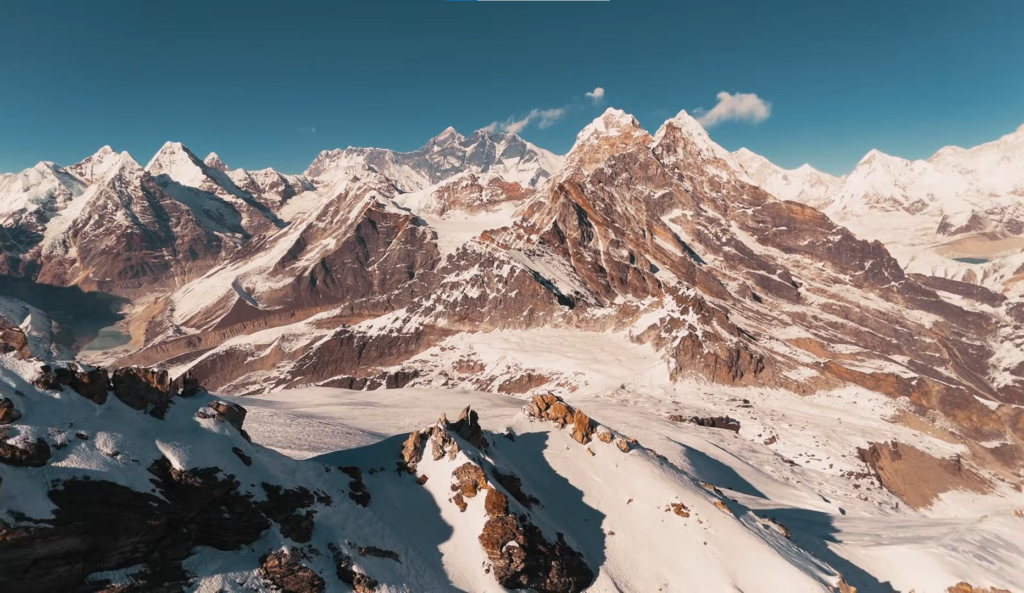
The approach runs through the Hinku Valley rather than the main Everest corridor, which gives the trip a noticeably quieter and more remote character.
The technical sections on Mera are gentler in angle than Island Peak, making it more about endurance and altitude management than technical skill.
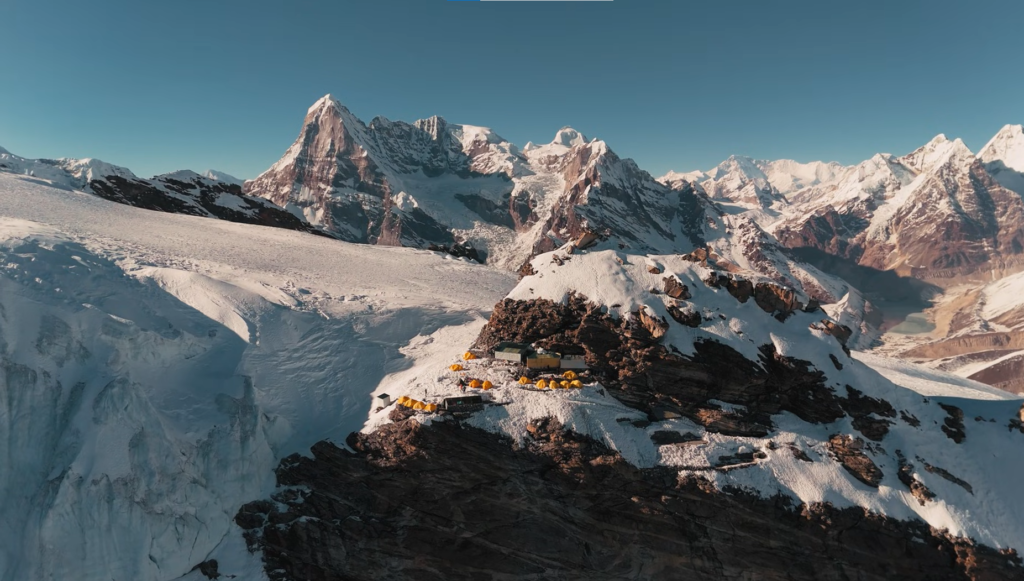
What Mera demands above everything else is aerobic fitness and a body that handles altitude well. The summit day is long and the altitude is serious and the combination of both at 6,476 metres means every acclimatisation day built into the itinerary earns its place.
| Mera Peak | Details |
|---|---|
| Height | 6,476 metres |
| Region | Hinku Valley, Everest region |
| Climbing Difficulty | Moderate |
| Main Challenge | Altitude and sustained endurance on summit day |
| Best Season | Spring and Autumn |
| Best For | First 6,000m summit, five eight-thousander view |
Lobuche East Peak Climbing (6,119m)
Lobuche East is the peak for trekkers who have done the Everest Base Camp route, felt comfortable at altitude, and want to take the next technical step without jumping to a full expedition peak.
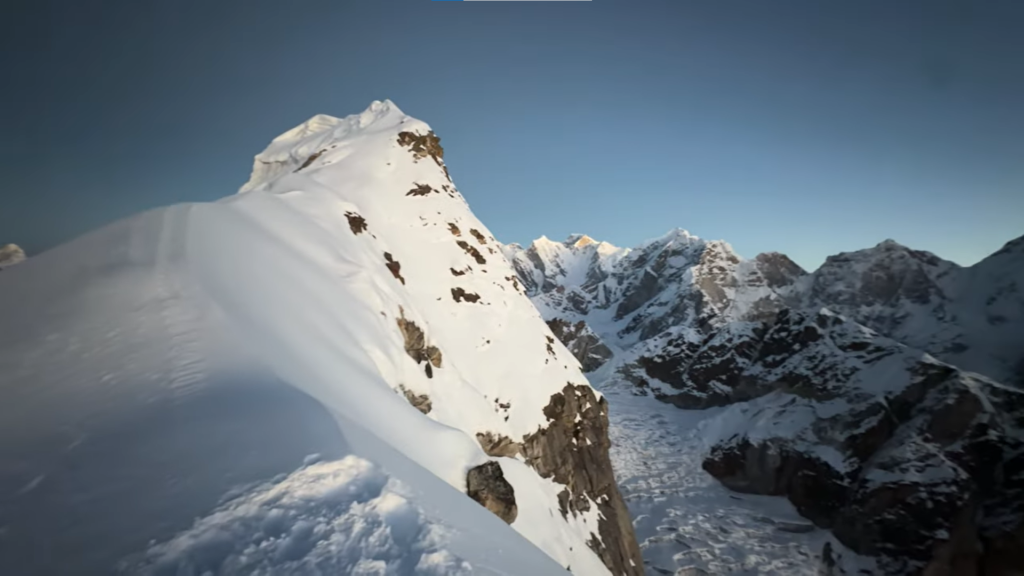
The climb branches off the main EBC trail above Lobuche village, and most itineraries include both Everest Base Camp and Kala Patthar before the summit attempt, giving the body excellent acclimatisation before the harder section begins.
The technical demand on Lobuche East is meaningfully higher than Island Peak. The upper mountain involves steeper snow and ice sections, more exposed ridge terrain, and conditions that change more aggressively with weather than the lower trekking peaks.
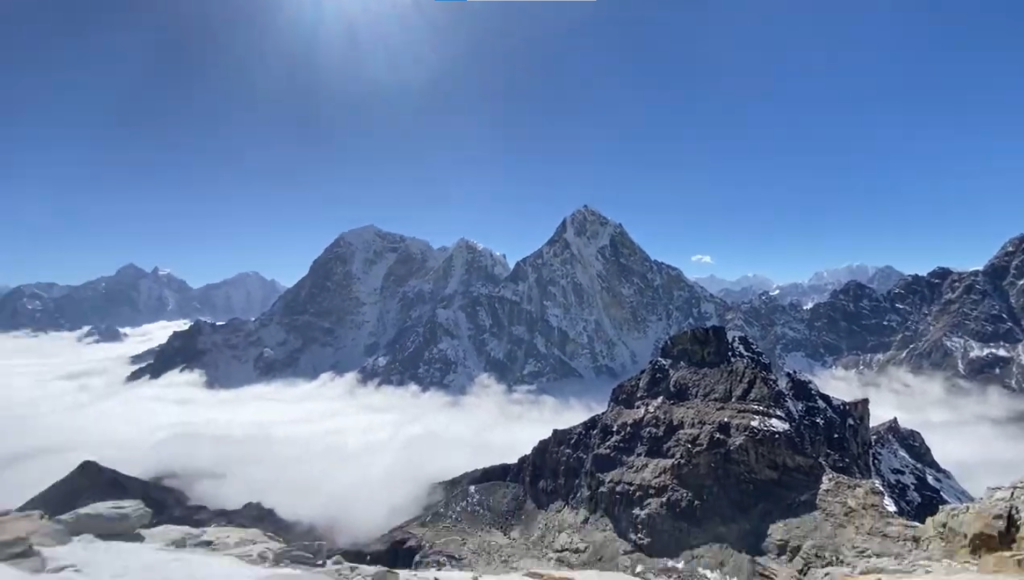
This is the right step up for climbers who want to develop genuine technical skills rather than simply tick off a summit. The views from the top, Everest, Lhotse, Nuptse, Ama Dablam, Makalu, Pumori, Cholatse, and Taboche in a full sweep, are among the finest of any peak in the Khumbu.
| Lobuche East | Details |
|---|---|
| Height | 6,119 metres |
| Region | Everest, Khumbu |
| Climbing Difficulty | Challenging |
| Technical Section | Steeper snow and ice, exposed ridge, fixed ropes |
| Best Season | Spring and Autumn |
| Best For | Experienced trekkers moving into technical mountaineering |
View Lobuche East Peak Climbing
Pisang Peak Climbing (6,091m)
Pisang Peak is the Annapurna region’s answer to Island Peak and it suits a specific kind of climber well, the one who has already trekked the Everest corridor and wants a climbing experience in a completely different landscape.
The approach follows the Annapurna Circuit through Chame and Upper Pisang before leaving the main trail for the base camp.
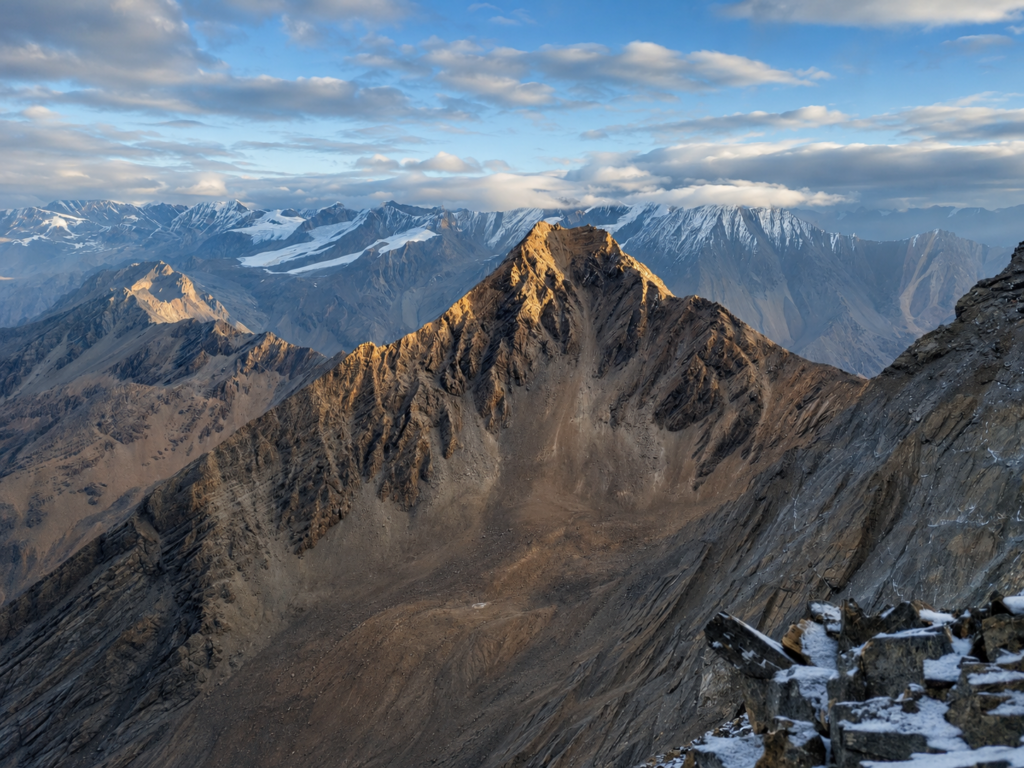
The dry Marsyangdi valley, the Tibetan Buddhist village of Upper Pisang, and the prayer-flag strung ridgelines above Manang create an approach atmosphere that feels genuinely distinct from anything in the Khumbu.
The summit panorama from Pisang Peak rewards the approach in full. Annapurna II dominates directly to the south, with Annapurna III, IV, Gangapurna, Tilicho Peak, and the entire Chulu range filling the rest of the frame.
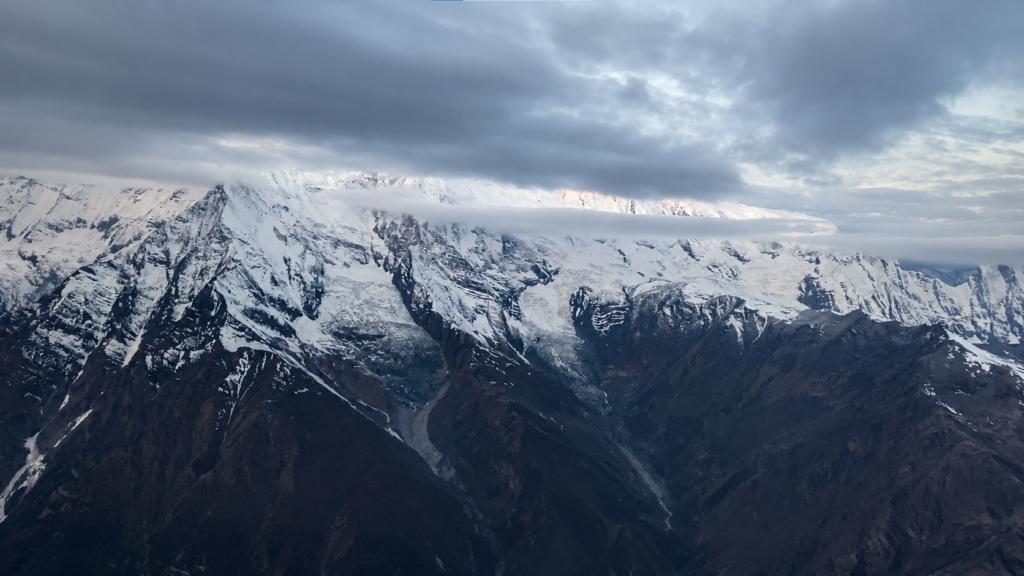
After the summit the standard itinerary continues across Thorong La Pass at 5,416 metres and through Muktinath, giving the full trip a completeness that point-and-return peak climbs cannot replicate.
| Pisang Peak | Details |
|---|---|
| Height | 6,091 metres |
| Region | Annapurna |
| Climbing Difficulty | Moderate |
| Main Attraction | Annapurna Circuit plus Thorong La crossing after summit |
| Best Season | Spring and Autumn |
| Best For | Annapurna region climbers wanting a complete circuit experience |
Chulu East Peak Climbing (6,584m)
Chulu East at 6,584 metres is one of the highest legally open trekking peaks in Nepal and one of the most remote feeling despite technically branching off the Annapurna Circuit.
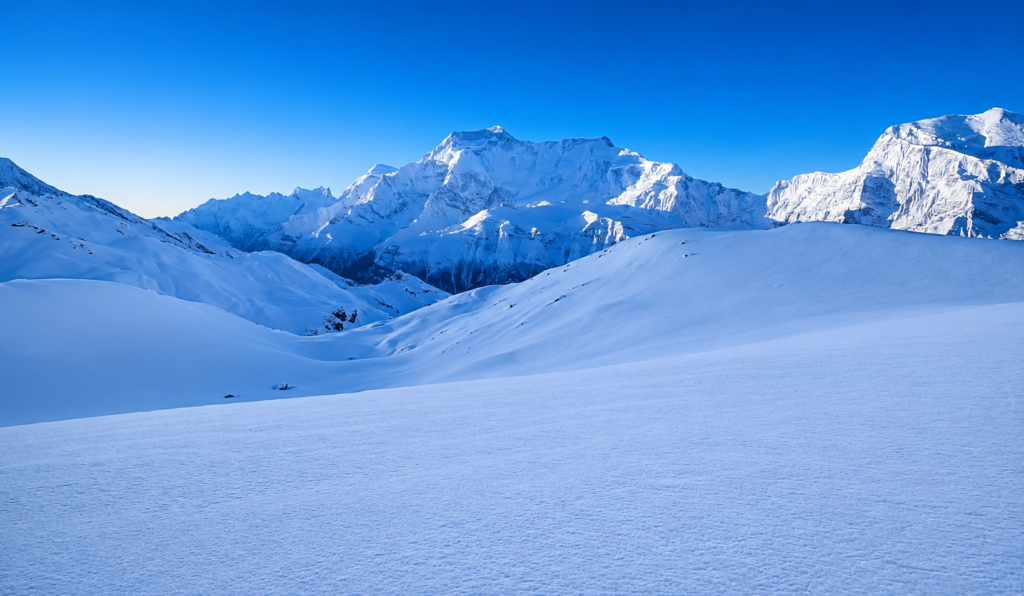
The route leaves the main trail above Manang and climbs into high alpine terrain where the expedition atmosphere is noticeably stronger than on Island Peak or Pisang.
Fewer climbers, quieter camps, and sustained altitude above 6,000 metres make this the right choice for anyone who has completed a lower peak and wants something that genuinely stretches them further.
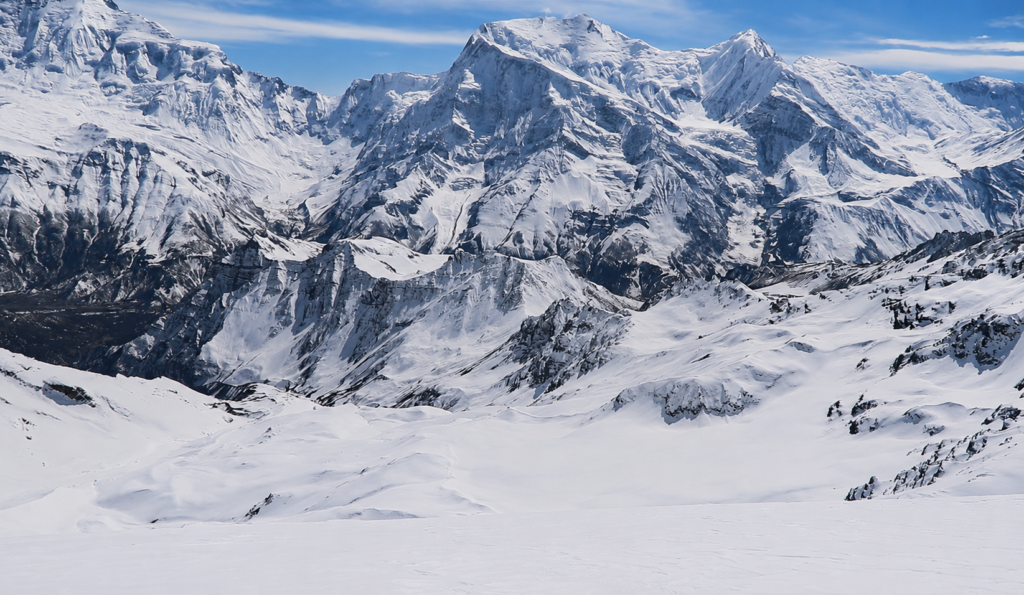
The summit panorama covers Annapurna II, III, and IV, Gangapurna, Tilicho Peak, Dhaulagiri, and Manaslu in a sweep that ranks among the finest in the central Himalaya.
| Chulu East | Details |
|---|---|
| Height | 6,584 metres |
| Region | Annapurna region, above Manang |
| Climbing Difficulty | Challenging |
| Best For | Experienced climbers aiming above 6,500 metres |
Yala Peak Climbing (5,732m)
Yala Peak in the Langtang region is Nepal’s most accessible introduction to Himalayan climbing. The approach through Tamang villages, rhododendron forest, and yak pastures to Kyanjin Gompa is itself a strong trekking route before the climbing begins.
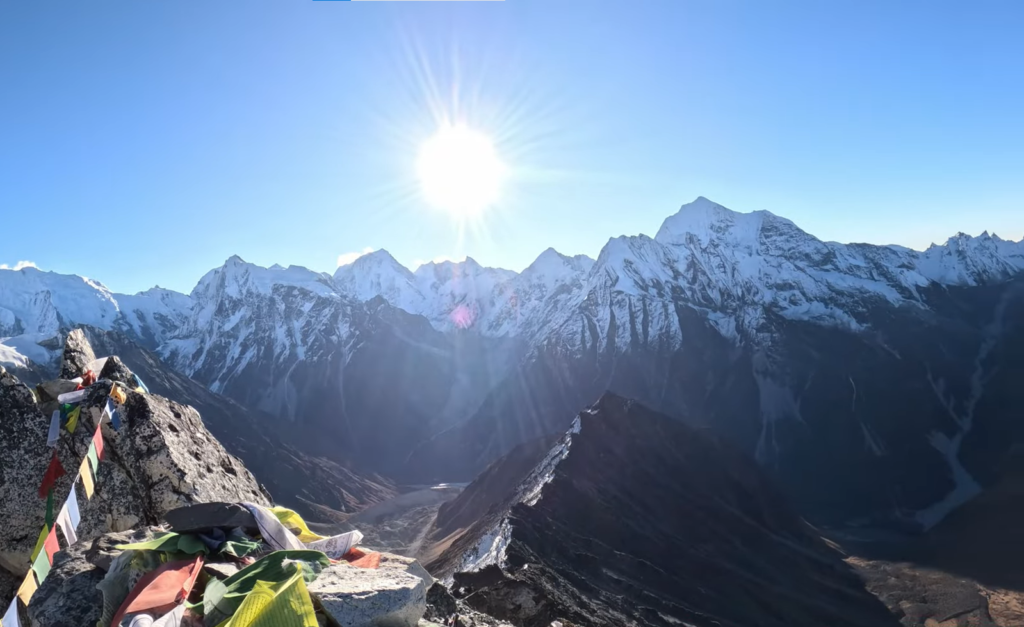
The technical sections are moderate in favourable conditions and the summit at 5,732 metres delivers clear views of Langtang Lirung, Dorje Lakpa, and Shishapangma across the Tibetan border.
For anyone considering their very first climbing holiday in Nepal, Yala Peak gives a genuine high-altitude summit experience within a framework that remains manageable and safe with a good guide.
Paldor Peak Climbing (5,896m)
Paldor Peak sits in the Ganesh Himal region west of Langtang, an area that sees a fraction of the visitors that reach the Everest and Annapurna corridors.
The approach passes through traditional Tamang villages before the trail climbs into alpine terrain beneath the Ganesh Himal range.
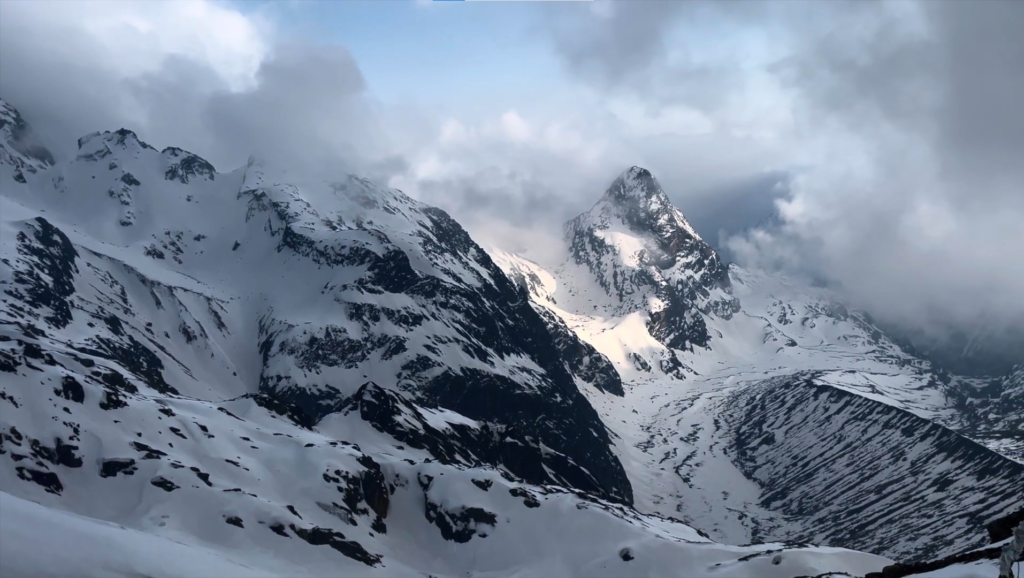
The summit involves snow slopes, glacier travel, and basic mountaineering technique, and the views across Ganesh Himal, Langtang Lirung, Manaslu, and the peaks stretching toward Tibet are genuinely impressive.
Paldor is the right choice for climbers who want a real summit in a remote and quiet setting rather than a peak with heavy expedition traffic.
Best Season for Nepal Peak Climbing
Season matters more on a climbing trip than on a standard trek because summit conditions are shaped directly by wind, temperature, and snow quality in ways that trail walking is not.
The two reliable climbing windows in Nepal are spring and autumn and each has a distinct character worth understanding before booking.
| Season | Months | Conditions | Climbing Verdict |
|---|---|---|---|
| Spring | March to May | Warmer, stable weather windows, busy on most peaks | Strongly recommended, best snow conditions on most routes |
| Autumn | September to November | Clearest skies of year, colder than spring, excellent visibility | Strongly recommended, best panoramic views from summit |
| Winter | December to February | Very cold, lower permit costs, fewer climbers on peaks | Possible for lower peaks like Yala and Paldor, not ideal for higher |
| Monsoon | June to September | Heavy rain, poor snow conditions, avalanche risk elevated | Not recommended for peak climbing |
Gear and Equipment You Need
Group climbing equipment, ropes, ice screws, snow bars, and safety anchors, is provided by the climbing guide and included in the Nepal Royal Tourism Holidays package.
Personal climbing equipment is either brought from home or rented in Kathmandu before departure.
If you are renting, Thamel has reliable gear shops with good-quality rental equipment, and your guide can help you identify what is available versus what you should bring.
| Gear Category | Items Required | Notes |
|---|---|---|
| Climbing hardware | Crampons, harness, helmet, ice axe, ascender, carabiners, descender | Rentable in Kathmandu, bring your own if possible for fit and familiarity |
| Footwear | Double or single plastic mountaineering boots compatible with crampons | Critical, rental available in Kathmandu, confirm compatibility with your crampons |
| Insulation layers | Down jacket, insulated trousers, heavy gloves, balaclava, warm socks | High camp and summit starts are seriously cold, do not underpack this category |
| Shell layers | Waterproof jacket, windproof shell, waterproof trousers | Wind on exposed summit ridges makes shell quality more important than bulk warmth |
| Sleeping gear | Sleeping bag rated to minus 20 degrees Celsius for high camp nights | Do not use a trekking bag for the climbing camp sections |
| Eye protection | Glacier glasses with category 4 UV protection or darker | Snow blindness at altitude is a serious risk, standard sunglasses are not sufficient |
| Safety and health | Pulse oximeter, Diamox if approved by doctor, personal first aid kit | Guide carries emergency medicines, pulse oximeter monitors your acclimatisation daily |
How to Prepare Your Body Before the Trip
The most common reason Nepal peak climbing trips fail is not the technical difficulty of the mountain.
It is the combination of altitude and accumulated fatigue across multiple high-altitude days, and a body that did not arrive with enough aerobic base to handle both simultaneously.
Physical preparation in the two to three months before departure makes a more significant difference on a peak climbing trip than on a standard trek, and the preparation should be specific rather than general.
| Training Type | What to Do | Why It is Essential |
|---|---|---|
| Cardiovascular base | Running, cycling, or swimming at moderate effort 4 to 5 times per week | Aerobic capacity is the primary physical variable at altitude |
| Uphill load carrying | Weekend hikes with 8 to 12kg pack, consistent elevation gain | Replicates the daily load on the approach and summit day |
| Leg and core strength | Squats, lunges, step-ups, plank holds | Knee stability on long descents protects joints across multiple consecutive days |
| Altitude exposure | Trek above 3,500m in the 6 to 12 months before if possible | Previous altitude experience is the single best predictor of how well you adapt |
Which Peak Should You Choose?
| Your Situation | Best Peak | Reason |
|---|---|---|
| First Himalayan climb, no prior experience | Yala Peak or Island Peak | Yala for ease of entry, Island Peak for classic Everest region summit |
| Want to stand above 6,000m, moderate fitness | Mera Peak | Highest trekking peak, gentler technical angle, five eight-thousander view |
| Done Island Peak, want next technical step | Lobuche East | Steeper terrain, more technical, excellent Khumbu acclimatisation built in |
| Want Annapurna region experience with summit | Pisang Peak | Circuit route plus summit plus Thorong La crossing in one trip |
| Experienced climber, want something above 6,500m | Chulu East | Highest standard trekking peak, remote atmosphere, serious altitude |
| Want something genuinely off the beaten path | Paldor Peak | Ganesh Himal region, very low visitor numbers, strong wilderness character |
The gap between trekking in Nepal and climbing in Nepal is smaller than most people assume from a distance and larger than most people expect when they are actually on the mountain.
What makes it worth crossing is not the permit or the altitude number or the summit photograph. It is the specific quality of experience that only arrives when the trail runs out and the mountain above you requires something more than walking to engage with.
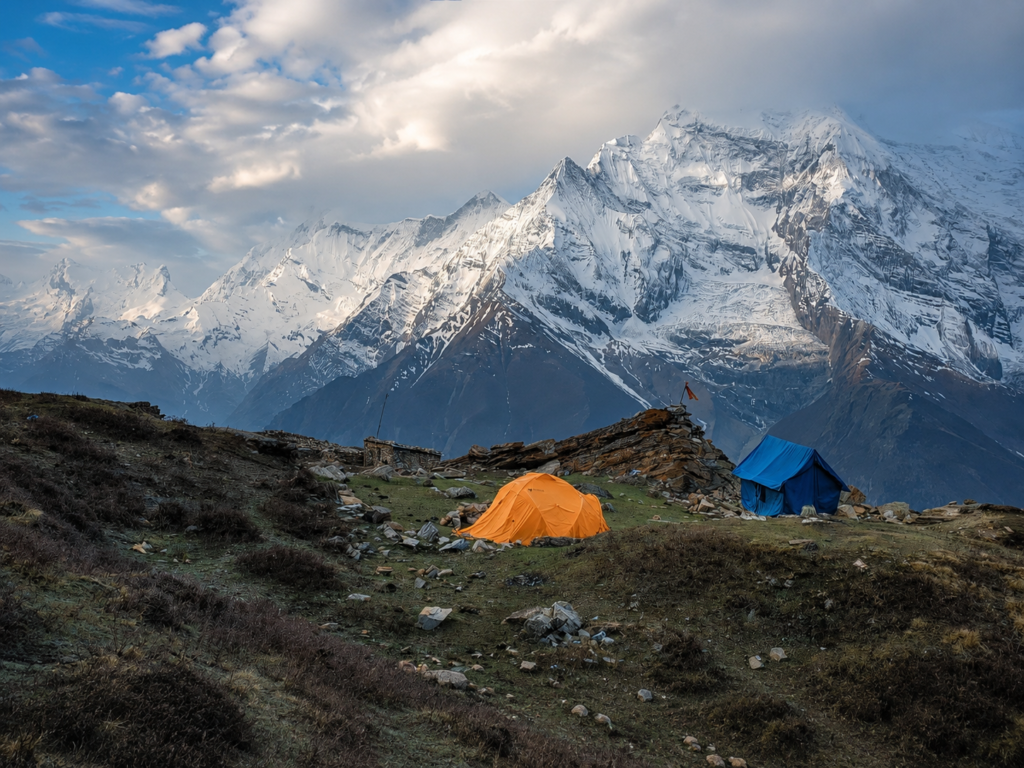
Every peak in this guide sits within that category and every one of them delivers something that standard trekking cannot.
The preparation matters more than the peak choice. A well-prepared climber on Yala Peak will have a better experience than an underprepared one on Island Peak, and a carefully paced Island Peak itinerary will produce more successful summits than a rushed one on a technically easier objective.
Choose the peak that fits your experience honestly, prepare your body properly in the months before you arrive, and the rest follows from that.
Plan Your Nepal Peak Climbing Trip in 2027
Tell Nepal Royal Tourism Holidays your experience level, preferred region, travel dates, and fitness level. We will recommend the right peak for where you are now, build an itinerary with proper acclimatisation, arrange the climbing guide and all permits, and give you an honest assessment of what to expect before the summit day arrives.
Ask Nepal Royal ourism Holidays View All Climbing Trips