


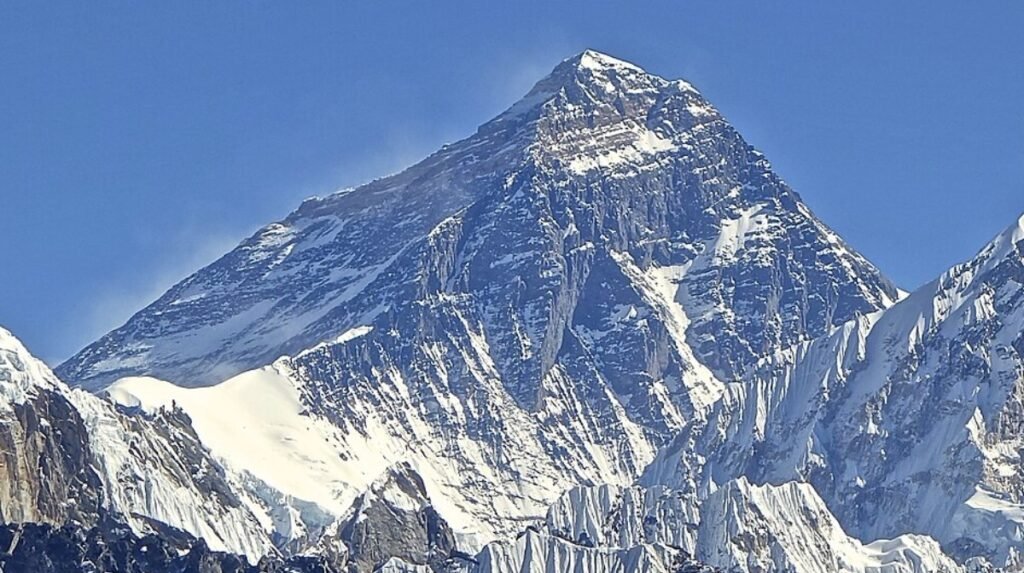
What Happens If You Do Not Make It Out of Mount Everest or Any Other High Peak?
Most people think the dangerous part of Everest is the summit. It is not. The summit is only the halfway point.
The real problem starts when the body is already empty, the oxygen is running low, the weather is beginning to shift, and there is still an entire mountain left to descend.
That is the part people who have never been around these mountains usually do not understand. On high peaks, reaching the top means nothing if you cannot get back down. And sometimes the mountain does not let you due to avalanche or when your body completely give ups.
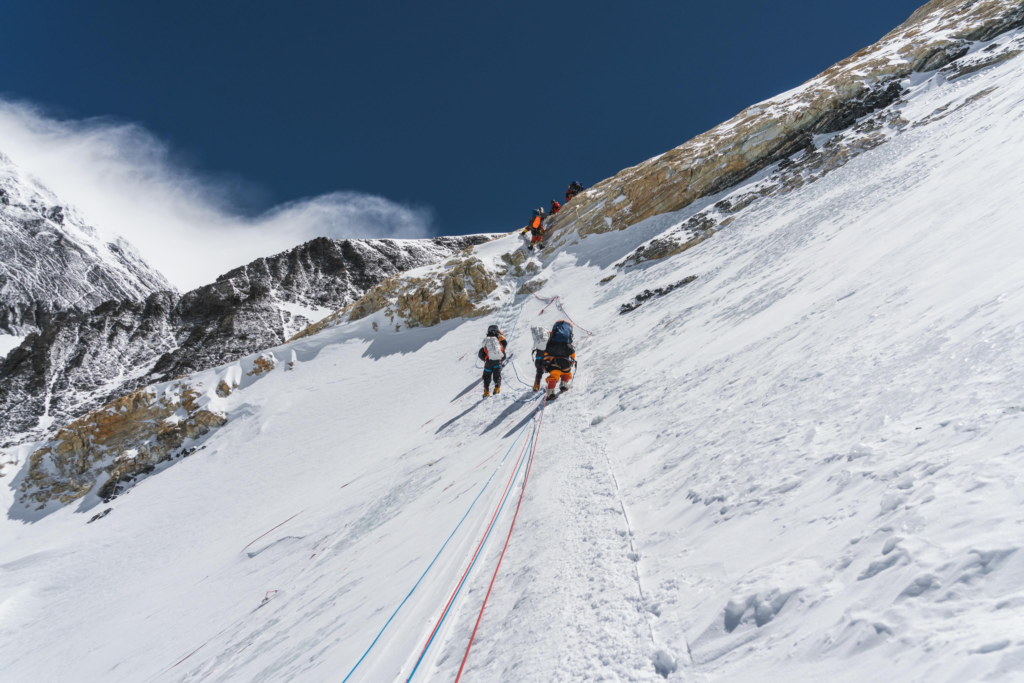
Social media has changed how people see Everest. Online it looks like a giant adventure with summit selfies, drone shots, flags, and celebrations at Base Camp.
People see the photo. They do not see what came before it or what came after. But once you spend enough time around these mountains, you start understanding that Everest is not really about the summit photo. It is about whether the mountain lets you leave.
When Things Start Going Wrong
When someone gets into trouble high on Everest or any other major peak, everything moves differently than it would at lower elevation.
At sea level, an emergency usually means help arrives quickly. Up here, especially above 7,000 or 8,000 metres, rescue becomes slow, dangerous, and uncertain almost immediately.
Even small problems become serious at altitude. A climber stops eating properly, their pace shortens, they start making strange decisions and they cannot stay warm anymore.
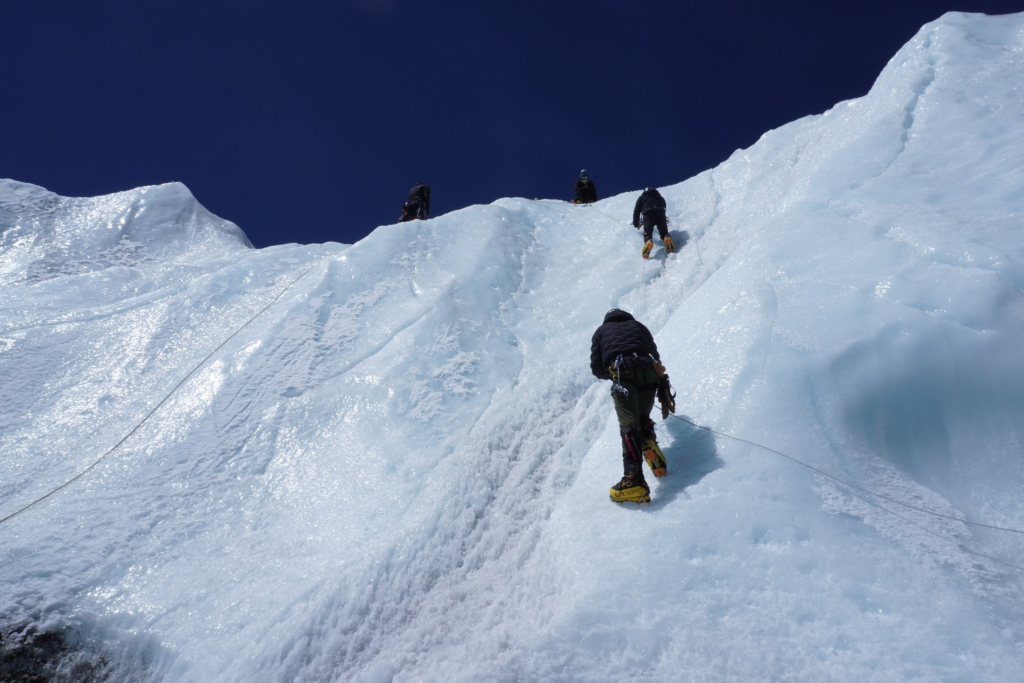
Moreover, their oxygen system starts malfunctioning. They sit down for just a minute and suddenly they do not want to stand up again. Sometimes it happens gradually, while sometimes it happens frighteningly fast.
Above 8,000 metres the body is basically running out of time regardless of how strong or experienced you are.
The air holds roughly a third of the oxygen available at sea level. The body starts breaking itself down while the climber is still moving.
The mountaineer’s Judgement deteriorates, balance goes and concentration disappears. Recovery from any setback becomes almost impossible. That is why so many accidents happen not on the way up but on the way down.
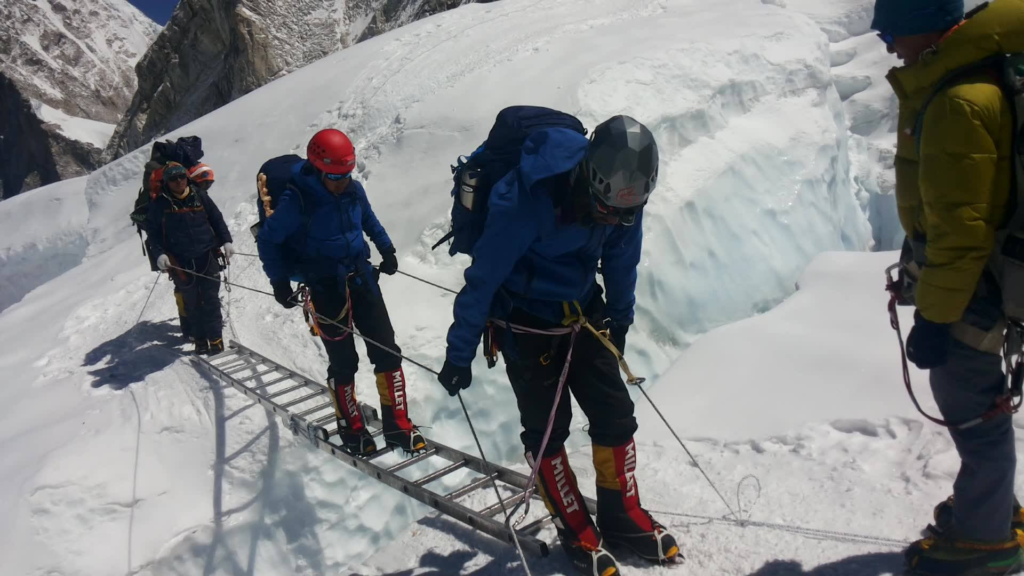
People imagine the summit as the final goal but climbers usually reach the top completely drained.
By then they have already pushed through freezing temperatures, altitude, dehydration, exhaustion, and sleepless nights.
Then comes the hardest part, turning around and going all the way back down through the same mountain, with less oxygen, less energy, and less clarity than when they started.
A large number of the people, including first Nepalese woman, Pasang Lhamu Sherpa to climb the worl’s tallest mountain, never made it back from Everest actually passed away after summiting.
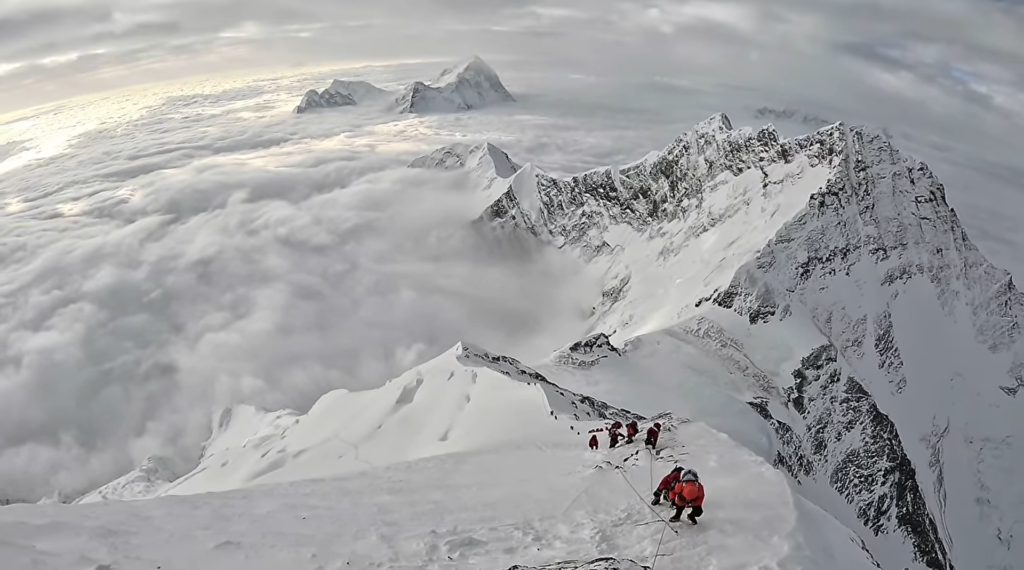
That surprises people the first time they hear it but it makes complete sense once you understand how these mountains work.
The summit is not the finish line, it is a turning point. And at that turning point the body is often already at its limit.
The Traffic Jam Problem Nobody Tells You About
Everest is no longer the isolated mountain people imagine from old expedition photographs.
During the main summit windows in May, there can be hundreds of climbers trying to move through the same route in the same conditions.
People end up waiting in lines above 8,000 metres while oxygen slowly drains from their bottles. That waiting changes everything.
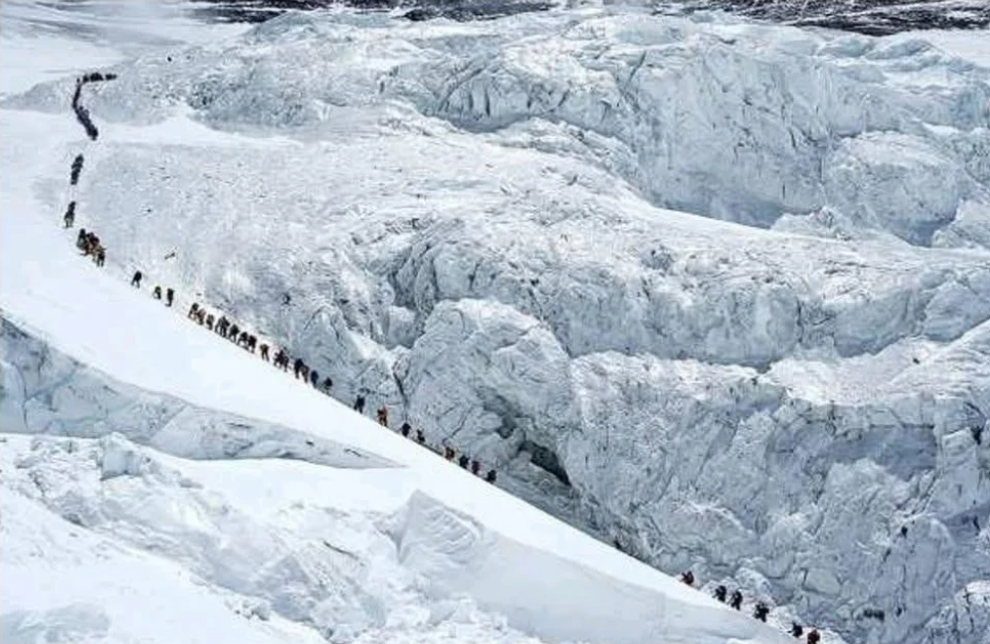
A climber who may have had enough oxygen for a safe descent suddenly does not. Someone already exhausted gets colder and weaker standing still in the wind.
Small delays start becoming life-threatening situations. In 2026, Nepal issued a record 492 foreign climbing permits for Everest, and on May 20 alone, 274 climbers reached the summit in a single day, a new all-time record.
Those numbers sound impressive. They also mean the fixed ropes above 8,000 metres were carrying more human traffic than they ever have before.
The chain of problems that takes someone from fine to in serious trouble usually does not start with one dramatic mistake.
It starts with several smaller things stacking on top of each other until the situation cannot be controlled anymore.
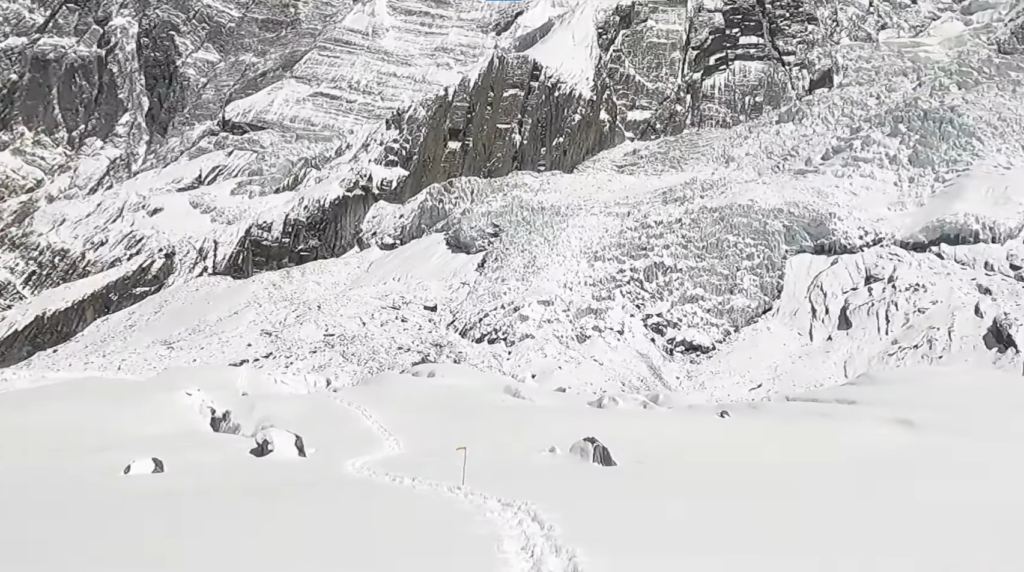
Fatigue becomes slow movement. Slow movement becomes more time at altitude. More time at altitude means more cold and less oxygen.
Less oxygen brings poor judgement. Poor judgement at 8,500 metres can become something that cannot be reversed. That spiral, once it begins high enough on the mountain, is brutally hard to stop.
What Happens When Someone Cannot Come Back Down
Once someone becomes too weak to descend on their own, the situation becomes deeply serious.
People often ask why rescues are so difficult on Everest and other high peaks. The answer is pretty simple because the rescuers are dealing with the same mountain.
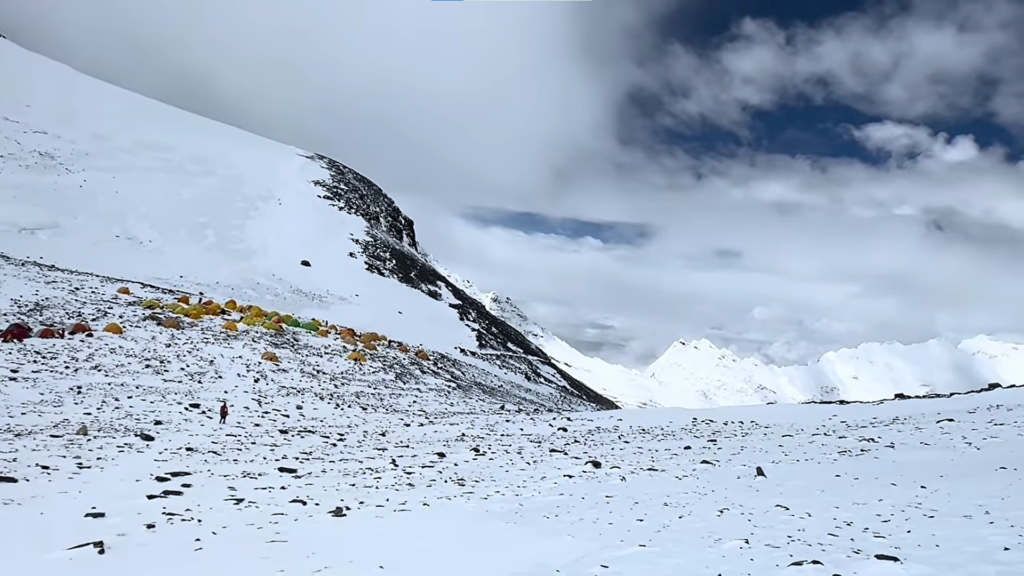
At extreme altitude, carrying or supporting another person is brutal. Even standing up feels like work.
Every movement burns through oxygen, every extra kilogram matters. The terrain is steep, icy, and exposed on a good day.
If you add deteriorating weather or darkness and it becomes something else entirely.
Sometimes climbers can be brought down alive and sometimes they cannot. And once someone is gone, the question of what happens to their body is one that families find themselves facing in the hardest possible way.
What Happens to the Body
The truth is that not everyone gets brought home quickly, and some never come home at all.
If someone passes away lower on the route, recovery is more realistic. Helicopters can sometimes assist depending on terrain and weather.
Teams can organise a proper evacuation, but high on Everest, especially near the upper sections above 8,000 metres, recovery becomes extremely dangerous.
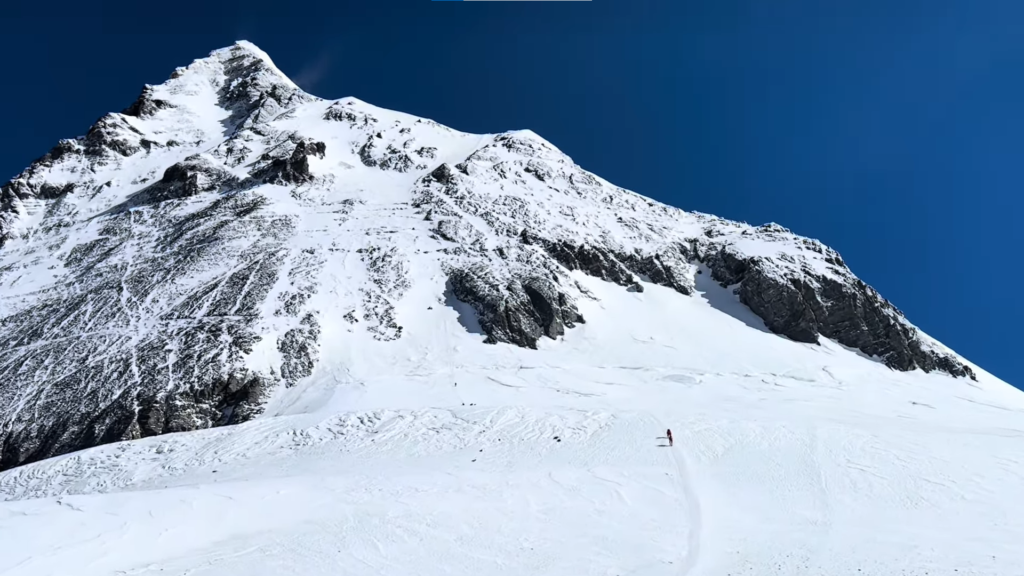
There are places on the mountain where recovering one body could genuinely risk more lives in the process.
That is why some climbers remain on the mountain for years. People outside mountaineering sometimes interpret this as meaning nobody cared enough to bring them down.
That is not what it means at all. The problem is that the mountain does not suddenly become safer after someone doesn’t make it alive.
The same altitude, the same weather, the same ice, and the same exhaustion are still there waiting for the recovery team.
The cold and low humidity above 8,000 metres creates conditions that naturally preserve what is left behind.
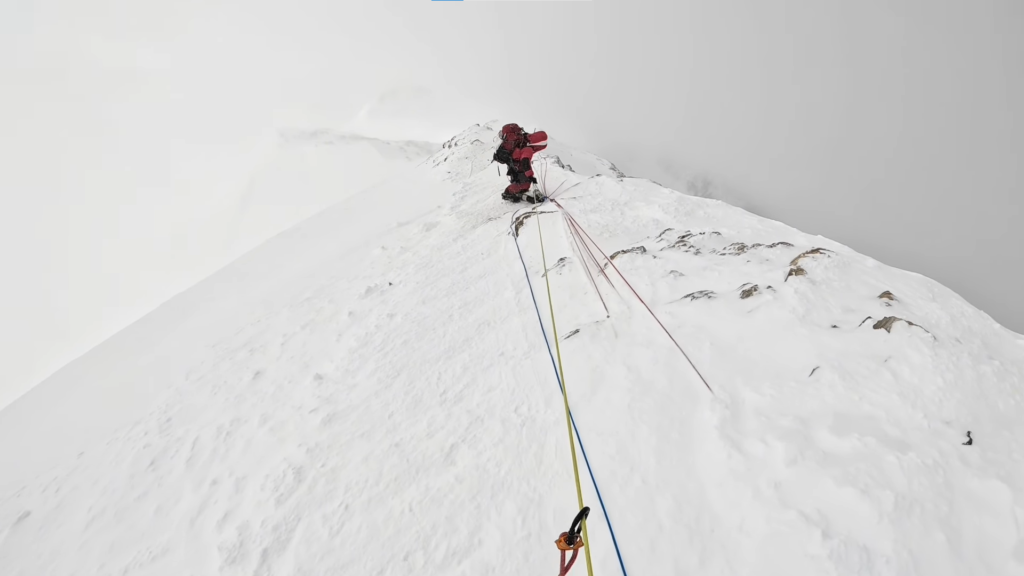
Bodies do not decompose the way they would at lower elevations. They freeze, dry, and in many cases become naturally mummified.
Periodic avalanches shift things, snow accumulates and buries remains for years, then retreats and exposes them again. The mountain rearranges itself slowly and over time.
This is why certain remains have been on Everest long enough to become known to generations of climbers.
Green Boots, believed to be Indian mountaineer Tsewang Paljor who was lost in the catastrophic 1996 storm, lay visible at the entrance of a hollow near 8,500 metres on the Northeast Ridge for nearly two decades.
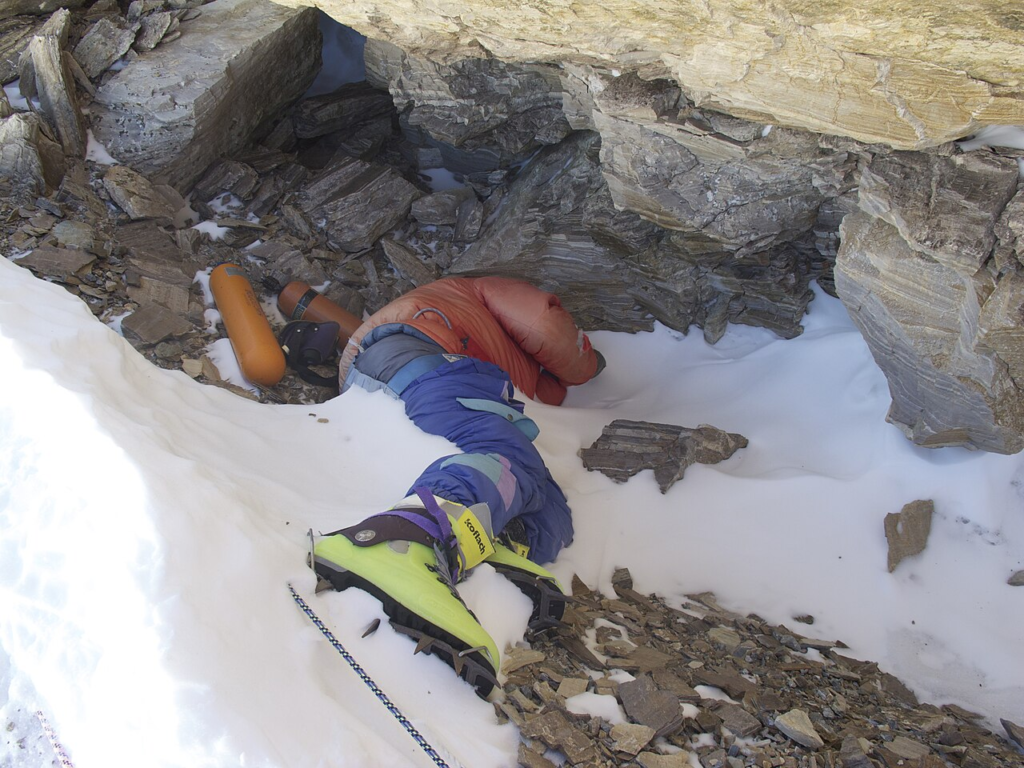
His bright green climbing boots, contrasting against the snow, became so familiar that climbers used his location as a distance marker. He is still there.
The area around the North Ridge where many of these remains lie has been called Rainbow Valley, not because it is beautiful but because the colourful down jackets and gear of the climbers who never came home create a strange palette against the ice and snow.
It is one of those names that sounds wrong until you understand exactly why it exists.
David Sharp, a British mountaineer, ran out of oxygen and collapsed in the same hollow in 2006.
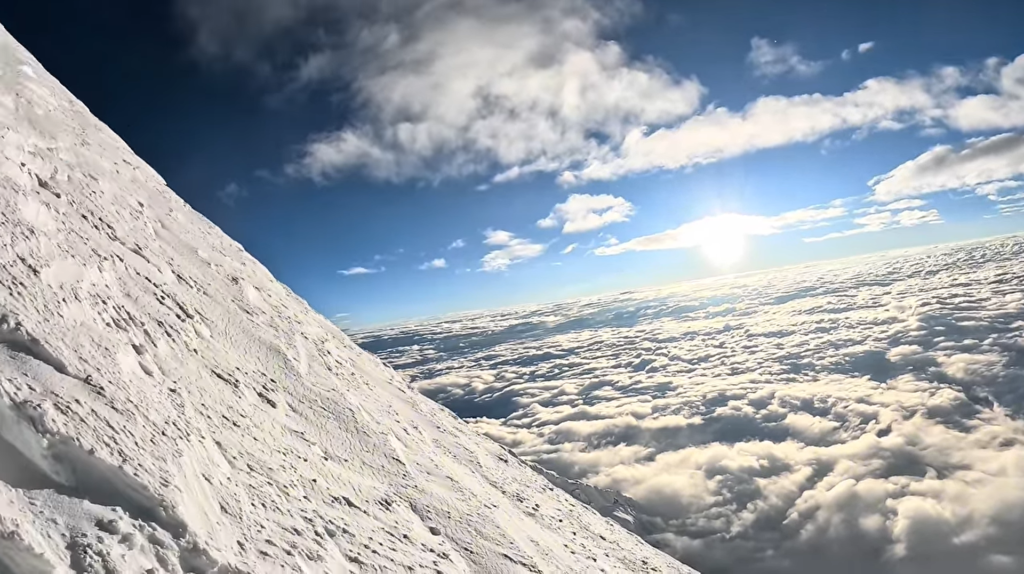
Over 40 climbers passed him that day. Some believed he was already gone. Some realised he was barely conscious but understood that stopping to help would mean exhausting their own oxygen and possibly not making it down themselves.
He is still on the mountain. Both men are still there, sharing the same narrow shelter near 8,500 metres, while the world below continued turning.
The Story That Brought All of This Into Focus in 2026
In May 2026, two Indian climbers on the same expedition summited Everest and did not make it back.
Sandeep Are, 46, reached the top on May 20 and developed severe snow blindness and physical exhaustion shortly after.
Five Sherpas worked to bring him down and managed to reach Camp II, low enough for a helicopter evacuation. He passed away before he could be flown out, but his family received him back.
Arun Kumar Tiwari, a 53-year-old software professional from Hyderabad, summited on May 21 and was found near the Hillary Step in severe distress. Four Sherpas worked to assist him during descent. He did not survive.
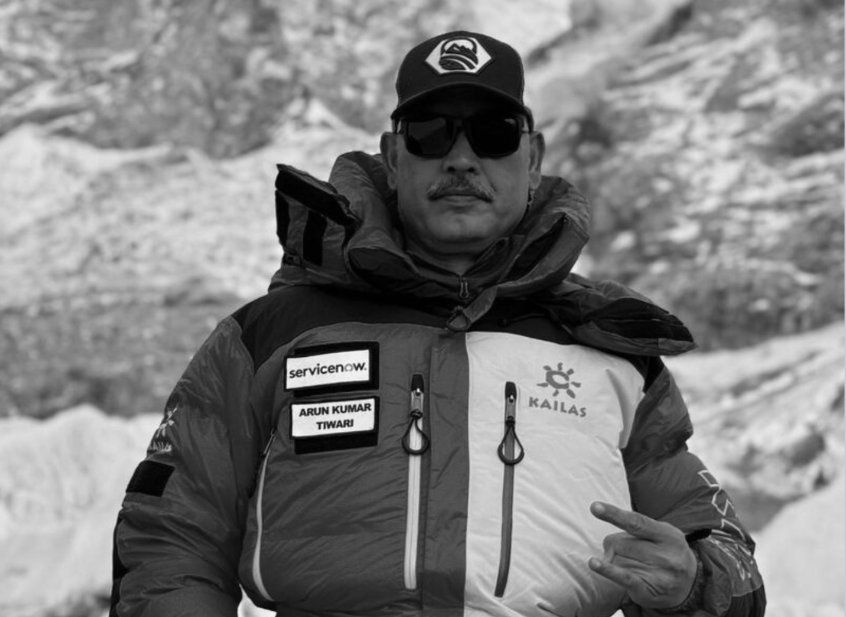
His family was quoted USD 114,000 for a manual body recovery from above 8,000 metres. The expedition agency later reduced that figure to USD 94,000 as a gesture of solidarity.
For context, a full 55-day guided Everest expedition with the same company costs USD 45,000. Bringing someone’s remains home from the summit ridge was going to cost more than twice what it cost to attempt the climb.
On May 27, 2026, the family announced they would not try to bring Arun Kumar Tiwari home. They described Everest as Lord Shiva’s abode.
They said their decision came from faith, from his deep love for the Himalayas, and from what they believed he would have wanted.
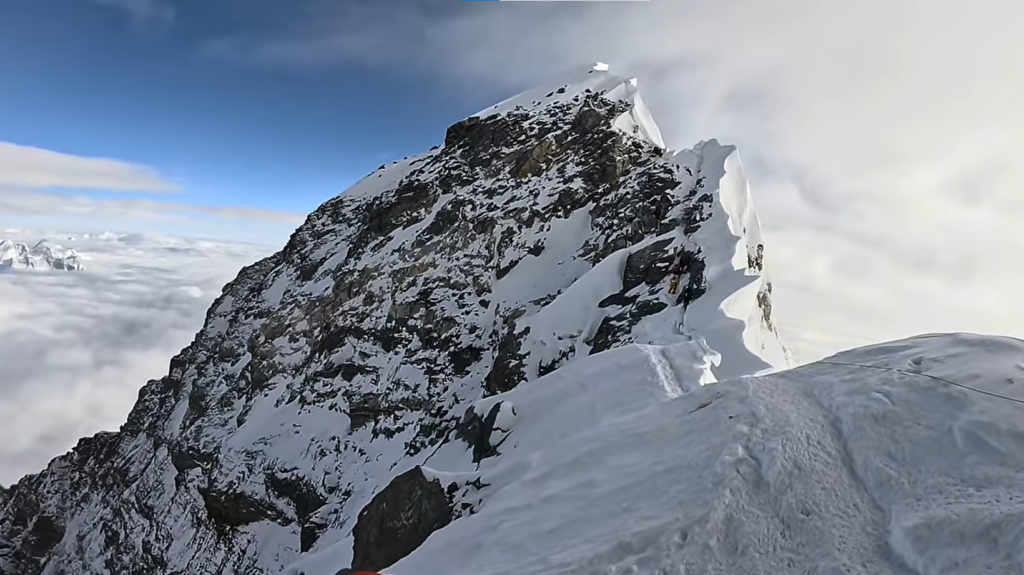
His wife and two daughters said it was not purely a financial decision. It was a decision about who he was and where he belonged.
That is the part of high-altitude mountaineering that does not appear in the summit photos.
Why Insurance Rarely Covers This
Standard expedition insurance in Nepal covers helicopter evacuation for medical emergencies. It almost universally does not cover manual body recovery from the summit zone.
This is not fine print that people miss accidentally. It is a fundamental gap in coverage that most families only discover when they are already in the worst moment of their lives.
The arithmetic of a recovery above 8,000 metres is genuinely staggering.
| Scenario | Typical Cost Range | Covered by Standard Insurance |
|---|---|---|
| Helicopter evacuation below 6,000 m | USD 5,000 to 20,000 | Usually yes |
| Helicopter to Base Camp from upper camps | USD 10,000 to 30,000 | Sometimes |
| Manual body recovery above 8,000 m | USD 60,000 to 114,000 | Almost never |
| Body repatriation from Kathmandu | USD 3,000 to 10,000 | Depends on policy |
A large team of high-altitude Sherpas, substantial bottled oxygen to keep them alive during the operation, equipment, logistics, and the enormous physical toll of the work itself all add up to a figure that is simply beyond what most families can reach on short notice.
And even after spending that amount, the mountain may still refuse to cooperate.
The Same Reality Exists on Every High Peak
This is not only an Everest problem. It plays out on every serious high-altitude peak in Nepal and beyond.
Annapurna has one of the highest fatality-to-summit ratios of any 8,000-metre mountain. Its avalanche exposure and technical difficulty make recovery from the upper mountain even more limited than on Everest.
Many families of climbers lost on Annapurna have received nothing back because the terrain left no option.
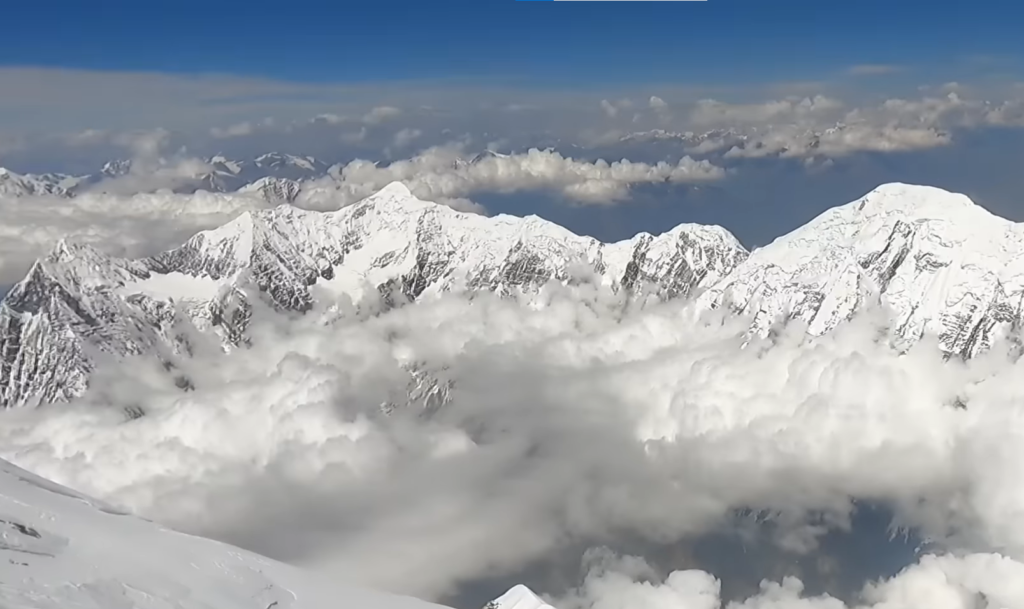
Manaslu saw a catastrophic avalanche in September 2012 that swept through Camp III and took eleven lives in a single event.
Several of those climbers were never recovered. Kanchenjunga, on the far eastern border with India, is remote enough that any kind of operation above 7,000 metres involves complications that do not exist on the more established commercial peaks.
The rule is consistent across all of them. The higher and more remote the location, the smaller the window for any kind of recovery.
The mountain operates on its own terms and the timeline it sets does not account for the grief of families waiting at home.
What Experience Actually Teaches You Around These Mountains
For mountaineers who have been in mountains long enough to know that the people who struggle the most at altitude are not always the ones you expect.
Strong, confident, well-prepared climbers can fall apart badly above a certain elevation while quieter, more measured people move steadily and safely through the same conditions. Altitude does not care about gym records or previous summit counts.
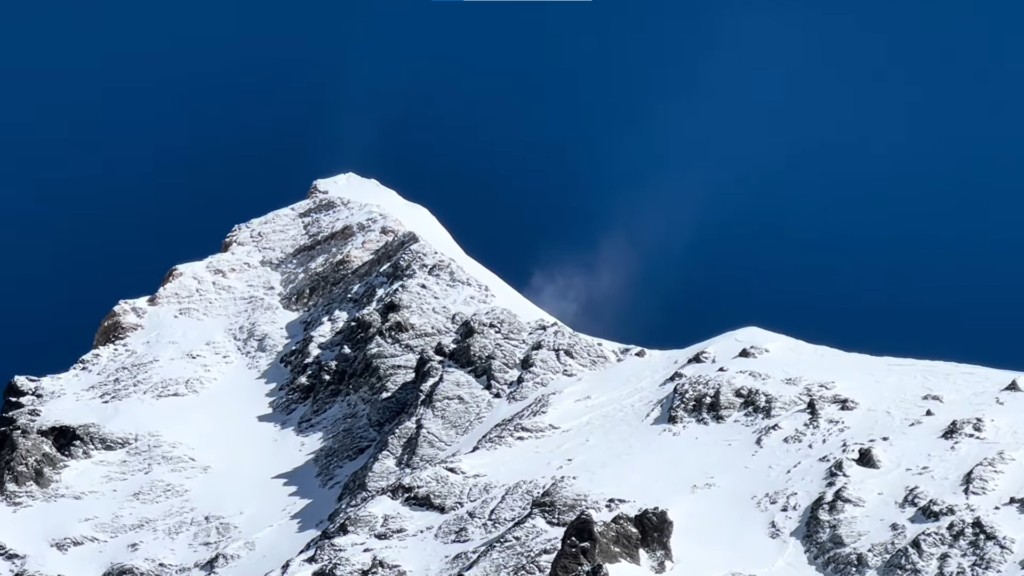
We have watched weather forecasts collapse within hours. We have seen perfectly ordinary mornings turn serious because one small problem started a chain that nobody could stop.
We have watched people insist they were fine when every signal from their body was saying something completely different. The mountain does not negotiate with confidence. It only responds to conditions.
That is why the climbers who tend to come back are not always the most ambitious ones. They are the ones who turn around when something feels wrong.
They are the ones who descend early, listen to their guides, pay attention to the small signs before the small signs become emergencies, and understand that the summit will not mean anything to them or anyone they love if they do not make it back from it.
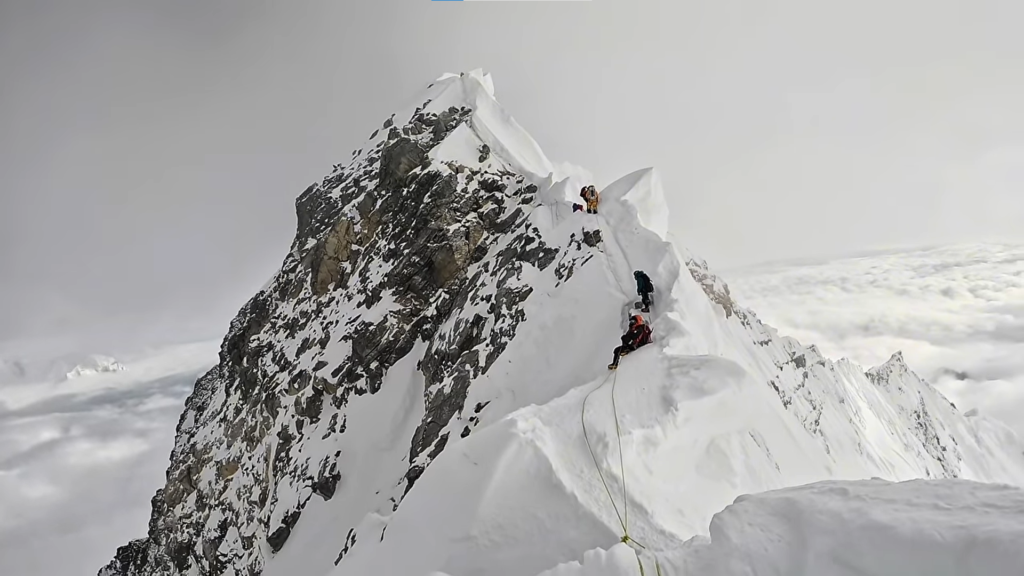
Experienced Sherpas understand this intuitively. The men and women who carry loads through the Khumbu Icefall dozens of times over a guiding career and still come home every season are not fearless.
They are deeply aware of what the mountain is, and they respect it in the specific way that comes from knowing it well. That awareness is worth more than any amount of physical fitness.
The Part That Stays With You
The summit gets the photographs. The descent gets the fear. And the recovery, when it happens at all, is what reminds everyone how fragile all of this really is.
Arun Kumar Tiwari had tried Everest in 2025 and turned back at 7,200 metres due to health concerns. He came back in 2026 to finish what he had started. He reached the summit. His family will not see him again.
Sandeep Are’s family received him back because he happened to pass away at a lower altitude than his fellow climber, in a window that allowed Sherpas to reach him.
Two people, same expedition, same mountain, same day. One family got closure. The other got faith.
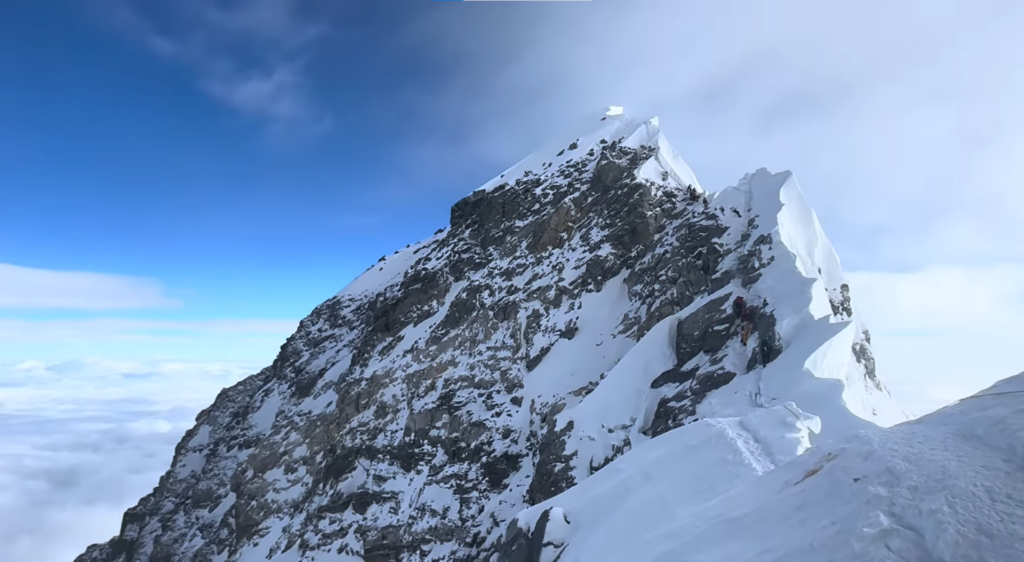
That is the uncomfortable truth about high-altitude mountaineering. The summit is optional. The commitment to reaching it is profound and personal and often beautiful. But the mountain decides the rest.
Coming back is the real climb, it has always been the real climb. The people who understand that tend to come home.
And the ones who reach the top at any cost are sometimes left there to remind the ones behind them of exactly that.