

-
 Duration
12 Days
Duration
12 Days
-
 Difficulty
Moderate
Difficulty
Moderate
-
 Max Elevation
4130m
Max Elevation
4130m
-
 Group Size
1 to 10 People Person
Group Size
1 to 10 People Person
-
 Accommodation
Teahouse/Lodge
Accommodation
Teahouse/Lodge
-
 Start/End
Kathmandu Airport
Start/End
Kathmandu Airport
-
 Destination
Annapurna Region
Destination
Annapurna Region
-
 Best Season
March-May and Sep-Nov
Best Season
March-May and Sep-Nov
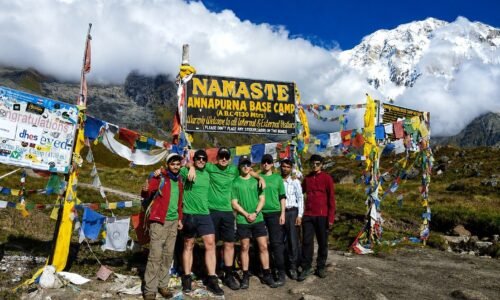
The Annapurna Base Camp Trek is one of the most established trekking routes in Nepal, and it has remained popular for a reason.
In twelve days, it gives trekkers a clear and rewarding journey from the low hills into the heart of the Annapurna, where the mountains begin to close in and the landscape changes in a very steady, satisfying way.
What makes this trek special is not only the destination at Annapurna Base Camp, but the way the route gradually builds toward it.
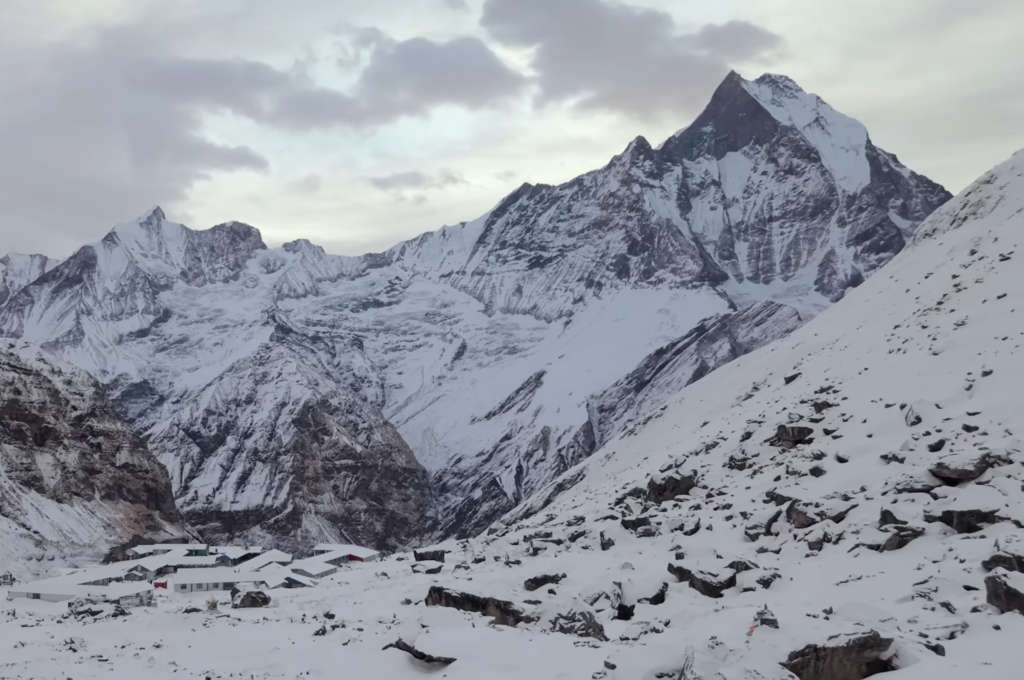
Each day has its own character and the scenery changes slowly. The villages become smaller, the forest grows thicker, and the air becomes cooler as you gain height. By the time you arrive at base camp, the journey already feels complete.
The trek begins in Kathmandu, which serves as the natural starting point for most Himalayan trips in Nepal.

It is a busy, layered city with deep cultural history, and although you do not stay here long, it gives the trek its first sense of place.
After the final checks and preparations, the route shifts west toward Pokhara, where the mood becomes calmer and the mountains begin to feel much closer.

The drive to Pokhara is part of the experience too. It takes you through river valleys, hillside settlements, and stretches of central Nepal that slowly open into the Annapurna region.
Pokhara itself feels like a welcome as It is a relaxed city by the lake, and for many trekkers it becomes the last comfortable stop before the trail begins in earnest.
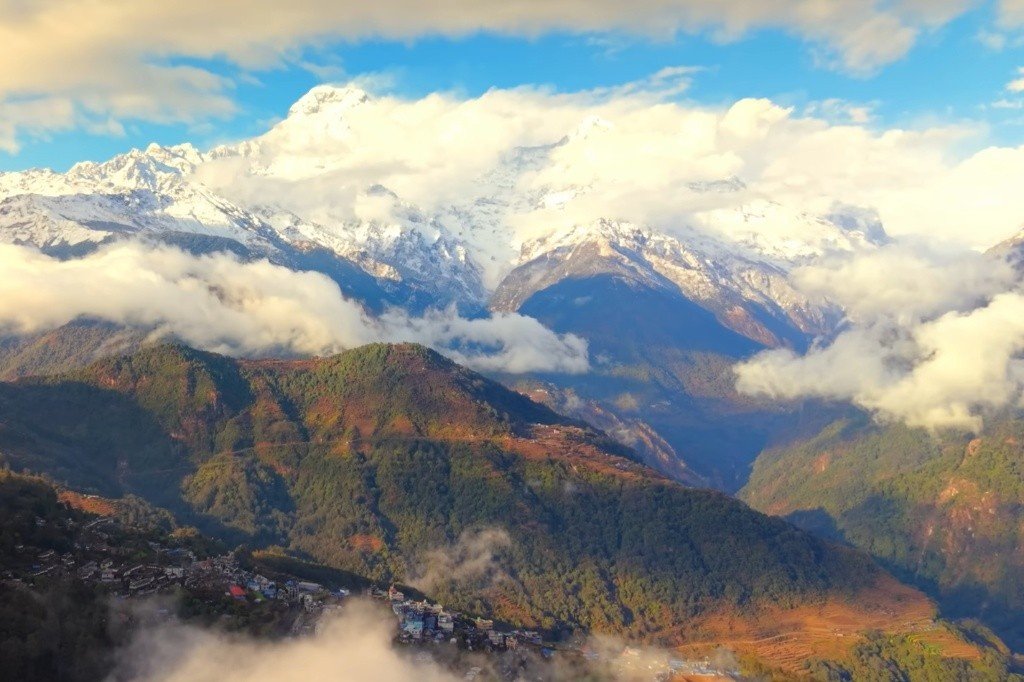
From Pokhara, the trek moves toward the foothills of Annapurna and then into the walking route. The first stages pass through farmland, terraced slopes, and village settlements where the mountain landscape starts to take shape around you.

The lower hills are warm and green, and they provide a gentle introduction before the trail begins to rise more steadily.
One of the most appealing parts of the Annapurna Base Camp Trek is the variety of terrain. You are never walking through the same landscape for too long.

In the early days, the route moves through cultivated land and hillside villages. Soon after, the path enters forested areas filled with bamboo, oak, and rhododendron.
These sections feel cool and shaded, and they bring a very different mood to the journey.
The villages along the route also give the trek a strong cultural side. Places like Ghandruk and Chhomrong are not just stops for the night.

They are active mountain communities with deep local character. The homes, the tea houses, the stone lanes, and the rhythm of daily life all reflect the way people in this region have lived for generations.
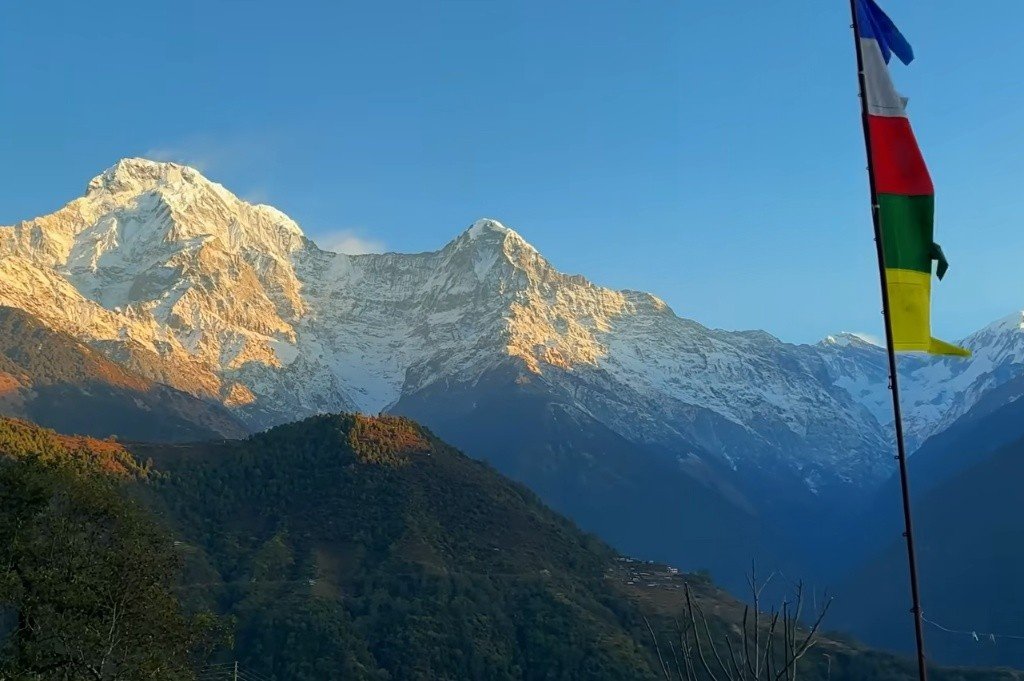
Ghandruk in particular is one of the most memorable villages on the route as it has a strong Gurung identity, and the views from the village are a very early reminder of what lies ahead.
Chhomrong is another important point on the trail. It sits in a sweet position before the upper sanctuary and gives trekkers a proper sense that they are entering the more serious mountain section of the route.
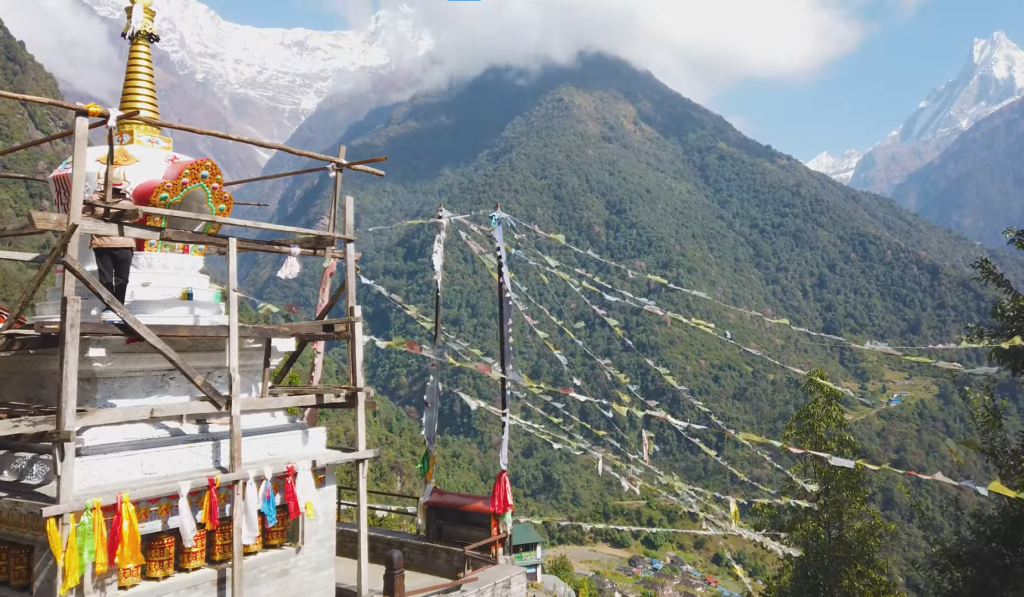
From Chhomrong, the path drops and then climbs again, which becomes a familiar pattern on this trek.
The descent toward the river and the climb back up through forest make the walking feel more varied and more realistic.
This section also helps the route transition naturally from the lower villages into the deeper sanctuary zone.
The trail through Bamboo and Deurali is one of the quieter and more atmospheric parts of the trek. The forest becomes denser here, the trail narrows in places, and the sound of the river below often stays with you for much of the day.
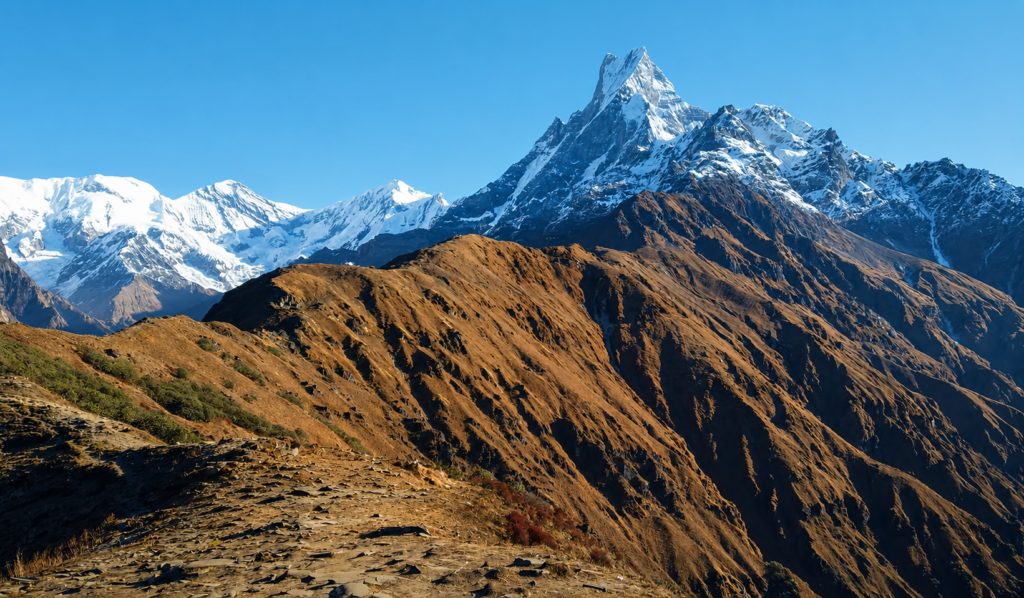
It is a section that feels a little more remote, but still very walkable and comfortable for trekkers with a steady pace.
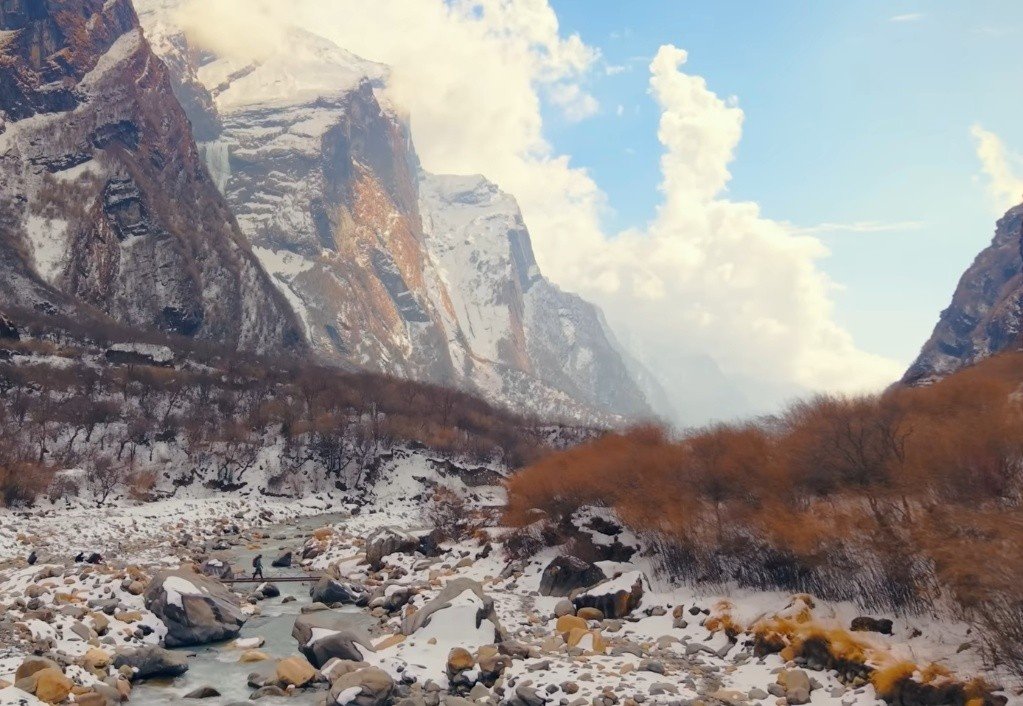
As you continue upward, the vegetation begins to thin and the landscape changes again.
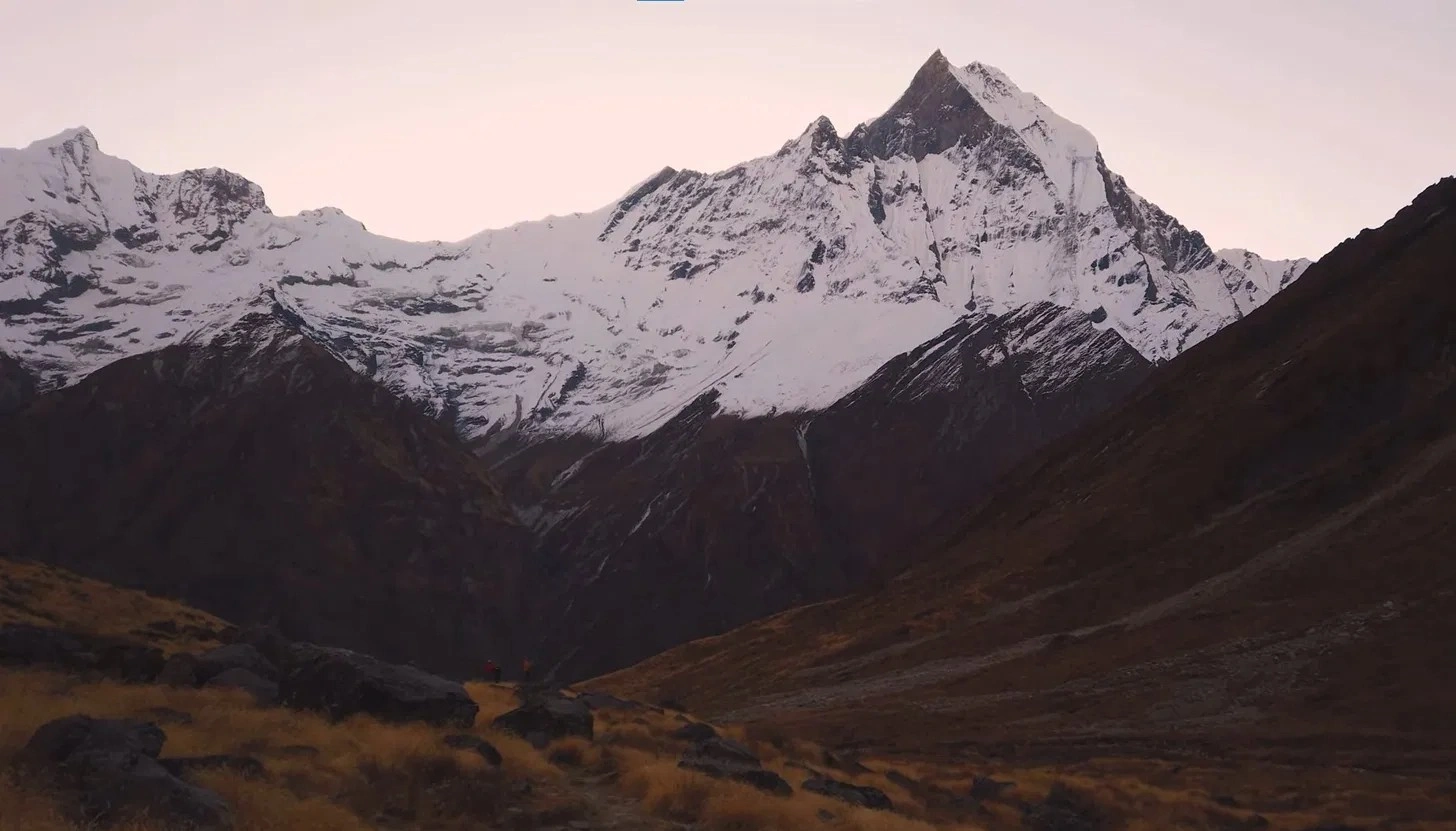
The route slowly opens into a more alpine setting, and the presence of Machhapuchhre becomes stronger with every hour of walking.

This mountain, with its distinctive shape, is one of the most recognizable peaks in the Annapurna region, and it helps define the visual character of the upper sanctuary.
The approach to Machhapuchhre Base Camp and Annapurna Base Camp is where the trek really comes into its own.

The trail becomes more open, the mountains more visible, and the whole environment starts to feel quieter and more expansive. Even though the walking becomes higher and thinner, the route still remains clear and manageable.
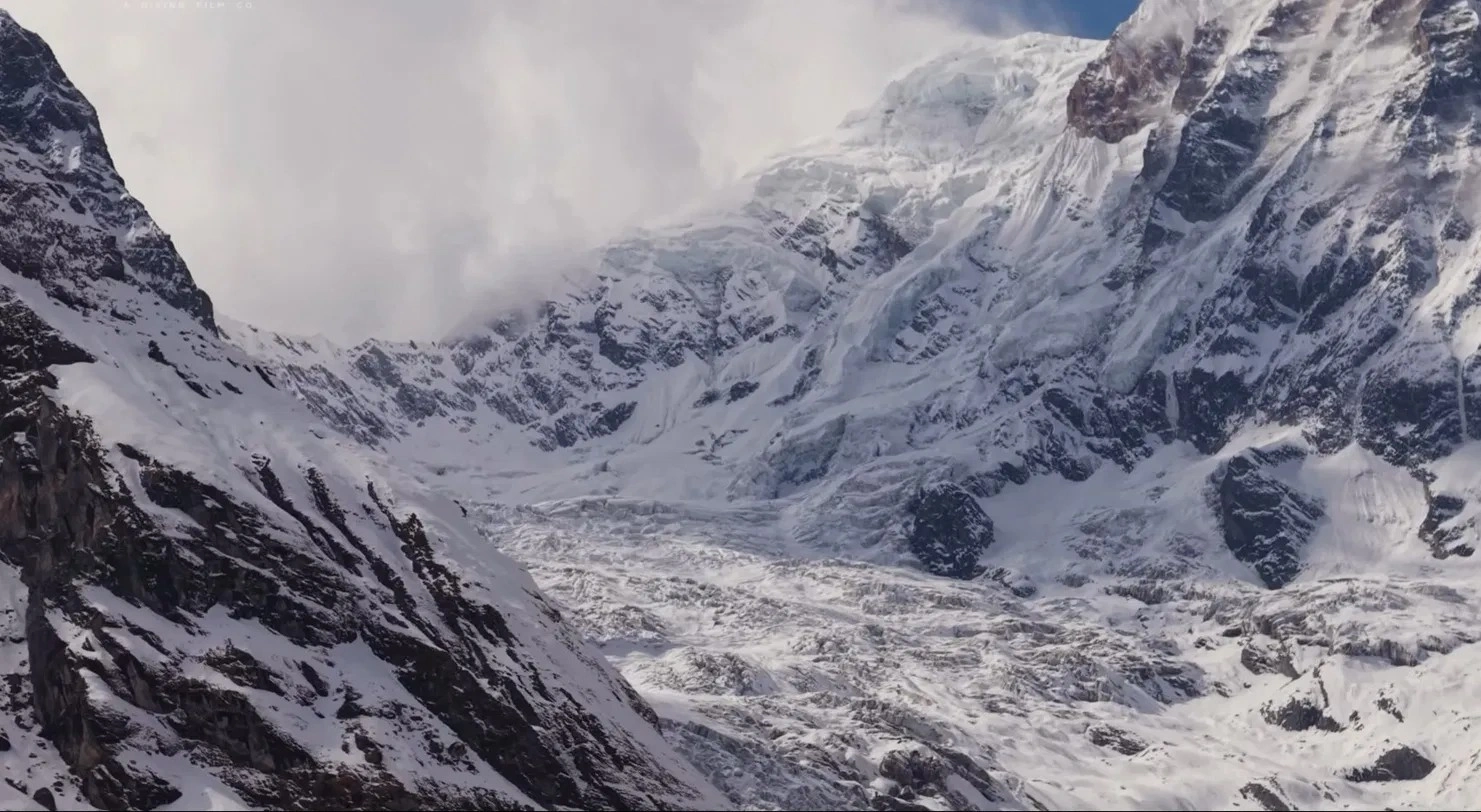
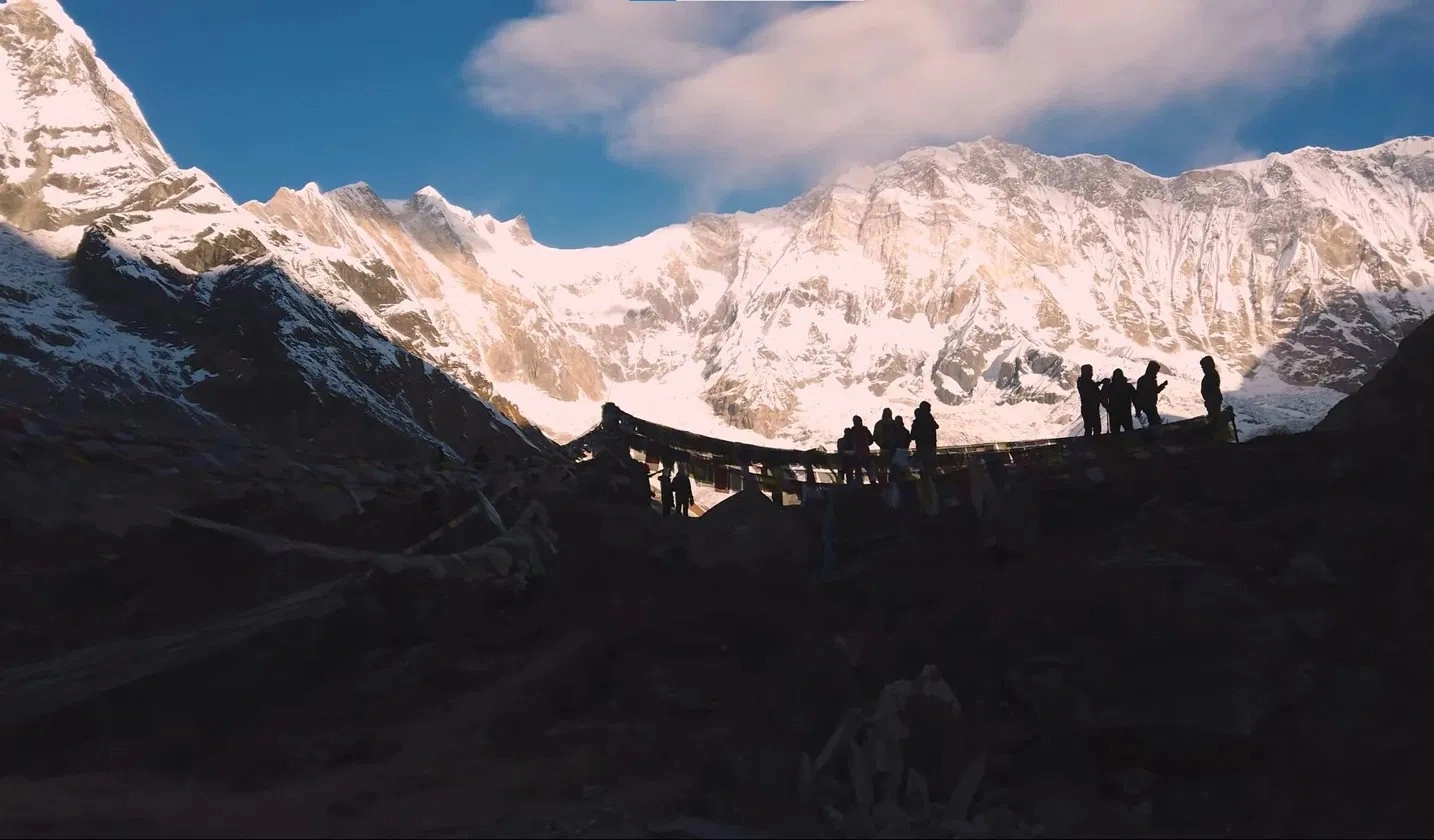
Annapurna Base Camp itself sits in a natural mountain basin that is surrounded on all sides by peaks.
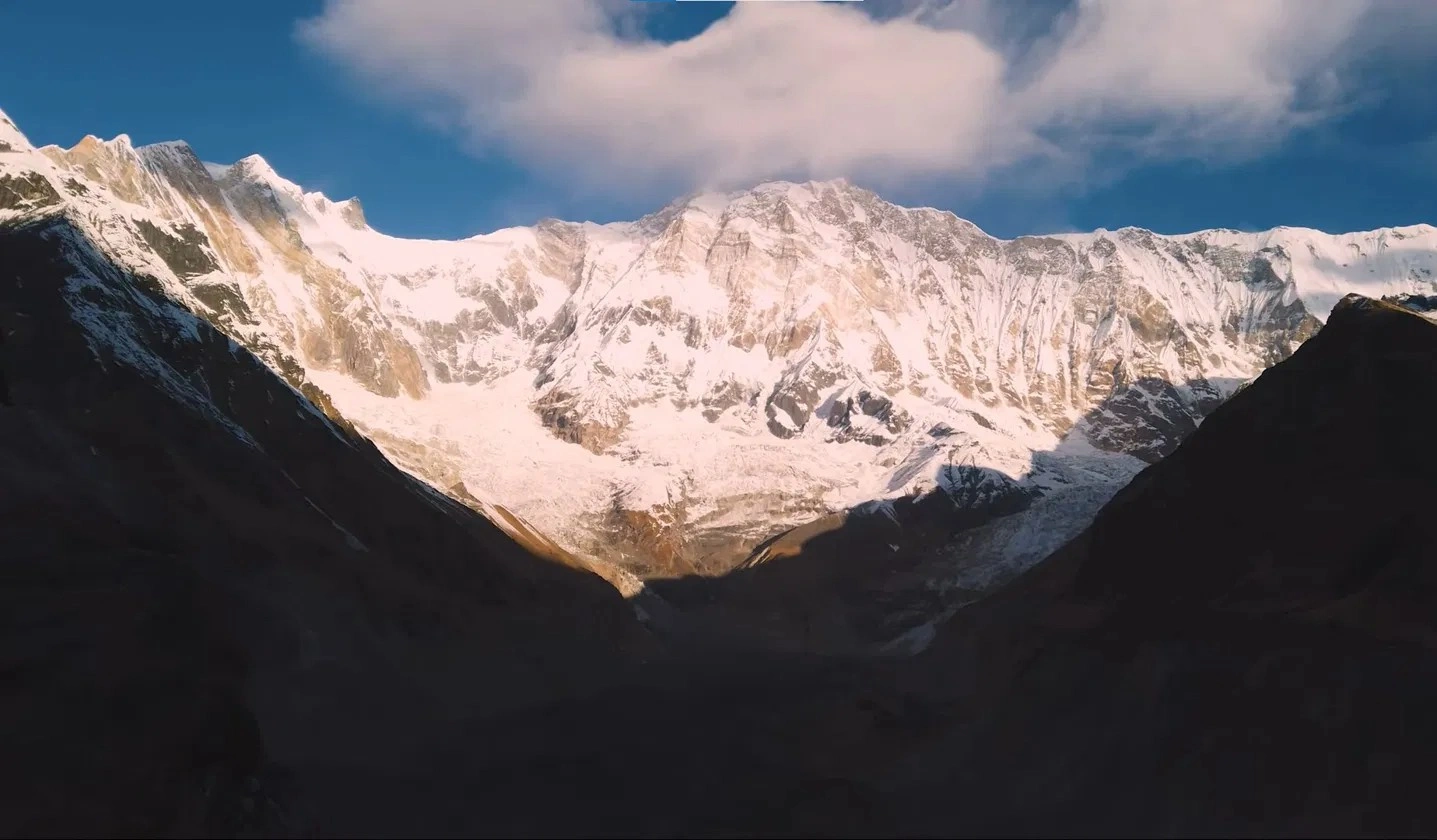
That enclosed setting is what gives the location its special atmosphere. Annapurna I, Annapurna South, Hiunchuli, and Machhapuchhre create a landscape that feels close and direct rather than distant. You are not looking at the mountains from far away. You are standing among them.

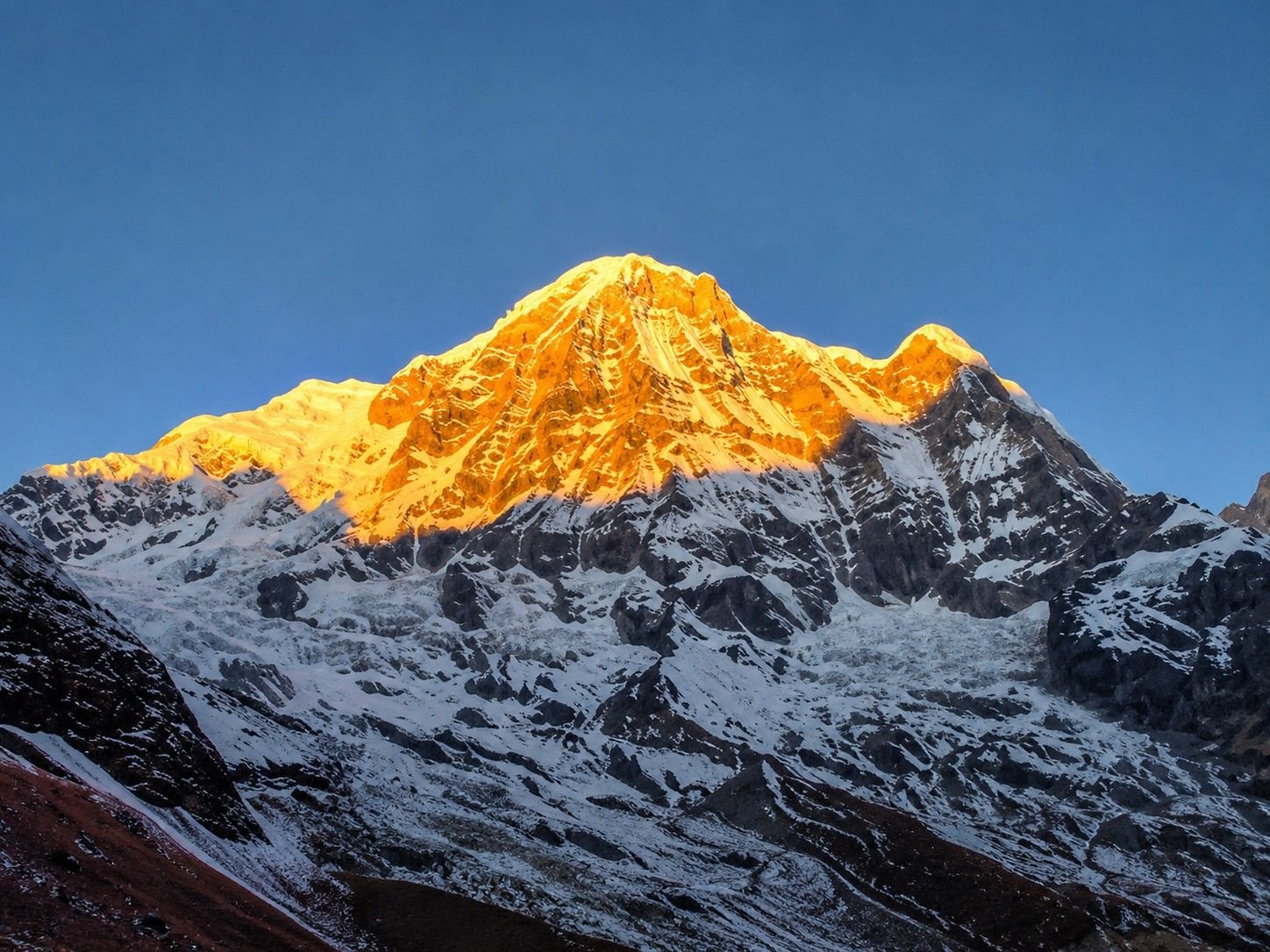
The light at Annapurna Base Camp changes the whole mood of the place.
Early morning and late afternoon are especially memorable because the mountains shift in colour and depth as the sun moves across them.

It is a place where people usually spend more time than they expected, simply because the setting is so calm and complete.
Another reason this trek works so well is its balance. It gives you a proper Himalayan experience, but it does not demand technical climbing.
The route is challenging enough to feel like a real mountain trek, yet it remains accessible for fit walkers who are prepared for long days and gradual altitude gain.

The return journey is also an important part of the experience. Walking back down through the same route gives you a different view of everything you saw on the way up.
Places that once felt demanding begin to feel familiar. Forest sections seem more open, villages feel more relaxed, and the whole trail takes on a more reflective mood.
Jhinu Danda is a particularly nice stop on the return. After several days of trekking, the natural hot springs there are a welcome break and a good way to finish the mountain section of the journey.

It gives the trek a gentler ending before you return to Pokhara and then Kathmandu.
The best time to do the Annapurna Base Camp Trek is in spring and autumn. Spring gives the lower forests a fresh look, especially when the rhododendrons bloom, while autumn usually offers clearer skies and stable weather.
Both seasons are well suited to this route, and they are the times when the mountain views are usually at their best.

In the end, the Annapurna Base Camp Trek works so well because it feels complete. It gives you culture, forest, mountain scenery, and a real sense of progression without becoming too extreme.
It is the kind of trek that stays with people because it unfolds naturally and leaves a strong impression without needing to push too hard.
Altitude Range and Character
| Section | Altitude Range | Terrain Character |
|---|---|---|
| Kathmandu and Pokhara | 800 to 1,400 m | City, road travel, final preparation |
| Lower trail | 1,000 to 2,000 m | River valleys, villages, terraced hillside |
| Mid trail | 2,000 to 3,200 m | Dense forest, river gorge, stone stairs |
| Upper trail | 3,200 to 4,130 m | Alpine moraine, open sanctuary basin |
Difficulty Overview
| Factor | Level | Notes |
|---|---|---|
| Physical demand | Moderate | 5 to 7 hours walking per day on steep varied terrain |
| Maximum altitude | Moderate | 4,130 m at ABC, below the 5,000 m threshold |
| Technical difficulty | Low | No climbing, ropes, or specialist equipment required |
| Endurance requirement | Moderate to Good | Sustained uphill and downhill on consecutive days |
| Weather exposure | Moderate | Cold above 3,000 m, stable in spring and autumn |
Packing List: Clothing Layers
| Layer | Items |
|---|---|
| Base layer | Moisture wicking shirts, thermal long sleeves |
| Mid layer | Fleece jacket, light insulation layer |
| Outer layer | Waterproof jacket, windproof shell, waterproof trousers |
| Lower body | Trekking pants, thermal leggings |
| Warm layer | Down jacket essential for Deurali and above |
| Accessories | Warm gloves, wool hat, buff or neck gaiter, sun hat |
Essential Gear
| Category | Items |
|---|---|
| Footwear | Well broken-in waterproof trekking boots, sandals for teahouses |
| Backpack | Daypack 30 to 40 litres, larger duffel for porter |
| Sleeping | Sleeping bag rated to 0°C or below |
| Hydration | Reusable water bottles, purification tablets or filter |
| Safety | Sunscreen, high UV sunglasses, personal first aid kit |
| Extras | Trekking poles, trekking stick, headlamp with spare batteries, power bank |
Trip Highlights
- Reach Annapurna Base Camp at 4,130 metres and stand at the centre of a natural mountains where Annapurna I, Annapurna South, Hiunchuli, and Machhapuchhre rise from the valley floor on every side in a complete 360-degree paranoma.
- Pass through traditional Gurung villages including Ghandruk and Chhomrong where stone architecture, terraced farming, family run teahouses, and an authentic mountain way of life remain central to daily existence.
- Follow a twelve-day itinerary structured to gain altitude gradually and naturally, making the Annapurna Sanctuary accessible to fit trekkers without prior high-altitude experience while still delivering a genuine and serious Himalayan journey.
- Experience some of the best trekking weather and mountain visibility during spring and autumn.
- Relax in natural hot springs at Jhinu Danda located just below the village on the bank of the Modi Khola and one of the most physically satisfying rewards available at the end of any trekking route.
- Walk through lush bamboo and rhododendron forests between Chhomrong and Deurali, crossing rivers, passing waterfalls, and climbing steep stone paths under a shaded canopy.
- Follow a trek that is challenging enough, where the itinerary structured to gain altitude gradually and naturally to feel like a real adventure without requiring technical climbing skills.
- Stay in family run teahouses throughout the trekking days and in comfortable hotels in both Kathmandu and Pokhara, with all meals provided and all ground logistics arranged so that the focus can remain entirely on the walk itself.
- Trek through the traditional villages, while enjoying simple meals like dal bhat, noodles and so on, while enjoying the mountain view from your small yet cozy teahouse.
- Complete a route that functions as a whole story rather than a sequence of unrelated days, building continuously from the first steps on the trail at Nayapul to the final arrival inside the mountain walls of Annapurna Base Camp.
Annapurna Base Camp Trek – 12 Days ~ Itinerary
Day 1
Arrival at TIA - Welcome to Nepal
- Altitude: 1350 m
- Accommodation: Standard three-star hotel in Thamel
Your journey begins at Tribhuvan International Airport in Kathmandu, where a Nepal Royal Treks representative meets you on arrival and transfers you to your hotel in the Thamel district. The afternoon and evening are free to rest after your flight, explore the nearby markets and streets of Thamel, or visit the ancient temple complexes within walking distance of the neighborhood. In the evening your guide will walk through the itinerary, check your gear, answer questions, and give you a clear picture of what to expect from the first morning onward. This first night in Kathmandu is a calm and deliberate start before the real movement begins.
Day 2
Drive Kathmandu to Pokhara
- Altitude: 800 m
- Travel Duration: 7 to 8 hours
- Travel Distance: 200 km
- Meal: Breakfast and Lunch
- Accommodation: Standard Three-Star Hotel in Pokhara
After breakfast at the hotel, the group departs Kathmandu and travels west along the Prithvi Highway toward Pokhara. The drive follows the Trishuli and then Marsyangdi river valleys for much of the route, passing through Mugling and Damauli before climbing into the Pokhara valley. A stop along the way for lunch at a roadside daal bhat restaurant is an honest meal. Arriving in Pokhara by mid to late afternoon, you check into your hotel in the Lakeside area on the eastern side of Phewa Lake. The evening is free to walk the lakeside strip, visit local gear shops for any final supplies, or simply sit with a view north toward the Annapurna range as it catches the last color of the day. This is the last proper urban evening before the walking begins the following morning.
Day 3
Drive Pokhara to Nayapul, Trek to Ghandruk
- Altitude: 1940 m
- Travel Duration: 2 hours
- Travel Distance: 80 km
- Trek Duration: 5 to 6 hours
- Trek Distance: 10 km
- Meal: Breakfast, Lunch and Dinner
- Accommodation: Teahouse in Ghandruk
The trek begins in earnest today. After an early breakfast, the group drives from Pokhara to Nayapul, the road junction at the edge of the Annapurna Conservation Area where vehicles stop and the trail begins. From here the path drops briefly to Birethanti, a lively riverside settlement at the confluence of the Modi and Bhurungdi Khola, where permits are checked. The trail then follows the valley before climbing to Tikhedhunga, a stone village at 1,540m marking the start of the famous staircase. The ascent to Ulleri at 2,050m is the toughest stretch, a long unbroken climb through rhododendron and oak forest with no flat respite. Ulleri, a Gurung village with teashops and wide views, rewards the effort immediately. Beyond Ulleri the path winds through scattered forest and hillside terrain, cresting a ridge before dropping into Ghandruk at 1,940m. This large Gurung settlement has stone architecture, terraced fields, and a cultural museum. On clear evenings Annapurna South and Hiunchuli rise directly ahead from the village viewpoint, a scale most trekkers describe as the first moment the Himalaya feels truly close.
Day 4
Trek Ghandruk to Chhomrong
- Altitude: 2170 m
- Trek Duration: 5 to 6 hours
- Trek Distance: 9 km
- Meal: Breakfast, Lunch and Dinner
- Accommodation: Teahouse in Chhomrong
After breakfast with mountain views, the trail drops from Ghandruk toward the Modi Khola valley, passing terraced fields, small villages like Kimche and Jagat, and grassy pastures. Suspension bridges carry you across streams and the wide river below, its sound already showing the snowmelt coming from the peaks. The climb back up is steady, with stone steps, forest patches, and open terraces leading to Chhomrong at 2,170 m. This large Gurung village sits on a sunny hillside and is the last big stop before the high Himalaya. Its lodges are well run, with reliable food and warm family hospitality built over decades of welcoming trekkers. From the lanes and viewpoints above the village, Annapurna South rises directly ahead, and Machhapuchhre appears to the northeast, a striking pair of peaks that make the Himalayas feel suddenly close. Overnight in a teahouse with good facilities, shared or private rooms, and a common dining hall.
Day 5
Trek Chhomrong to Bamboo
- Altitude: 2310 m
- Trek Duration: 5 to 6 hours
- Trek Distance: 8 km
- Meal: Breakfast, Lunch and Dinner
- Accommodation: Teahouse in Bamboo
From Chhomrong the trail drops steeply on stone steps to the Chhomrong Khola far below. The descent is long and tough on the knees, winding through terraces and forest before reaching the bridge at the valley floor. Crossing here feels like a shift; the air changes as you climb again toward Sinuwa (2,300 m). The path moves into dense forest, with bamboo and rhododendron closing overhead. After the lodges at Sinuwa, the trail dips and winds through thicker stands of bamboo, crossing streams and small waterfalls, until you reach Bamboo (2,310 m). This tiny lodge cluster sits in a shaded clearing where the air is cool and the sound of running water is constant. Facilities are simple, but the setting is memorable. Evenings here, with forest pressing close and peaks sometimes visible through gaps in the canopy, are quiet and unexpectedly special.
Day 6
Trek Bamboo to Deurali
- Altitude: 3230 m
- Trek Duration: 5 to 6 hours
- Trek Distance: 8 km
- Meal: Breakfast, Lunch and Dinner
- Accommodation: Teahouse in Deurali
Leaving Bamboo, the trail climbs steadily through oak and rhododendron forests, with waterfalls along the way. After crossing a stream at Dovan (2,640 m), the path continues through mixed woodland before reaching the small lodge cluster called Himalayan Hotel (2,920 m). Here the trees begin to thin, the air feels cooler, and the first wide views of the upper peaks appear. From there the trail rises through more open ground, shifting from forest to scrub and then to rocky slopes. The final push is a steep, sometimes muddy climb that brings you to Deurali (3,230 m), a small ridge settlement with basic lodges. It is often windy and cold, and nights can drop well below freezing, so warm layers are essential. Despite the simple facilities, the views toward the Annapurna Sanctuary walls are striking, and many trekkers remember this stop as a key stage before the higher climb ahead.
Day 7
Trek Deurali to Annapurna Base Camp via Machhapuchhre Base Camp
- Altitude: 4130 m
- Trek Duration: 6 to 7 hours
- Trek Distance: 9 km
- Meal: Breakfast, Lunch and Dinner
- Accommodation: Teahouse in ABC
This is the day you reach the heart of the sanctuary. Leaving Deurali before dawn, the trail moves into open, rocky ground left by glaciers with no trees for shelter. You pass Machhapuchhre Base Camp (about 3,700 m), a good place to rest and drink tea while the peak towers above. The path then crosses the glacial valley under Machhapuchhre’s steep face; the ground is rough, and you may find patches of snow even in autumn. As you climb the ridges, huge peaks come into view, including Annapurna I to the northeast and Annapurna South and Hiunchuli nearby. After several hours of steady, rugged walking, you arrive at Annapurna Base Camp (about 4,130 m). You are at ABC, one of the highest habitations of any trekking trail. The afternoon and evening at ABC are magical; walk the basin, take photos of the glowing peaks, and enjoy hot tea while sharing stories with fellow trekkers. Stay in teahouses; even though the accommodation is basic, the view out your window is spectacular.
Day 8
Trek Annapurna Base Camp to Bamboo
- Altitude: 2310 m
- Trek Duration: 7 to 8 hours
- Trek Distance: Around 15 km
- Meal: Breakfast, Lunch and Dinner
- Accommodation: Teahouse in Bamboo
After an early breakfast at ABC (or pre‑dawn tea for sunrise), you start the descent. You retrace the rocky trail past Machhapuchhre Base Camp and descend rapidly to Deurali and then further down through Himalaya Hotel and Dovan. The path is steep but well-formed, with many stone staircases. After passing Bamboo, the steep drop moderates into the forest. Although this is a long downhill day, it moves quickly, and you will enjoy warmer temperatures and jungle sounds as you descend. By late afternoon you reach Bamboo (2,310 m) again. Return to the same lodge for a second night and enjoy a hot meal by the fire as you descend into the lush foothills.
Day 9
Trek Bamboo to Jhinu Danda
- Altitude: 1760 m
- Trek Duration: 5 to 6 hours
- Trek Distance: 9 km
- Meal: Breakfast, Lunch and Dinner
- Accommodation: Teahouse in Jhinu Danda
The final trekking day takes you to lower, subtropical terrain. From Bamboo, you descend past Chhomrong and Sinuwa, then follow the Kimrong Khola through deep forest. The trail winds down through jungle, small villages, and farm fields. By midday you arrive at Jhinu Danda (1,760 m), a small riverside village famous for its natural hot springs. After check‑in at the lodge, you can hike the short trail to the springs and soak in the warm mineral water, a perfect reward for tired muscles. The springs here often exceed 50 °C and are a relaxing way to end the trek. Overnight in a teahouse with basic rooms, enjoying the warm river air and local scenery.
Day 10
Drive Jhinu Danda to Pokhara
- Altitude: 800 m
- Travel Duration: 3 to 4 hours
- Travel Distance: 70 km
- Meal: Breakfast and Lunch
- Accommodation: Standard Three-Star Hotel in Pokhara
Today you leave the trail and return to Pokhara. In the morning a jeep transport meets us at Jhinu Danda and drives back down the valley road toward Beni, then on to Pokhara. The journey takes about 3 hours and covers rough gravel roads. Enjoy the changing scenery from steep river gorges to lower hills. Arriving in Pokhara by afternoon, check into a comfortable hotel by the lake. The rest of the day is yours to relax, enjoy a hot shower, and celebrate with a nice dinner, perhaps the famous Thakali set. Pokhara’s Lakeside is lively in the evening, with cafes and shops. Make sure to enjoy your lakeside night before we head to Kathmandu tomorrow.
Day 11
Drive Pokhara to Kathmandu
- Altitude: 1350 m
- Travel Duration: 7 to 8 hours
- Travel Distance: 200 km
- Meal: Breakfast
- Accommodation: Standard three-star hotel in Thamel
After breakfast, we travel back to Kathmandu. By road, this is a 7–8 hour drive along the Prithvi Highway. Alternatively, flights from Pokhara are an option (25 minutes) if schedules allow. Either way, you’ll have another view of the Himalaya as the plane circles or the bus winds down the Marsyangdi and Trishuli valleys. Upon arriving in Kathmandu in the afternoon, transfer to your hotel in Thamel. The afternoon is free for any last shopping or sightseeing like Durbar Square or a spa. In the evening we gather for a farewell dinner with the guide team. Your trek completion certificate is presented, and you share stories and photos from the journey.
Day 12
Final Departure
- Meal: Breakfast
Nepal Royal Tourism Holidays will provide airport transfer to Tribhuvan International Airport according to your flight schedule. It is best to reach the airport at least three hours before your international departure. Your ABC trek comes to an end here, but the memories of forest trails, mountain villages, and the great Annapurna will stay with you long after you leave Nepal.
Annapurna Base Camp Trek – 12 Days Fixed Departures Dates
Trip Cost Includes/Excludes
Cost Includes
- Airport transfers in Kathmandu on Day 1 and Day 12
- 2 nights three Star Hotel accommodation in Kathmandu and Pokhara as per the itinerary
- Kathmandu to Pokhara to Kathmandu by Tourist Bus
- All meals during the trek (breakfast, lunch, and dinner) and a cup of tea/coffee
- Private transportation from Pokhara to Nayapool and Jhinu to Pokhara
- Duffel and sleeping bags but return after complete the trip.
- Required trekking permits such as Annapurna Conservation Area Permit (ACAP)
- Basic first-aid support carried by the trekking team
- Experienced, government-licensed trekking guide and porters (1 porter per 2 trekkers).
- Complimentary company T-shirt and trekking completion certificate.
- All applicable government taxes and service charges
- Trekking route arrangement and support
Cost Excludes
- International airfare to/from Kathmandu (arranged separately)
- Nepal entry visa fee (obtain on arrival or in advance)
- Personal trekking gear (warm clothing, boots, etc.)
- Meals in Kathmandu (except as specified) and bottled water/drinks at hotels.
- Hotel extras (laundry, phone calls, Wi-Fi) and teahouse hot showers or electricity charges
- Any optional activities not mentioned
- Any expenses due to flight delays, weather, or other circumstances beyond our control
- Tips for trekking guide and porter (not mandatory, but customary and appreciated)
Trip Photo/Video Gallery
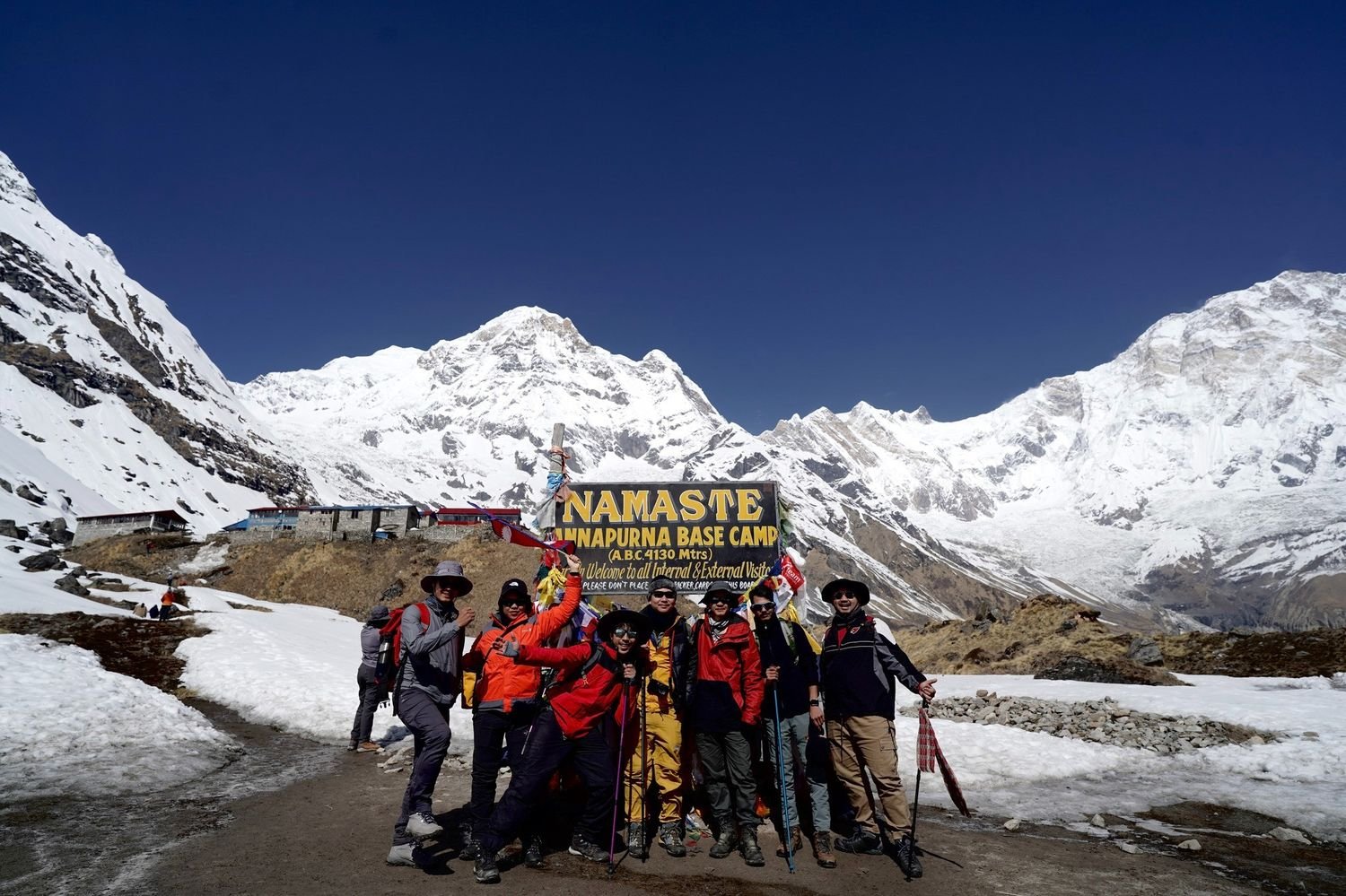
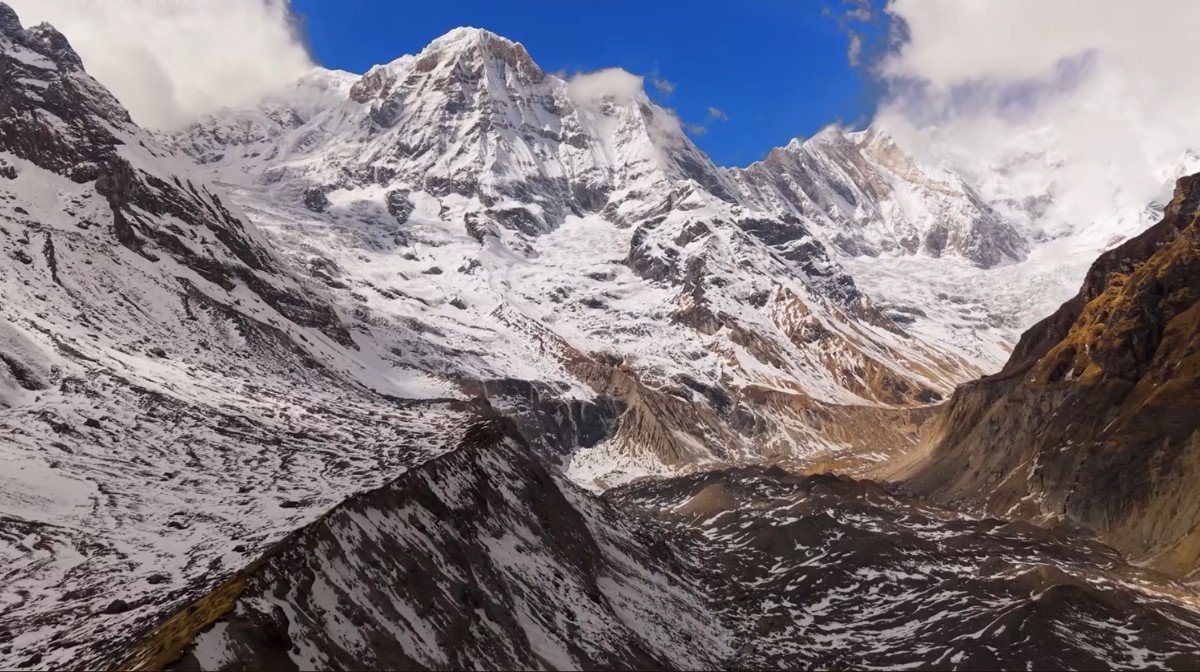
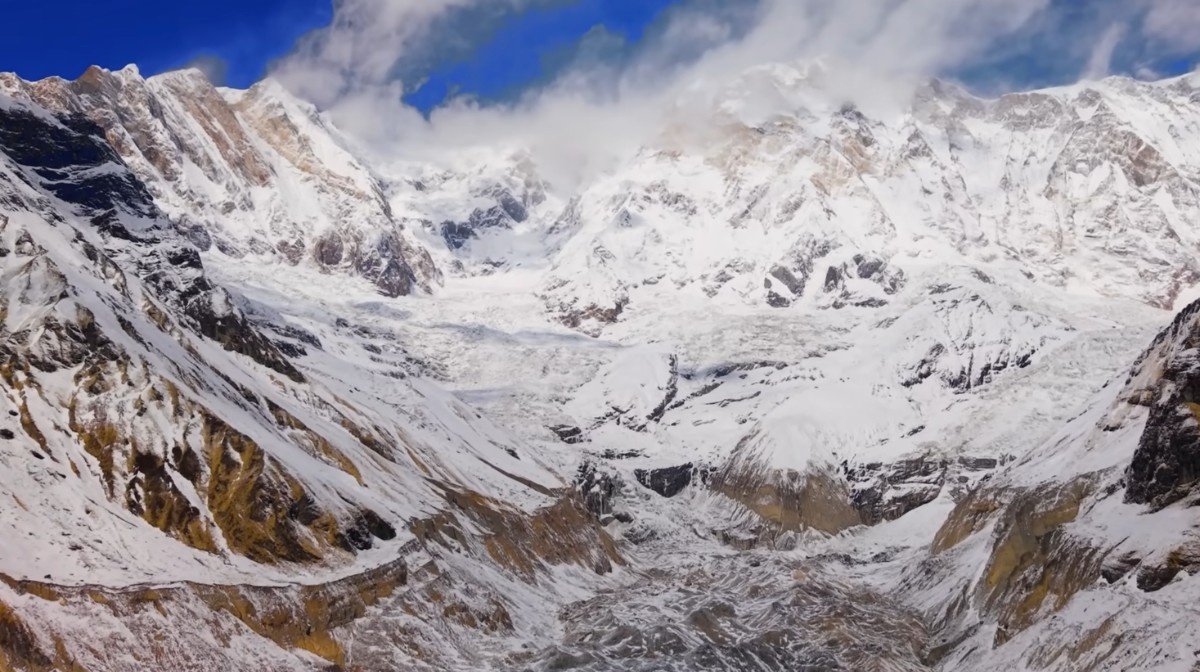
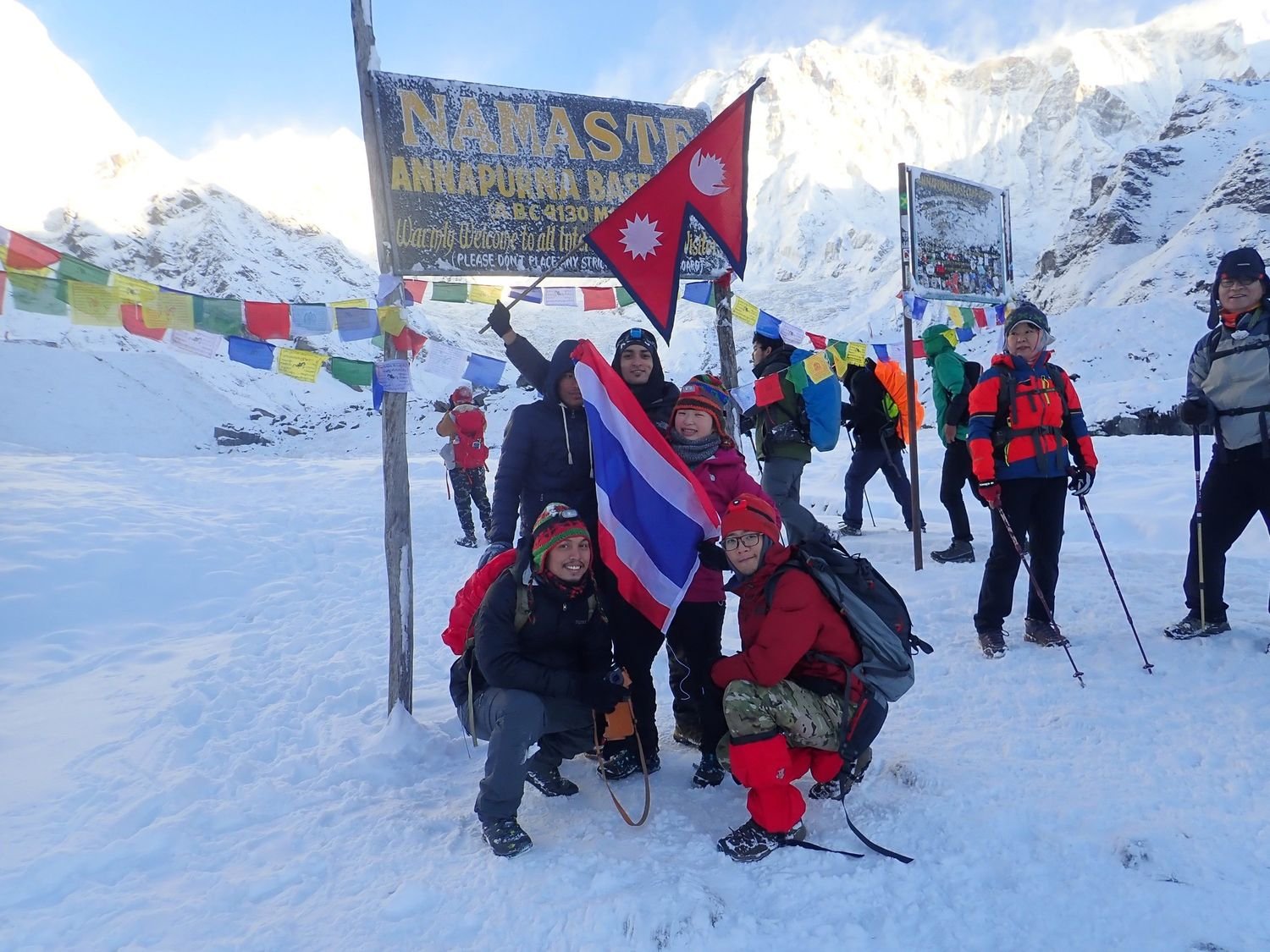

Route Map for Annapurna Base Camp Trek – 12 Days
Frequently Asked Questions
The Annapurna Base Camp Trek is considered a moderate trek. It is suitable for beginners with good physical fitness as well as experienced trekkers. Daily walking hours range from 5 to 7 hours.
The highest point of the trek is Annapurna Base Camp at 4,130 meters (13,550 feet) above sea level.
The standard itinerary takes 12 days, including arrival, trekking, and return to Kathmandu or Pokhara.
The best seasons are spring (March to May) and autumn (September to November), offering clear mountain views and pleasant weather.
Yes. Beginners with reasonable fitness levels can successfully complete the trek with proper preparation and guidance.
Trekkers enjoy spectacular views of Annapurna I (8,091m), Machhapuchhre (Fishtail), Hiunchuli, Annapurna South, Gangapurna, and other Himalayan peaks.
Although the risk is lower than on Everest region treks, altitude sickness can occur above 3,000 meters. Proper acclimatization and hydration are recommended.
Yes. Comprehensive travel insurance covering trekking activities, medical treatment, and emergency helicopter evacuation is highly recommended.
You need the Annapurna Conservation Area Permit (ACAP) and the TIMS (Trekkers’ Information Management System) card or any updated permit requirements set by the Nepal government.
The trek offers comfortable tea house accommodation with basic but clean rooms, local hospitality, and traditional Nepali meals.
Wi-Fi is available in many tea houses along the route, though connections may be slow and subject to weather conditions.
Yes. Most tea houses provide charging facilities for phones and cameras, often for a small additional fee.
Tea houses serve a variety of meals, including Dal Bhat, noodles, soups, fried rice, pasta, eggs, vegetables, tea, coffee, and snacks.
No previous trekking experience is required, but regular exercise and basic hiking preparation are beneficial.
Yes. Bottled water, boiled water, and water purification options are available throughout the trekking route.
Yes. Solo travelers can join group departures or hire a professional guide through Nepal Royal Treks for a safe and enjoyable experience.
Essential items include trekking boots, warm clothing, a down jacket, sleeping bag, trekking poles, sunglasses, sunscreen, water bottles, and personal medications.
Hiring a licensed guide is highly recommended for navigation, safety, local insights, and a more comfortable trekking experience. Porters can help carry luggage.
Nepal Royal Tourism provides experienced local guides, personalized service, flexible itineraries, competitive prices, and 24/7 support throughout your adventure.
You can book directly through our website, email us at info@nepalroyaltreks.com, or contact us via WhatsApp at +977-9828049882 for customized trekking packages and group departures.
You may also like
Menu

Dawn Huang
at 3:14 pm
ABC trek
Had a great experience in ABC with Guide Amrit
Initially he brought his uncle along without informing us, but turned out his uncle is one of the most fun memories I have for this trek!
And both of our guides!
Thank you again!
Yen Qi C
at 3:10 pm
One of the good guide
One of the best experience I ever have with guide Amrit, if you ever want to make your journey a little fun and not boring, he is definitely one of them. Take super good picture of everyone and never say no to any of your request. If I ever come Nepal again, will definitely only appoint him as my guide, everyone should too
Clarissa L
at 2:51 pm
Amazing experience!
We completed the 10 day package to Annapurna base camp led by Naresh. The trip was magical and we received amazing service from the team. Naresh was extremely informative, helpful, positive and just a pure delight. We could not have asked for a better Sherpa. He was extremely insightful and always went out of his way to help our group. From hair dryer requests, to organising day trips, to ensuring we were always well fed and making sure we were safe. Despite the challenges of the hike Naresh was always upbeat and encouraging. His crew of guide assistants and porters were also extremely kind and helpful. Two of them even helped me hold my hair dryer plug for 30 mins. Often the porters came back to help members of the group who were struggling with their day packs too. The team really makes a huge difference when hiking for so long and for so many days. I cannot thank Naresh, Ashok and the team for such an incredible experience. Would 1000% recommend them to anyone interested in hiking in Nepal. We feel very grateful to have our first Nepal hiking experience with Naresh and his crew and look forward to more adventures.
Nurdrajat S
at 5:41 pm
Annapurna Base Camp for Birthday Boy
I completed my 6 days trip to ABC end of Dec 2025 with my family (my son 10 years old). It’s not an easy journey, since this is winter and their first time walking in high altitude. Guide Kumar and porter Saroj was really professional and helpful during the trip. Even with my wife condition dislocated knee 1 month post recovery, walking very slowly but Kumar really patient to assist her. Also Kumar help to bring my son’s backpack while he feel tired. Beside that, he’s connecting us with local people for horse riding.
Thank you for taking care my family!
I wish can be back to Nepal for another Himalaya trekking someday 🙂
Joel Hewitt
at 12:40 pm
ABC trek - 1 week
Great service provided. Smooth operation. Rajan the porter was very friendly and easy going. Ganesh who did the admin side of the trip was very helpful. Would use them again. Great time in Nepal. Thank you.