



The Hidden Costs of Trekking in Nepal Nobody Budgets For
Most people do their research before coming to Nepal. They look up permit fees, check teahouse room rates, find out roughly what a guided EBC trek runs, and put together a budget that feels pretty solid.
Then they get out on the trail and somewhere around day four or five they open their wallet and wonder where everything went.
It happens more consistently than you would think, and to prepared travelers just as often as to people who showed up with no plan.
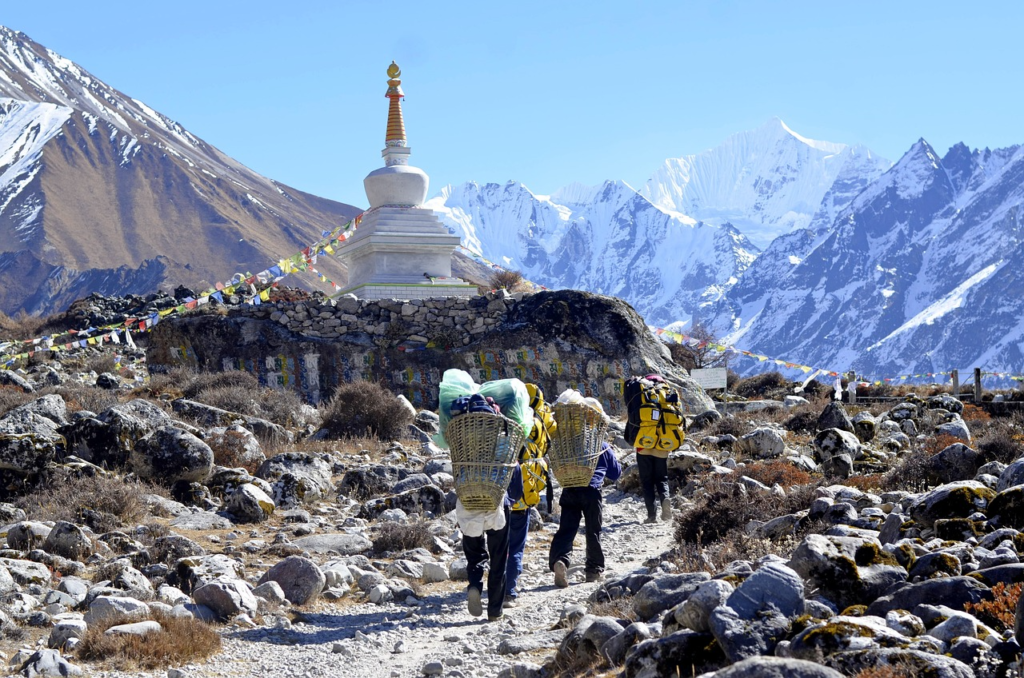
The reason is not that Nepal trekking experience is secretly expensive. It is that there is a whole layer of small, regular, entirely predictable costs that do not appear on any cost breakdown anyone reads before they go, and those costs add up quietly across two weeks until the total is noticeably higher than anything that was planned for.
Everything at the Teahouse That Is Not the Room
The biggest source of unbudgeted spending on a Nepal trek is the teahouse extras system, and understanding how it works before you arrive saves real money.
When you stay at a teahouse, the room rate is low, sometimes five to ten US dollars per night, which makes it easy to assume you are spending very little on accommodation.
What that room rate does not cover is almost everything else you need during the evening and morning.
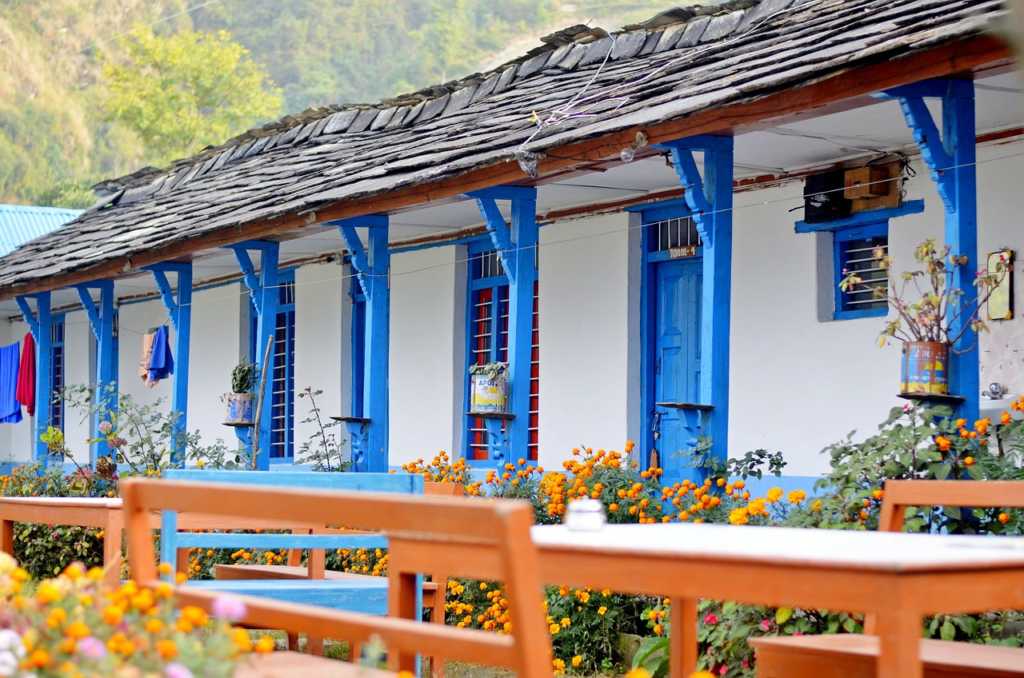
A hot shower is charged separately, typically two to five dollars depending on altitude and water availability. Charging your phone, camera, or power bank is charged separately at one to three dollars per device.
WiFi, where it exists, comes with a separate access code, usually two to four dollars for a data allowance that runs out faster than expected.
Boiled or filtered drinking water is charged separately. An extra cup of tea that beyond the meal is charged separately.
Having said that, None of these charges are unreasonable. Everything at altitude was carried up there by a person on foot or loaded onto a yak/mule, and the prices reflect that effort honestly.
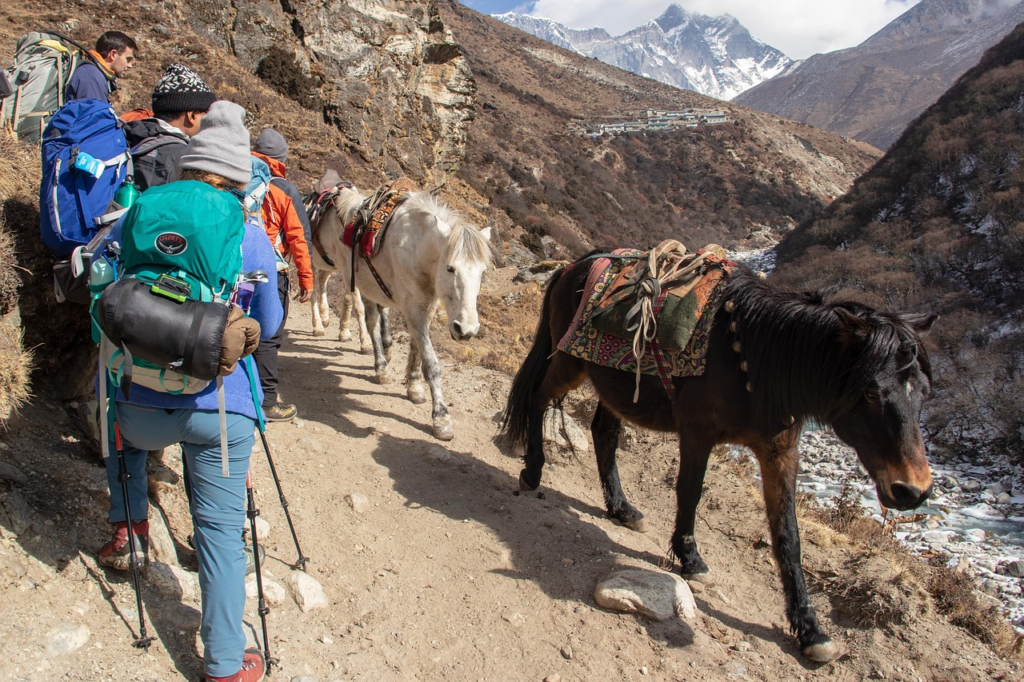
But most trekkers budget for a room and three meals and that does not entirely account for the couple of small extras that accumulate through each day on the trail.
The higher altitude makes this more noticeable as the trek progresses. A bottle of water that costs fifty rupees in Kathmandu can reach two dollars at Namche Bazaar and three dollars above Dingboche.
A hot shower that is one dollar at the lower lodges can cost four to five dollars near Gorak Shep.
Trekkers who set their budget based on lower-elevation prices and assume those prices hold throughout the route tend to feel the gap most sharply in the final days of the trek.
| Teahouse Extra | Lower Elevation | Higher Elevation |
|---|---|---|
| Hot shower | USD 1 to 2 | USD 3 to 5 |
| Device charging (per device) | USD 0.50 to 1 | USD 2 to 3 |
| WiFi access | USD 1 to 2 | USD 3 to 5 |
| Bottled water per litre | USD 0.50 to 1 | USD 2 to 4 |
| Extra cup of tea or coffee | USD 0.50 to 1 | USD 1 to 2 |
Over a fourteen-day trek with regular use of these extras, the additional daily spend can add USD 100 to 200 above the planned budget, and sometimes more on routes that spend several nights at high elevation teahouses.
Snacks and the Laminated Menu Problem
Three meals a day sounds like enough, and at sea level it would be, but trekking at altitude burns through energy at a rate that surprises almost everyone.
By the time you reach a teahouse mid-afternoon after a long morning of walking, the menu becomes extremely appealing in a way it would not be in ordinary life.
The snacks, biscuits, chocolate bars, apple pie, energy drinks, and extra portions ordered off that menu add up across the days of a trek more than most people anticipate.
Packaged snacks and goods at teahouses cost significantly more than the same items in Kathmandu because everything was carried up from below.
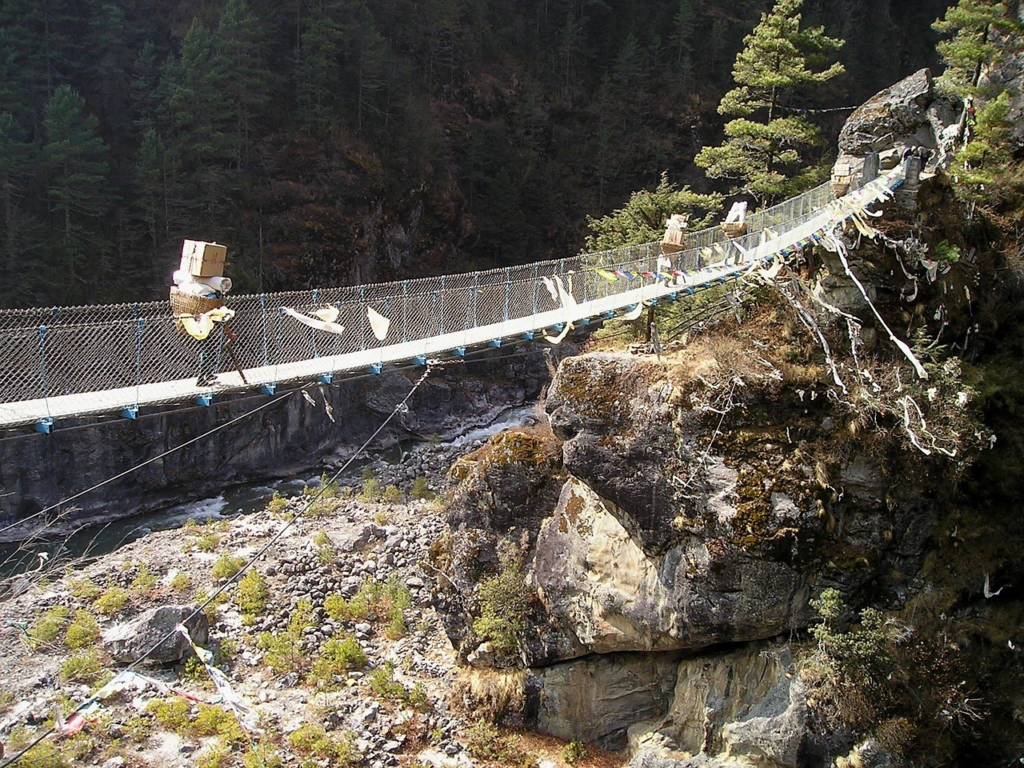
A chocolate bar that costs fifty rupees in a Thamel supermarket can cost three times that at a teahouse above 4,000 metres.
The most practical fix is to buy a solid supply of snacks in Kathmandu before the trek begins.
Another fix is eating Dal Bhat if you prefer over other light meals, as you can get a huge portion of it, and bonus point is you can even refill until you are completely done.
In Nepal we often we “Dal Bhat Power 24 hours,” which basically means that local and freshly served cuisine can keep your energy full for at least a day.
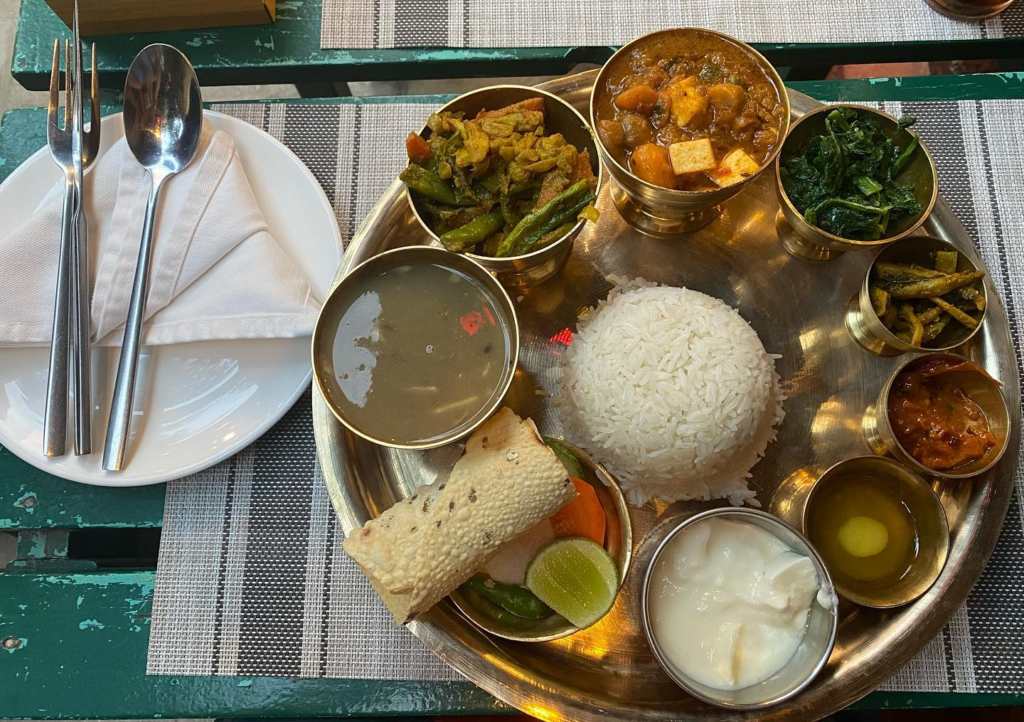
On the other hand, Trail mix, energy bars, dried fruit, nuts, and biscuits from the outdoor shops or supermarkets in Thamel cost a fraction of what the same items cost at altitude, pack easily, and reduce reliance on the teahouse menu between meals.
It is one of the simplest adjustments you can make and one of the most effective at keeping actual daily costs closer to what was planned.
Guide and Porter Tips
Tipping guides and porters at the end of a trek is standard practice in Nepal and worth budgeting for before you leave Kathmandu.
It is a meaningful part of how mountain workers supplement their income, and setting the money aside early means it does not become a financial afterthought at the end of an already-expensive trip.
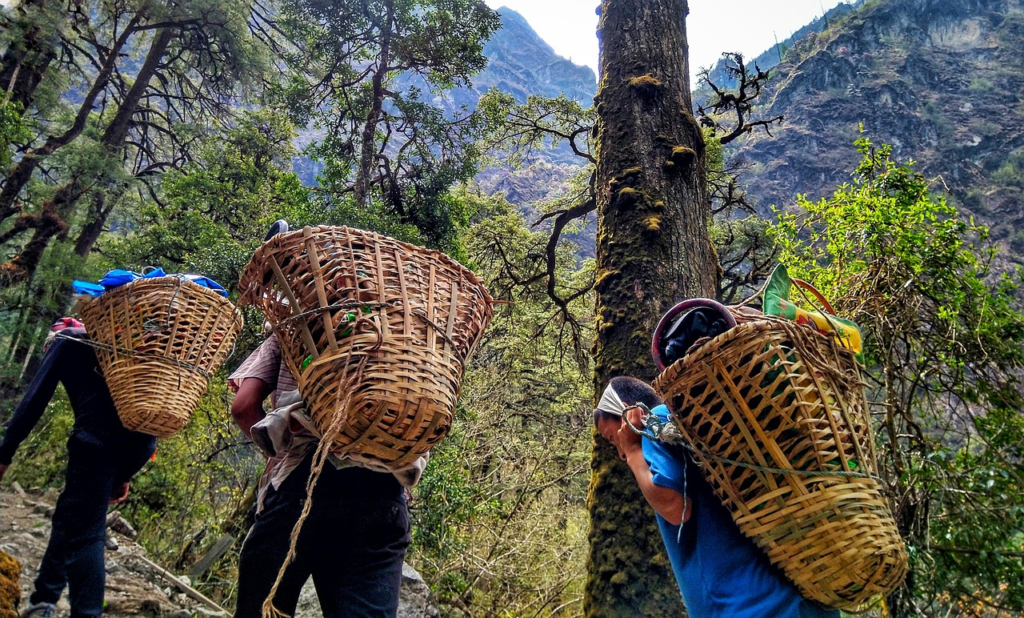
A typical tip for a trekking guide runs at around ten to fifteen US dollars per day of the trek, so roughly USD 140 to 210 for a fourteen-day EBC trip.
Porters generally receive five to eight dollars per day, and on group treks where multiple porters have been sharing the load, those individual amounts add up to a meaningful total. Cooks on camping-style expeditions fall in a similar range to guides.
| Support Staff | Typical Daily Tip | For a 14-Day Trek |
|---|---|---|
| Trekking guide | USD 10 to 15 | USD 140 to 210 |
| Porter | USD 5 to 8 | USD 70 to 112 |
| Cook (if applicable) | USD 8 to 12 | USD 112 to 168 |
The easiest way to handle tipping is to calculate the amount before the trek starts, withdraw it in small denomination notes in Kathmandu.
Make sure to keep it separate from your daily spending money so it is ready to give without any last-minute scramble.
The Lukla Delay Fund
If your trek involves a Lukla flight, which includes the Everest Base Camp trek, Gokyo Lakes, the Three Passes, and any other route in the Khumbu, building some contingency for potential delays into your budget is genuinely necessary rather than just cautious.
Lukla’s Tenzing-Hillary Airport is one of the most weather-dependent airstrips in the world, and during peak season cancellations happen on a meaningful number of mornings due to cloud cover, wind, or visibility below the required threshold.
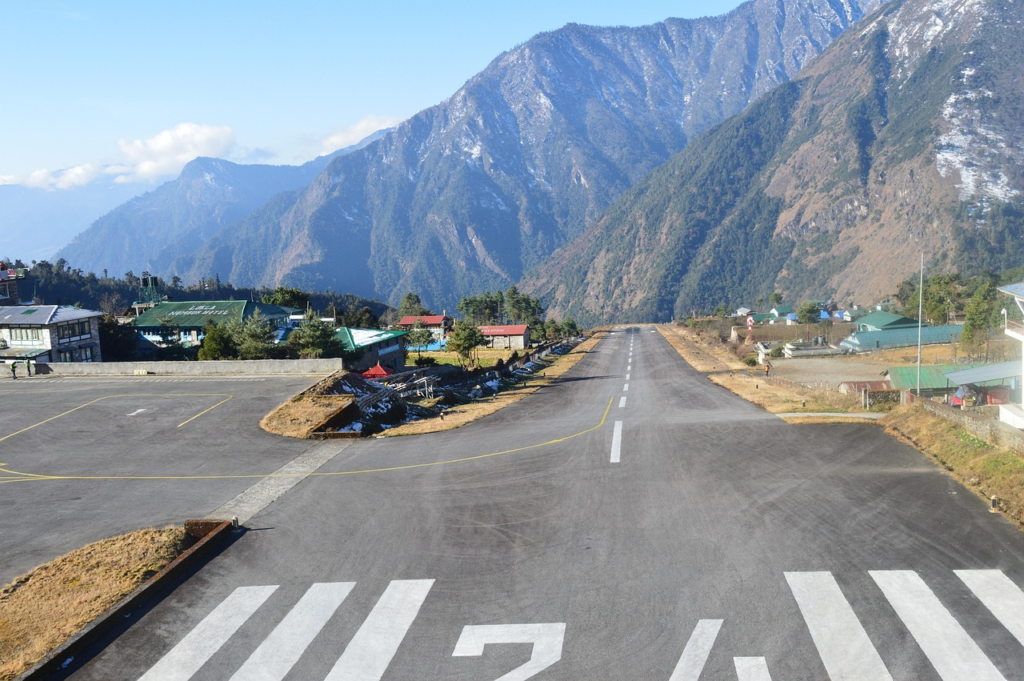
A one-day delay is common. Delays of two or three days happen somewhere on the mountain every season.
People caught by this have to cover additional accommodation and meals in Lukla or Kathmandu entirely out of pocket, since trekking packages do not cover weather delays.
Three unplanned days in Kathmandu waiting for a weather window can cost USD 100 to 200 in accommodation and meals depending on how you travel, and that is not a problem for a budget that planned for it but a genuine stress for a budget that did not.
Setting aside a dedicated delay fund of around USD 150 to 200 solves the financial side cleanly, and pairing it with a return international flight scheduled at least 48 hours after your expected arrival back in Kathmandu solves the logistical side.
Both preparations together cost almost nothing relative to the price of a missed international flight.
Medical Costs and the Insurance Gap
The range of possible medical costs on a Nepal trek is wider than most people realise and the consequences of being underinsured are more serious than they are in most travel destinations.
The basics first, Diamox, the most commonly used medication for managing altitude sickness symptoms, costs around USD 2 to 10 for a course depending on where you buy it in Nepal, and is worth getting before the trek rather than trying to source it on the trail.

Beyond Diamox, a practical medical kit should include rehydration sachets, ibuprofen for altitude headaches, antidiarrhoeal tablets, blister treatment, throat lozenges for the dry mountain air, and a basic wound care supply.
If you Assemble in Kathmandu before departure, a functional medical kit costs USD 30 to 60 and covers the most common trail health needs without you having to pay teahouse prices for individual items when something goes wrong at altitude.
Medical clinics exist along the popular trekking routes. The Himalayan Rescue Association operates clinics at Pheriche on the Everest route and at Manang on the Annapurna Circuit, staffed by volunteer doctors during trekking season.
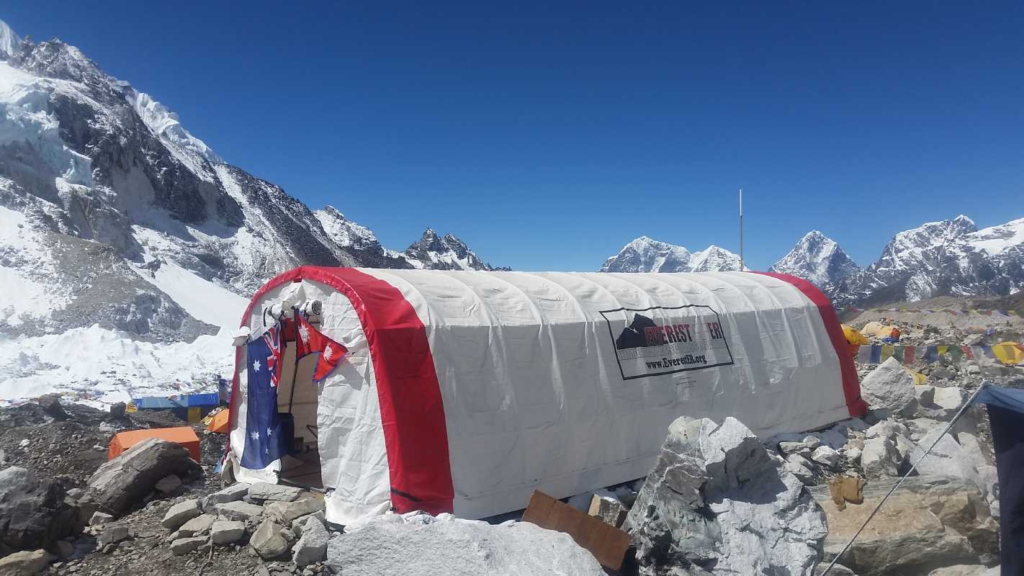
However, in hidden trekking regions or remote routes, you will rarely find a clinic.
These clinics offer altitude consultations and basic examinations, and trekkers who are uncertain about symptoms should use them without hesitation.
Consultations are inexpensive, typically a few dollars, but getting there when you need them requires being on a route that has them, which not all routes do.
Supplemental oxygen is available for rent at some higher teahouses on the Everest route, typically at a cost of USD 80 to 200 per canister depending on altitude and supply.
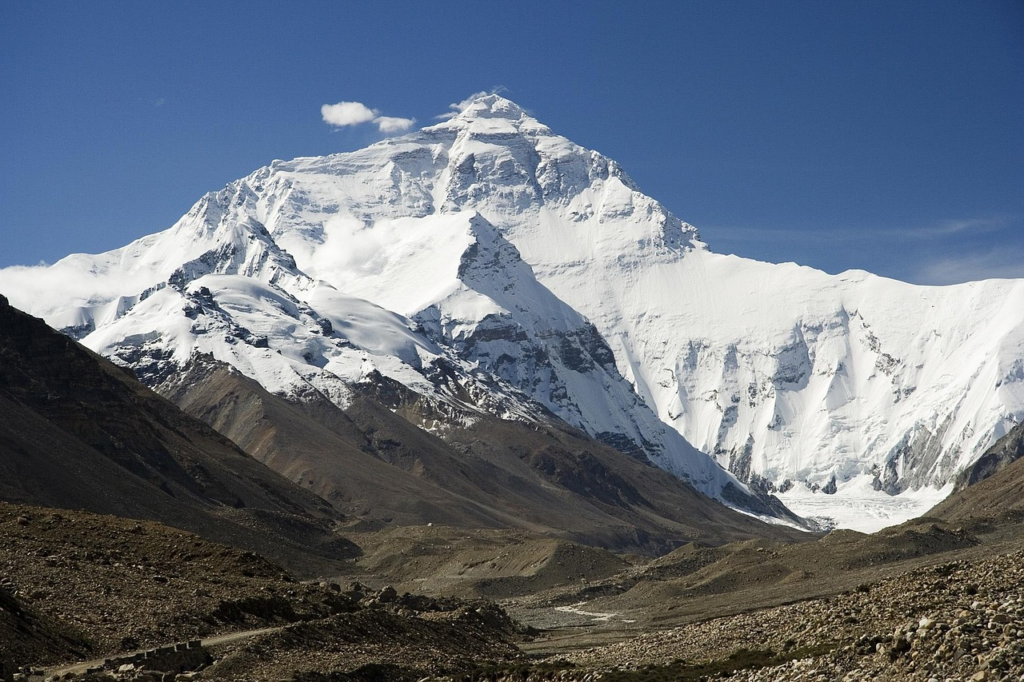
It is worth knowing that these canisters exist and where they are typically stocked if you or someone in your group develops serious symptoms above 4,000 metres.
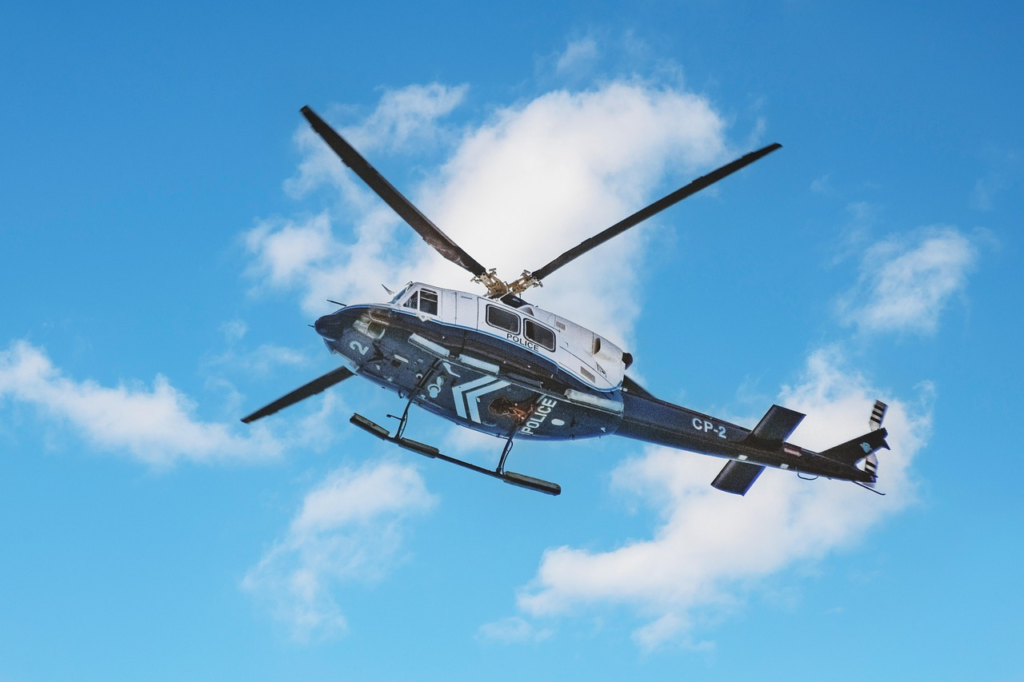
The most significant medical cost that most trekkers do not plan for is helicopter evacuation.
A helicopter rescue from a high point on the Everest route, Manaslu Circuit, or another technical area can cost between USD 3,000 and 8,000 depending on the pickup altitude, weather conditions, and logistics.
This is not covered by most standard travel insurance policies unless the policy specifically includes high-altitude helicopter evacuation, and that distinction matters enormously.
The most common insurance mistake trekkers make in Nepal is buying a generic travel policy and assuming it covers mountain rescue.
Many policies cap medical evacuation at a figure well below what a Himalayan helicopter rescue actually costs, or exclude rescues above a certain elevation entirely.
Buying a policy that explicitly covers helicopter evacuation in Nepal, and verifying that coverage in writing before you leave home, is one of the most important financial decisions you can make before a high-altitude trek.
The premium difference between a policy that includes this and one that does not is usually small relative to the potential cost of not having it.
| Medical Cost Category | Typical Cost Range |
|---|---|
| Diamox (full course) | USD 2 to 10 |
| Basic medical kit assembled in Kathmandu | USD 30 to 60 |
| HRA clinic consultation | USD 5 to 15 |
| Supplemental oxygen canister rental | USD 80 to 200 |
| Helicopter evacuation from mid route | USD 3,000 to 5,000 |
| Helicopter evacuation from high altitude | USD 5,000 to 8,000 |
| Travel insurance with helicopter coverage | USD 80 to 200 |
Gear You Forgot or Gear That Failed
Almost every trekker who spends time in Thamel before heading into the mountains ends up spending money on gear they did not know they needed until a guide, a fellow trekker, or the weather pointed it out.
Sometimes these are items genuinely forgotten at home. Sometimes they are items that seemed adequate in a shop but turned out not to be warm enough or waterproof enough for the specific conditions of a Himalayan route in October or November.
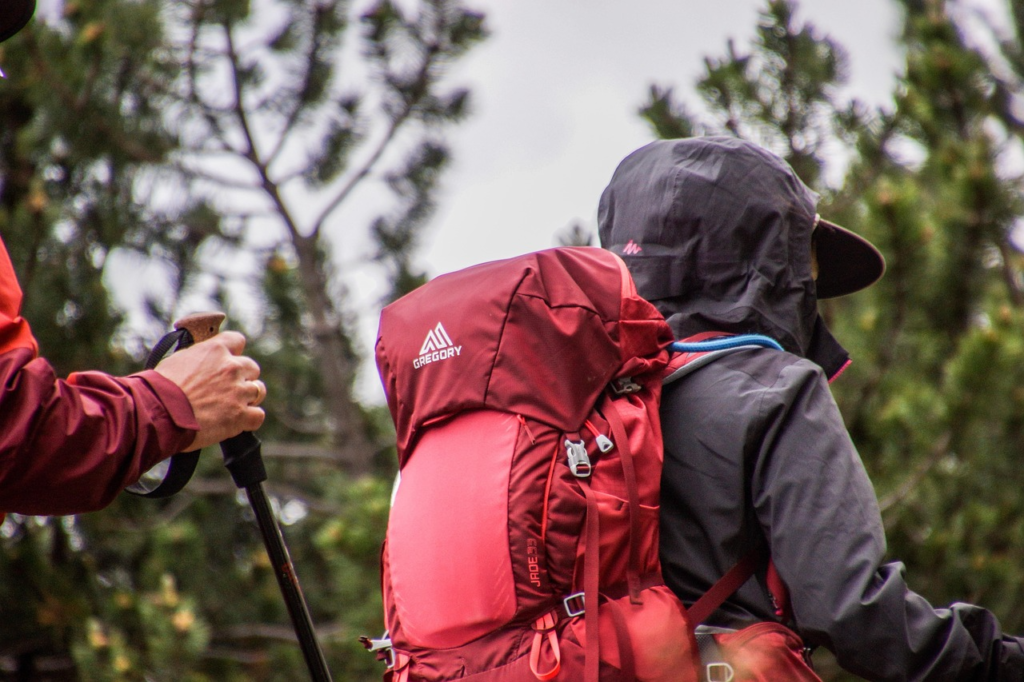
Thamel has a well-developed gear market with both genuine international brands and locally made or replica items across a wide price range.
The quality of replica gear varies considerably, with some items performing well and others failing at inconvenient moments.
A good sleeping bag, a reliable waterproof jacket, and sturdy trekking boots are not the places to cut costs, and replacing any of these in Kathmandu means spending real money.
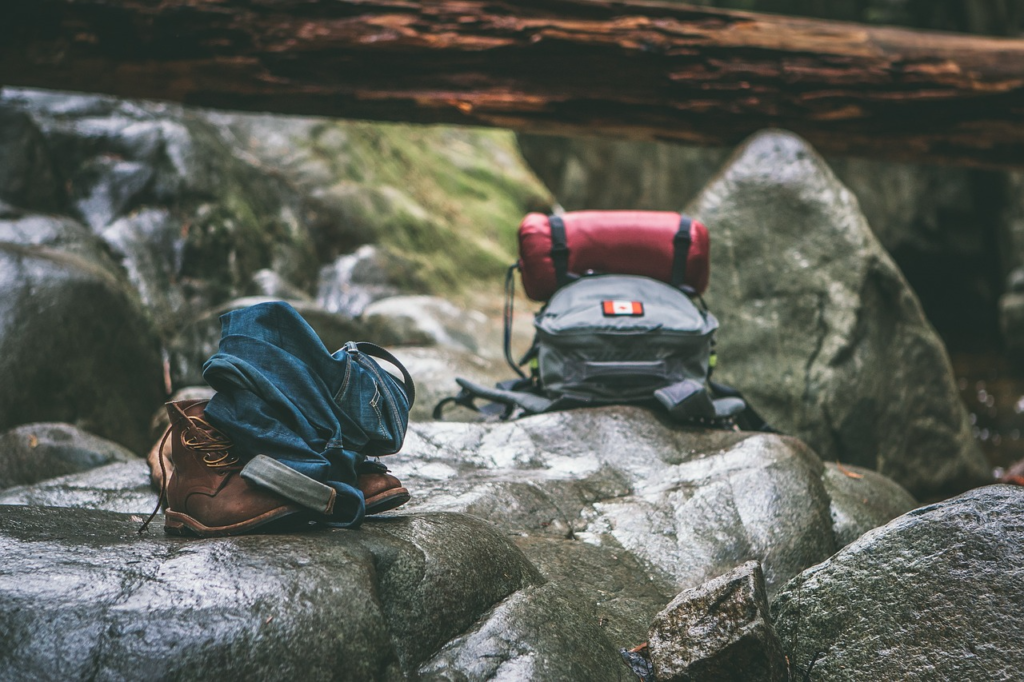
A decent high-altitude sleeping bag from a reputable Thamel shop runs from USD 50 for a basic model to USD 200 or more for genuinely warm gear.
A solid waterproof shell jacket similarly ranges from USD 80 to USD 300 depending on quality. These are costs that nobody plans for because nobody expects to need them, but they are costs that a meaningful number of trekkers absorb before they reach the trailhead.
However, with growing demands you can currently get rented goods including, trekking bags, sticks, poles and other items at a very reasonable price, which is best way to save money.
The Pre-Trek and Post-Trek Days in Kathmandu
The days in Kathmandu at either end of the trek are a genuine hidden cost that most trekking package prices do not cover, and they add up faster than most people expect.
Before the trek begins, most trekkers spend two to three days in Kathmandu for permit processing, final gear organisation, guide briefings, and acclimatisation.
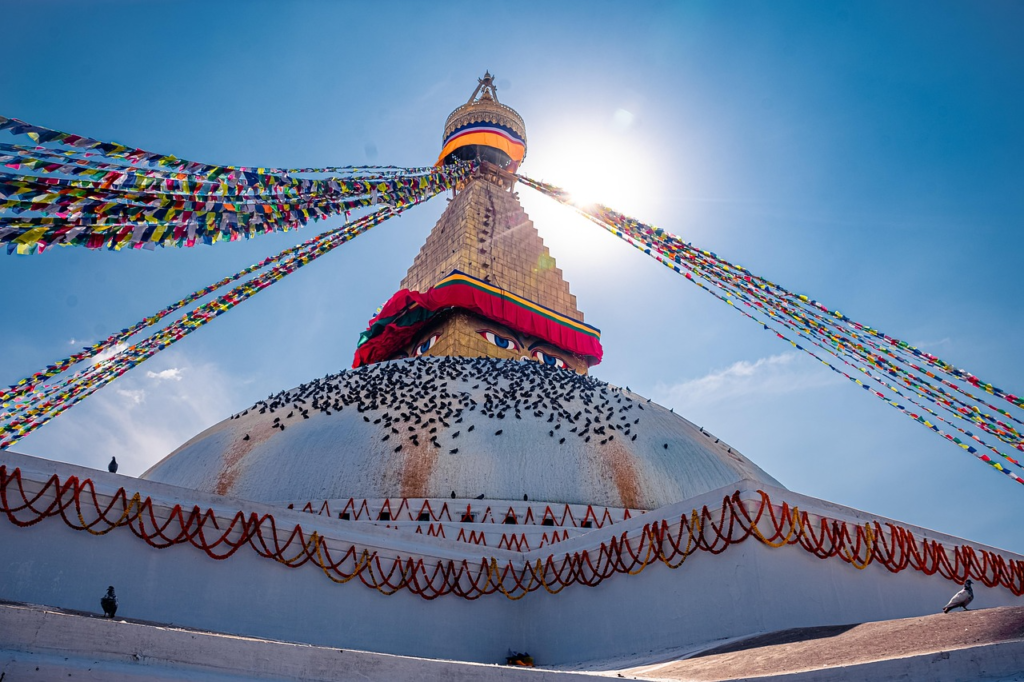
After the trek ends, one or two more days typically pass before the international flight home.
A budget hotel in Thamel costs USD 20 to 40 per night, a comfortable mid-range option runs USD 50 to 80, and restaurant meals in the tourist areas of Kathmandu add USD 15 to 40 per day depending on where you eat.
Airport transfers, visa fees for some nationalities, and the various practical expenses of arriving in and departing from a new country all sit on top of that.
Five days of Kathmandu accommodation, meals, local transport, and pre-trek purchases can easily reach USD 250 to 500 for a budget traveler and considerably more for someone staying in better accommodation.
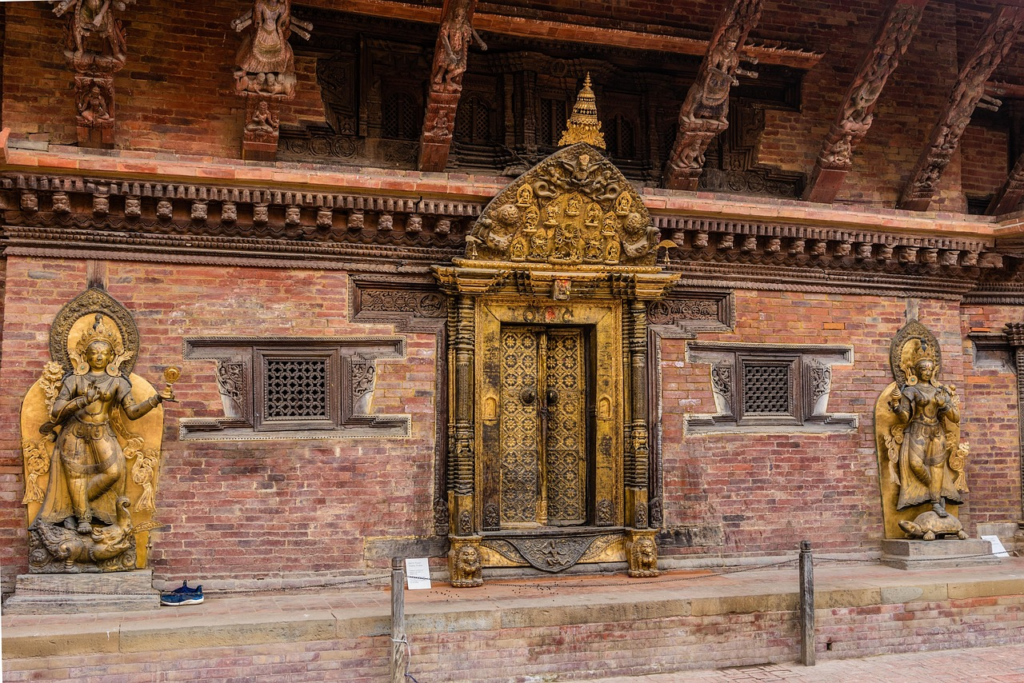
Keeping these days as part of the total trip cost rather than as separate from the trekking budget gives a much more accurate picture of what the trip actually costs in total.
What the Budget Actually Needs to Look Like
When all the costs that typically sit outside a standard trekking package are added together, the picture for a fourteen-day Everest Base Camp trek looks roughly like this.
| Hidden Cost Category | What Most People Budget | What They Actually Spend |
|---|---|---|
| Teahouse extras (showers, WiFi, charging, water) | USD 0 to 30 | USD 100 to 200 |
| Snacks and extra food | USD 20 to 40 | USD 60 to 120 |
| Guide and porter tips | USD 50 to 80 | USD 200 to 350 |
| Weather delay contingency | USD 0 | USD 0 to 200 |
| Medical kit and medications | USD 10 to 20 | USD 50 to 150 |
| Travel insurance with helicopter cover | USD 30 to 50 | USD 80 to 200 |
| Last-minute gear in Kathmandu | USD 0 | USD 0 to 300 |
| Kathmandu pre and post trek costs | USD 100 to 150 | USD 250 to 500 |
| Total gap between planned and actual | USD 210 to 370 | USD 740 to 2,020 |
The gap between the planned figure and the actual figure is the part worth sitting with. It is not that Nepal trekking is expensive, because by any global standard it is genuinely affordable.
It is that the costs that people do not plan for are consistently larger than the costs they do, and the difference between arriving prepared and arriving underprepared tends to be felt most clearly in the moments when something goes wrong and the budget has no room for it.
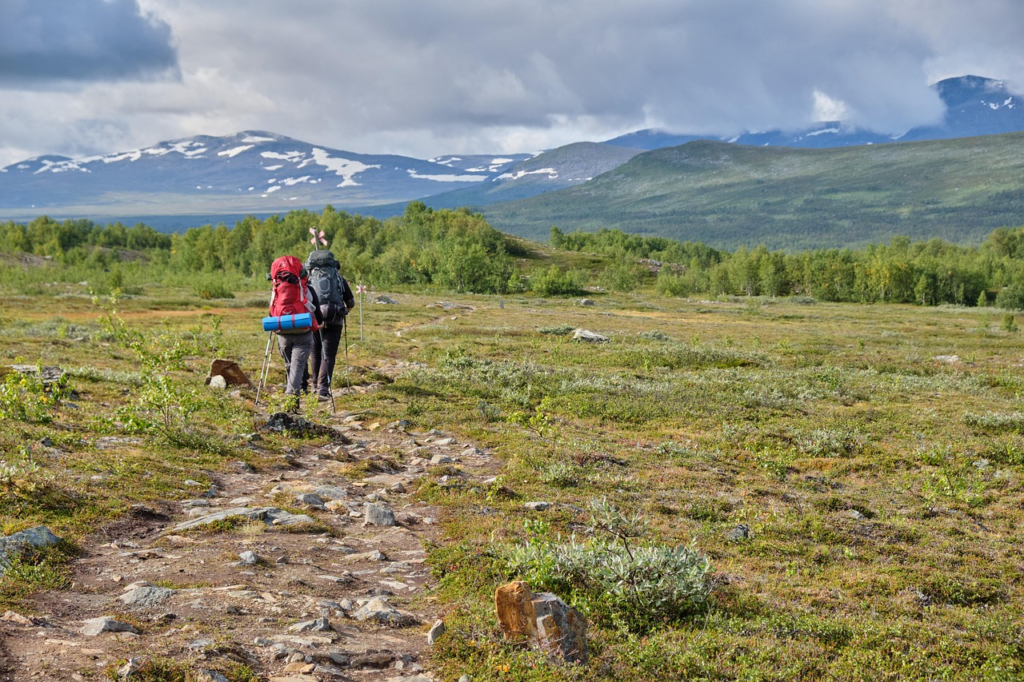
Nepal is one of the most remarkable trekking destinations in the world and the experience is worth planning properly.
Getting the budget right before you leave means the only surprises you deal with on the trail are the good kind.