



Buffer Days in Nepal Trek: Small Detail in Itinerary that Can Save the Whole Trip
You can plan a Nepal trek down to the last tea stop and still lose a day to weather. That is not bad planning; that is the reality of the Himalayas.
A Lukla flight can be grounded by low visibility, Jomsom can shut down because of strong valley winds, and a high pass can close after an overnight snowfall even when the morning starts clear.
That is why buffer days in Nepal trek planning matter so much. They are the part of the itinerary that keeps a good trip from turning into a rushed one.
What buffer days actually are
Buffer days are extra days built into a trek to absorb the unpredictable parts of travel in Nepal. They are not fixed trekking days, not sightseeing days, and not acclimatization days.
They are there for the things you cannot schedule including, flight delays, weather, trail problems, tired legs, or a body that needs more time at altitude.
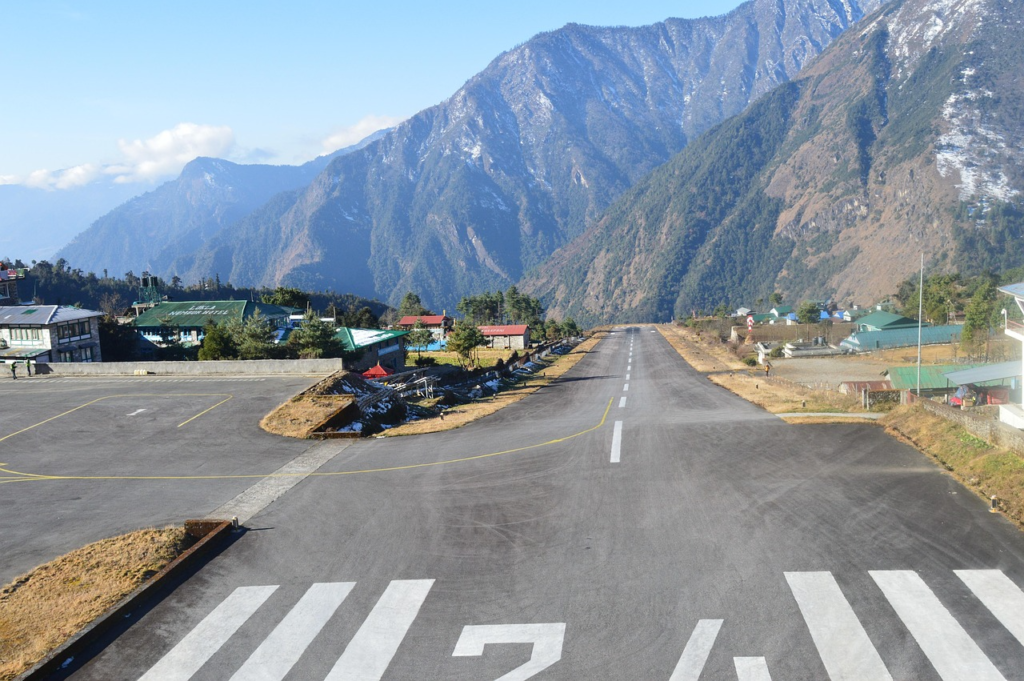
In the mountains, that flexibility is not wasted time, it is actually what makes the rest of the plan possible.
A good buffer day does not feel extra when everything goes smoothly. The buffer days becomes a rest day, a slow breakfast, an extra tea in the afternoon, or a chance to stay in a village a little longer.
When things do go wrong, that same day can save the whole trek without affecting your schedule. That is the whole point of the Buffer days.
Why buffer days matter more in Nepal than in many other trekking countries
Nepal is beautiful, but it is also weather-sensitive in a way many first-time trekkers underestimate.
Nepal has five seasons, that temperatures drop with altitude, and that monsoon trekking is especially suited to rain-shadow areas such as Manang and Mustang.
In other words, the same country can feel very predictable in one region and very fragile in another. That is essential because many of Nepal’s most famous treks depend on logistics that can shift quickly.
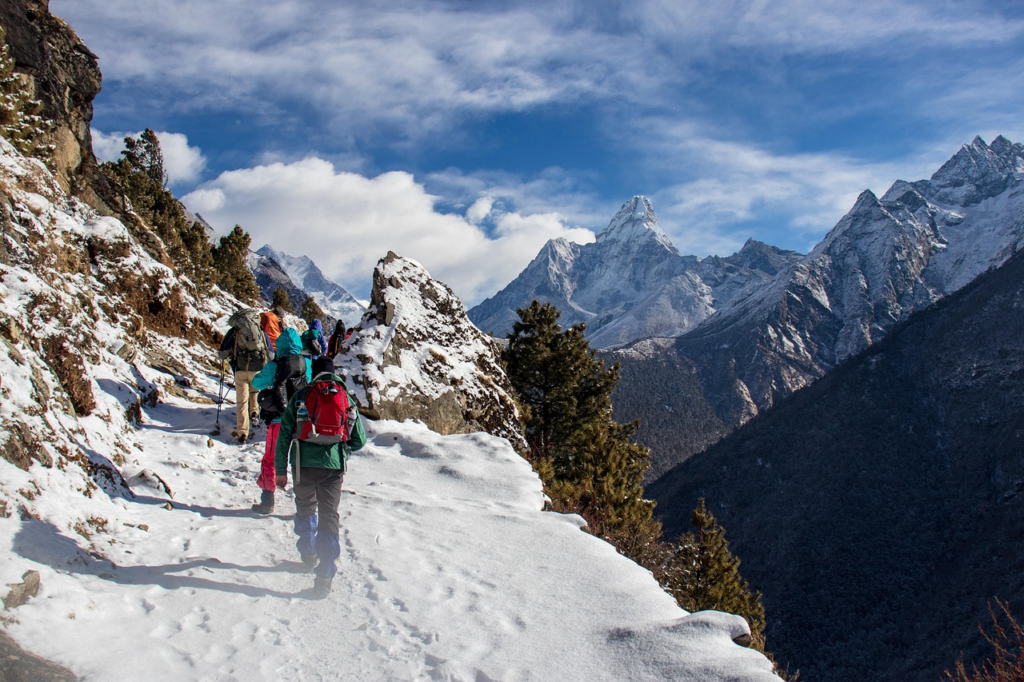
Everest region itineraries rely heavily on Lukla flights, and Lukla’s runway is only 527 metres long at high elevation, which is exactly the kind of setup where visibility and weather control the schedule.
Jomsom has its own wind problem as well, the strong afternoon valley winds regularly affect operations, which is why timing there matters so much.
Altitude is the other big reason why buffer days are essential. Even fit travelers can develop acute mountain sickness during rapid ascent above 3000 metres.
On Nepal treks, that is not an abstract medical emergency, but one of the main reasons itineraries need breathing room. A day of rest can be the difference between adapting well and pushing on too soon.
The routes where buffer days matter most
Some treks can absorb delays more easily than others, no considering buffer days accordingly is essential. Short low-altitude routes are usually more forgiving.
Treks that depend on mountain flights, remote trail access, or high passes are much less forgiving.
| Trek type | Buffer days to consider | Why it is improtant |
|---|---|---|
| Everest-region treks | 2 to 3 days | Lukla flights can be delayed by weather |
| Annapurna-region treks | 1 to 2 days | Weather, road access, and high passes can all shift the plan |
| Manaslu or other remote circuits | 2 days or more | Trail conditions and logistics can change quickly |
| Short hill treks | 1 day | Enough for small delays and a little flexibility |
The more your trek depends on weather, altitude, or flights, the more valuable your buffer becomes.
However, that is not a strict formula, it is a practical way to think about risk and how your trekking journey can be smooth.
Where to place buffer days in your itinerary
The best place for a buffer is usually near the beginning or the end of the trek, not in the middle.
An arrival buffer in Kathmandu is a smart start as it gives you time to recover from travel, check gear, meet your guide, and sort out anything that needs attention before you head into the mountains.
That first day in Nepal is often more valuable than it looks on paper. Mid-trek, buffer time works best at natural stopping points where the route already slows down.
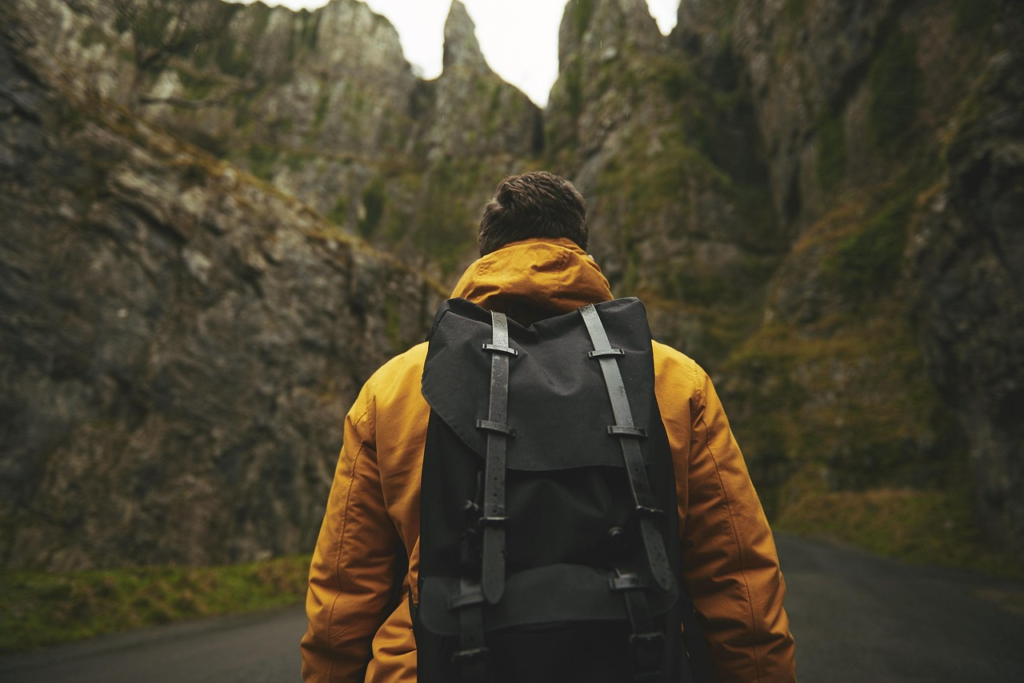
On many treks, that means places where altitude gain is already supposed to be gentle. If you do not need the extra day, you simply enjoy it.
If you do need it, you have already protected the rest of the itinerary. The most important buffer day is often the one after the trek.
Many people make the mistake of booking their international flight too tightly after returning from the mountains.
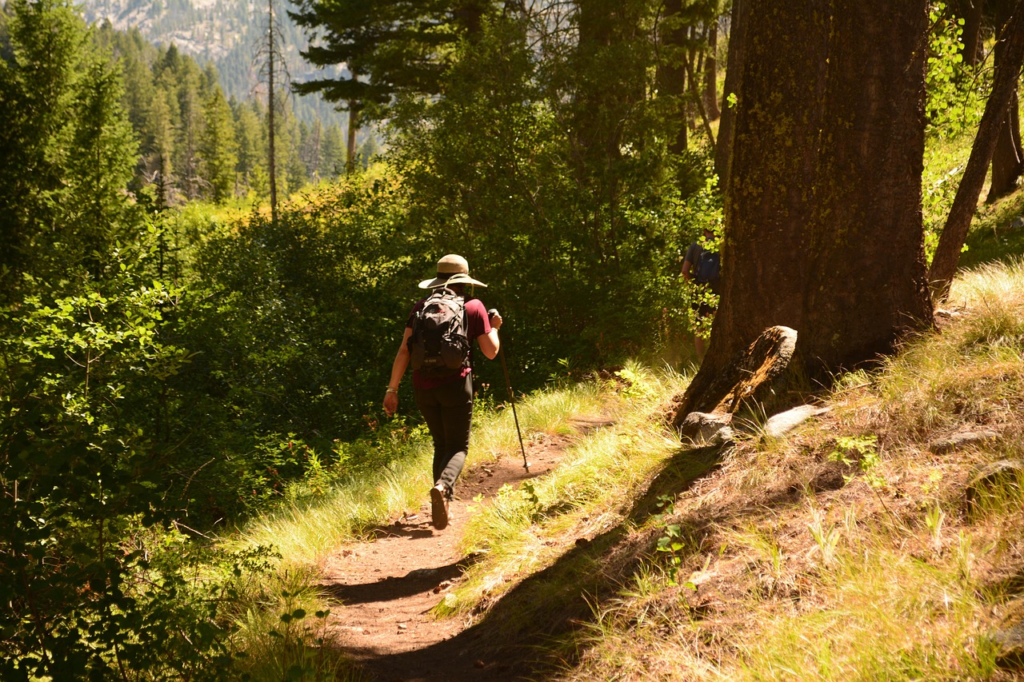
That is risky, especially on itineraries involving Lukla or Jomsom, where weather can easily interrupt the last leg of travel.
A little space at the end of the trip is usually worth far more than squeezing the schedule for one extra night on the trail.
How many buffer days do you really need?
There is no single number that works for every trek, but a useful rule is simple, the more remote and weather-dependent the route, the more buffer time you should build in.
| Trek | Standard duration | Suggested buffer days |
|---|---|---|
| Everest Base Camp | 12 to 14 days | 2 to 3 days |
| Annapurna Base Camp | 7 to 12 days | 1 to 2 days |
| Annapurna Circuit | 12 to 18 days | 2 days |
| Manaslu Circuit | 14 to 16 days | 2 days |
| Langtang Valley | 6 to 10 days | 1 day |
| Gokyo or Three Passes | 14 to 20 days | 2 to 3 days |
| Upper Mustang | 12 to 16 days | 1 to 2 days |
A trek in the monsoon or winter usually needs more flexibility than the same route in stable autumn weather.
Spring and autumn are the main trekking seasons, while monsoon trekking is often best in rain-shadow regions such as Mustang and Manang.
| Season | Conditions to expect | Buffer days to think about |
|---|---|---|
| Spring | Generally good trekking conditions, but weather can still shift | 1 to 2 days |
| Autumn | Usually the clearest and most popular trekking period | 1 to 2 days |
| Winter | Colder, shorter days, more weather disruption | 2 to 3 days |
| Monsoon | Rain, cloud cover, and more route disruption in many regions | 3 days or more |
What to do with buffer days you do not end up needing
Unused buffer days are not lost days. They are the days that let the trip breathe and let you relax without rushing while ascending or descending.
In Kathmandu, extra time can be used for proper rest, a slow meal, final shopping, or simply staying off your feet before or after the trek.
In Pokhara, the same logic applies. The city is a natural place to explore after a trail and gives trekkers a softer landing before heading home.
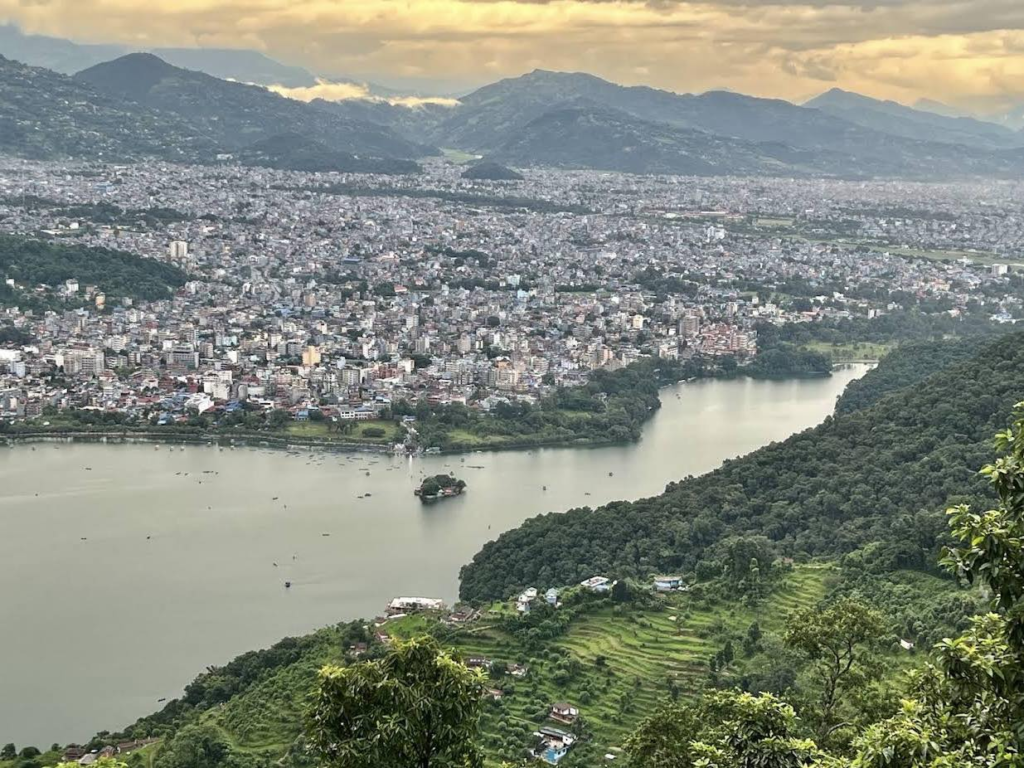
Pokhara is the major Trekking base for the Annapurna region, which is exactly why extra time there often feels like a reward rather than a delay.
Buffer days also make the whole trip feel less compressed. Instead of watching the clock every morning, you get to travel at a pace that fits the mountains rather than forcing the mountains to fit your calendar.
Buffer days vs Acclimatization days
This is one of the most important distinctions in trekking planning.
Acclimatization days are part of the health strategy. They help your body adapt to altitude and are usually placed at specific elevations on purpose.
The rapid ascent above 3,000 metres increases the risk of acute mountain sickness, so rest and careful ascent are part of safe trekking.
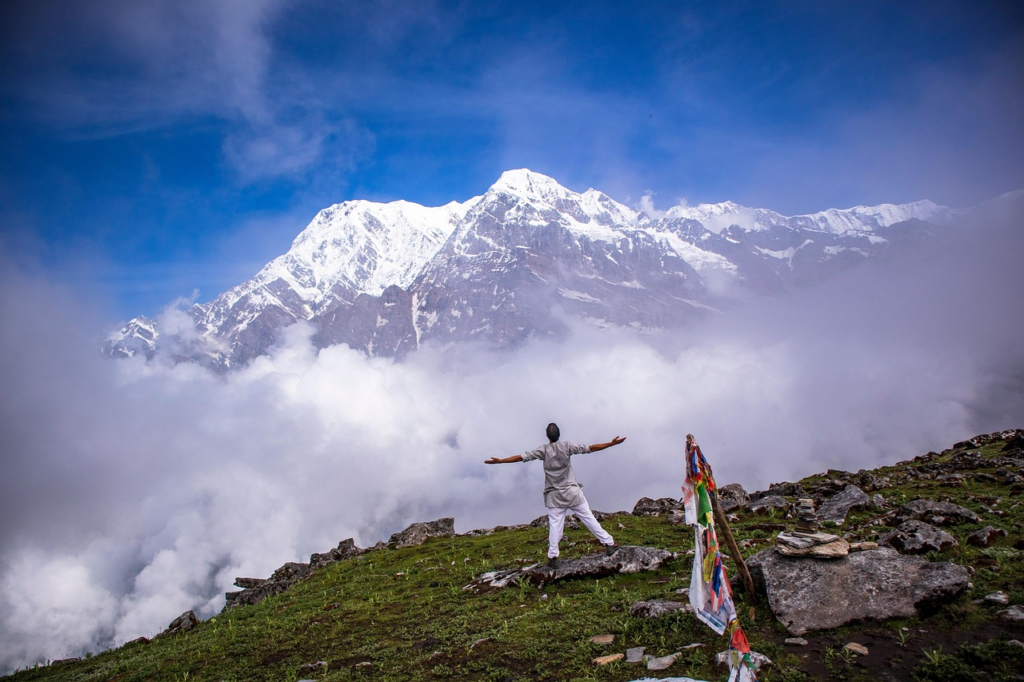
On the other hand, as mentioned before, Buffer days are different. They are not there to help you adapt physically. They are there to protect the itinerary from the things nobody can control.
A trek with good acclimatization but no buffer days can still fail because of one delayed flight or one closed pass.
A trek with both is much more resilient, to ensure you don’t have to worry about anything external while trekking and just enjoy the ridges, valleys and the mountains with zero fear in your sub-concious mind.
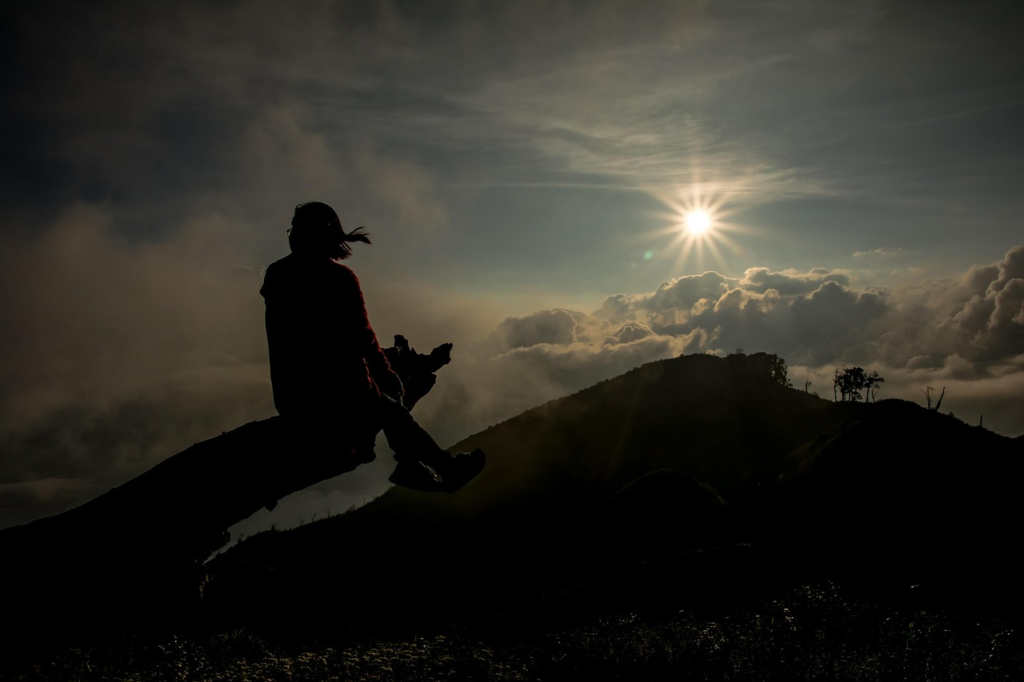
If the trek is short, close to road access, and not tied to flight schedules, one buffer day is often enough.
However, If the trek involves mountain flights, long uphill sections, high passes, or a fixed international departure date, two buffer days is the safer minimum.
Buffer Days You Actually Need
When the trek is remote, high altitude, or happening in winter or monsoon, more flexibility is usually the better call.
Also, if your are doing Peak Climbing, whether it is Mera Peak or Island Peak, couple of buffer days is a ust, along ith acclamization days.
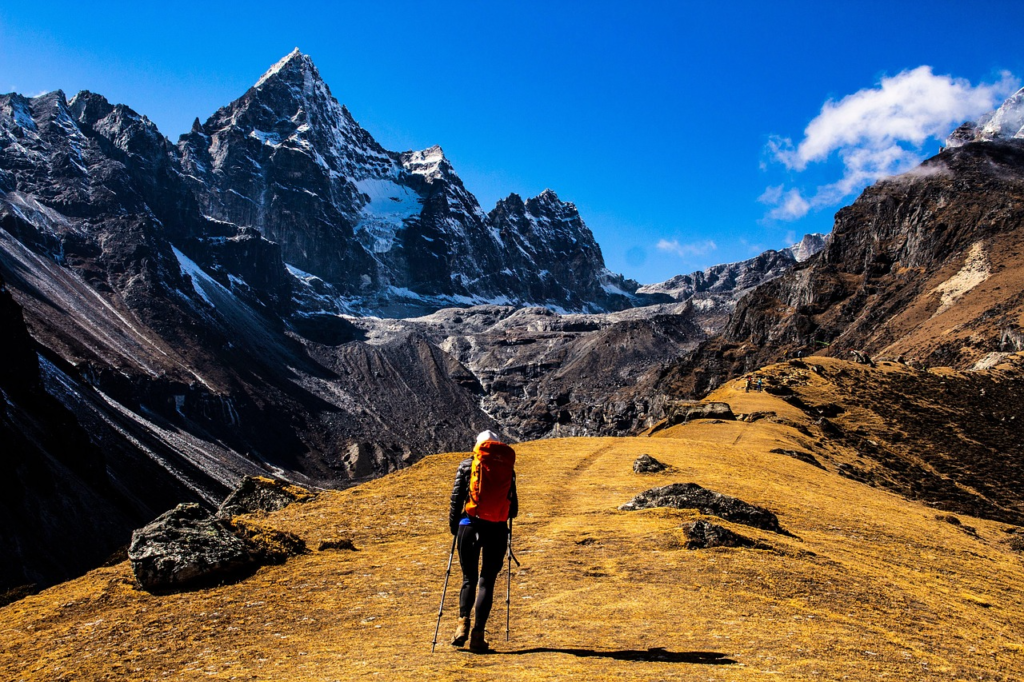
So, trekkers can keep it this way, Buffer days in Nepal trek planning are one of those details that only feel invisible when they are doing their job well.
They keep the trip calm, absorb delays, and give you room to enjoy the mountains instead of worrying about the clock.
On paper, they look like extra days and an extra cost. But in practice, they are what make a trek feel properly planned.
If you are heading to Everest, Annapurna, Manaslu, Langtang, Mustang, or any other Himalayan route, the best itinerary is not the one with the fewest days.
It is the one that gives the mountains enough space to be themselves and still lets you finish the journey without stress. That is the real value of a buffer day.