


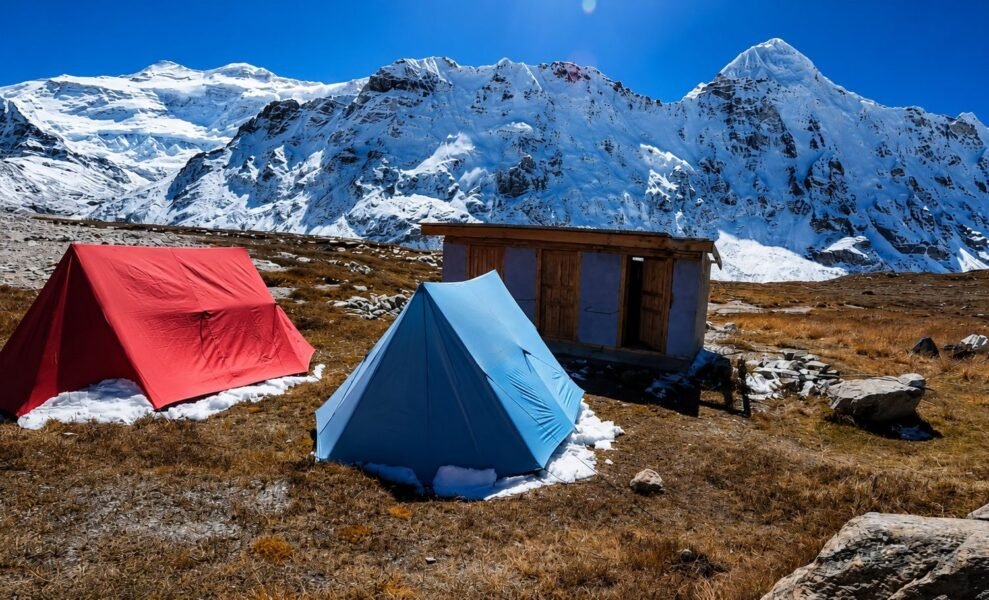
Camping Trek in Nepal: Routes, Gear, and What the Trail Actually Demands
Most people who trek Nepal never sleep in a tent. The famous routes handle everything. Everest Base Camp, Annapurna Base Camp, the Gokyo Lakes, these trails have teahouses at the right intervals, with dining rooms, charging points, and beds waiting at the end of every day.
That system works well, and for most people it is exactly what makes Nepal accessible. But there are routes where that infrastructure either does not exist or barely does.
Past a certain altitude, or deep in the corners of the country where the trail runs days from the nearest road, you are camping, but not as a lifestyle choice.
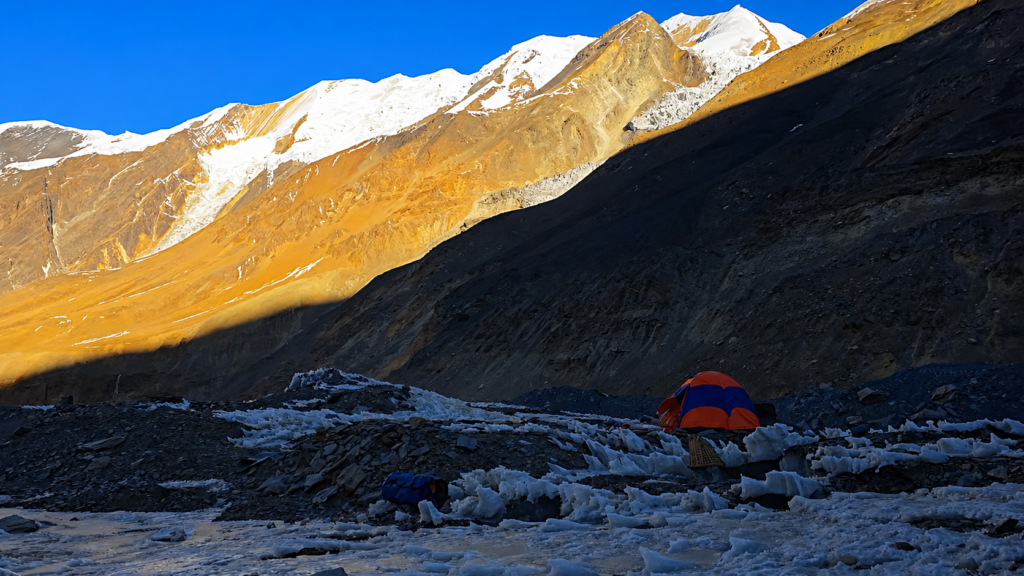
Because there is no lodge to check into. The Kanchenjunga Circuit, Upper Dolpo, Makalu Base Camp, the Limi Valley, Dhaulagiri Base Camp, these are the places Nepal’s teahouse network either never reached or only recently reached in the most basic sense, and they are also where the mountain landscape feels most completely itself.
To help what those routes are, where the teahouse zone ends, what to bring by season, and what the whole thing actually involves on the ground, we have provided useful information that can assist you whenever you are thinking of doing camping treks in Nepal.
What Camping Trekking in Nepal Actually Means
The difference is not just about where you sleep. On a teahouse trek, a lodge provides the shelter, the kitchen, and the warmth.
The rhythm of every day ends in a room that was already there before you arrived. On a camping trek, a team of porters, a cook, and a camp assistant travel with the group, and everything that lodge would have provided moves with you instead.
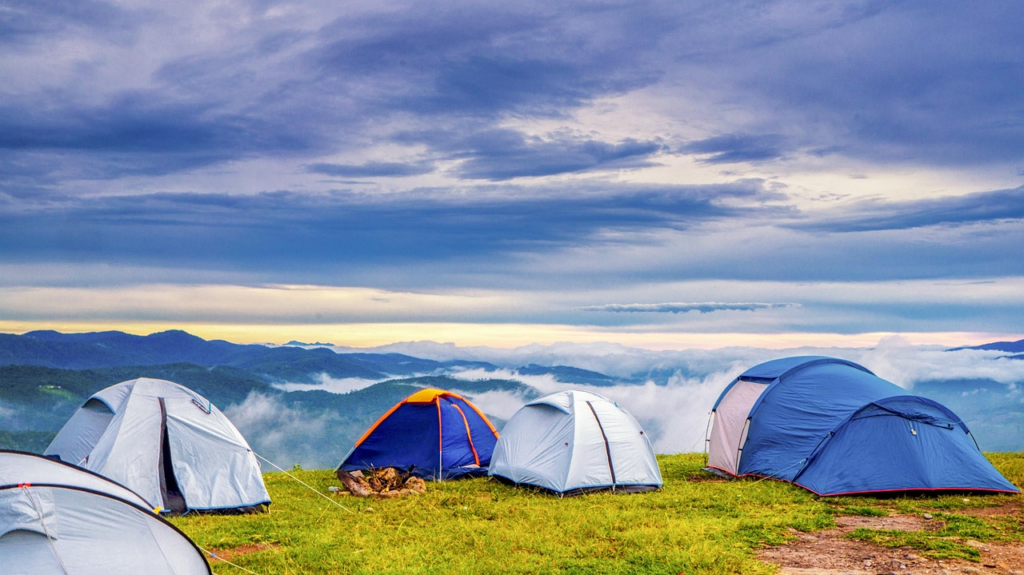
That team determines the quality of the experience more directly than almost any other factor. The cook prepares meals on a portable stove. Tents go up wherever the itinerary places them.
Water gets sourced and treated from rivers and snowmelt. There is no backup if something is missing.
Running a camping trek well means preparation starts weeks before anyone lands in Kathmandu, crew selection, food planning that accounts for how appetite changes with altitude, permit logistics, equipment checks.
This may not look as hard as people think, but is definitely more work than most people realize when they book.
What the Infrastructure Really Looks Like in Camping Treks
Something worth being clear about upfront is, Nepal’s trekking infrastructure has changed significantly over the past decade, and several routes that used to require camping have developed basic teahouse networks.
That does not mean the camping option has disappeared. On many of these routes, the teahouses at high altitude are so basic, so seasonal, and so dependent on weather conditions.
The distinction now is less about necessity and more about what kind of experience you want and how much you trust the infrastructure you would be depending on.
Upper Dolpo
Upper Dolpo is the clearest case where camping is not optional. The region sits in the rain shadow of the Dhaulagiri mountain, which means it receives almost no monsoon rainfall.
While the rest of Nepal is wet and green from June through August, Upper Dolpo stays dry, making it one of the few places in the country where the monsoon months actually work.
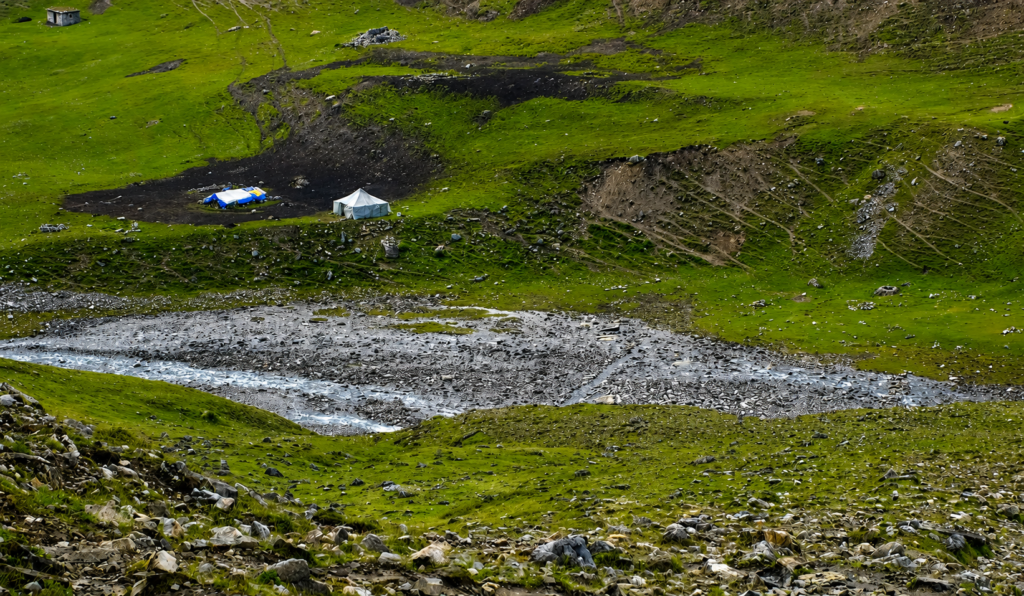
The landscape is high altitude Tibetan plateau, wide open, barren in a way that feels ancient, and home to communities maintaining Bon Buddhist traditions across centuries of isolation.
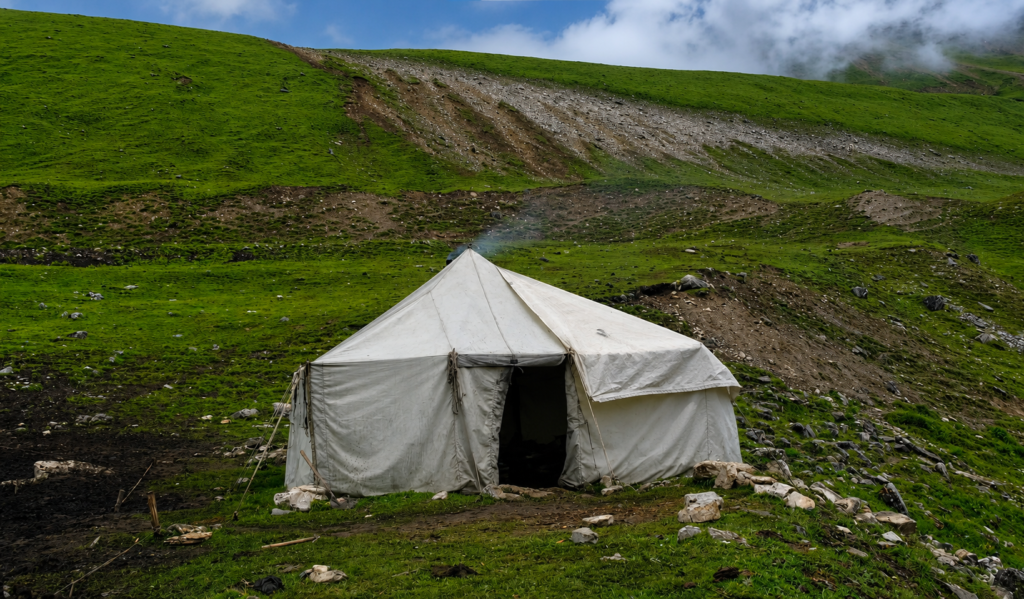
There are no teahouses in Upper Dolpo. Everything travels with the group. This restricted area permit runs around fifty dollars a day, which reflects how deliberately the government has limited access.
Phoksundo Lake actually stops you when you first reach it. The color is disorienting, too vivid for the landscape around it, too blue against all that grey stone and dry plateau grass.
Most people spend longer at the edge than they intended to. Above the lake, the trail moves into the high Dolpo interior where the ancient Bon monastery at Shey sits in a landscape that feels genuinely removed from everything below it.
Kanchenjunga Circuit Trek
The Kanchenjunga region sits in the far east of Nepal near the Sikkim border. Getting there adds an extra half-day of flying compared to most trekking destinations, and that barrier is a big part of why the route stays quiet.
Kanchenjunga at 8,586 metres is the third highest mountain in the world, and the circuit visiting both north and south base camps gives a more complete picture of a single peak than almost any other route in Nepal manages.
The teahouse situation here is better than it used to be. The lower sections through Taplejung and up the Ghunsa valley have established lodges, and Ghunsa itself has the best teahouses on the route.
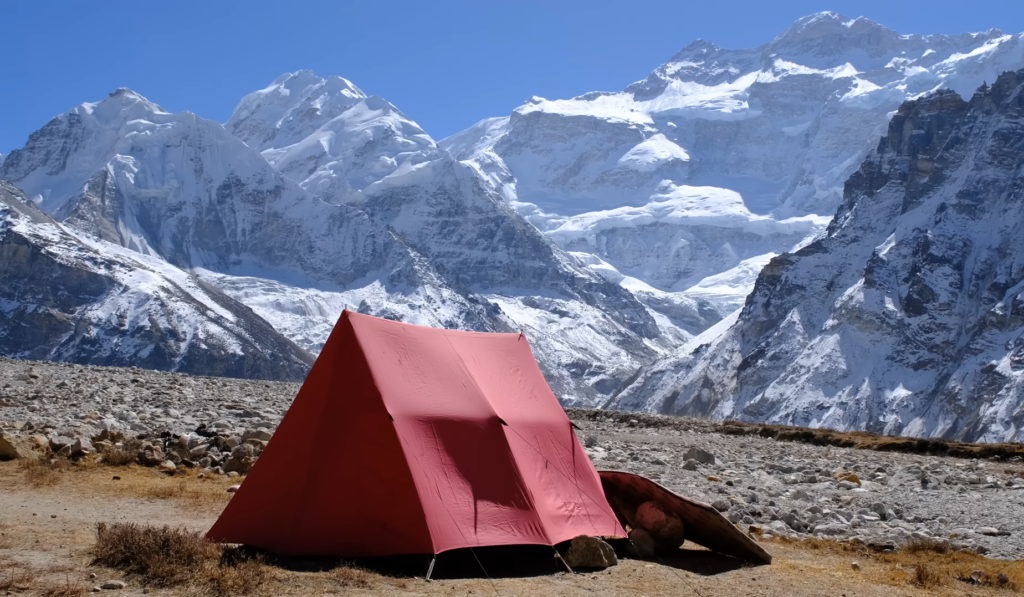
Beyond Ghunsa, the infrastructure becomes more scattered, basic seasonal lodges now exist at Khambachen and Lhonak on the north side approaching Pangpema, and at Cheram and Ramche on the south side approaching the southern base camp.
These are stone structures with beds and a basic kitchen, open only when trekkers are passing through and stocked entirely by yak caravan.
The Ghunsa valley on a clear October morning, when mist sits low in the pines and Kanchenjunga appears above the treeline for the first time, is the kind of scene that takes a few seconds to process.
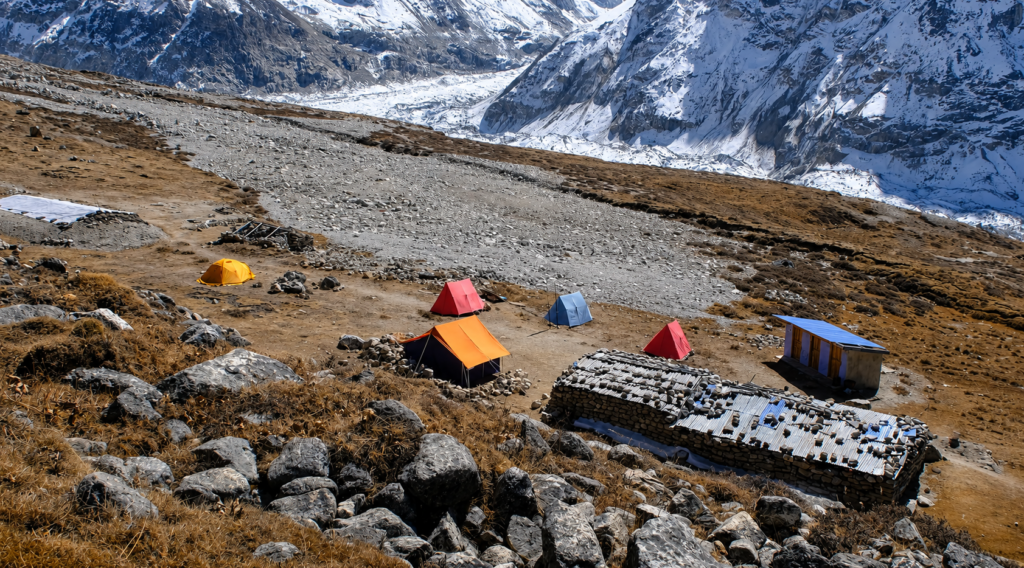
By the time the upper section arrives, with the Kanchenjunga Glacier filling the valley and blue sheep watching from the moraine, the basic nature of the accommodation feels completely beside the point.
Most operators, like us still run the upper Kanchenjunga section as a camping trek, and there are good reasons for it.
Depending on a seasonal stone hut with no guaranteed opening date at 4,800 metres is a different calculation than booking a lodge in the Everest region, due to limited resources in the area.
Makalu Base Camp Trek
Makalu at 8,485 metres is the fifth highest mountain on the planet. The trekking route to its base camp passes through the Makalu Barun National Park, one of the most ecologically diverse protected zones in Nepal.
Red panda habitat sits in the mid-elevation forest sections, the rhododendron stands in the lower sections are genuinely large, and the Barun Valley in the upper reaches is one of the most pristine glacial environments accessible on foot in the entire country.
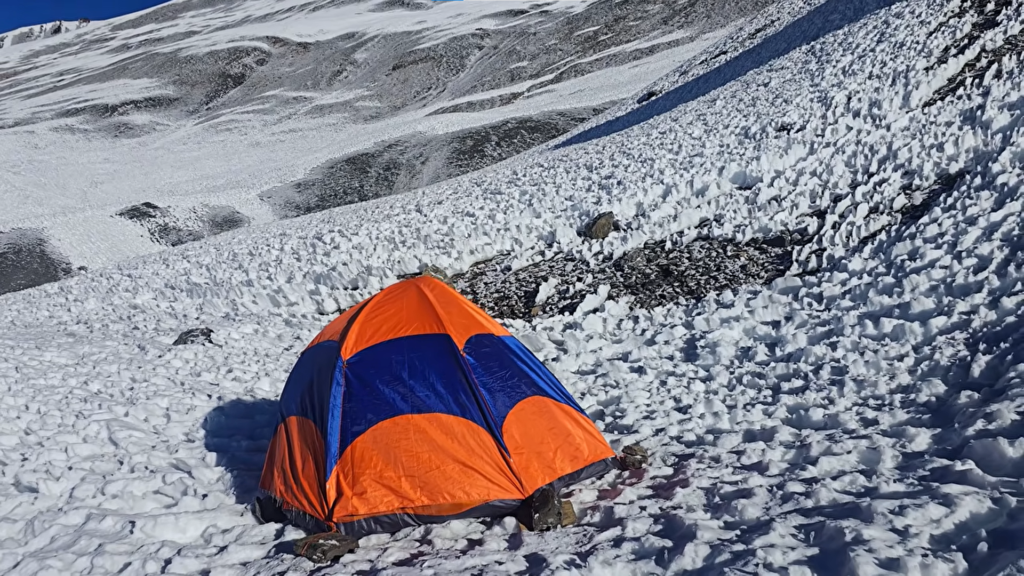
Teahouses now exist all the way from Num and Seduwa through Tashigaon, Khongma, and up to Makalu Base Camp at 4,870 metres.
That is the accurate current situation. The realistic description of those upper teahouses is, very basic, cold, with limited food options and no electricity.
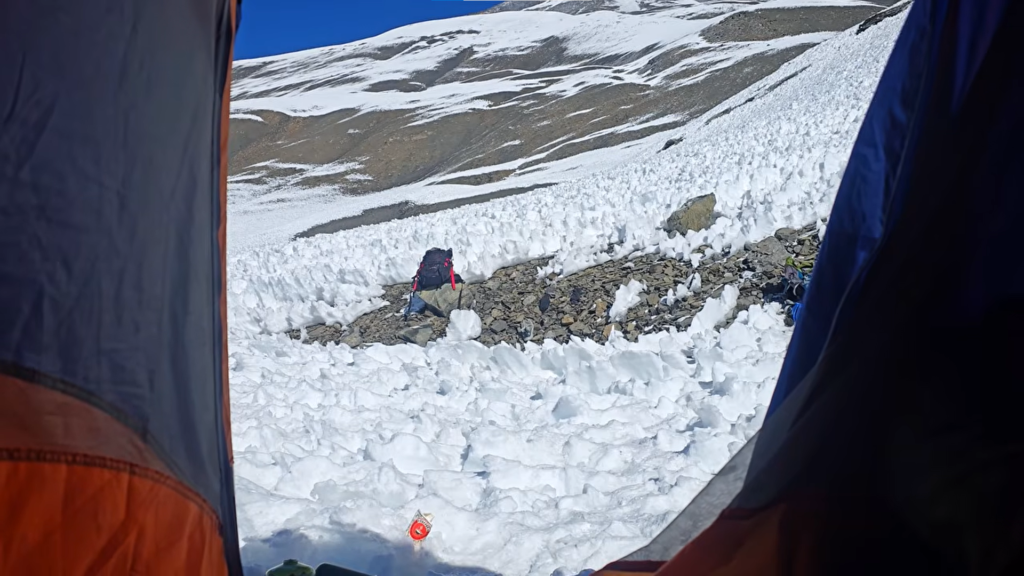
Others still use camping for the upper section. If you are doing Makalu, this is worth discussing directly with whoever is organizing it.
Limi Valley Trek
The Limi Valley in the Humla district of far northwest Nepal is the least visited destination in this list, and the access logistics tell you why immediately.
You fly from Kathmandu to Nepalgunj, then take a second flight to Simikot, and weather delays at Simikot airport are a routine part of the trip rather than a disruption. Budget extra days on either end and expect to use them.
The valley contains three villages, Halji, Jang, and Til, that have preserved a Tibetan Buddhist way of life with almost no contact from outside.
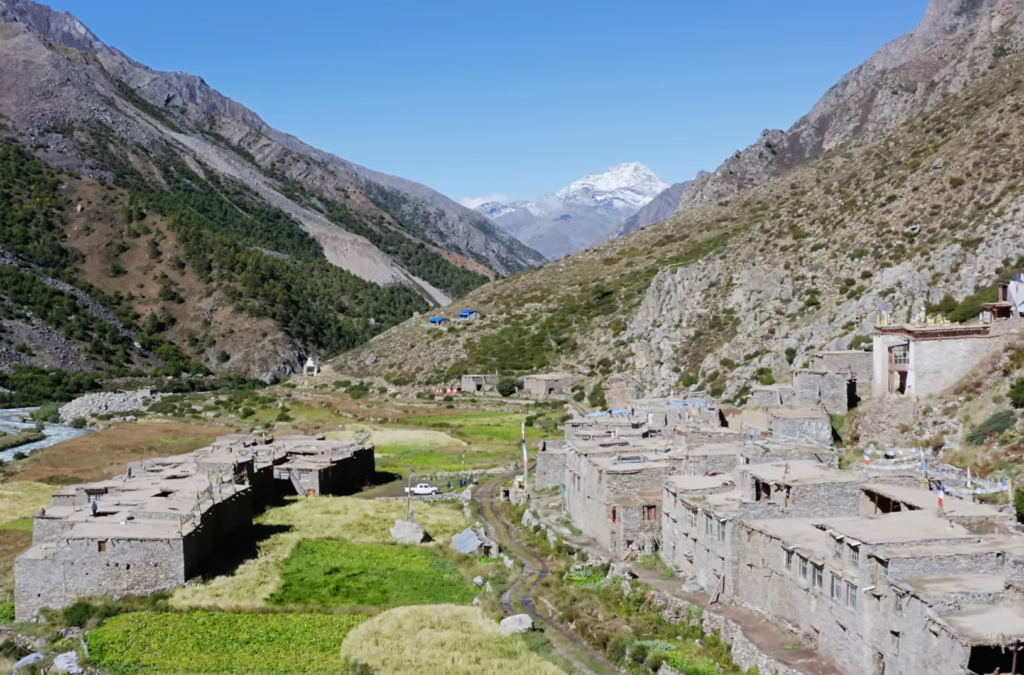
Ancient monasteries, sky-blue painted chortens, rows of prayer wheels turning in the wind. There are no teahouses.
The full camping setup travels from the approach at Simikot through the valley and back. The duration runs eighteen to twenty-five days. If the mainstream routes no longer feel like enough, the Limi Valley is the most honest answer Nepal has.
Rolwaling Valley Trek
Rolwaling sits between the Everest and Langtang regions in a valley Sherpa communities consider sacred.
The trail moves toward the Tashi Lapcha Pass at 5,755 metres, a technical crossing that requires crampons and fixed rope assistance.
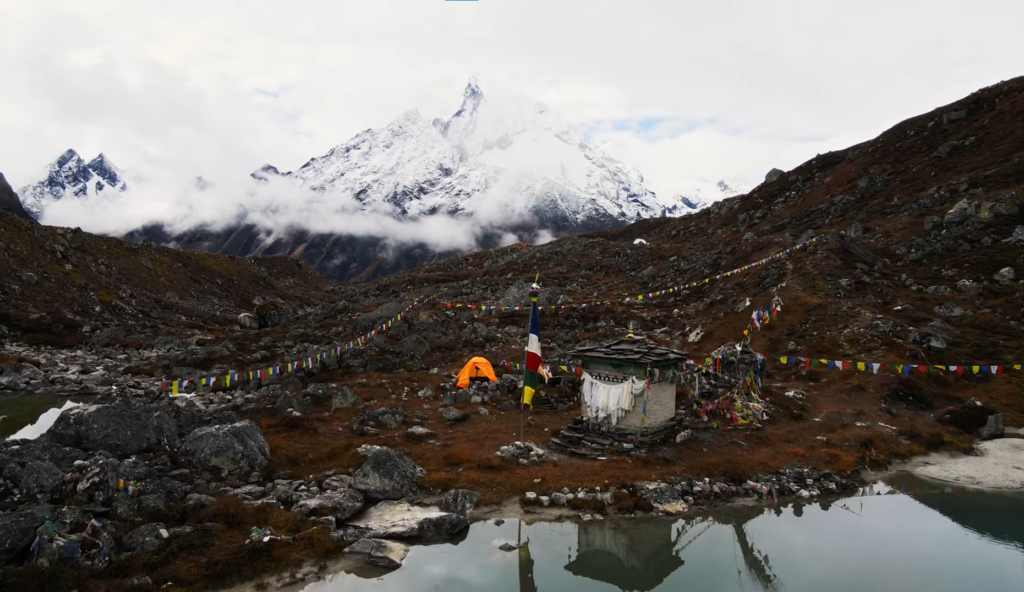
This is not a pass you improvise. The other side drops into the Khumbu and can connect to an Everest itinerary if the group has the time.
The lower valley has some basic teahouses around Simigaon. Above Tsho Rolpa Lake at 4,580 metres it is camping all the way to and across the pass. The technical nature of the crossing makes this appropriate only for trekkers who have spent real time at altitude before.
Where the Teahouse Zone Ends
The table below gives approximate transition points for the routes above. However, the infrastructure on Nepal’s remote routes has changed faster in the last five years than in the previous twenty, so you can fine teahouses in some areas.
For instance, while doing Upper Dolpo trek, a few basic lodges and homestays exist in major lower valley villages like Ringmo or Dho Tarap, they are extremely sparse, lack modern amenities, and are not guaranteed to be open.
| Trek | Lower Infrastructure | Upper Infrastructure | Camping Required? |
|---|---|---|---|
| Upper Dolpo | No teahouses throughout | No teahouses throughout | Yes, fully camping |
| Limi Valley | No teahouses throughout | No teahouses throughout | Yes, fully camping |
| Kanchenjunga Circuit | Solid teahouses to Ghunsa (3,595 m) | Basic seasonal lodges at Khambachen, Lhonak, and Pangpema (N); Cheram and Ramche (S) | Not strictly required; camping remains standard practice for most operators above Ghunsa |
| Makalu Base Camp | Basic teahouses from Num to Tashigaon | Very basic teahouses to Base Camp (4,870 m) | Not strictly required; camping still used by many operators for upper section |
| Rolwaling Valley | Basic teahouses around Simigaon | Camping from Tsho Rolpa Lake (4,580 m) | Yes, above lake level |
The practical implication across all of these routes, even when teahouses technically exist higher up for instance in Na Phu, the full camping kit travels with the group from day one.
What awaits you at altitude is uncertain enough that the camping setup is insurance as much as preference.
What to Pack, By Season
The gap between camping trek packing and teahouse trek packing comes down to one thing more than any other. On a teahouse route, the lodge dining room is warm in the evening.
On a camping trek, those hours happen in the tent, and the temperature at a high altitude camp after dark drops faster and harder than most people expect the first time they experience it.
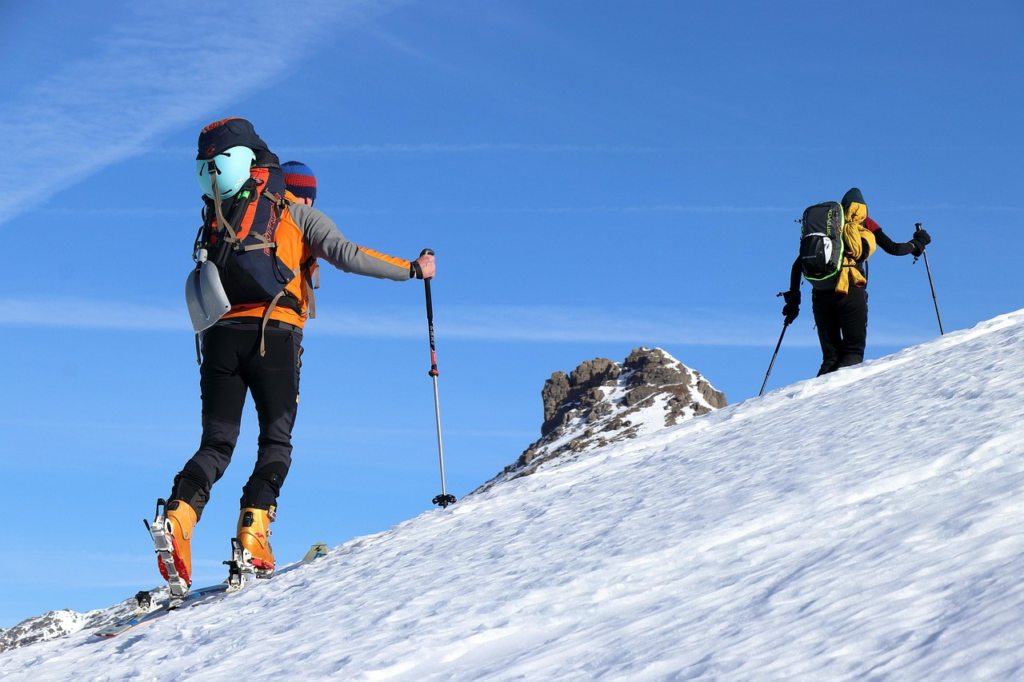
The sleeping bag rating is not where you compromise. At 4,500 metres in October, a bag rated to minus 5 degrees is not adequate.
Clear nights at that altitude drop hard, and the cold comes through the tent floor as much as through the air. Buy or rent a bag rated for where you are actually going.
| Item | Spring (Mar to May) | Autumn (Sep to Nov) | Winter (Dec to Feb) |
|---|---|---|---|
| Sleeping bag | Rated to minus 10°C | Rated to minus 15°C | Rated to minus 20°C or below |
| Down jacket | Medium weight | Heavy weight | Expedition grade |
| Base layers | 2 sets moisture wicking | 2 to 3 sets thermal | 3 sets thermal, merino preferred |
| Mid layer | Fleece jacket | Heavy fleece or softshell | Double fleece or insulated layer |
| Outer shell | Waterproof jacket and trousers | Full waterproof shell | Windproof waterproof shell, insulated |
| Gloves | Light liner plus fleece | Fleece plus shell mitts | Expedition mitts with liner gloves |
| Hat | Wool or fleece | Warm fleece hat | Balaclava and warm hat both |
| Footwear | 3-season trekking boots | 3-season boots plus gaiters | Double boots or insulated expedition boots |
| Sleeping liner | Thermal liner | Thermal liner | Heavy expedition liner |
| Sun protection | SPF 50 and glacier glasses | SPF 50 and glacier glasses | SPF 50 and full face protection |
| Trekking poles | Recommended | Strongly recommended | Essential with snow baskets |
Spring and autumn are where most people find the right balance. Spring has the rhododendron bloom in the lower sections and warmer valley temperatures.
Autumn has the clearest skies of the year and the most stable conditions at altitude.
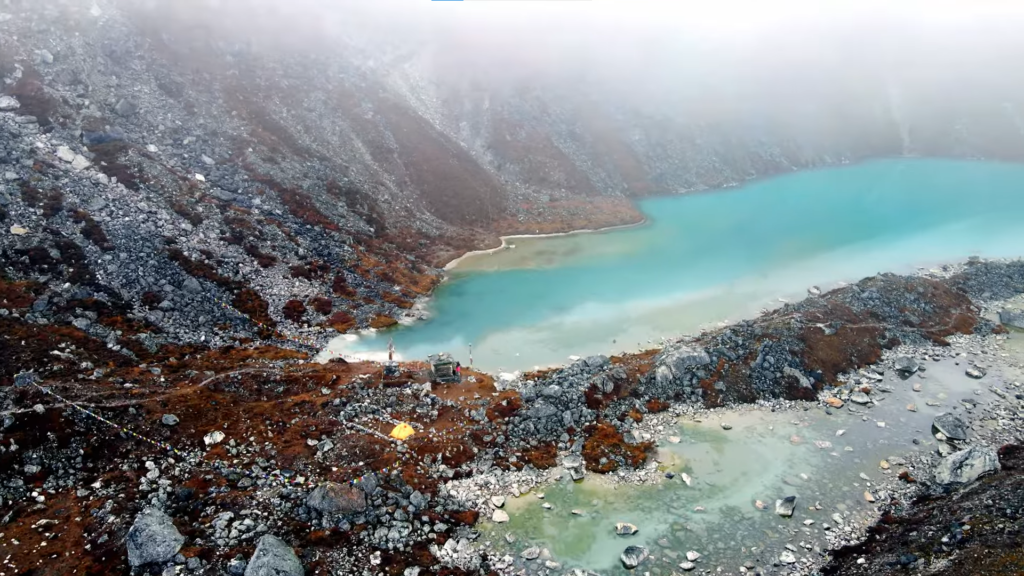
Winter camping above 4,000 metres is a different category entirely. Temperatures can fall to minus 25 degrees overnight and the insulation requirement moves into expedition territory.
Monsoon camping works only in the rain shadow zones like Upper Dolpo and Upper Mustang. Everywhere else, the rainfall, the mud, and the reduced visibility make the same route a considerably harder experience.
The Position Matters More Than People Think
A group of four trekkers on a route like Kanchenjunga or Makalu typically travels with a lead guide, one or two assistant guides, a cook, a camp assistant, and enough porters to carry the tent setup, kitchen equipment, and personal duffels.
The cook is the most undervalued person in the whole operation. Anyone who has camped at 4,800 metres knows what it means to hear a pot rattling outside the tent before full daylight.
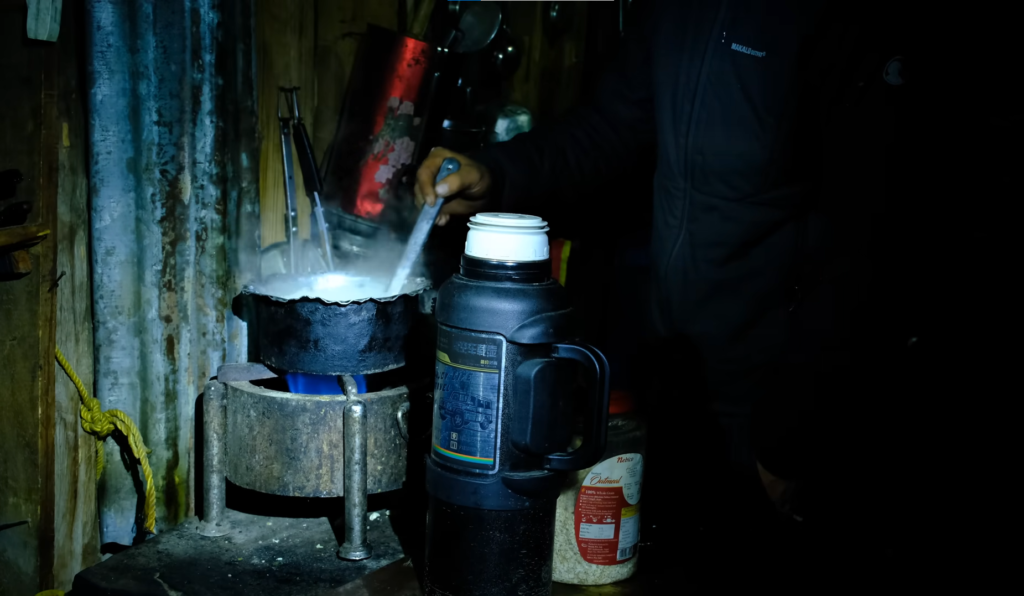
The cook is already up. Tea is ready before anyone else surfaces, and something hot is in a bowl.
After nine hours on the trail the previous day and a night that dropped well below zero, that matters more than almost any item in the pack.
A cook who understands altitude nutrition and can manage a gas stove in wind at that elevation is not a supporting role. They shape the entire emotional experience of the upper section.
One Final Point Worth Making
Camping treks in Nepal carry a higher environmental responsibility than teahouse routes, and it is worth being direct about that.
Teahouse infrastructure concentrates waste at fixed points along the trail and most of it is managed there.
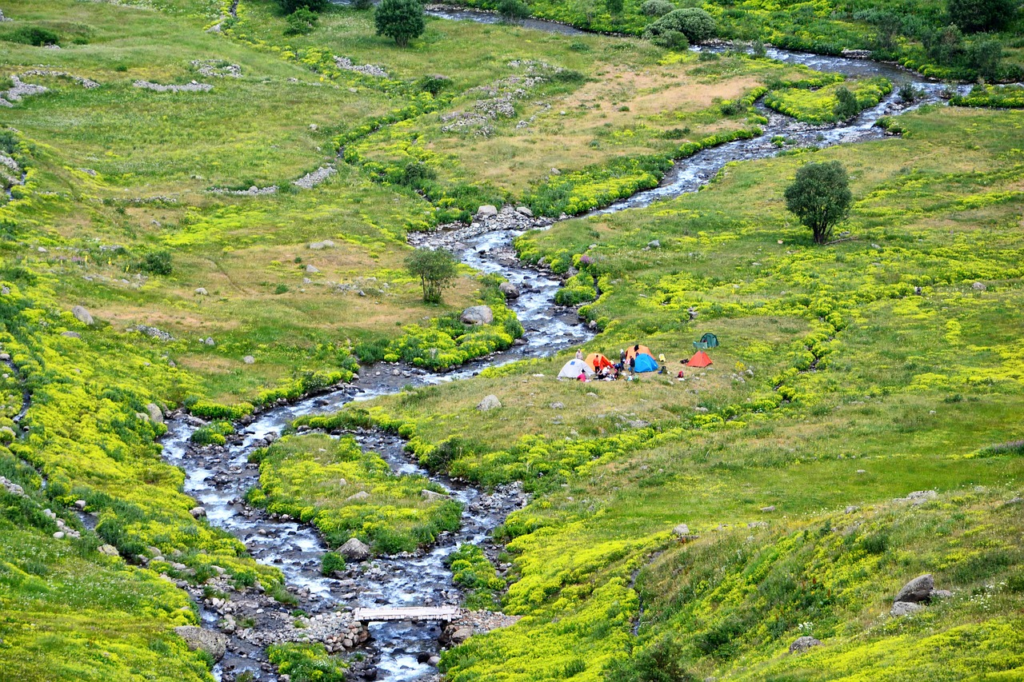
Camping spreads that impact across the wider landscape, and how a team handles waste, water sourcing, and firewood use varies considerably from one operator to the next.
The routes that still feel the way they do exist partly because the people working them have held that standard over years.
The Kanchenjunga valley, the upper Makalu corridor, the Limi Valley, these places carry the quality they have because access has been difficult and limited. That is not accidental. It is worth asking directly how your operator manages it before you book.