


Trekking in Nepal with Kids and Seniors: A Complete Guide to Family-Friendly Himalayan Adventures
Most people contact us with the same worry in different words. The family trip is set, the group spans two or three generations, and they are not sure Nepal is actually built for everyone coming as the Everest headlines do not help.
But Nepal’s trail network covers far more ground than those headlines suggest. A large portion of it sits comfortably within reach of children, seniors, and multigenerational groups who want a real mountain experience without any of the extremes.
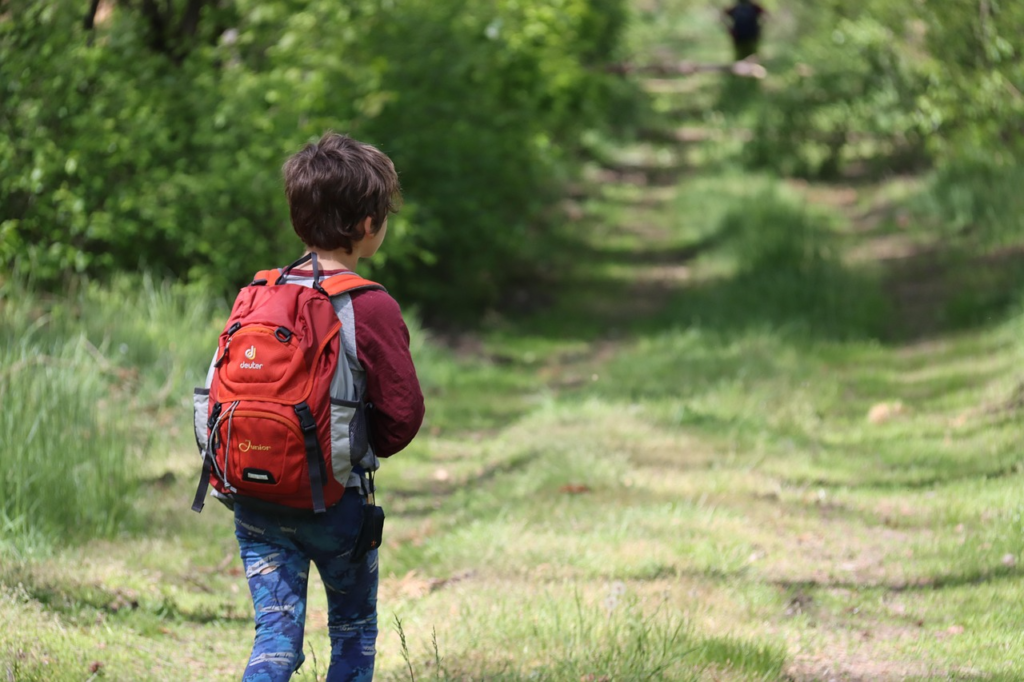
We have been guiding families in these mountains since 2009. The trips that stand out most are the multigenerational ones, grandparents and grandchildren at the same tea house table, looking at the same ridge, eating the same plate of momo.
That kind of trip is what Nepal does exceptionally well when the route is right.
Altitude: The One Thing You Cannot Ignore
Before routes and seasons, altitude needs its own section. Acute Mountain Sickness does not follow age or fitness.
A twenty-five year old marathon runner can suffer at 3500 metres while a sixty-five year old with no athletics background adjusts without difficulty.
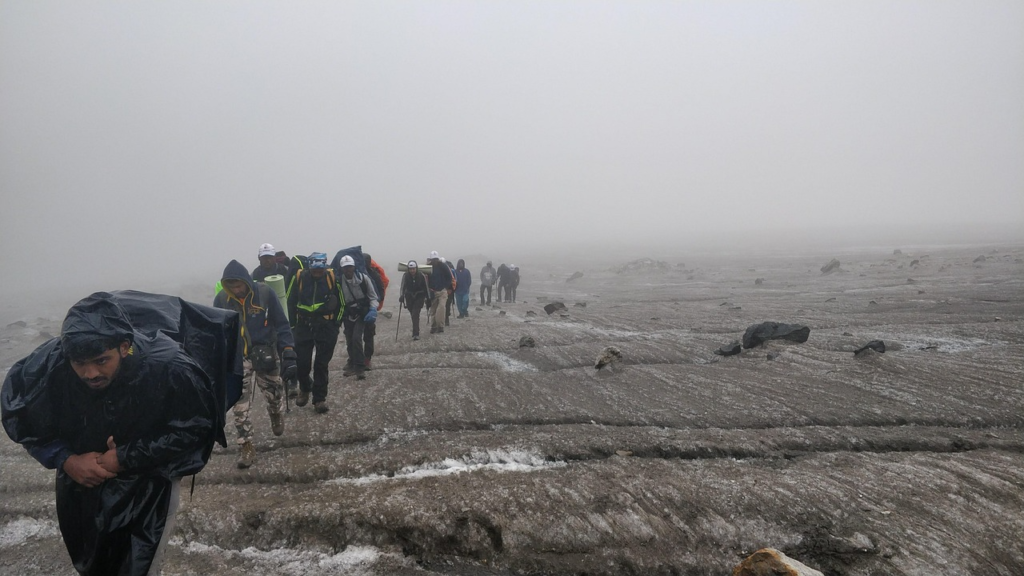
That happens regularly and it catches people off guard when it does.
The body responds to rate of ascent, not to fitness level. Gain altitude too quickly and the acclimatisation process breaks down regardless of how strong the trekker is.
Give it proper time and most healthy people manage the altitudes in this guide without serious difficulty. That principle drives every itinerary we put together.
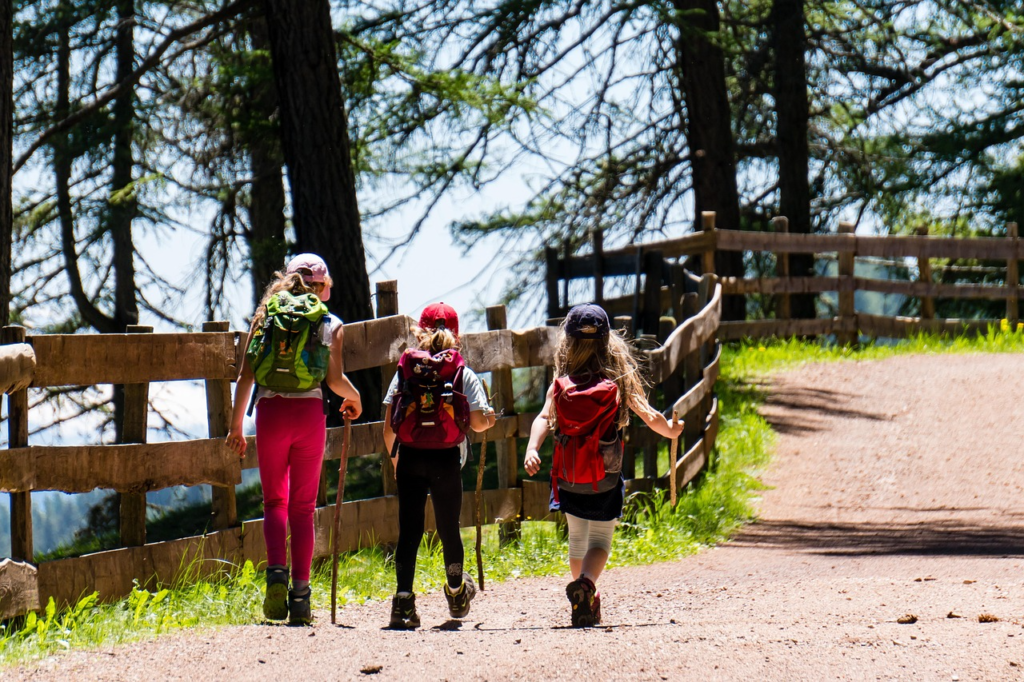
For children under eight, most travel medicine specialists suggest staying below 3000 metres where possible and monitoring closely above it.
Children cannot always articulate how they feel before something becomes obvious, so watch for headache, appetite loss, and unusual tiredness as early signals.
For seniors the same acclimatisation rules apply, with extra attention to hydration, which tends to slip at altitude without the person noticing, and to cardiovascular load on steep ascent days.
The Five Best Treks for Kids and Seniors
Ghorepani Poon Hill
Four to five days, 3210 metres maximum at Poon Hill viewpoint, good trails, and consistently excellent tea houses throughout.
This is the route we recommend most often for multigenerational groups and it earns that position every season. Children from around seven years old handle this well. Seniors across most fitness levels find it accessible.
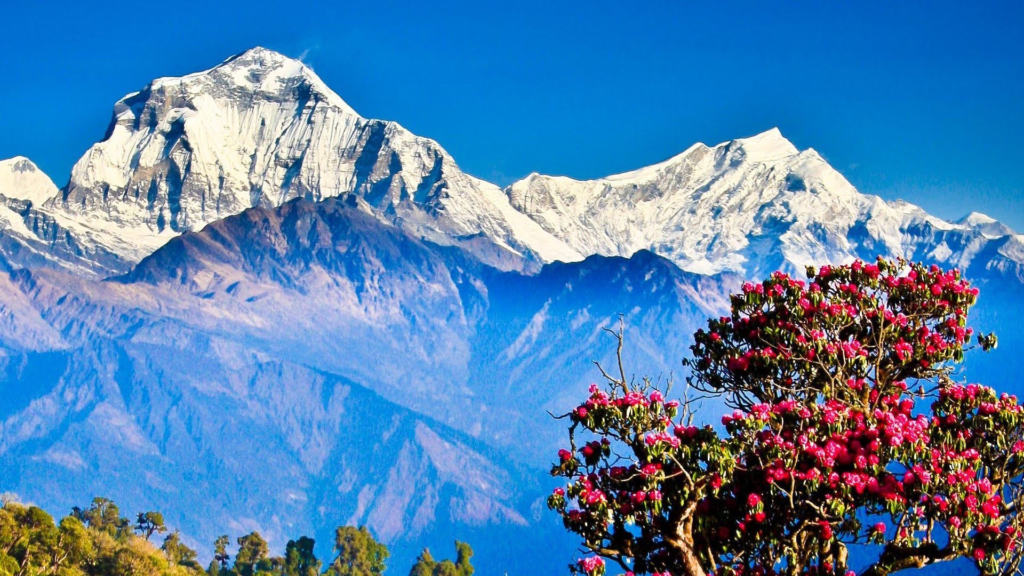
It is the most forgiving of the five routes and it does not feel like it is pulling its punches scenically.
The rhododendron forest between Tikhedhunga and Ghorepani is extraordinary in bloom season between March and mid-April, and children who are not natural hikers tend to come alive in that environment in ways that surprise everyone, including themselves.
The pre-dawn climb to Poon Hill on the final morning is the emotional centrepiece of the route. About forty-five minutes at an easy pace. We had a family with both grandparents on this trail last spring.
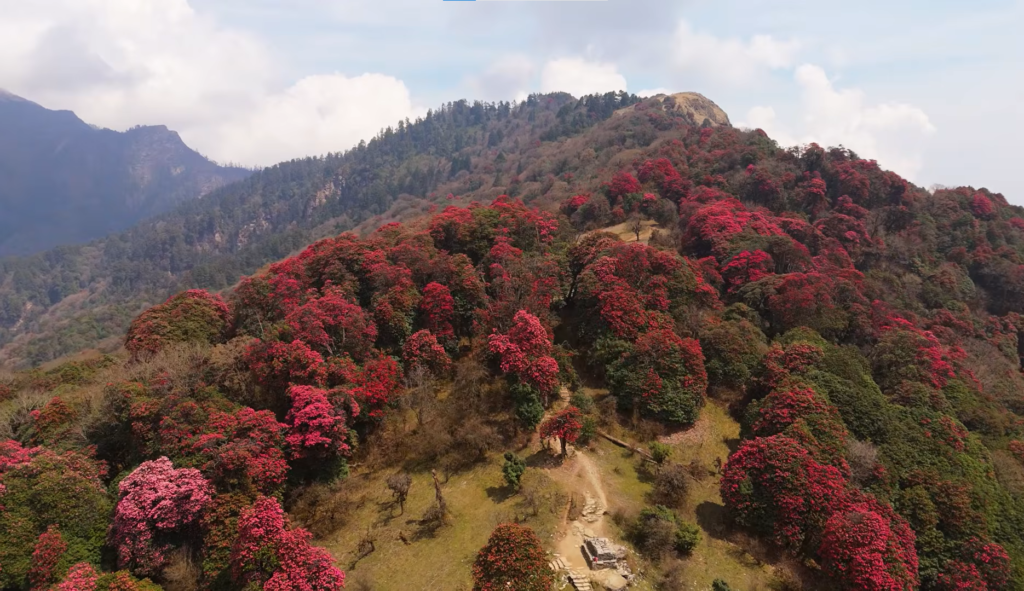
The grandmother may not have walked more than a kilometre at a stretch in years. They often stood at the viewpoint at sunrise and become emotional, not dramatically, just quietly, the way people do when something is more than they expected.
That moment happens more often than you would think on this particular route.
Australian Camp and Dhampus
Maximum altitude around 2100 metres, two to three days, gentle trails, and an Annapurna panorama from camp that does not feel like a lesser version of anything.
For very young children and for seniors with cardiovascular concerns, limited mobility, or any health condition that puts higher altitude off the table, this is not a fallback option.
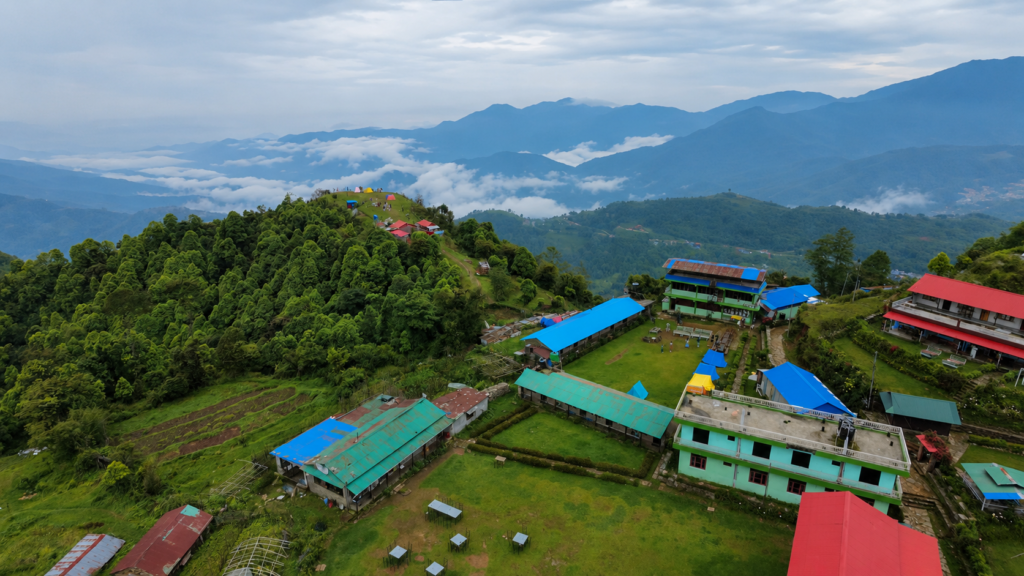
The view from Australian Camp is spectacular on its own terms and it asks very little of the body to get there.
It also works well as a warmup before a more demanding second week, or as the honest right choice for a group where one member needs to stay low and nobody wants to split up. If anyone in the group is genuinely unsure about the Poon Hill altitude, this is the honest starting point.
Mardi Himal to High Camp
Mardi Himal runs through the Annapurna region in the shadow of the ABC route and it is better for that.
Less foot traffic, quieter tea houses, and forest ridge walking that is among the best anywhere in the region. Most people who walk it are surprised by how much it stands on its own, making it one of the best beginner-friendly treks.
The base camp itself sits at 4500 metres, too high for family groups. High Camp at 3580 metres is the realistic target and it delivers full views of Mardi Himal, Machhapuchhre, and the Annapurna massif without the altitude risk.

A six to seven day itinerary works well here. This suits older children from about ten and fit seniors who want something more demanding than Poon Hill without stepping into genuinely challenging territory.
The children who enjoy this route most are usually the ones who are a bit old for Poon Hill to feel exciting but not quite ready for a full altitude push.
Langtang Valley
Langtang is the closest major trekking region to Kathmandu and consistently one of the most undervisited relative to what it offers.
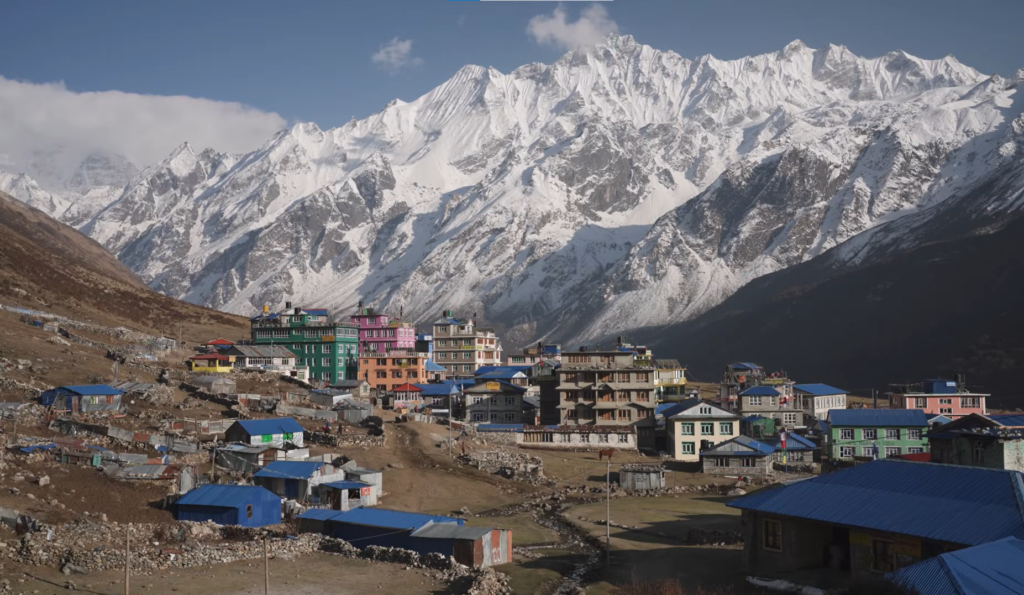
The trail follows a glacially carved valley with walls rising to extraordinary heights on both sides. Langtang village sits at 3430 metres and Kyanjin Gompa at 3870 metres. Seven to eight days at a comfortable pace.
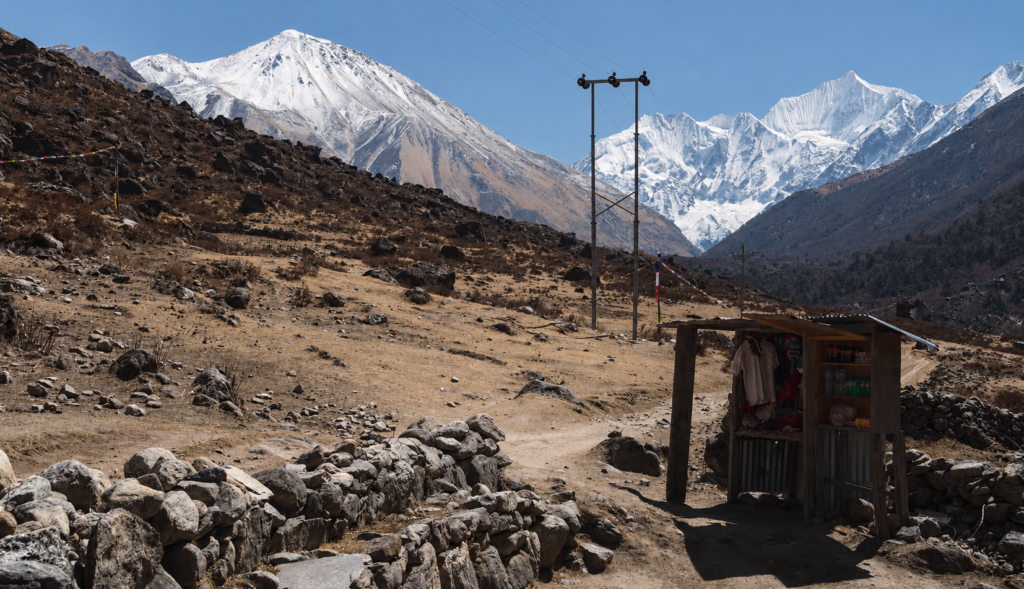
For seniors this route has something the others do not quite match. The Tamang communities here carry strong Tibetan Buddhist influence.
The cultural experience of walking through these villages is richer and more intimate than anything on the more commercial southern routes.
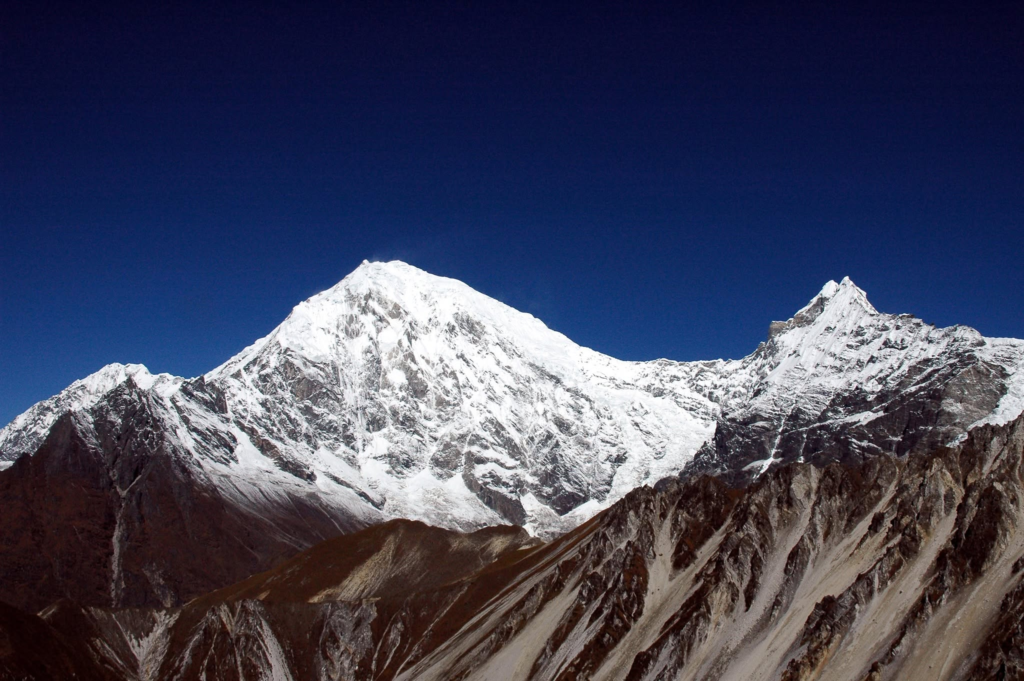
he 2015 earthquake destroyed most of the upper valley and the communities rebuilt. Walking through that rebuilt landscape with a family group is quietly affecting in a way that most visitors feel but struggle to put into words.
For children aged ten and above with some previous hill experience, Langtang is a real mountain challenge within a beautiful and manageable frame.
Annapurna Base Camp
The base camp sits at 4130 metresand can be done Ten to twelve days done properly, with rest days built in at the right points.
This is the most demanding route in this guide and it is not suitable for young children or seniors who are not active walkers. For fit seniors and teenagers from about thirteen upward it is absolutely achievable, and it is one of the great mountain walks in the world.
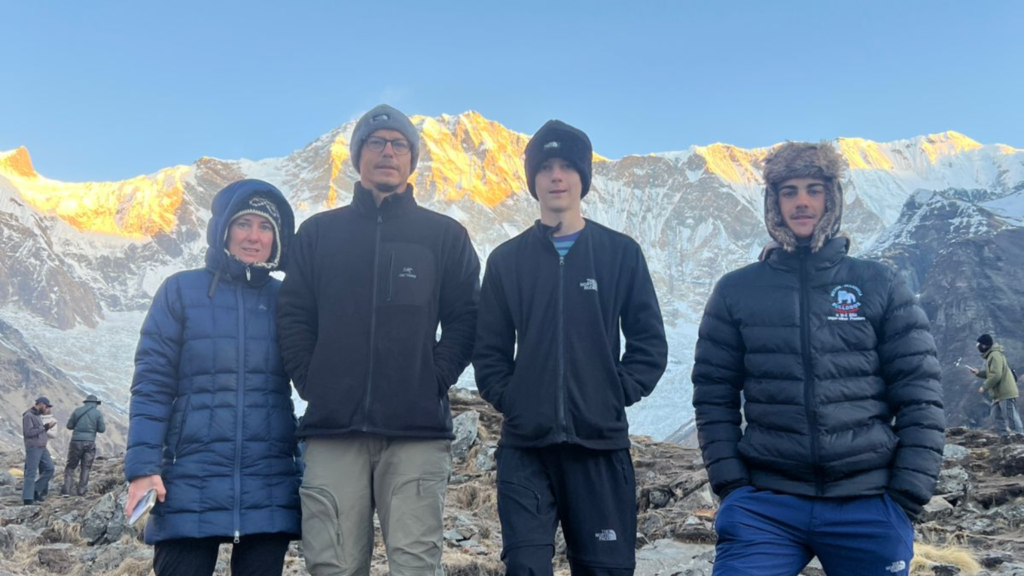
The route is remarkable for its range. It climbs through rice terraces, subtropical forest, rhododendron woodland, dramatic mountain scenery, and eventually into the open space of the Annapurna Sanctuary.
No other single family-friendly trek in Nepal delivers that full spectrum of landscape across one trip, and arriving at base camp with the Annapurna massif above you on all sides is something that stays with people for a long time.
Trek Comparison at a Glance
| Trek | Duration | Max Altitude | Best For | Difficulty |
|---|---|---|---|---|
| Australian Camp and Dhampus | 2 to 3 days | 2,100 m | Young children, seniors with health concerns | Easy |
| Ghorepani Poon Hill | 4 to 5 days | 3,210 m | Children aged 7 and above, most seniors | Easy to Moderate |
| Mardi Himal to High Camp | 6 to 7 days | 3,580 m | Children aged 10 and above, fit seniors | Moderate |
| Langtang Valley | 7 to 8 days | 3,870 m | Children aged 10 and above, culturally curious seniors | Moderate |
| Annapurna Base Camp | 10 to 12 days | 4,130 m | Teenagers aged 13 and above, active seniors | Moderate to Challenging |
Best Seasons to Go
| Season | Months | Conditions | Verdict |
|---|---|---|---|
| Spring | March to May | Excellent trails, rhododendrons in full bloom, stable weather | Strongly recommended, especially for Poon Hill and Mardi Himal |
| Monsoon | June to August | Slippery paths, leeches on lower trails, poor visibility | Not recommended for family and senior groups |
| Autumn | September to November | Best visibility of the year, dry firm trails | Strongly recommended, the best all-round window |
| Winter | December to February | Cold at altitude, lower trails accessible | Australian Camp only; avoid routes above 2500 m |
Spring and autumn are the two windows that consistently deliver. Spring brings the rhododendron bloom that transforms the lower Annapurna trails between March and May.
Autumn gives the clearest skies and the firmest conditions of the year. Either season on the right route produces a Nepal trekking experience that is genuinely difficult to match anywhere else.
Getting Ready Before You Leave
For the Kids
Practice hikes in the months before the trip matter more than most families expect. The goal is not training.
It is just making sure the child arrives knowing what a long day of walking actually feels like before they encounter it at altitude.
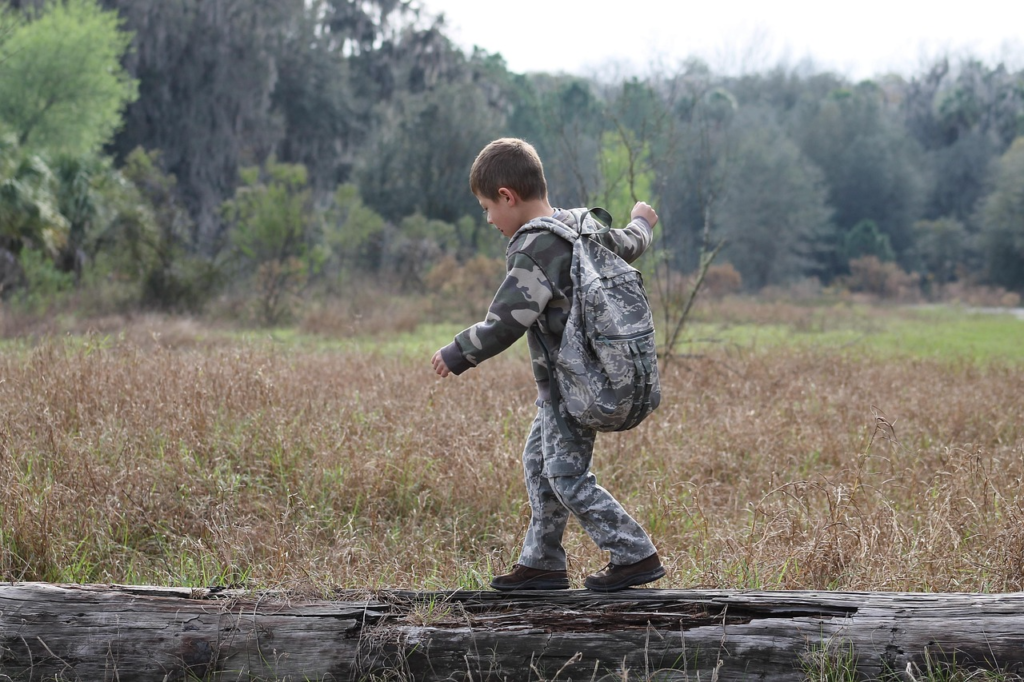
Weekend walks that gradually increase in length are enough. The more important investment is footwear.
Properly fitted trekking boots with ankle support make a real difference over multiple walking days and a child who is uncomfortable in their feet runs out of motivation well before the trail does.
Get good boots and break them in properly before departure and that particular problem is largely solved.
For the Seniors
The most useful preparation is cardiovascular rather than strength-based. Regular walking, stair climbing, and moderate aerobic activity in the six to eight weeks before departure give the body the aerobic base it needs for sustained days at altitude.
Anyone with known cardiovascular conditions should discuss the specific altitude targets with their doctor before committing to a departure date.
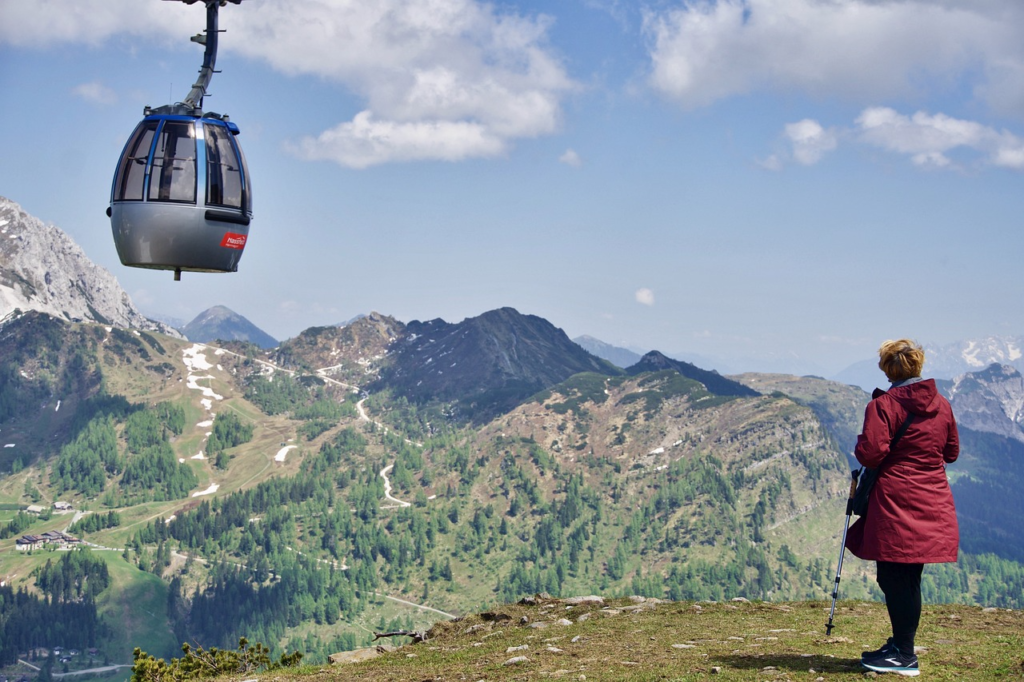
Trekking poles are worth having from day one. Downhill sections accumulate real load on knees and joints across consecutive days and poles reduce that strain in a way that becomes noticeably important by the middle of the trip.
Both groups benefit from arriving in Kathmandu one or two days before the trek begins. The body settles, the time zone adjusts, and the altitude acclimatisation starts before the trail does.
The families that come back most satisfied from Nepal are almost always the ones who made one simple and honest decision before they left, they picked the mountain that fit the people they were actually bringing, not the most impressive one on the list.
Nepal rewards that kind of thinking. The mountains here are patient and they are generous, and they will give a seven-year-old crossing her first suspension bridge exactly the same thing they give a sixty-eight year old watching his first Himalayan sunrise.
A full life’s worth of something worth remembering. If you want help putting an itinerary together for your specific group, reach out to the team at Nepal Royal Tourism Holidays. We will tell you honestly what fits and what to skip.