


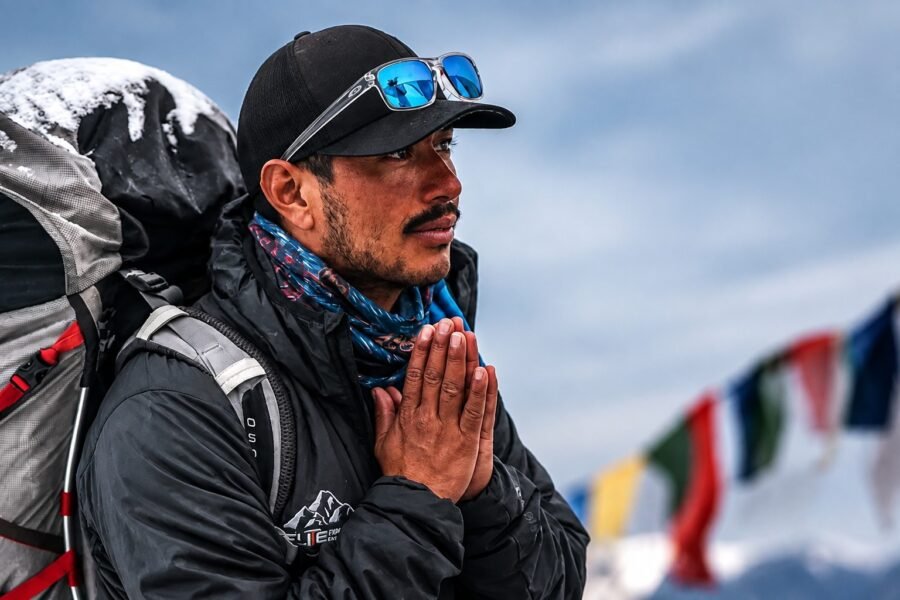
Mountains Climbed by Nirmal “Nims Dai” Purja: The Unmatched Legacy of a Legend After the Tragic Broad Peak Avalanche
For more than a decade, Nirmal Purja, better known around the world as Nims Dai, redefined what people believed was physically possible in the Himalayas.
His record-breaking climbs, daring rescue missions, and relentless pursuit of seemingly impossible objectives transformed him from a former British Special Boat Service soldier into one of the greatest mountaineers of the modern era.
In July 2026, the global climbing community was once again watching the Karakoram after reports emerged of an avalanche on Pakistan’s Broad Peak involving Nims Dai and members of his expedition.
News spread rapidly across the mountaineering world, reminding everyone how unforgiving the world’s highest mountains remain, even for someone whose name has become almost synonymous with survival at extreme altitude.
Although the Himalaya and Karakoram have celebrated many legendary climbers over the decades, few have influenced modern mountaineering quite like Nims Dai.
His achievements are measured not only by summits but also by lives saved, impossible objectives completed, and a mindset that has inspired thousands of climbers to dream bigger than they thought possible.
Nepal Royal Tourism Holidays is exceptionally proud of Nims Dai, the legacy he carried across all these years, and his iconic motto: “Giving up is not in the blood, sir.”
From his military background and the creation of Project Possible to every 8,000-metre mountain he climbed, his historic winter ascent of K2 without supplemental oxygen, rescue operations that made international news, and the remarkable legacy he leaves behind.
Quick Facts About Nims Dai
| Category | Information |
|---|---|
| Full Name | Nirmal Purja MBE |
| Popular Name | Nims Dai |
| Nationality | Nepali |
| Profession | Mountaineer, Expedition Leader, Entrepreneur, Former British SBS Soldier |
| Highest Achievement | Completed all 14 eight-thousanders in just 6 months and 6 days during Project Possible |
| Current 8,000m Summits | 57 successful summits |
| Historic First | Member of the first team to summit K2 in winter |
| Military Service | Former British Army Gurkha & Special Boat Service (SBS) |
| Honour | Member of the Order of the British Empire (MBE) |
Broad Peak Avalanche That Changed Everything
Broad Peak rises to 8,051 metres in Pakistan’s Karakoram Range and has long been considered one of the world’s most demanding 8,000-metre mountains.
While technically less steep than K2, its enormous summit ridge, unpredictable snow conditions, and avalanche-prone terrain have claimed numerous lives over the years.
During the 2026 climbing season, reports emerged that an avalanche struck sections of the Broad Peak route while Nims Dai and members of his expedition were operating on the mountain.
The incident quickly became international news as climbers, expedition operators, and mountaineering organisations waited for updates from one of the world’s most recognised high-altitude climbers.
The incident served as another reminder that experience alone never removes the objective dangers found above 8,000 metres.
Avalanches, hidden crevasses, collapsing seracs, sudden storms, and altitude-related illness remain constant risks regardless of how many successful summits a climber has previously completed.

For many people outside the climbing community, the Broad Peak incident became the first introduction to Nims Dai.
Within mountaineering circles, however, it reinforced something they had always understood: every expedition into the Death Zone demands absolute respect, regardless of reputation or previous success.
Nims Dai tragically lost his life during the Broad Peak avalanche in Pakistan in late July 2026. He was part of an international expedition attempting the 8,051-metre peak when a massive avalanche struck the upper mountain.

On 1 August 2026, his expedition company confirmed that all ten members of the team had died, marking one of the deadliest mountaineering disasters in the Karakoram in recent years.
The tragedy brought together climbers and high-altitude professionals from Nepal, Pakistan, Oman, the United States, and China, highlighting both the international nature of Himalayan climbing and the severe risks that remain on the world’s highest mountains.
| Incident Details | Information |
|---|---|
| Mountain | Broad Peak (8,051 m), Pakistan |
| Date | 30 July 2026 |
| Confirmation | 1 August 2026 |
| Confirmed Fatalities | 10 members of the expedition |
| Countries Represented | Nepal, Pakistan, Oman, United States, China |
| Cause | Large avalanche during the summit push |
The loss of Nirmal “Nims Dai” Purja, together with nine fellow climbers and high-altitude professionals, sent shockwaves through the global mountaineering community.
Tributes poured in from climbers, expedition leaders, rescue teams, and outdoor organisations around the world, all recognising not only the achievements of those who died but also the immense risks accepted by everyone who ventures into the Death Zone above 8,000 metres.
Nims Dai’s Achievement Snapshot
- 57 successful ascents of 8,000-metre mountains
- Completed Project Possible in 6 months and 6 days
- First winter ascent of K2 with an all-Nepali team
- Numerous high-altitude rescue missions across Nepal and Pakistan
- Pioneered elite commercial and exploratory expeditions worldwide
Who Was Nims Dai?
Long before becoming one of the world’s most recognised mountaineers, Nirmal Purja was serving in elite military units. Born in Nepal and raised in a family connected to the Gurkha tradition.
He later joined the British Army before earning selection into the Special Boat Service (SBS), one of the most demanding special forces units in the world.

The discipline, resilience, and decision-making skills developed during years of military service became the foundation for his climbing career.
Unlike many professional mountaineers who begin climbing during childhood, Nims Dai entered high-altitude mountaineering relatively late.
Yet within only a few years, he was climbing some of the world’s highest mountains at a pace that astonished even veteran Himalayan guides.

His ability to move quickly at extreme altitude, remain calm during emergencies, and make difficult decisions under pressure soon earned him a reputation that extended far beyond Nepal.
Expedition leaders, rescue organisations, and elite climbers increasingly viewed him not only as an exceptional athlete but also as someone capable of performing in situations where others might struggle to survive.
That reputation would soon be tested during a project that many experts initially dismissed as impossible.
Project Possible: The Challenge That Changed Modern Mountaineering
In 2019, Nims Dai announced an objective that many of the world’s most experienced mountaineers believed was simply unrealistic.
His plan, called Project Possible, aimed to climb all fourteen of the world’s 8,000-metre mountains in less than seven months. At the time, the existing record stood at more than seven years, and even reducing that to two or three years would have been considered extraordinary.
Most people focused on the mathematics of the challenge. Fourteen mountains above 8,000 metres meant fourteen expeditions, constant international travel, rapidly changing weather windows, and almost no time for physical recovery. Nims Dai focused on something different.
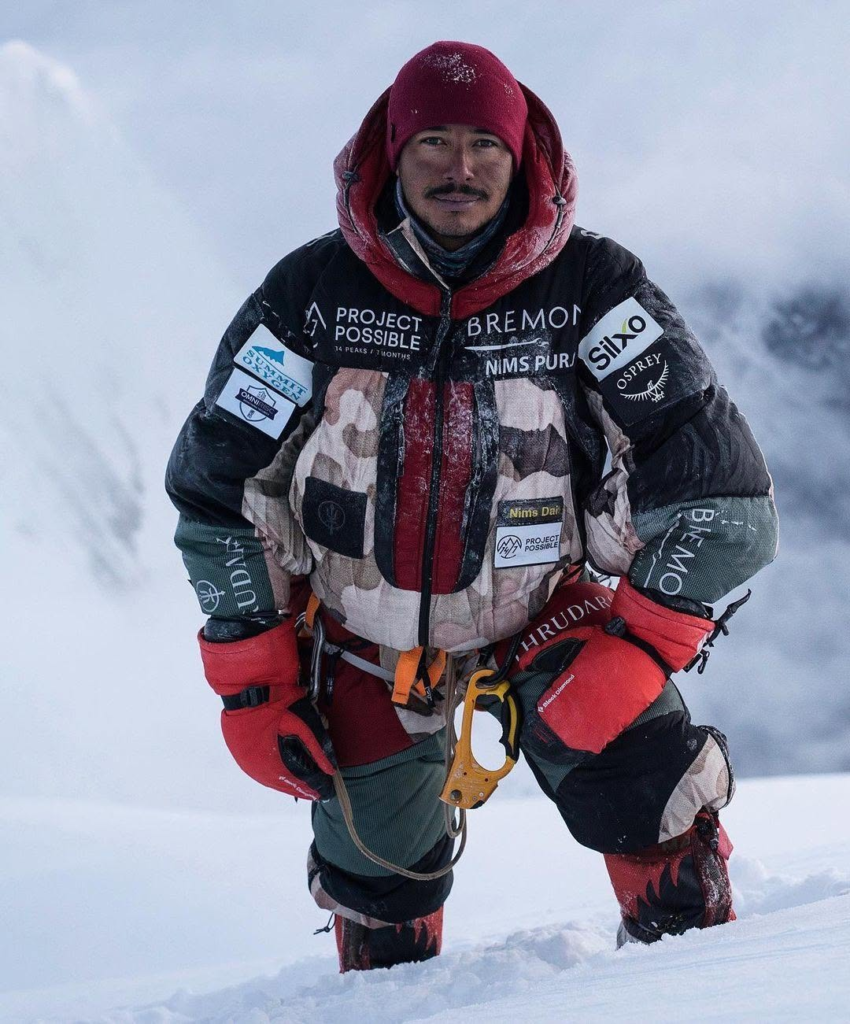
He believed the limiting factor was not human capability but the way Himalayan expeditions had traditionally been organised.
Supported by a highly experienced Nepali climbing team, meticulous logistics, and an uncompromising work ethic, he began the challenge in April 2019 on Annapurna. Over the following months, he continued moving from one Himalayan giant to another at a pace never before seen in high-altitude climbing.
On 29 October 2019, after standing on the summit of Shishapangma in Tibet, Nims Dai completed all fourteen 8,000-metre peaks in just 6 months and 6 days. What had originally been dismissed as impossible instantly became one of the greatest achievements in the history of mountaineering.
Project Possible at a Glance
Started: April 2019
Finished: 29 October 2019
Total Time: 6 Months 6 Days
Previous Record: Over 7 Years
Result: Fastest ascent of all 14 eight-thousanders in history
All 14 Mountains Climbed During Project Possible
| Mountain | Height | Country | Project Possible Date |
|---|---|---|---|
| Annapurna I | 8,091m | Nepal | April 2019 |
| Dhaulagiri I | 8,167m | Nepal | May 2019 |
| Kanchenjunga | 8,586m | Nepal / India | May 2019 |
| Everest | 8,849m | Nepal / China | May 2019 |
| Lhotse | 8,516m | Nepal / China | May 2019 |
| Makalu | 8,485m | Nepal / China | May 2019 |
| Nanga Parbat | 8,126m | Pakistan | July 2019 |
| Gasherbrum I | 8,080m | Pakistan | July 2019 |
| Gasherbrum II | 8,035m | Pakistan | July 2019 |
| K2 | 8,611m | Pakistan / China | July 2019 |
| Broad Peak | 8,051m | Pakistan | July 2019 |
| Cho Oyu | 8,188m | Nepal / China | September 2019 |
| Manaslu | 8,163m | Nepal | September 2019 |
| Shishapangma | 8,027m | China (Tibet) | October 2019 |
The Everest Traffic Jam Photograph That Changed Public Opinion
One image from Project Possible travelled far beyond the mountaineering community. While climbing Everest in May 2019, Nims Dai photographed hundreds of climbers waiting in a long queue near the summit ridge.
The photograph quickly appeared in newspapers, television broadcasts, and online publications across the world.
The image highlighted overcrowding on the world’s highest mountain and sparked international debate about permit numbers, commercial expeditions, guide responsibilities, and safety at extreme altitude.
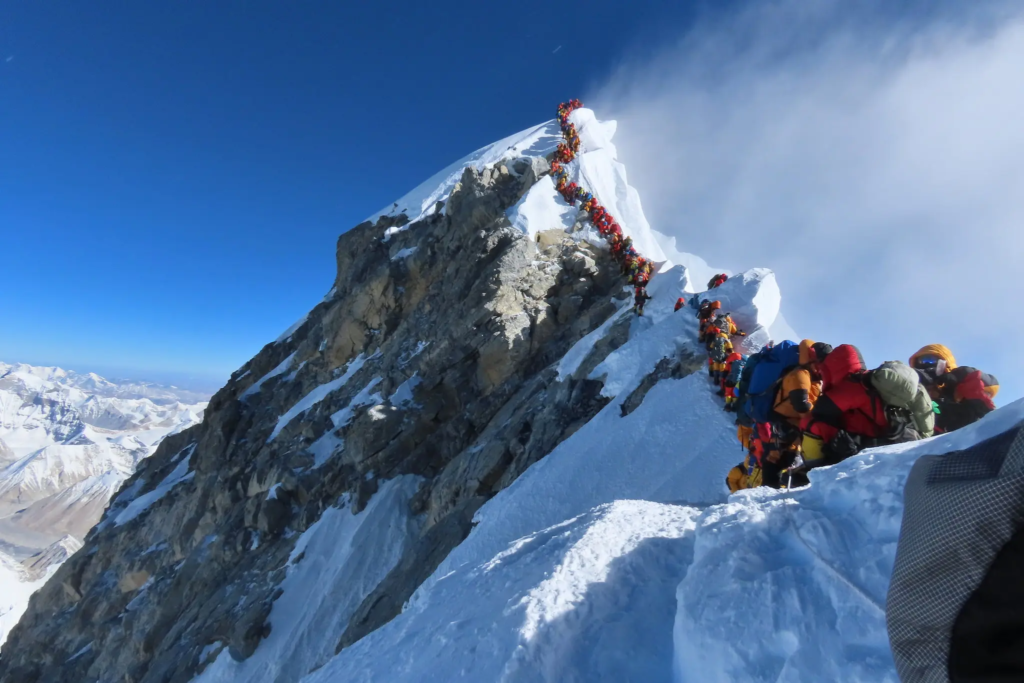
Few mountaineering photographs have influenced public discussion as much as that single image.
For Nims Dai, however, the photograph was never intended to criticise individual climbers. Instead, it illustrated the growing pressure placed on Everest during short weather windows when hundreds of people attempt the summit on the same day.
Beyond Records: The Climber Who Refused to Leave People Behind
While speed records brought worldwide attention, many experienced climbers believe Nims Dai’s greatest contribution to mountaineering lies elsewhere.
Throughout his career, he repeatedly interrupted personal objectives to help climbers in distress, often sacrificing summit opportunities to assist others.
Several of his high-altitude rescue missions have become well-known throughout the climbing community.
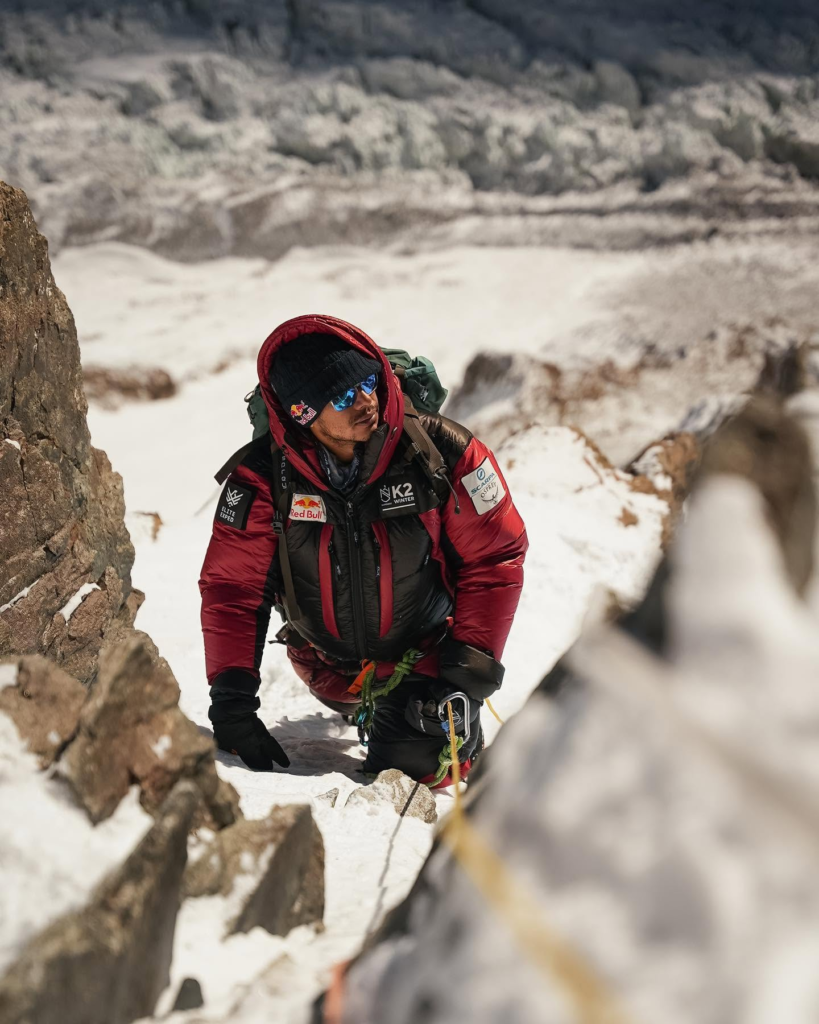
Working alongside fellow Sherpas and guides, he helped stranded climbers descend from extreme altitude, organised helicopter evacuations, coordinated emergency logistics, and raised awareness about the often-overlooked role Nepali climbers play in Himalayan expeditions.
In the mountains, success is measured by more than standing on the summit. Returning safely—and helping others do the same—became one of the defining themes of Nims Dai’s career.
57 Summits Above 8,000 Metres
Project Possible may have made Nims Dai famous around the world, but it was never the end of his climbing career. Instead, it became the beginning of an entirely new chapter.
While many climbers spend years recovering after completing the fourteen eight-thousanders once, Nims Dai continued returning to the Himalaya season after season.
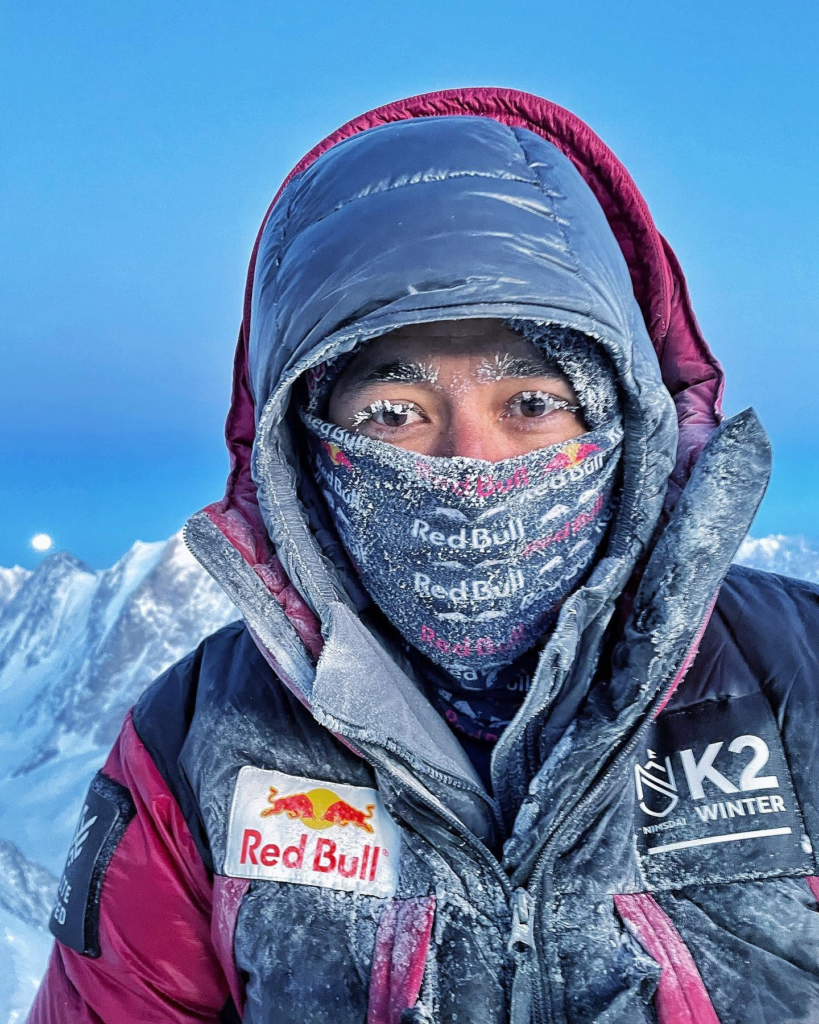
He climbed Everest multiple additional times, guided international expeditions, completed difficult rescue missions, and continued attempting new objectives across Nepal and Pakistan.
Nims Dai stood on the summits of the world’s 8,000-metre mountains a remarkable 57 times, making him one of the most accomplished high-altitude climbers in history.
Every one of those ascents demanded months of preparation, exceptional physical conditioning, and the ability to perform in the most dangerous environments on Earth.
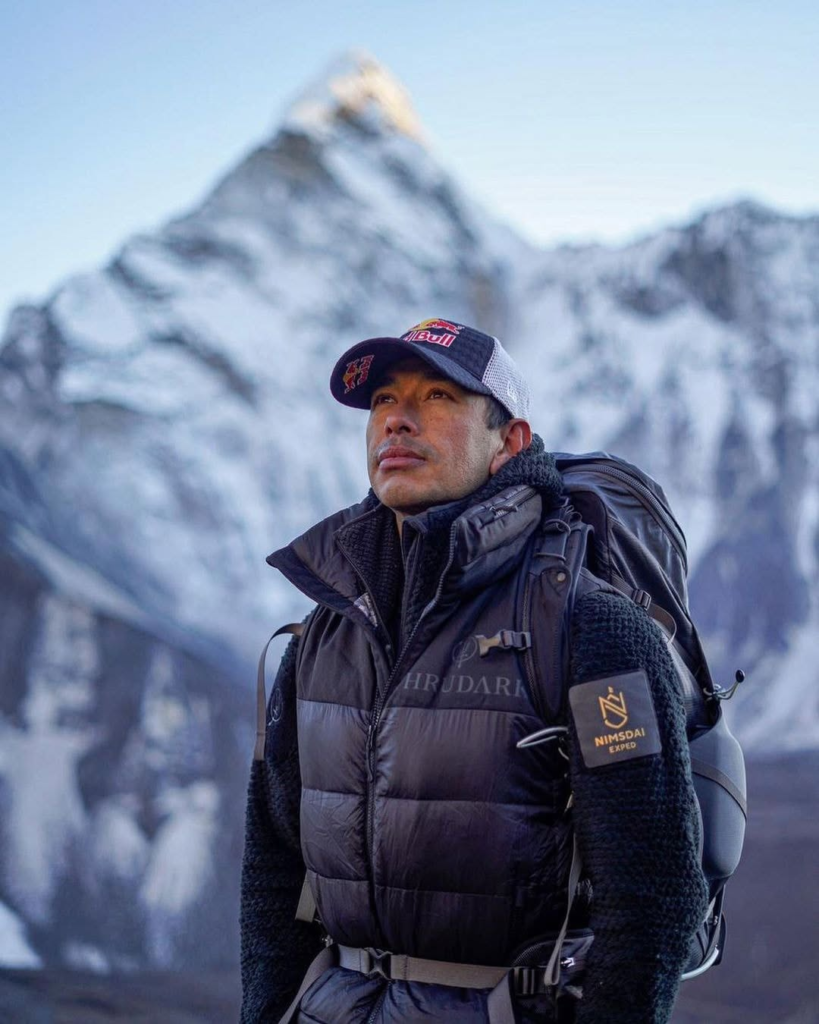
What makes the number impressive is not simply its size. Every summit represents another successful expedition through avalanche terrain, crevasse fields, severe storms, and the extreme physiological demands of high altitude. Very few mountaineers have accumulated this level of experience above 8,000 metres.
| Career Achievement | Status |
|---|---|
| Summits Above 8,000 Metres | 57 |
| All Fourteen Eight-Thousanders | Completed |
| Fastest Completion of All 14 Peaks | 6 Months 6 Days (2019) |
| Winter K2 | Historic First Ascent |
| Highest Mountain Climbed | Mount Everest (8,849m) |
The Historic First Winter Ascent of K2
If Project Possible introduced Nims Dai to the world, the first winter ascent of K2 cemented his place in mountaineering history.
For decades, K2 had remained the only 8,000-metre mountain never climbed during winter. The combination of violent jet stream winds, temperatures approaching minus 60 degrees Celsius, and highly unstable snow conditions defeated every previous expedition.
On 16 January 2021, that changed forever.
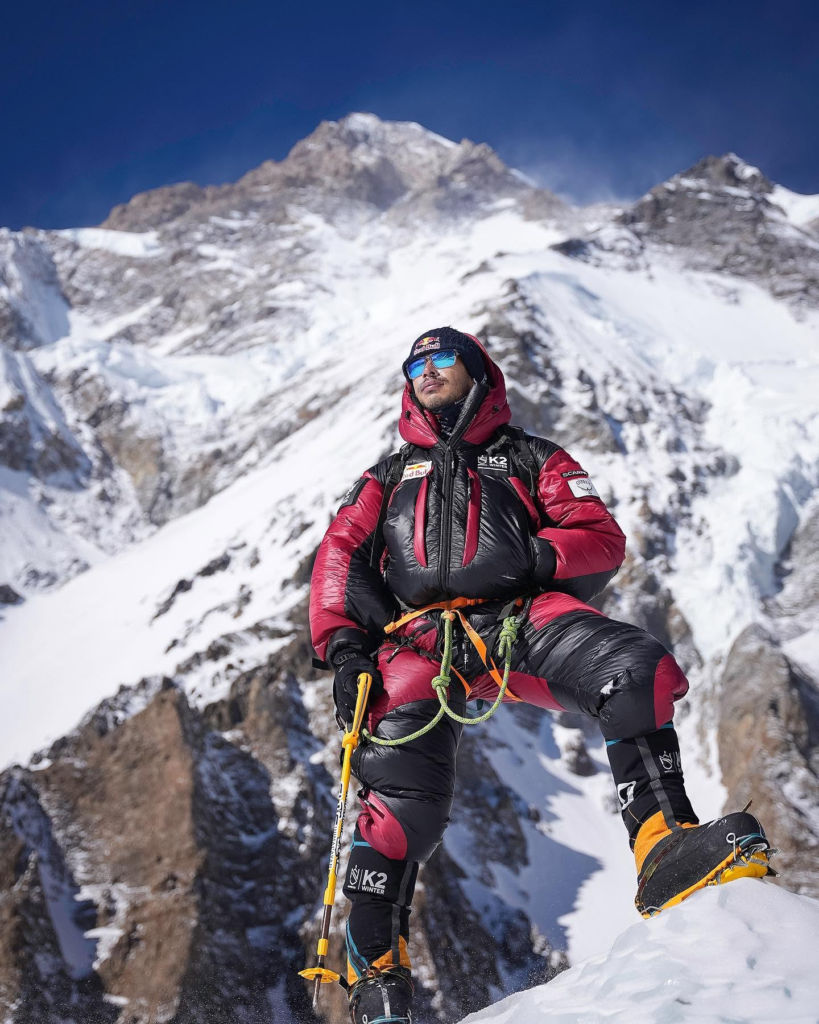
Nims Dai stood on the summit of K2 alongside nine other Nepali climbers, forming the first team in history to successfully climb the mountain during winter.
Just below the summit they stopped, gathered together, and sang Nepal’s national anthem before taking the final steps as one united team. That moment quickly became one of the defining images in Himalayan climbing.
Rather than competing to reach the summit first, the climbers deliberately waited so they could arrive together, recognising that the achievement belonged not to one individual but to Nepal itself.
Historic Winter K2 Achievement
Date: 16 January 2021
Mountain: K2 (8,611m)
Achievement: First Winter Ascent in History
Team: Ten Nepali Climbers
Historic Moment: Sung Nepal’s National Anthem before taking the final summit steps
Climbing Without Supplemental Oxygen
One of the most respected achievements in high-altitude mountaineering is climbing without supplemental oxygen.
Above approximately 8,000 metres lies what climbers call the Death Zone, where the human body slowly deteriorates because there is insufficient oxygen available for normal function. Even standing still becomes physically exhausting, and every movement demands extraordinary effort.
Nims Dai successfully completed several major Himalayan climbs without supplemental oxygen, including his historic winter ascent of K2. These climbs are regarded as being significantly more demanding than standard expeditions using bottled oxygen.
Although oxygen-assisted climbing remains the safest and most common choice for commercial expeditions, completing difficult Himalayan peaks without bottled oxygen places a climber among the absolute elite of modern mountaineering.
| Climbing Style | Difficulty | Typical Use |
|---|---|---|
| Supplemental Oxygen | Very High | Most commercial expeditions |
| Without Supplemental Oxygen | Extreme | Elite high-altitude climbers |
From Himalayan Climber to Global Inspiration
The success of Project Possible attracted international attention well beyond the climbing community. In 2021, Netflix released 14 Peaks: Nothing Is Impossible, a documentary following Nims Dai’s attempt to climb all fourteen 8,000-metre mountains in record time.
The documentary introduced millions of viewers to Himalayan mountaineering while also highlighting the skill, leadership, and determination of Nepali climbers.
Many of these climbers had spent decades working behind the scenes on international expeditions without receiving the recognition they deserved.
The film became one of Netflix’s most successful mountaineering documentaries and significantly increased global interest in Nepal’s climbing industry.
| Recognition | Details |
|---|---|
| Netflix Documentary | 14 Peaks: Nothing Is Impossible |
| Military Service | Former British Army Gurkha & UK Special Boat Service (SBS) |
| National Honour | Member of the Order of the British Empire (MBE) |
| Global Following | More than 2.4 million Instagram followers |
| Public Role | Athlete, entrepreneur, motivational speaker, and philanthropist |
A Legacy That Extends Beyond the Summit
Whether history ultimately remembers Nims Dai for Project Possible, the first winter ascent of K2, his numerous rescue missions, or his record-breaking number of 8,000-metre summits, his greatest contribution remains the way he changed how the world views Nepali climbers.
For generations, many Nepali mountaineers were recognised only as support staff despite playing essential roles in some of the greatest expeditions ever completed.
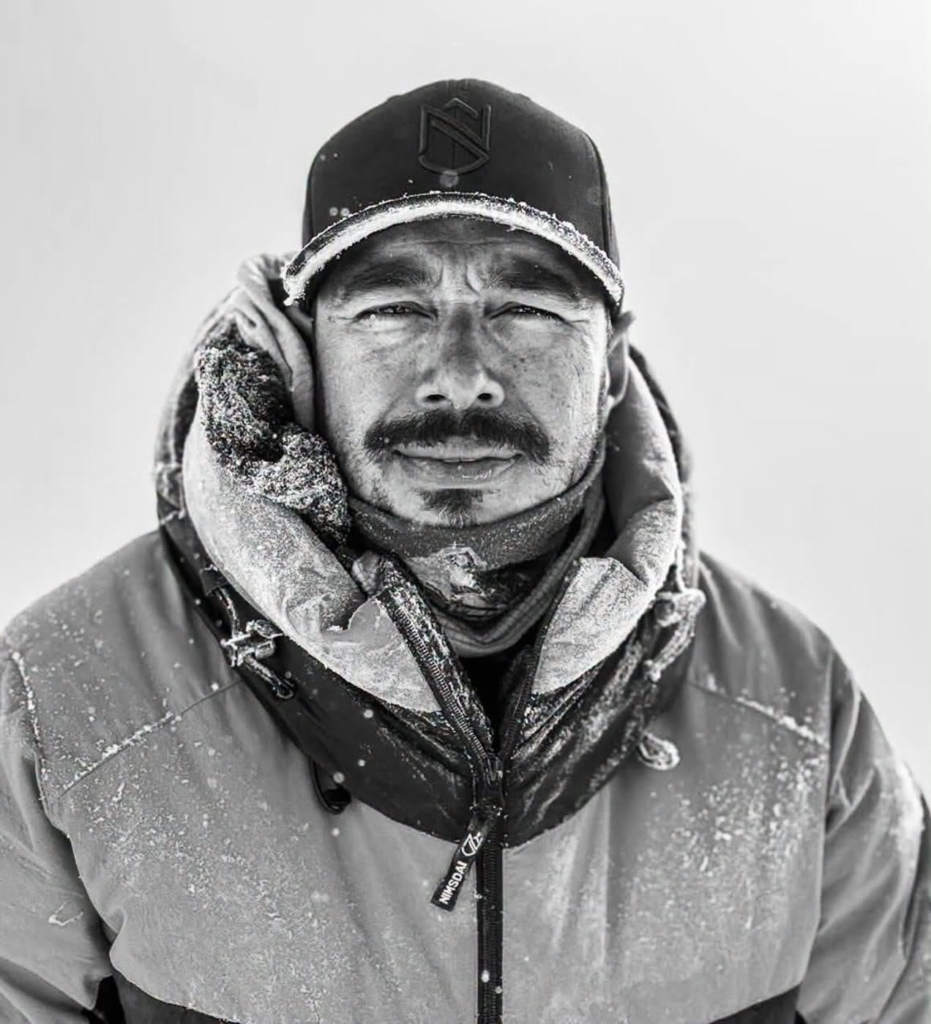
Nims Dai challenged that perception by demonstrating that Nepali climbers could lead world-class expeditions, establish new records, and redefine what was considered possible in high-altitude climbing.
Even after the tragic Broad Peak avalanche in Pakistan, conversations about his achievements continue because his influence extends far beyond individual summits.
He inspired a new generation of climbers to dream bigger, climb responsibly, and appreciate the extraordinary skill required to operate safely in the world’s highest mountains.
Long after records are eventually broken, that shift in perception will prove to be Nims Dai’s most enduring legacy.
Nims Dai Career Timeline
Although Nims Dai became a household name during Project Possible, his rise to the top of world mountaineering was built over many years of military discipline, climbing experience, and increasingly ambitious expeditions.
The timeline below highlights the defining milestones of his remarkable career.
| Year | Milestone |
|---|---|
| 2003 | Joined the British Army as a Gurkha soldier. |
| 2009 | Selected for the United Kingdom’s elite Special Boat Service (SBS), becoming the first Gurkha to join the unit. |
| 2012–2018 | Began high-altitude mountaineering, climbing Dhaulagiri and Mount Everest while serving in the military; awarded MBE by Queen Elizabeth II in 2018. |
| 2019 | Launched and completed Project Possible, scaling all 14 eight-thousanders in 6 months and 6 days; captured the world-famous Everest summit ridge photo. |
| 2021 | Led the historic first winter ascent of K2 without supplemental oxygen; featured in the global Netflix documentary 14 Peaks: Nothing Is Impossible. |
| 2022–2025 | Set a world record by reaching 57 total 8,000-metre summits while expanding commercial, guide, and rescue operations across Nepal and Pakistan. |
| 2026 | Tragically lost his life alongside nine team members during a massive avalanche on Broad Peak (8,051m) in Pakistan. |
Very few mountaineers redefine what people believe is possible. Nims Dai has done it more than once. Project Possible challenged accepted limits of endurance. The first winter ascent of K2 changed Himalayan history.
His repeated rescue missions demonstrated that leadership on the mountain is measured not only by reaching the summit but also by the willingness to help others when conditions become critical.
His continued success above 8,000 metres has established a standard that few climbers are ever likely to match.
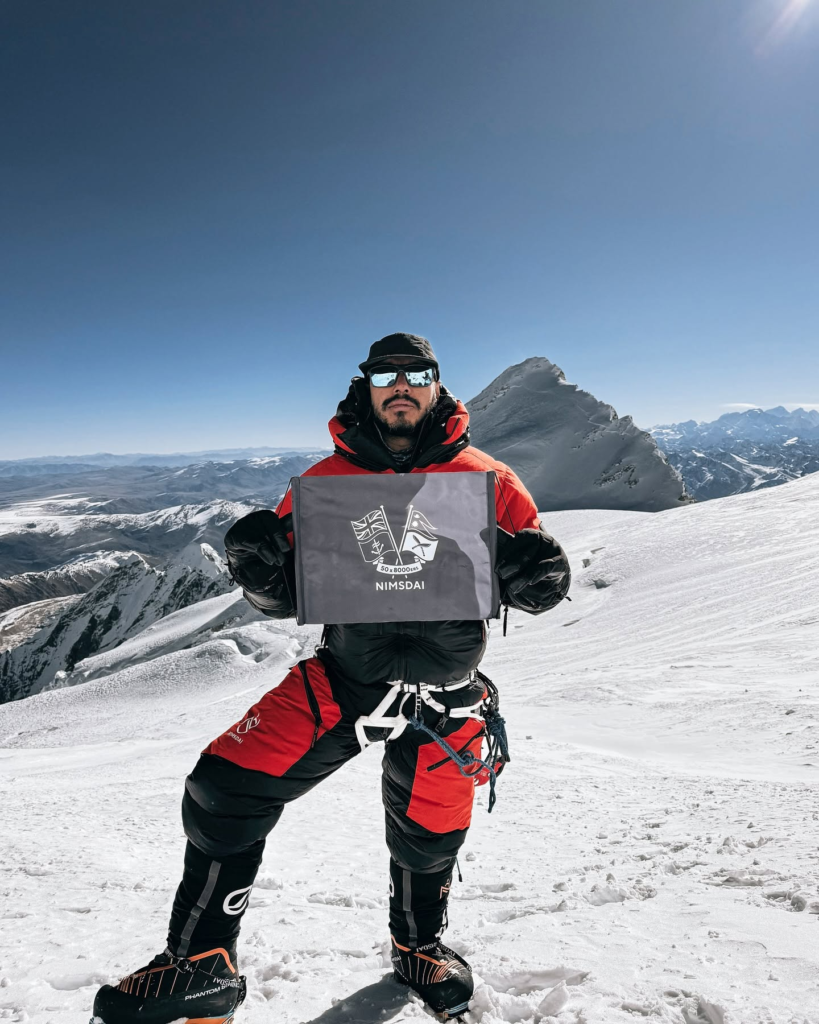
The Broad Peak avalanche reminded the world that even the most accomplished mountaineers remain vulnerable to the forces of nature. Mountains do not recognise records, awards, or reputation.
Every expedition demands humility, preparation, sound judgement, and respect for the environment.
Whether future generations remember Nims Dai for his speed, his courage, his leadership, or his ability to inspire people to pursue goals once considered impossible, one fact is already beyond debate.
He has secured a permanent place in the history of Himalayan mountaineering and helped reshape how the world views Nepal’s climbers.
Frequently Asked Questions About Nims Dai
What happened to Nims Dai?
Nims Dai lost his life in the July 31’s 2026 Broad Peak avalanche in Pakistan while leading an international climbing expedition. The avalanche claimed all ten members of the team and shocked the global mountaineering community.
How many 8,000-metre summits does Nims Dai have?
Nims Dai successfully completed 57 ascents of the world’s 8,000-metre mountains, making him one of the most experienced high-altitude climbers in history.
What is Project Possible?
Project Possible was Nims Dai’s 2019 challenge to climb all fourteen of the world’s 8,000-metre mountains in less than seven months. He completed the challenge in an astonishing 6 months and 6 days, smashing the previous world record.
Why is the winter ascent of K2 so important?
Before January 2021, K2 was the only 8,000-metre mountain that had never been climbed during winter. Nims Dai and nine fellow Nepali climbers became the first team in history to reach the summit during the winter season.
Has Nims Dai climbed without supplemental oxygen?
Yes. He has completed several major Himalayan ascents without bottled oxygen, including his historic winter ascent of K2. These climbs are regarded as some of the highest achievements in modern mountaineering.
Was Nims Dai in the military?
Yes. Before becoming a professional mountaineer, he served in the British Army and later joined the elite United Kingdom Special Boat Service (SBS), one of the world’s most demanding special forces units.
What documentary features Nims Dai?
His story is featured in the Netflix documentary 14 Peaks: Nothing Is Impossible, which follows Project Possible and introduced millions of viewers to Himalayan mountaineering.
Why is Nims Dai considered one of the greatest climbers of all time?
His legacy combines speed records, repeated 8,000-metre ascents, difficult climbs without supplemental oxygen, historic first ascents, high-altitude rescue work, and his role in bringing long-overdue international recognition to Nepali climbers.