


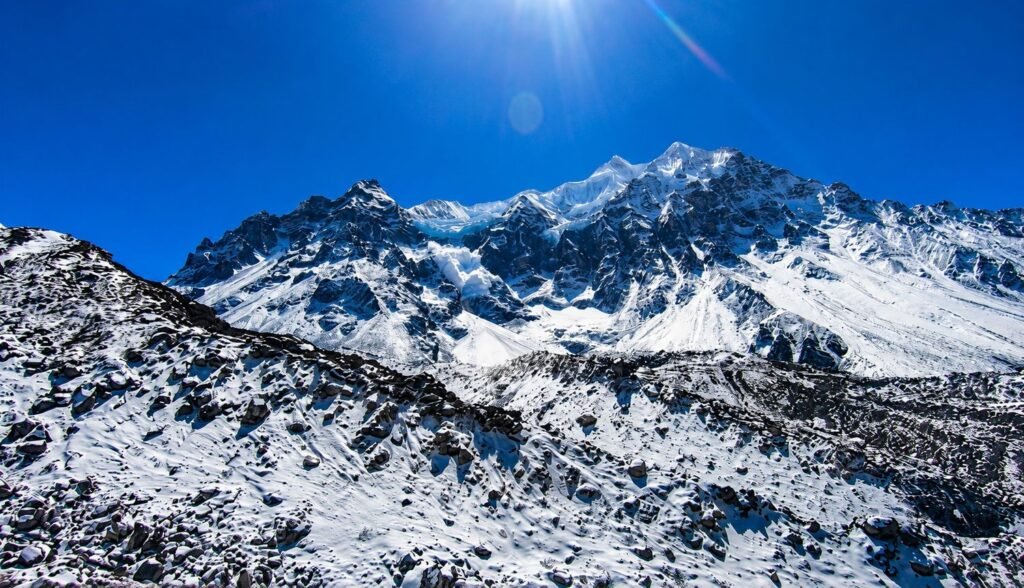
Nepal’s Tallest Unclimbed Mountains, Sacred Peaks, and Rare First Ascent Targets
Nepal holds eight of the world’s fourteen peaks above 8,000 metres and has been at the centre of global mountaineering for more than seventy years.
Mount Everest, Annapurna, Kangchenjunga, all summited, studied, and in some cases turned into annual queues with traffic management.
And yet scattered across the same Himalayan arc sit mountains no human being has officially stood on.
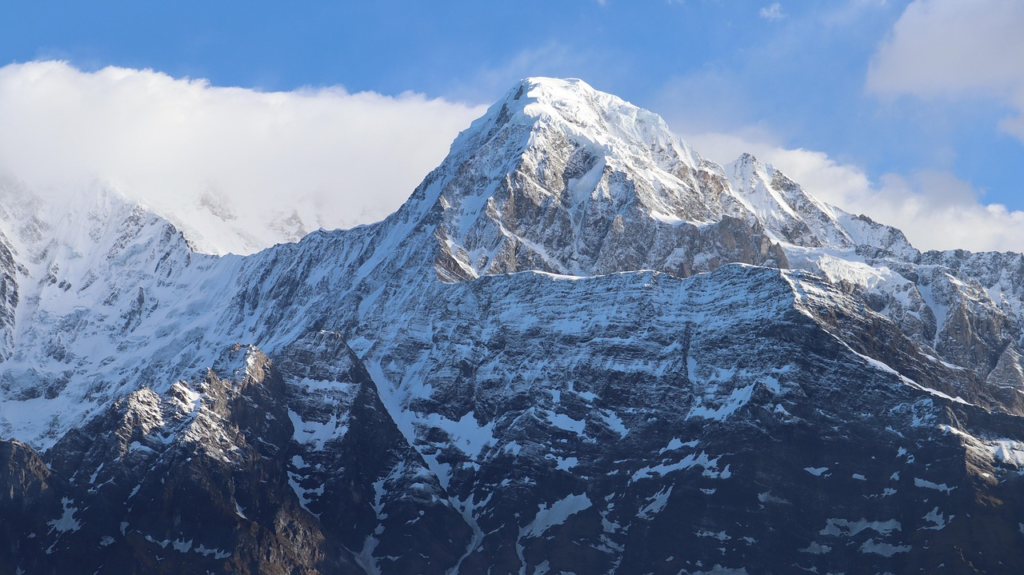
Some are sealed by government decree out of respect for beliefs that run deeper than any climbing permit.
Others are fully legal to attempt and remain unconquered because the mountain has refused every expedition sent at them. One sits in a category of its own, where the summit went unreached by agreement rather than law.
The Three Categories
| Category | Mountains | Why Unclimbed |
|---|---|---|
| Permanently Forbidden | Machhapuchhre, Khumbila | Sacred peaks closed by Nepal government decree |
| Technically Unclimbed | Shanti Shikhar, Kabru North, Chabuk | Open to permits, no confirmed ascent on record |
| Special Case | Kanchenjunga | True summit left unreached by convention, not law |
Permanently Forbidden: The Sacred Peaks
Nepal’s government has closed a number of peaks to climbing on grounds of religious and cultural significance.
These are not geographically inaccessible mountains. Several sit in plain view of busy trekking routes and could technically be approached by any competent team.
They remain untouched because the communities in their shadow consider them sacred beyond any individual’s right to stand upon, and the government has chosen to enforce that belief with law. Attempting to climb them without authorisation is a criminal offence.
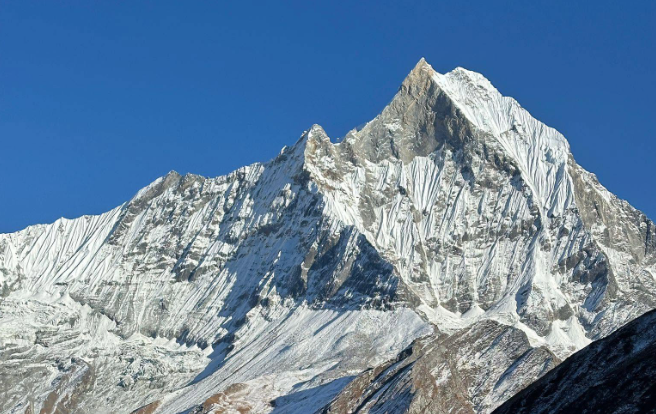
Machhapuchhre (6,993m)
The most famous of Nepal’s forbidden peaks needs little introduction to anyone who has spent time around Pokhara.
Machhapuchhre rises above the Annapurna region with two summits that together form a profile so distinctive it has become one of the defining Himalayan beauties in the country.
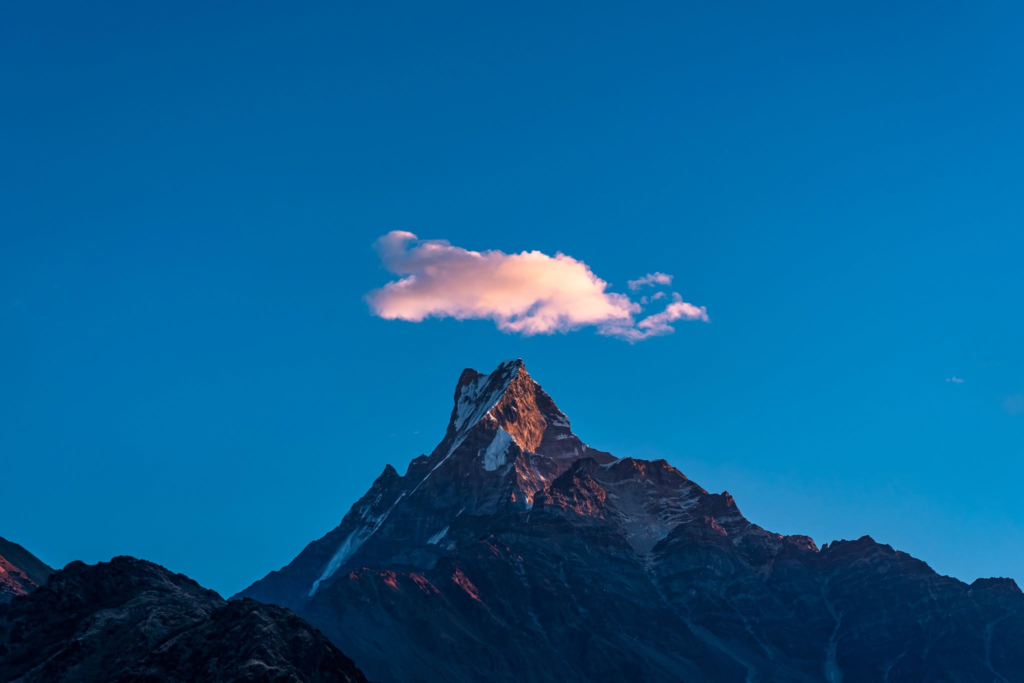
The local Gurung community call it Katasunkli, meaning snowy fish mouth. The rest of the world knows it as Fishtail.
At 6,993 metres, the mountain sits within the Annapurna range north of Pokhara. For Hindus across Nepal it is the physical home of Lord Shiva.
Placing human feet on its summit is considered an act of desecration against sacred geography, not a minor cultural sensitivity. The Gurung people, who have lived in the mountain’s shadow for generations, hold it in equally deep reverence.
In 1957 a British expedition led by Lieutenant Colonel Jimmy Roberts approached the summit with genuine intent.
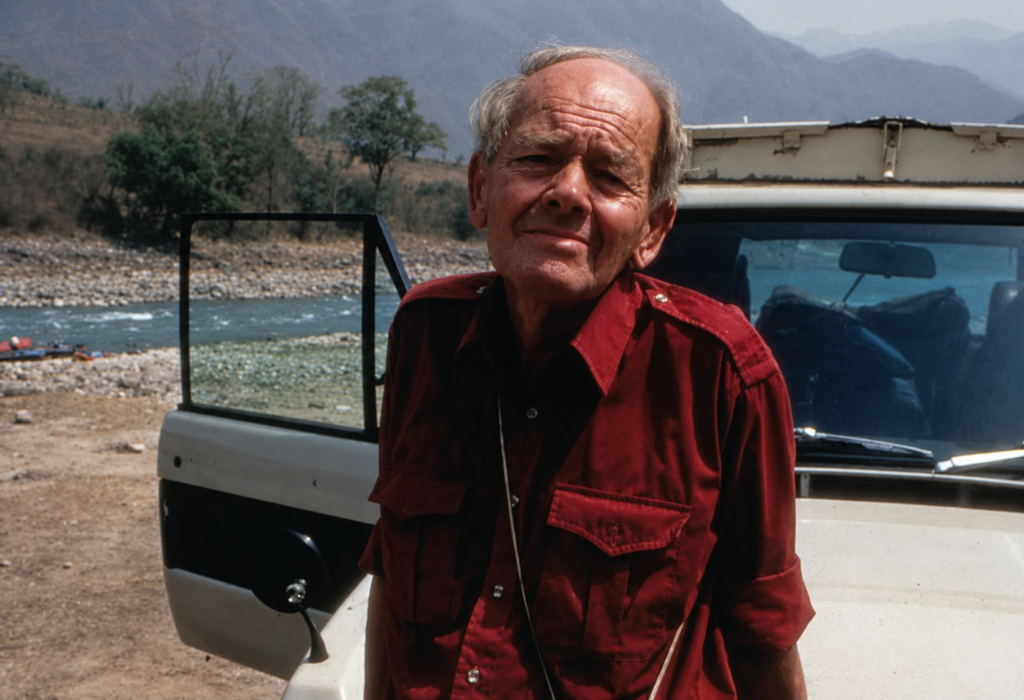
The team reached a point somewhere around 50 metres below the true highest point before stopping.
Their permit conditions required them not to set foot on the actual summit, and Roberts honoured that condition voluntarily. They turned back with the summit untouched above them.
What happened afterward is where the story becomes interesting. Roberts went on to become one of the most influential figures in the development of Nepal’s trekking industry, eventually settling in Pokhara where he lived until his death in 1997.
He is widely credited with personally requesting that the Nepalese government close the mountain to future expeditions, a request driven by deep respect for the Gurung community. The ban was formalised in 1962.
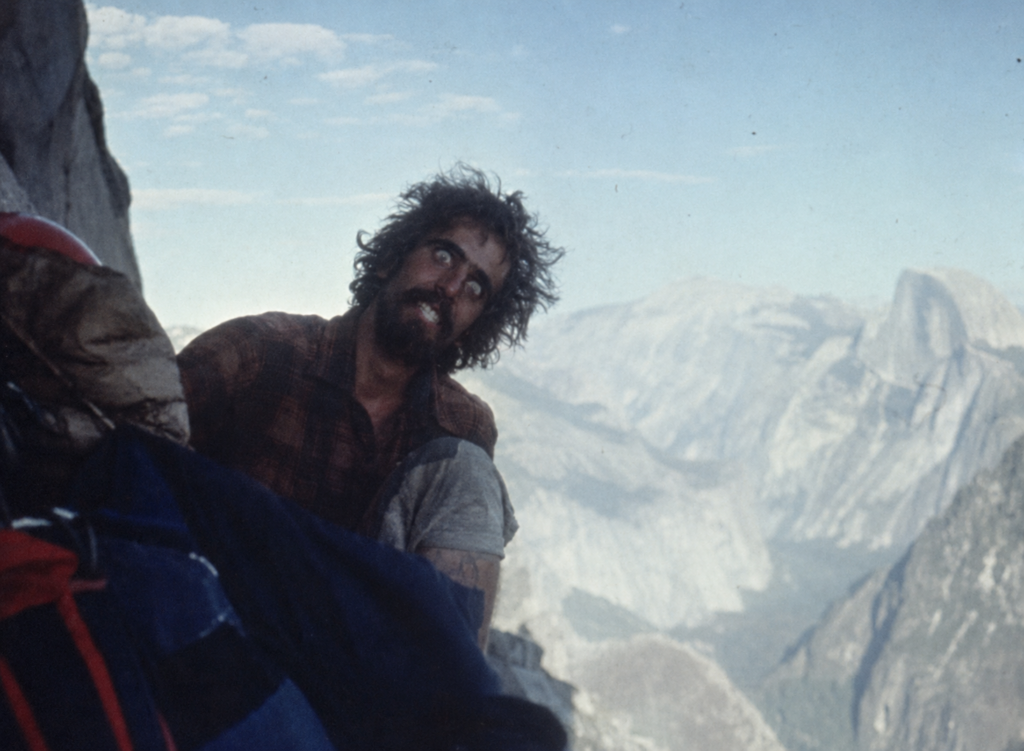
One story that circulates persistently in Nepal’s mountaineering circles holds that a New Zealand climber named Bill Denz made an unauthorised solo ascent sometime in 1982, reaching the summit without a permit and without telling anyone.
The claim cannot be confirmed or denied, Denz was killed by an avalanche on Makalu shortly afterward and the summit’s official status as unclimbed stands entirely intact.
As recently as 2022 there were organised discussions within Nepal about whether to lift the ban. Cultural historians and the Gurung community argued firmly against it.
As of 2026 the ban remains completely firm and no permit has been issued since the Roberts expedition nearly seven decades ago.
Every trekker who walks toward the Annapurna Base Camp passes directly beneath this mountain.
The restriction on climbing is not a limitation on the experience. For most people who understand the story behind it, Machhapuchhre means more because of it.
Khumbila (5,761m)
The Everest trekking route passes through Khumbila’s territory and most of the hundreds of thousands of people who have walked that trail have no idea that the peak above Namche Bazaar is one of the most sacred and legally protected summits in Nepal.
Khumbila stands at 5,761 metres in the Khumbu region within Sagarmatha National Park. Its name, Khumbu Yui Lha, translates directly as God of Khumbu, and that translation runs deeper than it first appears.
The entire Khumbu region takes its name from this mountain. The Sherpas who are the backbone of Himalayan mountaineering and have guided expeditions on the peaks all around it consider Khumbila their Kul Devta, the protector god of their clan.
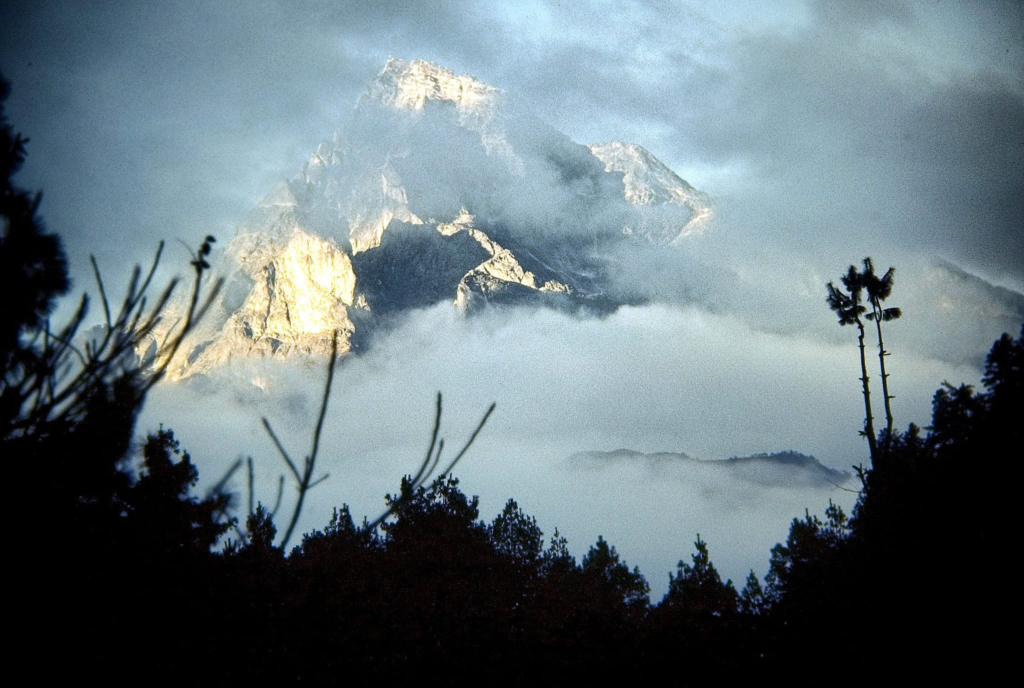
The relationship between Sherpa identity and this specific mountain is not symbolic, it is foundational. Sherpa sacred texts describe the region above Khumbila’s tree line as the physical home of gods.
Climbing above that threshold is understood not as a physical trespass but as stepping on the head of a deity. During the Dumje festival the Khumbila deity is believed to descend from the mountain to dance at the local monastery.
Locals also hold that Guru Rimpoche meditated in a cave on the mountain in the eighth century, adding historical depth to the spiritual significance that no mountaineering permit can address.
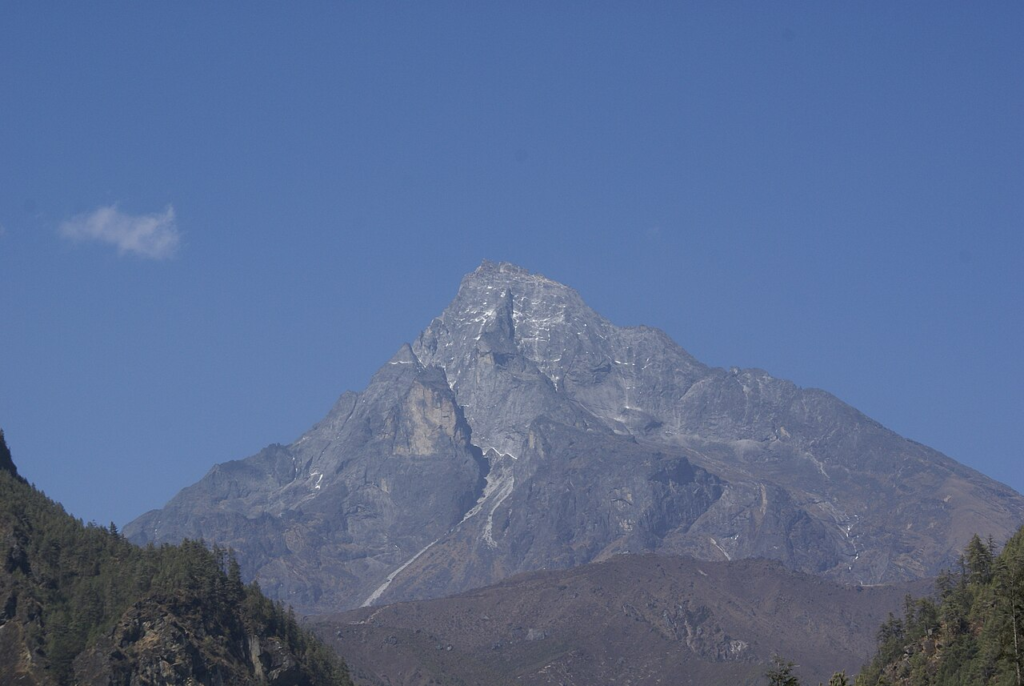
One expedition attempted Khumbila in the 1980s. An avalanche killed every member of the team.
No subsequent attempt has been made and no permit has ever been issued. The mountain sits in full view of the most walked trekking corridor in the country and will almost certainly remain untouched indefinitely.
Forbidden Peaks at a Glance
| Mountain | Height | Region | Sacred To | Ban in Place Since |
|---|---|---|---|---|
| Machhapuchhre | 6,993 m | Annapurna range | Hindus and Gurung community | 1962 |
| Khumbila | 5,761 m | Khumbu, Sagarmatha National Park | Sherpa patron deity | Never permitted |
Technically Unclimbed: Open Peaks with No Confirmed Ascent
These mountains sit in a completely different category. Permits can be obtained through the standard Nepalese mountaineering system.
Expeditions have attempted them and failed. They remain unclimbed not because of any government ban but because the terrain, weather, altitude, or sheer remoteness has turned every serious attempt back before the summit.
Shanti Shikhar (7,591m)
Shanti Shikhar is the most significant entry in this category and the one that most people outside the specialist mountaineering community have never heard of.
Also known as Peak 38 or Shartse, it sits in the Khumbu section of the Mahalangur Himal in Solukhumbu district, roughly two kilometres east of Lhotse Shar and about five kilometres southeast of Everest on the Tibetan border.
At 7,591 metres, Shanti Shikhar is the tallest legally open and unclimbed peak in Nepal. The peak has three recorded expeditions, a Russian team on the south ridge in 1997, followed by attempts in 2003 and 2015. None reached the summit.
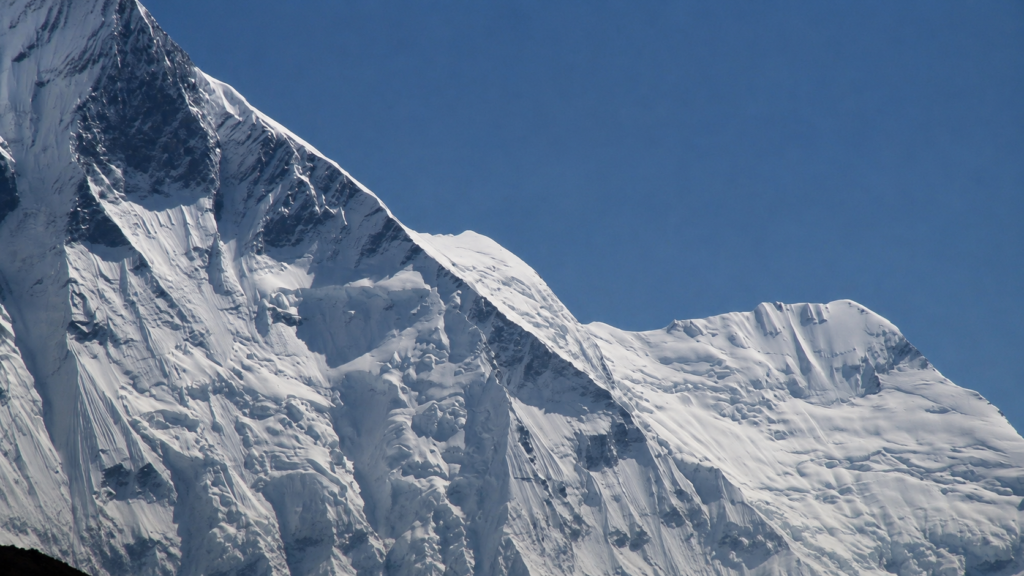
The peak’s modest topographic prominence of around 121 metres means it does not always appear on broad lists of the highest unclimbed mountains, but for mountaineers specifically researching Nepal, it is the clear headline target.
The mountain is not closed, not restricted, and not sacred in the sense that Machhapuchhre or Khumbila are. It has simply turned back everyone who has tried it.
The technical challenge involves approaching a summit embedded in one of the most complex and heavily glaciated sections of the Mahalangur range, in conditions that have consistently prevented completion across three serious attempts spanning nearly two decades.
Kabru North (7,412m)
The Kabru massif sits on the border of eastern Nepal and Sikkim, extending south from Kangchenjunga along one of the most remote sections of the Nepal Himalaya.
It is the southernmost location on the planet with a summit above 7,000 metres. The mountain carries multiple peaks with disputed naming conventions, which has created genuine ambiguity in the climbing record.
The southern summit of Kabru was reached in 1935 by Conrad Cooke, who set a world record for the highest solo ascent at the time.
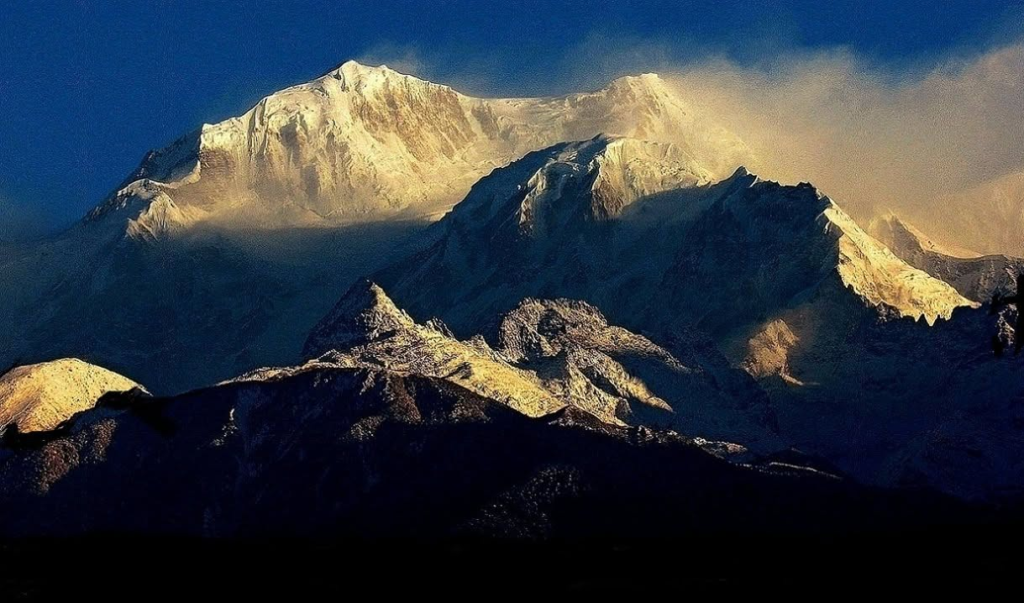
The highest point on the massif, sitting at around 7,412 metres on the northern end of the ridge, has no confirmed ascent on record, though the topographic complexity and naming disputes mean this claim carries more nuance than it might appear.
A Serbian team mounted a serious attempt in 2004 and was forced to turn back due to severe avalanche activity on the upper approaches.
No successful ascent has been documented before or since. The primary danger is not technical impossibility but the sustained avalanche exposure that makes the upper flanks genuinely hazardous to remain on for long enough to reach the top.
Chabuk (6,960m)
Chabuk, also recorded as Tsajirip, sits in the Kanchenjunga Himal in the Taplejung district of eastern Nepal on the Nepal and Tibet border at 6,960 metres.
It is listed as an opened and unclimbed peak, accessible via Kathmandu to Taplejung and through the Ghunsa valley approach.
Its position on the Nepal and Tibet border adds a layer of logistical difficulty that goes beyond terrain.
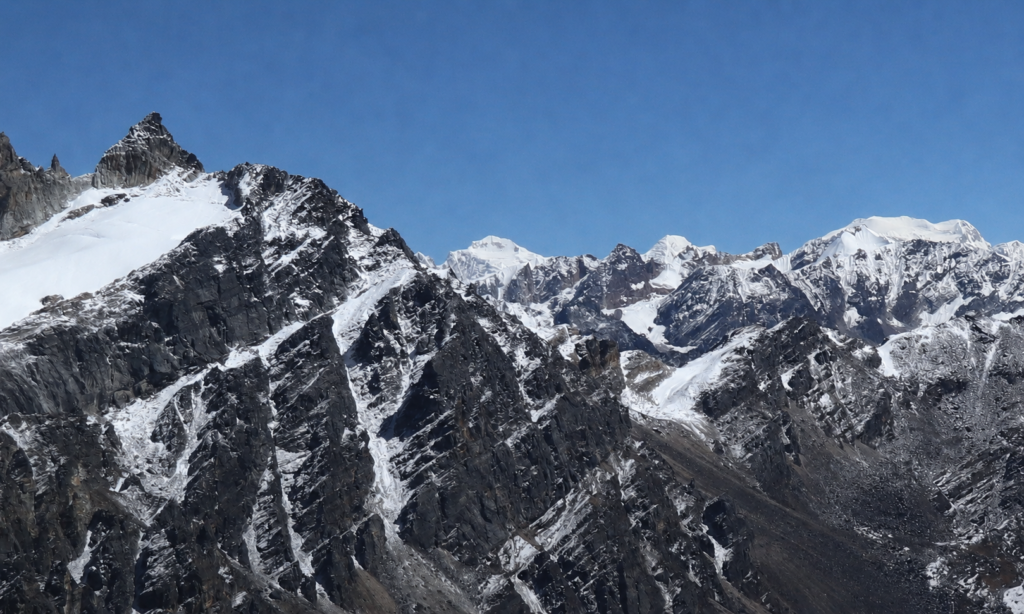
Expeditions attempting Chabuk must navigate the regulatory requirements of two separate governments, a burden that has contributed to the low number of serious attempts.
The peak sits in a region of eastern Nepal that sees far less expedition traffic than the Everest or Annapurna corridors, which means that even within the relatively small community of mountaineers pursuing unclimbed objectives, Chabuk has received limited attention.
It remains one of the more credible and accessible first-ascent objectives in the country for a serious expedition team.
Open Unclimbed Peaks at a Glance
| Mountain | Height | Region | Permit Status | Primary Challenge |
|---|---|---|---|---|
| Shanti Shikhar | 7,591 m | Mahalangur Himal, Solukhumbu | Open | Glaciated terrain, three failed attempts, complex Lhotse massif approach |
| Kabru North | 7,412 m | Eastern Nepal and Sikkim border | Open | Extreme avalanche exposure, topographic ambiguity across massif |
| Chabuk | 6,960 m | Kanchenjunga Himal, Taplejung | Open | Dual government regulations, remote eastern approach |
A Special Case: Kanchenjunga (8,586m)
Kanchenjunga fits none of the above categories cleanly and placing it in either would misrepresent what actually happened on this mountain.
The third highest peak on earth sits on the border between Nepal and Sikkim. The first ascent in 1955 was made by a British expedition led by Charles Evans.
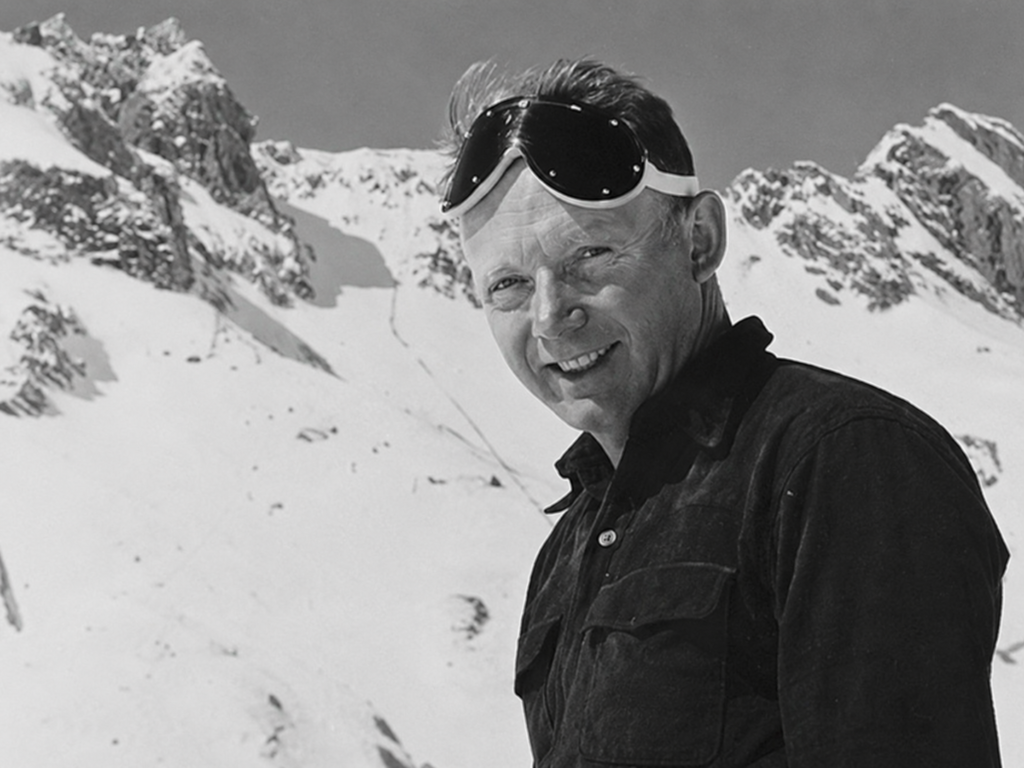
The summit team, including George Band and Norman Hardie on the first day, had agreed before departure to stop short of the absolute highest point out of respect for the Sikkimese belief that the summit is sacred ground.
They honoured that agreement. Every expedition to Kanchenjunga since has followed the same convention by choice rather than by law.
The mountain is climbed regularly from the Nepal side and is one of the fourteen eight-thousander objectives.
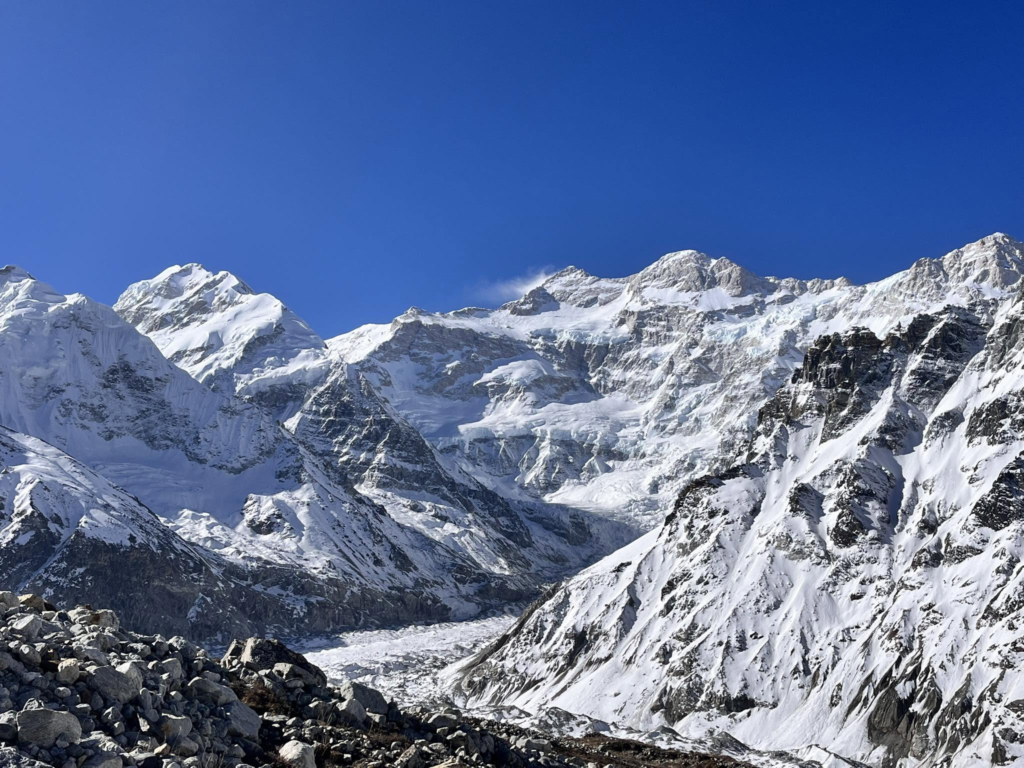
Whether any human being has technically stood on the absolute highest point remains, by mutual agreement rather than prohibition, an open question.
It is neither forbidden nor technically unconquered. It occupies a category of its own, a mountain whose summit has been left untouched not because the mountain refused but because the people who came closest chose to step back.
What These Peaks Tell You About Nepal
Nepal has a commercial mountaineering industry worth tens of millions of dollars annually and is motivated by revenue from its mountains in ways that are documented and real.
Against that backdrop, the firm maintenance of the bans on Machhapuchhre and Khumbila says something worth noting.
These are peaks that could generate permit income and expedition spending. The government has chosen to leave them closed, repeatedly and deliberately. That is not a default position. It is a reaffirmed choice.
The Sherpa community that guides parties up the most commercially active peak on earth still performs puja ceremonies before every ascent to ask the mountain’s permission.
The Gurung community that has welcomed trekkers through their landscape for decades still considers one specific peak in that landscape too sacred for any of those visitors to stand upon.
These are not abstract beliefs. They are lived positions that have been present in these valleys for centuries, and the Nepalese government has decided to protect them with law rather than simply acknowledge them with policy.
For trekkers the significance of these peaks is fully accessible from the trail. The Annapurna Base Camp route passes directly beneath Machhapuchhre. The Everest Base Camp route passes through the landscape Khumbila presides over. The full story of these mountains makes the walks between them considerably richer.
Few Things to be Noted
Some summits are waiting to be climbed. Shanti Shikhar at 7,591 metres has been attempted three times and has turned back every expedition.
The right team in the right conditions may eventually reach it. Kabru North and Chabuk sit in the same category: open, accessible in principle, and unconquered in practice.
Other summits are not waiting. Machhapuchhre has been closed since 1962 and the argument for reopening it has been made and rejected more than once.
Khumbila has never been permitted and its community sees no reason to change that. These mountains are not unfinished business for the mountaineering world. They are complete as they are.
Nepal is one of the only countries on earth that has made a firm, sustained, and commercially costly decision to keep certain mountains beyond reach.
Understanding which peaks those are and why they got there makes the entire Himalayan landscape more interesting to walk through.
Whether you are on the Annapurna circuit with Machhapuchhre above you at dawn, or passing through Namche Bazaar in the shadow of a peak that five centuries of Sherpas have chosen never to touch.