


What a Day on a Nepal Trek Really Looks Like: Daily Life, Trails, and Experience in the Himalayas
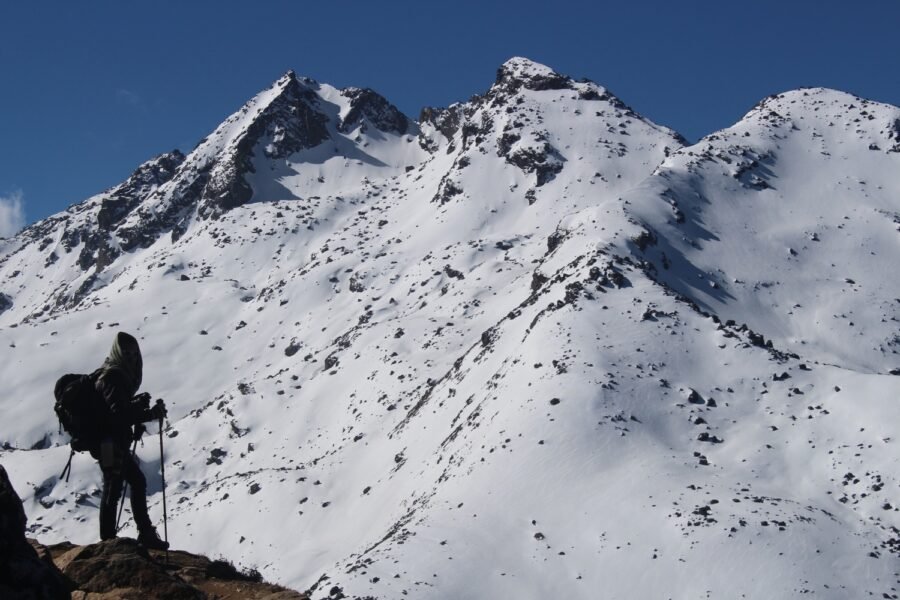
For most trekking enthusiasts in Nepal, there is a moment that is unforgettable. You are between two villages, the track is more hilly than on the map, your packs are more full than at breakfast and then the clouds part again.
Just for a few seconds only, in front of you is a massive white wall of mountain you are not quite able to believe is real.
You stop walking at the same time, you don’t remember the pain in your legs. For a moment, you just stand there.
Moments like that don’t happen when you plan them. It is not possible to schedule it into an itinerary. It just happens, typically while working through an otherwise normal workday on the trail.
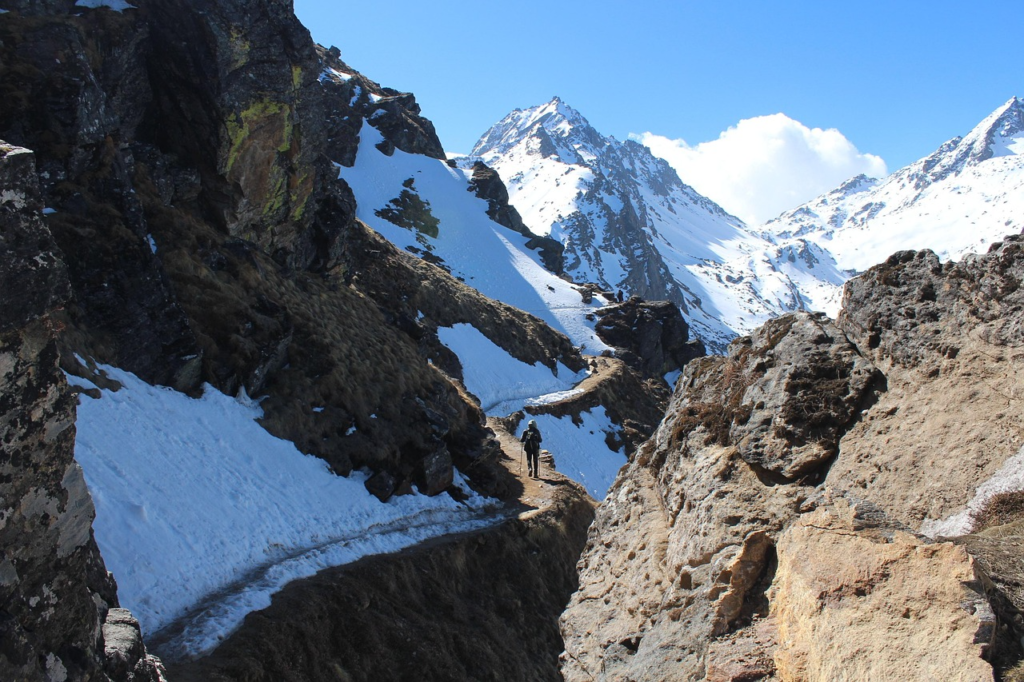
It is this which makes trekking in Nepal so different. The day itself is the experience.
The climate varies greatly from one part of Nepal to another, the country has five seasons and the major trekking areas are in very different climates.
From the Everest region in the north-east to Annapurna, Langtang, Manaslu, Upper Mustang and the more distant high routes, where not many tourists visit.
| Time of Day | What Usually Happens | Why It Matters |
|---|---|---|
| Early morning | Wake up, wash, pack, and eat breakfast | Calmer weather and better visibility |
| Morning walk | Steady walking with short breaks | Best time to cover distance |
| Midday | Lunch at tea house or lodge | Rest and recovery break |
| Afternoon walk | Final stretch to village/lodge | Slower pace before ending the day |
| Evening | Dinner, rest, early sleep | Recovery for next trekking day |
Though spring and autumn are the best time to trek, if one has to plan a trek in another season of the year, Nepal is accessible all the time if one chooses the right trek at the right time.
To believe the experience of trekking here, think of spending one full day on the trail. Not a highlight reel, just a normal day.
Go up early in the morning, have breakfast, walk for hours, then stop at lunch, get to the next lodge, rest early and repeat the next day.
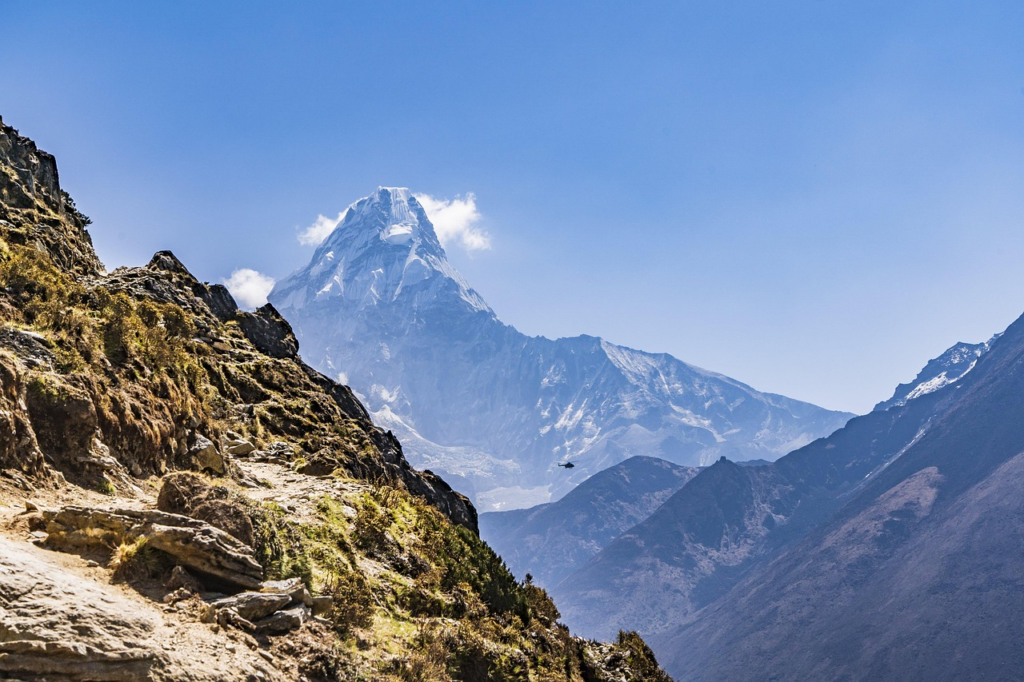
This is the rhythm or schedule that makes trekking in Nepal so special and can be repeated for days and weeks.
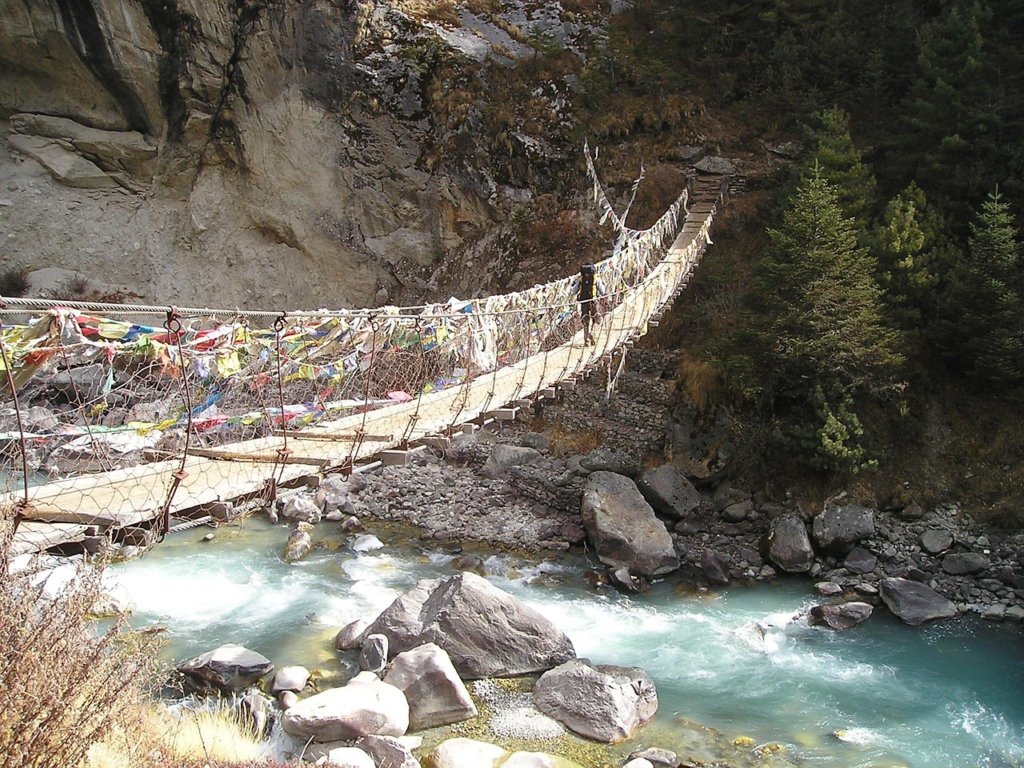
The trail becomes the daily routine and the villages, teahouses and lodges that you pass are not just places to stop, they are basically a part of the whole thing.
A majority of the trekking routes offer lodges or tea houses, and in certain rural areas, homestays are also available.
That is appropriate for Nepal since the mountains are not level, the weather is unpredictable and a steady pace is the best thing that beats any rush anytime.
Altitude should also be kept in the background all day long. In Nepal, one is in for a cold shock, with temperatures dropping by approximately 6°C for every 1000 meters ascended, so mornings are crisp, afternoons can be unpredictable and evenings can be cold long before they are expected to be.
It’s perfectly acceptable to be sweating in the sun one hour and then wearing a jacket with down insulation in the next few hours in the mountains.
Nepal also has five seasons, Spring, Summer, Monsoon, Autumn and Winter, which can mean different things depending on the time of the year.
The Morning Comes Again and Again
The majority of trek days start before or around sunrise. This isn’t only because guides like early starts.
It’s because mornings are, indeed, the best time of the day to walk in the mountains. Weather is generally more settled with clearer views and great light.
The trail is easier to walk, too, at the start of the day before it gets too hot, or at the beginning of the afternoon before the clouds roll in.
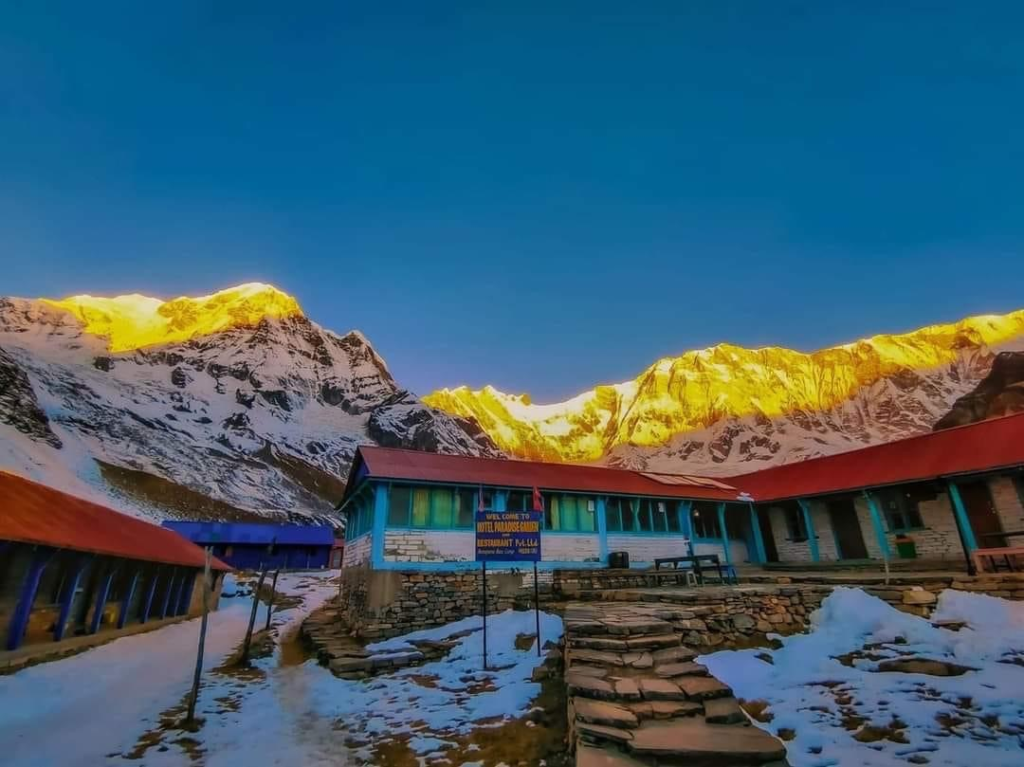
Of course, that makes a big difference in Nepal, a country that’s divided into many different climatic zones, from the lowlands to the high mountain regions, and experiences the weather at a different pace than many people realize.
Breakfast is typically humble and basic. On the majority of trails, refreshments are served at tea houses and lodges that provide you with sustenance to get you through the day, rather than a display of elegance.
The aim is to consume adequate calories, fluid and activity before the trail fills up or the weather changes.
With so many routes, particularly the popular ones, the teahouse is an integral part of the trail and makes the trek feel like a tea house.
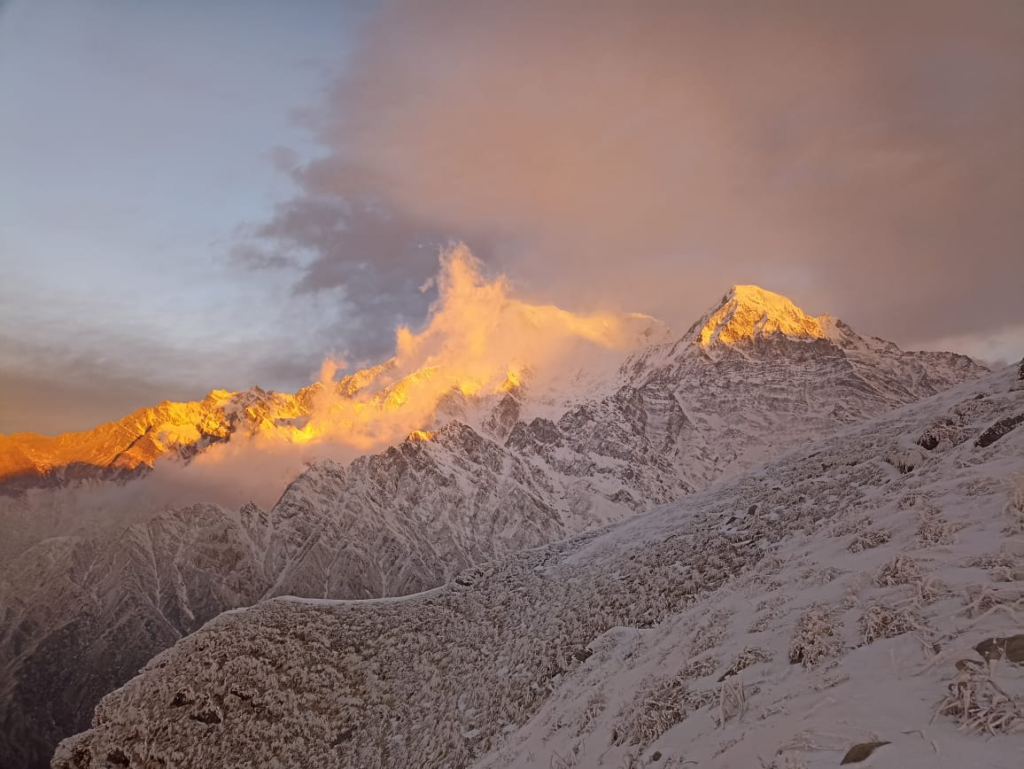
There are plenty of teahouses along the Everest route and also in the Annapurna area there are plenty of lodges, tea houses and camping options.
The first tempo very soon is a part of the route. The alarm at 5:30 or 6 a.m. is brutal the first few days, but then it’s business as usual.
Rising to the cold mountain air and the trail beginning to come to life seems as natural as anything in the world.
Before You Even Hit the Trail
What most trekking companies don’t talk about is how much of the trekking experience relies on your condition before you actually arrive.
Nepal’s trails have no level surface. They can go up and down sometimes for hours, and even for routes that seem “easy” on the map it can still be a challenge when you are on it.
All the popular trails such as Everest Base Camp, Annapurna Circuit, Langtang, Manaslu or Upper Mustang require different things from your body and your patience.
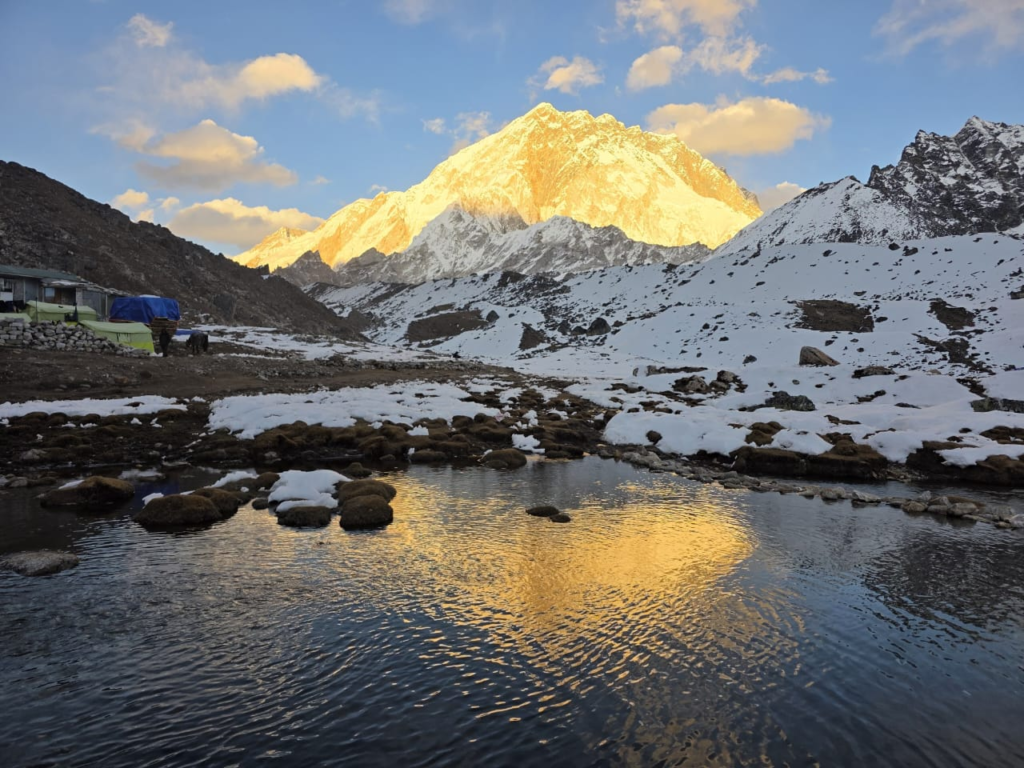
You don’t have to be an athlete or have extreme level of fitness. Feeding the popular routes is for most healthy adults quite manageable.
However, it is more enjoyable when people have walked steadily, walked up and down stairs over a few weeks, or light run, cycled or hiked to build up their fitness level.
If you reside in an area where you don’t require stairs, they are your friend. Your knees will thank you later.
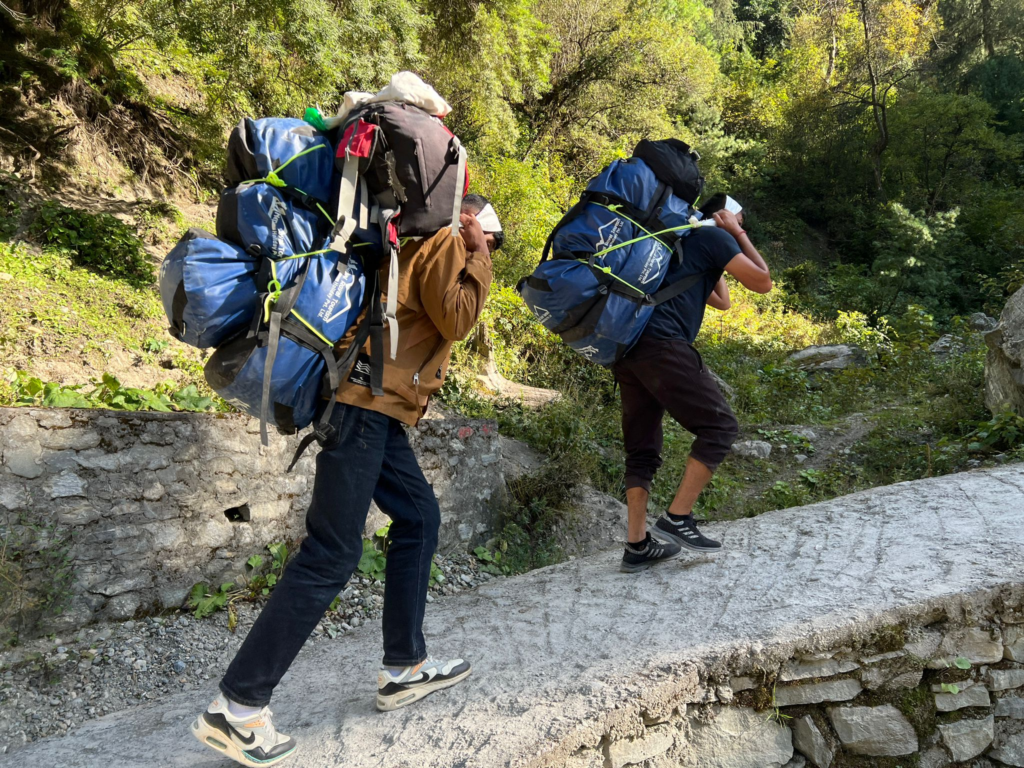
It’s also a good idea to consider the porter question. Many of the classic hiking trails offer the option for hiring a porter if you choose to join a trek from trekking agencies, which means that you don’t have to carry a day pack.
This makes the day more comfortable and fun, particularly on longer drives. It also ensures that money goes directly to the local population, a reason contributing to the support of many Nepalese mountain communities.
The Trail Itself is Different From Region to Region
A trek in Nepal is great because of the variety of routes that are available, depending on your location.
The Annapurna area is home to a vast selection of treks, ranging from simple ones to more challenging circuits.
Pokhara is the primary starting point for treks to Annapurna and there are resorts, hotels, lodges, tea houses and camping places at various locations.
Langtang is more accessible from Kathmandu, and offers a more personal experience of the mountains and local culture than some of the more popular routes.
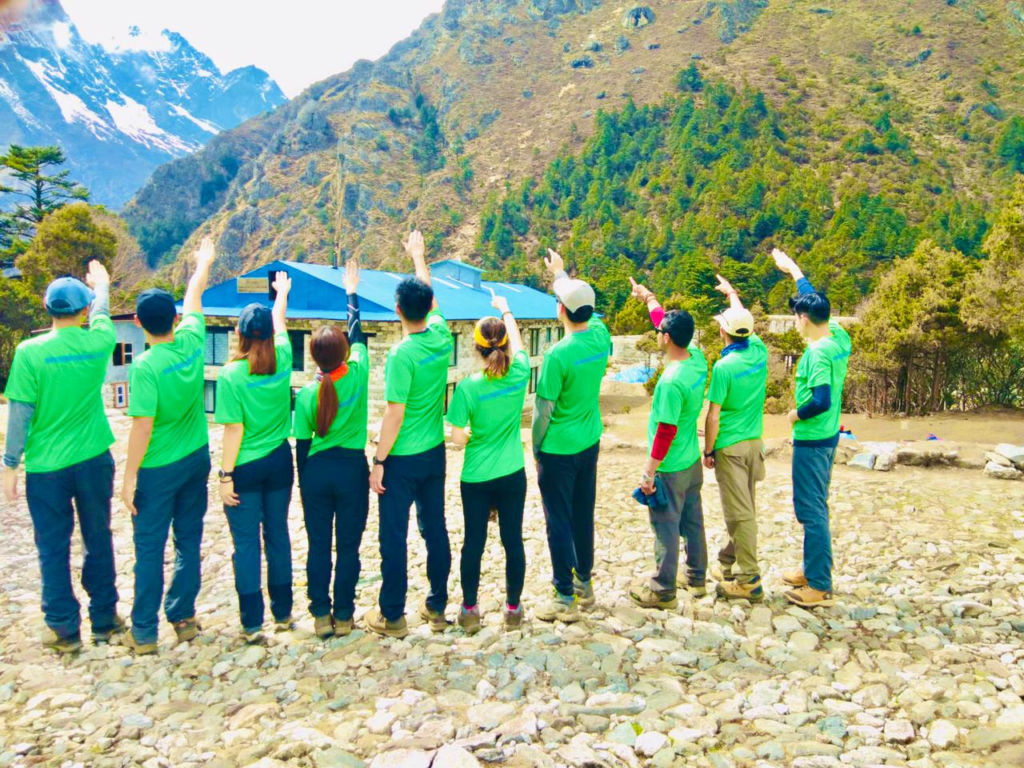
Many trekkers take a plane to Lukla and then start on one of the most renowned trekking routes in the world.
The more distant areas like Manaslu, Dolpo, Kanchenjunga region and the Upper Mustang have a more peaceful and less populated atmosphere and appeal to the more adventurous traveller who prefers less people and more wilderness.
This is one of the greatest assets Nepal has to offer. A tourist can visit once for a popular route, and again for something more relaxed or more to the intellectual side.
The trail begins at Lukla for the Everest area trek then passes through tea-house villages such as Phakding, Namche Bazaar, Tengboche and Dingboche.
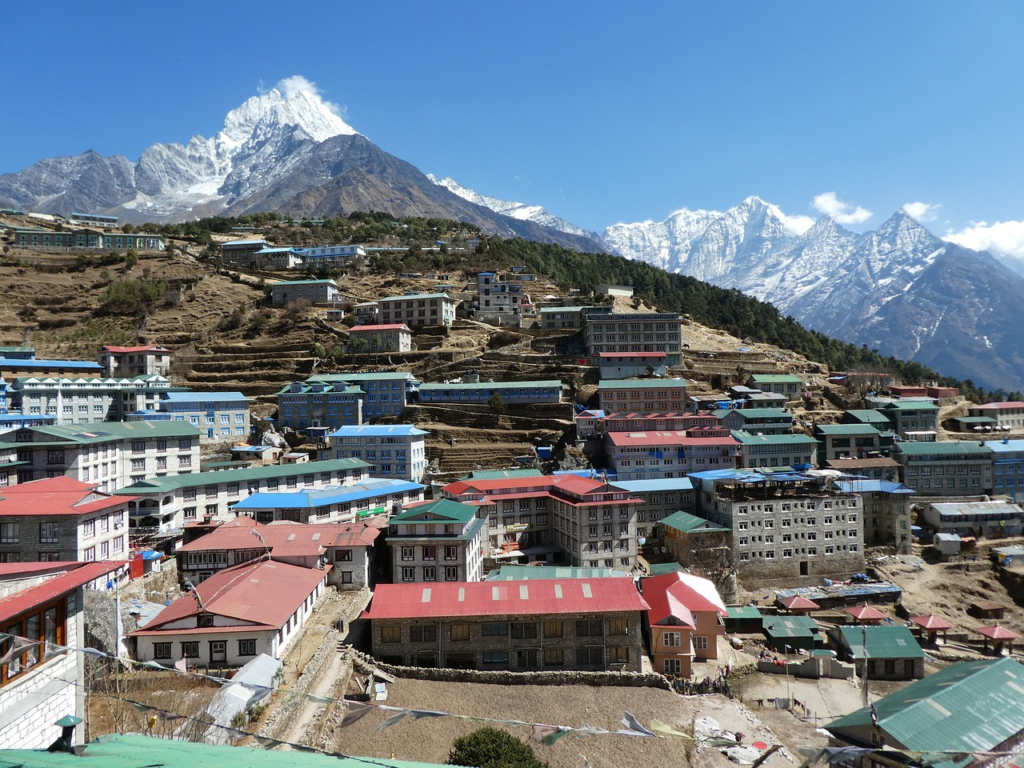
Namche Bazaar is one of those places that stuns almost everyone the first time, as it’s a true mountain market town with bakeries, gear shops and a lively local tempo.
There are teahouses all along the way to EBC and checks are made on permits at Jorsale, before Monjo, so it has a dramatic and practical part to it.
Not all of the Upper Mustang is the same, however, since it’s in the rain shadow of the Himalayas, and can be trekked in monsoon season when many other trekking regions are too wet and impractical.
The scenery is more desert-like there, and so is the way of life, and also the ancient settlements.
It’s for this reason that people keep coming back to Nepal, they can go and do things differently on their second day, just as they did on the first.
This Is a Great Time to Enjoy Lunch, Tea Houses, and the Fun of the Middle of the Day
Midday the rhythm is quite regular. You walk, stop, eat, drink and walk again. Along these treks you will have to stop at teahouses or lodges for lunch, and these stops are a crucial aspect of trekking in Nepal.
In many places the house is attached to the path and you will inevitably follow the path from one village to the next, as you find yourself in the midst of it.
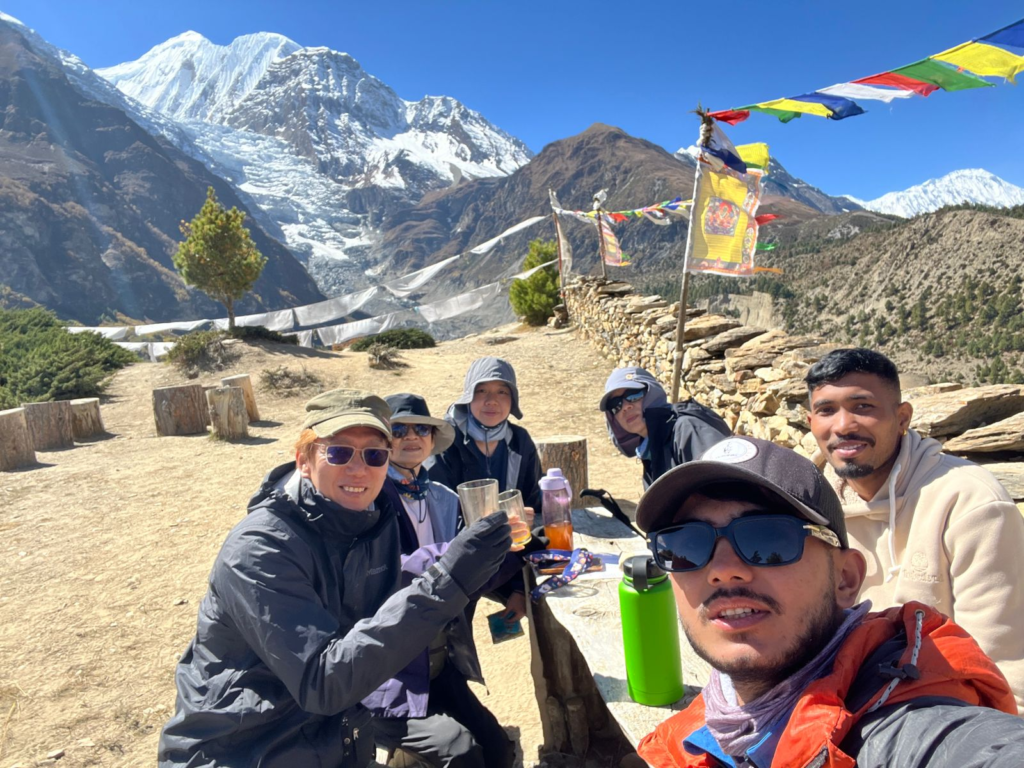
The teahouse is not just a place to eat. It’s the place where you find rest, rehearse and recover after your next part of the day.
Teahouses have more interesting menus than you might think. Almost everywhere you go, you will find some dal bhat, and it’s quite likely that this is the best deal on the menu.
It’s easy, filling, and just what after a few hours of hiking most trekkers want. Importantly you can enjoy the meal at the same price until your stomach and soul is satisfied.
In some mountain areas, there are some variations from one place to another, but always sensible, warm and honest.
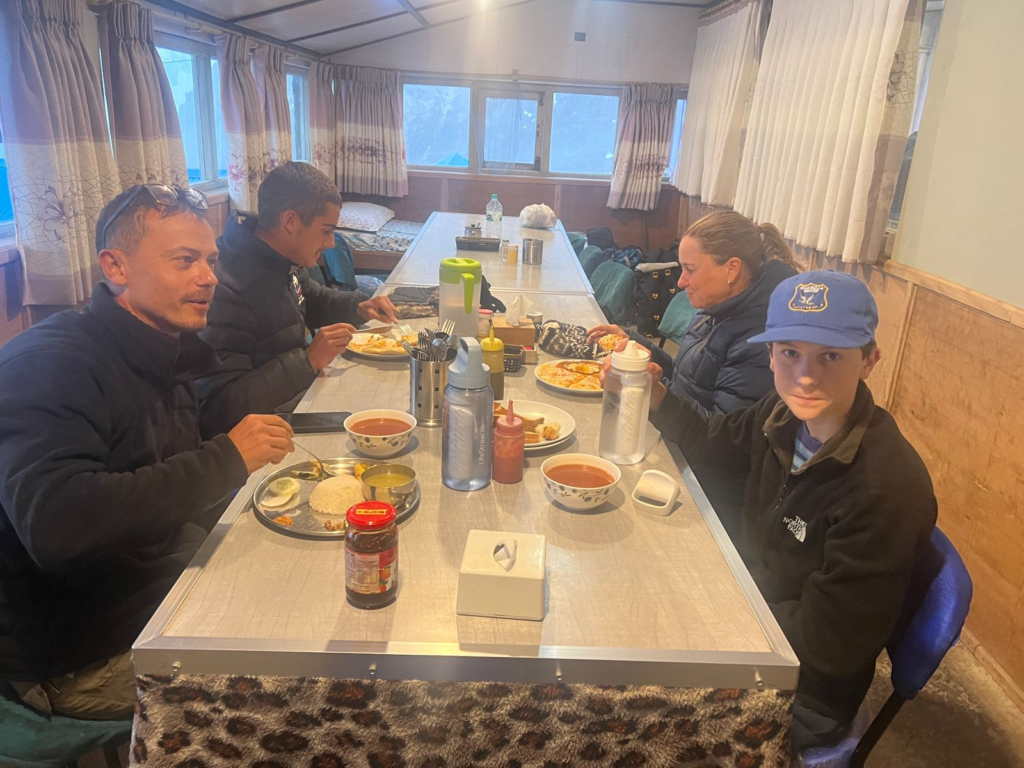
There’s no one trying to impress. They really want you to eat enough and have energy so you can walk the next day.
It’s also during the middle hours of the day that trekkers begin to sense the trail more.
You see the elevation, the sun, the incline, the rhythm of your breathing and the interruptions. The easy and open sections have wide valley views.
Some are steep and difficult, some pass through forest which becomes bright and colorful in the springtime.
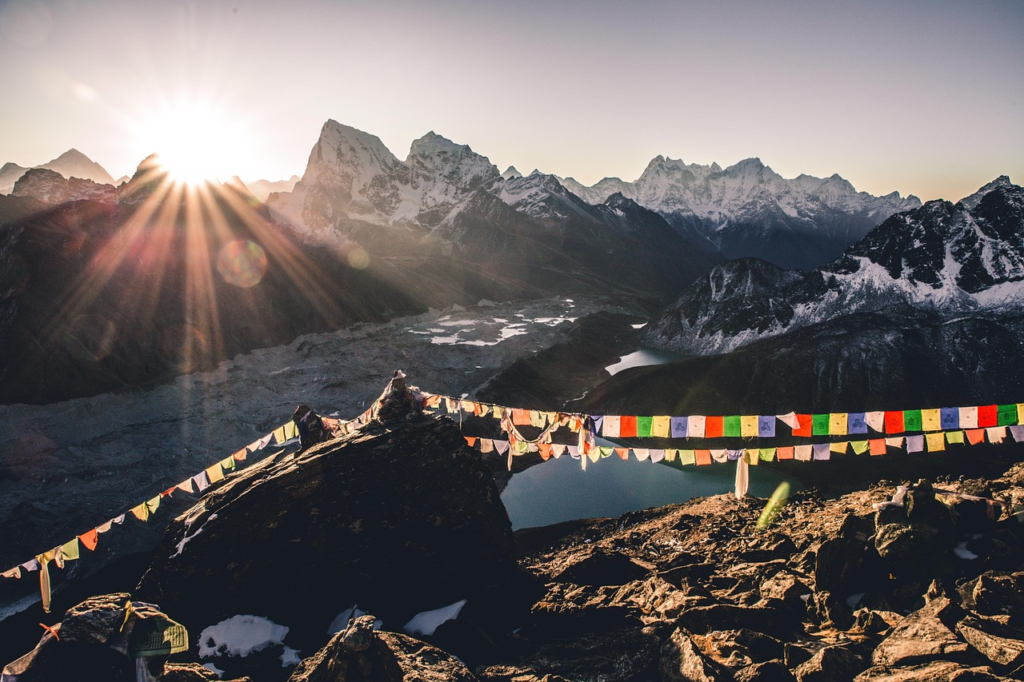
There are some high ridges that are crossed with prayer flags waving in the wind. The road is itself a character in the story and the day not a tour but a slow walk through vastly different landscape.
The climate and topography differ so drastically from place to place in Nepal that even a similar trek can be quite different in various areas or seasons.
What you actually need to pack
Talking about gear can be quite complicated, but here is the simplified version. It’s not necessary to go all out, but temperature range is not to be taken lightly.
| What to Bring | Why It Matters |
|---|---|
| Layering system | Adjusts to changing temperatures |
| Down jacket | Essential for cold evenings and altitude |
| Broken-in trekking boots | Prevents blisters and discomfort |
| Trekking poles | Helps on steep ascents and descents |
| Sleeping bag | Extra warmth in tea houses |
| Water bottle/purifier | Safe hydration on the trail |
| Sunscreen & sunglasses | Protection at high altitude sun exposure |
For a trek such as Everest Base Camp or the Annapurna Circuit you may find that the weather at the outset is ideal for the spring, only to find yourself in freezing temperatures at night or on top in the high mountains. The temperature decrease is true and is rapid as you rise.
What you don’t need is a large suitcase, cameras, or anything that makes your bags cumbersome.
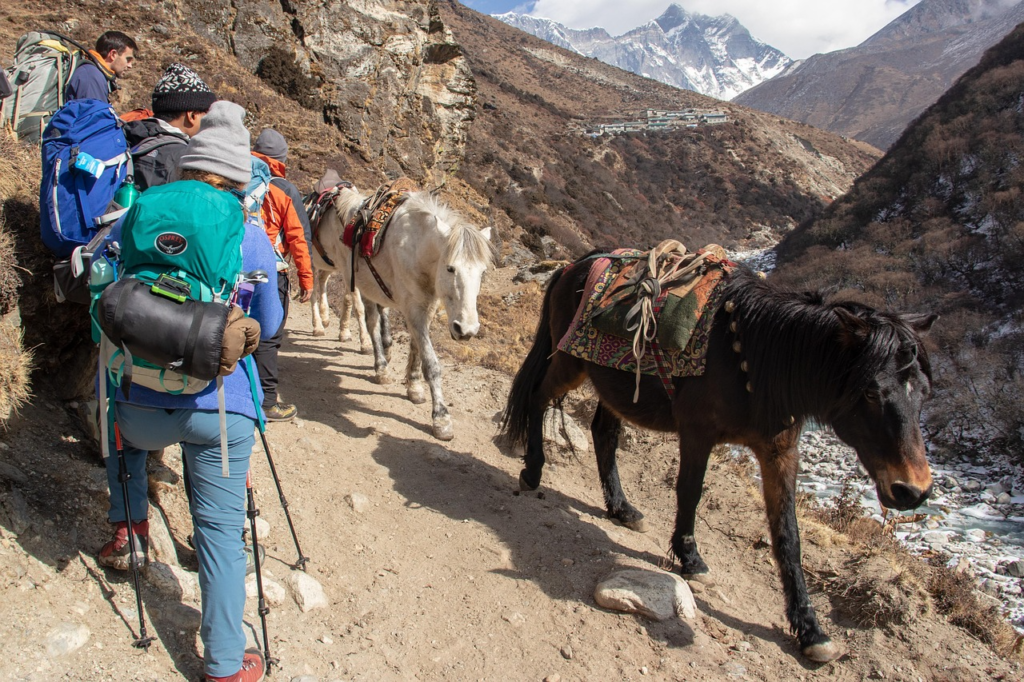
Most of the tea houses will clean your clothes for a nominal charge, and travelers generally pack less than they first thought, since they know they can clean the clothes on site.
Altitude Sickness Cannot Be Ignored
There can be no good Nepal trekking awareness and tips without talking about altitude sickness; it is the main reason to cancel treks.
The positive message is that it’s primarily preventable. The bad news is that it doesn’t focus on fitness, age, or previous number of mountains seen.
It can happen to experienced trekkers as well as very average ones. Speed and proper acclimatisation are much more important than sheer strength.
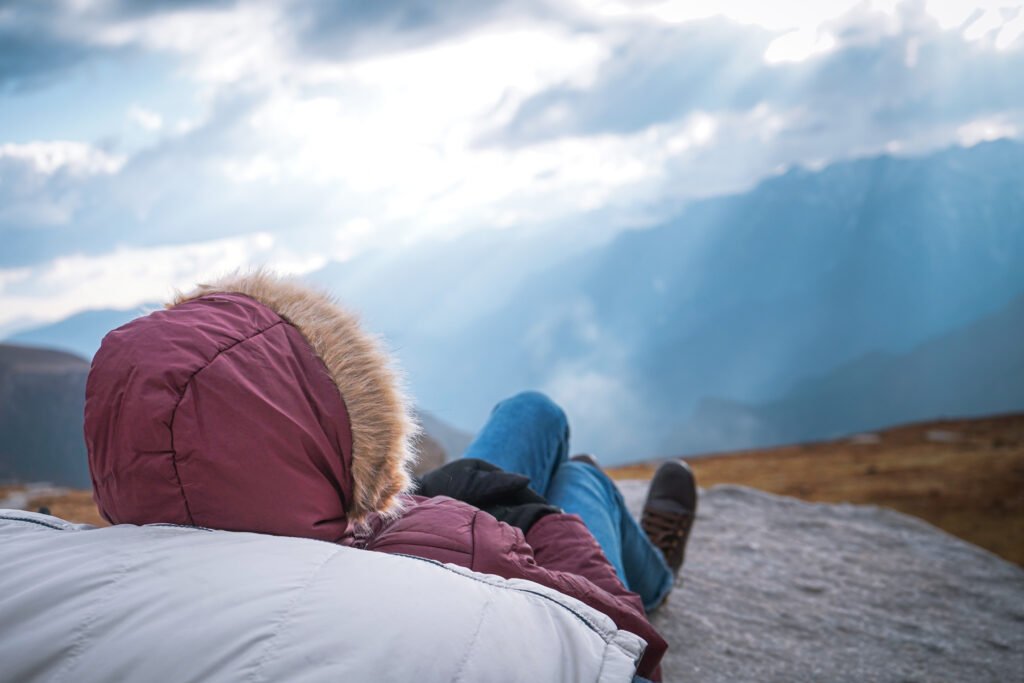
That’s why the popular long treks schedule rest days and that’s why experienced guides are not too crazy about the day hikes.
The majority of people who care about height get along fine. When people rush it, most of them complain about it.
A few trekkers take Diamox and other medications for acclimatisation purposes; this is a personal medical decision and should be discussed with a doctor prior to a trek.
Rest days, hydration and honest communication when symptoms start are more reliable tools and will take longer to ascend.
The Day can be Shaped by Flights
Flights can shape the day, especially if you are picking the sepcfic trek like the Everest region ones.
In fact, some days of trekking in Nepal are dictated by flights and that makes all the difference. Most hikes to Everest start from the flight to Lukla, and proceed through the valley of the Khumbus.
Another place where the time of the flight changes the entire day is Jomsom, in the Annapurna region.
Because of high winds in the valley, flights do not take off after 11 a.m. in the mornings there are very busy and important.
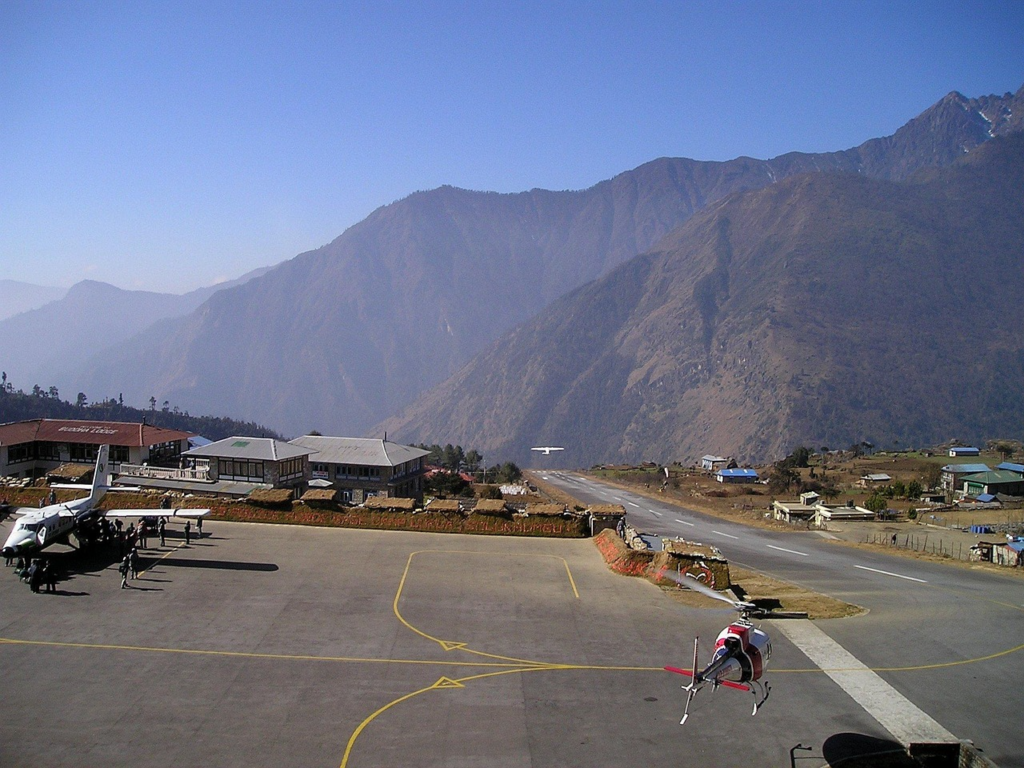
The airport is the starting point for a trek day in Pokhara and for the treks to Annapurna, so a trek day in Pokhara can start at the airport and not on the trail.
The days are fun days, but possibly dangerous ones, too. The weather in the mountain is never static and is very changeable, hence buffer days are important in Nepal.
When a flight is delayed or canceled, it doesn’t just go away. so, you must remember a pleasant trek is not based on definite timing, it is flexible in its design.
The Seasons and How They Change Everything
The “best” seasons for trekking are the spring and autumn seasons for a reason. Rhododendrons bloom, the days grow warmer and the trail fresh in the spring.
September, October and November are the best times to trek, as the skies are clearest in the autumn, after monsoon season.
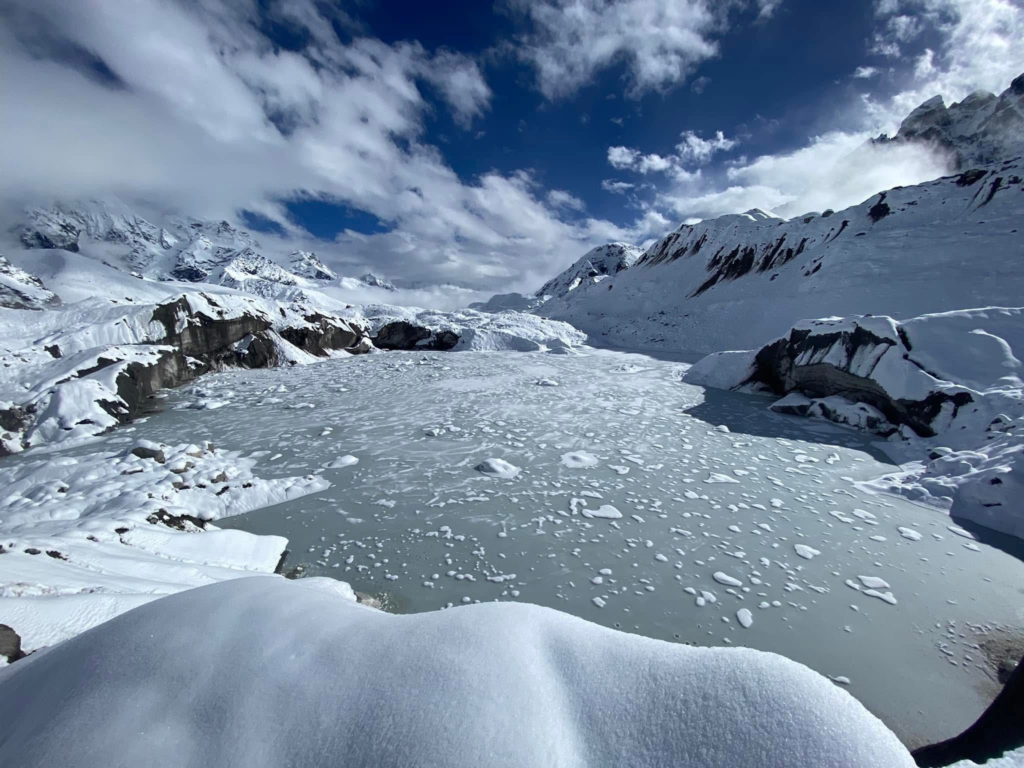
Nepal’s climate pages also clearly indicate that the country can be visited throughout the year; even in the winter months, the weather can be bright and sunny with good views, but in the higher altitudes it gets colder.
For many places, monsoon is wetter and harder, but it’s not without use. The rain-shadow areas, such as Upper Mustang, remain highly functional, remaining very dry compared to the rest of the country despite being located on the side of the Himalayas.
Well, that’s Nepal after all. The same path can be an entirely different adventure if you go on it at a different time of year! It could be a warm spring day with flowers.
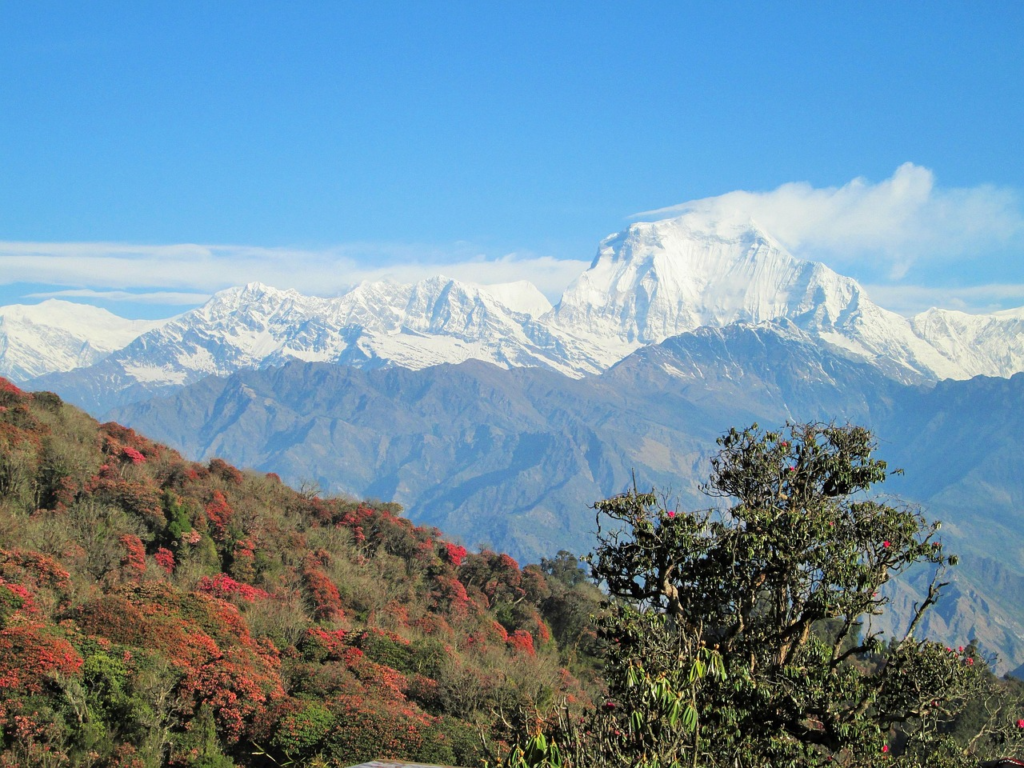
It could be a clear, cold fall day. A winter day could sound peaceful and chilly but beautiful.
A monsoon day could be rainy in one place and sunny in another. The day itself also changes and that is making the country interesting even for repeat visitors.
The Day Stays in Your Memory
It’s not that one big event that many travelers remember, but several. It’s the entire day’s flow.
The early start, the long walk, the lunch stop, the tea house, the cold air, the unexpected view of the mountains that springs around a corner, The engaging story of a lodge owner and The still night following the Himalayan ridge.
The reason Nepal can work so well from start to finish is that every day feels like one. Nothing is over-polished or fake.
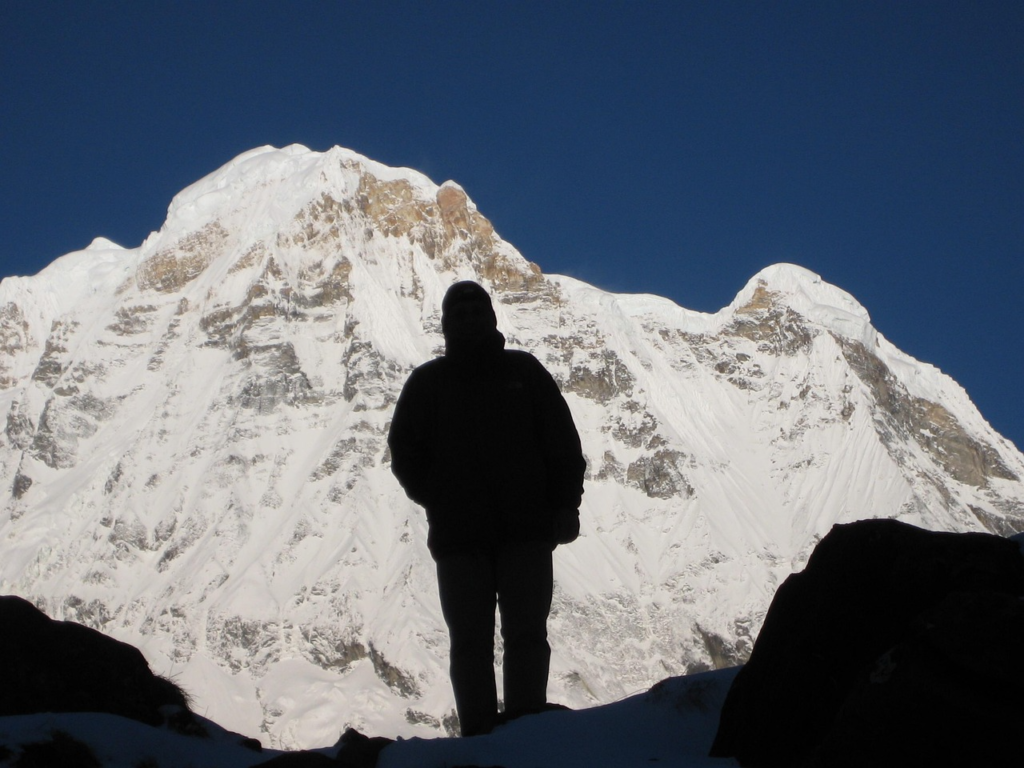
While trekking in Nepal, you wont experience forced situations. You are just walking through the mountains and mountains and mountains, one step, one day, down through the generations, through the generations, through the mountains.
It’s what makes a Nepal trek more than just a walk. It becomes a thing, with a rhythm of its own, its small comforts, its surprises, a daily experience.
That’s the kind of thing that gets stuck in people’s heads for so long after they return from the trip with sore knees and photos in their pocket.