


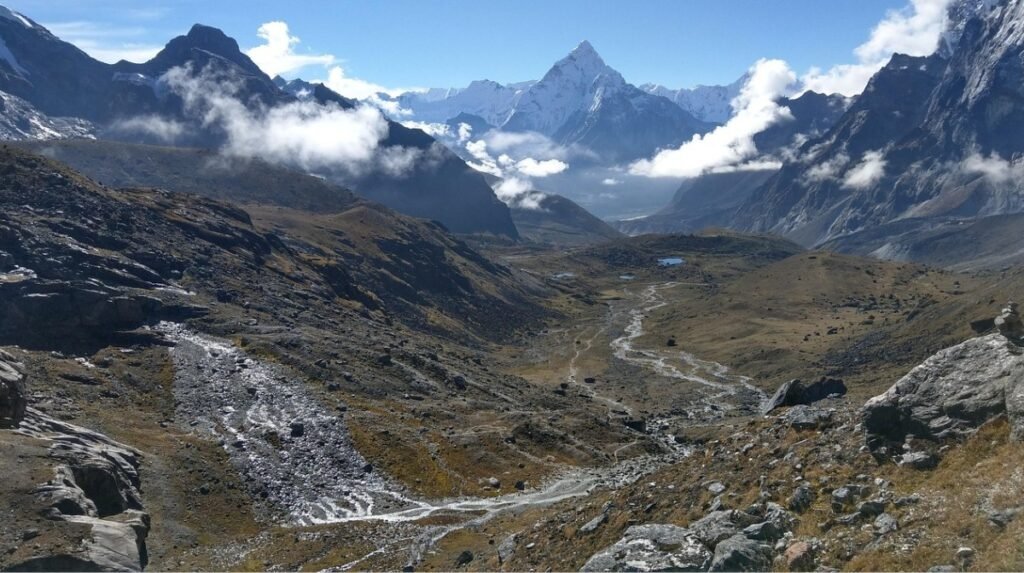
Why Travelers Keep Returning to Nepal compared to other Tourist Destinations
What really sets Nepal apart is not just the mountains, the price, or the trail network. It is the feeling that the trip is still personal and friendly whether you are trekking, travelling or simply strolling.
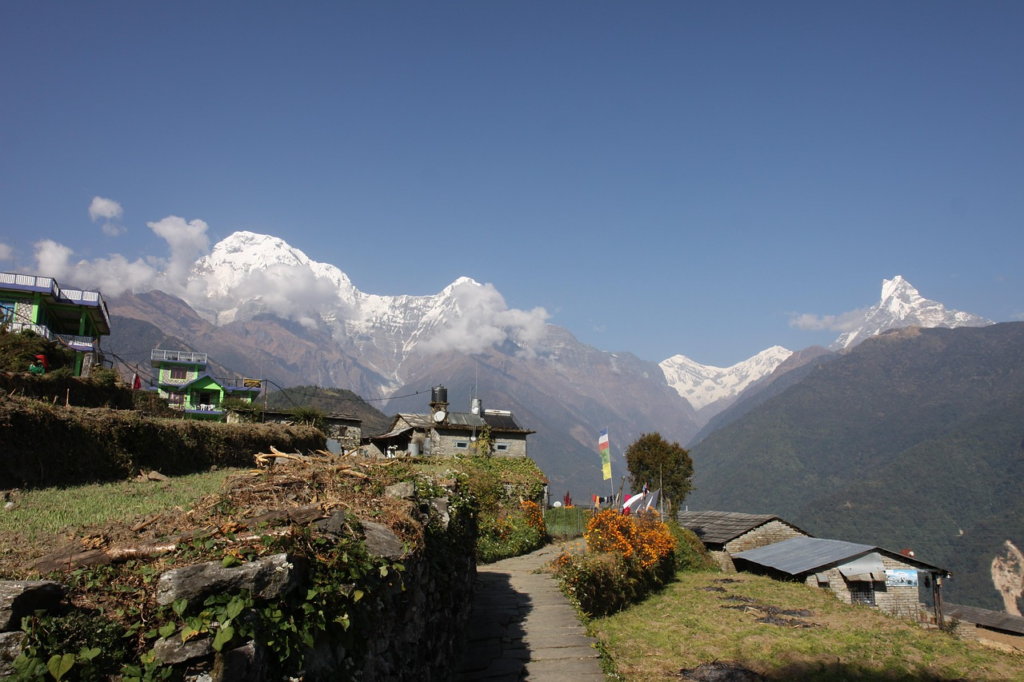
Even in popular places, Nepal does not feel fully packaged the way some destinations do. The walks are real, the villages are real and the teahouses are irreplaceable.
Also, the weather can shift, transportations can take time and mostlly, the flights can be delayed.
But all of that becomes part of the story instead of ruining it. Travelers often remember that Nepal felt alive, not controlled.
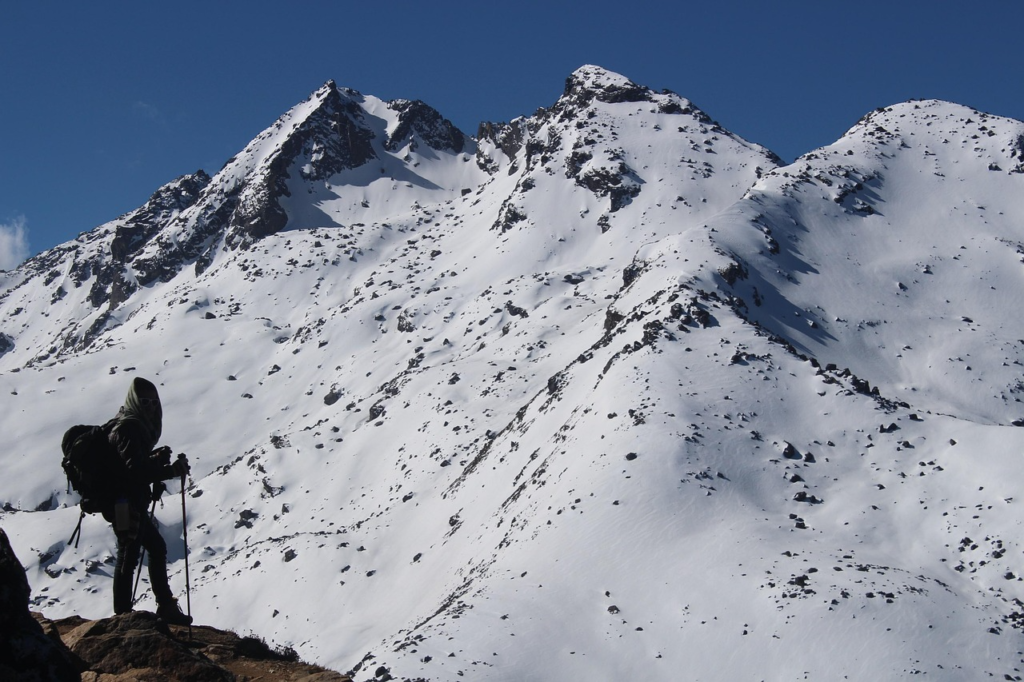
Nepal is not perfect and it does not try to be one, but the slow pace is what people love the most. That is exactly one of the reasons why they return and tourists want that feeling again.
There’s a Nepal thing about staying with people after the trip. So many travelers enter the world of the Himalayas for the first time with the great dream, the mountain views they’ve been looking at in images for years, the famous treks, the mountains themselves.
However, when they are here, it is not just that, Nepal is more. It’s not all about peaks and trails.
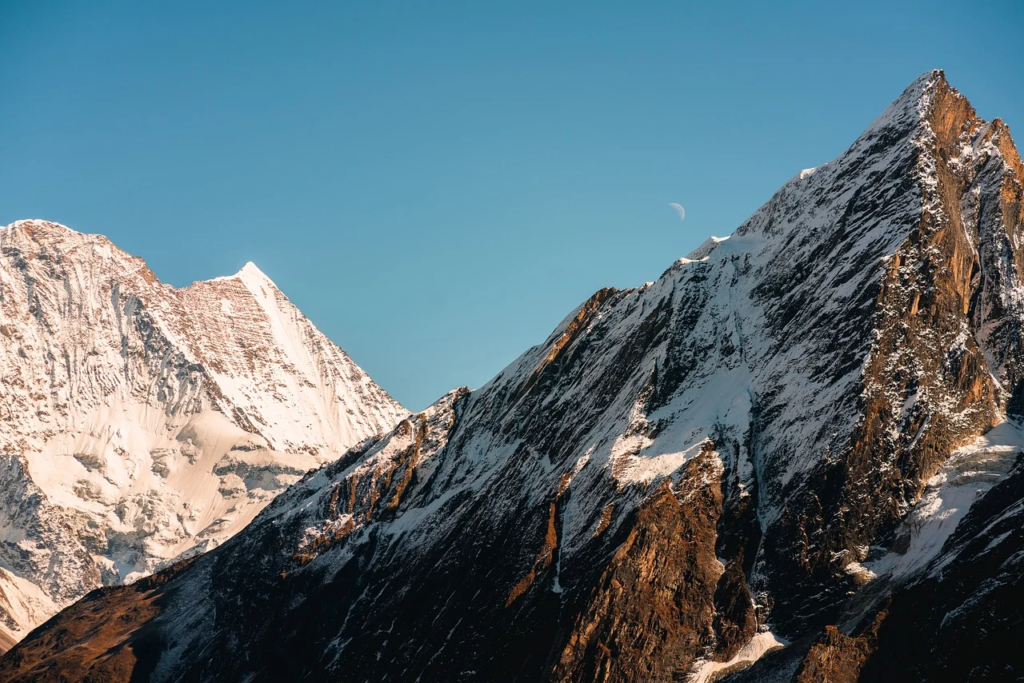
It is a location that is different in different seasons, depending on the path taken, the people who you will meet, and how you get there.
That is why so many visitors don’t just visit once. They return for a second visit, then a third, as there is always something more to see at Nepal.
We have seen numerous tourists even settling down in Nepal, which justifies the statement even more.
Different Trekking Regions, Different Experiences
It is also a very broad country in terms of the trekking scene, and the trails of Everest and Annapurna Region, Langtang, Kanchenjunga and the Great Himalayan Trail are very different.
There is no such thing as a bad time to enjoy the mountains, take a sip at coffee sitting at teahouse or enjoying the greener trail all the way to rigid alpine valleys.
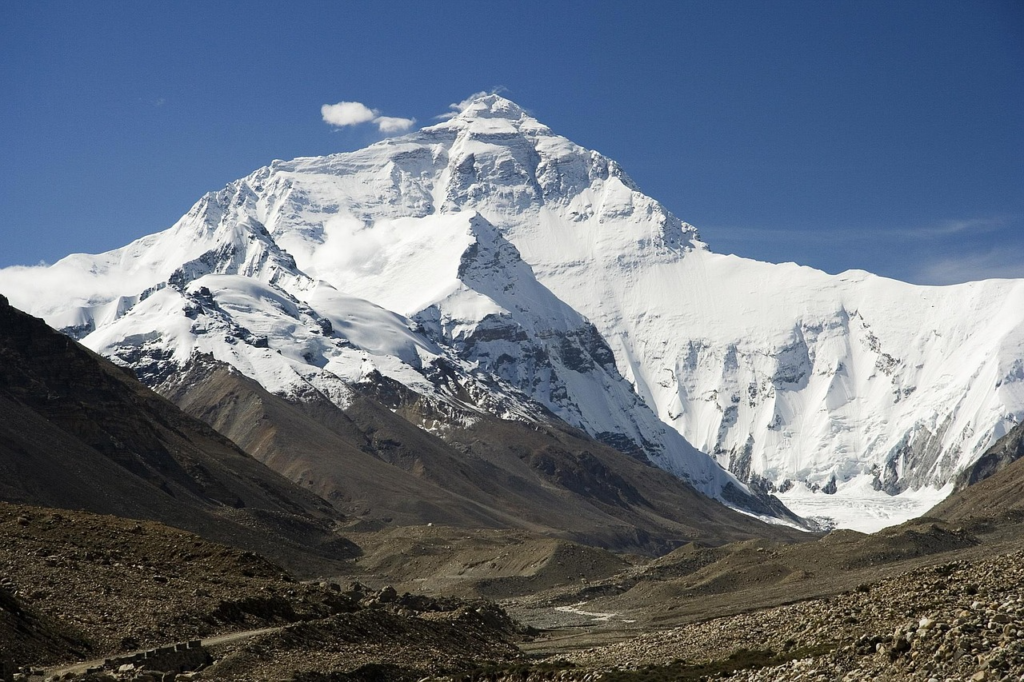
The first is that there are more than one types of mountain experience in Nepal and that’s why travelers keep coming back.
Everest provides the classic high-Himalayan experience, and the scale and reputation that are bound to attract people in.
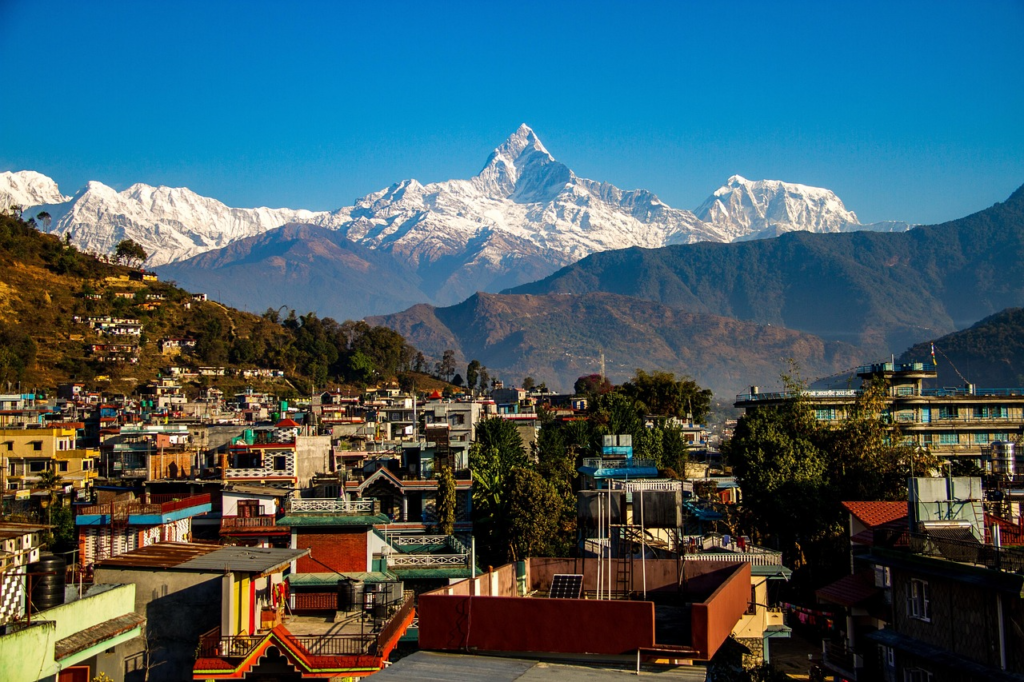
Trekking in Annapurna seems to be more diverse and accessible from Pokhara, the short trek is as different as the longer ones and trekking side trips are totally different from one another.
Langtang is much more accessible to Kathmandu, and offers the trekker more mountain views and cultural interaction.
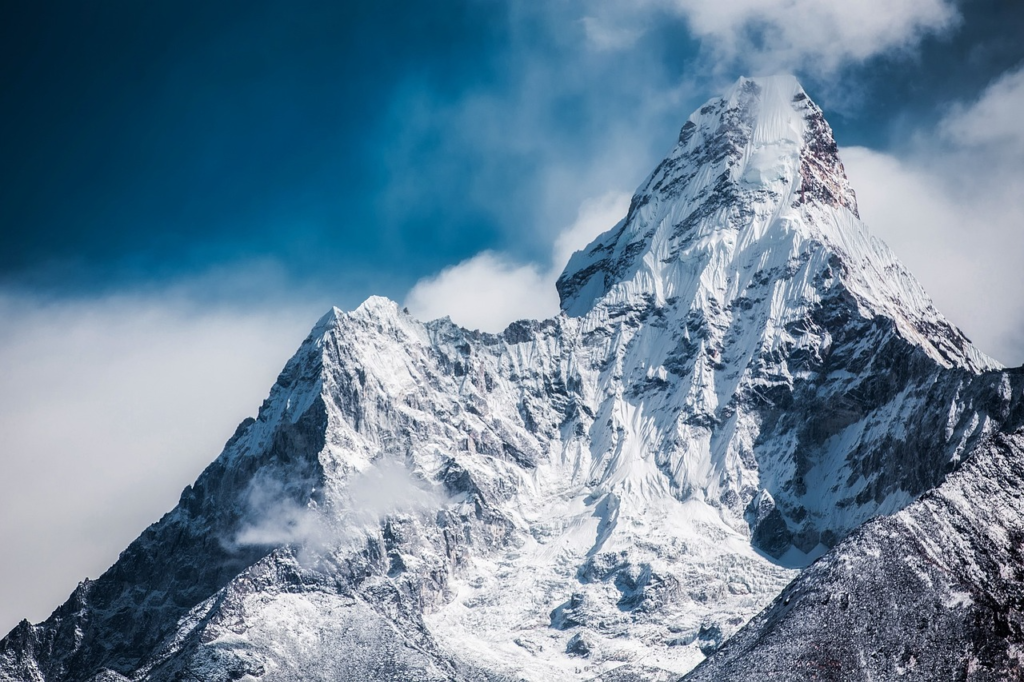
There are also the more remote and quiet regions like Kanchenjunga, Dolpo, Manaslu and Upper Mustang, an entirely different realm..
This range basically does not restrict a traveller to any particular type of vacation in Nepal. The first time could be a famous place, the second a cultural or remote or a short and easy one. And the list goes on.
One of Nepal’s assets is that variety. Many places offer just one reason to visit, and Nepal offers multiple reasons.
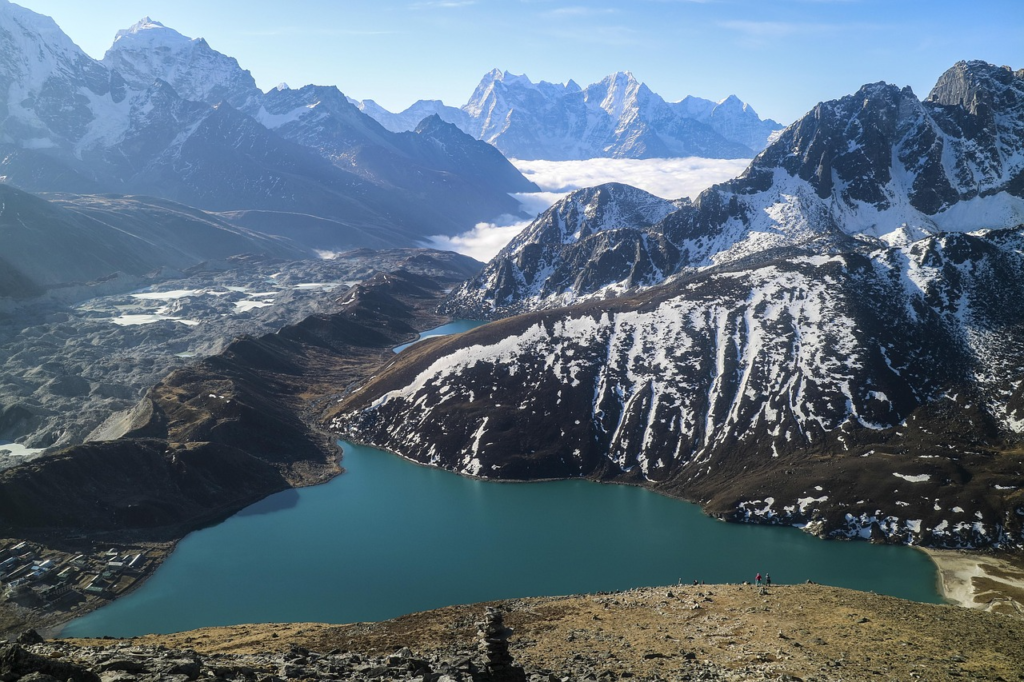
For those who have already visited Everest Base Camp, they can return for Gokyo, Three Passes, Annapurna Base Camp, Annapurna Circuit, Langtang Valley, Manaslu or for a shorter trek such as Poon Hill or Mardi Himal.
Even the trail style is different in various areas. Some are hectic and some are quiet, some are full of friends and some are full of new villages and hot food.
This is why it is easy to return here. You aren’t making the same journey twice, you are creating a new one every time, whether you are trekking with families or friends.
The Hospitality People Remember
The people are a significant component of the narrative. The mountains draw visitors in, but it’s the people that keep coming back.
In Nepal, they treat their guests very naturally and generously. Visitors are greeted with a simple warmth, not with a stiff service in many villages and tea houses.
As we often say “Atithi Devo Bhava” which translates to “The Guest is God,” Nepalese people most of the time follow the philosophy and try to act in a way so they can satisfy the tourists.
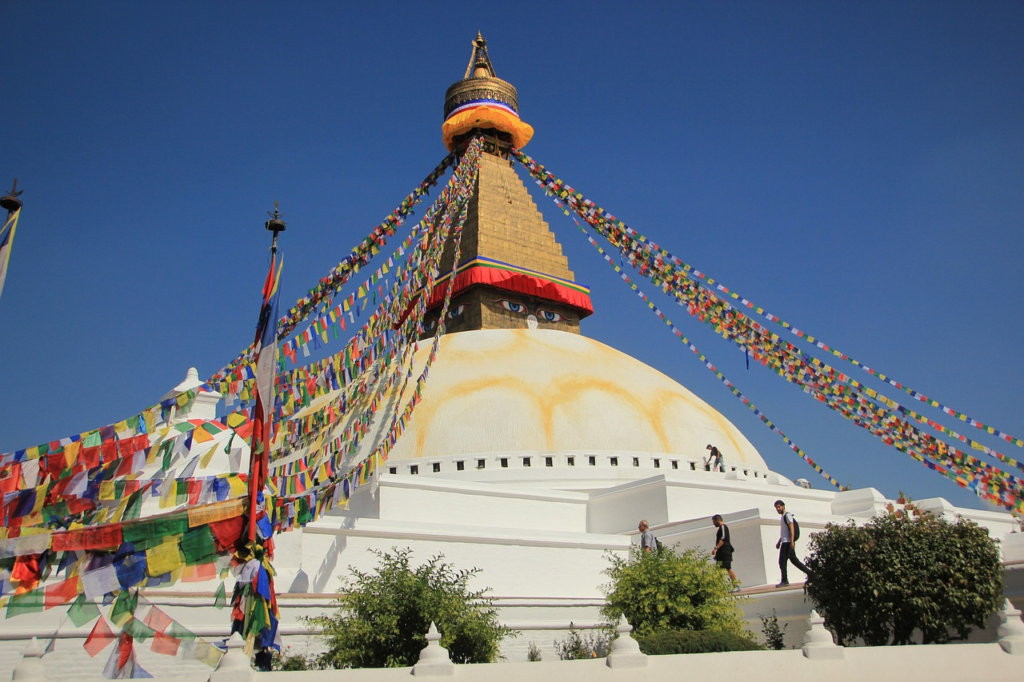
A cup of tea comes out the wood in no time. There’s no complicated ceremony surrounding a meal and most imprtatly you get fresh meals prepared, often Dal bhat when you are in mountains or trekking..
Asks origin and initiates a conversation even when the English is limited and the vocabulary is limited.
The hospitality like that goes to the memory for a long time, it feels real. It is not “hotelized”. It’s human, and that’s important to travelers who already have an experience of overly commercial or overly scripted hospitalization.
This is further reinforced by homestays. There are numerous community and village homestay experiences in Nepal, where guests can join local families, enjoy homemade meals, and learn more about their lives.
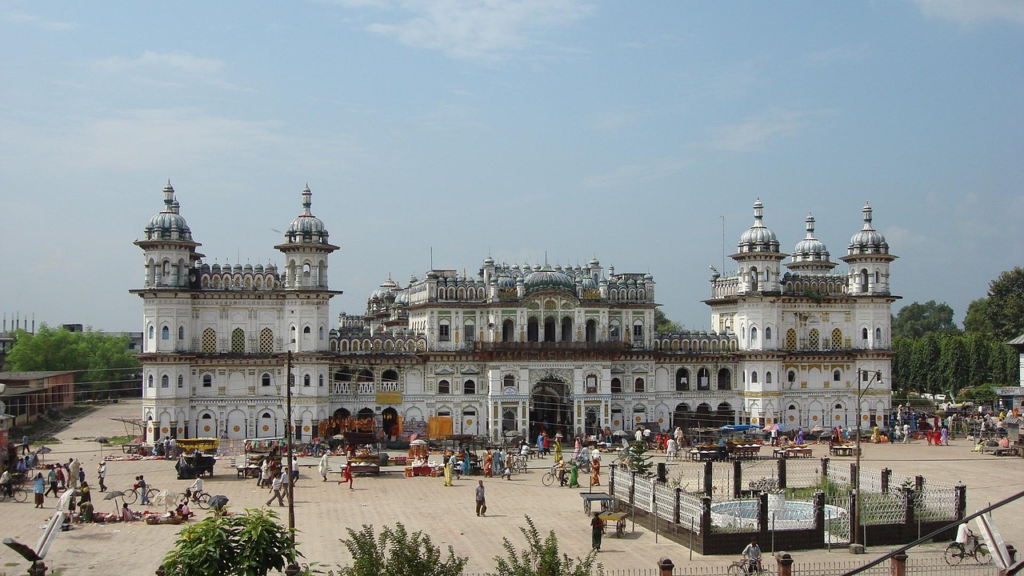
The places like Panauti, Bardiya, Shree Antu, Palpa, Nuwakot, Nagarkot, Janakpur and Sirubari are famous for this type of accommodation and these are the sort of places which make a good trip memorable.
A hiker may have hiked up a mountain, but the entire memory they may take home may be the discussion they had in their family home, the aroma of dal bhat in the kitchen or the sense of being treated like a guest and not a customer.
That’s what makes Nepal special for people to come back, but it’s not the only thing that makes tourists visit Nepal often.
Nepal Changes With the Seasons
The journey is different in a new season. Weather is also a major attraction for Nepal, as it hosts its visitors all year round.
Trekking is still popular in spring and autumn when the weather is relatively stable and views of the mountains tend to be clearer.
Spring is in full bloom, flowers on the hills and a new sense on the trails. Fall is a season when the crisp, clear perspectives of trekkers are most appreciated.
The winter season is colder, and the monsoon changes the scene completely, especially in lower altitudes and rain shadow areas.
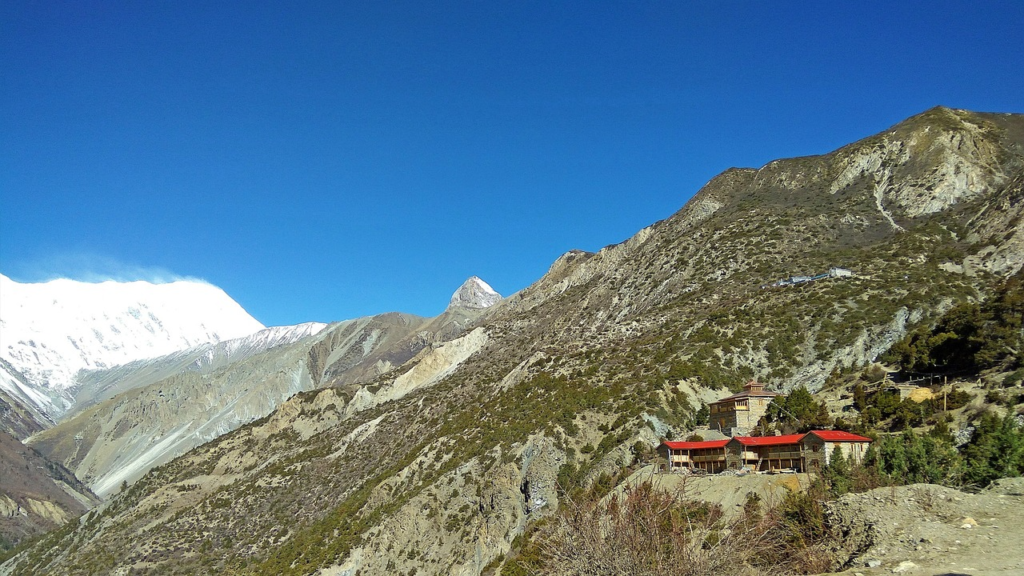
Nepal is one of such places where in the same trail is almost different trekking experience when you visit during different times of the year. This maintains the country’s interest even for the repeat visitors.
There are good reasons to return to Upper Mustang at different times of the year. It is located in a rain shadow, meaning it can perform in wet and cloudy conditions where other trek areas are wet and cloudy.
| Trek type | Example region or route | Why travelers come back |
|---|---|---|
| Classic high trek | Everest Base Camp, Annapurna Circuit | Big mountain views, famous route, strong sense of achievement |
| Cultural trek | Langtang, Mustang, Tamang Heritage | Village life, monasteries, local culture, homestays |
| Remote trek | Manaslu, Dolpo, Kanchenjunga | Quiet trails, fewer crowds, more challenge |
| Short trek | Poon Hill, Mardi Himal, Helambu | Easy to fit into a short holiday, good for a second or third visit |
However, other areas, particularly those in the south and mid-hills, may be more sensitive to rainfall.
This is good news for repeat visitors who can now take a second and third tour around a completely different weather and landscape.
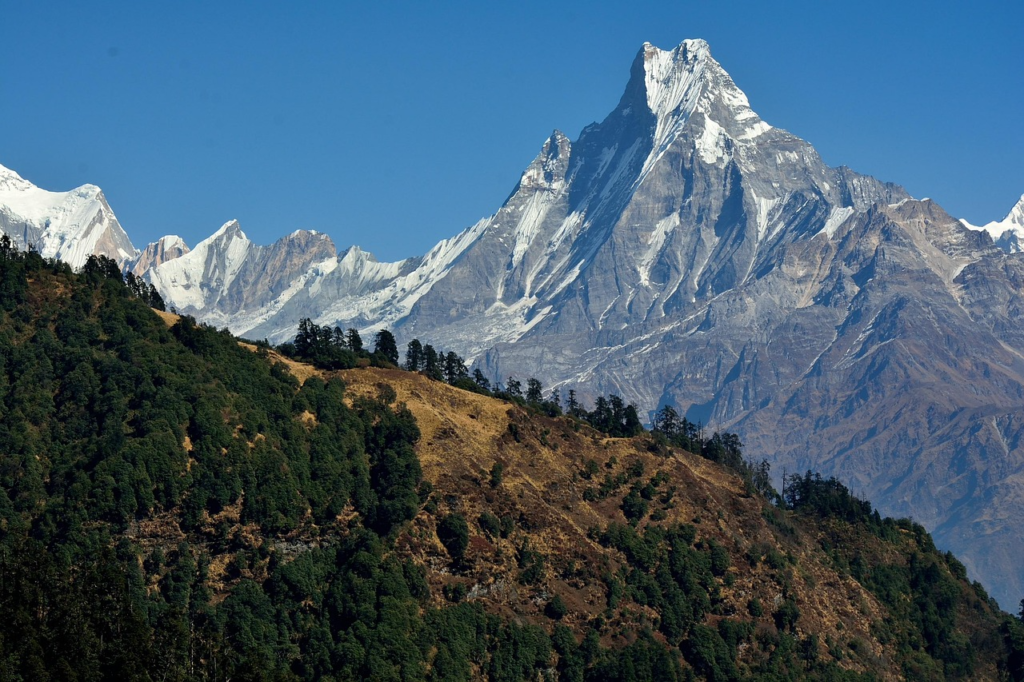
The trekkers might want clear skies the other way around one season. They may also desire a more classic village route another season.
Yet another time, they might wish for a trail that can still be used during the monsoon season.
Nepal is a country for rewards of that kind of planning, as the country changes quite a bit throughout the year, whether you ae trekking Poon Hill, Panch Pokhari, or any other treks.
Nepal Still Feels Reasonably Priced
Nepal is still not too expensive and that’s important. The cost is one of the factors that keeps people coming back to Nepal.
It’s definitely not the cheapest country in the world but its value is high because of the experience it offers.
The tourist visa is quite easy to plan around, as it currently costs US$30 for 15 days, US$50 for 30 days and US$125 for a 90-day visa.
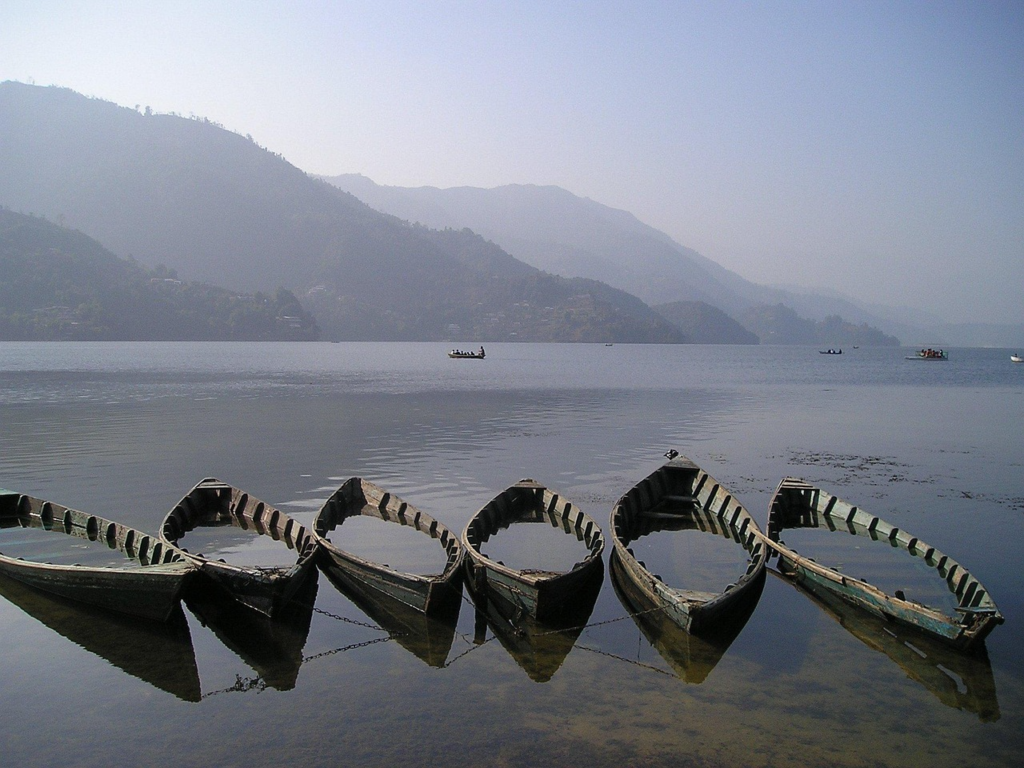
Plus, there’s a definite trekking permit system. Trekkers must have TIMS cards and many routes may require park entry permits and/or restricted-area permits as per the region.
What matters for the traveller is that it is organized and has enough structure to plan, but not too costly or the trip cannot be done.
Once you check the real budgets of the people who do trekking, you’ll think that Nepal is still fairly priced.
The recent estimates for the cost of travelling in 2026 are around US$35–50 per day for budget, US$90–150 per day for mid-range and over US$250 per day for luxury trips.
Major routes are still in many travelers’ budgets, such as Everest Base Camp, which in most cases can be found at a price of US$1,400 to US$1,700, and the Annapurna Circuit, which is much like others and can be found in the budget to standard range.
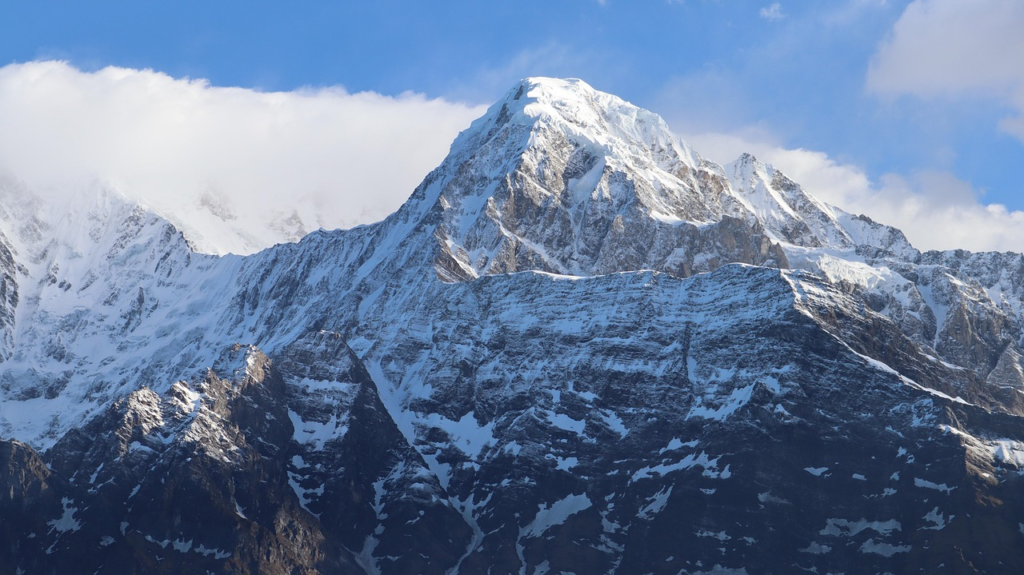
That’s one of the main reasons that many visitors come back. Nepal allows the people to return without making their journey into a huge financial event.
The price is also affected by the guide and porters side of trekking. While a licensed guide typically costs extra per day, and porter services cost a bit more, the combination can make for a safer, easier and more relaxed trek.
The present trekking refulations also provide this information, that many of the protected areas now require a trekking guide and an agency-issued TIMS card.
The additional building may cost a bit more, but also provide travellers with a bit more confidence, particularly on longer or further routes.
After all, many people perceive that it is a worthwhile price to pay because Nepal offers them a full experience rather than just a trail.
Every Return Trip Feels Different
Each return journey may be a diverse mode of transportation But another attraction of Nepal is the ability for the trip to change its style without changing its country.
The first trip may be an old fashioned Everest trek. Another is a short and beautiful ride from Pokhara.
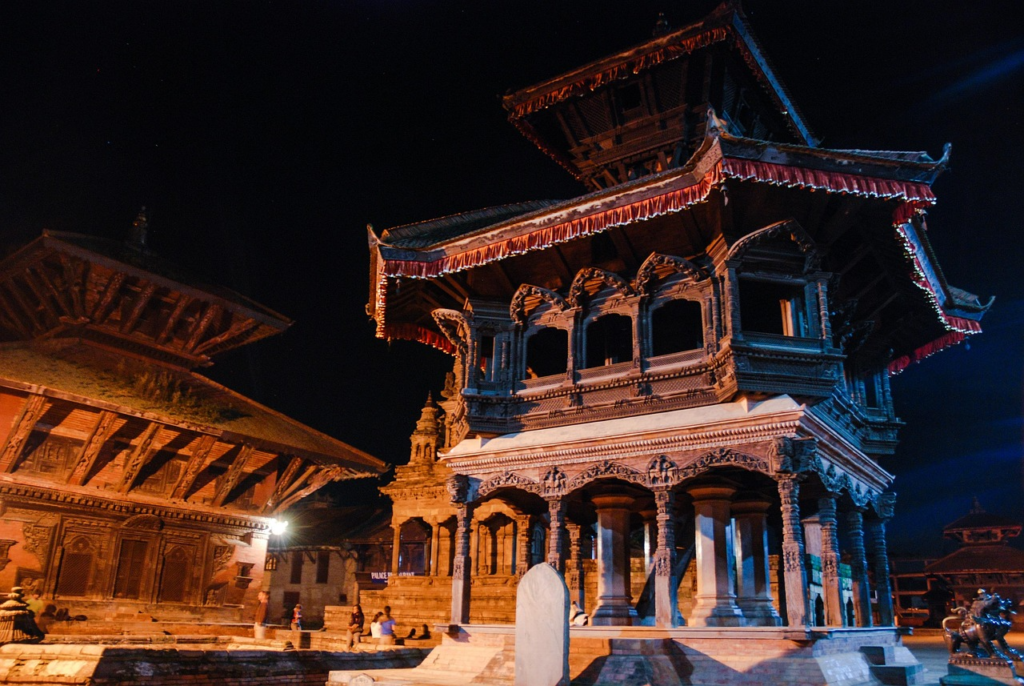
A third might be a cultural trip to the villages, as well as visiting the monasteries. Another traveller might return just to relax, to spend some time in Pokhara, to visit Kathmandu’s UNESCO sites or a place they didn’t visit on their previous trip.
That makes the country a good option as it provides enough variety that each time the individual return feels fresh.
You don’t even have to be on increasingly more difficult hikes. You can go for a shorter ride, a more scenic one, a more cultural or a more comfortable one. Nepal has room for everything.
Hence, the travel brands find it an ideal option for Nepal. It’s not just one product. It’s a lot of traveling in the same country. One visitor may want to take one trip for trekking, another for culture and another for a more personal experience.
Some travellers prefer the high trail and the big views. Others desire the life of the village and the hospitality of its people.
Others prefer to take a budget vacation but still want it to be meaningful, while others desire a cozier deal near the capital city.
Nepal can accommodate them all without compromising on its identity and quality of the travel.
The international community can use this to understand Nepal. It can help the international community understand Nepal.
Nepal, however, is not just about the mountains and the cost and the trail network; it is about so much more.
It’s the sense of being on a personal journey. Nepal isn’t fully packaged even in popular areas like some places.
The walks are real, the villages exist, the tea houses are indeed real, weather is unpredictable the roads are not up to the par and the timings of the flights may be postponed.
However, all this is made up to the story and not spoil it. One thing that is hard to forget about Nepal, is that it was alive, not controlled by any “touristic approach”.
That is exactly what forces thousands of tourists from all around the globe them to come back. They want to go back to that feeling.