


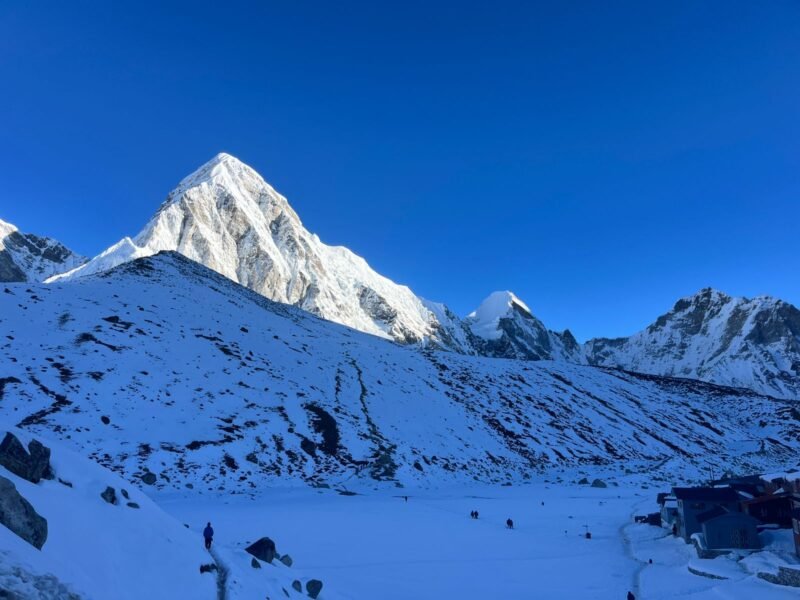
Everest Base Camp Trek Weather Guide
Nepal’s tourism is closely linked with Mt. Everest, a stunning destination that attracts adventurers and nature lovers from around the world. The magic of the world’s highest mountain lies not only in its breathtaking natural beauty but also in the cultural and spiritual significance it carries.
Travelers who reach Everest Base Camp are not just seeking a physical challenge. They aim to immerse themselves in Nepalese traditions and experience the warmth and friendliness of its people. For many, the trek represents a spiritual journey as well as an adventure.
The base camp trek is one of the world’s most iconic high-altitude adventures. As Everest Base Camp sits at an elevation of approximately 5,364 meters (17,598 feet), the weather can vary significantly depending on the time of year. The trek is profoundly shaped by the seasonal weather patterns of Nepal’s Himalayas, and understanding these patterns is essential for ensuring a safe, comfortable, and visually rewarding experience. Knowing the monthly weather trends and temperature fluctuations can greatly enhance your trekking experience and help you plan for safety, comfort, and optimal views in the Khumbu region.
This guide offers a month-by-month overview of weather and temperature conditions on the Everest Base Camp Trek, helping you choose the best time for your trek and know what to expect in each season.
Everest Base Camp Trek: Month-by-Month Overview
January: The Coldest Month
-
Daytime temperatures at lower elevations: ~6°C (43°F)
-
Base camp daytime: -10°C to -20°C (14°F to -4°F)
-
Nighttime at base camp: -20°C to -25°C (-4°F to -13°F)
January is the coldest month in the Everest region. Snowfall is common, especially at higher altitudes, and trails can sometimes be affected. However, clear skies offer breathtaking mountain views and excellent visibility. With fewer trekkers on the trail, solitude and quiet beauty define the experience. Tea houses are easier to access. This month is ideal for experienced trekkers prepared for extreme cold and ready to enjoy a peaceful, off-peak journey.
Tips: Extreme cold-weather gear is essential—down jackets, thermal layers, gloves, hats, and warm sleeping bags. Only experienced trekkers should attempt January treks.
February: The End of Winter
-
Daytime temperatures: 8°C (46°F) at lower altitudes; below freezing at higher altitudes
-
Nighttime at base camp: -15°C (5°F) or lower
February signals the tail end of winter. Snow still blankets the high trails, but temperatures gradually ease, and the first signs of spring start to appear. The region remains tranquil, providing uninterrupted views of snow-capped peaks. As the snow melts, rhododendrons begin to bloom, adding color to the landscape. This quieter period is perfect for trekkers seeking serenity, though winter gear is still essential for higher elevations.
Tips: Good traction boots, layered clothing, and warm sleeping bags are essential. Trekkers benefit from solitude and clear skies, but winter experience is still needed.
March: Start of Spring
-
Base camp daytime: -2°C to -8°C (28°F to 18°F)
-
Nighttime: -12°C (10°F)
March ushers in spring, bringing slightly warmer weather and mostly clear skies. Trekking trails remain peaceful, offering beautiful vistas of Mount Everest and surrounding peaks. The melting snow reveals early blooms and unique flora and fauna, creating vibrant scenery. Occasional snowfall can still occur at higher altitudes, so layered clothing is recommended. March is ideal for those who enjoy a tranquil trek with crisp air and impressive views before the peak trekking season begins.
Tips: Layered clothing is important. March is a good time for trekkers who want fewer crowds while still experiencing impressive views.
April: Peak of Spring
-
Base camp daytime: -2°C to -10°C (28°F to 14°F)
-
Nighttime: -12°C (10°F)
Tips: Moderate daytime temperatures make trekking comfortable, but nights remain cold. Accommodations fill up fast; booking ahead is recommended.
May: Last Spring Month
-
Base camp daytime: -2°C to -5°C (28°F to 23°F)
-
Nighttime: -10°C (14°F)
May is the last spring month before the monsoon season, offering generally pleasant weather for trekking to Everest Base Camp. Trails are less crowded as many climbers have already attempted summits in April, though some trekkers remain. Mornings are usually clear with panoramic views of the Everest range, while afternoons may bring more clouds. Wildflowers dot the landscape, and the vibrant Sherpa culture adds charm. Overall, May provides a beautiful and relatively quiet trekking experience in the Himalayas.
Tips: Bring layered clothing and waterproof gear for sporadic showers. Ideal for trekkers who want pleasant conditions with moderate crowd levels.
June: Start of Monsoon Season
-
Base camp daytime: 2°C to -2°C (36°F to 28°F)
-
Nighttime: -8°C (18°F)
June marks the start of the monsoon season in the Everest region, bringing unpredictable weather with rain, clouds, and reduced visibility. Trails can become muddy and challenging, but the month offers quieter paths and fewer trekkers. The monsoon rejuvenates the landscapes, creating lush greenery and vibrant scenery. Early June may still offer manageable conditions before the full rains set in. Overall, trekking in June provides a unique experience for those seeking solitude amidst the refreshed, verdant Himalayas.
Tips: Waterproof jackets, trekking poles, and flexible scheduling are crucial. Expect wet conditions and occasional delays.
July: Peak of Monsoon Season
-
Base camp daytime: 2°C to -2°C (36°F to 28°F)
-
Nighttime: -8°C (18°F)
July is the height of the monsoon season in the Everest region, making it one of the least favorable months for trekking. Heavy rainfall can cause slippery trails, landslides, and poor visibility, often hiding the iconic mountain views. Despite these challenges, the trails are quiet, offering solitude and a unique perspective on the lush, rain-washed landscapes, vibrant vegetation, and cascading waterfalls. The monsoon also brings a peaceful, serene atmosphere, appealing to trekkers who enjoy a more introspective experience.
Tips: Waterproof gear, leech protection, and trekking poles are essential. Only experienced trekkers comfortable with wet conditions should attempt this month.
August: Transition from Monsoon
-
Base camp daytime: 1°C to -1°C (34°F to 30°F)
-
Nighttime: -7°C (19°F)
Tips: Waterproof gear and sturdy boots remain necessary. Flexibility is important as the weather can still be unpredictable.
September: Beginning of Peak Season
-
Base camp daytime: 10°C to 15°C (50°F to 59°F)
-
Nighttime: -1°C to -5°C (30°F to 23°F)
September marks the start of autumn in the Everest region and is a highly popular month for trekking to Everest Base Camp. With the monsoon season ending, the weather becomes more stable, and the skies gradually clear. Trekkers enjoy spectacular visibility as the rains wash away dust and pollution, revealing crystal-clear mountain views. The valleys are lush and green, dotted with blooming flowers. While trails begin to see more trekkers due to the start of peak season, the combination of excellent weather, vibrant landscapes, and breathtaking scenery makes September an exceptional time for the trek.
Tips: Book flights and teahouses early. Layered clothing is recommended for fluctuating temperatures.
October: Peak of Peak Season
-
Base camp daytime: 12°C to 16°C (54°F to 61°F)
-
Nighttime: -6°C to -10°C (21°F to 14°F)
October is the most popular month for the Everest Base Camp trek and is often considered the ideal time to visit. The weather is stable, with clear skies and minimal rain, providing almost guaranteed spectacular views of Mount Everest and surrounding peaks. The high visibility ensures breathtaking panoramas throughout the trek, while the landscapes are vibrant and impressive. October also marks the peak of the trekking season, so trails can be crowded. Overall, the combination of excellent weather, stunning scenery, and reliable conditions makes October a visually and experientially rewarding month for trekkers.
Tips: Early booking is necessary. Ideal month for photography, summit prep, and experiencing local culture.
November: Early Winter
-
Base camp daytime: 6°C to 10°C (43°F to 50°F)
-
Nighttime: -10°C to -14°C (14°F to 7°F)
November marks the start of winter in the Everest region, yet it remains a favorable month for trekking, especially in the early part. The weather is fairly stable, with clear skies offering spectacular mountain views. Trails are less crowded after the October peak season, providing a more tranquil experience. As the month progresses, snowfall may begin at higher altitudes, adding a serene white blanket to the landscape. The combination of clear skies, reduced crowds, and evolving scenery makes November a visually rewarding month for trekkers.
Tips: Pack warm layers. Teahouse availability is better than in peak months. Good month for clear views without the heavy crowds.
December: Deep Winter
-
Base camp daytime: -5°C to 5°C (23°F to 41°F)
-
Nighttime: -15°C to -20°C (5°F to -4°F)
December in the Everest region marks deep winter, with harsh and challenging conditions. Snowfall is common, making trails difficult and sometimes causing pass closures, yet it also creates stunning, serene landscapes. Clear skies offer some of the best mountain views, and the trails are far less crowded. Experienced trekkers with proper cold-weather gear, physical fitness, and a seasoned guide can enjoy a rewarding and tranquil Everest Base Camp experience despite the extreme conditions.
Tips: Extreme cold-weather gear is essential. Only experienced trekkers should attempt December. A seasoned guide is highly recommended, and weather forecasts should be closely monitored.
Plan your next unforgettable trek with Nepal Royal Treks and experience the Himalayas like never before.
Frequently Asked Questions (FAQs)
1. How Cold Does it get at Everest Base Camp?
Temperatures at Everest Base Camp can drop significantly, especially at night. Winter months like January and February are extremely cold, while spring and autumn are milder, but nights remain chilly even in the warmer months.
2. What is the Best Month to Trek to Everest Base Camp?
The most popular and ideal months are April, May, September, and October, offering stable weather, clear skies, and beautiful mountain views.
3. Does it Rain a Lot on the Trek?
Rain is common during the monsoon season (June to August), causing slippery trails and occasional poor visibility. Other months are generally dry.
4. Do Teahouses have Heating Along the Trail?
Most teahouses provide basic heating in the form of stoves, especially during winter, but warmth can be limited. It’s best to carry your own thermal clothing and sleeping gear.
5. Is Trekking Safe During the Monsoon?
Trekking in the monsoon is more challenging due to slippery trails, landslides, and poor visibility. It’s suitable only for experienced trekkers prepared for unpredictable conditions.