-
 Duration
15 Days
Duration
15 Days
-
 Difficulty
Challenging
Difficulty
Challenging
-
 Max Elevation
5,190m
Max Elevation
5,190m
-
 Group Size
1 to 10 Pax Person
Group Size
1 to 10 Pax Person
-
 Accommodation
3* Hotel in Kathmandu & tented accommodation during the trek
Accommodation
3* Hotel in Kathmandu & tented accommodation during the trek
-
 Start/End
Kathmandu/ Kathmandu
Start/End
Kathmandu/ Kathmandu
-
 Destination
Dolpo Region
Destination
Dolpo Region
-
 Best Season
March-April-May and Sept, Oct, Nov
Best Season
March-April-May and Sept, Oct, Nov

Hidden behind the towering Dhaulagiri massif in the rain shadow of the Himalayas, Lower Dolpo remains one of Nepal’s last great wilderness regions.
While the Everest and Annapurna trails welcome thousands of trekkers every season, Dolpo still belongs to a different world.
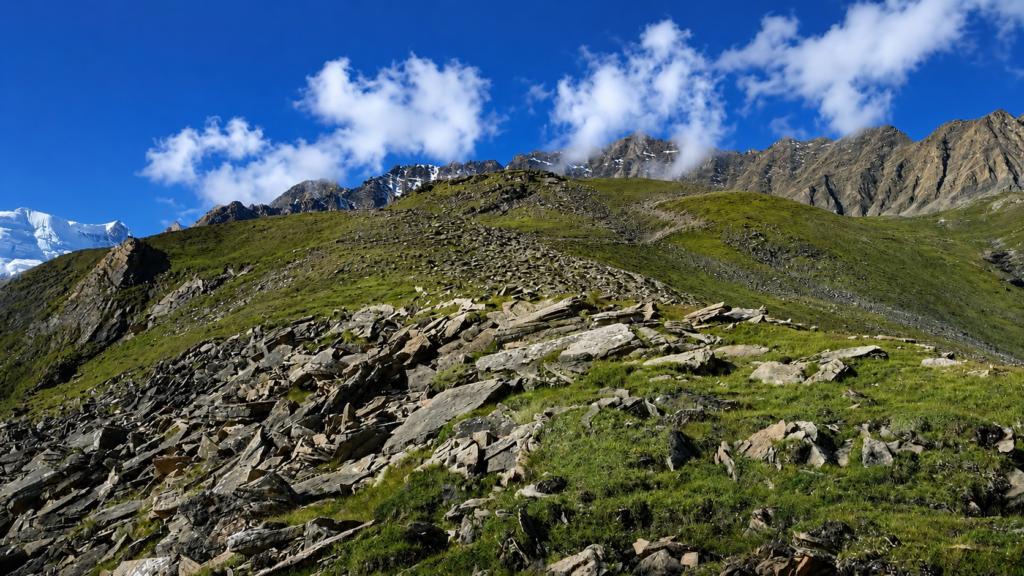
The region’s centuries-old traditions continue almost unchanged, ancient caravan routes remain the only connection between villages, and Himalayan landscapes stretch for days without roads, crowds, or modern development.
The Lower Dolpo Trek is not simply a mountain holiday; it is an expedition into one of the most isolated corners of the Himalayas, where dramatic scenery, rich cultural heritage, and genuine wilderness combine to create an experience unlike any other trekking route in Nepal.
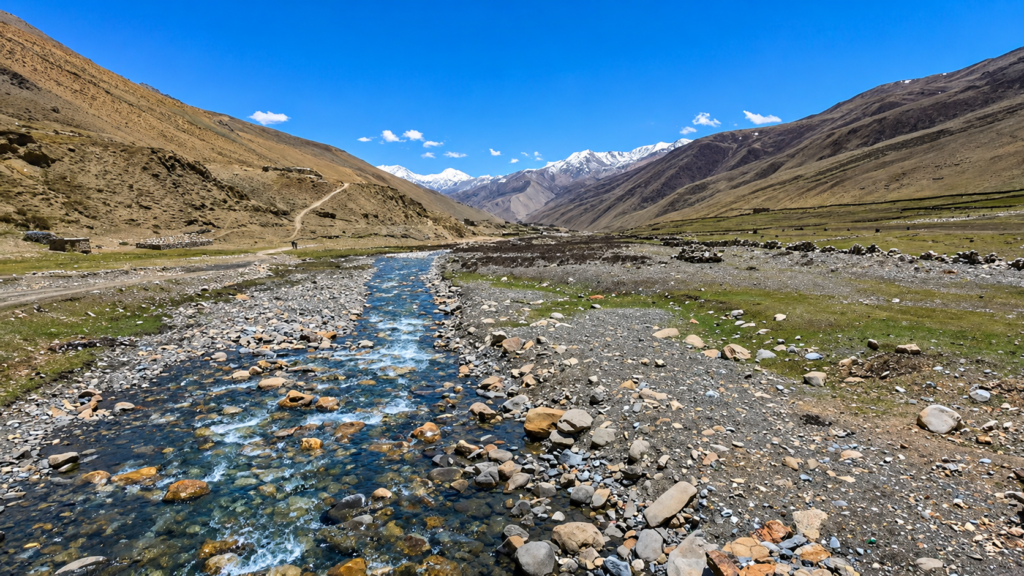
For centuries, Dolpo served as an important crossroads between Nepal and Tibet. Salt caravans once travelled these high valleys carrying Tibetan salt south while returning with grain and other supplies from the lower hills.
Even today, many of these ancient trading routes remain active, with long yak and mule caravans continuing traditions that have shaped the economy and culture of the region for generations.
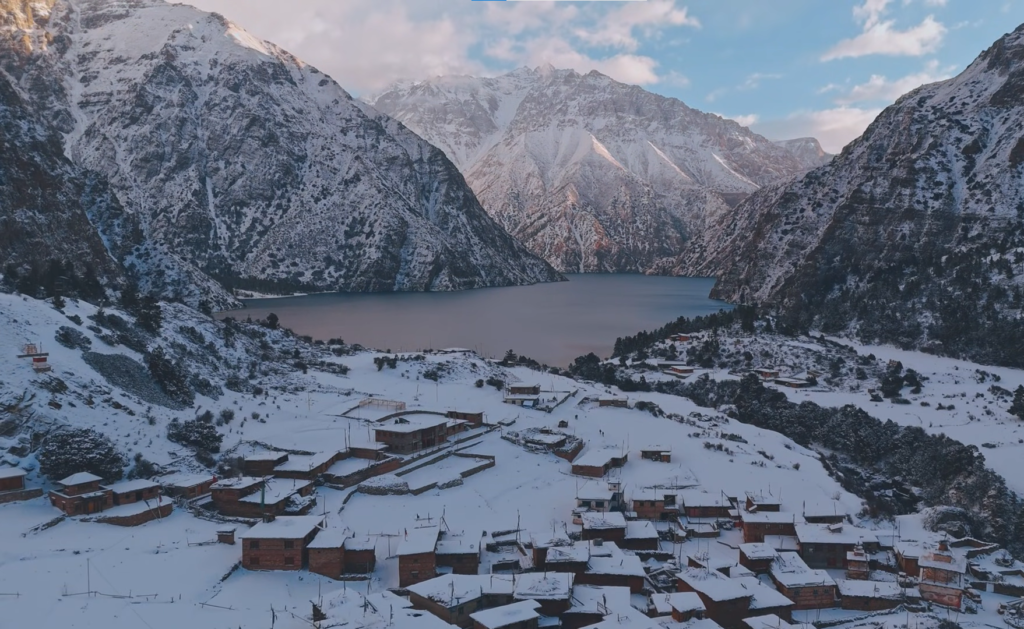
Walking these same trails allows trekkers to experience a landscape where history is not preserved in museums but remains part of everyday life.
One of the defining features of Lower Dolpo is its remarkable cultural identity. Although politically part of Nepal, the region has far stronger historical and cultural connections with neighbouring Tibet.
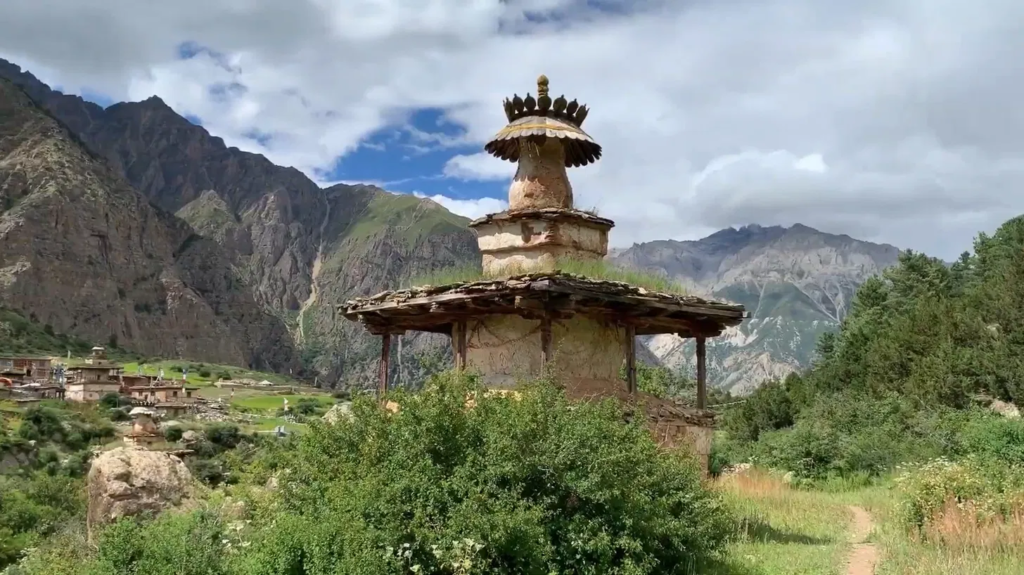
Tibetan Buddhism dominates village life throughout much of the trek, while the ancient Bon religion, which existed long before Buddhism reached Tibet, continues to influence local customs, festivals, architecture, and spiritual practices.
The journey begins in Kathmandu before continuing with scenic flights to Nepalgunj and then onward to Juphal, the small mountain airstrip that serves as the main gateway into the Dolpo region.
These flights themselves provide an unforgettable introduction to western Nepal, revealing the transition from the densely populated middle hills to the vast mountain wilderness that defines Dolpo.
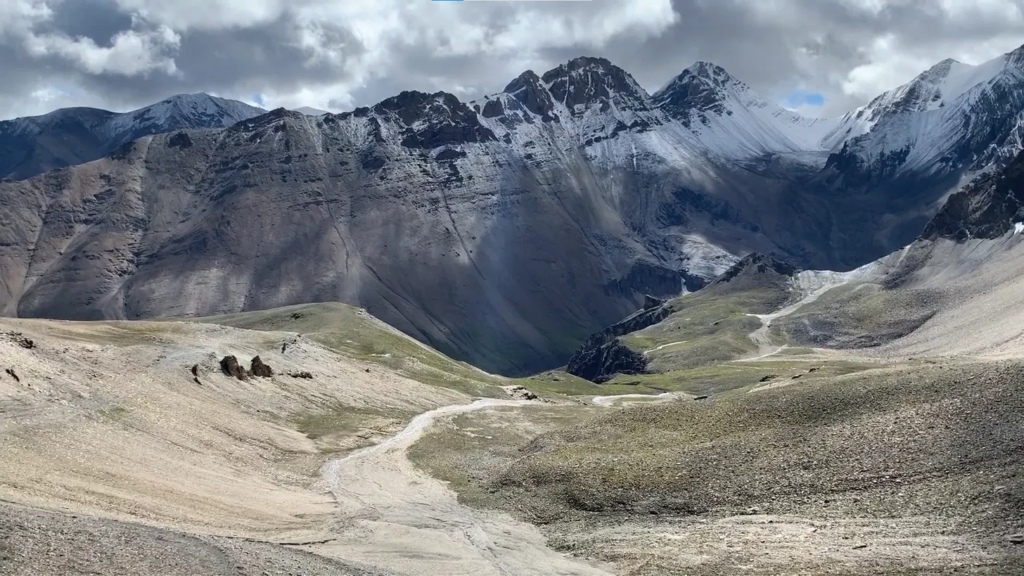
From Juphal, the trail immediately leaves modern infrastructure behind and enters a landscape where walking remains the primary means of travel between communities.
The first stages of the trek descend toward Dunai, the administrative headquarters of Dolpa District, before gradually following the Bheri River through fertile valleys and traditional settlements.
Compared with the higher alpine terrain that follows later in the journey, these lower sections provide a gentle introduction to the region, passing cultivated terraces, suspension bridges, pine forests, and small villages where daily life revolves around farming, livestock, and seasonal trade.
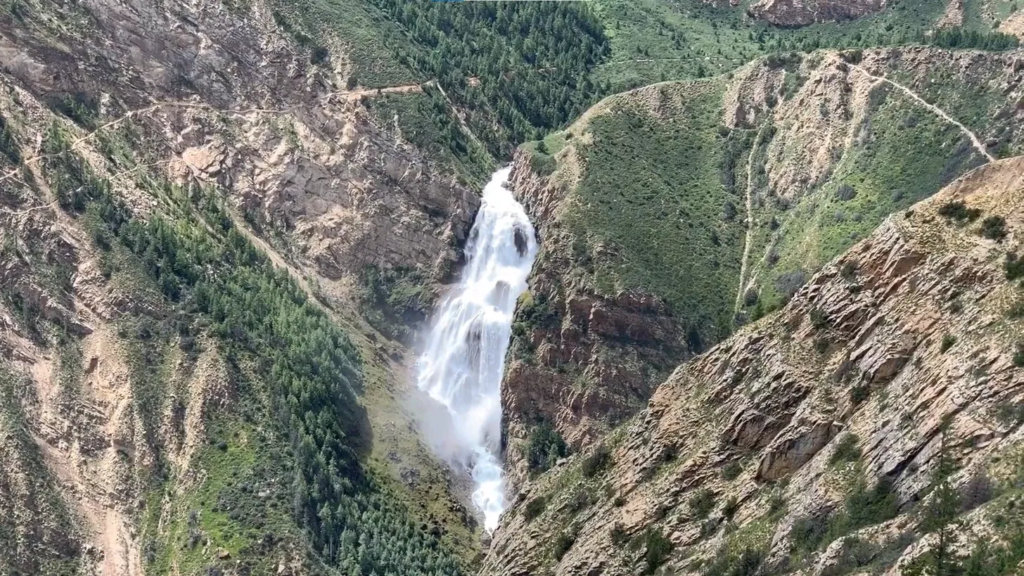
Trekkers quickly realise that tourism plays only a minor role here, allowing authentic encounters with local communities whose lifestyles have changed very little over recent decades.
Beyond Dunai, the trail continues through Tarakot, one of the oldest settlements in the region and an important historic trading centre situated along the ancient trans-Himalayan route linking Nepal with Tibet.
Stone houses cluster along narrow paths, prayer walls line the entrance to the village, and surrounding hills reveal the first signs of the dramatic terrain that characterises the heart of Lower Dolpo.
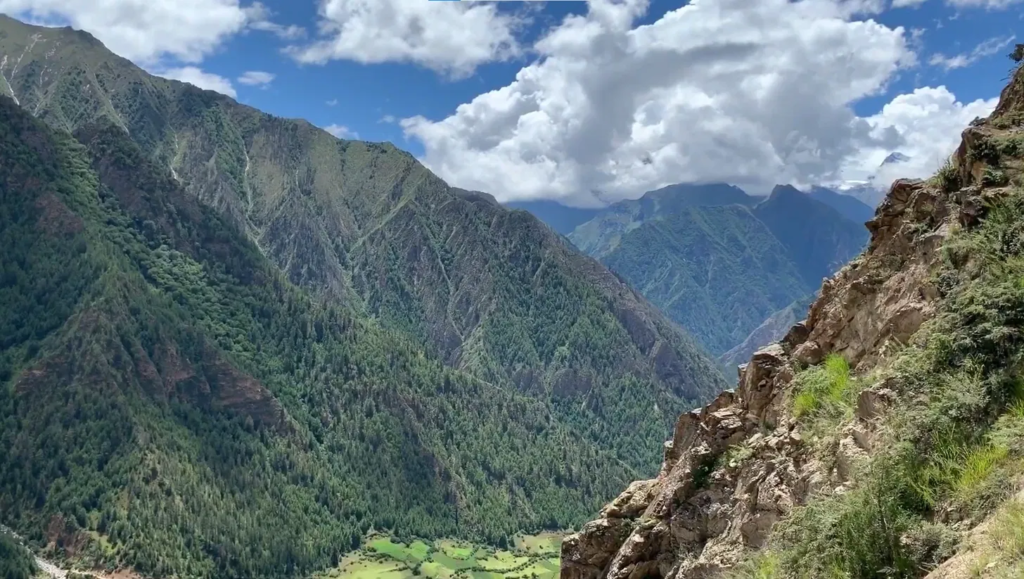
Every stage of the journey gradually leads trekkers deeper into increasingly remote landscapes where villages become smaller, valleys wider, and mountain scenery more spectacular.
As the altitude increases beyond Tarakot, the forests slowly give way to the dry trans-Himalayan environment for which Dolpo is famous.
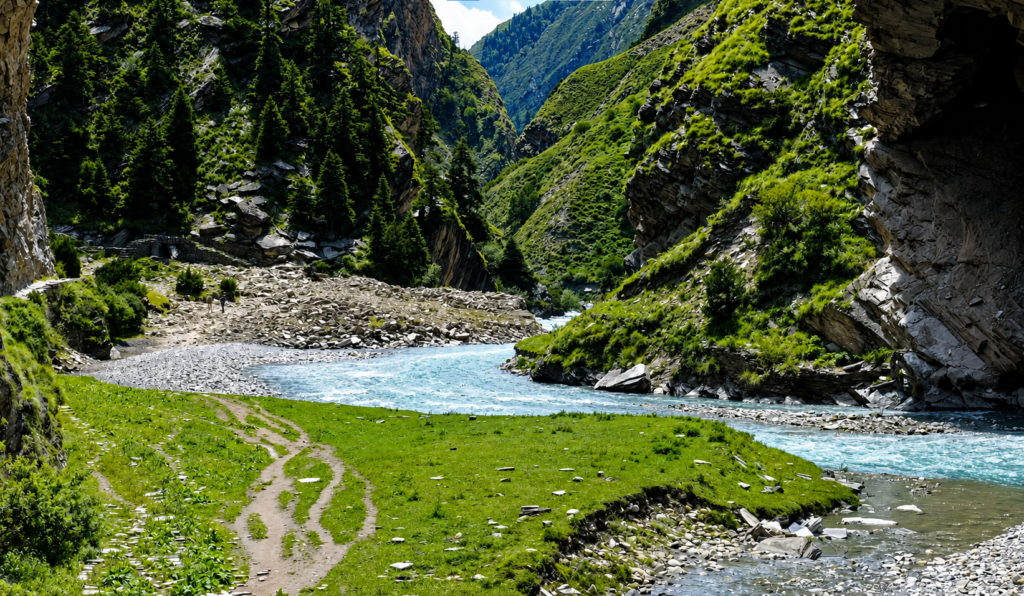
Unlike the lush green valleys of central Nepal, this region lies within the Himalayan rain shadow, producing an entirely different landscape of rugged cliffs, broad alpine meadows, deep river gorges, barren hillsides, and windswept mountain passes.
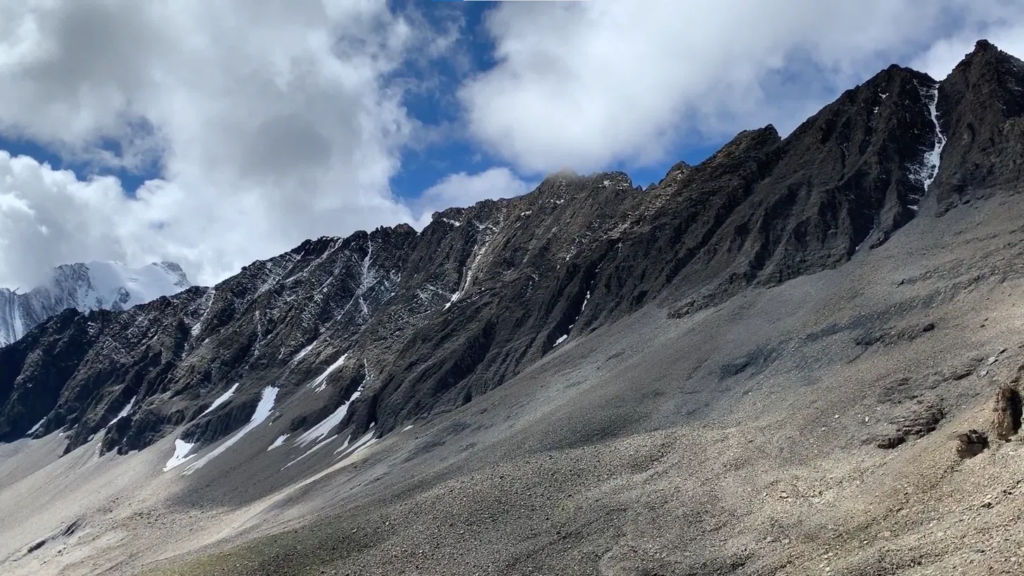
One of the greatest rewards of the Lower Dolpo Trek is the opportunity to experience genuine solitude.
Days can pass with only occasional encounters with fellow trekkers, while long sections of trail remain completely silent except for the sound of rivers, birds, and the distant bells of yak caravans.
This sense of remoteness is increasingly rare in Nepal’s more popular trekking regions and forms one of Dolpo’s greatest attractions for experienced trekkers seeking an authentic Himalayan adventure.
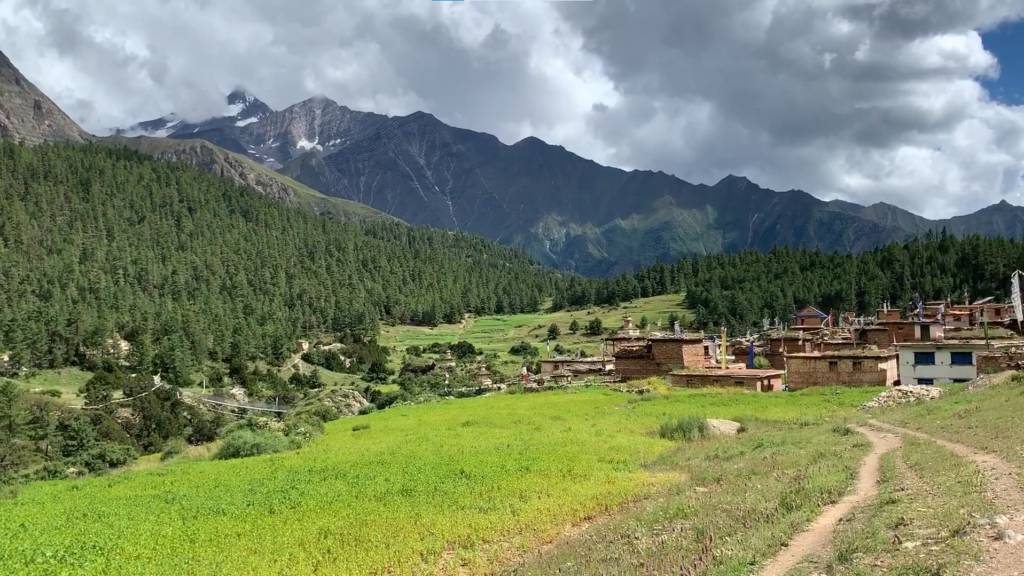
The journey reaches its cultural high point at Dho Tarap, one of the highest permanently inhabited villages in Nepal at approximately 4,080 metres.
Surrounded by and towering mountains, Dho Tarap has remained remarkably isolated from the outside world for centuries.
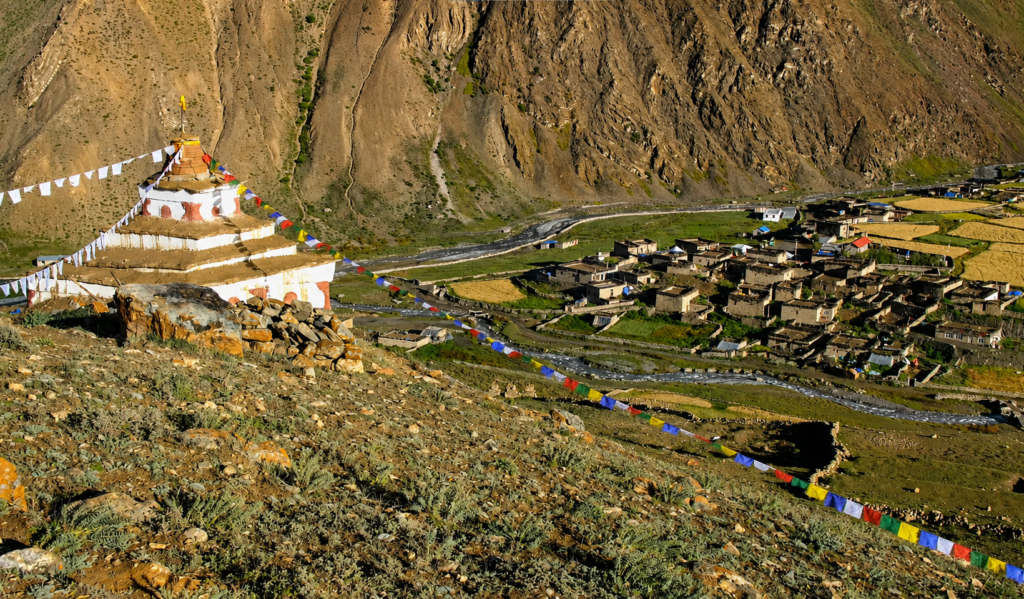
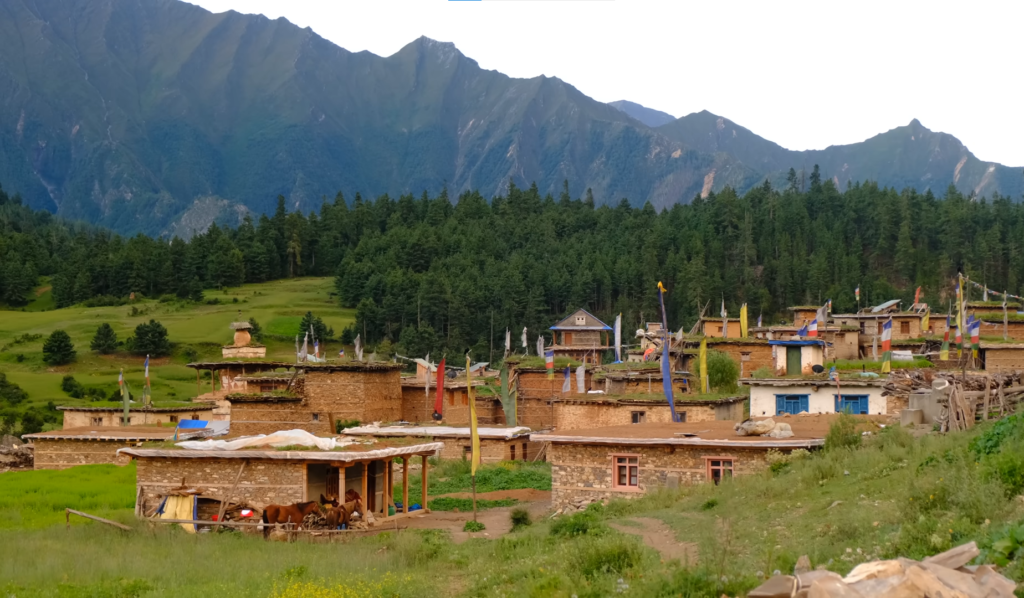
The village is home to communities of Tibetan origin whose customs, language, architecture, and daily routines have been preserved through generations of geographical isolation.
Flat-roofed stone houses stand beneath colourful prayer flags, ancient chortens mark the village entrances, and centuries-old monasteries continue to serve as the spiritual centre of local life.
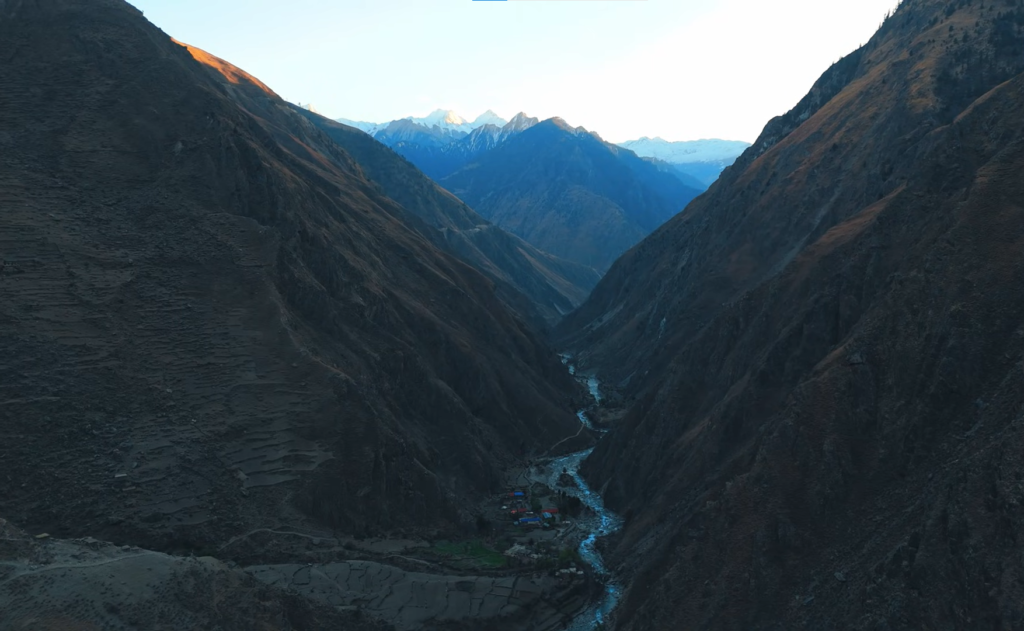
Spending an acclimatization day here provides not only valuable altitude adjustment but also a rare opportunity to observe a Himalayan culture that continues much as it has for hundreds of years.
The valleys surrounding Dho Tarap reveal another side of Lower Dolpo that few visitors expect.
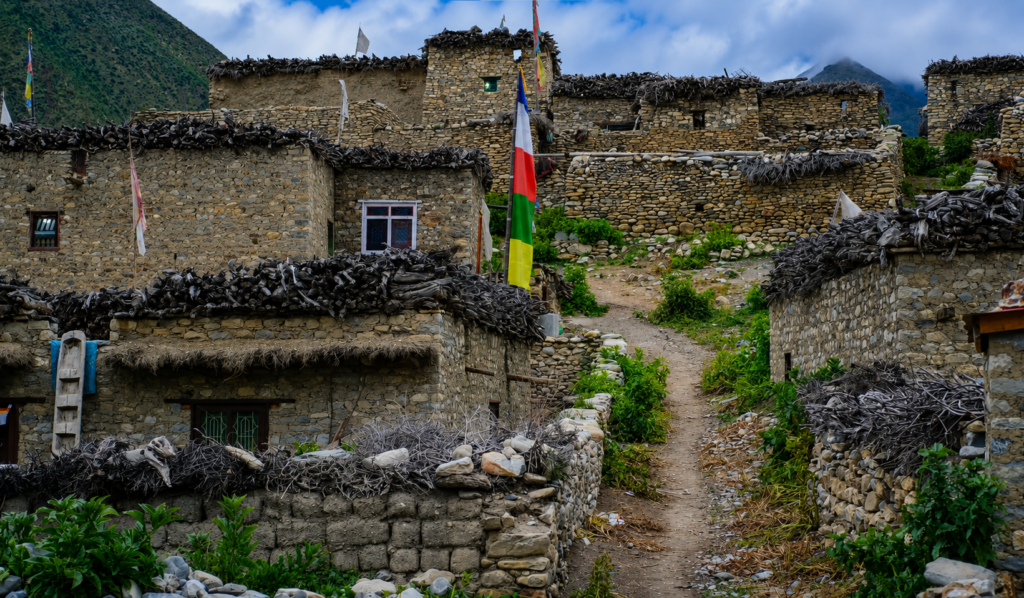
Traditional agricultural practices remain essential to daily life, and many households still rely on barley, buckwheat, potatoes, and livestock much as their ancestors did.
The slower pace of life allows trekkers to appreciate a region where survival has always depended on harmony with the surrounding mountains rather than modern convenience.
Leaving Dho Tarap behind, the landscape becomes increasingly dramatic as the trail climbs towards the two great mountain passes that define the Lower Dolpo Trek.
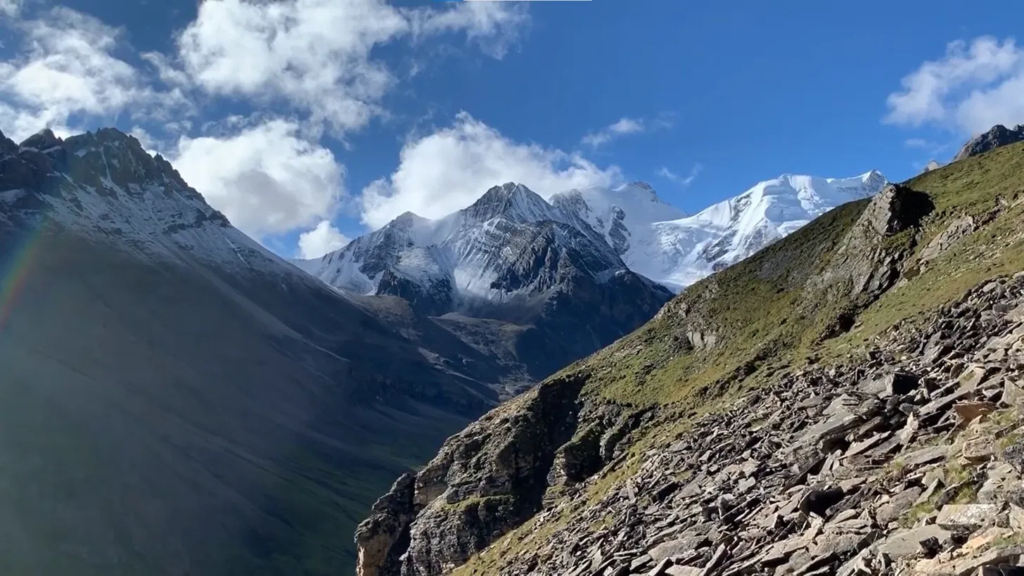
The ascent to Numa La Pass, standing at approximately 5,190 metres, is one of the most demanding sections of the entire journey.
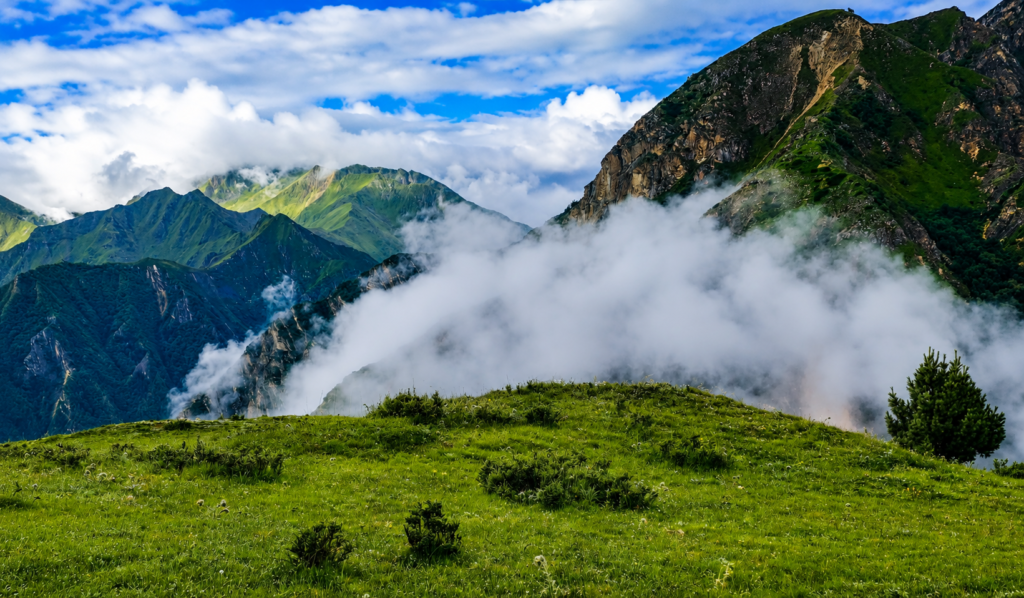
Long alpine climbs eventually give way to breathtaking panoramas where snow-covered Himalayan peaks stretch across the horizon in every direction.
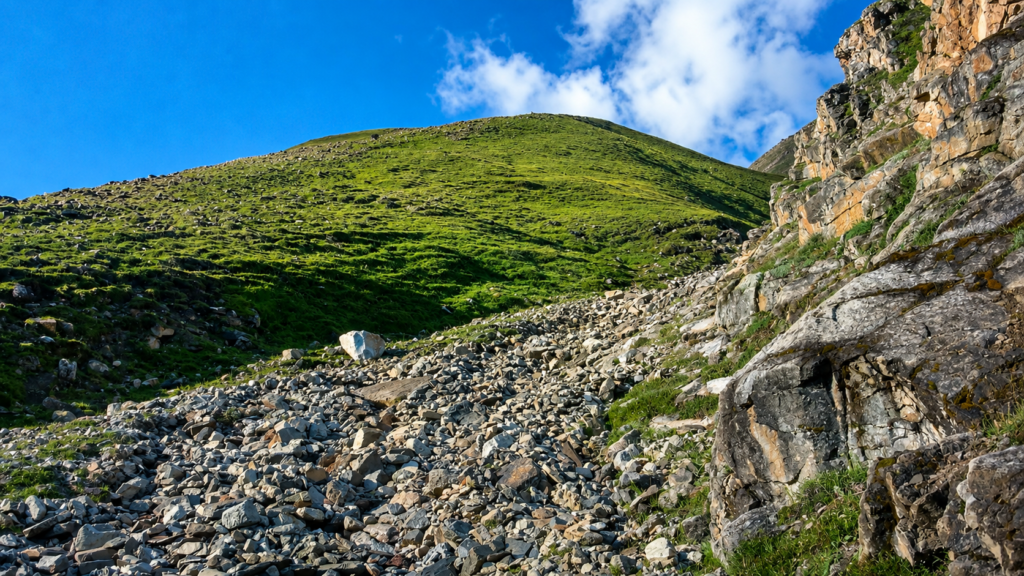
Looking back across the wide Tarap Valley while standing on the pass is one of the defining moments of the expedition, rewarding every step of the climb with scenery that few trekking destinations in Nepal can rival.
The adventure continues with another spectacular crossing of Baga La Pass at approximately 5,170 metres.
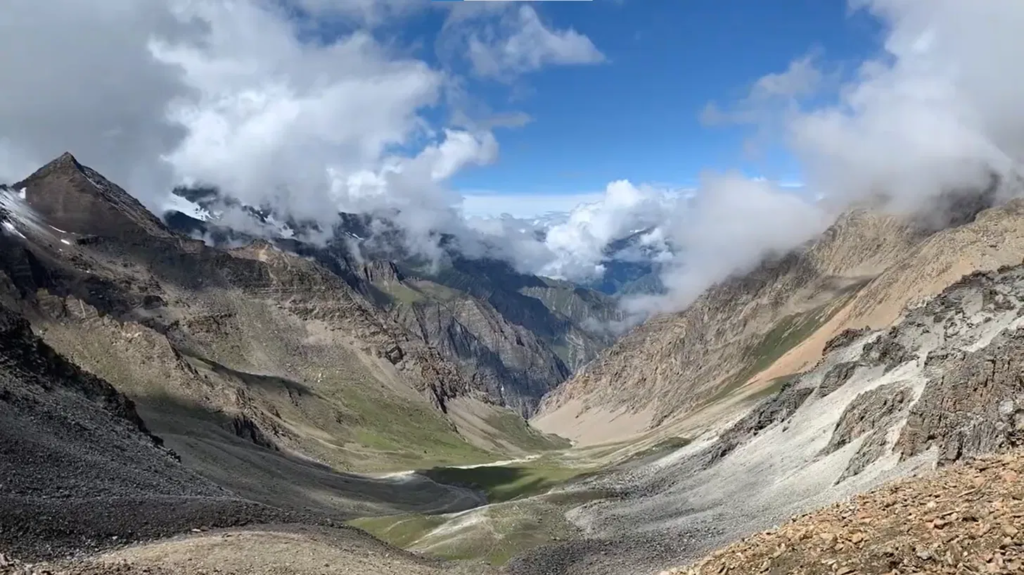
Although slightly lower than Numa La, the surrounding scenery changes dramatically as the trail descends towards the forests and valleys leading to Ringmo.
Massive cliffs, glacial streams, remote alpine basins, and endless mountain ridges combine to create a constantly changing landscape where no two days on the trail feel alike.
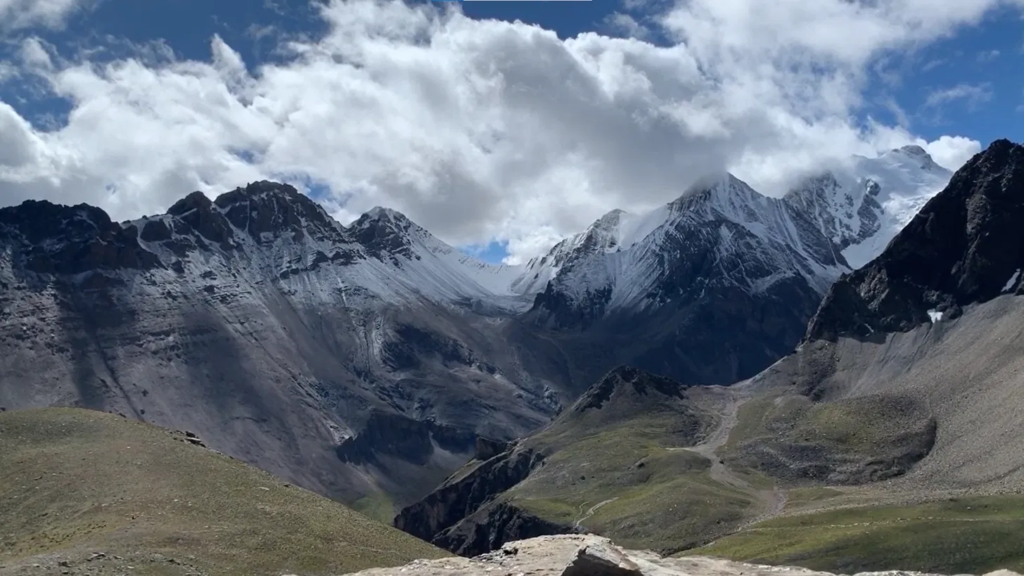
These twin passes are physically demanding, but they also represent the true wilderness character of Lower Dolpo, where the mountains dominate every aspect of the journey.
One of the undisputed highlights of the trek is Shey Phoksundo Lake, Nepal’s deepest and arguably most beautiful alpine lake.
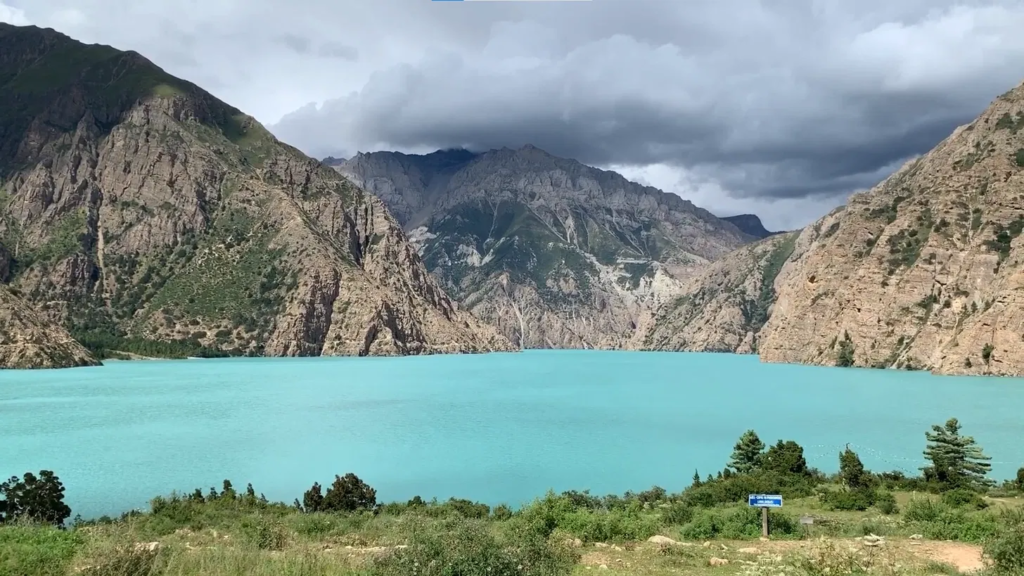
Resting at approximately 3,611 metres inside Shey Phoksundo National Park, the lake is instantly recognisable for its extraordinary turquoise water, which reflects the surrounding cliffs and snow-covered peaks with remarkable clarity.
Unlike many Himalayan lakes, Phoksundo has no visible aquatic life, creating an almost surreal appearance that has fascinated travellers, photographers, and pilgrims for generations.
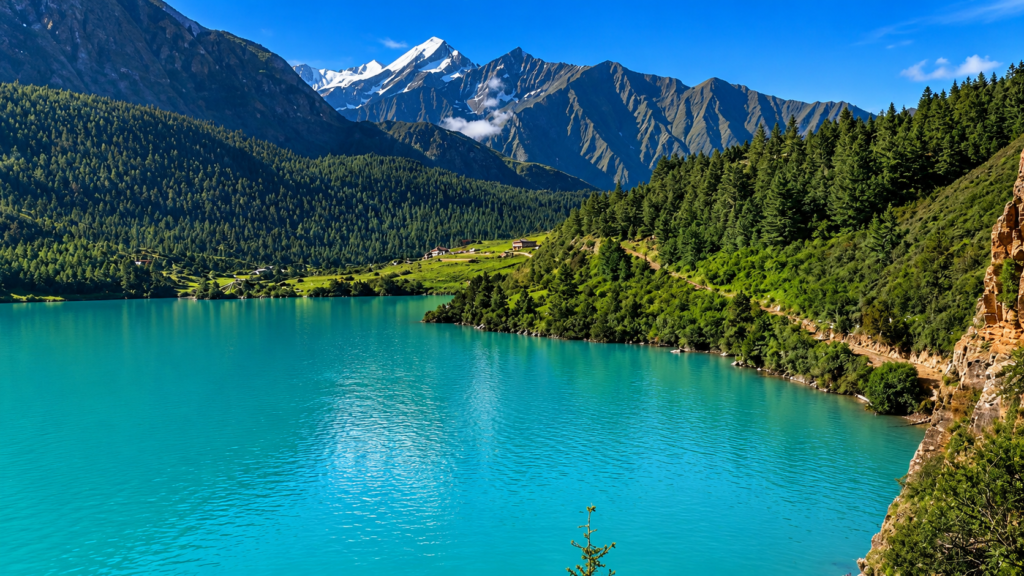
The peaceful shoreline, colourful prayer flags, and dramatic waterfalls surrounding the lake combine to produce one of the most iconic landscapes anywhere in the Himalayas.
Nearby lies Ringmo Village, a traditional settlement overlooking the lake where Tibetan culture remains deeply rooted in everyday life.
Narrow stone pathways wind between whitewashed houses, mani walls, prayer wheels, and small monasteries, while the surrounding hills provide exceptional viewpoints over the entire Phoksundo basin.
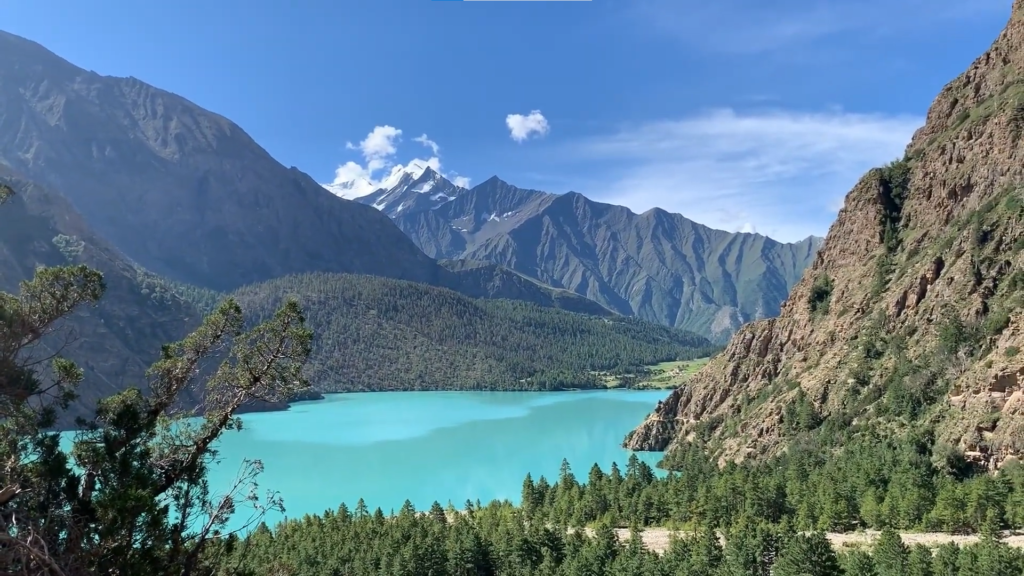
Ringmo offers a perfect opportunity to slow down after the demanding high passes and experience the quiet rhythm of one of Nepal’s most beautiful mountain villages.
Throughout the journey, trekkers remain inside Shey Phoksundo National Park, Nepal’s largest national park, which protects an extraordinary range of ecosystems extending from dense pine forests to high alpine deserts.
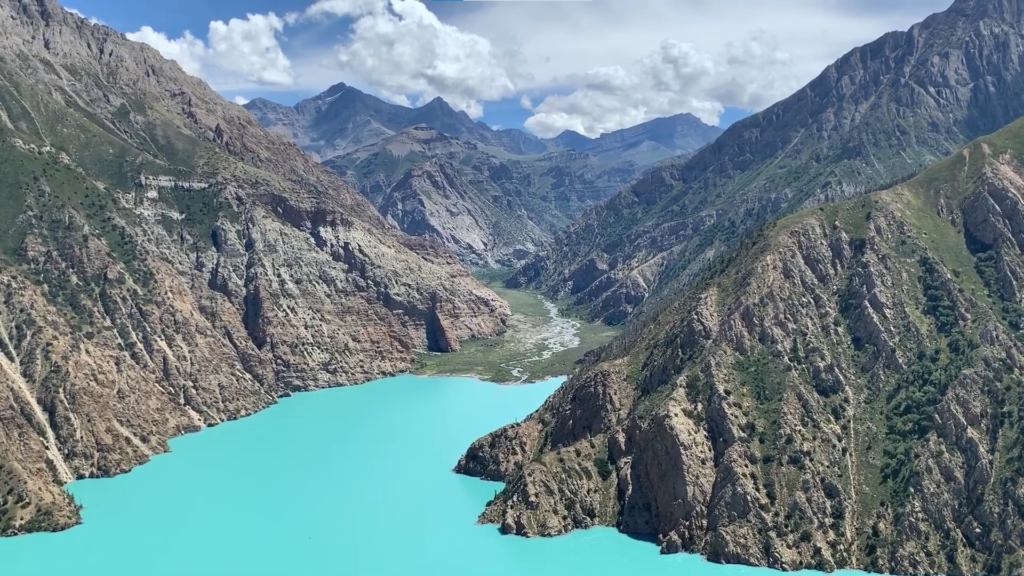
Another fascinating aspect of the Lower Dolpo Trek is its connection to Yarsagumba, often called Himalayan Gold.
Every spring, thousands of local collectors travel into the high alpine meadows searching for this rare fungus-caterpillar complex, prized throughout Asia for its medicinal value.
Temporary camps appear across remote valleys during the harvesting season, offering trekkers a glimpse into one of the region’s most important seasonal traditions and a unique economic activity that supports many local families.
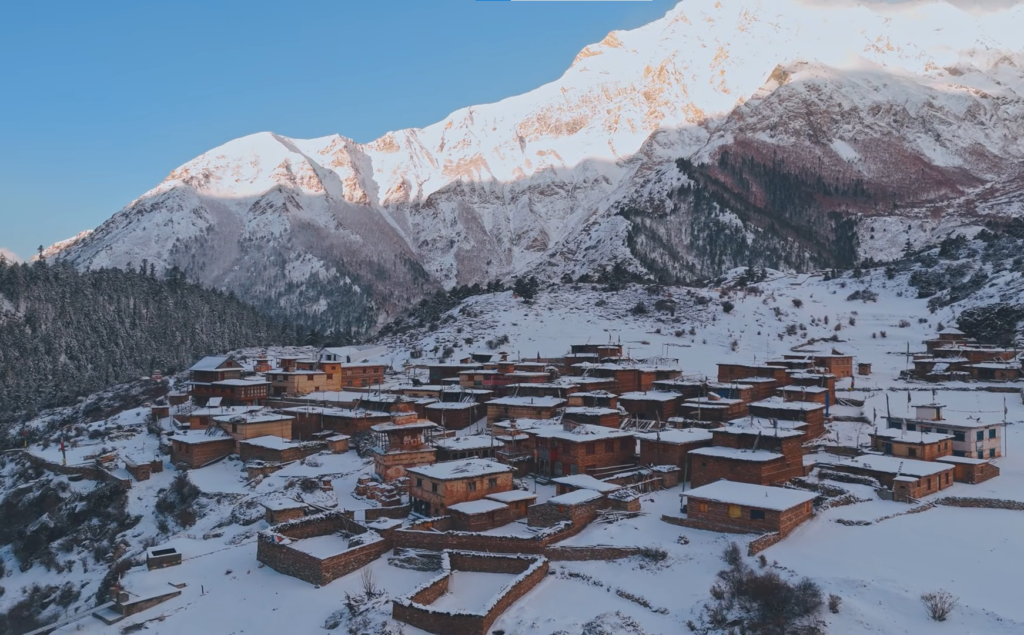
Perhaps more than anything else, Lower Dolpo leaves visitors with an overwhelming sense of discovery.
Every mountain pass reveals another hidden valley, every isolated village tells another chapter of Himalayan history, and every day’s walk reinforces how remarkably untouched this part of Nepal remains.
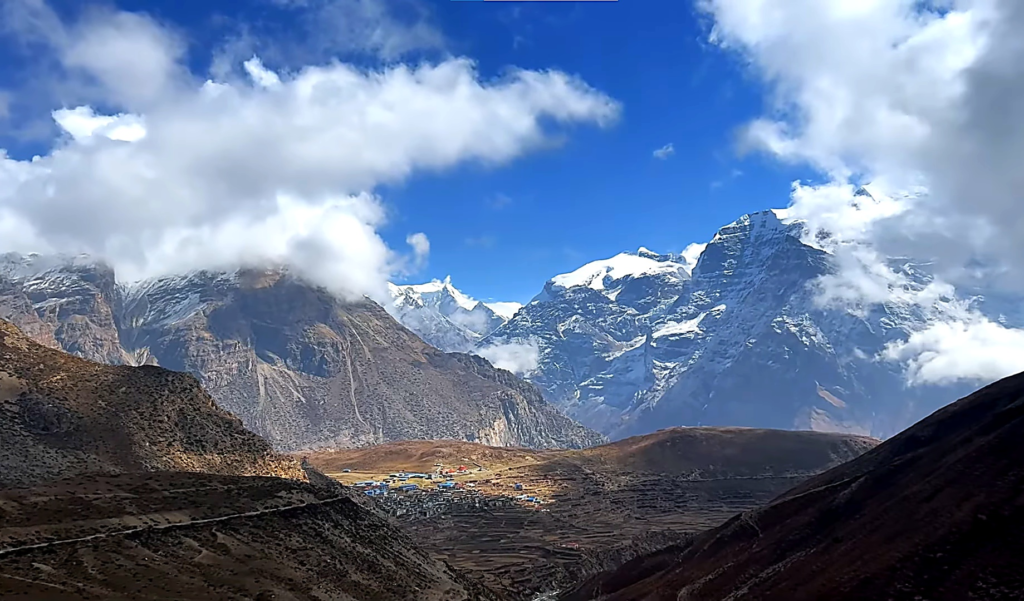
Long after the trek ends, it is not only the towering mountains or famous lake that remain in memory, but also the quiet trails, ancient monasteries, caravan routes, and genuine hospitality that make Lower Dolpo one of the last true frontier trekking destinations in the Himalayas.
Although the Lower Dolpo Trek is shorter than its Upper Dolpo counterpart, it remains one of Nepal’s more demanding high-altitude adventures.
The combination of remote terrain, consecutive trekking days, long mountain ascents, and the crossings of Numa La Pass (5,190 m) and Baga La Pass (5,170 m) requires good physical fitness, endurance, and a positive attitude.
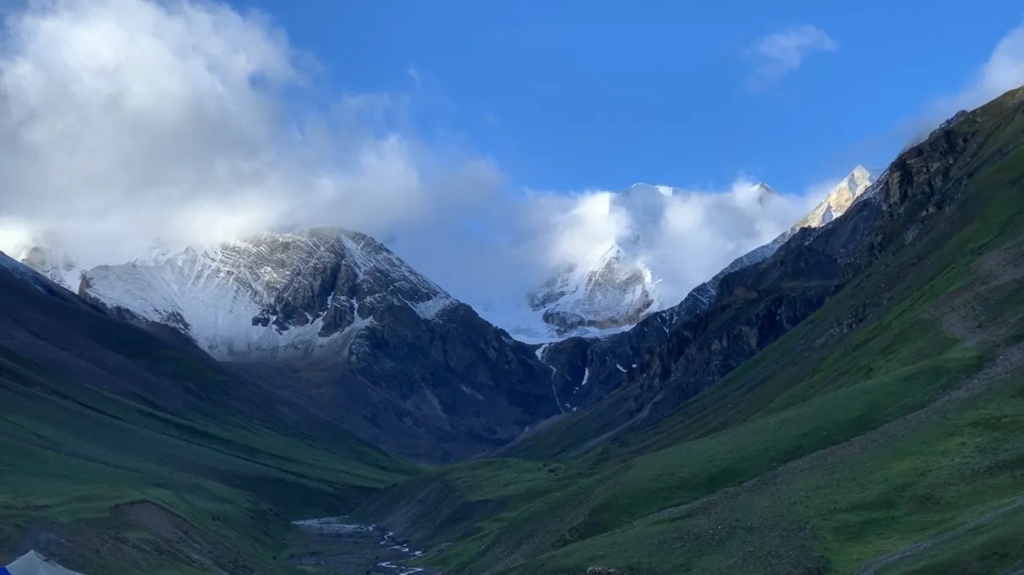
Unlike the commercial trekking routes of the Everest and Annapurna regions, facilities throughout Lower Dolpo remain basic, and trekkers should be prepared for several days in complete mountain wilderness where modern comforts are intentionally absent.
The reward for this effort is an experience that very few visitors to Nepal ever have the opportunity to enjoy.
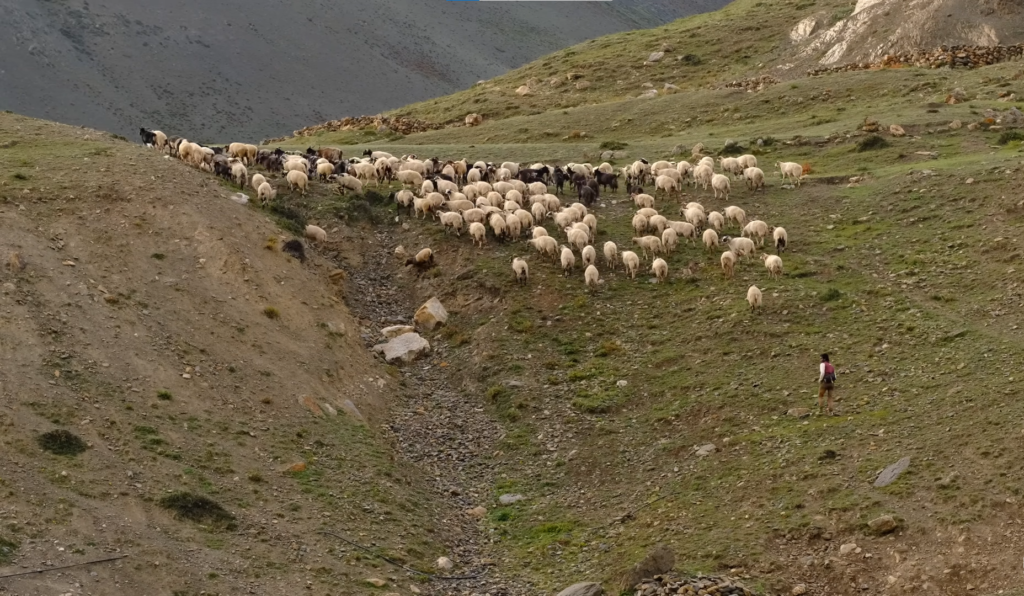
The itinerary has been carefully designed to reduce the effects of altitude by allowing gradual elevation gain before reaching the highest sections of the trek.
An acclimatization day at Dho Tarap provides valuable time for the body to adjust before crossing the two high passes, significantly improving both safety and enjoyment.
While previous high-altitude trekking experience is helpful, determined beginners with excellent fitness can also complete the trek successfully under the guidance of experienced mountain leaders.
Accommodation during the journey reflects the remote nature of Dolpo itself. Lower sections of the trek offer simple family-operated teahouses where trekkers receive warm hospitality despite limited facilities.
In more isolated sections, particularly around the higher passes, comfortable camping arrangements are established by the trekking crew whenever permanent lodges are unavailable.
Sleeping under brilliant Himalayan night skies, surrounded by complete silence and some of Nepal’s most dramatic mountain scenery, becomes one of the most memorable parts of the entire adventure.
Meals throughout the trek are freshly prepared each day using locally available ingredients wherever possible.
Traditional Dal Bhat remains the staple meal, providing reliable nutrition and energy for long trekking days, while noodles, soups, potatoes, fried rice, Tibetan bread, roti, eggs, vegetables, and seasonal dishes add welcome variety.
Although menus become simpler in the higher villages, the quality of hospitality remains genuine, with local families taking great pride in caring for visitors travelling through their communities.
The best seasons for the Lower Dolpo Trek are spring (April to June) and autumn (September to November).
Thanks to Dolpo’s position within the Himalayan rain shadow, the region also receives considerably less monsoon rainfall than much of Nepal, allowing trekking conditions to remain favourable even when other trekking regions experience heavy rain.
As Lower Dolpo lies within a protected and restricted region, trekkers require a Lower Dolpo Restricted Area Permit together with a Shey Phoksundo National Park Entry Permit.
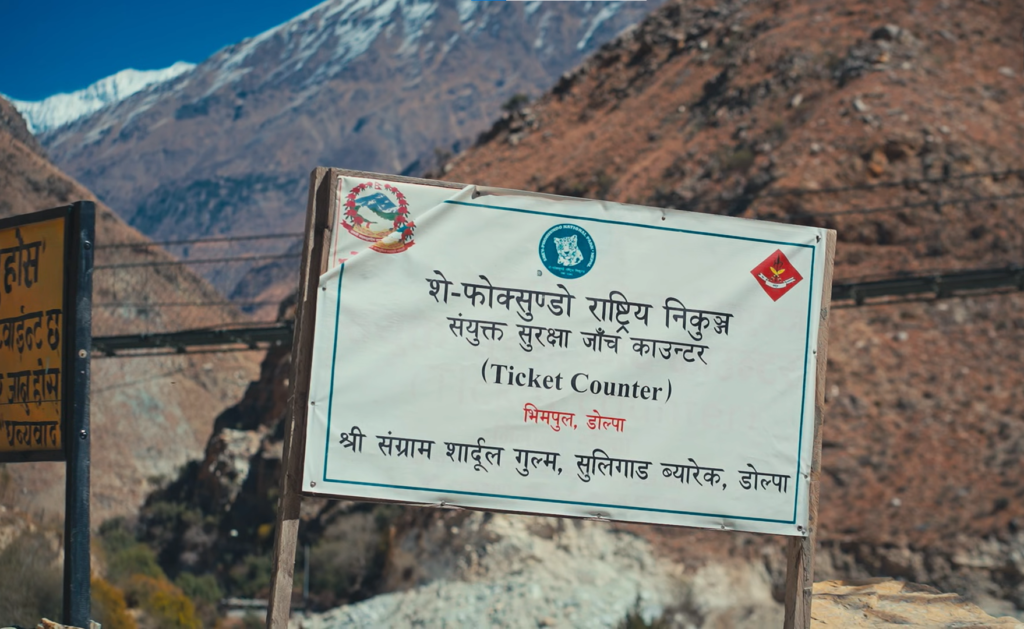
Independent trekking is not permitted, and all visitors must travel with a licensed guide through a registered trekking company.
These regulations not only help preserve the fragile cultural and natural environment of Dolpo but also ensure greater safety in one of Nepal’s most isolated mountain regions. Choosing the Lower Dolpo Trek means choosing a different side of Nepal.
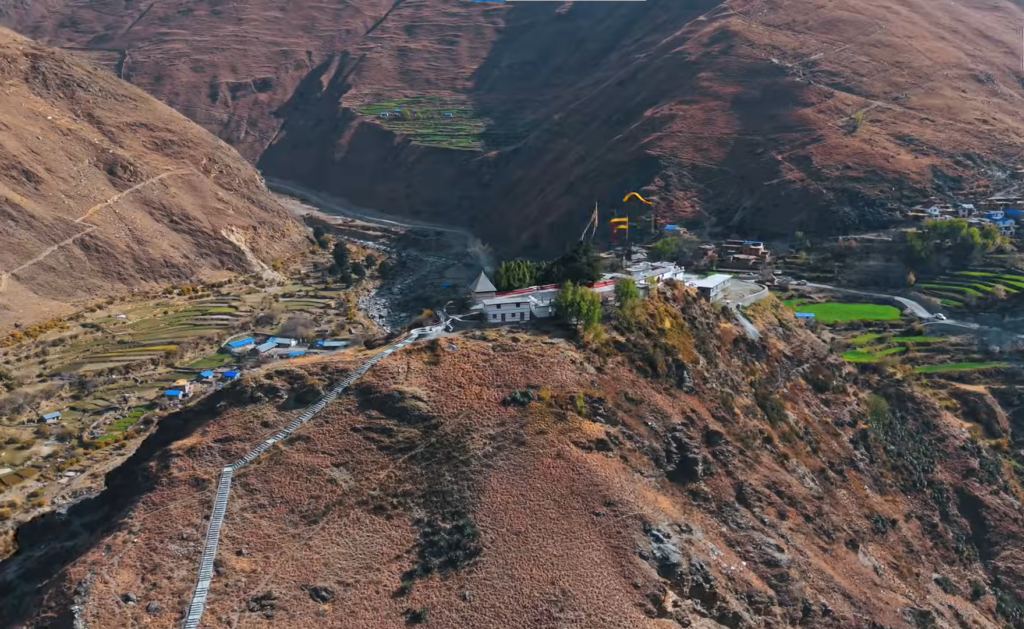
Rather than famous viewpoints crowded with trekkers, comfortable lodges, and busy mountain villages, this journey offers genuine wilderness, centuries-old monasteries, untouched Tibetan culture, remote alpine settlements, and some of the most spectacular mountain scenery anywhere in the Himalayas.
Every day reveals another hidden valley, another historic village, or another unforgettable landscape that few travellers ever experience.
For trekkers seeking an authentic Himalayan expedition where culture, history, spirituality, wildlife, and dramatic mountain landscapes exist in perfect balance, the Lower Dolpo Trek stands among Nepal’s finest adventures.
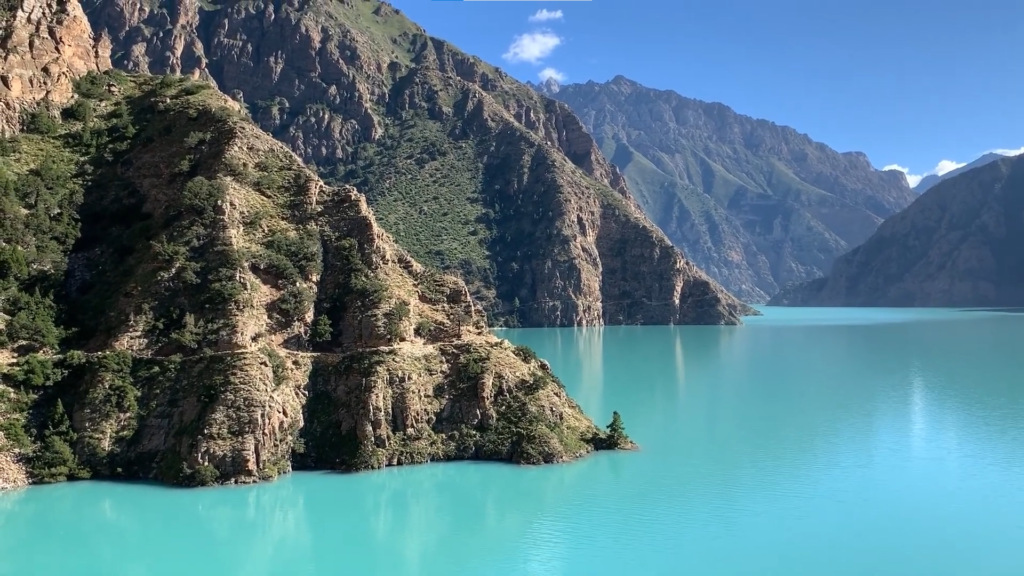
From the turquoise waters of Shey Phoksundo Lake and the timeless streets of Dho Tarap to the breathtaking crossings of Numa La and Baga La, this remarkable journey showcases a region where the Himalayas remain wild, remote, and beautifully unchanged.
It is not simply a trek through the mountains, it is an expedition into one of the last great hidden frontiers of Nepal, leaving memories that endure long after the final flight returns to Kathmandu.
Difficulty Overview
| Category | Details |
|---|---|
| Difficulty | Challenging |
| Daily Walking | Approximately 5 to 8 hours depending on the itinerary |
| Highest Altitude | Numa La Pass (5,190 m) |
| Trail Condition | Rocky mountain trails, alpine meadows, steep ascents, river valleys and high mountain passes |
| Technical Difficulty | No climbing experience required but good stamina and previous trekking experience are recommended |
| Suitable For | Experienced trekkers and physically fit beginners with proper preparation |
Altitude Range and Terrain
| Altitude Range | Terrain Characteristics |
|---|---|
| 2,300 to 2,800 m | River valleys, cultivated villages, pine forest and traditional settlements |
| 2,800 to 3,800 m | Juniper forest, alpine meadows, deep canyons and yak grazing areas |
| 3,800 to 4,500 m | Remote Tibetan villages, high valleys and rugged mountain trails |
| Above 5,000 m | Snow-covered mountain passes, rocky ridges and spectacular Himalayan viewpoints |
Trek Statistics
| Feature | Information |
|---|---|
| Trip Duration | 15 Days |
| Maximum Elevation | Numa La Pass (5,190 m) |
| Highest Overnight Stop | Numa La Base Camp (Approximately 4,450 m) |
| Accommodation | Three-star hotel in Kathmandu with teahouses, local lodges and camping support on the trail |
| Meals | Breakfast, lunch and dinner during the trek |
| Best Seasons | April to June and September to November |
Major High Passes
| Mountain Pass | Altitude | Highlights |
|---|---|---|
| Numa La Pass | 5,190 m | Highest point of the trek offering panoramic views of the Dolpo Himalaya, Dhaulagiri region and surrounding alpine valleys |
| Baga La Pass | 5,170 m | Remote high mountain pass overlooking Ringmo Valley, Shey Phoksundo National Park and dramatic Himalayan landscapes |
Clothing Layers
| Layer | Recommended Clothing |
|---|---|
| Base Layer | Moisture wicking trekking shirts, thermal top and thermal leggings |
| Mid Layer | Warm fleece jacket or lightweight insulated jacket |
| Outer Layer | Waterproof jacket, waterproof trekking trousers and rain cover |
| Cold Weather Layer | High quality down jacket suitable for temperatures below freezing |
| Accessories | Warm hat, sun hat, buff, insulated gloves, wool socks and UV sunglasses |
Essential Trekking Gear
| Category | Recommended Gear |
|---|---|
| Footwear | Waterproof trekking boots and lightweight camp shoes |
| Backpack | 25 to 35 litre daypack and waterproof duffel bag for porter |
| Sleeping | Sleeping bag rated to at least minus 15°C |
| Hydration | Reusable water bottles, insulated flask and water purification tablets or filter |
| Safety | Headlamp, trekking poles, first aid kit, sunscreen, lip balm and personal medications |
| Electronics | Power bank, camera, spare batteries and universal charger |
Wildlife You May Encounter
| Wildlife | Habitat |
|---|---|
| Blue Sheep | Rocky alpine slopes around Numa La and Baga La |
| Musk Deer | Pine and juniper forests |
| Snow Leopard | Remote high mountains of Shey Phoksundo National Park |
| Himalayan Griffon | High cliffs and mountain valleys |
| Himalayan Monal | Forested sections below Dho Tarap |
Accommodation Overview
| Location | Accommodation |
|---|---|
| Kathmandu | Comfortable three star hotel with breakfast |
| Lower Dolpo Villages | Basic teahouses and locally operated lodges |
| Remote High Sections | Fully supported camping with dining tent, kitchen tent and sleeping tents where lodges are unavailable |
Required Permits
| Permit | Requirement |
|---|---|
| Lower Dolpo Restricted Area Permit | Mandatory |
| Shey Phoksundo National Park Entry Permit | Mandatory |
Best Seasons for Lower Dolpo Trek
| Season | Why It Is Recommended |
|---|---|
| Spring (April to June) | Stable weather, blooming alpine landscapes and the Yarsagumba harvesting season |
| Autumn (September to November) | Crystal clear skies, comfortable temperatures and outstanding mountain visibility |
Major Mountains Visible During the Trek
| Mountain | Elevation |
|---|---|
| Dhaulagiri I | 8,167 m |
| Kanjiroba Himal | 6,883 m |
| Norbung Kang | 6,085 m |
| Dolpo Himal Peaks | Numerous unnamed peaks above 5,000 metres surrounding Shey Phoksundo National Park |
Trip Highlights
- Visit a very few accessible parts of Nepal that are remote and least visited, where you can find landscapes still raw, and the culture of mountain people authentic and untouched.
- You will see how two kinds of spiritual traditions--one Tibetan, and another of an ancient tribe called Bon have together shaped the way of living, art of building and religious feelings of the Dolpo folks through centuries.
- Stop by Dho Tarap village, one of the highest ever permanent settlements, not only because of the stunning views from up there but also as it holds a great cultural heritage and houses built by hand, the traditional stone buildings.
- Cross Numa La to the Baga La mountain passes, which are two of the highlights in the Lower Dolpo Treks that not a lot of trekkers that make your heart swell with wonder because of the wide views of snowcapped mountains.
- The serene turquoise and mirror smooth Shey Phoksundo Lake is the result of the alpine lake, being the deepest in all of Nepal. Surrounded by the mountains, the lake is breathtaking with the mountains around it.
- Walking through various landscapes like valleys and riverside areas with plenty of pine and juniper trees, pastures in the hills, canyons which look very old, the high mountain passes that you will cross and the arid trans-Himalayas of Dolpo will all be revealed and seen.
- Pilgrim houses, prayer walls in various colors, chortens, and traditional hill towns will be seen and they are all a reminder of the spiritual culture that is very deep and rich in the Himalayan region.
- There is no doubt that the wildlife in the Himalayas is diverse and trekkers have several good chances of encountering blue sheep, large Himalayan ravens, musk deer, and in the case of snow leopard, if one is very lucky.
- Very scenic ancient treks that connect some of the remotest settlements of Nepal to Tibet, will make you know about the history that is quite fascinating of this area.
- You are going on the true backcountry hiking with trails that are quiet and not very busy, the locals offering the warmth of their homes as hospitality, and the kind of a trip that you will not soon forget as one of the last remaining hidden Himalayan frontier of Nepal.
Lower Dolpo Trek – 15 Days ~ Itinerary
Day 1
Arrival day in Kathmandu.
- Altitude: 1,350m
- Drive Distance: 6 Km
- Drive Duration: 20 minutes
- Accommodation: Three Star Standard Hotel
When you land at Tribhuvan International Airport, a representative of Nepal Royal Tourism will greet you with a smile and assist you as you head to your hotel accommodation in Kathmandu. After some time for relaxing and resting up from your trip, depending on the time when you arrive, you might get to Thamel with all its hustle, have a look at cafes around you or do some shopping for stuff necessary for the trek and in the night your guide will give you a thorough briefing about the trek to Lower Dolpo, including the acquisition of required permits, equipment inspections and other travel tips.
Day 2
Fly from Kathmandu to Nepalgunj
- Altitude of Nepalgunj : 150 m
- Flight time: 50 minutes
- Meal : Breakfast, Lunch and Dinner
- Stay: Tea House
A breakfast hour or two later, boarding the plane you get a chance to admire the beautiful countryside on a domestic flight to Nepalgunj, the entry point to the west of Nepal. This city at the border is lively, and the environment here is completely different than in Kathmandu. Just after landing, you have a chance to enjoy walking around the local shop, experiencing the diverse cultures, and getting ready for your mountain journey the next day.
Day 3
Fly from Nepalgunj to Juphal and Trek to Dunai.
- Altitude Juphal: 2,475 m
- Fligut Time: 35 minutes
- Altitude Dunai: 2,140 m
- Trek Distance: 7 Km
- Trek Duration: 3-4 Hours
- Meal: Breakfast, Lunch and Dinner
- Accommodation: Tea House
You leave on an early local flight to Juphal where the main airstrip of Dolpo is located. Then you can meet the trekking team. This trip from there officially ends the first stage. After a trail that goes below through rice-terraces and old traditional villages, the path brings you at the riverbank of Thuli Bheri. Along the river you walk, surrounded by lush farmland and pine forests before arriving at a lovely Dolpa village named Dunai that serves as administrative headquarters of Dolpa. You will get the feeling of this unique mountain town blending together the old customs and modern village living here.
Day 4
Trek from Dunai to Tarakot
- Altitude: 2,543 m
- Trek Distance: 15 km
- Hiking duration: 6 hours
- Meal: Breakfast, Lunch and Dinner
- Accommodation: Tea House
Leaving Dunai behind, following the Thuli Bheri River, the route leads to quiet valleys and passes isolated hamlets, crossing suspension bridges surrounded by beautifully cultivated terraces. After a while of being led by a narrow valley, the landscape widens again. In the late afternoon, a historical site, Tarakot village becomes a home. It was one of the capitals in an old kingdom. The place is interesting to visitors and it has a fortress as well as houses of traditional architecture. Moreover, the view of fields around it reflects the genuine rural life found in the western part of the Himalayas.
Day 5
Trek from Tarakot to Laini
- Altitude: 3,160 m
- Trek Distance: 14 km
- Hiking duration: 6 hours
- Meal: Breakfast, Lunch and Dinner
- Accommodation: Tea House
Continuing along the route from Lekbes, today’s day trip goes through Tarap Chu River, a deep cut in untouched territory and wilderness of Lower Dolpo region. The pathway crosses water many times and even gives you a glimpse of a special holy place – Sandul Gompa, situated at the confluence of the twin rivers. After passing through woodlands and over cliffs as well as past farms that you might even harvest crops from, you will be going further into areas that have almost no human presence. You will pass some hamlets and grazing spots with which villagers have their close connection while the ultimate destination – the calmness of Laini area will not far be away.
Day 6
Trek from Laini to Nawarpani
- Altitude: 3,545 m
- Trek Distance: 11 km
- Hiking duration: 5-6 hours
- Meal: Breakfast, Lunch and Dinner
- Accommodation: Tea House
Following the beautiful and remote landscapes of Lower Dolpo, the path takes you deeper and deeper until you get to one of the most impressive parts of the trek. The massive rock faces of canyons stand high above the water below, and seeing these sheer stone walls has remained the main highlight of this area. Narrow trails wind along the cliffs and from time to time, the route gets suspended by bridges that go over the valley on both sides. If you are lucky, along with a few local people and maybe even a car of livestock, besides enjoying the beauty, you will come across blue sheep, Himalayan Birds and so on. The final day’s stop at the tranquil mountain village of Nawarpani with the dramatic backdrop of high mountain surroundings.
Day 7
Trek from Nawarpani to Dho Tarap
- Altitude: 4,090 m
- Trek Distance: 17 km
- Hiking duration: 7 hours
- Meal: Breakfast, Lunch and Dinner
- Accommodation: Tea House
Slowly the valley becomes wider and the thick forests vanish; the inner landscapes of the Himalayas appear more arid and bare. There is still vegetation – juniper bushes – but the rest is just stone-built dwellings and grasslands. Leaving behind dense greenery, you encounter stone, and dry landscapes for the rest of your journey up. After several small crossings of the streams and following the old trade paths, Dho Tarap, which, being one of the biggest and oldest, is a settlement in Dolpo, finally is reached. The hamlet is inhabited by Tibetans and followers of the Bon religion with many different ways of life that reflect long-standing traditions. From prayer wheels and mani walls to typical Tibetan houses – these small elements create a unique atmosphere that can hardly be found anywhere else in Nepal.
Day 8
Acclimatization and Exploration of Dho Tarap
- Altitude: 4,090 m
- Meal: Breakfast, Lunch and Dinner
- Accommodation: Tea House
Besides being a good day to get used to the elevation changes and the effects of thin air that comes with it, is also the best day to get to know the place well. Dho Tarap is quite a culturally rich village that offers a lot of things to do. You will get to visit a bunch of ancient monasteries, hang out with the local community, participate in one of the cultural activities and learn the lifestyle that still prevails in the area without getting the modern lifestyle of society. It is a good photography, ethnography and architectural/research day that is also the final chance to relax before a few days when you will be passing high peaks.
Day 9
Trek to Numa La Base Camp from Dho-Tarap
- Altitude: 4,440 m
- Trek Distance: 11 km
- Hiking duration: 5-7 hours
- Meal: Breakfast, Lunch and Dinner
- Accommodation: Tea House
Leaving Dho Tarap, the trail gradually climbs through the beautiful upper Tarap Valley. Wide alpine meadows, grazing yaks, crystal-clear streams, and spectacular mountain scenery accompany today’s journey. You may pass small seasonal herders’ camps and isolated monasteries before reaching the remote campsite below Numa La. Surrounded by towering Himalayan peaks, the peaceful environment offers an unforgettable wilderness experience.
Day 10
Cross Numa La Pass and Trek to Pelung Tang
- Altitude Numa La Pass: 5,190 m
- Altitude Pelung Tang: 4,465 meters
- Trek Distance: 12 km
- Hiking duration: 7 hours
- Meal: Breakfast, Lunch and Dinner
- Accommodation: Tea House
As soon as leave Dho Tarap, the path will be rising gently but steadily towards you. Your walking will be through the upper Tarap Valley with its beauty, and you will find yourself in a landscape that opens up very nicely – an alpine meadow, a river here or there with its transparent flowing waters.
You may also come across small seasonal herders’ camps before an isolated monastery that is the campsite which is close to, and under Numa La mountain pass at high elevation.
Day 11
Cross Baga La Pass and Trek to Ringmo from Pelung Tang
- Altitude Baga La Pass: 5,070 m
- Altitude Ringmo : 3,600 meters
- Trek Distance: 12 km
- Hiking duration: 9 hours
- Meal: Breakfast, Lunch and Dinner
- Accommodation: Tea House
This is yet another unforgettable day beginning with the climb to Baga La pass that gives you the chance to admire the spectacular view of the mountain range and the remote valleys which lie around. As you go downhill from the Baga La, you will start noticing that the landscapes are once again becoming more green and the forest begins to come back. Soon, through a beautiful forest path, the trek arrives at the village of Ringmo, where you can find old-fashioned stone houses and a very rich Buddhist environment as well as the proximity of Shey Phoksundo Lake. Ringmo village remains to be the most picturesque and photogenic villages in western Nepal.
Day 12
Explore Shey Phoksundo Lake and Trek to Shyanta
- Altitude : 2,520 m
- Trek Distance: 17 km
- Hiking duration: 7 hours
- Meal: Breakfast, Lunch and Dinner
- Accommodation: Tea House
Lunch break is followed by a visit to the spectacular Shey Phoksundo Lake – the country’s deepest alpine lake with the extraordinary blue-green water and dramatic rock formations. There are very few places of the kind, where you can be so close to spirituality and peace. In fact, prayer flags drifting in the wind and monks living in nearby monasteries add to the feeling. You walk all alone around the lakeside and get amazed with views of the lake along with the area that surrounds it. Then you continue the journey by walking through pine forests and over cascades till reaching the secluded settlement of Shyanta.
Day 13
Trek from Shyanta to Juphal
- Altitude : 2,475 m
- Trek Distance: 17 km
- Hiking duration: 7 hours
- Meal: Breakfast, Lunch and Dinner
- Accommodation: Tea House
Today, for the last time, you will be following forest paths and agricultural fields as you pass traditional villages and slowly you will reach Juphal. As you do that, you have one final glimpse of the landscapes of Dolpo that have been the highlight in your trekker’s diary and the time has also come to think about all the great times and achievements on your walk that you did as one of the remote trekking locations in Nepal. When you finally arrive in Juphal you shall all celebrate the achievement of the Lower Dolpo Trek together with your trekking team.
Day 14
Fly from Juphal to Nepalgunj and Kathmandu
- Altitude: 1,350 m
- Flight Time (Jhupal To Nepalgunj): 55 minutes
- Flight Time (Nepalgunj to Kathmandu): 35 Minutes
- Meal: Breakfast and Lunch
- Accommodation: Three star standard hotel
If the weather is clear, first thing you are going to get your sight on this morning while being lifted off the ground by flying back mountain to Jumana, and then to Lumbini where you will get transferred again for a flight from Nepalgunj to Kathmandu. You will be brought up to the hotel after you have landed. The rest of the day is at your disposal. So you can go shopping, take it easy, or explore the city yourself. A meal out at a fine diner to celebrate your Himalayan tour will not be an unusual idea on an evening.
Day 15
Final Departure
- Altitude: 1,350 m
- Meal: Breakfast
- Drive Distance: 6 Km
- Drive Duration: 20 Minutes
Your unforgettable Lower Dolpo adventure comes to an end today. According to your international flight schedule, our representative will transfer you to Tribhuvan International Airport for your onward journey. Depart Nepal with lifelong memories of pristine mountain landscapes, ancient Tibetan culture, remote villages, and one of the country’s most extraordinary trekking experiences.
Lower Dolpo Trek – 15 Days Fixed Departures Dates
Trip Cost Includes/Excludes
Cost Includes
- Private car for pick-up/drop-off at the airport.
- Two nights Standard three star hotel in Kathmandu including breakfast
- Domestic flights from Kathmandu and arriving in Nepalgunj and returning to Kathmandu
- Domestic flights departing Nepalgunj and connecting at Juphal and arriving in Nepalgunj
- All needed trekking permits include Lower Dolpo Restricted Area Permit and permit for entering Shey Phoksundo National Park.
- Professional, authorized government trekking guides fluent in the English language.
- Sufficient number of porters (one porter is allocated for every two trekkers) who will be paid, insured, given meals, and provided accommodations and necessary gear.
- All three daily meals—breakfast, lunch, and dinner—are provided while trekking.
- Lodges or tea-houses or Tent camps with proper facilities for trekking when lodges are not available
- Camping gear that includes tents for camping sections, as well as dining, kitchen, dining table, chair tents and toilet tent, sleeping mattress, etc.
- An experienced cook and a team of the essential camping staff.
- Daily snacks that consist of seasonal fresh fruits which are served post dinner during the trek.
- A glass of coffee or tea as part of your breakfast package
- First aid kit which is to be carried along by your guide
- All applicable government levies, as well as company service fees
Cost Excludes
- Airline fare for international trips
- Fees for obtaining a visa for Nepal
- Travel and personal medical insurance (must be a good emergency helicopter insurance).
- Lunch and dinner in Kathmandu and Jumla
- Clothing and gears for trekking that have to be used personally by the trekkers.
- Personal expenses which include laundry, phone calls, Internet access, showers, snacks, chocolates, soft drinks, alcoholic drinks, etc.
- In the case of return to the destination country early, delays due to flight schedules, or changes in the itinerary, extra accommodation costs and fees for meals will have to be borne by the guests.
- Tips for our staff
Trip Photo/Video Gallery


Route Map for Lower Dolpo Trek – 15 Days
Frequently Asked Questions
The Lower Dolpo Trek can be found far inside Dolpo District, the most remote region of Nepal, where the Himalayas border the Tibetan Plateau. Besides being one of the wildest treks in Nepal, Dolpo is also encompassed within Shey Phoksundo National Park, which is home to Shey Phoksundo Lake, one of the most beautiful and largest high alpine lakes in Nepal. With very limited access by roads and its remoteness, these factors contribute to the fact that Lower Dolpo ranks as one of the least disturbed and most stunning hiking places in Nepal.
A trek through the Lower Dolpo Region is an adventurous journey requiring trekking in difficult mountain terrain and crossing some high mountain passages. Therefore, physically, only those who are very fit and experienced mountain tourists can manage trekking in Lower Dolpo with relative ease. Besides long trekking days, the route is rough, there is remoteness and isolation that adds to the difficulties of high mountain. Therefore, if you can’t run or hike for long days, this trip is not the best option. A pre- and post-trip program with training and fitness will make your walk easier and safer. The fitness level of those who will make this trek must be very good and they must have prior multi-day hiking experience.
Planning a trip to Lower Dolpo is best during the spring months (March to May) and again in the fall season (September to November). At these periods, weather conditions are generally good, the sky is clean and clear, offering mountain views that are really amazing and you are comfortable as temperatures are cool enough for hiking.
Since Dolpo, the Lower Dolpo area, is in a rain-shadow area and receives very minimal amount of rain throughout the yearly seasons, this area becomes an option for trekkers who want to avoid the rains during other seasons but still get a good dose of fresh air and beauty of nature. For example, in the summer months when the other trekking areas of Nepal are getting soaked by rainfall, you can still enjoy very decent treks conditions in Dolpo.
A restricted area permit plus an entry pass to Shey Phoksundo National Park is necessary if you want to trek in Lower Dolpo. These permits will be obtained by a certified Nepal trekking company, and independent trekking is not feasible in the restricted area.
An authorized trekking guide through an official trekking agency is a necessity as per Nepal’s trekking guidelines if you are traveling to the Lower Dolpo Restricted Area. A guide makes it easy to get along with permit rules also a guide can give an introduction to the local culture, show the way, and if an emergency occurs help out the trekker.
The type of accommodation one gets depends on the location. Those villages which have some facilities offer trekkers to stay in tea houses or local lodges that have the provision of very basic twin-sharing rooms. However, if trekking reaches a more isolated and distant area where no lodges are present, then the only way is to go with the camp, which includes tents, sleeping, a well-set kitchen, and support of an experienced team to make your trek a safe and enjoyable trek.
Usually tea houses offer their guests freshly made meals such as Dal Bhat, fried rice, noodle dishes, hot soups, potatoes, Tibetan breads, pancakes, eggs, vegetables and tea / coffee. When you’re hiking along with a camp group, the cooks prepare and serve very hearty and fresh food. The availability of vegetarian meals is high and a person’s special dietary needs can normally be arranged ahead of time.
There is drinking water at different points of the trek where you can get it through tea houses, natural springs, and camps. Nonetheless, trekkers must take precautions and treat their drinking water, for example, using purification tablets, small filters, or hand-held UV disinfection devices, to avoid getting sick. Many guest houses boil the drinkable water and offer it to the customers at a different price.
In fact, a highly fit novice with lots of stamina and determination might just manage to make the trail. However, it is recommended that the trekkers who have already gone through multi-day mountain walking should take up the challenge.
This is because the terrain can be quite tough, the route requires several days of continuous trekking with minimal rest, and facilities are limited along the way, so previous trekking experience can be extremely beneficial.
You need clothes that you can wear on top of each other depending on the temperature, your sleeping bag that keeps you warm for the night, your shoes for trekking that are good and don’t wear you out easily, a set of waterproof gloves, a helmet, sun protection gear to name a few items of personal belongings.
Dress warm and light but at the same time, do not forget a warm jacket in case of a sudden weather change that you could not see from where you live because of your geographical limitations like your home which is quite warm compared to mountain ranges where you will be walking in. It may be quite sudden but that is how it works in the Himalayas.
To those who have visited Everest or Annapurna ranges, the Lower Dolpo region is a true wilderness, where almost nothing can be heard except the sound of birds and the wind is quite low. Here you meet a small number of trekkers which allows you to really immerse yourself into the Himalayan nature and culture.
To this day, Lower Dolpo is home to people who are mainly ethnic Tibetans who have lived for many generations and are therefore very knowledgeable about Tibetan traditions.
Among their traditions is the Bon, a religion that predates Buddhism, as well as centuries-old monasteries, remote villages, pristine natural landscapes, and very few people that would come from the outside world who might be tempted to change things here just as is the case around the world nowadays.
In terms of mobile phone coverage, bigger settlements are more or less regularly covered but the deeper into the trek, the further away you will be from any kind of mobile phone signal. Likewise, internet connectivity is also scarce and is quite rare, for example, when you are deep in the forest in the Lower Dolpo area.
So, the majority of people on the trail are actually quite pleased with this kind of situation to be totally free from technology and to be able to immerse their mind and body in nature with their surroundings only and also enjoying the sereneness of the Himalayas.
Charging facilities of some of the tea houses in the trail can be availed as additional services. It needs to be understood though that the supply of energy in such areas is very unreliable and sometimes you may be lucky to get your devices charged or sometimes you may not get it at all. Digital device users may, therefore, consider getting a high-capacity portable charger or a small solar charger for the purpose of carrying with them the energy needed to light up not just their phones but also their cameras, laptops, and other digital equipment when power sockets are not present in the area.
For sure! With a professional guide and well-prepared, this expedition has the potential to provide an adventure for the remote region of Lower Dolpo. Listening to your guide, keeping a comfortable level of hydration, regulating pace of walking so as not to overdo it, and carrying suitable tools are the factors that lead you into a thrilling, worry-free trekking.
The area of Lower Dolpo harbors various Himalayan wildlife species within the boundaries of Shey Phoksundo National Park. Blue sheep, which are the most common, Himalayan griffon vultures, musk deer, Himalayan marmots and pheasants which have colorful feathers, as well as a variety of bird species could all be spotted by trekkers here. Besides, the park, in addition, serves as an important habitat where the elusive snow leopard is found throughout Nepal. It should, however, be noted that spotting a snow leopard is extremely rare since these creatures are exceptionally shy and generally keep away from humans most of the time.
In fact, the Lower Dolpo Trail is among the few treks in the world which can give you the opportunity to witness and interact with traditional Tibetan Buddhist and Bon religious practices at the grass root level. Throughout the walk, you will come across the village settings of the locals, very old monasteries, prayer wheels, mani stones walls, chortens, and local people who can show you how their life has traditionally been in many ways.
Shey Phoksundo Lake has been awarded as one of Nepal’s most beautiful yet most mysterious lakes besides its status as the deepest alpine one of the country. The water of the lake is so clear and the surrounding cliffs are quite awe-inspiring so as the forests and the stillness of the place.
All these elements make Shey Phoksundo Lake the most memorable site on Lower Dolpo Trek as well as a favorite spot with nature lovers and photographers alike.
Of course! It is strongly advice and you need a full-fledge travel insurance for the trek. Make sure the insurance policy encompasses you on trekking in mountainous and remote areas, emergency medical assistance, helicopter evacuation, flight cancellation, your stuff loss etc. In case of getting yourself in trouble in Dolpo, which due to its very isolated nature is likely, the price of emergency transportation is going to be very high, hence it is essential to get insurance that will cover this.
The company named Nepal Royal Tourism Holiday P.L offers trekking guides certified by the government who are very experienced in their work. In addition we have thoughtfully designed itineraries, good support of logistics, high quality camping stuff, attentive service towards our clients, and assistance from local people round the clock. We are deeply involved in safeguarding our guests during the trek in a way that is eco-friendly, responsible and at the same time allows our clients to discover local authentic culture.
In the process of your Dolpo Trek you would be comfortable, happy, have memorable experience and the whole organization of the tour will be done by the best professionals as the starting and the ending of your trip at your hotel of your arrival.
You may also like

Menu