


Flight Delays and Cancellations in Nepal: Lukla, Jomsom, and What Travellers Should Know
Nepal is one of the destinations you will never forget after you have left, whether it be trekking or simply travelling.
The mountains are spectacular, the scenery is incredible, and the road trips are a part of the experience.
However, for those who have ever travelled here for trekking or mountain sight seeing, there is one thing that they can tell at once that flights in Nepal are not always on time.
The first real hint for many travellers is when a flight that is supposed to take off is delayed, rescheduled or cancelled at the last minute.
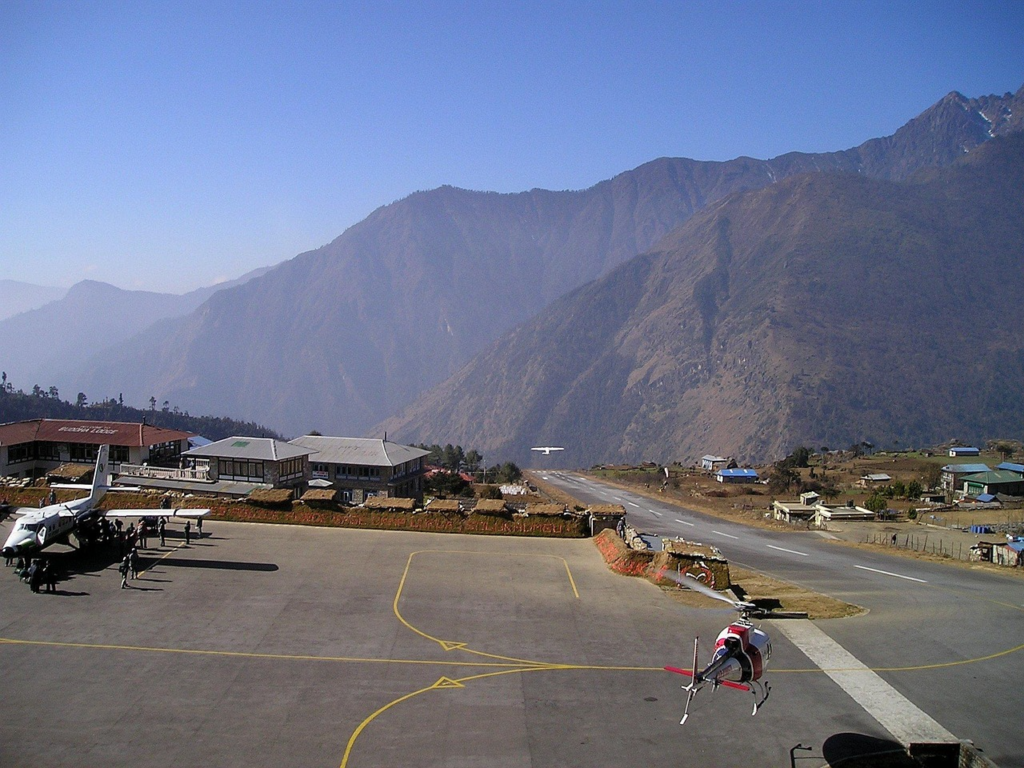
Lukla and Jomsom are the routes in Nepal known for causing most uncertainty among all domestic flights.
These flights link up travelers to some of the most popular trekking and pilgrim routes in the nation so when the weather turns, plans can change rapidly.
This is the reason why the flight delays and cancellations in Nepal are so important particularly for the trekker heading for Everest Base Camp, Gokyo, Muktinath, Mustang or any other high altitude destinations.
A delay is not something a small inconvenience. It can impact hotel reservations, trek permits, guide coordination and the overall vacation experience.
Sometimes even normal domestic flights in Nepal suffer due to delay. Non-mountain flights like Pokhara, Bhairahawa and Bhadrapur are more reliable and less prone to disruptions, but still not entirely.
The weather and airport congestion can still cause disruption to schedules in fog, low visibility, rainy or winter weather, particularly.
This is why flights are delayed and cancelled in Nepal and it is the case for Lukla, Jomsom, which trekking routes are more likely to be impacted when the weather turns bad.
The causes of the frequent delays of flights in Nepal
Geography is the main cause of the delays for flight operations in Nepal. The country is mixed with mountains, deep valleys and extreme weather conditions.
Clear skies that turn cloudy, windy or foggy within a few hours occur in many areas. The unpredictability of that is a big problem for aviation, particularly on short airstrips on mountain terrain.
If you are flying in Nepal, the weather, wind speed, runway surface, and landing conditions are all factors that can cause delays, unlike international flights where other delays are more likely to be related to traffic or schedule.
Being a simple route on a map doesn’t always imply a trouble-free flight, as mountain flying has little room for error.
Some of the more frequently cited causes of delays are poor visibility, strong winds, rain, sudden weather changes, airport congestion, and safety checks prior to takeoff.
These are not minor issues in mountain aviation. They are the difference between a flight operating safely and a flight being stopped for the day.
This is what makes it difficult for travelers, it often is a single cause that leads to delay. Typically occur when all three, weather, terrain, limited operating windows, occur simultaneously.
As the most vulnerable villages, Lukla and Jomsom are hit the hardest
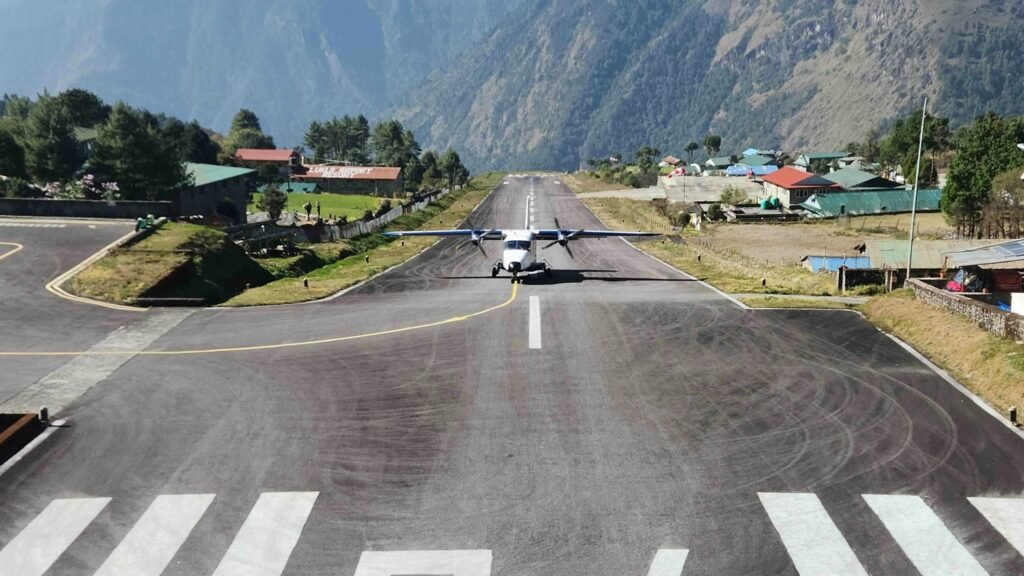
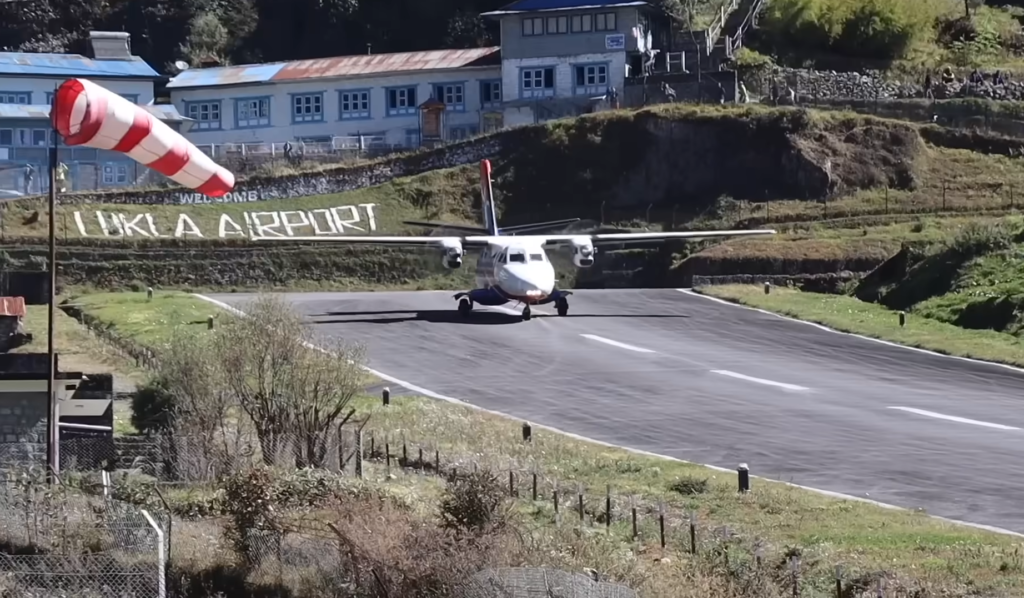
Two most popular airports, in Nepal, where passengers can expect to experience jams are Lukla and Jomsom. Lukla (Tenzing-Hillary Airport) is located in a spectacular mountain scenery, and is the primary airport of the Everest region.
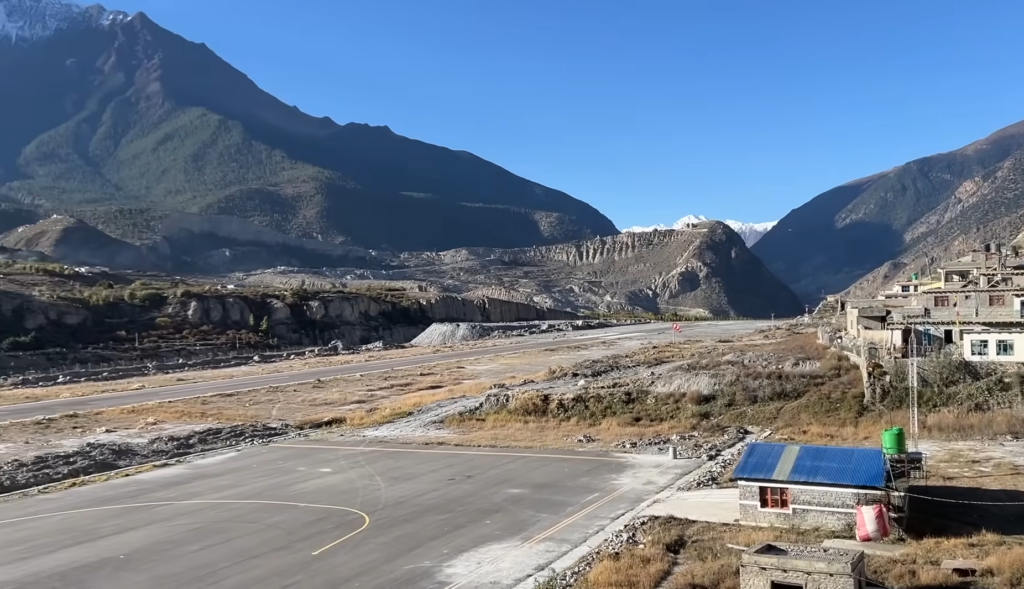
The other important airstrip is the town of Jomsom which serves all the Mustangs and additional towns like Muktinath.
Lukla is particularly vulnerable to the weather as the runway is short, the slope steep and the risk margin very narrow. To land safely, pilots must be able to see and have a steady flight.
Flights can be postponed or cancelled should the clouds appear, the wind increase to a level too high to fly, or the weather conditions change in any way.
But what makes Lukla even more significant is that it is no ordinary domestic airport and ifcat regarded as one of the deadliest airports not only in Nepal, but the whole world.
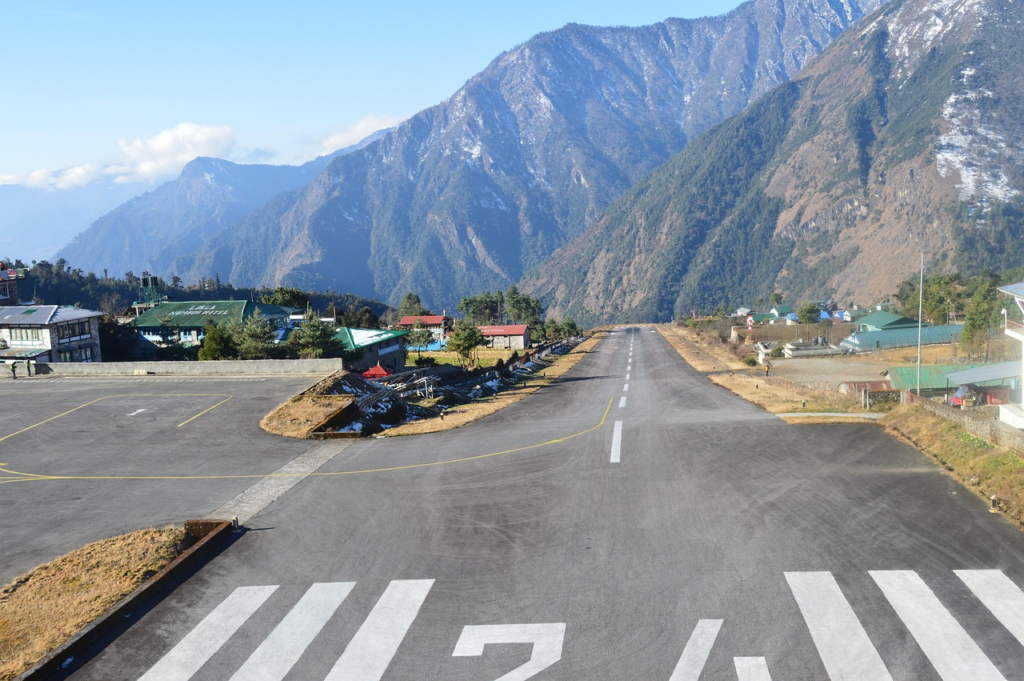
Many tourists begin their trip from there and continue on to other parts of Vietnam. This delay does not only equate to missing an airplane. It can delay the start of the entire Everest Base Camp hike.
That’s why it’s sometimes a more significant cancelation when it comes to Lukla. These can influence the form of the entire vacation period.
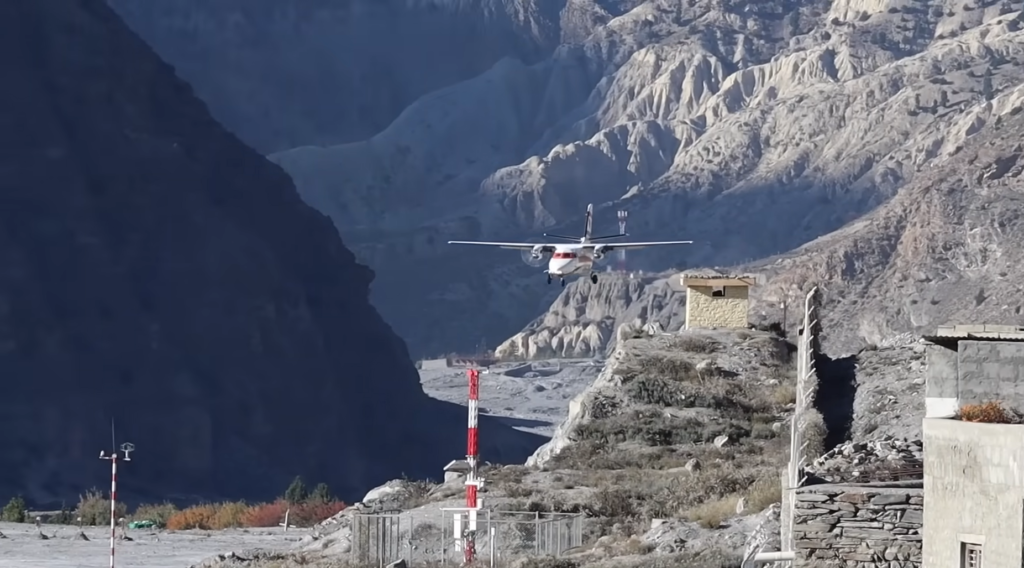
Similar problems also exist in Jomsom. The airport is located in a valley where the weather can vary rapidly, and wind is a significant factor in whether the flight can fly safely or not.
A delay in Jomsom is just as annoying as a delay in Lukla for travellers who are heading to Mustang, Muktinath or Annapurna region.
The primary roads that link to Lukla and Jomsom
When tourists inquire what would happen if their flights were cancelled or delayed in Nepal, they are likely referring to flights that connect to trekking or pilgrimage trips.
The most popular one is of course the Kathmandu to Lukla flight, but there are other significant flights as well.
Kathmandu to Lukla
The standard path most people would consider is this one. It is also the shortest route to start the trek to Everest gateway, connecting Nepal’s capital city with the gateway of Everest. Meanwhile, it is one of the air routes most susceptible to weather and airport restrictions.
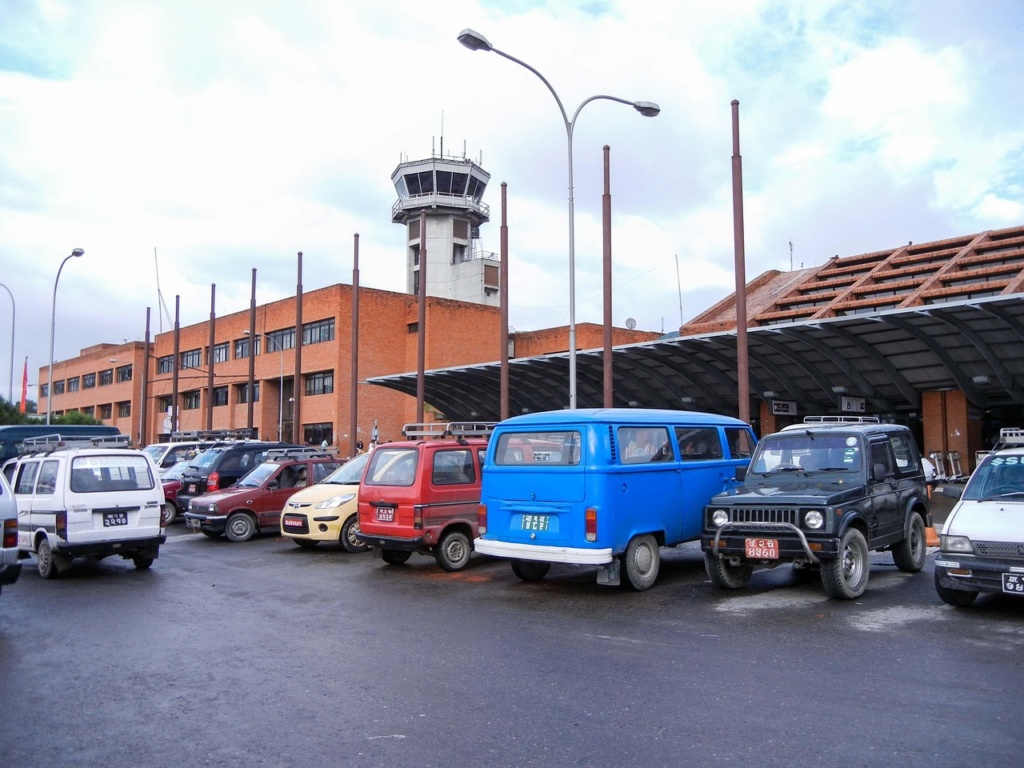
If this flight is canceled, passengers are forced to stay in Kathmandu or reschedule their trekking dates by one day or more, or change their accommodation. This can generate a lot of pressure for those with little time to spare.
Ramechhap to Lukla
During some trekking seasons, flights to Lukla are made available from Ramechhap, rather than Kathmandu.
This was a standard operating practice due to congestion and airport management. The travellers then have to travel to Ramechhap and take a flight to Lukla.
So it is another step in the journey. It’s no longer only a matter of flying a mountain flight. It becomes a road/air joint and weather can impact the transfer and takeoff.
Jomsom flights
The other way, to Jomsom is a different but also significant one. This is the main air hub to get into Mustang, Muktinath, or the Annapurna region.
It has an important role to play for the trekker, pilgrim and the general tourist, linking remote Himalayan destinations with the rest of the country.
The trek to Lukla and the Everest Base Camp
Lukla is more than just a place on the map. It is the start of the Everest Base camp trek route for many travellers.
Lukla is typically the starting point of trekking and trekkers pass through Phakding, Namche Bazaar, Tengboche, Dingboche, Lobuche, and Gorakshep, before reaching Everest Base Camp and Kala Patthar.
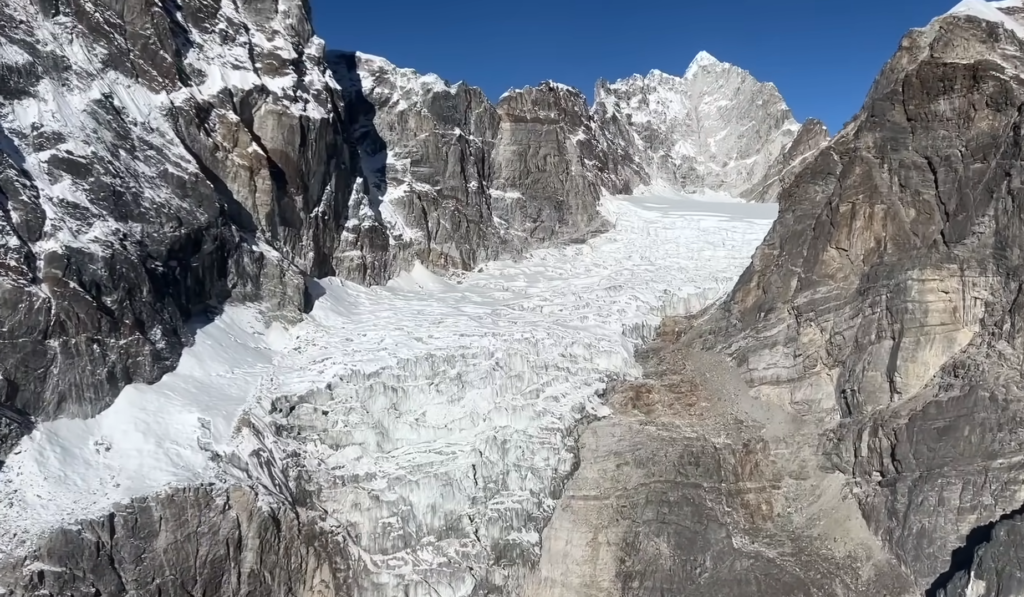
So when it is cancelled, it affects more than just a missed flight; it is a flight out of Lukla. It takes a major toll on the entire trekking experience from the get-go.
The reason for Jomsom flights to be delayed as well
Lukla tends to be the most popular route but don’t dismiss Jomsom. While it might not grab the headlines like it does every day, it has many of the same weather related issues.
The region of Jomsom is filled by powerful valley breezes, fluctuating visibility and rapidly changing weather.
All of these are important to a pilot when entering and exiting a mountain airport. A flight can seem like it is in the cards in the morning, and then be gone an hour later.
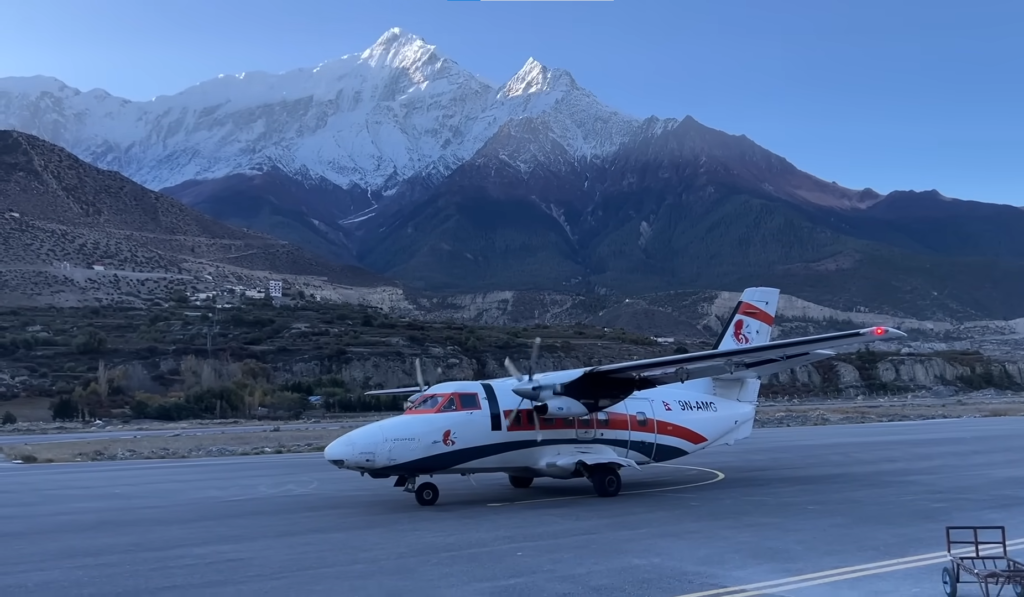
Jomsom flights are used by travelers for various reasons. Others are on a pilgrimage to Muktinath.
Some people are taking the track in a variation of Annapurna Circuit or on a trek to Mustang. A wait will have an impact on trekking programmes and spiritual travels, whatever their reason.
This is why it’s essential to know about Jomsom. All of this is beautiful scenery, but flying conditions are dynamic.
Routes that are most likely to be impacted by flight cancellations
Routes linked to these flights are typically the ones that travellers are most interested in. When there is a delay, the journey may start too late. Should it be cancelled, the program may have to be rescheduled.
Everest Base Camp Trek
This is the most obvious. The majority of people fly to Lukla before going on the Everest Base Camp trek. A late start can result in a late start, less trekking days or a change of route.
Gokyo Lakes Trek
Lukla is the starting point for many Gokyo treks. This could cause delays for tourists to travel towards Gokyo Valley, Gokyo Ri or combined routes in the Everest area.
Three Passes Trek
This is a more challenging Everest Region trek, but typically requires Lukla access. When flight delays come into the picture, the trekking window may narrow and the entire endeavor might seem more complex.
Everest side mountains (Mera Peak and others)
This path is also crucial for climbing and expedition adventures starting in the Everest region such as Mera, Island Peak or others. Summit dates, acclimatisation plans and guide arrangements may be delayed when flights are cancelled.
Annapurna and Mustang routes from Jomsom
The Jomsom connection is most important to travellers seeking to visit either Muktinath or Upper Mustang or other Annapurna regions. In these trips a delay may have an impact on trekking and pilgrimage travel.
What travelers typically do if their flight is canceled
What travelers do when flights are cancelled. Not all canceled flights are a complete disaster. In most cases, it is a matter of making a plan more flexible.
A popular alternative is to wait for the next flight. This is best done if there is a sudden change in the weather, but may require an additional night in Kathmandu, Ramechhap or Pokhara depending on the route.
The other alternative is to shift the itinerary up or down. In some cases it is best to alter the trekking programme rather than stick to the original plan.
This could be a reduction in the length of hotel stay or cutting back before leaving the city.
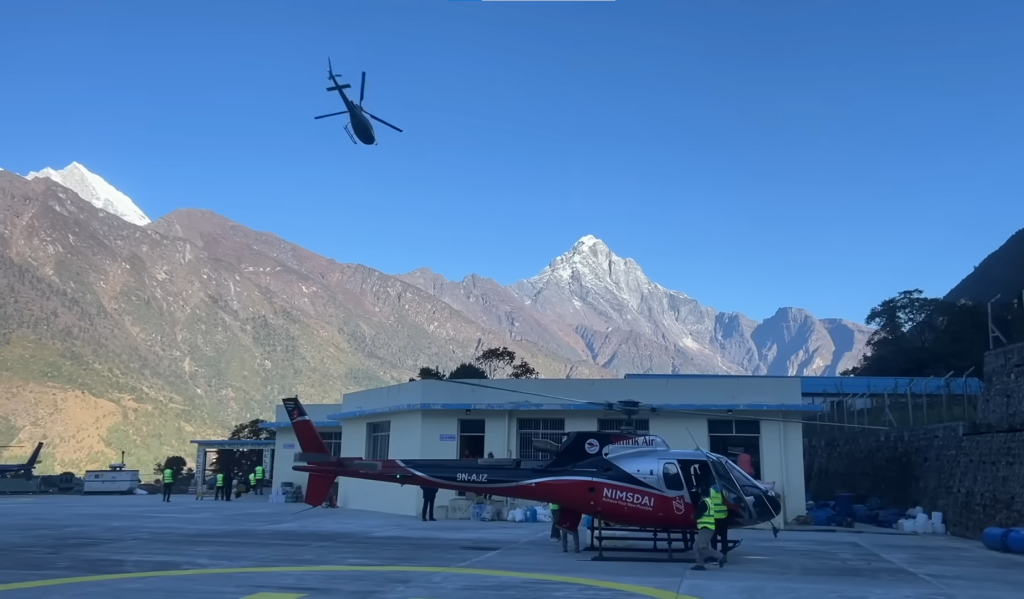
Helicopter transfers are an option for those travellers who prefer to fly by helicopter when fixed wing flights are grounded. This is preferred especially when one’s in a hurry and when returning.
This isn’t necessarily the most inexpensive option, but it can sometimes be a lifesaver for those who can’t spare the time or have fixed international travel plans.
Others choose to alter the route completely. If the same mountain flight continues to be cancelled, it might be better to select a different trek, or another place that’s more easily accessible by road.
In the event that flights to Lukla or Jomsom are not possible, certain other options are available.
This is typically what travelers will ask, but what can be done instead?
Alternatives for Lukla
One possibility to start the Everest trek from a road access point if Lukla flights are delayed for too long is to start the trek from a road access point.
There may be a bit more work involved, but it can be a useful option if weather is disrupting.
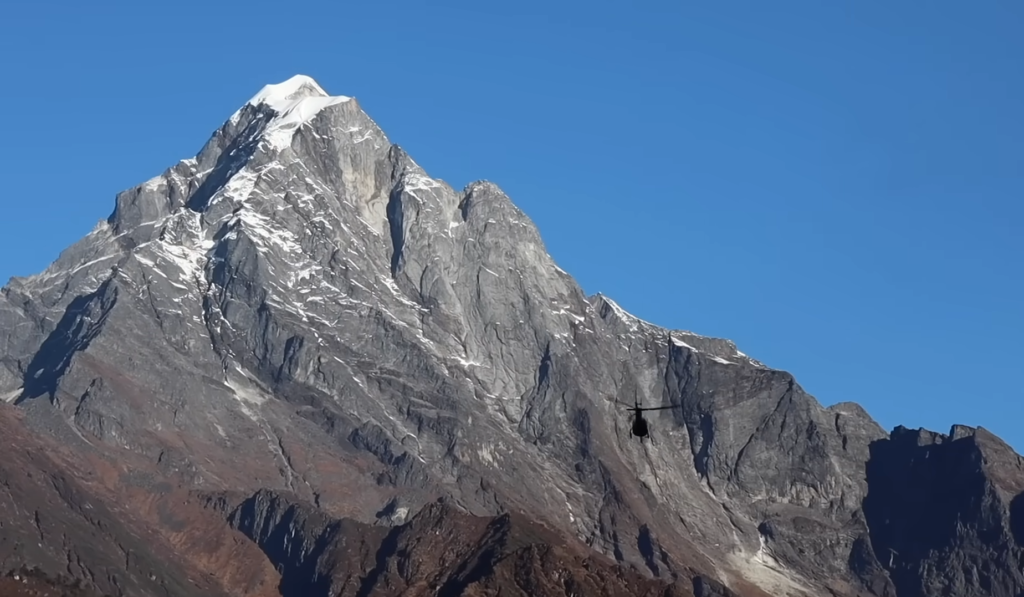
Another strategy is to add buffer days to the trip. Not very exciting, but one of the best things to do to protect a Lukla trip. Just a few spare days can make a huge difference.
In some, a helicopter transfer may also be an option. More costly, but it can be a helpful alternative for those who have limited leave or a tight schedule.
Alternatives for Jomsom
The roadway is sometimes the most convenient option for Jomsom. From there, visitors can go by jeep to the next site or hike.
This is particularly useful for visitors heading to Muktinath or Mustang as sometimes road access is more reliable than a mountain flight.
General alternative means of getting around the mountains in Nepal
In the event of uncertain flights, passengers may also wish to consider destinations that are more easily accessible by road, while providing them with as much beautiful scenery and rich experiences as possible. There are numerous such places in Nepal.
Lakeside relaxation and mountain views make Pokhara a great choice. There are also a couple of nice and short places to get away from the city which are Dhulikhel & Nagarkot. Bandipur has culture, and charm of the hill-town.
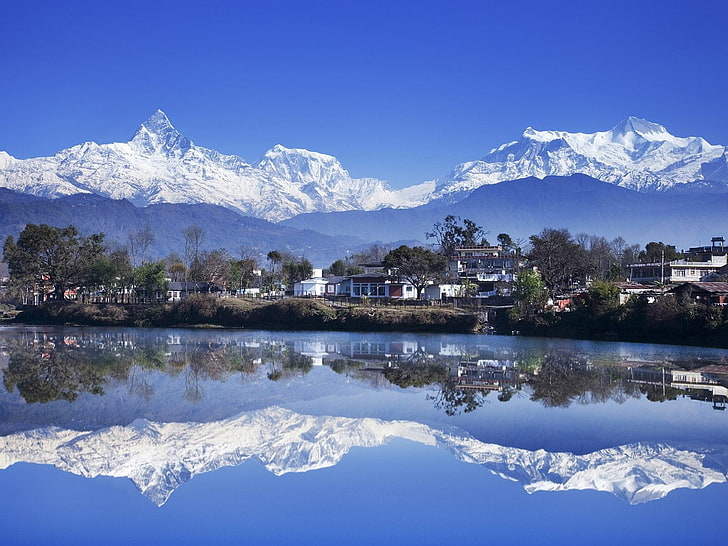
If you’re looking for wildlife experiences, Chitwan is the perfect destination, and for a peaceful cultural trip, Lumbini is the place to go.
These places are particularly good for anyone who wishes to enjoy a beautiful holiday in Nepal without relying heavily on mountain flying.
However, if you main goal is trekking or visiting the specific destinations, you can consider other options such as opting for Helicopter or taking local vehicles.
How to minimise the potential for disruption
It is not something that you can control, but you can travel in a smarter way.
Flights are typically better in the morning when the weather is calmer. Cloud and wind can increase as the day progresses and increases the chances of delay.
Another good practice is to have buffer days. Having either one or two backup days can save the rest of the trip, and alleviate stress if the flights to Lukla or Jomsom are delayed.
Perhaps most importantly, it’s important for travellers to have flexible expectations. The adventure of flying in the mountains in Nepal is a part of it, but not a city shuttle. Be patient, it is worth a lot.
The cooperation with a local operator like Nepal Royal Tourism Holidays who knows the route can also have a lot to do.
When the weather isn’t cooperating, a good team can assist with rebooking, hotel changes, airport timing and backup planning.
Should Nepal’s flight cancellations be common?
Yes, it is totally normal, particularly on a mountain road. This is not indicative of a careless system.
Actually, it’s often the other way around. Weather conditions are not considered safe enough for flying, so pilots and airlines opt out of flying.
On the mountain, sometimes it takes a while to get to the top, but it is much better to take your time than to risk your life.
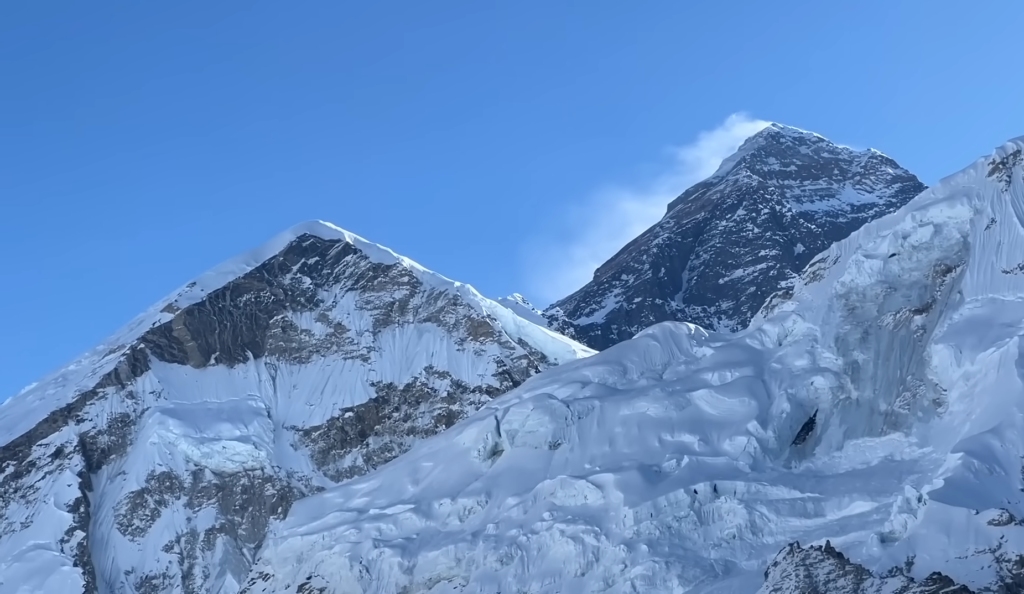
That’s the attitude tourists must have. Often, when flights depart from Lukla or Jomsom, it’s not because of convenience but safety. If you know that, it will be easier to deal with the entire experience.
In Nepal, cancellation or delay of flights is not a new phenomenon. It is quite a element of mountain journey, particularly on the roads linked with Lukla and Jomsom.
These delays can impact the entire trek to Everest Base Camp, Gokyo, Mera Peak, Muktinath or Mustang.
However, Nepal offers travellers lots of options to deal with the uncertainty. The days of being able to plan a journey and have it run on time without any variations are gone thanks to the buffer days, morning flights, flexible planning and backup routes.
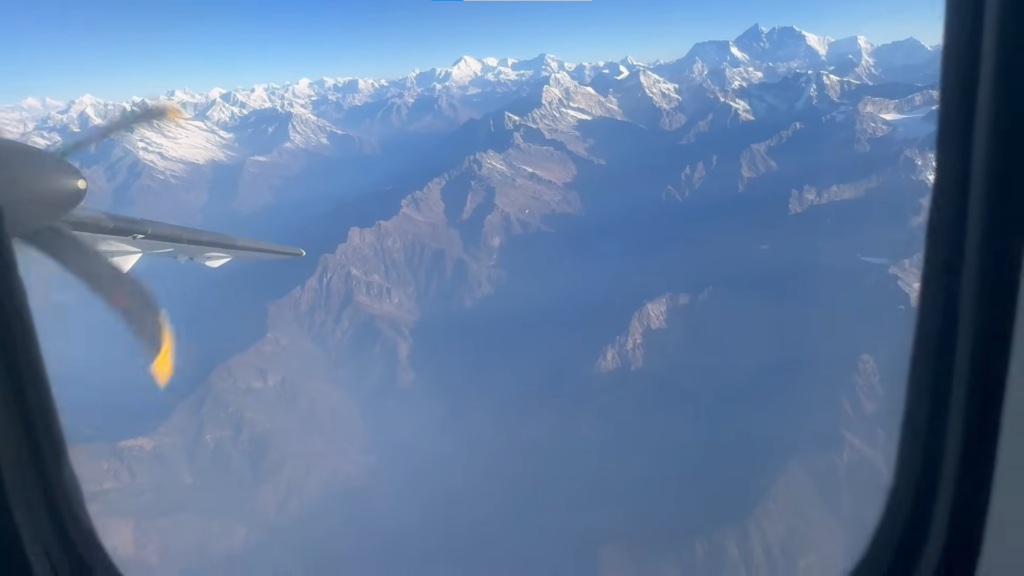
While Lukla is probably one of the airports that is most affected by delays, it is also the entry point to one of the most iconic trekking areas in the world. Jomsom is also met with similar challenges with another unforgettable landscape of the Himalayas.
The lesson is, always plan a mountain flight in Nepal with patience. If you can accept that the weather might be a variable to your plans, then you’ll travel without stress and enjoy the trip.
And for many travellers that is what makes Nepal unforgettable. Also, there is good news for people travelling in Nepal, if you are travelling solo or are in a group of two, you often get benefit of the next flight whenever you are going, usually free of cost if you have missed the earlier light.