


Highest Mountains in Nepal: Top 15 Himalayan Giants Trekkers Should Know
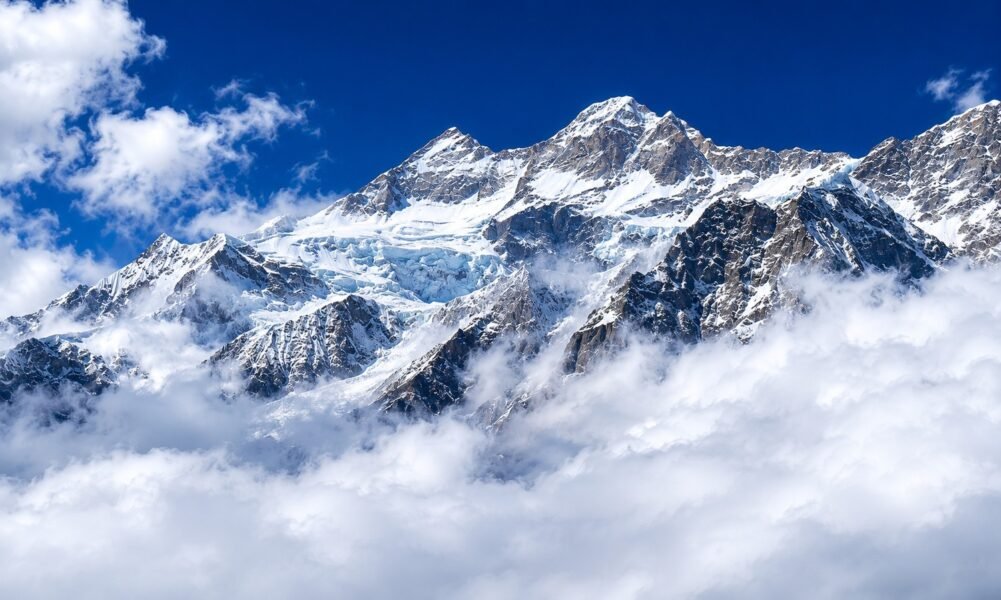
Nepal is one of the few countries in the world where mountains are not just scenery. The mountain here define the weather, the culture, the trekking routes, the economy, the religious imagination, and the way travelers see the country before they even arrive.
Most visitors hear about Everest first or maybe about Mount Annapurna, but Nepal’s mountain story is much bigger than couple of famous summit.
Within a country that is only around 800 kilometres from east to west, Nepal holds one of the greatest concentrations of high mountains on Earth.
The country is connected with eight of the world’s classic fourteen 8000 metre mountains, including Everest, Kanchenjunga, Lhotse, Makalu, Cho Oyu, Dhaulagiri, Manaslu, and Annapurna I.
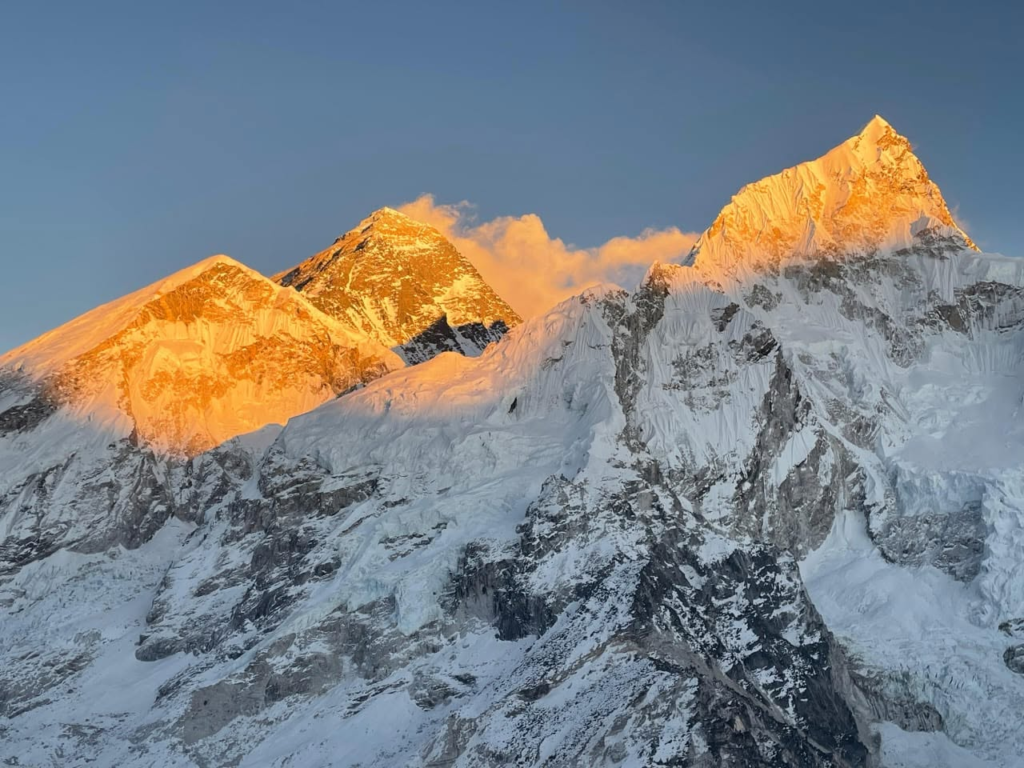
In recent years, Nepal has also given official attention to additional 8000 metre summits within the Kanchenjunga and Lhotse ranges, which makes the country’s high mountain identity even deeper.
That is why the highest mountains in Nepal should not be treated like a general list of names and heights.
How the ranking works
There are two ways people usually talk about the highest mountains in Nepal.
The first is the classic international mountaineering list. This focuses on the eight globally recognised 8000 metre mountains connected with Nepal.
These are Everest, Kanchenjunga, Lhotse, Makalu, Cho Oyu, Dhaulagiri, Manaslu, and Annapurna I.
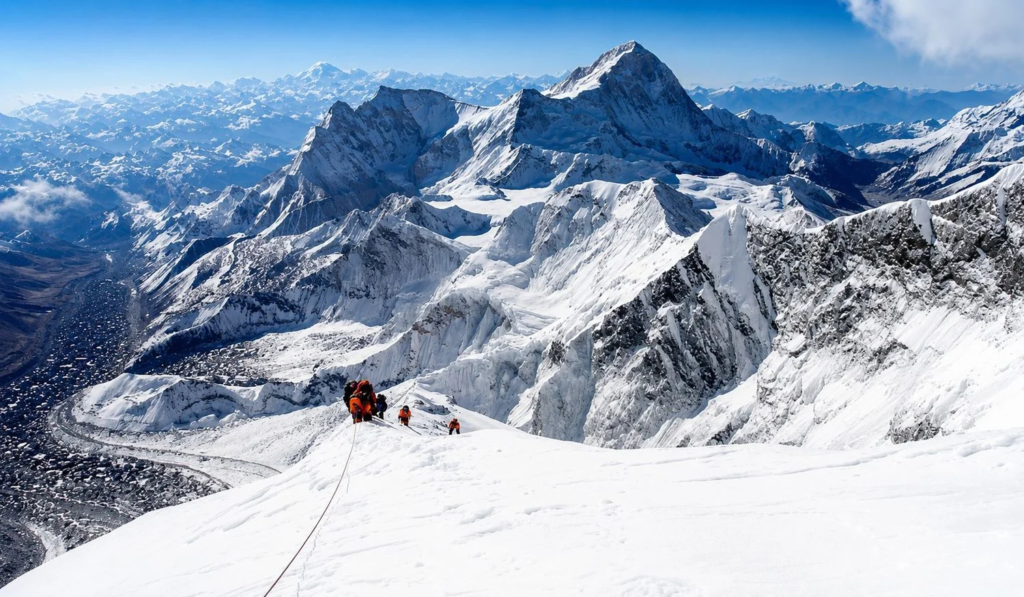
The second is Nepal’s updated official peak profile. This includes additional high summits above 8000 metres, such as Yalung Khang, Kanchenjunga Central, Kanchenjunga South, Lhotse Middle, Lhotse Shar, and Yalung Khang West.
These are part of larger mountain systems, so they are not always treated the same way in international lists, but they matter in Nepal’s official mountain discussion.
Top 15 highest mountains in Nepal
| Rank | Mountain or Summit | Height | Region | Best Trekking Connection |
|---|---|---|---|---|
| 1 | Mount Everest | 8,848.86 m | Khumbu | Everest Base Camp Trek Gokyo Lakes Trek |
| 2 | Kanchenjunga Main | 8,586 m | Kanchenjunga | Kanchenjunga Circuit Trek |
| 3 | Lhotse Main | 8,516 m | Khumbu | Everest Base Camp Trek |
| 4 | Yalung Khang | 8,505 m | Kanchenjunga | Kanchenjunga South Base Camp Trek |
| 5 | Kanchenjunga Central | 8,476 m | Kanchenjunga | Kanchenjunga Circuit Trek |
| 6 | Kanchenjunga South | 8,476 m | Kanchenjunga | Kanchenjunga South Base Camp Trek |
| 7 | Makalu I | 8,463 m | Mahalangur | Makalu Base Camp Trek |
| 8 | Lhotse Middle | 8,413 m | Khumbu | Everest Base Camp Trek Gokyo Lakes Trek |
| 9 | Lhotse Shar | 8,400 m | Khumbu | Everest Base Camp Trek Gokyo Lakes Trek |
| 10 | Cho Oyu | 8,201 m | Khumbu and Tibet border | Gokyo Lakes Trek |
| 11 | Dhaulagiri I | 8,167 m | Dhaulagiri | Dhaulagiri Circuit Trek Khopra Ridge Views |
| 12 | Manaslu | 8,163 m | Manaslu | Manaslu Circuit Trek |
| 13 | Annapurna I | 8,091 m | Annapurna | Annapurna Base Camp Trek |
| 14 | Yalung Khang West | 8,077 m | Kanchenjunga | Kanchenjunga Circuit Trek |
| 15 | Gyachung Kang | 7,952 m | Mahalangur | Gokyo Lakes Trek |
Nepal is not only the country of Everest. It is a country where several mountain systems contain peaks that would be national icons almost anywhere else in the world.
The Khumbu region alone has Everest, Lhotse, Cho Oyu, and many other dramatic peaks. The Kanchenjunga region has an entire group of high summits that remain far quieter than Everest.
The Annapurna and Dhaulagiri regions create some of the most powerful mountain views in western Nepal.
Manaslu has become one of the best examples of how a mountain can be both a climbing objective and a cultural trekking destination.
Why Nepal has so many high mountains
Nepal’s mountain geography begins with one of the most powerful geological events on Earth.
The Indian tectonic plate has been pushing into the Eurasian plate for millions of years. That collision created the Himalayas, and the process is still continuing today.
The mountains are still rising slowly, while rivers, glaciers, landslides, snow, wind, and erosion keep reshaping them.
This is why Nepal has such dramatic altitude change in a small area. In the south, the country begins near the low plains of the Terai.
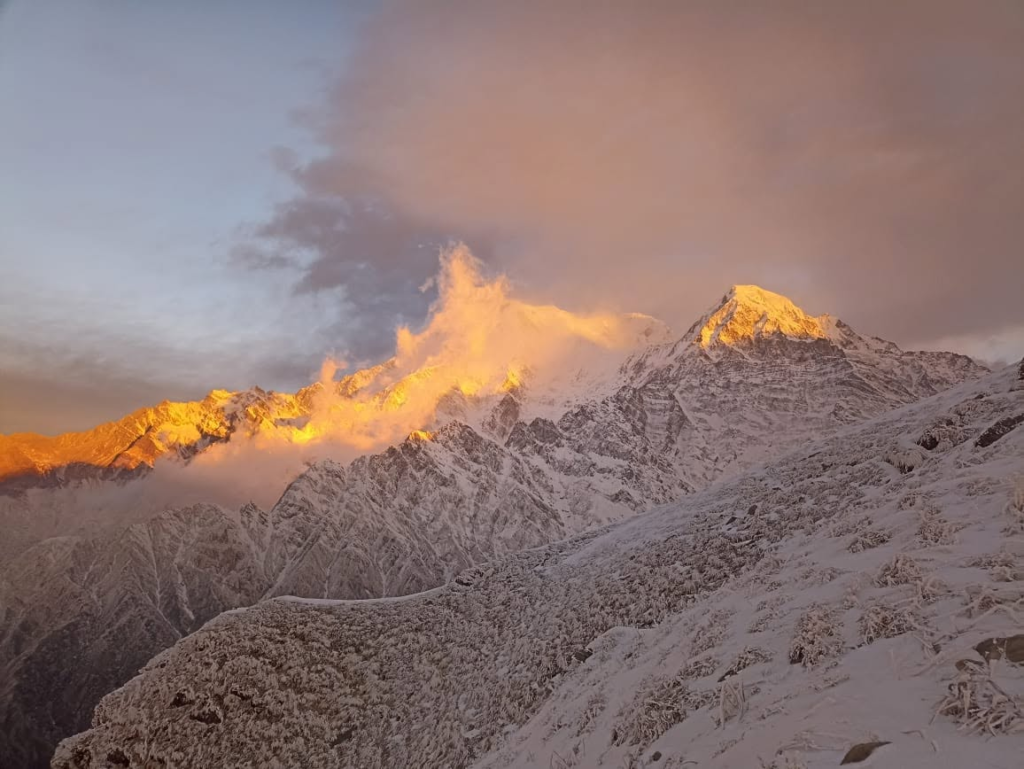
Moving north, the land climbs through hills, river valleys, terraced farms, forests, alpine meadows, glaciers, and finally the giants of the Greater Himalaya. Few countries change so quickly in elevation.
For trekkers, this creates an experience that is difficult to find anywhere else. You can start in Kathmandu at around 1,350 metres, fly or drive toward a trekking region, and within days walk below mountains rising above 7000 and 8000 metres.
The mountains are not distant background shapes. They dominate the valleys, villages, trails, rivers, and weather around them.
That vertical drama is one reason Nepal has become one of the world’s great trekking countries. You do not need to climb an 8000 metre peak to feel the power of the Himalayas.
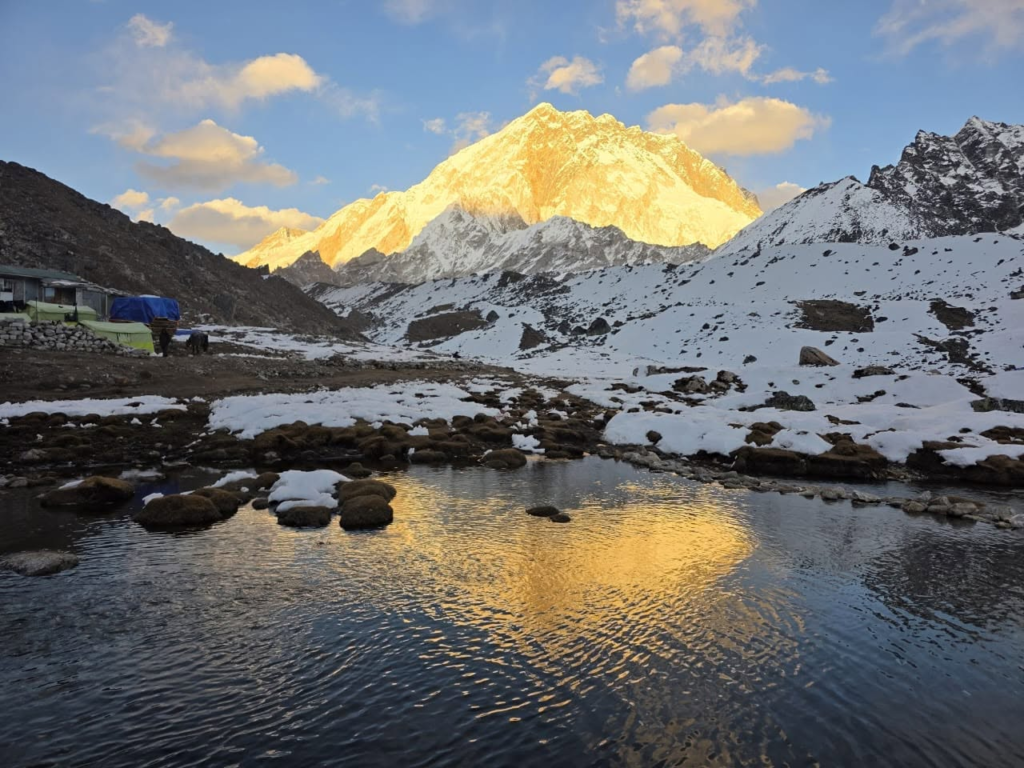
A trekker walking to Everest Base Camp, Annapurna Base Camp, Gokyo, Manaslu, Kanchenjunga, or Makalu can experience the same mountain world from below, safely and beautifully.
The classic eight 8000 metre mountains connected with Nepal
Even with Nepal’s updated official peak profile, the classic eight 8000 metre mountains remain the names most travelers recognise. These are the mountains that built Nepal’s global mountaineering identity.
| Mountain | Height | World Ranking | First Ascent | Best Known Trekking Route |
|---|---|---|---|---|
| Mount Everest | 8,848.86 m | 1st | 1953 | Everest Base Camp Trek |
| Kanchenjunga | 8,586 m | 3rd | 1955 | Kanchenjunga Circuit Trek |
| Lhotse | 8,516 m | 4th | 1956 | Everest Base Camp Trek |
| Makalu | 8,463 m | 5th | 1955 | Makalu Base Camp Trek |
| Cho Oyu | 8,201 m | 6th | 1954 | Gokyo Lakes Trek |
| Dhaulagiri I | 8,167 m | 7th | 1960 | Dhaulagiri Circuit Trek |
| Manaslu | 8,163 m | 8th | 1956 | Manaslu Circuit Trek |
| Annapurna I | 8,091 m | 10th | 1950 | Annapurna Base Camp Trek |
These eight mountains are not only climbing targets. They are also linked with some of Nepal’s best trekking routes. That is important because most travelers do not come to Nepal to climb Everest or Annapurna.
They come to walk beneath them, photograph them, learn their stories, and experience the culture of the valleys around them.
Mount Everest
Mount Everest is the highest mountain in Nepal and the highest mountain in the world.
It stands at 8,848.86 metres in the Khumbu region, on the border between Nepal and Tibet. In Nepali, it is called Sagarmatha. In Tibetan, it is known as Chomolungma.
For many travelers, Everest is the first Himalayan name they ever learn. It appears in documentaries, books, climbing stories, adventure films, and bucket lists around the world.
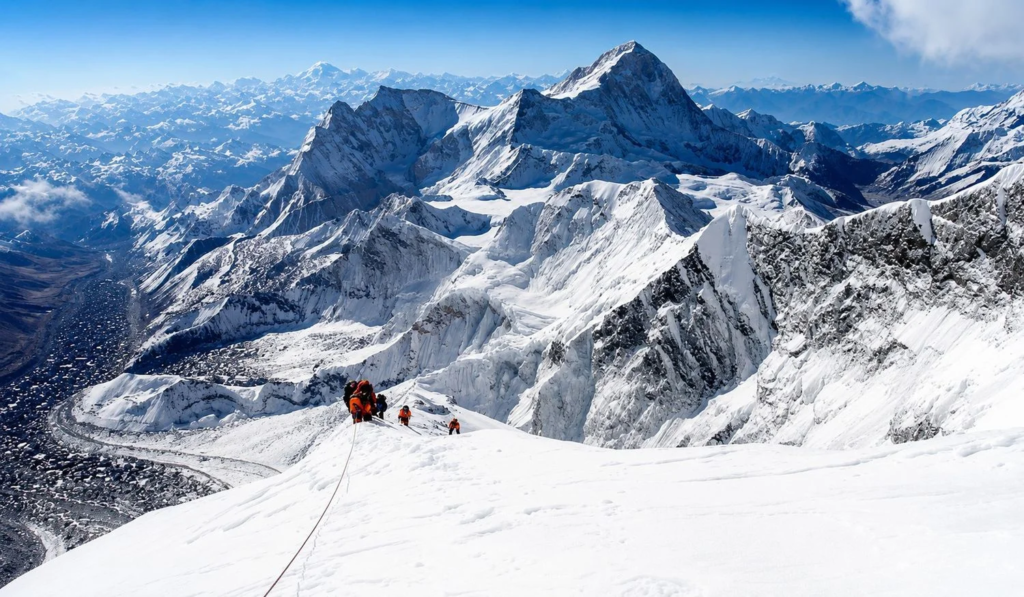
But one surprising thing about Everest is that it is not always the most visually dramatic mountain on the trek.
From some points in the Khumbu region, nearby peaks like Ama Dablam, Lhotse, and Nuptse can feel sharper and more immediate. Everest becomes most powerful from viewpoints such as Kala Patthar and Gokyo Ri.
From Kala Patthar, the mountain rises above the Khumbu Glacier, massive and cold, with Nuptse and Lhotse creating a huge wall around it. From Gokyo Ri, the view opens wider and gives trekkers a broader Himalayan panorama.
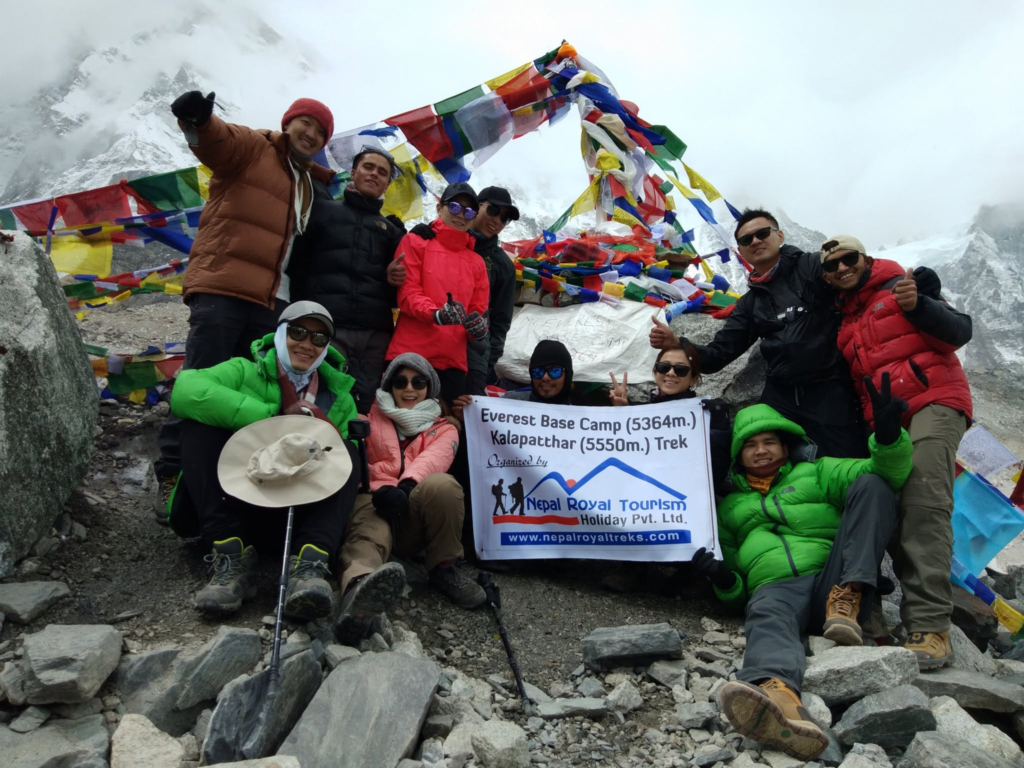
The Everest Base Camp Trek remains the classic route for travelers who want to experience the Everest region without climbing the mountain.
The trail passes through Lukla, Phakding, Namche Bazaar, Tengboche, Dingboche, Lobuche, Gorak Shep, and finally Everest Base Camp.
Along the way, trekkers experience Sherpa villages, monasteries, suspension bridges, yak pastures, glacier landscapes, and some of the most famous mountain views in the world.
For climbers, Everest is an extreme expedition. For trekkers, it is a journey into the most famous high mountain region on Earth.
Kanchenjunga Main
Kanchenjunga is the second highest mountain connected with Nepal and the third highest mountain in the world. It stands at 8,586 metres in far eastern Nepal, close to the border with India.
The name Kanchenjunga is often translated as the Five Treasures of the Great Snow. The mountain is not a single simple shape.
It is a huge mountain system made of several summits, ridges, glaciers, and deep valleys. This makes the whole Kanchenjunga region feel larger and more mysterious than many first time visitors expect.
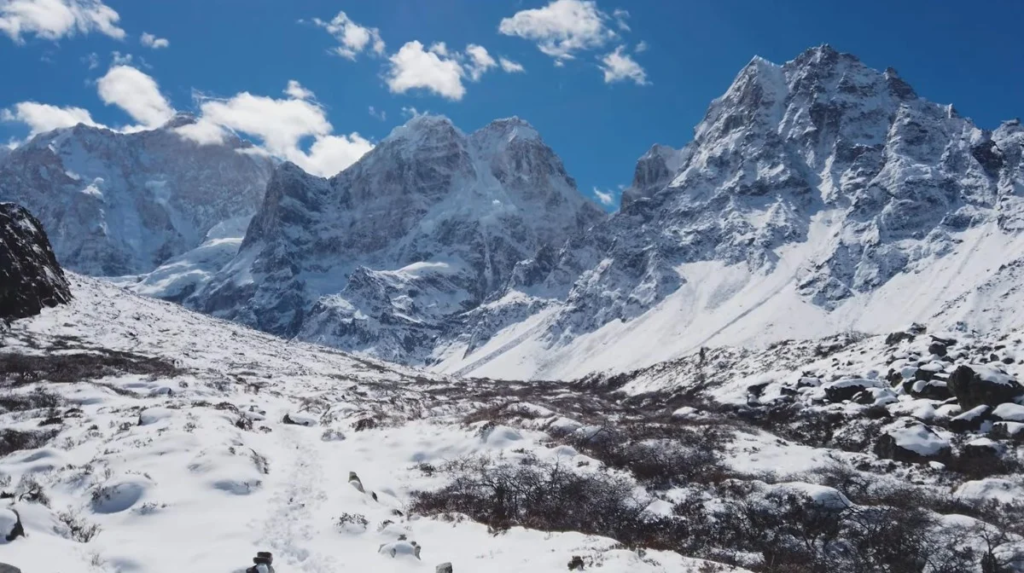
Unlike Everest and Annapurna, Kanchenjunga receives far fewer trekkers. Reaching the region takes more time, and the route is more remote.
There is no busy airport gateway like Lukla and no heavily developed tourist centre like Pokhara. That is exactly why experienced trekkers are drawn to it.
The Kanchenjunga Circuit Trek is one of Nepal’s great long distance journeys. It can take trekkers toward both the north base camp at Pangpema and the south side near Oktang.
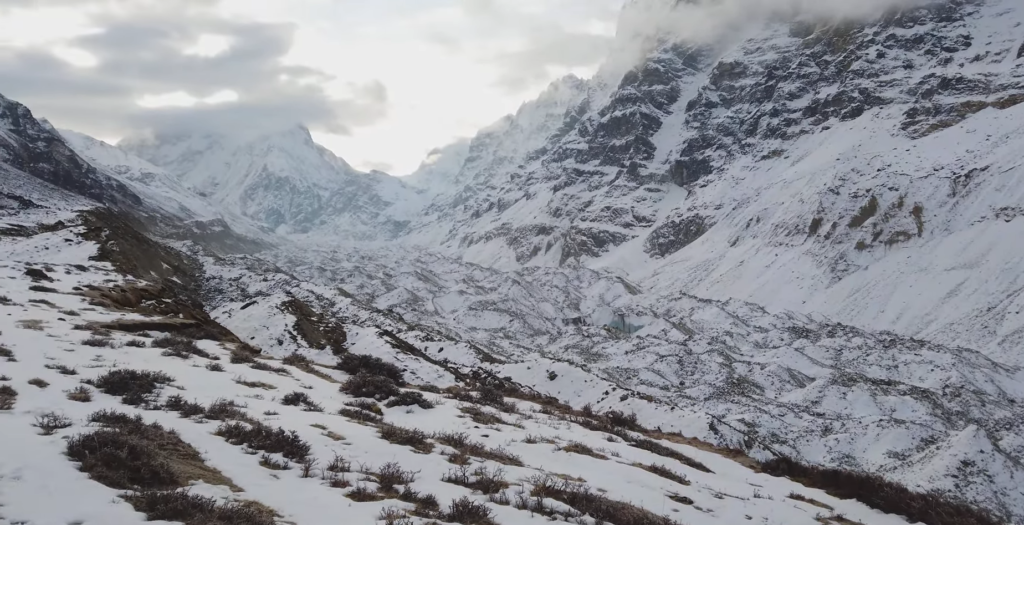
The trail passes through forests, villages, high pastures, river valleys, and alpine landscapes that still feel wild and less commercial.
Kanchenjunga is best for travelers who want remoteness, scale, and a deeper sense of journey. It is not the easiest trek in Nepal, but it is one of the most rewarding.
Lhotse Main
Lhotse is the fourth highest mountain in the world and one of the great peaks of the Everest region. It stands at 8,516 metres directly beside Everest.
Because Everest is so famous, Lhotse is often overlooked by casual travelers. That is unfair for a mountain of high caliber.
Lhotse is a huge and beautiful mountain with one of the most dramatic faces in the Himalaya. Its relationship with Everest is also unique.
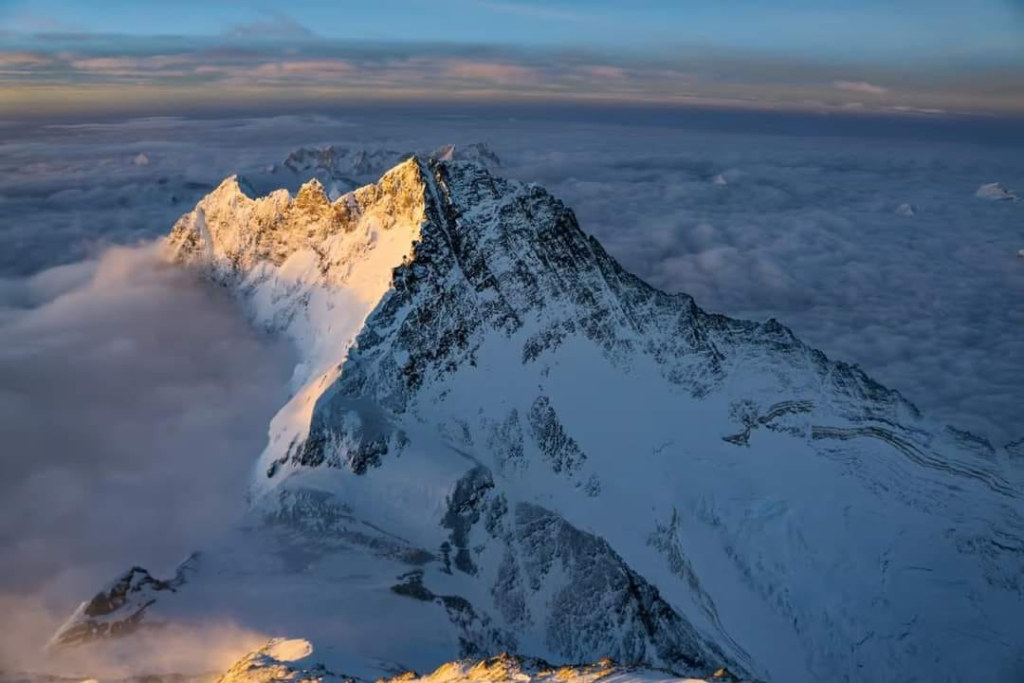
Climbers heading for Everest and Lhotse share parts of the same route through the lower mountain before the climbing lines separate higher up.
For trekkers, Lhotse is especially powerful from Everest Base Camp, Gorak Shep, Kala Patthar, and the upper Khumbu valley.
Many people who expect Everest to dominate every view are surprised by how strong Lhotse feels on the trail. It is not just a neighbour. It is one of the world’s greatest mountains in its own right.
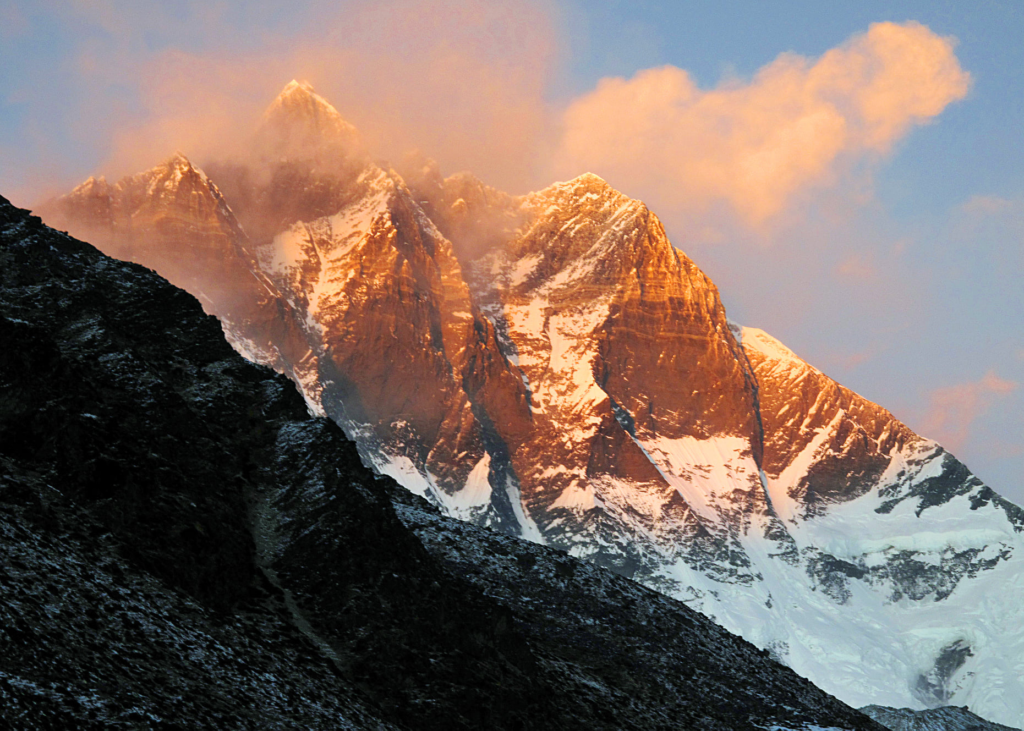
Lhotse also gives the Everest region much of its visual force. Together with Nuptse and Everest, it forms a huge wall of ice and rock above the Khumbu.
This is one reason the final sections of the Everest Base Camp Trek feel so intense. The mountains are no longer distant. They surround the trail.
Yalung Khang
Yalung Khang stands at 8,505 metres and belongs to the Kanchenjunga mountain system. It is one of the highest summits in Nepal’s official peak profile, but it is much less known than Everest, Lhotse, or Annapurna.
This is one of the reasons the Kanchenjunga region is so fascinating. It is not only one famous mountain. It is a complete high mountain world.
Yalung Khang, Kanchenjunga Central, Kanchenjunga South, and other surrounding peaks create a massive eastern Himalayan landscape that still feels distant from mainstream tourism.
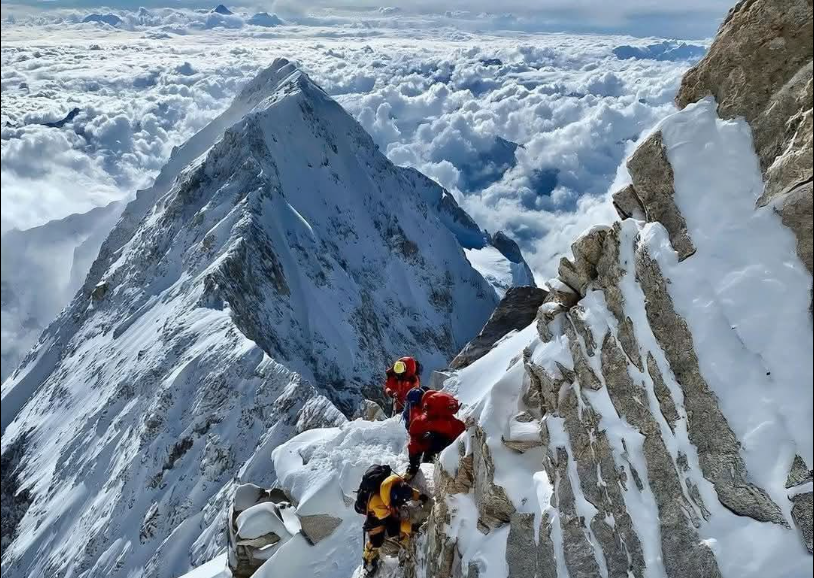
For normal trekkers, Yalung Khang is not usually the main name they come to see. Most people simply say they are going to Kanchenjunga. But when you walk toward the south side of the range, the surrounding peaks show how complex the region really is.
Yalung Khang is a reminder that Nepal’s mountain identity is much deeper than the best known summits. Some of the highest mountains in the country remain almost unknown to ordinary travelers, not because they are small, but because they stand in remote regions where tourism is still limited.
Kanchenjunga Central
Kanchenjunga Central stands at 8,476 metres and forms part of the Kanchenjunga massif. It is one of the high summits that has gained more attention through Nepal’s expanded peak profile.
For most trekkers, the difference between Kanchenjunga Main, Central, and South may not be obvious from the trail. What matters is the overall feeling of scale.
The region does not present itself as a single perfect triangle of snow. It appears as a huge mountain wall made of summits, ridges, hanging glaciers, and deep valleys.
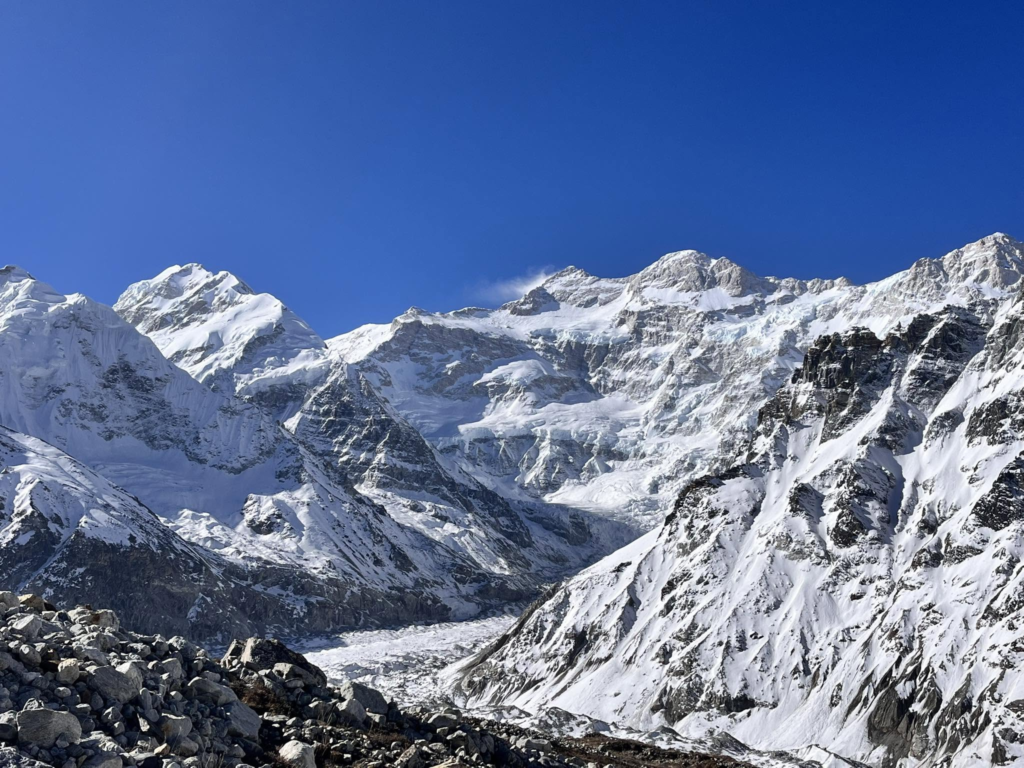
This is why Kanchenjunga is better understood as a mountain region rather than only one peak.
The trek takes time to reveal itself. It begins in warmer lower valleys and slowly moves through villages, forested hillsides, yak pastures, rough trails, and high viewpoints.
By the time the main mountain views arrive, the journey already feels earned.
Kanchenjunga Central may not be a household name, but it is part of one of the most powerful mountain landscapes in Nepal.
Kanchenjunga South
Kanchenjunga South also stands at 8,476 metres and forms another major part of the Kanchenjunga mountain system.
The south side of Kanchenjunga has a very different character from the north side. The approach is often greener and more varied in the lower sections, while the upper viewpoints open toward glaciers, ridges, and dramatic mountain faces.
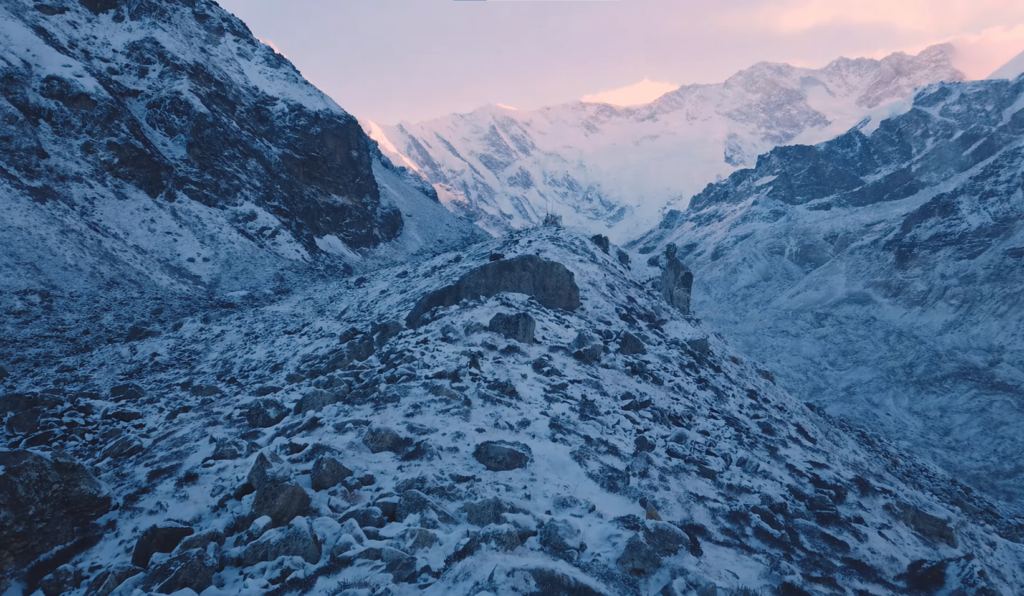
Trekkers who complete the full Kanchenjunga Circuit often remember this contrast as one of the best parts of the journey.
The region also carries a strong cultural and spiritual feeling. Kanchenjunga has long been treated with deep respect by local communities.
It is not only a climbing objective. It is part of the identity of eastern Nepal. For travelers who want a remote trek with meaning, the Kanchenjunga south side is one of the best Himalayan experiences in the country.
It is quieter than Everest, less accessible than Annapurna, and more serious than many mainstream lodge treks, but that is exactly what makes it special.
Makalu I
Makalu stands at 8,463 metres in the Mahalangur range, east of Everest. It is one of the most visually striking mountains in Nepal because of its clean pyramid shape.
Makalu is not as famous among casual travelers as Everest, but mountaineers know it as a serious and demanding peak. It is steep, remote, technical, and exposed to difficult weather.
Climbing Makalu is a major expedition, not a simple extension of trekking. For trekkers, the Makalu Base Camp Trek offers one of Nepal’s best wilderness experiences.
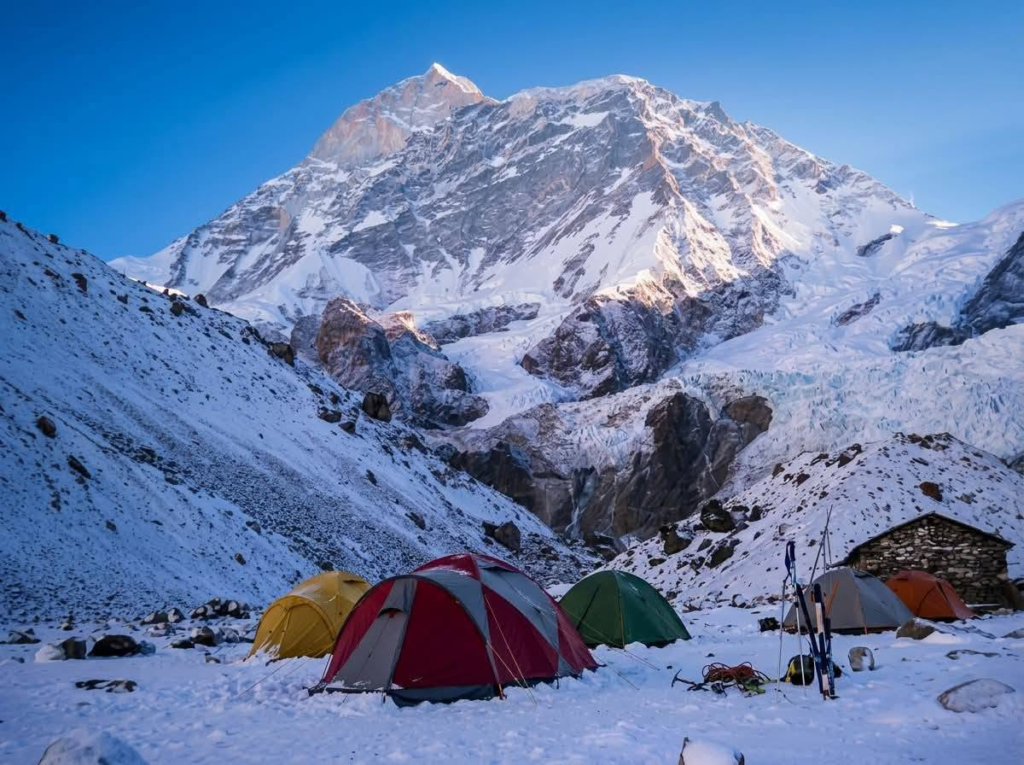
The route passes through forests, remote villages, high valleys, alpine landscapes, and open mountain terrain before reaching the base of one of the most beautiful 8000 metre peaks.
The Makalu region receives far fewer trekkers than Everest or Annapurna. This means the trail can feel quieter, wilder, and more personal. It is a good choice for experienced trekkers who want big mountain scenery without the commercial feel of the busiest routes.
Makalu is perfect for travelers who want a raw Himalayan journey.
Lhotse Middle
Lhotse Middle stands at 8,413 metres and belongs to the Lhotse mountain system. It is one of the high summits included in Nepal’s expanded official mountain discussion.
Most trekkers do not use the name Lhotse Middle while walking in the Everest region. They usually look up and simply say Lhotse. But for mountaineers and mountain researchers, the individual summits matter because they show how complex the Everest and Lhotse massif really is.
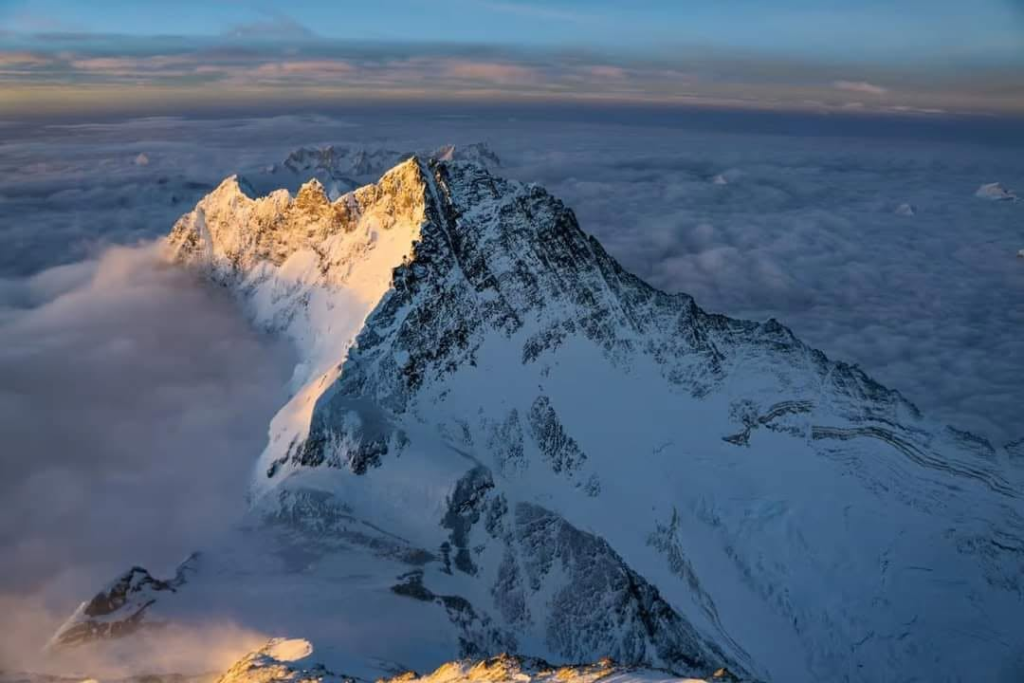
The Everest region is not only Everest. It is a tight cluster of major high summits, ridges, walls, glaciers, passes, and viewpoints. This is why the upper Khumbu feels so huge. Every direction seems to hold another famous mountain or another wall of ice.
Lhotse Middle also shows how extreme Nepal’s mountain scale is. In many countries, a summit above 8,400 metres would be the main national landmark. In Nepal, it sits in the shadow of Everest and Lhotse Main.
Lhotse Shar
Lhotse Shar stands at 8,400 metres and is another high summit in the Lhotse group. The name Shar means east, and the peak is normally discussed in connection with the larger Lhotse massif.
For climbers, Lhotse Shar is serious and technical. For trekkers, its importance is mostly geographical. It helps explain why the Everest region has such a dense concentration of giant peaks.
The famous Everest view is not made of one mountain. It is made of a whole group of high summits standing close together.
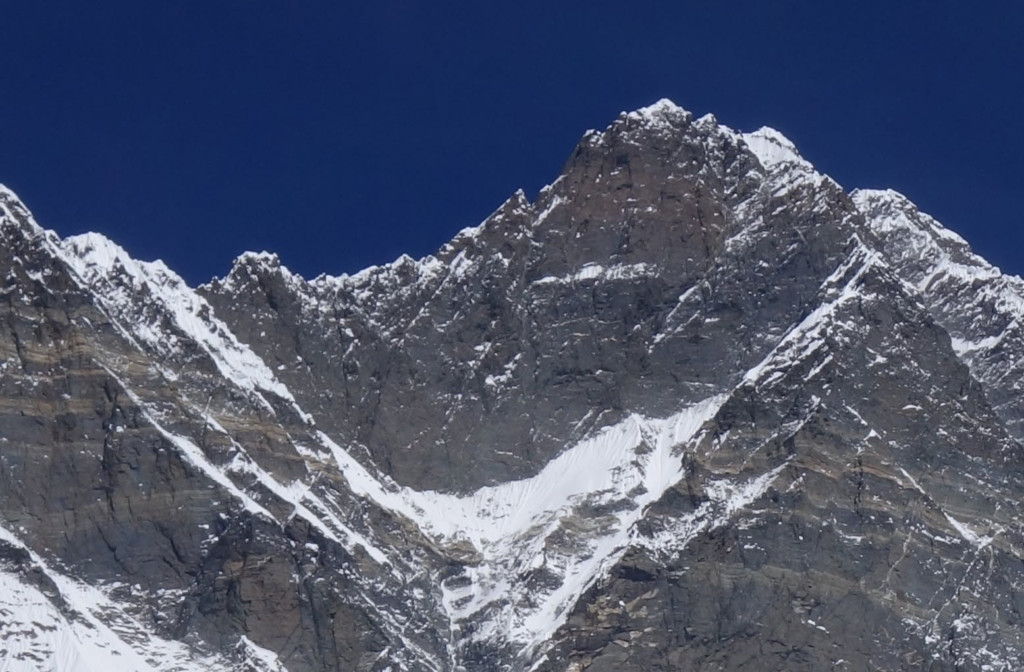
When trekkers walk toward Everest Base Camp, climb Kala Patthar, or explore the Gokyo side, they are moving through one of the highest mountain neighbourhoods on Earth. Lhotse Shar is one of the hidden names behind that view.
It may not appear in ordinary trekking conversations often, but it adds to the extraordinary architecture of the Khumbu skyline.
Cho Oyu
Cho Oyu stands at 8,201 metres on the Nepal and Tibet border. It is one of the classic 8000 metre mountains connected with the Everest region.
Among climbers, Cho Oyu has often been described as one of the more approachable 8000 metre peaks.
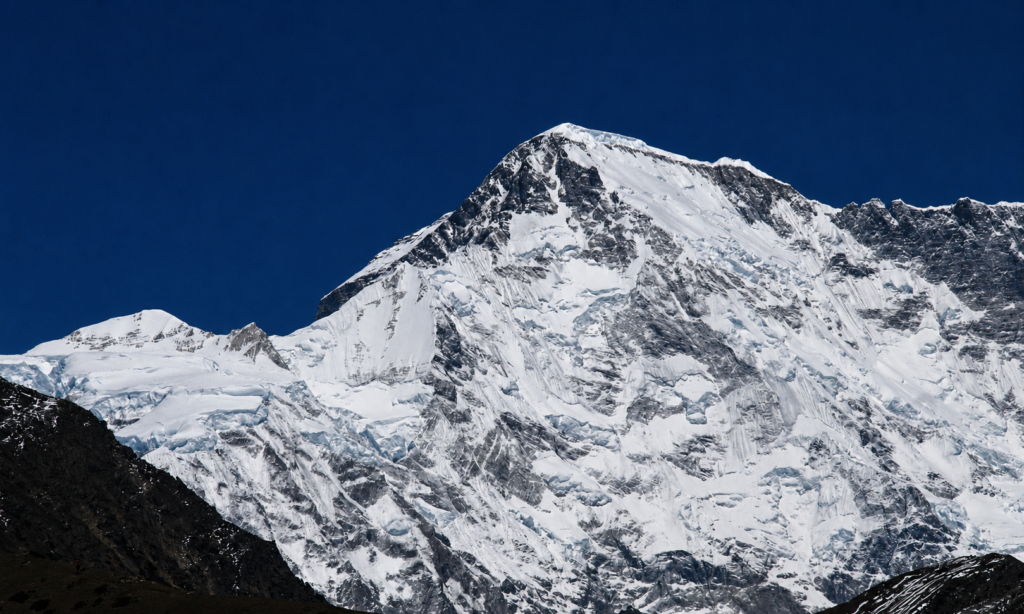
That does not mean it is easy, no mountain above 8000 metres is easy. The altitude alone makes every climb serious.
But compared with some of the more technical Himalayan giants, Cho Oyu has attracted many climbers seeking experience at extreme altitude.
For trekkers, Cho Oyu is strongly connected with the Gokyo Lakes Trek. From Gokyo Ri, the mountain appears as part of one of Nepal’s finest panoramas.
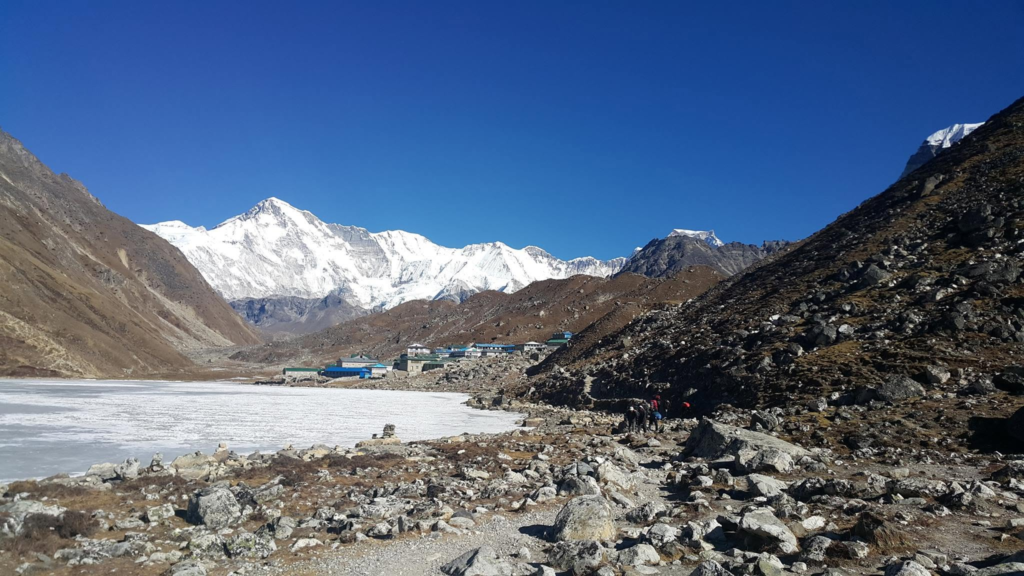
On clear days, trekkers can see Everest, Lhotse, Makalu, Cho Oyu, and many surrounding peaks from the same viewpoint.
This is why Gokyo is often underrated by first time visitors. Everest Base Camp is more famous, but Gokyo gives a wider mountain view.
For travelers who care about seeing several of Nepal’s highest peaks in one journey, Gokyo is one of the best choices.
Dhaulagiri I
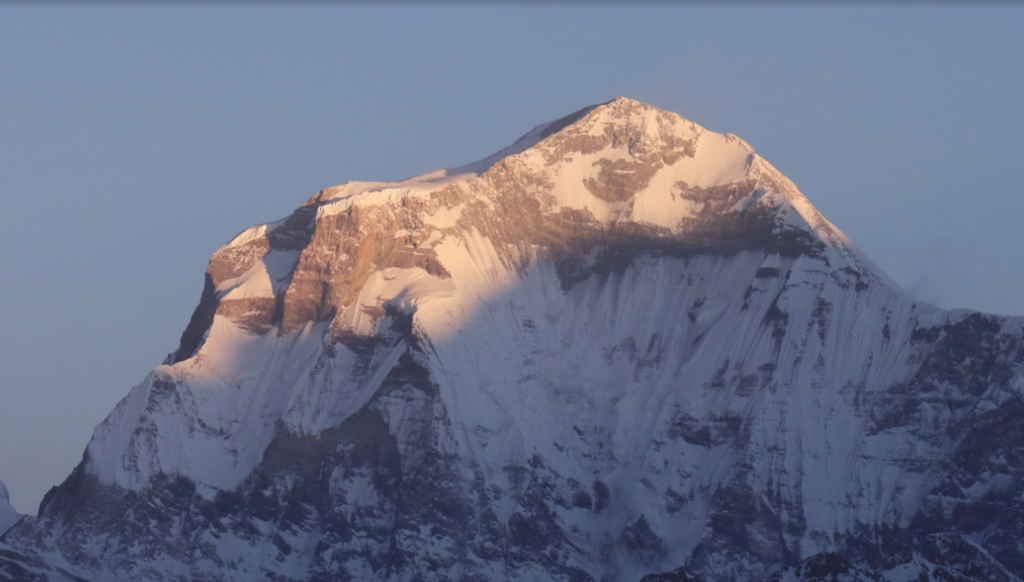
Dhaulagiri I stands at 8,167 metres in western Nepal. Its name is often translated as White Mountain, which feels natural when sunlight hits its huge snow covered faces.
Dhaulagiri rises dramatically above the surrounding valleys, especially near the Kali Gandaki region.
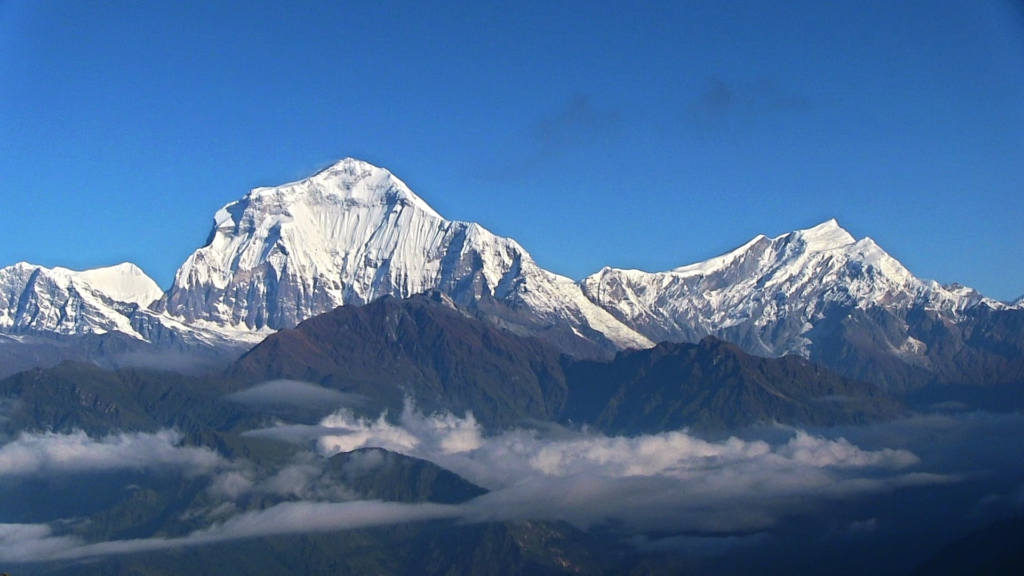
For a period in early surveying history, it was even considered one of the possible candidates for the world’s highest mountain because of the way it towers above nearby terrain.
The Dhaulagiri Circuit Trek is one of Nepal’s more serious trekking routes. It is remote, demanding, and not as comfortable as the classic teahouse trails of Everest or Annapurna.
The route can involve camping, high passes, rough terrain, and glacier influenced landscapes. It is best suited to strong trekkers with previous Himalayan experience.
Travelers who want views of Dhaulagiri without committing to the full circuit can see the mountain from parts of the Annapurna region, especially Khopra Ridge, Poon Hill, and the Kali Gandaki side.
From the right viewpoint, Dhaulagiri feels enormous and isolated.
Manaslu
Manaslu stands at 8,163 metres and is the eighth highest mountain in the world. It lies in the Gorkha district and gives its name to one of Nepal’s most popular restricted area treks.
The Manaslu Circuit Trek has become increasingly popular because it offers a beautiful balance.
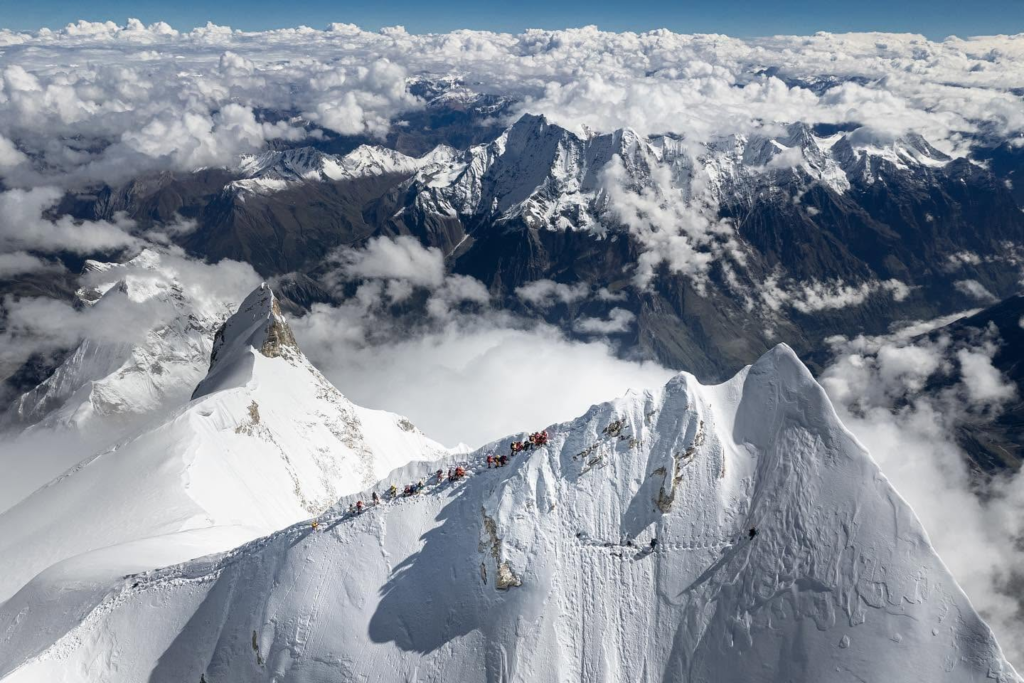
It is quieter than Everest and Annapurna, but it still has strong culture, dramatic scenery, village life, monasteries, high valleys, and the major crossing of Larke Pass.
Manaslu is sometimes called the Mountain of the Spirit. The name fits the region well.
The trail passes through villages influenced by Tibetan Buddhist culture, with mani walls, prayer flags, monasteries, and mountain landscapes that feel deeply connected to local life.
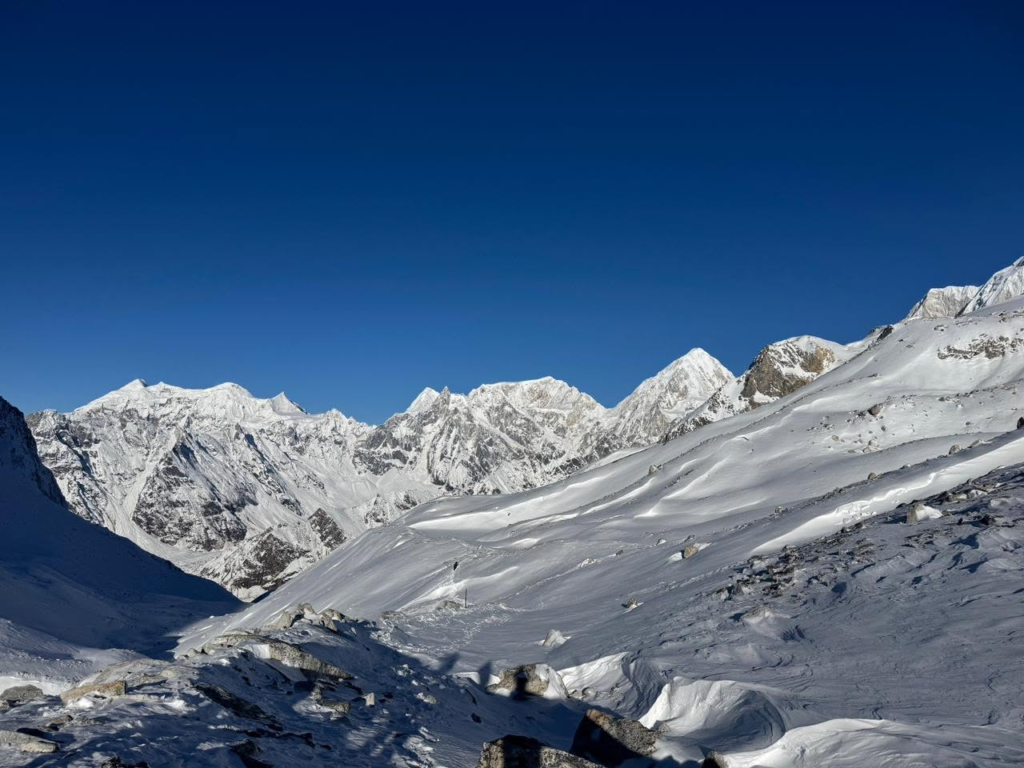
For trekkers who want a serious Himalayan journey without the busiest trails, Manaslu is one of the best choices in Nepal. It is not as remote as Kanchenjunga or Dolpo, but it feels much quieter than the classic Everest and Annapurna routes.
Annapurna I
Annapurna I stands at 8,091 metres and is the highest mountain in the Annapurna range.
It is also one of the most important mountains in climbing history because it became the first 8000 metre mountain ever climbed, in 1950.
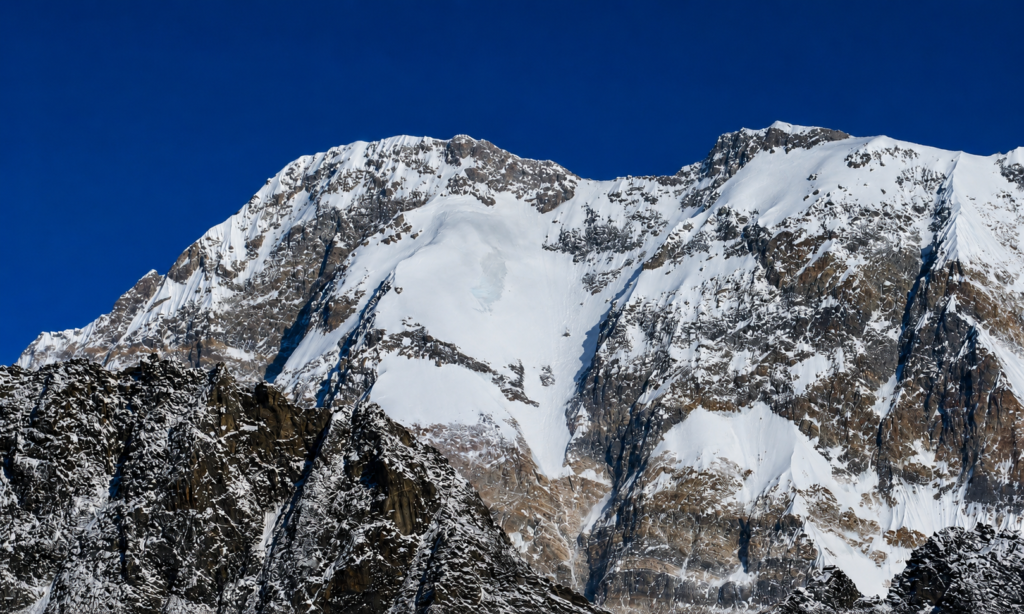
Annapurna carries a serious mountaineering reputation. Its avalanche risk, steep faces, complex weather, and dangerous climbing conditions have made it one of the most respected mountains in the world.
It is not the highest mountain in Nepal, but among climbers it holds a powerful and sometimes frightening reputation.
For trekkers, the story is different. Annapurna Base Camp is one of the most accessible ways to stand below an 8000 metre peak in Nepal.
The route enters the Annapurna Sanctuary, a natural atmoshpere surrounded by Annapurna I, Annapurna South, Hiunchuli, Machhapuchhre, and other peaks.
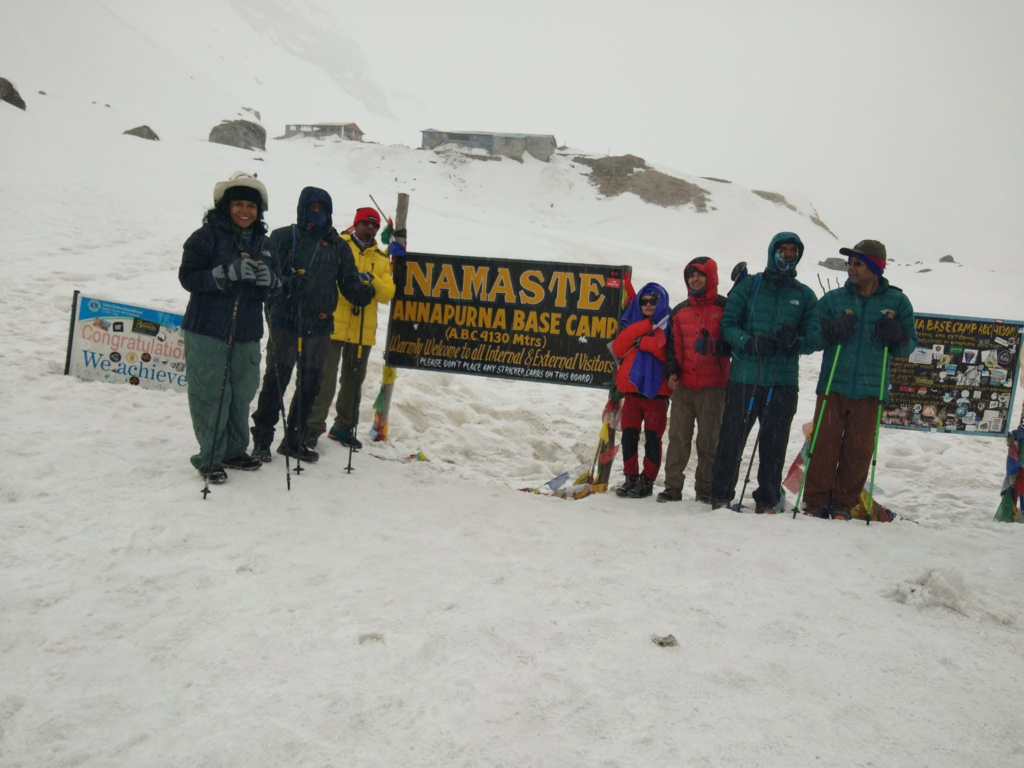
The feeling at Annapurna Base Camp is different from Everest Base Camp. Everest feels open, cold, and glacial.
Annapurna Base Camp feels enclosed and dramatic, with mountains rising around you in every direction.
This makes it one of Nepal’s best treks for travelers who want big mountain scenery without taking on a very long itinerary.
Yalung Khang West
Yalung Khang West stands at 8,077 metres and belongs to the Kanchenjunga mountain system. Like several high summits in eastern Nepal, it remains far less known than its height suggests.
This is partly because Kanchenjunga Main dominates the public identity of the region.
Most travelers do not separate every summit by name. They experience the whole range as one vast mountain world.
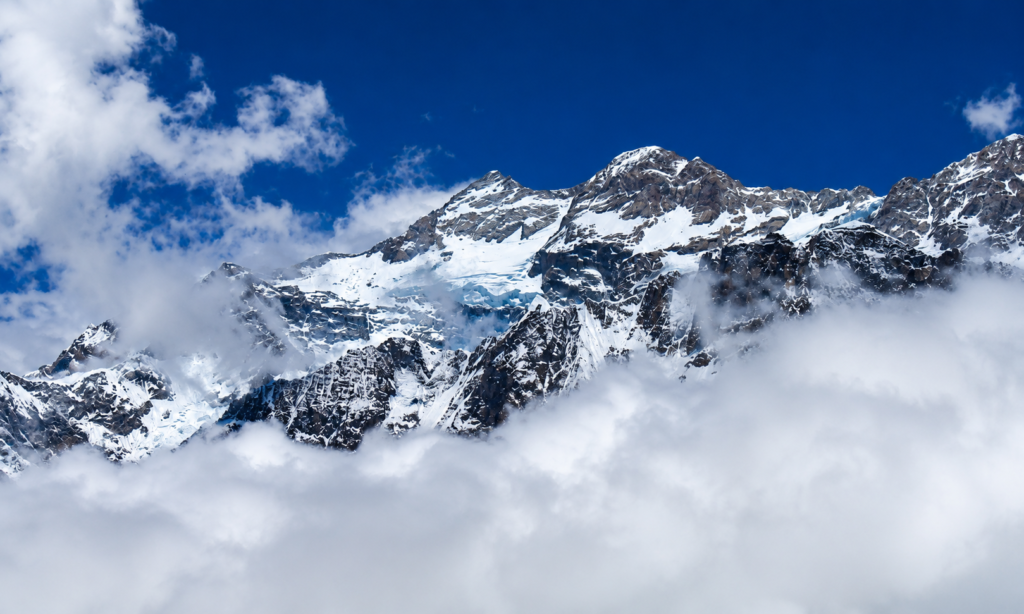
But Yalung Khang West matters because it shows how rich and complicated the Kanchenjunga area is. The Kanchenjunga region is not built around one famous viewpoint or one short iconic trail moment.
It is a long journey through changing landscapes, with multiple high mountains shaping the skyline. This is one reason the trek feels so different from more commercial routes.
For experienced trekkers, this is part of the reward. Kanchenjunga does not feel packaged. It feels discovered slowly, one valley and one ridge at a time.
Gyachung Kang
Gyachung Kang stands at 7,952 metres in the Mahalangur range, between Cho Oyu and Everest. It is the highest mountain in this list below 8000 metres.
In many countries, a mountain close to 8000 metres would be the greatest national landmark.
In Nepal, Gyachung Kang remains relatively quiet because it stands near Everest, Lhotse, Cho Oyu, and Makalu. That is the reality of Himalayan geography. Even a giant can become overlooked when it stands beside larger giants.
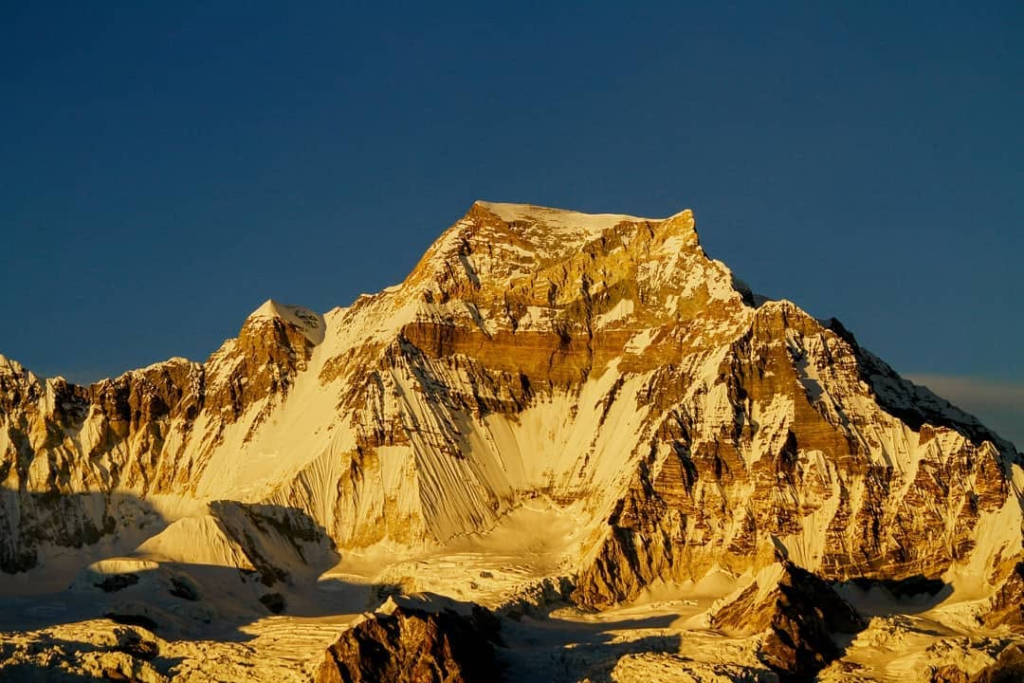
For trekkers, Gyachung Kang is connected mostly with the upper Khumbu and Gokyo side of the Everest region. It is not the main reason most travelers choose the trek, but it adds to the incredible density of high peaks around Gokyo.
Gyachung Kang is a reminder that Nepal’s highest mountain story does not stop with the official 8000 metre giants. The country is full of slightly lower peaks that would be legendary almost anywhere else.
Highest mountains trekkers can actually see
One of the most useful questions for travelers is not only which mountains are highest. It is which mountains can actually be seen on a trek.
Some high mountains are remote, hidden, or difficult to view clearly without expedition style travel. Others appear beautifully from popular trekking routes. This table is more useful for travelers planning a real trip.
| Mountain | Height | World Ranking | First Ascent | Best Known Trekking Route |
|---|---|---|---|---|
| Mount Everest | 8,848.86 m | 1st | 1953 | Everest Base Camp Trek |
| Kanchenjunga | 8,586 m | 3rd | 1955 | Kanchenjunga Circuit Trek |
| Lhotse | 8,516 m | 4th | 1956 | Everest Base Camp Trek |
| Makalu | 8,463 m | 5th | 1955 | Makalu Base Camp Trek |
| Cho Oyu | 8,201 m | 6th | 1954 | Gokyo Lakes Trek |
| Dhaulagiri I | 8,167 m | 7th | 1960 | Dhaulagiri Circuit Trek |
| Manaslu | 8,163 m | 8th | 1956 | Manaslu Circuit Trek |
| Annapurna I | 8,091 m | 10th | 1950 | Annapurna Base Camp Trek |
This is where trekking becomes more practical than mountain ranking. Everest is the highest, but the Gokyo Lakes Trek may give a wider mountain panorama.
Annapurna I is lower than Everest, but Annapurna Base Camp gives one of the closest and most emotional mountain settings in Nepal. Dhaulagiri is a huge 8000 metre peak, but many travelers see it beautifully from Khopra Ridge without doing the full Dhaulagiri Circuit.
The best trek is not always the trek linked to the tallest mountain. The best trek is the one that gives the right balance of view, comfort, culture, difficulty, time, and personal interest.
The highest mountains are not always the most memorable
Height matters, but it is not the only thing that makes a mountain unforgettable.
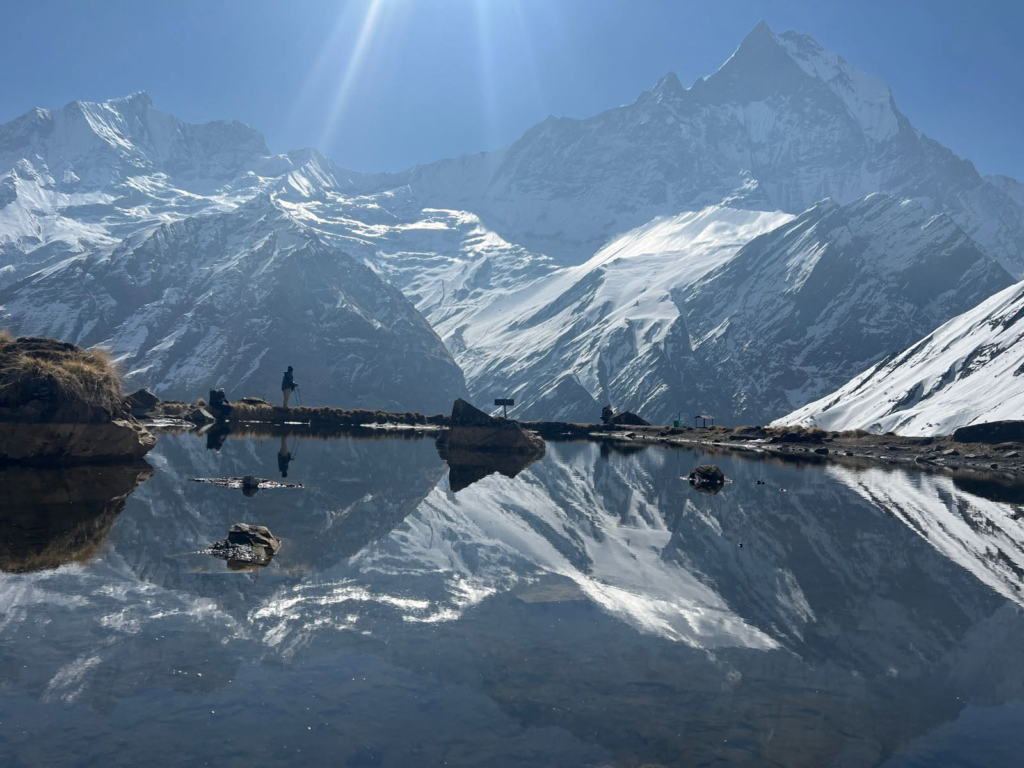
Many trekkers return from Nepal saying Machhapuchhre was the mountain they loved most. It is not an 8000 metre peak.
It stands at 6,993 metres, but its fishtail shape, sacred status, and perfect position above the Annapurna region make it one of the most beautiful mountains in the Himalaya.
Ama Dablam is another example. At 6,812 metres, it is much lower than Everest or Lhotse, but its sharp ridges and elegant shape make it one of the most photographed mountains in the Everest region.
From the trail between Namche Bazaar, Tengboche, Pangboche, and Dingboche, Ama Dablam often steals attention from the taller mountains behind it.
Nuptse is not usually a dream destination by itself, but it forms a dramatic wall near Everest and Lhotse. Annapurna South is not the highest peak in the Annapurna range, but it dominates many views from Poon Hill, Ghandruk, and the Annapurna Base Camp route.
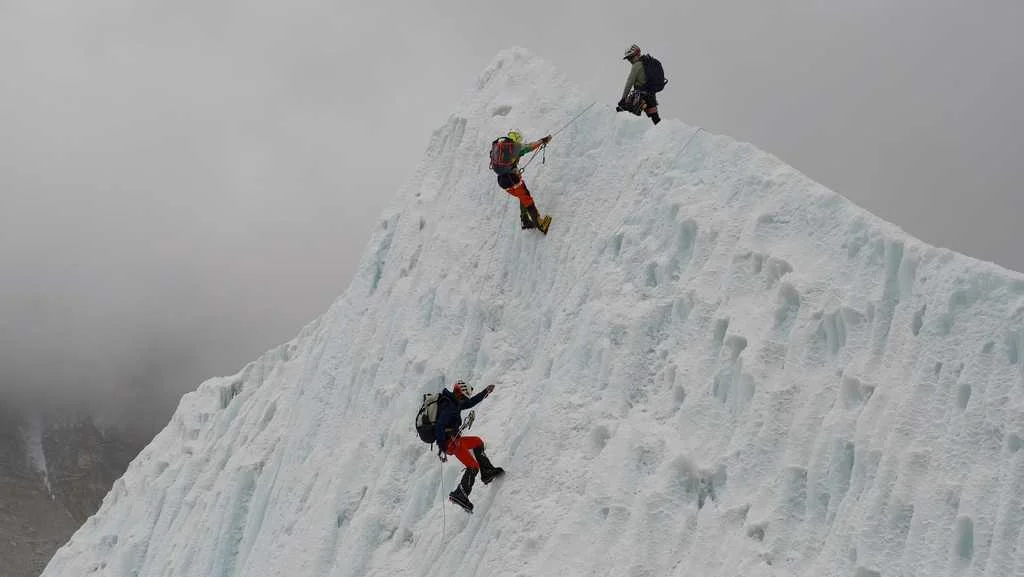
Pumori is lower than Everest, but it creates a beautiful backdrop above Gorak Shep and Kala Patthar.
This is important for travelers. If you choose a trek only by height, you may miss the mountain experience that suits you best.
Famous mountains in Nepal that are not the highest
| Mountain | Height | Region | Why Trekkers Remember It |
|---|---|---|---|
| Machhapuchhre | 6,993 m | Annapurna | Sacred mountain, closed to climbing, and one of Nepal’s most beautiful profiles |
| Ama Dablam | 6,812 m | Everest | Often called one of the most beautiful mountains in the world |
| Annapurna South | 7,219 m | Annapurna | Dominates the view on Annapurna Base Camp and Poon Hill routes |
| Nuptse | 7,861 m | Everest | Forms a dramatic wall near Everest and Lhotse |
| Pumori | 7,161 m | Everest | Beautiful peak above Gorak Shep and Kala Patthar |
| Jannu | 7,710 m | Kanchenjunga | One of the most dramatic mountains in eastern Nepal |
| Nilgiri | 7,061 m | Annapurna | Strong presence in the Kali Gandaki and Annapurna side |
| Hiunchuli | 6,441 m | Annapurna | Important part of the Annapurna Sanctuary skyline |
These mountains prove that beauty and height are different things. A mountain can be lower and still be more memorable from the trail. It depends on shape, position, culture, visibility, and the feeling it creates when you stand below it.
Best treks for seeing Nepal’s highest mountains
Different trekking routes reveal different sides of Nepal’s high mountain geography. Everest gives global fame. Annapurna gives variety and accessibility.
Manaslu gives culture and quieter trails. Kanchenjunga gives remoteness and scale. Makalu gives wilderness. Dhaulagiri gives rugged adventure.
| Traveler Type | Best Trek Choice | Main Mountain Reward |
|---|---|---|
| First time Himalayan trekker | Annapurna Base Camp Trek | Close views of Annapurna I, Machhapuchhre, and the Annapurna Sanctuary |
| Wants Everest experience | Everest Base Camp Trek | Everest, Lhotse, Nuptse, Khumbu Glacier, and Sherpa villages |
| Wants wider Everest region views | Gokyo Lakes Trek | Everest, Cho Oyu, Makalu, Lhotse, and Gokyo Ri panorama |
| Wants quieter restricted area trekking | Manaslu Circuit Trek | Manaslu, Larke Pass, Buddhist villages, and remote valleys |
| Experienced trekker seeking remoteness | Kanchenjunga Circuit Trek | Kanchenjunga massif, Pangpema, Oktang, and eastern Himalayan wilderness |
| Wants wilderness without crowds | Makalu Base Camp Trek | Makalu’s pyramid shape and a quieter high mountain valley |
| Strong trekker with camping experience | Dhaulagiri Circuit Trek | Dhaulagiri I, high passes, glaciers, and remote western Nepal |
Which mountain region should you choose
If you want fame, choose the Everest region. No other region carries the same global recognition.
The trail is busy in peak season, but the infrastructure is strong, the Sherpa culture is rich, and the mountain names are legendary.
Everest Base Camp and Gokyo are the two strongest options for travelers who want to see the world’s highest mountain.
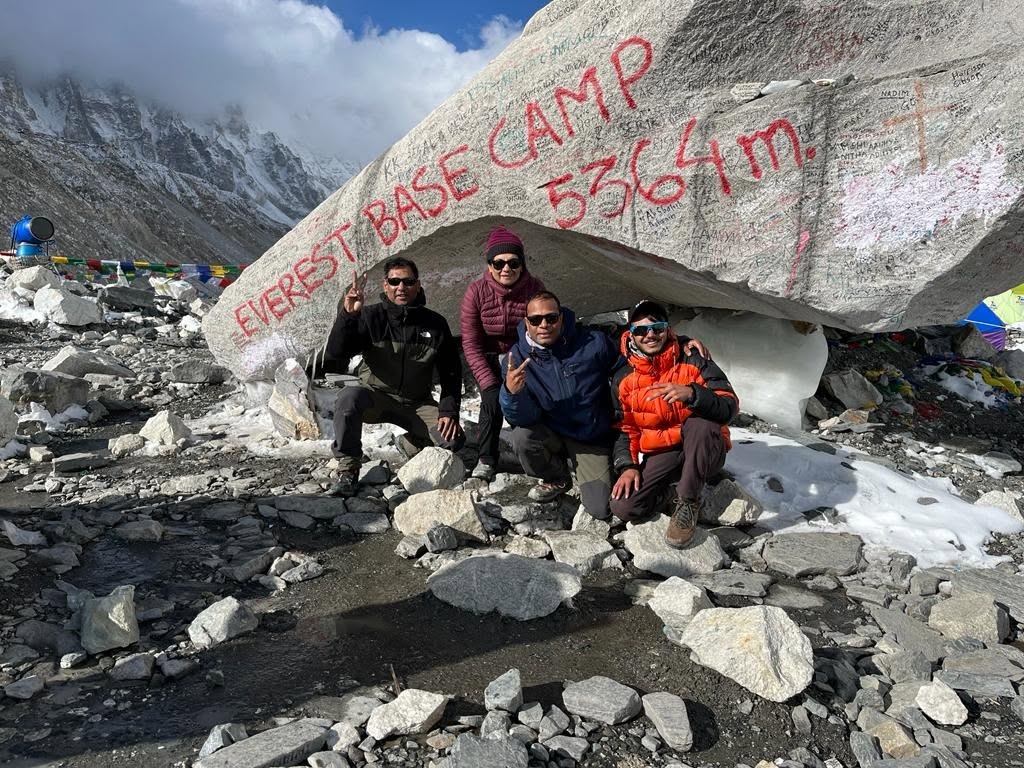
If you want beauty, variety, and easier access, choose Annapurna. The Annapurna region has forests, villages, terraced hills, ridges, hot springs, valleys, and close mountain views.
Annapurna Base Camp is one of the best routes for a first serious Himalayan trek, while Mardi Himal and Khopra Ridge offer shorter alternatives with excellent scenery.
If you want quieter drama, choose Manaslu. The Manaslu Circuit feels more remote than the classic Annapurna and Everest trails, but it is not as isolated as Kanchenjunga or Dolpo.
It is a strong choice for trekkers who want culture, challenge, and fewer crowds.
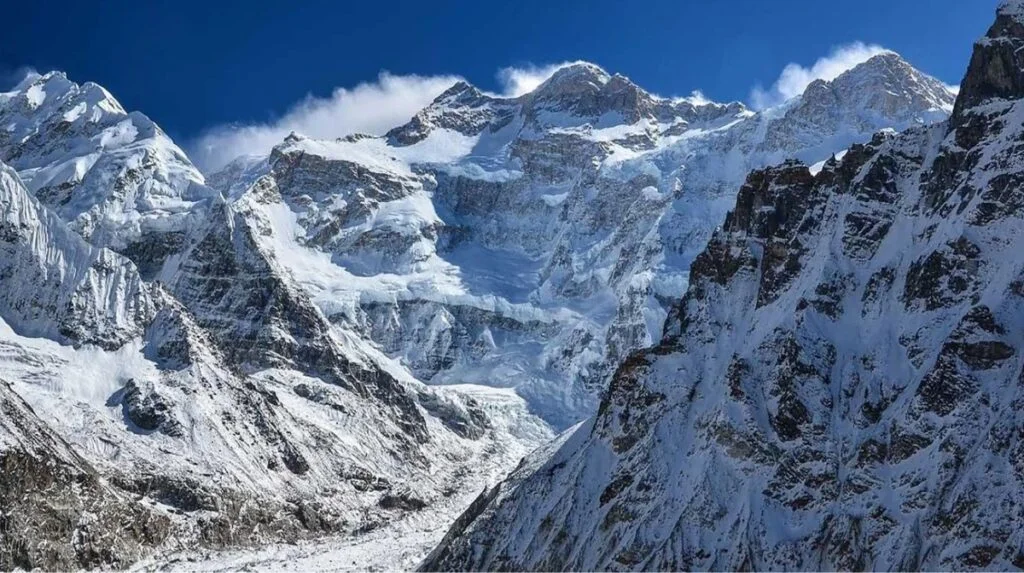
If you want true remoteness, choose Kanchenjunga. This region is not for everyone. It requires more time, more patience, and better preparation.
But for trekkers who want a serious journey into eastern Nepal, it is one of the finest routes in the Himalaya.
If you want wilderness and fewer people, choose Makalu. The Makalu Base Camp Trek is demanding and less developed, but it rewards trekkers with a raw mountain feeling that is harder to find on the busiest routes.
Lastly, for someone wanting rugged adventure, choose Dhaulagiri. The Dhaulagiri Circuit is not a soft trek. It is remote, physical, and often more expedition style. It is best suited to trekkers with previous high altitude experience.
| Mountain Region | Best For | Main Mountains | Travel Feel |
|---|---|---|---|
| Everest Region | First time Everest dreamers and classic Himalayan trekkers | Everest, Lhotse, Cho Oyu, Ama Dablam, Nuptse | Famous, scenic, cultural, and well developed |
| Annapurna Region | Trekkers who want variety, comfort, and close mountain views | Annapurna I, Annapurna South, Machhapuchhre, Dhaulagiri views | Accessible, beautiful, and diverse |
| Manaslu Region | Trekkers who want quieter trails and strong culture | Manaslu, Himalchuli, Ngadi Chuli | Remote, cultural, and less crowded |
| Kanchenjunga Region | Experienced trekkers who want true remoteness | Kanchenjunga Main, Yalung Khang, Kanchenjunga South, Jannu | Long, wild, serious, and deeply rewarding |
| Makalu Region | Trekkers who want wilderness and fewer people | Makalu and surrounding Mahalangur peaks | Raw, quiet, and physically demanding |
| Dhaulagiri Region | Strong trekkers looking for a tougher adventure | Dhaulagiri I, Tukuche Peak, Nilgiri views | Rugged, remote, and more expedition style |
Quick comparison of Nepal’s highest mountain treks
| Trek | Difficulty | Best Season | Main Mountain Reward | Best For |
|---|---|---|---|---|
| Everest Base Camp Trek | Moderate to challenging | Spring and autumn | Everest, Lhotse, Nuptse, Ama Dablam | Trekkers who want the classic Everest experience |
| Gokyo Lakes Trek | Moderate to challenging | Spring and autumn | Everest, Cho Oyu, Makalu, Gokyo Ri panorama | Trekkers who want wider mountain views |
| Annapurna Base Camp Trek | Moderate | Spring and autumn | Annapurna I, Machhapuchhre, Annapurna Sanctuary | First time Himalayan trekkers |
| Manaslu Circuit Trek | Challenging | Spring and autumn | Manaslu and Larke Pass | Trekkers who want remote culture and fewer crowds |
| Kanchenjunga Circuit Trek | Challenging to strenuous | Spring and autumn | Kanchenjunga massif | Experienced trekkers seeking remoteness |
| Makalu Base Camp Trek | Challenging | Spring and autumn | Makalu | Trekkers who want wilderness and solitude |
| Dhaulagiri Circuit Trek | Strenuous | Spring and autumn | Dhaulagiri I and high passes | Strong trekkers with camping trek experience |
The highest mountains in Nepal are more than a ranking. They are the reason Nepal has become one of the world’s greatest adventure destinations.
Everest gives Nepal the highest point on Earth. Kanchenjunga gives the country remote eastern scale.
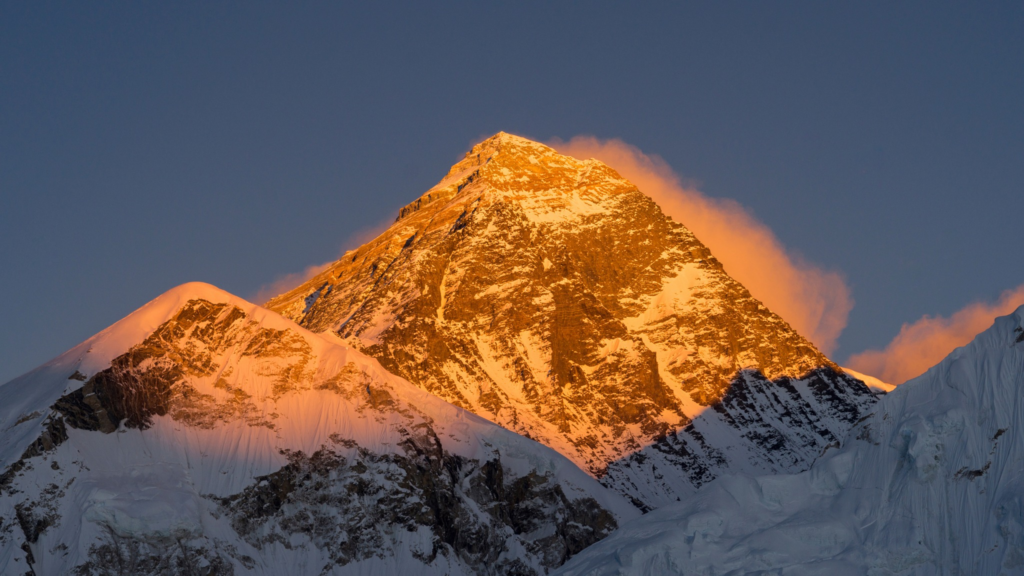
Lhotse adds power to the Everest skyline. Makalu brings wilderness. Cho Oyu completes the Gokyo panorama.
Dhaulagiri dominates western Nepal. Manaslu offers one of the best cultural trekking circuits in the country. Annapurna I creates one of the most dramatic base camp settings anywhere in the Himalaya.
Beyond those classic giants, Nepal’s official peak profile now gives more attention to high summits such as Yalung Khang, Kanchenjunga Central, Kanchenjunga South, Lhotse Middle, Lhotse Shar, and Yalung Khang West.
These names may not be as famous to casual travelers, but they show how deep Nepal’s mountain story really is. For trekkers, the lesson is do not choose a route only because one mountain is taller than another.
Choose the journey that gives you the right experience. Everest is iconic. Annapurna is beautiful and accessible.
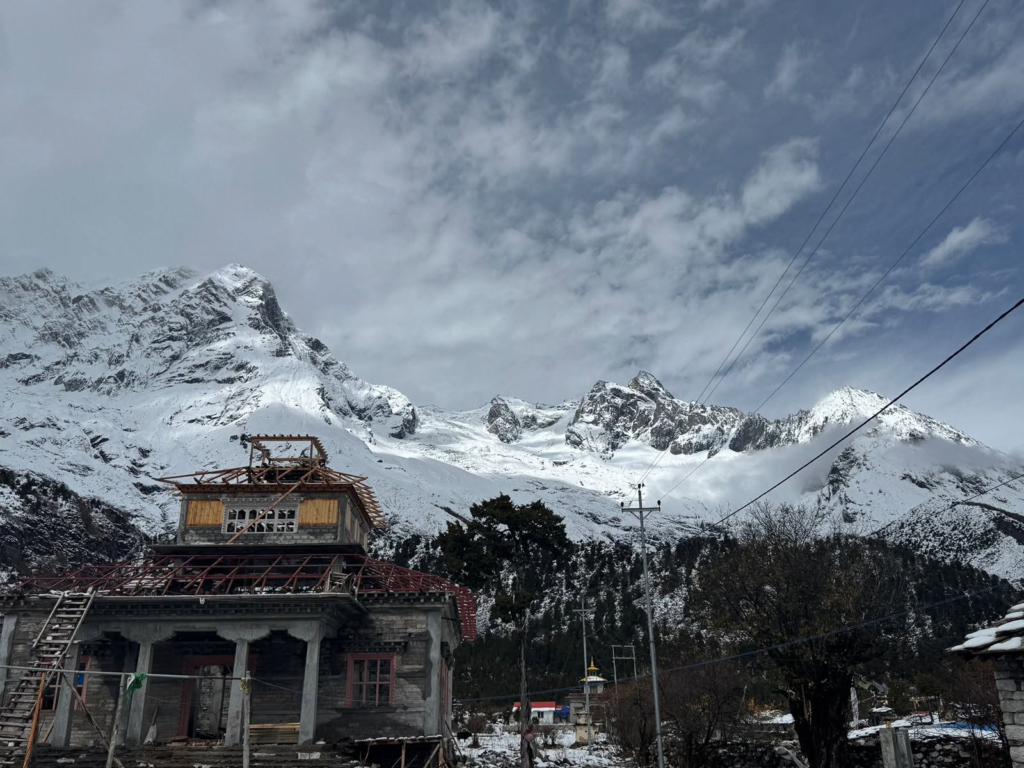
Manaslu is quieter and cultural. Kanchenjunga is remote and serious. Makalu is wild and less crowded. Dhaulagiri is powerful and demanding.
Nepal’s mountains are not only high. They are beautiful, sacred, dangerous, historic, remote, and deeply connected to the lives of the people who live below them.
That is what makes Nepal different. You do not just see mountains here. You travel through a country shaped by them.