


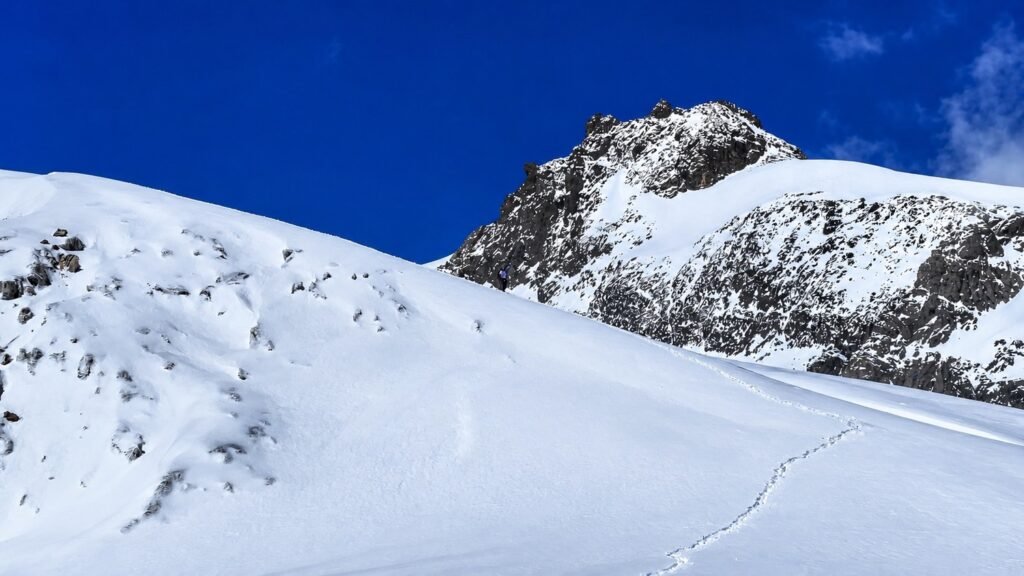
Your Complete Guide To Trekking Peak Climbing in Nepal: Everything You Need Before You Attempt a Himalayan Summit
Standing on a Himalayan summit is something many trekkers dream about long before they arrive in Nepal. For some the dream starts on the walk toward Everest Base Camp.
For others it begins while crossing Thorong La Pass on the Annapurna Circuit, or while watching first light hit the peaks from Gokyo Ri. At some point reaching a viewpoint stops feeling like enough, and the next step becomes climbing a trekking peak.
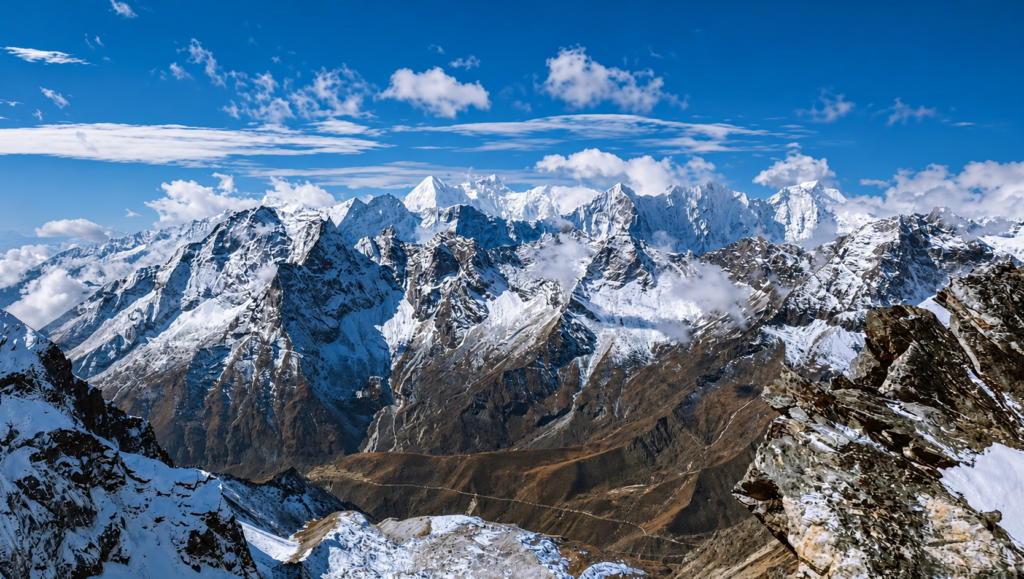
Trekking peak climbing sits between high altitude trekking and full scale mountaineering. It lets fit, well prepared trekkers experience glacier travel, fixed ropes, crampons and ice axes, and a genuine Himalayan summit, without attempting an 8,000 metre mountain.
Nepal is home to dozens of officially recognised trekking peaks, ranging from beginner friendly summits under 6,000 metres to demanding objectives above 6,500 metres.
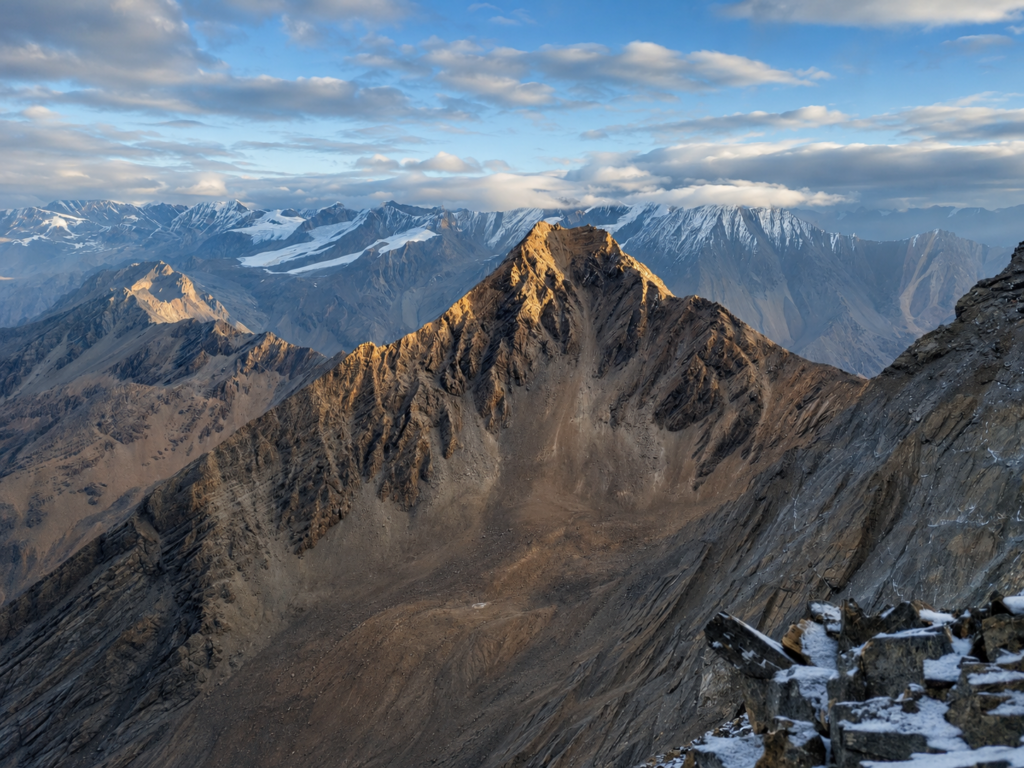
Many follow trekking routes through the Everest, Annapurna, Langtang and Ganesh Himal regions, so the approach to the mountain is just as rewarding as the summit itself.
This guide covers the most popular climbing peaks, permit costs, preparation, gear, climbing seasons, safety, package inclusions, a sample itinerary framework, and how to match a summit to your own experience.
The goal is simple. By the end you should know exactly which peak fits you, from Island Peak and Mera Peak to Pisang Peak, Chulu East, Yala Peak and Paldor Peak.
Overview of Nepal’s Best Trekking Peaks
| Peak | Height | Region | Difficulty | Best For |
|---|---|---|---|---|
| Island Peak | 6,189 m | Everest | Moderate | First Himalayan summit |
| Mera Peak | 6,476 m | Everest | Moderate | Highest trekking peak |
| Lobuche East | 6,119 m | Everest | Challenging | Technical progression |
| Pisang Peak | 6,091 m | Annapurna | Moderate | Annapurna climbers |
| Chulu East | 6,584 m | Annapurna | Challenging | Experienced climbers |
| Yala Peak | 5,732 m | Langtang | Easy to Moderate | Beginners |
| Paldor Peak | 5,896 m | Ganesh Himal | Moderate | Remote climbing experience |
What Is Trekking Peak Climbing?
The phrase trekking peak often causes confusion, because these climbs are far more demanding than an ordinary trek.
Unlike a standard hiking route, a trekking peak normally finishes on snow or glacier terrain, where climbers use crampons, helmets, harnesses, ropes and ice axes to reach the summit safely.
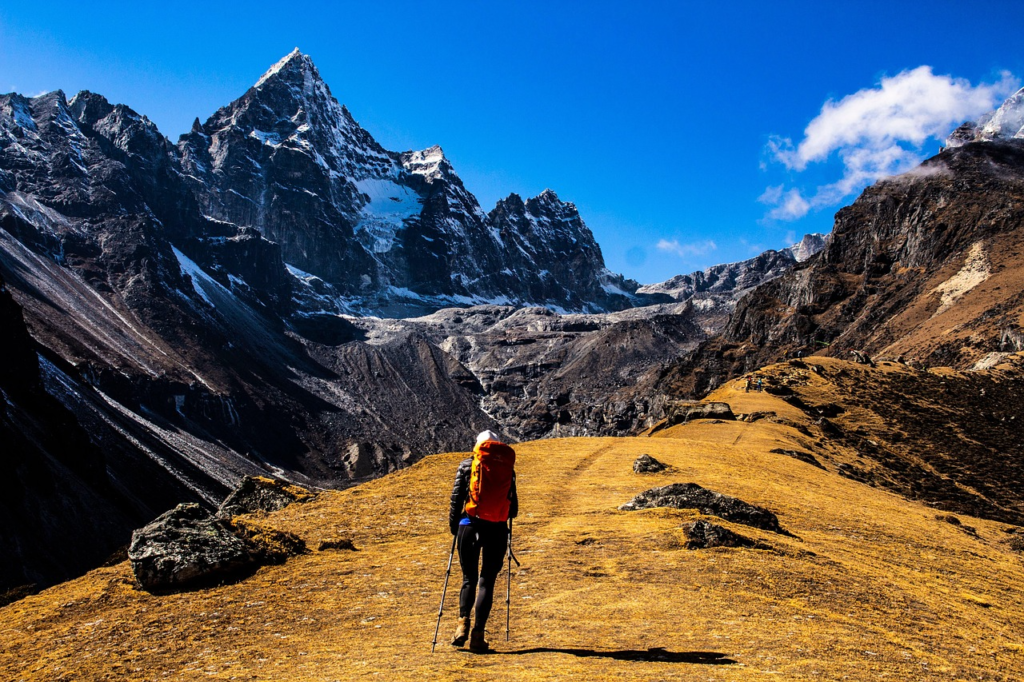
Despite the name, these mountains are not simple walks. Most summit pushes begin around midnight or one in the morning, timed to take advantage of firm, stable snow.
Climbers move slowly under headlamps, crossing glaciers and clipping into fixed ropes before topping out shortly after sunrise.
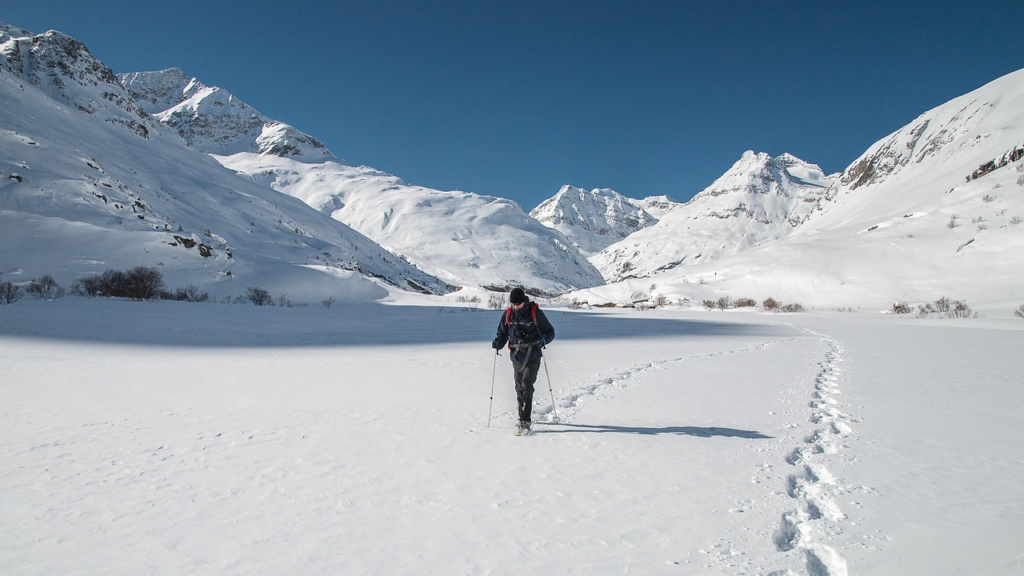
They are called trekking peaks because the technical difficulty stays within reach of fit trekkers when they climb alongside an experienced guide.
You do not need years of alpine climbing behind you to attempt Island Peak, Mera Peak, Pisang Peak, Yala Peak or Paldor Peak.
What you do need is good fitness, patience with acclimatisation or buffer days, and a willingness to learn basic climbing technique during the trip itself.
Trekking Peak Climbing vs Mountaineering Expeditions
| Trekking Peak Climbing | Major Mountaineering Expedition |
|---|---|
| Usually 5,700 m to 6,600 m | Generally above 7,000 m and 8,000 m |
| Suitable for fit trekkers with training | Requires advanced climbing experience |
| One high camp in most cases | Multiple high camps and longer logistics |
| Trips usually run 14 to 20 days | Can run six to eight weeks |
| Excellent first Himalayan climbing experience | Built for experienced mountaineers |
Can Beginners Climb a Trekking Peak in Nepal?
Yes, but choosing the right mountain matters far more than choosing the highest one. Several trekking peaks in Nepal are built specifically for people who have never touched crampons or stepped onto a glacier.
The trick is picking a peak that matches your current fitness, your trekking background, and how you tend to handle altitude.
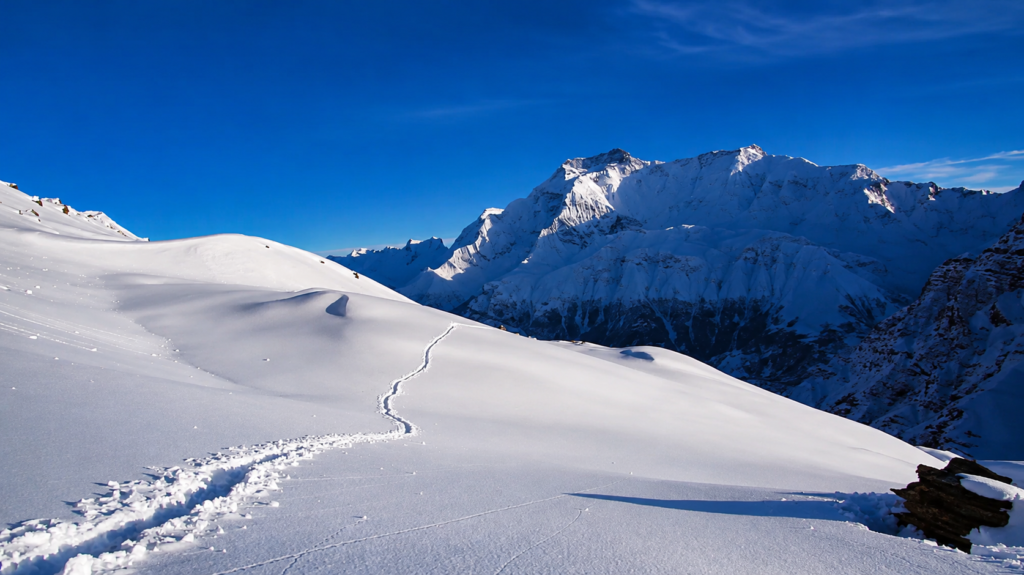
Most first time climbers begin with Yala Peak, Island Peak or Mera Peak. Each of these itineraries builds in several days of gradual acclimatisation, professional climbing guides, and a hands on training session before summit day.
You learn to walk with crampons, clip into fixed ropes, ascend with a jumar, and descend safely on snow and ice.
If you have already completed a high altitude trek such as Everest Base Camp, the Annapurna Circuit, the Manaslu Circuit or the Langtang Valley, you will typically adapt faster than someone whose highest previous trek sat below 3,000 metres.
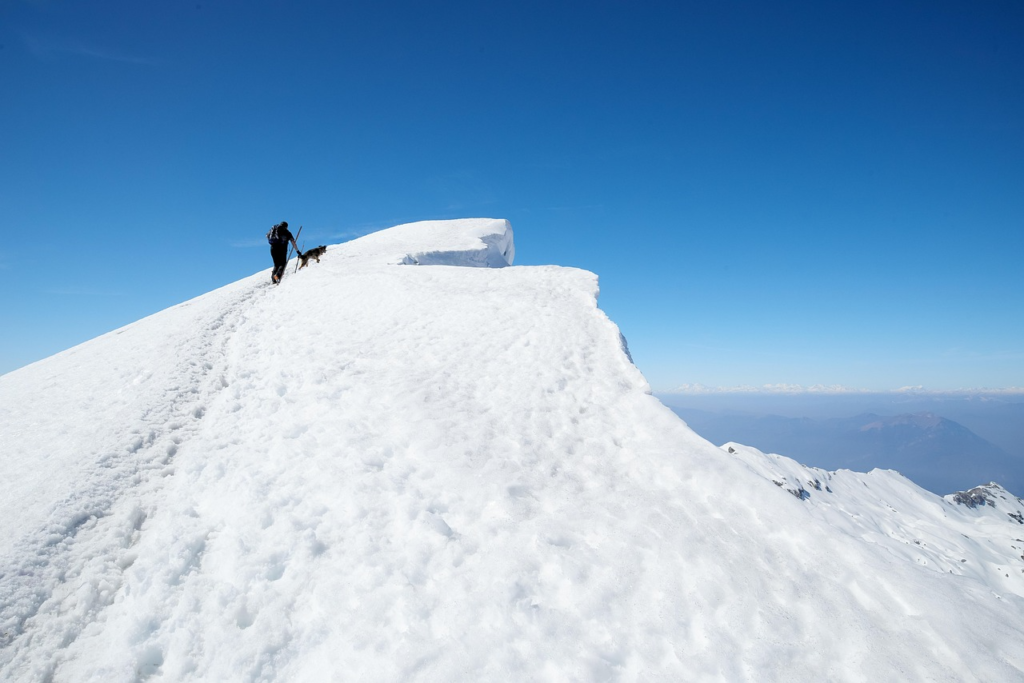
For most beginners the real challenge is not the technical climbing at all. It is the altitude. Above 5,500 metres even simple movements demand more effort, which is exactly why proper acclimatisation is built into every well designed itinerary.
Match Your Experience to the Right Peak
Not every climber wants the same thing from a trip, and not every mountain rewards the same kind of climber. Rather than choosing a peak because it is famous, match it to your own ability and where you want your climbing to go next.
| Your Experience | Recommended Peak | Why It Fits |
|---|---|---|
| Never climbed before | Yala Peak | A gentle introduction to glacier travel and altitude, with easier terrain than most trekking peaks. |
| Want a classic Everest region climb | Island Peak | Combines a famous trekking route with a genuine glacier summit and real climbing technique. |
| Want the highest trekking peak | Mera Peak | The tallest trekking peak in Nepal, with a wide summit panorama and moderate technical demand. |
| Already climbed one trekking peak | Lobuche East | A logical next step onto steeper terrain and more exposed ridgeline. |
| Prefer Annapurna over Everest | Pisang Peak | Pairs neatly with the Annapurna Circuit and adds a genuine summit to a familiar route. |
| Already have climbing experience | Chulu East | Higher altitude and a more demanding, technical expedition. |
| Want a quieter, less crowded route | Paldor Peak | A remote climb near Kathmandu with far fewer climbers on the trail. |
| Want the most technical challenge | Kyajo Ri or Singu Chuli | Suited to climbers with prior snow and ice experience and a taste for exposure. |
Official Climbing Permits in Nepal
Every trekking peak in Nepal requires an official climbing permit in addition to the usual national park or conservation area fees. These permits are issued through registered Nepali trekking agencies, so individual climbers cannot normally buy them directly.
The fee depends on two things, the mountain itself and the season. Spring permits cost the most because March, April and May bring the highest summit success rates. Autumn permits run cheaper, while winter and summer permits are the least expensive of all.
Beyond the climbing permit itself, budget for conservation area permits, municipality entrance fees, guide services, insurance and equipment rental where needed.
Equipment rental is available in Kathmandu or Pokhara where needed.
| Peak Name | Elevation | Spring (Mar–May) | Autumn (Sep–Nov) | Winter / Summer (Dec–Feb / Jun–Aug) | Required Regional Permits & Estimated Costs |
|---|---|---|---|---|---|
| Chulu East | 6,584 m | USD 500 | USD 250 | USD 200 | ACAP Permit: NPR 3,000 + 13% VAT (~USD 26) TIMS Card: NPR 2,000 (~USD 15) |
| Chulu West | 6,419 m | USD 350 | USD 175 | USD 175 | ACAP Permit: NPR 3,000 + 13% VAT (~USD 26) TIMS Card: NPR 2,000 (~USD 15) |
| Ghanja-la Chuli (Naya Kanga) | 5,863 m | USD 350 | USD 175 | USD 175 | Langtang National Park Permit: NPR 3,000 + 13% VAT (~USD 26) TIMS Card: NPR 2,000 (~USD 15) |
| Hiun Chuli | 6,434 m | USD 350 | USD 175 | USD 175 | ACAP Permit: NPR 3,000 + 13% VAT (~USD 26) TIMS Card: NPR 2,000 (~USD 15) |
| Island Peak (Imja Tse) | 6,189 m | USD 350 | USD 175 | USD 175 | Sagarmatha National Park Permit: NPR 3,000 + 13% VAT (~USD 26) Khumbu Local Tax: NPR 3,000 (~USD 23) |
| Khongma Tse (Mehra Peak) | 5,849 m | USD 350 | USD 175 | USD 175 | Sagarmatha National Park Permit: NPR 3,000 + 13% VAT (~USD 26) Khumbu Local Tax: NPR 3,000 (~USD 23) |
| Kusum Kanguru | 6,360 m | USD 350 | USD 175 | USD 175 | Sagarmatha National Park Permit: NPR 3,000 + 13% VAT (~USD 26) Khumbu Local Tax: NPR 3,000 (~USD 23) |
| Kwangde | 6,086 m | USD 350 | USD 175 | USD 175 | Sagarmatha National Park Permit: NPR 3,000 + 13% VAT (~USD 26) Khumbu Local Tax: NPR 3,000 (~USD 23) |
| Lobuche East | 6,119 m | USD 350 | USD 175 | USD 175 | Sagarmatha National Park Permit: NPR 3,000 + 13% VAT (~USD 26) Khumbu Local Tax: NPR 3,000 (~USD 23) |
| Mera Peak | 6,476 m | USD 350 | USD 175 | USD 175 | Makalu Barun National Park Permit: NPR 3,000 + 13% VAT (~USD 26) Khumbu Local Tax: NPR 3,000 (~USD 23) |
| Mt. ABI | 6,043 m | USD 350 | USD 175 | USD 175 | Sagarmatha National Park Permit: NPR 3,000 + 13% VAT (~USD 26) Khumbu Local Tax: NPR 3,000 (~USD 23) |
| Mt. Bokta | 6,114 m | USD 350 | USD 175 | USD 175 | Kanchenjunga Conservation Area Permit: NPR 2,000 (~USD 15) TIMS Card: NPR 2,000 (~USD 15) |
| Mt. Chekigo | 6,121 m | USD 350 | USD 175 | USD 175 | Gaurishankar Conservation Area Permit: NPR 3,000 + 13% VAT (~USD 26) TIMS Card: NPR 2,000 (~USD 15) |
| Mt. Cholatse | 6,440 m | USD 350 | USD 175 | USD 175 | Sagarmatha National Park Permit: NPR 3,000 + 13% VAT (~USD 26) Khumbu Local Tax: NPR 3,000 (~USD 23) |
| Mt. Kyazo Ri | 6,186 m | USD 350 | USD 175 | USD 175 | Sagarmatha National Park Permit: NPR 3,000 + 13% VAT (~USD 26) Khumbu Local Tax: NPR 3,000 (~USD 23) |
| Mt. Langsisa Ri | 6,412 m | USD 350 | USD 175 | USD 175 | Langtang National Park Permit: NPR 3,000 + 13% VAT (~USD 26) TIMS Card: NPR 2,000 (~USD 15) |
| Mt. Larkya Peak | 6,416 m | USD 350 | USD 175 | USD 175 | MCAP Permit: NPR 3,000 + 13% VAT (~USD 26) Manaslu Restricted Area Permit: USD 100/wk (Autumn) / USD 75/wk (Spring) |
| Mt. Lobuche West | 6,135 m | USD 350 | USD 175 | USD 175 | Sagarmatha National Park Permit: NPR 3,000 + 13% VAT (~USD 26) Khumbu Local Tax: NPR 3,000 (~USD 23) |
| Mt. Nirekha | 6,159 m | USD 350 | USD 175 | USD 175 | Sagarmatha National Park Permit: NPR 3,000 + 13% VAT (~USD 26) Khumbu Local Tax: NPR 3,000 (~USD 23) |
| Mt. Ombigaichen | 6,340 m | USD 350 | USD 175 | USD 175 | Sagarmatha National Park Permit: NPR 3,000 + 13% VAT (~USD 26) Khumbu Local Tax: NPR 3,000 (~USD 23) |
| Mt. Phari Lapcha | 6,017 m | USD 350 | USD 175 | USD 175 | Sagarmatha National Park Permit: NPR 3,000 + 13% VAT (~USD 26) Khumbu Local Tax: NPR 3,000 (~USD 23) |
| Mt. Yubra Himal | 6,048 m | USD 350 | USD 175 | USD 175 | Langtang National Park Permit: NPR 3,000 + 13% VAT (~USD 26) TIMS Card: NPR 2,000 (~USD 15) |
| Paldor Peak | 5,896 m | USD 350 | USD 175 | USD 175 | Langtang National Park Permit: NPR 3,000 + 13% VAT (~USD 26) TIMS Card: NPR 2,000 (~USD 15) |
| Pharchamo | 6,279 m | USD 350 | USD 175 | USD 175 | Gaurishankar Conservation Area Permit: NPR 3,000 + 13% VAT (~USD 26) TIMS Card: NPR 2,000 (~USD 15) |
| Pisang Peak | 6,091 m | USD 350 | USD 175 | USD 175 | ACAP Permit: NPR 3,000 + 13% VAT (~USD 26) TIMS Card: NPR 2,000 (~USD 15) |
| Ramdung Peak | 5,900 m | USD 350 | USD 175 | USD 175 | Gaurishankar Conservation Area Permit: NPR 3,000 + 13% VAT (~USD 26) TIMS Card: NPR 2,000 (~USD 15) |
| Singu Chuli (Fluted Peak) | 6,501 m | USD 500 | USD 250 | USD 200 | ACAP Permit: NPR 3,000 + 13% VAT (~USD 26) TIMS Card: NPR 2,000 (~USD 15) |
Permit fees can change if the Nepal Mountaineering Association updates its regulations. Always confirm current rates before booking, and you also need to pay $500 as a garbage deposit.
Best Time for Trekking Peak Climbing
Climbing is technically possible year round, but only two seasons consistently deliver stable weather, safer snow conditions and strong summit success rates.
| Season | Months | Conditions | Recommendation |
|---|---|---|---|
| Spring | March to May | Stable weather, warmer temperatures, excellent snow. | ★★★★★ |
| Autumn | September to November | Dry weather and exceptional mountain visibility. | ★★★★★ |
| Winter | December to February | Very cold, with far fewer climbers on route. | Experienced climbers only |
| Monsoon | June to August | Rain, unstable snow, poor visibility. | Generally not recommended |
How Trekking Peak Climbing Actually Works
One of the biggest misunderstandings first time climbers carry into Nepal is thinking an expedition starts with ropes and ice. In reality, most of the journey looks very close to a normal high altitude trek.
The first stretch of days runs along established trails through villages, forests, suspension bridges, monasteries and mountain lodges.
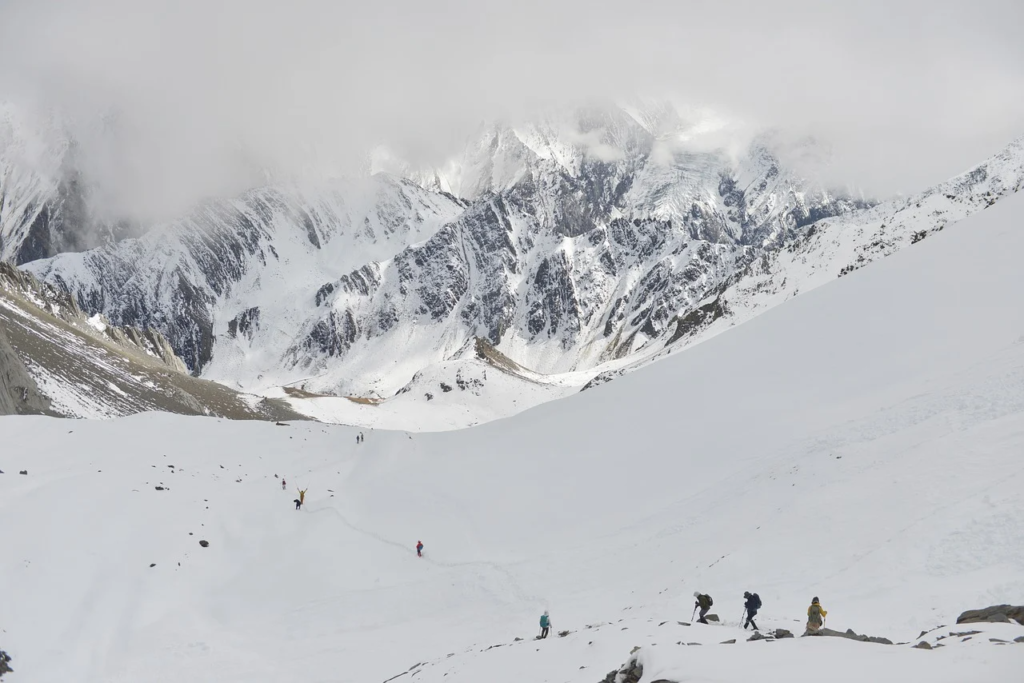
While your body slowly adapts to thinner air and your guide keeps an eye on how well you are acclimatising. The climbing side of the trip only begins once the team reaches base camp.
Most itineraries build in a dedicated climbing training session before the summit push, where your guide walks you through wearing crampons correctly.
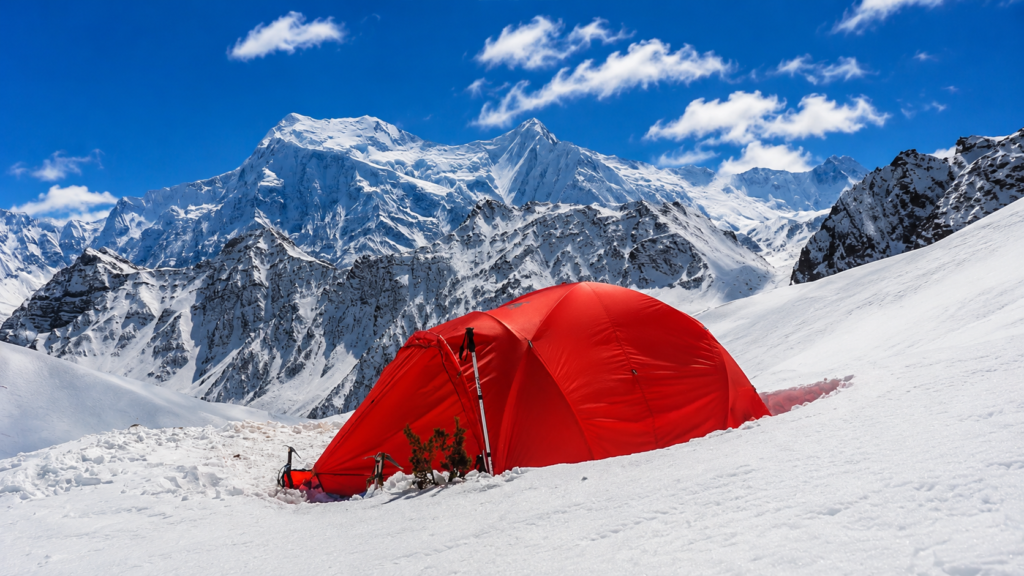
Moreover, moving safely on snow and ice, using a jumar on fixed ropes, descending with a figure eight or belay device, and travelling efficiently while clipped to a safety line.
For many climbers this is their first time handling technical climbing gear, and the training is built around that. Summit day runs on a very different clock.
Most teams wake between midnight and 2am, eat a quick breakfast, check gear, and leave camp under headlamps while the snow is still firm.
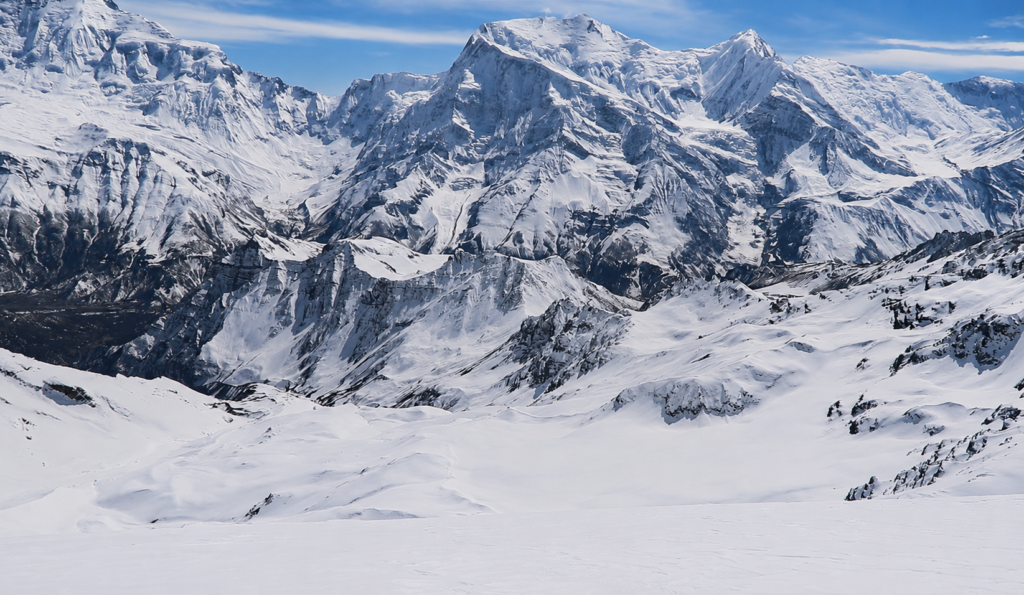
As dawn breaks, the route usually reaches the glacier, where crampons, harness and rope become part of every step.
Depending on the mountain, the final push can involve snow slopes, ice sections, glacier crossings, exposed ridgeline and fixed ropes before the summit itself.
| Stage | What Happens |
|---|---|
| Trekking Approach | Walk through villages, forests, rivers and mountain passes while gradually gaining altitude. |
| Acclimatisation | Scheduled rest days let your body adjust before you climb higher. |
| Climbing Training | Guides teach crampon technique, fixed rope work, harness use, jumar climbing and safety procedure. |
| High Camp | Final gear check and preparation before the summit attempt. |
| Summit Day | Early morning glacier travel, snow climbing, fixed ropes, the summit, then descent back to camp. |
Skills You Will Learn Before Summit Day
The technical climbing itself is rarely what trips people up. Guides on peaks like Island Peak or Mera Peak run a practical training session that covers everything you actually need, and most first time climbers are surprised at how quickly it becomes second nature.
| Skill | Why It Matters |
|---|---|
| Walking with crampons | Provides grip while crossing glacier ice and hard packed snow. |
| Using a climbing harness | Keeps you securely attached to fixed ropes at all times. |
| Ascending with a jumar | Allows safe upward movement on steep fixed lines. |
| Descending safely | Cuts the risk of a slip on icy slopes after the summit. |
| Ice axe basics | Adds balance and confidence on snow covered terrain. |
Essential Gear for Trekking Peak Climbing
The right equipment matters as much as the right mountain. Good fitness gets you to high camp, but poor boots, thin clothing or missing safety gear can turn an enjoyable climb into a miserable one.
You do not need to buy everything before arriving. Kathmandu, and Thamel especially, has dozens of established outdoor shops renting quality mountaineering gear for a fraction of retail price.
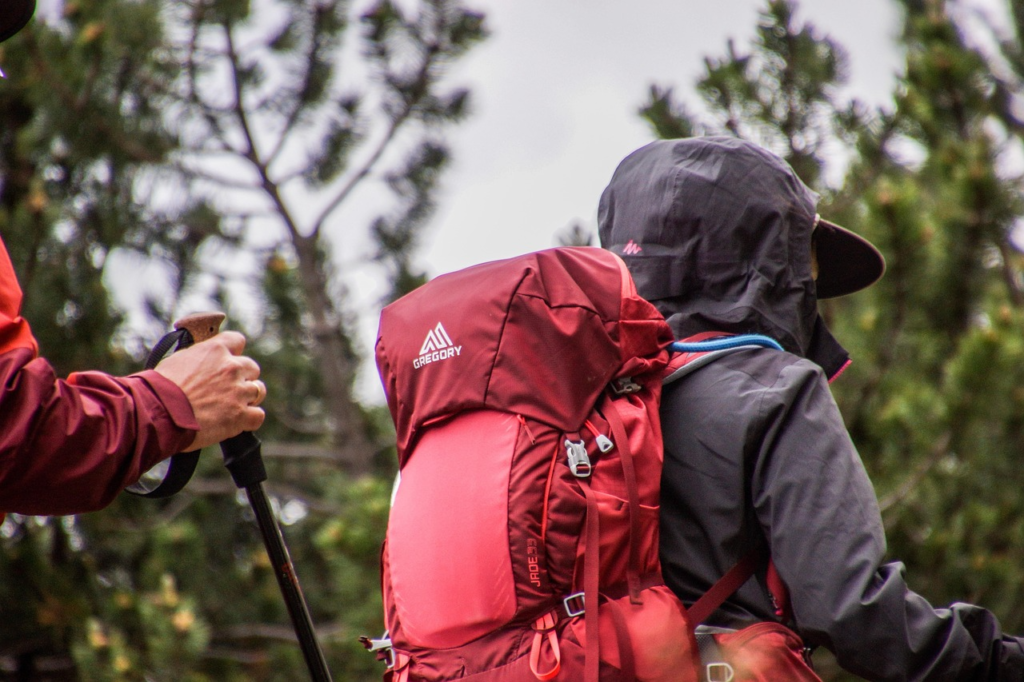
Many experienced climbers still bring their own boots, gloves and clothing because they already trust the fit, but renting technical gear is completely normal. Your guide will inspect every piece of kit before the summit attempt to confirm it fits and suits the conditions ahead.
| Equipment | Required | Rental Available? |
|---|---|---|
| Mountaineering Boots | Yes | Yes |
| Crampons | Yes | Yes |
| Helmet | Yes | Yes |
| Harness | Yes | Yes |
| Ice Axe | Yes | Yes |
| Jumar / Ascender | Yes | Yes |
| Safety Lanyard & Carabiners | Yes | Yes |
| Down Jacket (-20°C Rated) | Yes | Yes |
| Four-Season Sleeping Bag | Yes | Yes |
What’s Included in a Climbing Package
Package inclusions vary between operators, and reading the fine print before booking saves confusion later. Here is what a typical, properly organised trekking peak package covers, and what it usually leaves out.
| Item | Typically Included | Typically Excluded |
|---|---|---|
| Climbing permit and national park fees | Yes | |
| Licensed climbing guide and support crew | Yes | |
| Teahouse or camping accommodation on route | Yes | |
| Meals during the trek and at high camp | Yes | |
| Group climbing gear (ropes, anchors) | Yes | |
| Domestic flights or jeep transport | Yes | |
| Personal climbing gear rental | Extra cost | |
| Travel and rescue insurance | Arranged separately | |
| International flights and Nepal visa | Arranged separately | |
| Tips for guides and porters | Customary, paid separately |
Sample Itinerary Framework
Exact day counts shift by peak and route, but most trekking peak expeditions in the Everest or Annapurna region follow a similar rhythm. Use this as a general framework rather than a fixed schedule, since your own itinerary will be tailored to the mountain you choose.
| Days | Focus |
|---|---|
| Day 1 to 2 | Arrive in Kathmandu, gear check, fly or drive to the trailhead. |
| Day 3 to 7 | Trek toward base camp through villages and forest, with acclimatisation built in. |
| Day 8 to 9 | Rest and acclimatise, short side hikes to a higher elevation and back down. |
| Day 10 | Climbing training session, crampons, harness, jumar and rope work. |
| Day 11 to 12 | Move to high camp, final gear and route preparation. |
| Day 13 | Summit push, early departure, summit, descent back to base camp. |
| Day 14 to 19 | Trek back out and return to Kathmandu. |
How Much Does Trekking Peak Climbing Cost?
The climbing permit is only one piece of the overall budget. A complete package normally bundles domestic transport, accommodation, meals on the trek, a licensed climbing guide, porters, the climbing permit itself, group climbing gear and general logistics.
Final price depends on the mountain, trip length, transport, group size and the level of service you choose. Everest region expeditions usually cost more than Annapurna or Langtang routes, mainly because flights to Lukla and remote logistics push the budget up.
| Expense | Typical Cost | Included in Most Packages? |
|---|---|---|
| NMA Climbing Permit | Varies by season and peak | Yes |
| National Park Permits | Region dependent | Yes |
| Licensed Climbing Guide | Included | Yes |
| Porter Service | Included on most trips | Usually |
| Personal Gear Rental | Extra if required | No |
| Travel Insurance | Purchased separately | No |
Physical Preparation Before Coming to Nepal
You do not need Olympic level fitness to climb a trekking peak, but showing up unprepared turns what should be an enjoyable trip into an exhausting one.
The best preparation starts at least three months before departure. Steady cardio work, leg strength and regular hiking will always beat the occasional brutal gym session.
| Training Area | Recommended Routine | Reason |
|---|---|---|
| Cardio | 45 to 60 minutes, 4 to 5 days a week | Improves endurance at altitude. |
| Hill Walking | Weekly hikes carrying an 8 to 12kg pack | Replicates real trekking conditions. |
| Leg Strength | Squats, lunges and step ups | Protects your knees on long descents. |
| Core Strength | Planks and stability work | Improves balance while climbing. |
| Recovery | Stretching and proper sleep | Lets your body recover between sessions. |
Altitude Safety Cannot Be Ignored
Altitude affects everyone differently, and being extremely fit does not make anyone immune to Acute Mountain Sickness, High Altitude Pulmonary Edema or High Altitude Cerebral Edema.
That is exactly why a properly guided itinerary builds in scheduled acclimatisation days instead of climbing higher every single day. Good acclimatisation improves your odds of a successful summit while cutting the real health risk sharply.
| Warning Sign | Recommended Action |
|---|---|
| Persistent headache | Rest, hydrate and monitor symptoms closely. |
| Nausea or vomiting | Stop ascending immediately. |
| Difficulty walking straight | Descend immediately with guide assistance. |
| Shortness of breath while resting | Requires urgent descent and medical attention. |
The mountain will still be there next season. No summit is worth ignoring a serious altitude symptom.
Common Mistakes First Time Climbers Make
Most failed summit attempts trace back to poor decisions rather than difficult climbing. Rushing the itinerary, ignoring early signs of altitude sickness, wearing unsuitable boots or arriving without proper physical preparation cause far more turnarounds than technical difficulty ever does.
Experienced guides know that reaching the summit is only half the trip. Getting back down safely is always the real objective.
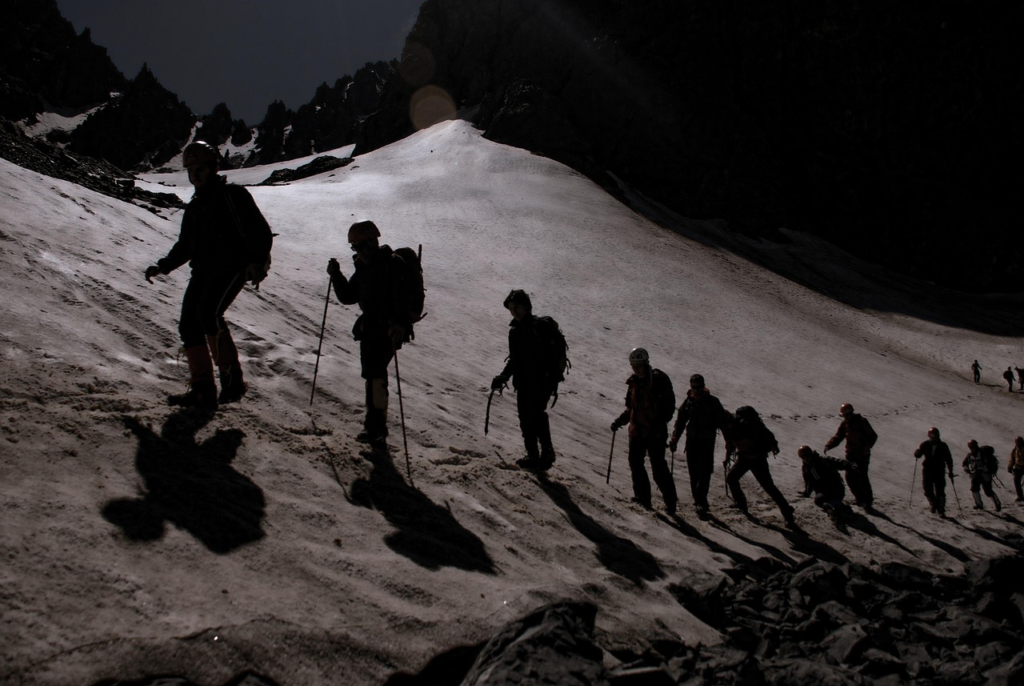
Climbers who listen to their guide, hold a steady pace, stay hydrated and give acclimatisation the time it needs tend to enjoy a much higher success rate than those trying to rush the mountain.
| Avoid This | Better Approach |
|---|---|
| Choosing the hardest peak first | Build experience gradually, peak by peak |
| Skipping acclimatisation days | Follow the planned itinerary, even when you feel fine |
| Ignoring altitude symptoms | Tell your guide immediately and rest if needed |
| Buying cheap equipment | Use quality gear that actually fits, rented or owned |
| Poor physical preparation | Train consistently for months before you arrive |
| Packing too much | Carry only what you and your porter genuinely need |
| Focusing only on the summit | Remember that a safe descent is the real success |
Trekking peak climbing is one of the most rewarding adventures Nepal has to offer. It combines everything people already love about trekking, mountain scenery, welcoming villages, high passes and unforgettable sunrises, with the added thrill of standing on a genuine Himalayan summit.
You do not need to start with Nepal’s highest or most technical mountain. The strongest climbing careers are usually built one step at a time.
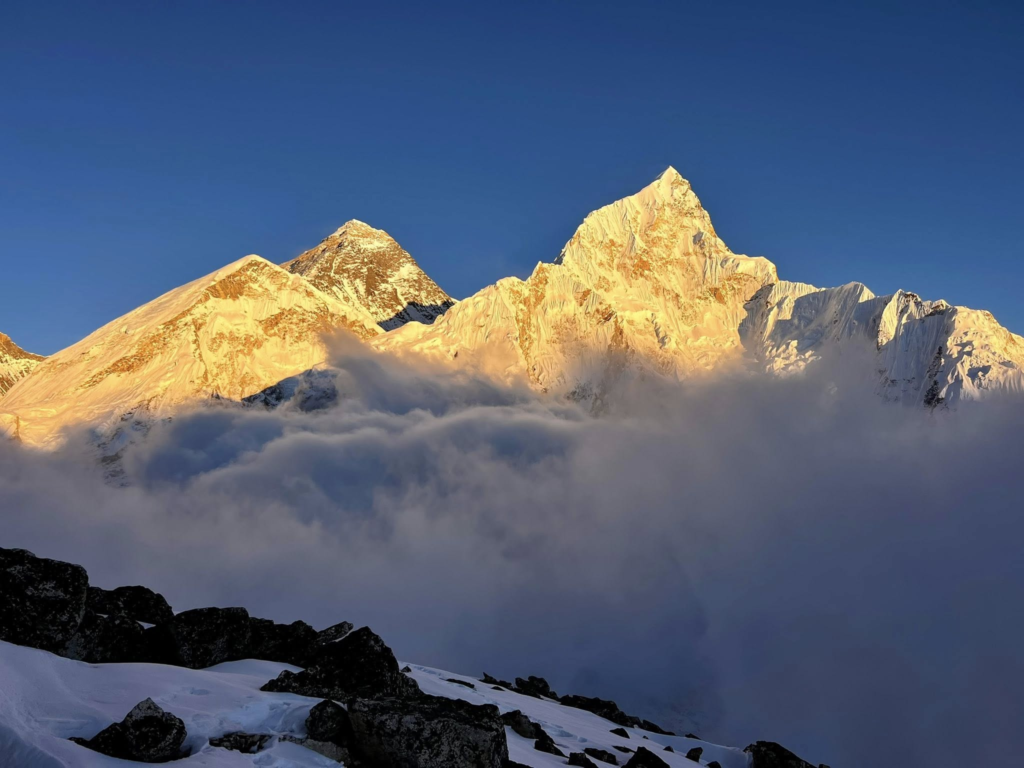
Many experienced Himalayan climbers started on Yala Peak or Island Peak before progressing to Mera Peak, Lobuche East, Chulu East and eventually larger expedition mountains.
Choose a peak that matches your experience, prepare properly, respect the altitude, and climb with experienced local professionals.
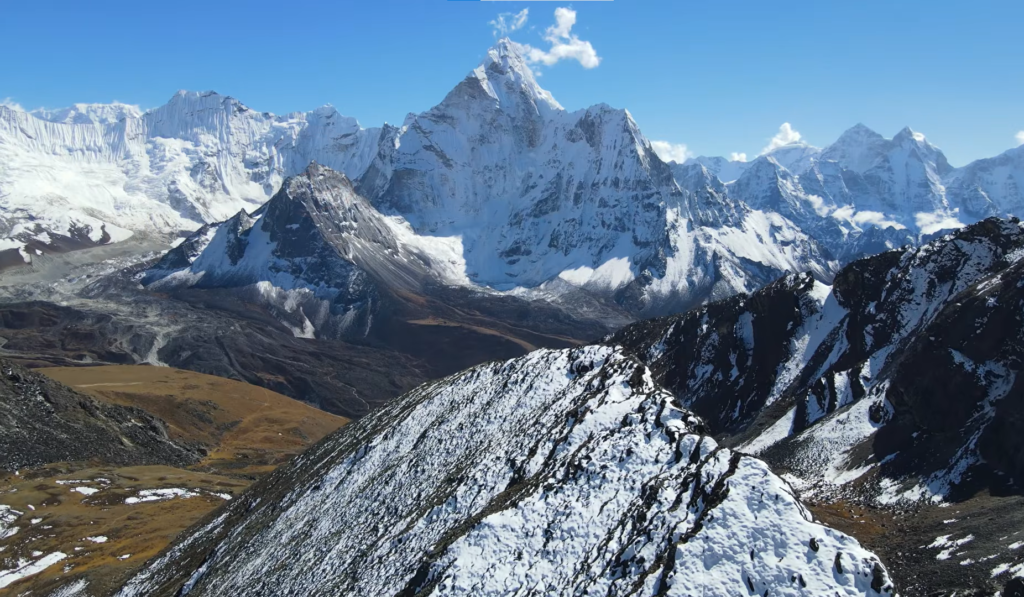
Those choices will do more for your success than picking the highest mountain on the map ever could.
Whether this is your first Himalayan climbing trip or your next summit challenge, Nepal Royal Tourism Holidays can help you choose the right peak and build an itinerary that gives you the best possible chance of standing safely on top.
Frequently Asked Questions
Do I need previous climbing experience?
Not always. Many trekking peaks, including Island Peak, Mera Peak, Pisang Peak and Yala Peak, suit beginners with good physical fitness. Your climbing guide covers the basic mountaineering training before the summit attempt.
Which season is best for climbing?
Spring, from March to May, and autumn, from September to November, offer the most reliable weather, the most stable snow, and the highest summit success rates.
How fit do I need to be?
You should be comfortable hiking for several consecutive days with a light pack. Regular cardio and leg strength training in the months before you arrive make a real difference to your summit chances.
Can I rent climbing equipment in Kathmandu?
Yes. Crampons, helmets, harnesses, mountaineering boots, ice axes and down jackets are all available from established outdoor shops in Thamel.
How long does a typical trekking peak expedition take?
Most run between 14 and 20 days from Kathmandu and back, depending on the mountain, the approach route and how many acclimatisation days are built in.
Is travel insurance required?
Yes. Your policy needs to cover trekking and climbing up to the maximum altitude of your chosen peak, and it should include emergency helicopter evacuation.