


Best Nature Destinations in Nepal for Every Season: Top Places to Visit and Trek Year-Round
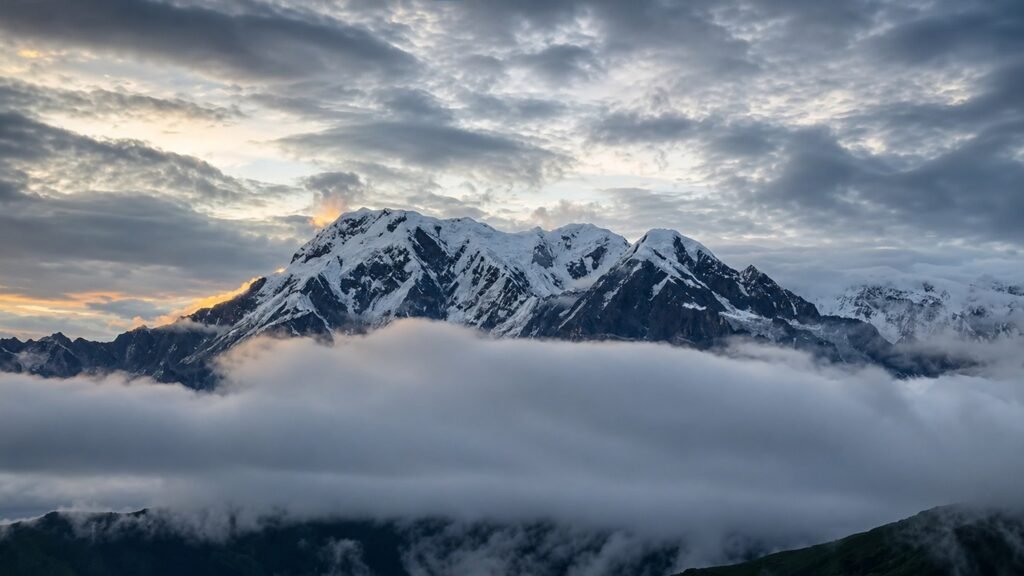
Nepal is often associated with towering Himalayan peaks, but the country’s natural beauty extends far beyond the highest mountains.
From rhododendron forests and peaceful hill villages to glacial valleys, high-altitude lakes, tropical forests and dramatic mountain landscapes, Nepal offers a different experience in every season.
One of the biggest advantages of travelling in Nepal is the variety of landscapes available within a relatively small area. A journey can begin among the subtropical hills around Kathmandu or Pokhara and gradually move through forests, terraced farmland, alpine meadows and eventually the high Himalayan wilderness.
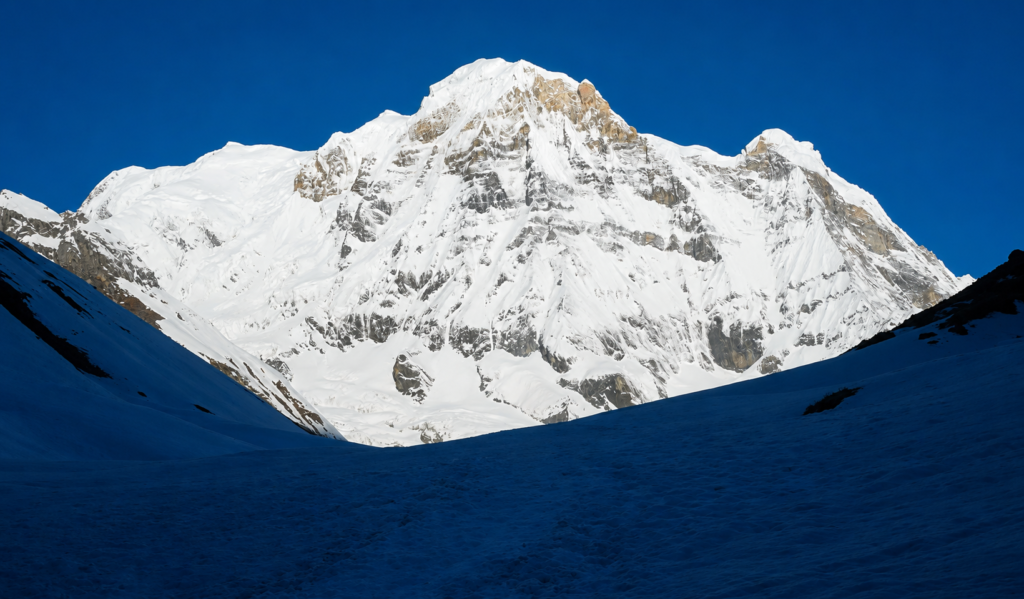
The best destination, however, depends heavily on when you visit. Spring brings colourful rhododendron forests and excellent mountain visibility, while autumn is widely regarded as one of the finest periods for trekking.
Summer and monsoon make many popular trails wetter, but some rain-shadow destinations become particularly attractive. Winter is ideal for lower-altitude walks, cultural journeys and clear mountain views.
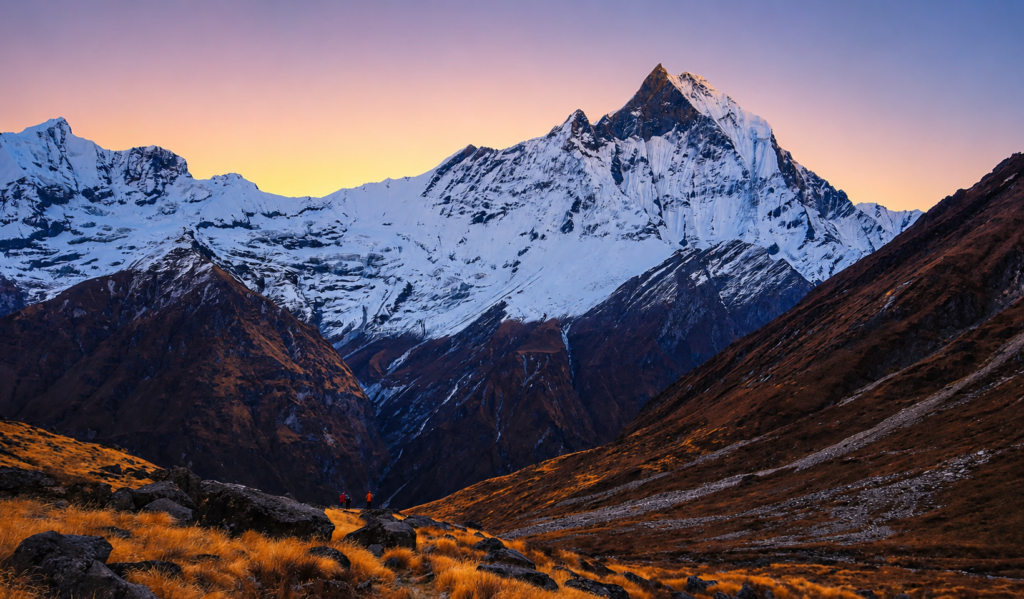
Nepal Royal Tourism Holiday operates trekking and nature journeys across several of these regions, including Annapurna, Everest, Langtang, Manaslu, Mustang, Kanchenjunga, Dolpo and Makalu.
This makes it possible to choose a destination based not only on the scenery you want to see, but also on the season, available time, altitude and level of physical challenge.
Best Nature Destinations in Nepal by Season
| Season | Best Nature Destinations | Main Attraction | Recommended For |
|---|---|---|---|
| Spring March to May |
Annapurna, Mardi Himal, Everest, Langtang, Manaslu, Kanchenjunga | Rhododendrons, clear mountain views and green landscapes | Trekkers, photographers and nature lovers |
| Summer / Monsoon June to August |
Upper Mustang, Upper Dolpo and selected rain-shadow destinations | Dry landscapes, ancient villages and remote Himalayan wilderness | Experienced trekkers and explorers |
| Autumn September to November |
Everest, Annapurna, Manaslu, Langtang, Gokyo, Kanchenjunga, Makalu and more | Exceptional visibility, stable weather and spectacular mountain scenery | Almost every type of trekker |
| Winter December to February |
Poon Hill, Mardi Himal, Helambu, Dhampus, lower Annapurna and selected Langtang routes | Crisp skies, peaceful trails and lower-altitude mountain views | Beginners, families and short-trip travellers |
Spring in Nepal
Spring is one of the most beautiful times to experience Nepal’s natural landscapes. From March through May, the lower Himalayan hills become increasingly green, rhododendrons begin to bloom and mountain visibility is often excellent during the morning.
This is also one of the strongest seasons for trekking. The temperatures are generally comfortable at lower elevations, while higher trails become increasingly accessible as winter conditions ease.
Annapurna Region
The Annapurna region is one of the most versatile nature destinations in Nepal because it combines mountain scenery, forests, rivers, villages and high alpine landscapes within a relatively compact area.
Spring is particularly attractive because the lower sections of the trails pass through forests filled with rhododendrons. Depending on the route, trekkers can see Annapurna I, Annapurna South, Machhapuchhre, Hiunchuli, Dhaulagiri and other major peaks.
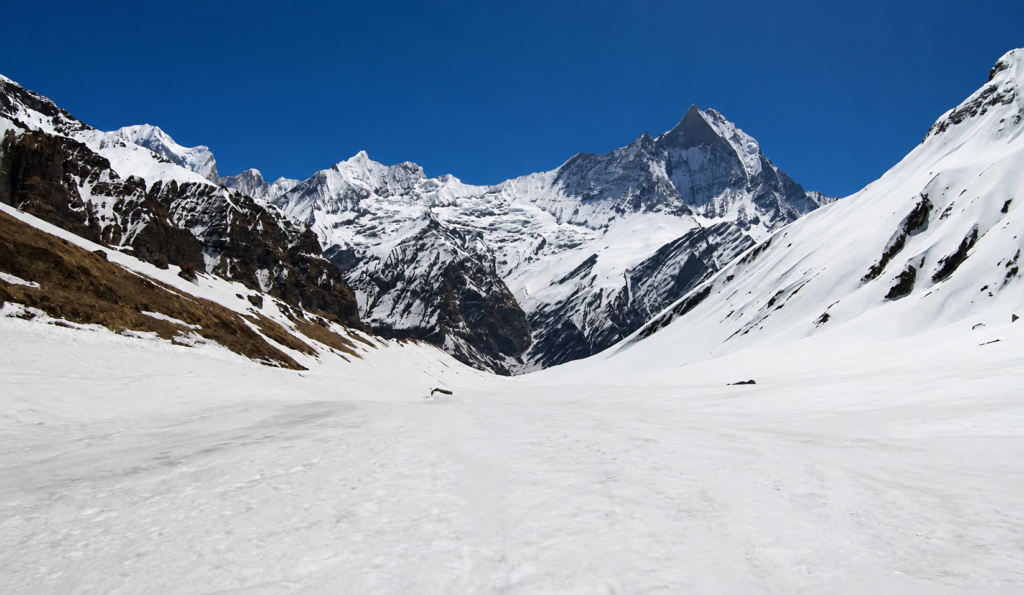
The Annapurna Base Camp Trek is one of the strongest choices for travellers wanting to experience dramatic Himalayan scenery without committing to an expedition. The route gradually moves from lower villages and forested hills toward the Annapurna Sanctuary, eventually reaching approximately 4,130 metres at base camp.
Nepal Royal Tourism Holiday also offers versions of the Annapurna Base Camp journey combined with Poon Hill, as well as a shorter luxury version for travellers who prefer greater comfort and more streamlined logistics.
Mardi Himal
Mardi Himal is another excellent spring destination for travellers who want mountain scenery combined with forest trails and a quieter trekking atmosphere.
The route passes through rhododendron and oak forests before climbing toward open ridges with increasingly impressive views of Machhapuchhre and the Annapurna range.
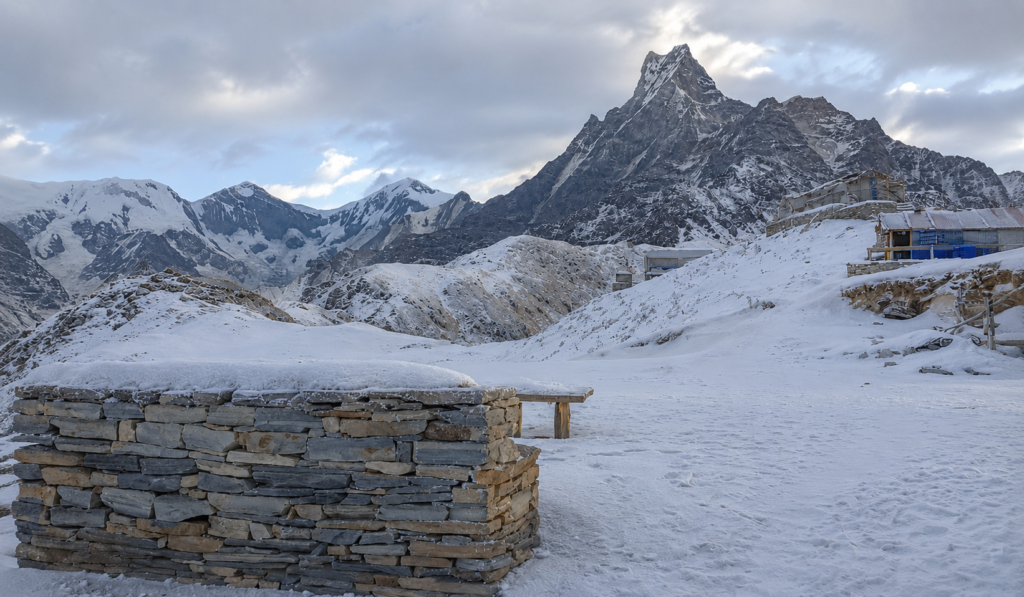
The trek reaches around 4,500 metres at its highest point, so it is not a low-altitude beginner walk despite its relatively short itinerary. Its appeal comes from the changing landscape, from green foothills to alpine terrain, and the spectacular views available from the upper ridge.
Nepal Royal Tourism Holiday currently run Mardi Himal Trek as a 9-day journey with spring and autumn as its best seasons.
Everest Region
For travellers whose idea of a perfect nature destination involves enormous Himalayan peaks, the Everest region remains difficult to beat.
Spring brings improving conditions to the high Khumbu and provides opportunities to experience the dramatic landscapes surrounding Namche Bazaar, Tengboche, Dingboche, Lobuche and Everest Base Camp.
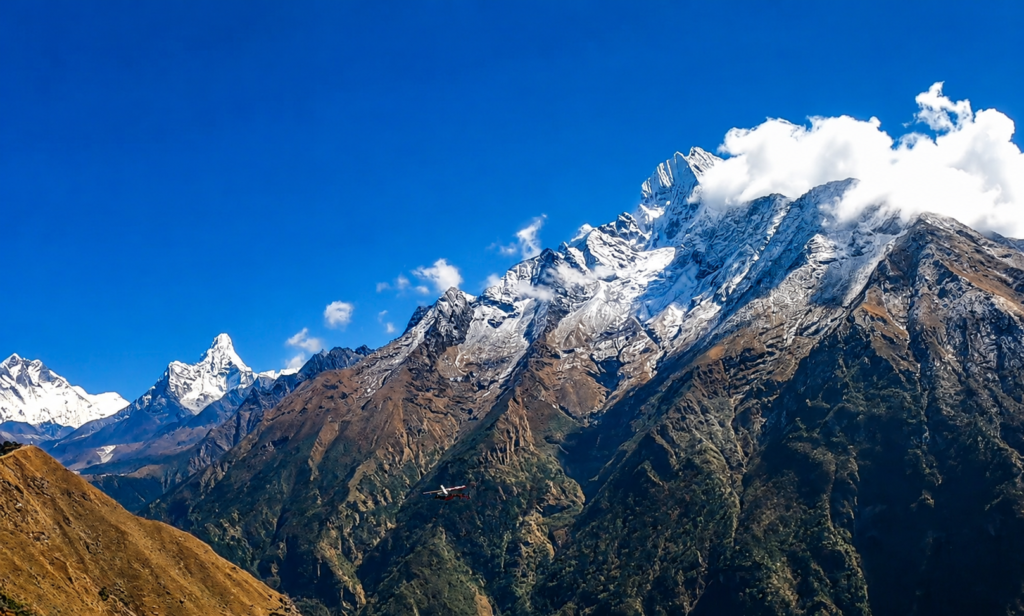
The Everest Base Camp Trek combines mountain scenery with Sherpa villages, Buddhist monasteries, suspension bridges, rhododendron forests and the glacial landscapes of the upper Khumbu.
Major peaks visible along the route include Everest, Lhotse, Nuptse, Ama Dablam, Thamserku and several other Himalayan giants. The route including Kala Patthar also reaches 5,545 metres and is quite challenging.
Spring Nature Destinations
| Destination | Region | Approx. Highest Point | Why Visit in Spring |
|---|---|---|---|
| Annapurna Base Camp | Annapurna | 4,130 m | Rhododendron forests, mountain panoramas and pleasant trekking conditions |
| Mardi Himal | Annapurna | 4,500 m | Blooming forests, open ridges and close views of Machhapuchhre |
| Everest Base Camp (Kala Patthar) | Everest | 5,545 m | High Himalayan scenery, Sherpa culture and improving high-altitude conditions |
| Langtang Valley | Langtang | Around 4,773 m | Rhododendron forests, glaciers, valleys and Himalayan villages |
| Manaslu Circuit | Manaslu | 5,106 m | Diverse landscapes, traditional villages and dramatic Himalayan terrain |
Langtang Valley Trek
The Langtang Valley is one of the best nature destinations near Kathmandu for travellers who want a genuine Himalayan trekking experience without travelling as far as the Everest or Annapurna regions.
The valley combines dense forests, mountain streams, traditional Tamang villages, open alpine landscapes and impressive views of the Langtang range.
Spring is particularly attractive in Langtang because the lower sections of the trail come alive with rhododendron and other wildflowers.
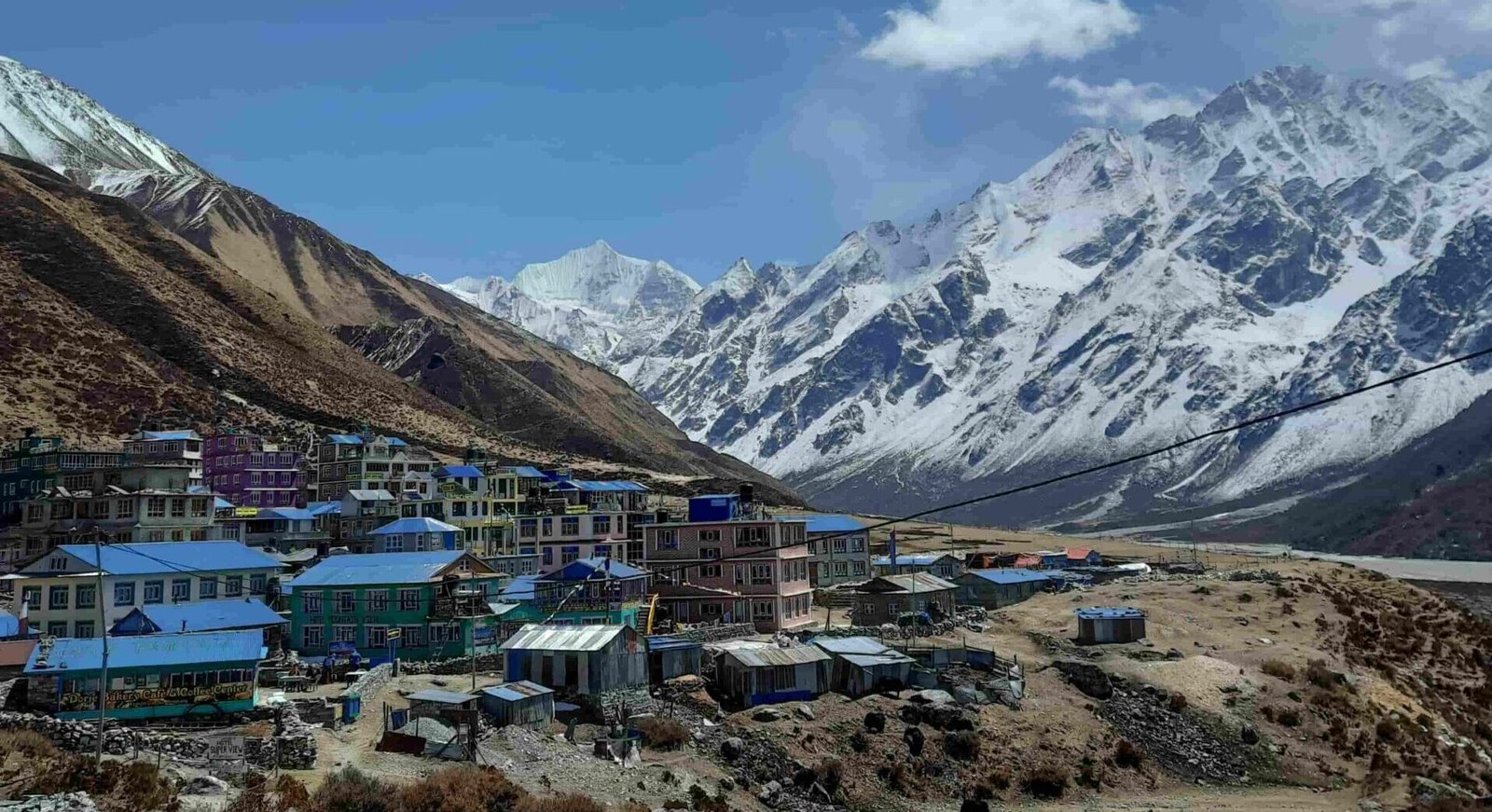
As the trail climbs higher, the scenery changes from forest to alpine meadows and glacial valleys, creating a remarkable contrast within a relatively short journey.
The trek passes through places such as Lama Hotel, Langtang Village and Kyanjin Gompa. From the upper valley, trekkers can enjoy views of Langtang Lirung and surrounding peaks, while Kyanjin Gompa provides access to some of the region’s most impressive mountain viewpoints.
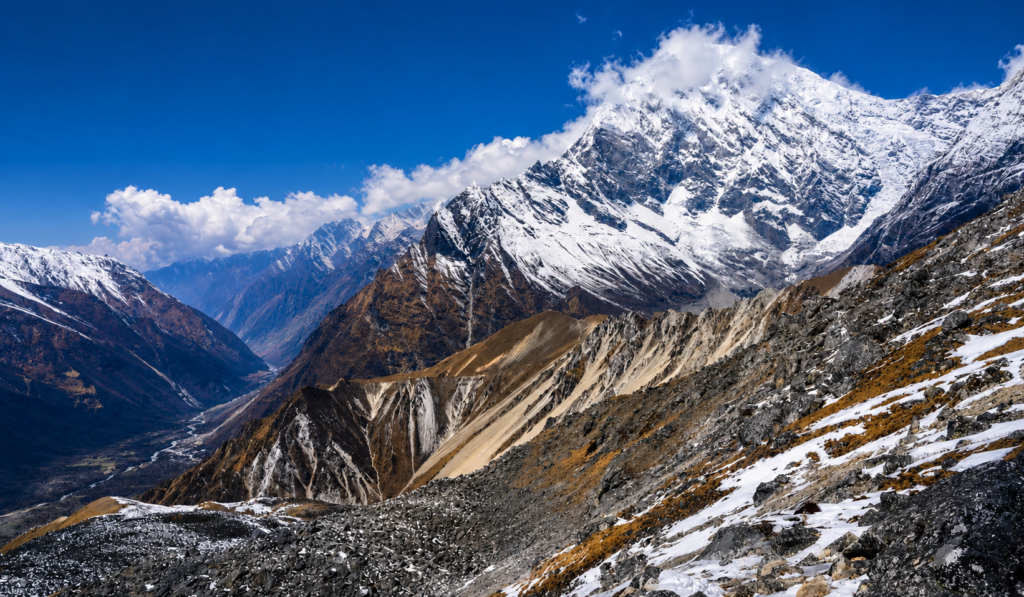
For travellers looking for a combination of natural scenery and local culture, Langtang is especially rewarding. The route also provides an opportunity to experience Tamang Himalayan traditions, Buddhist monasteries and mountain settlements that have developed around the valley for generations.
Manaslu Circuit Trek
The Manaslu Circuit is an excellent choice for travellers who want a more remote Himalayan landscape and a wider variety of natural environments.
The journey circles Mount Manaslu, the world’s eighth-highest mountain, while passing through river valleys, pine and rhododendron forests, traditional mountain settlements and high alpine terrain.
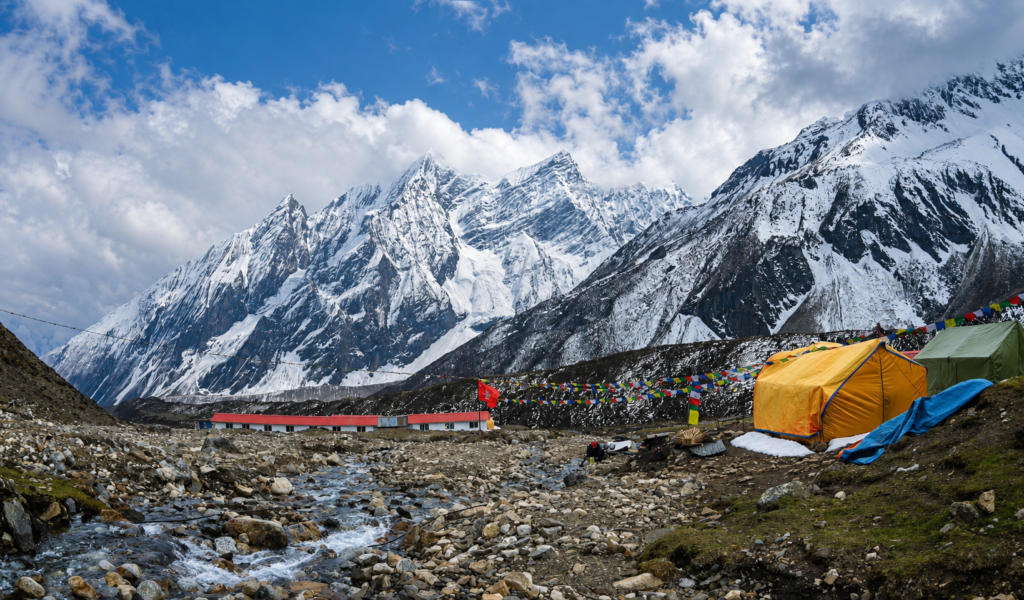
Spring is one of the most rewarding seasons for the Manaslu Circuit. The lower sections become greener and the forests can be particularly colourful, while the higher parts of the route offer increasingly dramatic views of Manaslu and surrounding peaks.
One of the major highlights is the transition from the lush Budhi Gandaki valley into the high mountain landscape around Larkya La Pass.
At 5,106 metres, the pass is the highest point of the standard circuit and requires proper acclimatisation and preparation.
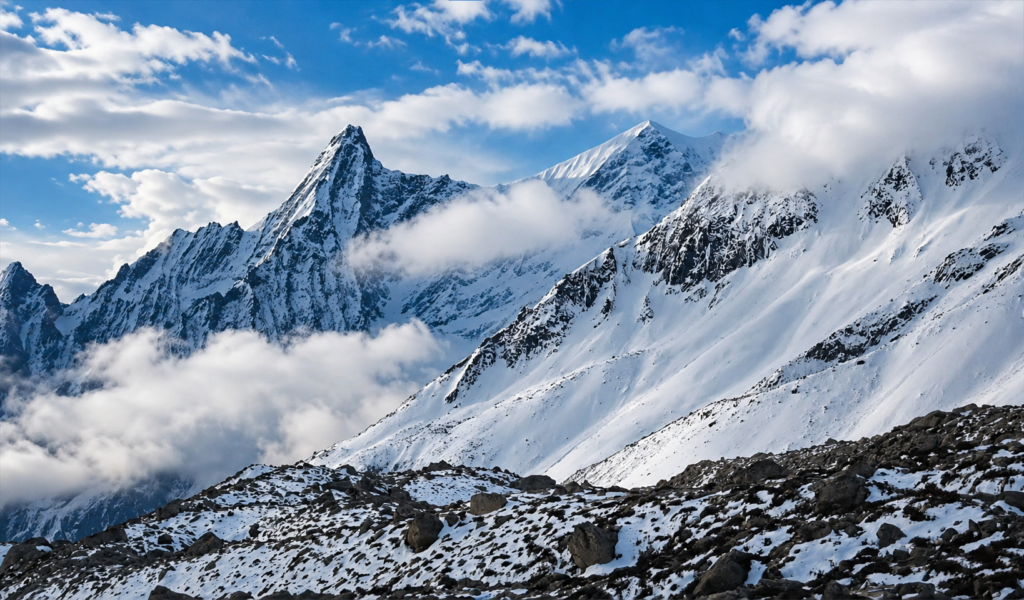
The landscape is not the only attraction. The route also passes through culturally distinctive Gurung and Tibetan-influenced communities, ancient monasteries and remote settlements where traditional Himalayan lifestyles remain an important part of everyday life.
Kanchenjunga Region
For travellers searching for wilderness rather than busy trekking trails, the Kanchenjunga region is one of Nepal’s most remarkable nature destinations.
Located in eastern Nepal, the region surrounds Mount Kanchenjunga and contains forests, deep valleys, glaciers, alpine meadows and some of the country’s most remote mountain settlements.
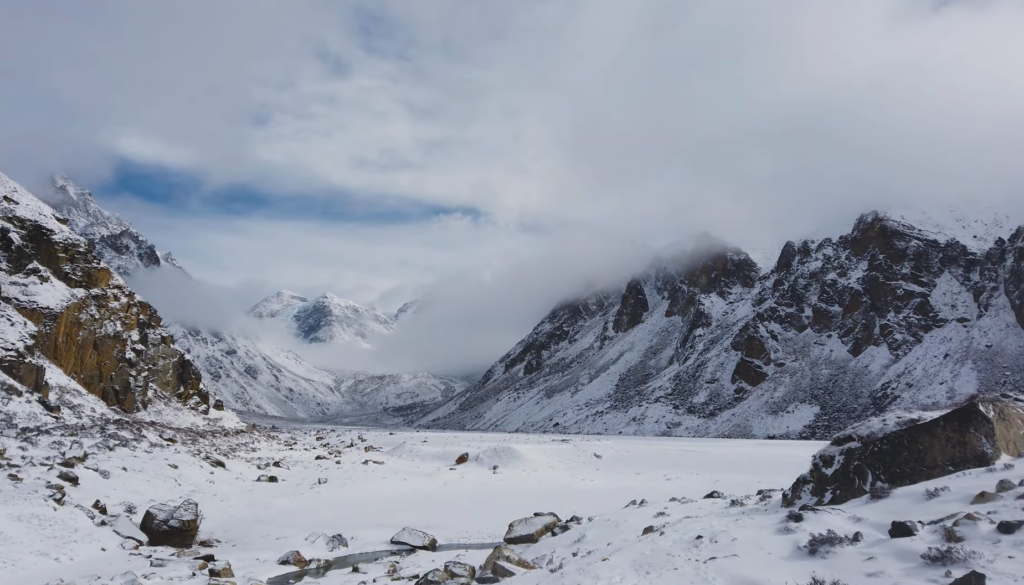
Spring is an especially attractive time to visit because the lower and middle elevations can display spectacular rhododendron forests. As the route climbs, vegetation gradually becomes more sparse and the landscape opens into rugged Himalayan terrain.
The Kanchenjunga Base Camp Trek can be approached from both the northern and southern sides, allowing trekkers to experience different landscapes and cultural environments.
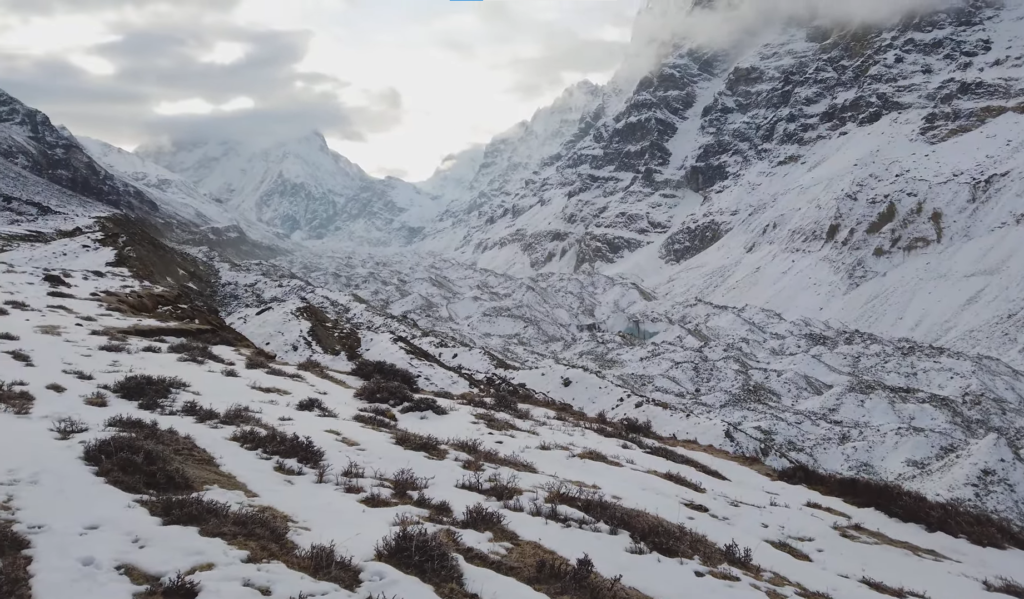
The journey is considerably more demanding than short nature walks around Pokhara or Kathmandu, but the remoteness is exactly what makes it special.
Trekkers can encounter enormous mountain walls, glaciers and high valleys while travelling through communities that receive far fewer visitors than the major trekking routes of Everest and Annapurna.
Gokyo Lakes and the Everest Wilderness
The Everest region is not limited to the classic Base Camp route. The Gokyo Valley provides a different perspective of the Khumbu, with a chain of turquoise glacial lakes surrounded by enormous Himalayan peaks.
The Gokyo Lakes Trek is particularly attractive to nature lovers because the landscape combines high-altitude wetlands, glaciers, mountain valleys and some of the most spectacular viewpoints in the Everest region.
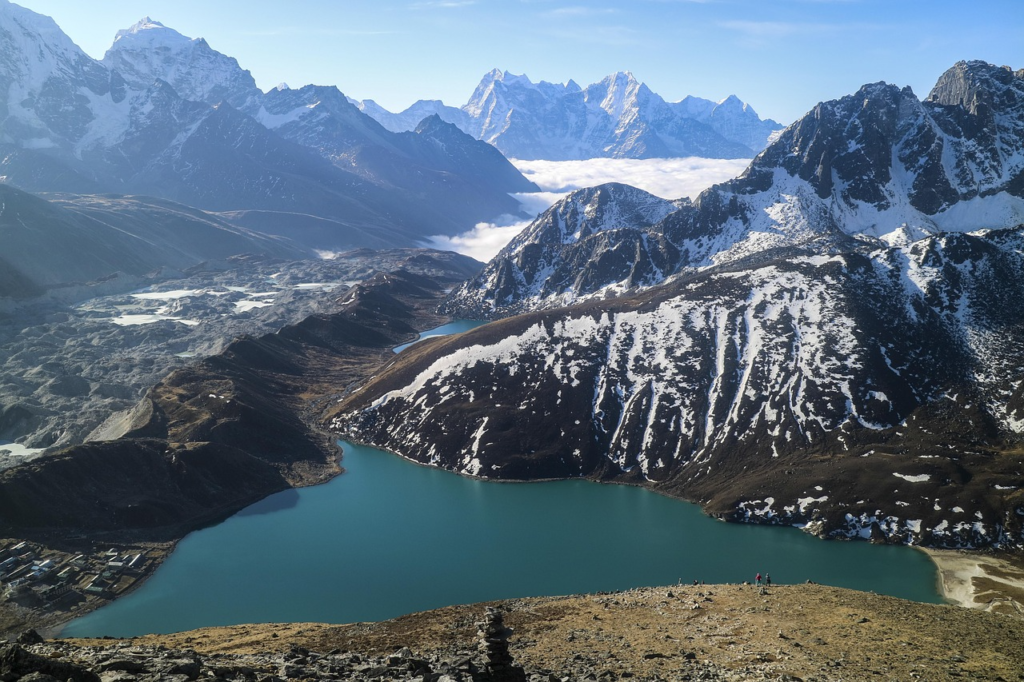
Gokyo Ri provides a panoramic perspective across the surrounding mountains, with views toward Everest, Lhotse, Cho Oyu, Makalu and other peaks depending on weather and visibility. The journey also passes through traditional Sherpa settlements and the dramatic Ngozumpa Glacier.
Spring can provide excellent conditions for the trek, although the route remains a high-altitude journey and should not be treated as a beginner-level nature walk.
Summer and Monsoon in Nepal
June through August brings the monsoon to much of Nepal. Heavy rainfall, wet trails, clouds, landslides and reduced mountain visibility can make several popular trekking routes less attractive during this period.
However, summer does not mean that Nepal’s nature destinations should be avoided completely. The key is choosing the right region.
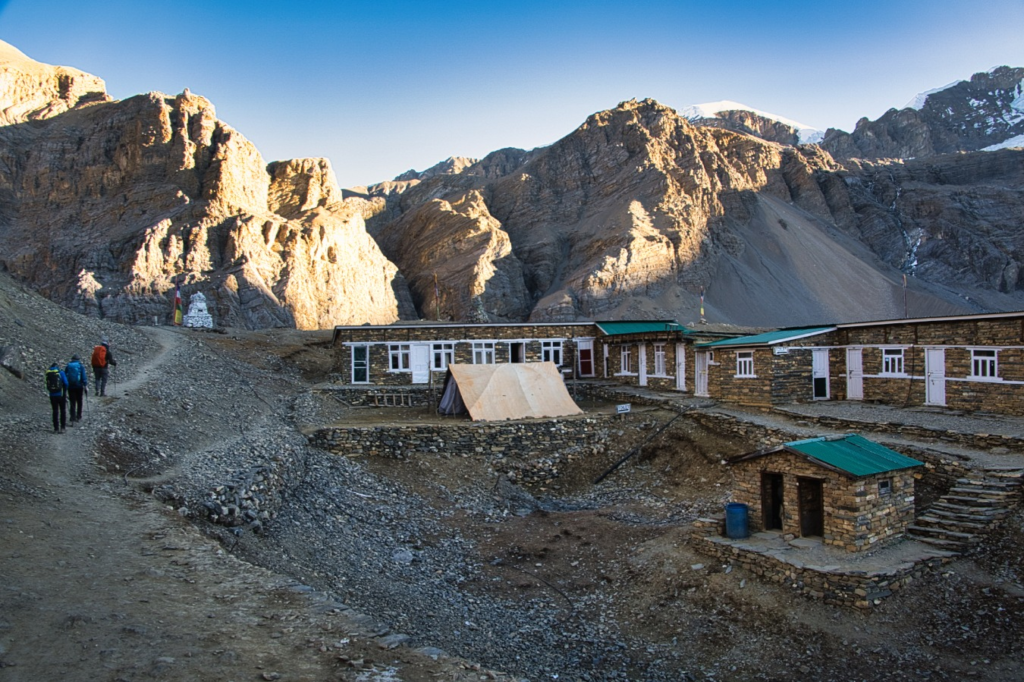
The northern Himalayas contain extensive rain-shadow areas where rainfall is significantly lower than on the southern slopes. Upper Mustang and Upper Dolpo are two of the most important destinations to consider when planning a Himalayan adventure during the monsoon months.
Upper Mustang
Upper Mustang is one of Nepal’s most distinctive landscapes and one of the strongest choices for summer trekking. Located north of the main Himalayan barrier, the region lies within a rain-shadow environment where the landscape is dramatically different from the green, rain-soaked hills farther south.
Instead of dense monsoon forests, travellers encounter dry cliffs, barren mountains, deep canyons, windswept plateaus, ancient villages and distinctive rock formations. The region’s landscape often resembles the Tibetan plateau more than the lush foothills of Nepal.
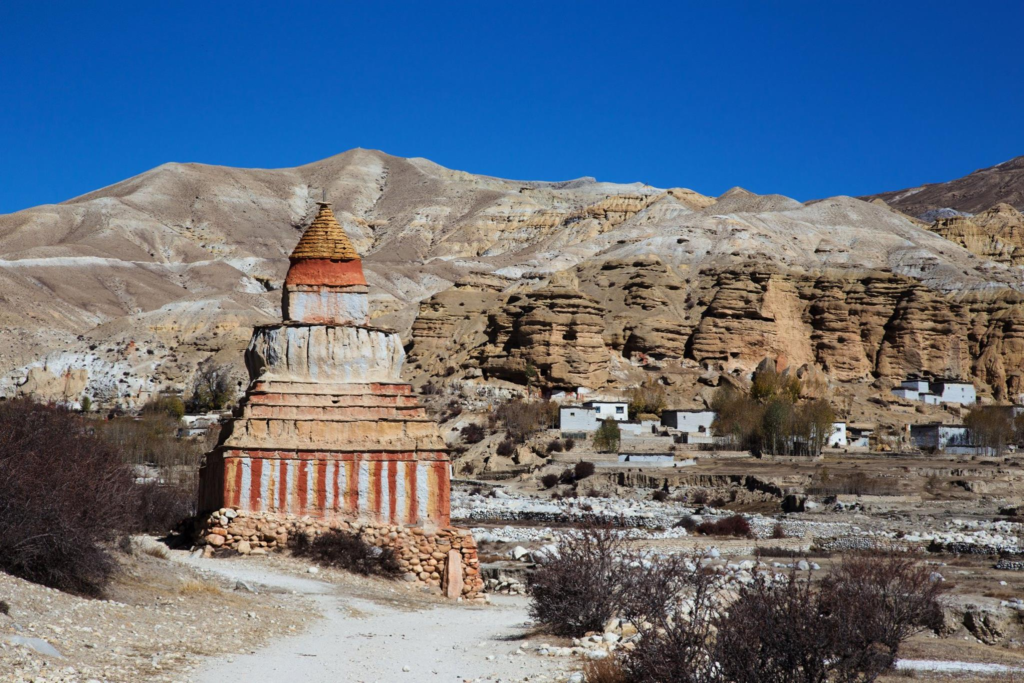
The journey also provides an opportunity to explore the historic Kingdom of Lo, including Lo Manthang and surrounding settlements. Ancient monasteries, traditional whitewashed houses, caves and centuries-old Tibetan Buddhist culture form an important part of the experience.
Upper Mustang is therefore not simply a mountain trek. It is a journey through a unique Himalayan cultural landscape where geology, history and traditional mountain life come together.
Upper Dolpo
Upper Dolpo is another exceptional destination for travellers who want to explore Nepal during the summer and monsoon period. Situated in the remote western Himalayas, Dolpo is protected by surrounding mountain ranges and contains extensive dry landscapes that receive much less rainfall than Nepal’s southern slopes.
The region is famous for its remote valleys, high mountain passes, ancient monasteries and the extraordinary turquoise waters of Phoksundo Lake. The landscape changes dramatically between deep river valleys, barren mountain slopes, alpine meadows and high passes.
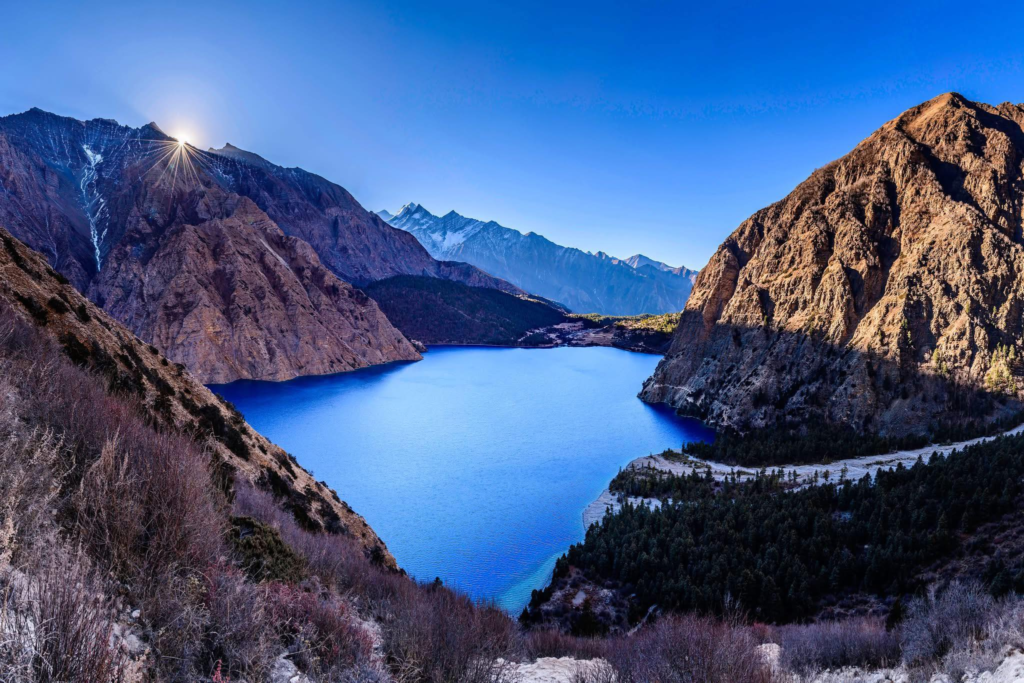
Upper Dolpo is considerably more remote than most of Nepal’s major trekking destinations. Infrastructure is limited and several sections traditionally require camping, making preparation and logistical support particularly important.
For experienced trekkers, however, this remoteness is one of the greatest attractions. The region provides a sense of wilderness that has become increasingly difficult to find on Nepal’s more established trekking routes.
Best Nature Destinations for Summer and Monsoon
| Destination | Region | Landscape | Summer Appeal |
|---|---|---|---|
| Upper Mustang | Mustang | Dry valleys and desert-like mountains | Rain-shadow conditions and ancient Himalayan culture |
| Upper Dolpo | Dolpo | High valleys, barren mountains and glaciers | One of Nepal’s strongest summer wilderness options |
| Lower Dolpo | Dolpo | Forests, valleys, lakes and high passes | Remote wilderness and access toward Phoksundo |
| Humla and Limi Valley | Humla | Dry valleys and remote Himalayan villages | Remote northern landscapes and Tibetan-influenced culture |
Autumn in Nepal
September to November is widely considered one of the best periods for exploring Nepal’s natural landscapes. The monsoon gradually moves away, the skies become clearer, trails dry out and the Himalayan ranges often appear with exceptional visibility.
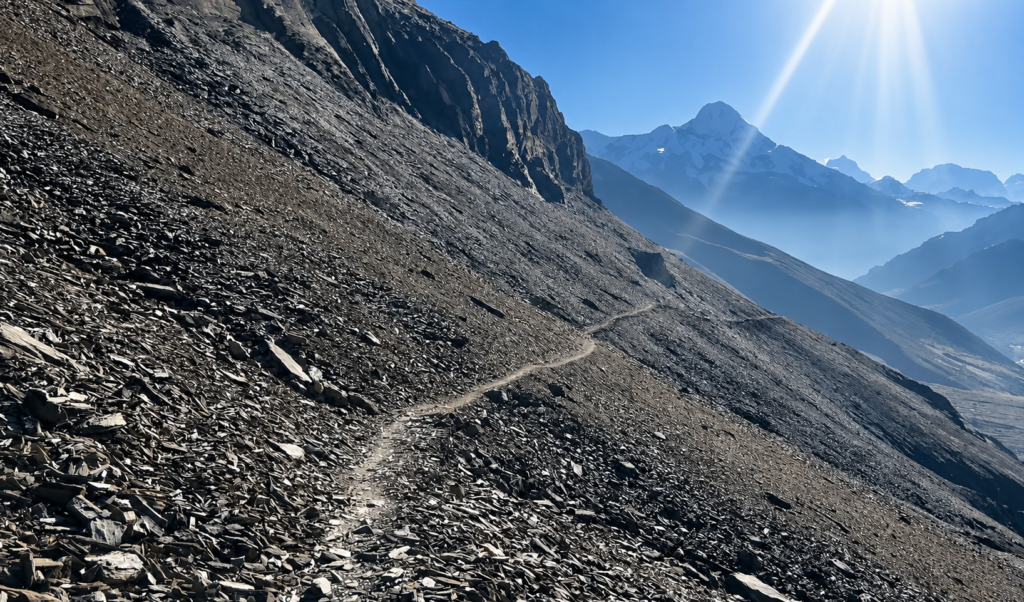
Autumn is also the season when travellers can choose from the widest range of trekking destinations. From relatively comfortable journeys around Annapurna and Langtang to demanding high-altitude adventures in Everest, Manaslu, Kanchenjunga and Makalu, there is an option for almost every type of trekker.
Ghorepani Poon Hill Trek
For travellers who want spectacular Himalayan scenery without committing to a long high-altitude expedition, the Ghorepani Poon Hill Trek remains one of the most practical choices.
The route passes through traditional villages, terraced hillsides and rhododendron forests before reaching Poon Hill at approximately 3,210 metres.
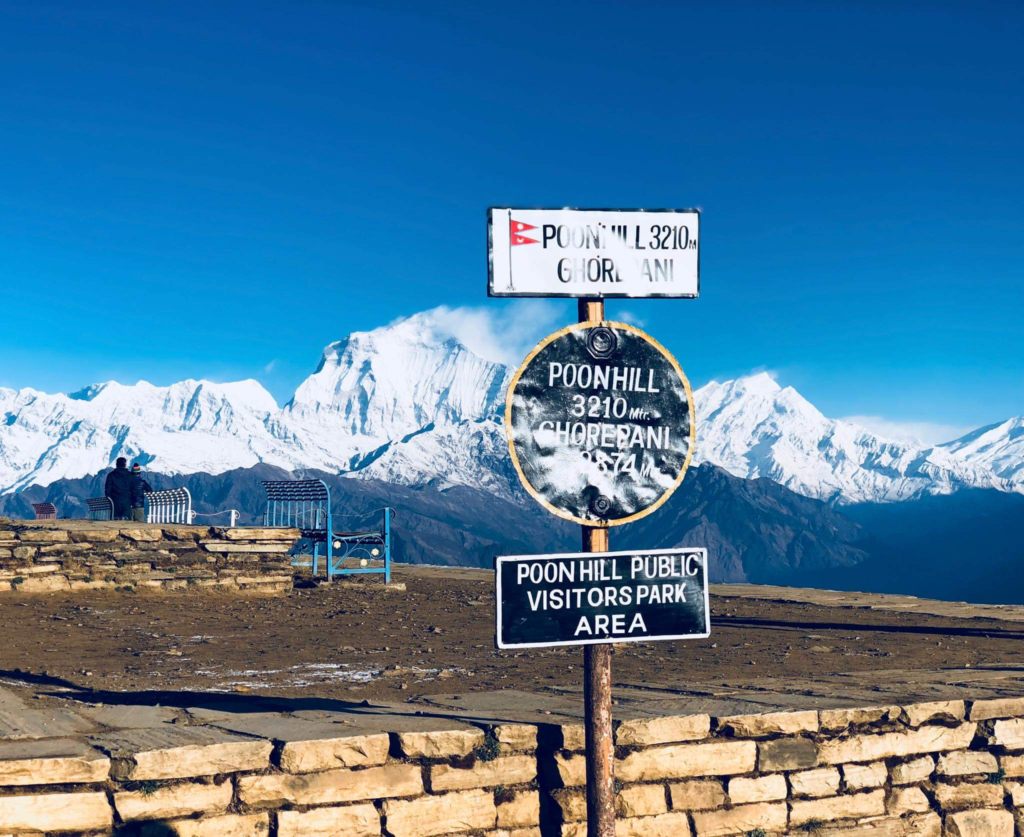
From the viewpoint, the sunrise illuminates a wide section of the Annapurna and Dhaulagiri ranges, with Machhapuchhre and Annapurna South also forming part of the panorama.
Autumn’s dry trails and generally clear mornings make this an excellent season for photography. The trek can also be completed within a relatively short period, making it suitable for travellers who want to experience the Himalayas without spending two or three weeks on the trail.
Annapurna Circuit with Tilicho Lake
The Annapurna Circuit is one of Nepal’s most geographically diverse trekking journeys. Within a single trip, the landscape changes from subtropical valleys and terraced farmland to pine forests, dry mountain valleys and the high Himalayan environment around Thorong La.
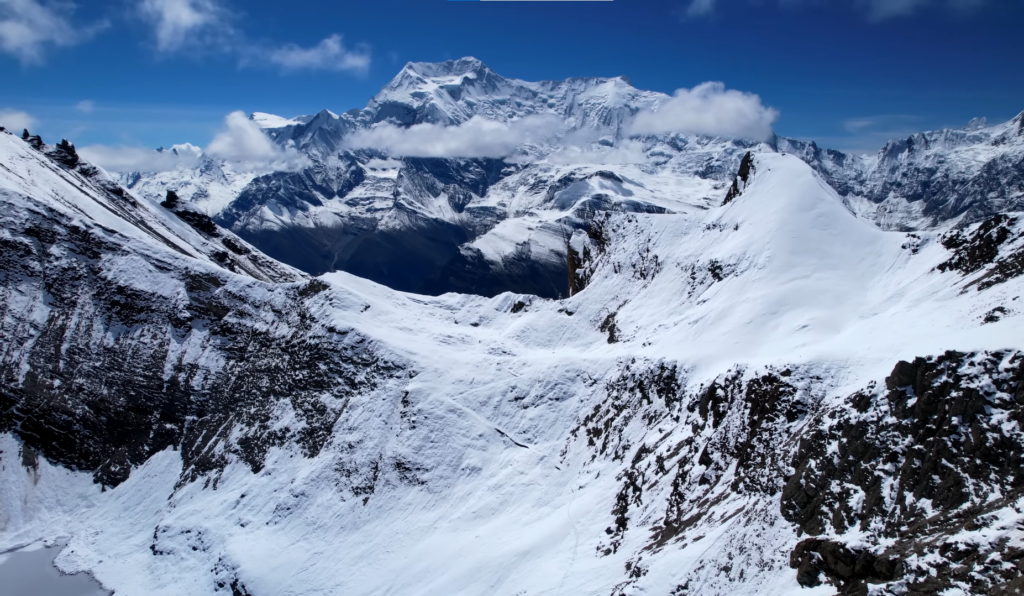
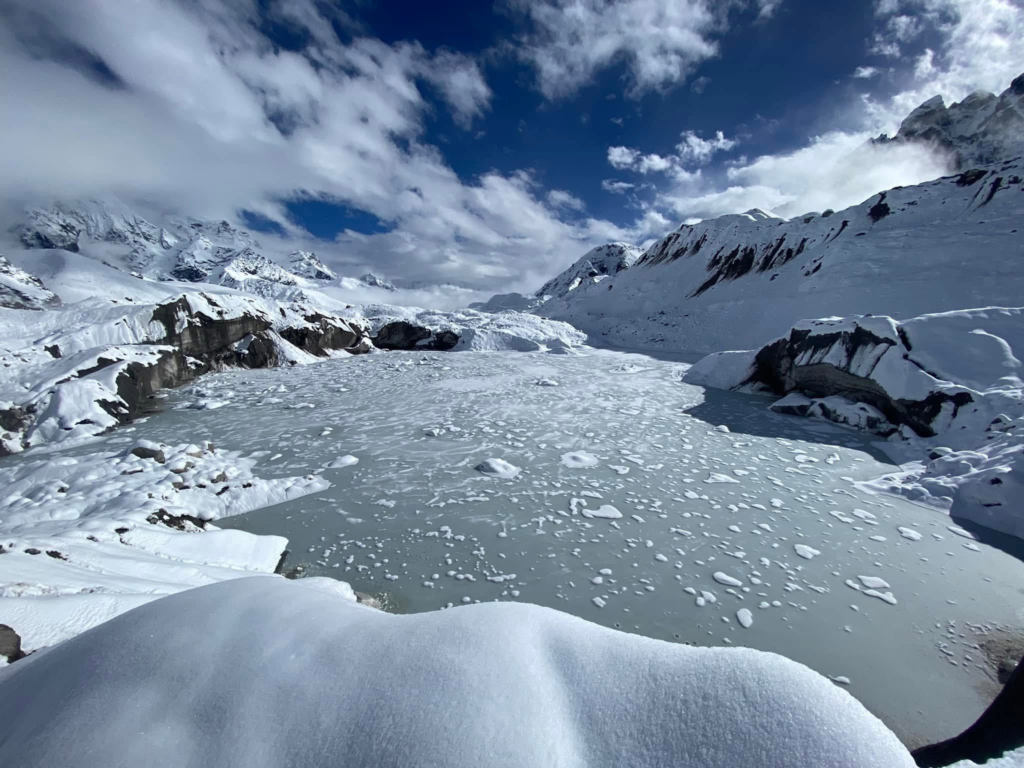
Adding Tilicho Lake makes the journey even more appealing for nature lovers. At approximately 4,919 metres, Tilicho Lake sits beneath an enormous amphitheatre of Himalayan peaks and provides one of the most memorable high-altitude landscapes in the Annapurna region.
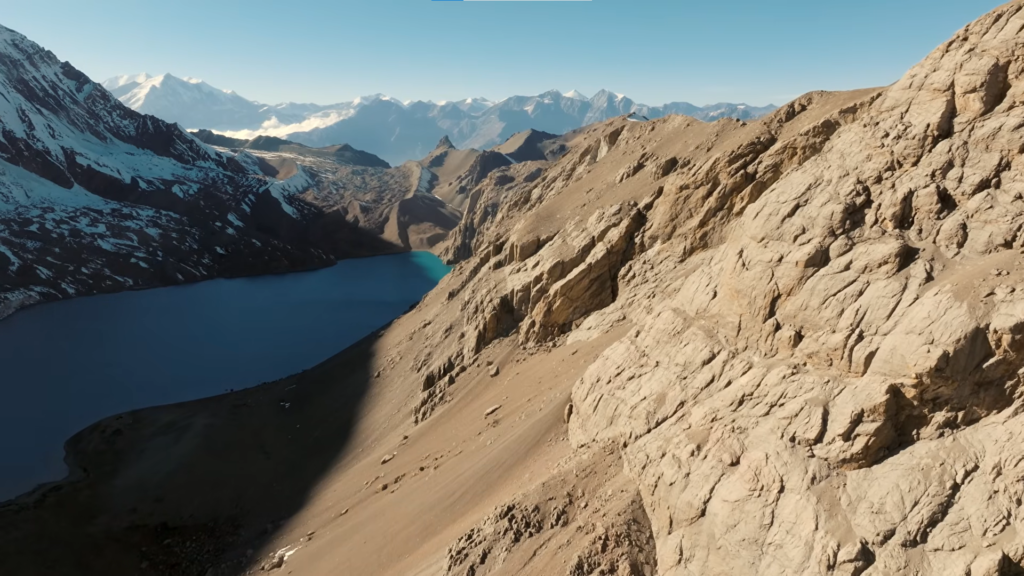
The route eventually crosses Thorong La Pass at 5,416 metres before descending toward Muktinath and the Mustang side of the Himalayas. This dramatic change in elevation and geography is one of the main reasons the Annapurna Circuit remains such a popular choice in autumn.
Autumn provides generally favourable conditions for the high passes, although the trek remains physically demanding and proper acclimatisation is essential.
Everest Base Camp Trek
Autumn is one of the classic seasons for visiting the Everest region. Following the summer monsoon, the skies generally become clearer and the famous Himalayan skyline becomes much easier to appreciate.
The Everest Base Camp route passes through Namche Bazaar, Tengboche, Dingboche and Lobuche before reaching Everest Base Camp. The surrounding landscape includes immense peaks, glaciers, alpine valleys and traditional Sherpa settlements.
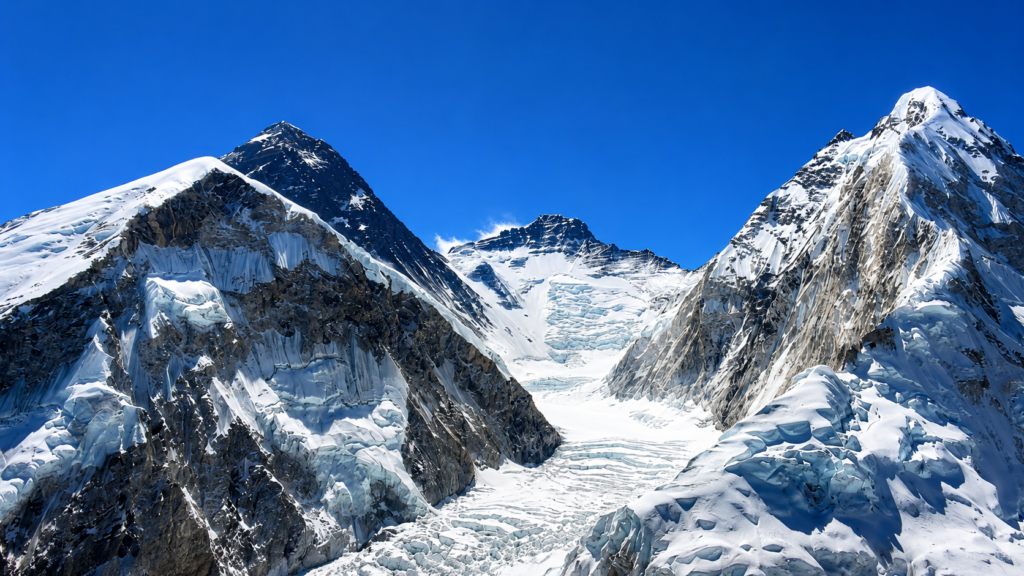
A hike to Kala Patthar provides one of the most famous viewpoints in the region, with Everest, Nuptse, Pumori and other peaks dominating the horizon.
For nature lovers, however, the experience is about more than Everest itself. The journey through Sagarmatha National Park exposes trekkers to changing vegetation, mountain wildlife, Buddhist monasteries and dramatic river valleys before the environment becomes increasingly alpine.
Gokyo Lakes Trek
Gokyo is an outstanding autumn destination for travellers who want high Himalayan scenery combined with glacial lakes and fewer crowds than some sections of the classic Everest Base Camp route.
The Gokyo Valley contains a series of striking turquoise lakes surrounded by enormous mountain walls. The landscape becomes particularly impressive as trekkers approach the Ngozumpa Glacier and the settlements around Gokyo.
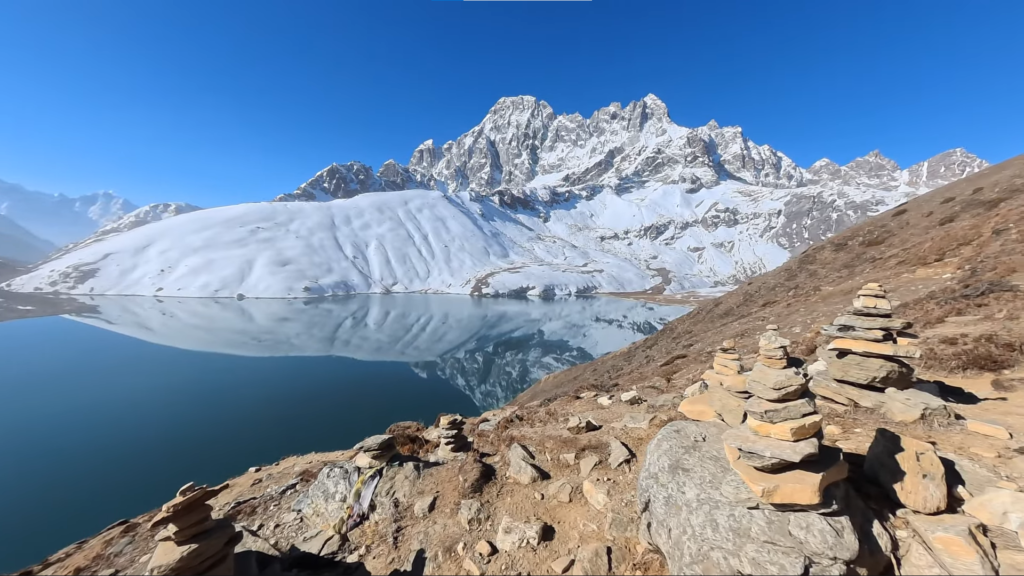
Gokyo Ri is another major highlight. From the summit, trekkers can see a spectacular panorama of Everest, Lhotse, Makalu, Cho Oyu and surrounding peaks when weather conditions are favourable.
The combination of clear autumn skies, high-altitude lakes, glaciers and enormous mountain scenery makes Gokyo one of the strongest nature-focused alternatives within the Everest region.
Three Passes Trek
For experienced trekkers looking for a more comprehensive Everest wilderness experience, the Everest Three Passes Trek combines several of the region’s major high-altitude landscapes into one demanding journey.
The route crosses Kongma La, Cho La and Renjo La while connecting different valleys of the Khumbu. Along the way, trekkers encounter glaciers, high mountain passes, turquoise lakes, remote valleys and exceptional views of Everest and neighbouring peaks.
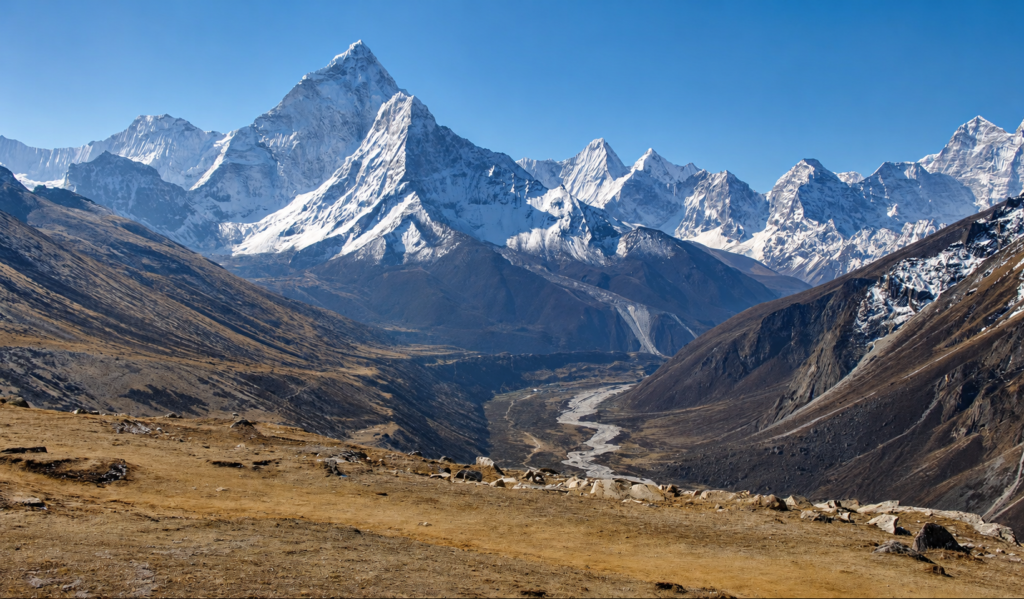
Autumn is particularly attractive because stable weather and clearer skies can improve visibility across the high passes. Nevertheless, this is a strenuous trek requiring good physical preparation, acclimatisation and appropriate equipment.
Manaslu Circuit Trek
Autumn is another excellent period for the Manaslu Circuit, particularly after the monsoon has cleared the atmosphere and restored colour to the lower valleys.
The trail follows the Budhi Gandaki River through increasingly dramatic terrain before entering the high Himalayan environment. Forests, waterfalls, suspension bridges, traditional villages and Buddhist monasteries gradually give way to glacial landscapes surrounding Manaslu.
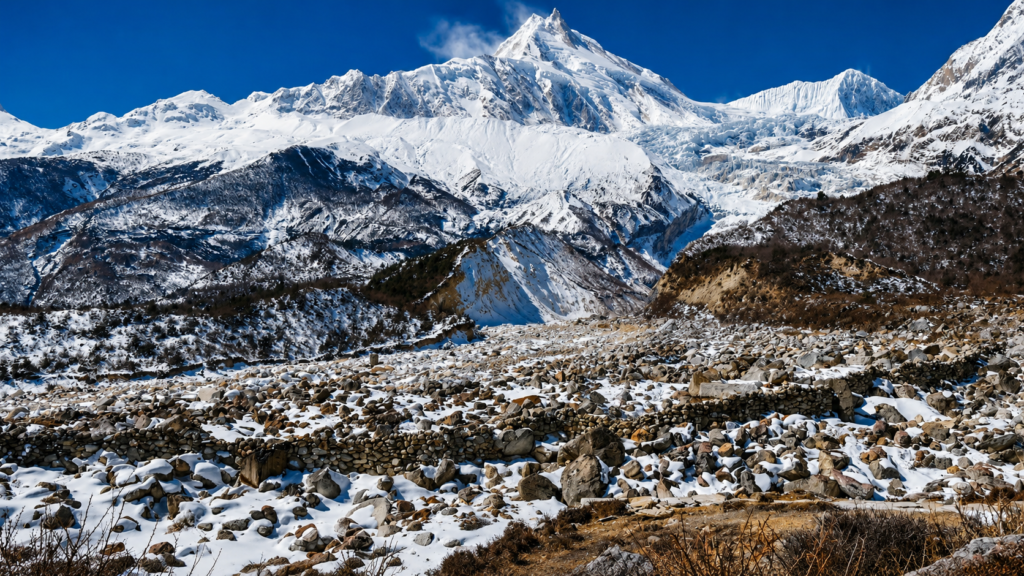
The crossing of Larkya La Pass is the defining high-altitude section of the journey. From the upper sections, trekkers gain impressive views of Manaslu and numerous surrounding peaks.
The relative remoteness of the Manaslu region also makes it attractive to travellers who want a quieter alternative to some of Nepal’s busiest trekking routes.
Kanchenjunga Base Camp Trek
The Kanchenjunga region becomes especially appealing during autumn when the post-monsoon atmosphere often provides excellent visibility across eastern Nepal.
The journey takes trekkers deep into one of the country’s most remote Himalayan landscapes. Instead of heavily developed trekking corridors, the route moves through isolated villages, forests, river valleys, alpine meadows and glacial terrain.
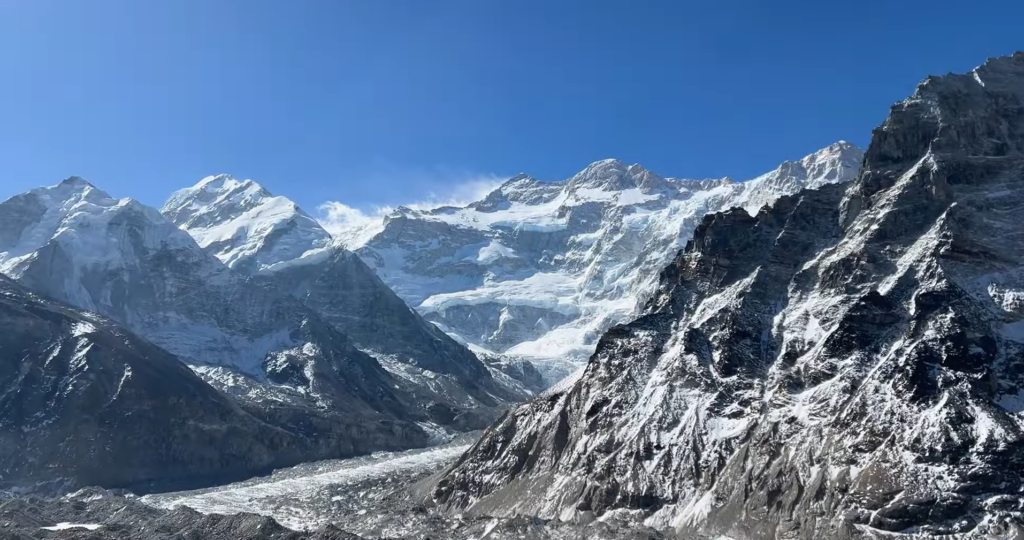
Kanchenjunga dominates the landscape, but the region contains many other peaks and dramatic ridges. The lower elevations can also retain impressive vegetation after the monsoon, creating a striking transition between green forests and high alpine terrain.
This is a demanding journey and is better suited to experienced trekkers who are comfortable with long trekking days and remote conditions.
Makalu Base Camp Trek
The Makalu Base Camp Trek is another outstanding choice for travellers searching for remote Himalayan scenery. The journey enters Makalu-Barun National Park, an area known for its exceptional ecological diversity and dramatic changes in elevation.
The route begins in lower valleys where vegetation is relatively lush before climbing through forests, alpine meadows, rocky valleys and high mountain terrain toward Makalu Base Camp.
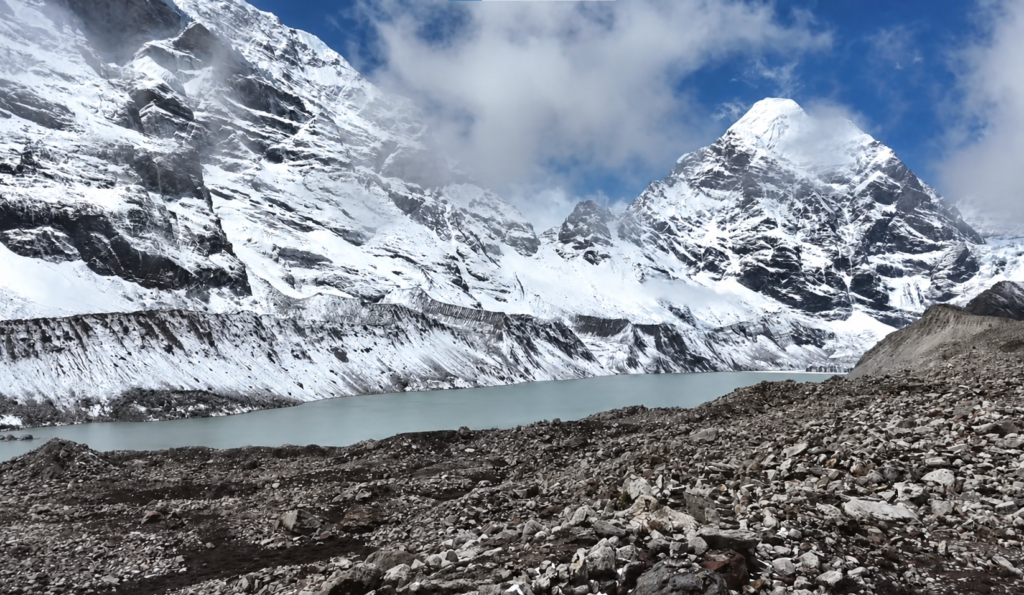
One of the most impressive aspects of the trek is the enormous contrast between the lower Barun Valley and the high Himalayan landscape. The area also provides views of Mount Makalu, one of the world’s highest mountains, along with several surrounding peaks.
Autumn’s generally stable conditions make it one of the strongest periods for tackling this remote route.
Autumn Nature Destinations
| Destination | Region | Experience Level | Natural Highlights |
|---|---|---|---|
| Ghorepani Poon Hill | Annapurna | Easy to Moderate | Rhododendron forests and panoramic sunrise views |
| Annapurna Circuit | Annapurna | Challenging | High passes, glaciers, forests and dramatic valleys |
| Everest Base Camp | Everest | Challenging | Glaciers, alpine valleys and Himalayan giants |
| Gokyo Lakes | Everest | Challenging | Glacial lakes, Ngozumpa Glacier and high mountain views |
| Three Passes | Everest | Very Challenging | High passes, glaciers, lakes and remote Khumbu valleys |
| Manaslu Circuit | Manaslu | Hard | Manaslu views, forests, glaciers and Larkya La |
| Kanchenjunga | Eastern Nepal | Strenuous | Remote wilderness, forests, glaciers and huge peaks |
| Makalu Base Camp | Makalu | Strenuous | Barun Valley, alpine ecosystems and Mount Makalu |
Spring in Nepal
Spring, from March to May, is one of the most rewarding seasons for exploring Nepal’s natural landscapes. The weather becomes warmer, the skies are generally clearer, and forests across the middle hills come alive with blooming rhododendrons and other seasonal flowers.
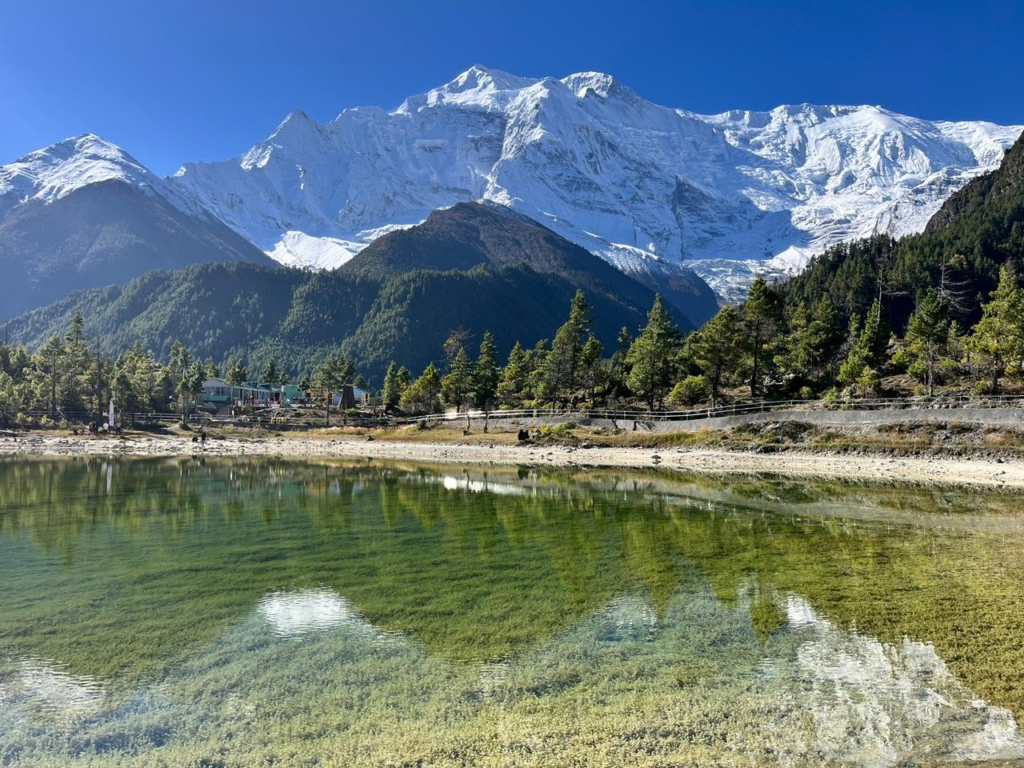
This is also one of the best periods for longer Himalayan journeys. The combination of stable trekking conditions, comfortable temperatures and excellent mountain visibility makes spring suitable for everything from short nature walks around Pokhara to demanding high-altitude adventures.
Travellers who want to experience Nepal’s natural diversity can therefore combine several types of destinations during spring, depending on their available time and fitness.
Ghorepani and Poon Hill
The Ghorepani Poon Hill Trek is one of the most accessible ways to experience Nepal’s famous Himalayan scenery. The route passes through forests, stone stairways, terraced hillsides and traditional Gurung and Magar settlements before reaching Ghorepani and the famous Poon Hill viewpoint.
Spring is particularly beautiful because the forests along the route are filled with rhododendron blooms. Depending on the elevation and timing, the forest can appear in shades of red, pink and white against the Himalayan backdrop.
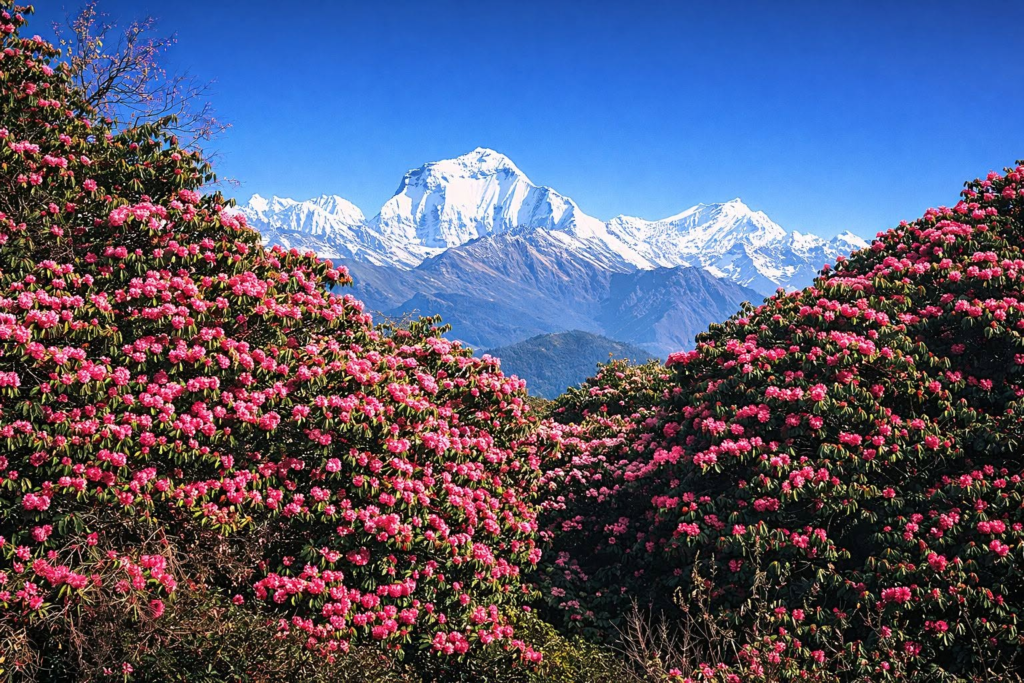
The sunrise from Poon Hill is one of the major attractions. On clear mornings, Annapurna South, Annapurna I, Dhaulagiri, Hiunchuli and Machhapuchhre appear across the horizon.
Because the route combines relatively moderate elevations with comfortable teahouse accommodation, it is also an excellent choice for first-time trekkers.
Annapurna Base Camp
The Annapurna Base Camp Trek provides a much deeper journey into the Himalayan landscape. Starting from the lower foothills, the trail gradually enters forests, narrow valleys and alpine terrain before reaching the natural amphitheatre surrounding Annapurna Base Camp.
Spring is one of the best seasons for this trek. Rhododendron forests are at their most attractive in the lower and middle sections, while warmer conditions make the higher stages more manageable.

The scenery changes dramatically throughout the journey. Lower sections feature farmland and villages, followed by dense forests and waterfalls before the trail eventually opens into the high mountain sanctuary.
At approximately 4,130 metres, Annapurna Base Camp is surrounded by enormous peaks including Annapurna I, Annapurna South, Hiunchuli and Machhapuchhre. The close proximity of the mountains makes this one of Nepal’s most impressive natural environments.
Mardi Himal Trek
The Mardi Himal Trek is another excellent spring destination for travellers who want a quieter Himalayan trail with spectacular mountain scenery. The route climbs from the lower hills through forests and open ridges toward the high viewpoint overlooking the Annapurna range.
Spring brings rhododendron blooms to the forest sections, while the higher ridges provide increasingly dramatic views of Machhapuchhre, Annapurna South, Hiunchuli and the surrounding peaks.
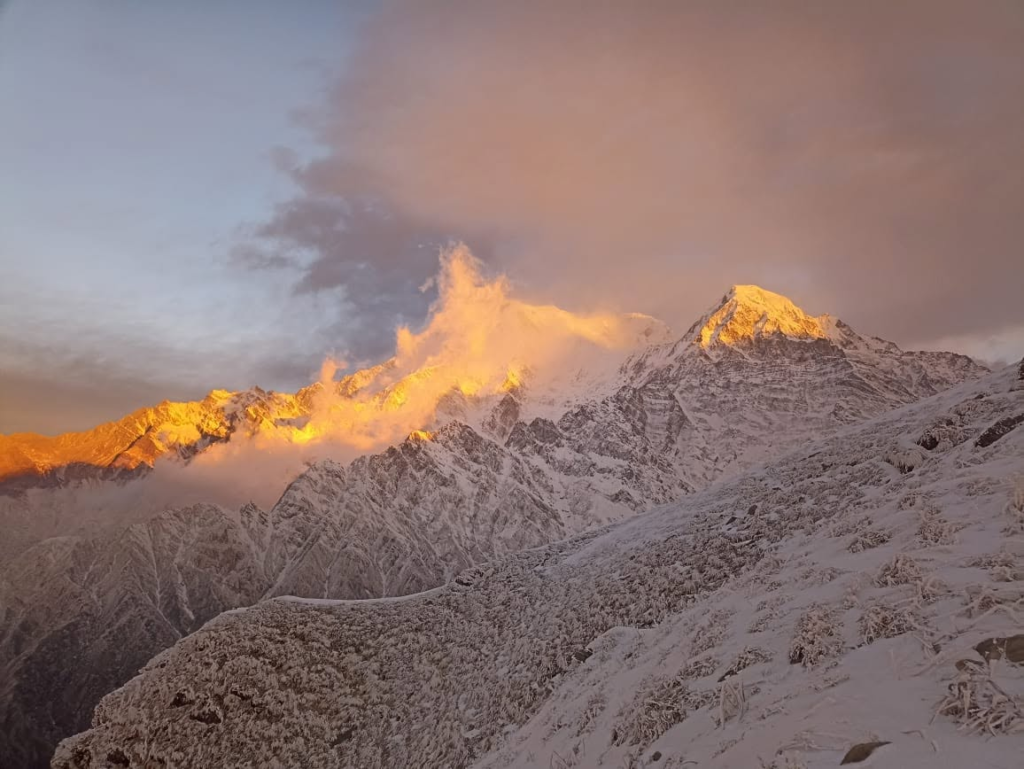
One of the defining characteristics of the Mardi Himal route is its changing landscape. The journey begins in a relatively warm and green environment before gradually becoming more alpine as the elevation increases.
The route is suitable for trekkers who want something more adventurous than a short lower-altitude hike but do not necessarily want to commit to one of Nepal’s longest expeditions.
Langtang Valley
Langtang Valley combines mountain scenery, forests, glacial landscapes and Tamang cultural heritage within relatively easy reach of Kathmandu. The route follows the Langtang River through forests and settlements before reaching higher alpine terrain.
Spring is particularly attractive in the lower sections because rhododendrons and other flowering plants add colour to the forest landscape.
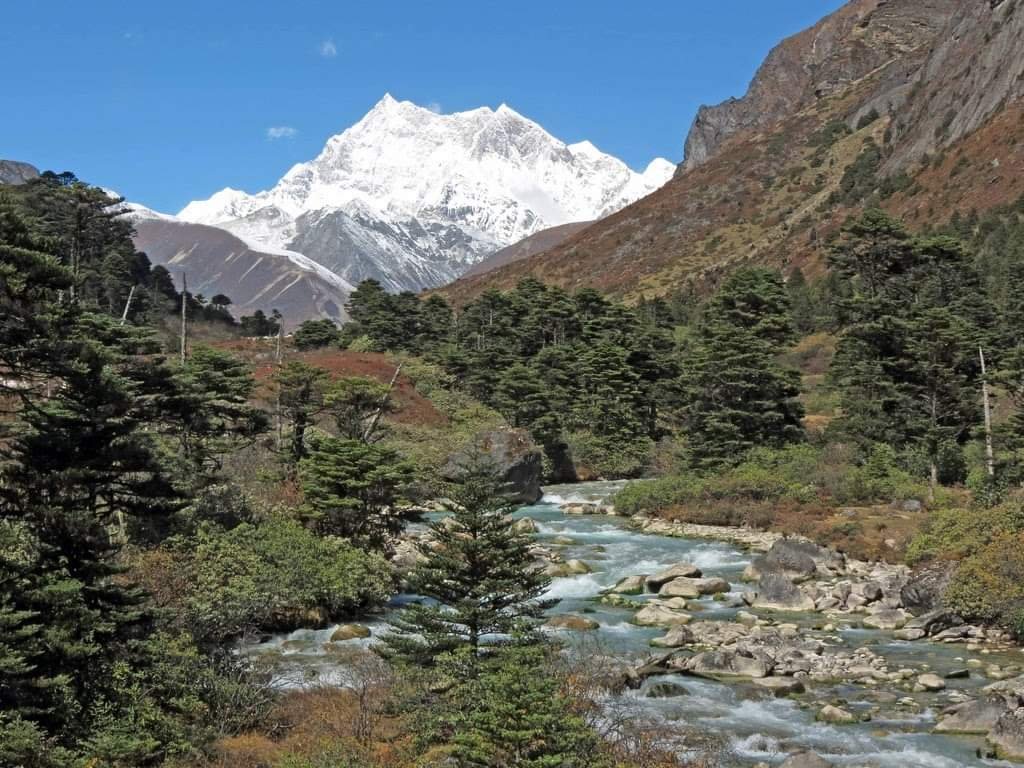
As the trail climbs, the scenery becomes increasingly dramatic. Langtang Lirung dominates the skyline around the upper valley, while surrounding ridges and peaks create an impressive Himalayan setting.
The route also passes through traditional villages and Buddhist monasteries, allowing travellers to experience both the natural and cultural sides of the region.
Everest Base Camp
For travellers who want to experience Nepal’s most famous Himalayan landscape, spring is one of the classic seasons for the Everest Base Camp Trek.
The route passes through the Sherpa settlements of the Khumbu region, including Namche Bazaar, Tengboche, Dingboche and Lobuche before reaching Everest Base Camp and the viewpoint of Kala Patthar.
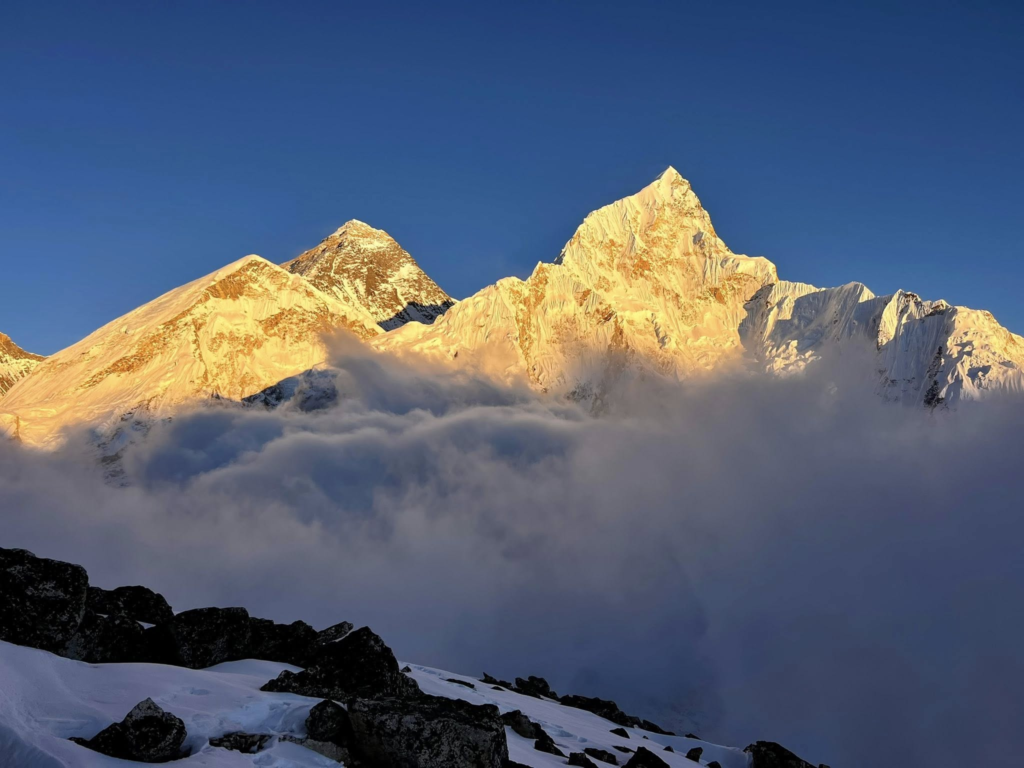
Spring brings a combination of relatively stable conditions and excellent mountain scenery. The surrounding peaks include Everest, Lhotse, Nuptse, Ama Dablam, Pumori and several other major Himalayan summits.
The lower sections of the route also become increasingly colourful as vegetation returns after winter, while the higher elevations retain their dramatic snow-covered appearance.

Although the trek requires considerably more preparation than lower-altitude nature walks, it remains one of the most rewarding ways to experience Nepal’s high Himalayan environment.
Manaslu Circuit
The Manaslu Circuit offers a different type of Himalayan nature experience, combining remote mountain valleys, forests, dramatic river gorges and high-altitude landscapes around Mount Manaslu.
Spring is an excellent period to explore the route because the lower valleys become greener while the higher sections retain spectacular snow-covered scenery.
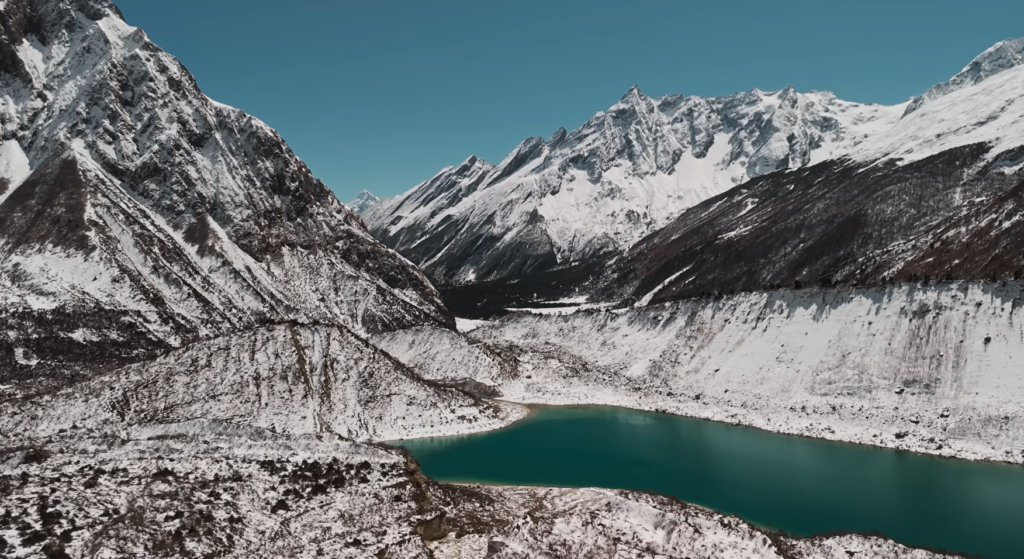
The trail moves through a remarkable range of environments. Lower sections are characterised by subtropical vegetation and terraced farmland, while higher stages lead into Tibetan-influenced villages and increasingly rugged mountain terrain.
The journey eventually reaches the Larkya La Pass at approximately 5,106 metres, where the surrounding Himalayan landscape becomes exceptionally dramatic.
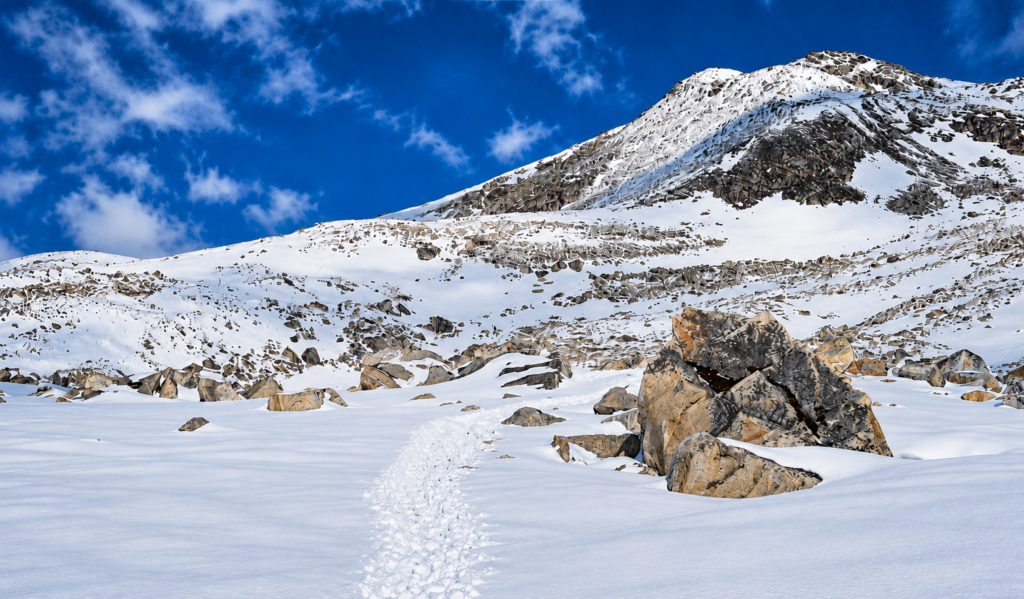
Because the Manaslu region includes a restricted area, trekkers must arrange the appropriate permits and follow the applicable trekking regulations.
Kanchenjunga Region
For travellers looking for genuine wilderness, the Kanchenjunga region is among Nepal’s most spectacular choices. Located in eastern Nepal, the area contains forests, remote valleys, glaciers and enormous Himalayan peaks surrounding the world’s third-highest mountain.
Spring is especially attractive in the lower sections because rhododendron forests bloom across the hillsides. As the trail climbs, the landscape changes from forest and cultivated valleys to alpine meadows and glacial terrain.

The Kanchenjunga Base Camp Trek is considerably more remote than popular routes such as Annapurna Base Camp or Everest Base Camp. Infrastructure is more limited, walking days are longer and preparation is essential.
The reward is a much quieter Himalayan experience with dramatic views of Kanchenjunga and the surrounding eastern Himalayan wilderness.
Best Spring Nature Destinations
| Destination | Highest Point | Typical Duration | Main Natural Attraction | Difficulty | Action |
|---|---|---|---|---|---|
| Ghorepani Poon Hill | 3,210 m | 4 to 5 days | Rhododendron forests and Himalayan sunrise | Easy to Moderate | View Trek |
| Annapurna Base Camp | 4,130 m | 7 to 12 days | Mountain sanctuary, forests and glaciers | Moderate | View Trek |
| Mardi Himal | Around 4,500 m | 5 to 8 days | Rhododendron forests and high ridges | Moderate | View Trek |
| Langtang Valley | Around 3,870 m | 7 to 9 days | Forests, glaciers and Langtang Lirung | Moderate | View Trek |
| Everest Base Camp | 5,364 m | 12 to 16 days | High Himalayan peaks, glaciers and alpine valleys | Challenging | View Trek |
| Manaslu Circuit | 5,106 m | 14 to 18 days | Remote valleys, forests and Larkya La | Challenging | View Trek |
| Kanchenjunga Base Camp | Around 5,143 m | 20 to 24 days | Eastern Himalayan wilderness and glaciers | Strenuous | View Trek |
Why Spring Is One of the Best Seasons for Nature in Nepal
Spring stands out because it offers an unusual combination of comfortable trekking temperatures, blooming vegetation and access to many high-altitude destinations.
Lower elevations become increasingly green as temperatures rise, while rhododendron forests add colour to many Himalayan trails. At higher elevations, the landscape remains dominated by snow-covered peaks, glaciers and rugged alpine valleys.
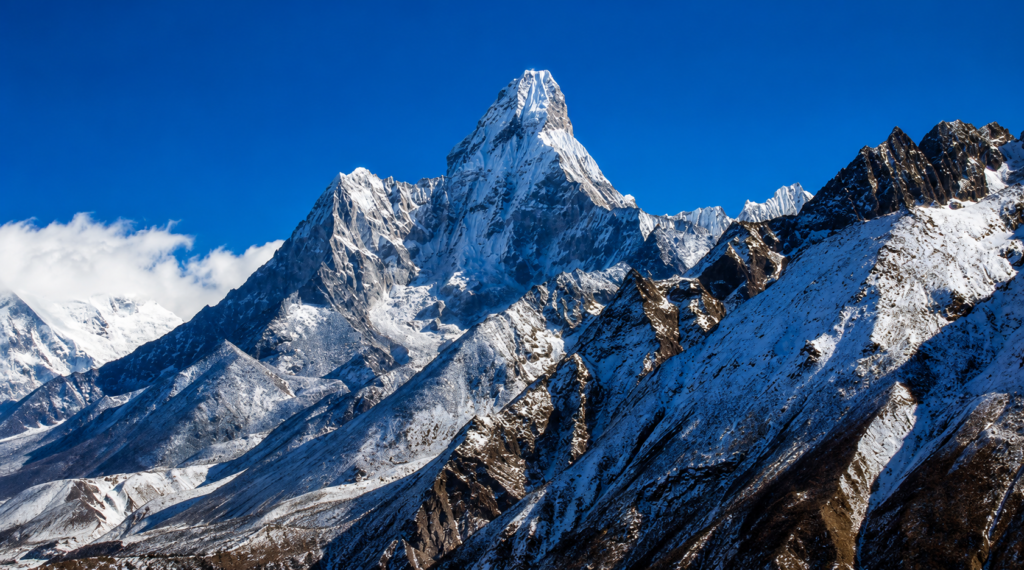
This contrast makes spring particularly attractive to photographers and nature lovers. A single trek can begin among flowering forests and terraced farmland before eventually reaching a completely different world of snow, rock and ice.
For travellers planning a longer Himalayan adventure, spring is also one of the most practical periods for combining several experiences in one trip. A lower-altitude trek can be followed by a more demanding high-altitude route, allowing visitors to experience Nepal’s landscapes at different elevations.
Summer and Monsoon in Nepal
June to August brings the southwest monsoon to much of Nepal, transforming the country’s lower hills and valleys into a lush green landscape.
Rain can make many popular trekking routes wetter and less predictable, but summer does not mean that every natural destination in Nepal should be avoided.
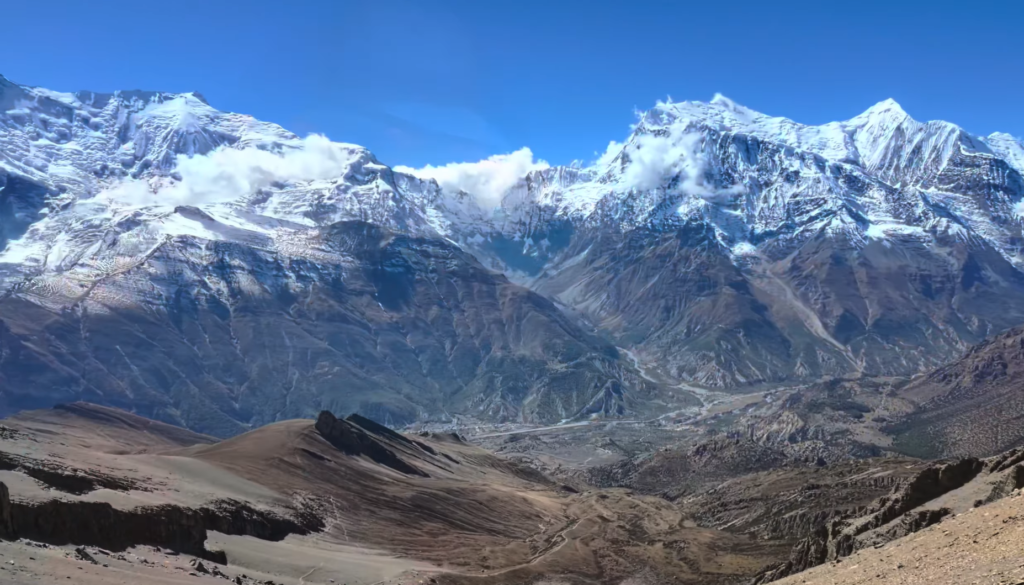
The key is choosing the right landscape. While the southern-facing Himalayan trails receive substantial rainfall, several destinations sit within the rain shadow of the Himalayas.
These northern valleys can remain considerably drier and provide an entirely different experience of Nepal’s mountains.
Summer is therefore an excellent time to consider destinations such as Upper Mustang and Upper Dolpo, while lower-altitude nature experiences around Kathmandu and Pokhara can still work when travellers are prepared for changing weather.
Upper Mustang
Upper Mustang is one of Nepal’s most distinctive summer nature destinations. Located in the rain shadow of the Annapurna and Dhaulagiri ranges, the landscape is dramatically different from the green valleys of southern Nepal.
Instead of dense monsoon forests, travellers encounter dry cliffs, barren mountains, deep gorges, caves, windswept plateaus and colourful rock formations.
The ancient settlements of the Mustang region are scattered across this high desert landscape, creating an extraordinary contrast between Himalayan nature and traditional mountain life.
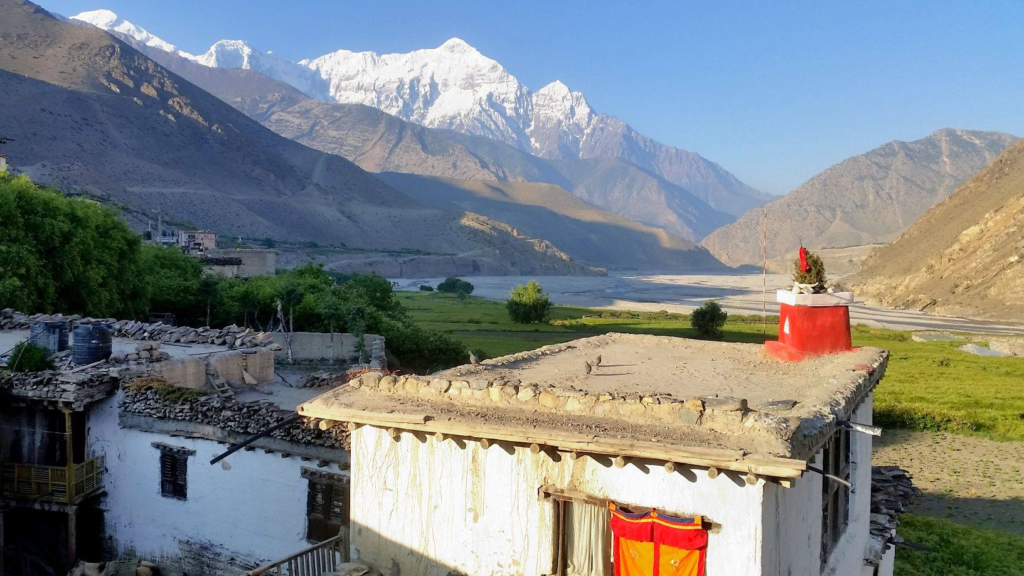
Lo Manthang is one of the major highlights of the journey. The historic walled settlement, surrounding villages and centuries-old monasteries provide a cultural dimension to the landscape, while the surrounding cliffs and mountains create an environment unlike almost anywhere else in Nepal.
Summer can be a particularly interesting period for Upper Mustang because the region lies in the rain shadow. However, the journey still requires appropriate permits and planning because Upper Mustang is a restricted trekking area.
Upper Dolpo
Upper Dolpo is another exceptional destination for travellers who want to experience Nepal’s remote Himalayan wilderness during the monsoon season.
The region sits behind the main Himalayan ranges and receives considerably less rainfall than many areas farther south. Its landscape is characterised by high-altitude valleys, barren mountains, turquoise lakes, ancient monasteries and traditional villages that have remained relatively isolated from the outside world.
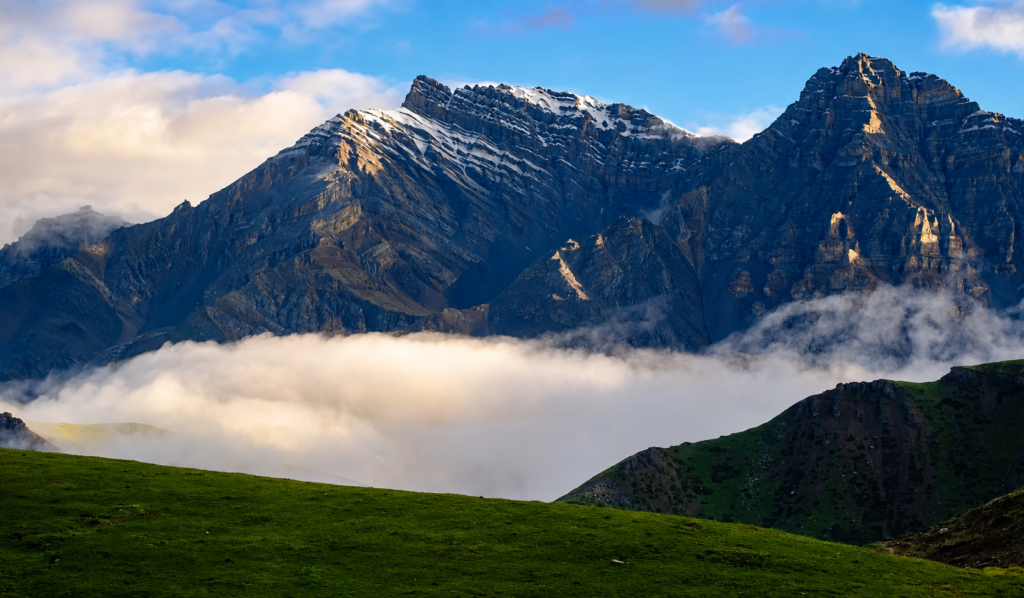
Shey Phoksundo Lake is one of the most spectacular natural attractions in the region. Its deep blue and turquoise waters contrast dramatically with the surrounding rocky mountains and dry landscapes.
The route also passes through remote settlements and high passes, making Upper Dolpo considerably more demanding than a standard teahouse trek. Camping and careful logistical planning are normally important parts of the experience.
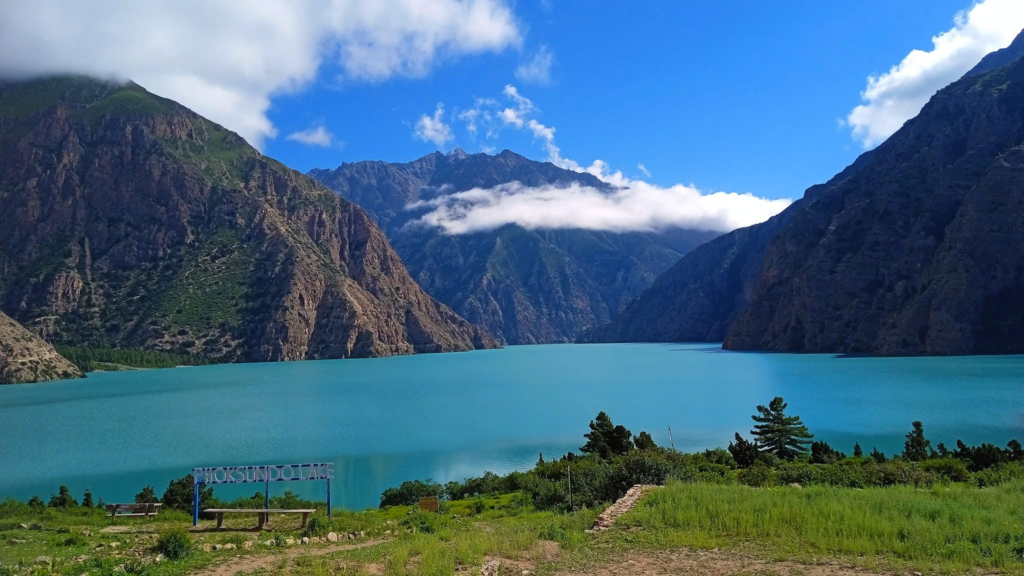
For experienced trekkers who want solitude, unusual landscapes and a genuine wilderness experience, Upper Dolpo is one of Nepal’s strongest summer choices.
Lower Dolpo
Lower Dolpo provides another opportunity to explore the remote landscapes of western Nepal during the monsoon period. The region is famous for its rugged mountains, traditional villages, forests, high passes and the extraordinary scenery surrounding Phoksundo Lake.
The famous Phoksundo Lake is one of the major reasons travellers visit the region. Its striking blue water is surrounded by steep cliffs and dramatic mountain terrain, creating one of the most recognisable landscapes in western Nepal.
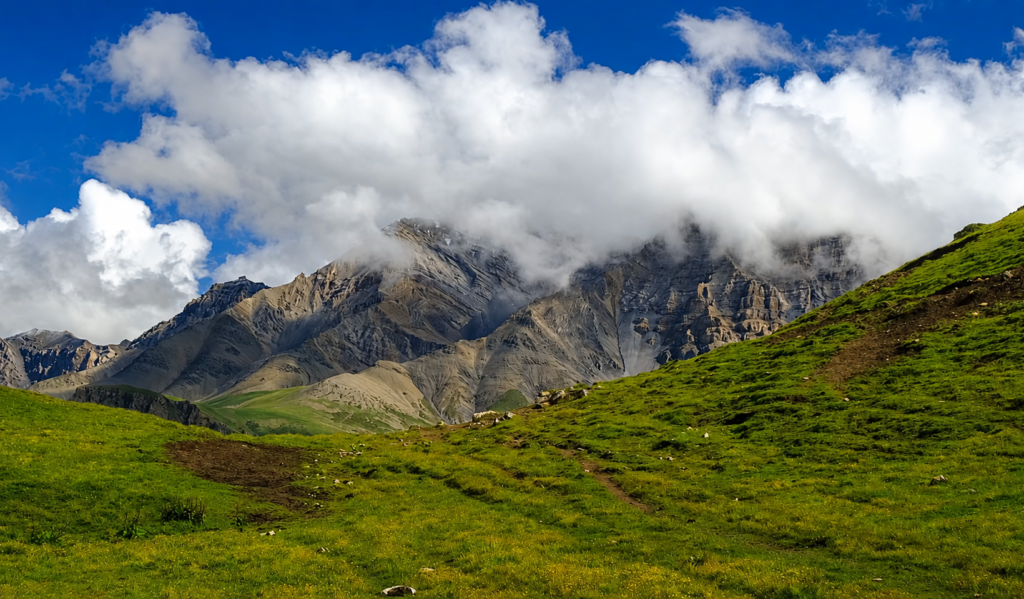
Compared with the more isolated Upper Dolpo routes, Lower Dolpo offers a slightly different balance between wilderness and accessibility, although it remains a demanding trekking destination.
The region is particularly appealing to photographers and experienced trekkers looking for landscapes that feel far removed from the more developed trekking corridors of Everest and Annapurna.
Rara Lake
Rara Lake is another spectacular destination in western Nepal and is particularly attractive for travellers interested in pristine lakes, forests and remote mountain landscapes.
Located within Rara National Park, the lake is surrounded by forested hills and mountain scenery. Its blue waters change appearance depending on the light and weather, while the surrounding forests provide habitat for a variety of Himalayan wildlife.

The journey to Rara is more remote than many popular destinations around Kathmandu and Pokhara, which is part of its appeal. Travellers can experience a quieter side of Nepal where the landscape remains comparatively untouched by mass tourism.
Summer conditions can be wet on approaches to the region, so road and trail conditions should be checked before travelling. For travellers prepared for variable weather, however, the surrounding greenery can make the landscape particularly attractive.
Nar Phu Valley
Nar Phu Valley provides a fascinating combination of high Himalayan scenery, remote settlements and traditional Tibetan-influenced culture. Located north of the main Annapurna Circuit, the valley remains much quieter than the main trekking corridor.
The landscape changes rapidly as the trail enters the restricted valley. Narrow gorges open into high mountain settlements surrounded by barren cliffs and snow-covered peaks.
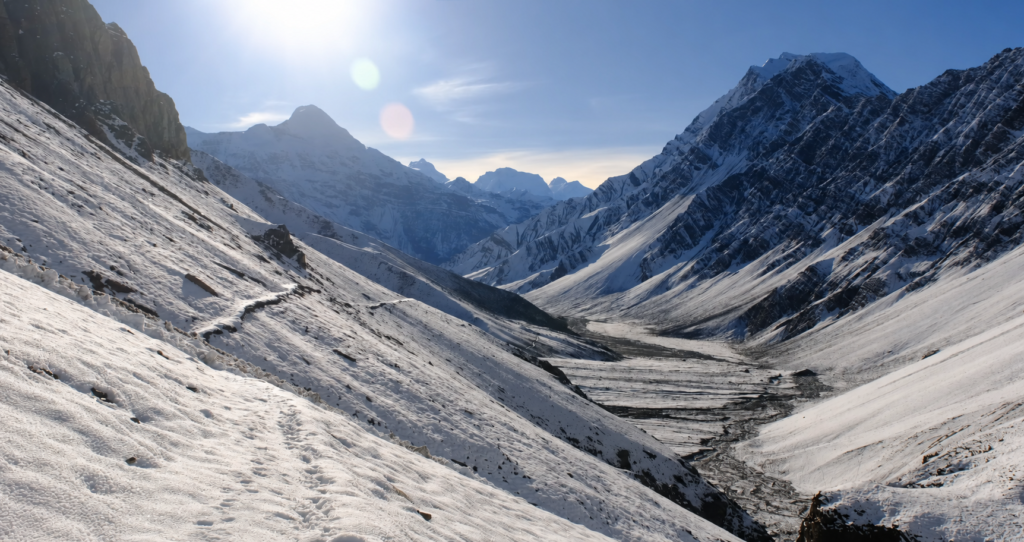
The traditional villages of Nar and Phu are among the highlights of the journey. Stone houses, ancient monasteries and agricultural terraces provide a strong connection to the region’s long-established Himalayan culture.
The trek can also be combined with the Annapurna Circuit through Kang La Pass, creating a longer journey that connects the remote valley with one of Nepal’s classic trekking routes.
Because Nar Phu is a restricted area, trekkers need the appropriate permit and must follow the regulations applicable to the region.
Tsum Valley
Tsum Valley offers a different kind of natural experience, combining remote Himalayan scenery with forests, river valleys, traditional villages and ancient Buddhist monasteries.
The valley lies in the northern part of the Manaslu region and has remained relatively isolated for generations. The landscape becomes increasingly rugged as the trail moves deeper into the valley, with high cliffs and mountain peaks surrounding traditional settlements.
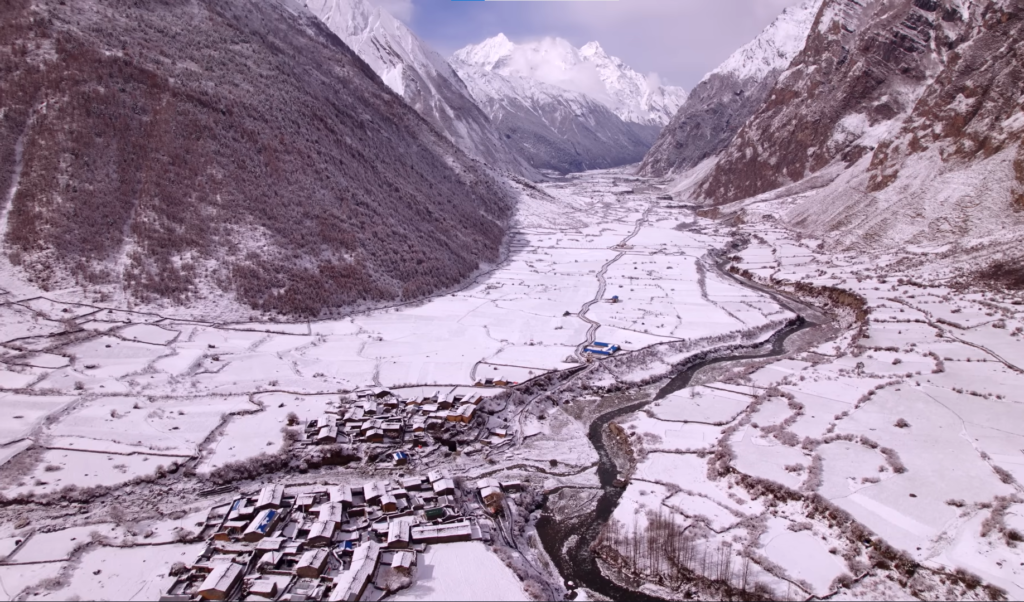
The journey is particularly interesting for travellers who want to combine nature with cultural exploration. Monasteries, chortens, mani walls and traditional villages appear throughout the route.
Summer rainfall can affect access to the lower approaches, so weather and trail conditions need to be considered carefully. The upper valley can nevertheless provide an impressive Himalayan experience for travellers planning their itinerary appropriately.
Pokhara and Its Lakes
Not every summer nature destination in Nepal needs to involve a high-altitude trek. Pokhara provides an excellent alternative for travellers who want to enjoy lakes, forests, waterfalls and mountain scenery while keeping their itinerary flexible.
Phewa Lake is the centrepiece of the city, while Begnas Lake provides a quieter environment away from the busiest areas. During the monsoon, the surrounding hills become exceptionally green and waterfalls become more prominent across the landscape.
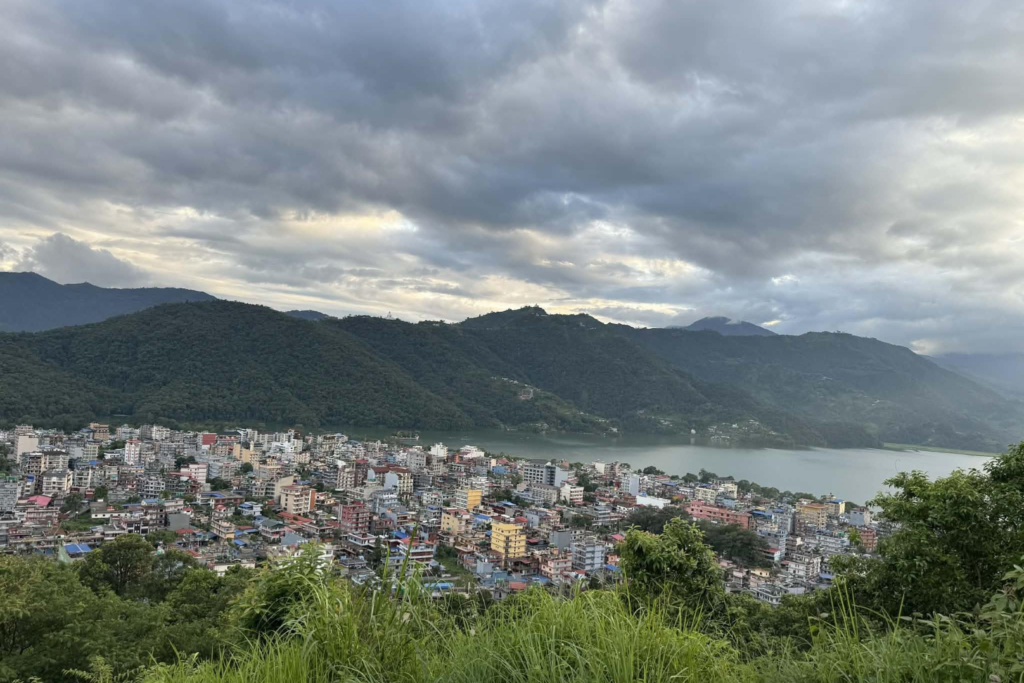
Mountain visibility can be affected by cloud and rain, but when the weather clears, Machhapuchhre and the Annapurna range can appear dramatically above the surrounding hills.
Pokhara is also a useful base for short journeys toward Australian Camp, Dhampus and other lower-altitude destinations.
Summer and Monsoon Nature Destinations
| Destination | Region | Approx. High Point | Main Natural Highlight | Difficulty | Action |
|---|---|---|---|---|---|
| Upper Mustang | Mustang | Around 4,000 to 4,200 m | High desert, cliffs, caves and ancient valleys | Moderate to Challenging | View Trek |
| Upper Dolpo | Dolpo | Around 5,000 m+ | Phoksundo, high passes and remote wilderness | Strenuous | View Trek |
| Lower Dolpo | Dolpo | Around 5,000 m | Phoksundo Lake, forests and rugged mountains | Strenuous | View Trek |
| Rara Lake | Mugu | Around 3,000 m | Pristine lake, forests and remote hills | Moderate | View Trek |
| Nar Phu Valley | Manang | Around 5,416 m with Kang La | Remote valleys, cliffs and traditional villages | Challenging | View Trek |
| Tsum Valley | Gorkha | Around 3,700 m | Mountain valleys, forests and Buddhist heritage | Moderate | View Trek |
How to Trek Nepal During the Monsoon
Summer trekking requires a different approach from travelling during the dry autumn and spring seasons. Rainfall, cloud cover, slippery trails and occasional transport disruptions can all affect the journey.
The most important decision is choosing an appropriate destination. Rain-shadow regions such as Upper Mustang and Upper Dolpo can offer considerably better trekking conditions than routes directly exposed to the monsoon.
For lower-altitude destinations, waterproof clothing, a reliable rain cover, waterproof bags and shoes with good grip become especially important. Travellers should also allow some flexibility in their itinerary because heavy rainfall can occasionally delay road travel or domestic flights.
Despite these challenges, monsoon has its own appeal. Forests become intensely green, waterfalls become more powerful and agricultural landscapes are at their most vibrant. Travellers who choose their destination carefully can therefore discover a very different side of Nepal.
Autumn in Nepal
September to November is widely regarded as the best season for experiencing Nepal’s mountains and natural landscapes. After the summer monsoon, the air becomes clearer, the trails dry out and the Himalayan peaks often appear with exceptional visibility.
Autumn is also the busiest trekking season, but Nepal is large enough to offer everything from famous trails with excellent infrastructure to remote routes where trekkers can still find long stretches of quiet wilderness.
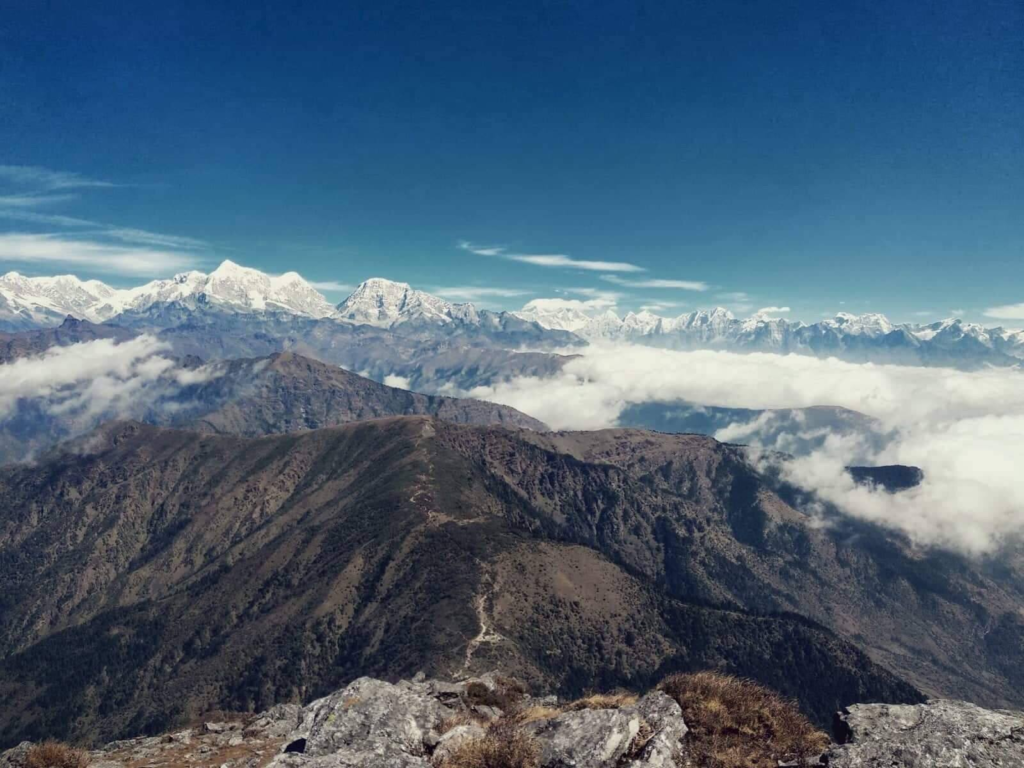
For nature lovers, this is an excellent period to explore the country’s different landscapes. You can walk through subtropical forests, visit alpine lakes, cross high mountain passes or spend several days surrounded by some of the world’s highest peaks.
Everest Base Camp Trek
The Everest Base Camp Trek is one of Nepal’s most famous journeys and an outstanding autumn destination. Clear post-monsoon skies often provide excellent views throughout the Khumbu region.
The trail follows the Dudh Koshi Valley toward Namche Bazaar before continuing through Tengboche, Dingboche and Lobuche. As the elevation increases, vegetation gradually gives way to alpine terrain, glaciers and enormous Himalayan peaks.
Everest, Lhotse, Nuptse, Ama Dablam, Pumori and several other peaks dominate the landscape around the upper Khumbu. The view from Kala Patthar is particularly impressive at sunrise when the surrounding mountains are illuminated by the early morning light.
Autumn is also a great time to experience the Sherpa villages, monasteries and traditional mountain culture along the route.
Annapurna Circuit Trek
The Annapurna Circuit is one of Nepal’s most geographically diverse trekking routes. Few journeys cover such a dramatic range of landscapes within a single itinerary.
The trail begins in the lower valleys where vegetation, farmland and villages dominate the scenery. As the route climbs through Manang, the landscape becomes increasingly dry and alpine before reaching the Thorong La Pass at 5,416 metres.
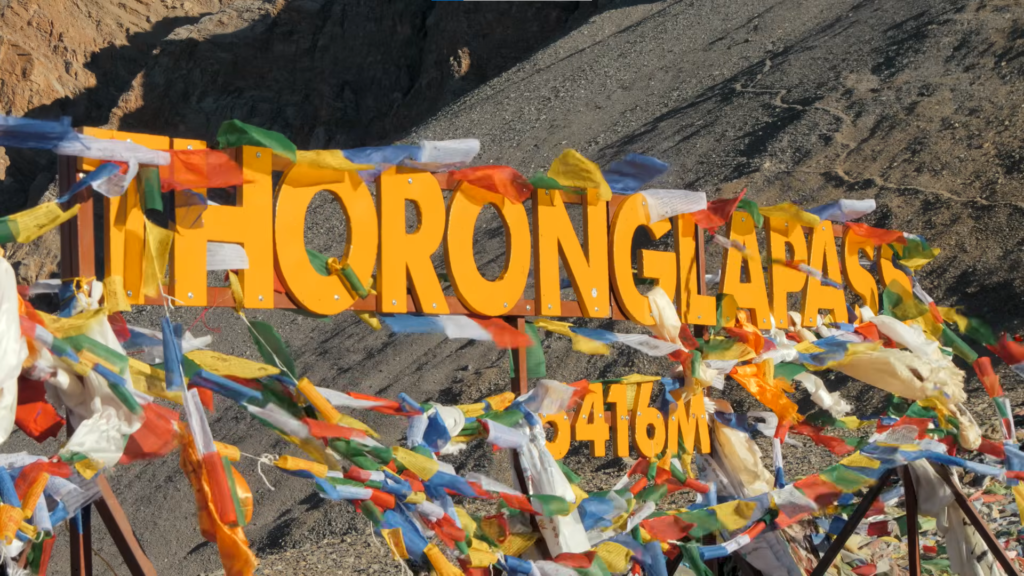
After crossing the pass, the environment changes again. The trail descends toward Muktinath and the Kali Gandaki Valley, where the landscape becomes significantly drier and eventually connects with the lower Mustang region.
Autumn provides excellent conditions for the high sections of the circuit, particularly around Manang and Thorong La. Clear weather can produce exceptional views of Annapurna, Dhaulagiri, Manaslu and numerous surrounding peaks.
Annapurna Circuit with Tilicho Lake
Travellers who want to add a spectacular alpine lake to their Annapurna journey can combine the circuit with Tilicho Lake. Located at approximately 4,919 metres, Tilicho Lake is surrounded by dramatic Himalayan mountains and barren high-altitude terrain.
The route toward Tilicho branches from the main Annapurna Circuit around Manang and leads through increasingly rugged landscapes. The changing scenery is one of the major attractions, with green valleys gradually giving way to rocky cliffs, glaciers and high mountain environments.
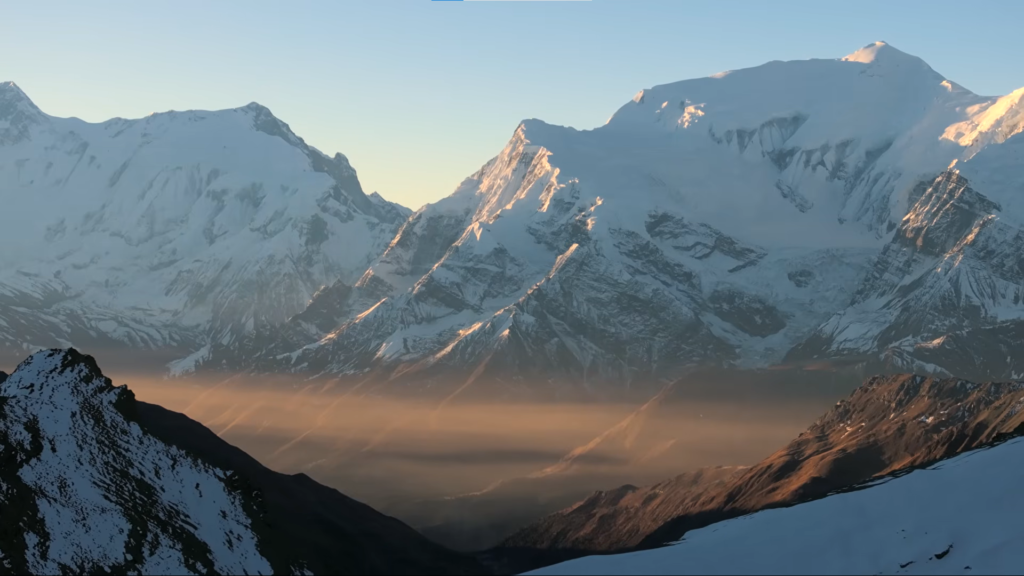
Autumn is an excellent period for the journey because stable weather improves the chances of clear views around the lake and the surrounding mountains.
The trek can then reconnect with the main Annapurna Circuit before continuing toward Thorong La Pass and Muktinath.
Gokyo Lakes Trek
The Gokyo Lakes Trek is one of the best choices in Nepal for travellers whose primary interest is high-altitude lakes and Himalayan scenery.
The trail follows the Everest region before branching toward the Gokyo Valley. The landscape becomes increasingly alpine as the route approaches the series of glacial lakes surrounding Gokyo.
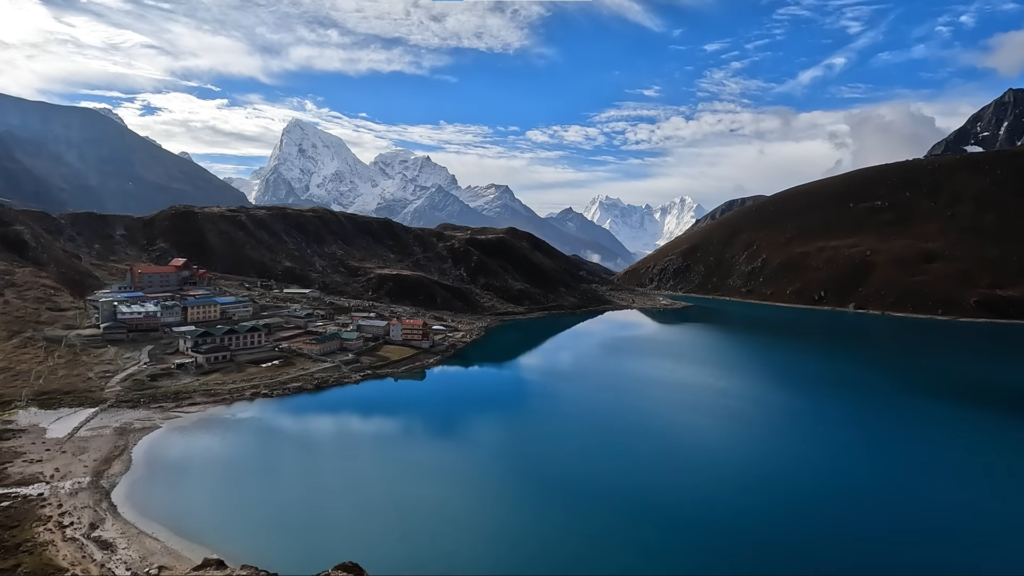
Gokyo Ri provides one of the most impressive viewpoints in the region. From the summit, trekkers can see several Himalayan peaks along with the turquoise and deep-blue waters of the Gokyo Lakes.
Autumn’s clear skies make this an excellent season for photography. The combination of lakes, glaciers, rugged mountains and open blue skies creates a landscape that is very different from the forested lower sections of Nepal.
Everest Three Passes Trek
For experienced trekkers looking for a more demanding Himalayan adventure, the Everest Three Passes Trek provides an extraordinary journey through the high Khumbu.
The route crosses three major high passes, commonly including Renjo La, Cho La and Kongma La, while also connecting major destinations such as the Gokyo Valley and Everest Base Camp.
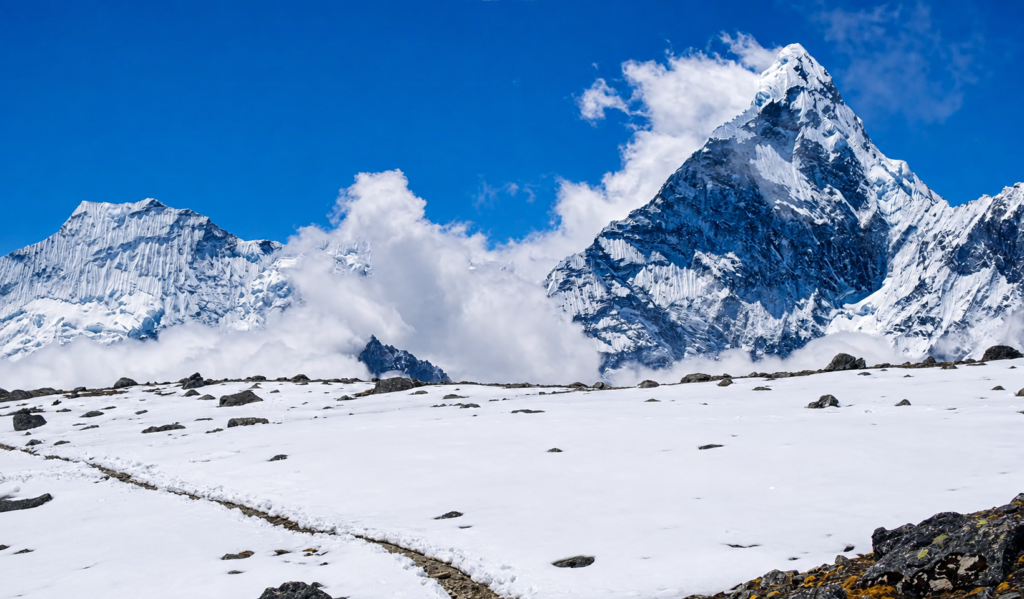
The scenery changes constantly. Trekkers encounter glacial lakes, high passes, remote valleys, glaciers and enormous mountain faces throughout the journey.
Autumn’s generally stable conditions make it one of the preferred seasons for attempting the high passes. Nevertheless, this remains a strenuous trek requiring proper acclimatisation, preparation and experience.
Manaslu Circuit Trek
The Manaslu Circuit is particularly rewarding in autumn because the post-monsoon atmosphere often provides excellent visibility across the remote Himalayan landscape.
The trail follows the Budhi Gandaki Valley through forests, waterfalls, suspension bridges and traditional settlements before entering the higher mountain environment around Samagaon and Samdo.
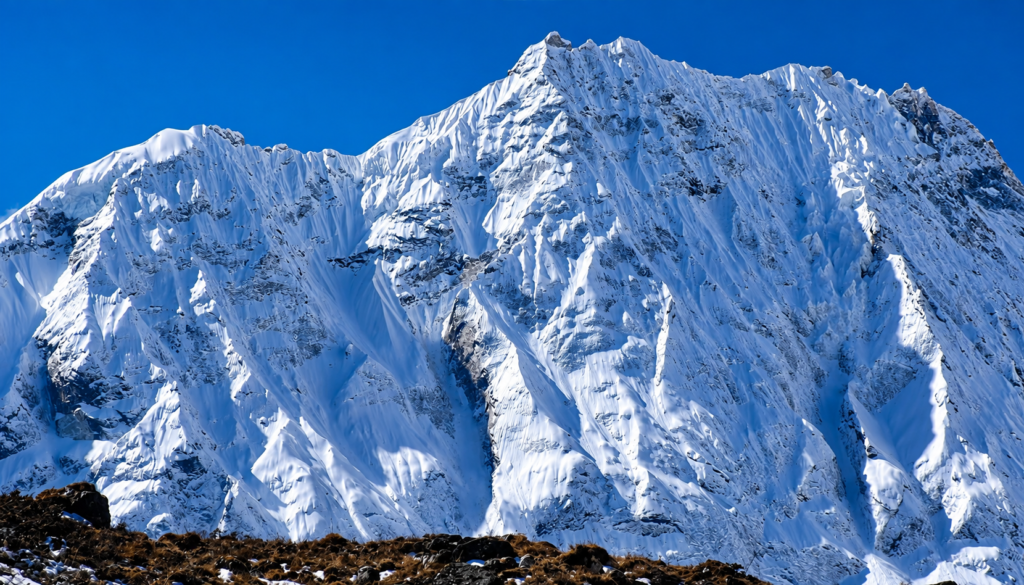
Mount Manaslu becomes increasingly prominent as the trek progresses. The route eventually crosses Larkya La Pass at approximately 5,106 metres before descending toward the Marsyangdi Valley.
The combination of natural scenery and cultural landscapes makes Manaslu particularly special. Trekkers encounter Gurung communities in the lower region and stronger Tibetan influences as they approach the northern valleys.
Because portions of the route are within a restricted area, the appropriate permits and trekking arrangements are required.
Upper Mustang Trek
Although Upper Mustang can also be considered during the summer monsoon because of its rain-shadow location, autumn is another excellent season for exploring this remarkable high-desert region.
Clearer skies provide strong visibility across the dry valleys, cliffs and mountain formations of Mustang. The contrast between the barren landscape and the blue Himalayan sky is particularly striking during the autumn months.
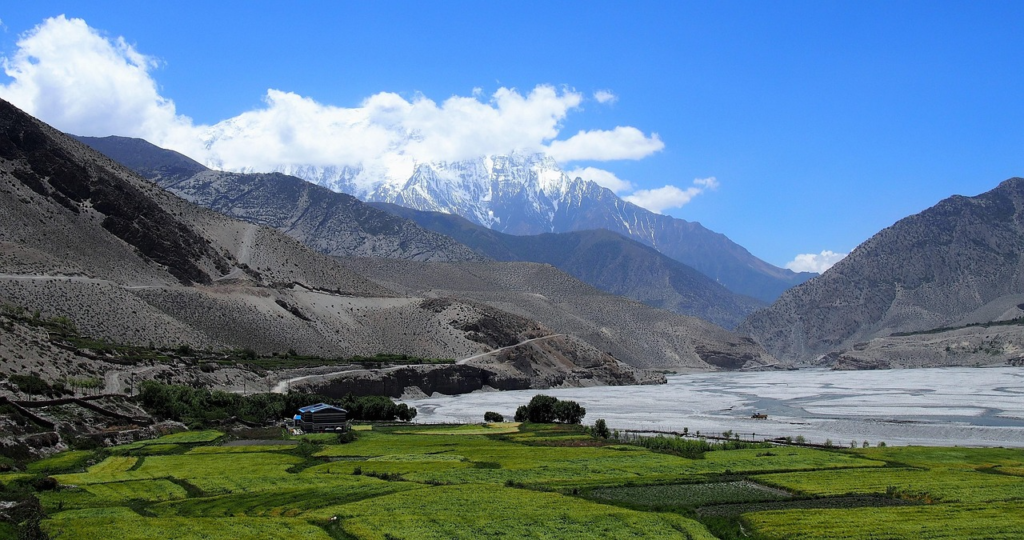
The route leads toward Lo Manthang and passes through traditional villages, monasteries, caves and dramatic river valleys. The region’s Tibetan-influenced architecture and landscape make it one of Nepal’s most distinctive destinations.
Autumn is also a popular period for combining Upper Mustang with other experiences in the Annapurna region.
Kanchenjunga Base Camp Trek
Kanchenjunga is one of the best choices for travellers who want a quieter and more remote Himalayan experience. The eastern Nepal region is significantly less crowded than Everest and Annapurna.
The trek passes through forests, remote mountain villages, alpine meadows and glacial landscapes before reaching the northern and southern base camp areas.

Mount Kanchenjunga dominates the landscape, while surrounding peaks and glaciers create a dramatic wilderness environment.
Autumn is one of the preferred seasons because clearer skies can provide excellent mountain visibility. However, the trek remains long and physically demanding, with more basic infrastructure than Nepal’s major trekking corridors.
Dhaulagiri Circuit
The Dhaulagiri Circuit is another option for experienced trekkers seeking remote Himalayan landscapes. The route travels around the Dhaulagiri massif through isolated valleys, glaciers, high passes and rugged mountain terrain.
This is not a conventional teahouse holiday. Several sections require camping and careful logistical support, while the high passes and remote terrain demand strong physical preparation.
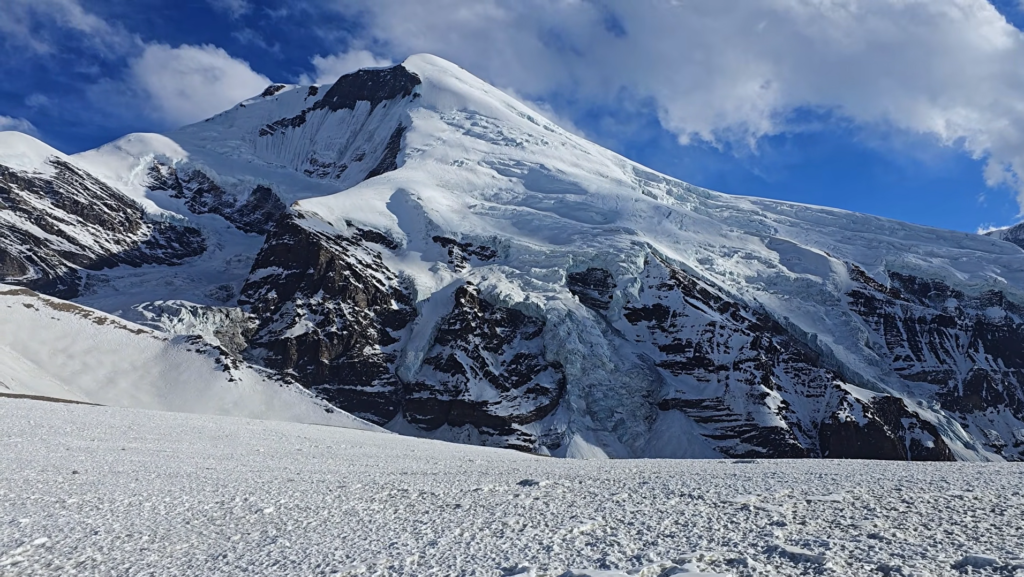
The natural scenery, however, is exceptional. Dhaulagiri I rises dramatically above the surrounding landscape, while the route provides views of glaciers, ice-covered passes and deep Himalayan valleys.
Autumn is generally one of the most suitable seasons for attempting this type of high-altitude expedition because weather conditions are typically more favourable than during the monsoon.
Tsum Valley and Manaslu
Travellers who want to combine cultural landscapes with Himalayan wilderness can extend the Manaslu journey into Tsum Valley.
The valley is known for its traditional Buddhist communities, ancient monasteries, forested slopes and dramatic mountain scenery. As the trail climbs deeper into the valley, the surrounding landscape becomes increasingly rugged and remote.
Autumn’s clearer conditions make it easier to appreciate the contrast between the deep river valleys and the high mountains surrounding Tsum.
The route can be planned as a standalone Tsum Valley trek or combined with the Manaslu Circuit for a longer Himalayan journey.
Autumn Nature Destinations
| Destination | Region | Highest Point | Typical Duration | Natural Highlight | Action |
|---|---|---|---|---|---|
| Everest Base Camp | Khumbu | 5,364 m | 12 to 16 days | Everest, glaciers and alpine valleys | View Trek |
| Annapurna Circuit | Annapurna | 5,416 m | 14 to 18 days | Thorong La, dry valleys and mountain ranges | View Trek |
| Tilicho Lake | Manang | 4,919 m | 16 days combined | High-altitude lake and alpine mountains | View Trek |
| Gokyo Lakes | Everest | 5,357 m approx. | 10 to 14 days | Glacial lakes and panoramic viewpoints | View Trek |
| Everest Three Passes | Khumbu | Over 5,500 m | 18 to 21 days | High passes, glaciers and Gokyo Lakes | View Trek |
| Manaslu Circuit | Gorkha | 5,106 m | 14 to 18 days | Manaslu, Larkya La and remote valleys | View Trek |
| Upper Mustang | Mustang | Around 4,000 m+ | 12 to 18 days | High desert, caves and ancient settlements | View Trek |
| Kanchenjunga Base Camp | Taplejung | Around 5,143 m | 20 to 24 days | Remote eastern wilderness and glaciers | View Trek |
| Dhaulagiri Circuit | Dhaulagiri | Around 5,200 m+ | 18 to 22 days | Glaciers, high passes and remote valleys | View Trek |
Why Autumn Is Ideal for Exploring Nepal’s Nature
The biggest advantage of autumn is consistency. After the monsoon, many trails are in better condition, mountain visibility improves and the combination of warm lower elevations and cool high-altitude conditions makes long journeys more comfortable.
The season also provides an excellent opportunity to experience Nepal’s landscapes at multiple elevations. A trek can begin among green foothills and forests before progressing into alpine valleys, glaciers and snow-covered mountain passes.
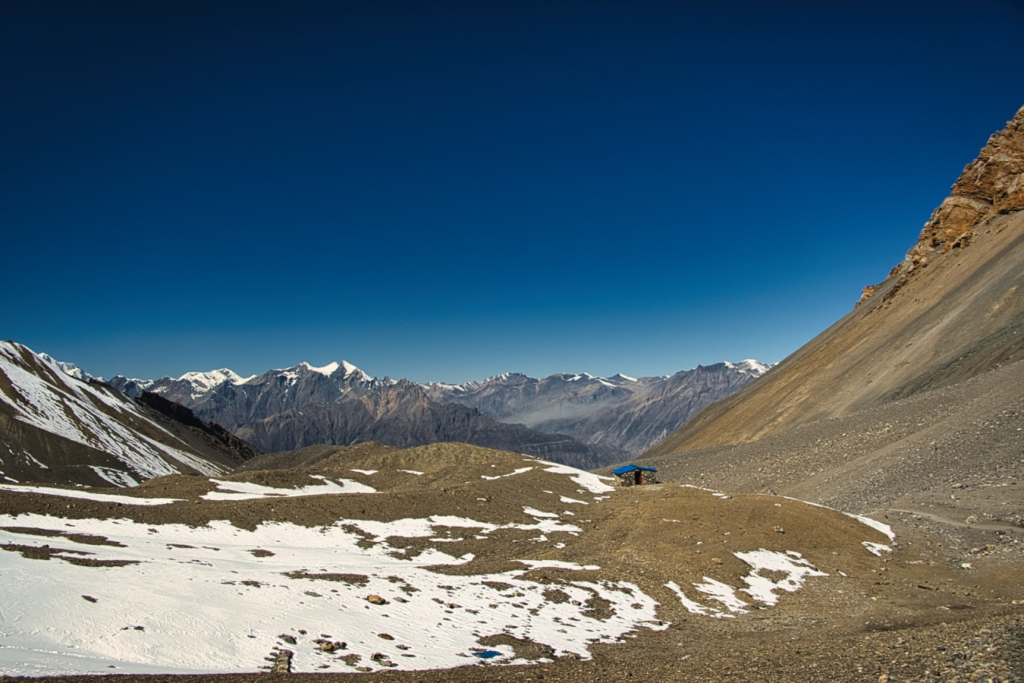
For photographers, autumn’s clearer atmosphere is particularly valuable. Sunrise and sunset views can be spectacular, especially from elevated viewpoints and high mountain settlements.
Travellers should nevertheless remember that autumn is peak season. Popular routes such as Everest Base Camp and Annapurna Circuit can become busy, particularly during October and early November. Booking accommodation, guides, domestic flights and permits in advance is therefore advisable.
Summer and Monsoon in Nepal
June to August is generally considered the monsoon period in Nepal. Rainfall is frequent across much of the country, especially in the lower hills and central trekking regions.
Trails can become wet and slippery, cloud cover can limit mountain views, and landslides may occasionally affect roads leading to trekking areas.
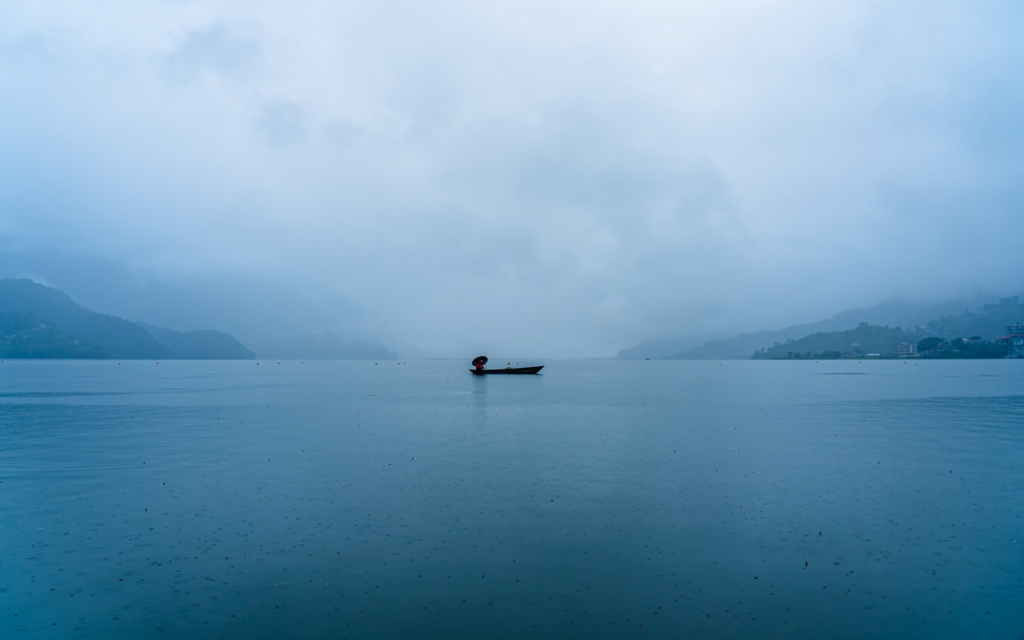
However, summer does not mean every part of Nepal should be avoided. The country’s geography creates important rain-shadow regions where rainfall is considerably lower.
The northern Himalayan areas of Mustang and Dolpo are particularly interesting during this period, making them some of the best choices for travellers who want to explore Nepal’s natural landscapes when the classic trekking regions are receiving heavy rain.
Upper Mustang Trek
Upper Mustang is one of Nepal’s most distinctive landscapes and one of the strongest choices for a summer nature adventure. Located north of the main Himalayan rain barrier, the region receives considerably less monsoon rainfall than much of central Nepal.
The landscape is completely different from the lush forests of the Annapurna foothills. Trekkers encounter barren cliffs, deep gorges, eroded rock formations, high-altitude deserts and ancient settlements spread across the dry valleys of the former Kingdom of Lo.
Lo Manthang, the historic walled settlement, is one of the cultural highlights of the journey, while the surrounding valleys reveal caves, monasteries and dramatic geological formations.
Summer can be particularly useful for travellers who want to explore Mustang while avoiding the heavy rainfall experienced elsewhere in Nepal. The weather can still change rapidly at altitude, so preparation remains important.
Upper Dolpo Trek
Upper Dolpo is another exceptional destination for the monsoon season because of its location in Nepal’s Himalayan rain-shadow zone. The region is remote, rugged and considerably less developed than the country’s major trekking destinations.
The landscape combines high mountain passes, barren valleys, turquoise lakes, rocky cliffs and traditional Tibetan Buddhist settlements.
Phoksundo Lake is one of the most spectacular natural attractions in the region. Its deep blue and turquoise water contrasts dramatically with the surrounding cliffs and dry mountain landscape.
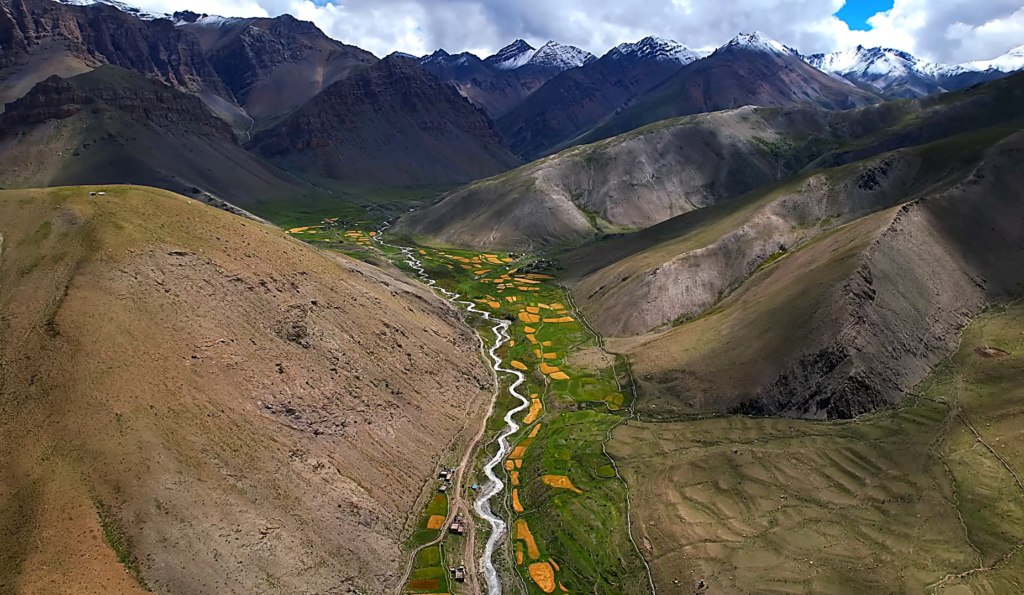
The journey toward Shey Gompa and the high passes of Upper Dolpo provides an experience that is very different from the forested trails around Annapurna or Langtang.
Because of its remoteness and demanding terrain, Upper Dolpo requires considerably more preparation than a standard teahouse trek. Camping arrangements, logistics, permits, experienced staff and suitable equipment are essential parts of the journey.
Lower Dolpo Trek
Lower Dolpo provides another opportunity to explore Nepal’s remote western Himalayas during the summer months. Like Upper Dolpo, the region lies partly within the Himalayan rain shadow, although weather conditions can vary considerably depending on the route and elevation.
The landscape is known for remote valleys, high passes, pine and juniper forests, traditional villages and spectacular mountain lakes.
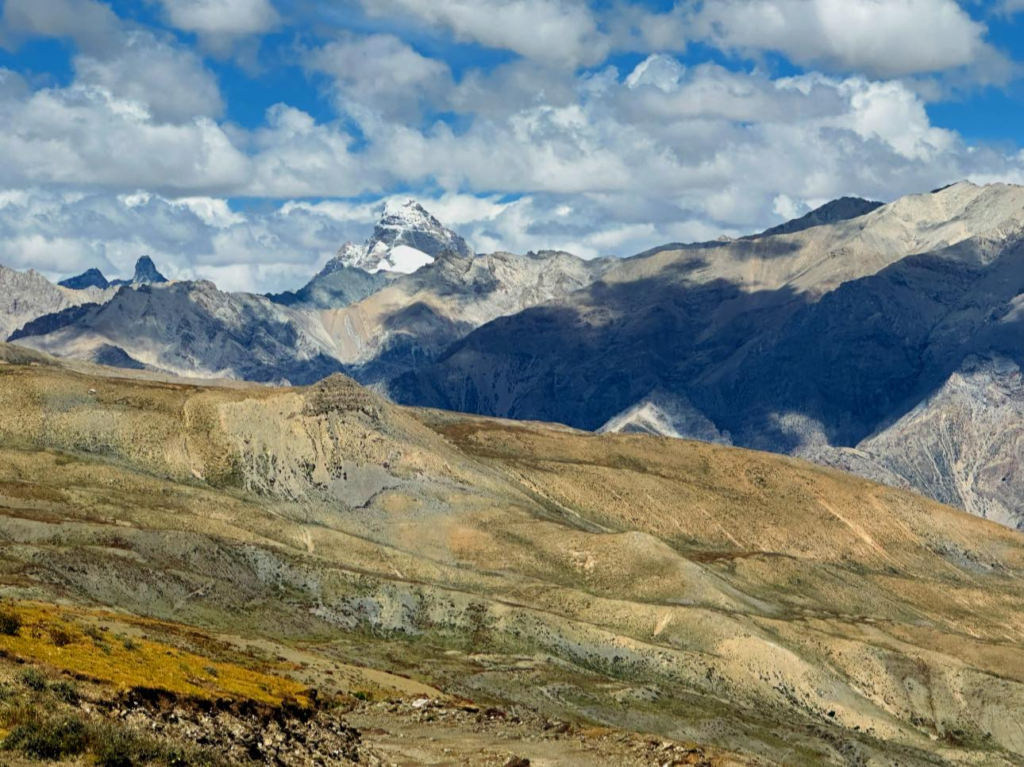
Phoksundo Lake is also a major attraction on many Lower Dolpo itineraries. The trail leading toward the lake passes through dramatic terrain and provides some of the most memorable scenery in western Nepal.
Lower Dolpo can be a suitable choice for experienced trekkers who want a remote Himalayan experience but do not necessarily want to undertake one of the longest expeditions in Upper Dolpo.
Nar Phu Valley Trek
Nar Phu Valley is another remarkable Himalayan destination, although its suitability during the monsoon depends heavily on current trail and weather conditions. The valley lies north of the Annapurna range and combines dramatic mountain scenery with remote Tibetan-influenced villages.
The route leads through narrow gorges, alpine landscapes and traditional settlements before reaching the remote villages of Nar and Phu.
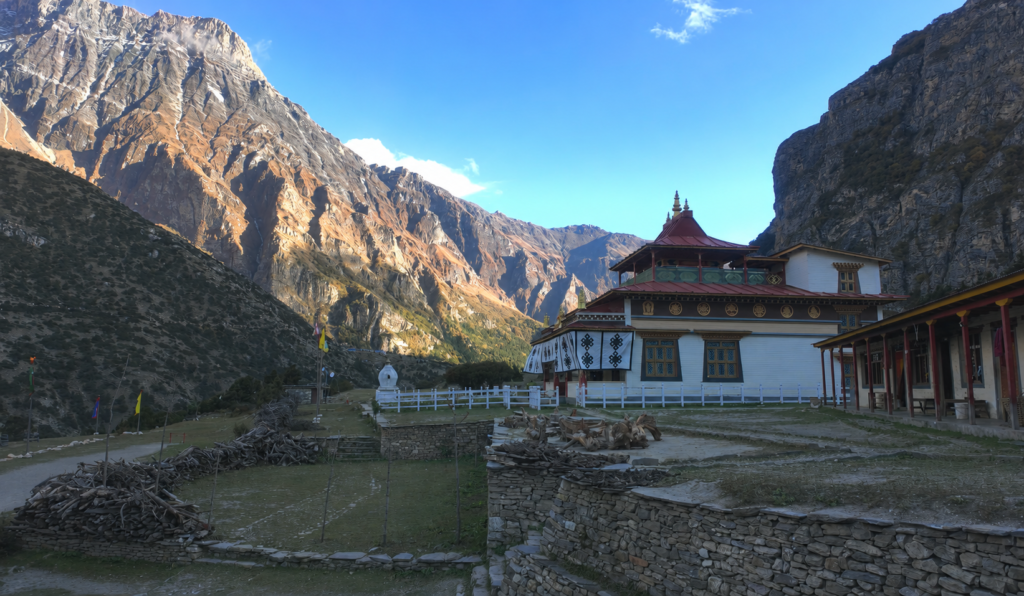
One of the most memorable features of the trek is the contrast between the deep river valleys and the barren high-altitude landscape around the settlements.
The trek can also be combined with the Annapurna Circuit and Kang La Pass, creating a longer journey through several distinct Himalayan environments.
Because Nar Phu is a restricted trekking region, travellers must arrange the appropriate permit and follow the current government regulations governing entry.
Summer Nature Destinations
| Destination | Region | Landscape | Summer Suitability | Main Natural Attraction | Action |
|---|---|---|---|---|---|
| Upper Mustang | Mustang | High-altitude desert | Excellent | Canyons, cliffs and dry Himalayan valleys | View Trek |
| Upper Dolpo | Dolpo | Trans-Himalayan wilderness | Excellent | Phoksundo Lake, high passes and remote valleys | View Trek |
| Lower Dolpo | Dolpo | Remote mountain wilderness | Good | Phoksundo Lake, forests and high valleys | View Trek |
| Nar Phu Valley | Manang | Alpine Himalayan valley | Route dependent | Remote villages, gorges and alpine scenery | View Trek |
What Makes Nepal’s Rain-Shadow Regions Special?
The Himalayan mountain chain creates a dramatic difference in rainfall across Nepal. Moisture-laden monsoon clouds approach from the south, but some of the country’s highest mountain barriers prevent much of that moisture from reaching the valleys beyond them.
This creates the rain-shadow landscapes of Mustang and Dolpo. Instead of dense monsoon forests, travellers encounter dry cliffs, exposed rock, high desert valleys and dramatic geological formations.
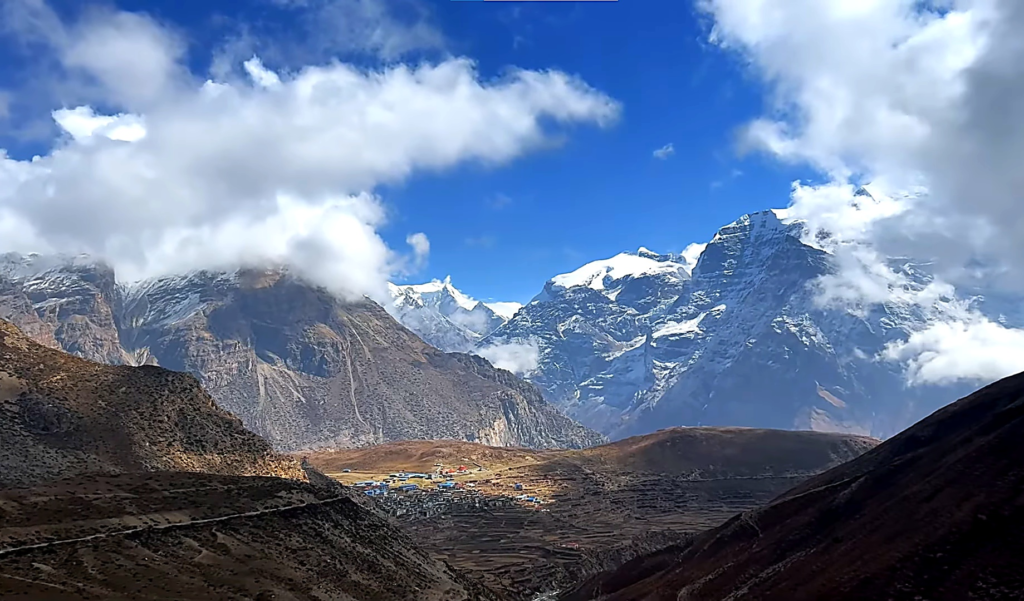
These areas also preserve distinctive cultural traditions. Tibetan Buddhist monasteries, prayer walls, traditional stone houses and centuries-old settlements remain an important part of the landscape.
For nature lovers, the attraction is therefore not simply avoiding rain. These destinations provide an entirely different interpretation of the Nepal Himalayas.
Summer Trekking Does Not Mean No Weather Risks
Although Mustang and Dolpo are among the better options during Nepal’s monsoon season, travellers should not assume that the entire country becomes dry or completely predictable.
Flights to remote mountain airstrips can be affected by cloud and visibility. Roads leading toward trekking areas can also experience delays because of rainfall in lower valleys.
Weather can change quickly at high elevations, and cold conditions remain possible even during summer. Proper clothing, waterproof protection, suitable footwear and flexible travel arrangements are therefore still important.
The best summer itinerary should always be selected according to current trail conditions, transportation availability and the specific route rather than relying only on the calendar.
How to Choose the Best Nature Destination in Nepal
Nepal’s incredible diversity means there is no single destination that suits every traveller. The ideal place depends on the season, your available time, fitness level, and the type of landscape you want to experience.
| If You Want… | Choose These Destinations |
|---|---|
| Easy mountain views in 2–5 days | Ghorepani Poon Hill, Dhampus, Australian Camp, Helambu |
| Classic Himalayan adventure | Everest Base Camp, Annapurna Base Camp, Langtang Valley |
| Remote wilderness | Kanchenjunga, Manaslu, Upper Dolpo, Dhaulagiri |
| Summer trekking during monsoon | Upper Mustang, Upper Dolpo, Nar Phu Valley |
| Photography and wildlife | Chitwan, Bardia, Koshi Tappu, Rara Lake |
Nature Travel Tips for Every Season
| Season | Essential Tips |
|---|---|
| Spring | Carry light layers, sunglasses and sunscreen for increasing UV exposure. |
| Summer | Use waterproof clothing, dry bags and flexible itineraries due to changing weather. |
| Autumn | Book flights, accommodation and guides early because it is peak trekking season. |
| Winter | Choose lower-altitude routes unless you’re experienced with snow trekking. |
Why Explore Nepal’s Nature with Nepal Royal Tourism Holiday?
Nepal’s landscapes are incredibly diverse, but reaching the best destinations requires more than simply choosing a trail. Weather, transportation, permits, accommodation and local knowledge all play an important role in creating a safe and memorable journey.
At Nepal Royal Tourism Holiday, we specialise in creating personalised adventures across every region of the country—from the famous Himalayan trekking routes to hidden valleys, national parks and remote wilderness destinations.
| Why Choose Nepal Royal Tourism Holiday? | Benefit |
|---|---|
| Government Registered Company | Professional and fully licensed trekking services across Nepal. |
| Experienced Local Guides | Knowledgeable guides who understand every trekking region and season. |
| Tailor-Made Itineraries | Trips customised around your schedule, interests and fitness level. |
| Complete Trekking Support | Permits, accommodation, transportation and logistics handled professionally. |
| 24/7 Customer Assistance | Support before, during and after your adventure anywhere in Nepal. |
Ready to Discover Nepal’s Natural Wonders?
Whether you’re dreaming of colourful rhododendron forests in spring, crystal-clear Himalayan lakes in autumn, wildlife safaris in the Terai, or the dramatic rain-shadow valleys of Mustang and Dolpo, Nepal Royal Tourism Holiday can help you experience Nepal in every season.
Our team designs journeys that combine the country’s most spectacular landscapes with authentic local culture, experienced guides and carefully planned itineraries, ensuring every adventure is both safe and unforgettable.
Frequently Asked Questions
What is the best season to visit Nepal for nature?
Autumn (September to November) offers the clearest mountain views and the most stable trekking conditions, while spring (March to May) is famous for blooming rhododendron forests and colourful Himalayan landscapes.
Which destinations are best during Nepal’s monsoon?
Upper Mustang and Upper Dolpo are among the best summer destinations because they lie in the Himalayan rain-shadow and receive significantly less rainfall than most trekking regions.
Where can beginners experience the Himalayas?
Ghorepani Poon Hill, Dhampus, Australian Camp and Helambu are excellent beginner-friendly destinations with comfortable teahouses and spectacular mountain scenery.
Which destination offers the best wildlife experience?
Chitwan National Park and Bardia National Park provide Nepal’s finest wildlife experiences, including opportunities to see Bengal tigers, one-horned rhinoceroses, elephants and hundreds of bird species.
Can I visit Nepal year-round?
Yes. Every season offers different natural experiences—from rhododendron forests in spring and alpine adventures in autumn to wildlife safaris in winter and rain-shadow trekking during the summer monsoon.