


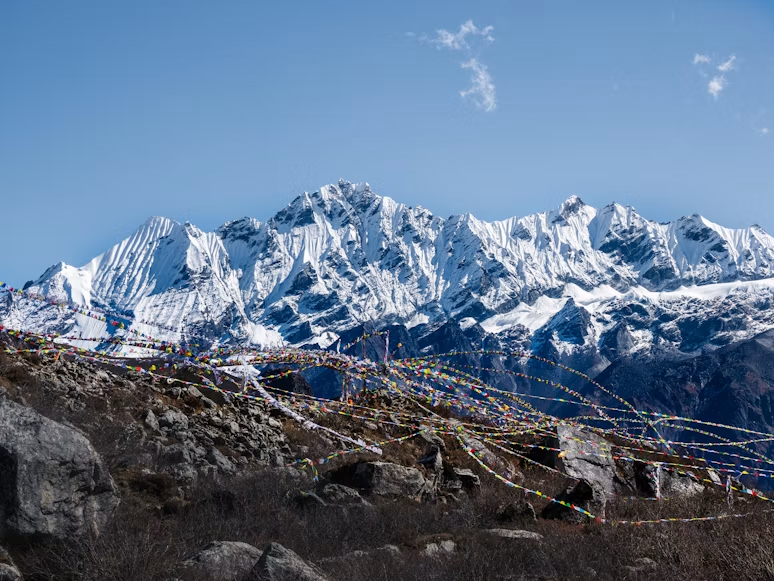
Langtang Trek after Bhotekoshi Flood: Is it open and safe following Nepal-Tibet Disaster?
The situation around Rasuwa and the road toward Syabrubesi is still changing as recovery work continues. We recommend trekkers to avoid or postpone the trek for now before making a final trekking plan, as it is currently not operating, or running normally and travel there is strongly discouraged following the severe flash floods and landslides along the Bhote Koshi and Trishuli river corridors.
The Langtang Valley Trek is one of Nepal’s most popular short Himalayan treks, mainly because it is close to Kathmandu while still taking trekkers deep into forests, Tamang villages, mountain landscapes and the high valley around Kyanjin Gompa.
But after the devastating Bhotekoshi flood, travellers planning Langtang need to look at the route differently.
The biggest question right now is not simply whether the mountains of Langtang are still there or whether the valley can eventually receive trekkers again. The immediate concern is how safely travellers can reach Syabrubesi and enter the Langtang trekking route.

Syabrubesi has traditionally been the main gateway for the Langtang Valley Trek. The normal journey from Kathmandu takes trekkers through the Rasuwa road corridor before reaching the settlement, where the walking section of the trek begins. The flood severely damaged this area, including roads, bridges and other local infrastructure.
Because of that damage, we do not believe travellers should treat Langtang as a normal autumn trekking destination right now. The fact that autumn is normally an excellent trekking season does not by itself mean that the damaged access route is ready for regular visitors.
Our current position on Langtang Trek
At Nepal Royal Tourism Holiday, we would rather delay a Langtang departure than send a traveller through an access route that has not been properly checked after the flood. The trekking destination may become ready again, but the road, bridges, local services and trail access all need to be considered before we call the route genuinely ready for visitors.
What Happened Around Syabrubesi?
The Bhotekoshi flood caused extraordinary destruction through northern Rasuwa and along the river system downstream. Syabrubesi, one of the most important settlements for Langtang trekkers, was directly affected by the disaster.
The damage is particularly important for trekkers because Syabrubesi is not just a place where people spend one night before walking. It is the traditional starting and finishing point of the Langtang Valley Trek. Guides, porters, teahouses, transport operators, shops and other local services all depend heavily on this trekking gateway.
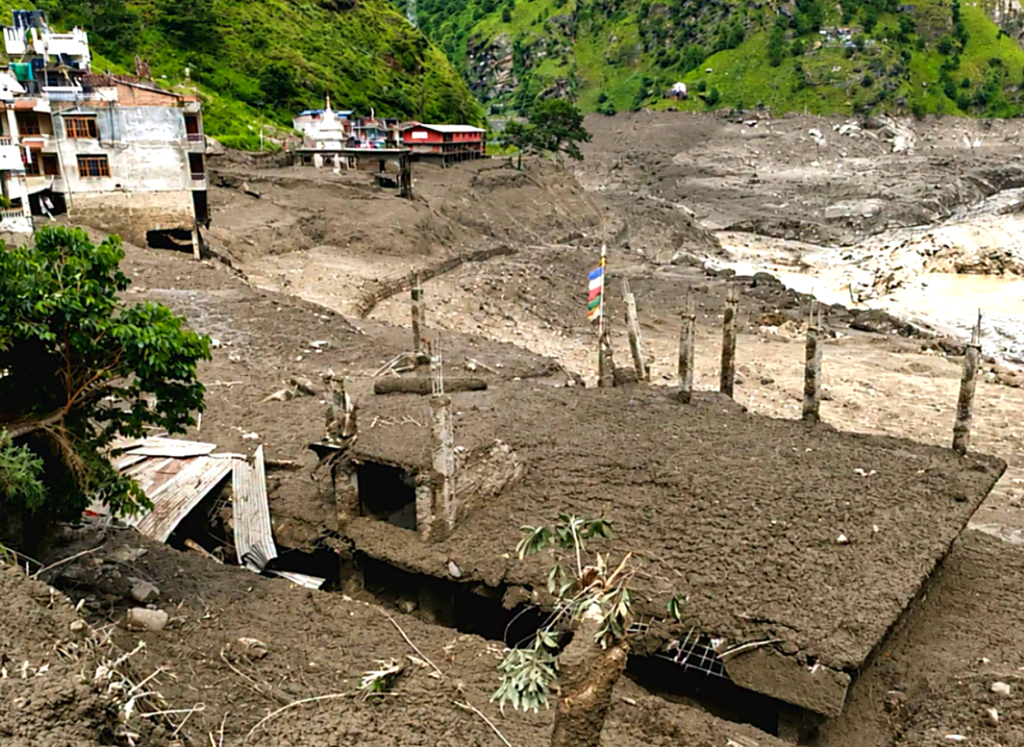
Reports from the area have described roads and bridges being swept away and the Langtang Valley becoming cut off from the usual Dhunche connection. This creates a much larger problem than a temporary road delay.
A damaged bridge or unstable road can affect the entire trekking operation because food, equipment, emergency support and travellers all normally pass through the same access corridor.
| Route section | Main concern after the flood | What this means for trekkers |
|---|---|---|
| Kathmandu to Rasuwa | Sections of the road corridor were affected by flood damage, debris and infrastructure loss. | The normal road journey should not automatically be assumed to be operating normally. |
| Dhunche and surrounding corridor | Road and bridge damage has disrupted normal movement through parts of the area. | Travel plans need to be based on the latest actual access conditions, not the pre-flood itinerary. |
| Syabrubesi | The settlement and its surrounding infrastructure were seriously affected. | We should not send ordinary trekking groups there until access and local facilities are properly confirmed. |
| Lower Langtang approach | Connections between the road gateway and the walking route need to be checked after the disaster. | A trek cannot be considered normally open simply because the upper valley itself remains a trekking destination. |
| Upper Langtang Valley | The main practical issue for visitors is reaching the valley safely through the affected lower corridor. | Its status should be considered separately from the condition of the roads and bridges around Syabrubesi. |
Is Langtang Trek Open Right Now?
This is where we need to be very clear. We would not advise treating the standard Langtang Valley Trek through Syabrubesi as a normal open trekking route immediately after the flood.
That does not mean that every part of the Langtang mountain landscape has been destroyed. It means that the route a traveller actually needs to use has been disrupted, and the condition of the access infrastructure matters just as much as the walking trail itself.

For a trek to be genuinely ready, we need more than a road becoming temporarily passable. We need confidence that travellers can reach the starting point, cross necessary bridges, access accommodation and food, continue along the trail, and return from the valley without being exposed to avoidable risks created by damaged infrastructure.
A road opening does not automatically mean Langtang is fully ready
A temporary road connection can allow vehicles to pass while other parts of the route remain unsuitable for normal trekking. Bridges, trail sections, accommodation, communications and emergency access all matter. That is why we will judge the Langtang Trek as a complete journey rather than looking at one repaired road section in isolation.
How Safe Is Langtang for Trekkers After the Flood?
There are two different safety questions here. The first is the condition of the trekking environment. Langtang remains a mountain region where normal trekking risks such as steep terrain, weather changes, landslides and high-altitude conditions already need to be taken seriously.
The second is the additional risk created by the disaster. This includes damaged roads, missing or damaged bridges, unstable sections of infrastructure, disrupted communication and changes to local services.
The second category is the reason we are taking a cautious approach at the moment.
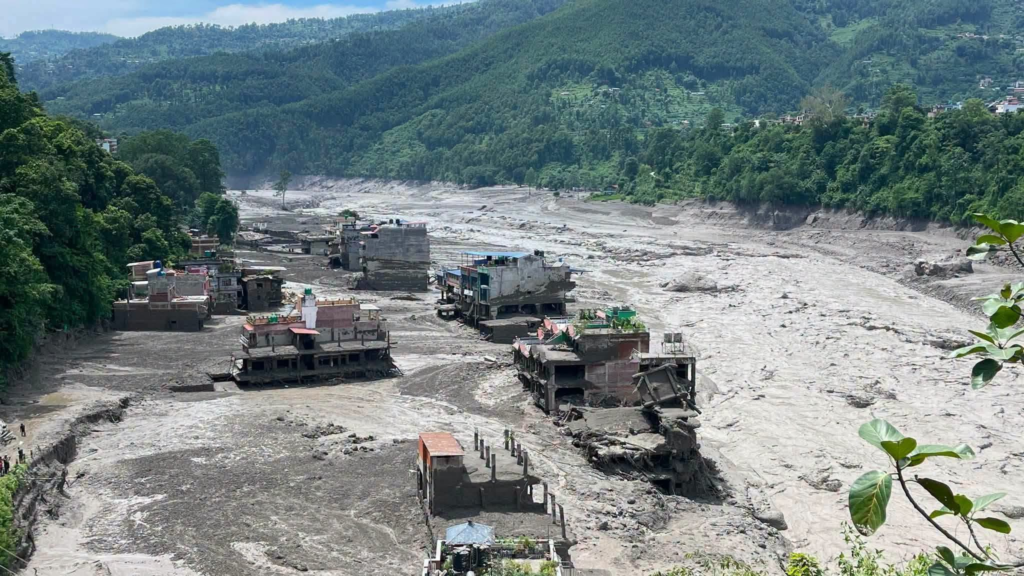
We do not want travellers to hear that the Langtang mountains are beautiful and conclude that the trek is therefore ready. A destination can remain geographically beautiful while its access route is temporarily unsuitable for tourism.
For that reason, Nepal Royal Tourism Holiday will not encourage travellers to rush into the Langtang region simply because they have already booked flights to Nepal or because autumn trekking dates are approaching.
What happens to travellers who already planned Langtang?
You do not necessarily have to cancel your Nepal trip.
The better option is to keep the Langtang plan flexible while the access situation develops. We can monitor the route, reassess the actual conditions closer to your travel date, and recommend another trekking region when Langtang cannot yet be operated responsibly.
We Will Confirm Langtang Before You Travel
This is especially important for travellers booking several weeks or months in advance.
The situation around Syabrubesi can change as roads are repaired, bridges are restored and local communities rebuild. Because of that, we do not want to give travellers a permanent “closed” answer when the actual situation may improve, and we also do not want to call the route “open” before it is genuinely ready.
Nepal Royal Tourism Holiday will continue monitoring the Langtang access situation. When the route is ready for normal trekking again, we can confirm the latest conditions with our travellers before departure. This means you do not have to depend on an old itinerary, an old social media post or information from before the flood.
Planning Langtang Trek after the flood?
Contact Nepal Royal Tourism Holiday and we will check the latest route situation for your travel dates. When Langtang is ready again, we will confirm the conditions before you travel. When it is not ready, we can help you choose another Himalayan route instead.
How Badly Was the Route to Syabrubesi Damaged?
For anyone planning the Langtang Valley Trek, this is probably the most important part of the current situation.
The normal journey to Langtang depends heavily on the road corridor leading north from Kathmandu through Nuwakot and Rasuwa.
Before the flood, this was a familiar travel day for trekkers. Vehicles would make their way toward Dhunche and then continue toward Syabrubesi, where the walking portion of the Langtang trek normally begins. That route was severely disrupted by the flood.
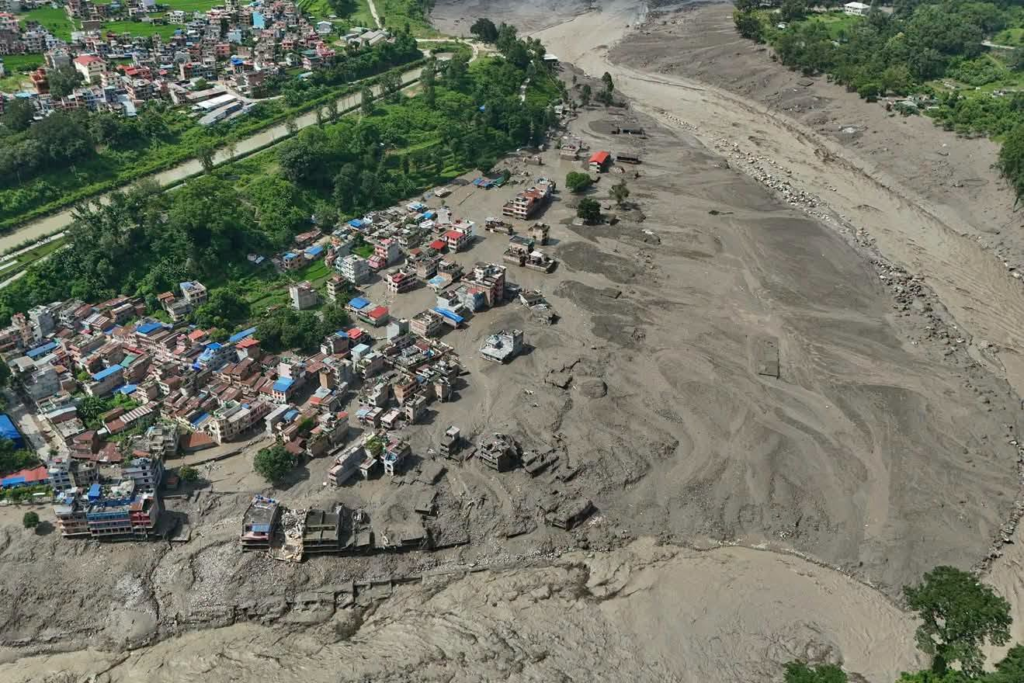
Road sections and bridges along the corridor were swept away or badly damaged, while parts of Syabrubesi itself were hit by the force of the flood and debris. The connection between Syabrubesi and Dhunche was also cut, making normal road travel impossible at the time of the latest reports.
This is why the situation cannot be described as simply a damaged road that needs a little maintenance. Some of the infrastructure that made the normal Langtang journey possible has been lost or seriously affected.
| Location or section | What has been affected | Why it matters to Langtang trekkers |
|---|---|---|
| Rasuwa access corridor | Flood damage, debris, destroyed infrastructure and disrupted road connections | The usual vehicle journey toward the Langtang gateway cannot simply be assumed to be available |
| Dhunche connection | Key roads and bridges linking the area were affected. | Dhunche is an important transport and supply point for northern Rasuwa |
| Syabrubesi | Parts of the settlement, market area, roads, bridges and surrounding access were affected | This is the normal trailhead and service centre for the Langtang Valley Trek |
| Syabrubesi to Dhunche | The normal road connection has been severed | A traveller cannot safely assume that the normal return or supply route is available |
| Alternative walking connections | Some walking routes exist, but monsoon damage has made sections difficult | An emergency or local access route is not automatically suitable for ordinary tourist groups |
Was Langtang Valley Itself Destroyed by the Flood?
This is an important distinction because some travellers have understandably become confused by photographs and reports coming from Rasuwa.
The Langtang Valley was not directly hit by the main force of the flood in the same way as several riverside settlements and infrastructure corridors in Rasuwa.
The bigger problem is that the valley has been cut off because the roads, bridges and lower connections that normally link it with the outside world were damaged.

In practical terms, this means the beautiful mountain destination you planned to visit and the infrastructure required to reach that destination are two separate things.
Langtang Lirung, Kyanjin Gompa, the surrounding high valley and the classic trekking landscape have not simply disappeared because Syabrubesi was damaged. But that does not make the trek immediately suitable for visitors.
This is the point travellers often miss
A mountain destination can remain physically intact while its access route is temporarily unsafe. For Langtang, the condition of the road, bridges, lower trails and local services around Syabrubesi is therefore just as important as the condition of the high valley itself.
Why We Are Not Recommending a Normal Langtang Departure Yet
At Nepal Royal Tourism Holiday, our concern is not simply whether somebody can physically find a way to reach Syabrubesi.
The real question is whether we can take a traveller into the region through a route that is reasonably safe, properly supported and reliable enough for a normal trekking itinerary.
Immediately after a disaster of this scale, those are very different things. A temporary route may be usable by local residents while still being inappropriate for a group of international trekkers carrying trekking equipment and following a fixed itinerary.

A damaged bridge may have a temporary crossing, but that does not mean we should send a group across it. A road may become passable for a local vehicle, but that does not automatically mean the entire Kathmandu to Syabrubesi journey is dependable.
We also have to think about what happens after the trek begins. A trekking route needs food supplies, accommodation, communications and a practical way of getting help if somebody becomes sick or injured.
When a region has just experienced major infrastructure loss, those support systems can take longer to recover than the trail itself.
| Before we recommend Langtang again | What we need to be comfortable with |
|---|---|
| Road access | A reliable and practical route for vehicles travelling between Kathmandu and the Langtang gateway. |
| Bridges and crossings | Safe crossings along the actual route that trekkers and support staff need to use. |
| Trail condition | The lower and upper walking sections need to be checked rather than assuming the pre-flood trail remains unchanged. |
| Accommodation | Teahouses and guesthouses need to be accessible and able to receive trekkers normally. |
| Food and supplies | The supply chain into the valley needs to be functioning well enough for visitors. |
| Emergency access | There must be a realistic way to move an injured or seriously ill trekker out of the region when required. |
| Local recovery | We need to be confident that tourism can restart without placing unnecessary pressure on communities still dealing with the disaster. |
Should You Still Plan Langtang for Autumn?
Planning several months ahead is different from travelling immediately.
We would not tell every traveller to permanently remove Langtang from their plans. The trekking season can continue to develop while reconstruction and local recovery take place. What we would recommend is keeping the itinerary flexible until the actual access situation becomes clear.

That is especially important for travellers who are already arranging international flights. There is no reason to throw away an entire Nepal holiday simply because one trekking region has been disrupted.
Instead, Langtang can remain one possibility while another trekking route is kept as a practical alternative.
Our recommendation for travellers booking ahead
Keep your preferred Langtang dates flexible rather than forcing the trek to operate before the region is ready.
As the recovery progresses, Nepal Royal Tourism Holiday will reassess the practical route into Syabrubesi. When the route is genuinely ready for normal trekking, we can confirm that with you. If it is still not suitable, we can move the same holiday toward another Himalayan region instead.
What About Travellers Already in the Langtang Region?
The situation is also important for understanding why we are taking a cautious approach with new groups.
After the flood, some travellers and residents in the wider Langtang area needed helicopter evacuation because normal road connections had been interrupted. Local communities were also dealing with disrupted supplies and difficult access to medical and other essential services.
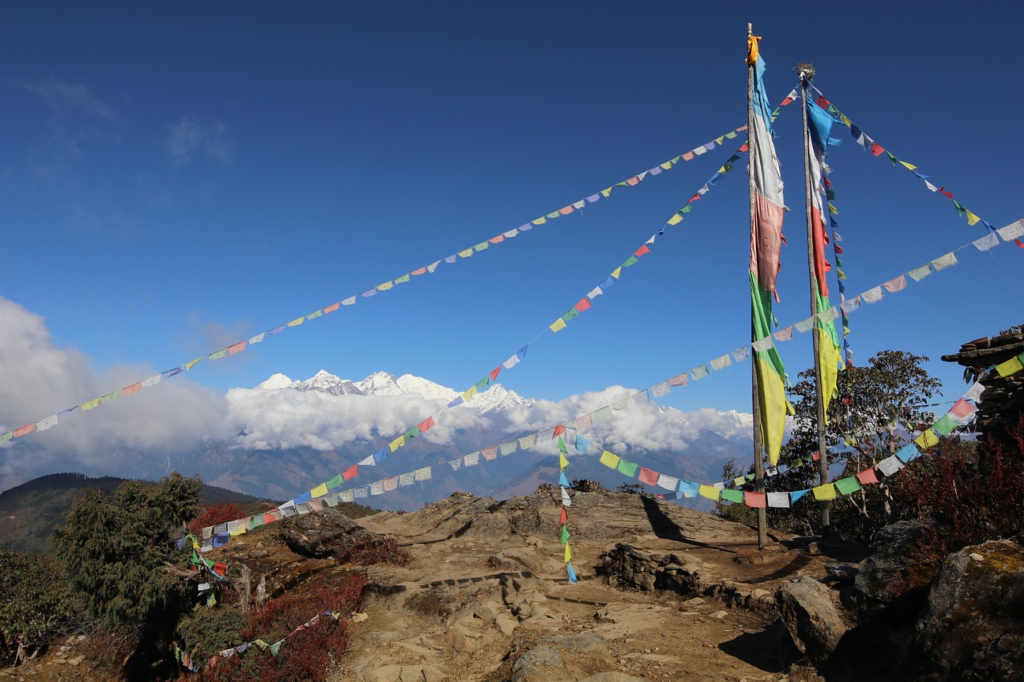
That does not mean the entire valley is permanently inaccessible. It does show, however, how quickly a major infrastructure failure can turn a familiar trekking route into a much more complicated situation.
For a trekking company, that is exactly the kind of risk we need to take seriously. The objective is not to find the earliest possible day somebody can enter the region. The objective is to find the point when ordinary trekkers can enter, trek and return through the region without depending on emergency arrangements created by the disaster.
Want to keep Langtang on your Nepal itinerary?
Send us your planned travel dates. Nepal Royal Tourism Holiday can keep the Langtang option flexible and help you switch to another trek if the route is not ready when your trip approaches.
What Is the Actual Situation on the Way to Langtang?
There is an important update that travellers should understand before making any decision about the Langtang Trek.
The road situation is no longer as simple as saying that the entire route from Kathmandu to Rasuwa is completely inaccessible. Limited vehicle access to Dhunche has started to recover through an alternative alignment.
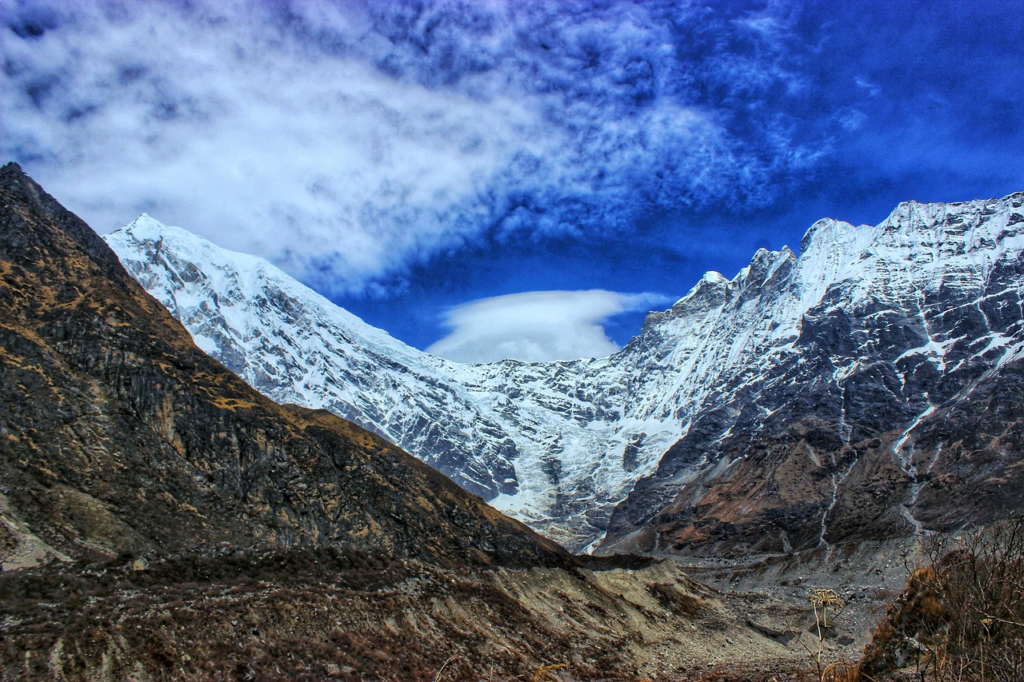
However, the critical section beyond Dhunche toward Thulo Syabru, Syabrubesi and the normal Langtang trailhead remains a separate problem. This matters because reaching Dhunche is not the same as reaching Syabrubesi.
For the classic Langtang Valley Trek, trekkers normally continue beyond Dhunche toward Syabrubesi before beginning the main walking route. The flood destroyed or severely damaged sections of the road corridor and bridges in this area, so a traveller cannot simply use the reopened access to Dhunche as proof that the normal Langtang itinerary has returned.
Dhunche is not Syabrubesi
Limited access to Dhunche is encouraging for the wider recovery of Rasuwa, but it does not by itself reopen the standard Langtang Valley Trek. The section beyond Dhunche still needs to be assessed before ordinary trekking groups are sent toward Syabrubesi.
Where Does the Normal Langtang Route Stand Right Now?
| Section | Current picture | Our view for trekkers |
|---|---|---|
| Kathmandu to the Rasuwa corridor | The flood severely disrupted the normal northern road corridor and caused major infrastructure damage. | Do not assume the pre-flood driving itinerary is operating normally. |
| Alternative access toward Dhunche | Limited 4WD access has been reported through an alternative alignment. | This is a recovery development, not confirmation that Langtang is fully operational. |
| Dhunche to the northern trekking corridor | The condition becomes more complicated beyond Dhunche, with the usual connections toward the Langtang gateway affected. | This section needs separate confirmation before a normal trekking departure. |
| Syabrubesi | The settlement and access infrastructure suffered severe flood damage. | We would not send a standard Langtang group there without confirming the full access situation first. |
| Syabrubesi to Lama Hotel | The trekking section depends on the condition of the lower approach and necessary crossings. | The upper trek should be considered only after the entry route is properly checked. |
| Lama Hotel to Langtang Village | This is inside the walking section of the valley rather than the damaged road corridor. | Its condition should not be confused with the condition of the Syabrubesi access road. |
| Langtang Village to Kyanjin Gompa | The main issue for visitors remains safe and reliable access into the valley. | We will reassess this as part of the complete route before reopening normal trips. |
Can You Just Walk Around the Damaged Road?
This is another question that has started appearing among trekkers who already had Langtang in their plans.
There are discussions about approaching the Langtang Valley from other directions instead of using the normal Kathmandu to Syabrubesi road journey.
A route from the Kathmandu Valley through areas such as Sundarijal, Chisapani and Gosaikunda can eventually connect with the Langtang side of the mountains.
But this should not be confused with a simple replacement for the normal Langtang Valley Trek.
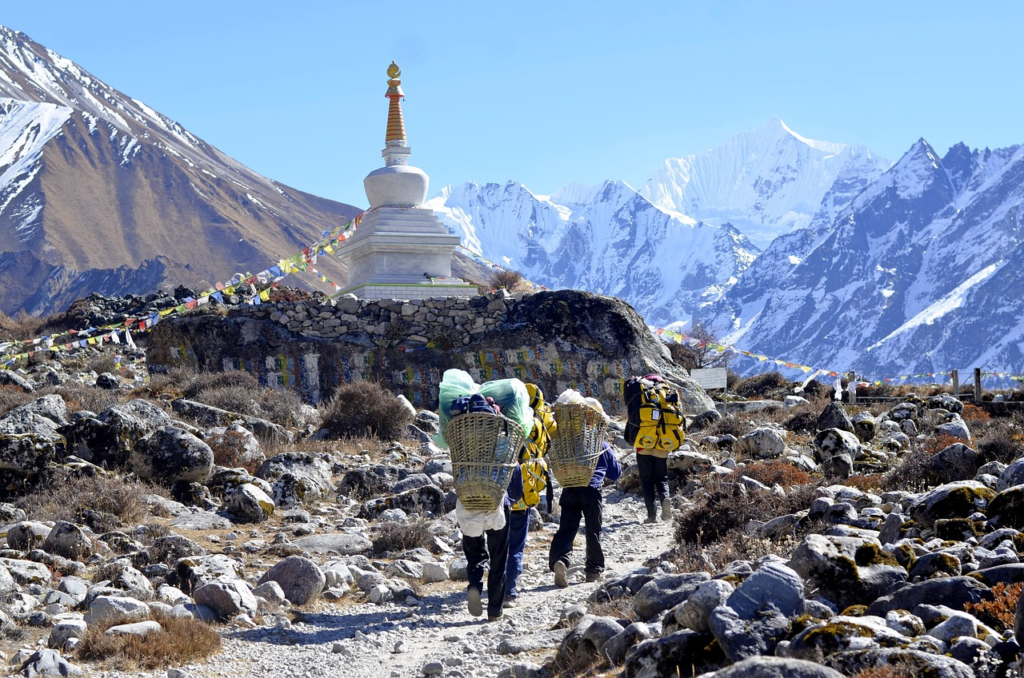
The alternative approach is longer, harder and involves additional high-altitude terrain. One currently discussed version crosses the Laurebina La area at around 4,610 metres before continuing toward the Langtang side. That is a completely different trekking experience from the standard road-assisted Langtang itinerary.
For an experienced trekker who specifically wants a more demanding route, this may eventually become an interesting option. For somebody who simply wants the normal 7 to 8 day Langtang Valley Trek, however, it is not an equivalent substitute.
We would not turn a difficult alternative route into a marketing shortcut
A route that requires several extra walking days, higher passes and different acclimatisation should be presented honestly as a different trek. It should not be advertised as “the same Langtang Trek by another road.”
What Would Need to Improve Before We Call Langtang Ready?
For us, reopening Langtang is not about waiting for one roadblock to disappear.
There are several parts of the journey that need to come together. The road toward the trekking gateway has to be dependable enough for scheduled transport. Necessary bridges and crossings need to be usable. The trail from the gateway into the valley needs to be checked for flood and monsoon damage. Accommodation and supplies need to be functioning normally again. Most importantly, there needs to be a practical way to respond if a trekker develops a medical problem or another emergency occurs inside the valley.
| Reopening check | Why we care about it |
|---|---|
| Reliable vehicle access | Trekkers need dependable transport in and out, not a route that is technically passable only under ideal conditions. |
| Bridge and river crossings | Temporary or improvised crossings should not become the basis for routine tourist movement. |
| Trail inspection | Flood and monsoon conditions can change trails, slopes and crossings even when a familiar route appears unchanged on a map. |
| Teahouse operations | Trekkers need accommodation, meals and supplies to be functioning normally throughout the route. |
| Communication | Reliable communication becomes especially important after major infrastructure damage. |
| Emergency response | We need a realistic evacuation and emergency-support option rather than depending on exceptional rescue arrangements. |
| Local readiness | Tourism should restart when local communities and services are ready to receive visitors again. |
Does This Mean You Should Cancel Your Nepal Trip?
No. A problem with Langtang does not mean there is a problem with every trekking region in Nepal.
This is one of the main reasons we wanted to create this guide. Someone may have booked a flight to Nepal specifically because they wanted mountains, villages and a Himalayan trekking experience.
As Langtang is temporarily disrupted, there are other parts of the country that can offer a very similar type of holiday without sending travellers into the affected Rasuwa corridor.
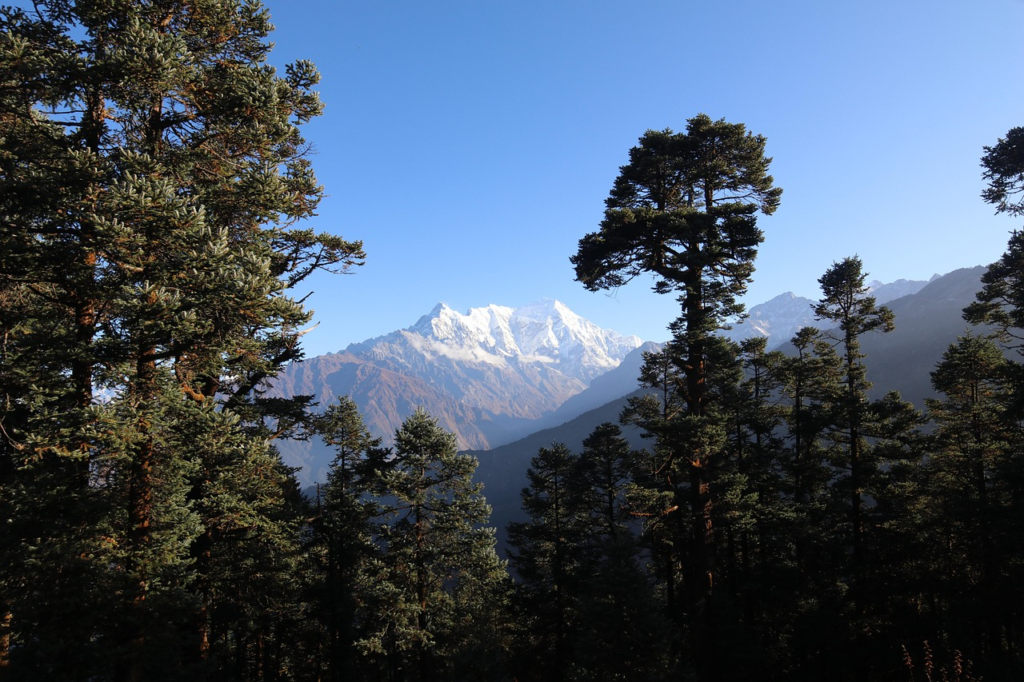
The important thing is to choose the alternative based on what you originally wanted from Langtang.
Some travellers mainly want forests, mountain villages and a moderate trek. Others want a higher Himalayan landscape, sunrise viewpoints or a longer adventure. Instead of choosing the first available trek, we can match the replacement route to the reason you originally chose Langtang.
Your Langtang plan does not have to end here
Tell Nepal Royal Tourism Holiday what you originally wanted from the Langtang Trek, and we can help you decide whether to keep watching Langtang or move your trek to another region.
What Can You Do Instead of Langtang Trek?
Not every traveller who planned Langtang is looking for the same thing. Some choose it because it is close to Kathmandu. Others want a moderate trek through forests and mountain villages, while some mainly want beautiful Himalayan views without committing to a long and difficult expedition.
That is why we do not think there is one single replacement for Langtang.
At Nepal Royal Tourism Holiday, our first choice would be to keep your Langtang plan flexible while we continue checking the situation around Syabrubesi.
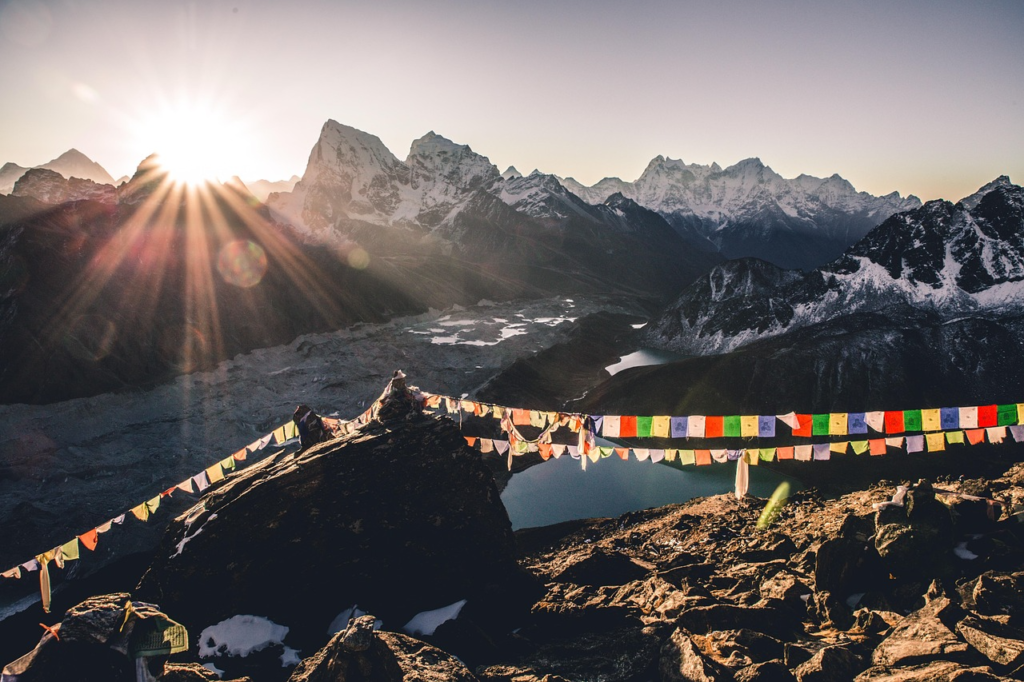
But when the route is not ready for your travel dates, there are several other trekking regions that can provide a very good experience without taking you into the flood-affected Rasuwa access corridor.
The important difference is that these alternatives approach the mountains from completely different parts of Nepal. That geographical separation is exactly why a problem around Syabrubesi does not automatically make the rest of Nepal’s trekking routes unsuitable.
| Alternative | Why it works as a Langtang alternative | Typical character | Our current approach |
|---|---|---|---|
| Ghorepani Poon Hill | Short Himalayan trek with forests, villages, sunrise and big mountain views. | Moderate and suitable for travellers who want a shorter mountain holiday. | One of the most practical substitutes for a traveller who mainly wanted a scenic, manageable Nepal trek. |
| Mardi Himal | Offers forests, mountain villages and a progressively higher Himalayan landscape. | Moderate trek with dramatic ridge walking and views toward Machhapuchhre and the Annapurna range. | A strong option for travellers who wanted scenery and a more adventurous feel without moving into a very long trek. |
| Annapurna Base Camp | Provides a deeper mountain experience with villages, forests and a dramatic high Himalayan destination. | More demanding than Poon Hill or an easy short trek, but still a very established trekking experience. | A good choice for travellers who wanted the mountain immersion of Langtang but are happy with a longer trek. |
| Everest View Trek | Provides Sherpa villages, Buddhist culture and classic Everest region scenery without requiring the full Everest Base Camp trek. | Moderate Himalayan trek with relatively short overall duration. | Useful for travellers whose main priority was a Himalayan experience rather than a specific Langtang landscape. |
| Pikey Peak | A quieter Himalayan route with strong mountain views and less dependence on the Rasuwa corridor. | Moderate trek with a more peaceful and less crowded character. | A particularly good option for travellers who liked Langtang because they wanted a quieter trekking experience. |
Which Alternative Is Closest to the Langtang Experience?
There is no perfect one-for-one replacement because Langtang has its own combination of accessibility, Tamang culture, forest scenery and the high valley around Kyanjin Gompa.
Still, some options match particular parts of the experience surprisingly well.
Ghorepani Poon Hill as a Langtang Alternative
For travellers who originally selected Langtang because they wanted a relatively short trek with beautiful scenery, Ghorepani Poon Hill is one of the easiest alternatives to understand.
The trekking experience is different, but the basic idea is similar. You walk through mountain villages and forests, gradually gain altitude, and finish with broad Himalayan views.
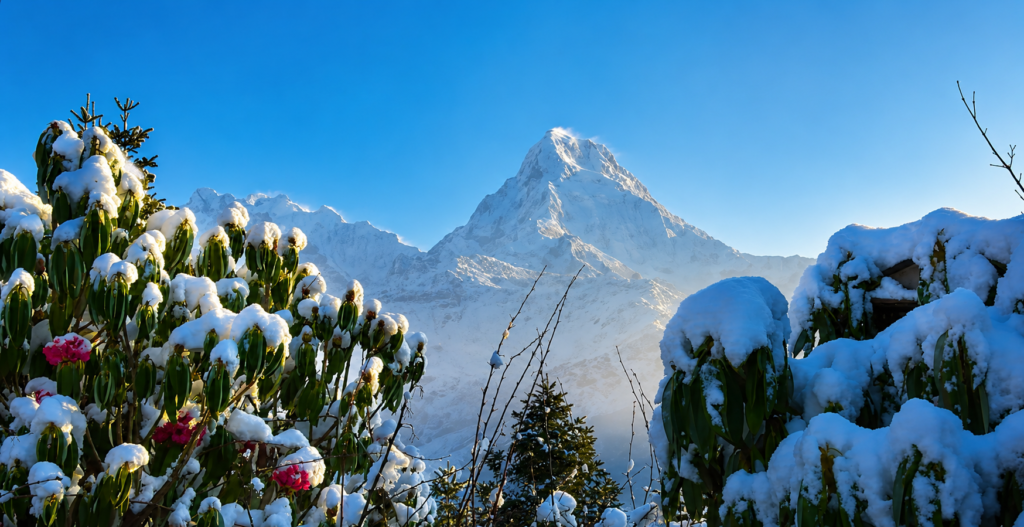
Poon Hill also gives travellers a strong sunrise experience, with the Annapurna and Dhaulagiri ranges filling the horizon in good weather.
Another advantage is that the route is located in the Annapurna region rather than the Rasuwa corridor. This means the Bhotekoshi flood around Syabrubesi is not the same access problem faced by this trek. The route itself still needs normal seasonal weather and access checks, but it is not dependent on reopening the damaged Langtang road.
Mardi Himal for Trekkers Who Want More Mountain Views
Mardi Himal is another useful replacement when the traveller’s priority is the mountain experience rather than a specific destination.
The route starts from the Pokhara side and moves through forests before reaching higher ridges with increasingly impressive views of Machhapuchhre and the Annapurna range.
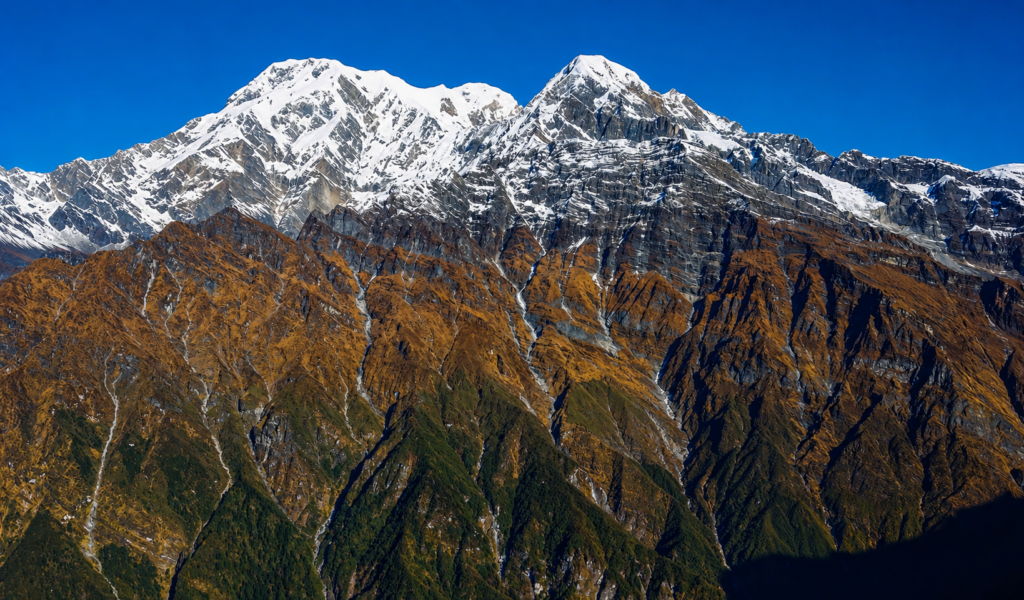
It is more ridge-focused than Langtang and has its own character, but it works well for travellers who want a short-to-moderate Himalayan trek with a strong feeling of being high in the mountains.
For someone who had booked Langtang because it felt adventurous without becoming an extremely long expedition, Mardi Himal is often a more natural substitute than simply jumping to a 14 or 16 day trek.
Everest Region Treks Are a Completely Different Option
Some travellers choose Langtang simply because they want to see the Himalayas. In that case, there is no reason to limit the replacement search to treks that look similar on paper.
The Everest region is geographically separate from Rasuwa and the flood-affected Langtang access corridor.
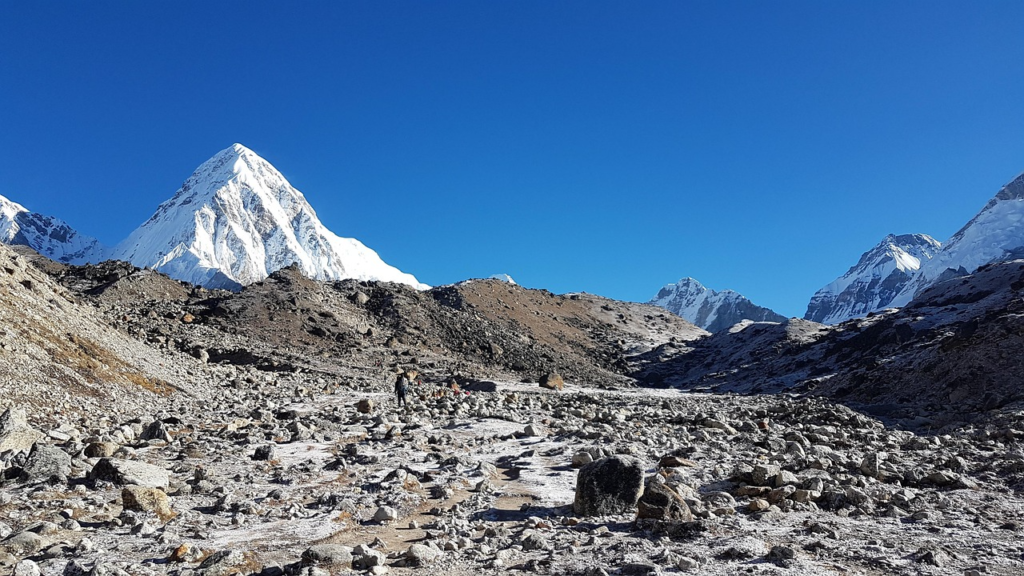
Current trekking updates from government indicate that the major Everest trekking destinations remain operational, although transport arrangements and weather should still be checked for individual travel dates.
For a shorter experience, the Everest View Trek can provide Sherpa villages, monasteries and dramatic mountain scenery without the full commitment of Everest Base Camp. Travellers who have more time can consider the classic Everest Base Camp Trek or the more demanding Gokyo and Three Passes routes.
Different region, different access question
The Rasuwa disaster should not be used to label every Himalayan trekking route in Nepal as affected. Everest is approached from a different part of the country, just as Annapurna is approached from the Pokhara side. We still check each journey separately, but the Langtang road problem does not automatically transfer to these regions.
Which Langtang Alternative Should You Choose?
There is no need to replace the Langtang Trek with the first available trekking package simply because the normal route through Syabrubesi has been disrupted.
A better approach is to look at why you chose Langtang in the first place.
Langtang is popular because it combines a relatively short journey from Kathmandu with Himalayan scenery, forests, traditional mountain villages and the opportunity to reach a high valley without committing to one of Nepal’s longest trekking itineraries. A good alternative should therefore match the part of the experience that matters most to you.
| What you wanted from Langtang | Good alternative | Why it fits |
|---|---|---|
| A short Himalayan trek from Kathmandu | Pikey Peak | Quieter trails, mountain scenery and a manageable Himalayan itinerary without using the Langtang access corridor. |
| Forests, villages and spectacular mountain scenery | Ghorepani Poon Hill | A well-established short trek combining forest trails, villages and panoramic mountain views. |
| A more adventurous short trek | Mardi Himal | The route moves from forest into higher ridge landscapes with striking views toward Machhapuchhre and Annapurna. |
| A deeper high-mountain experience | Annapurna Base Camp | A longer journey into a dramatic Himalayan sanctuary with villages, forests and high mountain scenery. |
| Mountain culture and Himalayan villages | Everest View Trek | Sherpa villages, monasteries and famous Khumbu mountain views provide a completely different but equally strong Himalayan experience. |
Best Choice for a Similar Number of Trekking Days
For travellers who already arranged their Nepal holiday around a relatively short trekking itinerary, the number of days can be just as important as the scenery.
You may have limited annual leave, already booked hotels in Kathmandu, or simply prefer a trek that does not turn your entire holiday into a two-week mountain expedition. In that case, there are several alternatives that can fit the same general style of trip much better than jumping straight into a long circuit.
| Trek | Typical duration | Best suited to | Current direction |
|---|---|---|---|
| Ghorepani Poon Hill | Around 8 days | Travellers wanting a shorter scenic Himalayan trek. | View Trek |
| Pikey Peak | Around 9 days | Travellers who prefer quieter trails and strong Himalayan viewpoints. | View Trek |
| Mardi Himal | Around 9 days | Travellers looking for a more adventurous short Himalayan route. | View Trek |
| Everest View Trek | Around 9 days | Travellers wanting Himalayan culture and Everest-region scenery without the full EBC itinerary. | View Trek |
| Annapurna Base Camp | Around 10 to 12 days | Travellers willing to extend the trip for a deeper high-mountain experience. | View Trek |
Pikey Peak for Travellers Who Wanted Peace and Mountain Views
Pikey Peak is a particularly interesting alternative for someone who chose Langtang because they wanted to get away from the busiest trekking corridors.
The route takes you into the lower Everest region through quieter villages and mountain landscapes. The trek is known for broad Himalayan views, particularly around sunrise and sunset, while the atmosphere is generally more peaceful than the main Everest Base Camp trail.
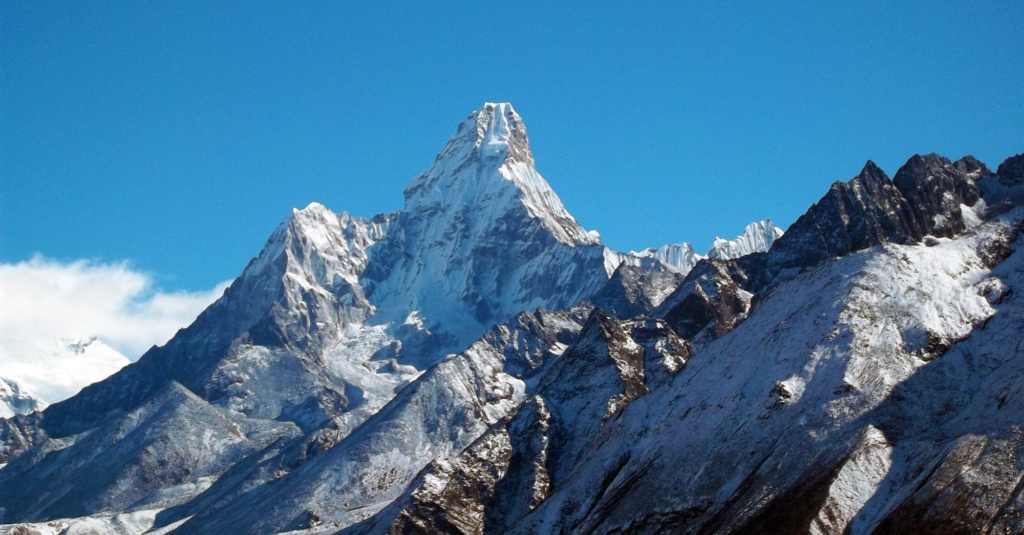
It is also a completely different approach to the mountains from the Rasuwa side. That means the current Syabrubesi access problem does not determine whether your Pikey Peak itinerary can operate.
For a traveller who says, “I wanted a quiet Himalayan trek, not necessarily Langtang itself,” this is one of the first alternatives we would discuss.
What Should Langtang Travellers Do Now?
For someone who has already chosen Langtang, the situation does not need to become a choice between rushing into an affected area and cancelling the entire Nepal holiday.
There is a much simpler approach. Keep the Langtang option open, but keep the itinerary flexible.
If your travel dates are still some distance away, there is time for the situation around Syabrubesi to change. Roads can be repaired, bridges can be restored and local services can gradually return.
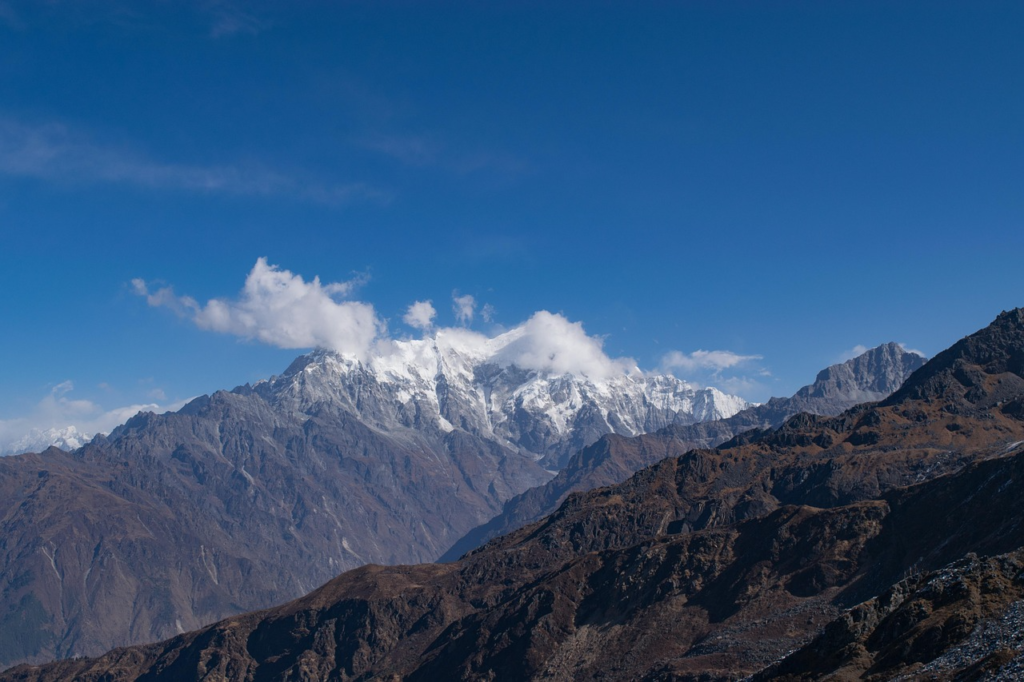
But if your departure is approaching and the normal access route is still not ready, it makes much more sense to move your trek to another region than to force the Langtang itinerary through a damaged corridor.
This is also why we recommend making the decision based on the actual condition of the route close to your departure date, rather than relying on information published before the flood.
| Your situation | What we recommend |
|---|---|
| Your trip is still several weeks or months away | Keep Langtang as your preferred option and monitor the recovery rather than cancelling it immediately. |
| Your departure is approaching and Syabrubesi access is still uncertain | Prepare an alternative trek so your Nepal holiday does not depend entirely on one damaged route. |
| You must travel on fixed dates | Choose a practical alternative in another trekking region if Langtang has not been properly confirmed by the time your itinerary needs to be finalised. |
| You specifically want the Langtang Valley | Wait for a proper reopening and route confirmation rather than trying to improvise an unsafe shortcut. |
| You mainly want a Himalayan trekking experience | Consider Everest, Annapurna or another suitable trekking region that does not depend on the Syabrubesi corridor. |
When Will Langtang Trek Be Safe to Reopen?
There is no responsible way to give travellers a fixed reopening date while recovery is still taking place. The date should depend on the condition of the route, not on the calendar.
Langtang normally becomes a very attractive autumn destination after the monsoon, but the flood has changed the normal equation.
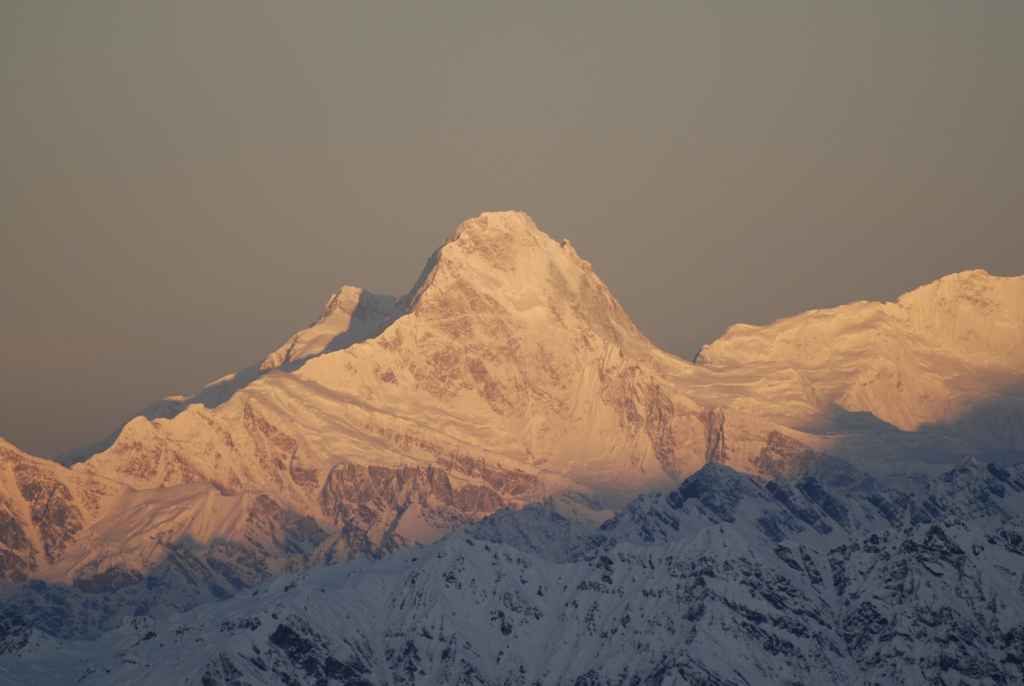
The road and bridge network around Syabrubesi has to recover, the trekking route has to be checked and the local tourism infrastructure has to be in a position to receive visitors again.
That means a route might become accessible before the entire area is genuinely ready for normal tourism. We would rather wait for the complete journey to become dependable than announce an early reopening simply because vehicles can reach one point.
What “reopened” should mean for us
For Nepal Royal Tourism Holiday, reopening means more than a road becoming technically passable. It means the complete trekking journey can be organised responsibly, including transport, trail access, accommodation, food supplies, communications and emergency support.
Will Nepal Royal Tourism Holiday Notify Langtang Travellers?
Yes. This is one of the main reasons we are keeping the Langtang situation under close review rather than simply marking the trek as permanently unavailable.
Travellers who are planning ahead do not need to keep checking old social media posts or trying to work out whether a road has reopened from information that may already be outdated.
We can continue checking the Langtang access situation and confirm the practical conditions closer to your travel date. When the route is genuinely ready, we can update you especially if you leave a query with us. When it is not, we can discuss another trek without forcing you to abandon your Nepal holiday.
This gives travellers something important after a disaster like this: an actual plan instead of uncertainty.
Planning Langtang for autumn?
You can still keep Langtang as your preferred trek while making a backup plan. As your departure gets closer, we can reassess the route and help you make the final decision based on the conditions at that time.
Langtang or Another Trek? A Simple Decision Guide
| What you want | Our suggestion | Current direction |
|---|---|---|
| I specifically want Langtang | Keep monitoring the route | Wait for proper confirmation before travelling through Syabrubesi |
| I have limited time | Ghorepani Poon Hill, Pikey Peak or another shorter trek | Good alternatives to discuss rather than delaying the entire holiday |
| I want dramatic Himalayan views | Mardi Himal, Everest View or Everest Base Camp | Different regions provide strong mountain alternatives to Langtang |
| I want a longer adventure | Annapurna Circuit, Manaslu or another longer Himalayan route | Consider based on experience, available days and current access conditions |
| I mainly want a peaceful trek | Pikey Peak or another quieter trekking route | A suitable alternative can preserve the style of holiday you originally wanted |
Our Advice to Langtang Trekkers
Langtang remains an important trekking destination, and the flood does not erase everything that makes the valley special. But the recovery around Syabrubesi and the approach to the valley needs to happen properly.
For travellers, the best thing to do is not to panic and not to rush. Keep your Nepal holiday plans flexible. Do not travel into the affected access corridor simply because you already have flights booked.
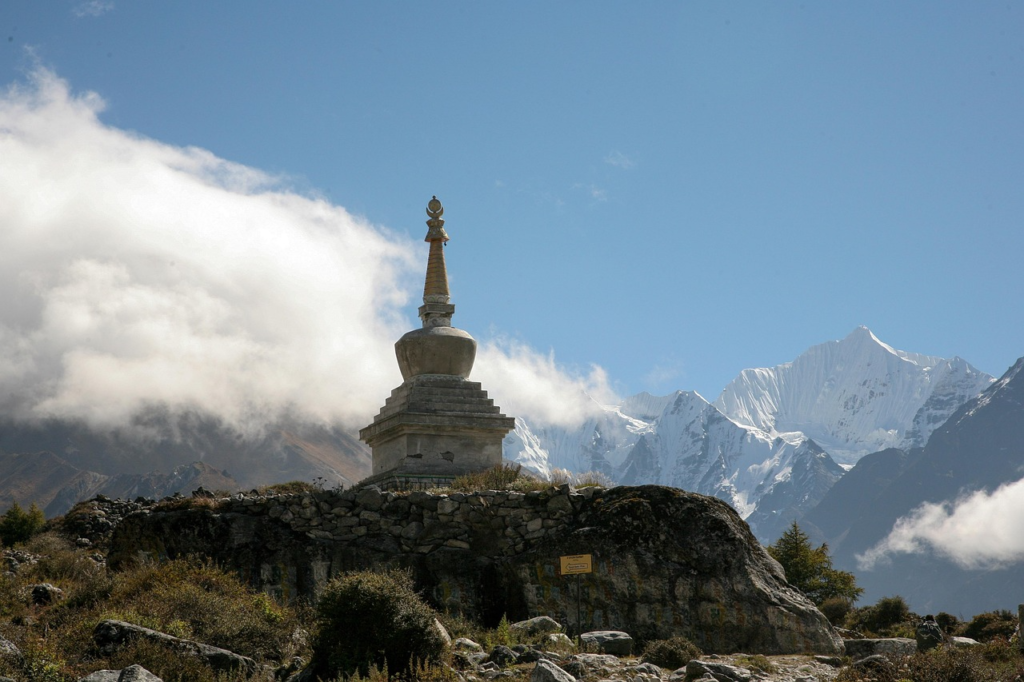
Do not assume that a temporary road connection is the same thing as a fully reopened trekking route. And do not assume that one damaged region represents the condition of every trekking destination in Nepal.
There are still excellent Himalayan routes available in other parts of the country. And for those who specifically want Langtang, waiting for the route to recover is a perfectly reasonable decision.
Nepal Royal Tourism Holiday will continue following the Langtang situation and help travellers make the final decision based on the conditions close to their departure.
Planning Langtang Trek After the Flood?
Keep Langtang on your list, but let us check the route before you travel. When the normal access to Syabrubesi is genuinely ready, we will confirm the latest situation. If Langtang is still not suitable for your dates, we can help you choose another trek in Nepal instead.
Frequently Asked Questions About Langtang Trek After the Flood
Is Langtang Trek safe after the Bhotekoshi flood?
The main concern at present is not the existence of the Langtang mountains themselves but the damaged access infrastructure around Rasuwa and Syabrubesi. We recommend waiting for the route, bridges, trails and local services to be properly checked before travelling through the affected corridor.
Can I still plan Langtang Trek for autumn?
Yes, you can keep it as a flexible option. The important point is to avoid treating an autumn booking as confirmation that the route will automatically be ready. The final decision should be made using the actual access conditions closer to departure.
Was the entire Langtang Valley destroyed?
No. The flood severely affected the Rasuwa access corridor, including infrastructure around the gateway to Langtang. That should not be confused with the entire upper Langtang Valley being destroyed.
Is Syabrubesi open for tourists now?
The situation remains subject to changing access conditions. Even when limited access becomes possible, that does not automatically mean the normal Langtang trekking operation has fully resumed. We recommend checking the complete route rather than relying on one road opening.
What can I do instead if Langtang is not ready?
Good alternatives include Ghorepani Poon Hill, Mardi Himal, Pikey Peak, Everest View Trek and Annapurna Base Camp, depending on your available days, fitness level and the type of experience you originally wanted from Langtang.
Do I need to cancel my entire Nepal trip?
No. A disruption to the Langtang access corridor does not mean that every trekking region in Nepal is affected. The best approach is to look at the country region by region and choose a route that works with your travel dates and current conditions.
Will Nepal Royal Tourism Holiday confirm the Langtang route before my trek?
Yes. We will continue monitoring the route and can reassess the practical conditions closer to your departure. When Langtang is genuinely ready for regular trekking, we can confirm the latest situation. If it is not ready, we can help you move to another suitable trekking region instead.
Langtang Trek Update by Nepal Royal Tourism Holiday
This guide is intended to help travellers make a practical decision after the Bhotekoshi flood. Conditions around Rasuwa and the Langtang access corridor can change as recovery continues, so travellers should always confirm the latest route condition before departure.